Timing your trip
best time to visit ngorongoro crater
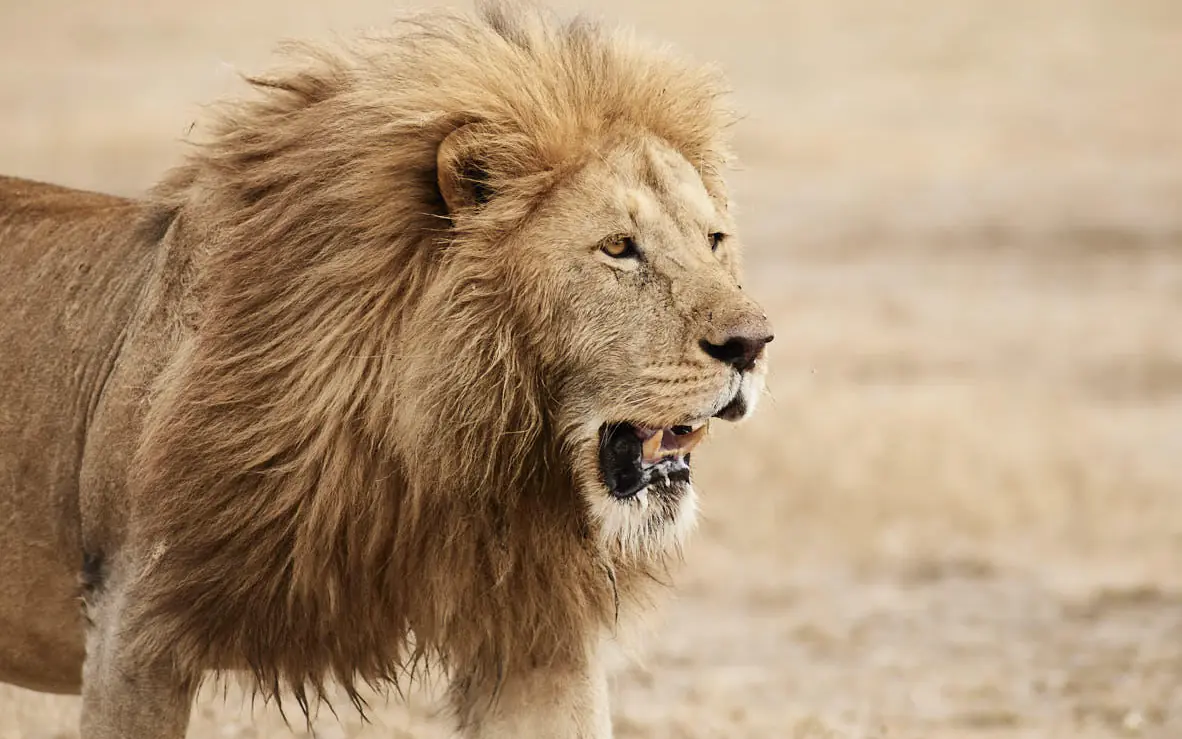
A self-contained caldera holding lions, black rhino, elephant and buffalo within its walls year-round. The month you choose sets whether you watch them concentrated in the dry-season short grass or set against the green-season calving on the plains nearby.
seasonal guide to ngorongoro crater
Come in the dry season from June to October, when thinning grass and shrinking water draw the crater's resident lion, rhino, elephant and buffalo into clear view. July and August are most reliable but busiest, so June, September and October give the same conditions with more room. Late January and February add the Ndutu calving nearby. The rim is cold at dawn year-round.
month by month details
January brings green grass to the crater floor and the first wildebeest calves to the Ndutu plains nearby. The short rains are easing, leaving the caldera lush and the air washed clear of dust.
The calving spectacle on the short-grass plains of the wider conservation area is building rather than at its peak, and predators are starting to gather. Inside the crater itself the resident lions, rhino and elephant are reliable as ever, though the longer grass makes spotting a little harder than in the dry months. Expect occasional afternoon showers and warm days.
February is the peak of the wildebeest calving on the Ndutu plains, with thousands of births a day and predators in constant attendance. Pairing a crater day with time on the plains is the reason to come now.
Lions, cheetah and hyena work the vulnerable herds, and the green-season light is well suited to photography. This is usually a drier window between the two rains, so access is good, though a few muddy patches can linger. Crowds gather around the calving areas and inside the crater, but rarely match the density of July and August. Mornings on the rim, at around 2,300 metres, are cold.
Early March still offers calving overlap and quiet game drives before the long rains arrive late in the month. The first half is the better half: lush, relatively dry and uncrowded.
By late March the showers build, the grass lengthens and herds begin to disperse across the wider ecosystem. The crater's resident wildlife stays put, so game viewing holds up, and birding is strong with migrants still present. Vehicle numbers are low and the landscape is at its greenest. Anyone sensitive to mud should aim for the first two weeks.
April is the wettest month, with heavy long rains, deep mud and grass tall enough to hide game. Roads on the crater floor and the access descent can be slow and slippery.
The caldera's resident animals do not leave, so sightings are still possible, but visibility is reduced and drives are weather-dependent. The reward is solitude and dramatic green scenery, and birding is at its richest with high water and abundant insects. For classic game viewing, this is the month to avoid.
May continues the long rains, with muddy roads and dispersed game, though conditions often start to settle late in the month. The grass stays long and the caldera floor stays wet.
Crowds are at their lowest and the landscape is green and photogenic. Resident predators and rhino are still findable, but the easy concentration of the dry season is gone. Birding remains excellent. Late May can begin to firm up as the rains retreat, but the month as a whole sits in the difficult bracket.
June opens the dry season and the start of prime crater game viewing. The long rains have ended, the grass is thinning and animals draw in around Lake Magadi and the Gorigor Swamp.
Visibility is good, roads are reliable and the resident big cats, elephant and black rhino are all in reach on a single drive. Crowds are building but have not yet reached the July peak, so this is a strong month for dry conditions without the heaviest traffic. Days are clear and comfortable; rim mornings near 2,300 metres are cold, sometimes near freezing.
July is core dry season, with short grass, concentrated game and the clearest viewing of the year. Prey gathers around the remaining water, and predator sightings are reliable.
This is also the busiest month, so expect a high density of vehicles on the crater floor and full lodges on the rim. The trade-off for the crowds is consistently dry weather and a strong chance of the Big Five in a day. Cold mornings on the rim call for warm layers before the descent.
August holds the dry-season conditions of July, with game concentrated and viewing at its easiest. The caldera floor stays short-grassed and the resident populations are highly visible.
Crowds remain near their peak and the crater floor can feel busy at midday, so early descents pay off. The weather is stable and dry, the landscape increasingly dusty. For a first safari focused on seeing big game with certainty, this is one of the most dependable months.
September keeps the dry-season game viewing strong while the pressure of peak season starts to ease a little. Water is low, grass is short and prey stays clustered for the predators.
The crater's wildlife is independent of the migration, so sightings remain excellent regardless of where the herds are in the wider Serengeti. Vehicle numbers can be marginally lighter than July and August. The floor is dusty rather than green, and rim mornings stay cold.
October closes the dry season with concentrated game and reliable roads, before the short rains arrive late in the month. Water sources are at their lowest, holding animals tightly together.
Viewing stays excellent and crowds are often a touch lighter than midsummer. The landscape is parched and dusty, and the first showers can appear in the final week. It is a dependable month for game with the bonus of slightly reduced traffic, provided you accept the dry, hazy conditions.
November brings the short rains, greening the crater and opening the best birding of the year as migrants arrive. Showers tend to be brief afternoon storms rather than all-day rain.
Fresh grazing starts to spread the game out, so the dry-season concentration loosens, but resident predators, rhino and elephant remain reliable. Flamingos and migrant birds gather on the crater lakes. Crowds thin after the peak and the scenery is freshly green. A good month for birders and photographers who accept some rain.
December is green and dynamic, with the short rains continuing and herds drifting back toward the southern plains. Early in the month is quiet; the holiday period brings crowds back.
The crater stays photogenic and resident game viewing is good, while the wider conservation area begins to fill ahead of the January and February calving. Birding is strong and showers are intermittent rather than disruptive. Roads are mostly passable with occasional muddy stretches. Early December offers a fair balance of good wildlife and fewer vehicles.
Plan your perfect tanzania safari
Tell us a little about what you have in mind and one of our specialists will be in touch.
frequently asked questions
June to October.
The grass thins, the water shrinks back to a few places, and the crater's resident lion, black rhino, elephant and buffalo are in clear view rather than hidden in cover. The air is dry and the light is clean.
June and September are the two we would pick out: the same conditions as the high season with slightly fewer vehicles on the floor.
The crater holds its game all year, so no month is empty. What the dry months change is how easily you see it.
The dry months, June to October, and early in the morning.
Ngorongoro is one of the few places in East Africa where black rhino are seen regularly, but they are still a handful of animals in a large bowl. Short grass and thin cover are what make the difference, which is why the dry season is the answer.
They tend to be out in the open early and to move into the Lerai forest and the thicker ground as the day warms.
Nobody can promise you one. Being on the floor at opening time, with a guide who knows where they have been feeding, is as close as you get.
July and August are the peak, and the floor is genuinely busy.
The crater is small, the descent roads are few, and every vehicle in the area wants the same morning. September eases a little, June more so, and by November the crowds have thinned with the arrival of the short rains.
The practical answer is not the month but the hour: be first down the descent road and you have an hour of it more or less to yourself.
We book camps that will give you breakfast in the dark to make that possible.
Yes, in February, and it is one of the great pairings.
The short-grass plains around Ndutu lie within reach of the highlands, and February is the peak of the wildebeest calving there: hundreds of thousands of births in a few weeks, with the predators that follow them.
January is the build-up, with the herds gathering and the first calves arriving.
So a February trip can take the crater floor one day and the calving plains the next, which is a better week than the crater alone. We would build it that way.
April, yes, unless the price is the point.
It is the peak of the long rains. The floor turns muddy, the grass grows tall and hides the game, and the mist sits on the rim for days at a time. May eases as the month goes on and the last fortnight can be good value.
What the green months give you is a crater nobody photographs: emerald grass, dramatic cloud, and the descent road to yourself.
For a first visit we would move you to June rather than sell you April.
Yes, and they are the value months.
The short rains bring fresh grass and the best birding of the year, the crowds thin out after the October peak, and the herds are moving back south towards the calving grounds. Rates fall with the demand.
The rain comes in afternoon storms rather than all-day weather, and a storm over the crater is worth seeing in itself.
What you trade is the clarity of the dry season, when the game is easier to find. For a second safari, or for anyone travelling with a camera, we would take the trade.
rated five stars by our clients

our approach
remote, exclusive
& personal
Every journey starts with a conversation. We take the time to understand your vision before we start planning.
Whether by phone or in person, we work with you directly to shape something that is considered, personal, and expertly delivered.
Every journey starts with a conversation. We favour a direct, personal approach: understanding your vision before anything else.
Whether by phone or in person, we work with you directly to shape a journey that is both thoughtfully considered and expertly delivered.
Get in touch to start planning yours.