









kenya & tanzania
the mara to the crater
Ten nights from Nairobi through the Mara's Naboisho Conservancy and the eastern Serengeti to the rim of the Ngorongoro Crater.
- Private Safari
- From $12,580 pp
- 2 guests
- 10 nights

This route runs for twelve nights across Kenya and into Tanzania. It opens with a night in Nairobi, then climbs to the Namunyak Conservancy on the southern slopes of the Mathews Range, crosses to the Maasai Mara, and ends on the Ndutu plains within the Ngorongoro Conservation Area. Namunyak is Samburu community land, the Mara an ecosystem of reserve and conservancies under two sets of rules, and Ndutu the short-grass calving ground.
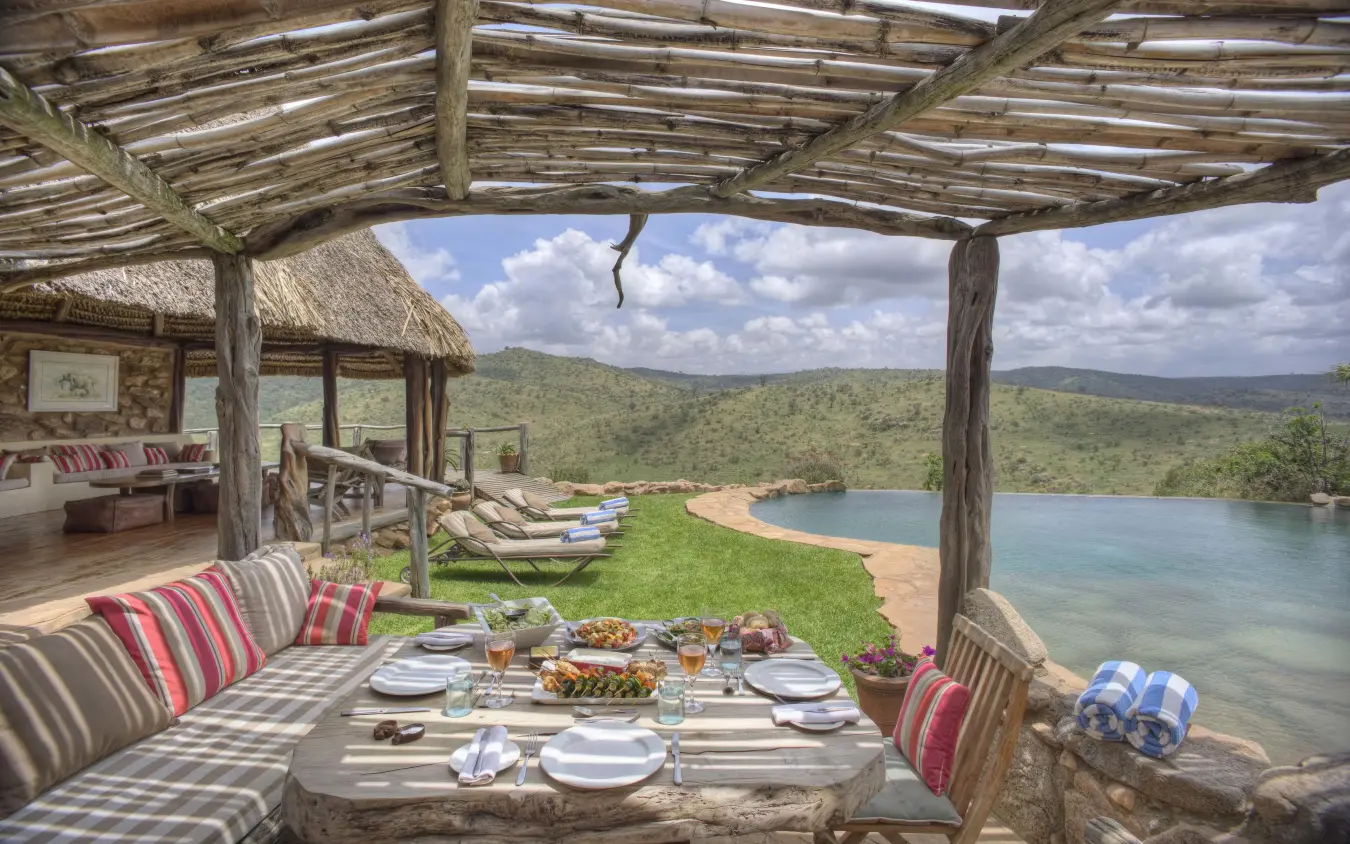
The days go to game drives and walks, with night drives, horseback riding and fly camping possible on the community land at Namunyak. The accommodation runs from a Cape Dutch guesthouse in Karen to canvas camps and a rough-stone lodge above Lake Ndutu, each a base chosen for the ground around it.
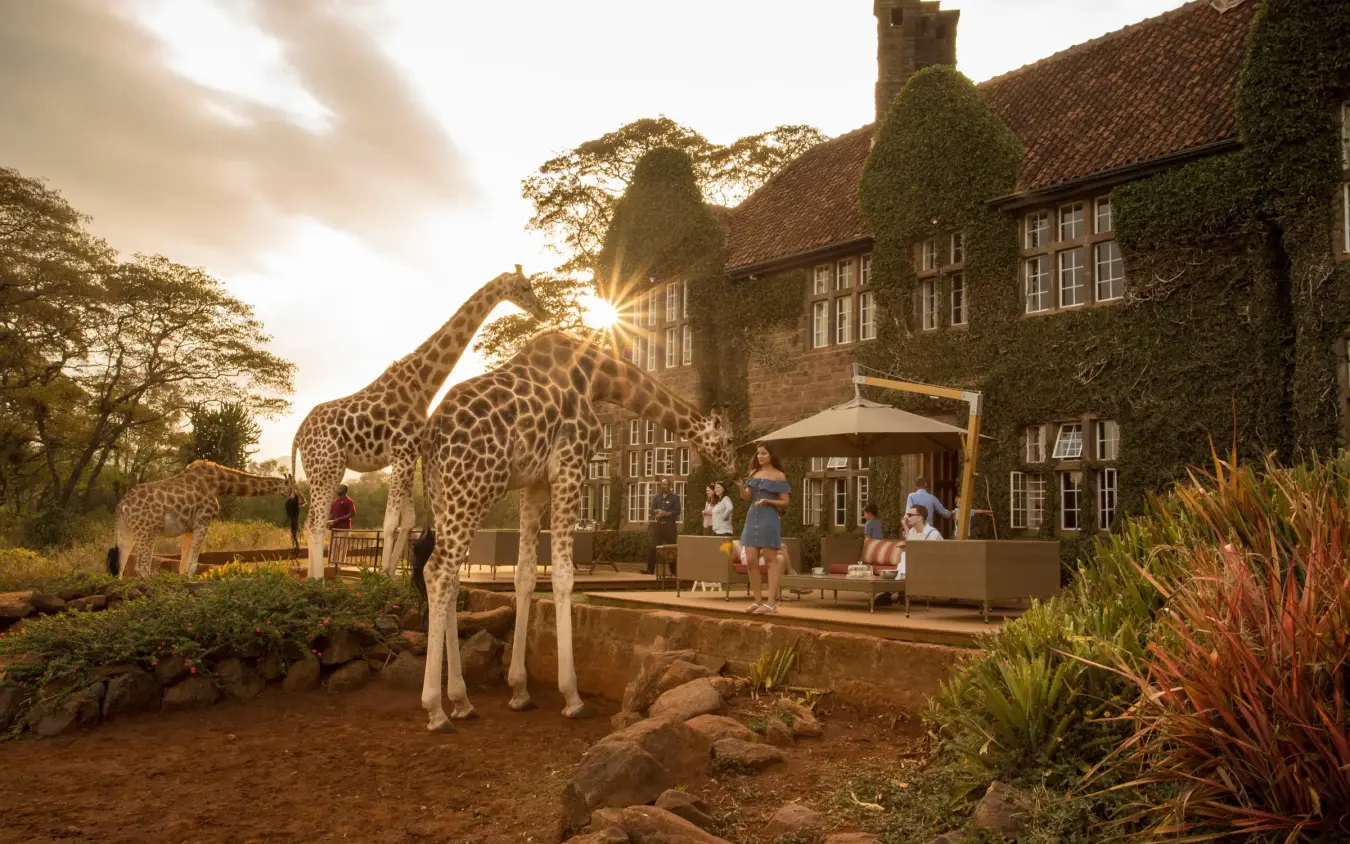
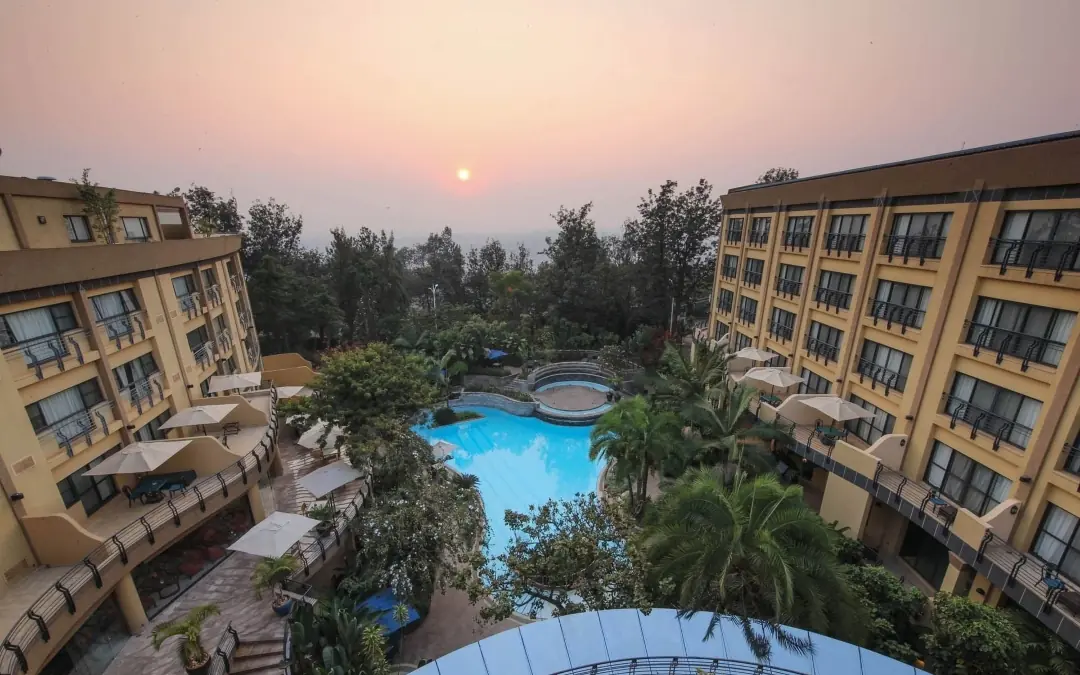
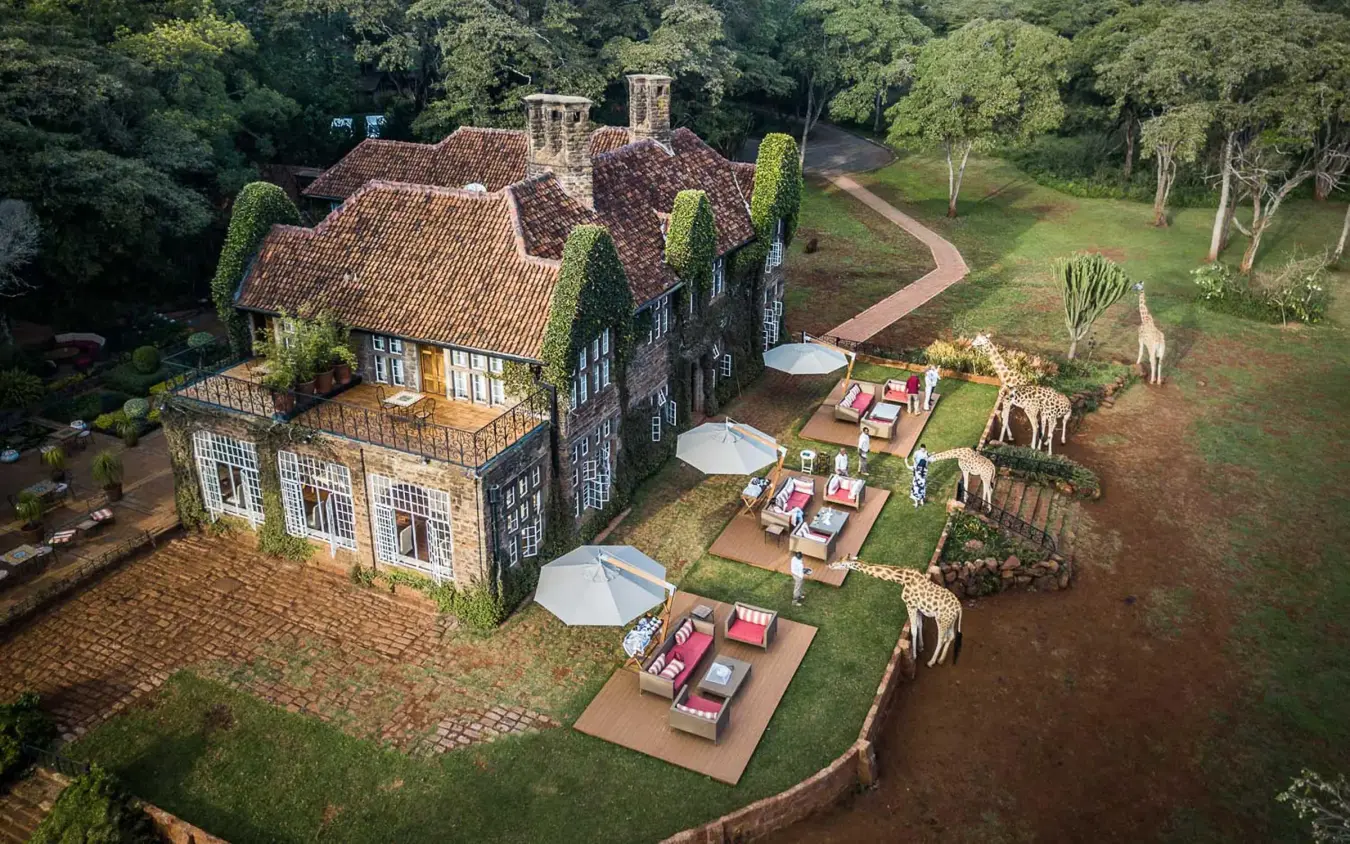
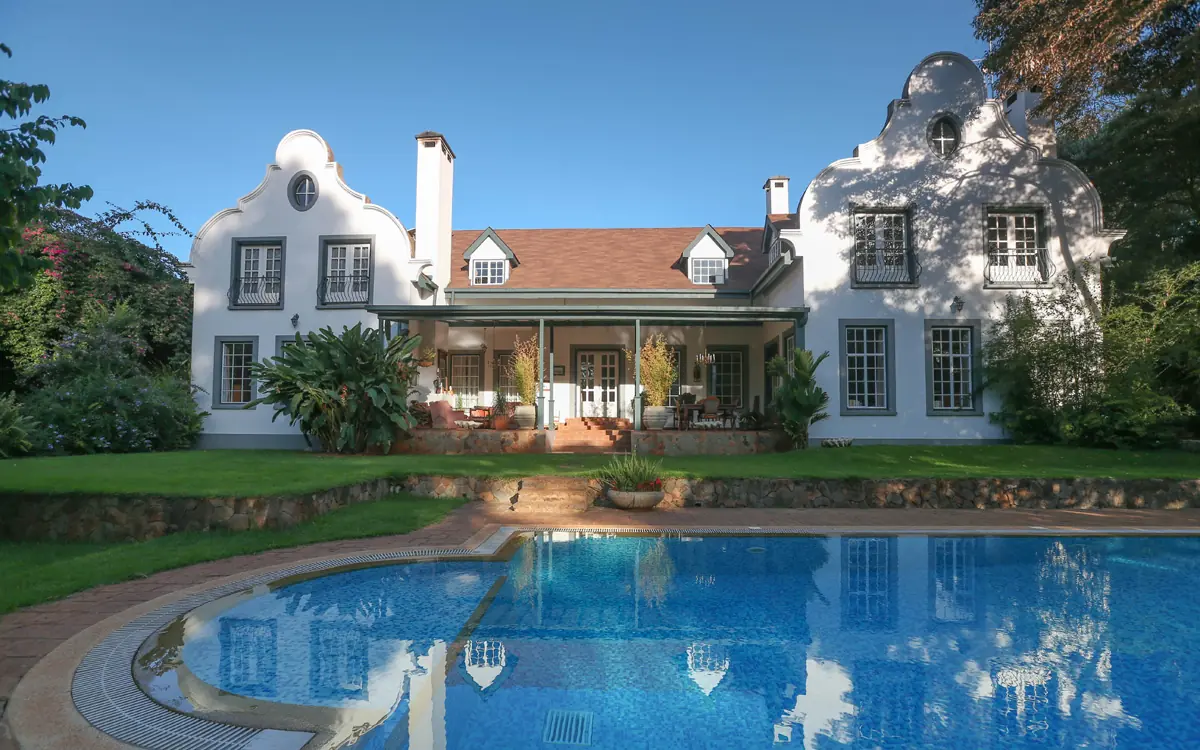
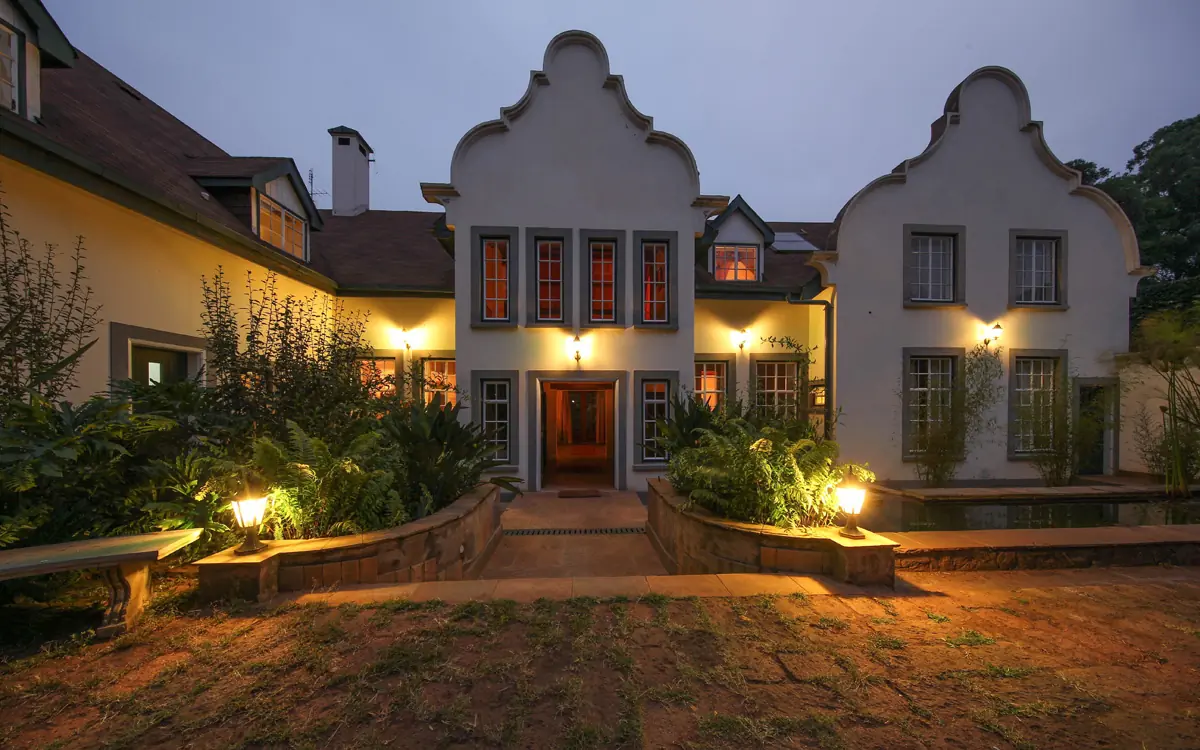
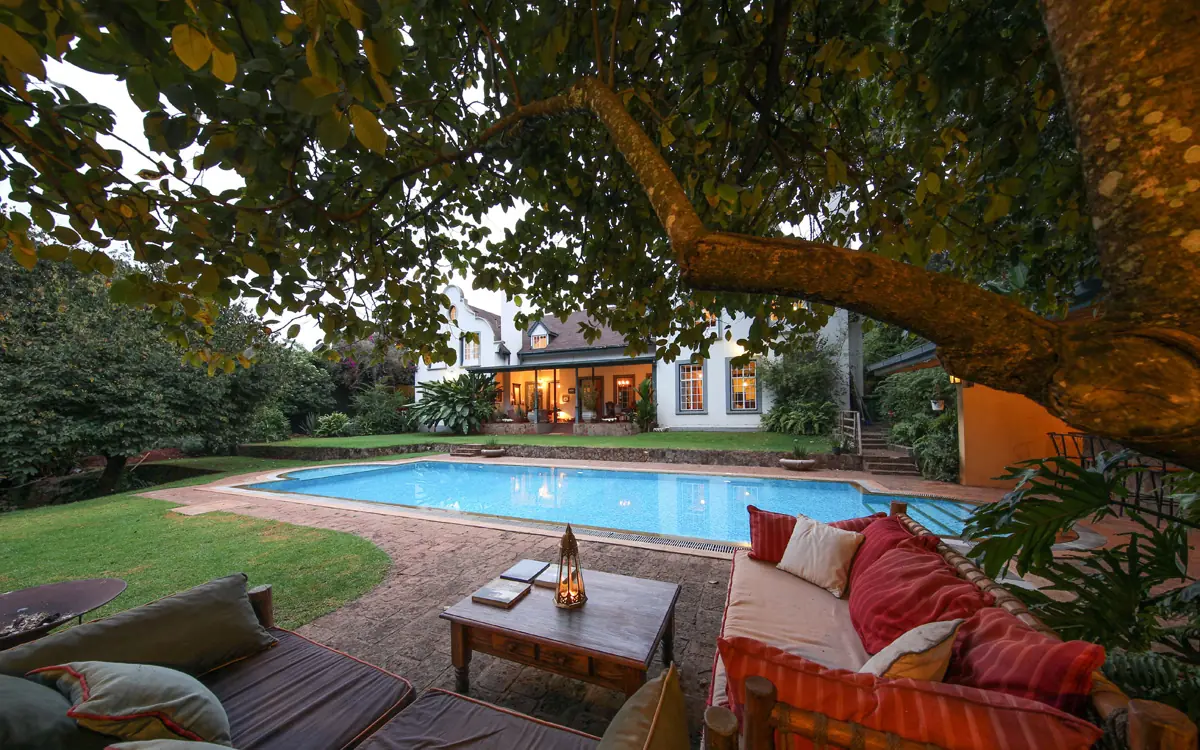
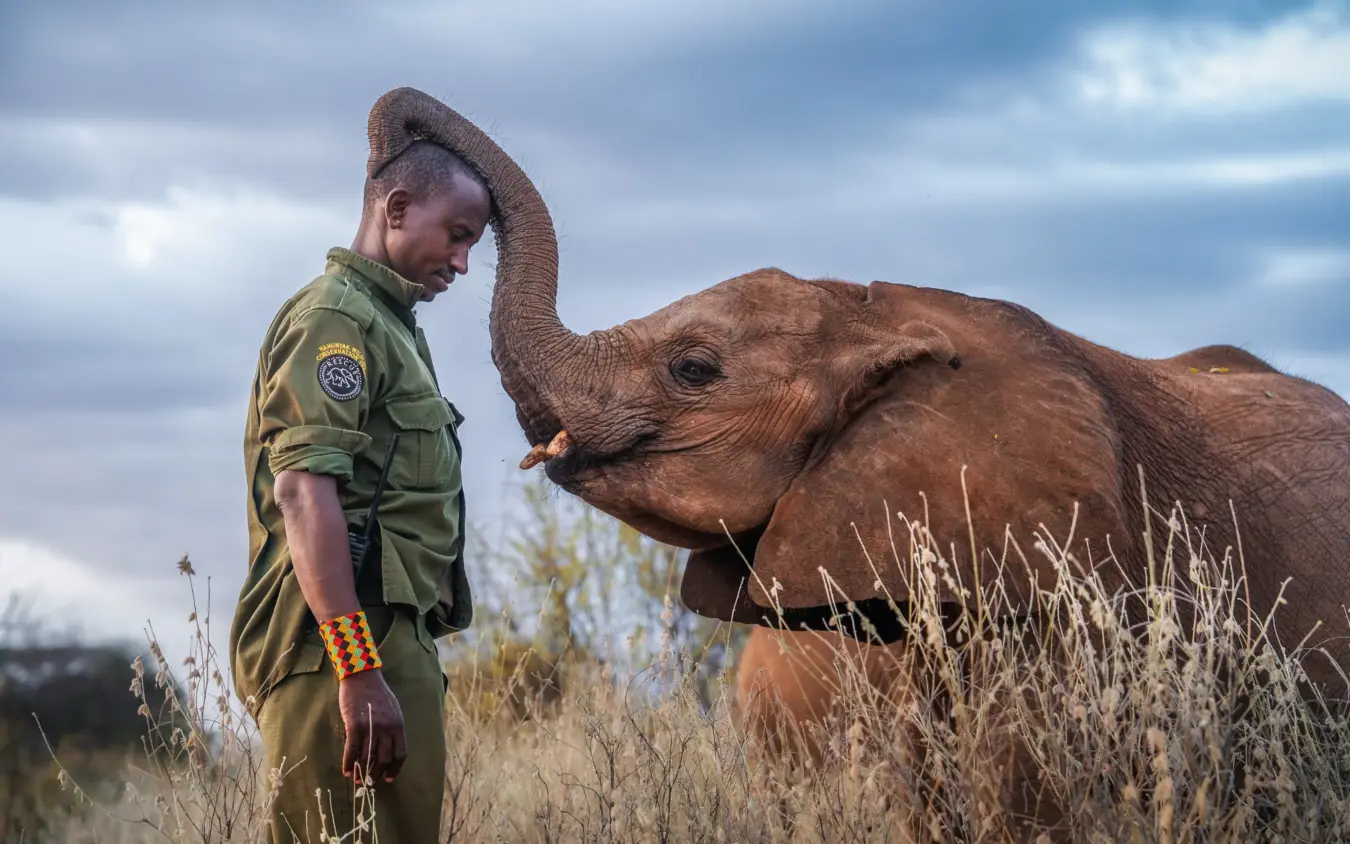
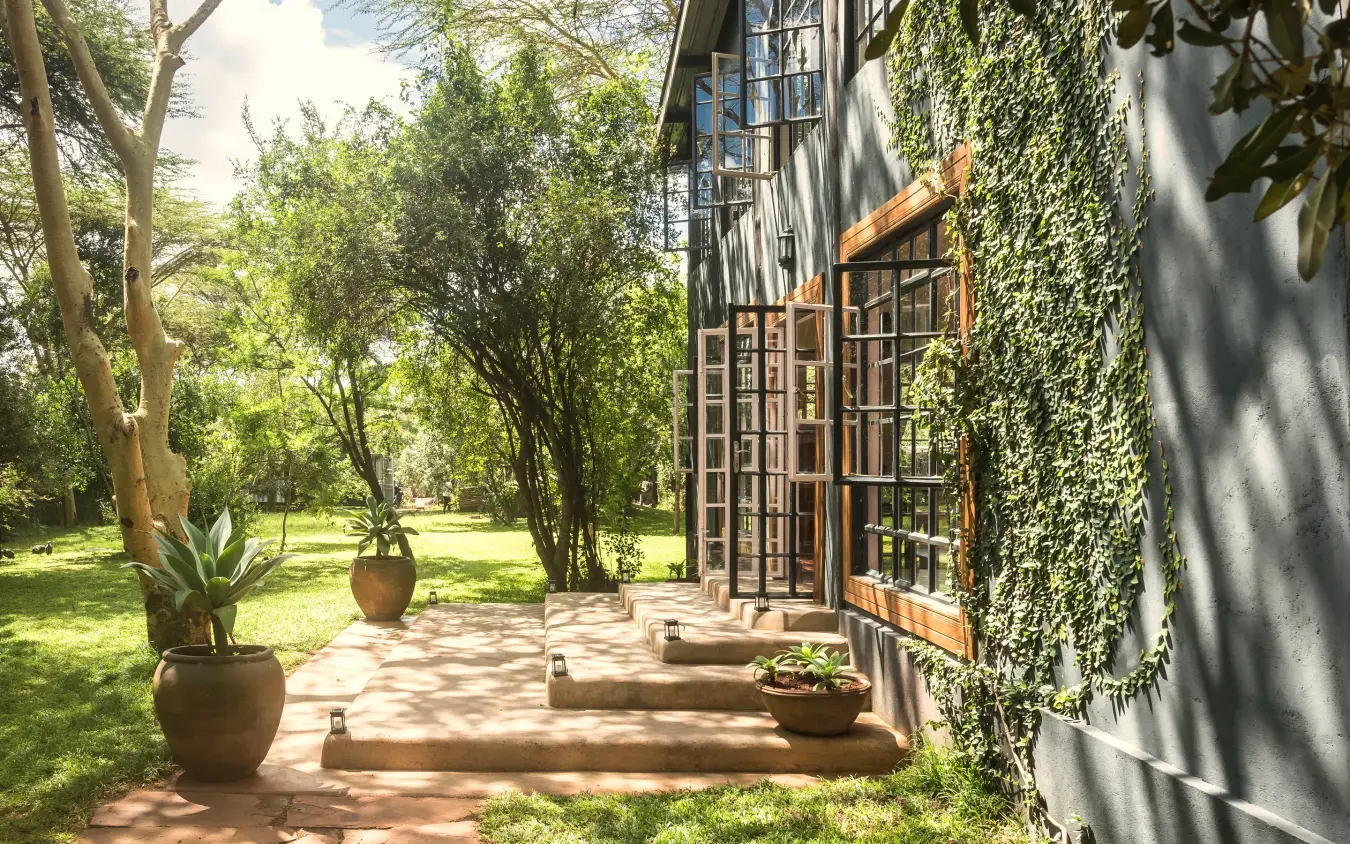
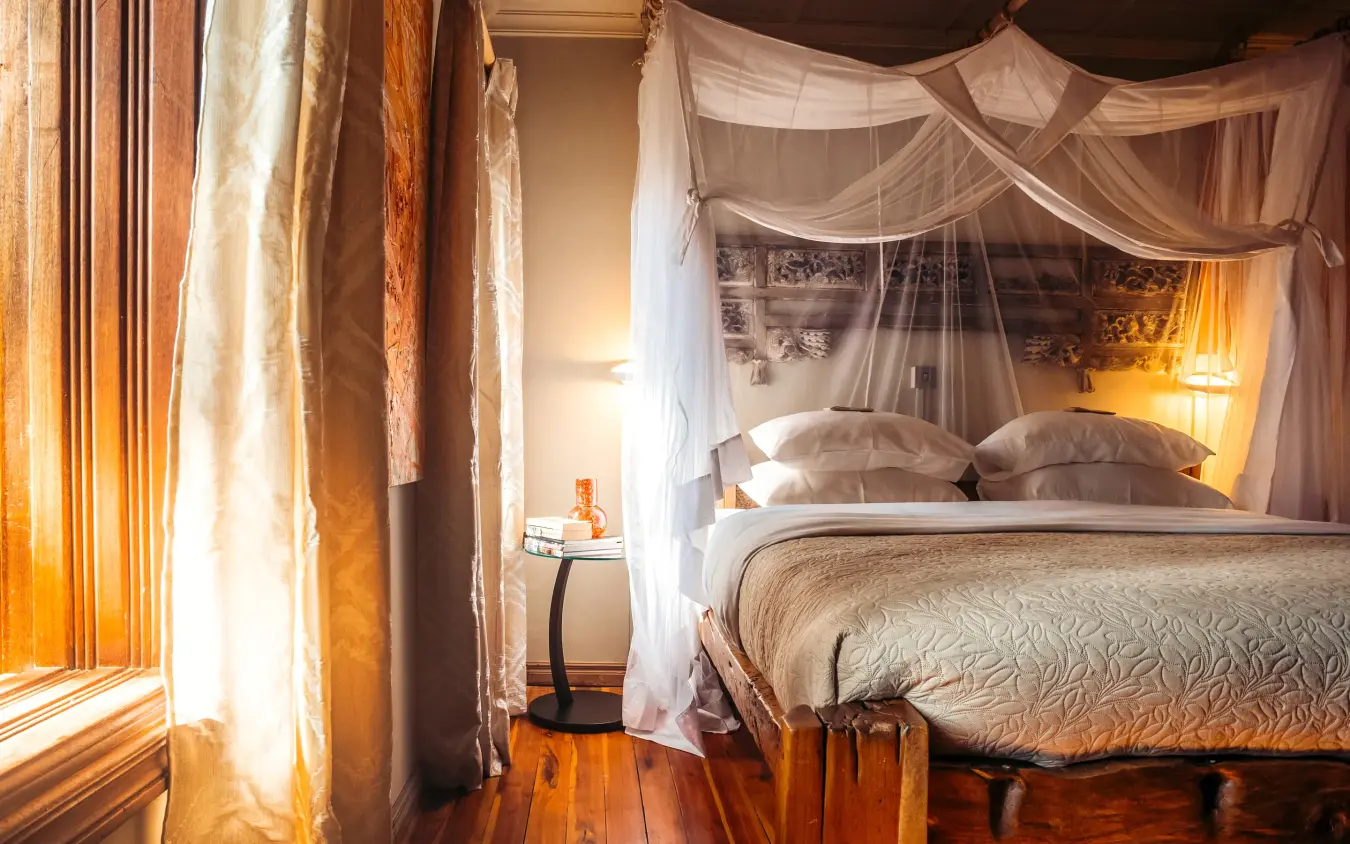
The trip opens in Karen, the green suburb southwest of Nairobi, on a highland plateau at around 1,795 metres where days sit between 18 and 26 degrees and nights stay cool. The Giraffe Centre and the David Sheldrick elephant orphanage are fifteen minutes away, the Karen Blixen Museum a few minutes' drive, and Nairobi National Park is close enough for a morning drive among zebra and giraffe before you head on. A privately owned Cape Dutch guesthouse set back off Mbagathi Ridge, Karen Gables has seven rooms in a family house, gardens falling to a stream and a solar-heated pool.
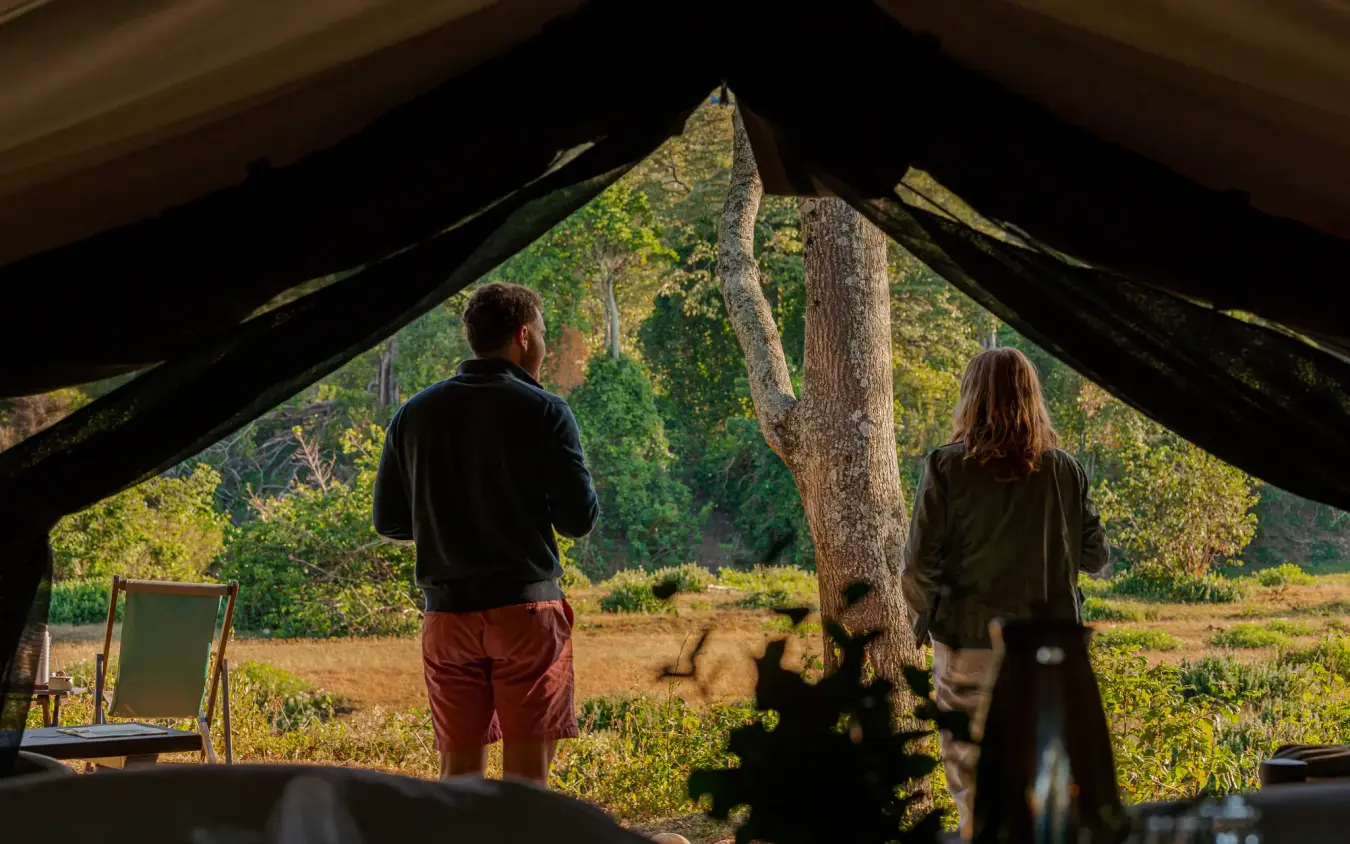
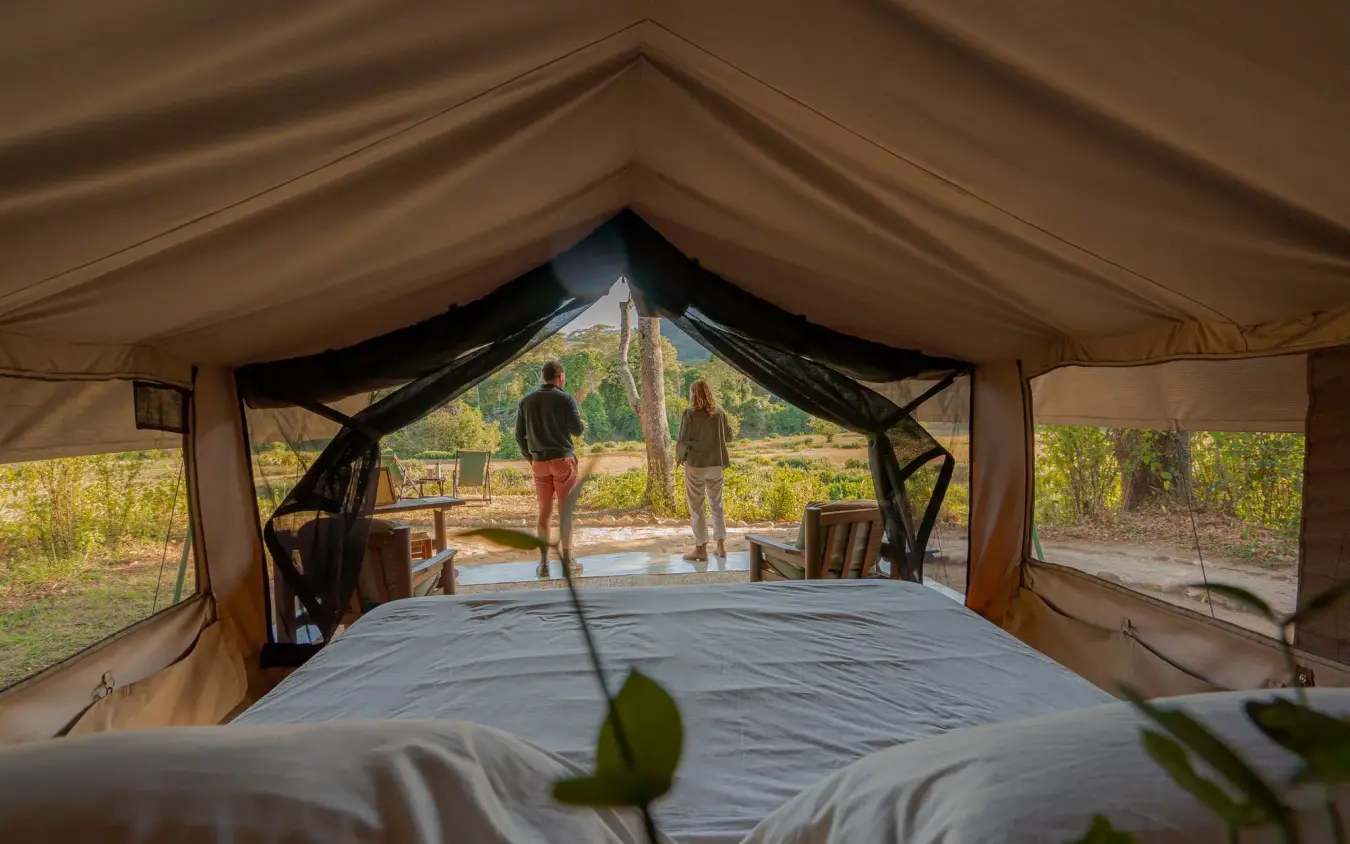
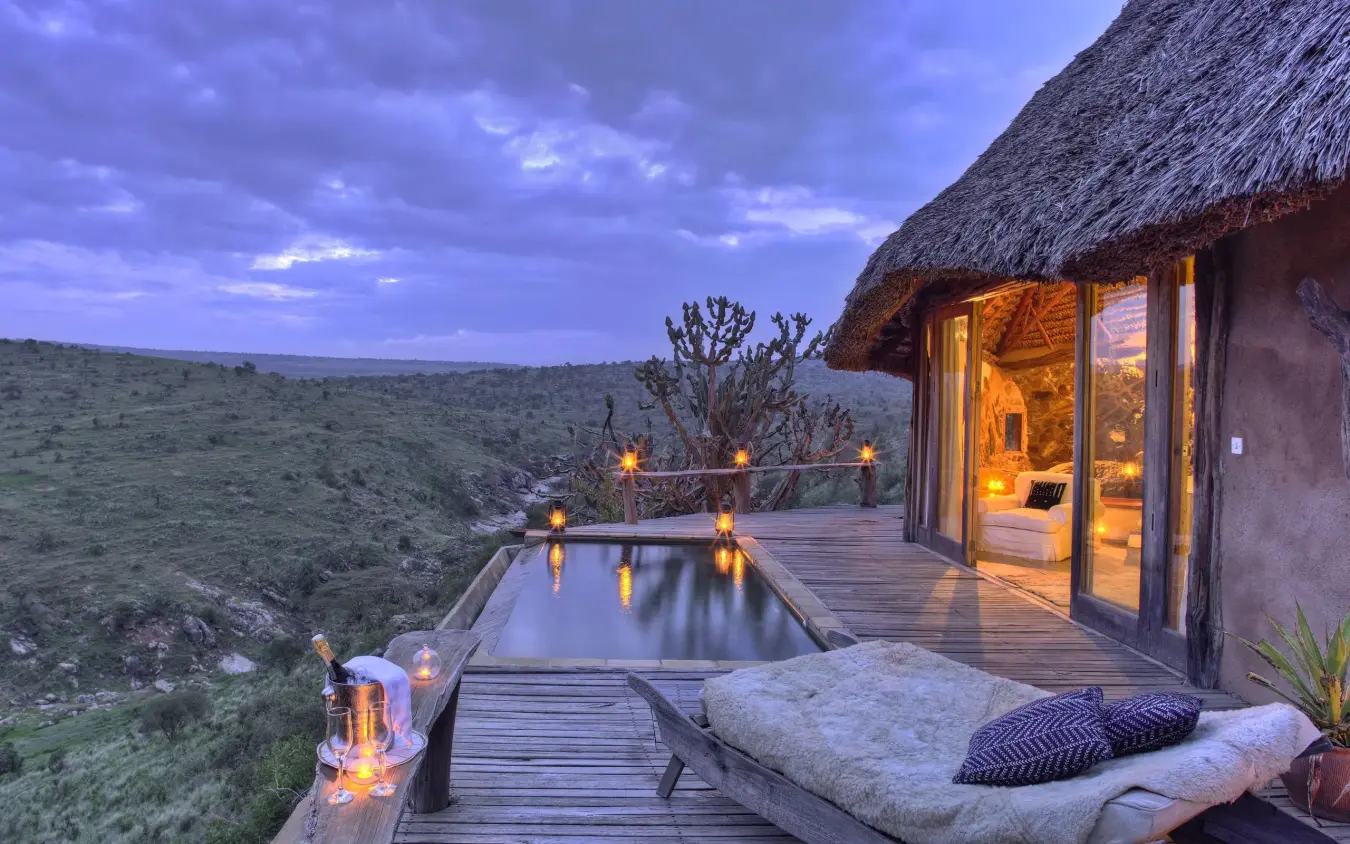
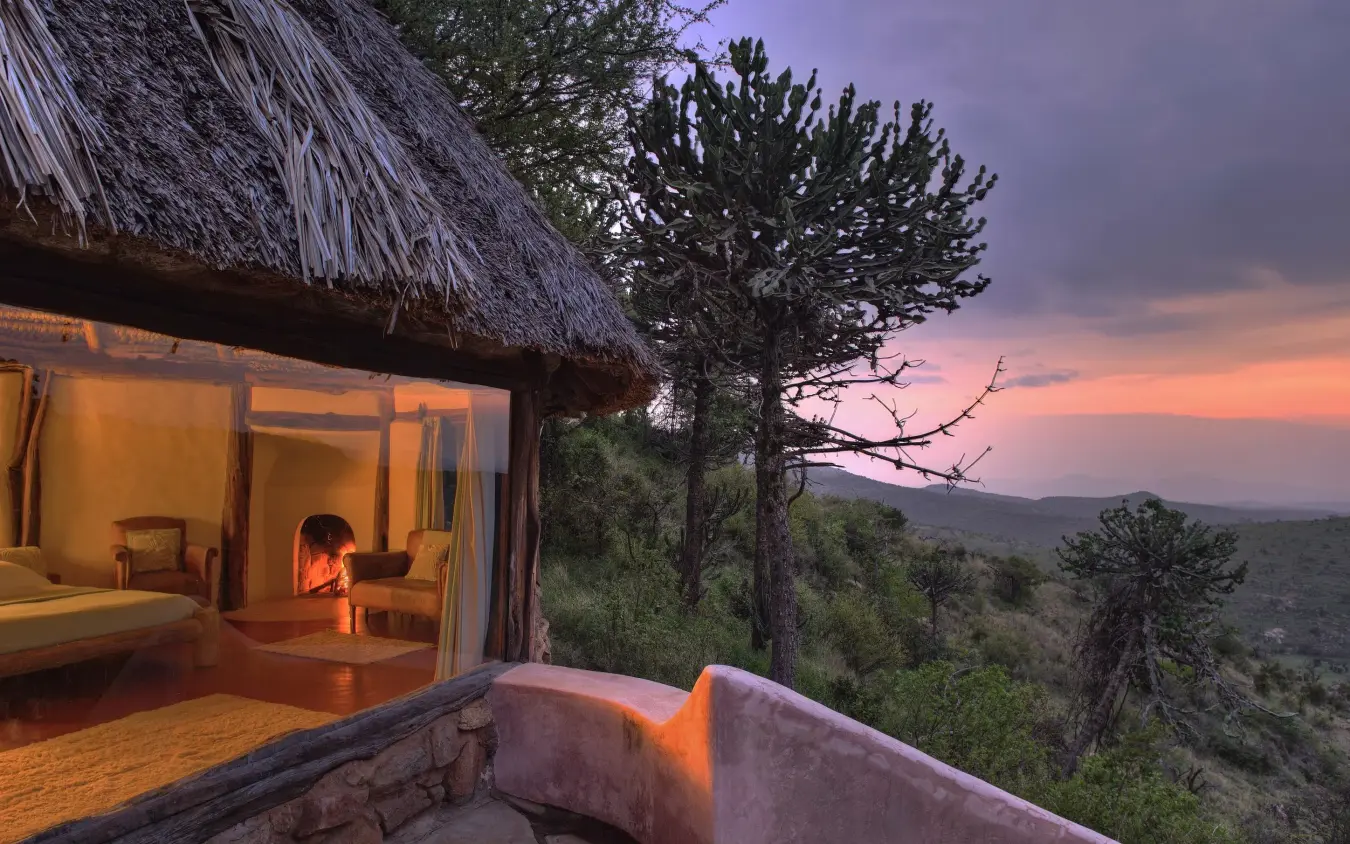
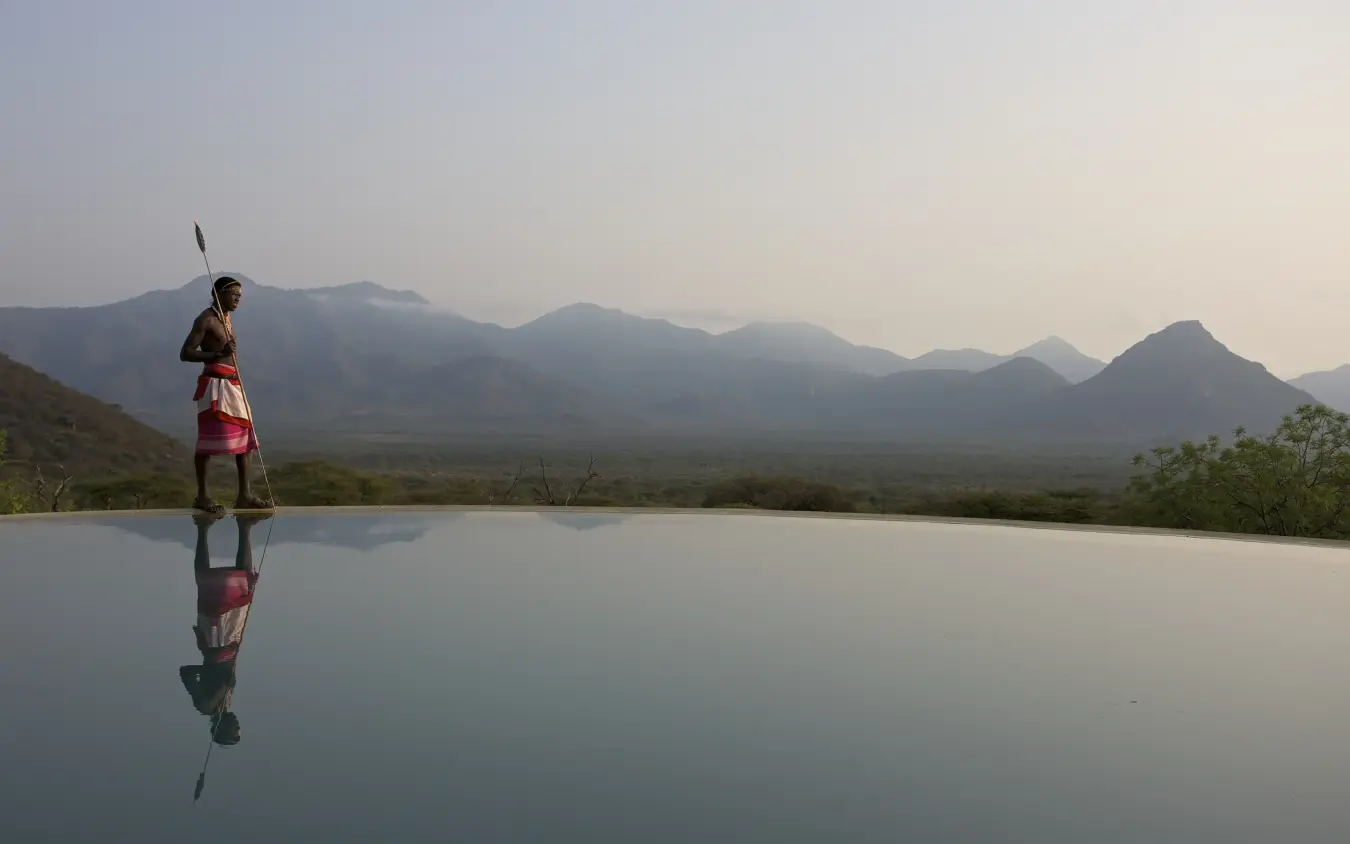
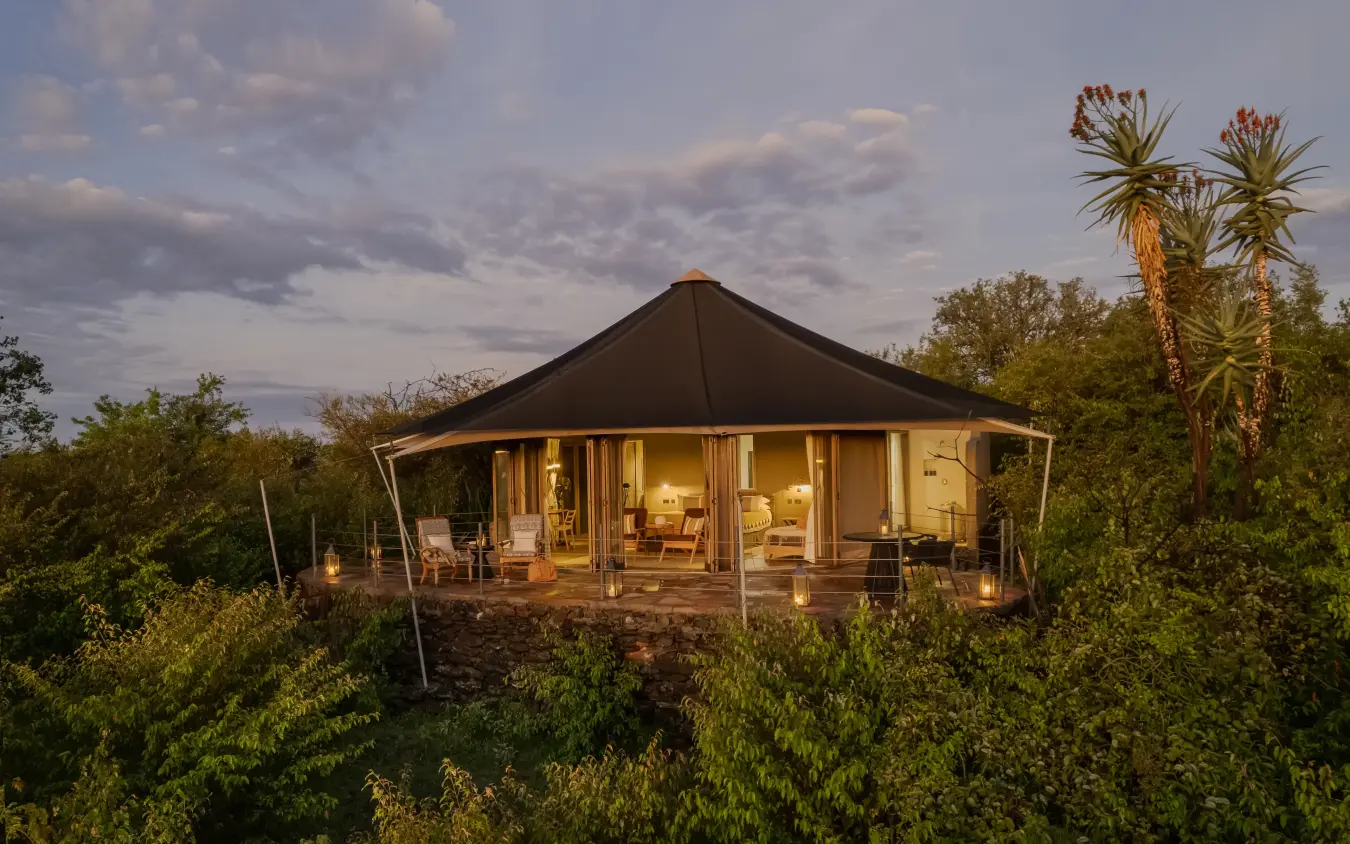
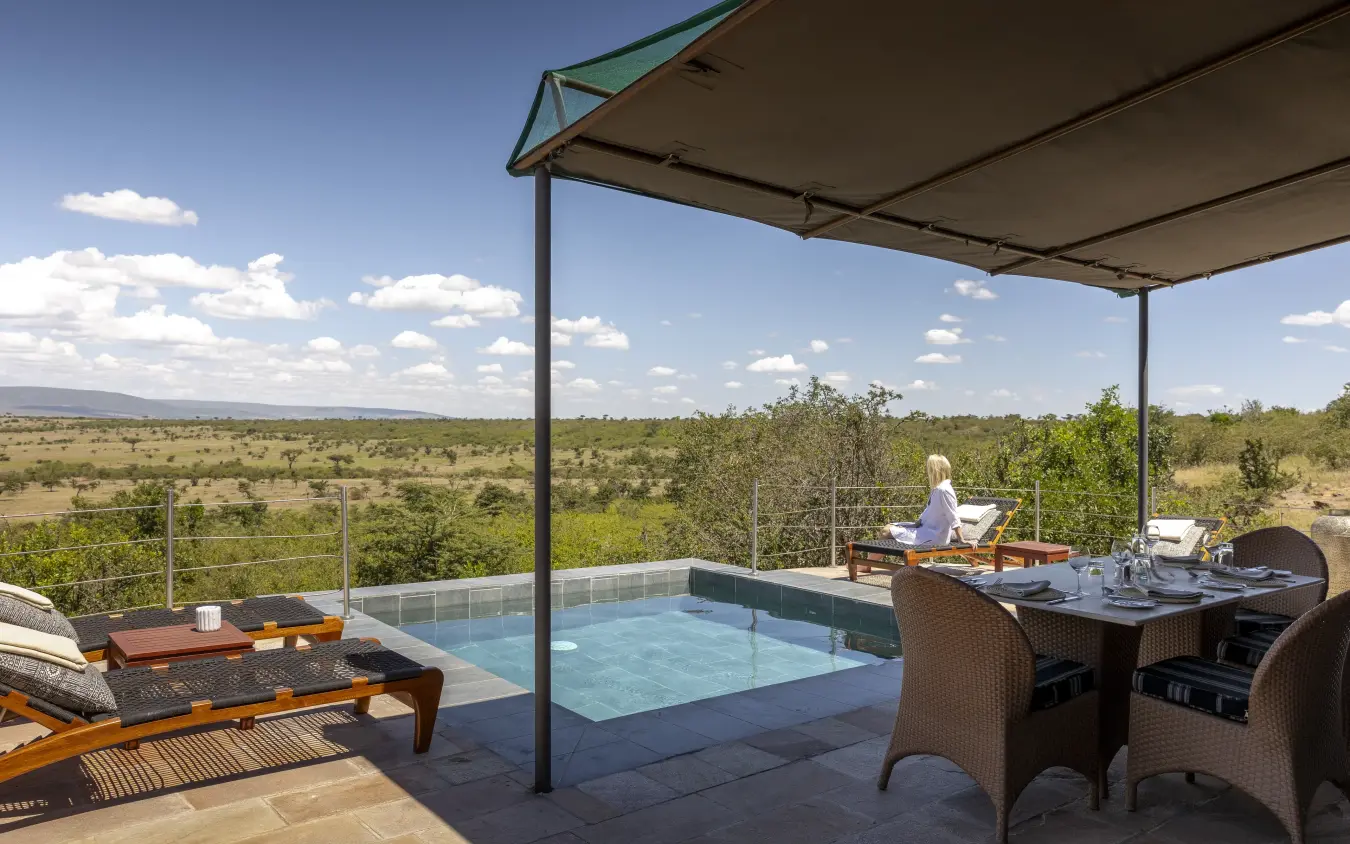
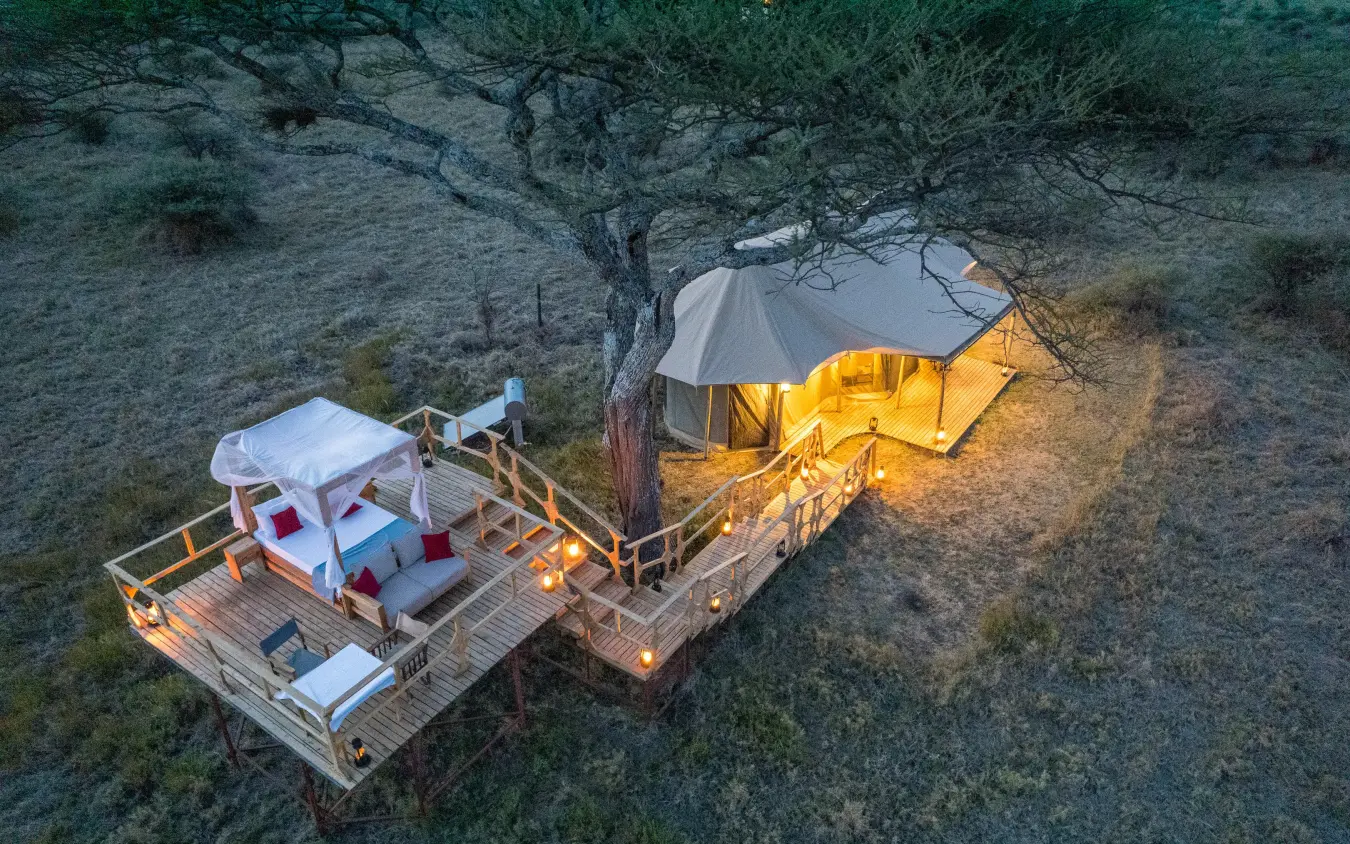
On the southern slopes of the Mathews Range, inside the Namunyak Conservancy, the afternoons run to the waterhole below camp, where elephants, kudu and warthog come down to drink. This is Samburu community land rather than a national park, so guiding goes past the standard drive: night drives, walks into montane forest for colobus monkeys and cycads, horseback rides and fly camping under the stars. In the dry riverbeds nearby, Samburu warriors dig wells deep into the sand to water their cattle. Sarara Camp is Samburu-owned, six high-ceilinged tents spaced along the hillside under thatch, each looking out over the range and the water.
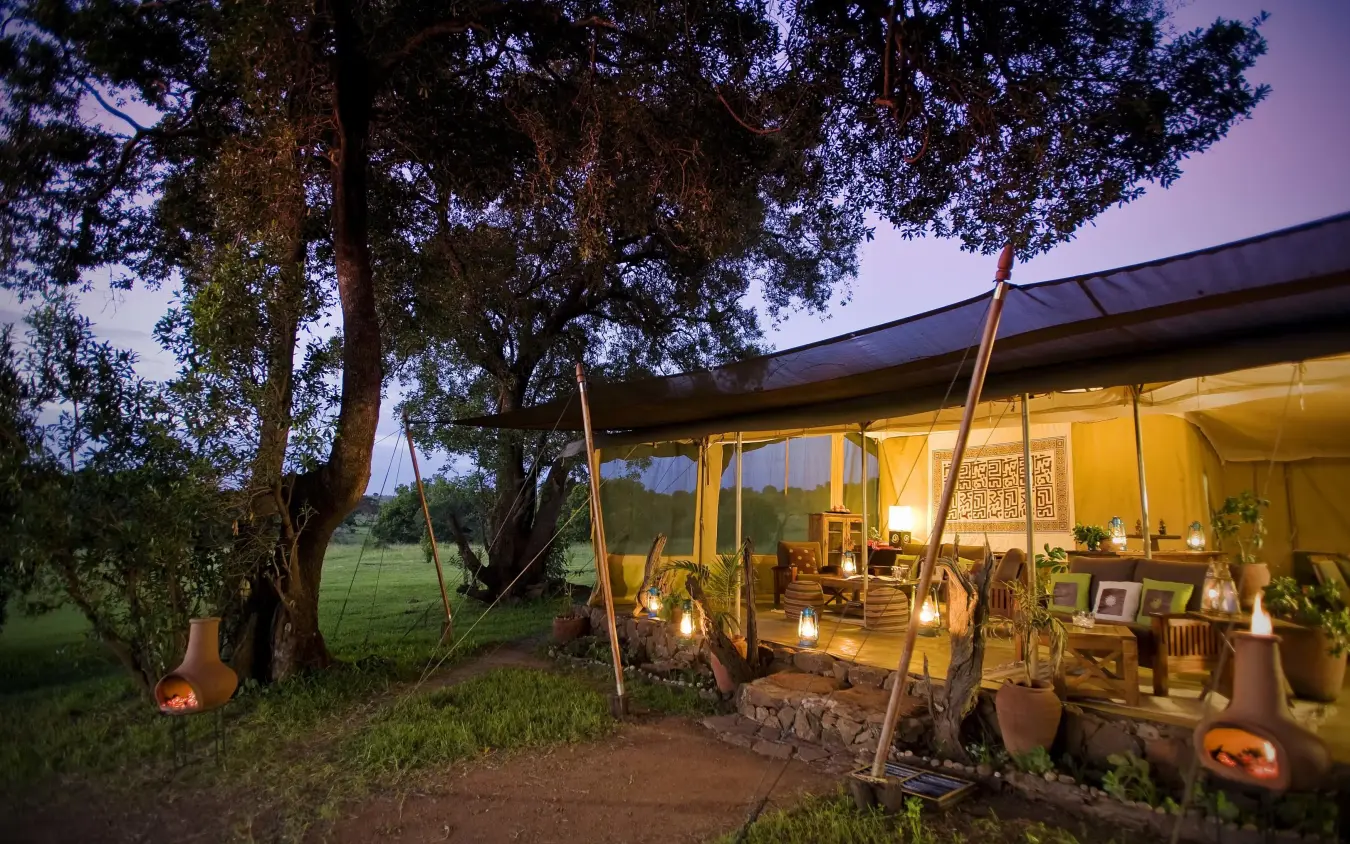
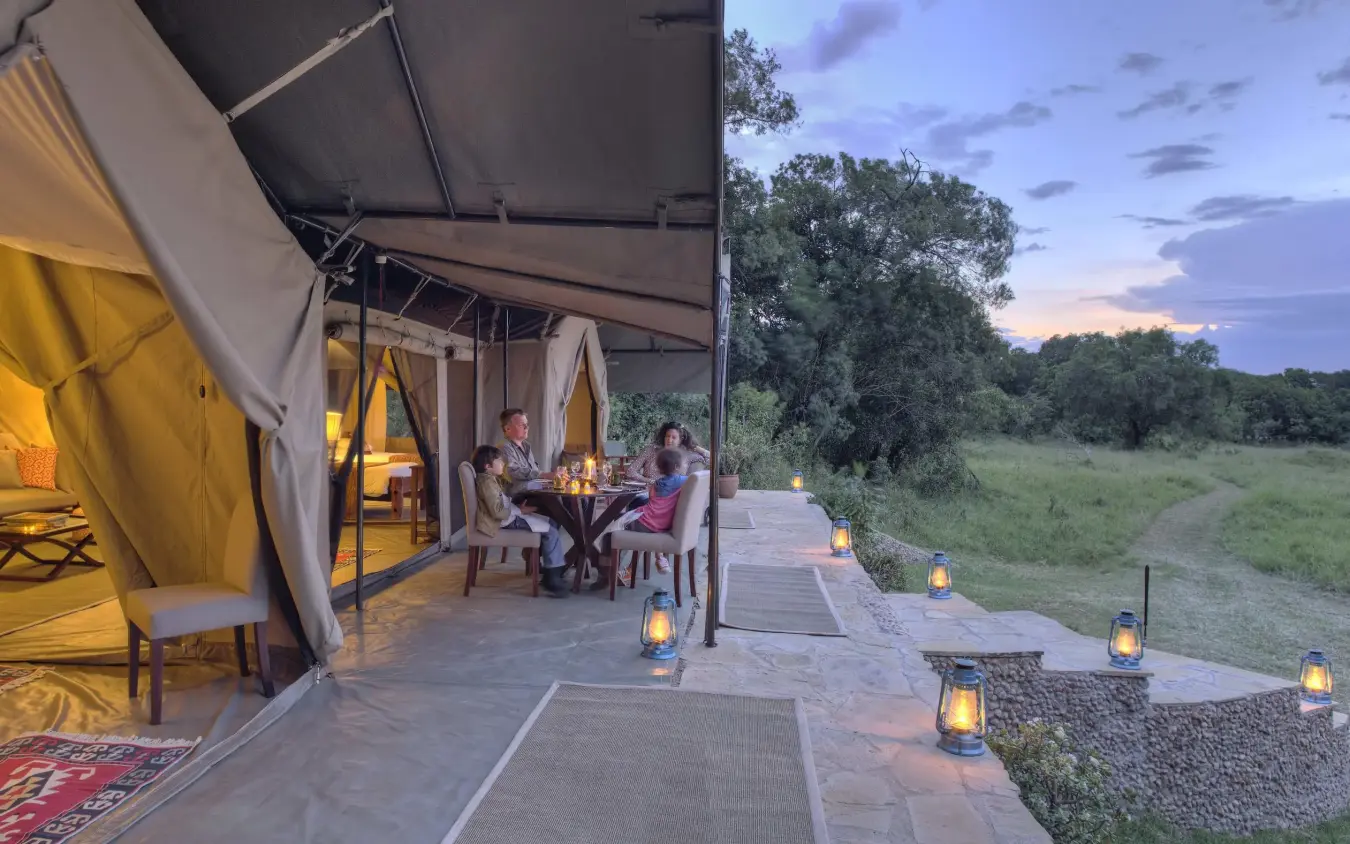
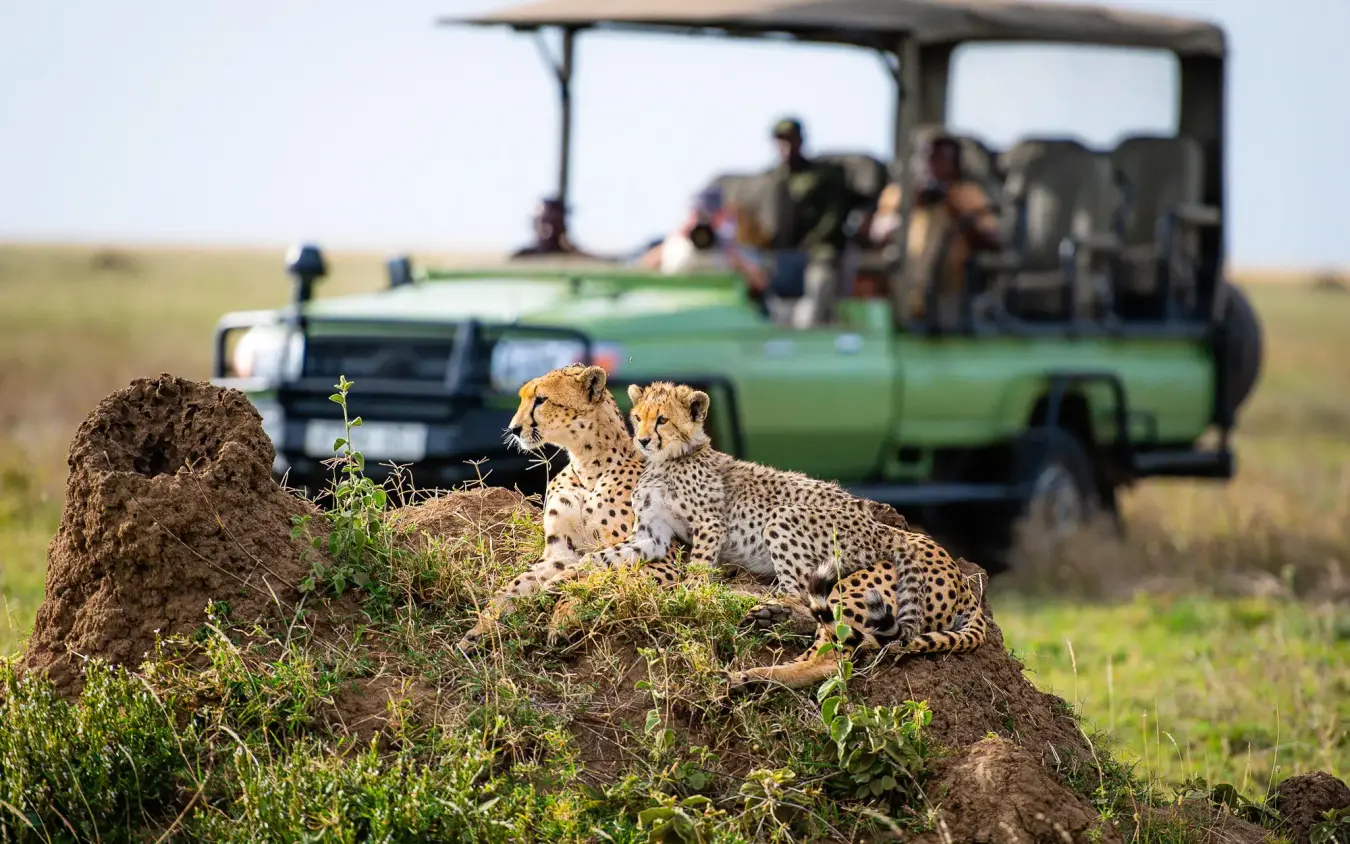
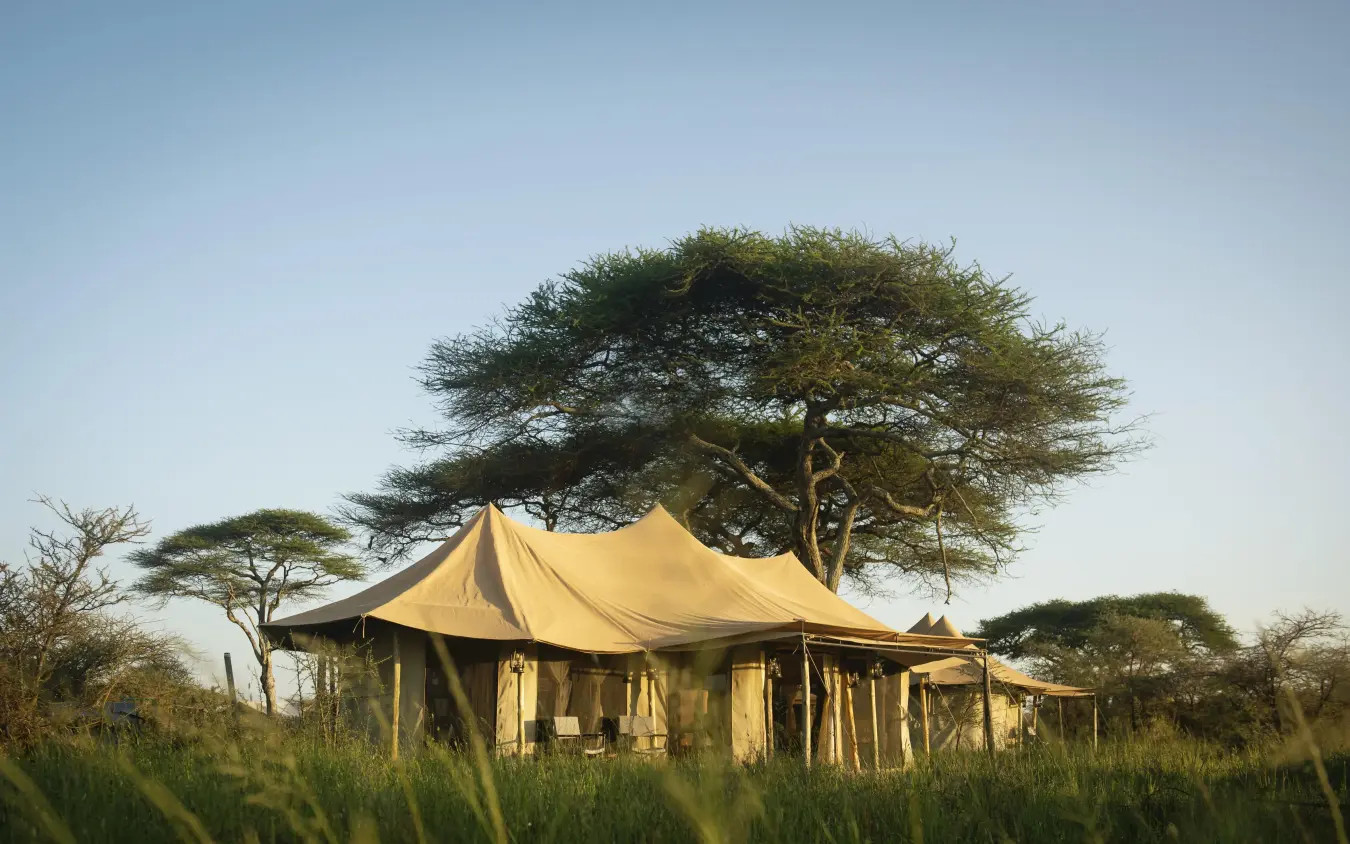
You are on the northern edge of the Maasai Mara now, ten minutes by game drive from the Reserve boundary. Guides leave at first light, coffee already delivered to the tent, for Musiara Swamp, Rhino Ridge and Paradise Plains, with the Talek River deeper in as leopard country. Between July and October the wildebeest herds pour through the same ground, and the Mara River crossing points sit within reach of a full day out. Your booking comes with its own vehicle, guide and Maasai spotter, so drives run to your time. Speke's Camp is eight canvas tents under riverine trees on the Olare Orok, with campaign furniture, solar lamps and hot water carried to the shower in buckets.
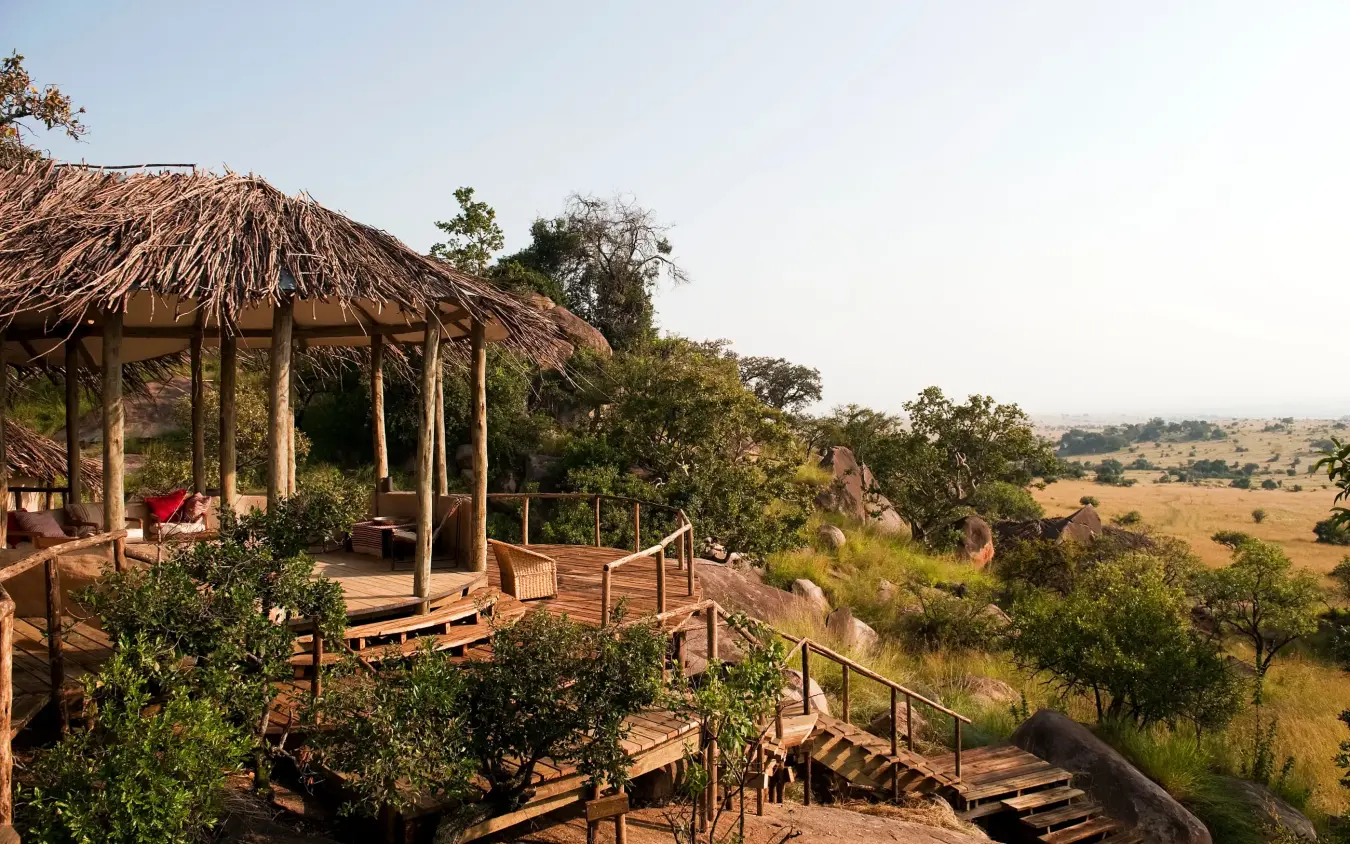
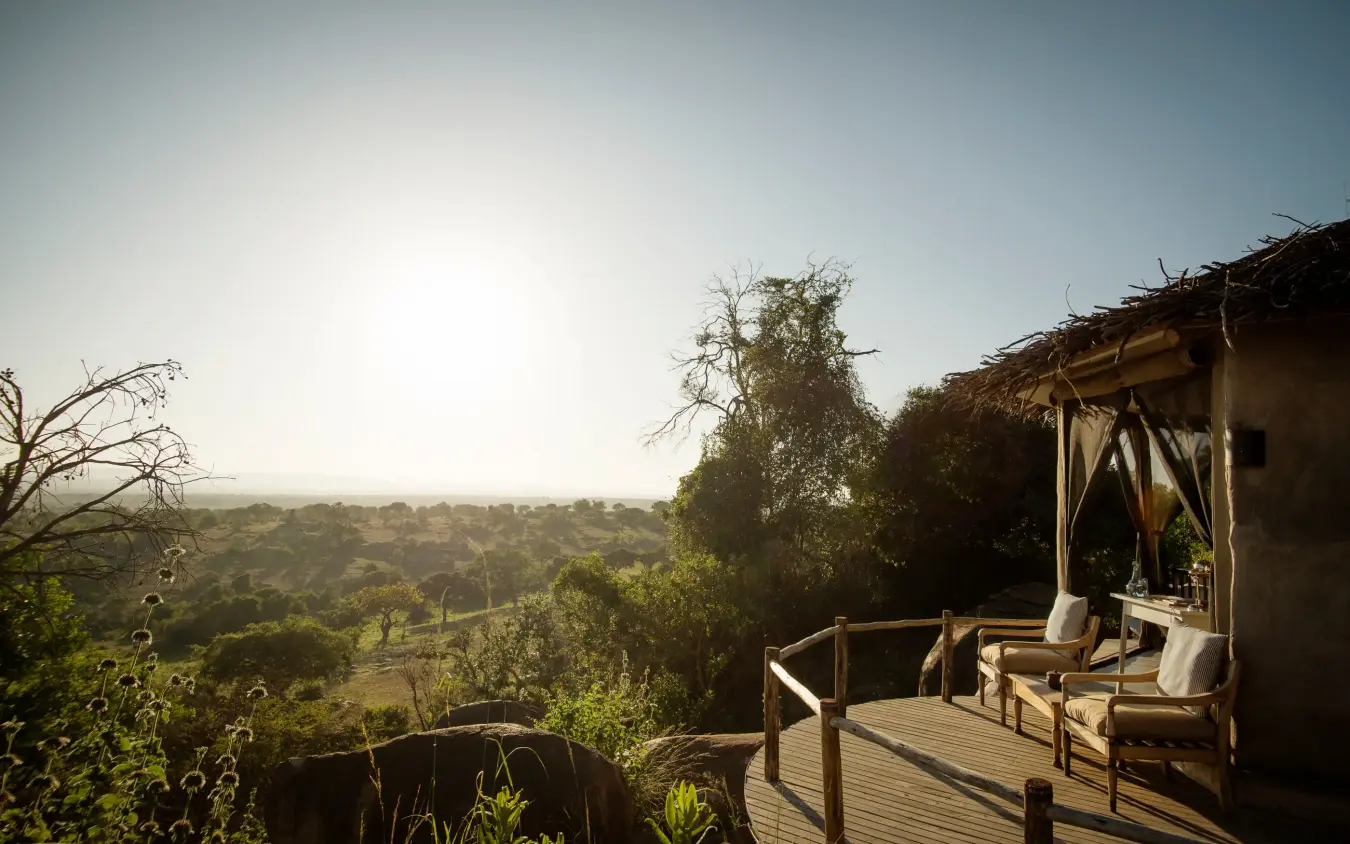
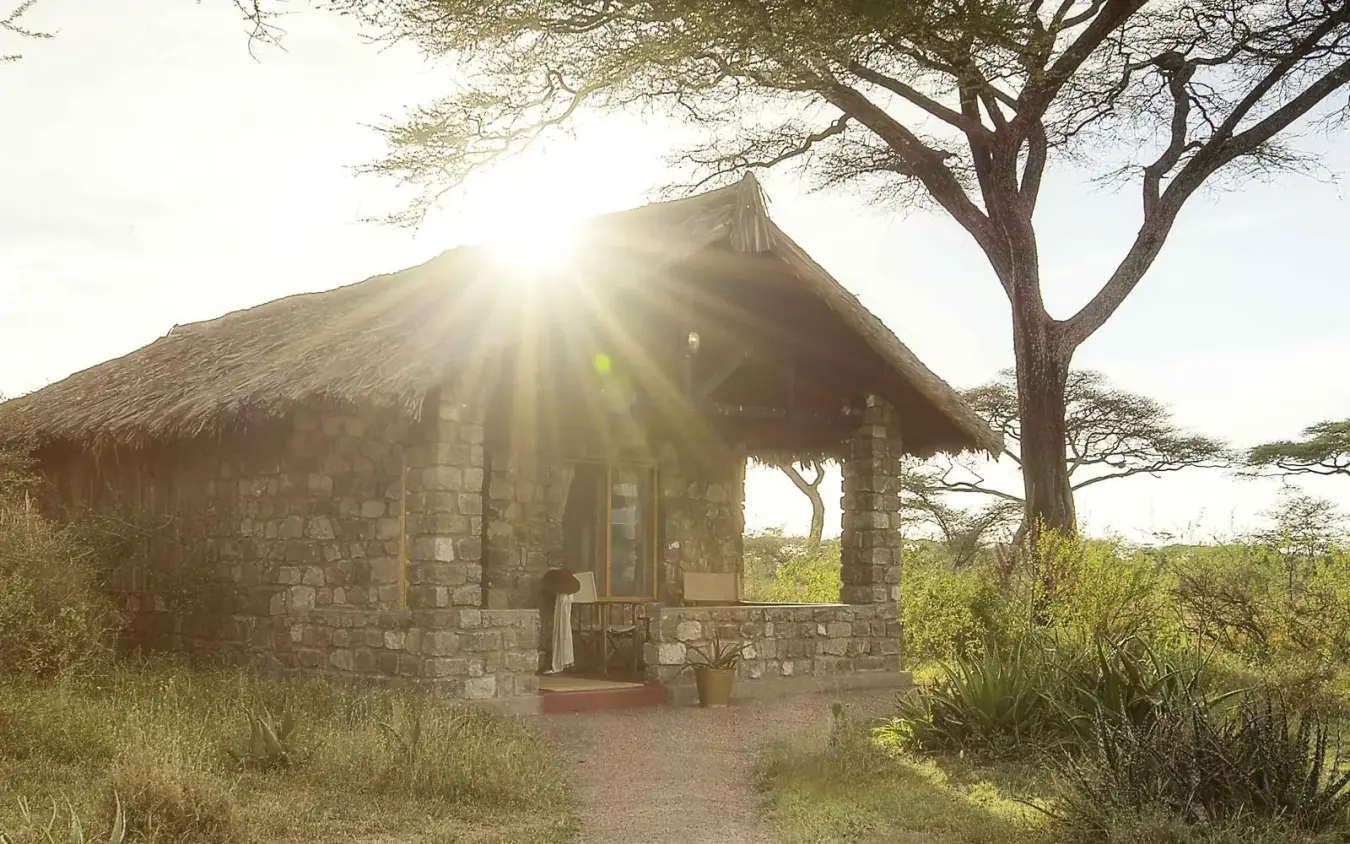
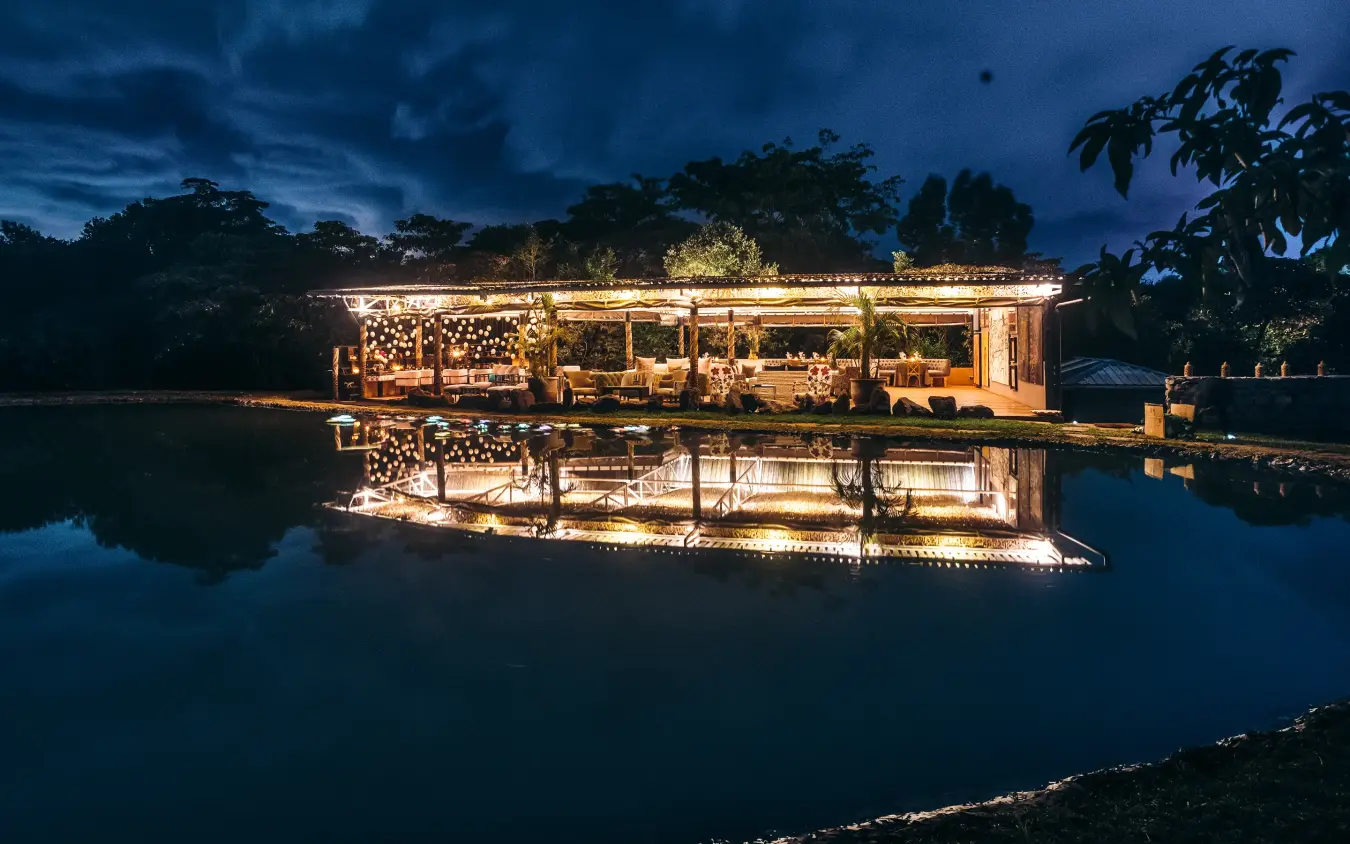
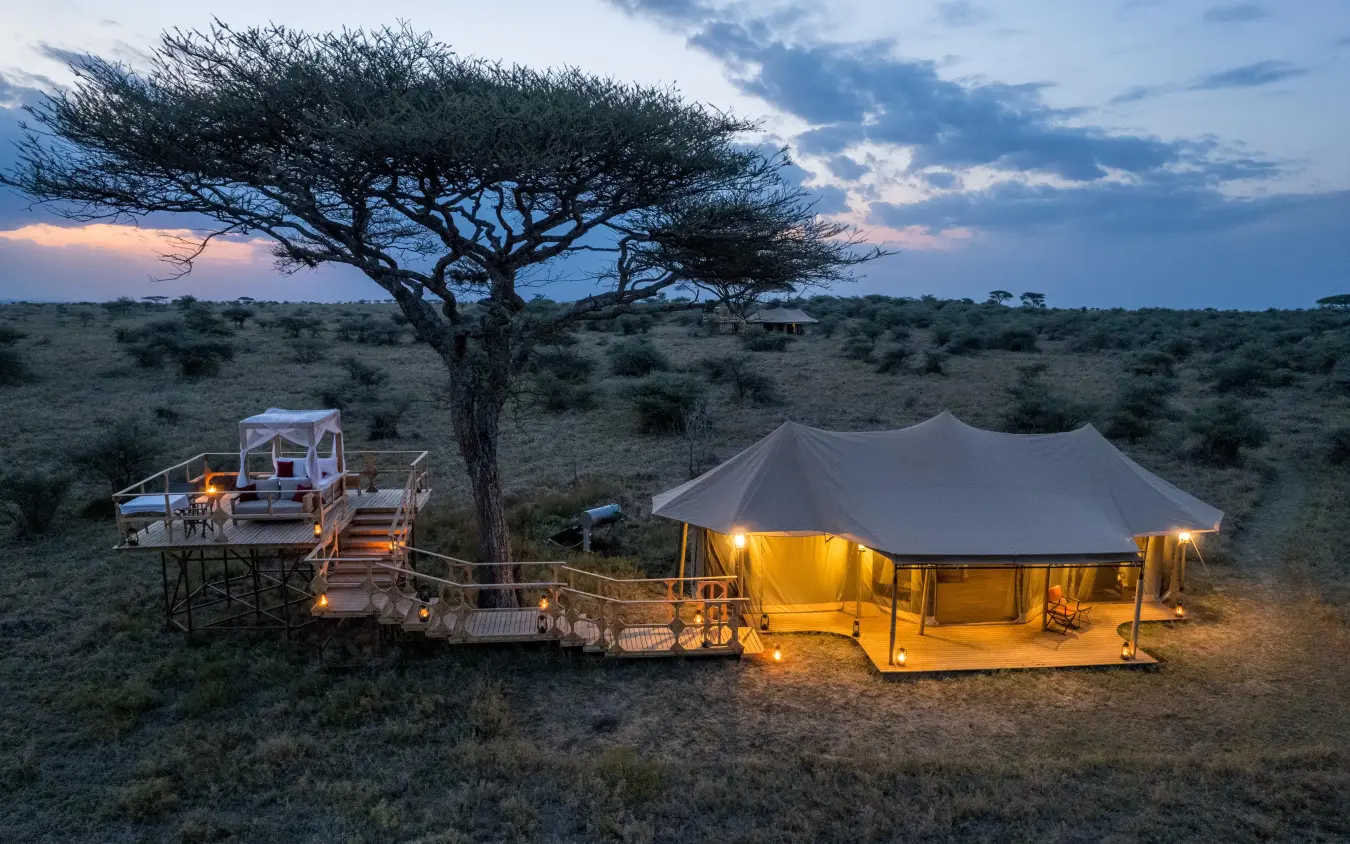
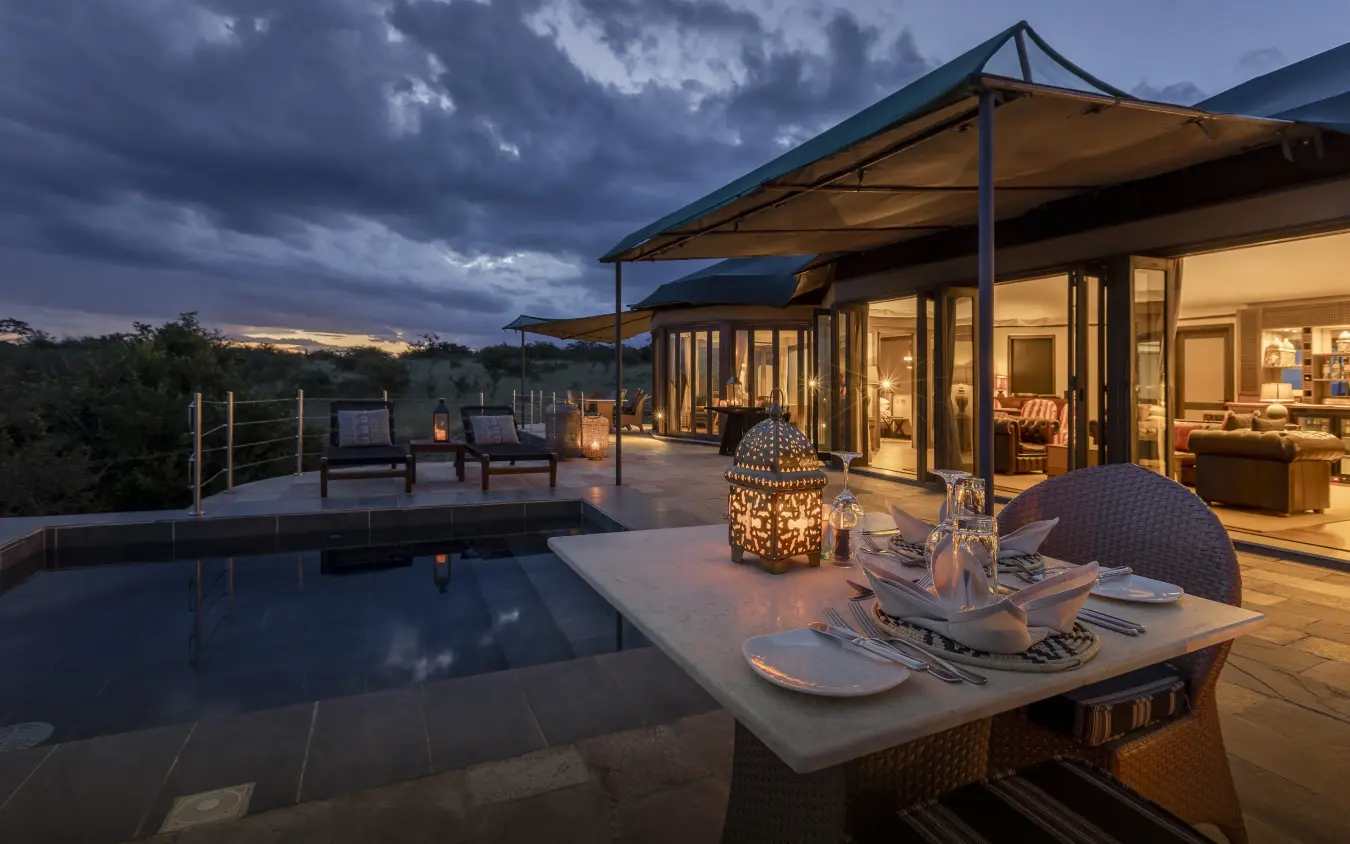
In acacia woodland above Lake Ndutu, within the Ngorongoro Conservation Area, the days follow the herds across open grass. From December to April the wildebeest settle on the short-grass plains to calve, drawn by volcanic soils, and the predators follow. Because this is the Conservation Area rather than the national park next door, walking is permitted with an armed ranger, so a morning can be spent on foot as well as in the vehicle. Ndutu Safari Lodge, built in 1967 and rebuilt in the 1980s, has rough local-stone cottages with lake-facing verandas, and resident genets appear along the dining-room beams at dinner.
Reliable enough to plan a trip around, without ever being a fixture.
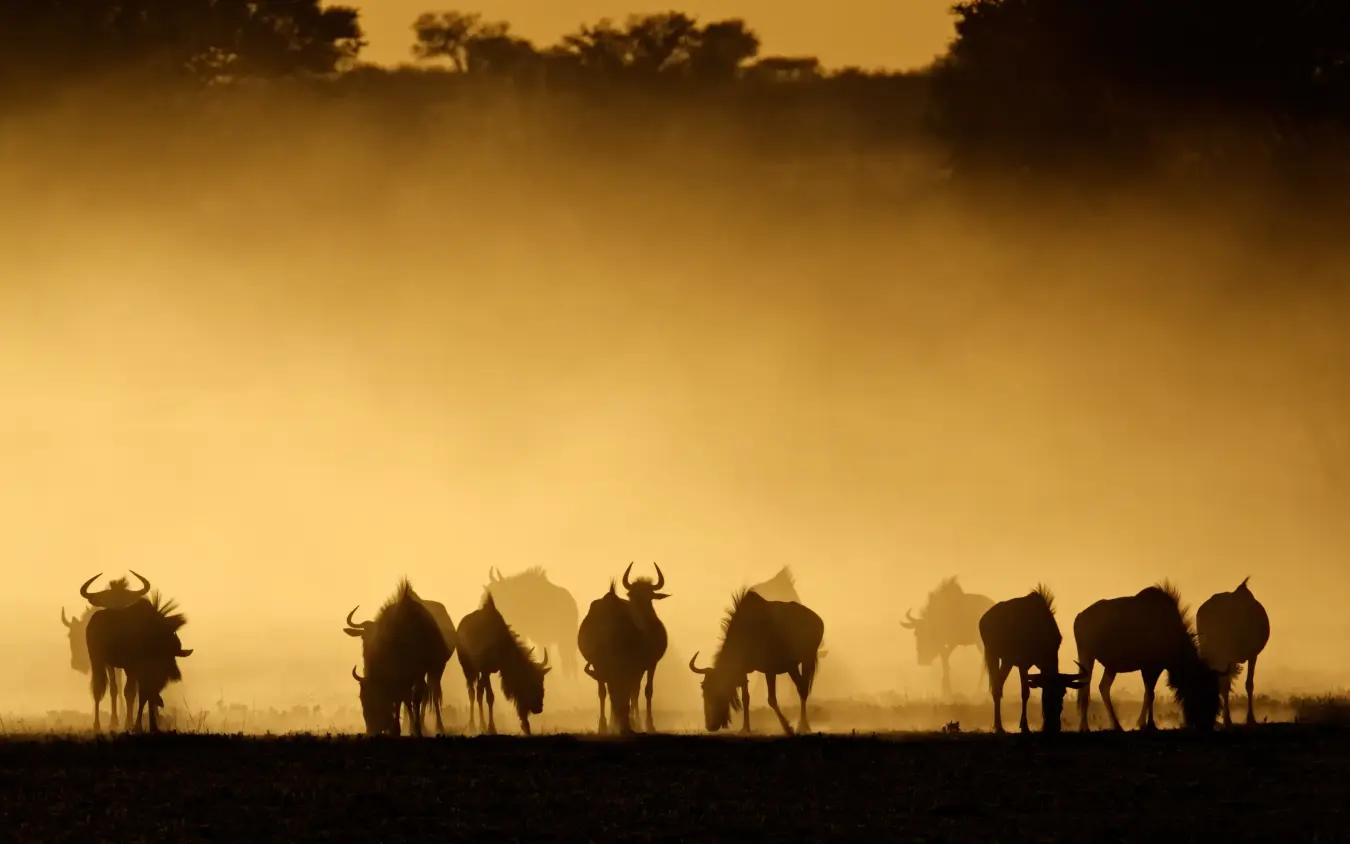
The wildebeest come down to the short grass around Ndutu because the volcanic soils suit a nursing female.
December to April is the outer window: the births themselves bunch up, and we put the peak in the middle of February at eight to twelve thousand calves a day. The annual total is argued over, from 250,000 to half a million.
What fills the four days is not only birth but what follows it, since lion, cheetah, leopard and hyena all work the edges of a herd full of newborns. The herds move with rain rather than with a calendar, though, so in a dry year they can sit well east or west of the lake.
It is a full day out rather than a morning drive.
The camp sits on the Olare Orok, about ten minutes from the reserve boundary on the northern side, while the crossing points are on the Mara River well to the west, so you leave at first light with lunch packed and get back in the evening.
What makes that practical is that each booking here has its own vehicle, guide and spotter, so nobody has to cut the day short to suit another party.
The odds are what they are. Crossings run from about late July into October and peak in August and September, no honest percentage exists, and a herd at the water's edge may cross within minutes, wait about for days, or turn round and leave.
By air, in two hops, because there is no tourist border post inside the parks.
The morning flight out of the Mara lands at Nairobi's Wilson Airport, and since January 2026 the Kenyan safari airlines have flown Wilson to Arusha rather than to Kilimanjaro, which takes a chunk out of the day. On one of them the Mara arrival makes an immediate connection onto that Arusha service.
From Arusha the Tanzanian carriers fly on to the airstrip at Ndutu, one of the Serengeti strips they serve. Reckon on the best part of a day door to door, with time spent waiting about, which is what moving between two countries by light aircraft costs.
The luggage rule is a tight one on every leg: 15 kilograms each, anything carried on board counted inside it, and soft bags rather than cases.
February, if you want the trip as it is written.
The four nights at Ndutu are there for the calving, which peaks in February, and that same month is rated highly for the Mara and for the northern conservancies, so the whole route lines up. Late January often works too, with the caveat that the herds arrive when the rain tells them to.
July to October is the strongest stretch for the Mara and for northern Kenya, but the wildebeest are then far north of Ndutu, so for those dates we would move the last four nights up to the northern Serengeti instead.
March is a poor month in the Mara, and April and May are the long rains, the weakest part of the year at every stop on this route.
Yes, and the month decides how.
As written it hangs on the calving, so it makes sense between about December and April. Outside that we keep Nairobi, Namunyak and the Mara as they stand and move the last four nights north, either to the Serengeti above the Mara River in the crossing months or to a camp that travels with the herds.
The Mara nights are the other place to play. Four at one camp on the boundary can become two there and two in a conservancy, which adds drives after dark and walking on foot.
The three nights at Namunyak are the ones we would keep whatever happens, since the community land is what allows the riding, the night drives and the walks into the forest.
Yes to beginners, and there are ponies for the children.
The horses suit complete beginners, and four of the twelve are kids' ponies. The rule that cannot be bent is weight, and it changes with standard: 80 kilograms if you are a beginner, 90 if you ride properly.
Expect an hour or so in the saddle over five to ten kilometres, going out at seven in the morning or five in the afternoon, in a group of eight at most, of whom six may be adults, so a family goes out together.
Nobody need ride at all, since the same three days carry game drives, drives after dark and walking on foot. Tell us what everyone weighs and how much they have ridden, and the horses are chosen to match.
Ed Charles, BBC Producer
Fitzroy are true specialists in accessing the wilderness. They know where to go and importantly, when to go there. Highly recommended.
kenya & tanzania
Ten nights from Nairobi through the Mara's Naboisho Conservancy and the eastern Serengeti to the rim of the Ngorongoro Crater.
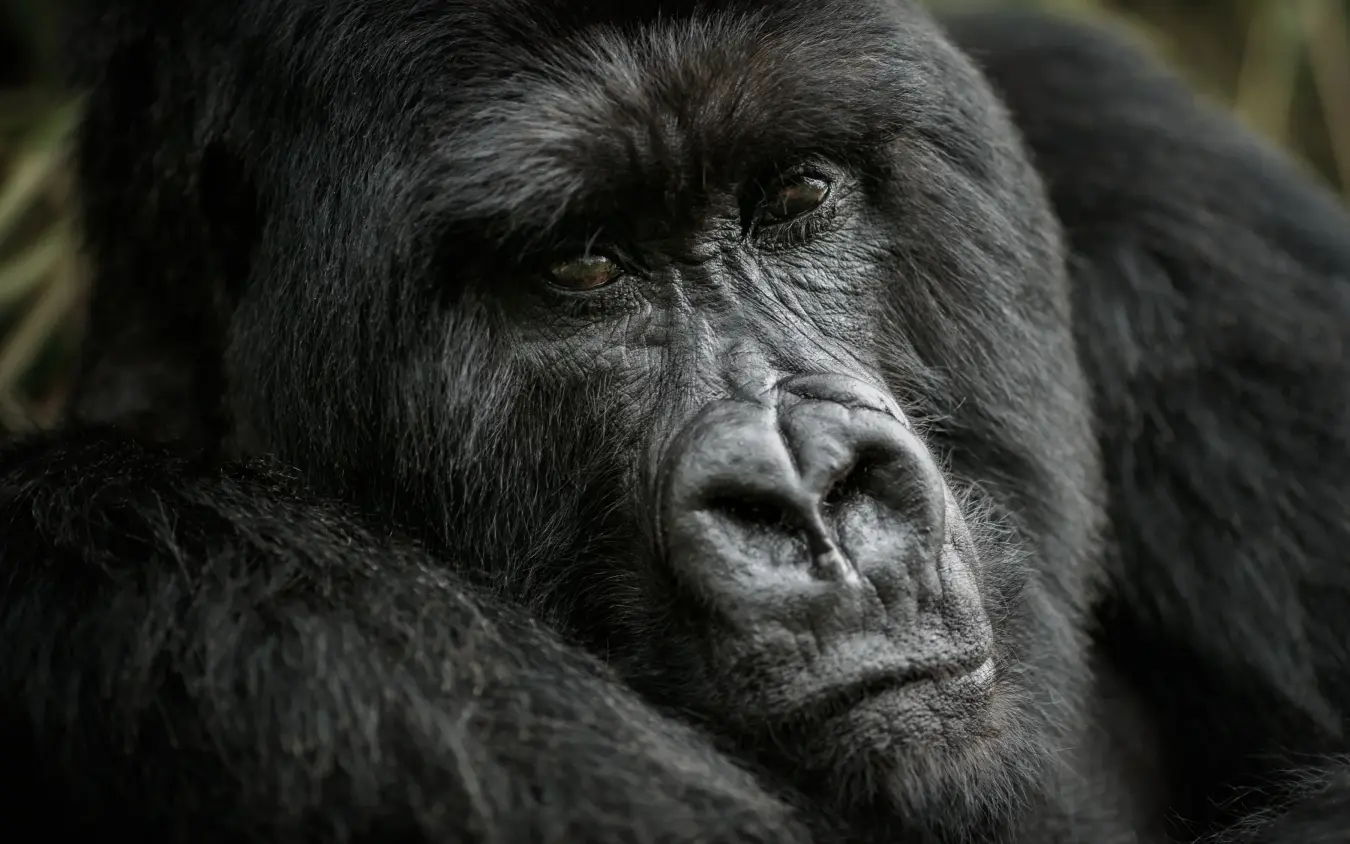
rwanda, uganda & kenya
Twelve nights linking Rwanda's gorillas, the Maasai Mara conservancies and Kenya's Mathews Range forest walks.
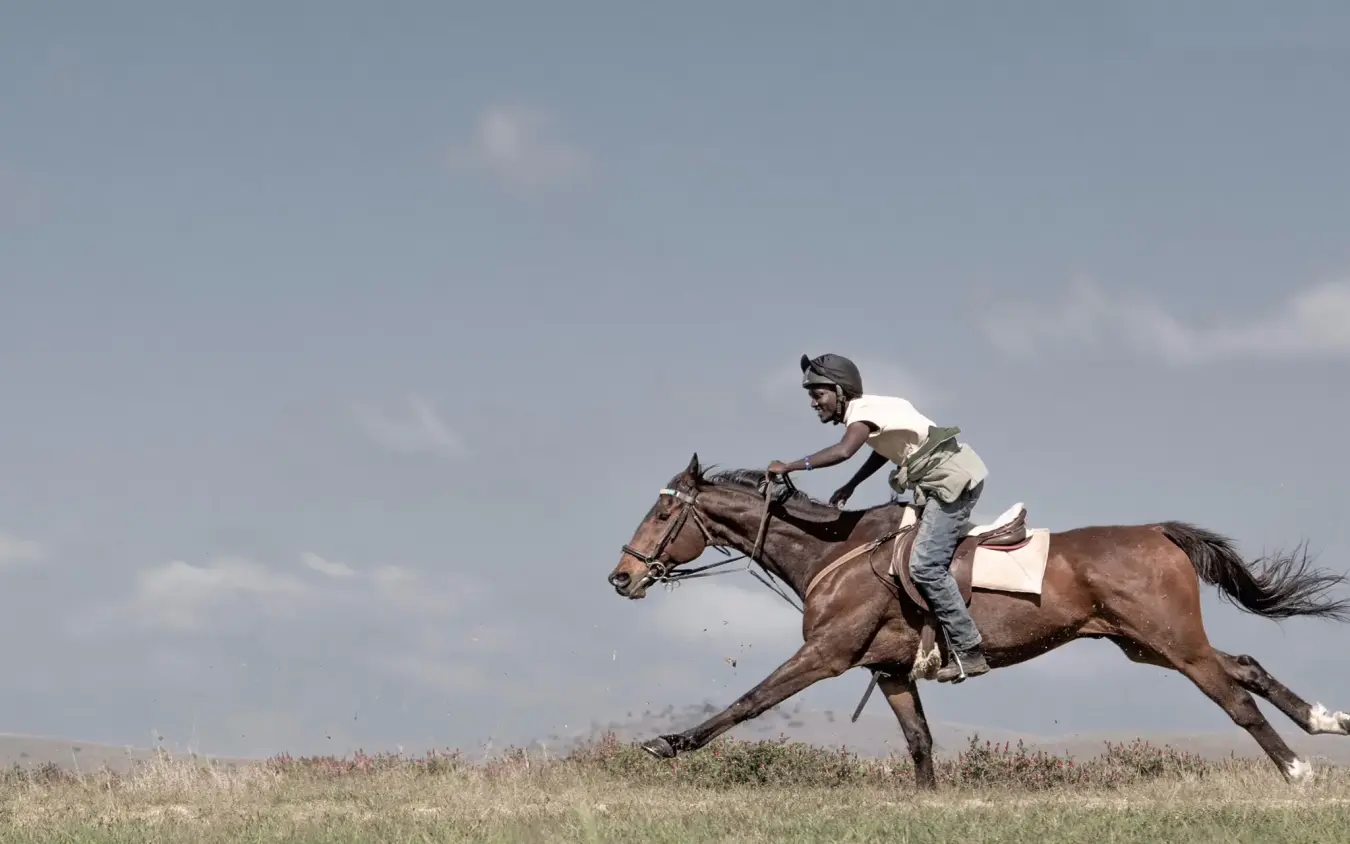
kenya & tanzania
Thirteen nights linking northern Kenya's conservancies to the Maasai Mara and the northern Serengeti's migration country.
rated five stars by our clients

our approach
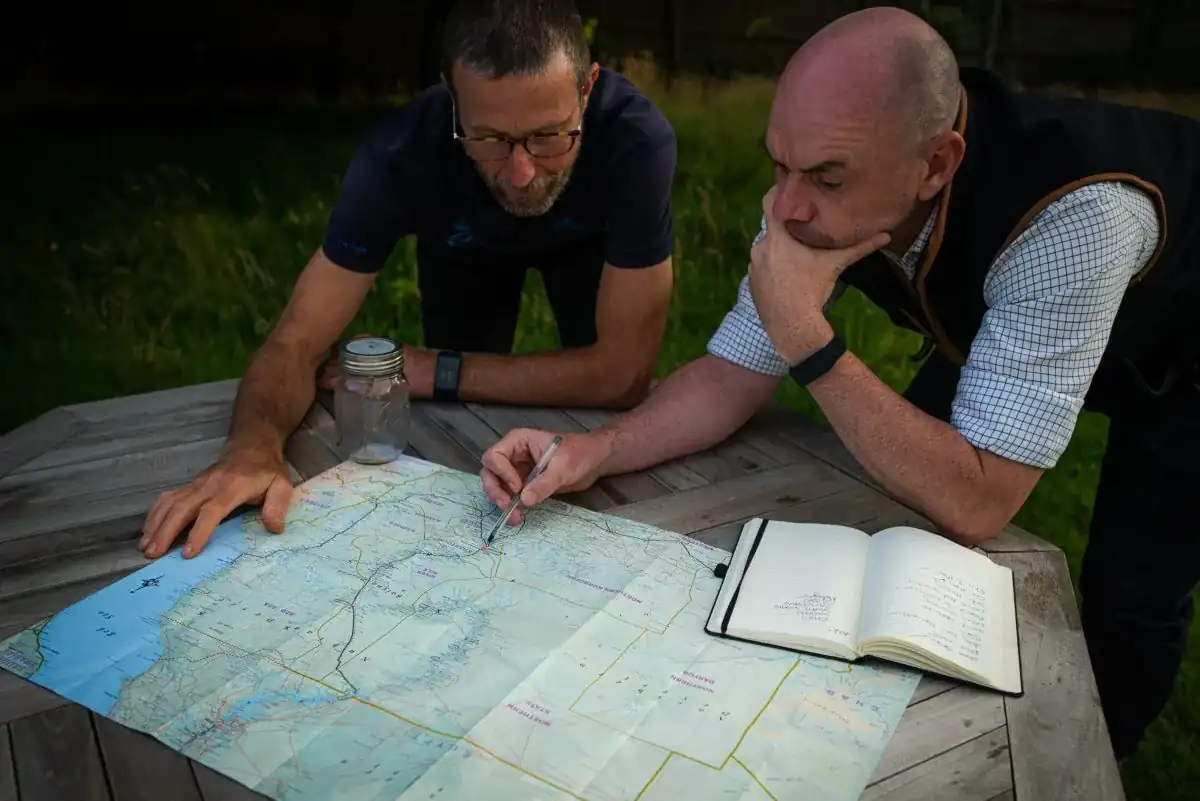
Every journey starts with a conversation. We take the time to understand your vision before we start planning.
Whether by phone or in person, we work with you directly to shape something that is considered, personal, and expertly delivered.
Every journey starts with a conversation. We favour a direct, personal approach: understanding your vision before anything else.
Whether by phone or in person, we work with you directly to shape a journey that is both thoughtfully considered and expertly delivered.
Get in touch to start planning yours.