Dove sold the camp in 1974, and it fell into disrepair. Two women who knew this country well brought it back in the mid-1980s. Margaret Gibb came from Gibb’s Farm, on the outer slopes of the Ngorongoro Crater. Aadje Geertsema was a Dutch researcher who had spent years studying serval on the crater floor. Together they rebuilt the lodge without smoothing away its character, and ran it for three decades. Dr Rob Barbour and his family took over in 2017.
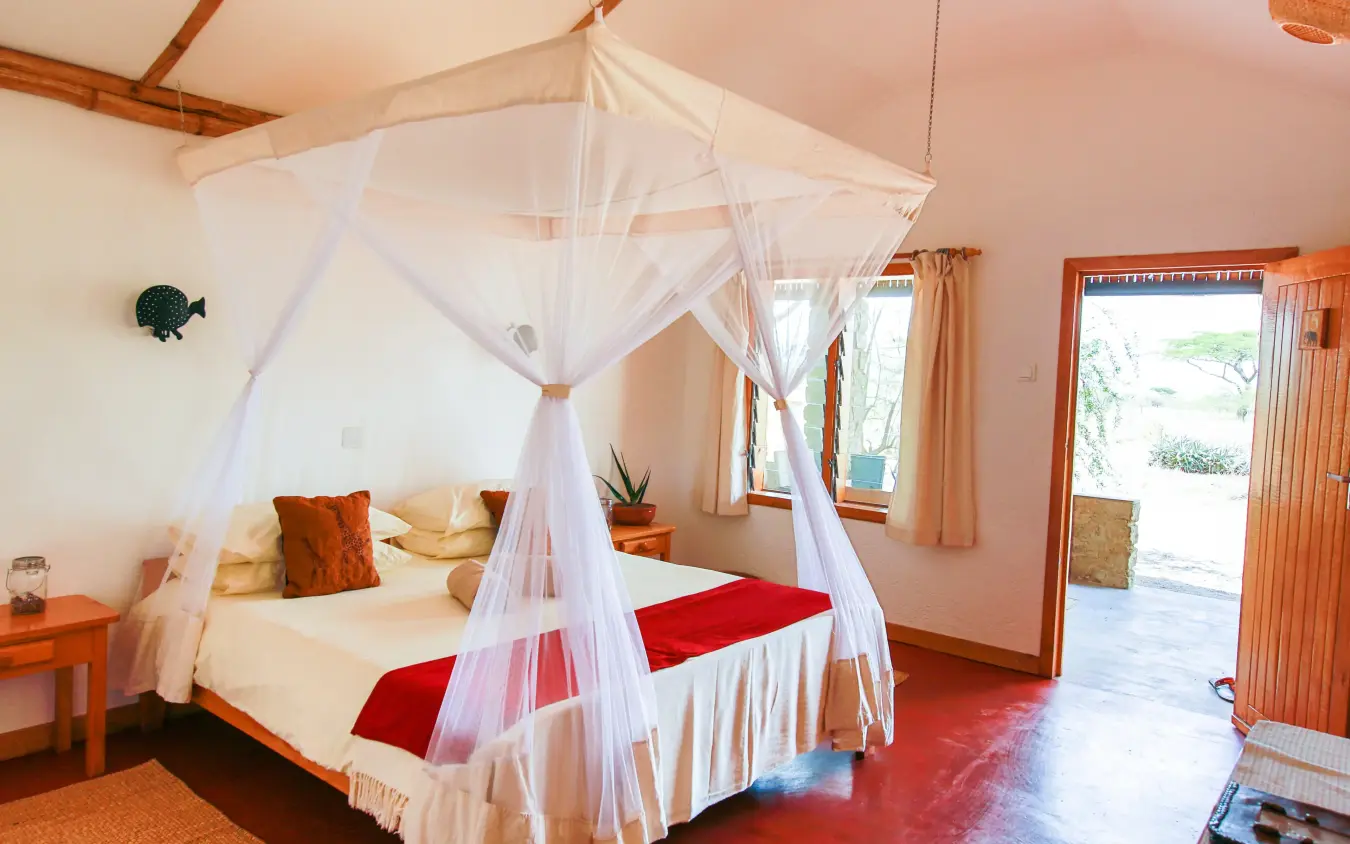
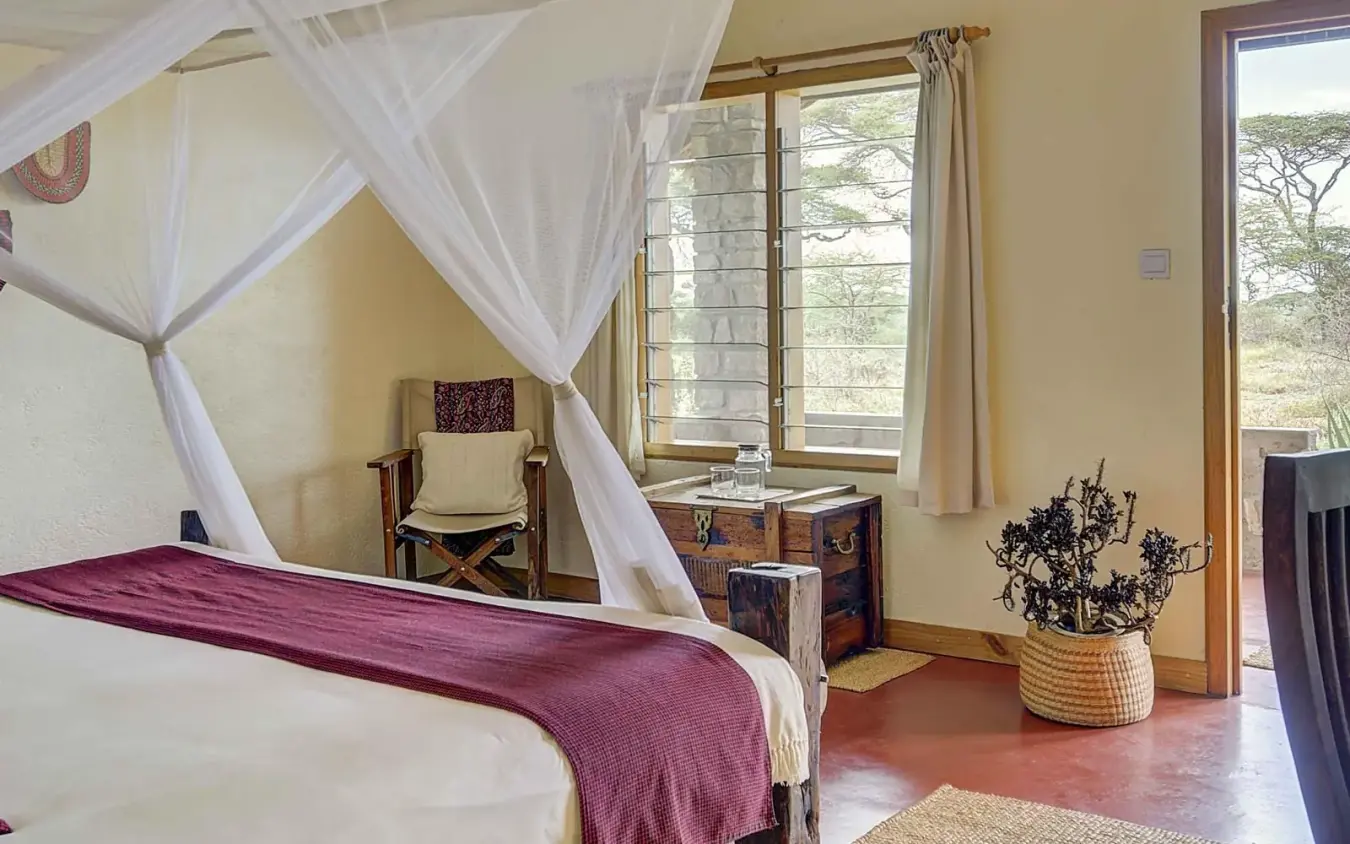
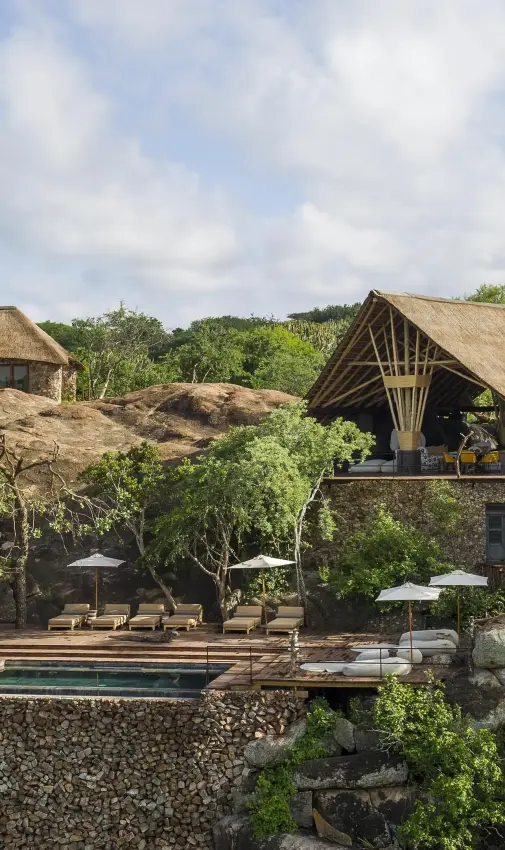
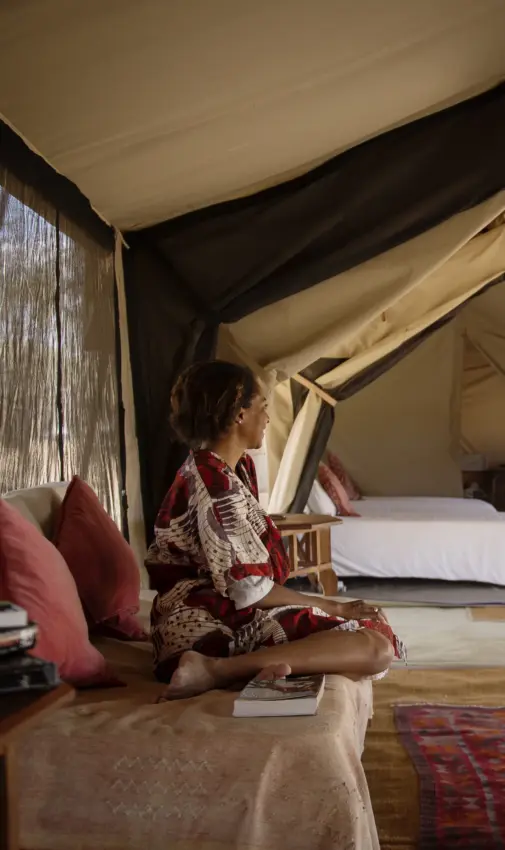
The cottages are built of rough local stone, with thatched roofs and walls thick enough to hold the cool through the middle of the day, each with a veranda facing the lake. The 2017 renovation raised the ceilings throughout, brightening rooms that had always been deliberately plain. At the centre of everything is the bar, a low brick dome that has been a meeting point for guides, filmmakers and researchers for decades. A cookie jar stands out all day, and coffee arrives at the cottage ahead of the dawn drive.
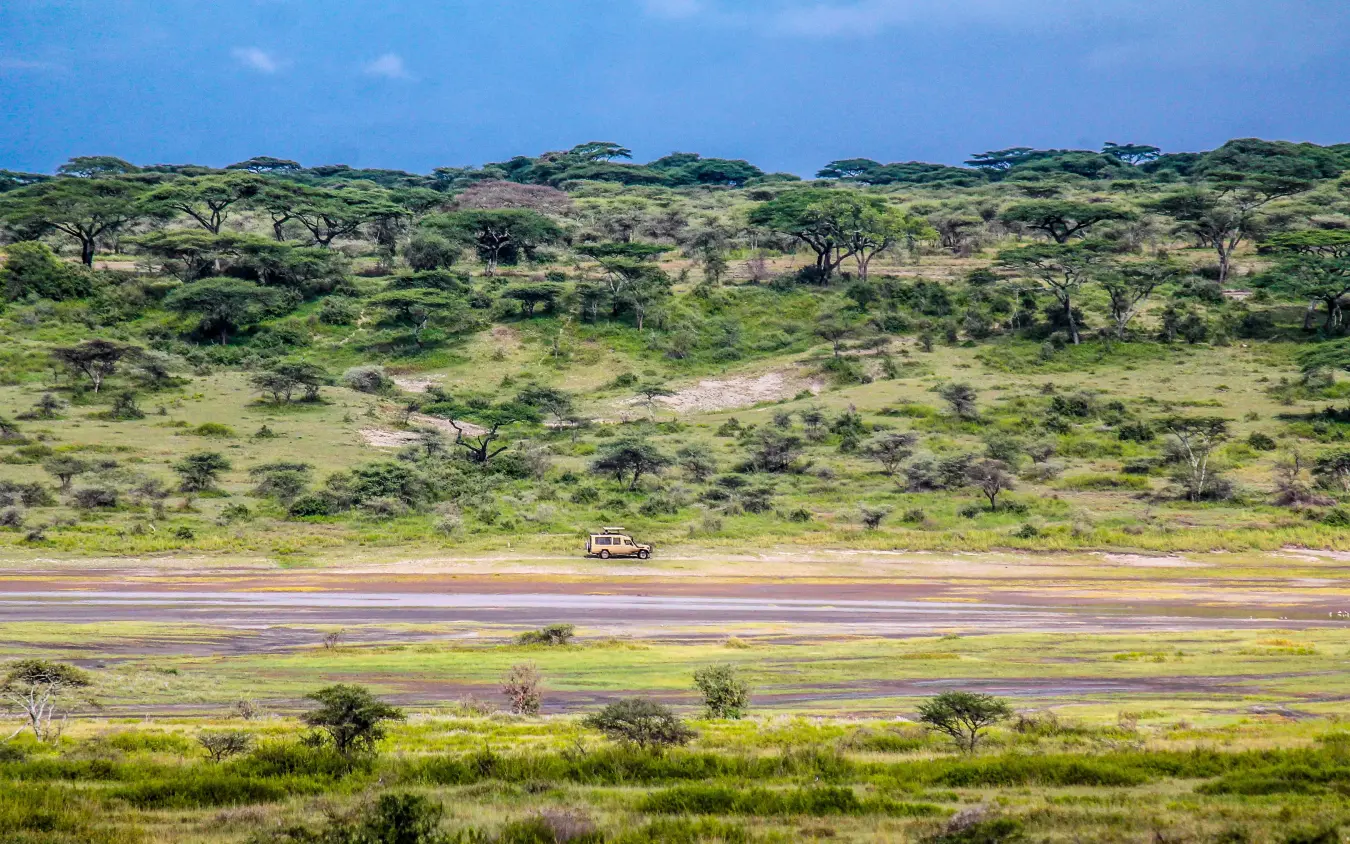
Lake Ndutu is shallow and seasonal, and some years the herds cross it directly.
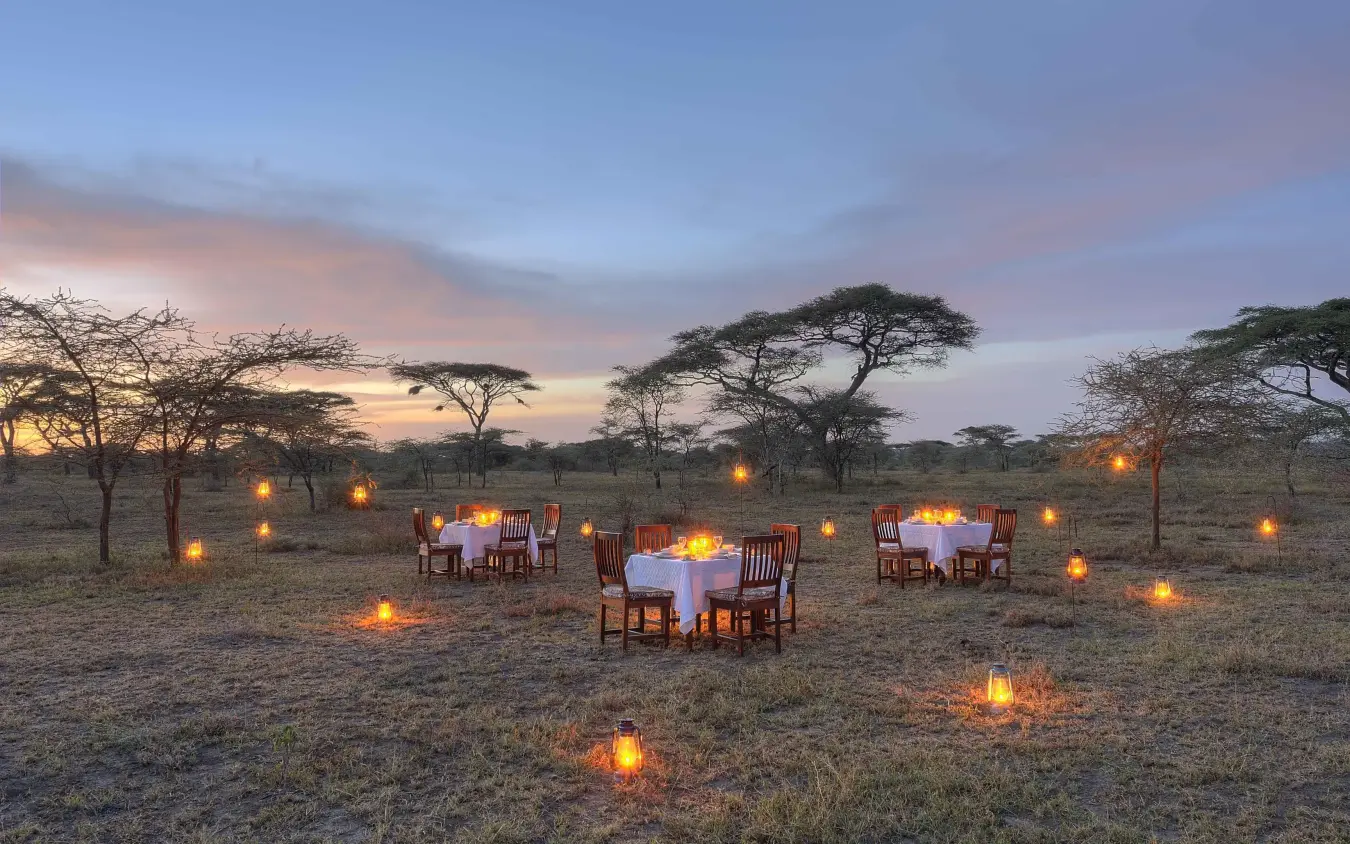
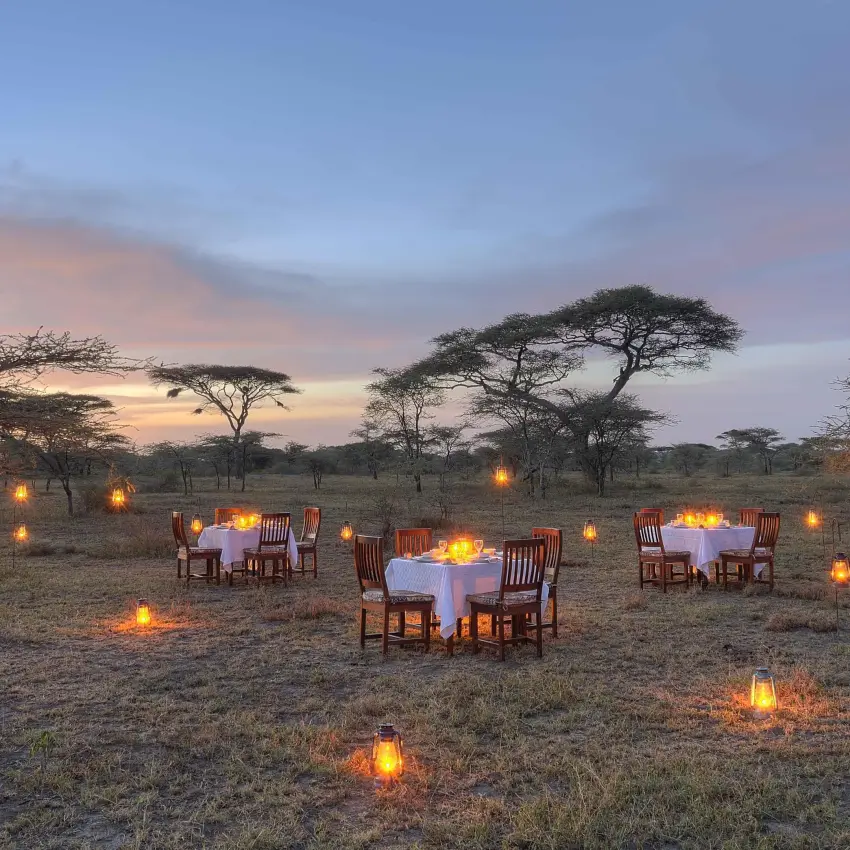
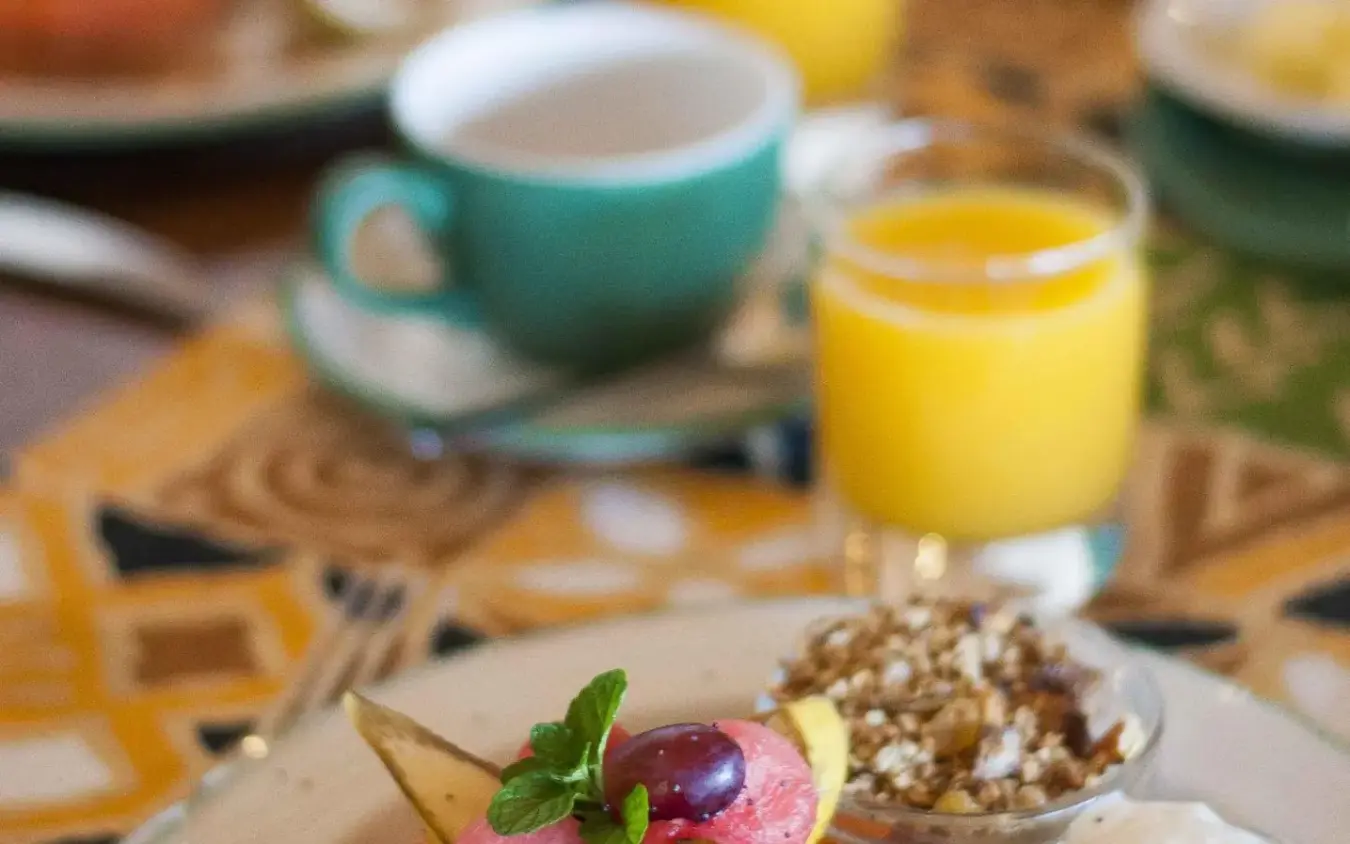
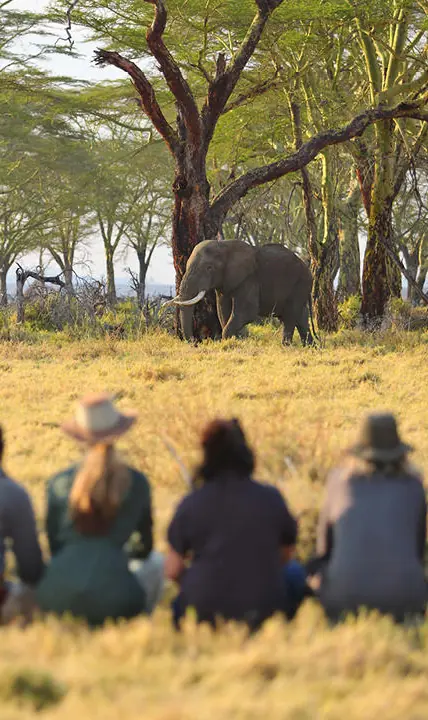
The Ndutu airstrip lies about a kilometre from the lodge, roughly fifty minutes by air from Arusha, so the approach is short and the days begin early. They follow the herds: long drives out onto the plains, breakfast set up in the grass, sundowners looking out over the water. Lake Ndutu is shallow and seasonal, and some years the herds cross it directly. Walks leave with an armed ranger from the post nearby and dwell on tracks, plants and birds rather than distance covered, with a minimum age of twelve. Oldupai Gorge and the Laetoli footprints are within reach for a day trip.
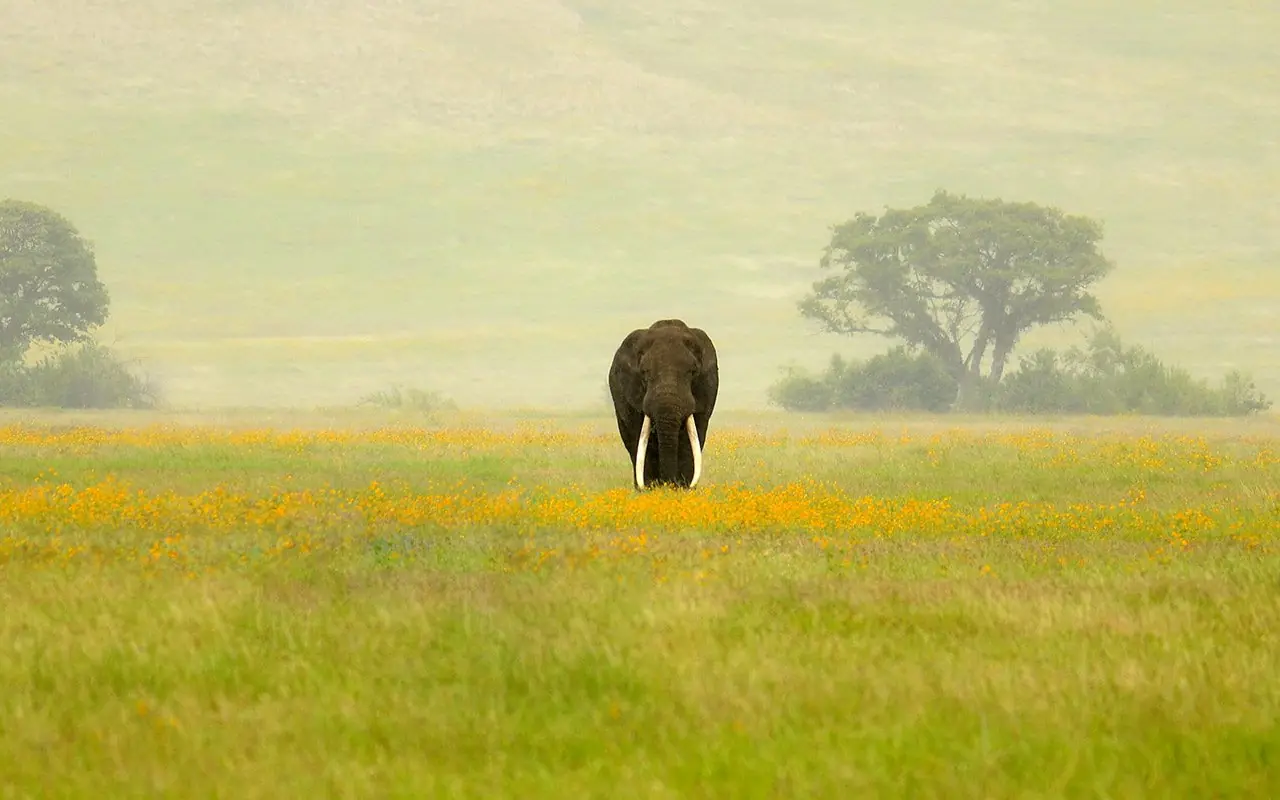
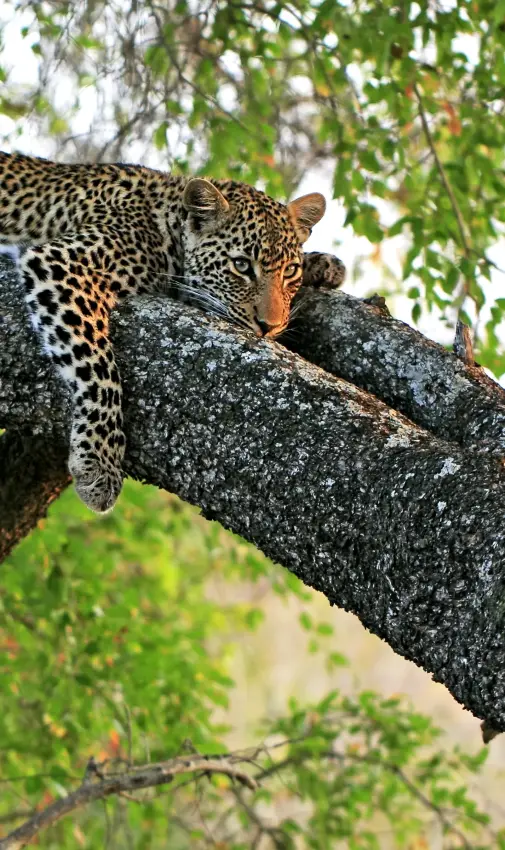
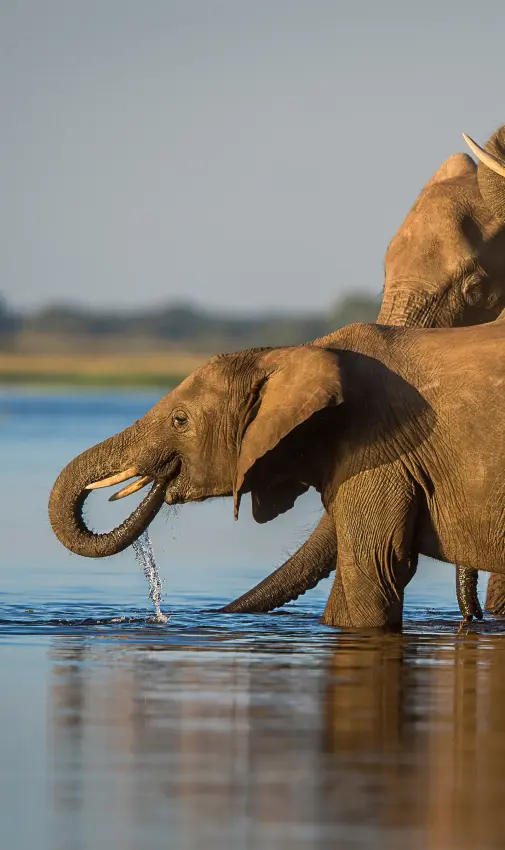
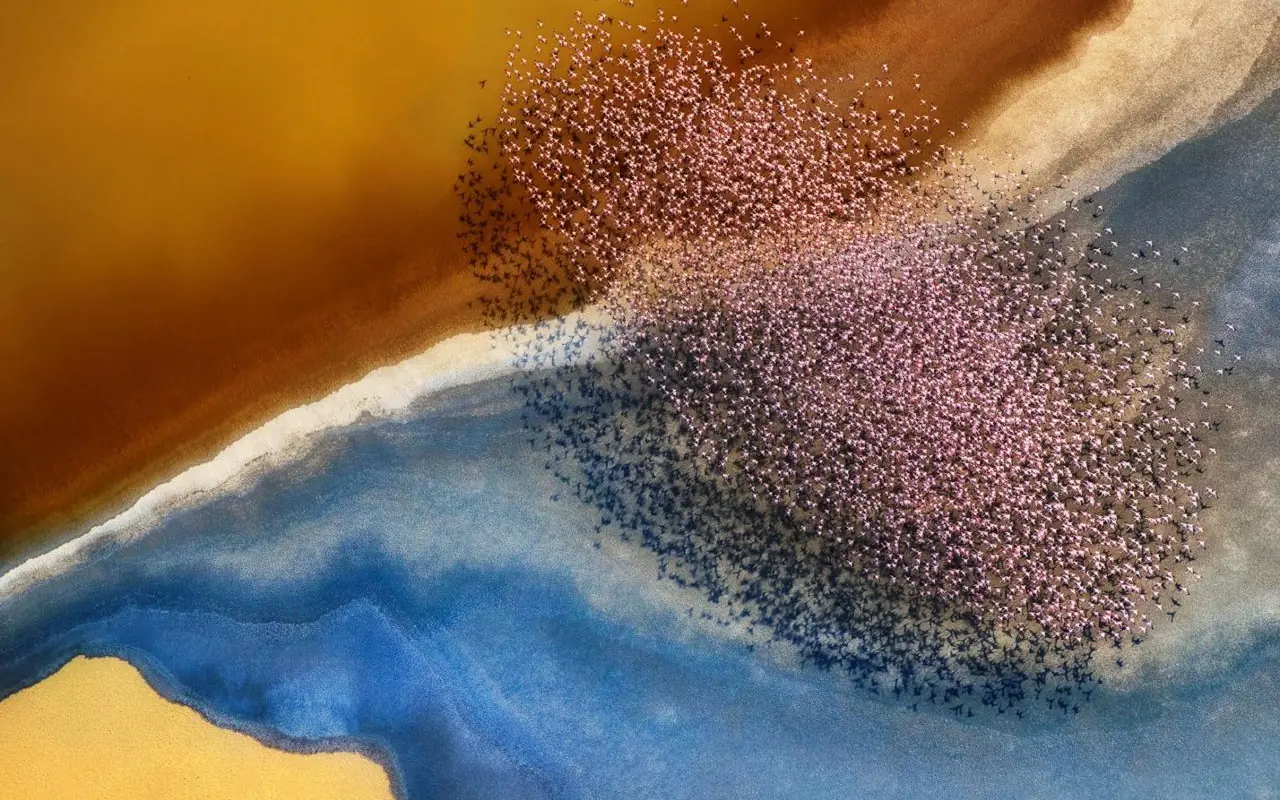
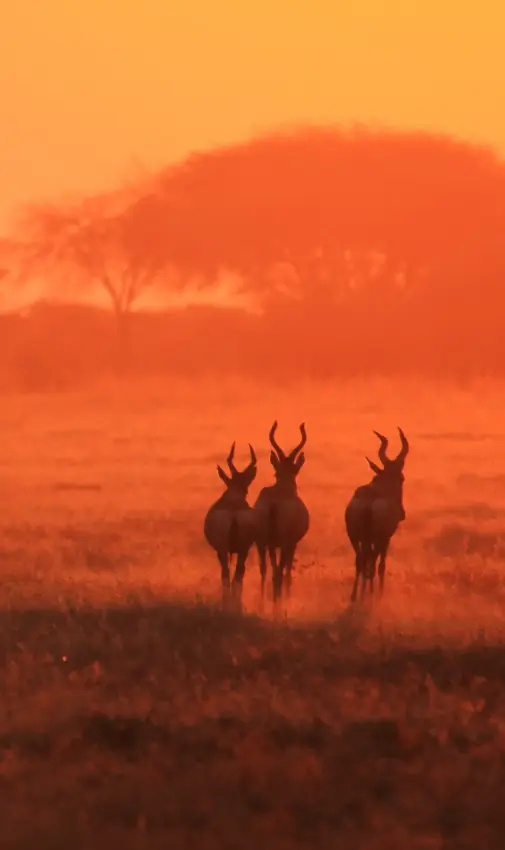
Six cat species live in this stretch of the southern Serengeti ecosystem, lion, leopard, cheetah, serval, African wildcat and caracal, alongside large clans of spotted hyena, and more than 400 bird species have been recorded around the woodland and the lake. Children of all ages are welcome, though the smallest need watching after dark, since elephants, hyenas and lions pass between the cottages at night. The morning starts with the calls of doves and spurfowl, long before the vehicles leave.