Camp

Singita Mara River Tented Camp

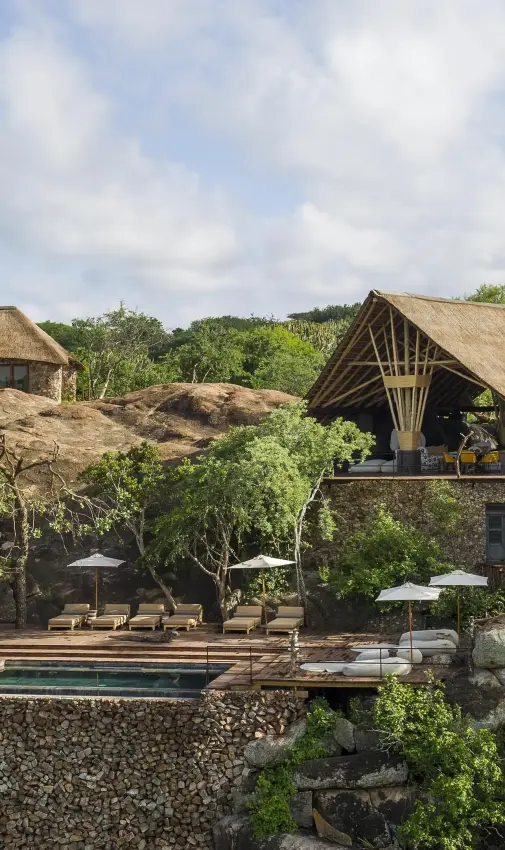
Six suites on a bend of the Mara River in the Lamai Wedge, the northern edge of Serengeti National Park, Tanzania.

Country: Tanzania
Location: Lamai Wedge, northern Serengeti
Number of rooms: 6

Above the Mara's crossing point zero

The Lamai Wedge is a stretch of Serengeti National Park pinned between the Mara River and the Kenya border, and in 2012 this became the first permanent camp granted permission to operate inside it, on the northern bank.

Crocodiles work the water below and lions wait along the banks.

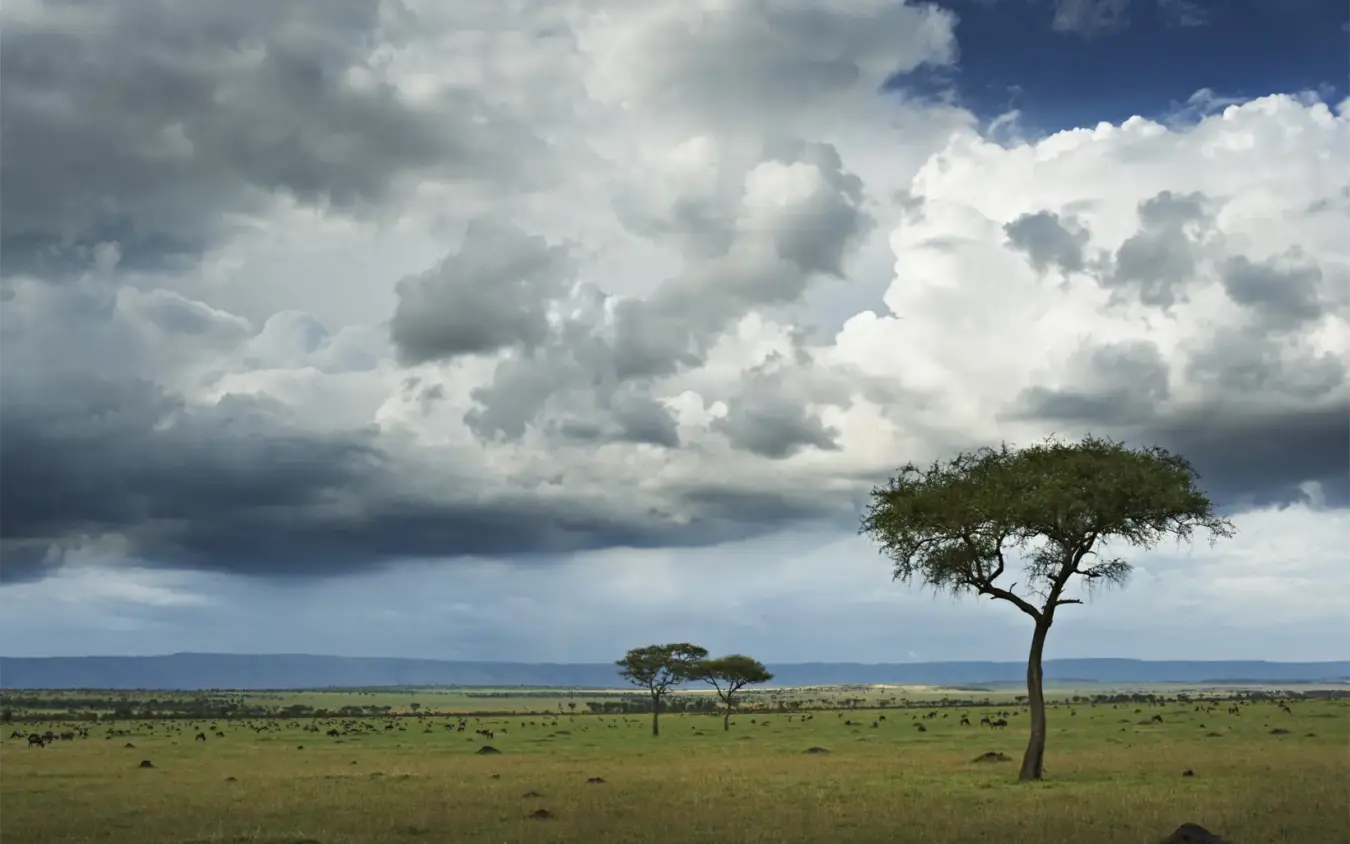
The suites look down on crossing point zero, one of the Mara’s established wildebeest crossings. From July to September the herds come through in view of the tents. Crocodiles work the water below and lions wait along the banks. For the rest of the year the Wedge empties out. Wildebeest, zebra, eland, topi and Thomson’s gazelle stay on through the dry months, held by the river’s permanent water, while the seasonal migration camps elsewhere pack up.

The camp was raised by builders and artisans from the surrounding area. More than twenty African designers and makers left their hand on the interiors. Among them is Sidai Designs, an Arusha beading collective run by women, whose oversized beaded wall panel took four months to complete.

The breeze off the river does much of the cooling.

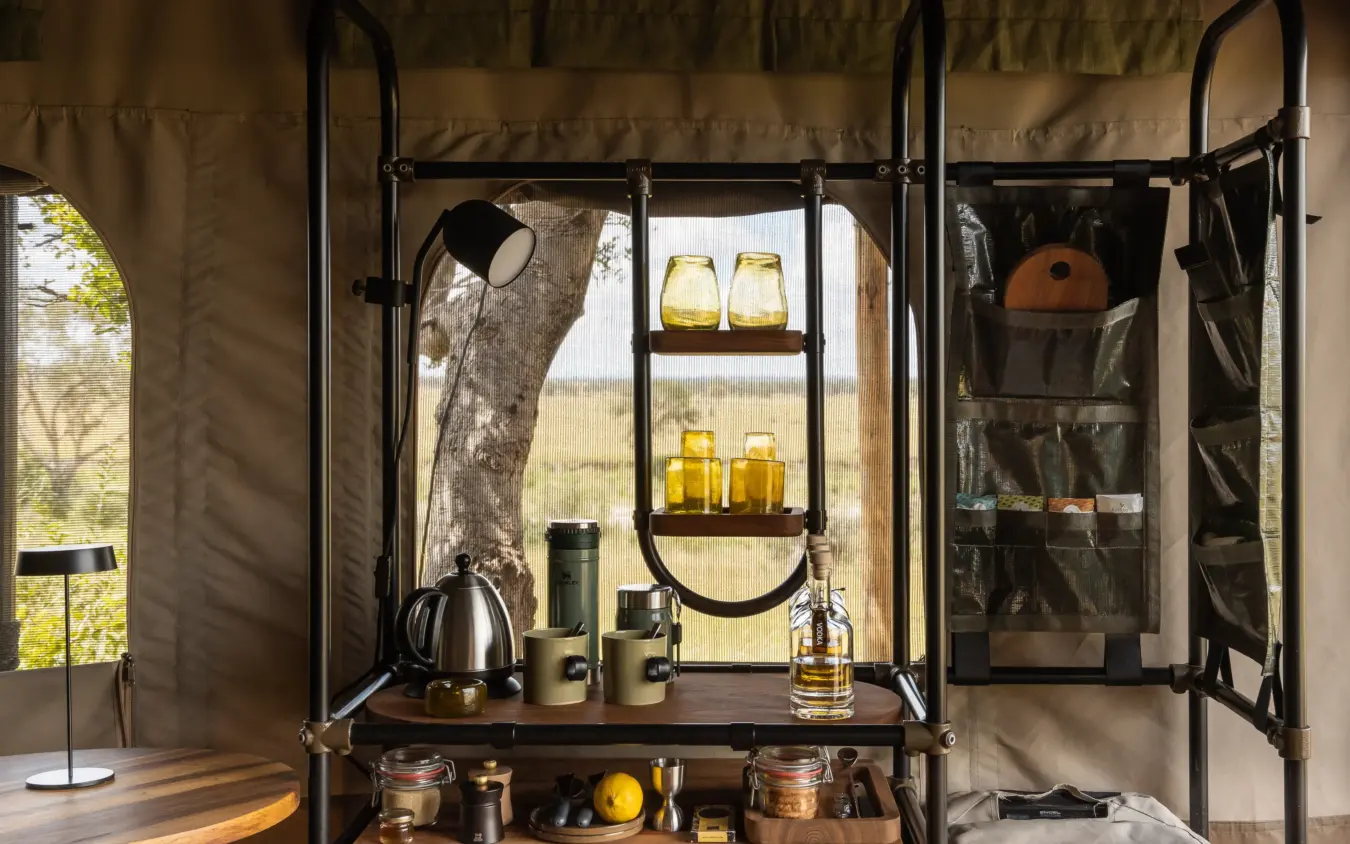
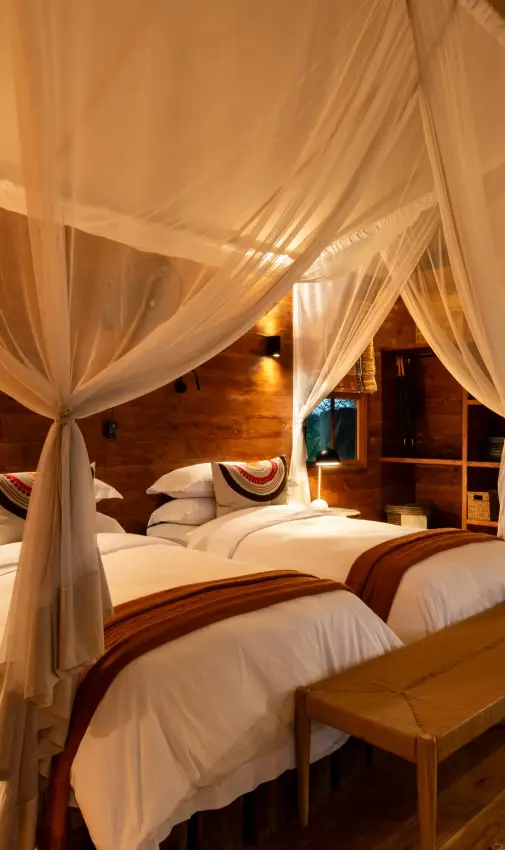
Maasai geometric patterns and Kuria beadwork set the palette, blood red, ochre and indigo grounded against olive green and brown, with jacaranda-wood pendant lights shaped like clay pots and beds dressed in textiles handmade by Coral Stephens. The breeze off the river does much of the cooling. Four one-bedroom tents and two family units stand a metre off the ground on decking, each with an outdoor bath looking down over the Mara.

01

accommodation

Four One-Bedroom Tents and Two Family Units

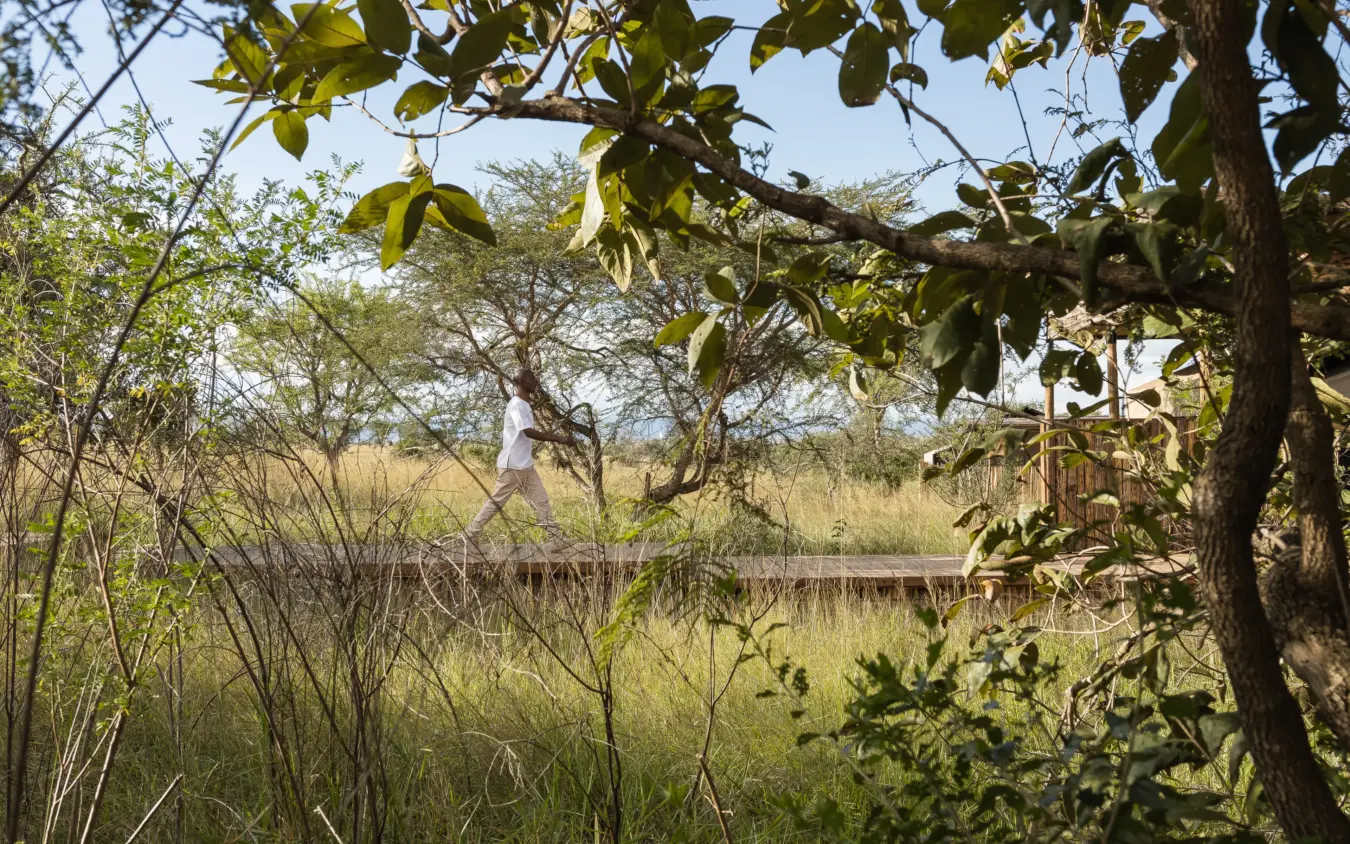
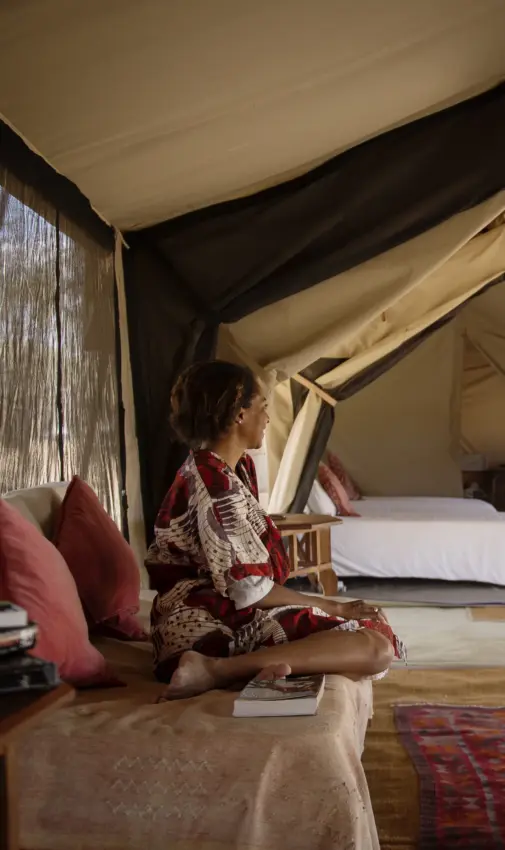
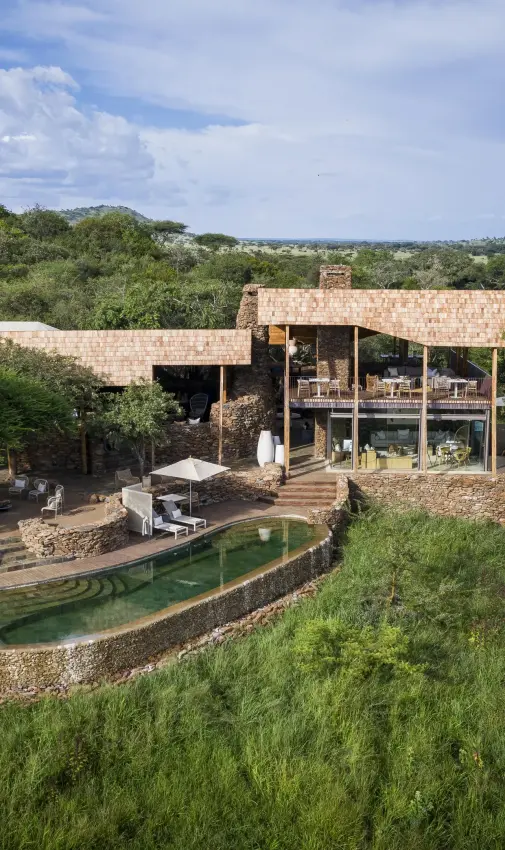
Six suites in total: four one-bedroom tents and two family units, each pairing two joined tents around a shared deck. All are raised on wooden platforms, with canvas walls, gauze windows, ceiling fans and a private deck facing the river. Each has an en-suite rain shower and an outdoor bath above the Mara.
02

activities

Twice-Daily Game Drives for Six Guests

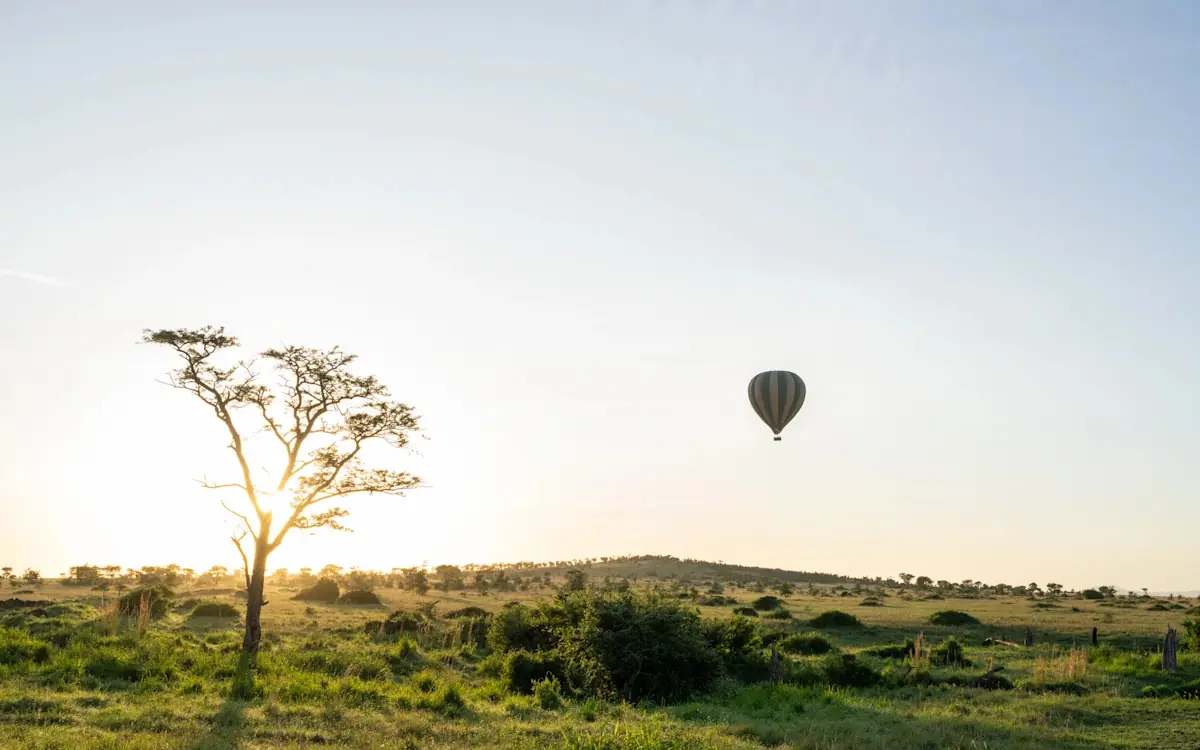
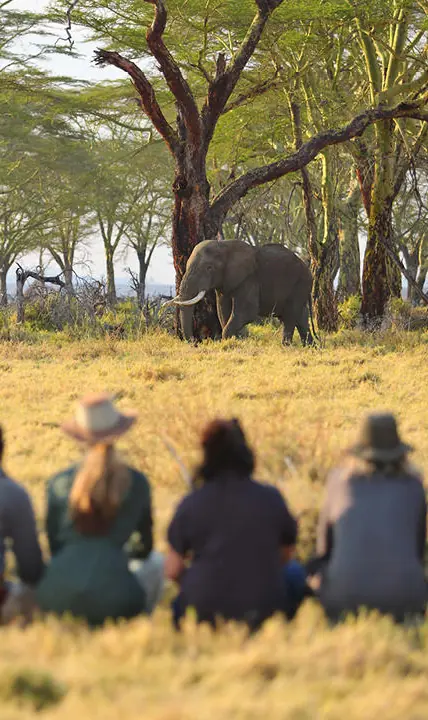
Twice-daily game drives in open 4WD vehicles, shared by no more than six guests. Birdwatching and balloon flights over the Serengeti. Activities follow Serengeti National Park rules, not the freedoms of a private concession. Swimming, wine tastings, yoga and spa treatments.

03

conservation

Grumeti Fund Reintroduced Nine Eastern Black Rhino

The Grumeti Fund runs anti-poaching and community programmes across the wider Grumeti ecosystem and reintroduced nine Eastern black rhino in 2019. Guest levies fund verified carbon credits through Carbon Tanzania's Yaeda Valley forest project. Sidai Designs, an Arusha women's beading enterprise, made the camp's beaded wall panel, and the camp's kitchen sources produce from small organic farms it helped seed near the park boundary.

ready to get started?

Get in touch and let’s start the conversation. An initial consultation helps us understand what you’re looking for, whether that’s specific experiences, luxury touches, or marking a special occasion, and from there we’ll guide you through what’s possible so you can decide if we’re the right fit.

Alternative accommodation in serengeti national park

Couple dining under ancient tree with hanging lanterns at dusk, Nyasi Tented Camp, Serengeti National Park, Tanzania 01

Nyasi Tented Camp

Serengeti National Park

Guests viewing elephant from savanna during guided safari walk, Namiri Plains, Serengeti National Park, Tanzania 02

Namiri Plains

Serengeti National Park

Canvas safari tent illuminated at dusk among acacia trees, Serian Serengeti Lamai, Serengeti National Park, Tanzania 03

Serian Serengeti Lamai

Serengeti National Park

Modern lodge building with pool surrounded by savanna vegetation, Singita Faru Faru Lodge, Serengeti National Park, Tanzania 04

Singita Faru Faru Lodge

Serengeti National Park

Safari lodge buildings with thatched roofs nestled among trees, Mwiba Lodge, Serengeti National Park, Tanzania 05

Mwiba Lodge

Serengeti National Park

Guest relaxing in infinity pool overlooking savanna landscape, Singita Sasakwa Lodge, Serengeti National Park, Tanzania 06

Singita Sasakwa Lodge

Serengeti National Park

Illuminated safari camp tents on wooden deck at dusk, Olmara Serengeti, Serengeti National Park, Tanzania 07

Olmara Serengeti

Serengeti National Park

Canvas safari tent with acacia tree at golden hour, Ubuntu Migration Camp, Serengeti National Park, Tanzania 08

Ubuntu Migration Camp

Serengeti National Park

09

Serian Serengeti South

Serengeti National Park

Luxury bedroom with four-poster canopy beds and wooden architecture, The Retreats at Sayari Camp, Serengeti National Park, Tanzania 10

The Retreats at Sayari Camp

Serengeti National Park

Canvas tent accommodation at sunset in savanna landscape, Olakira Migration Camp, Serengeti National Park, Tanzania 11

Olakira Migration Camp

Serengeti National Park

12

Kichakani Camp

Serengeti National Park

13

Kusini Serengeti

Serengeti National Park

Luxury safari tent interior with bed and savanna views through windows, Serengeti Wilderness Camp, Serengeti National Park, Tanzania 14

Serengeti Wilderness Camp

Serengeti National Park

15

Mara Mobile Tented Camp

Serengeti National Park

16

Ndutu Mobile Tented Camp

Serengeti National Park

17

Kuria Hills Lodge

Serengeti National Park

18

Adventure Flycamping

Serengeti National Park

Canvas tent dining area under acacia trees at dusk, Esirai Camp, Serengeti National Park, Tanzania 19

Esirai Camp

Serengeti National Park

Person holding lanterns standing in savanna grassland at dusk, Serengeti North Wilderness Camp, Serengeti National Park, Tanzania 20

Serengeti North Wilderness Camp

Serengeti National Park

frequently asked questions

Every scheduled flight lands at the Serengeti Lamai airstrip, on the camp's own side of the river, and Singita's road transfer from the strip is part of the rate: Singita puts the drive at forty-five minutes, against about an hour and a half of game drive if you land at Kogatende, which is on the far bank. Singita's own airline, Grumeti Air, flies in from Arusha in about an hour and a half and from Kilimanjaro in about an hour and three quarters, both routed through the Sasakwa airstrip on the Grumeti reserve, in a Cessna Grand Caravan or a Beechcraft King Air 350, which is the natural way to join this camp to Singita's Grumeti lodges in one trip. Coastal Aviation's published timetable has two daily departures from Arusha, at a quarter to eight and a quarter to eleven, both calling at Lake Manyara and landing at ten past ten and a quarter to one; from Kilimanjaro a late morning flight routed through Arusha and Manyara lands at a quarter to one and a mid afternoon flight lands at a quarter to six; and from Dar es Salaam a single morning departure routes through Zanzibar, Arusha and Manyara and lands at a quarter to one. Air Excel's morning flight leaves Arusha at eight and lands at Lamai around twenty past ten, and Auric Air lists the strip as well. We can also arrange a private charter, typically a Cessna Caravan or a Pilatus PC-12, from Arusha or Kilimanjaro at a time of your choosing, which takes out the stops and suits a party arriving on different international flights.

Two things to know. The light aircraft take soft bags only, fifteen kilograms in the hold and five in the cabin on Grumeti Air, and fifteen in all on Coastal unless we book its larger seat class, which allows thirty. And the ticket has to read Lamai rather than Kogatende, because the causeway at Kogatende is the one place a vehicle can cross the Mara into the Lamai Wedge, so a wrong strip adds a river crossing to your arrival. The Maasai Mara lies just over the Kenyan border to the north, but the Sand River crossing between the two parks has been closed to visitors since 1977, so the link is by air: Coastal's timetable has a daily late morning hop from Lamai to Tarime, a road transfer through the Isebania border posts to Migori airstrip in Kenya, included in the fare, and a Safarilink connection into the Mara from there, with the same route running back in the afternoon. It needs at least two passengers booked, so we confirm it early rather than on the day.

Yes. Singita's own guest information for the camp says it sits in a malaria-risk area and asks guests to consult their medical practitioner about anti-malaria requirements before they travel, and the two official sources we work from say the same. TravelHealthPro, the UK's official travel health service, classes all of Tanzania below 1,800 metres as high risk for malaria and lists antimalarial tablets among its recommendations for those areas, with no risk above that height; the CDC draws its line at the same 1,800 metres and recommends prescription medicine to prevent malaria for anyone going below it. Singita's own line settles which side of that line the camp falls. Both sources put weight on avoiding bites, and TravelHealthPro notes that the mosquitoes carrying the disease feed mainly between dusk and dawn, which at this camp is the hour of the fire pit, the outdoor bath and the walk along the river bank back to a tent, so long sleeves and trousers after sunset, repellent on any skin left bare, and a check that the net is down and the tent zipped before dark are sensible whatever else is decided.

We are travel planners rather than medical people, so the decision about tablets sits with you and your doctor or a travel clinic, and it is worth having that conversation four to six weeks before you fly, because the advice changes and the right choice depends on the person taking it. If children are in the party, raise them at the same appointment: the camp takes them from ten, and the guidance for a ten-year-old is a matter for the clinic rather than for a travel company.

Yes, from the age of ten, and Singita says so in two places: its guest information gives ten years and older, and its family page says children older than ten. In practice it is a grown-up camp, and for a first safari we would suggest twelve and over. The practical rules come from Singita's own rate sheet: a child of ten to sixteen sharing pays a child rate and anyone of seventeen and over pays as an adult, the four standard tents take two people and no more, and each family tent takes up to four, so a family of four is one family tent and a family of five is two units. Singita offers childminding at the camp, and beyond the rangers' course its family page lists cooking classes, swimming, stargazing, arts and crafts and the balloon flight, which the balloon operator accepts from the age of seven, so every child old enough for the camp is old enough to fly; the flights run from June to November only and we book them before you travel.

Two things to weigh. The camp is unfenced and inside the national park, so a child's place on a game drive is left to the guide's judgement on the day, and children need an adult with them whenever they are outside the tent, the escorted walk after dark included. And the standard vehicle is shared, so with a young family we would book a private vehicle, which Singita sells by the day, and let the days run at your children's pace; on the dates Singita's four and six night offers apply, the vehicle comes at half price or free. Tell us the ages when you enquire and we will confirm the tent arrangement with Singita before we hold anything.

Yes to wifi, and Singita includes it. Its own guest information is candid about the connection: it is complimentary, but because of the camp's remote position it can be slow and intermittent. Plan on messages, email and photographs going out between drives rather than a video call at a fixed hour, and download anything you want to read or watch before you fly. Mobile signal is not something to count on, and we would rather confirm the current position with the camp for your dates than promise you bars. Each tent has an internal phone to the main area for anything urgent, which matters more than it sounds in a camp where the tents are spread along a river bank and the night belongs to the animals.

The power side is simpler than the off-grid label suggests. The solar system carries the whole camp through the day and Singita's guest information says international plug points are provided, so a camera charger or a laptop is not a problem; we would still pack a universal adapter, which weighs nothing. LED lighting keeps the load low, and each tent has a hair dryer and a safe. Anyone travelling with equipment that must run through the night should tell us at the enquiry stage so we can check with Singita what the system can carry, and if someone in the party needs a reliable hour of connection for work, say so before we confirm and we will ask what the camp can hold on your dates rather than promise on its behalf.

Singita's own guidance is the honest one: it says guests at the camp typically see the migration in August and September, as the herds follow the rains north into the Maasai Mara, while the wider northern Serengeti season runs from July to October. A crossing cannot be booked for a morning; the herds can stand on the bank for days and go in the hour you are at lunch, so we give the river more than one day. The Lamai Wedge is the wettest corner of the park: annual rainfall climbs from under 500 millimetres on the south-eastern plains to around 1,150 in the north-west, which is why the Wedge keeps its grazing and resident game after the south has dried out. Singita divides the year into light rains from November to March and long rains in April and May, and the camp is shut for the second half of that: it closes on 15 January and reopens on 1 June, with the herds on the southern calving grounds through those months and the long rains behind them. June to October is the dry season, with afternoons around 26 degrees and nights around 14, and between June and September a cold front can drop the first hour in an open vehicle close to freezing; the wet months run a degree warmer either side. Balloon flights over the Wedge run from June to November only.

Singita's own packing list follows that calendar: casual summer clothing with a warm jersey for October to April, and lightweight clothing with a very warm parka or windbreaker for the very cold mornings and nights from May to September. Add neutral colours, a wide-brimmed hat, high-factor sun cream, repellent, closed shoes with grip for the river bank and a light waterproof for November and December; each tent keeps a pair of binoculars, so leave yours at home unless you are particular about them. All of it goes in soft bags at fifteen kilograms a person plus five in the cabin for the light aircraft. Laundry at this camp is limited, small amounts done on site with a day's turnaround and larger loads sent away for three days, so pack for five days rather than three and let the camp wash the rest.

Three nights as a minimum, and four in August and September, when the crossings are the point of the trip and cannot be timed; outside those months three nights gives two full days on the resident game the river holds through the dry season. Check-in is at one in the afternoon and check-out at eleven, so a morning flight in lands in time for lunch and an afternoon flight out leaves a last drive. Singita's 2026 offers reward staying on and are worth planning around: four nights at any of its Serengeti lodges and camps earn a fifth free with a private vehicle at half price, and six nights across any combination earn a seventh free with the private vehicle included, both for trips that begin and end between early January and mid May or between the start of October and mid December, with the free night always the lowest-rated one. For this camp, closed from 15 January to 31 May, that means the first fortnight of January or the weeks from October to mid December. The camp pairs naturally with Singita's Grumeti lodges to the west, because its own airline routes between the two through the Sasakwa airstrip, though the flight between them sits outside the rate.

The rate itself is close to all-inclusive. Singita's published rate covers the tent, all meals and drinks including its premium wines, spirits and liqueurs, the twice-daily game drives, the road transfers to and from the Lamai airstrip and a limited laundry service. Charged on top, and listed as such by Singita, are the wildlife fee, the national park fee, the concession fee and the tourism development levy, the carbon offset levy, purchases from the boutique, wellness treatments, any activity not on the standard list, the balloon flight among them, and the flights in and out; a private vehicle is sold by the day. The carbon levy is Singita's own scheme, on every booking since 2021: it is worked out from the average footprint of a night's stay, charged per guest per night, and buys Plan Vivo-accredited credits from Carbon Tanzania's Yaeda Valley project, where the Hadza and Datoga communities receive at least 61 percent of the initial sale price and decide in village meetings how it is spent, which so far has meant healthcare, schooling and the wages of their own village game scouts. We build the fees, the levy and the flights into the quote from the start, so the figure you see is the figure you pay.

rated five stars by our clients

other areas in tanzania

African wild dog standing alert in grassland 01

Ruaha National Park

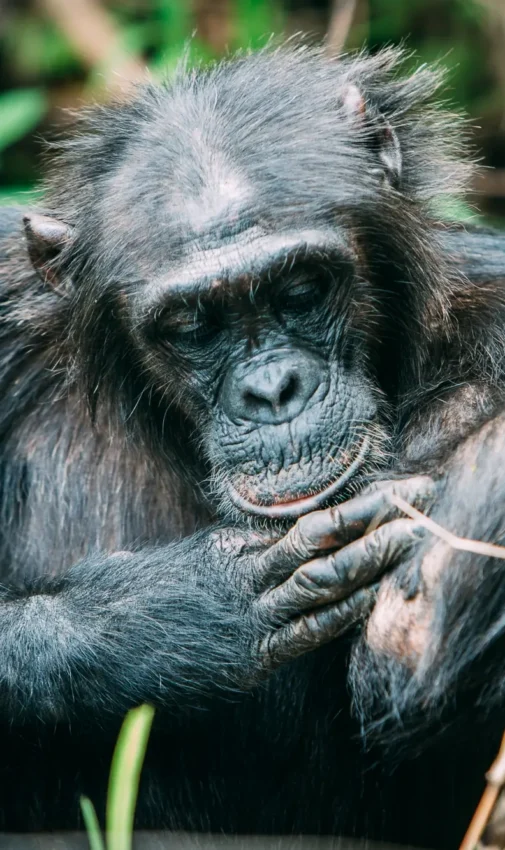
Chimpanzee holding branch while foraging in forest, Mahale Mountains, Tanzania 02

Mahale Mountains

Guests relax in chairs by river with child wading, Lake Manyara, Tanzania 03

Lake Manyara

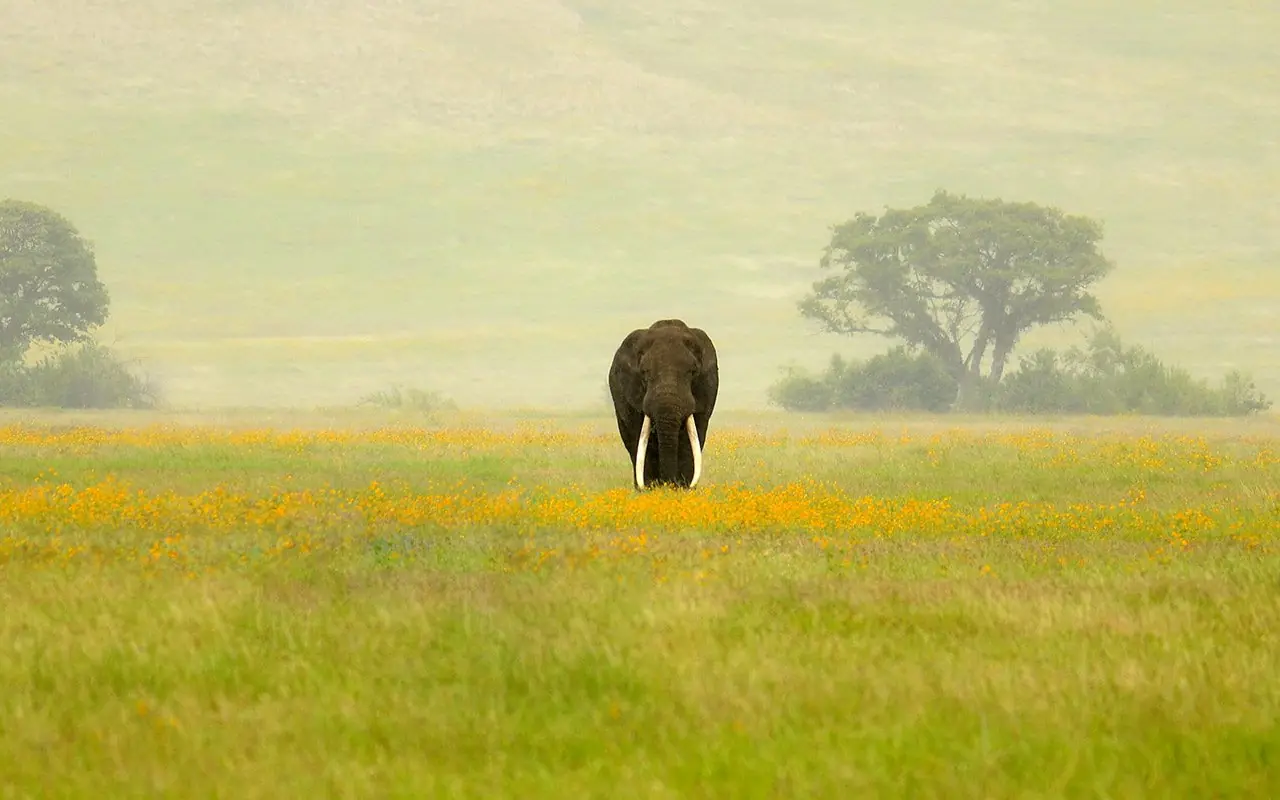
Elephant walking alone across golden savanna grassland 04

Ngorongoro Crater

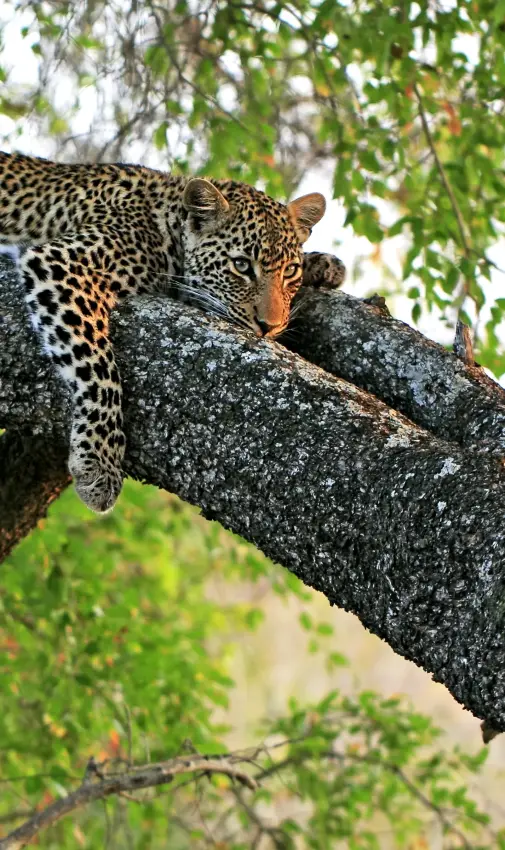
Leopard resting on tree branch surrounded by green foliage 05

Tarangire National Park

Hippopotamuses in water with heads above surface 06

Katavi National Park

Turquoise water beach with boats and tropical vegetation 07

Zanzibar & Pemba

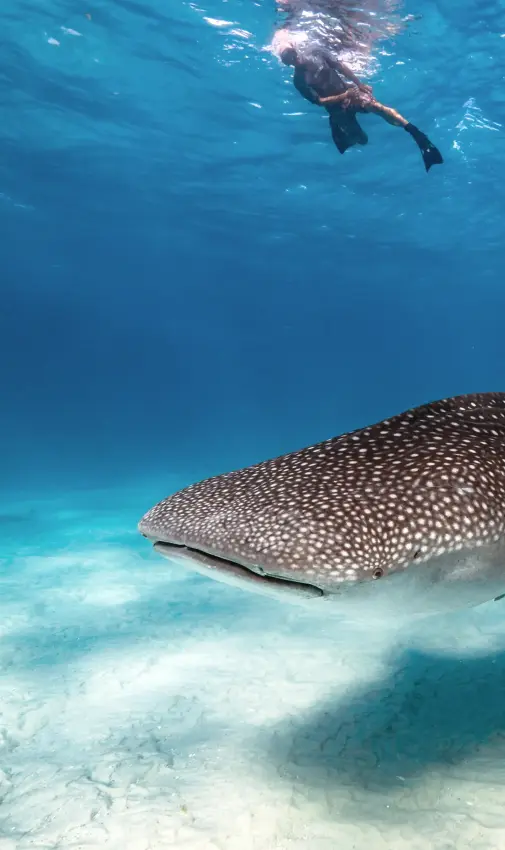
Snorkeler swimming alongside whale shark in shallow turquoise water, Mafia Archipelago, Tanzania 08

Mafia Archipelago

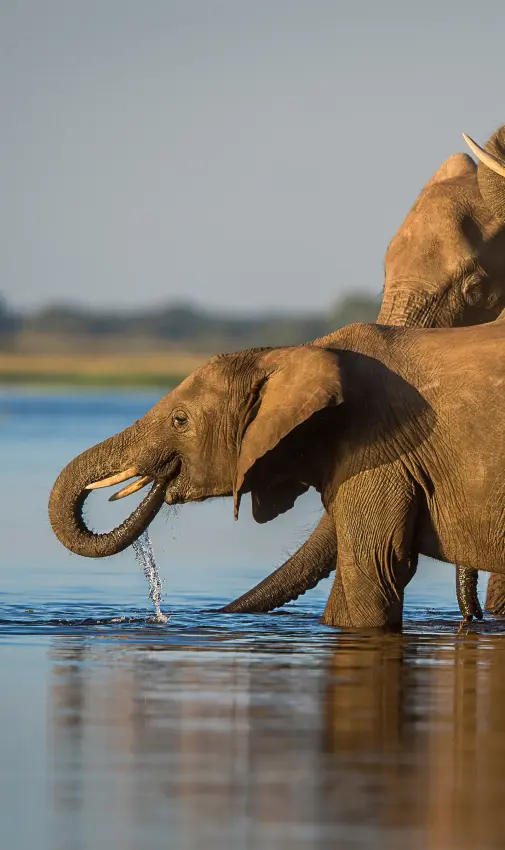
elephants drinking water at riverbank during daytime 09

Nyerere National Park

Chimpanzee among vegetation looking toward camera, Rubondo Island, Tanzania 10

Rubondo Island

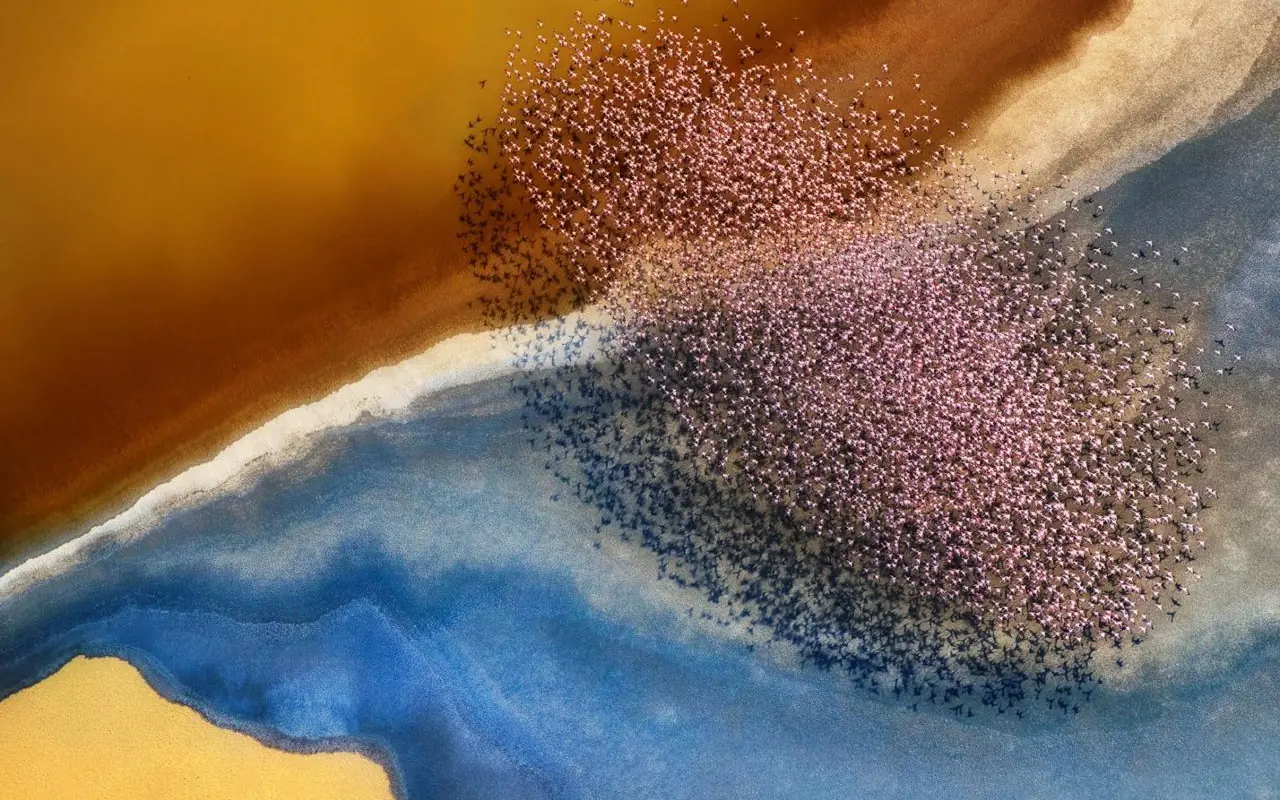
Aerial view of colorful salt lakes and mineral deposits 11

Lake Natron

Local people walking on dusty road with vehicle approaching 12

Arusha

13

Ugalla River National Park

Planning a journey together

our approach

remote, exclusive
& personal

Every journey starts with a conversation. We take the time to understand your vision before we start planning.

Whether by phone or in person, we work with you directly to shape something that is considered, personal, and expertly delivered.

get in touch
destinations ideas & inspiration our process about us contact us