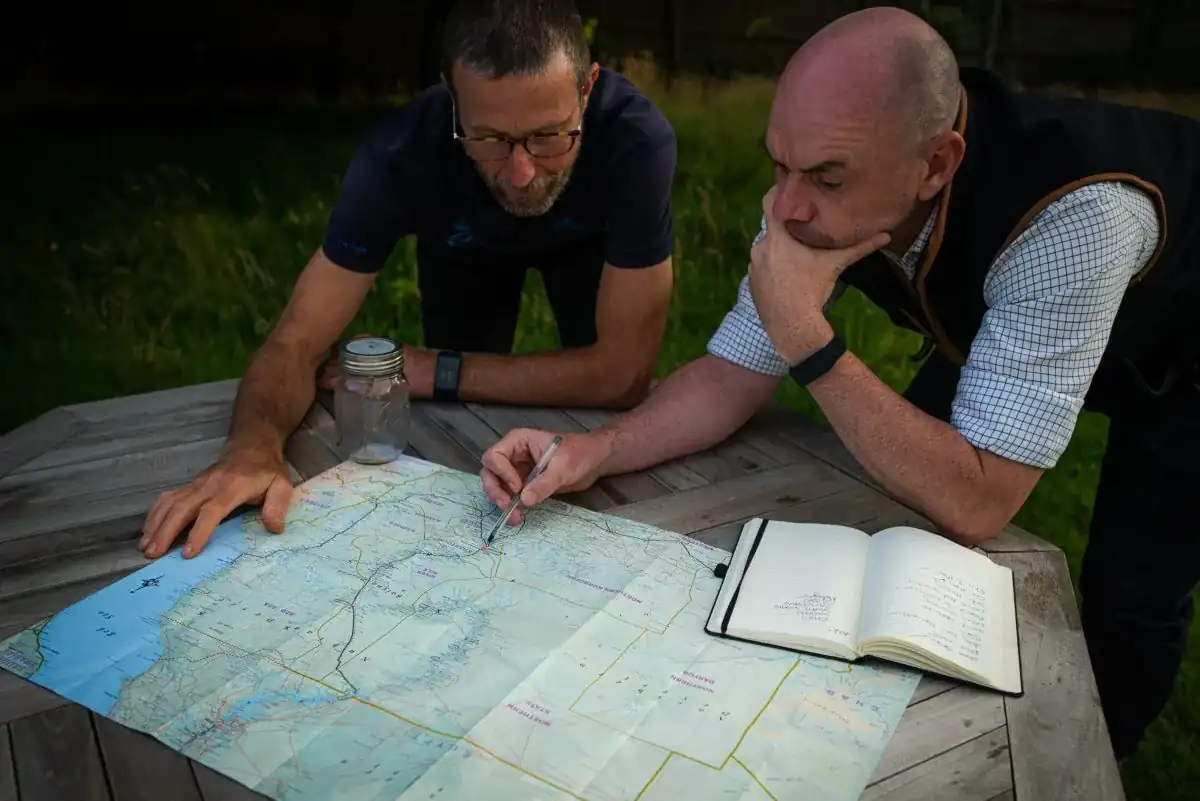
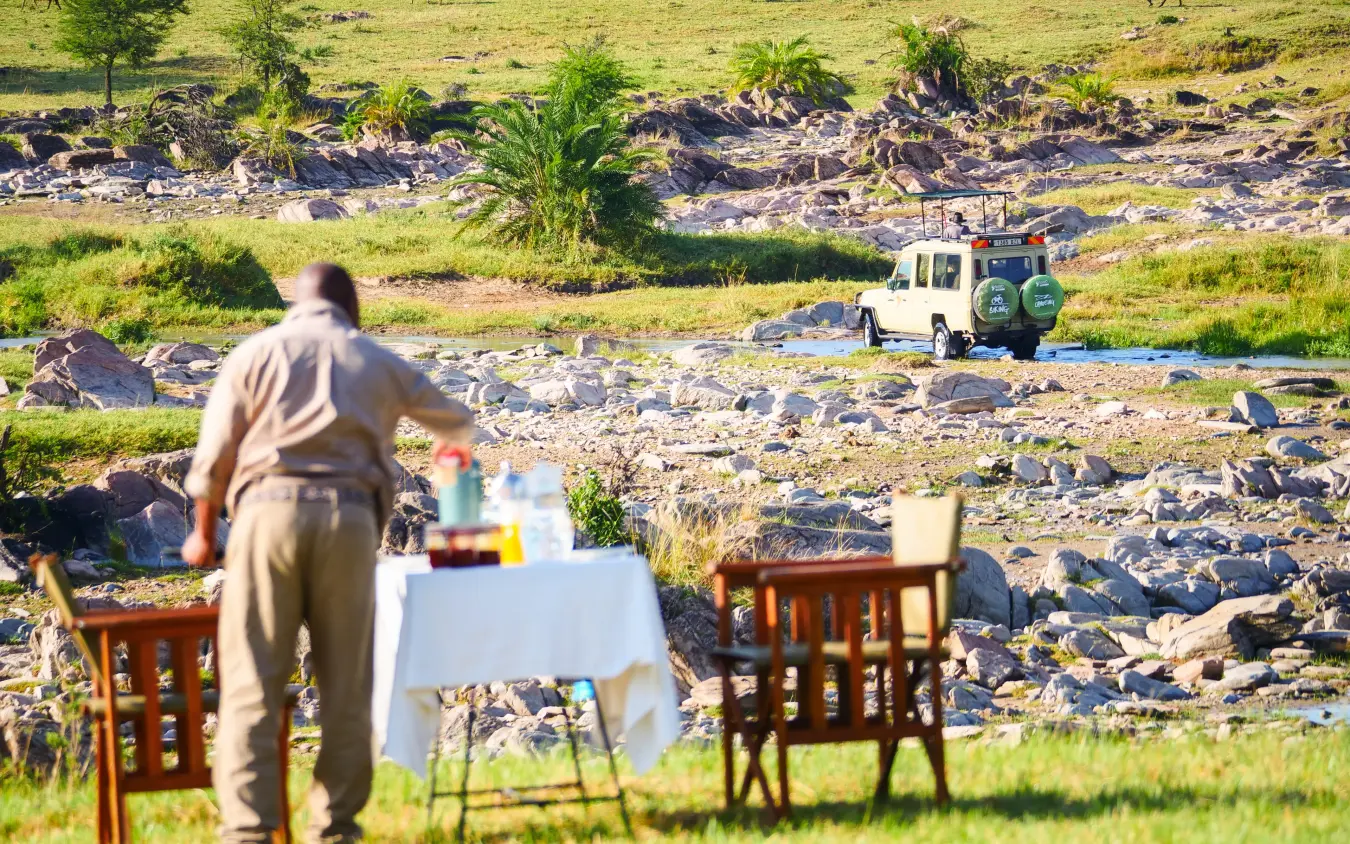
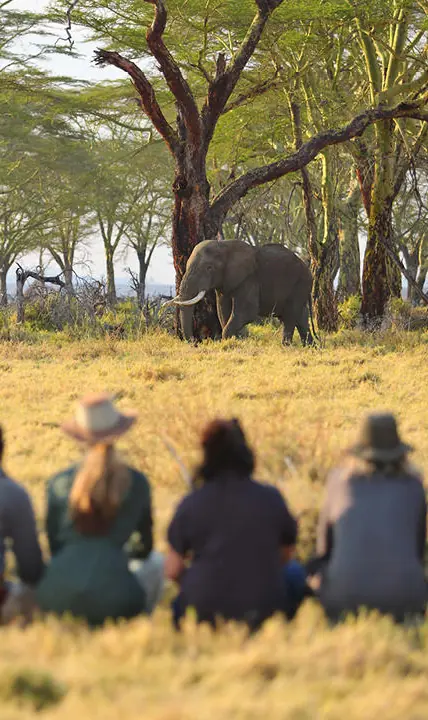
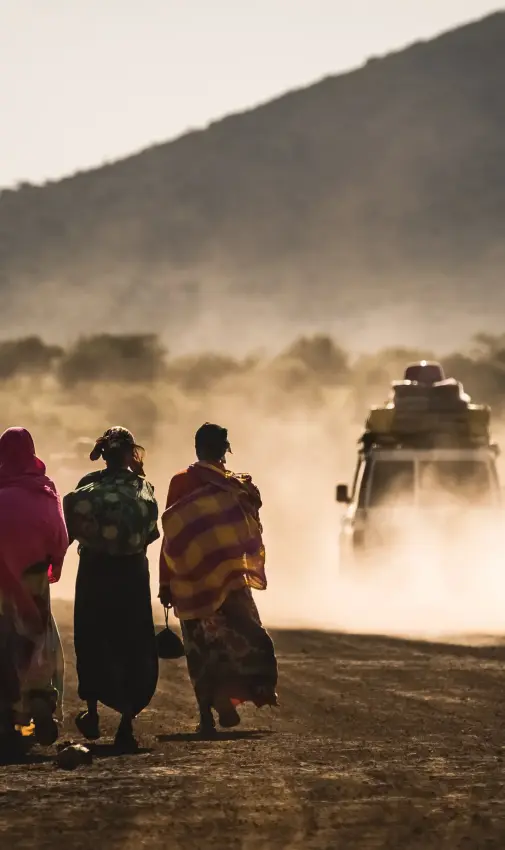
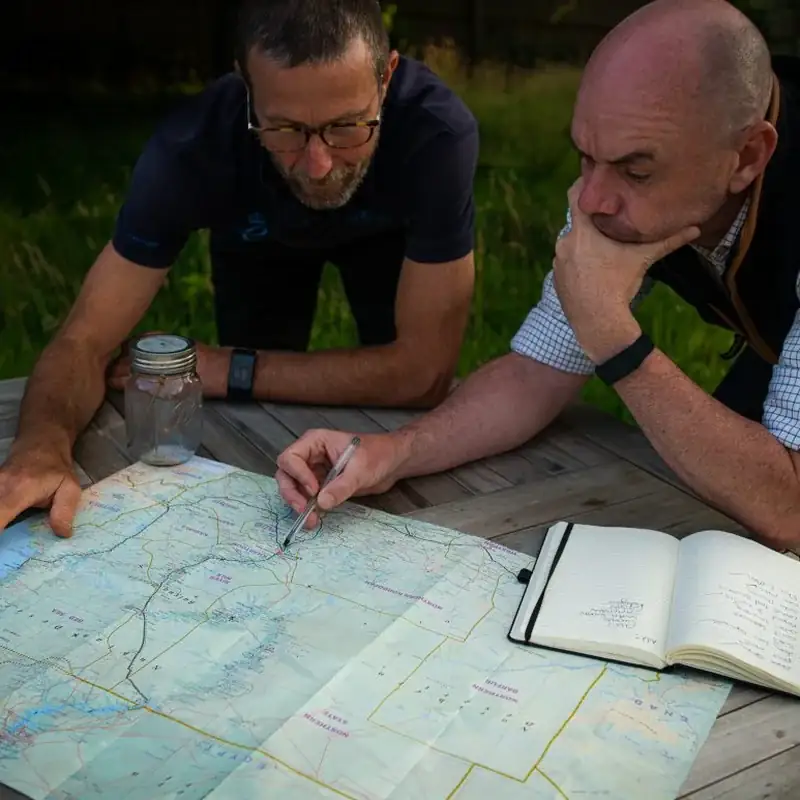
Jean du Plessis founded Wayo Africa in 1999, having arrived in the Serengeti three years earlier to train guides and park rangers. His conviction, that being close to the animals on foot matters more than lavish fittings, still runs through everything the camp does. He became one of the few operators permitted to lead walking safaris across the open Serengeti plains, and Green Camp grew directly out of that permission. Game drives run morning and afternoon as standard, but the walk remains the camp’s defining act.
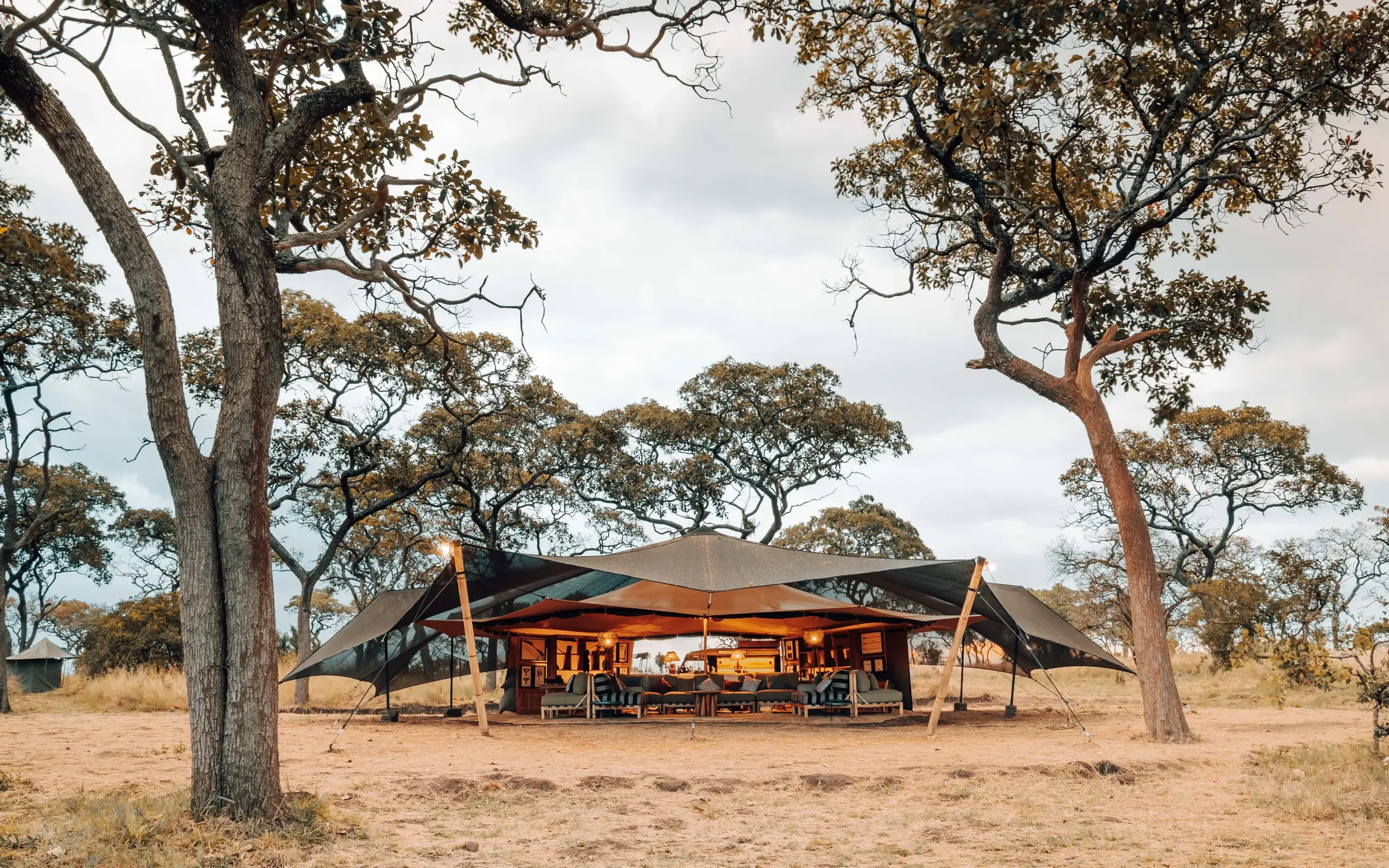
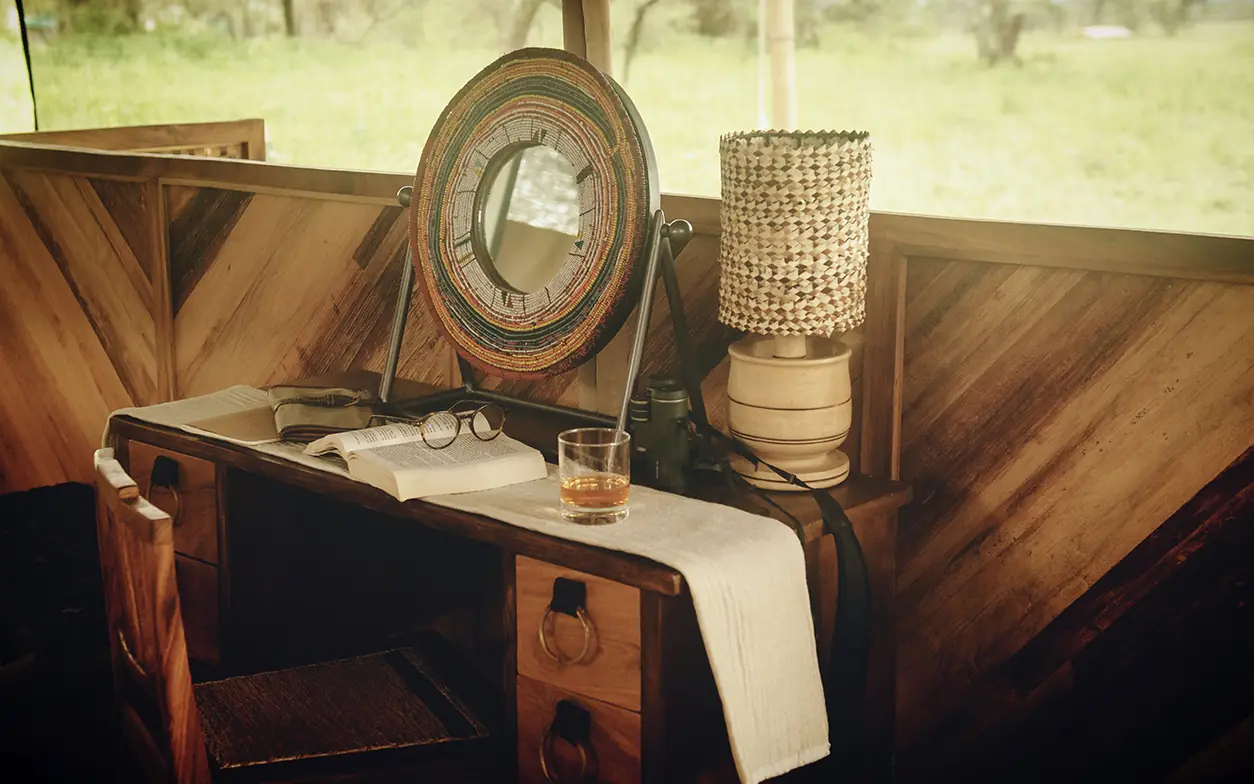
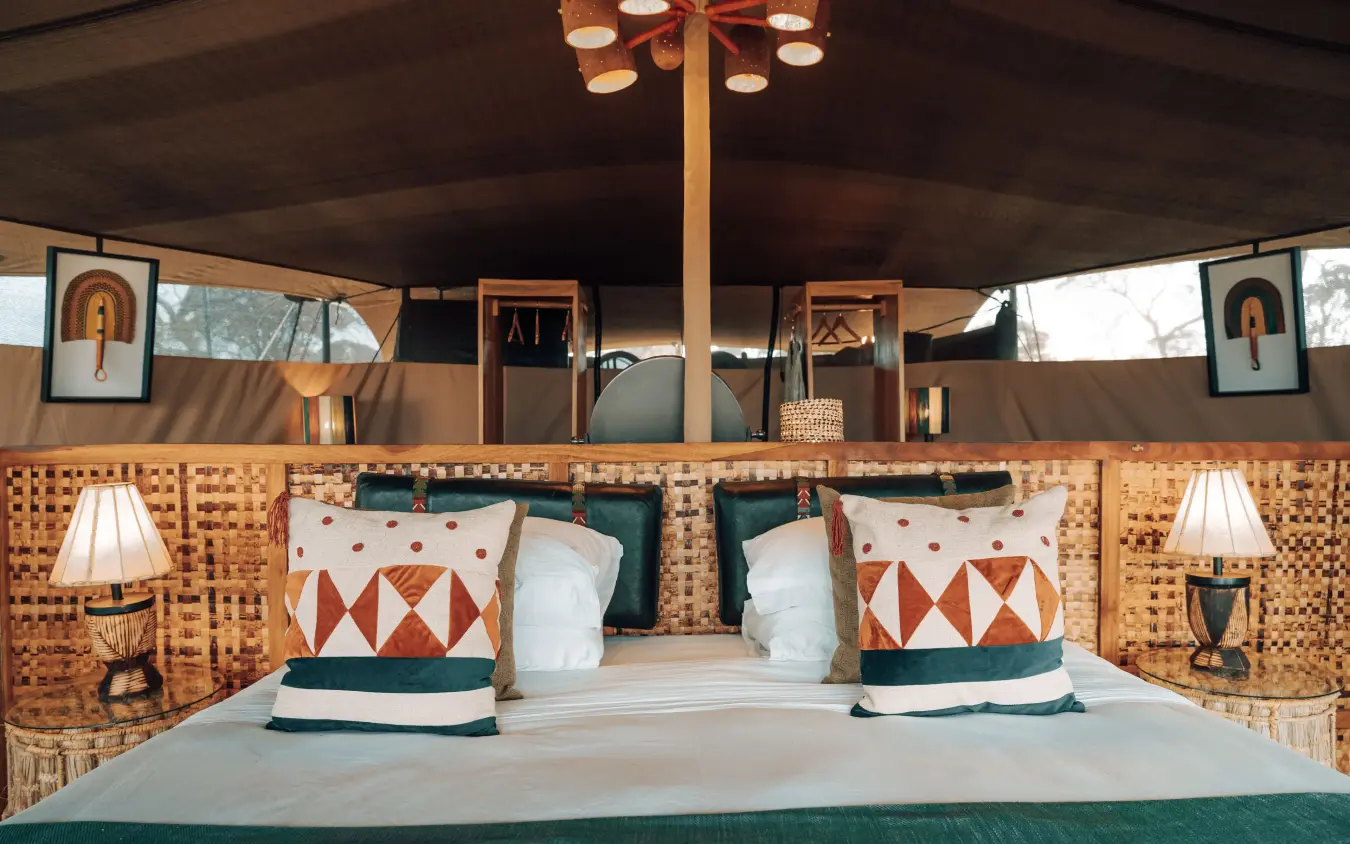
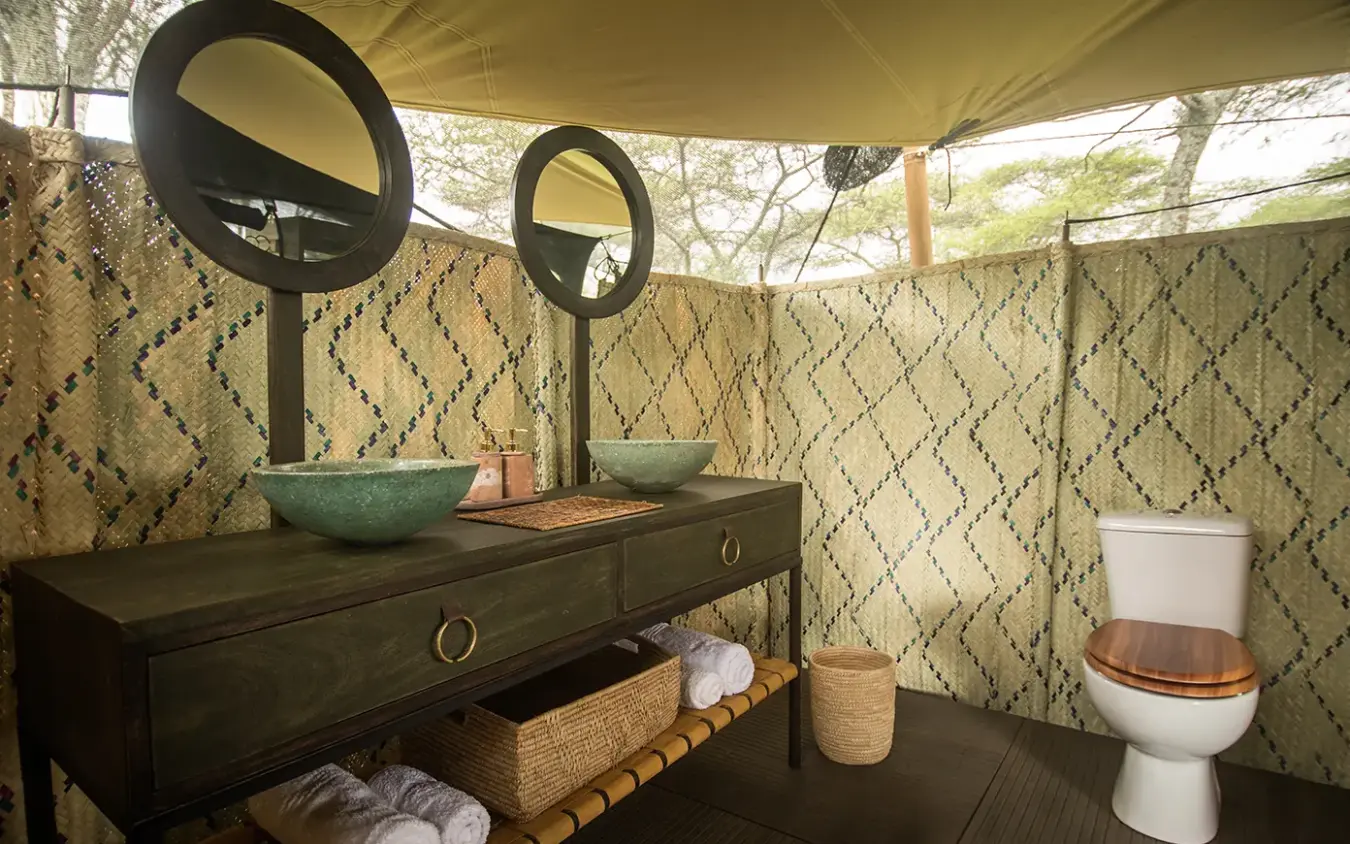
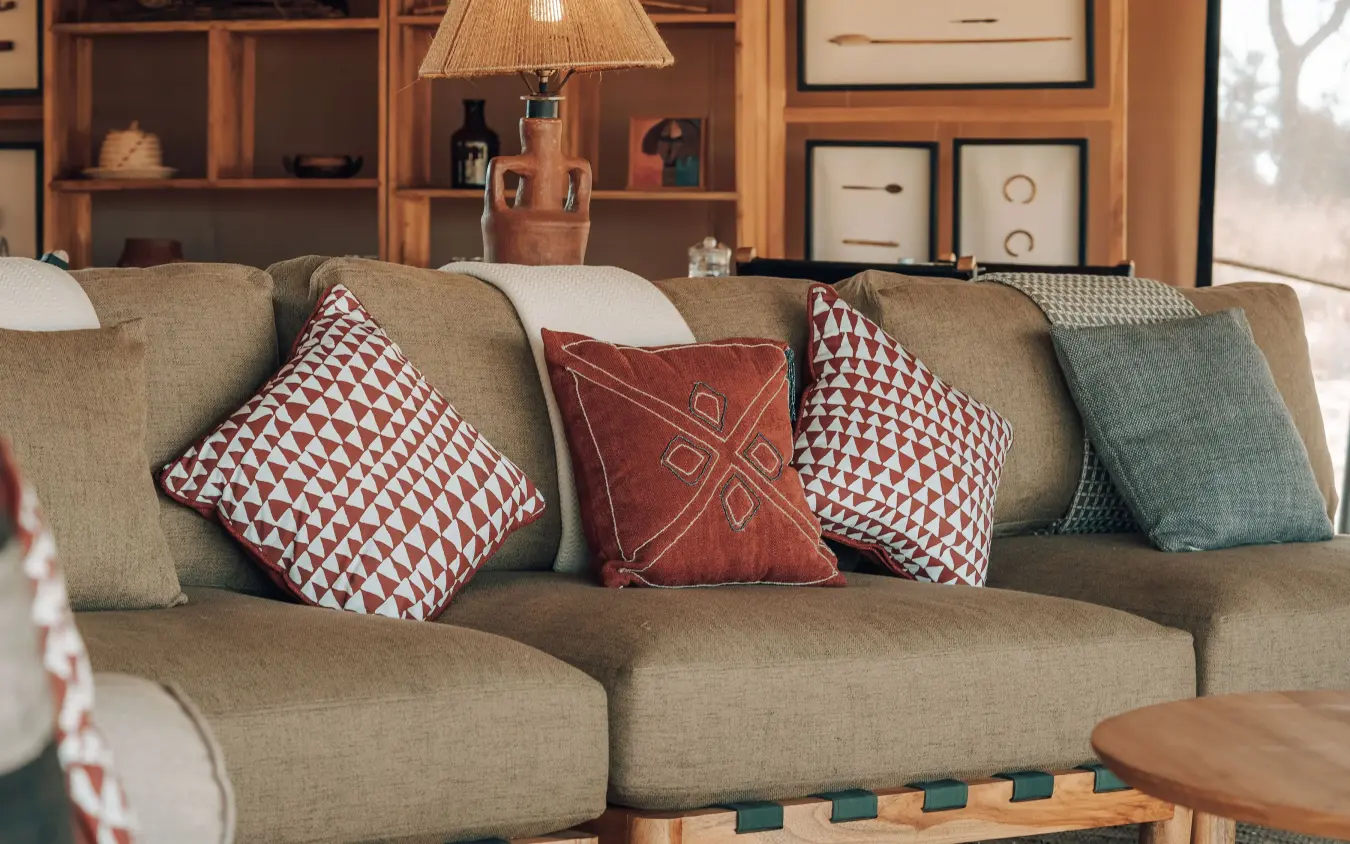
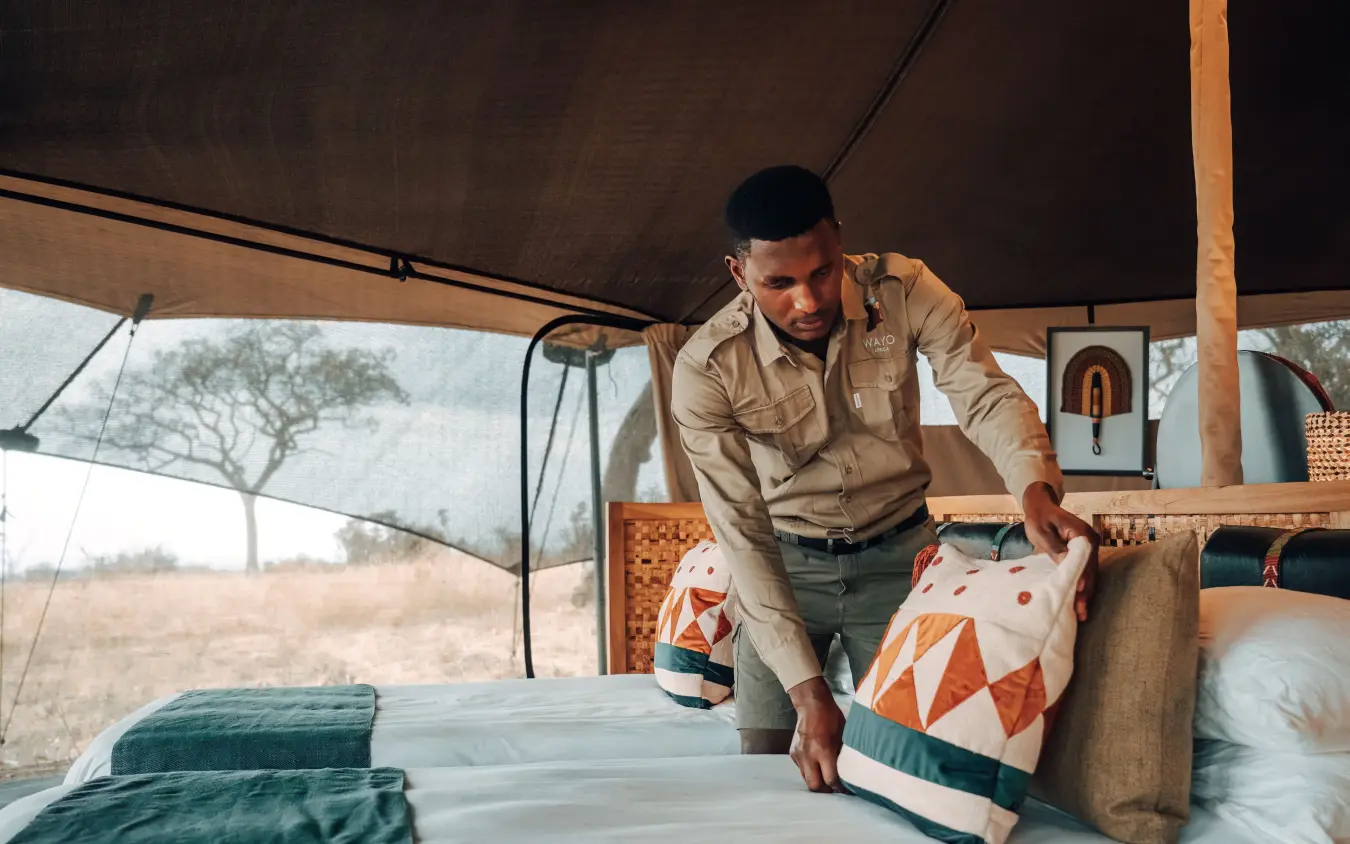
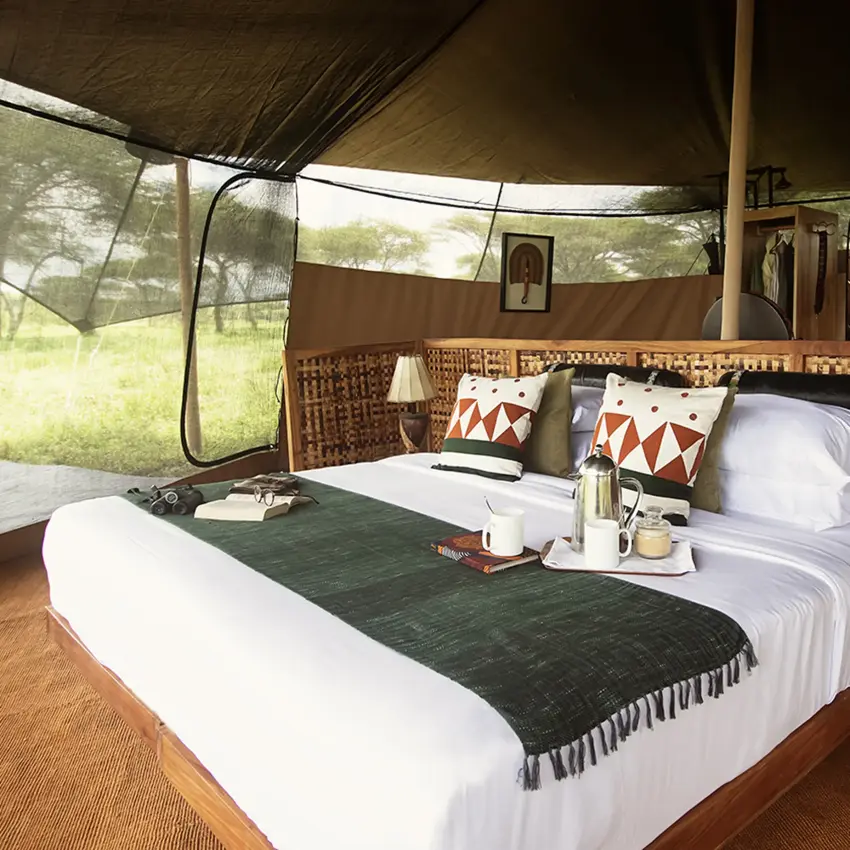
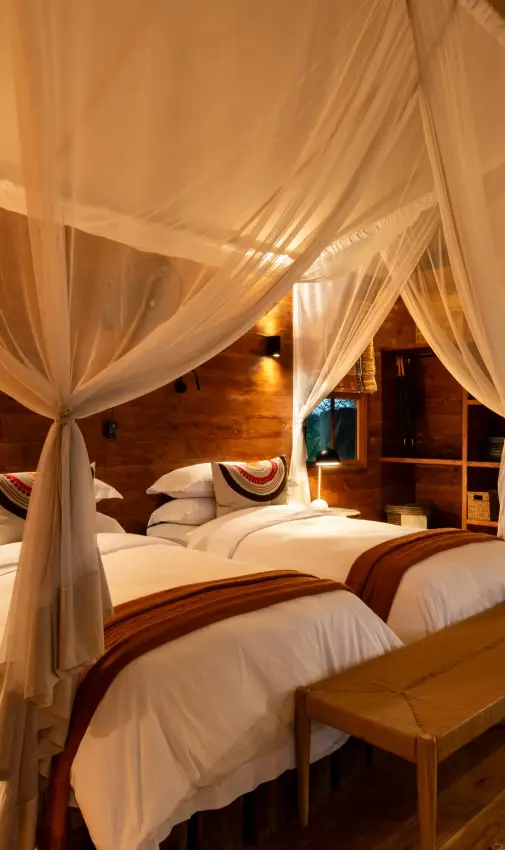
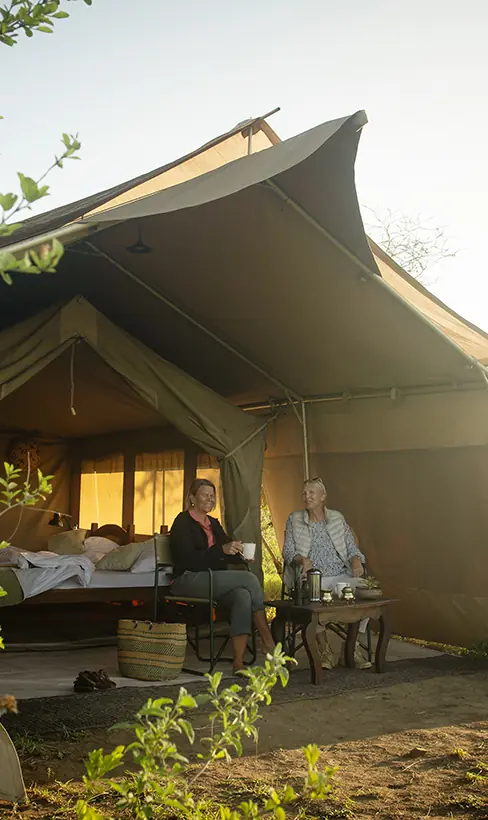
The interiors draw on Tanzanian craft rather than imported furnishing. The bed panels are woven from banana leaves sourced at Mto wa Mbu, the cushions carry Maasai design, and the light fittings are made from Chaga drinking cups. Tents and their furnishings are designed and sewn by local teams, and the whole camp is built to be struck and moved without leaving a lasting mark on the ground beneath it.
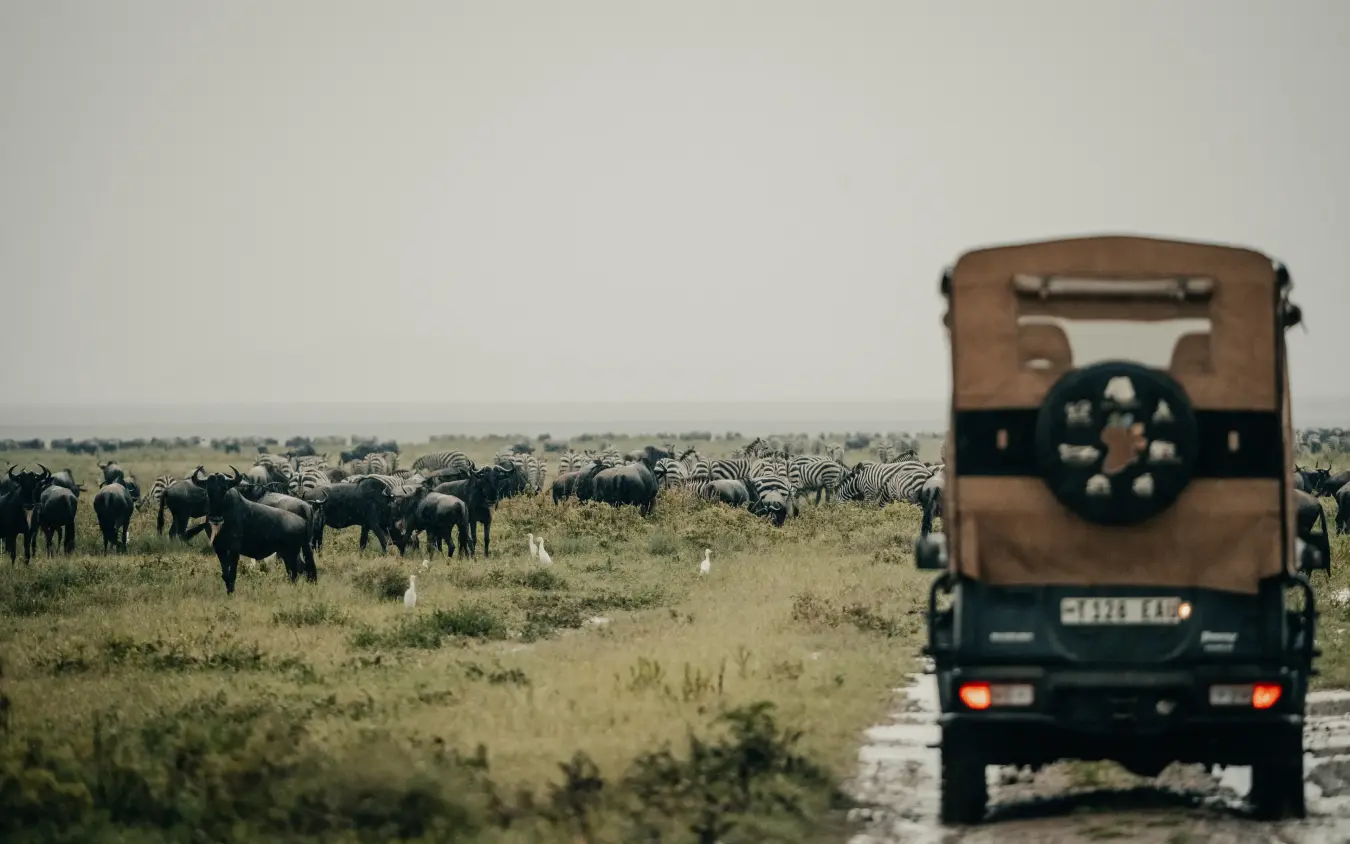
Game drives run morning and afternoon as standard, but the walk remains the camp’s defining act
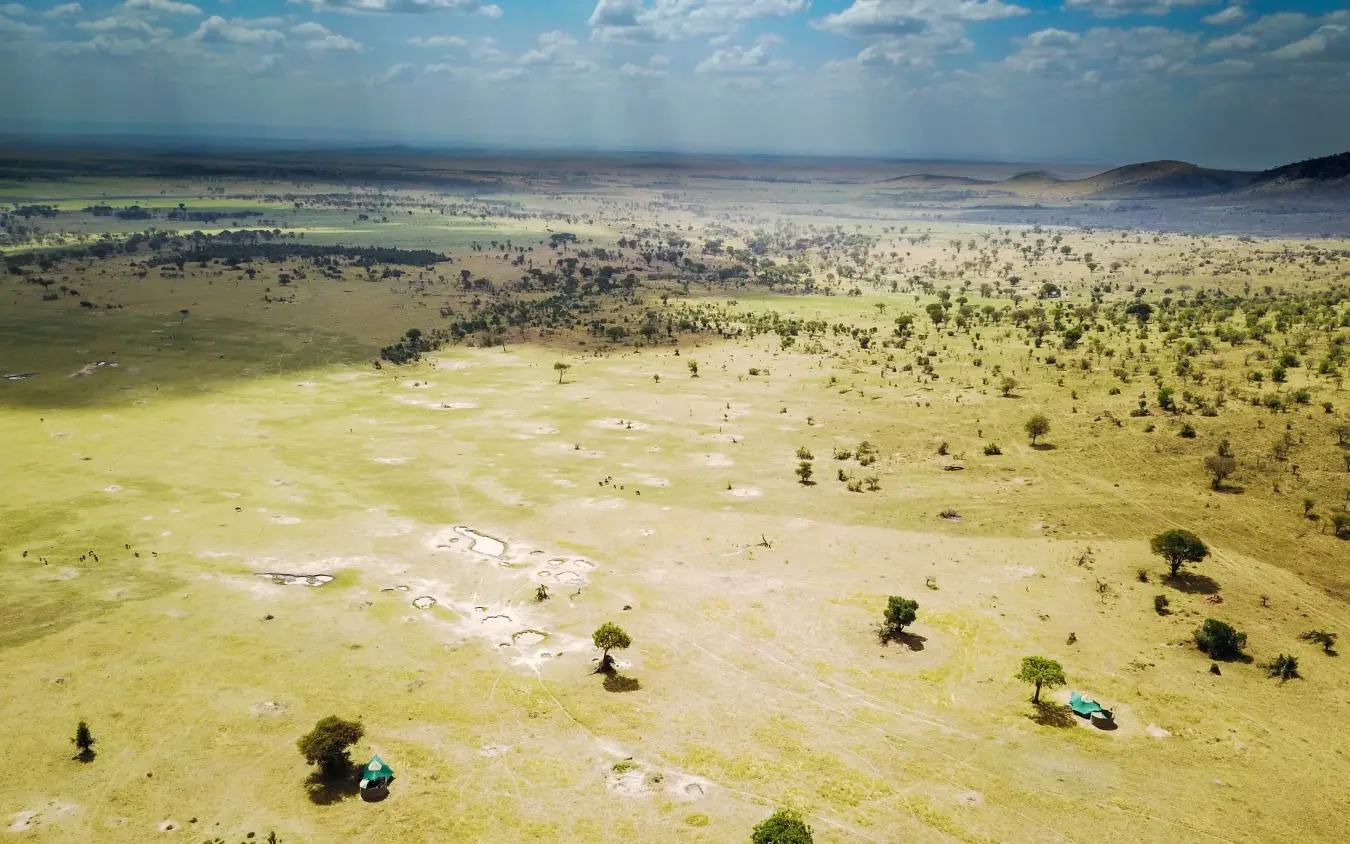
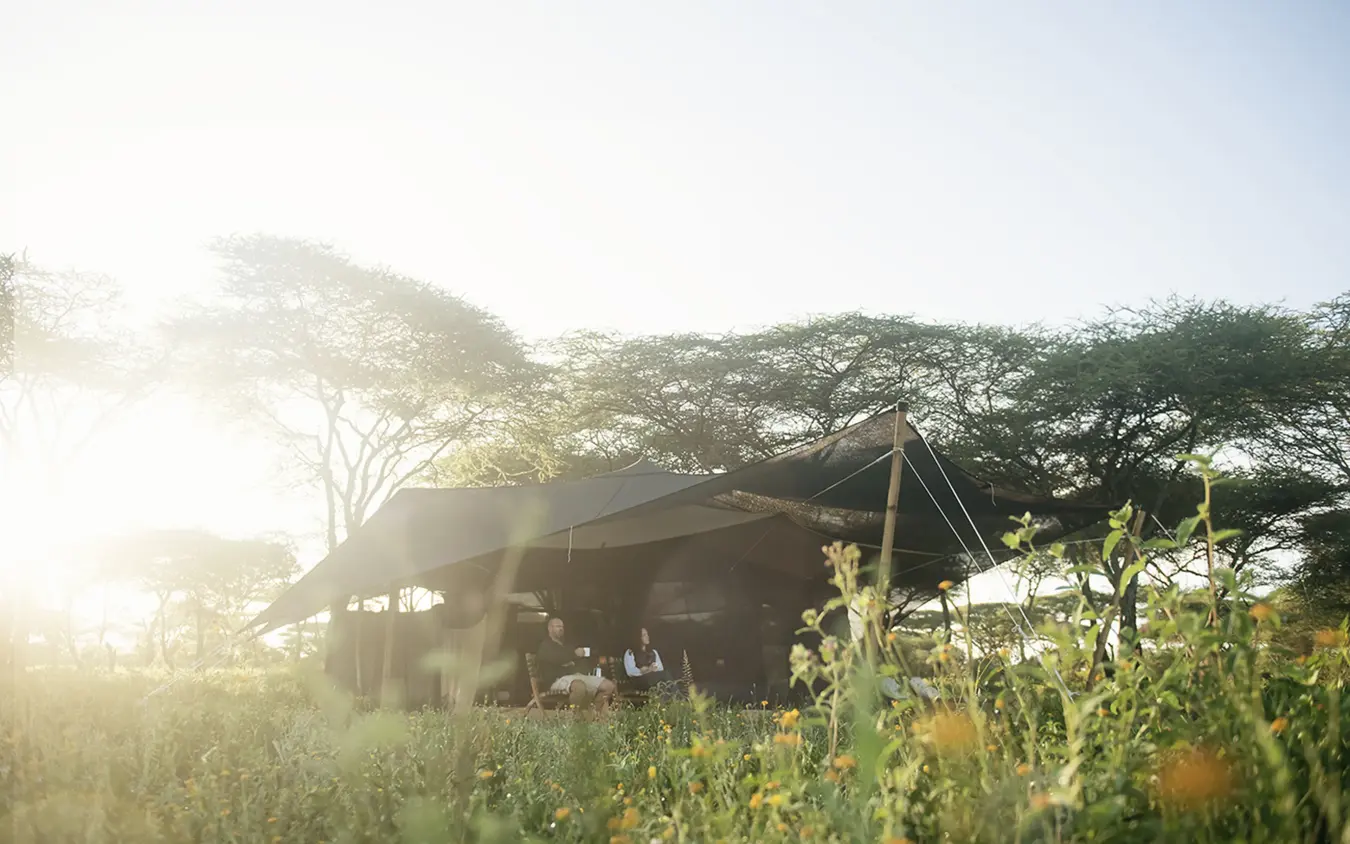
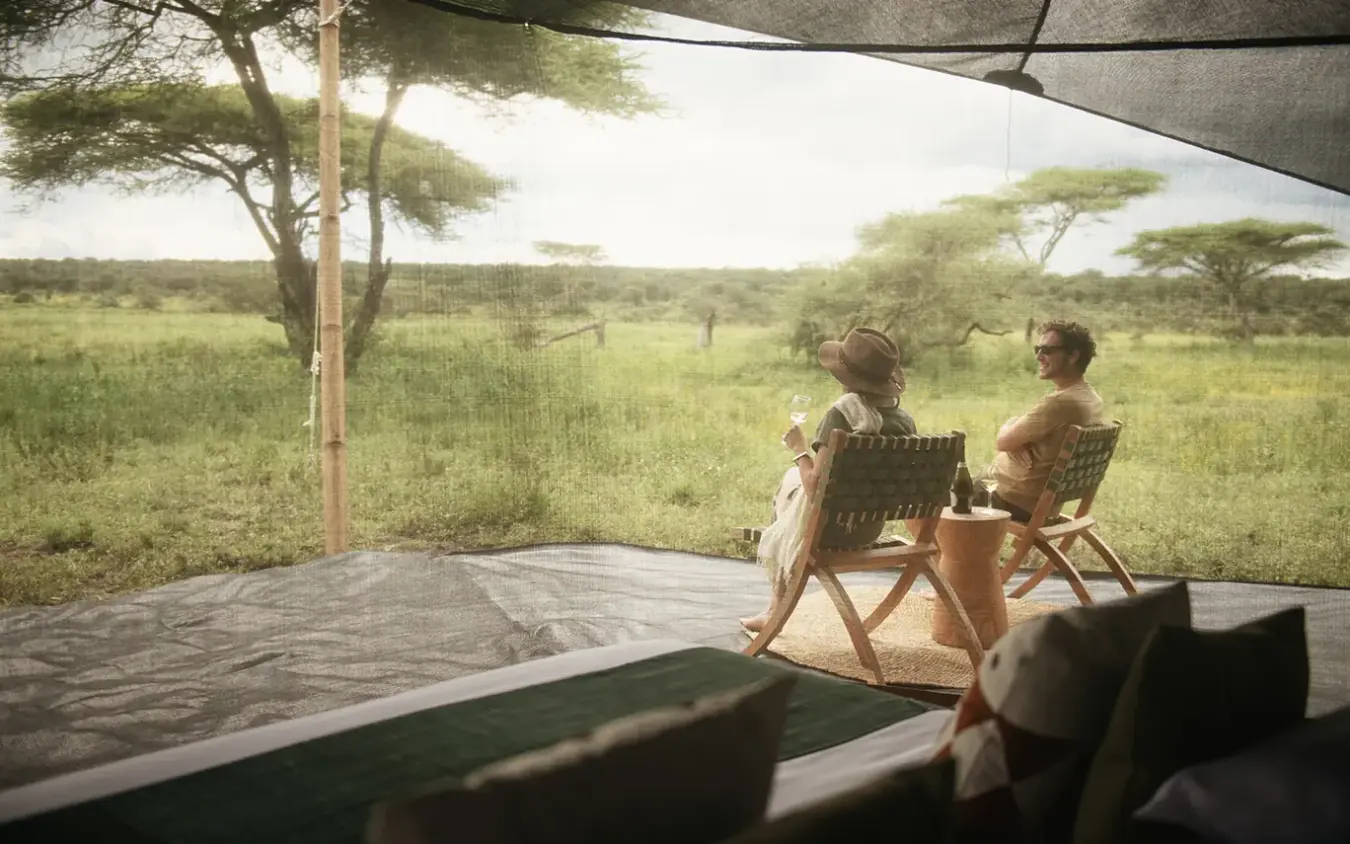
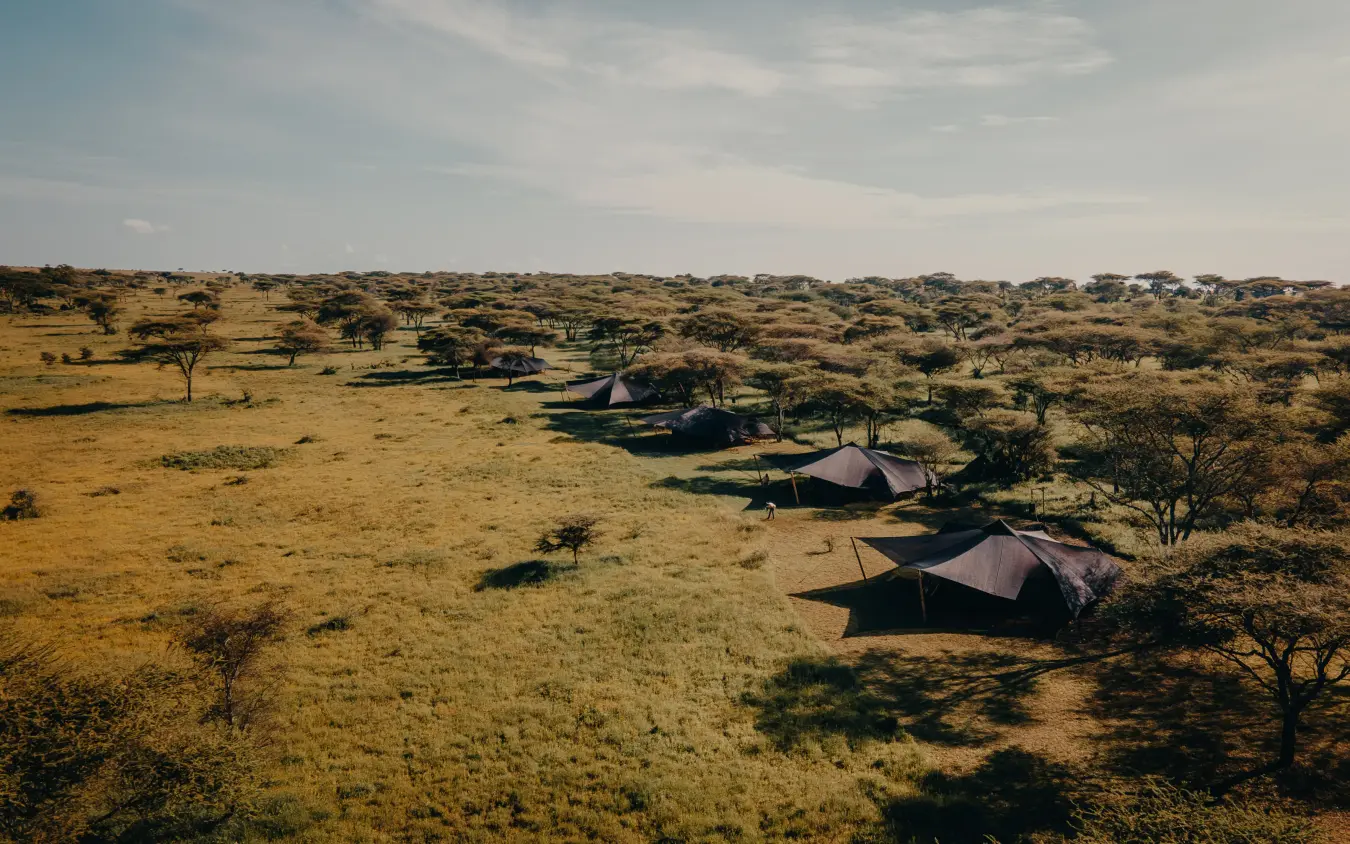
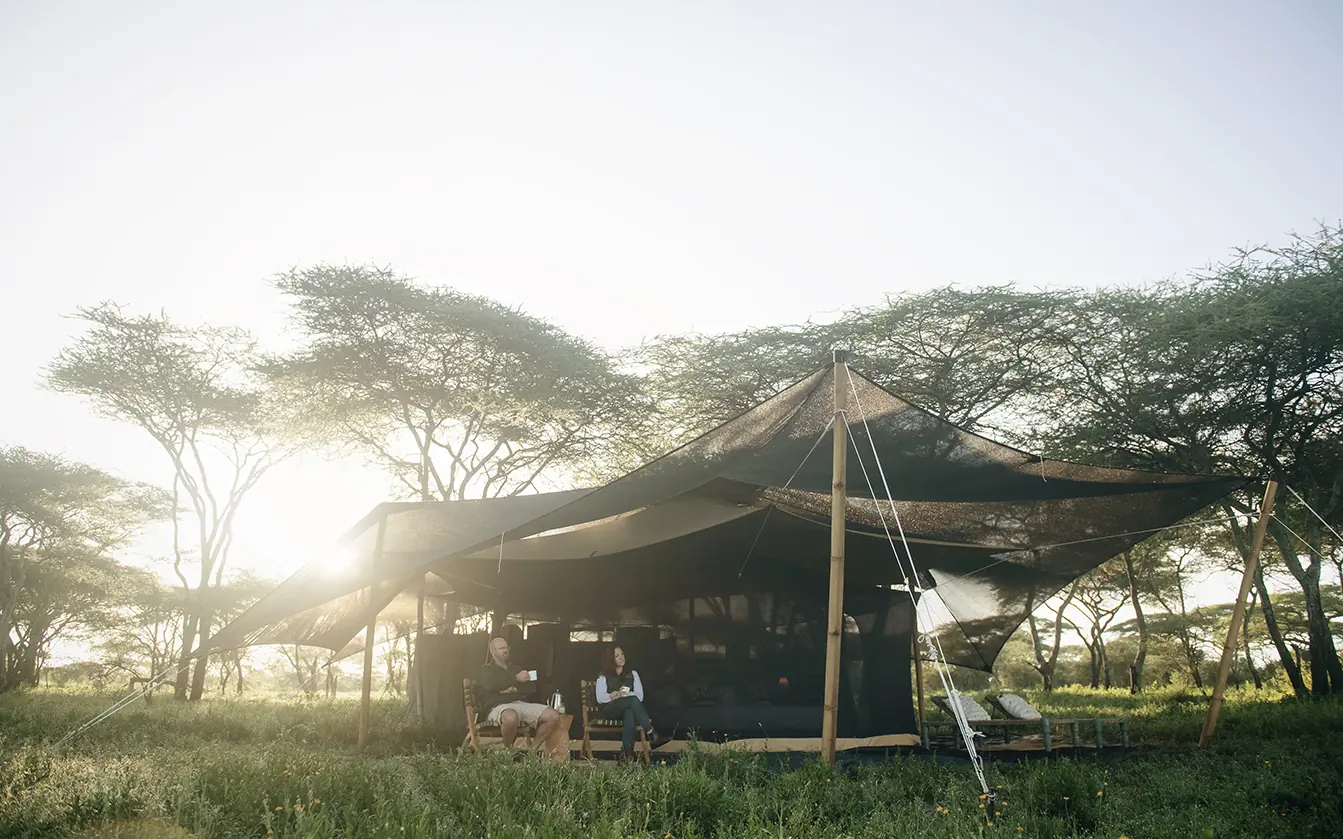
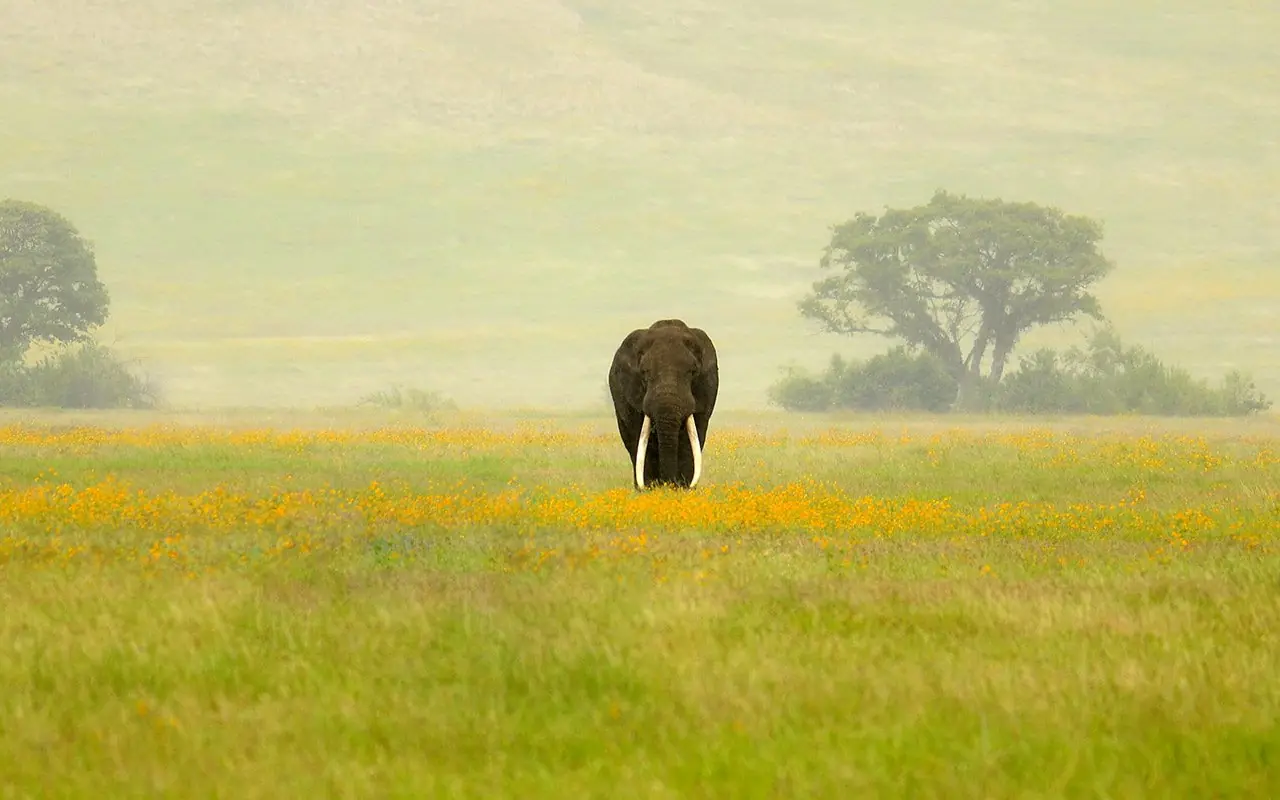
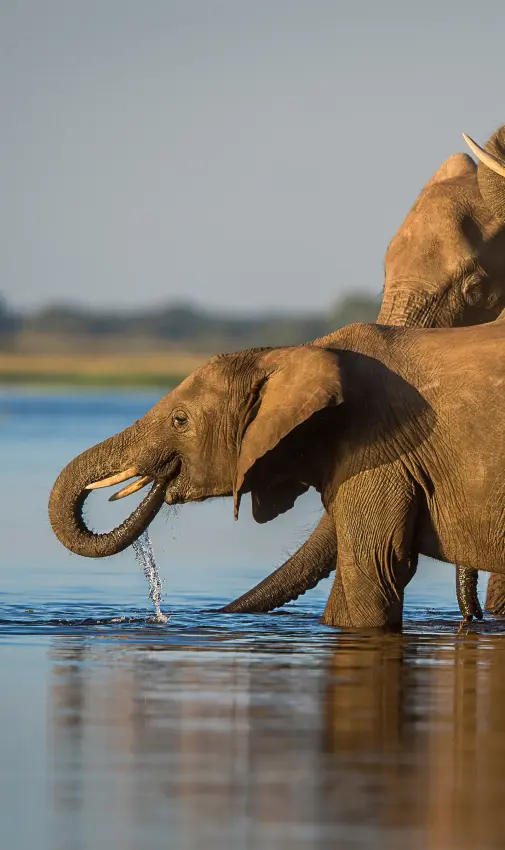
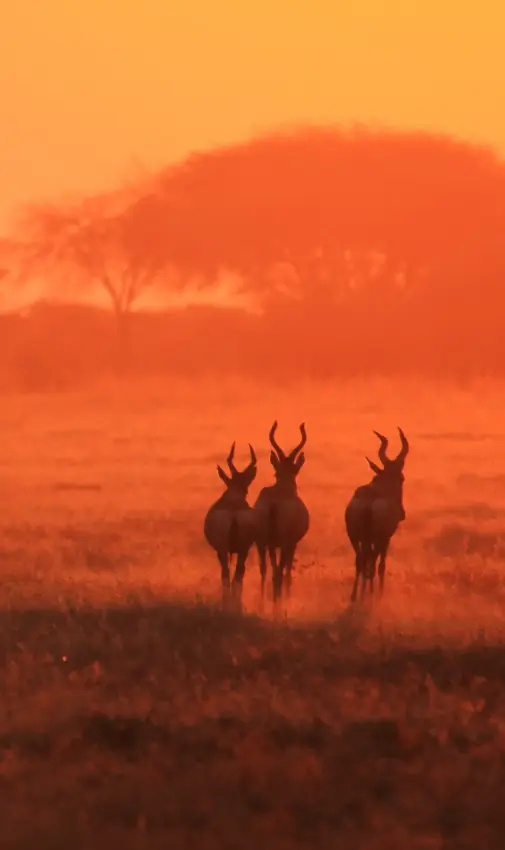
The setting is open, so the wildlife moves through camp. Lions call at night and hyenas whoop in the dark. Mornings often begin with wildebeest and zebra grazing past the tents. Between the migration highlights, resident lions, cheetahs, hyenas, elephants and giraffes fill the days, alongside the seasonal spectacle itself when it finally arrives on the plains outside.
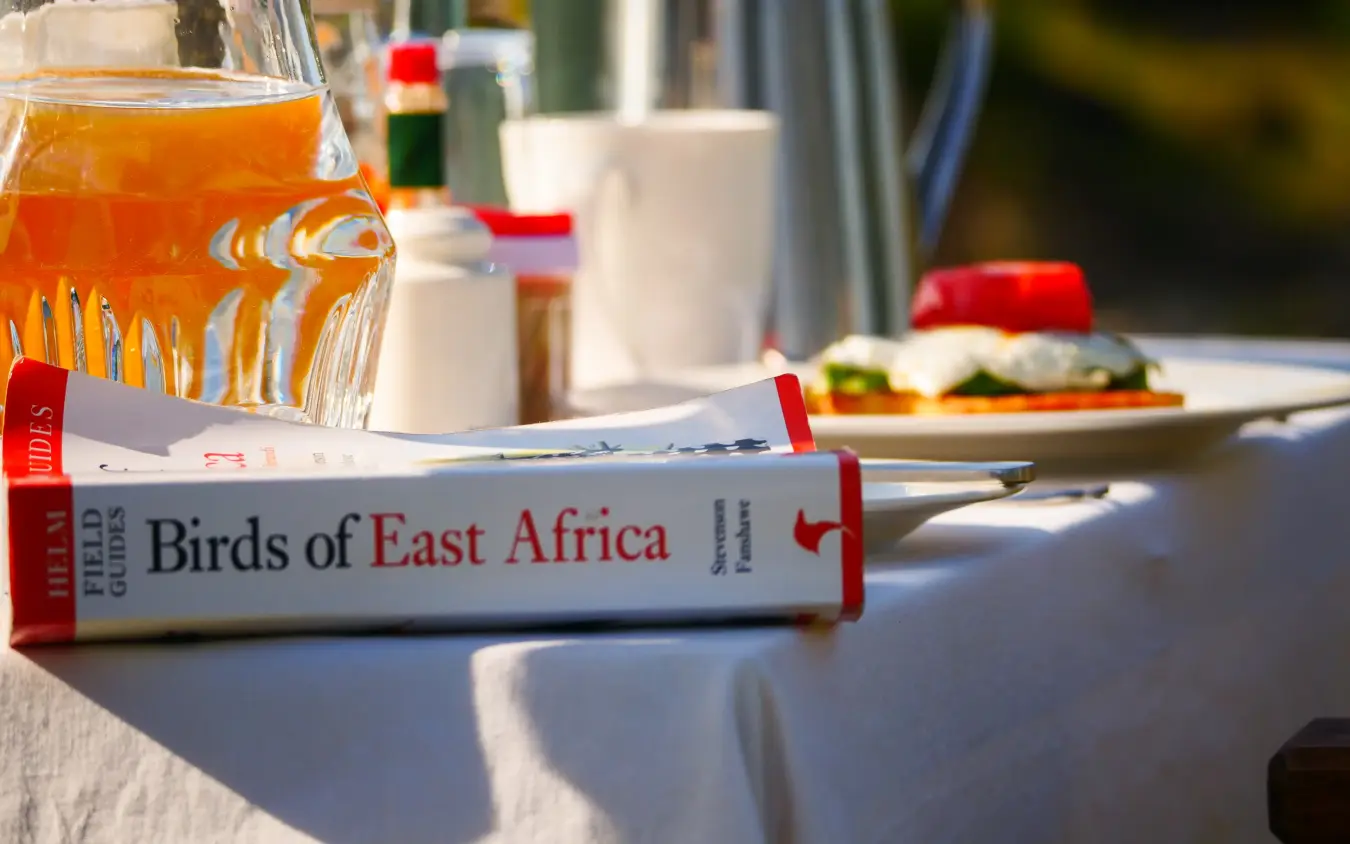
Evenings gather around a campfire lit with paraffin lamps, and a three-course dinner is served in the open air. The camp runs on solar power, carries no disposable plastic, filters its own drinking water and composts its waste. Children of all ages are welcome, though the walking focus and open setting suit older ones best. Access is by light aircraft to the Serengeti South or Kogatende airstrips, depending on where the herds have led the camp.