Lodge

Kuria Hills Lodge

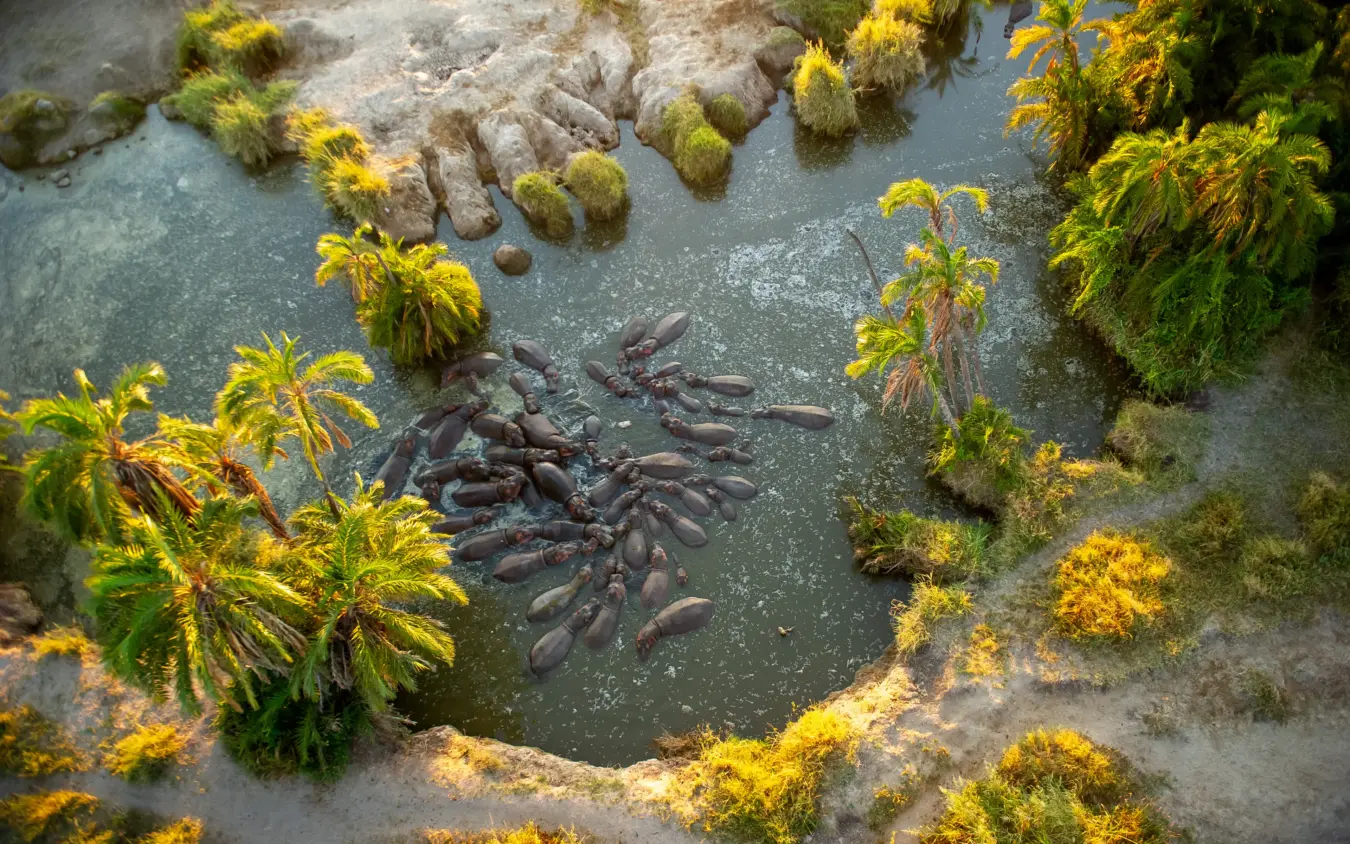
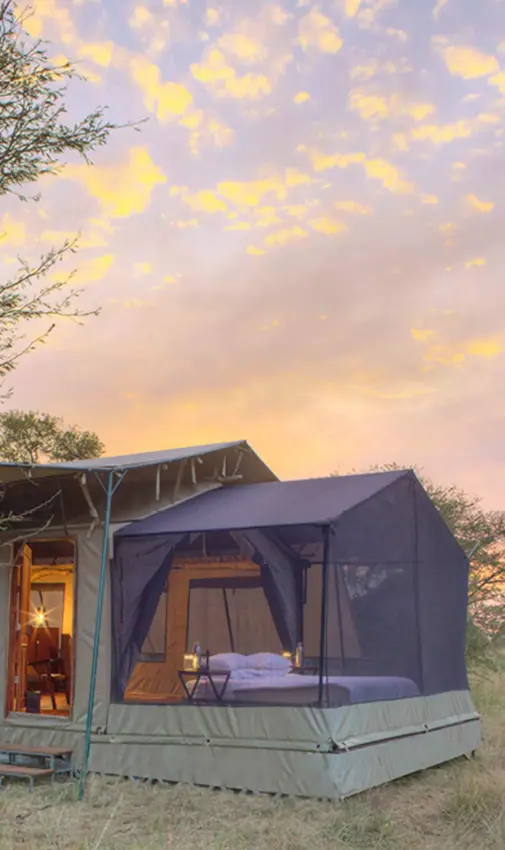
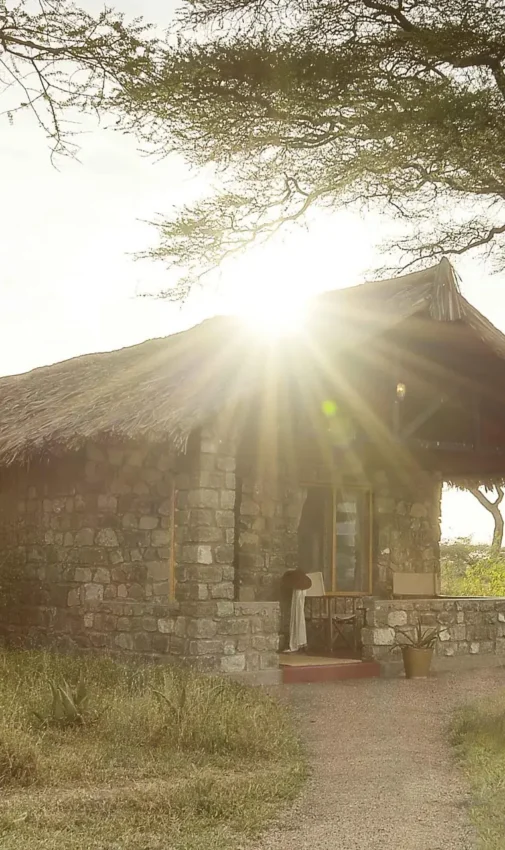
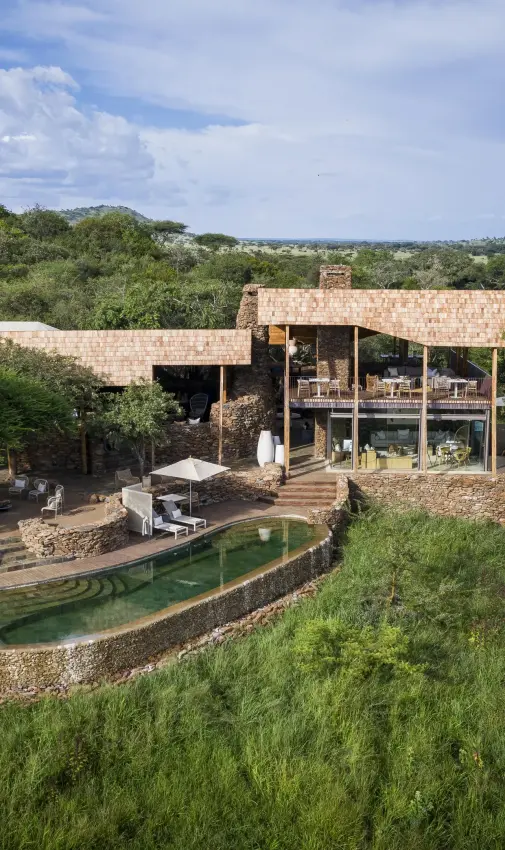
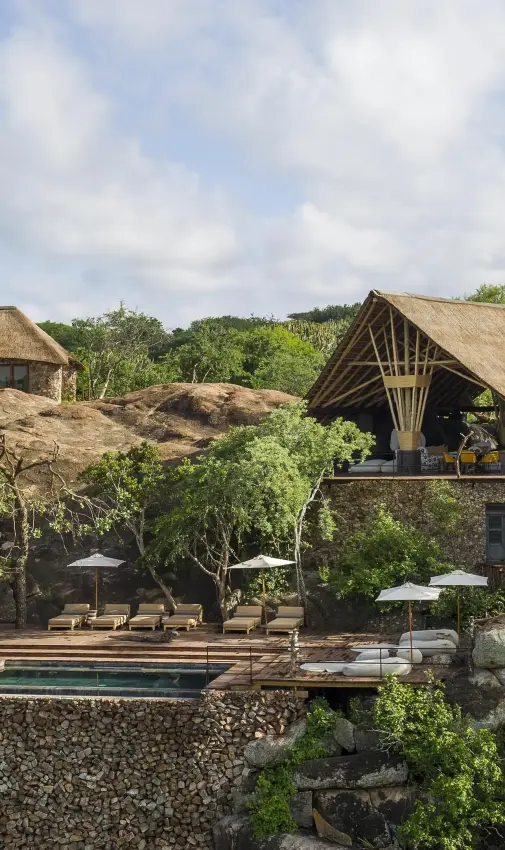
Glass-fronted suites set into the granite kopjes of the Wogakuria Hills, northern Serengeti National Park, Tanzania.

Country: Tanzania
Location: Wogakuria Hills, northern Serengeti
Number of rooms: 15

Built to stay when the camps come down

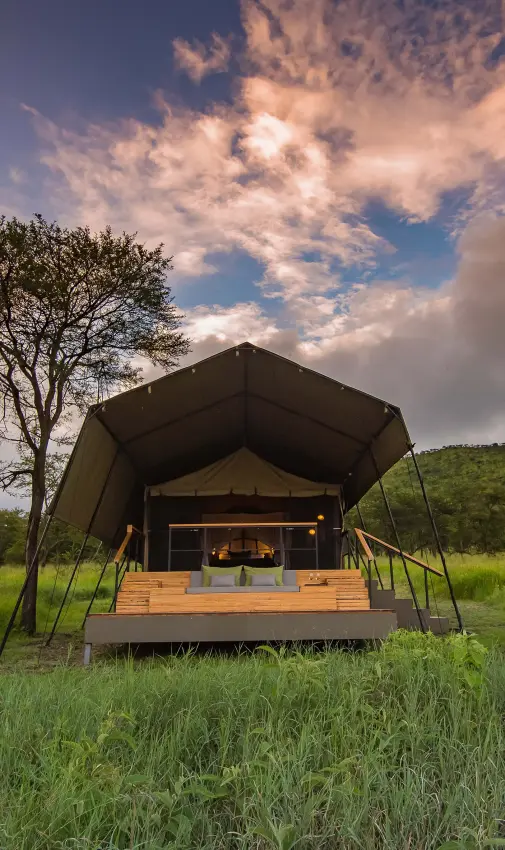
Fifteen glass-fronted suites are staggered between granite boulders the size of houses, on a shoulder of the Wogakuria Hills in the far north of Serengeti National Park. The glass is the point. From the bed, the bath and the open deck, the Serengeti stays in view, and the private concession around the hills keeps the country to itself. Kogatende airstrip is forty-five minutes away by road.

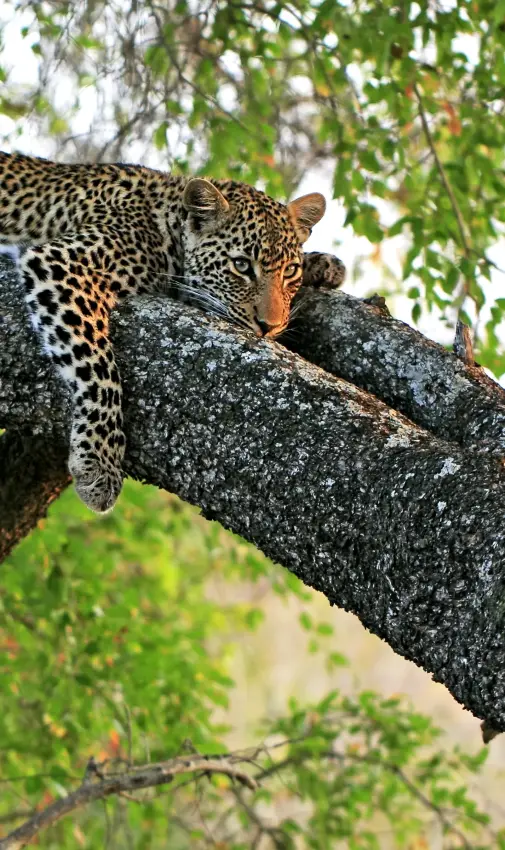
Lion prides use the kopjes as lookouts, leopards the boulders.

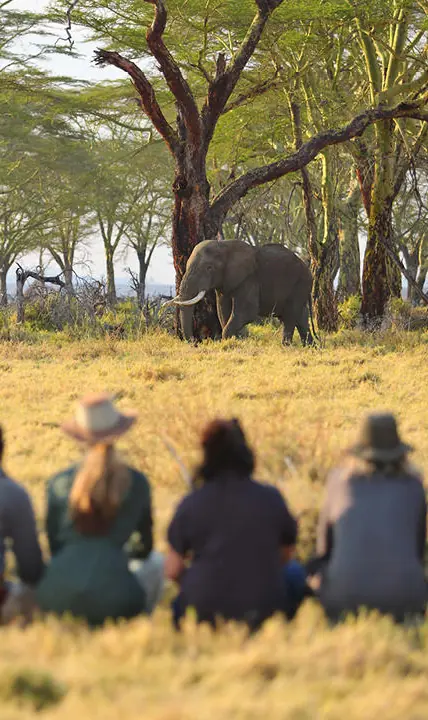
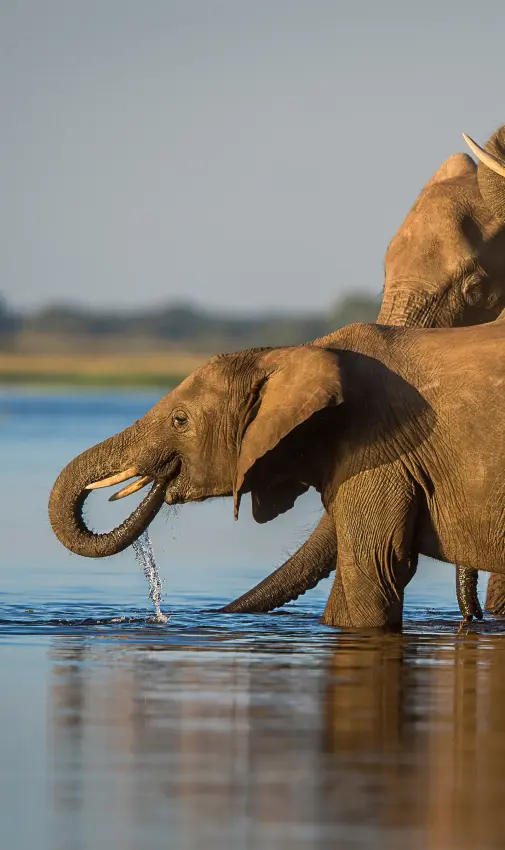
The Mara River crossings lie thirty minutes from camp. From July to October, wildebeest and zebra mass at the crossing points, and Nile crocodiles wait in the current below. Outside those months the hills hold their own. Lion prides use the kopjes as lookouts, leopards the boulders. Elephant herds work the tree-lined watercourses, and cheetah range the open ground between.

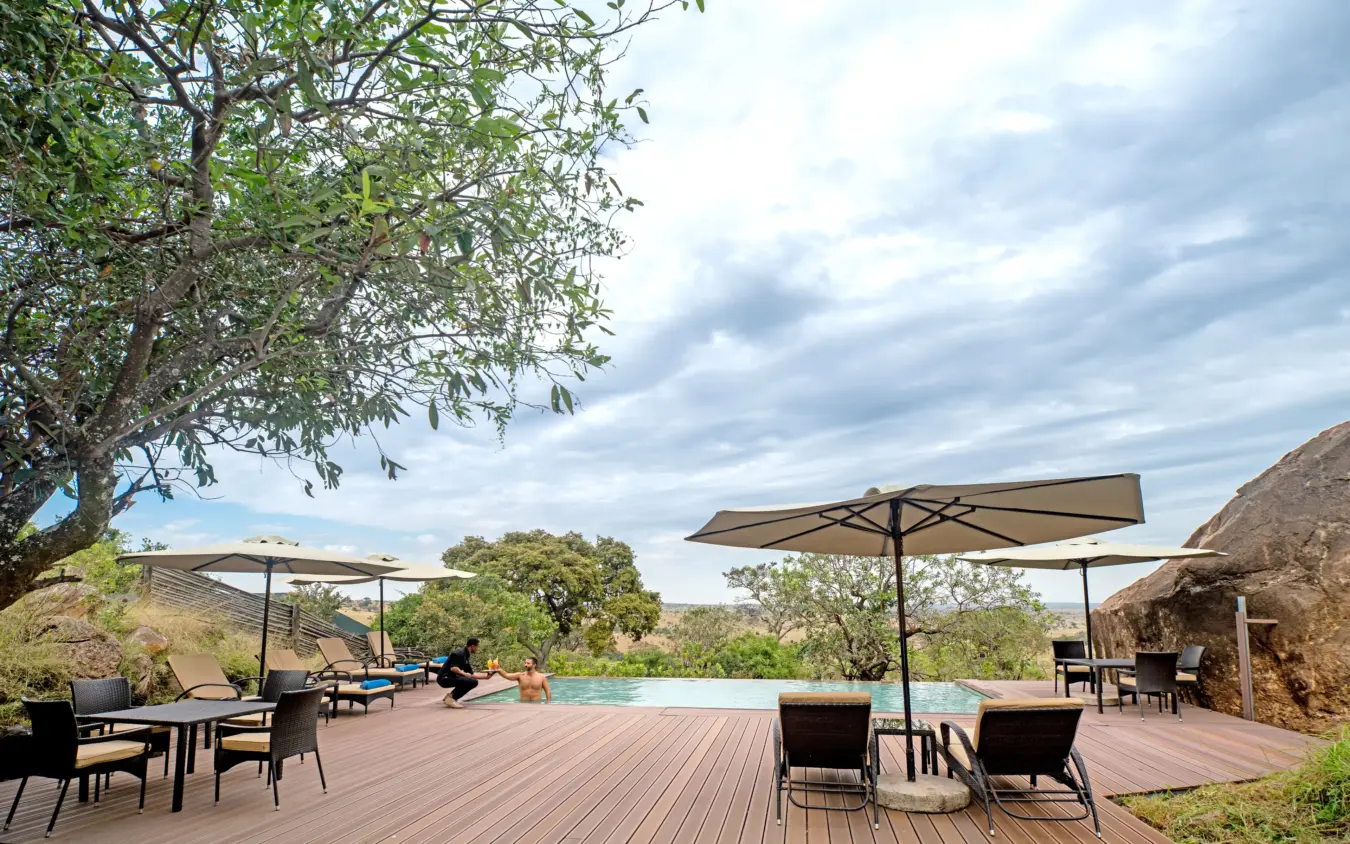
Most camps in the northern Serengeti come down at the end of the season and go back up the next year. Kuria Hills stays, closing only for the rains. Permanence buys what canvas cannot: a swimming pool with its own sundeck, public areas linked by raised wooden walkways, and a spa set apart in its own tent. Solar power runs the lodge around the clock, generators kept for backup.

Afternoon tea comes before the second game drive of the day

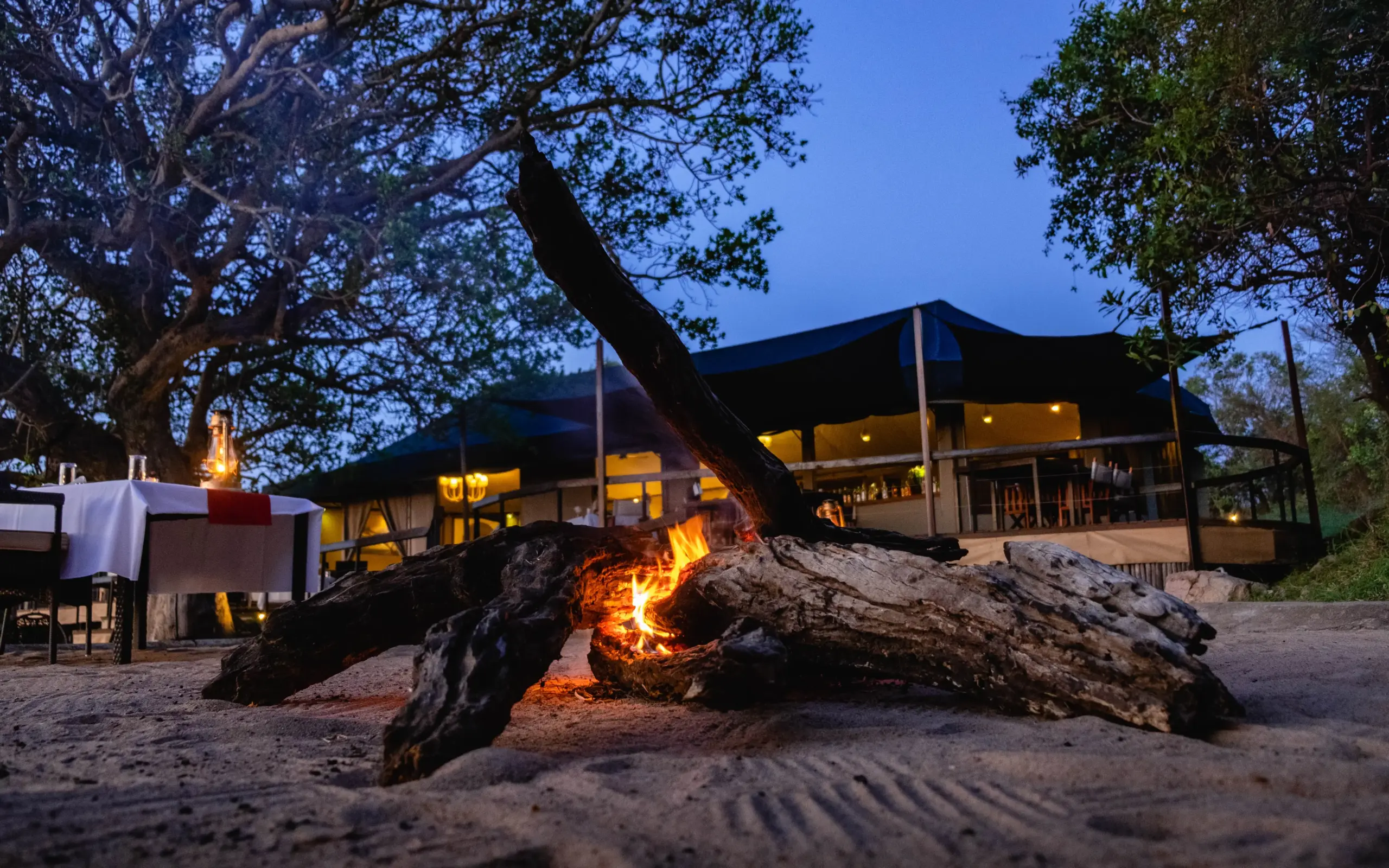
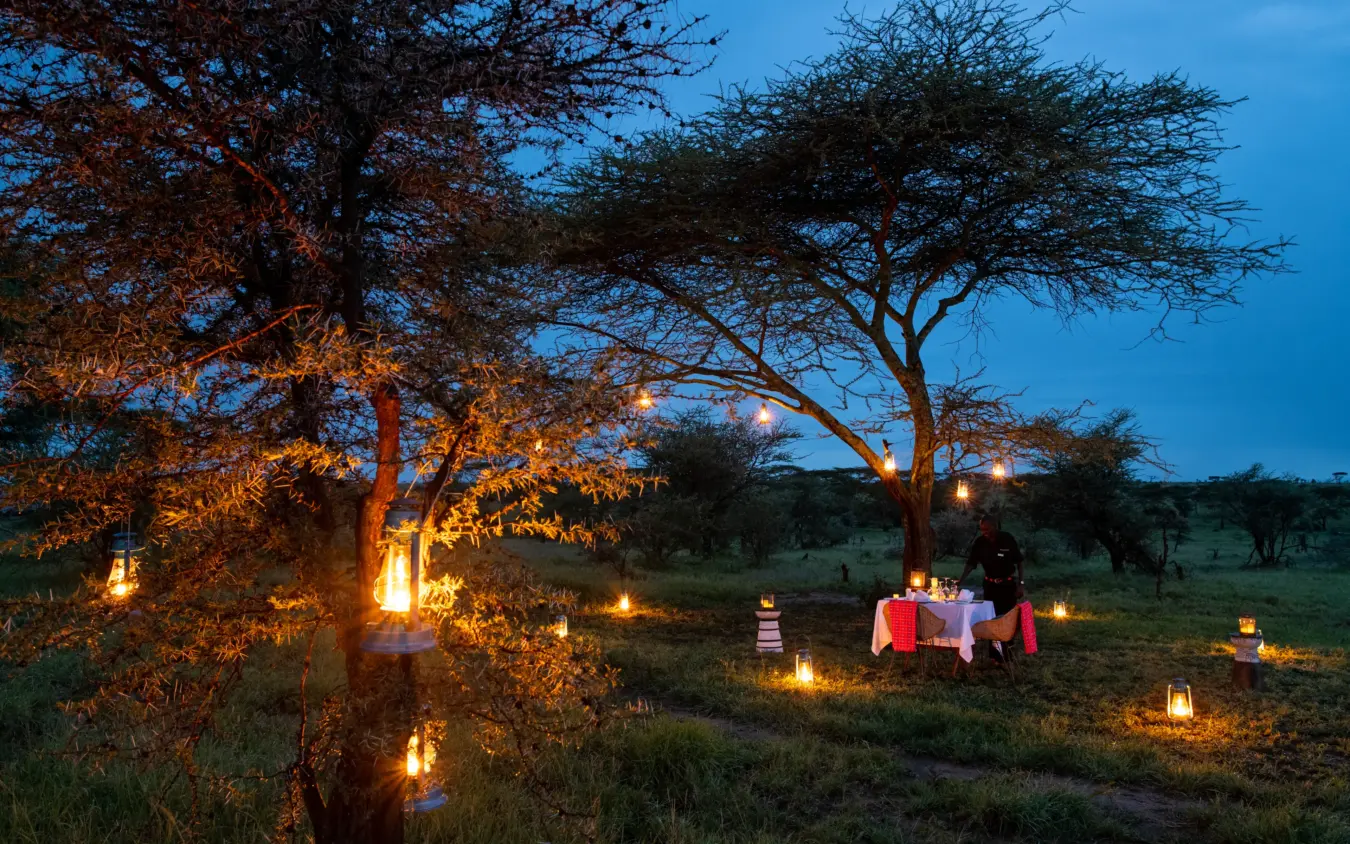
Evenings begin on top of one of the kopjes, sundowners carried up for the last of the light. On a clear evening the Isuria Escarpment shows on the horizon. Beyond it is Kenya’s Maasai Mara. Meals move around the property: a dining tent with a fireplace, the deck outside the suites, a shaded bush setting at midday. Afternoon tea comes before the second game drive of the day.

01

accommodation

Fifteen Glass-Fronted Suites Among Granite Boulders

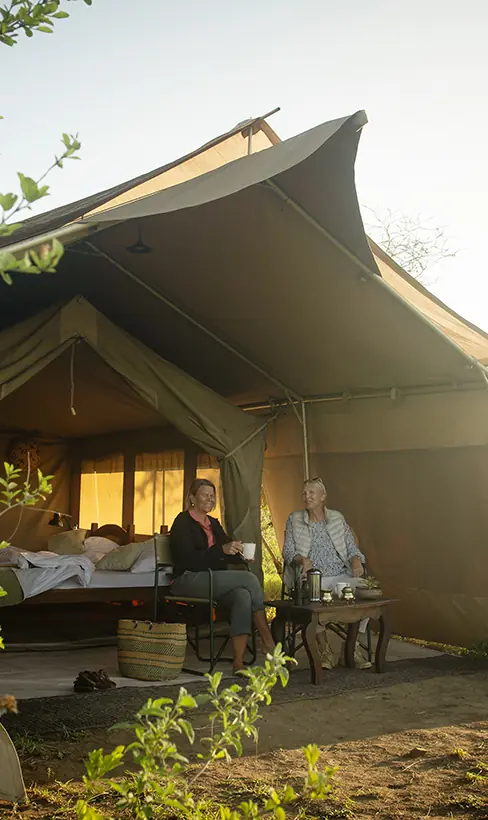
Fifteen glass-fronted suites, staggered among granite boulders so that none overlooks another, each with an open deck, twin or super-king beds, and an en-suite bathroom with a freestanding tub and indoor and outdoor showers. One suite has two bedrooms and a private plunge pool. Solar power runs the lodge around the clock.

02

activities

Game Drives and Walking Safaris in the Northern Serengeti

Morning and late-afternoon game drives in open-sided 4x4s, with the Mara River crossing points roughly thirty minutes north between July and October. Guided walking safaris run seasonally with an armed ranger, and balloon flights leave nearby at dawn. Night drives and off-road driving are restricted within Serengeti National Park.

03

conservation

100,000 Wire Snares Removed Since 2017

The Serengeti De-snaring Programme, supported here, has removed more than 100,000 wire snares from the park since 2017 and freed over 600 animals alive. A women's group in Mto wa Mbu employs 32 mothers to make the biodegradable lunch boxes carried on game drives, and proceeds from the curio shop's local artwork go directly to the artists.
ready to get started?

Get in touch and let’s start the conversation. An initial consultation helps us understand what you’re looking for, whether that’s specific experiences, luxury touches, or marking a special occasion, and from there we’ll guide you through what’s possible so you can decide if we’re the right fit.

Alternative accommodation in serengeti national park

Couple dining under ancient tree with hanging lanterns at dusk, Nyasi Tented Camp, Serengeti National Park, Tanzania 01

Nyasi Tented Camp

Serengeti National Park

Guests viewing elephant from savanna during guided safari walk, Namiri Plains, Serengeti National Park, Tanzania 02

Namiri Plains

Serengeti National Park

Modern lodge building with pool surrounded by savanna vegetation, Singita Faru Faru Lodge, Serengeti National Park, Tanzania 03

Singita Faru Faru Lodge

Serengeti National Park

Canvas safari tent illuminated at dusk among acacia trees, Serian Serengeti Lamai, Serengeti National Park, Tanzania 04

Serian Serengeti Lamai

Serengeti National Park

Safari lodge buildings with thatched roofs nestled among trees, Mwiba Lodge, Serengeti National Park, Tanzania 05

Mwiba Lodge

Serengeti National Park

Illuminated safari camp tents on wooden deck at dusk, Olmara Serengeti, Serengeti National Park, Tanzania 06

Olmara Serengeti

Serengeti National Park

Guest relaxing in infinity pool overlooking savanna landscape, Singita Sasakwa Lodge, Serengeti National Park, Tanzania 07

Singita Sasakwa Lodge

Serengeti National Park

08

Singita Milele

Serengeti National Park

Thatched safari lodge deck overlooking vast savanna landscape, Lamai Serengeti, Serengeti National Park, Tanzania 09

Lamai Serengeti

Serengeti National Park

10

Singita Sabora Tented Camp

Serengeti National Park

Canvas tent accommodation at sunset in savanna landscape, Olakira Migration Camp, Serengeti National Park, Tanzania 11

Olakira Migration Camp

Serengeti National Park

Luxury safari tent interior with bed and savanna views through windows, Serengeti Wilderness Camp, Serengeti National Park, Tanzania 12

Serengeti Wilderness Camp

Serengeti National Park

13

Singita Explore

Serengeti National Park

14

Singita Serengeti House

Serengeti National Park

Luxury bedroom with four-poster canopy beds and wooden architecture, The Retreats at Sayari Camp, Serengeti National Park, Tanzania 15

The Retreats at Sayari Camp

Serengeti National Park

Canvas safari camp with dining area under acacia trees in grassland, Laba Migration Camp, Serengeti National Park, Tanzania 16

Laba Migration Camp

Serengeti National Park

17

Nanyukie Lodge

Serengeti National Park

Safari camp with canvas tent beneath acacia trees 18

Serengeti Green Camp

Serengeti National Park

19

Singita Kilima

Serengeti National Park

20

Mila Tented Camp

Serengeti National Park

frequently asked questions

Fly to Kogatende airstrip in the far north of the park, then it is about forty-five minutes by road to the lodge, and the transfer is a game drive in its own right. Coastal Aviation's published schedule has two departures a day from Arusha, at a quarter to eight and a quarter to eleven, both calling at Lake Manyara and landing in a little over two hours; from Kilimanjaro a late morning flight routed through Arusha and Manyara lands at a quarter to one and a mid afternoon one lands at a quarter to six; and from Zanzibar a single morning departure routes through Arusha and Manyara and lands at a quarter to one, about four hours in all. Auric Air and Regional Air fly into Kogatende as well, and the scheduled aircraft allow fifteen kilograms a person in soft bags, hand luggage included. We can also arrange a private charter, typically a Cessna Caravan or a Pilatus PC-12, direct from Arusha or Kilimanjaro, which takes out the stops and lets you leave when you choose. Either way we favour the morning arrivals, which land in time for lunch and leave the drive to the lodge in full daylight.

The Maasai Mara lies just over the Kenyan border to the north, but tourists cannot drive between the two parks: the Sand River crossing between them has been closed to visitors since 1977 and Tanzania has chosen to keep it that way. The link is by air. Coastal flies from Kogatende to Tarime, a twenty minute hop to the Tanzanian side of the Isebania border, a road transfer takes you through the immigration posts to Migori airstrip in Kenya, and Safarilink flies from there into the Mara just after midday. The two airlines run it together from the start of July to the end of October and from mid December to the end of March, it needs at least two passengers booked, and it works in the other direction too; on other dates the route goes through Kilimanjaro and Nairobi and takes most of a day. One thing to raise early with a travel clinic: TravelHealthPro and the CDC both record a risk of yellow fever in parts of Kenya, and both note that Tanzania asks travellers arriving from a country with that risk for a vaccination certificate. We are travel planners rather than medical people, so we make sure the question is asked in time rather than answer it ourselves.

Yes. TravelHealthPro, the UK's official travel health service, says there is a high risk of malaria in all areas of Tanzania below 1,800 metres and no risk above that height, and the CDC draws its line at the same 1,800 metres. Kuria Hills sits at roughly 1,600 metres in the Wogakuria Hills, with Kogatende airstrip a little lower again, so both sources place the lodge on the risk side of the line, and both list antimalarial tablets among their recommendations alongside covering up and using repellent. Sundowners on top of the kopje fall at exactly the hour the mosquitoes come out, so long sleeves and repellent on any bare skin matter whatever else you decide.

We are travel planners rather than medical people, so the decision about tablets belongs with you and your doctor or a travel clinic, ideally four to six weeks before you fly, because the advice changes and the right choice depends on the person taking it.

Yes, with Lemala's own booking notes worth knowing before you choose suites. Lemala does not recommend any of its Tanzanian properties for children of two and under, counts a child as three to fifteen, and says children stay at their parents' own risk; there is no nanny service, and a child in a suite of their own has to be at least fifteen. The Lemala Cubs programme is for under twelves. An extra bed can go into a standard suite, but only five suites can take one at any one time, so on crossing-season dates we book that early; children of ten and under get a safari camp bed instead, and two adults with two children can share a single suite only with a sofa bed, three beds being the most a suite holds.

The lodge is inside the national park and its game vehicles are open-sided, seating six in three rows of two and shared between guests unless a private one is booked, so with a young family we would book the private vehicle and let the days run at your children's pace. Tell us the ages when you enquire and we will say straight away which suite arrangement works and what each child can join.

Yes to wifi, which Lemala includes in the rate rather than charging for. It comes in by satellite, so Lemala's own guidance is that it copes with email, messages and social media, slows when the lodge is full, and is not built for streaming or video calls; the lodge's fact sheet lists it in the main areas and among the suite amenities, so photographs can go from the deck without a walk up to the lounge. Mobile signal is patchier. Lemala says there is coverage in and around all its properties but it may not reach the suite, and it advises switching roaming off and using the wifi for calls; each suite has a telephone to the main lodge for anything urgent.

Charging is straightforward: the lodge runs on 220 volts through three-pin square sockets, the same shape as a British plug, so visitors from the UK need no adapter, and Lemala's game vehicles carry 240-volt international sockets and USB points for cameras and phones during the drives. Each suite also has a hair dryer, a safe and overhead fans. If you need to be reachable at a fixed time, tell us before you travel and we will check the current setup with the lodge rather than rely on a brochure.

The crossings run from July to October, with the last herds sometimes still moving back south into early November before the short rains draw them away, and no lodge can promise a crossing on a given morning, which is why we give the river more than one day. The weather is warm days, cool nights, and a wetter, greener country than the rest of the Serengeti: rainfall climbs steeply from south to north across the park, from around four hundred millimetres a year on the south-eastern plains to as much as twelve hundred near the Kenyan border, which is why the hills around the lodge hold grazing and resident game after the south has dried out. June to October is the dry season, with afternoons in the mid twenties and nights around fourteen degrees, and between June and September the odd cold front can drop the first hour of a drive in an open vehicle to near freezing. The short rains fall in November and December and are unpredictable; the long rains run from March to May and are the wettest months, and the lodge closes for April and May and reopens in June.

Pack in layers: a fleece and a windproof jacket for dawn, neutral-coloured shirts with long sleeves, a wide-brimmed hat, high-factor sun cream, insect repellent, shoes with grip for the kopjes and any walks, swimwear for the pool, and a light waterproof outside the driest months. Keep it in soft bags at fifteen kilograms a person including hand luggage for the light aircraft; Lemala does same-day laundry at no charge, so pack for four days and let the lodge wash the rest.

We plan three nights as the minimum, and four between July and October, because a crossing cannot be booked for a particular morning and the herds can stand on the bank for days before they go; outside those months three nights gives two full days on the resident game around the hills. Evenings are the fire and the stars rather than a night drive, because the park's roads are open from six in the morning to six in the evening and the vehicles are back at the lodge by dusk. Check-in is midday and check-out ten in the morning, so a morning flight in and an afternoon flight out leaves a drive on both travel days.

Lemala sells the lodge two ways. The basic rate covers the suite, all meals, house wines and spirits, local beers and soft drinks, wifi and laundry; its game package adds two game drives a day, or one full day out, plus the transfers to and from Kogatende, and it is the one we book, because without it the drives and the airstrip run are charged on top. Excluded either way are the national park entry and concession fees, champagne and premium wines and spirits, the balloon flight, a private vehicle, flights and tips, though we include medical evacuation cover as standard; guided bush walks have to be booked ahead with the lodge, so tell us early if you want one. We build the park fees, the flights and any private vehicle into the quote from the start, so there is no separate bill at the end, and we tell you which of the extras are worth adding before you go.

rated five stars by our clients

other areas in tanzania

African wild dog standing alert in grassland 01

Ruaha National Park

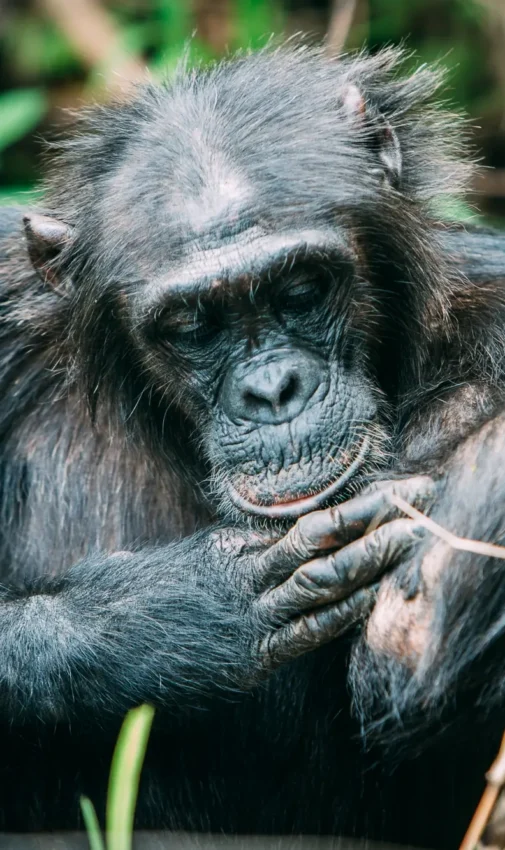
Chimpanzee holding branch while foraging in forest, Mahale Mountains, Tanzania 02

Mahale Mountains

Guests relax in chairs by river with child wading, Lake Manyara, Tanzania 03

Lake Manyara

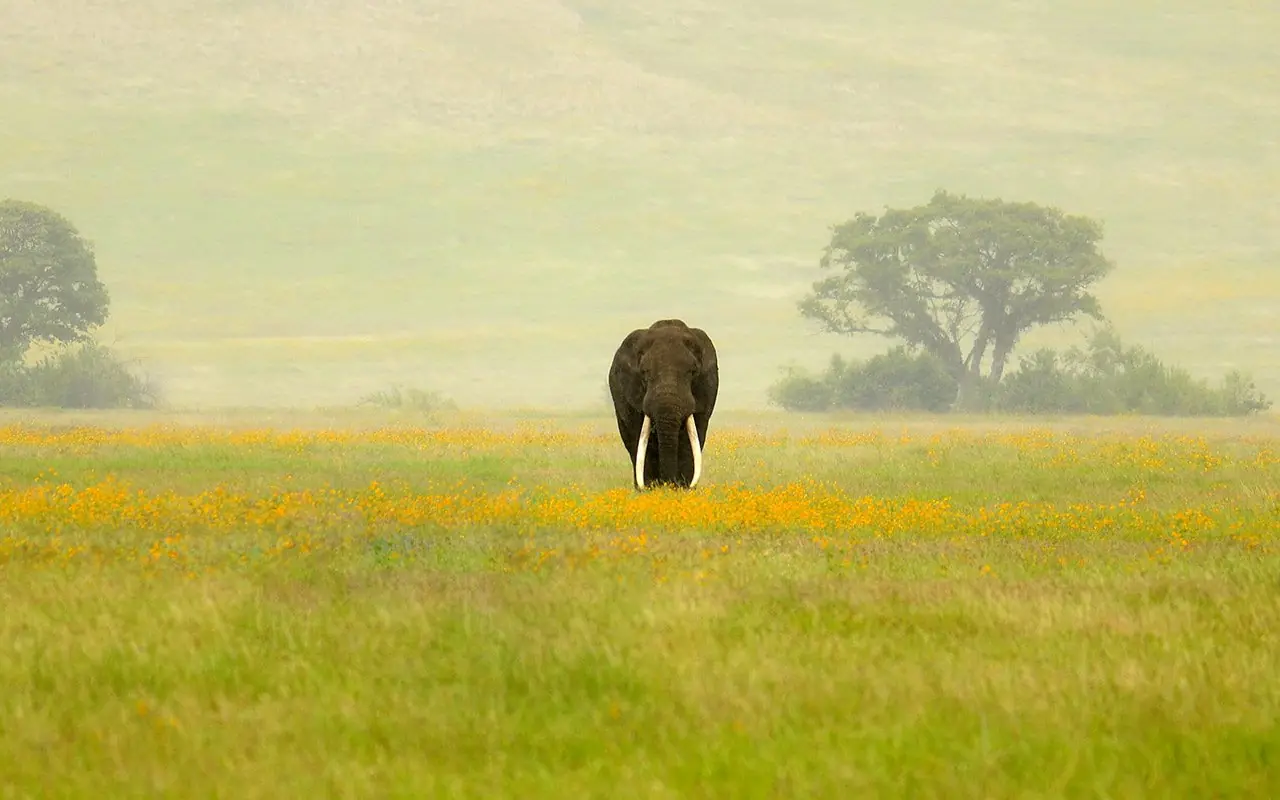
Elephant walking alone across golden savanna grassland 04

Ngorongoro Crater

Leopard resting on tree branch surrounded by green foliage 05

Tarangire National Park

Hippopotamuses in water with heads above surface 06

Katavi National Park

Turquoise water beach with boats and tropical vegetation 07

Zanzibar & Pemba

Snorkeler swimming alongside whale shark in shallow turquoise water, Mafia Archipelago, Tanzania 08

Mafia Archipelago

elephants drinking water at riverbank during daytime 09

Nyerere National Park

Chimpanzee among vegetation looking toward camera, Rubondo Island, Tanzania 10

Rubondo Island

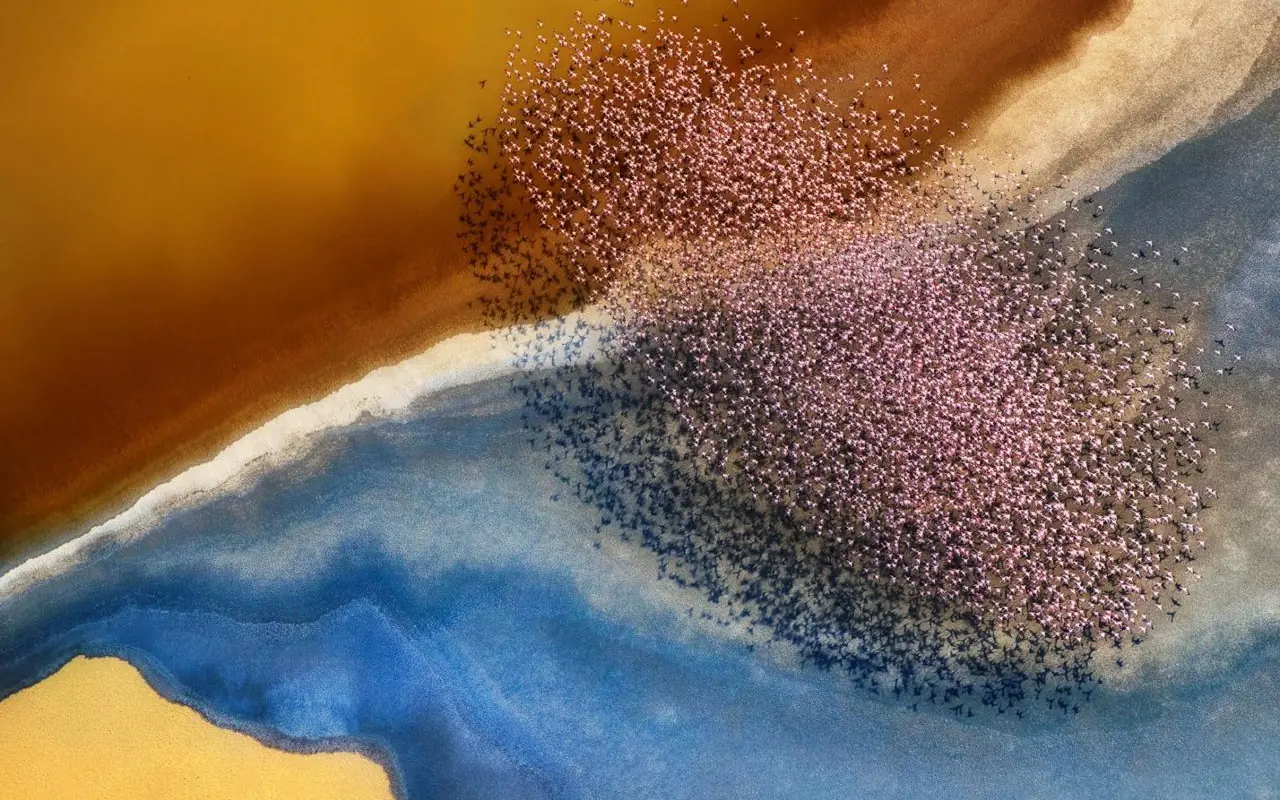
Aerial view of colorful salt lakes and mineral deposits 11

Lake Natron

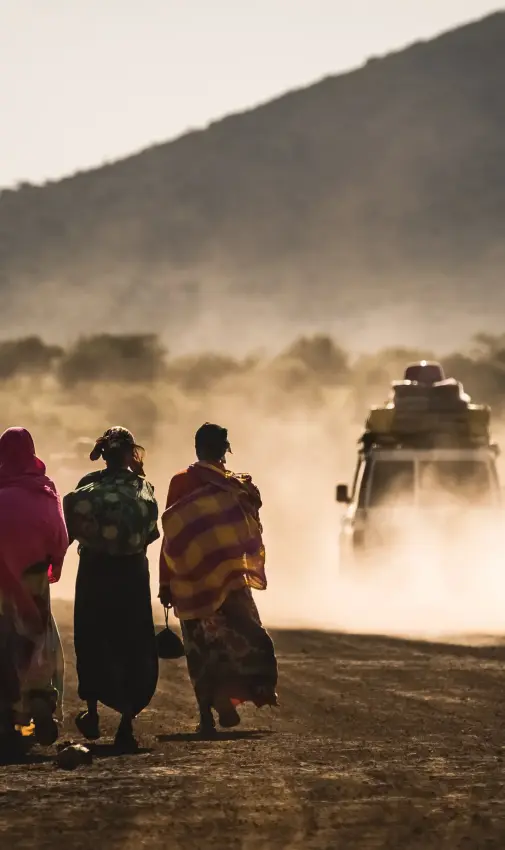
Local people walking on dusty road with vehicle approaching 12

Arusha

13

Ugalla River National Park

Planning a journey together

our approach

remote, exclusive
& personal

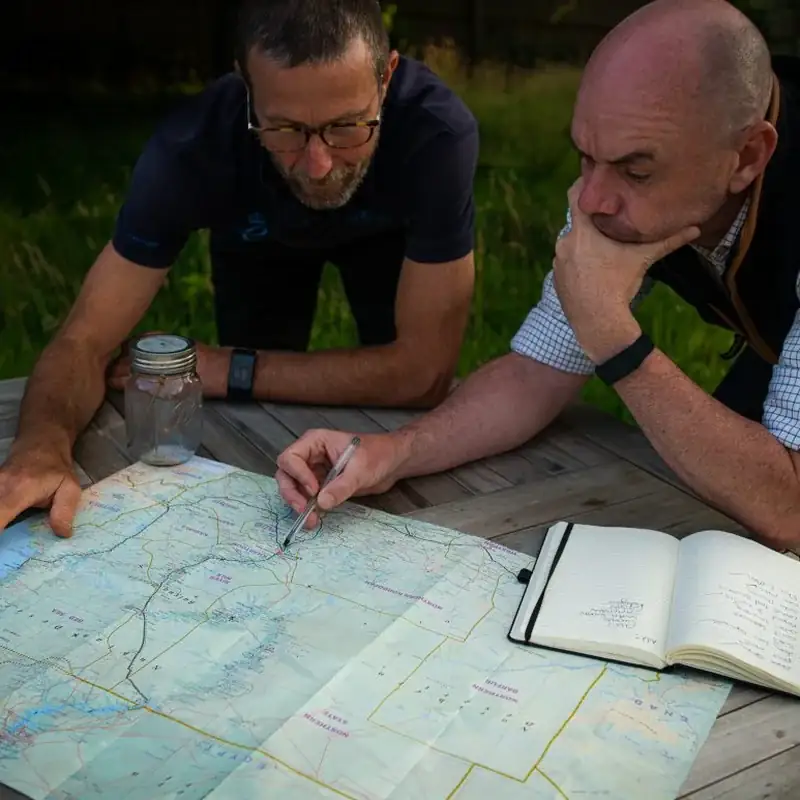
Every journey starts with a conversation. We take the time to understand your vision before we start planning.

Whether by phone or in person, we work with you directly to shape something that is considered, personal, and expertly delivered.

get in touch
destinations ideas & inspiration our process about us contact us