Camp

Olakira Migration Camp

A tented camp in Serengeti National Park, Tanzania that relocates twice yearly to track the wildebeest migration.

Country: Tanzania
Location: Serengeti National Park
Number of rooms: 9

A camp that follows the herds

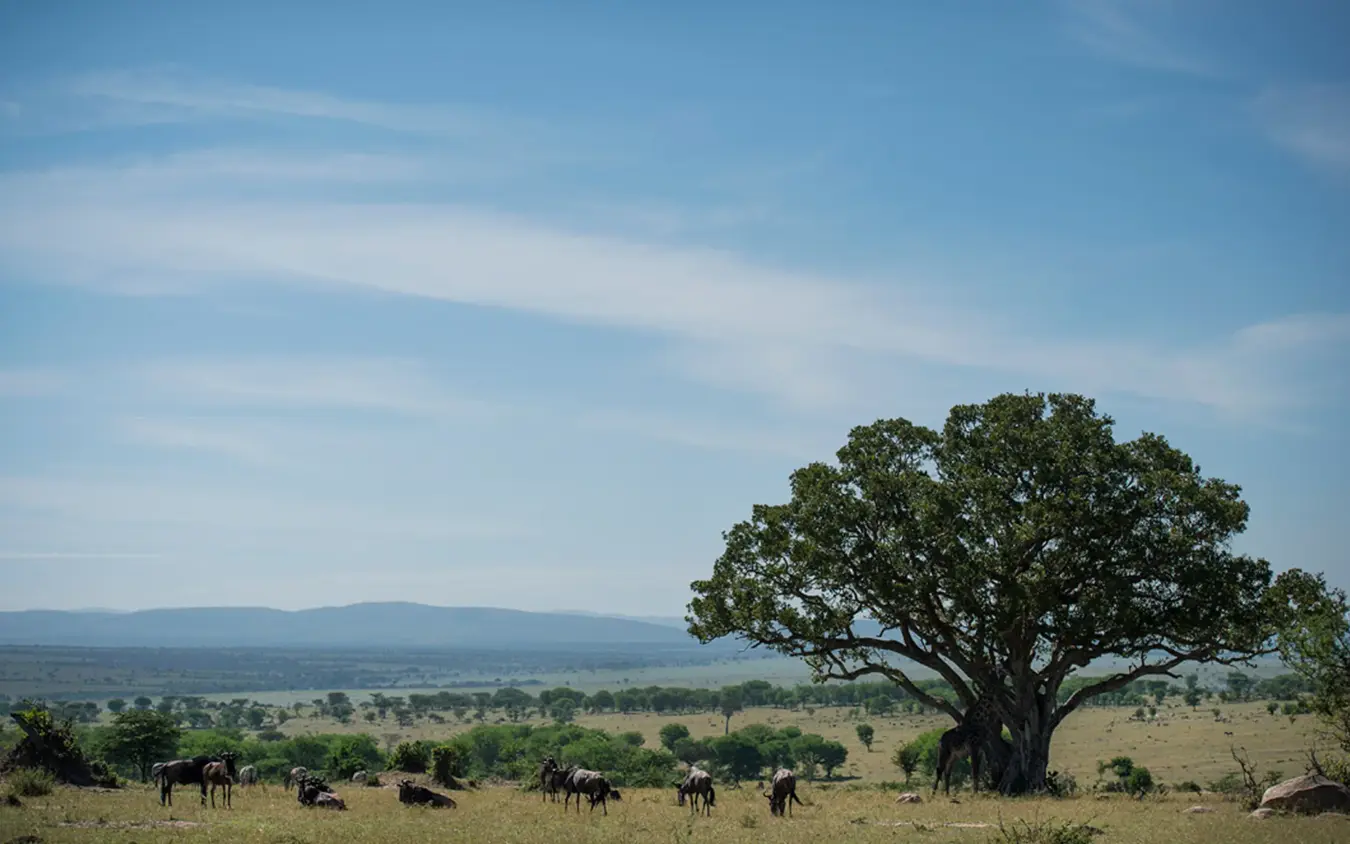
Olakira is a semi-permanent tented camp that refuses to stay still. Twice a year it packs up and moves the length of Serengeti National Park, following the wildebeest. From December to March it stands on the short-grass calving plains of Ndutu, in the south. Come June it has gone far to the north, to the Mara River and the crossing routes, closing for a few weeks each way while the move is made.

Olakira is a semi-permanent tented camp that refuses to stay still

Most camps position their guests near the migration and hope the herds arrive. Olakira does the opposite. It moves to sit inside the densest concentrations at each time of year, the calving grounds in the south and the river crossings in the north. Two locations, one continuous event, with the camp shifting through the year to keep pace with it wherever the animals happen to be.

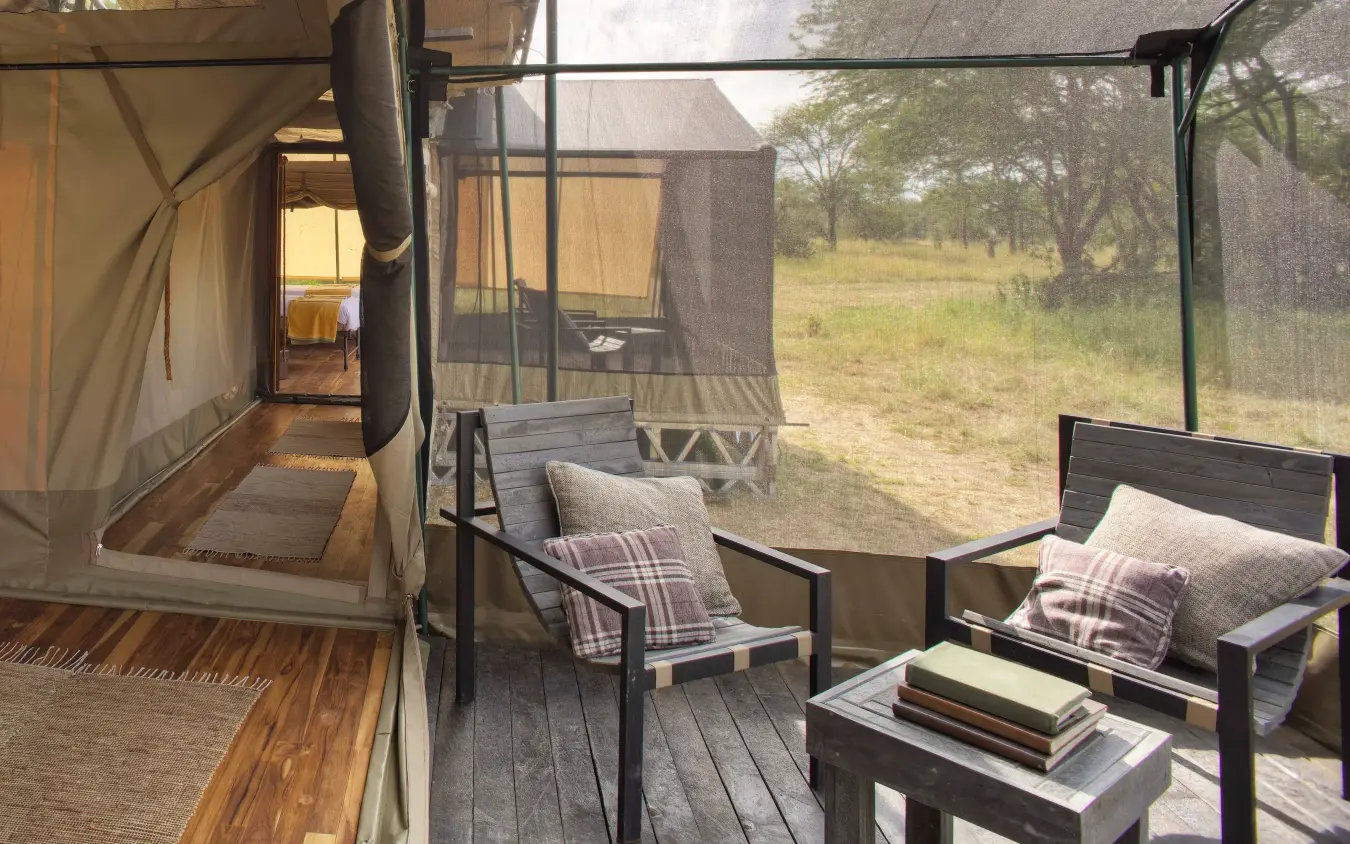
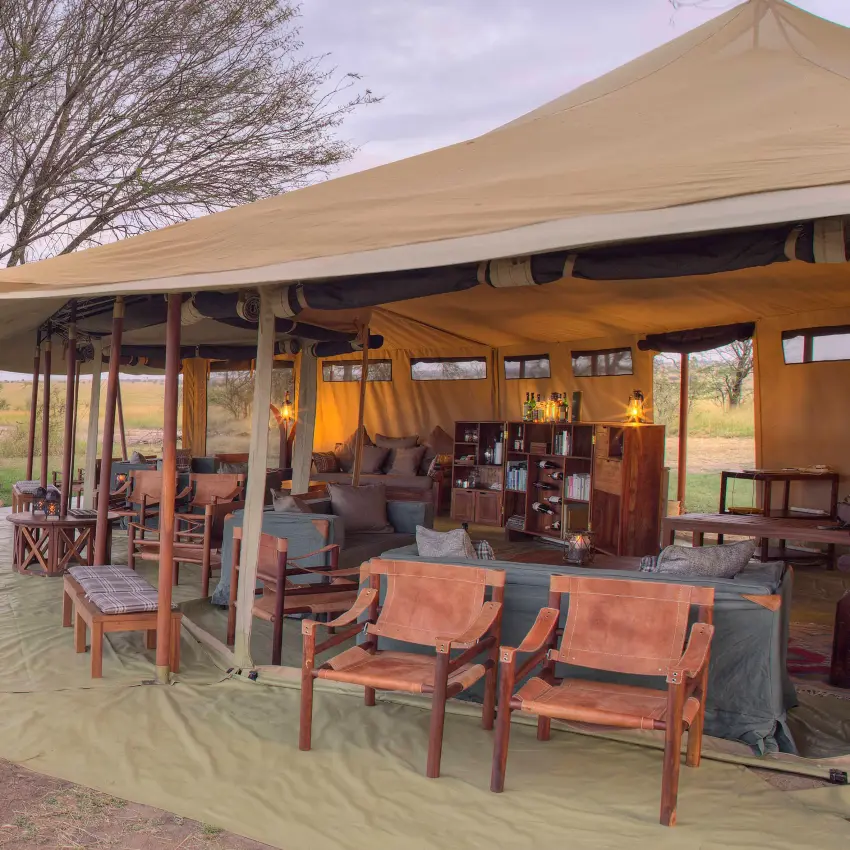
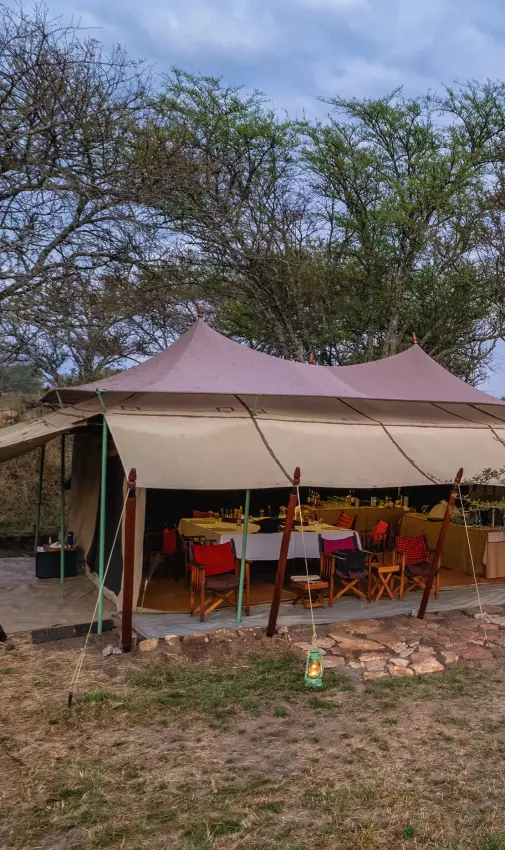
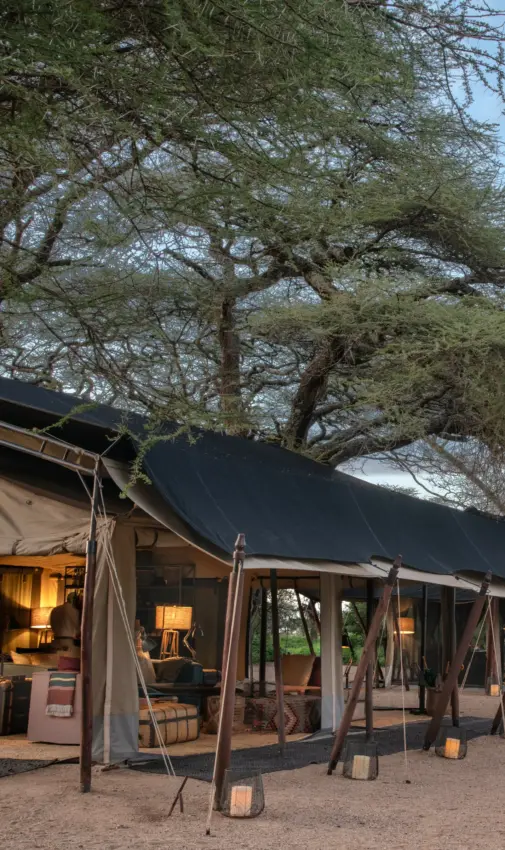
Safari tent lounge with seating and warm lighting at dusk, Olakira Migration Camp, Serengeti National Park, Tanzania
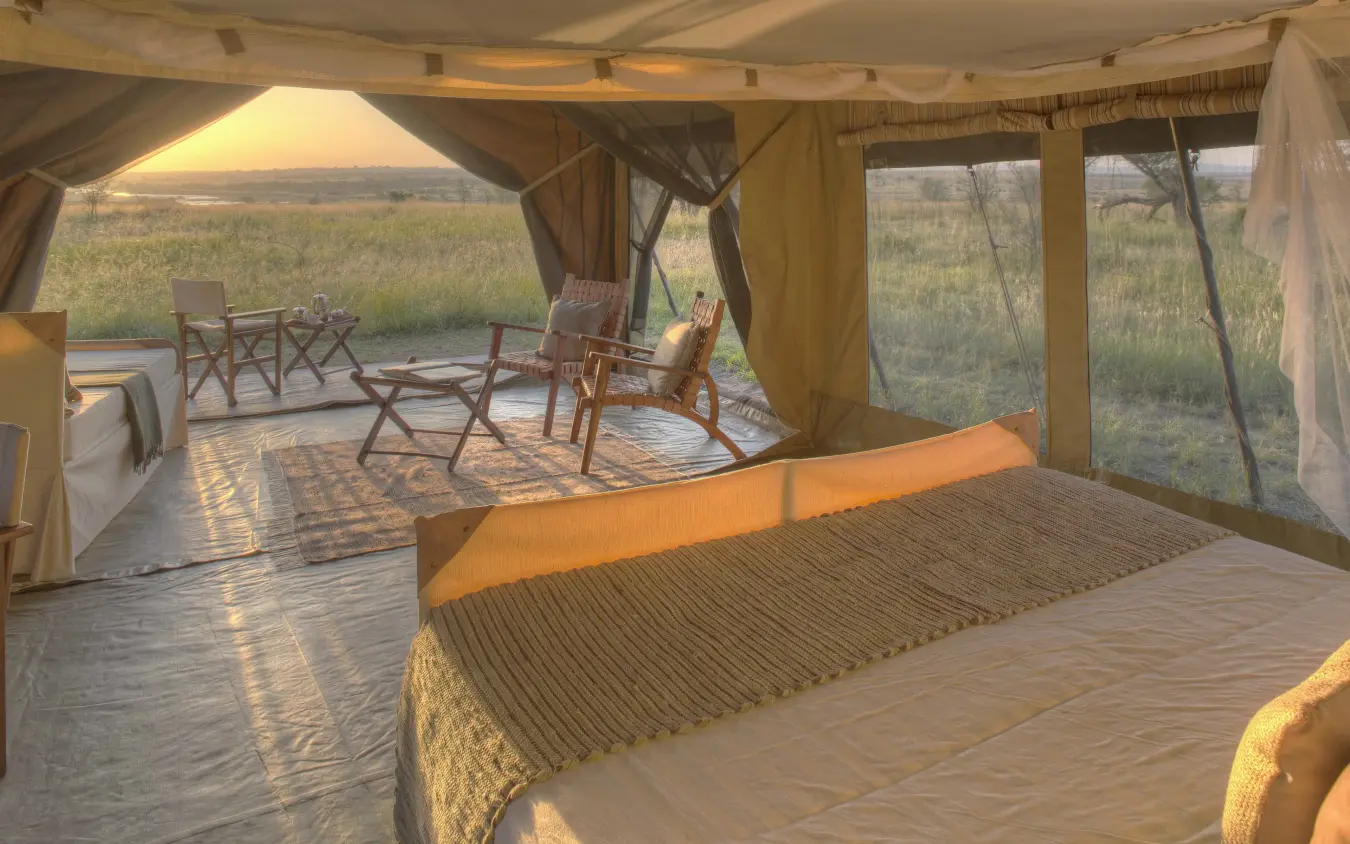
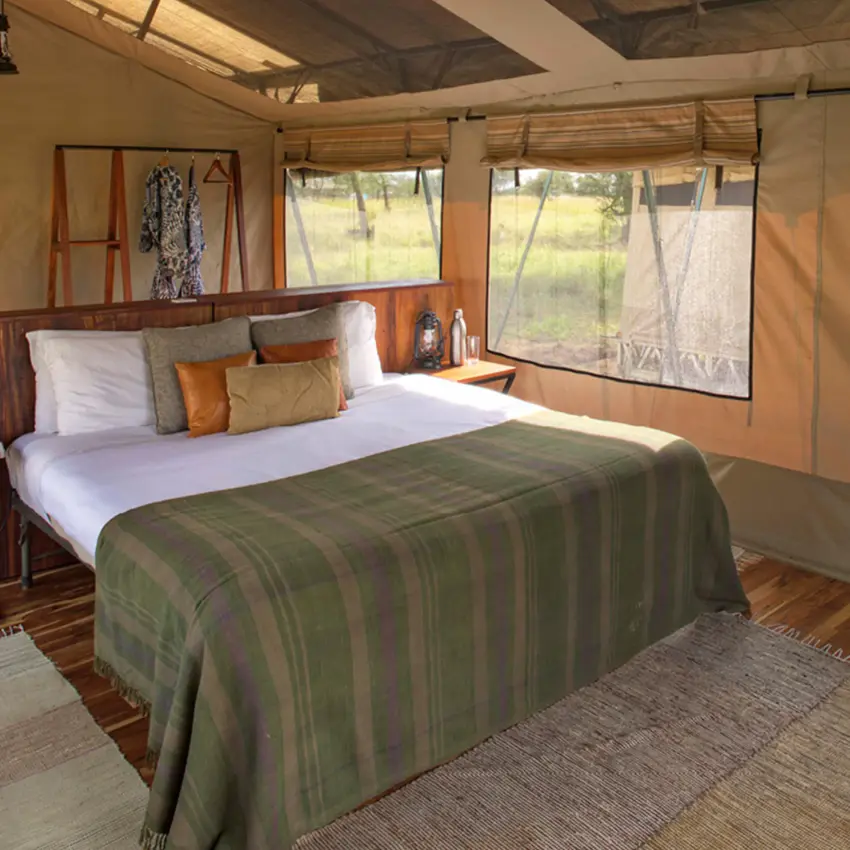
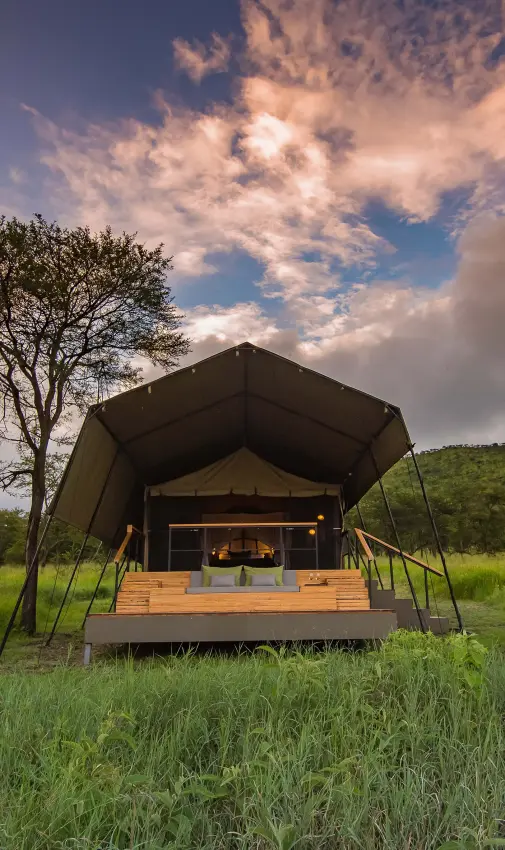
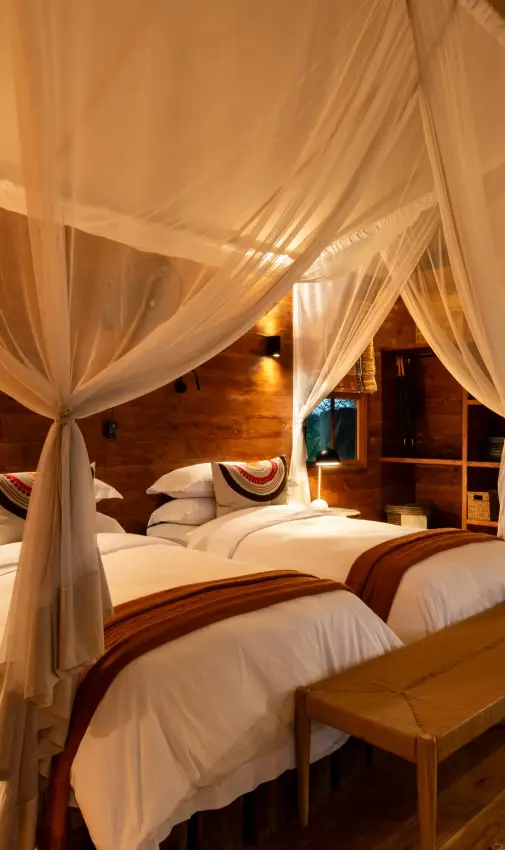
Canvas safari tent bedroom with wooden furnishings and large windows, Olakira Migration Camp, Serengeti National Park, Tanzania

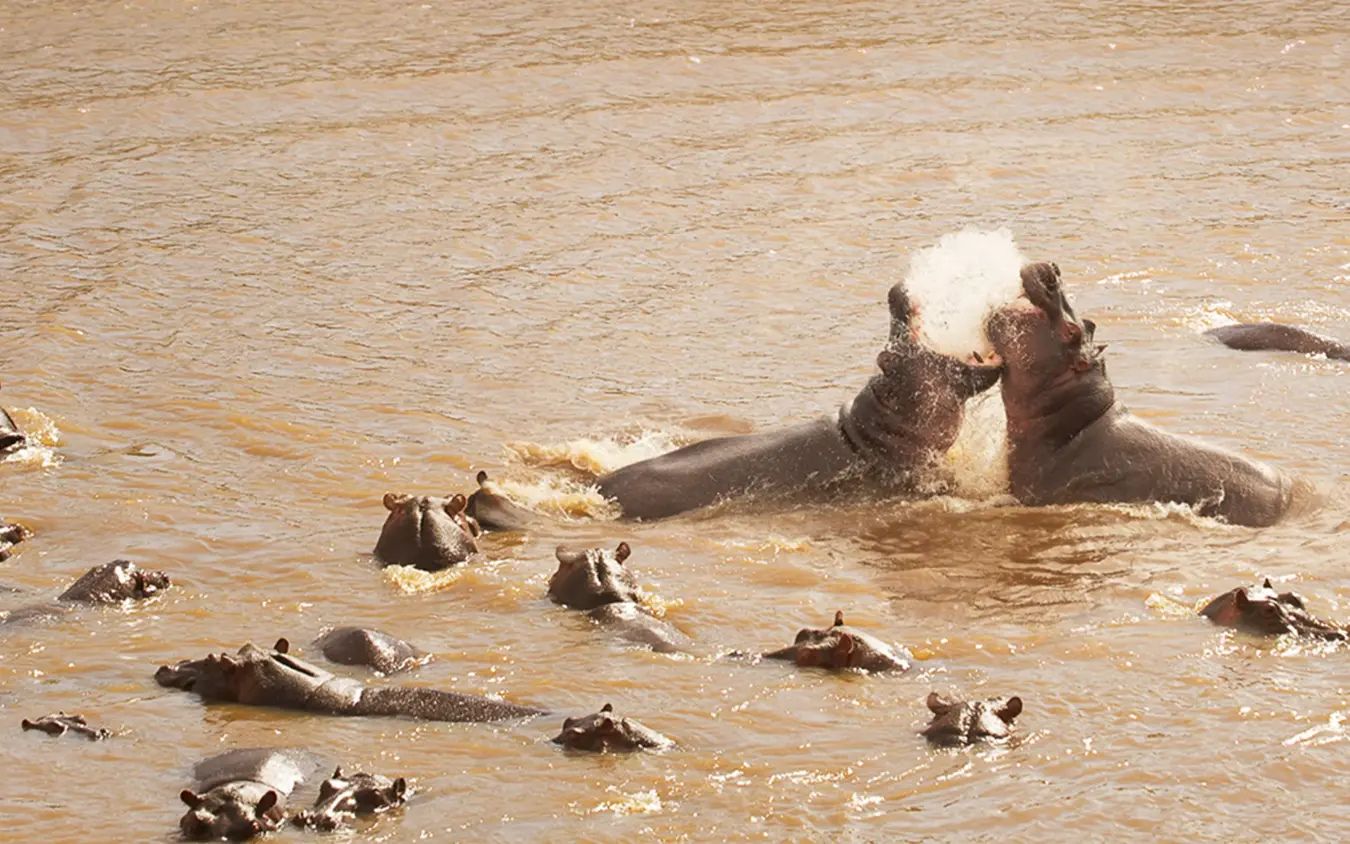
Tents at the northern site face the Mara River near the Makutano crossing, where the Bolongonja stream feeds into the main channel. From June to October, hundreds of thousands of wildebeest and zebra mass on the banks, hesitate, then plunge into the crocodile-filled water. It is drama on an enormous scale, and it is sometimes visible from the tent fronts themselves.
In the north these panels face the river and the migration routes

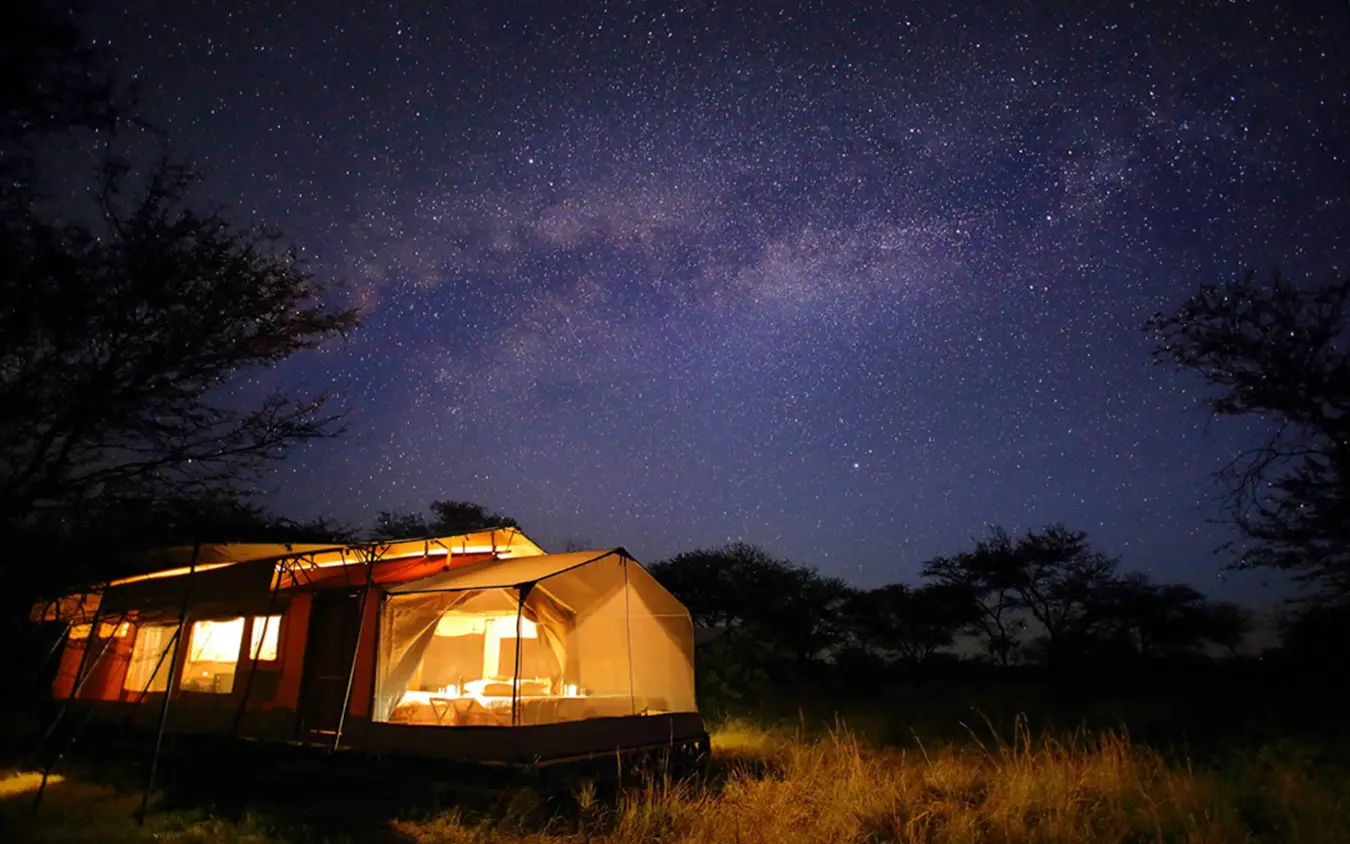
Every tent carries the camp’s signature feature. A section of canvas opens into a mesh-walled area with roughly 270-degree views, into which the king-sized bed can be rolled for a night beneath open sky. In the north these panels face the river and the migration routes, so the bed becomes a private vantage point looking out over the crossings themselves, close enough to hear the herds move in the dark.
Canvas safari tent bedroom with wooden furnishings and large windows, Olakira Migration Camp, Serengeti National Park, Tanzania 01

accommodation

Nine Tents With Stargazing Beds

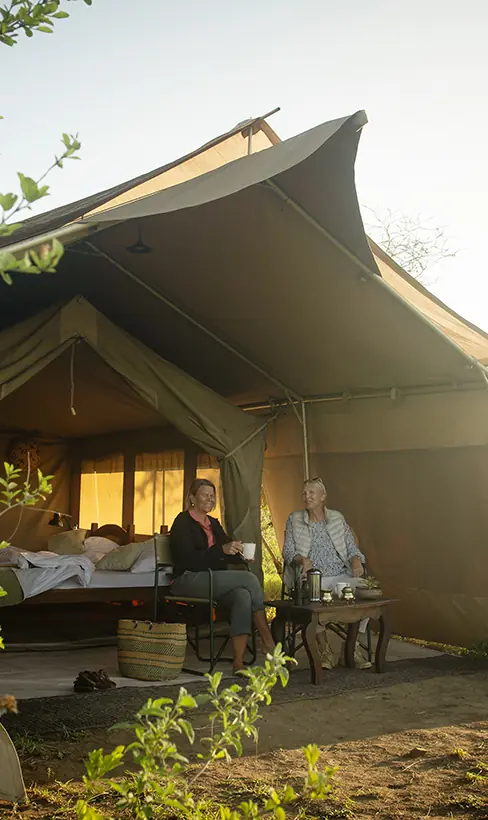
Nine tents in the south, ten in the north, all on raised wooden decking with en-suite bathrooms and hot-water safari showers. Each has a mesh-walled stargazing section into which the king bed rolls for sleeping under the sky, plus a shaded veranda. Family units offer two bedrooms and a shared lounge.

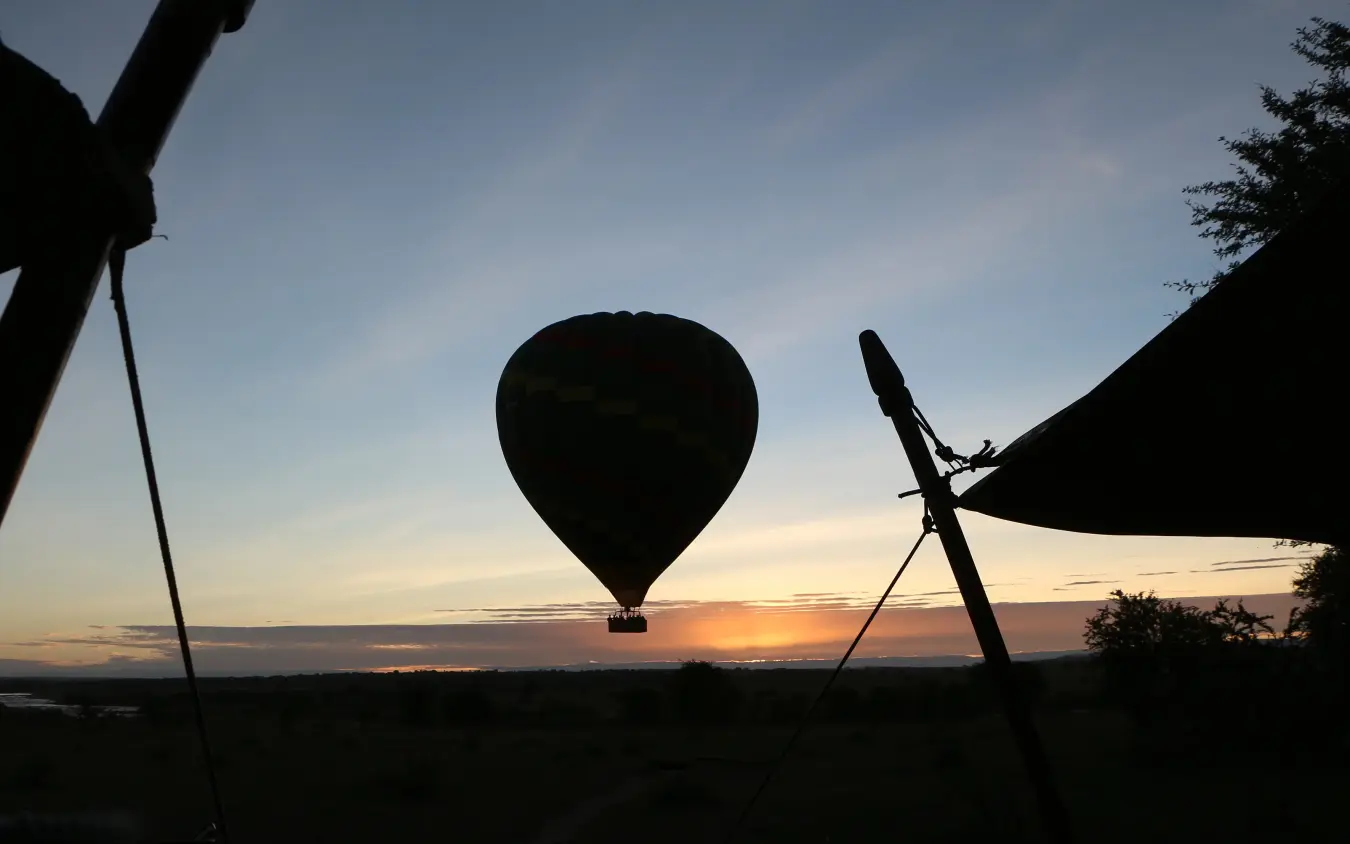
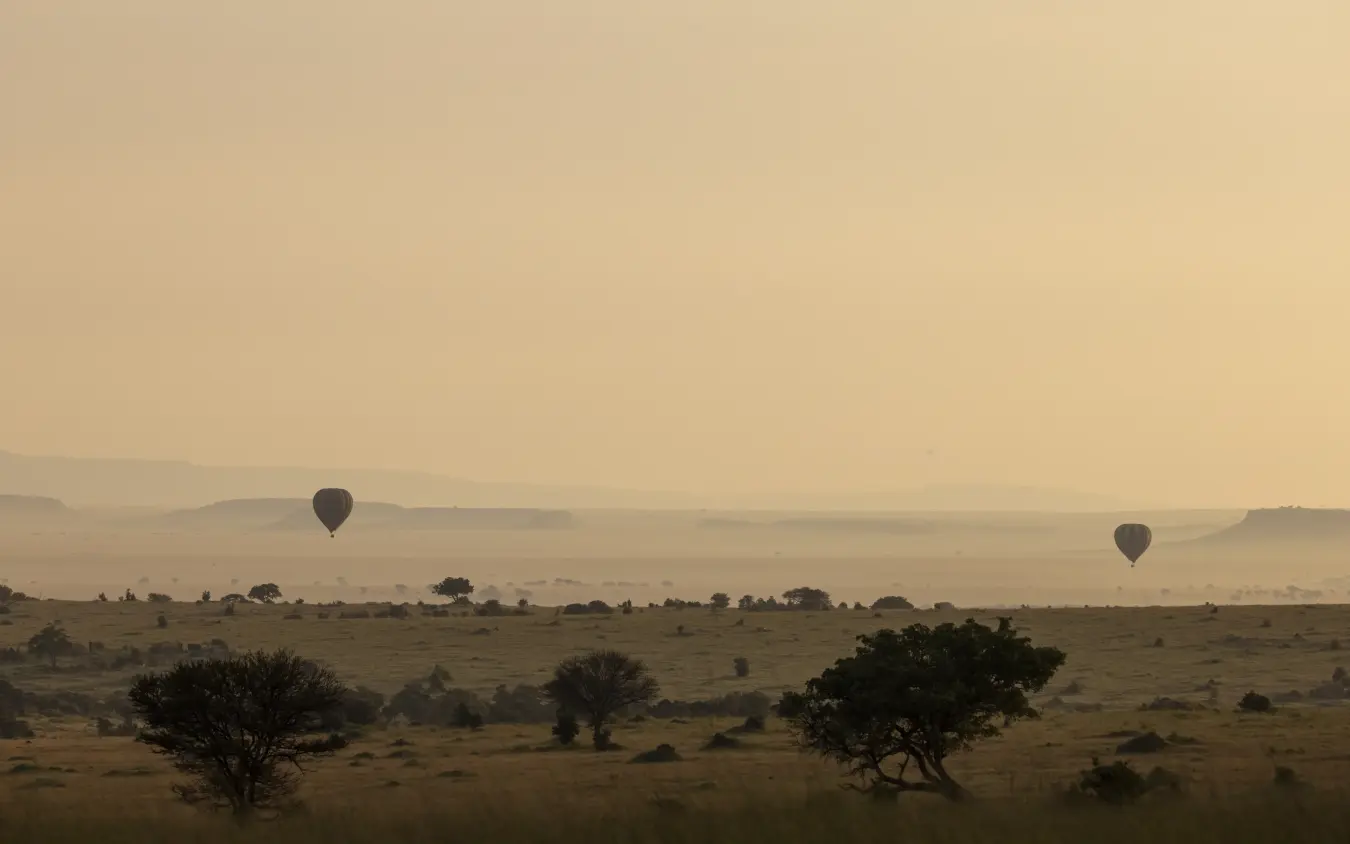
Passengers inside hot air balloon during flight preparation, Olakira Migration Camp, Serengeti National Park, Tanzania 02

activities

Game Drives and Mara River Crossings

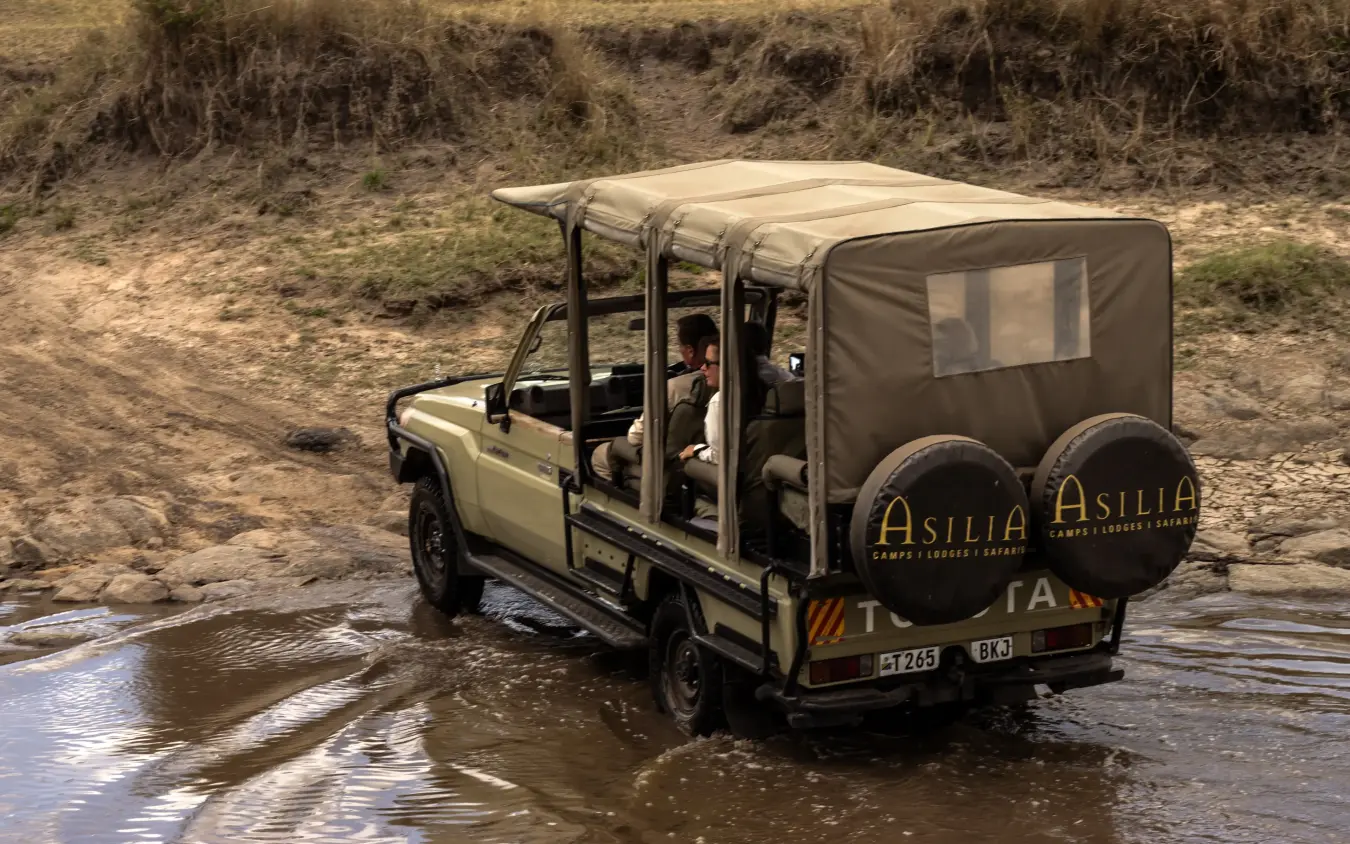
Twice-daily and full-day game drives in open 4x4 vehicles with professional guides, focused on river crossings in the north and calving herds in the south. Hot-air balloon flights and a dedicated photographic vehicle can be arranged. Walking safaris and Kuria community visits run only in the northern season.

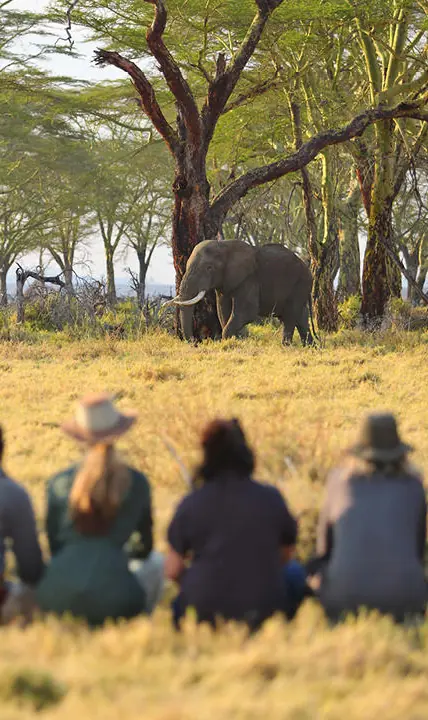
African elephants walking across dry savanna grassland, Olakira Migration Camp, Serengeti National Park, Tanzania 03

conservation

Honeyguide Foundation K9 Anti-Poaching Unit

A conservation levy is built into every stay, supporting the Honeyguide Foundation, which runs a K9 anti-poaching unit in Tanzania, and initiatives supporting Maasai women and introducing local children to wildlife. The camp's mobile build leaves no permanent structures and runs on solar power.

ready to get started?

Get in touch and let’s start the conversation. An initial consultation helps us understand what you’re looking for, whether that’s specific experiences, luxury touches, or marking a special occasion, and from there we’ll guide you through what’s possible so you can decide if we’re the right fit.

Alternative accommodation in serengeti national park

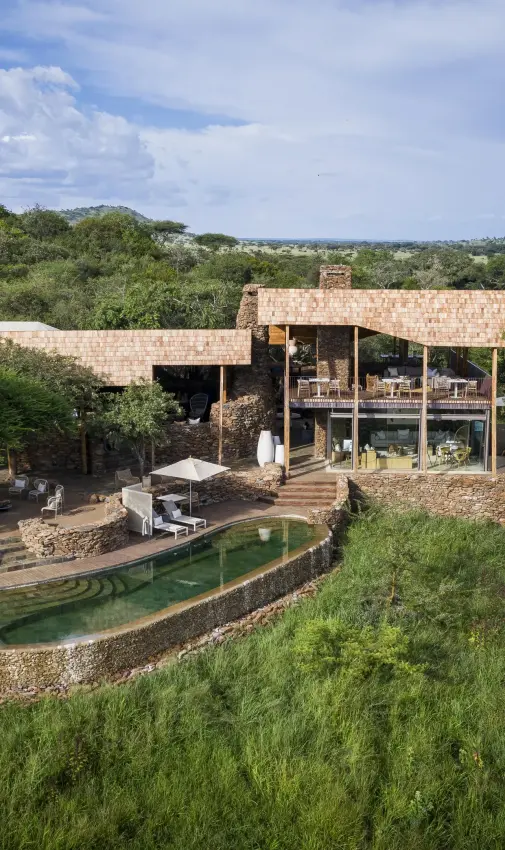
Modern lodge building with pool surrounded by savanna vegetation, Singita Faru Faru Lodge, Serengeti National Park, Tanzania 01

Singita Faru Faru Lodge

Serengeti National Park

Safari tent lodge with wooden deck and acacia tree, Sayari Camp, Serengeti National Park, Tanzania 02

Sayari Camp

Serengeti National Park

Guest relaxing in infinity pool overlooking savanna landscape, Singita Sasakwa Lodge, Serengeti National Park, Tanzania 03

Singita Sasakwa Lodge

Serengeti National Park

Guests gathered on rock outcrop in savanna landscape, Serengeti Plains Camp, Serengeti National Park, Tanzania 04

Serengeti Plains Camp

Serengeti National Park

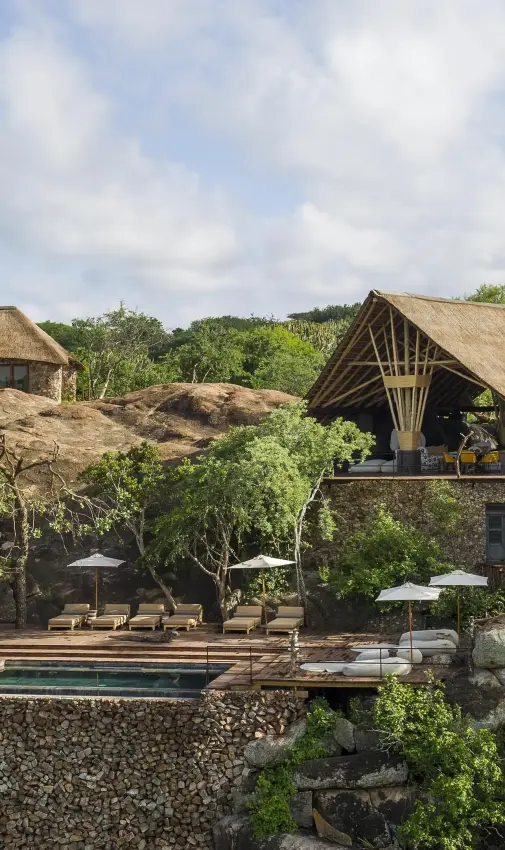
Safari lodge buildings with thatched roofs nestled among trees, Mwiba Lodge, Serengeti National Park, Tanzania 05

Mwiba Lodge

Serengeti National Park

Canvas safari tent with wooden deck in grassland, Dunia Camp, Serengeti National Park, Tanzania 06

Dunia Camp

Serengeti National Park

Luxury safari tent interior with bed and savanna views through windows, Serengeti Wilderness Camp, Serengeti National Park, Tanzania 07

Serengeti Wilderness Camp

Serengeti National Park

Luxury canvas safari tent with open-air lounge and bedroom interior, Ndutu Wilderness Camp, Serengeti National Park, Tanzania 08

Ndutu Wilderness Camp

Serengeti National Park

Person holding lanterns standing in savanna grassland at dusk, Serengeti North Wilderness Camp, Serengeti National Park, Tanzania 09

Serengeti North Wilderness Camp

Serengeti National Park

Couple dining under ancient tree with hanging lanterns at dusk, Nyasi Tented Camp, Serengeti National Park, Tanzania 10

Nyasi Tented Camp

Serengeti National Park

Canvas safari tent illuminated at dusk among acacia trees, Serian Serengeti Lamai, Serengeti National Park, Tanzania 11

Serian Serengeti Lamai

Serengeti National Park

Canvas safari tent with acacia tree at golden hour, Ubuntu Migration Camp, Serengeti National Park, Tanzania 12

Ubuntu Migration Camp

Serengeti National Park

Canvas safari camp with dining area under acacia trees in grassland, Laba Migration Camp, Serengeti National Park, Tanzania 13

Laba Migration Camp

Serengeti National Park

Guests viewing elephant from savanna during guided safari walk, Namiri Plains, Serengeti National Park, Tanzania 14

Namiri Plains

Serengeti National Park

Stone bungalow with thatched roof at sunrise, Ndutu Safari Lodge, Serengeti National Park, Tanzania 15

Ndutu Safari Lodge

Serengeti National Park

Outdoor seating area with cushions overlooking vast savanna landscape at dusk, Laba Grumeti Art Lodge, Serengeti National Park, Tanzania 16

Laba Grumeti Art Lodge

Serengeti National Park

Safari lodge tents beneath acacia trees at golden hour, The Retreats at Namiri Plains, Serengeti National Park, Tanzania 17

The Retreats at Namiri Plains

Serengeti National Park

Canvas tent dining area under acacia trees at dusk, Esirai Camp, Serengeti National Park, Tanzania 18

Esirai Camp

Serengeti National Park

Luxury bedroom with four-poster canopy beds and wooden architecture, The Retreats at Sayari Camp, Serengeti National Park, Tanzania 19

The Retreats at Sayari Camp

Serengeti National Park

Safari camp with canvas tent beneath acacia trees, Serengeti Green Camp, Serengeti National Park, Tanzania 20

Serengeti Green Camp

Serengeti National Park

frequently asked questions

By light aircraft from Arusha to whichever end of the park the camp is standing in. From December to March that means the Ndutu airstrip in the far south, about an hour and a quarter's flight; from June to October it is Kogatende in the north, up to two hours with stops, and the camp is then roughly half an hour's drive from the strip. We book the leg that matches the season so the connection is seamless.

Private charters work well here too, typically a Cessna Caravan or Pilatus PC-12 straight to the right airstrip. Scheduled flights insist on soft bags, fifteen kilograms a person including hand luggage.

Yes, at both of the camp's seasonal homes. The northern site by the Mara River and the southern calving plains around Ndutu both lie below 1,800 metres, which is the height under which the UK's official travel health advice and the CDC class all of mainland Tanzania as high malaria risk, so a course of tablets is the standard precaution whichever season you book.

Get the current recommendation from a travel clinic or your doctor shortly before travelling, and take the evening bite precautions seriously, because the tents open to mesh rather than glass.

It keeps a strict calendar. December through March it stands in the south for the calving; June through October it faces the Mara River in the north for the crossings. April, May and November are the moving months, when the entire camp is packed onto trucks and rebuilt hundreds of kilometres away, and it takes no guests at all.

So the honest answer is that Olakira works brilliantly if your dates fall inside its two seasons and not at all if they fall between them, in which case we will offer you the right alternative rather than force the fit. For the crossings, plan at least three nights, because rivers do not run to schedule.

From five years old, yes, and few camps hand a child a better bedtime: the bed rolls into the mesh-walled bay and they fall asleep counting stars with the herds grunting somewhere out in the dark. The family tents give parents and children separate rooms with a shared sitting space between.

The calving season in the south is the easier introduction for younger children, with shorter distances to the action and constant visible drama. Tell us the ages and we will pick the season and the tent to fit.

Two seasons, two answers. The southern months of December to March are green-season weather: warm days, gathering afternoon storms that pass through loudly and leave the plains rinsed, and cool nights, so bring a packable waterproof alongside the sun kit. The northern months of June to October are dry and dusty, hotter at midday, colder before dawn, when an open vehicle at speed calls for a proper warm layer.

Either way it is soft bags for the flights, neutral colours for the bush, a brimmed hat, strong sunscreen and binoculars per person rather than per couple.

Lightly. There is a connection in camp for essentials, and the mess tent is the best place to find it, but a camp that migrates with the herds does not carry lodge-grade internet, and mobile coverage out on the plains is unreliable in the north and thin in the south.

Treat it as enough to tell home you are safe and send a photograph, not enough to work. If that balance concerns you, ask us and we will confirm exactly what is running in the season you travel.

rated five stars by our clients

other areas in tanzania

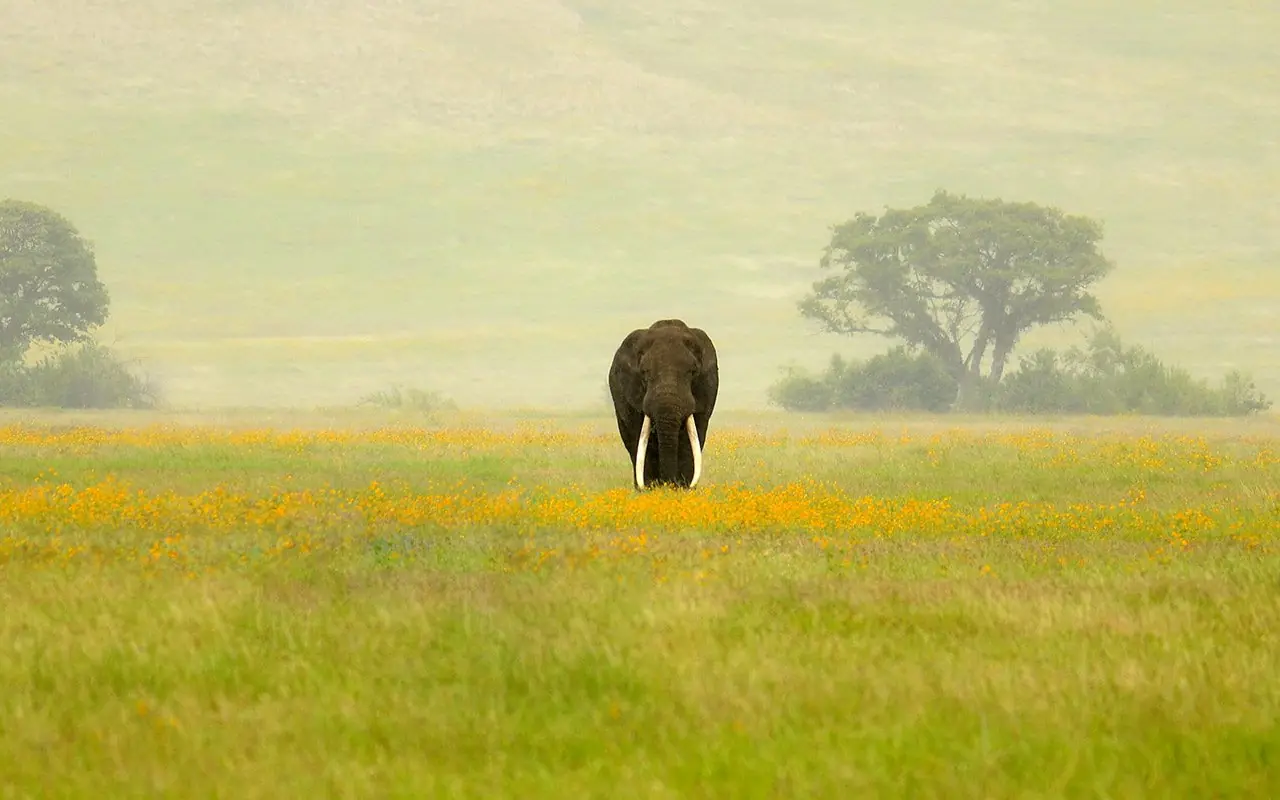
Elephant walking alone across golden savanna grassland 01

Ngorongoro Crater

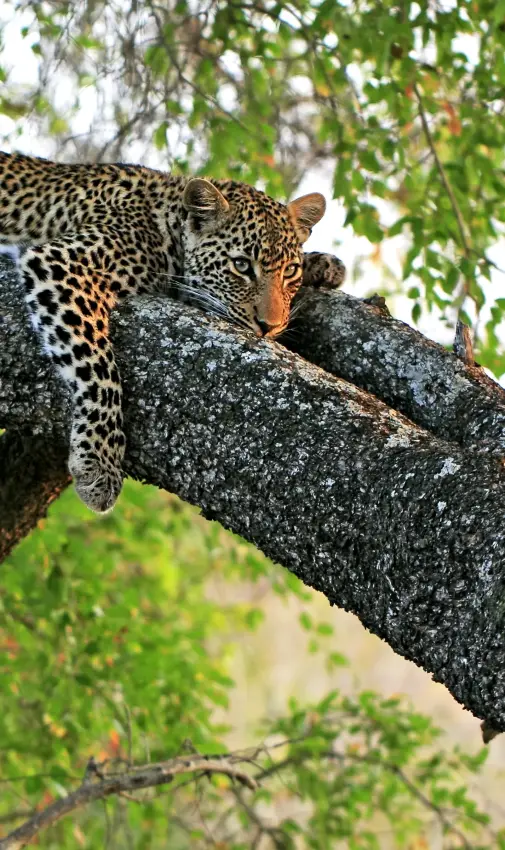
Leopard resting on tree branch surrounded by green foliage 02

Tarangire National Park

Guests relax in chairs by river with child wading, Lake Manyara, Tanzania 03

Lake Manyara

African wild dog standing alert in grassland 04

Ruaha National Park

Chimpanzee holding branch while foraging in forest, Mahale Mountains, Tanzania 05

Mahale Mountains

Hippopotamuses in water with heads above surface 06

Katavi National Park

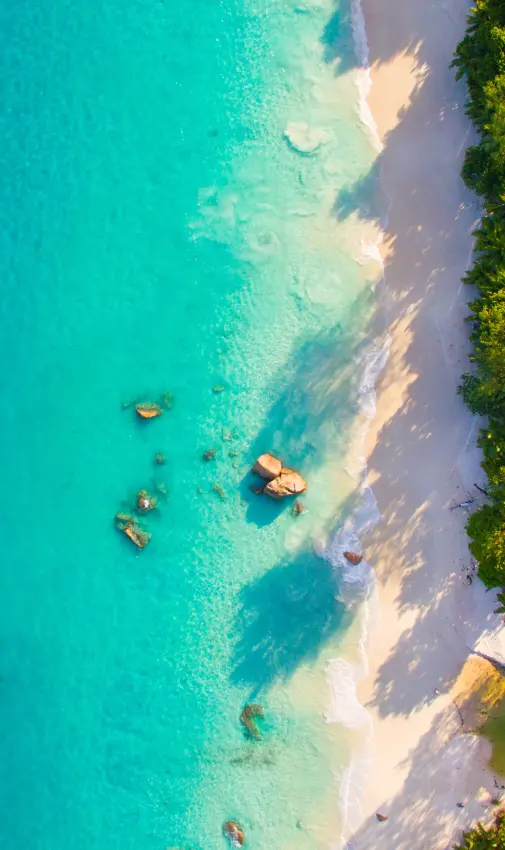
Turquoise water beach with boats and tropical vegetation 07

Zanzibar & Pemba

Family group of African elephants walking on sandy path 08

Arusha

Aerial view of colorful salt lakes and mineral deposits 09

Lake Natron

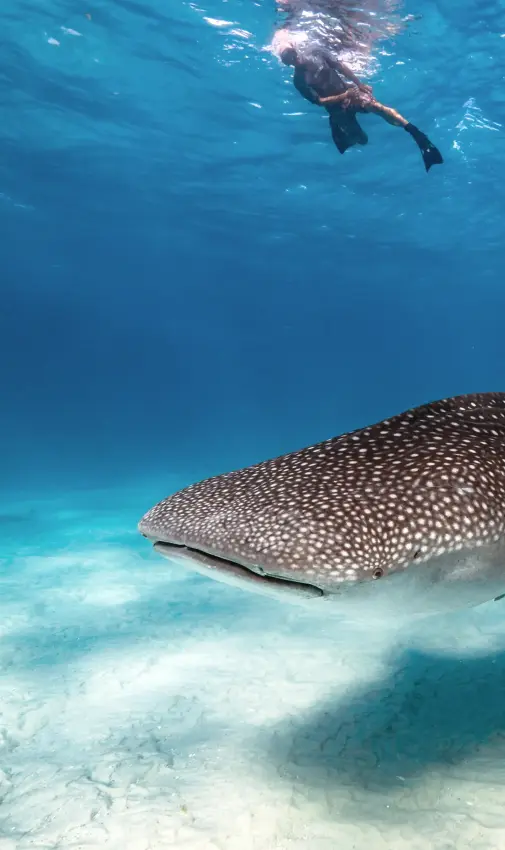
Snorkeler swimming alongside whale shark in shallow turquoise water, Mafia Archipelago, Tanzania 10

Mafia Archipelago

elephants drinking water at riverbank during daytime 11

Nyerere National Park

Chimpanzee among vegetation looking toward camera, Rubondo Island, Tanzania 12

Rubondo Island

Planning a journey together

our approach

remote, exclusive
& personal

Every journey starts with a conversation. We take the time to understand your vision before we start planning.

Whether by phone or in person, we work with you directly to shape something that is considered, personal, and expertly delivered.

get in touch
destinations ideas & inspiration our process about us contact us