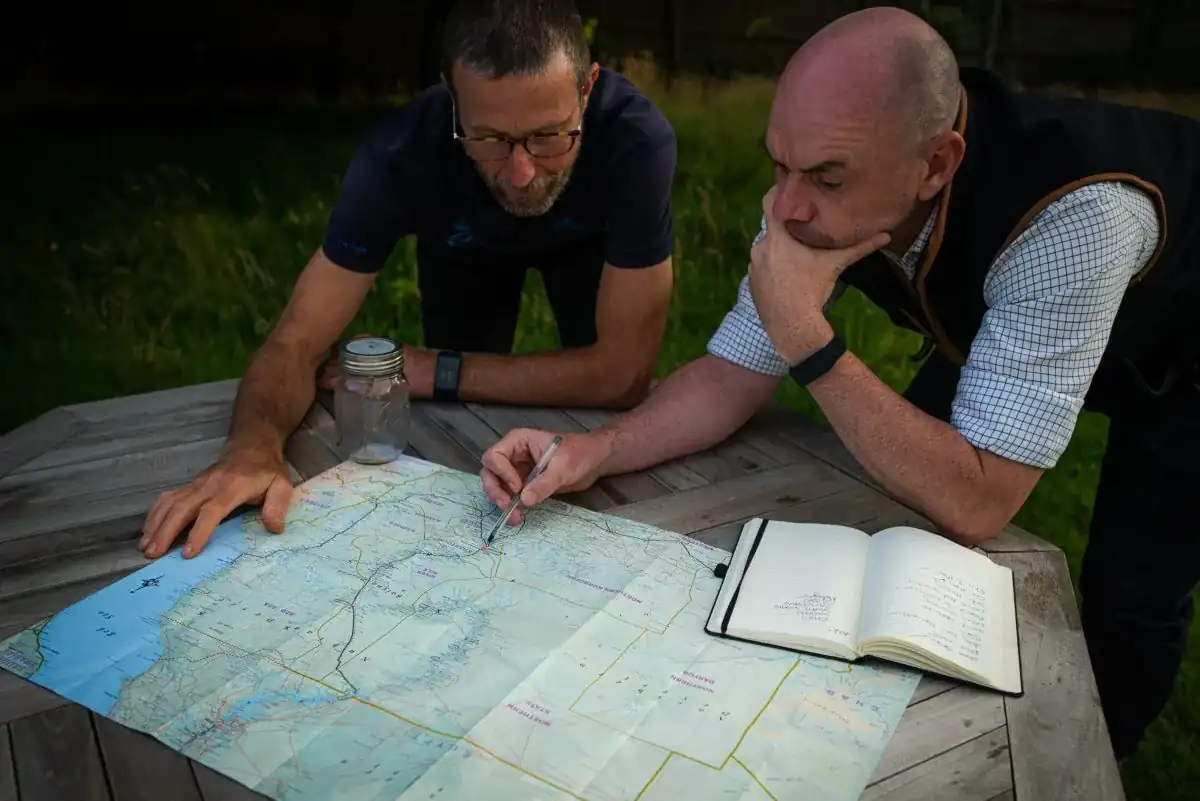
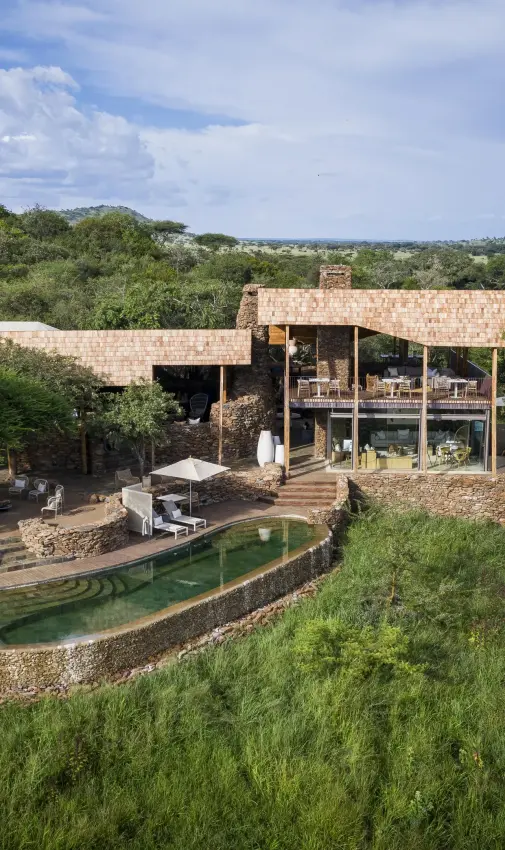
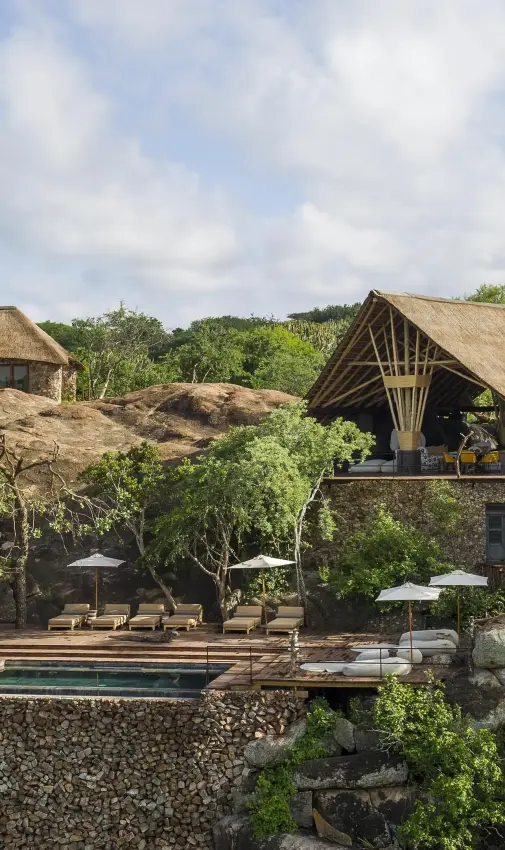
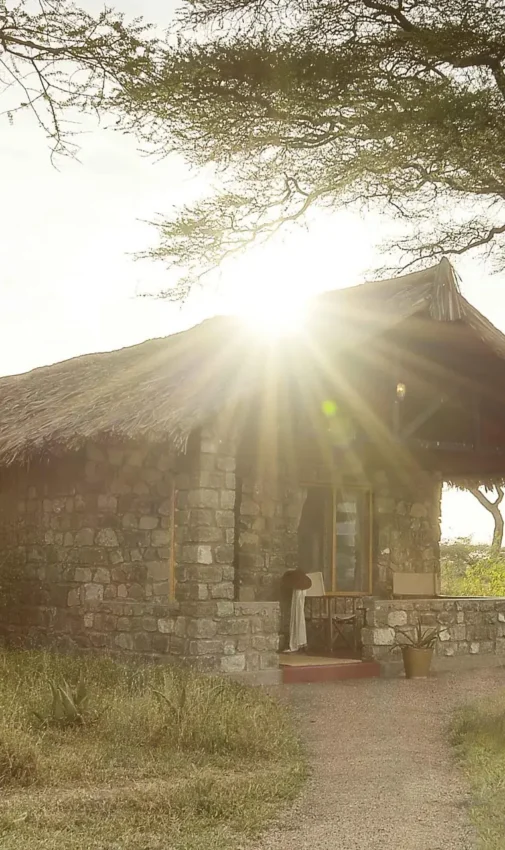
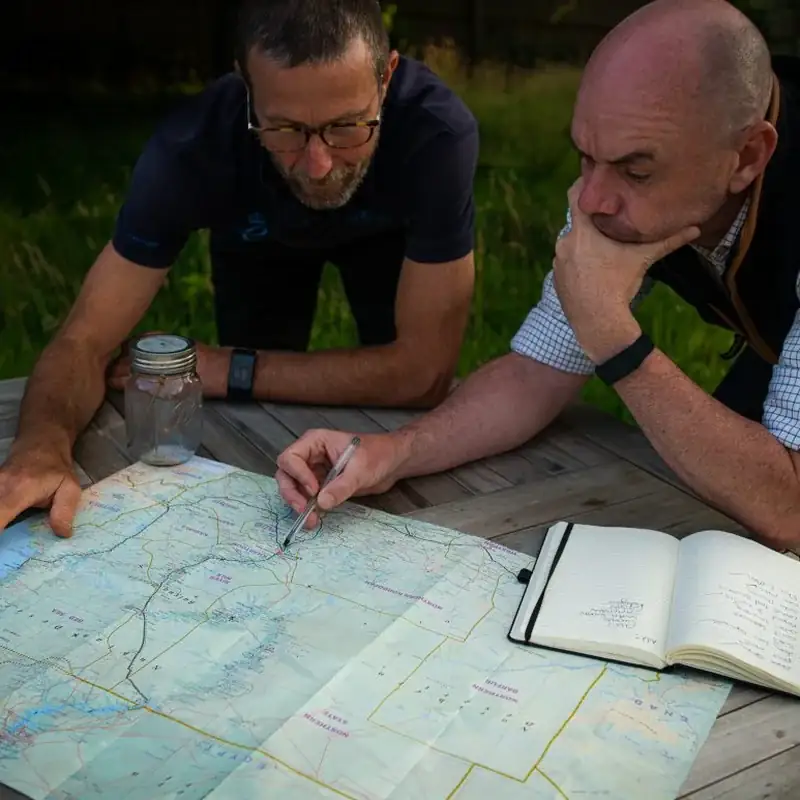
Luke Bailes opened his first lodge, Ebony, in 1993, on land his grandfather had bought. He built it with a close friend, Mark Witney, who took on the conservation side of the work. In 2006 the two of them took on management of the Grumeti concession, a landscape then suffering from illegal hunting, uncontrolled fires and spreading invasive plants. Singita Explore is the most pared-back of the camps that grew out of that work, and the least built.
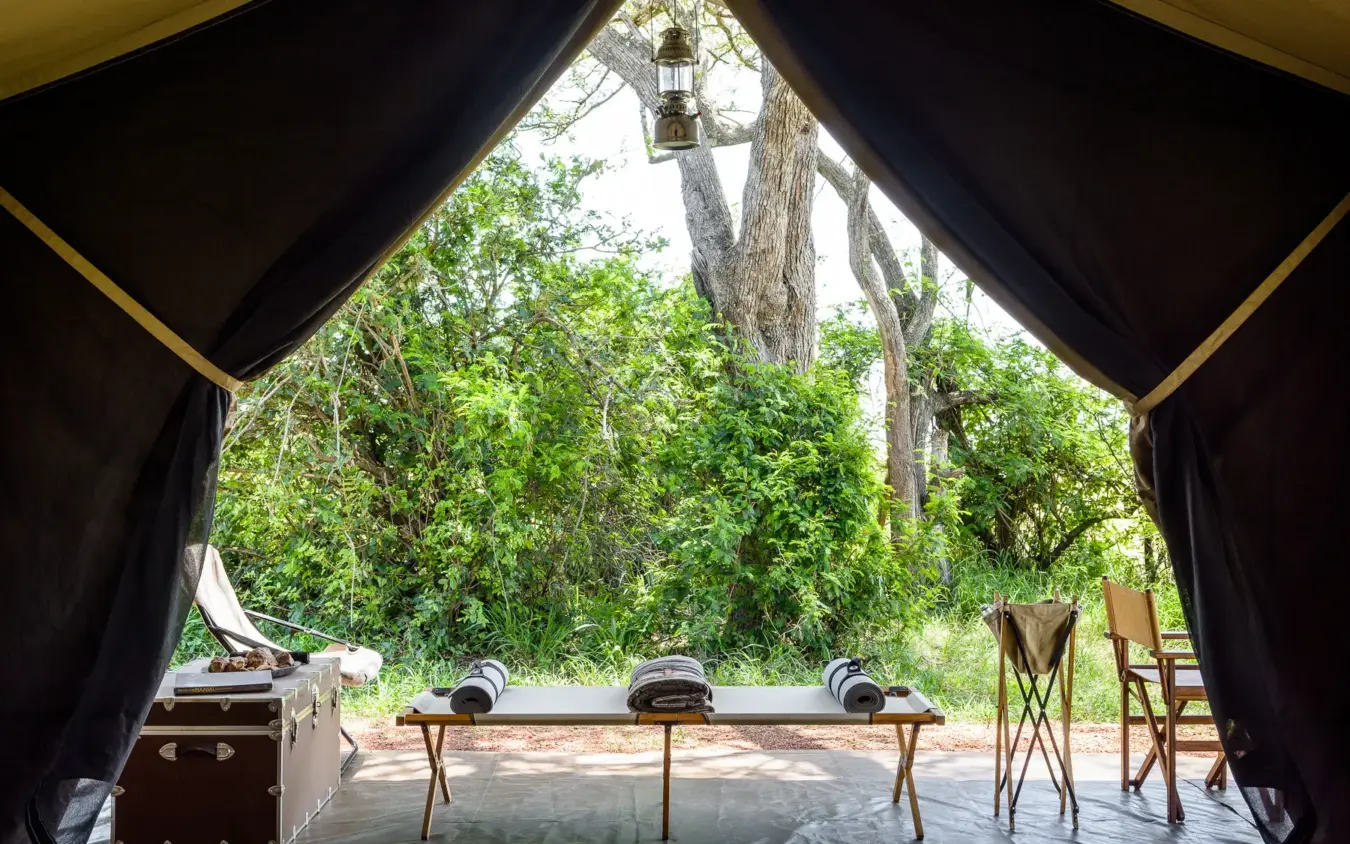
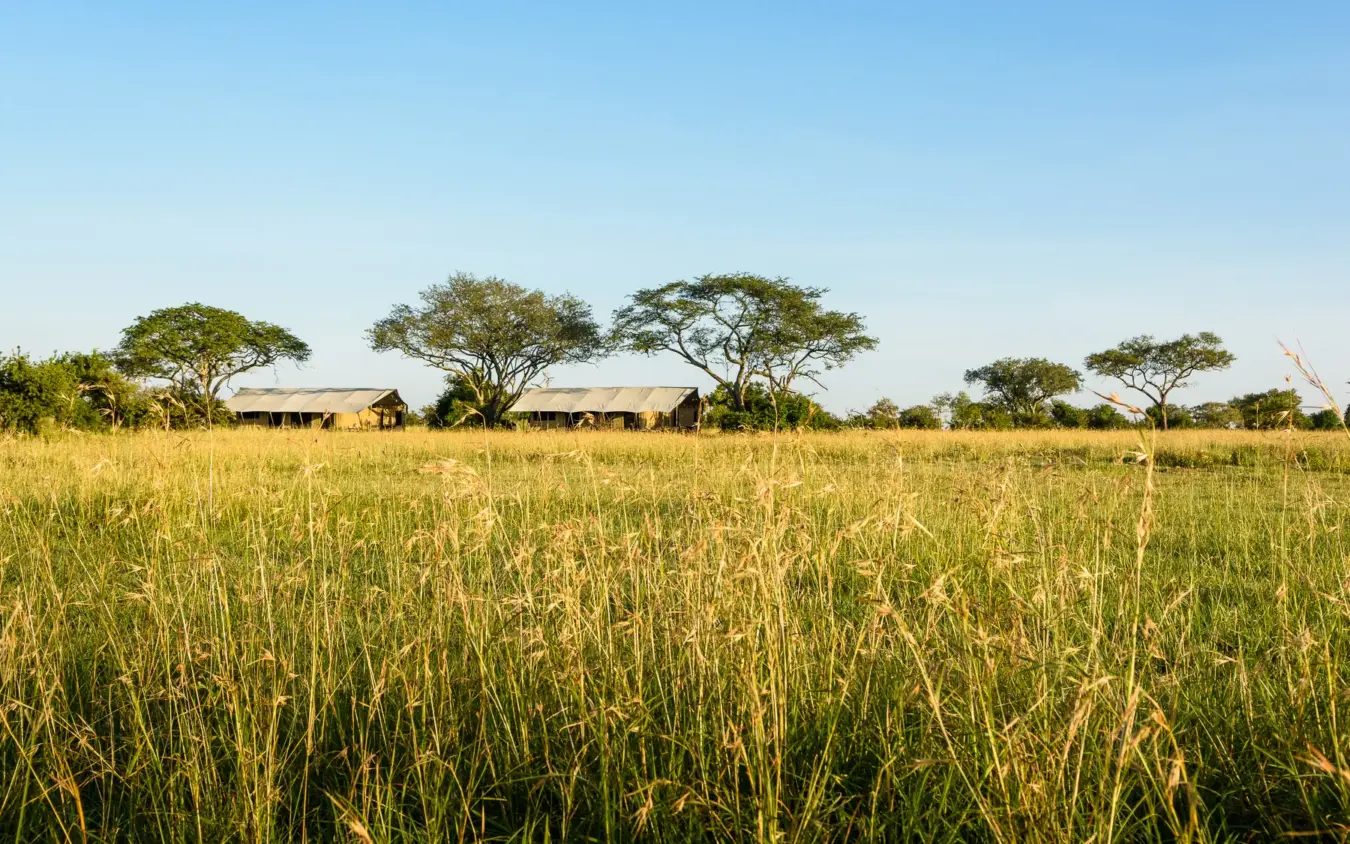
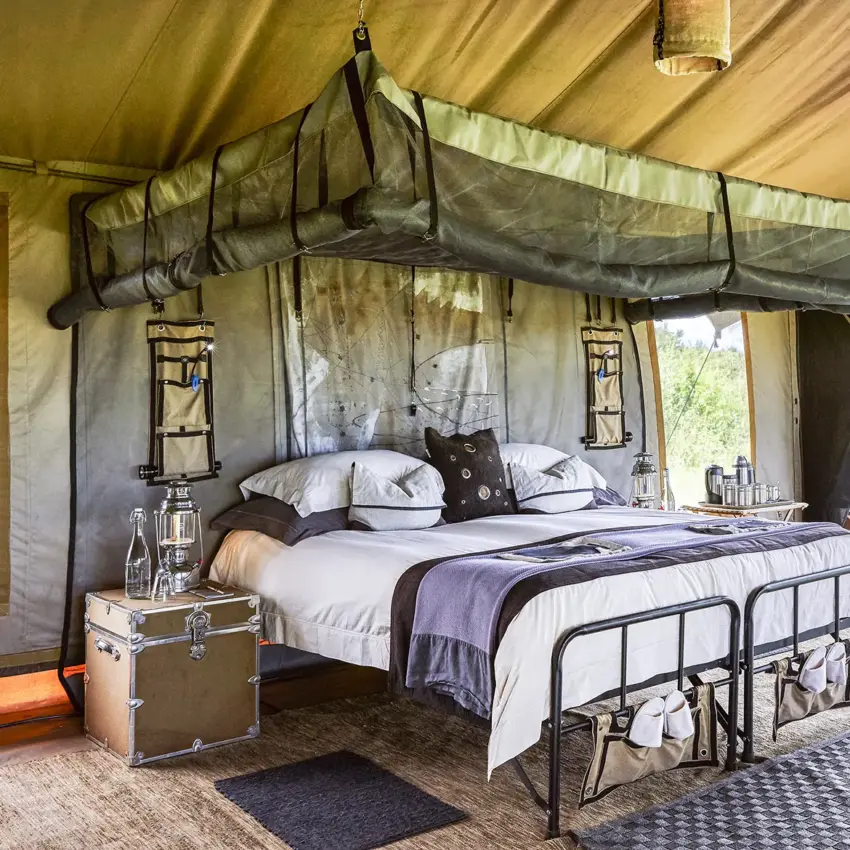
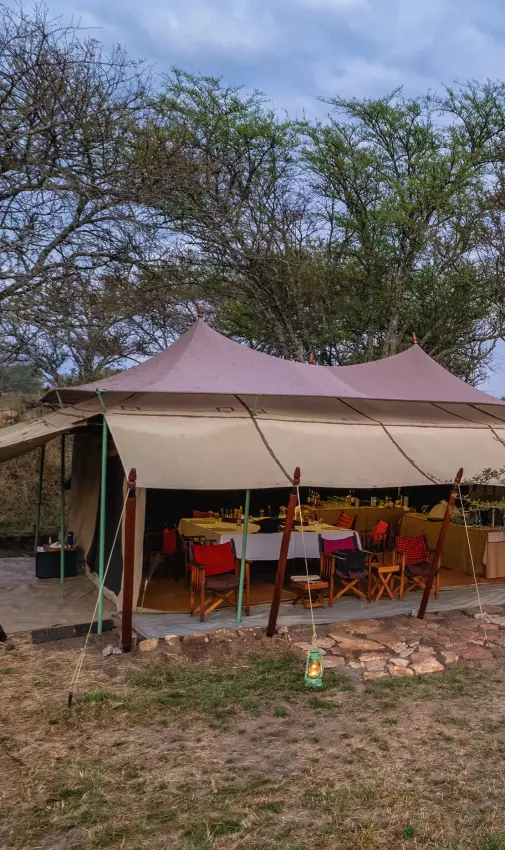
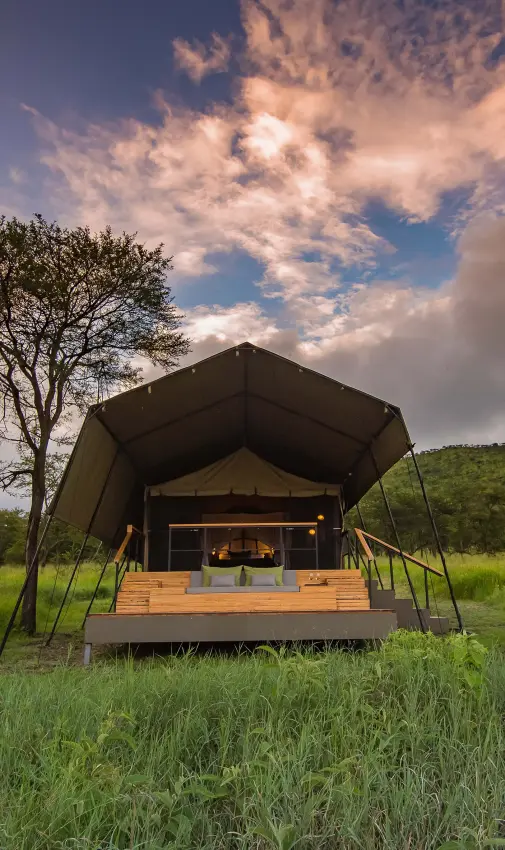
Six one-bedroom tents, en-suite, furnished in leather, steel and wood, hold little in them that is not needed. There are no room grades and no upgrades: the tents are identical, and the camp belongs to whoever books it. The mess allows the party to eat together. Bucket showers are warmed and filled by the staff, morning and evening. Birds settle in the branches overhead, and the smell of dust and grass never leaves. Between the bed and the plains there is canvas, and nothing else.
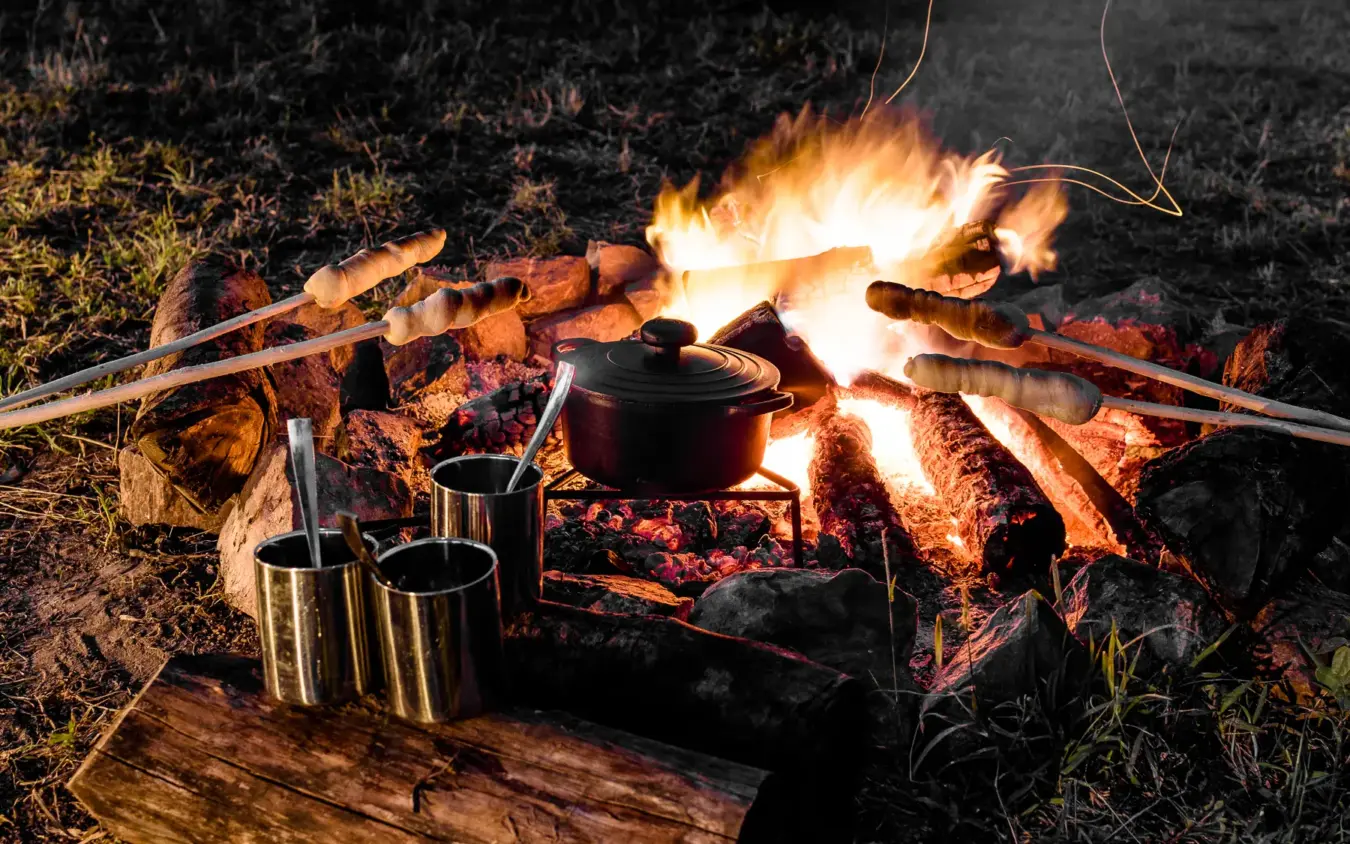
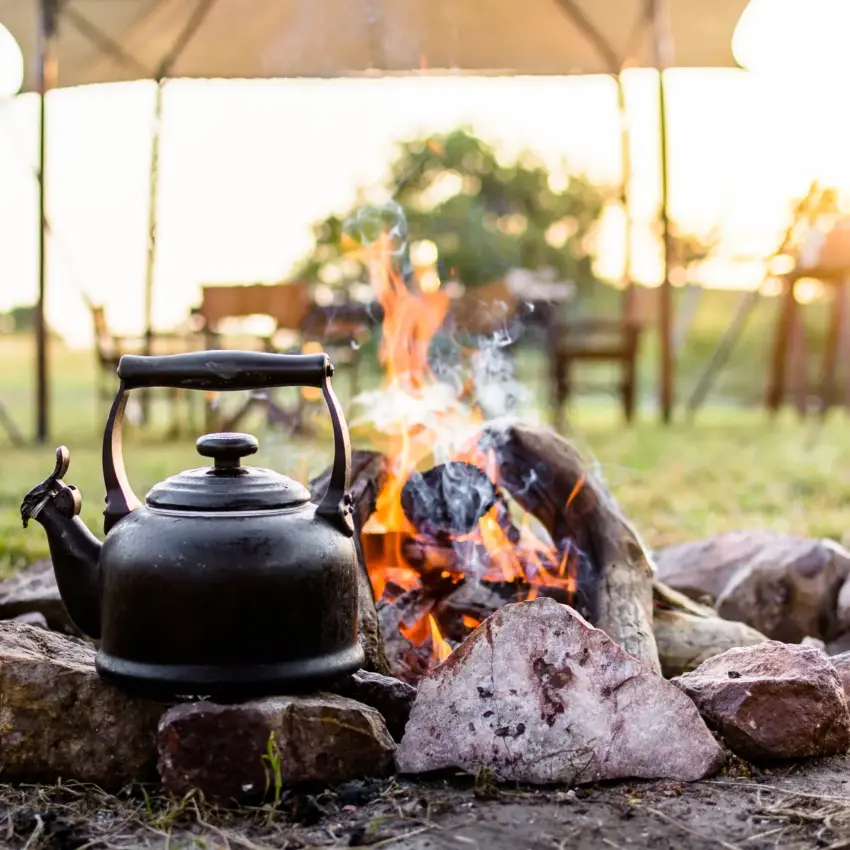
Nights end with stories over the embers, and then the hyenas start out in the grass.
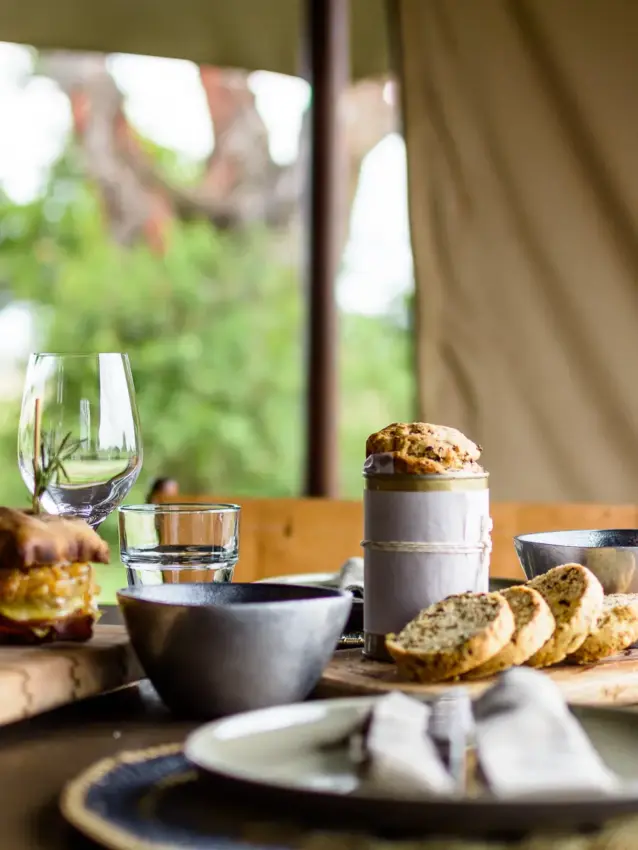
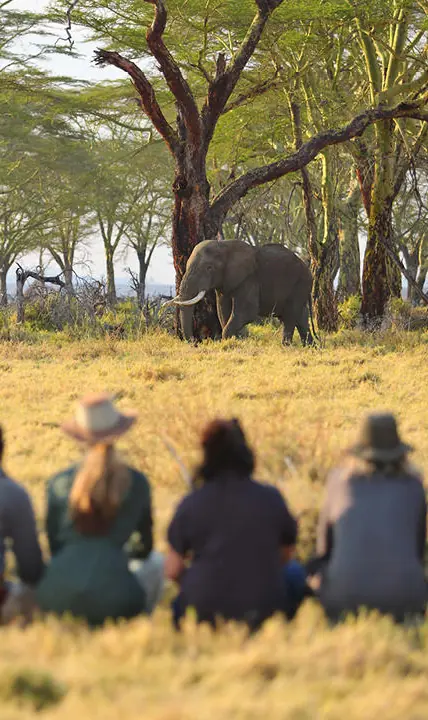
Sunrise is announced by a voice outside the canvas, not an alarm. Walking is the reason most people come, and guides read the ground on foot in a way that inside Serengeti National Park itself requires prior authorisation. Meals come from a camp kitchen run by a private chef, eaten in the mess tent when the wind gets up and otherwise outside, around the fire, as the light goes. Nights end with stories over the embers, and then the hyenas start out in the grass. They keep going. Dinner tends to run long, because there is nowhere else to be and no other table to consider.
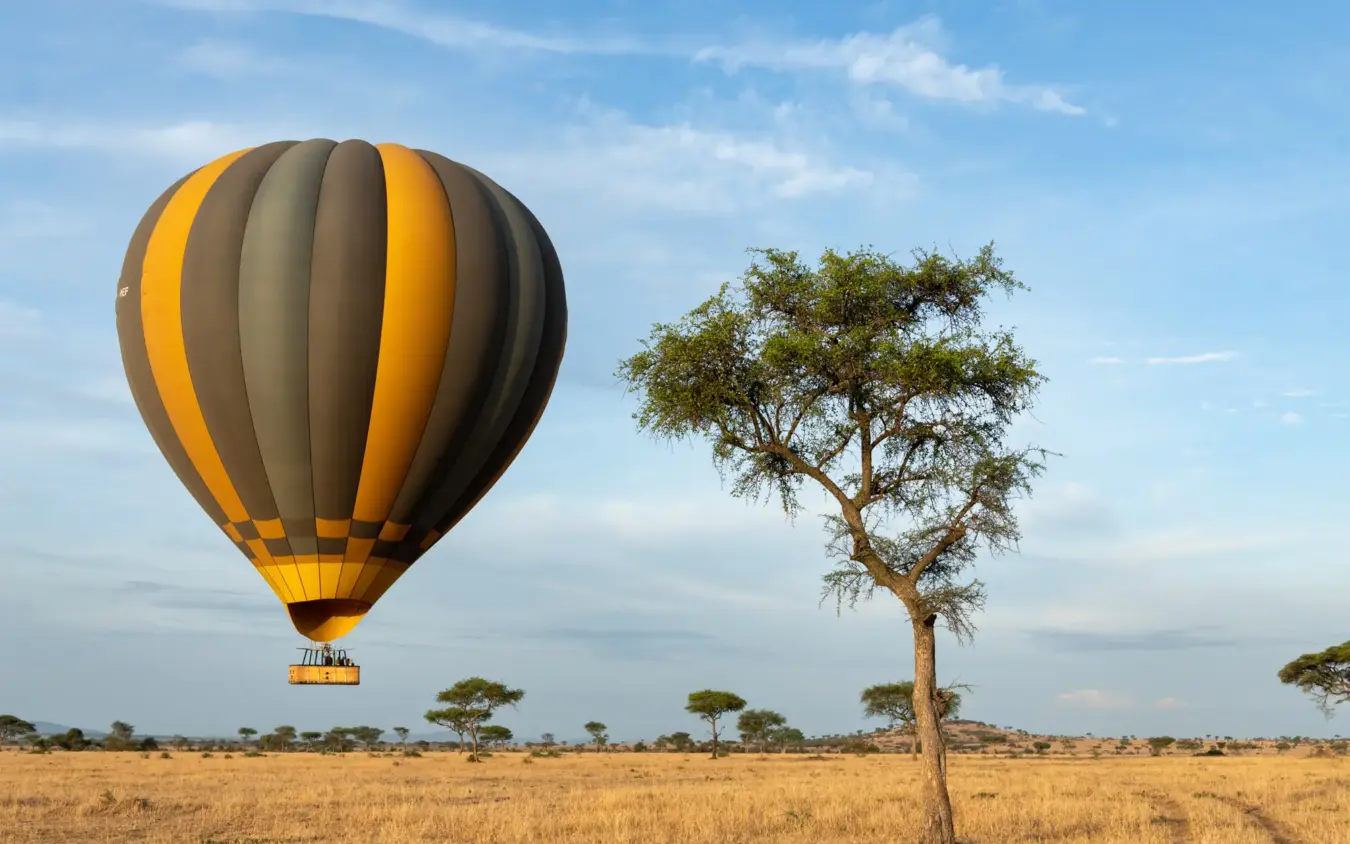
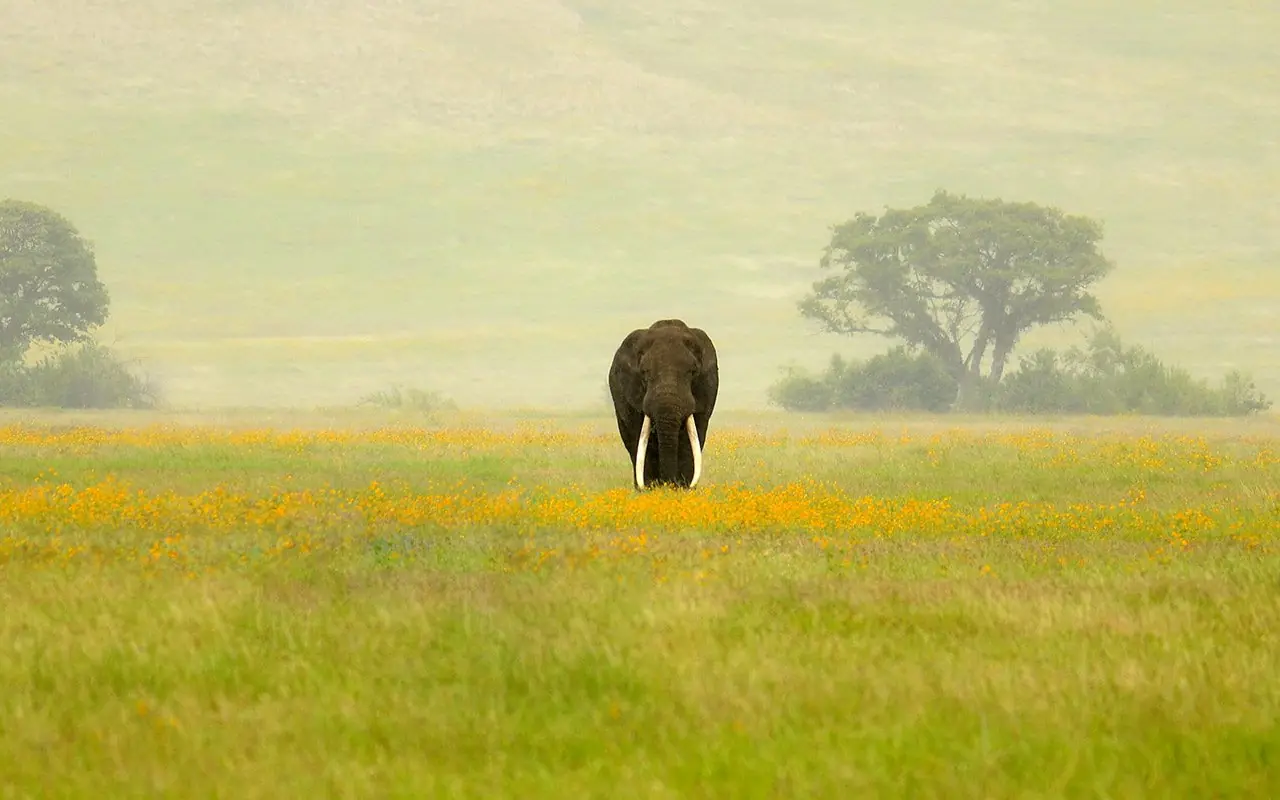
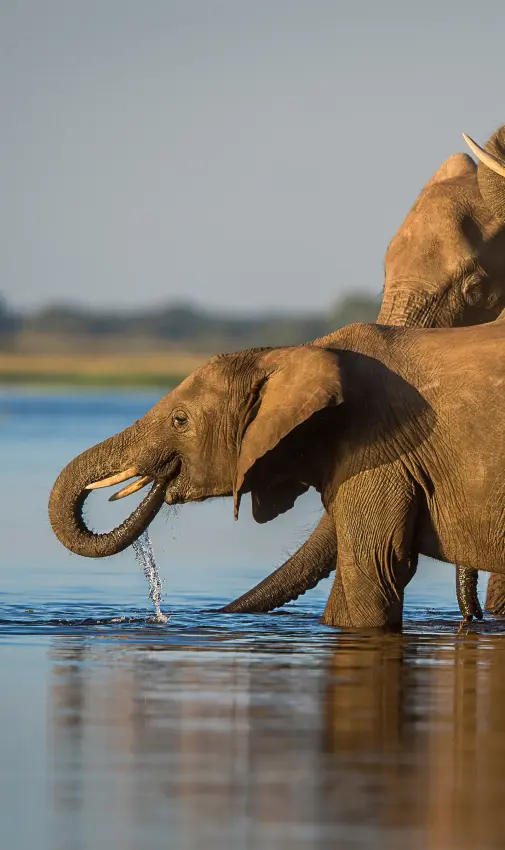
The camp closes from mid-March to mid-May, when the long rains make the western corridor’s tracks unreliable. June and July bring the herds through this part of the ecosystem, and the shoulder months hold resident lions and elephants, and birds arriving from Europe and Asia. Families and groups of friends travelling together take the camp most easily, with two tents free to be reconfigured for children or turned over to treatments and fitness space. Guest contributions go to the Grumeti Fund, which has brought buffalo and elephant numbers back across the reserve.