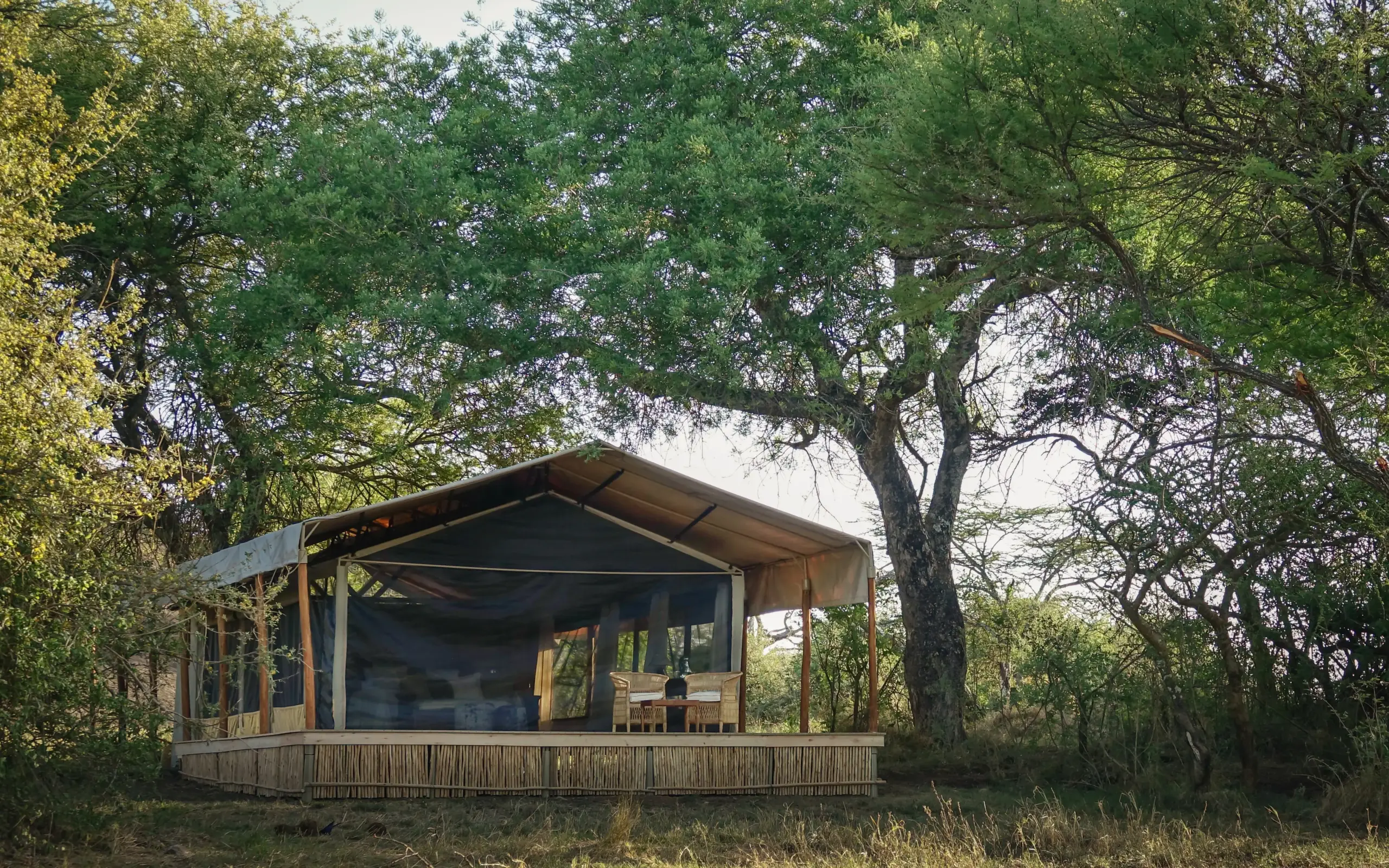
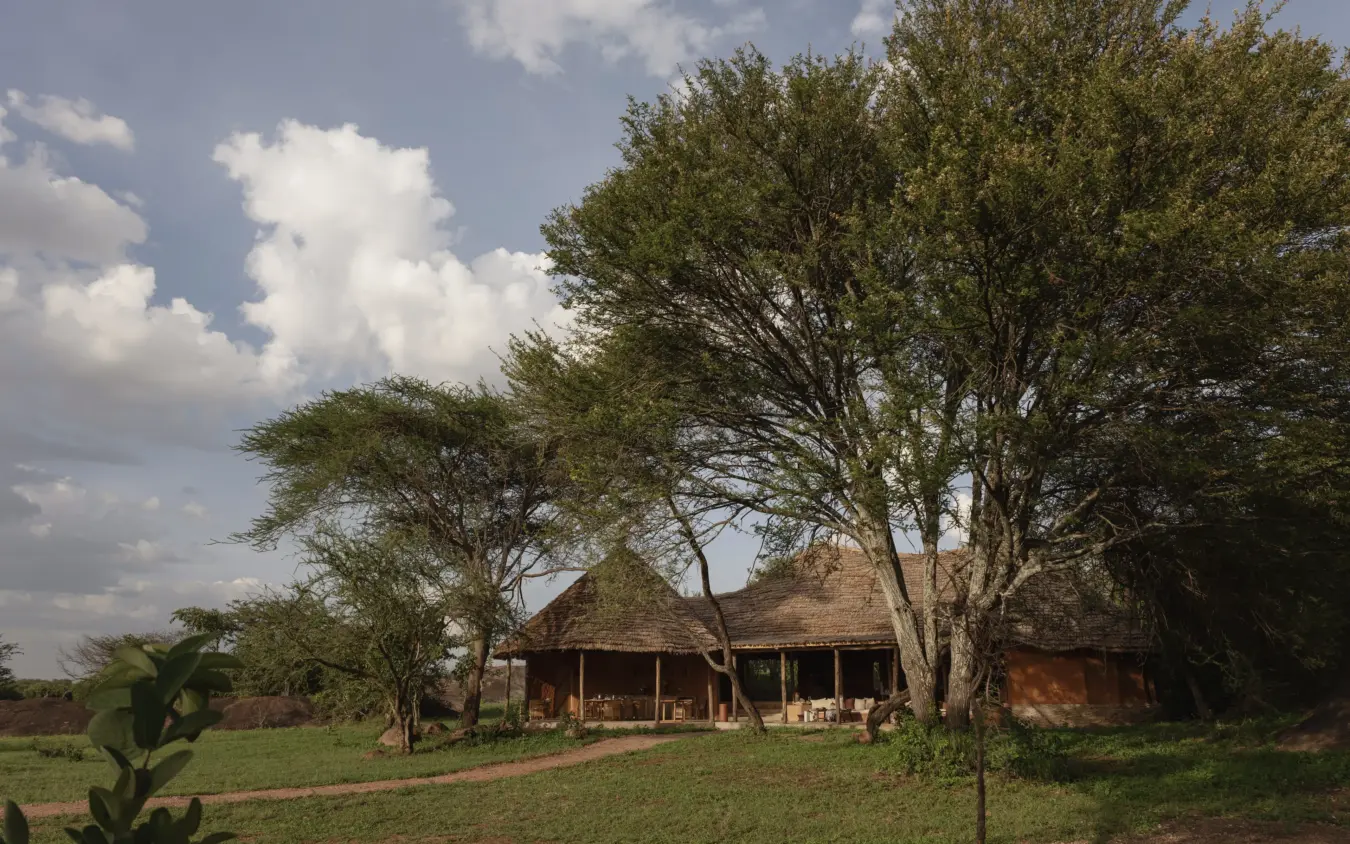
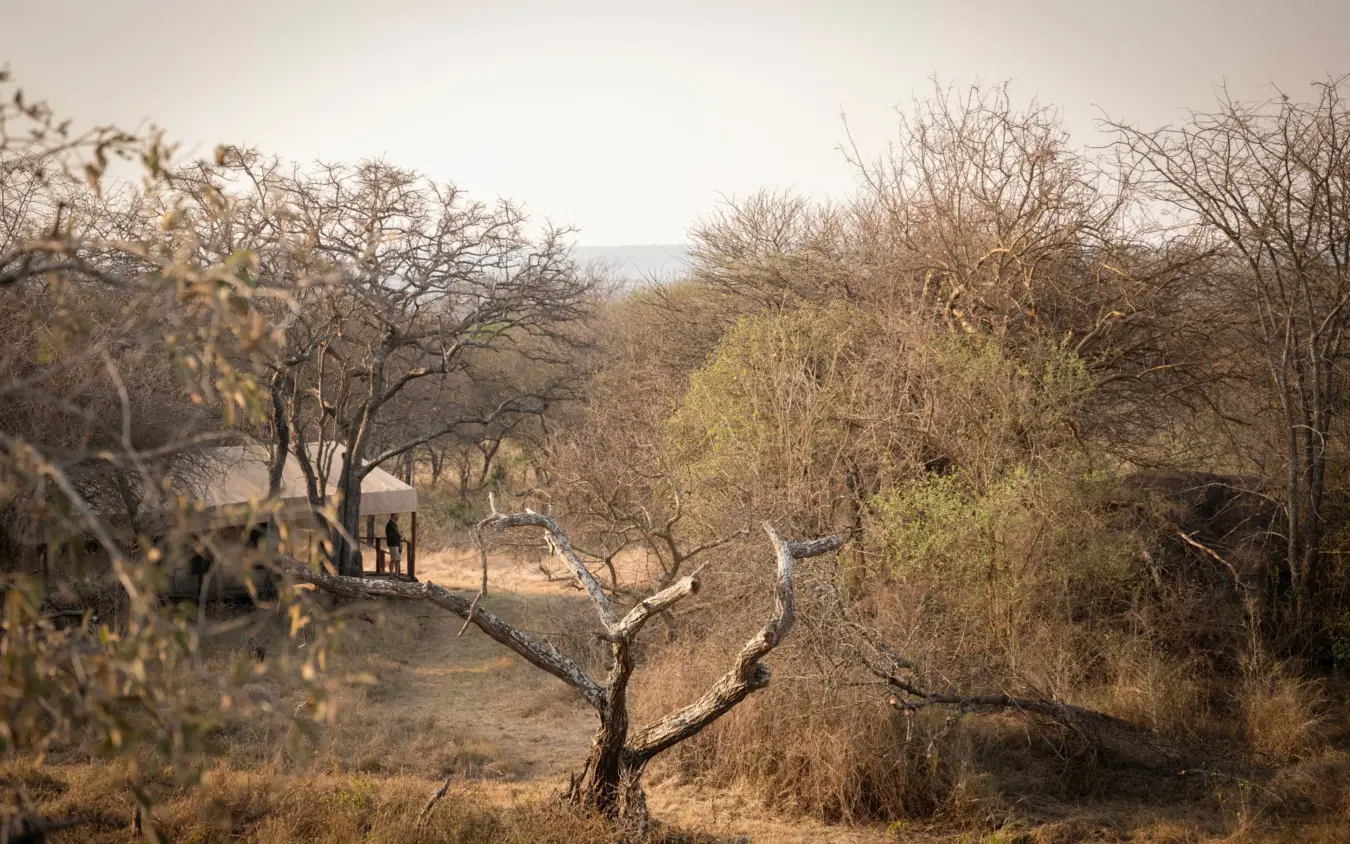
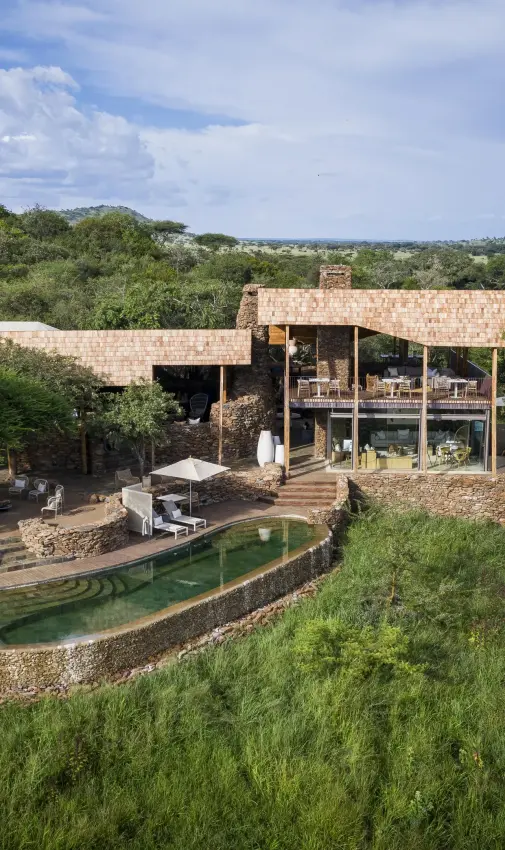
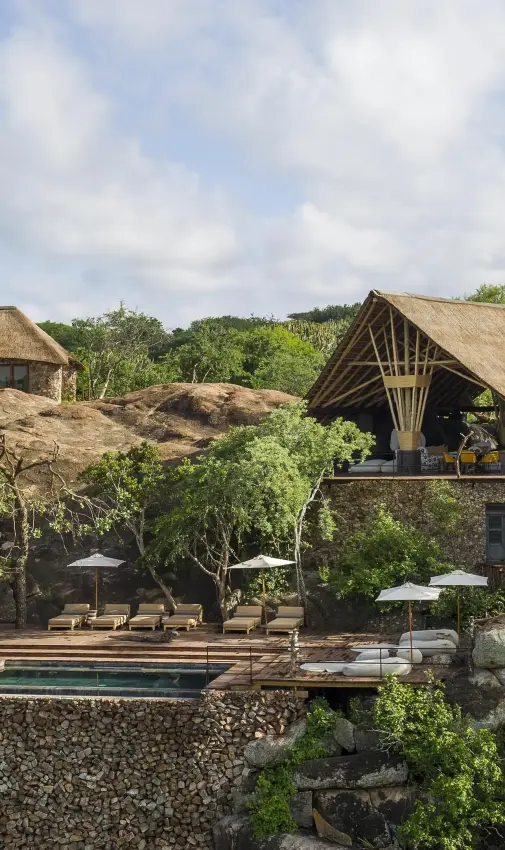
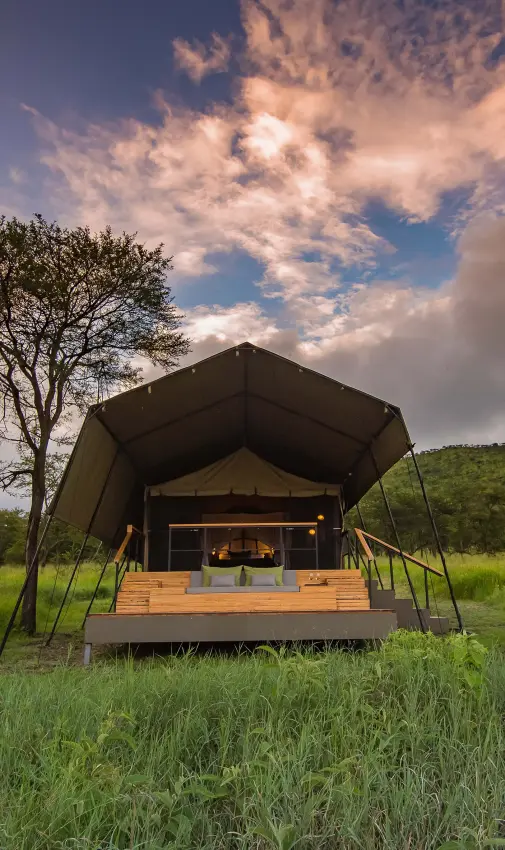
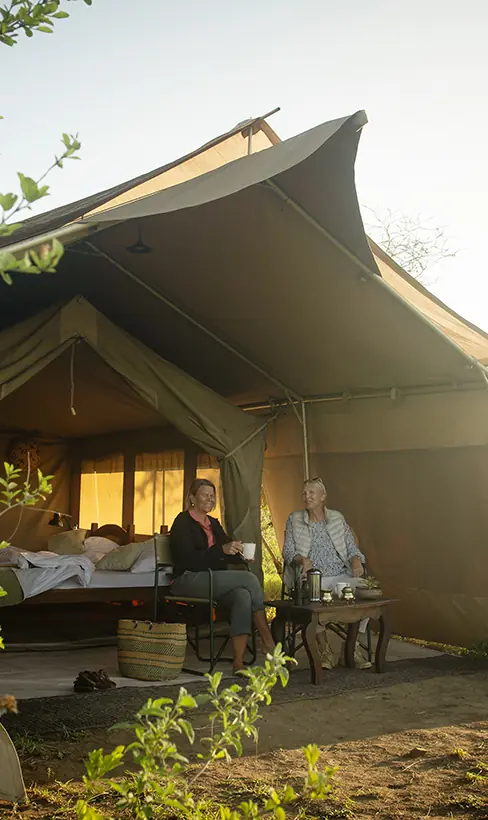
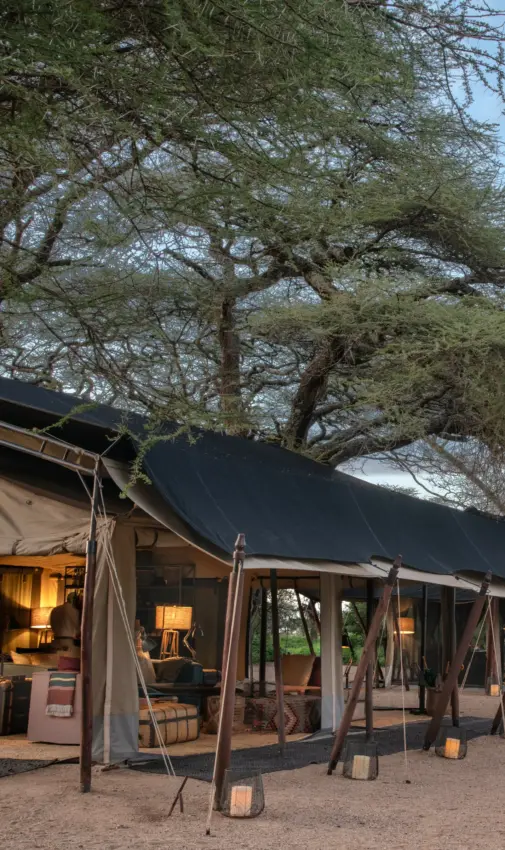
Kusini Serengeti opened in December 2025 on ground that had already carried a camp for more than two decades. The people who took on the concession for Nomad Tanzania dismantled the earlier camp on the site and raised a smaller one on the same footprint, with the mess wrapped around the rocks instead of set apart from them. They had recently finished reworking Greystoke Mahale on Lake Tanganyika, and that instinct shows in the way the tents and mess follow the granite rather than level it. Above ground, little of the earlier camp remains.
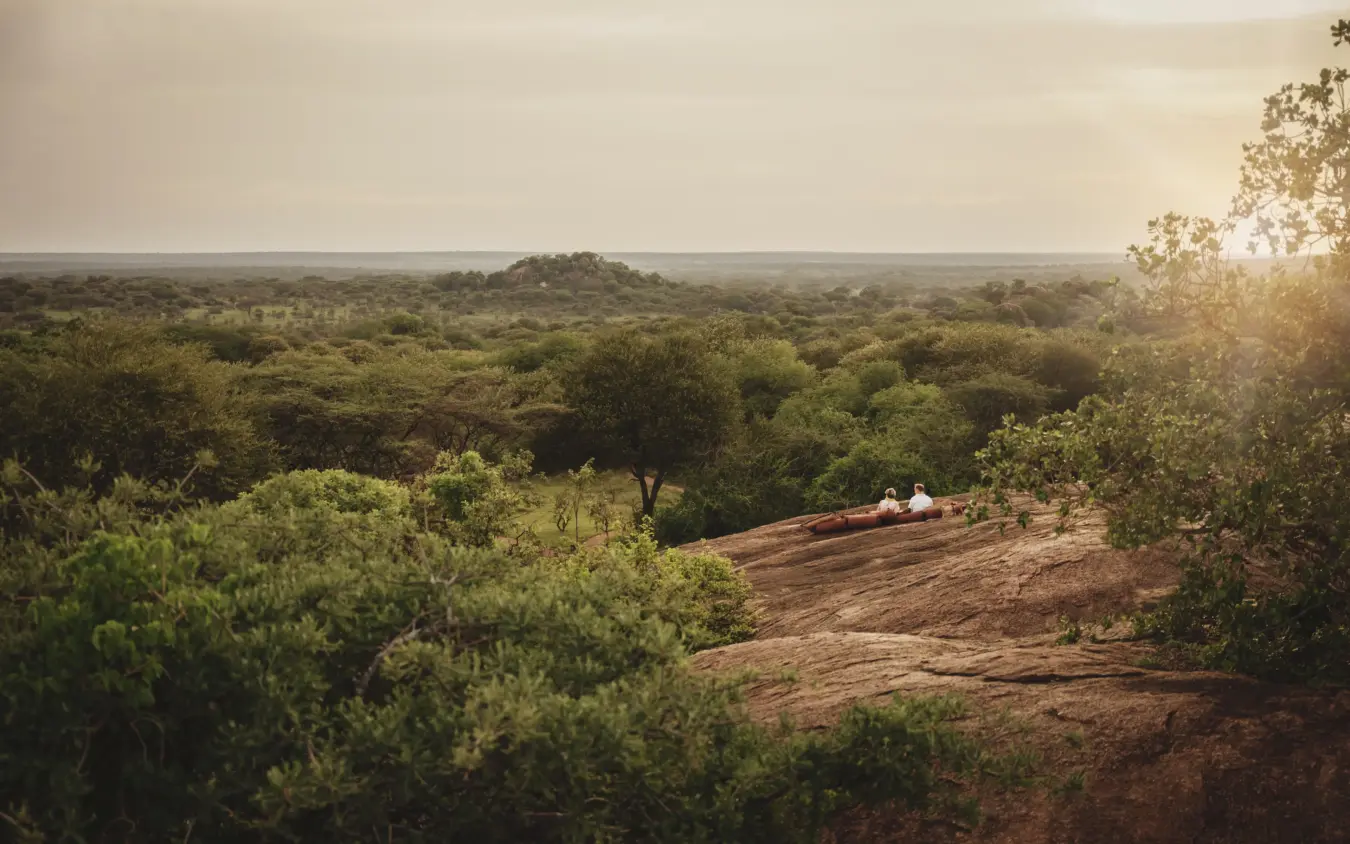
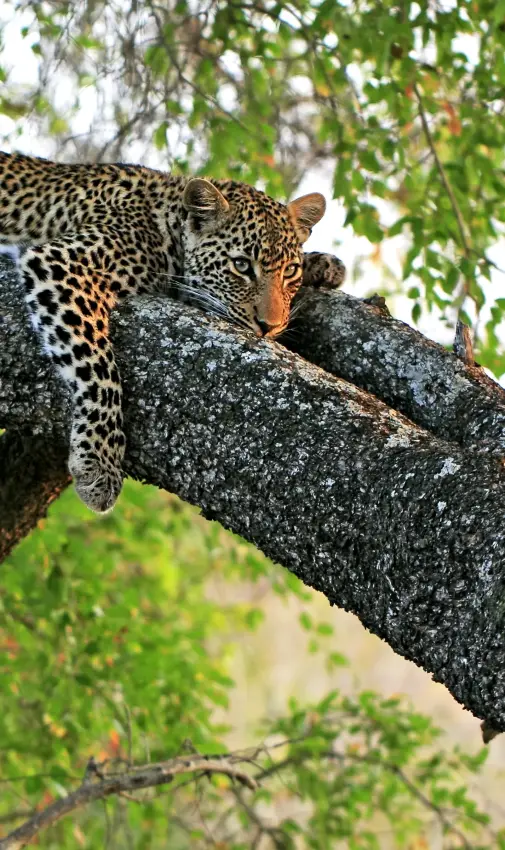
Most Serengeti traffic gathers in the centre of the park, around Seronera, and this corner lies well away from it, with the Maswa Game Reserve boundary beyond. The kopjes are the reason the wildlife holds here. Leopards use the ledges as larders, and lions climb them to read the plains. Weathered granite domes rising out of grassland, they trap water and shade, and they shelter hyraxes, klipspringers and dwarf mongooses along with the reptiles that live in the cracks.
Leopards use the ledges as larders, and lions climb them to read the plains.
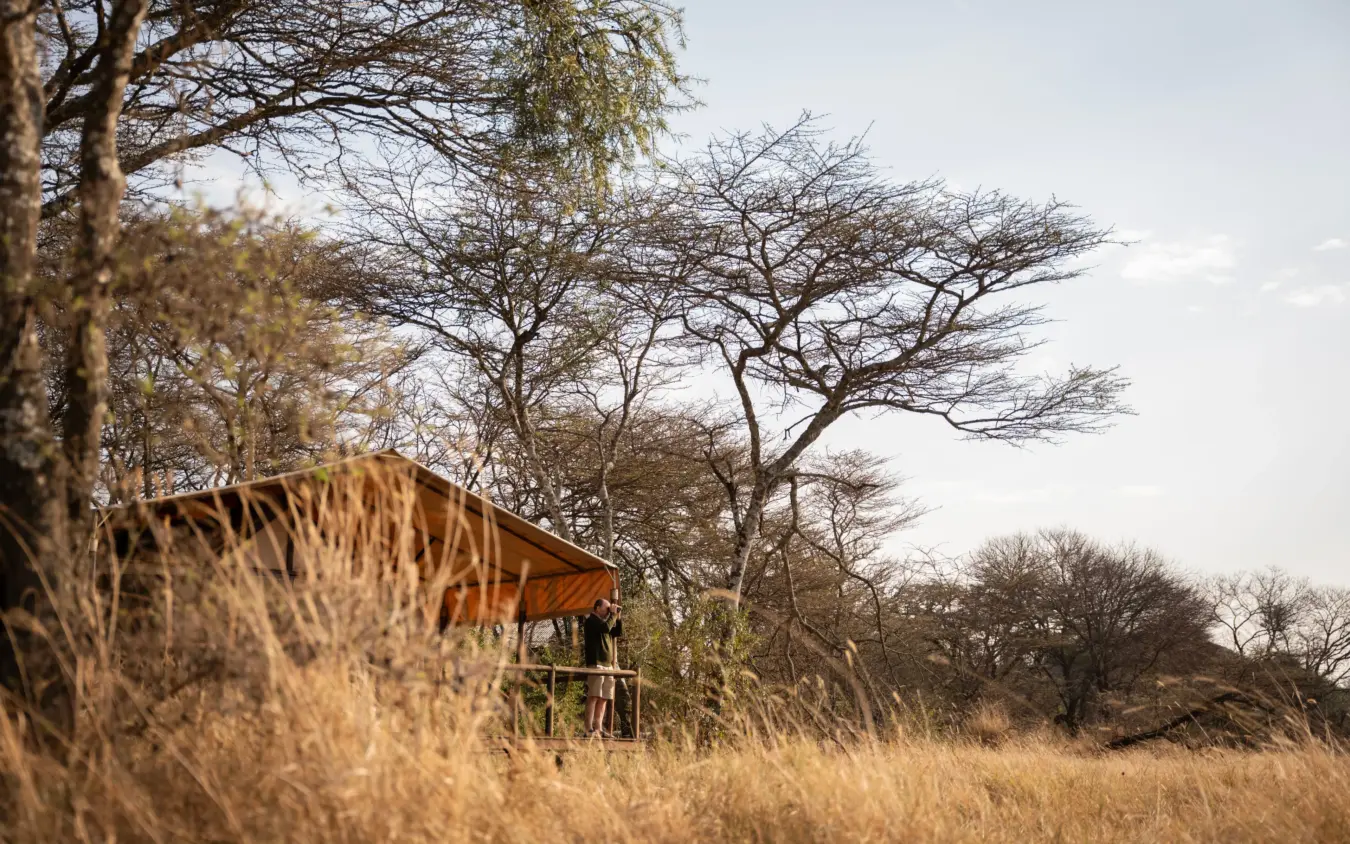
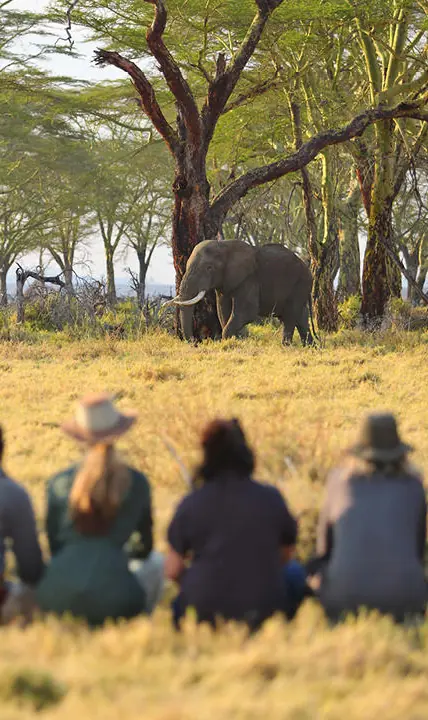
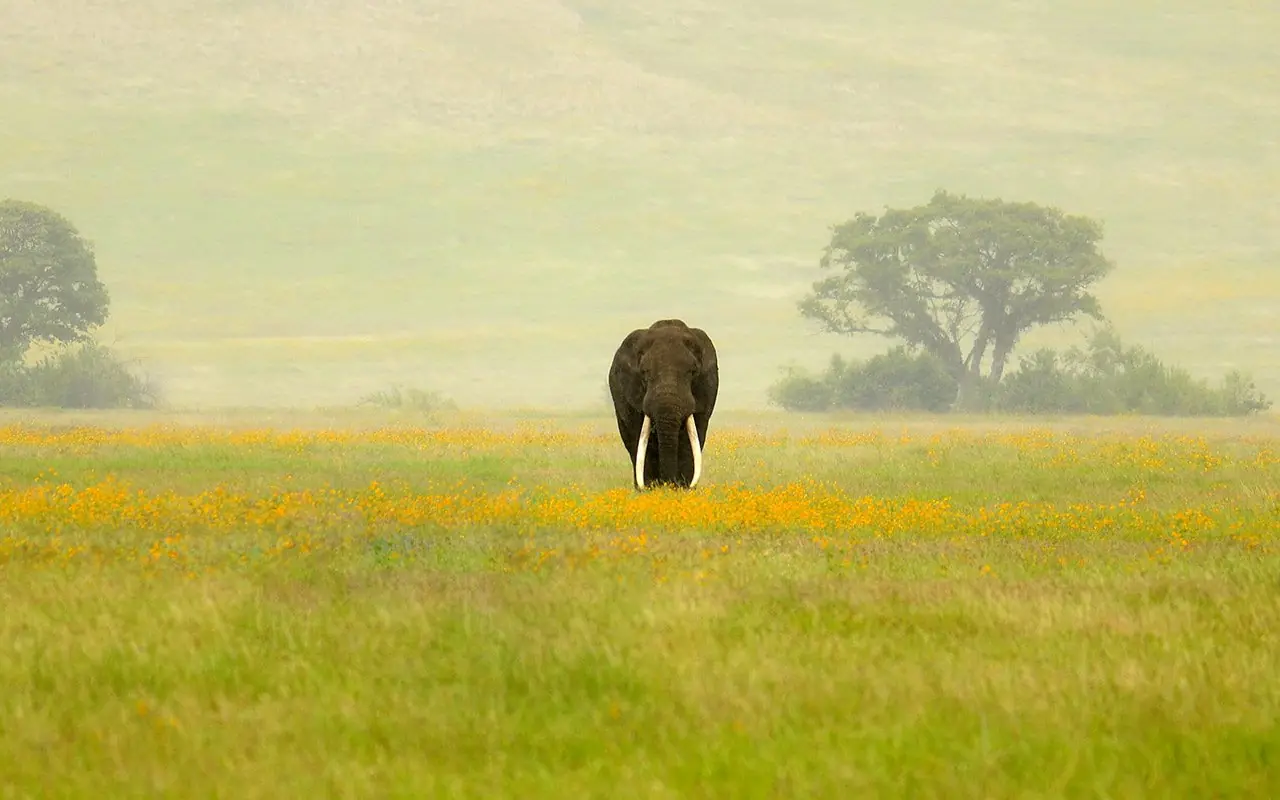
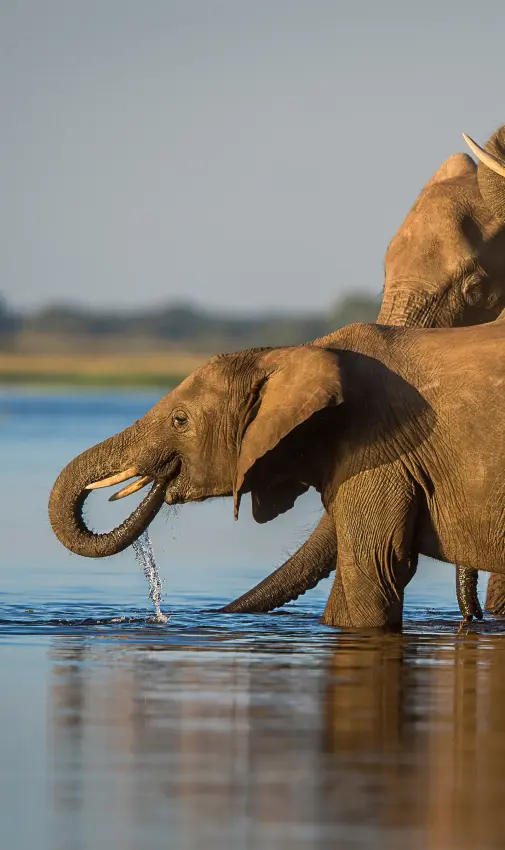
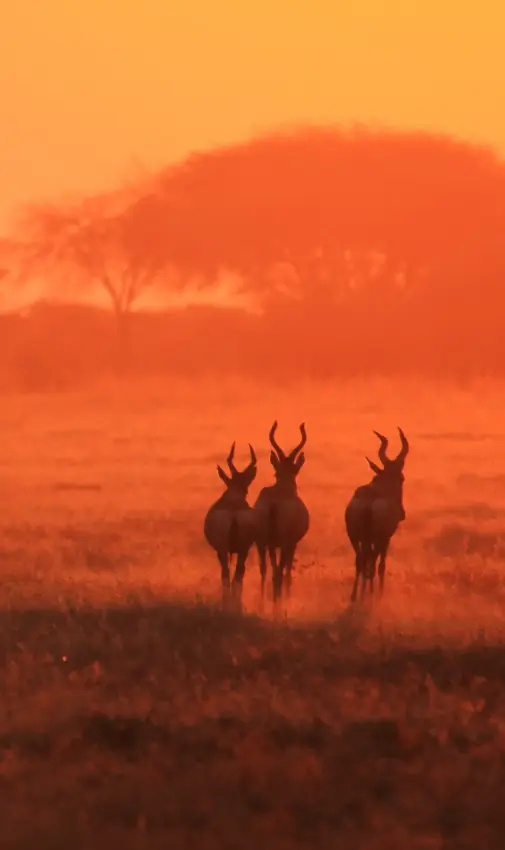
From December the short-grass plains between Ndutu, Kusini and Gol fill with wildebeest and zebra returning to calve, and the herds peak in January and February. Hyenas work the edges of them and cheetahs hunt the open ground, with vultures gathering overhead. Some of the herds drift through the woodland around the tents, so the game drives in these months are short on distance and long on watching. By April they have moved north, and attention turns to the resident lions, the leopards on the kopjes and the elephants in the woodland corridors.
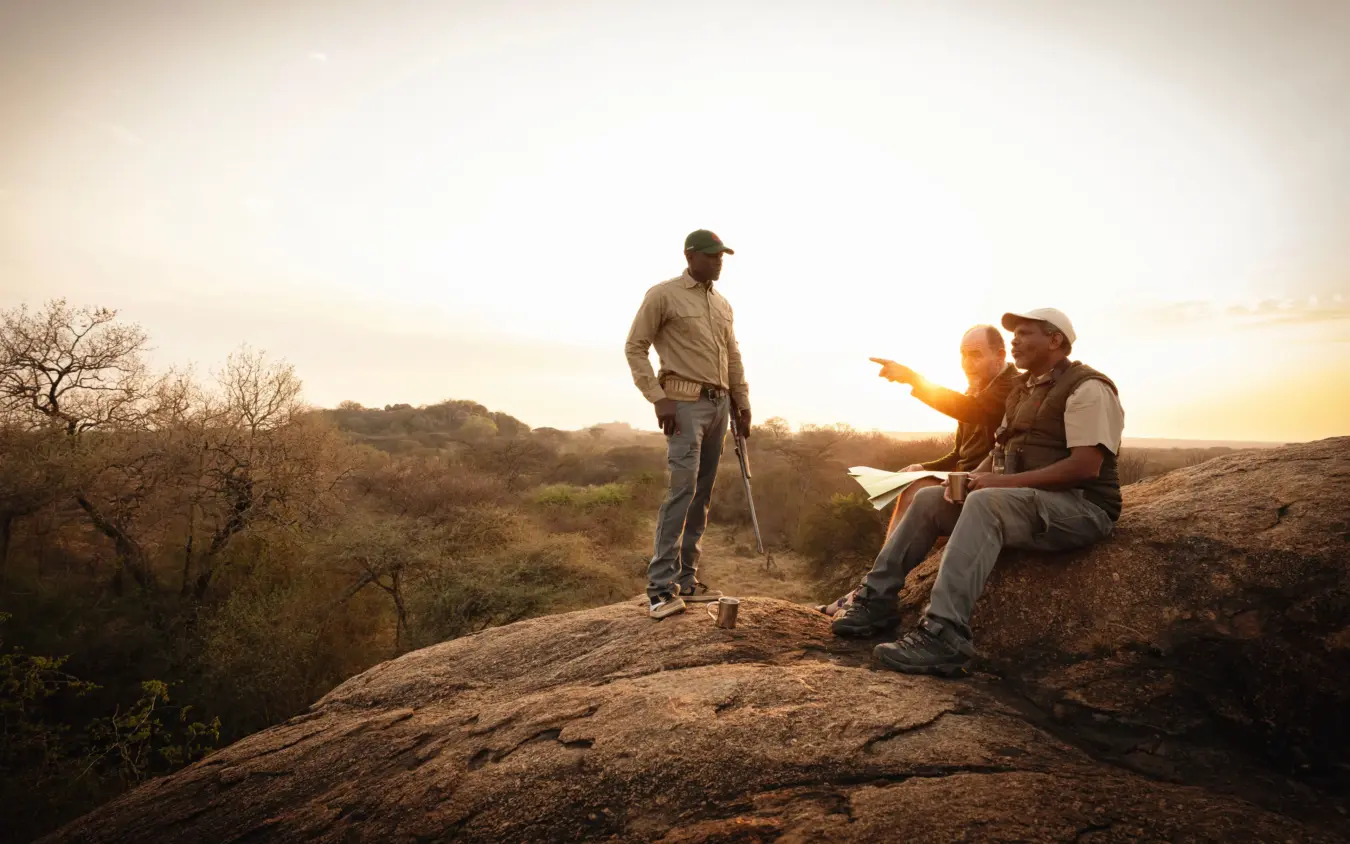
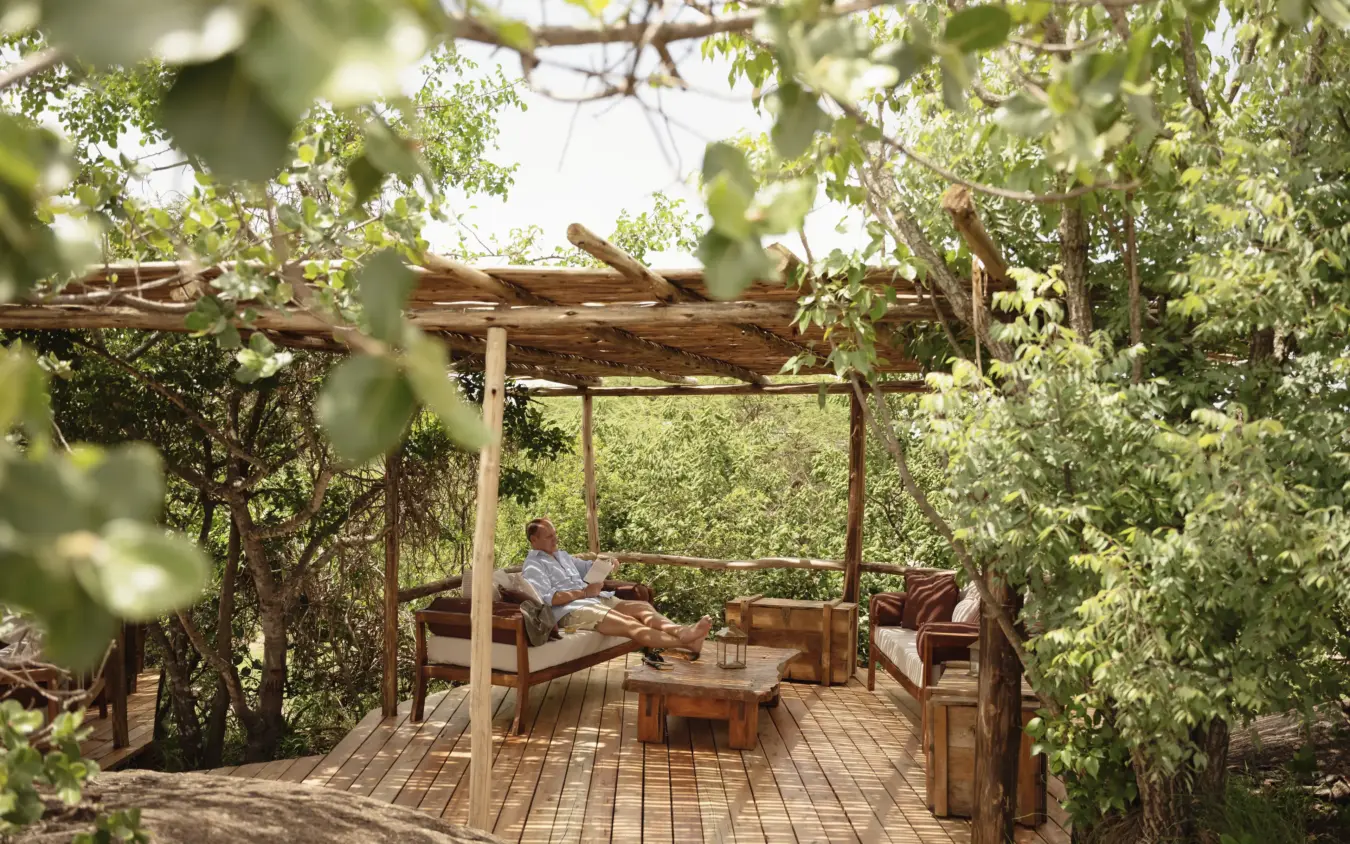
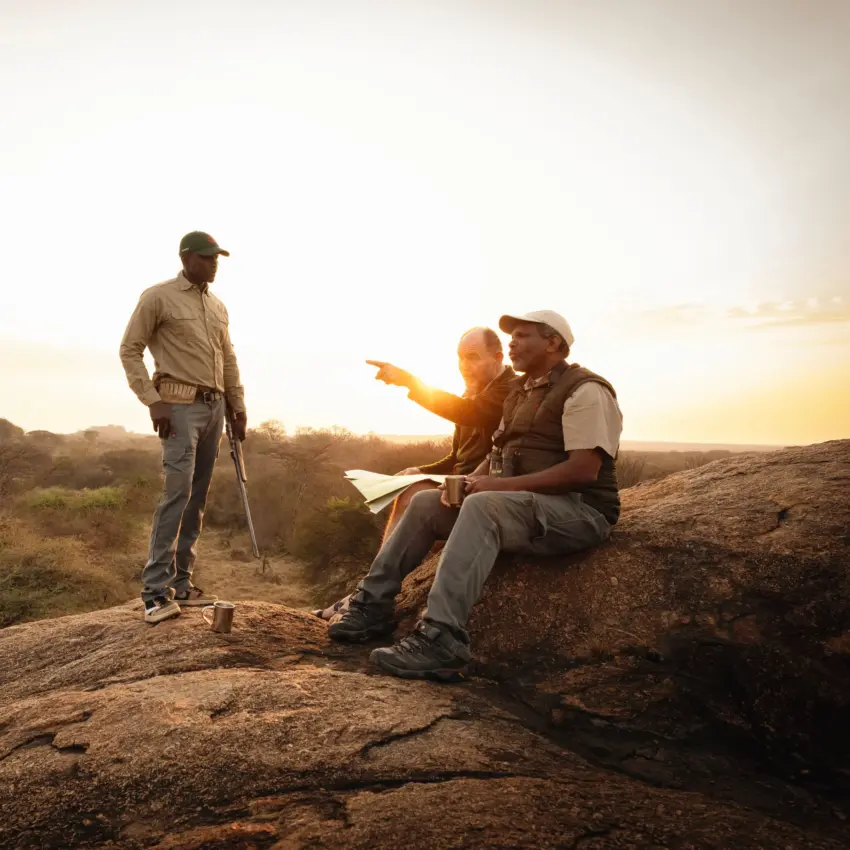
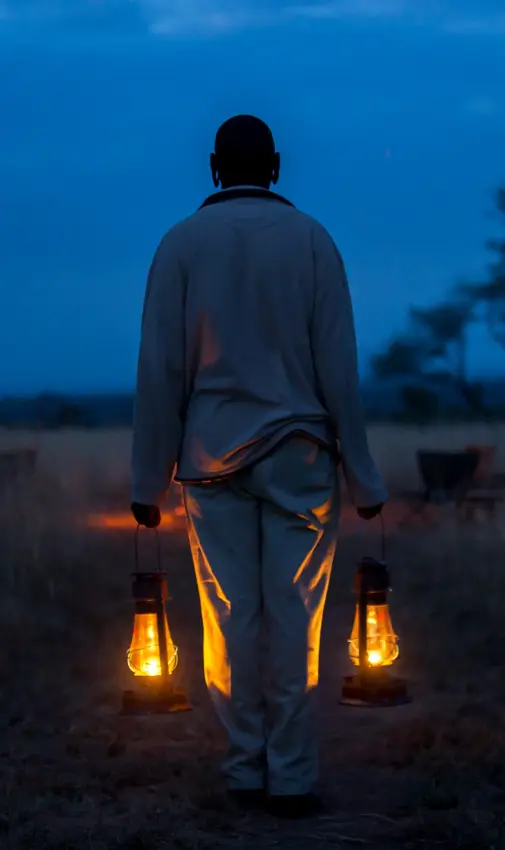
Walking is the quieter pleasure here, guided from camp through the whistling-thorn and up into the boulder clusters, with an armed ranger alongside as national park regulations require. Night driving and off-road tracking are not permitted in the Serengeti, so the day is built around first and last light: mornings and afternoons to drives, midday to the shade of the mess, evenings to the rock-top bar. Birdwatching along the kopje edges fills the hours in between. Dinner sometimes moves out under the stars, lantern-lit, with the plains dark and loud beyond the light.