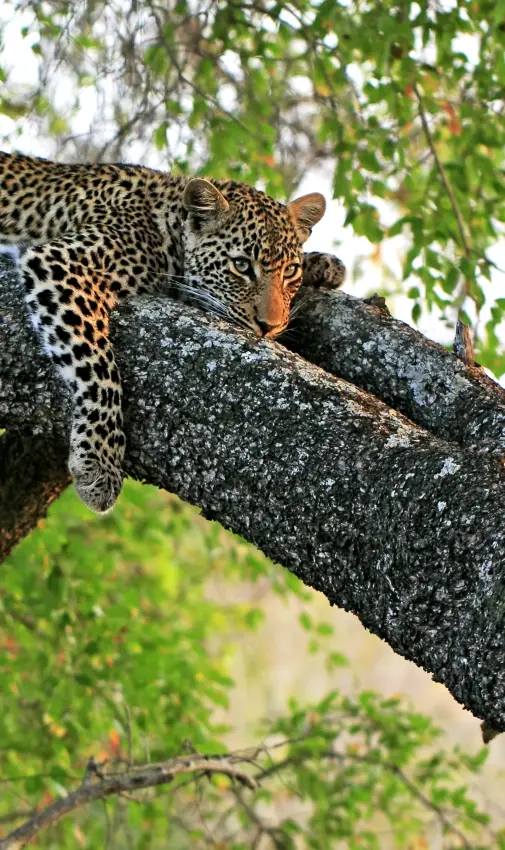
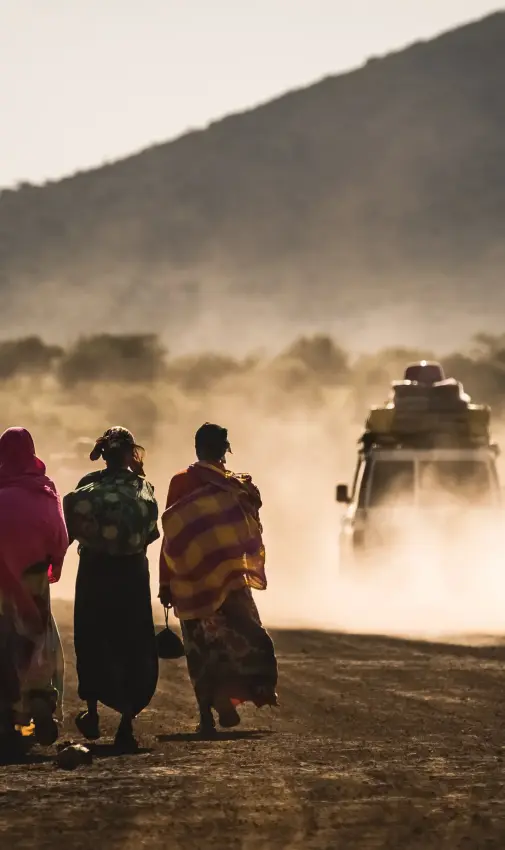
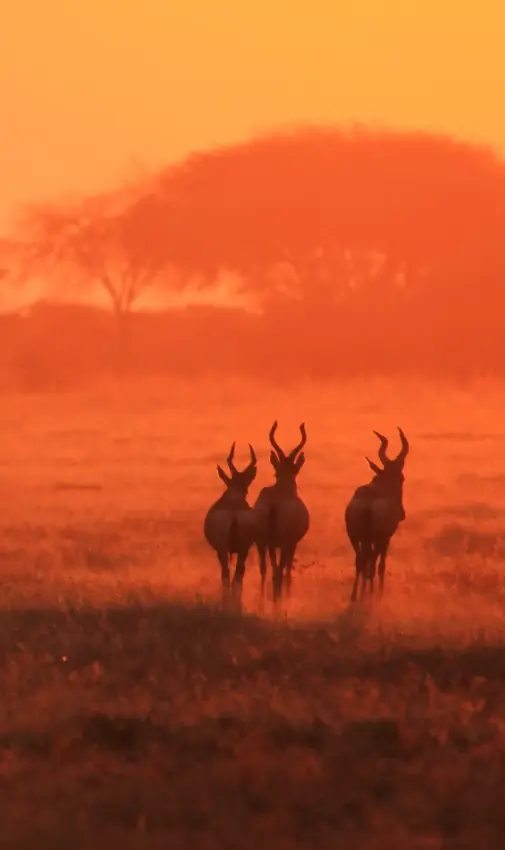
Light aircraft land at Lobo airstrip, and the road on to the Kuka Hills takes about an hour and a half. There is game to watch the whole way, so the transfer doubles as a first drive. From then on the days turn on two drives, one at first light and one in the late afternoon, and the guides choose between the concession and Serengeti National Park according to where the animals are moving. In the park, vehicles keep to the roads. On the concession there are no other vehicles at a sighting, so they can stay with a leopard or follow a cheetah’s hunt.
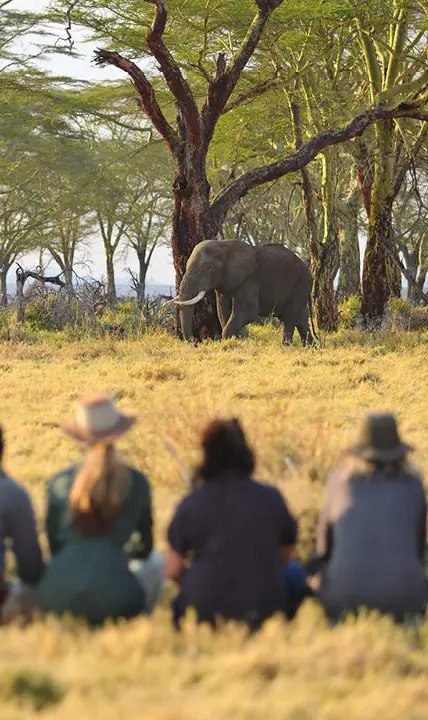
Walks leave camp across the rocky slopes of the Kuka Hills and drop into woodland of acacia and desert date, where the pace slows to that of a guide reading spoor in sandy ground. Dik-dik flick away in pairs. Olive baboons work the rocks, and vervet monkeys raise the alarm long before anything larger appears. After sunset the night drives cover the same ground, and the animals that kept out of sight all day take over. A morning walk and a night drive show the concession at both ends of its day.
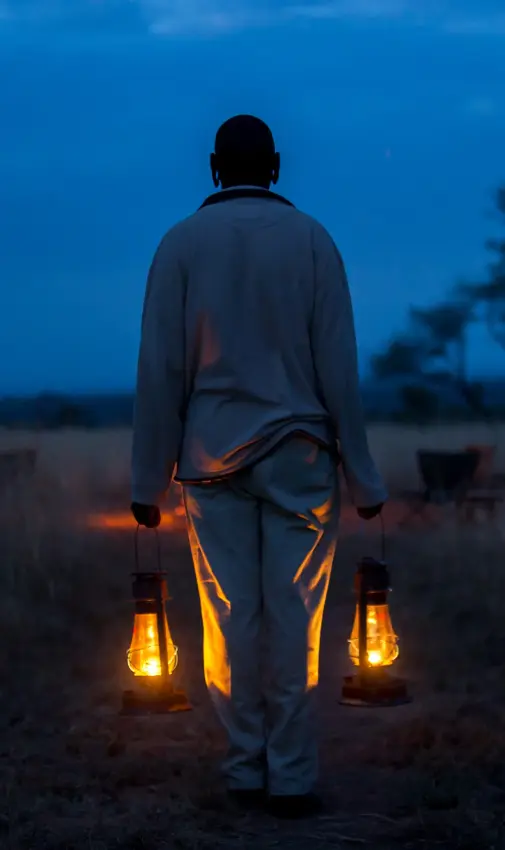
After dinner the walk back is quiet enough to hear a lion calling from the valley.
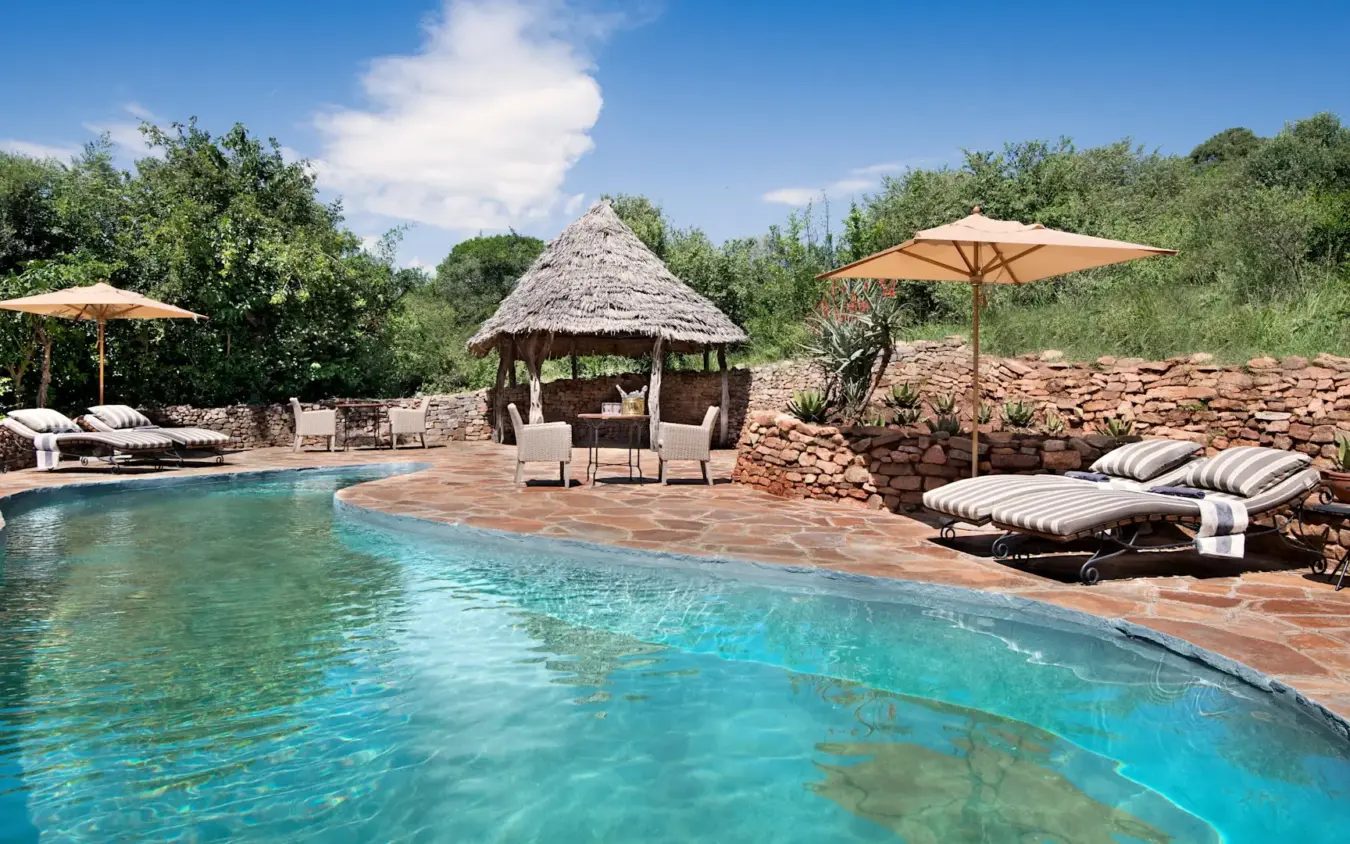
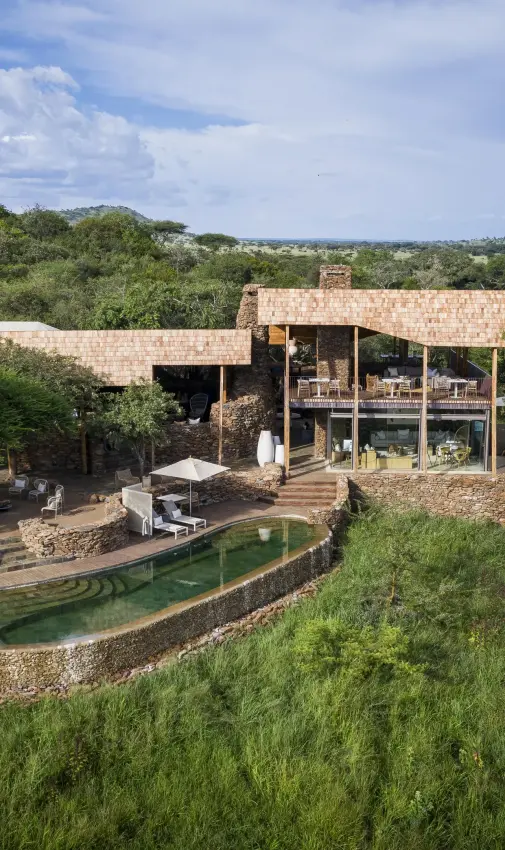
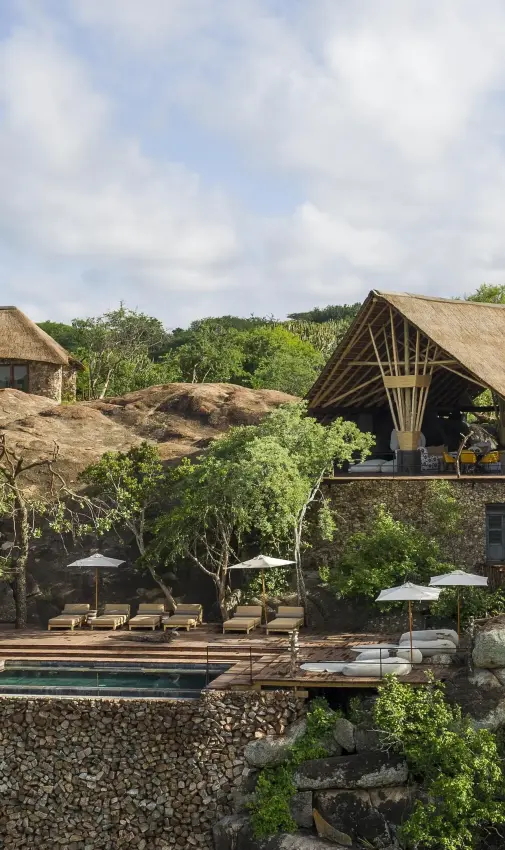
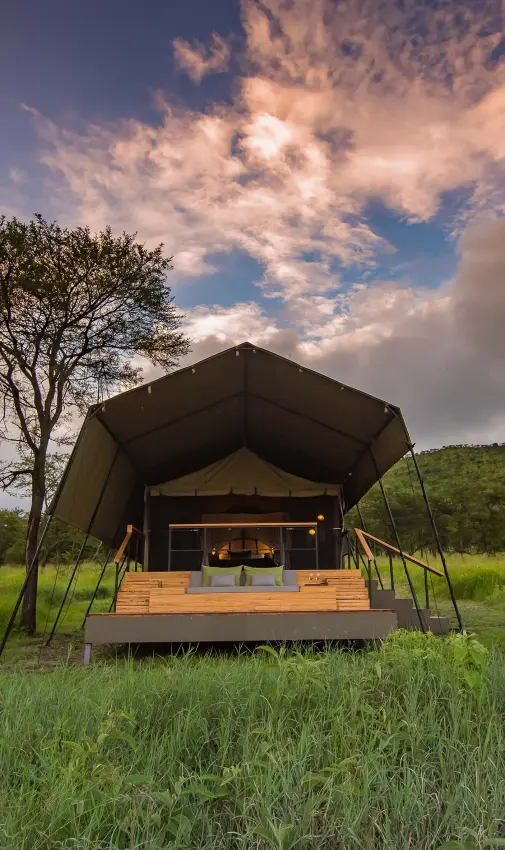
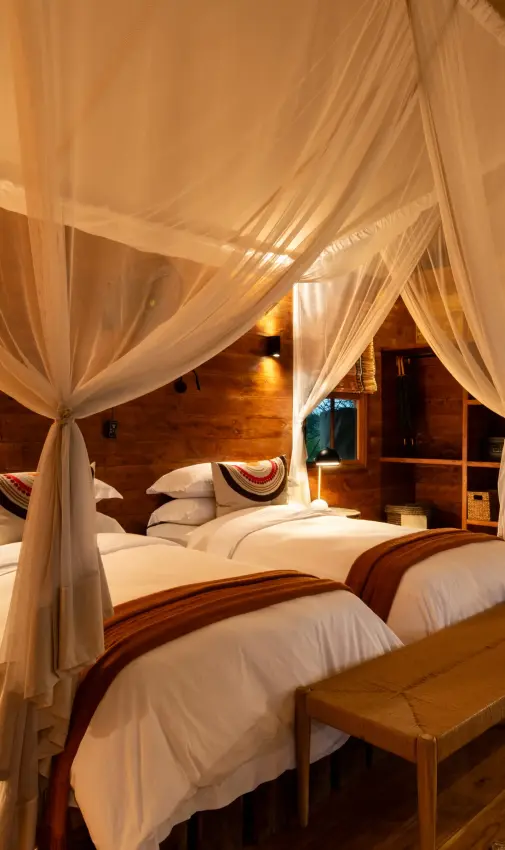
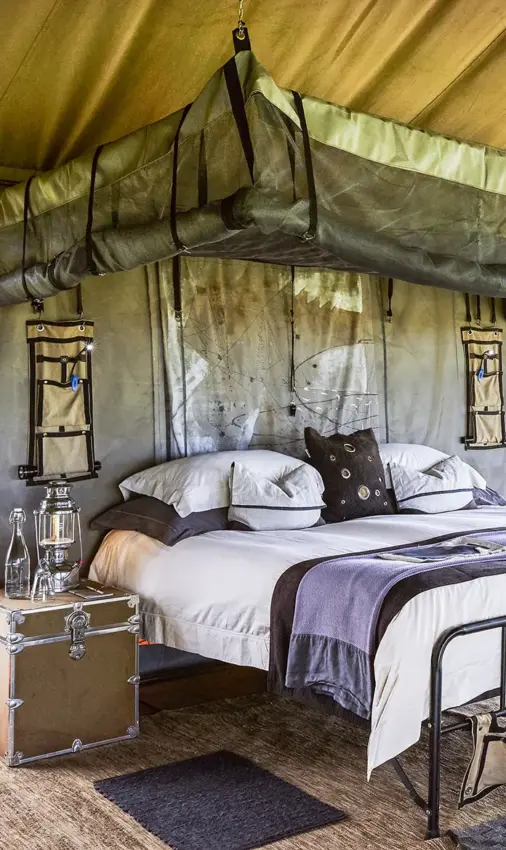
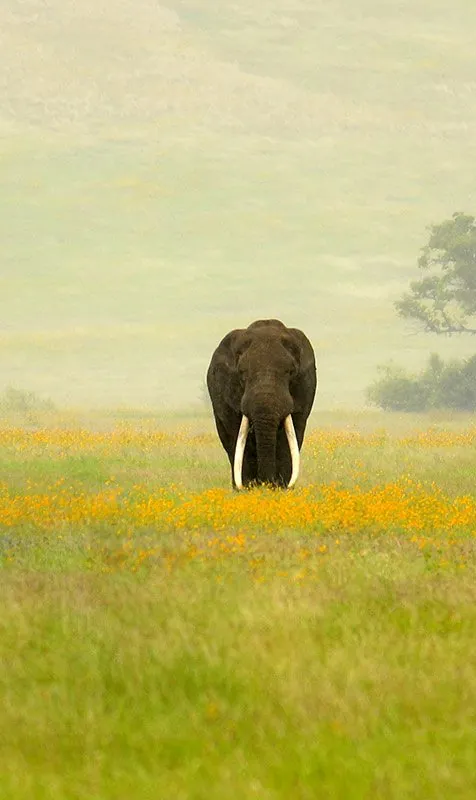
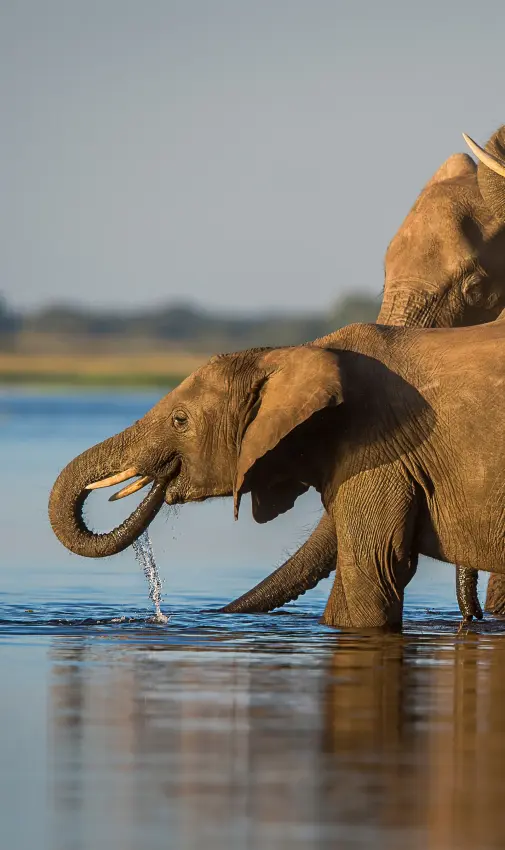
Klein’s Camp is built just below the crest of the Kuka Hills, its cottages spread well apart along the slope. Afternoons on a veranda look out over woodland savanna to hazy ridges, and every so often a line of elephants crosses the valley floor below. Dusk brings sundowners out in the bush, then the deep round firepit back in camp. After dinner the walk back is quiet enough to hear a lion calling from the valley. Hyenas carry from somewhere further off, while the sandy paths wind on between the cottages.
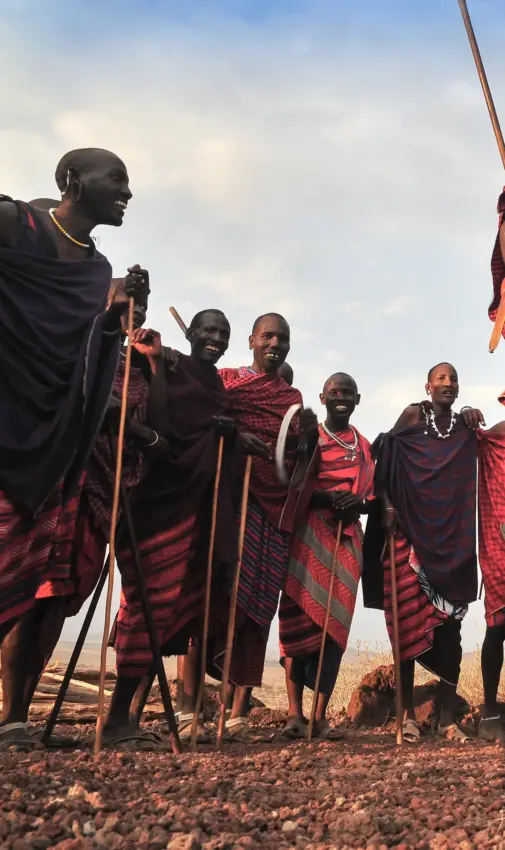
The land is leased from its Maasai landlords. That land also keeps a migration route open beyond the park boundary. Ololosokwan village itself is close enough for a visit to a family boma, arranged through the guides, to fit between drives. The camp shop sells Maasai crafts made locally.