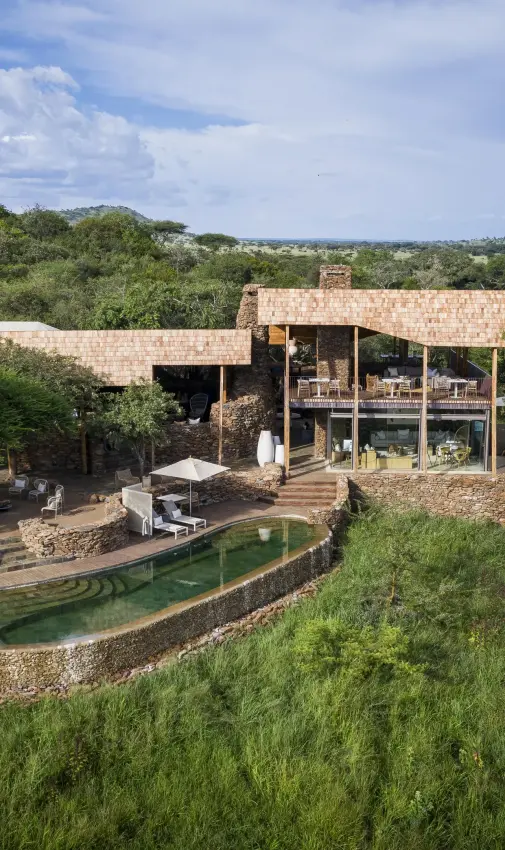
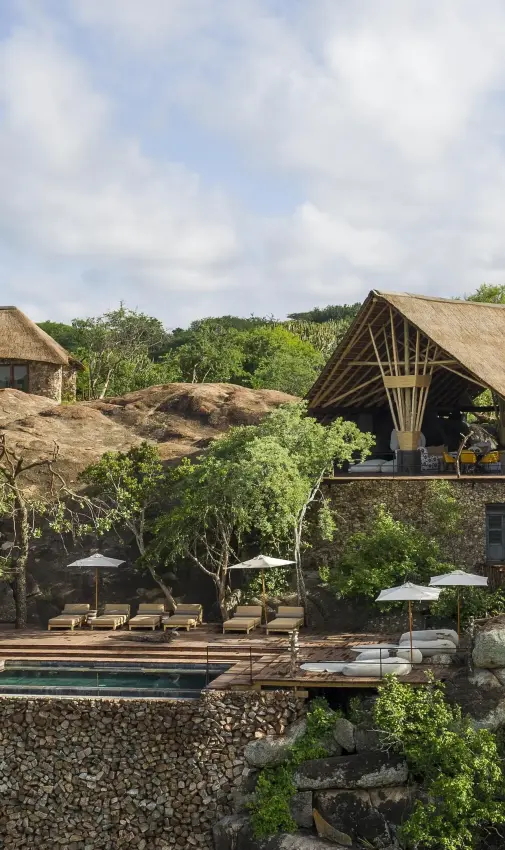
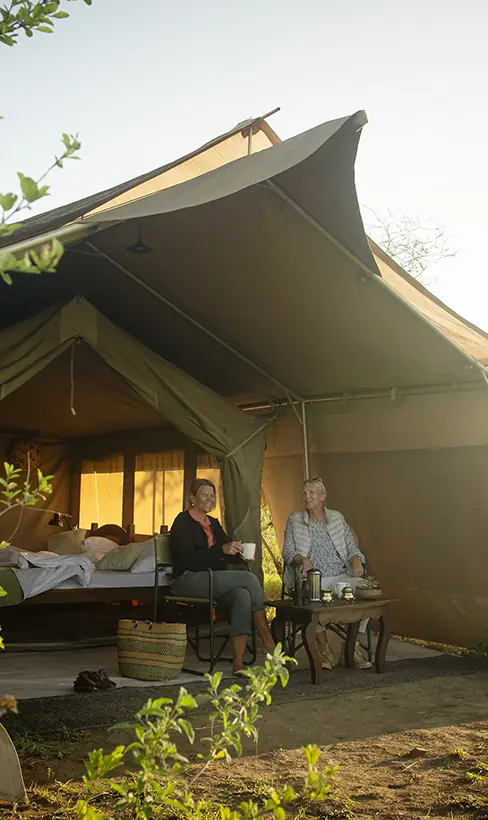
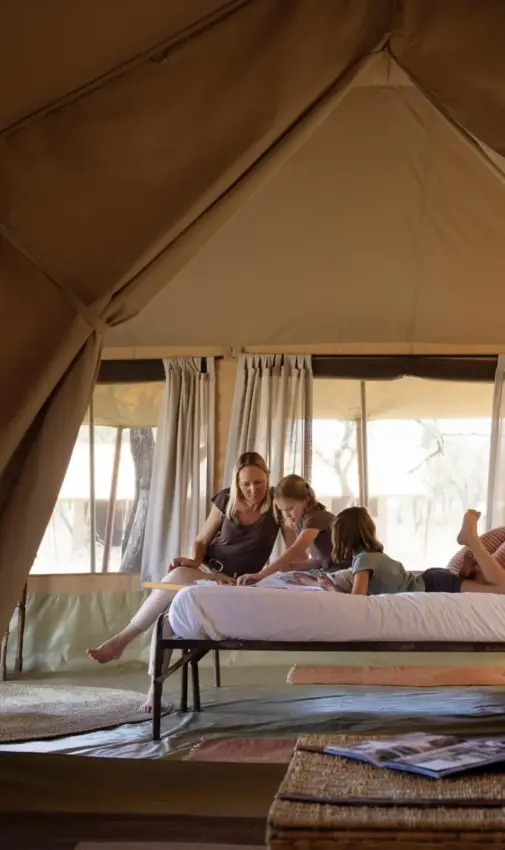
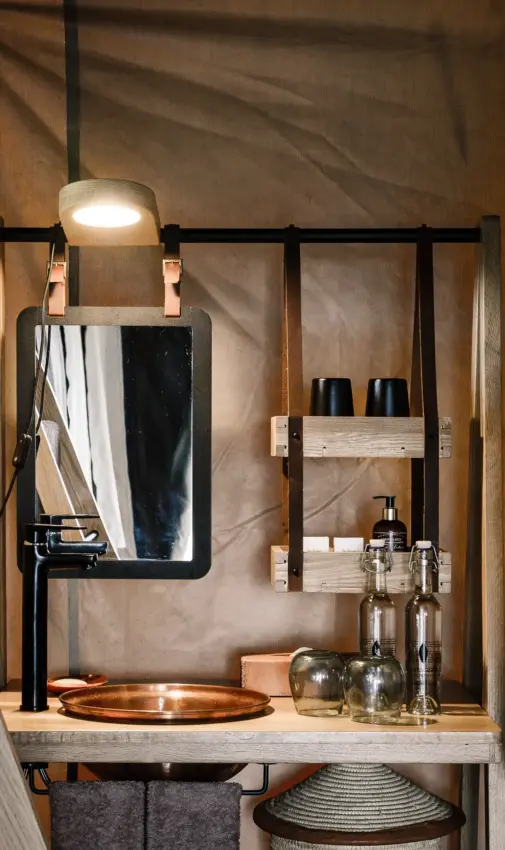
After sunset the only light comes from the lanterns and the fire. Solar power runs the lighting and the USB charging points in the tents and the lounge tent, and WiFi reaches across camp, but little else interrupts the dark. Behind each veranda, which can be fitted with a netted enclosure, an en-suite bathroom has a gravity-fed hot bush shower and a flushing toilet beside the vanity basin. Children aged six and over are welcome, and a four-bed family tent can be arranged on request. So can a photo den for photography groups, with tables, chairs and charging points.
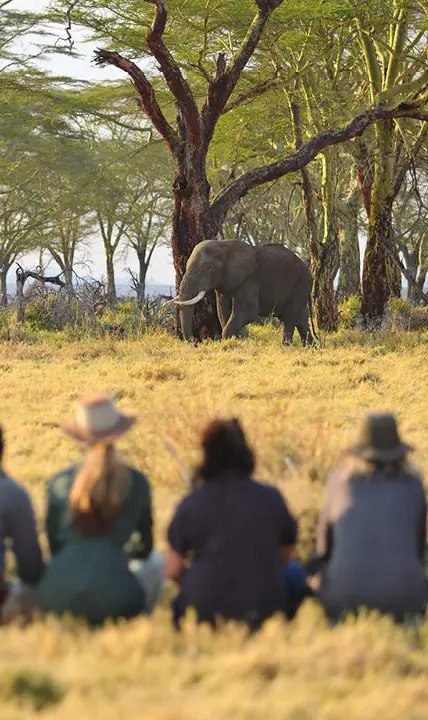
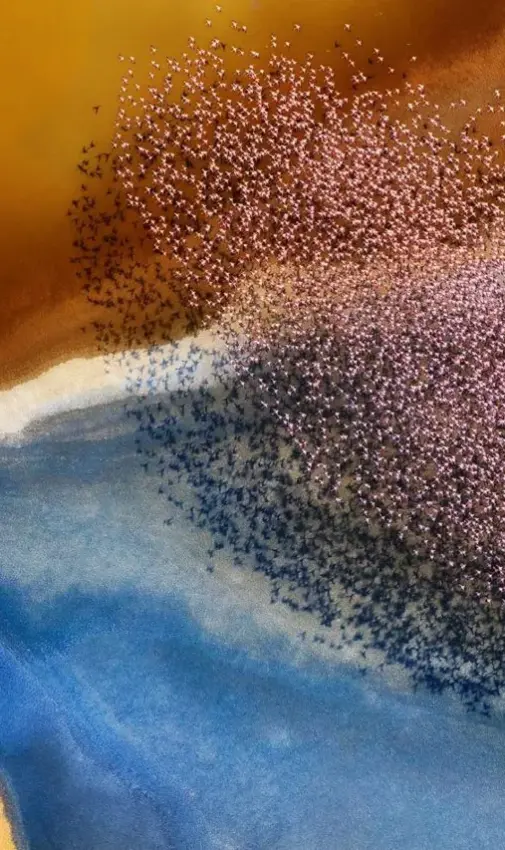
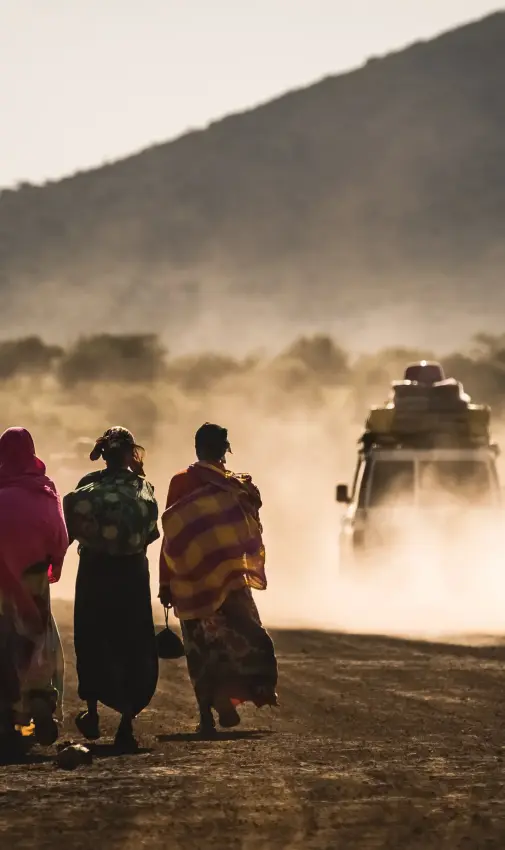
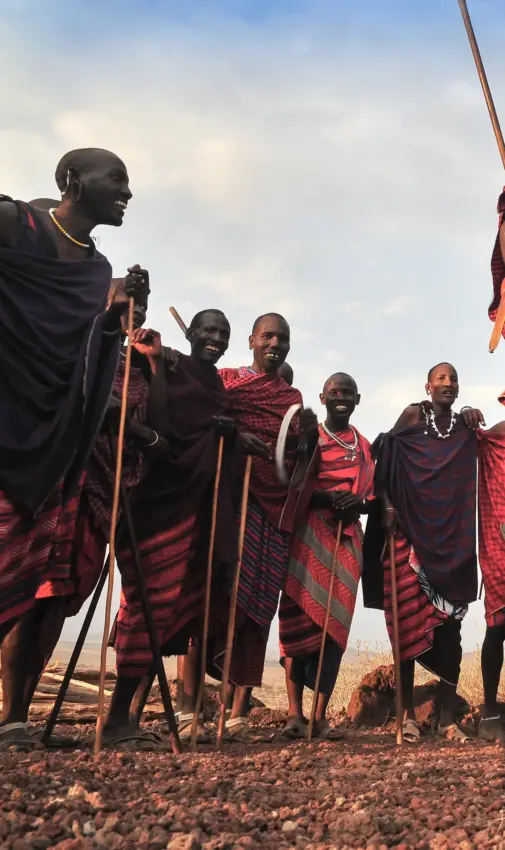
Morning and afternoon, game drives head out across the Ndutu plains, and fuller days run to Olduvai Gorge, site of the Leakey excavations, or down into the Ngorongoro Crater. Bush walks are booked in advance and go out with Conservation Rangers, Maasai guides and the camp’s own team. The longer routes climb off the plains into the Ngorongoro highlands and Empakaai, supported by vehicle or by donkey. Maasai families in the area host visits, and more than 400 bird species have been recorded around the soda lakes and the acacia woodland.
So can a photo den for photography groups, with tables, chairs and charging points
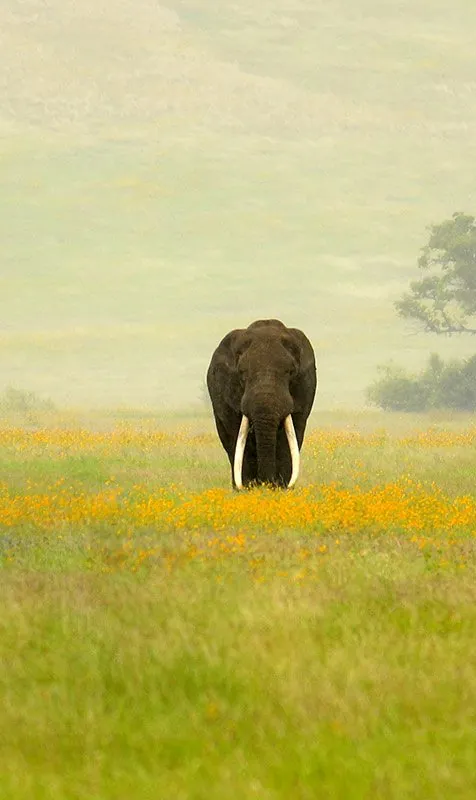
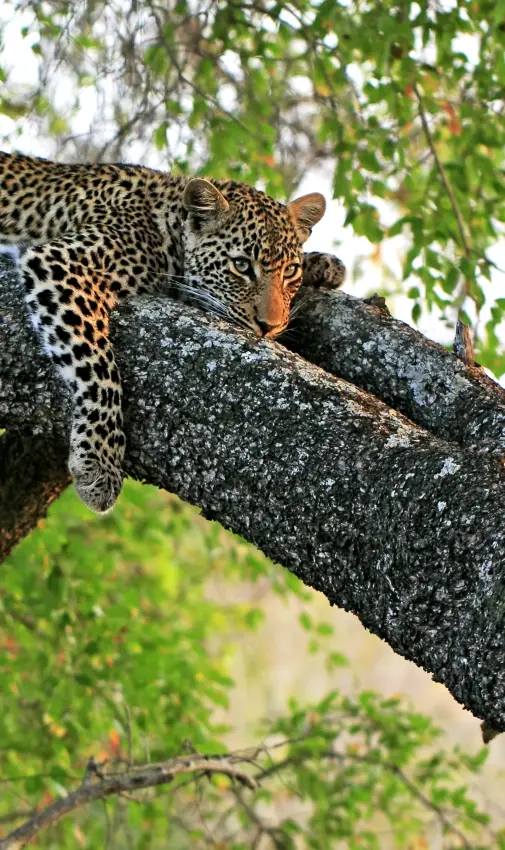
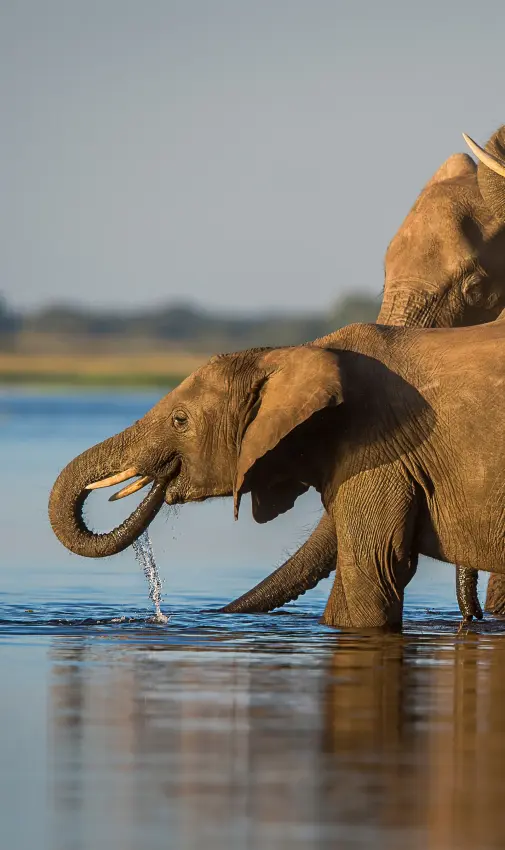
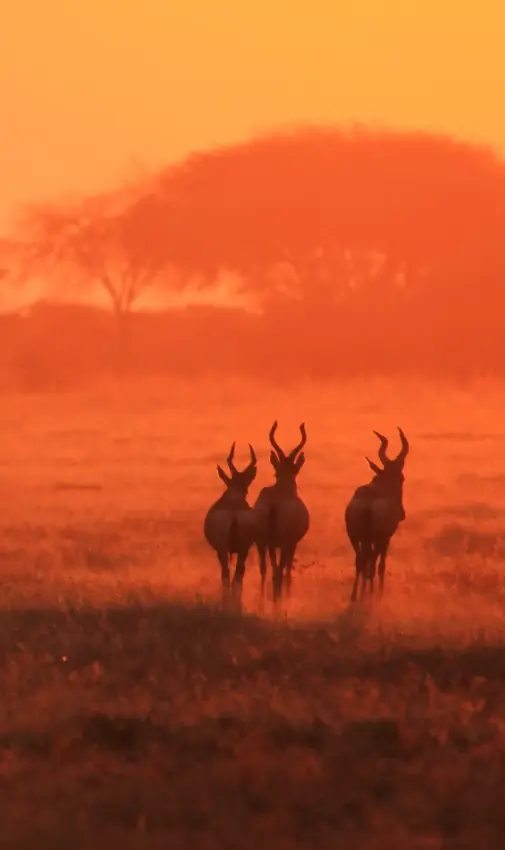
Through the calving months the short grass carries wildebeest and zebra in numbers that change the look of the plains, and it is the calves the cats are watching. Elephants move through the acacia woodland and giraffes browse the tree line. Both striped and spotted hyenas occur around Ndutu, along with caracals and African wildcats. Soda lakes and their marshes, the low woodland ringing them and the open plains beyond all lie within a morning’s drive of each other, and that mix of habitat, as much as the herds, keeps the predators close.
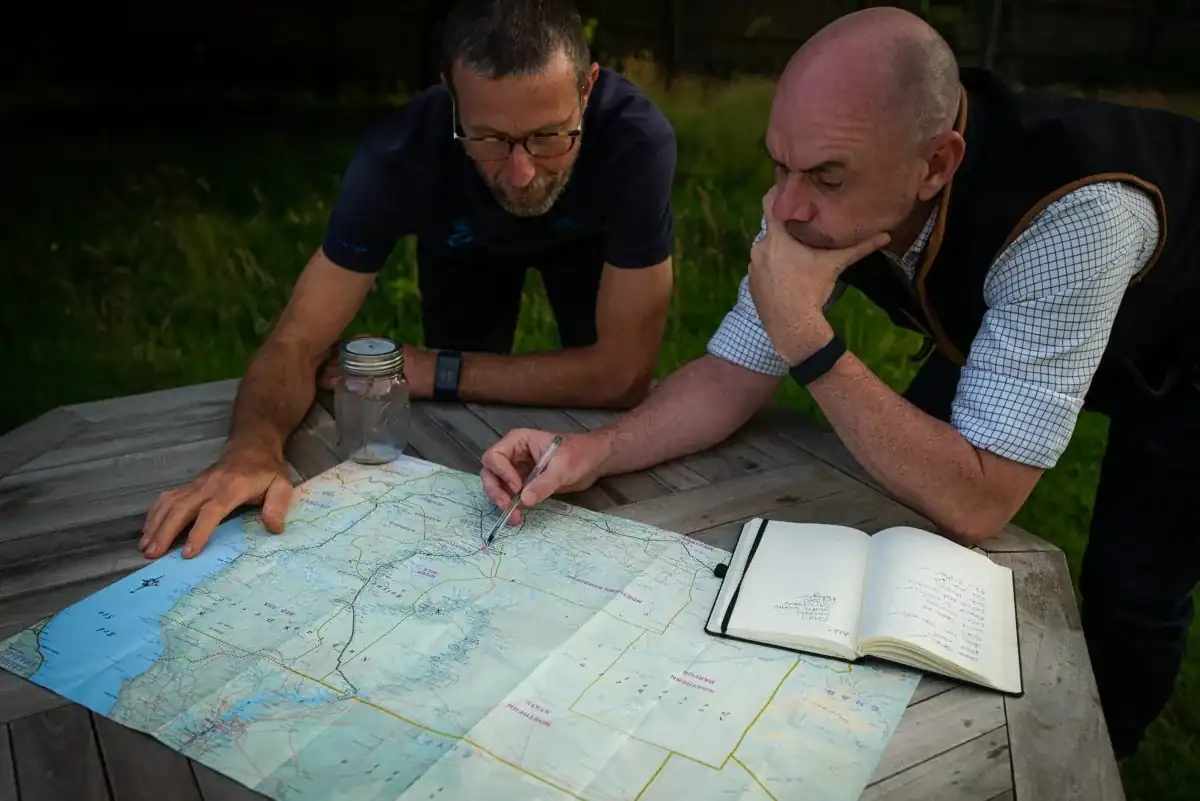
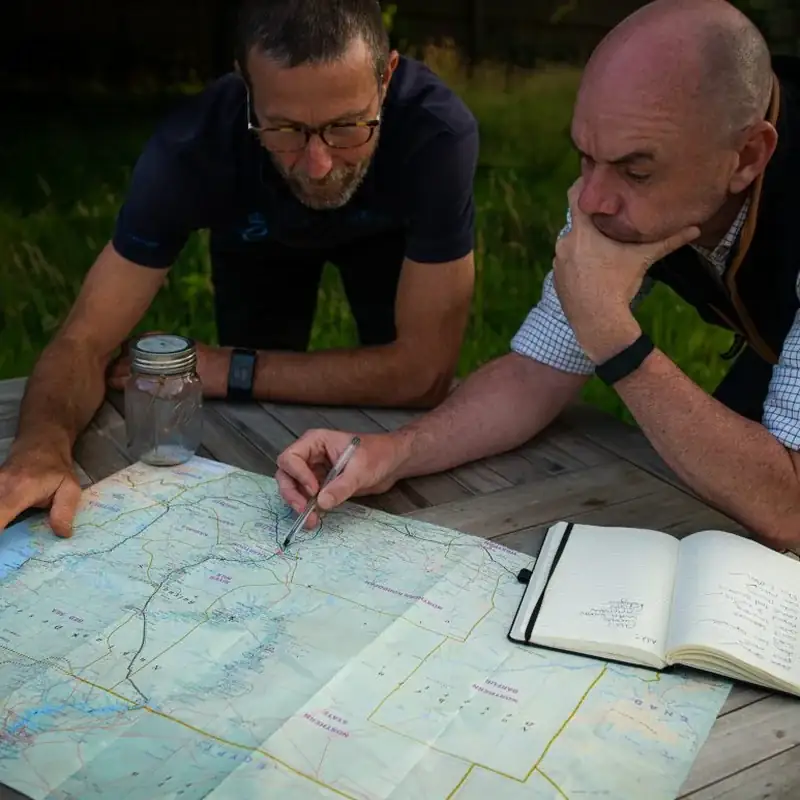
Mornings begin with tea or coffee brought to the veranda of each tent. In the hour before dinner the lounge tent faces the bush, with its bar and a small library of maps and reference books, and games alongside. The guides work under the Tanzania Association of Tour Operators’ code of conduct, and a share of every guest night supports the Serengeti De-snaring Programme, which clears wire snares from the park. When the herds move on, so does the team, to a second camp in the northern Serengeti pitched for the later stages of the migration.