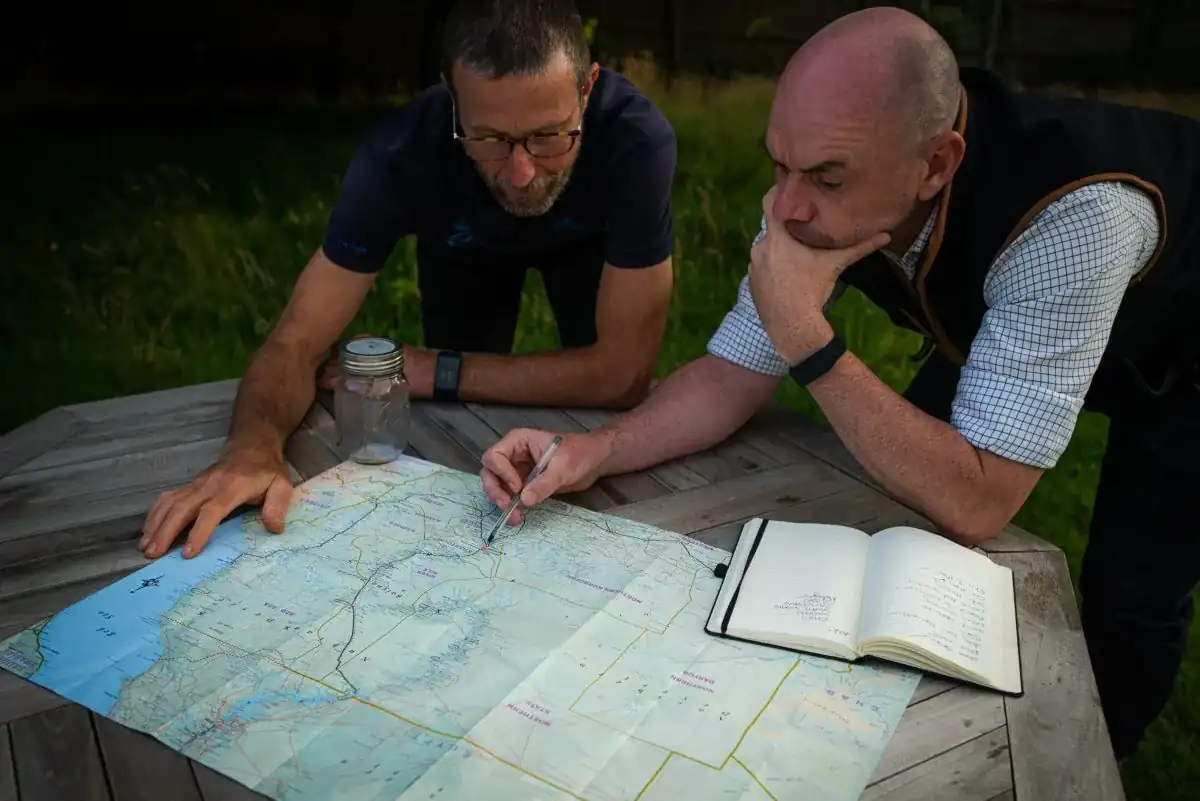
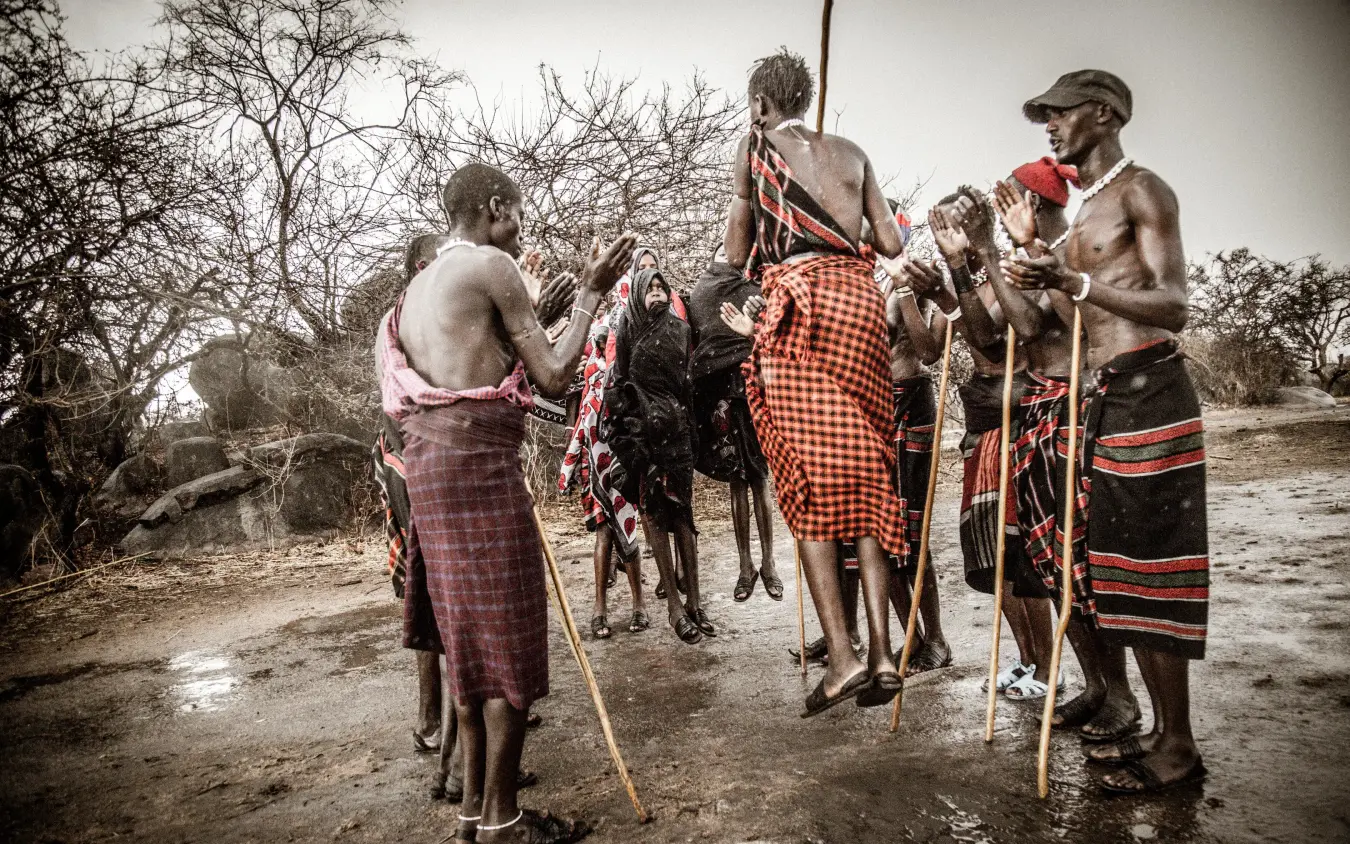
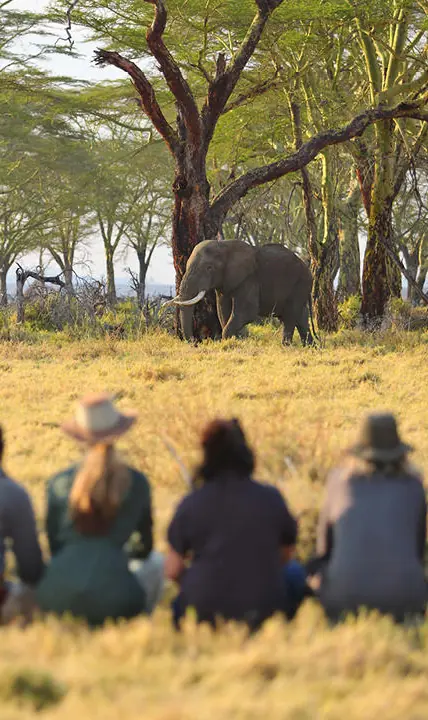
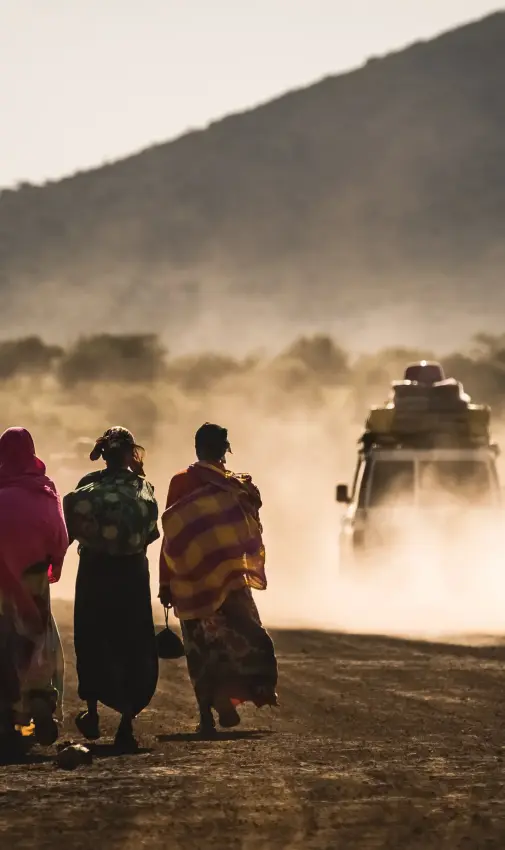
Cultural life on the reserve is central to what a stay at Mwiba involves. Guests can walk with the Hadza, one of Tanzania’s last hunter-gatherer communities, joining their foraging walks and learning how they track, gather and hunt from the land. There are visits with the Datoga, Maasai and Sukuma communities too. Because these exchanges are built into the stay rather than sold on as a separate excursion, they tend to leave a mark that the game drives rarely match.
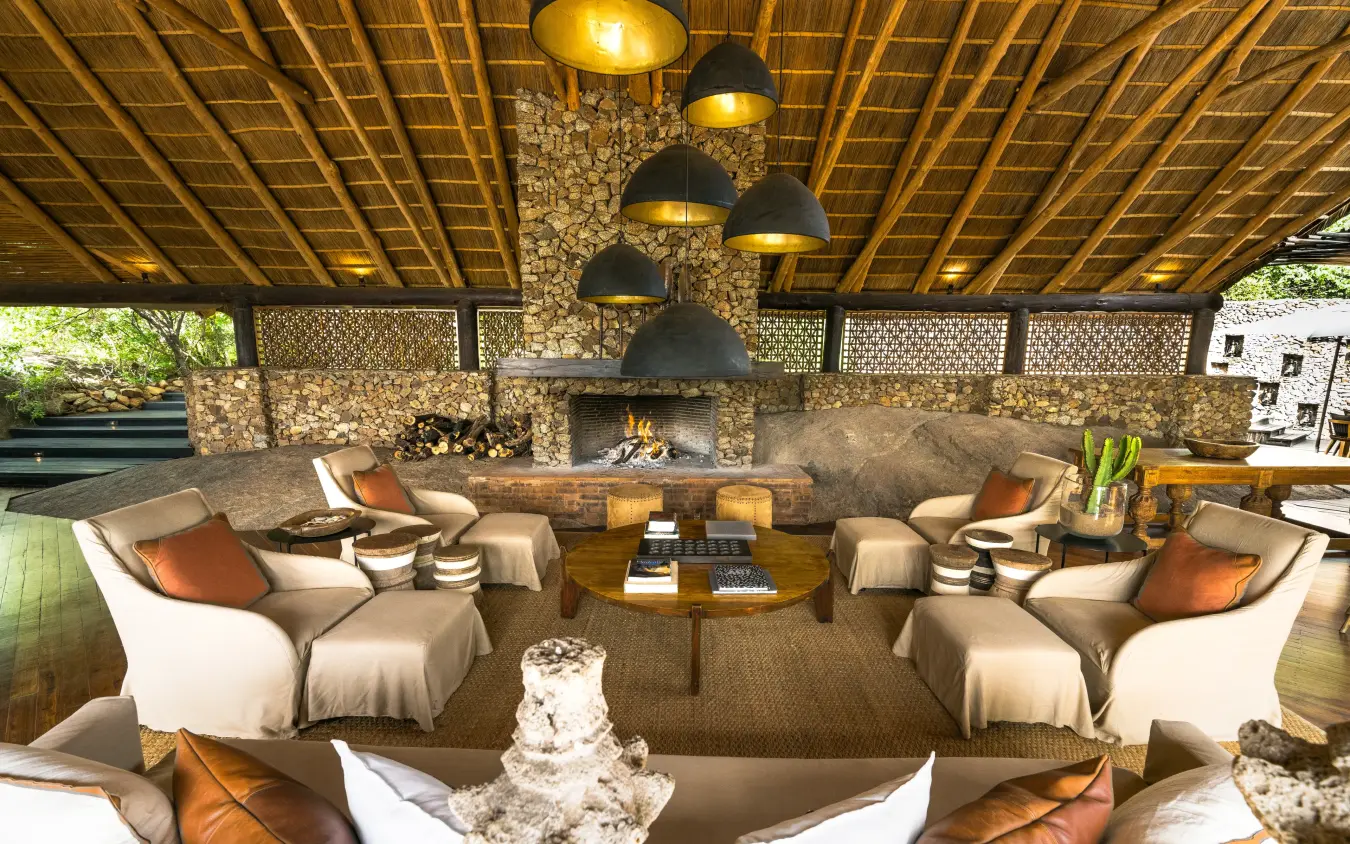
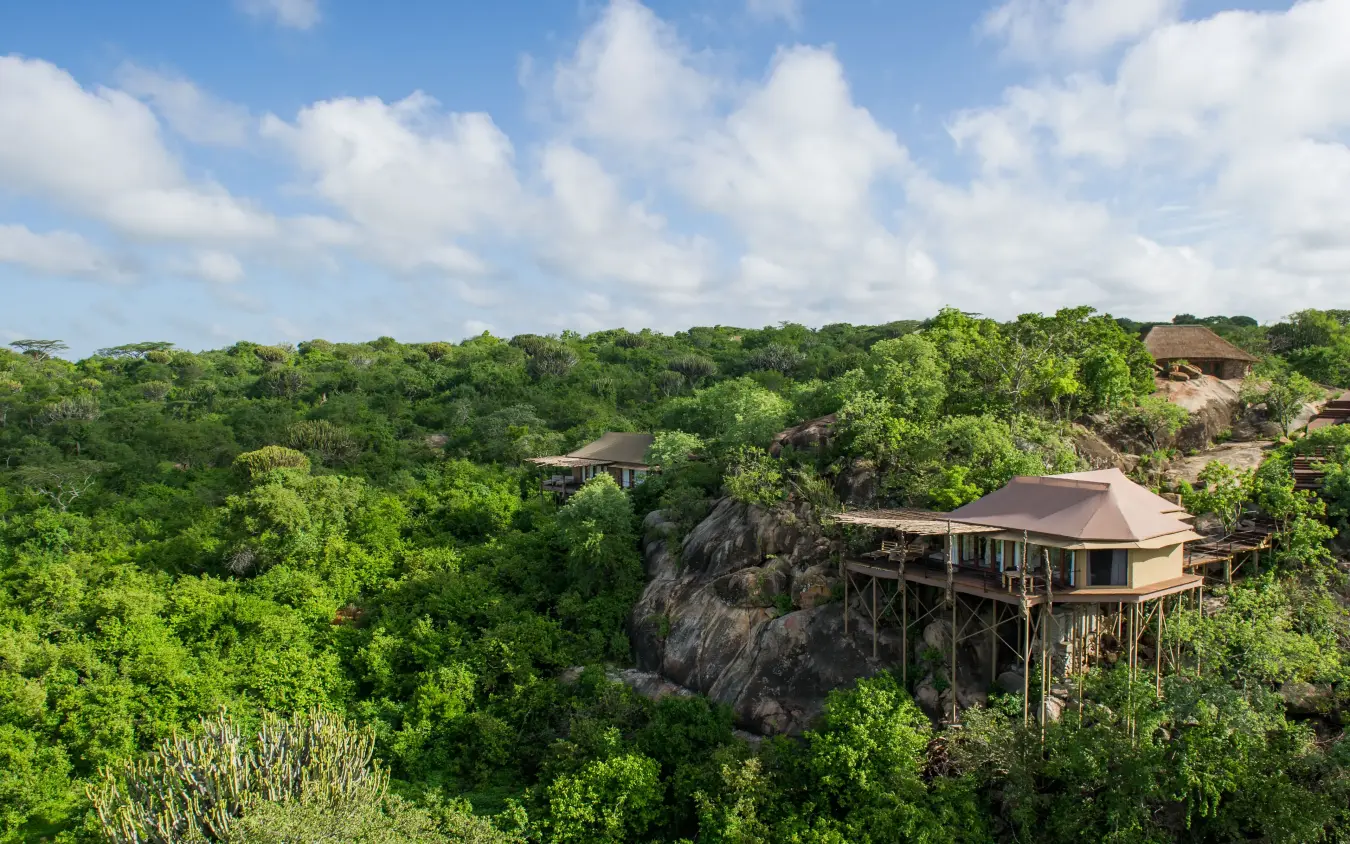
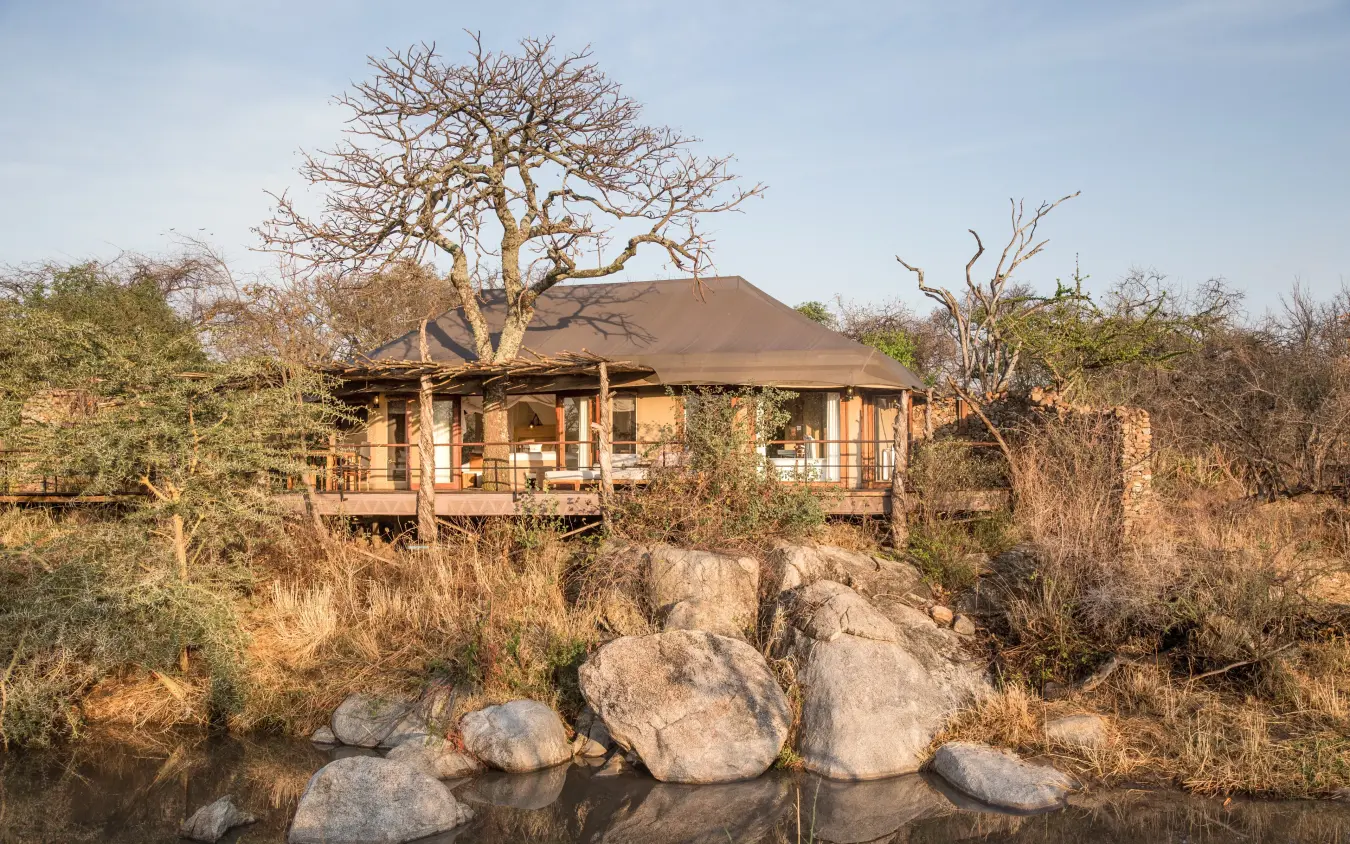
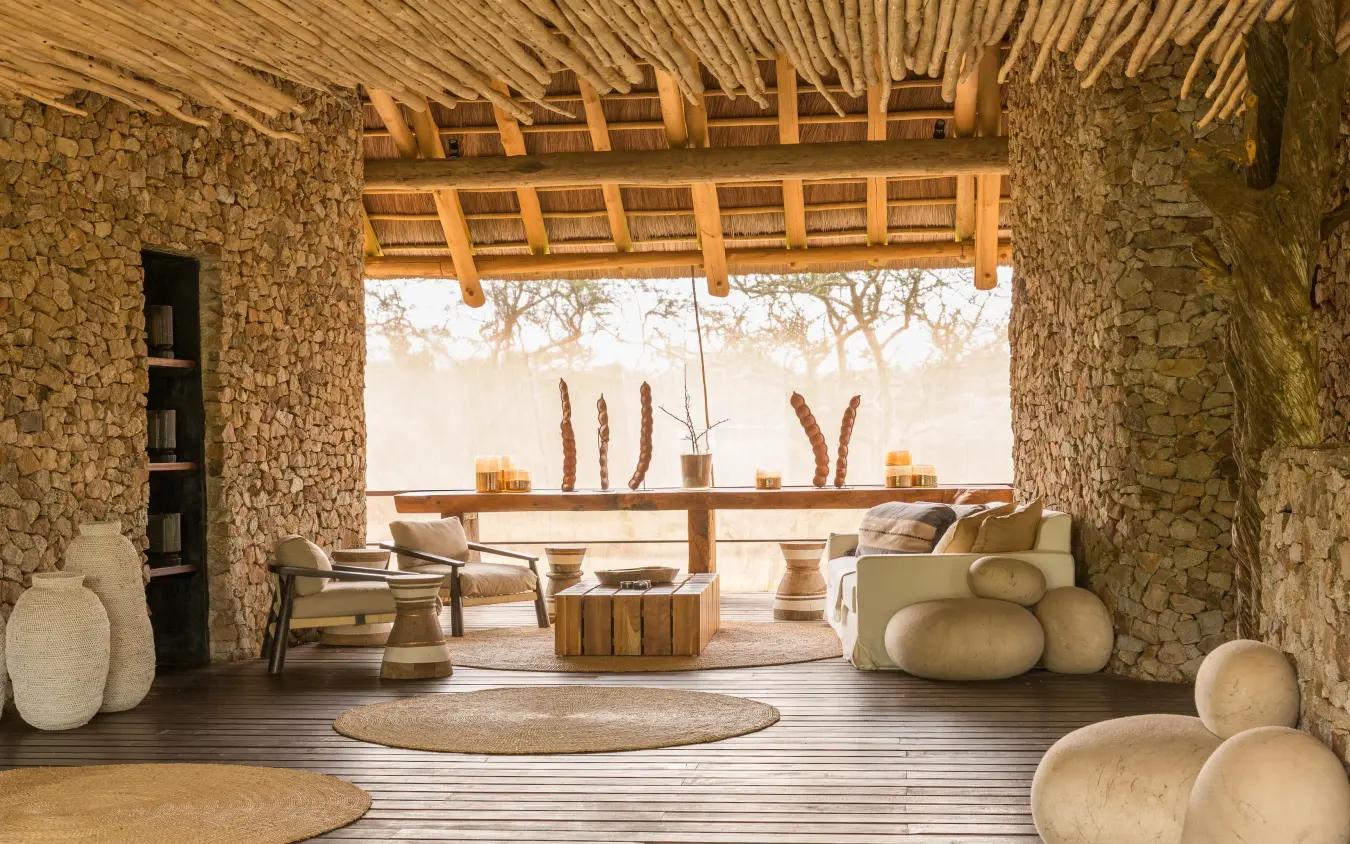
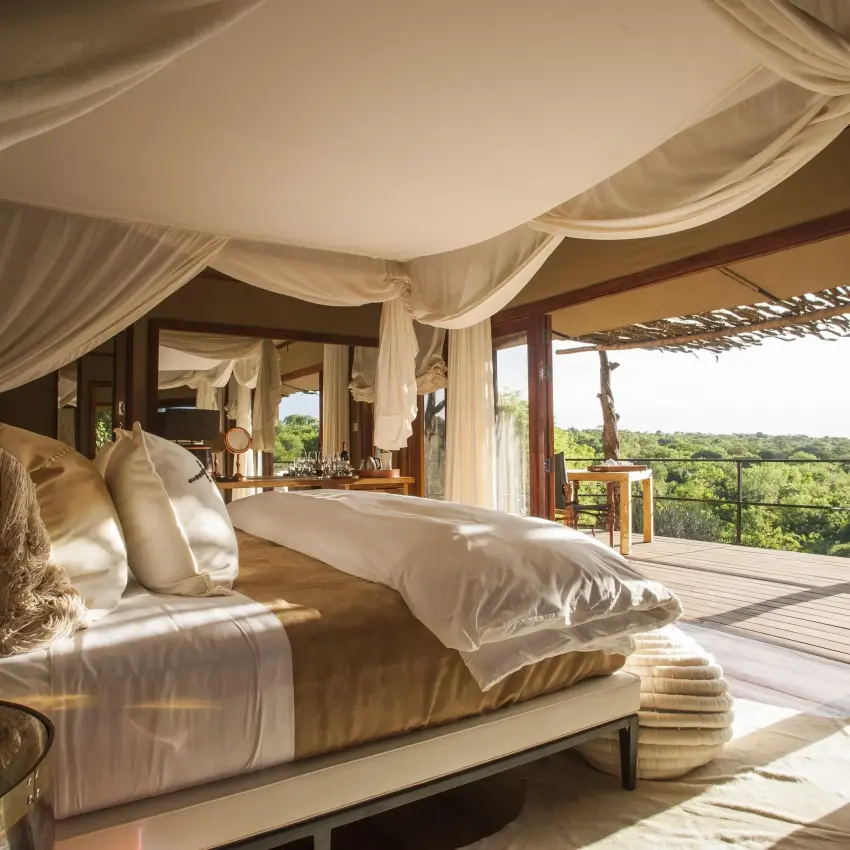
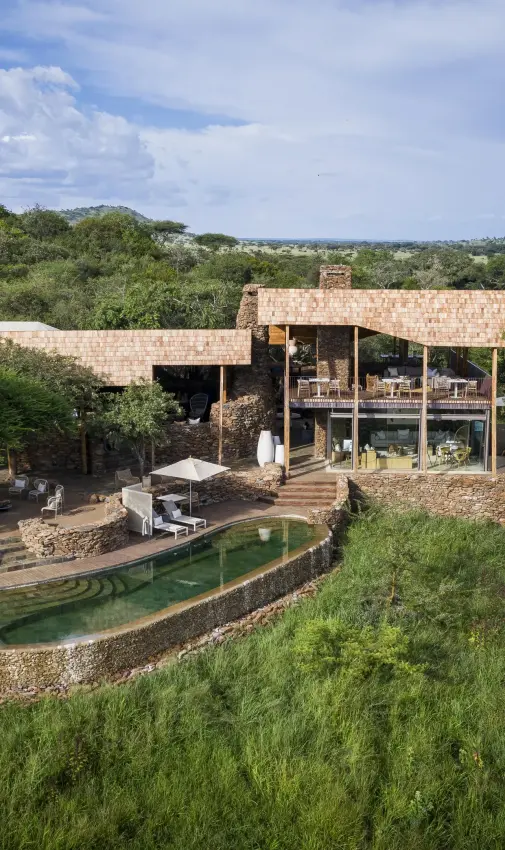
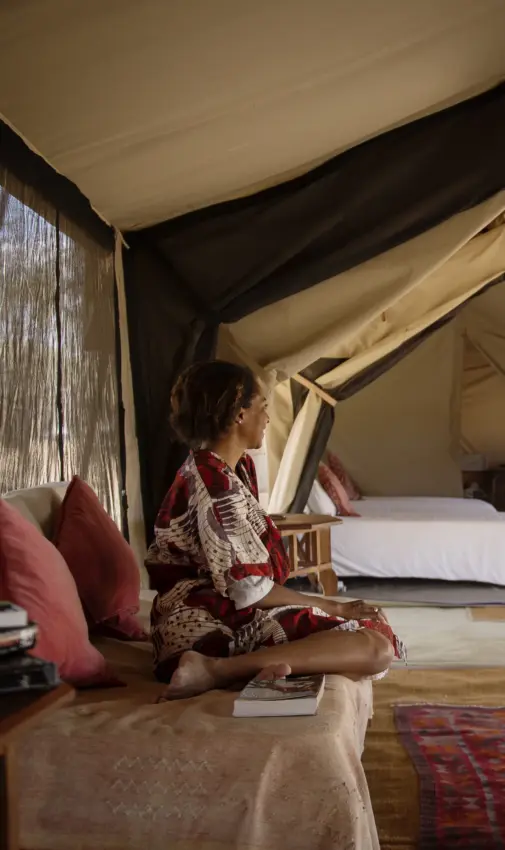
Debra Friedkin shaped the guest experience at Mwiba, and her hand runs through every interior. The palette is one of creams, tans and charcoal, the textures of suede and linen, the furniture hand-carved wooden tables and king-sized canopy beds. The lodge was set among the boulders rather than clearing them, so the building follows the contours of the escarpment, with raised wooden walkways threading the suites back to the main lodge.
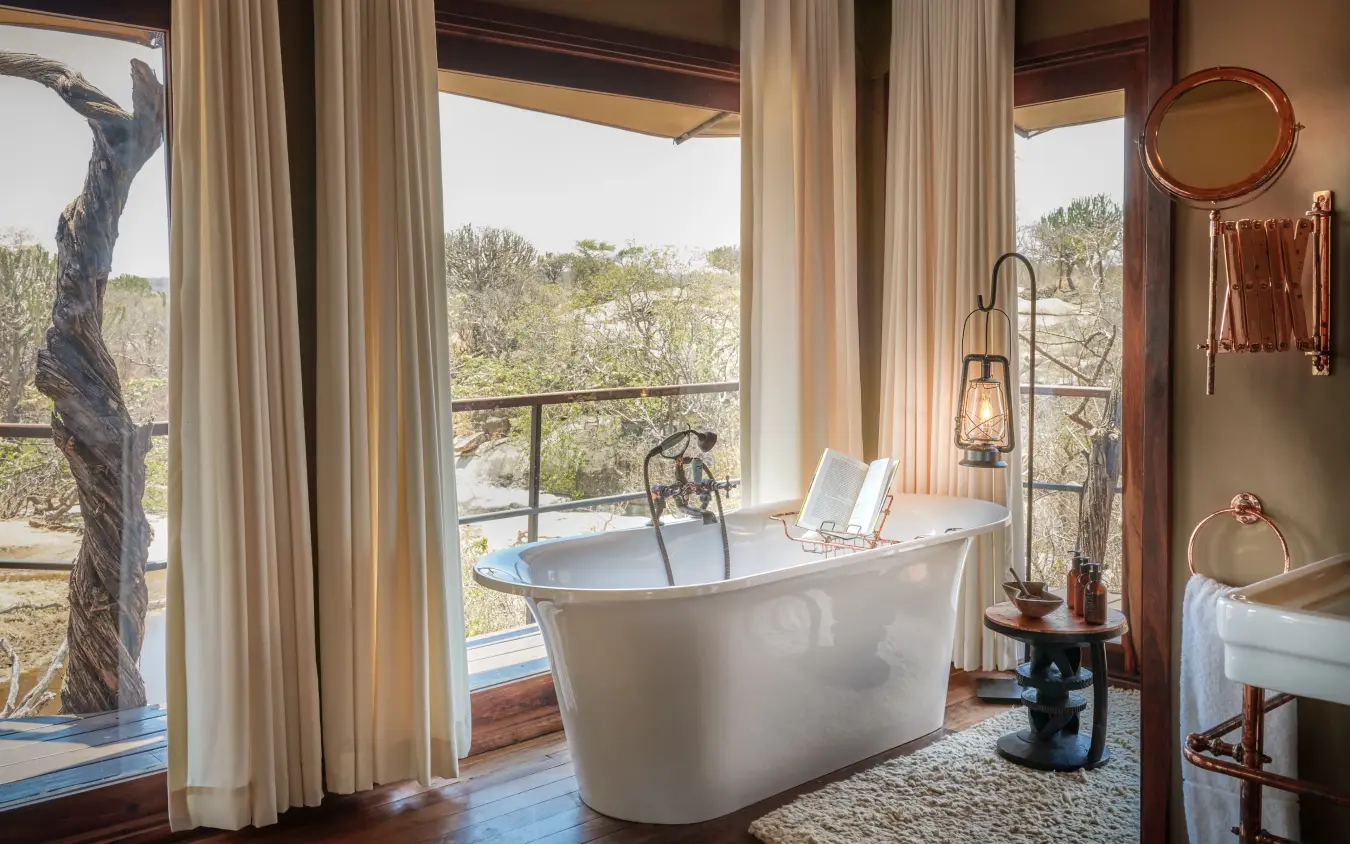
Each suite carries a deep soaking tub and copper fixtures, indoor and outdoor showers
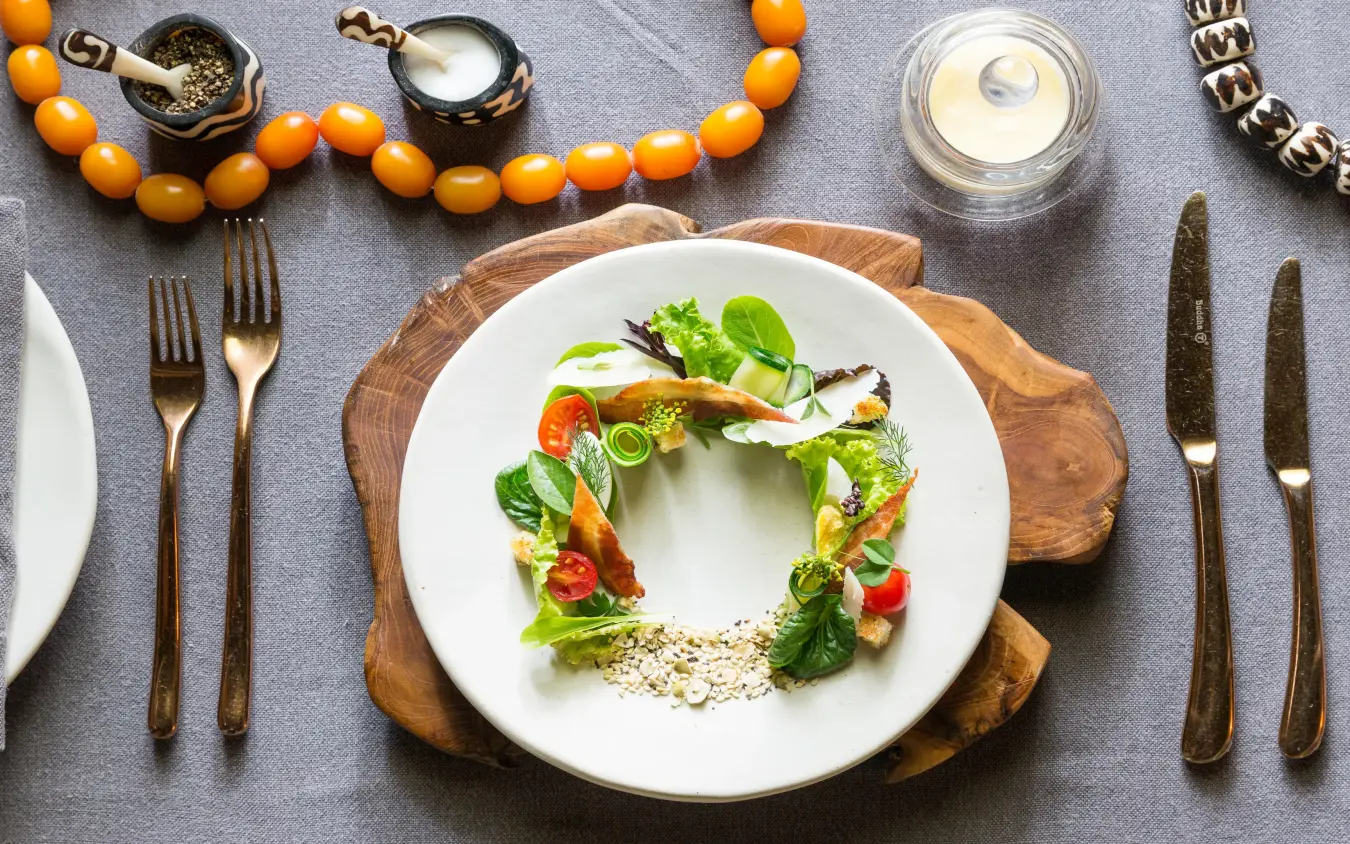
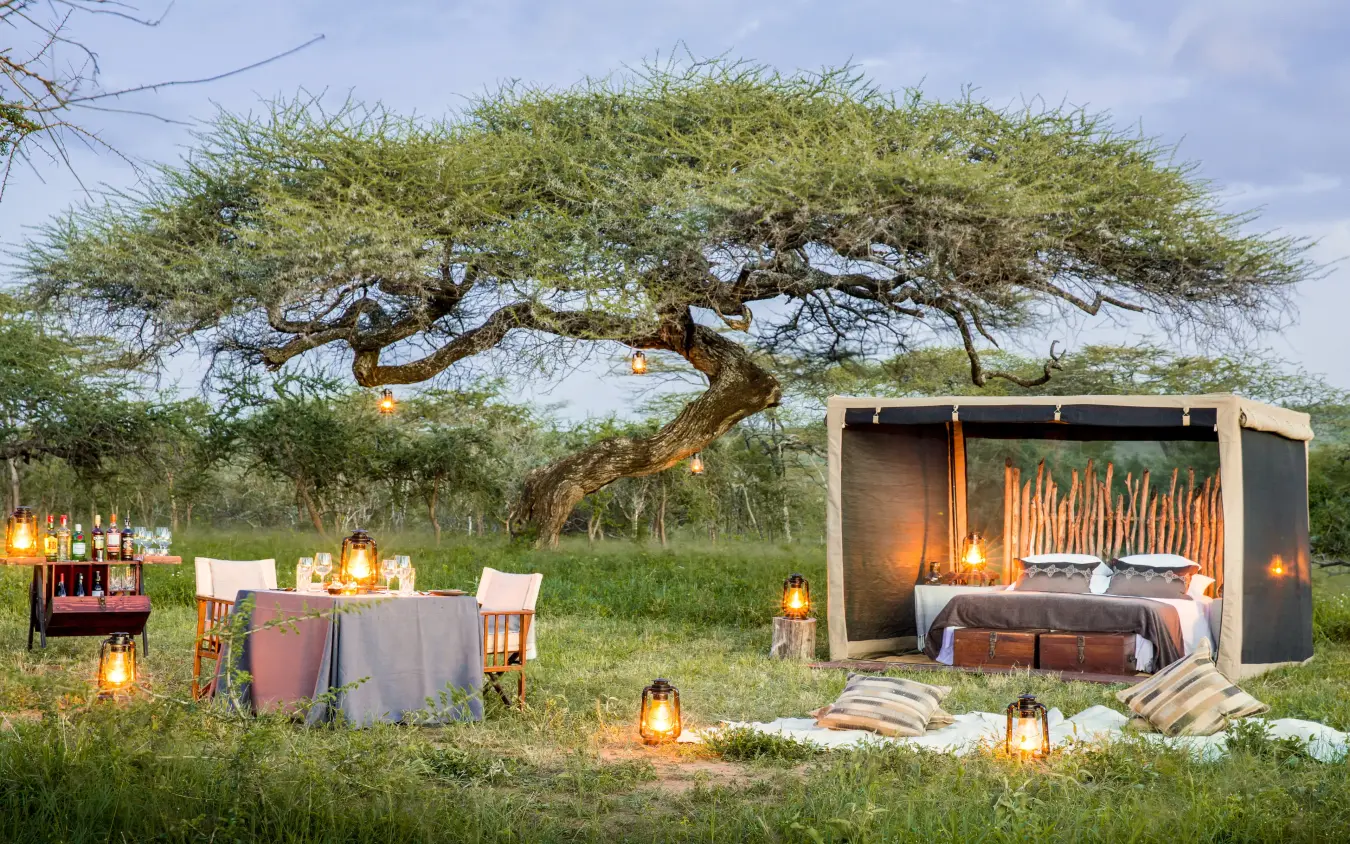
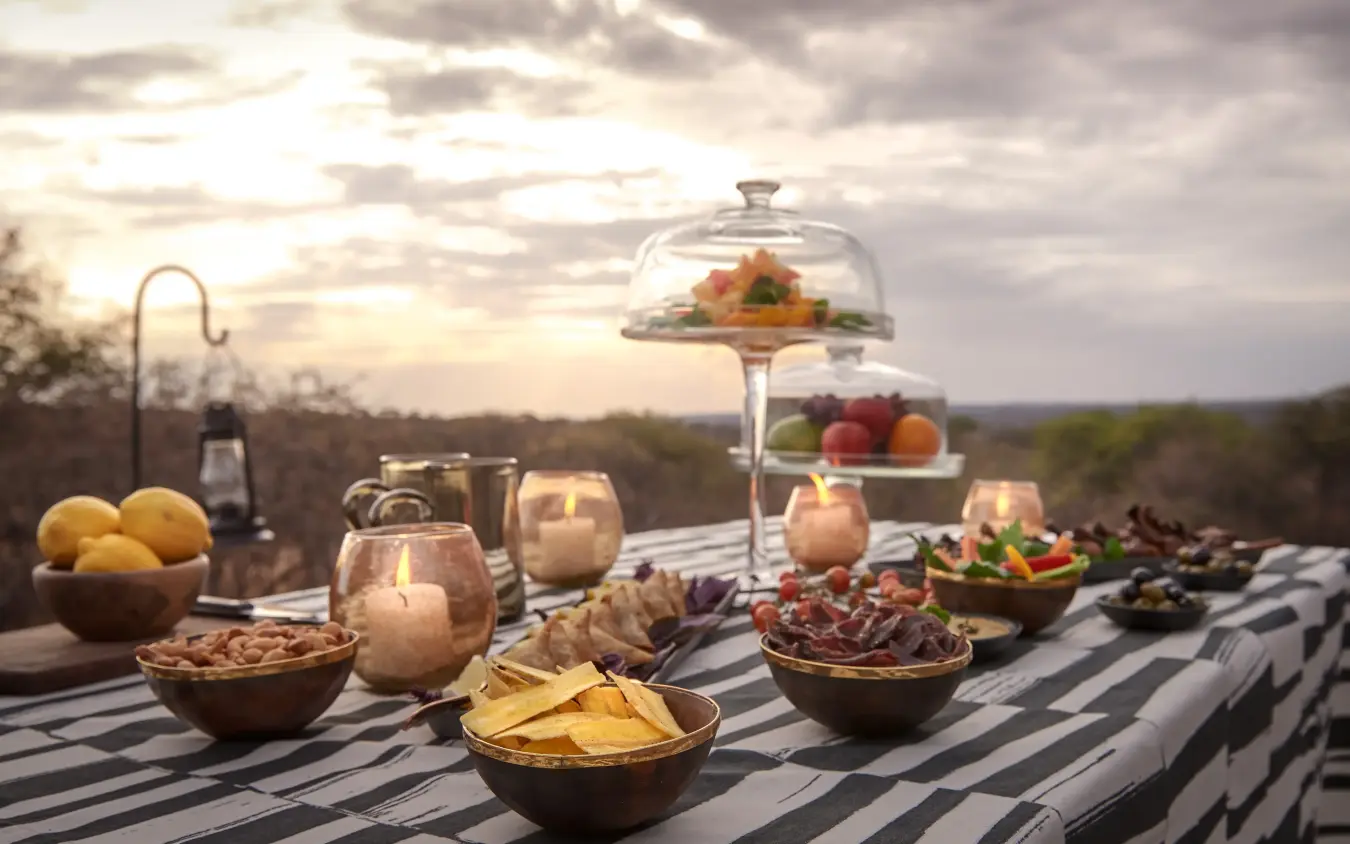
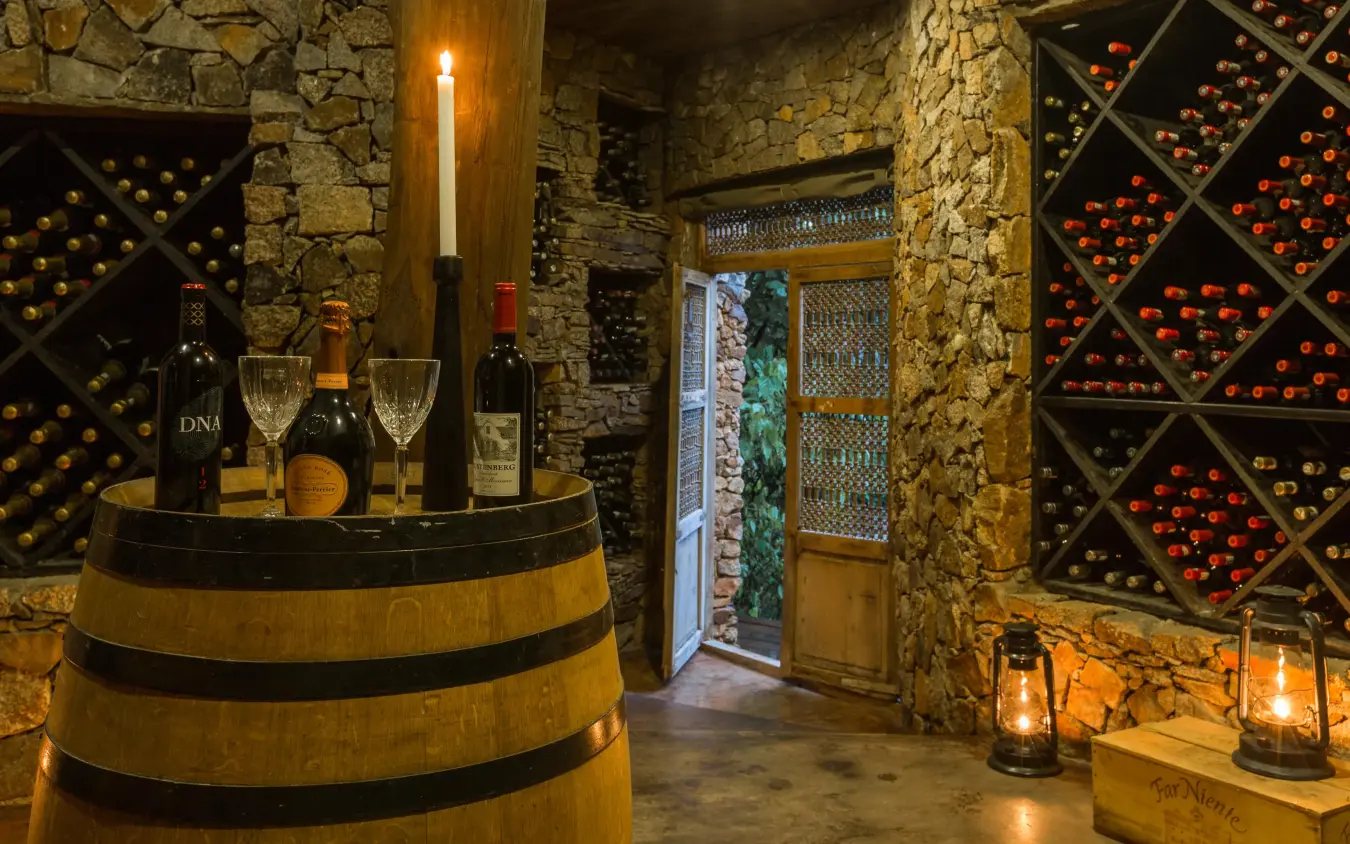
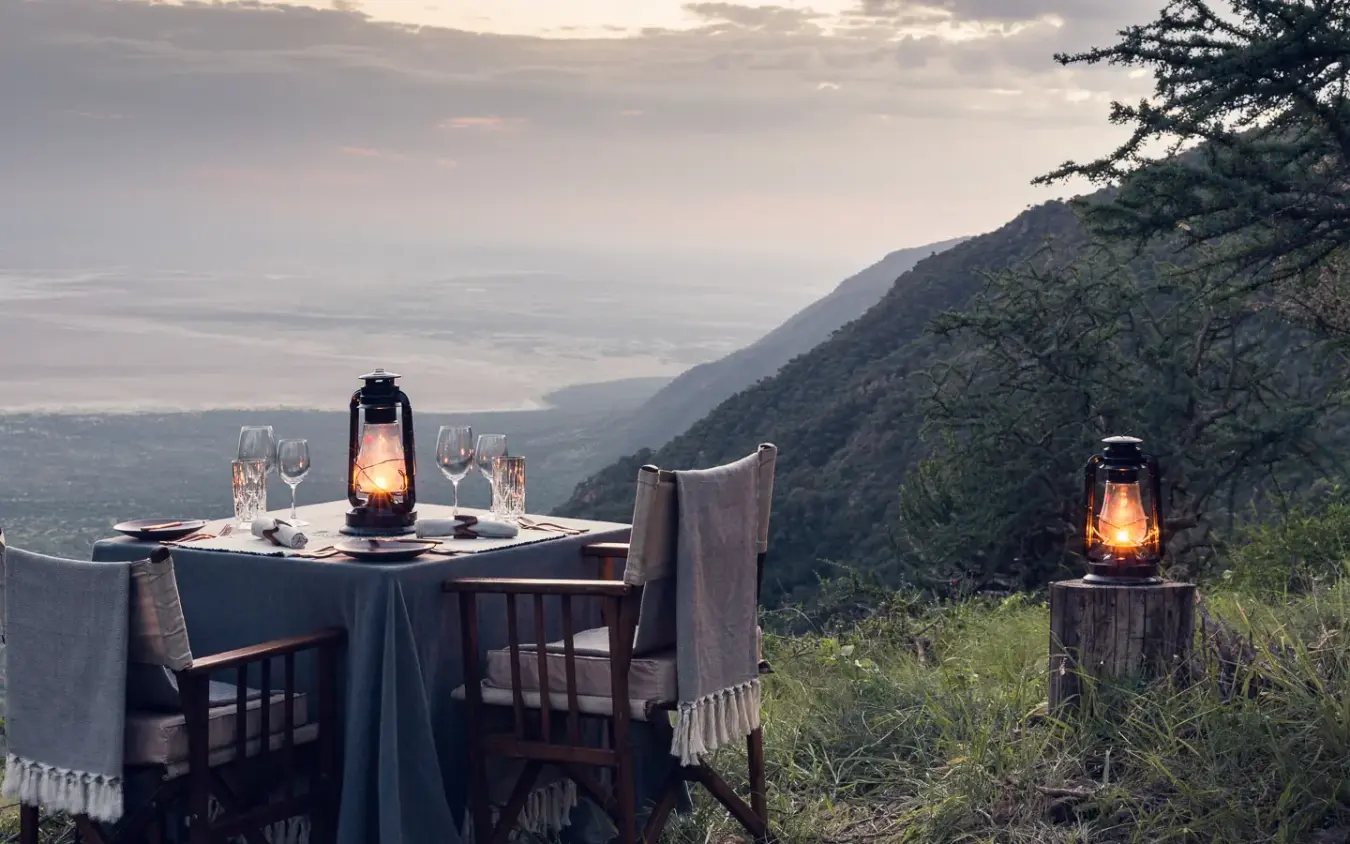
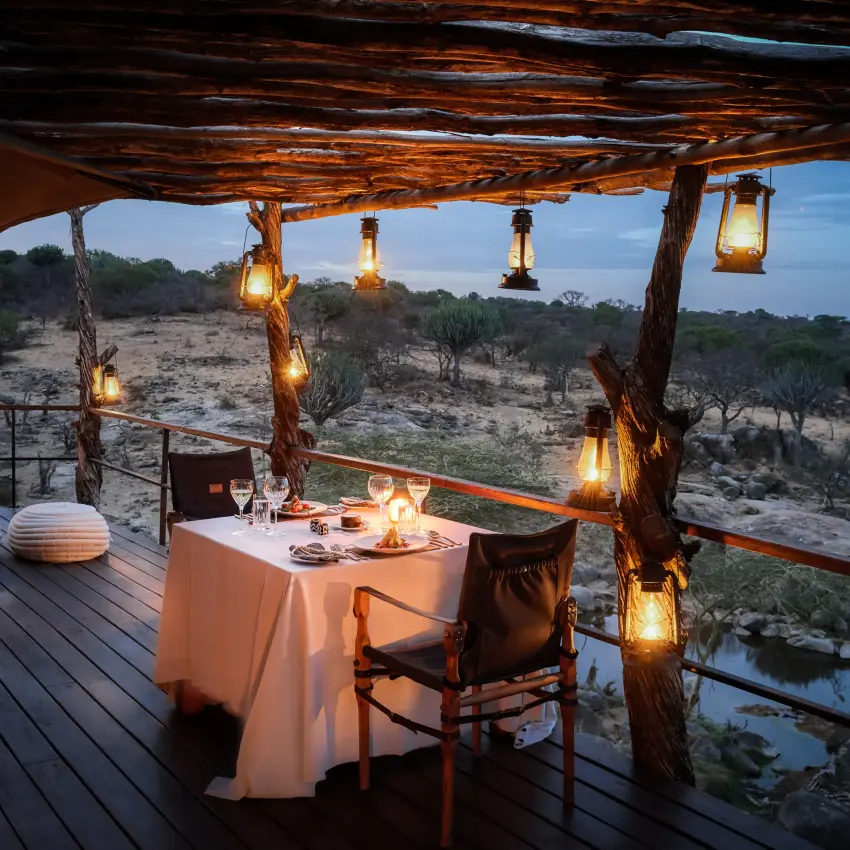
Comfort at Mwiba runs deep rather than loud. Each suite carries a deep soaking tub and copper fixtures, indoor and outdoor showers, and a cooling system built into the bed frame for warm nights. The main lodge gathers a spa and gym, a library, a wine cellar and a firepit around which the days turn. Dining moves between the terrace, the bush and private decks as the hours pass, the kitchen working from fresh, local ingredients across menus that span Tanzanian and international dishes.
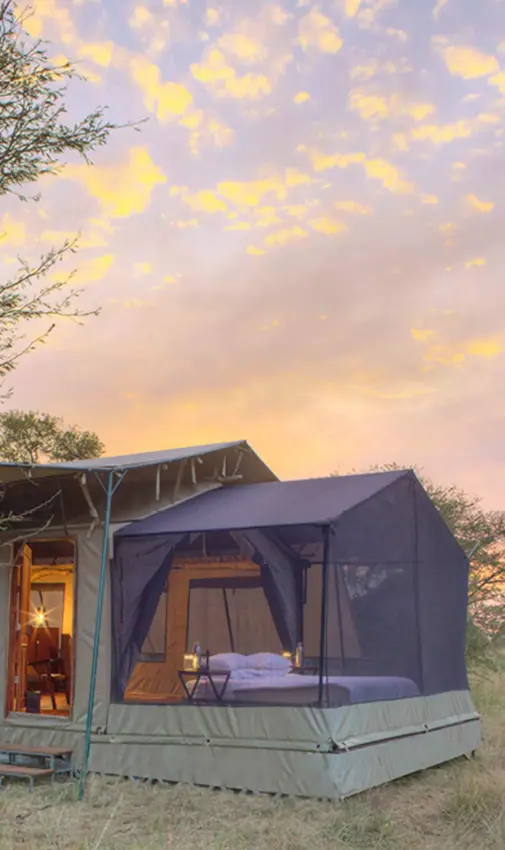
Access is by air, a flight of around fifty minutes from Arusha reaching Mwiba Airstrip, then a fifteen-minute road transfer to the lodge. Ndutu lies roughly a two-hour game drive away, the Ngorongoro Crater three to three and a half hours by road. Suites take two adults with a child up to fifteen on an extra bed, and two pairs interconnect for families, while younger guests fill the hours between drives with pursuits such as archery.