









tanzania
a family safari, crater to coast
Ten nights through Arusha, the Ngorongoro highlands and Tarangire's Silale Swamp, closing on Zanzibar's south-east coast.
- Private Safari
- From $9,765 pp
- 2 guests
- 10 nights
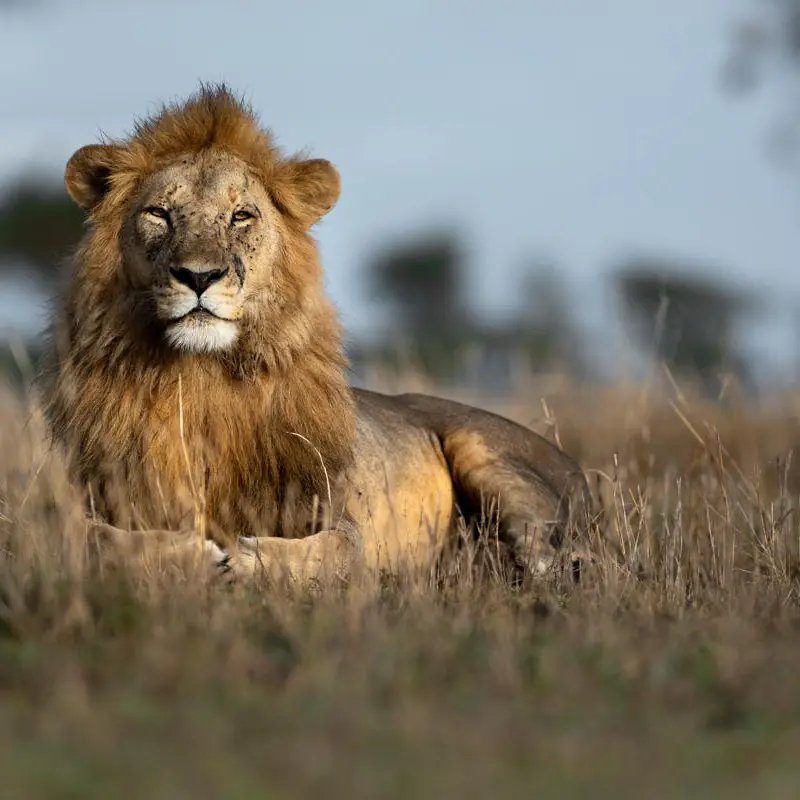
This 10-night route runs across northern Tanzania on largely private ground. It opens with a night at a coffee estate below Mount Meru, then moves to the Burunge concession between Tarangire and Lake Manyara, where the pace is slow and the lake sets the rhythm. From there it climbs into the Mwiba Reserve on the southern boundary of the Serengeti, granite country with its own springs, and finishes in the Grumeti Reserve on the western side of the Serengeti.
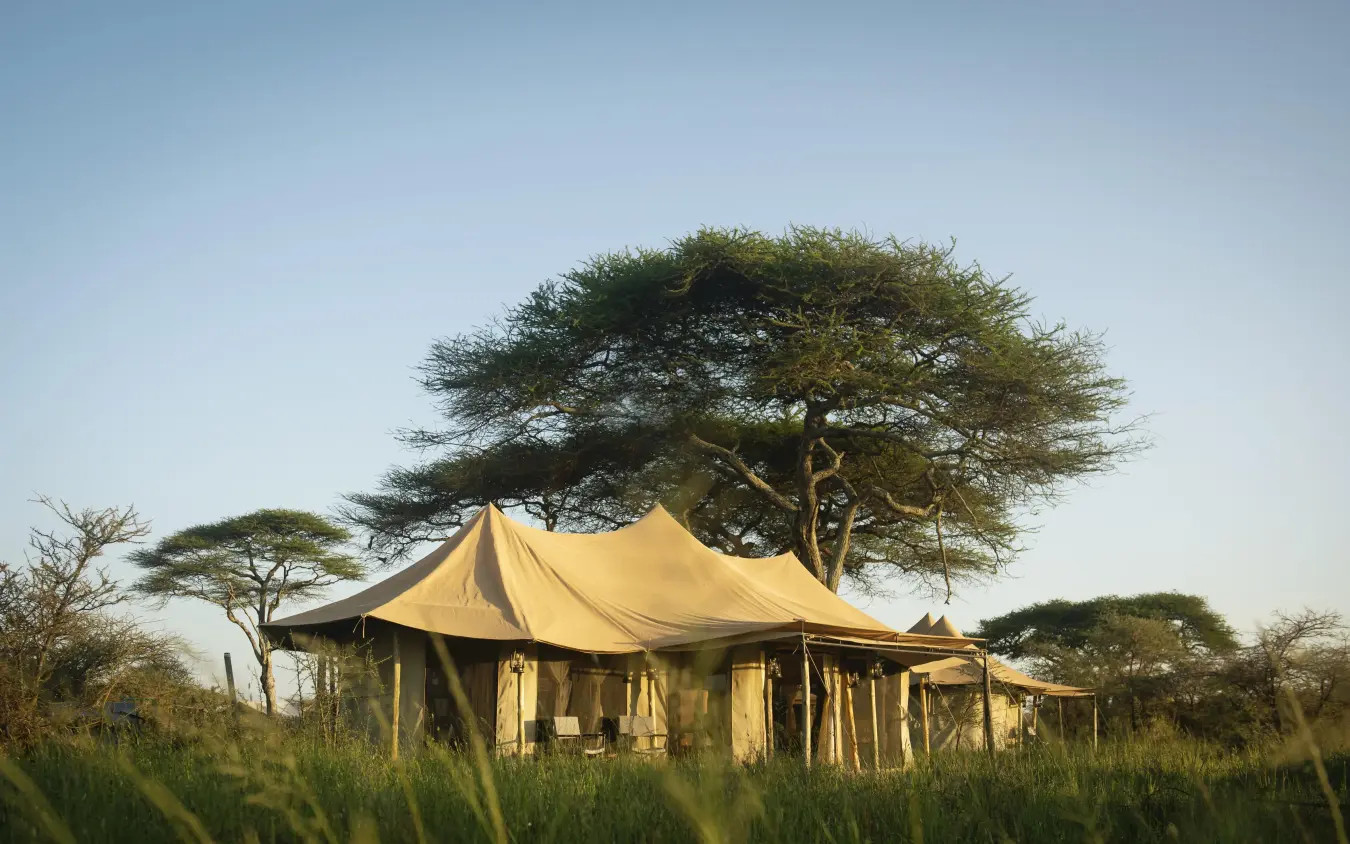
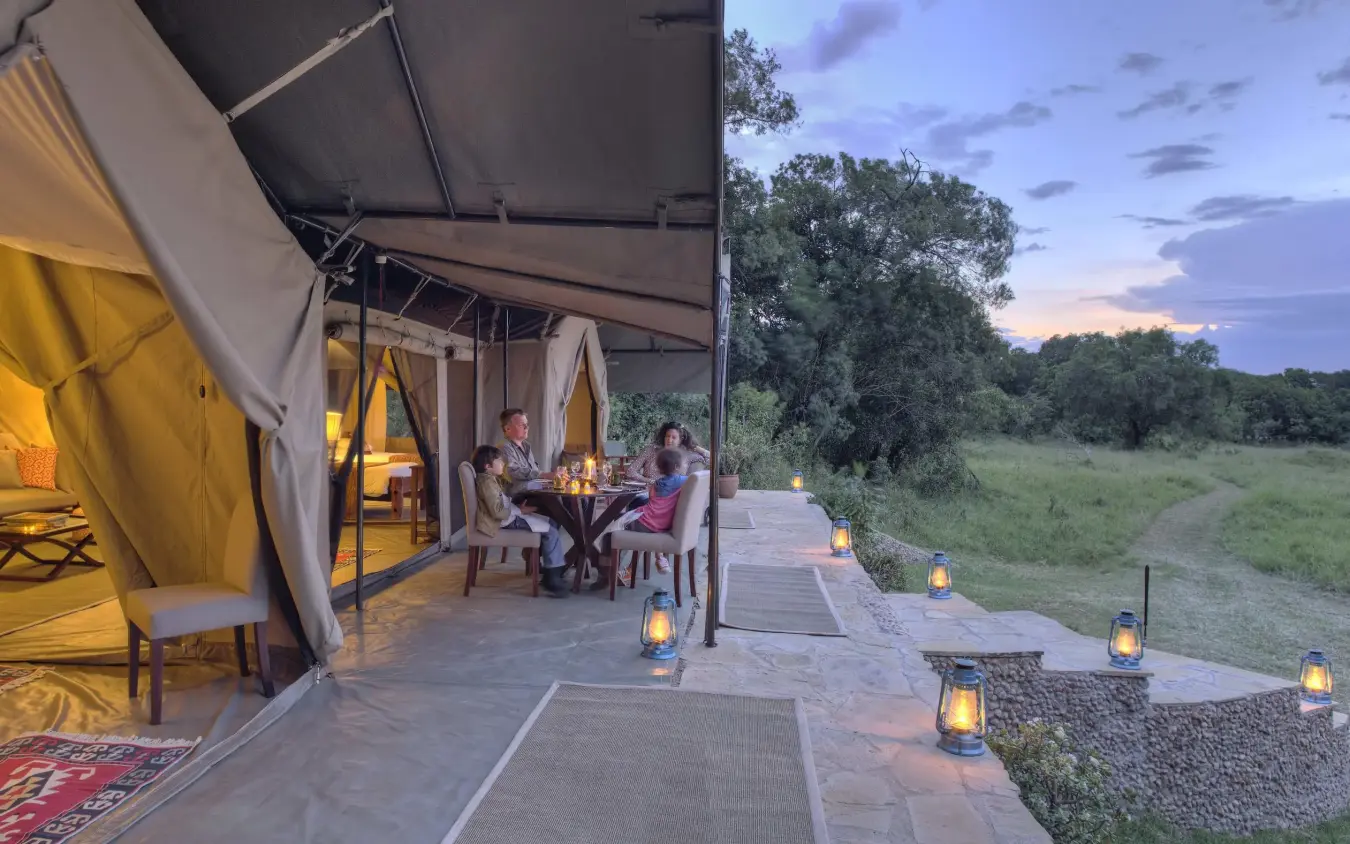
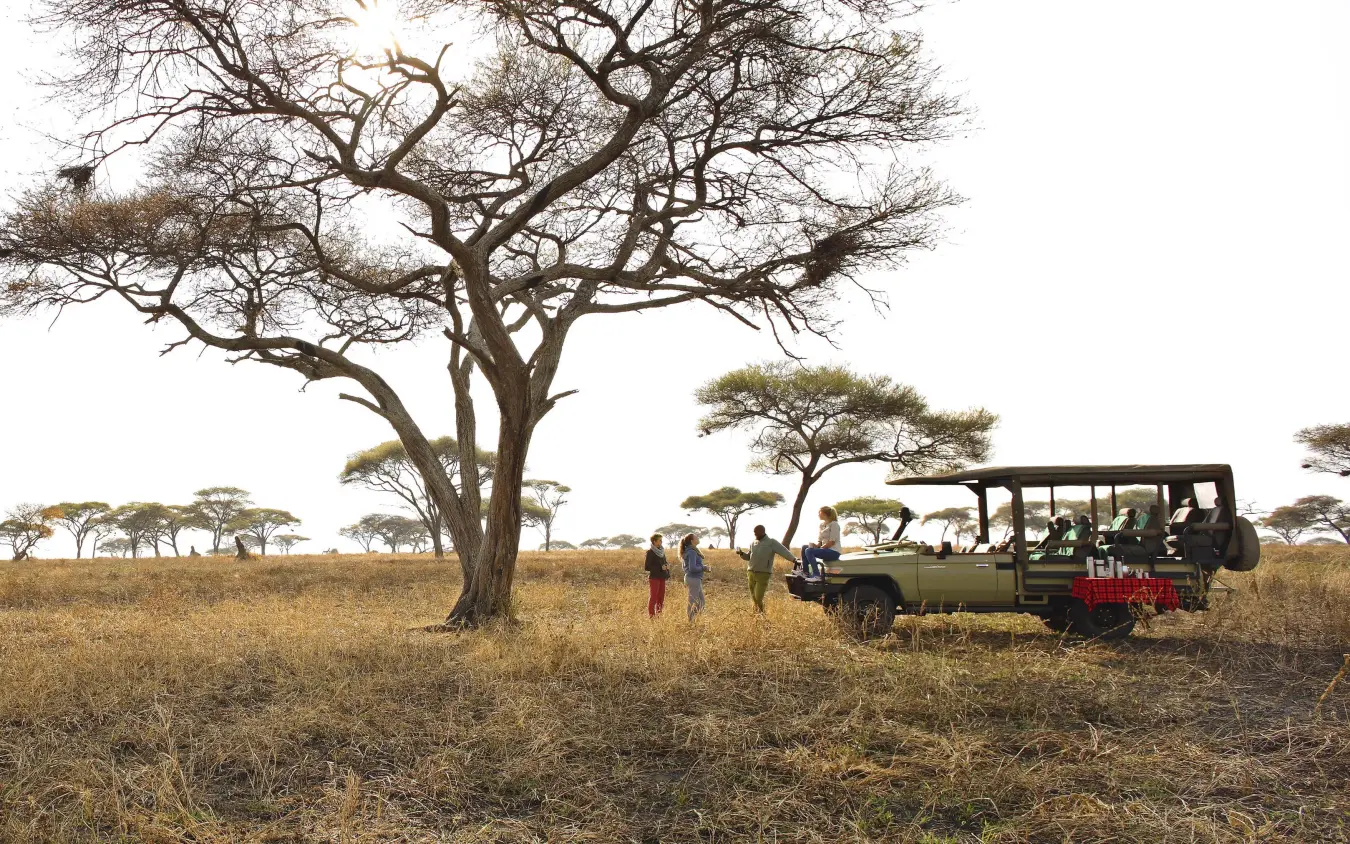
You travel in open 4×4 vehicles with time to spare, and on the private concessions the day stretches into walks and night drives with a freedom the parks do not offer. Each stay is a small, well-run lodge chosen for its ground and its guiding, from tented suites on stone plinths to suites set into boulders and a lodge curved around a waterhole.
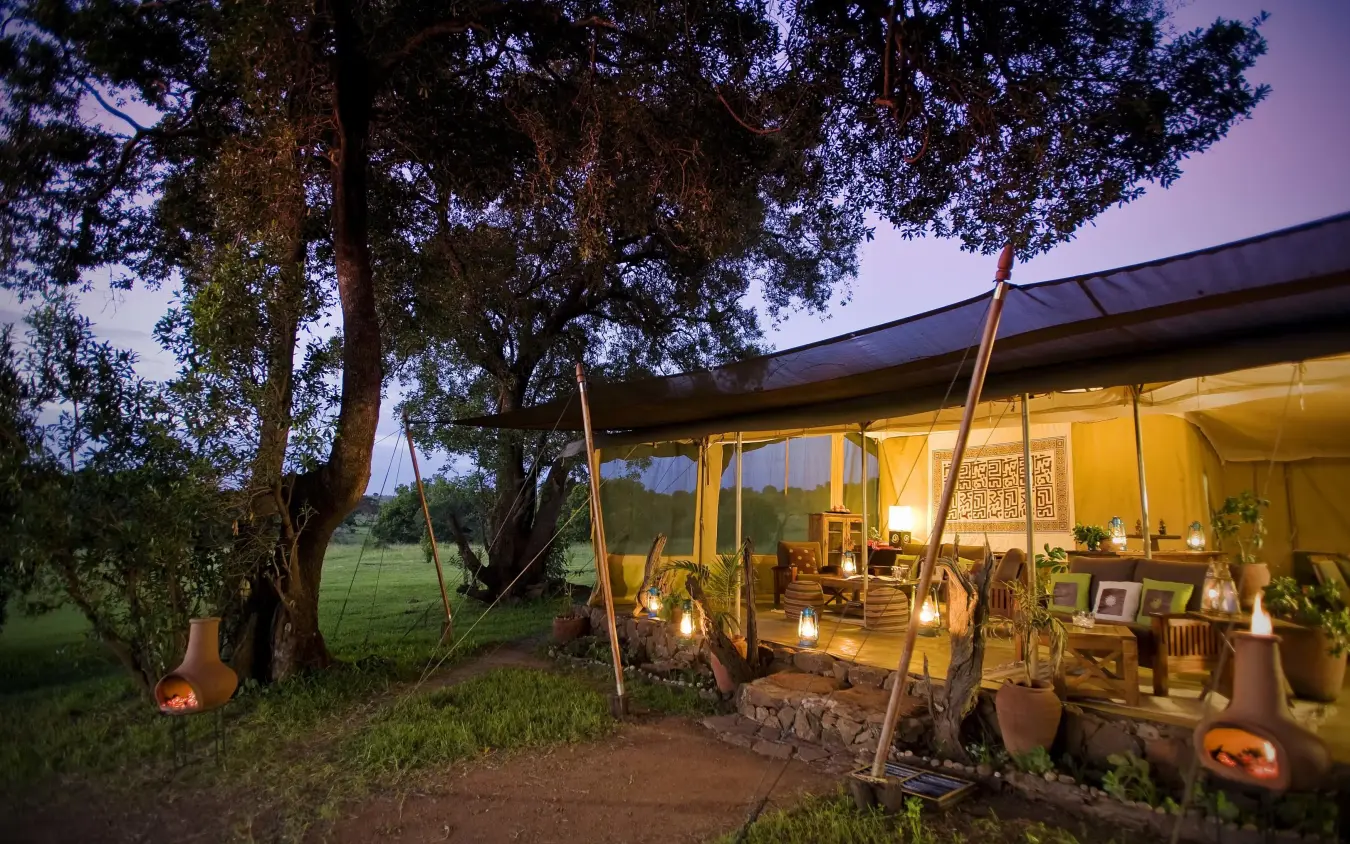
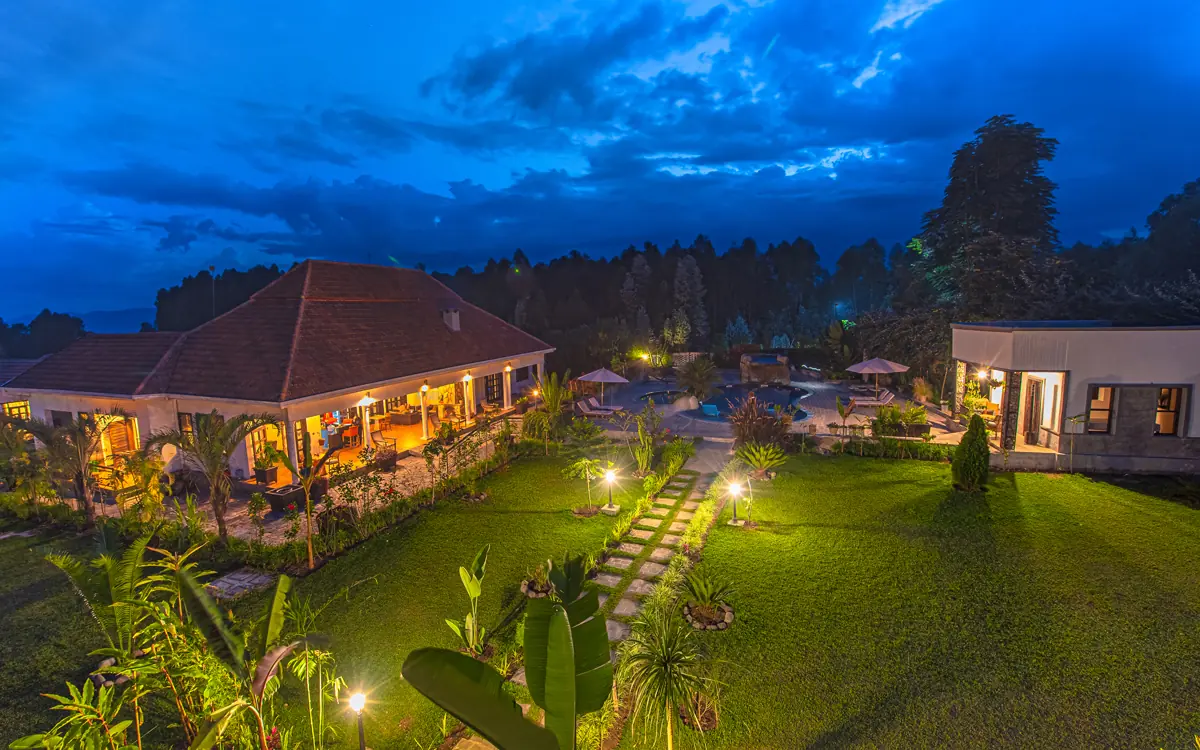
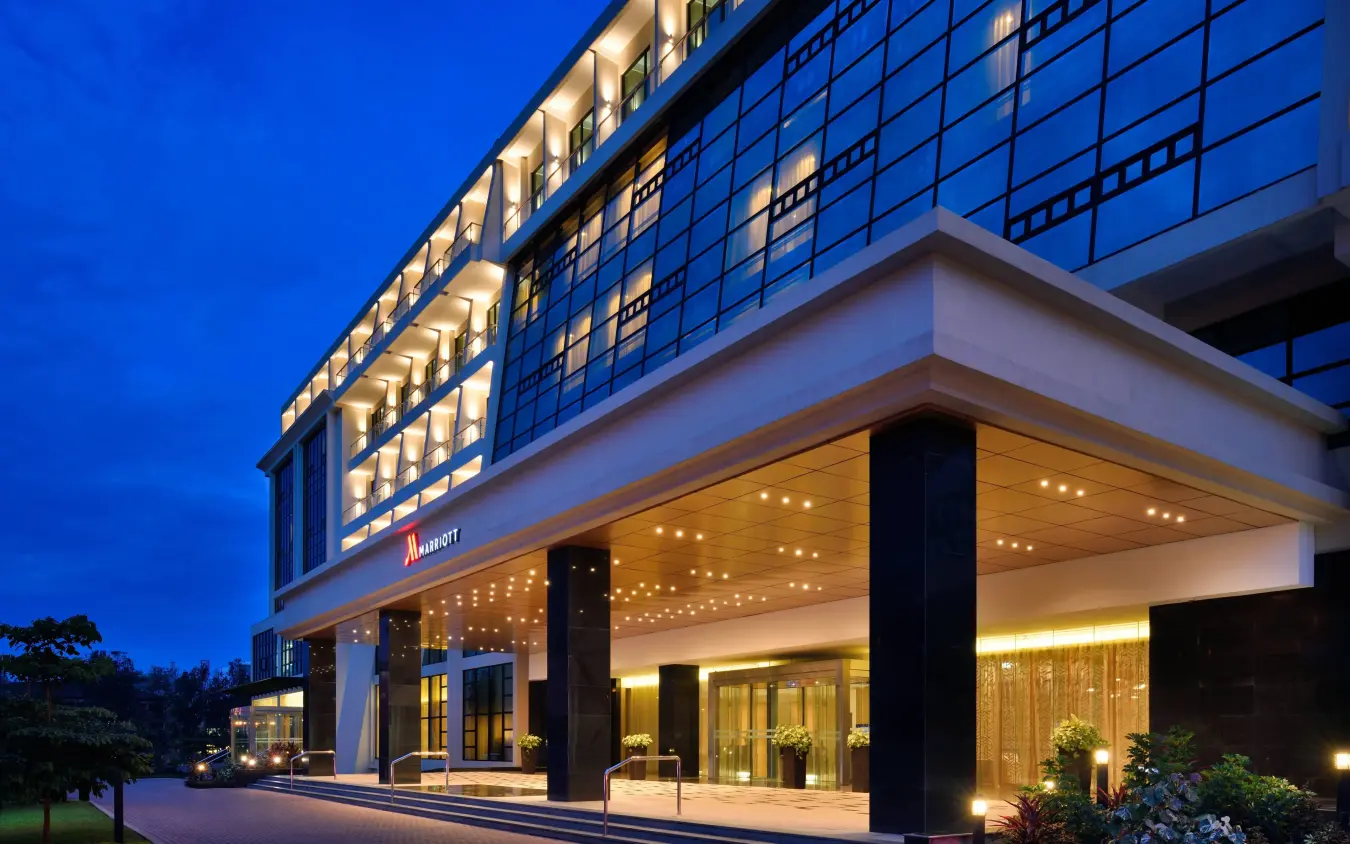
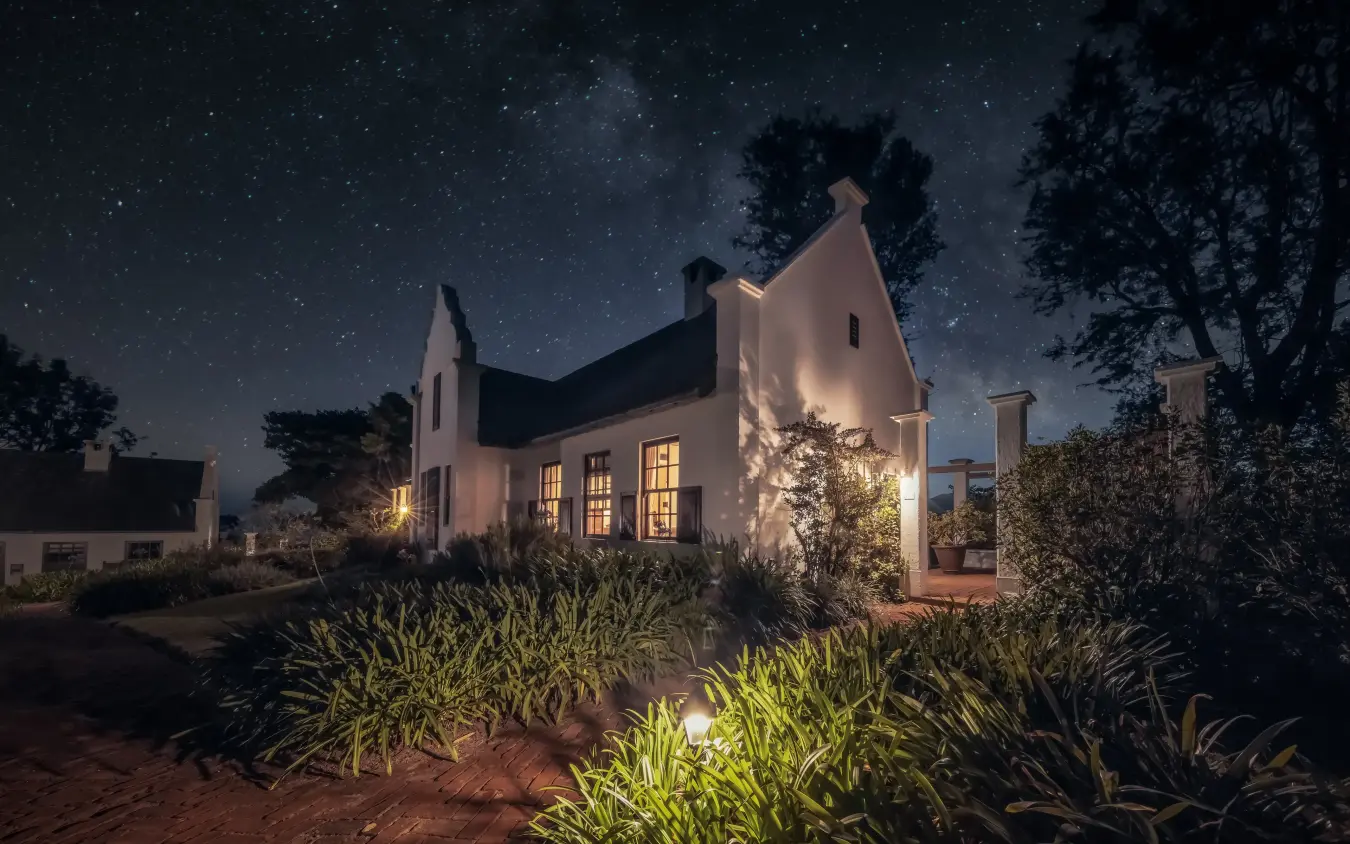
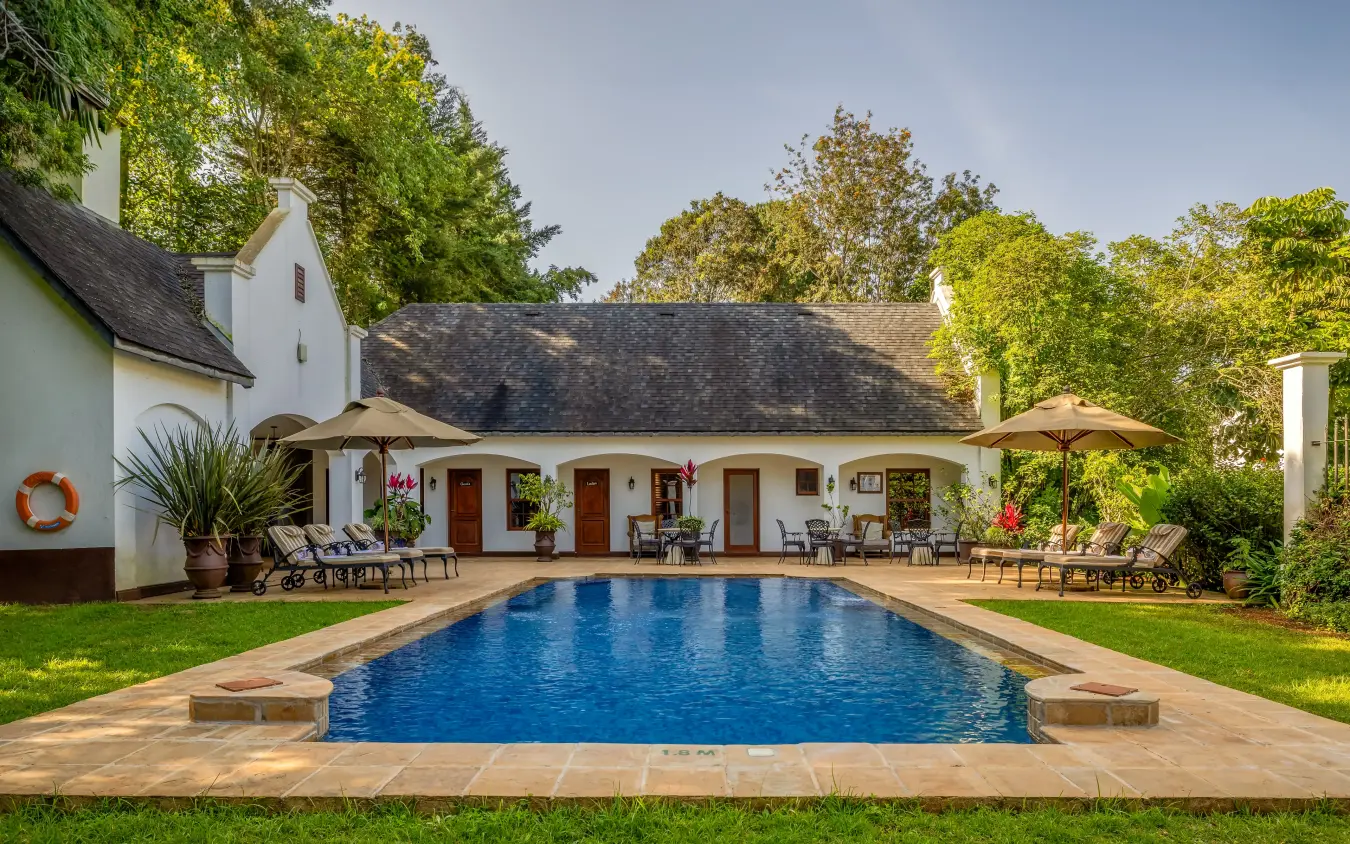
The northern circuit begins with a single night on the lower slopes of Mount Meru, a chance to settle after the flight before the drives to the parks. The estate here is a century-old working coffee farm, and you can walk the rows, watch the beans pulped and dried, and taste the roast. Twelve cottages sit among tropical gardens where dik-dik wander and the mornings fill with birdsong. Legendary Lodge is built around exactly this, the single night at either end of a safari, with transfers met and arrivals handled without fuss.
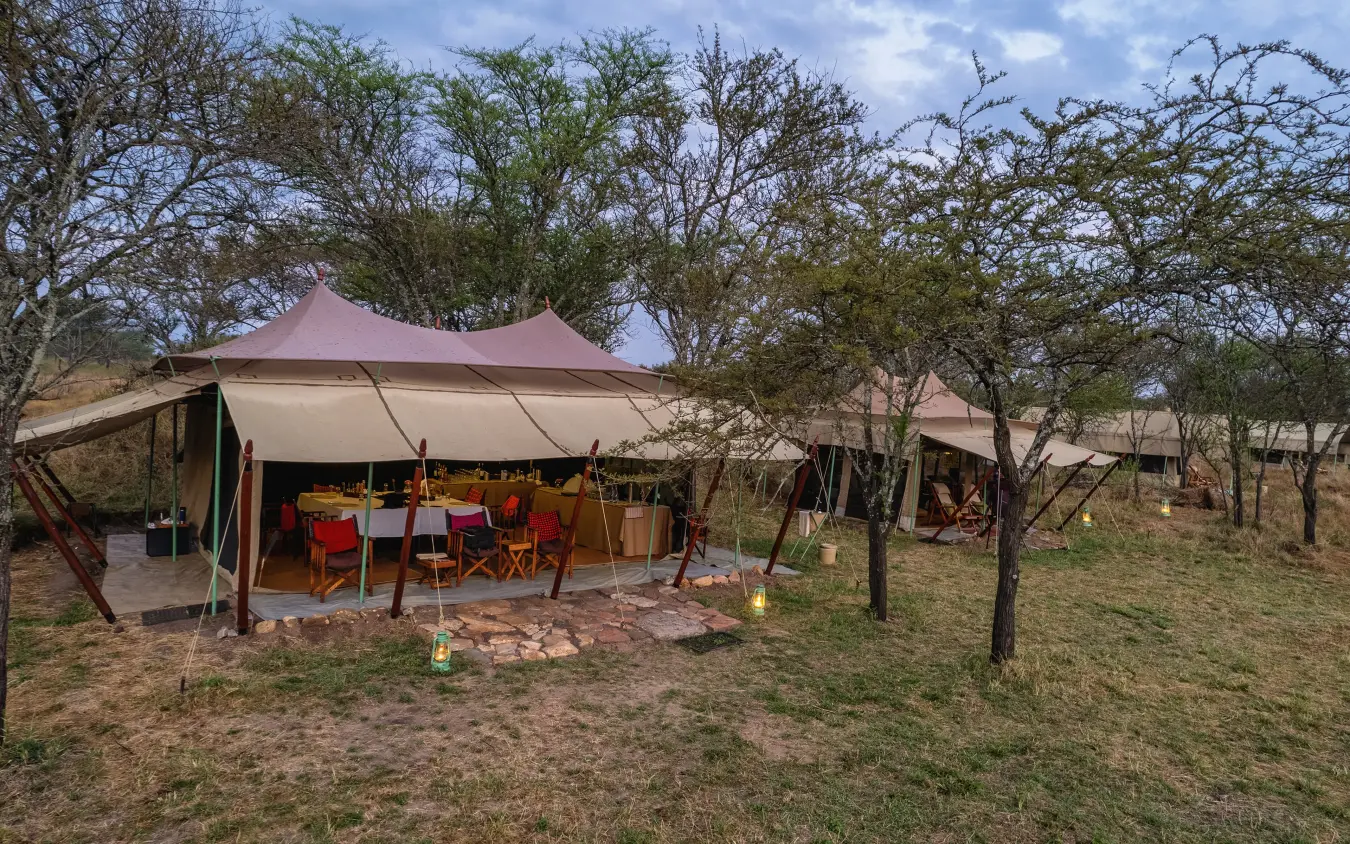
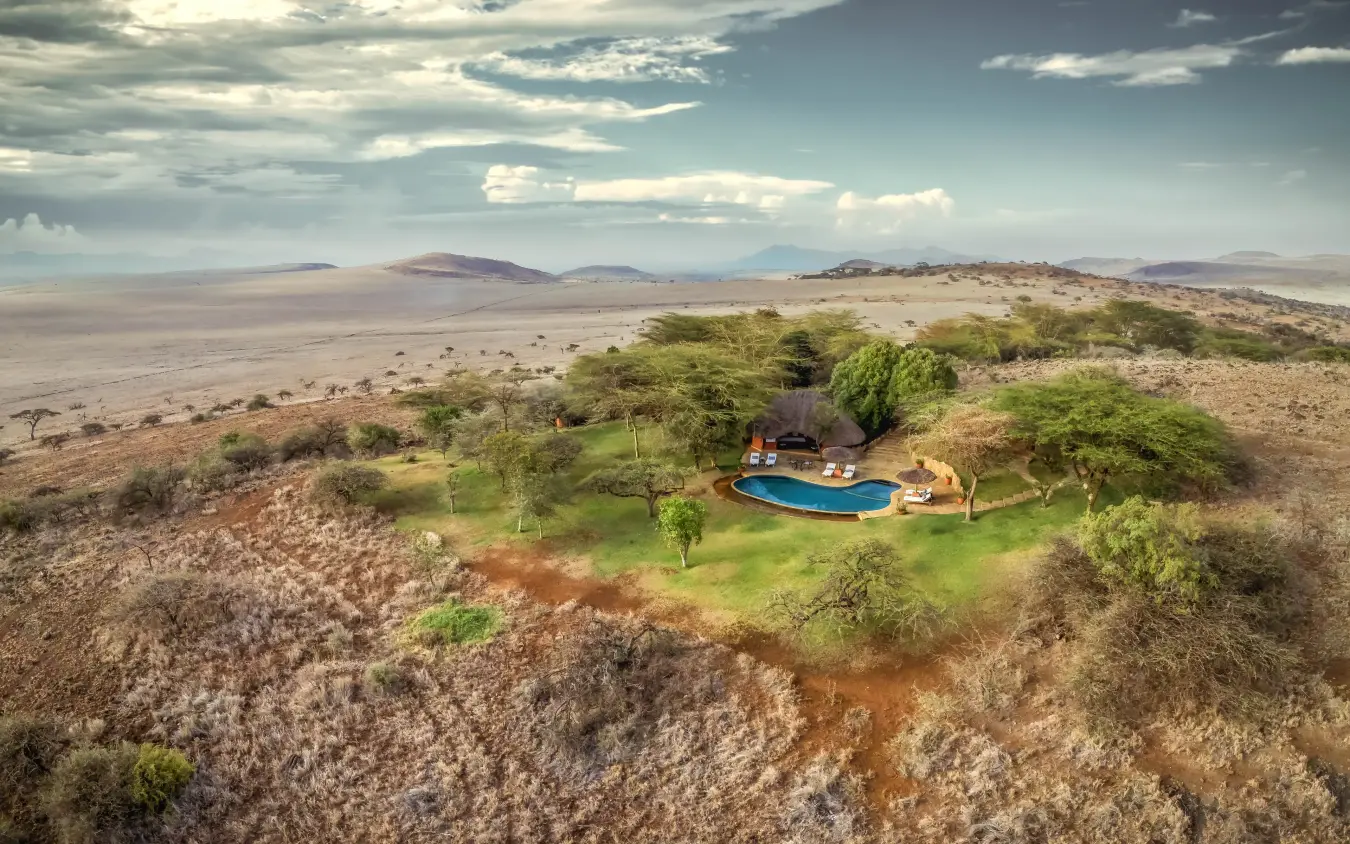
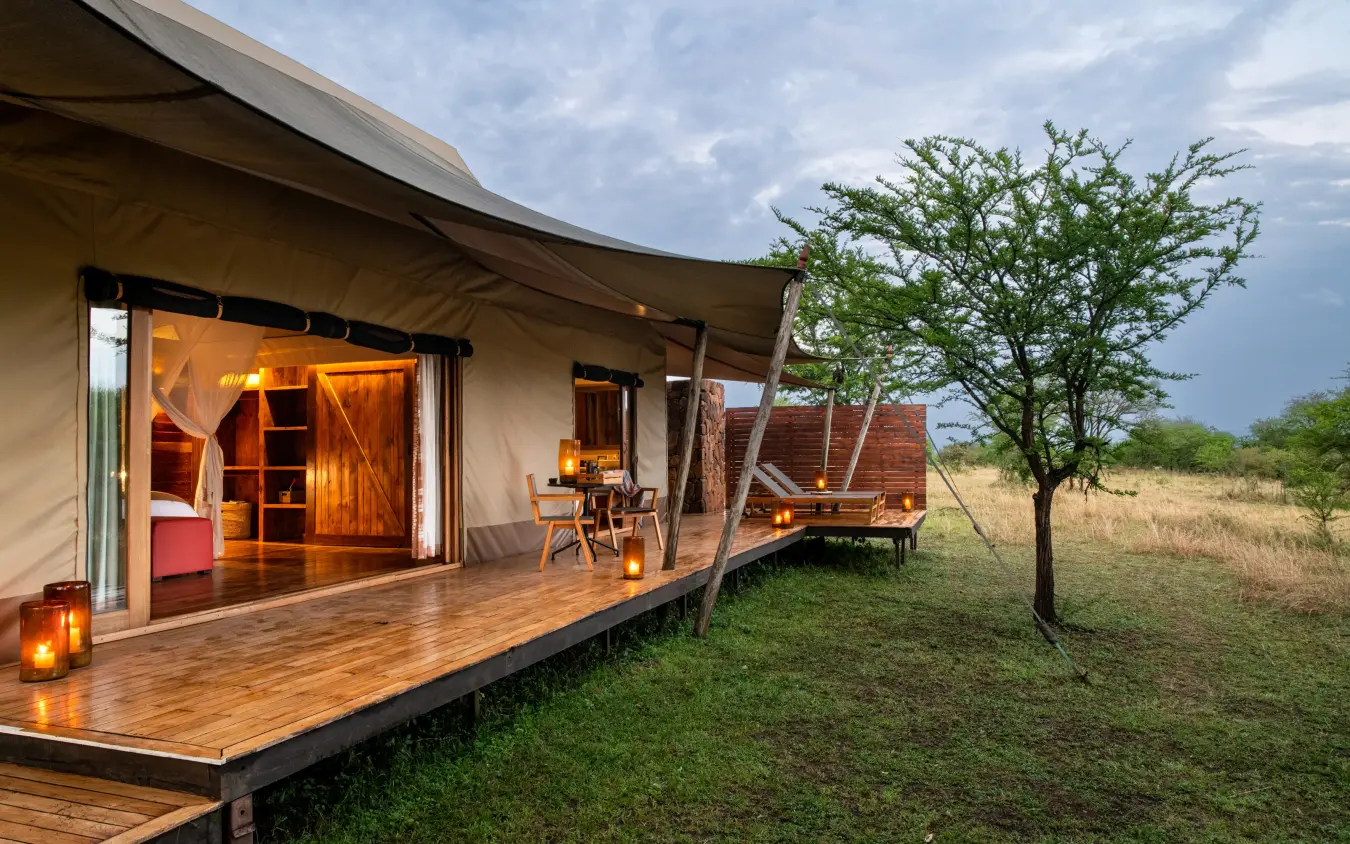
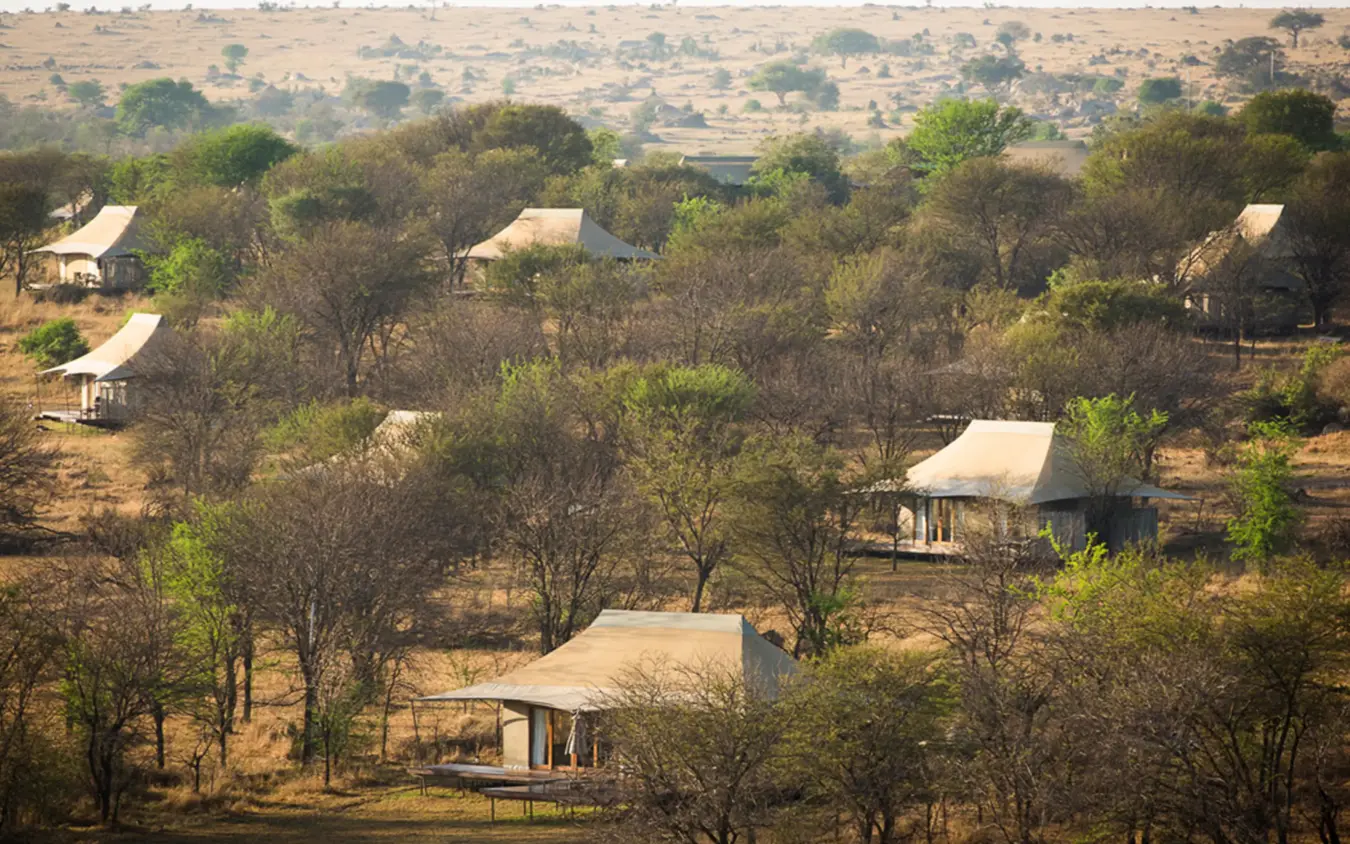
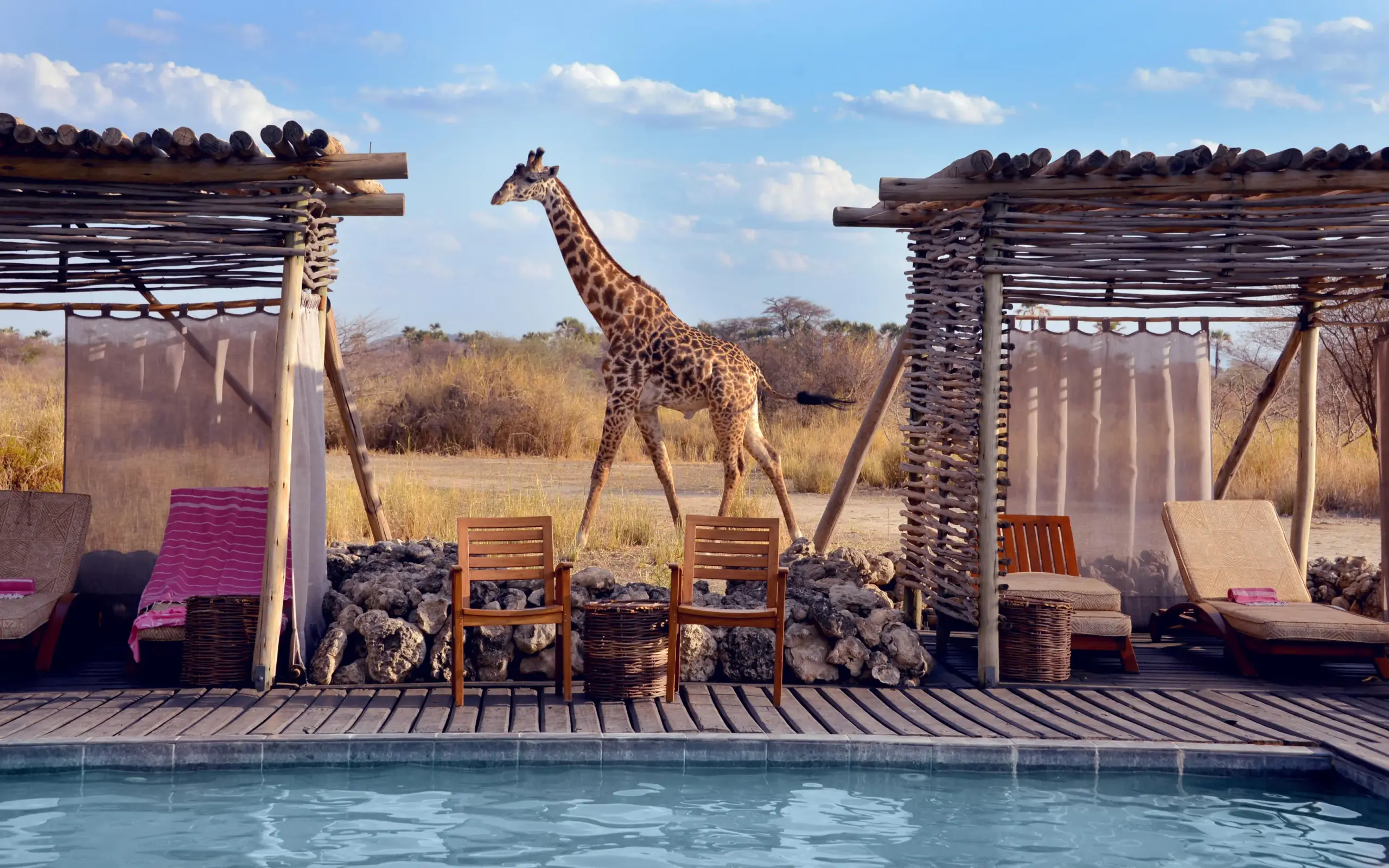
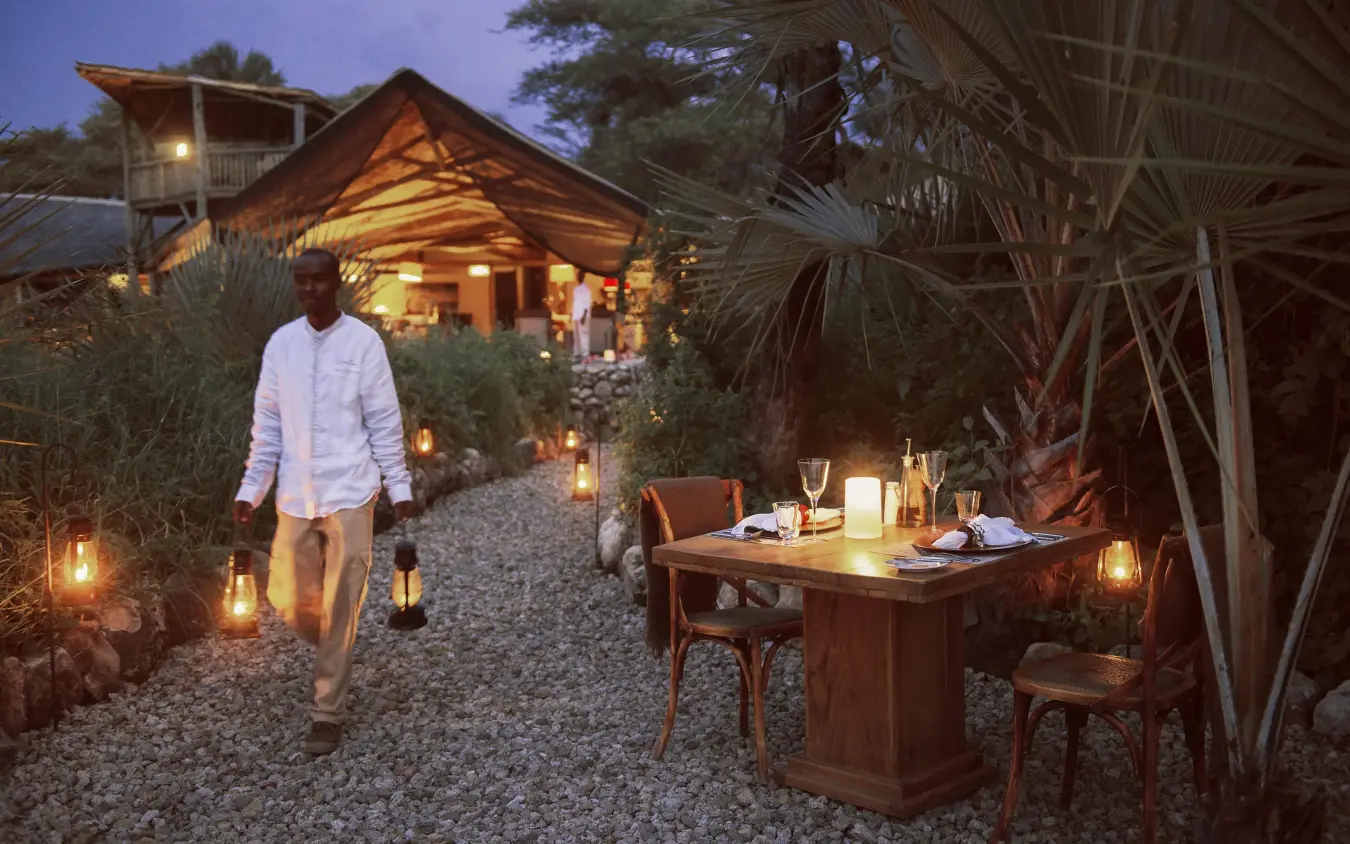
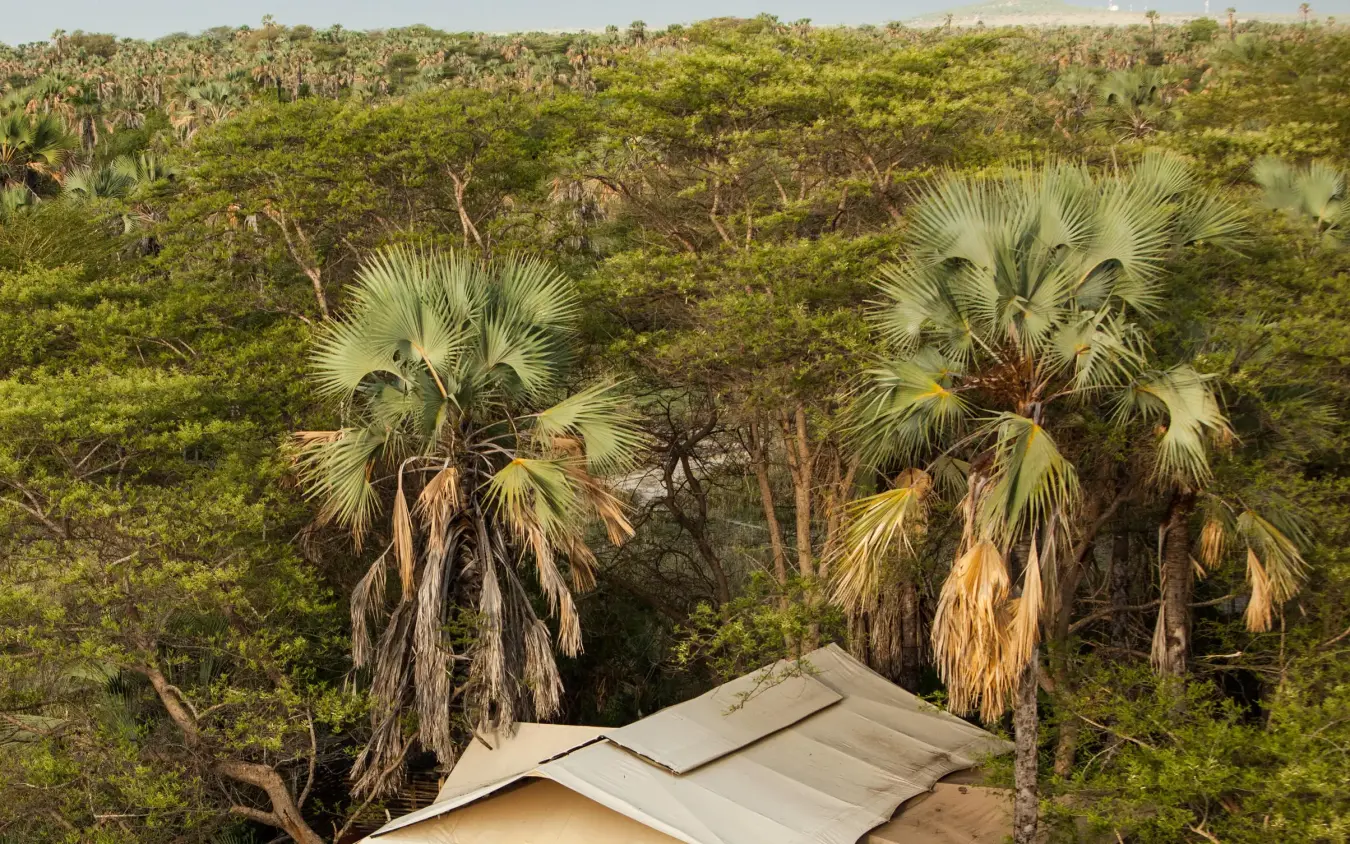
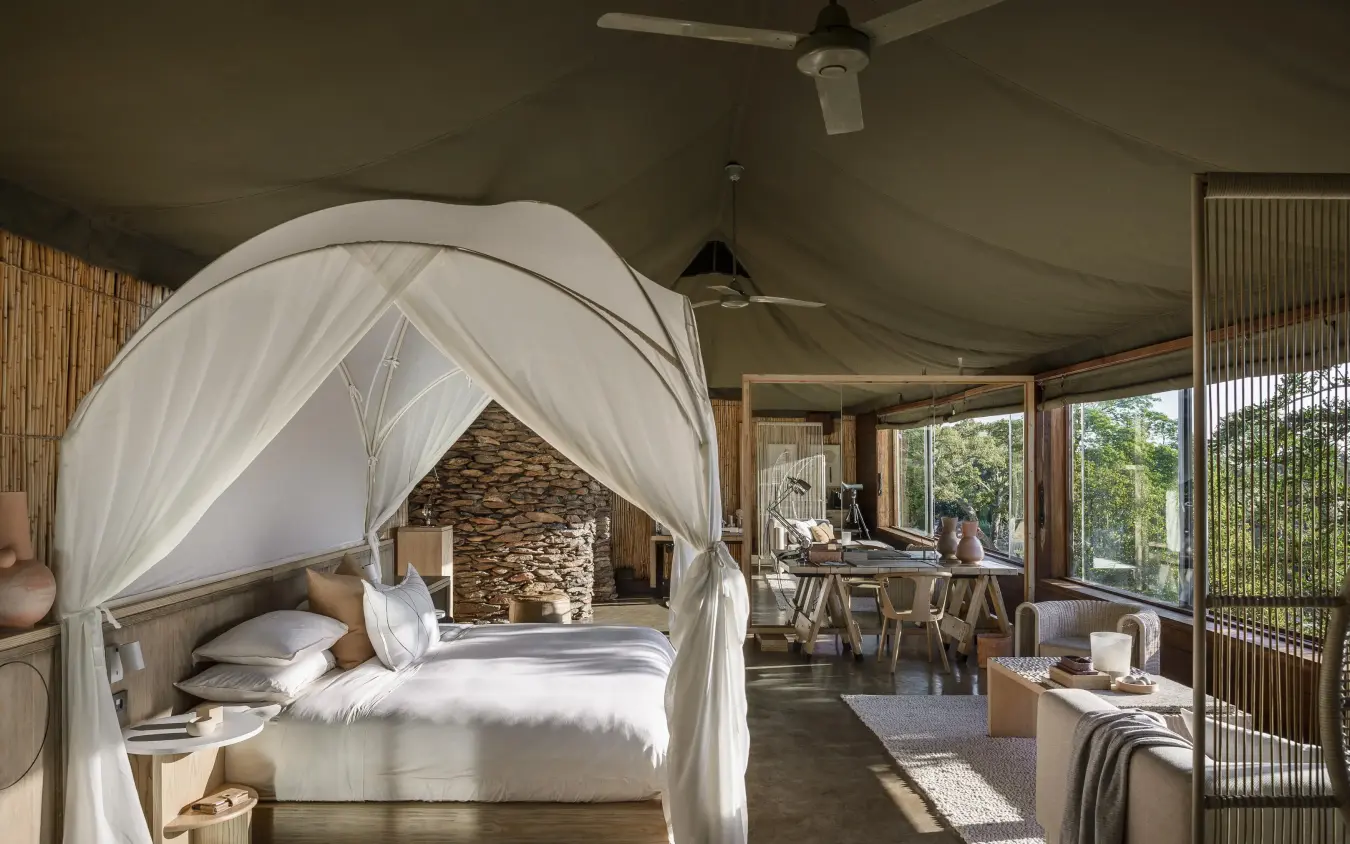
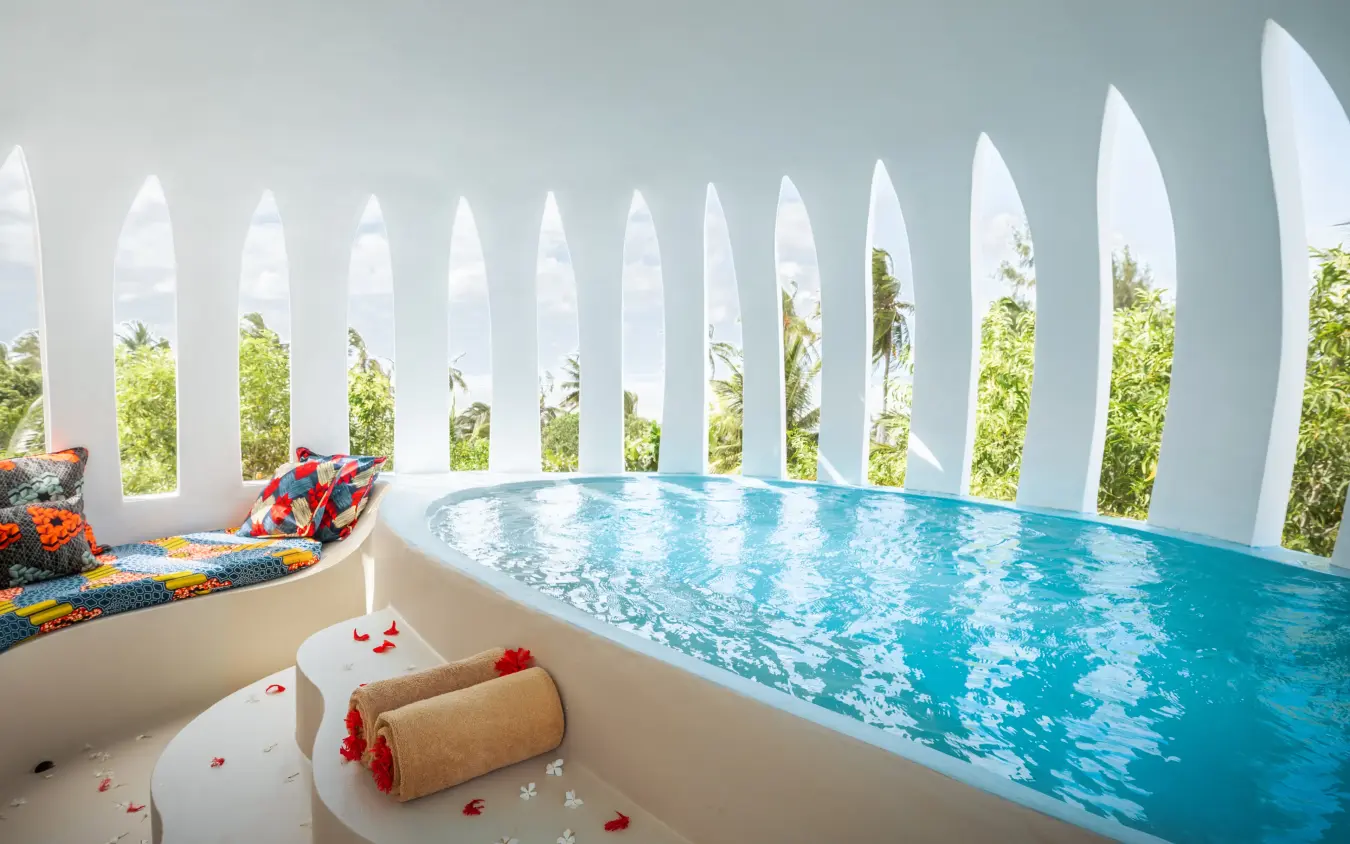
A drive west brings you to the Burunge Wildlife Management Area, some 283 square kilometres of community conservation land in the Kwakuchinja corridor between Tarangire and Lake Manyara. This is a slow safari built around long breakfasts, guided walks and sundowners on the lakeshore, with giraffe and zebra grazing within sight and a waterhole drawing game through the day. Guides track on foot and run night drives straight from the camp, while full days by 4x4 head into Tarangire and Lake Manyara. Chem Chem Lodge holds eight tented suites on stone plinths, spaced well apart, looking across palm islands toward the lake.
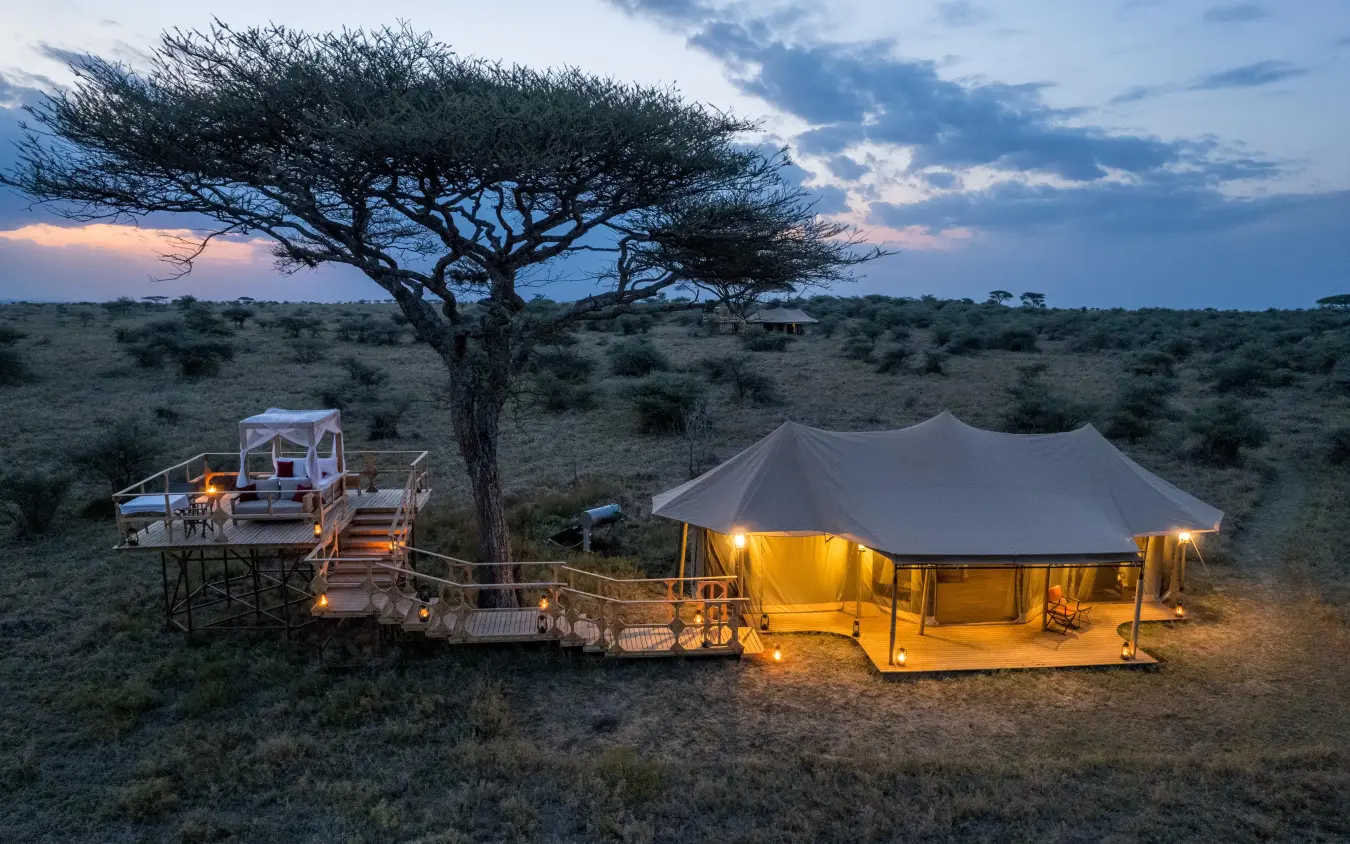
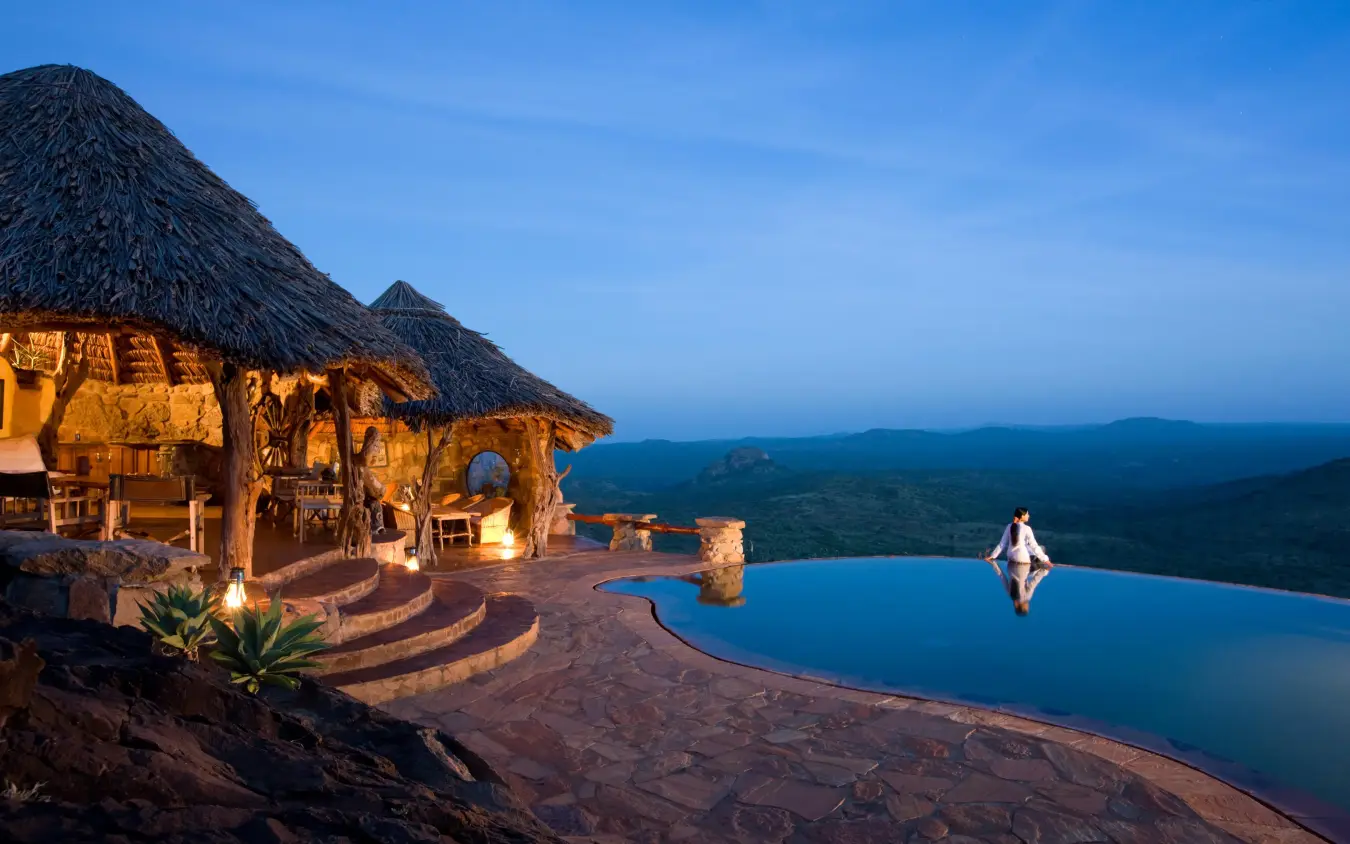
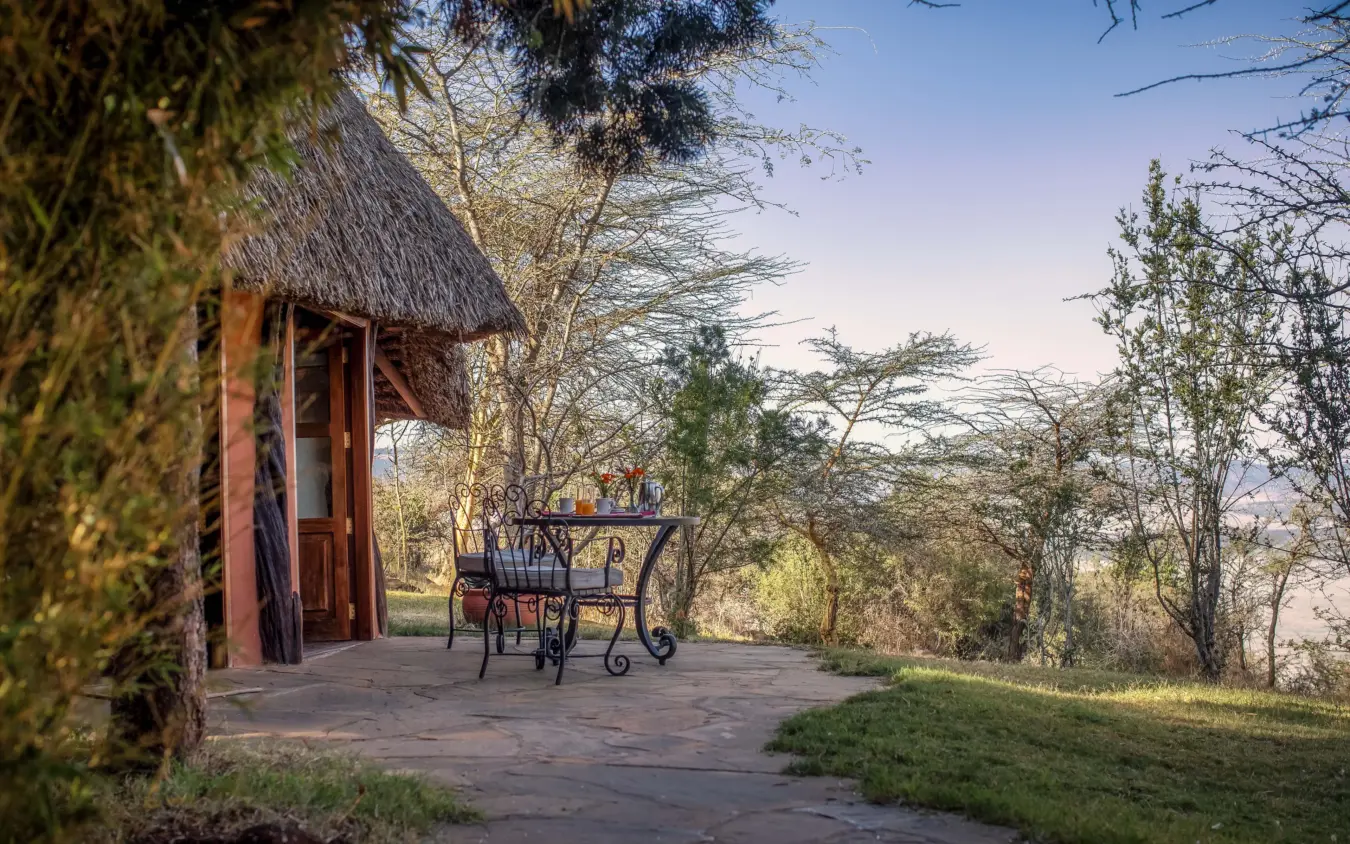
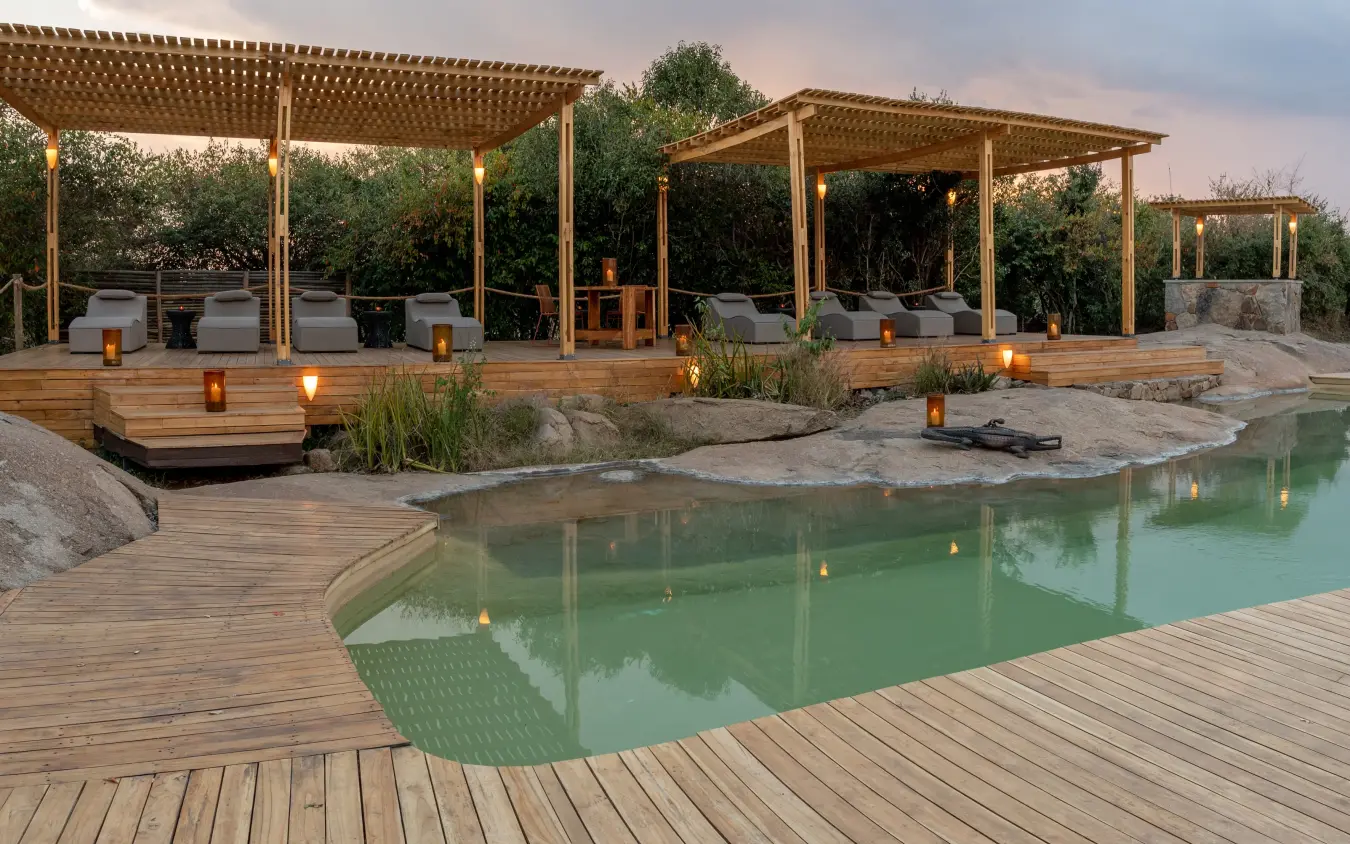
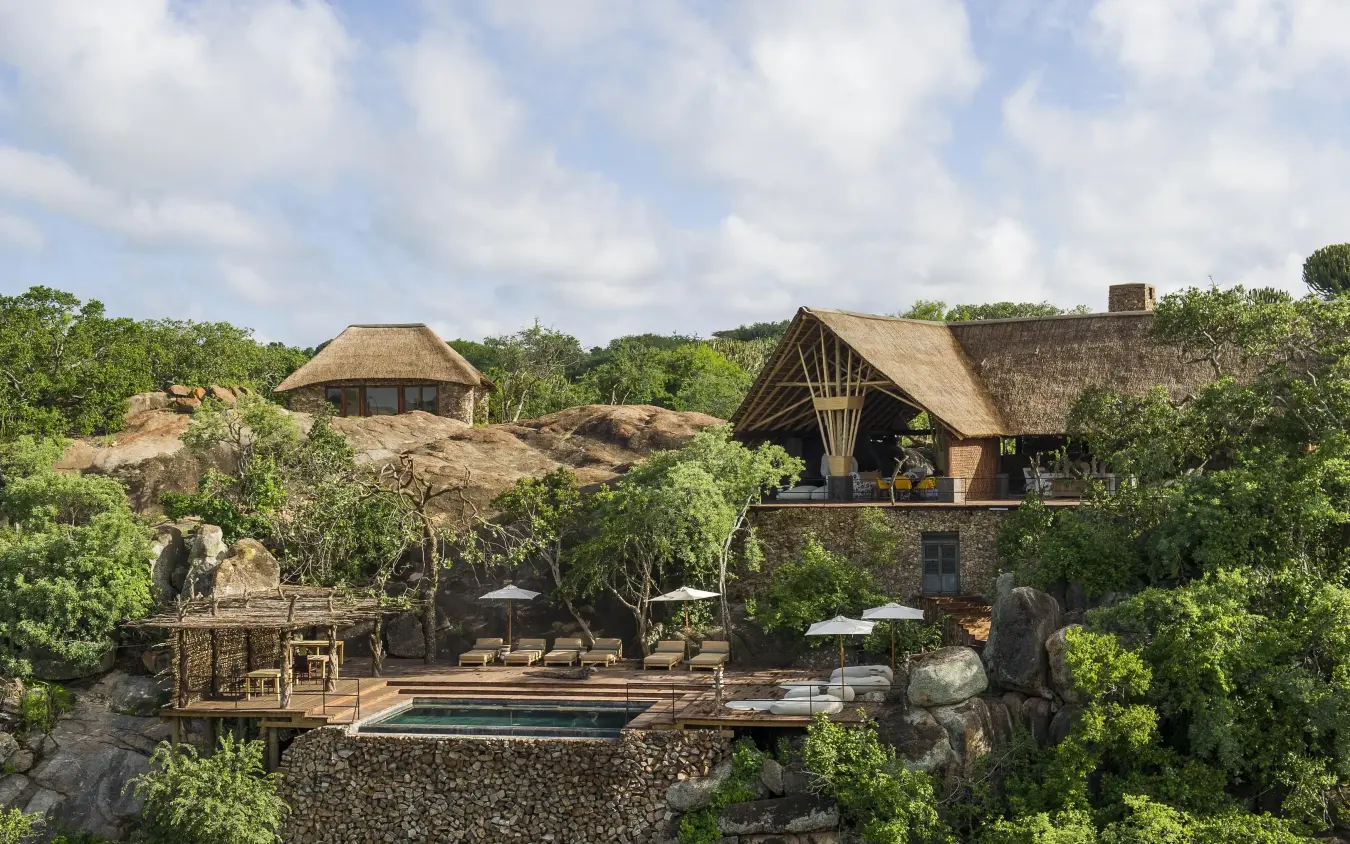
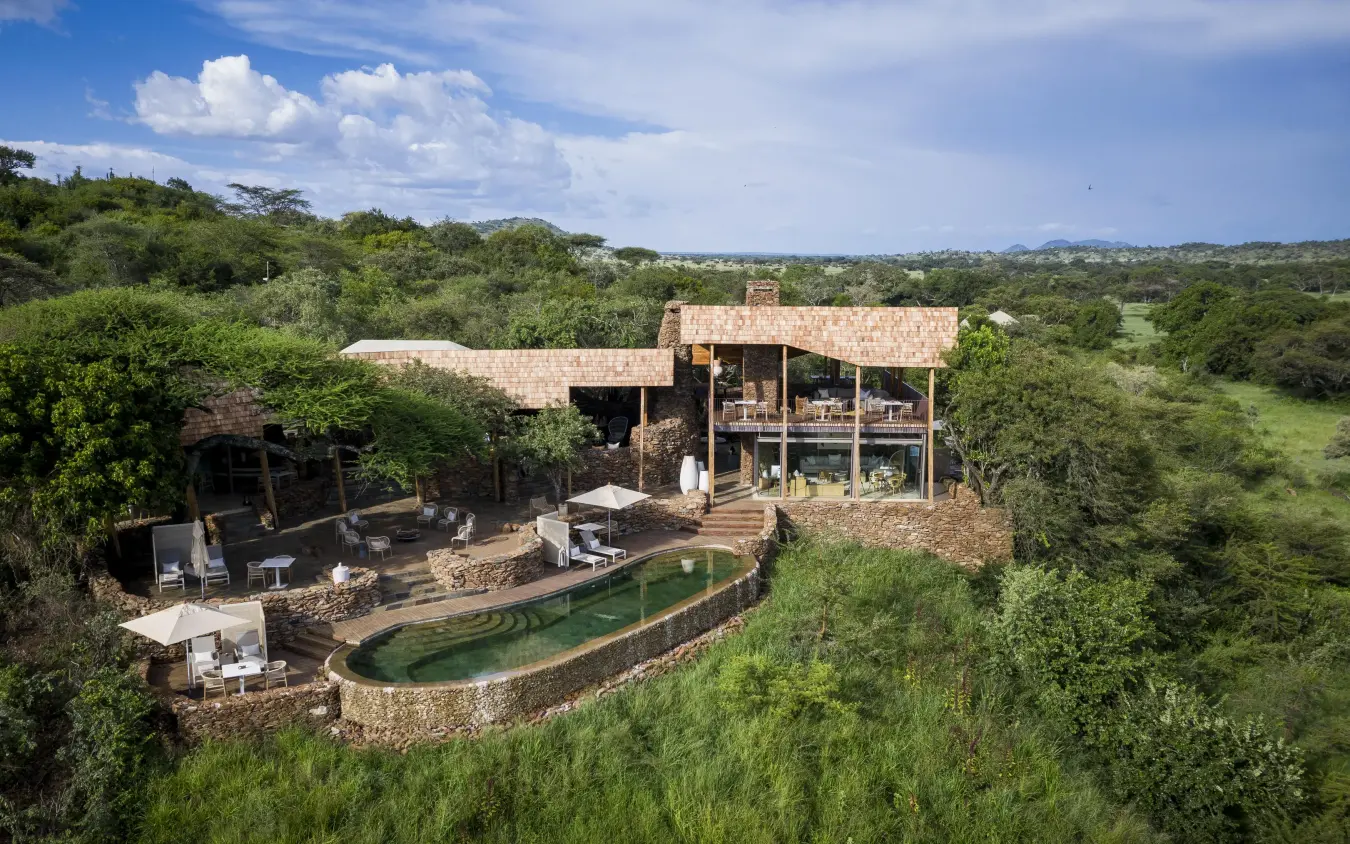
North again to a private reserve on the southern boundary of the Serengeti. Every booking comes with a private guide and vehicle, along with guided walks and night drives on the reserve, and you can walk with the Hadza on their foraging walks. Springs hold wildlife through the year, and from January to March the wildebeest calving draws great numbers into the southern Serengeti. Mwiba Lodge sets ten suites into granite boulders above the Arugusinyai gorge, stepping down the slope on wooden walkways toward the waterholes below.
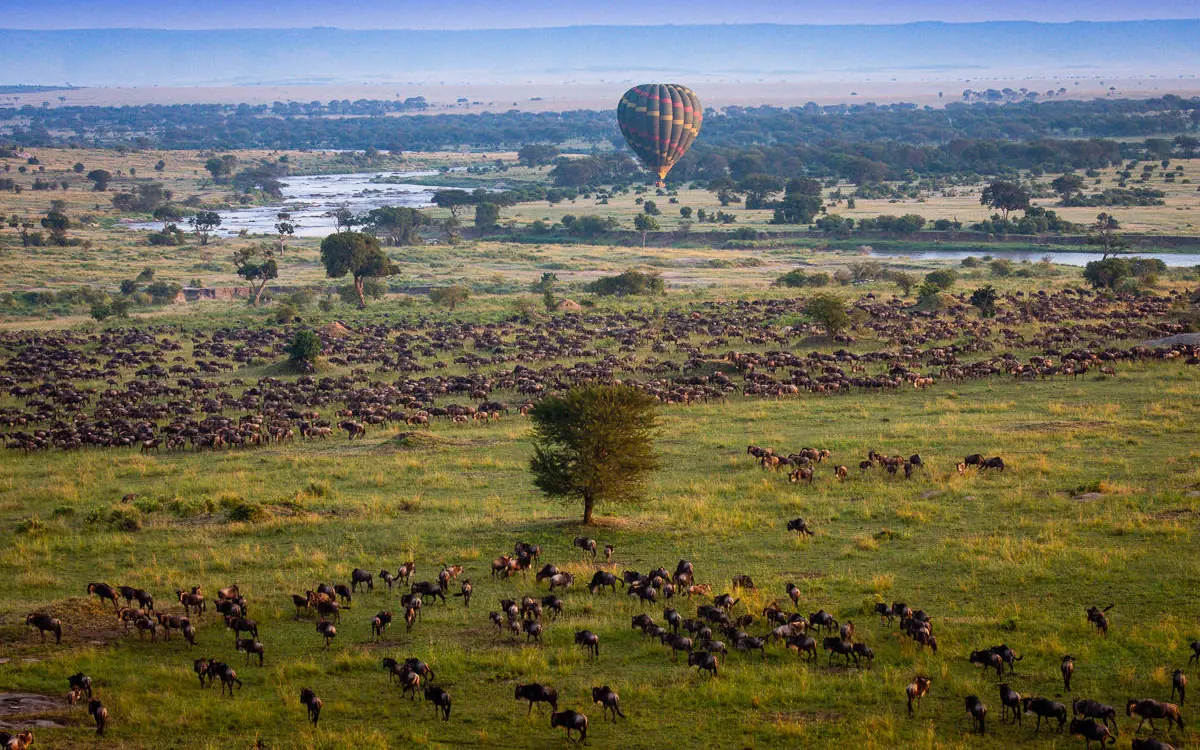
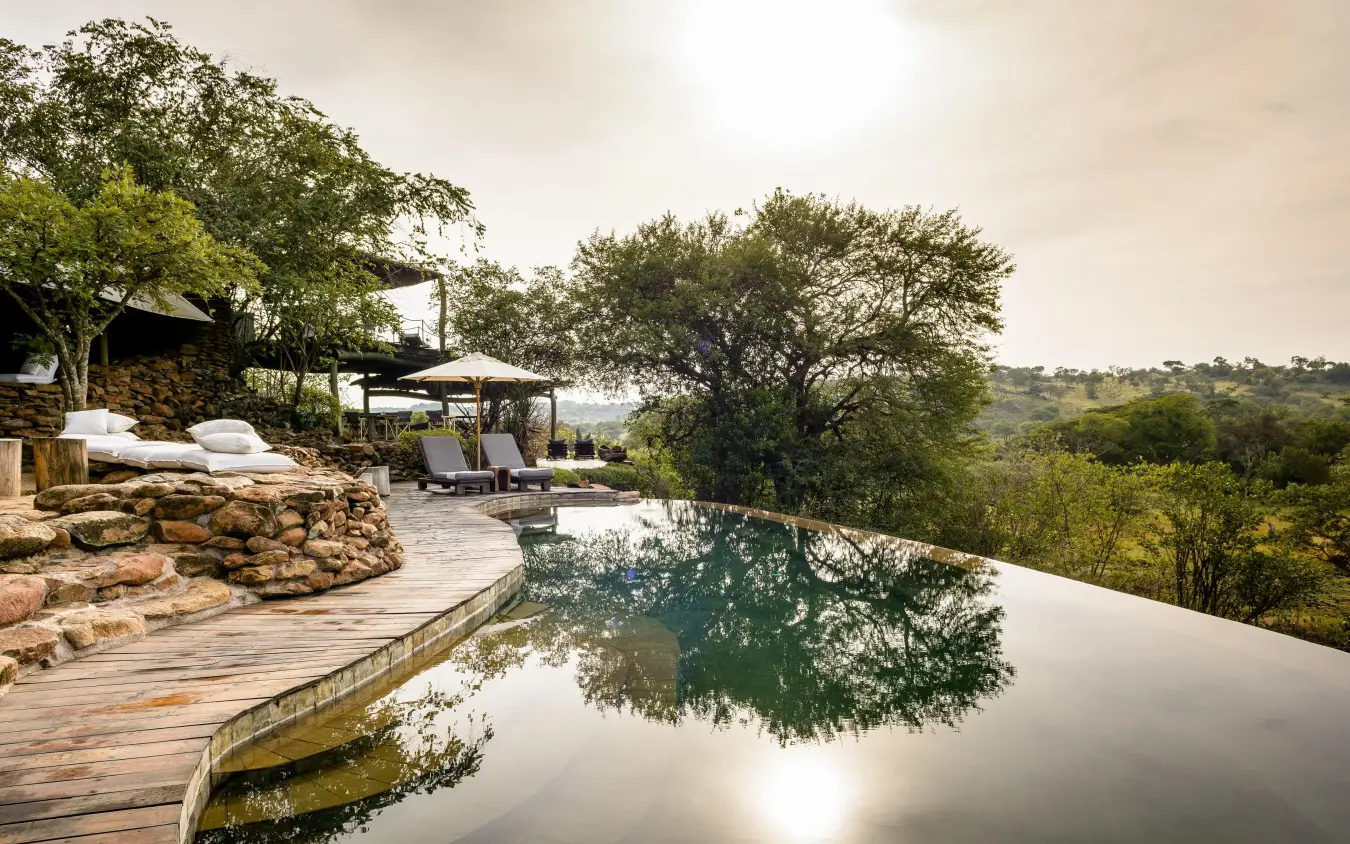
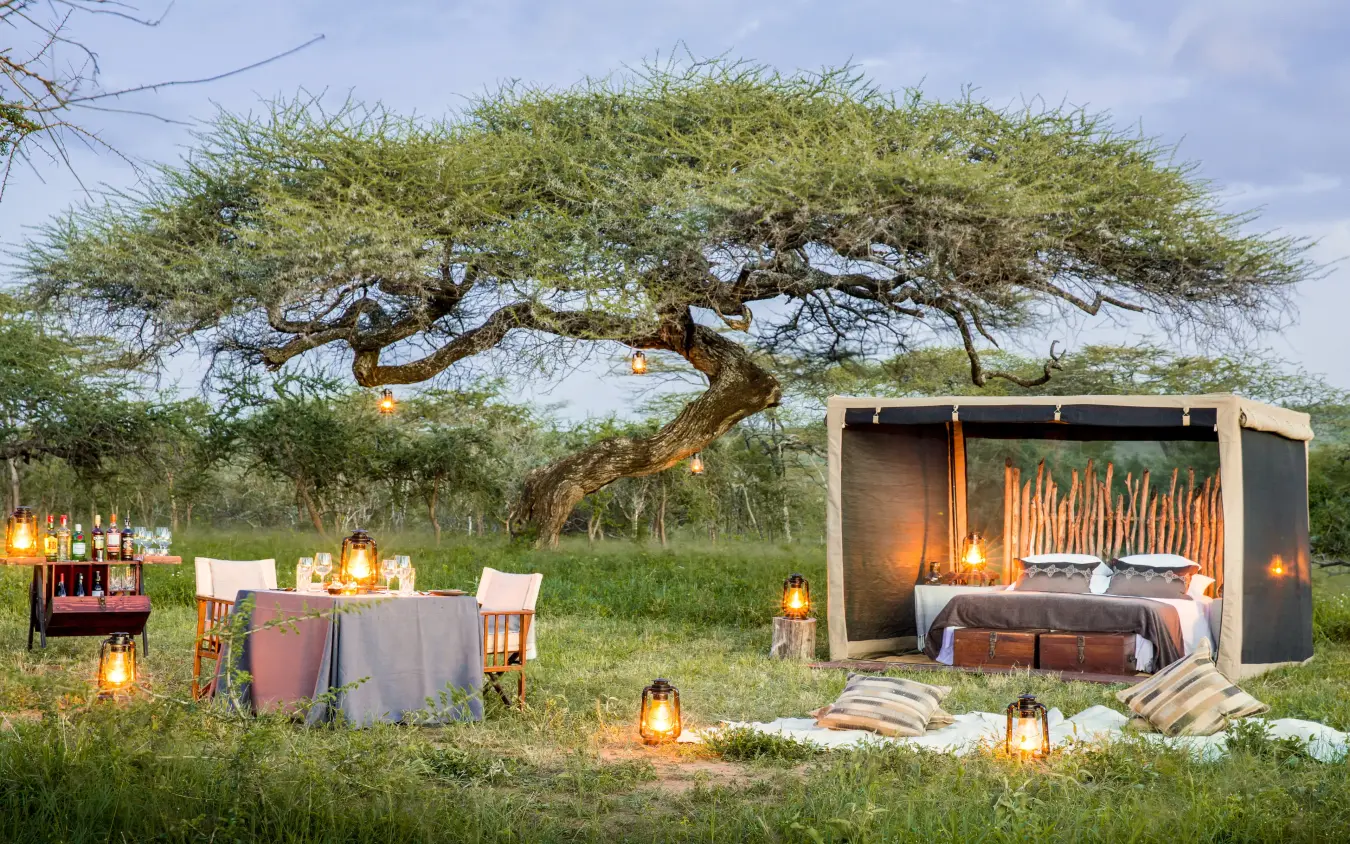
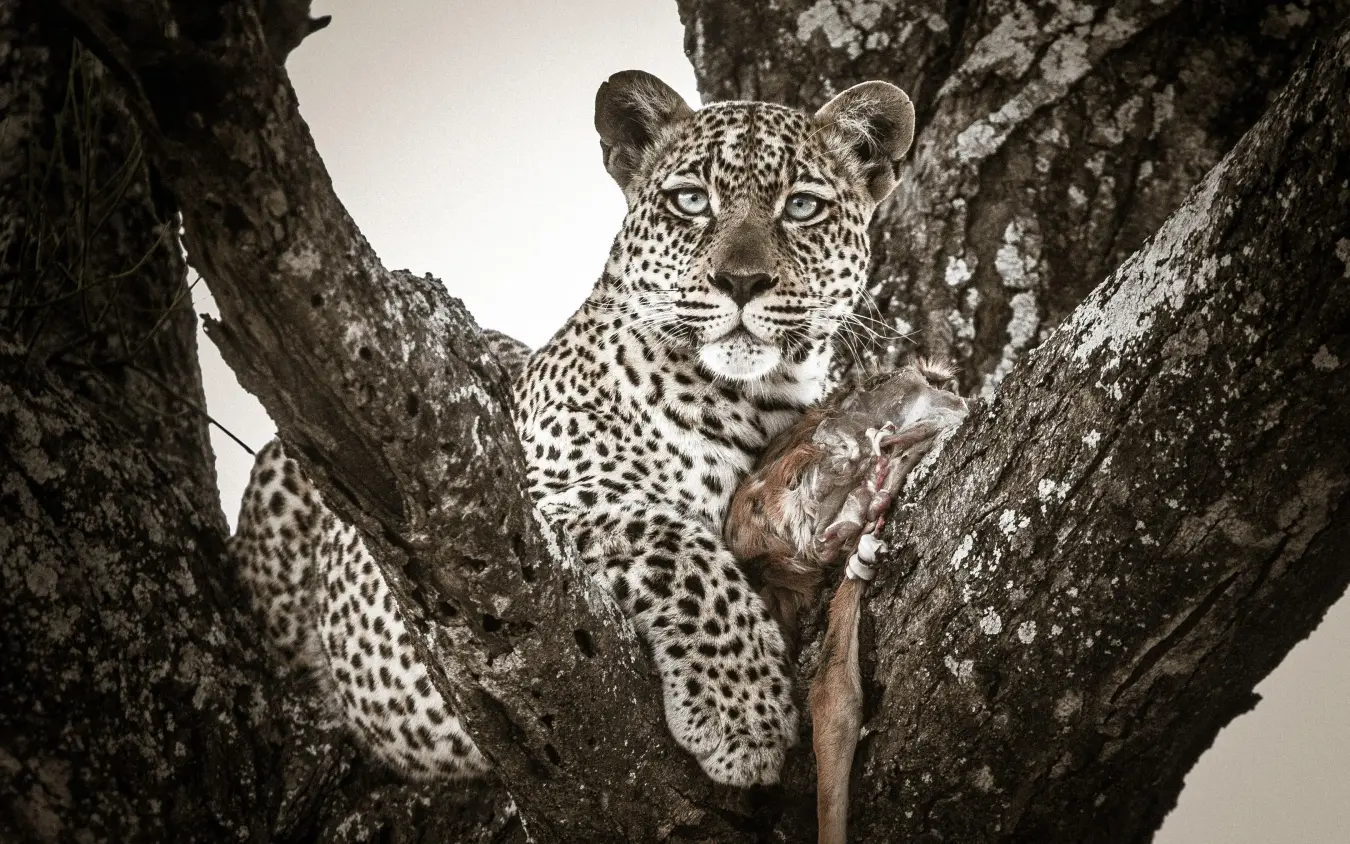
The trip finishes deep inside a 350,000-acre private reserve on the western side of the Serengeti, along the corridor the wildebeest migration presses through in their thousands between roughly June and August. Mornings begin on foot with a walking guide, and the vehicles can leave the track to follow a leopard or stay with a lion pride long after dark. In 2019 the Grumeti Fund returned critically endangered Eastern black rhino to this ground, and lion, cheetah, hyena, buffalo and elephant hold healthy numbers. Faru Faru curves around a waterhole on the Grumeti River, its interiors in bone, ivory and clay, with meals laid out on decks over the water.
On the right dates yes, but the two places this route touches the herds are roughly half a year apart.
Mwiba lies on the southern boundary of the Serengeti, and from about January to March the wildebeest gather on the short-grass plains beyond it to calve, with the middle of February the peak of the births. Grumeti sits in the western corridor, where the herds usually mass around June before pressing north.
So a January to March trip is built around calving and a mid-year one around the corridor, and the months in between put the animals somewhere else entirely. Timing follows the rain and moves from one year to the next, so nobody can pin it to a week.
The rest of the route does not depend on the herds at all: Burunge, Mwiba and Grumeti all hold resident game through the year.
Less than is often implied, and the real differences are worth knowing before you pay for them.
Night driving is the clearest. Tanzania's park authority licenses drives after dark in Tarangire, Lake Manyara, Ruaha, Katavi and Nyerere among others, and not in the Serengeti, so a night drive on the reserve at Mwiba is doing something the park on its boundary cannot.
Walking is the one people get wrong. The national parks do allow it, with an armed ranger, a park fee and a minimum age of twelve, so on a private reserve the difference is freedom rather than permission: no ranger to book, no fixed hours, and the walk can start at the tent.
The third is the vehicle. Every booking at Mwiba comes with its own guide and 4x4, which means no shared timetable and no queue behind anyone else's plan.
Not likely, and no stay here should be sold on it.
Nine critically endangered Eastern black rhino were moved to the western Serengeti in 2019, the largest single relocation and reintroduction of the subspecies, and they joined one female already living in a protection zone of about 276 hectares.
That is a founder population being rebuilt under guard and close monitoring, not a herd laid on for visitors. The reserve runs to 350,000 acres and the animals are very few, so finding one is luck rather than planning.
If black rhino are the reason you are travelling, the Ngorongoro Crater is the stronger bet in northern Tanzania and we can add a night on the rim. What these three nights do reliably hold is lion, leopard, cheetah, buffalo and elephant.
A morning out foraging at their pace, not a display put on at a set hour.
The Hadza are one of the last hunter-gatherer peoples in East Africa, living around the Lake Eyasi basin and the neighbouring Serengeti plateau. A 2015 estimate put their number at between 1,200 and 1,300, with only around a third still living entirely by foraging, and their language is related to no other.
On the walk the men usually go out with bows for small game and for honey, following honeyguide birds to wild bees' nests, while the women dig tubers and gather berries and greens with digging sticks.
Expect a few hours on rough ground, a lot of watching and waiting, and little commentary beyond what your guide translates. It is offered as part of a stay at Mwiba, so tell us if you would rather leave it out.
Two windows, and they answer different questions.
July to October tops our ratings everywhere on this route: dry air, thin bush, the big Tarangire herds back at the river and game easy to find on all three reserves.
January and February are the other. The calving happens on the plains beyond Mwiba, with February the height of the births, and Burunge is green and quiet then.
June is a useful in-between month, drier than the green weeks and quieter than August, though Tarangire and the Serengeti still have some way to go.
The stretch to avoid is the long rains from March to May, which we rate as the weakest almost everywhere on this route: the Burunge lodge closes from early April to the middle of May, and Tarangire's game scatters once there is water everywhere.
As the sample route is written you travel in open 4x4s, and two of the legs are long days on the ground.
Arusha out to the Burunge concession is the short one. From there the route runs south-west to Mwiba and then north-west to Grumeti, on the far side of the Serengeti, and both of those are full days by road.
All three reserves have their own airstrips, so we can fly either leg as a change to the route: Arusha or Kilimanjaro to Mwiba is usually forty-five minutes to an hour depending on how many strips the aircraft calls at, with about fifteen minutes by game drive to the lodge.
Scheduled light aircraft here work to a 15 kilogram limit per person, hand luggage inside it, in soft bags. We can put a private charter on any of them, normally a Grand Caravan or a Pilatus PC-12.
Ed Charles, BBC Producer
Fitzroy are true specialists in accessing the wilderness. They know where to go and importantly, when to go there. Highly recommended.
tanzania
Ten nights through Arusha, the Ngorongoro highlands and Tarangire's Silale Swamp, closing on Zanzibar's south-east coast.
tanzania & kenya
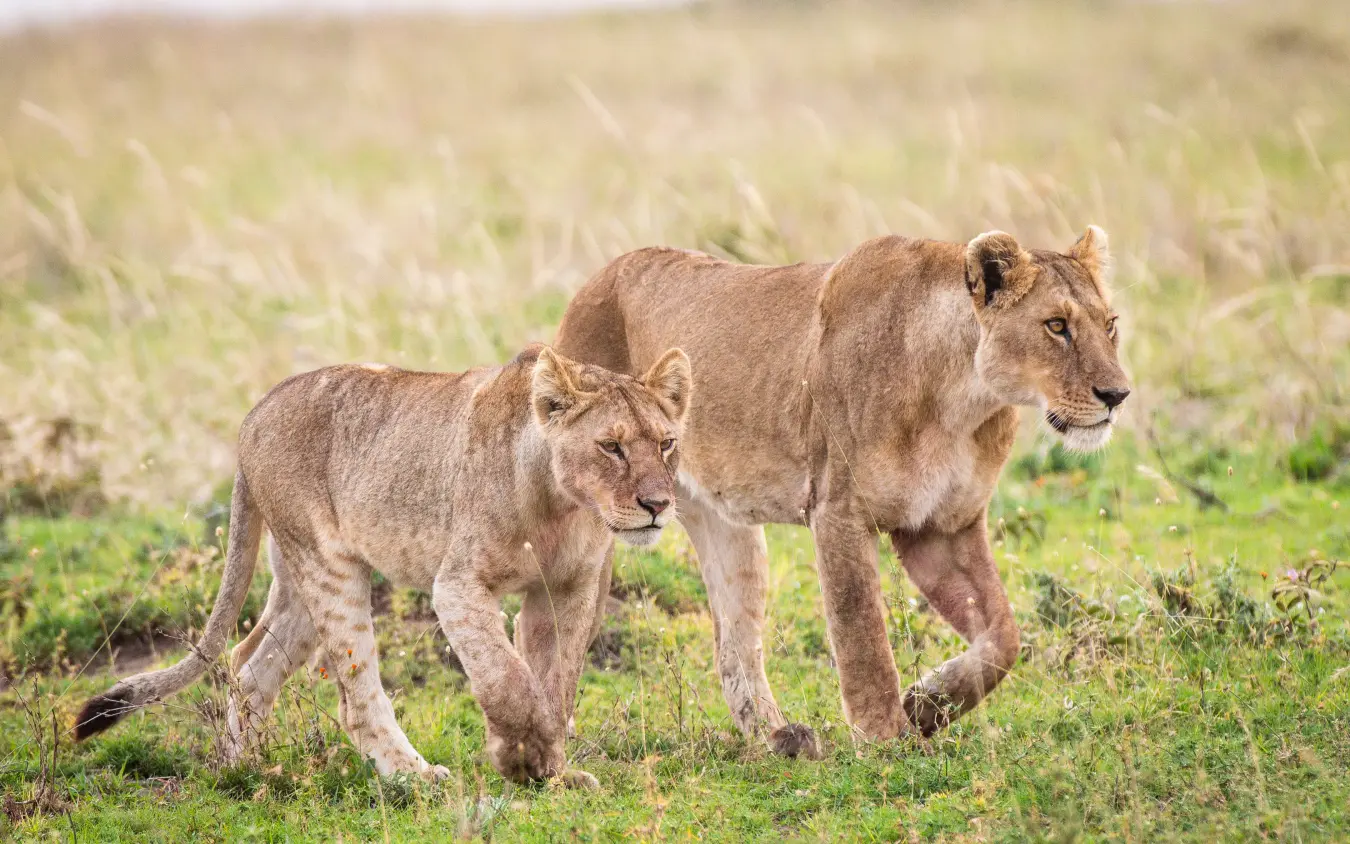
Twenty-one nights from Mount Meru's forest across the Serengeti and Mara to the Laikipia Highlands of northern Kenya.
rwanda & tanzania
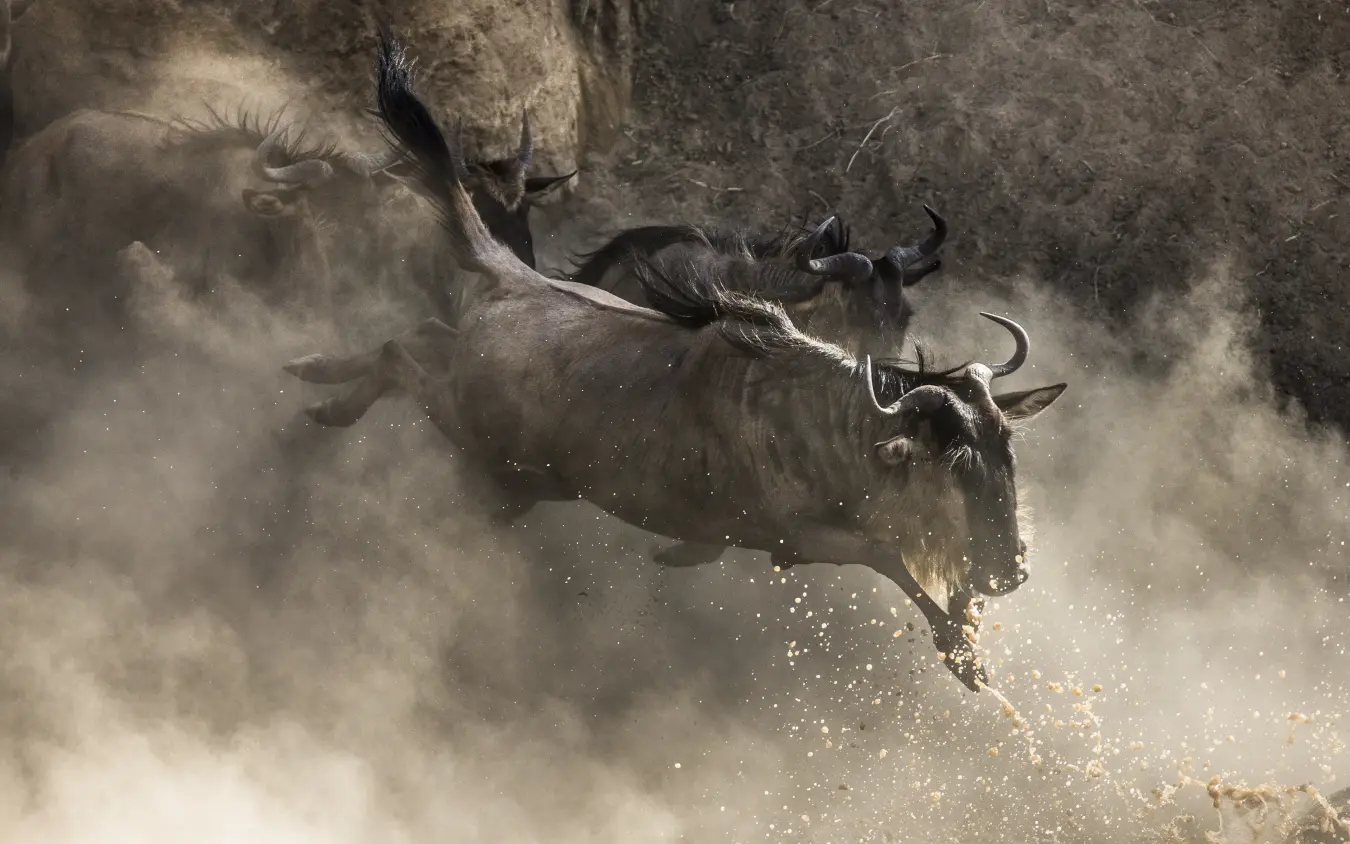
Ten nights linking Rwanda's Virunga gorillas with the far northern Serengeti and the Mara River, via Kigali.
rated five stars by our clients

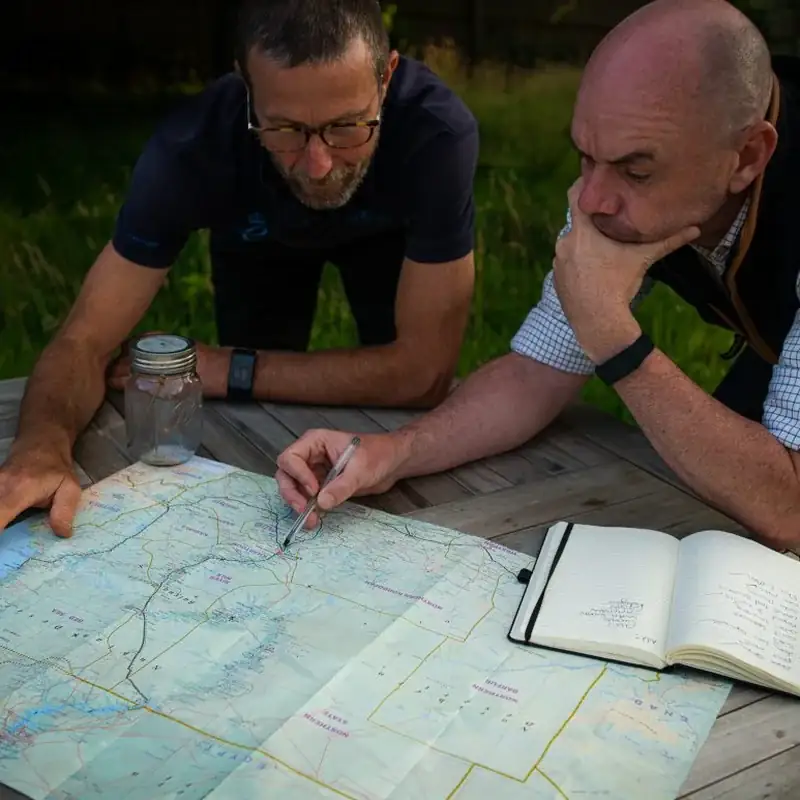
our approach
Every journey starts with a conversation. We take the time to understand your vision before we start planning.
Whether by phone or in person, we work with you directly to shape something that is considered, personal, and expertly delivered.
Every journey starts with a conversation. We favour a direct, personal approach: understanding your vision before anything else.
Whether by phone or in person, we work with you directly to shape a journey that is both thoughtfully considered and expertly delivered.
Get in touch to start planning yours.