











tanzania
chimpanzee tracking
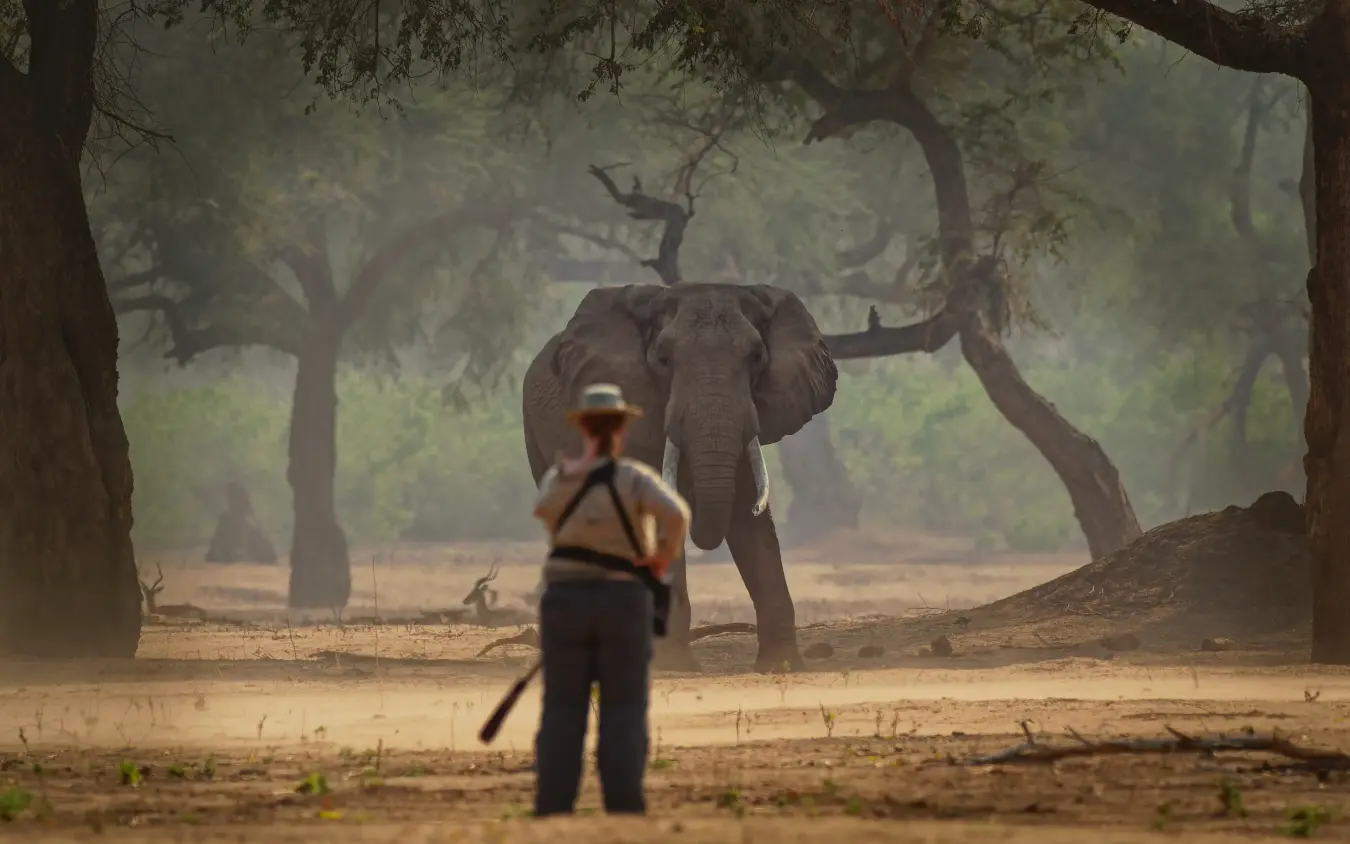
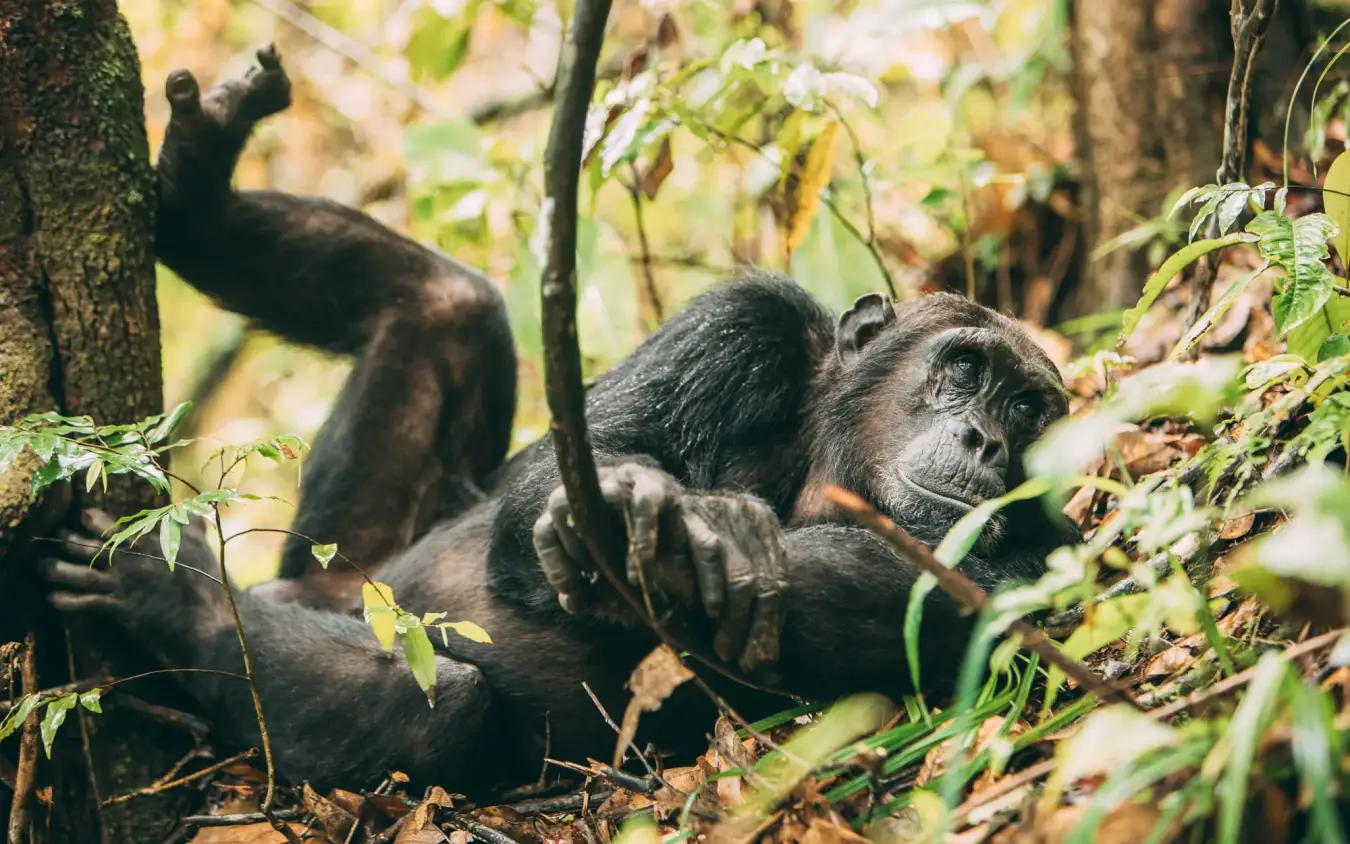
Ten nights across Tanzania's wild south and west: walking Ruaha, Katavi's dry-season game and Mahale's chimpanzees.
- Private Safari
- From $16,326 pp
- 2 guests
- 10 nights
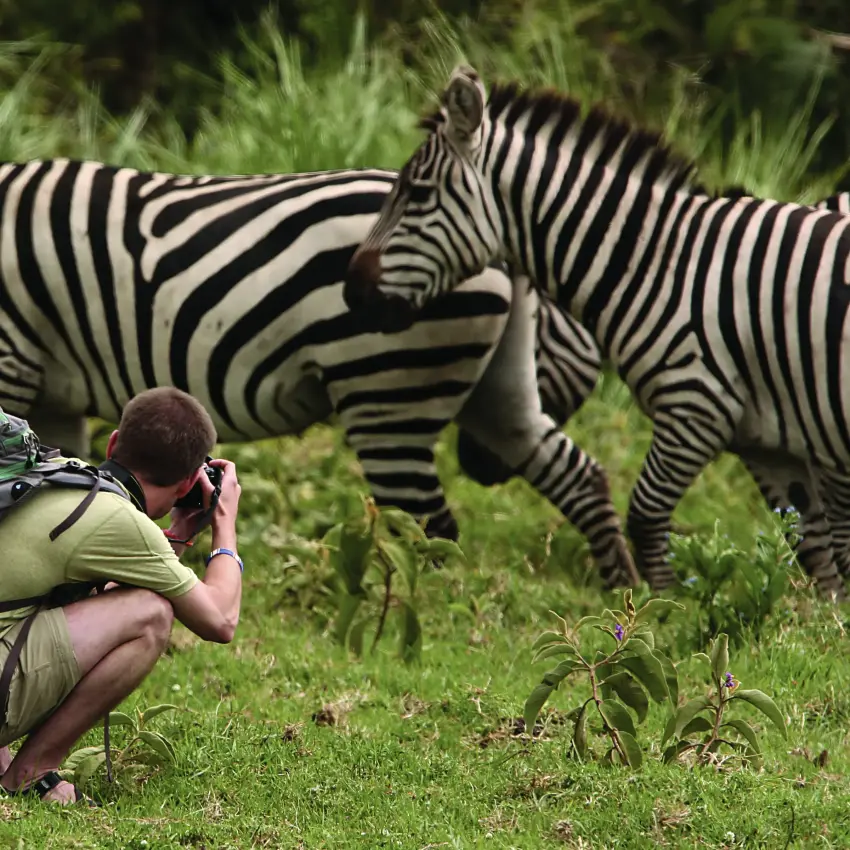
Twelve nights link the north of Tanzania in order, beginning with a single night below Mount Meru at Arusha, then the Lamai Wedge in the far north of the Serengeti, a private reserve on the park’s southern boundary at Mwiba, the coffee slopes of the Ngorongoro Highlands, and the Kwakuchinja corridor between Tarangire and Lake Manyara. Each stretch has its own character, from national park game drives to private-concession walks and a working farm.
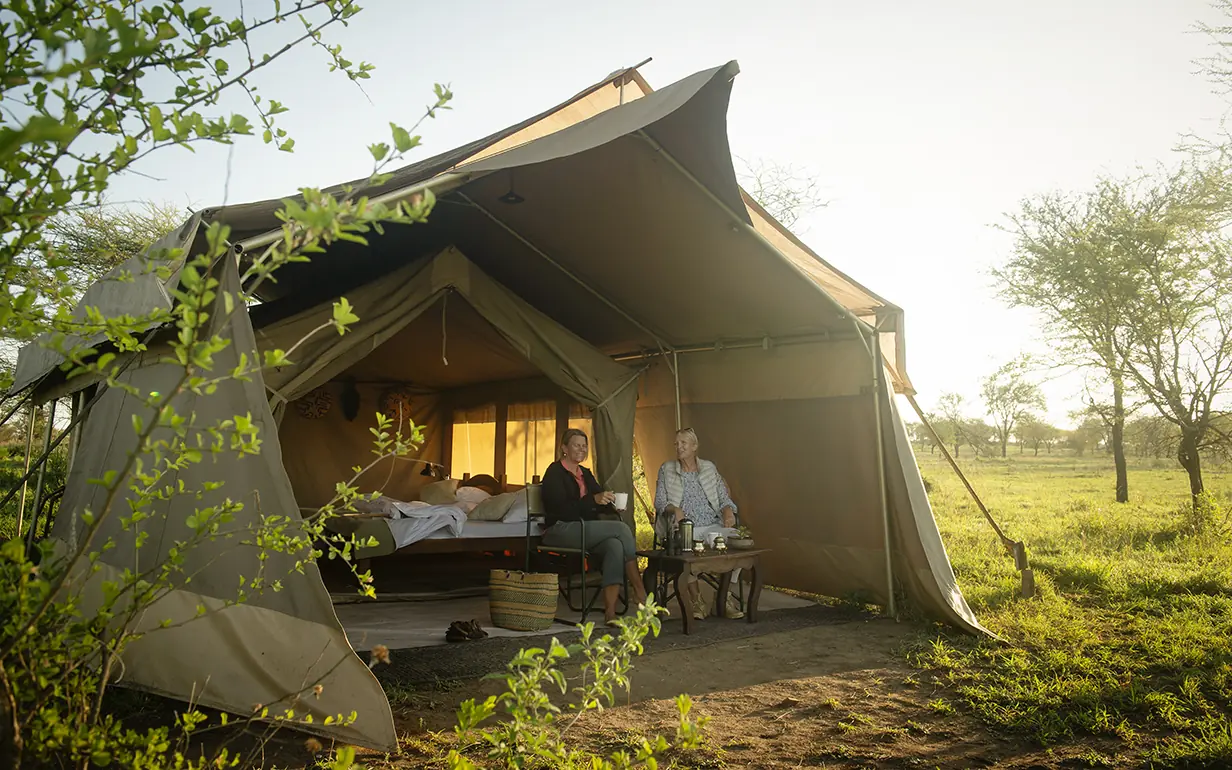
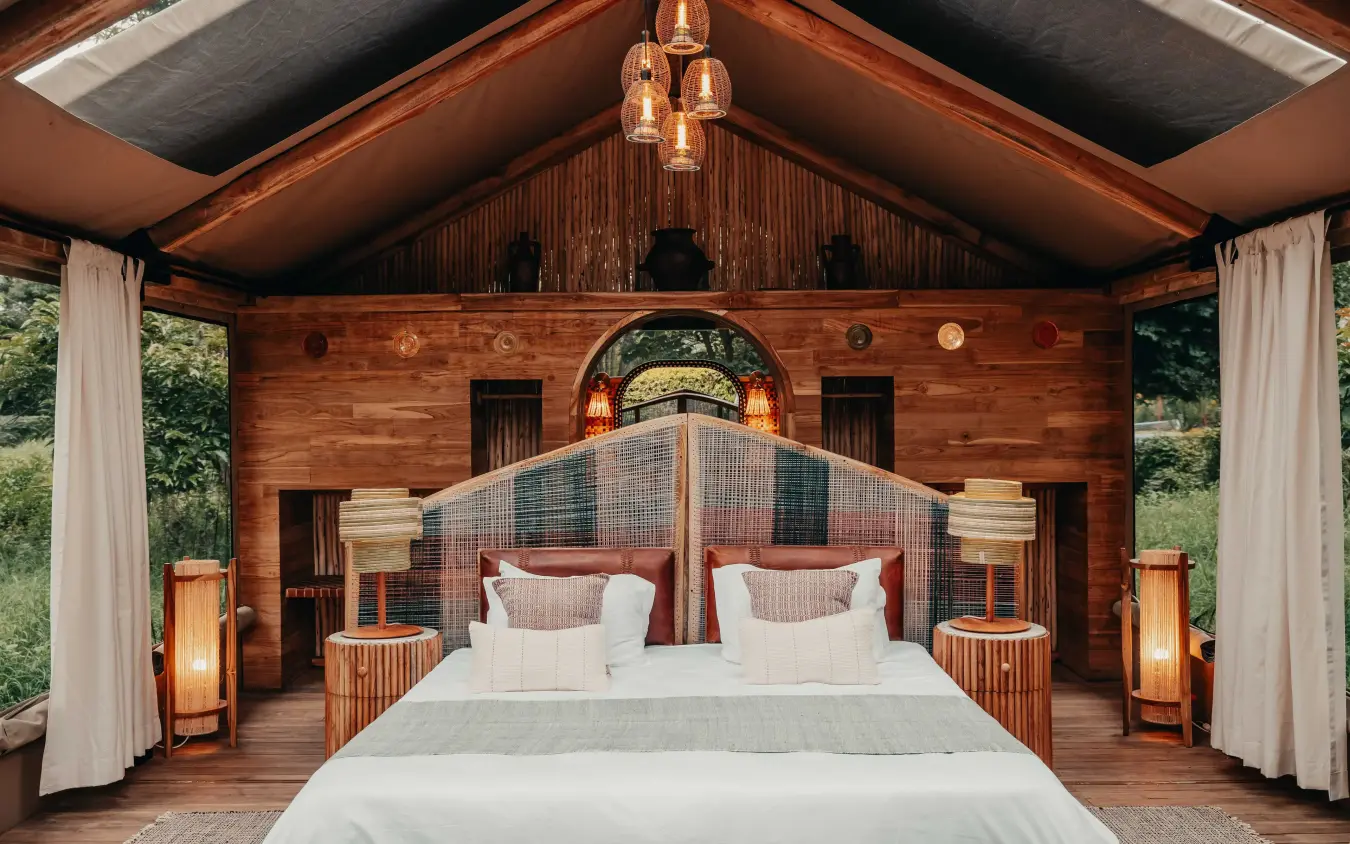
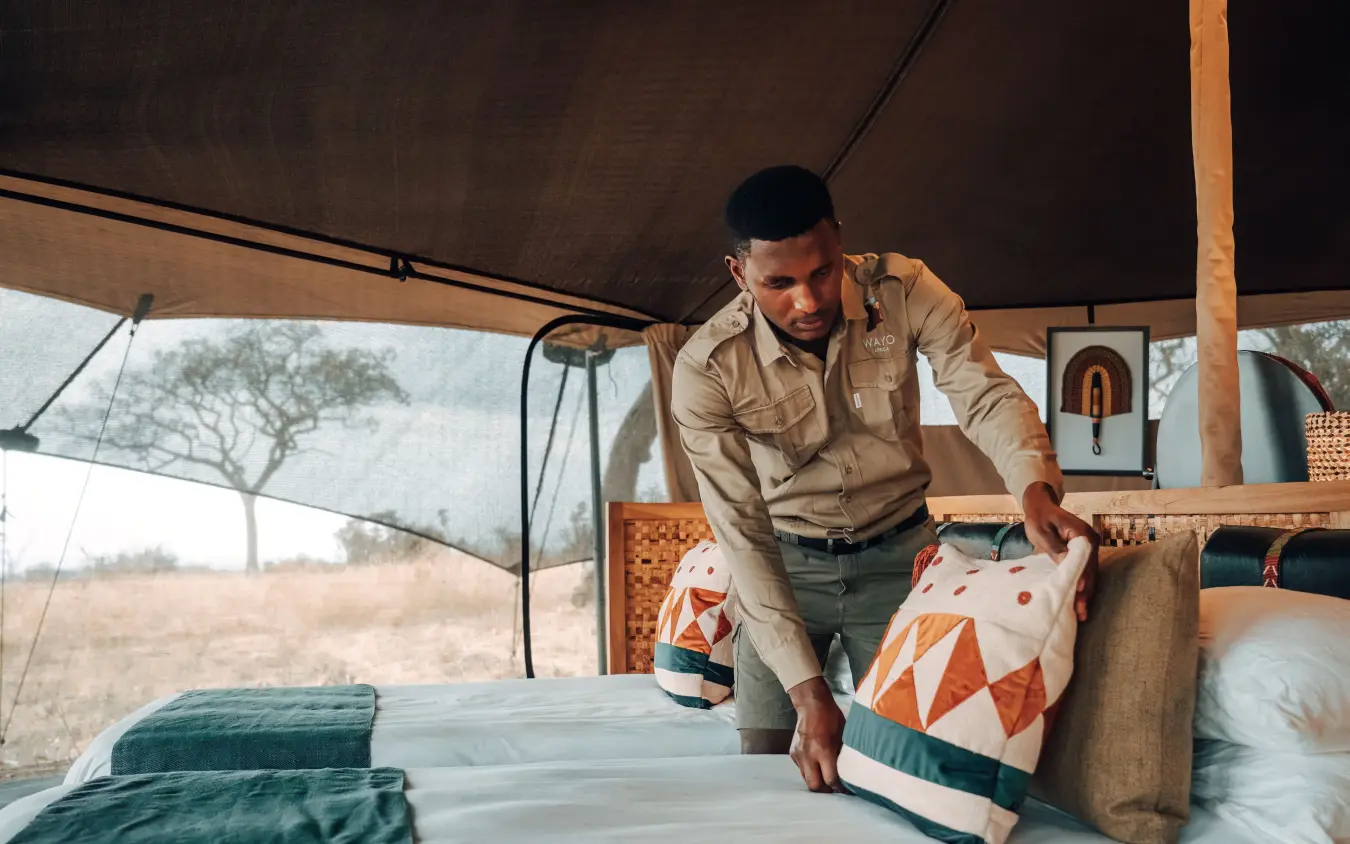
You travel by road and open vehicle, with private guides and vehicles at Nyasi and Mwiba, and days built around game drives, guided walks, night drives and time with local communities where the ground allows. The accommodation is small in scale and set in its landscape, from cottages on a coffee estate to tented suites on stone plinths.
The northern circuit begins with a single night below Mount Meru, where you land at Kilimanjaro International, often after dark, and wake to the mountain before the drive to the parks. Arusha sits at 1,400 metres and works as the region's logistical hinge. Set on the century-old Selian Coffee Estate, Legendary Lodge scatters twelve cottages through tropical gardens and rows of coffee, with dik-dik on the grounds and Arusha's own airport fifteen minutes away. Warm towels and fresh juice arrive on landing, and transfers are met without fuss.
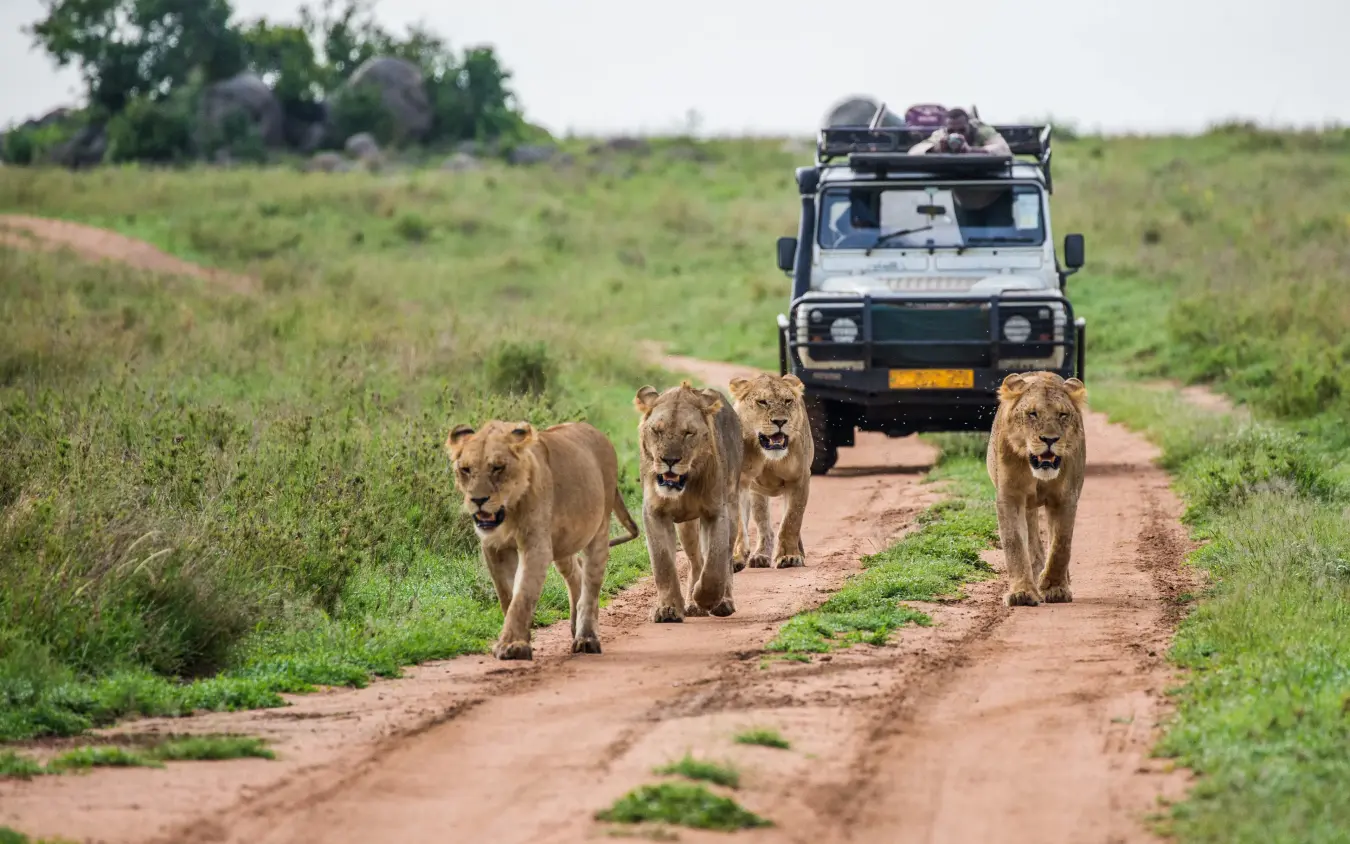
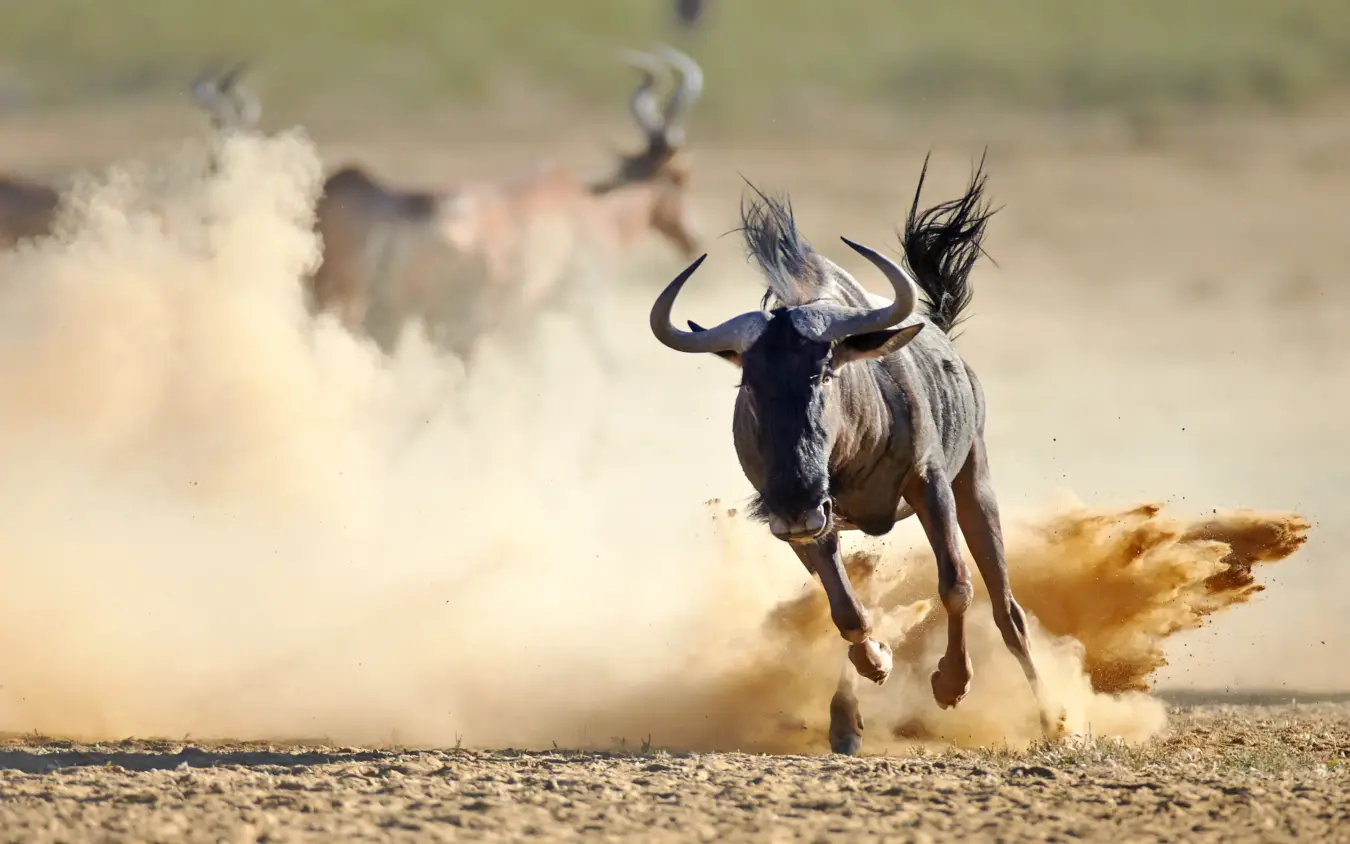
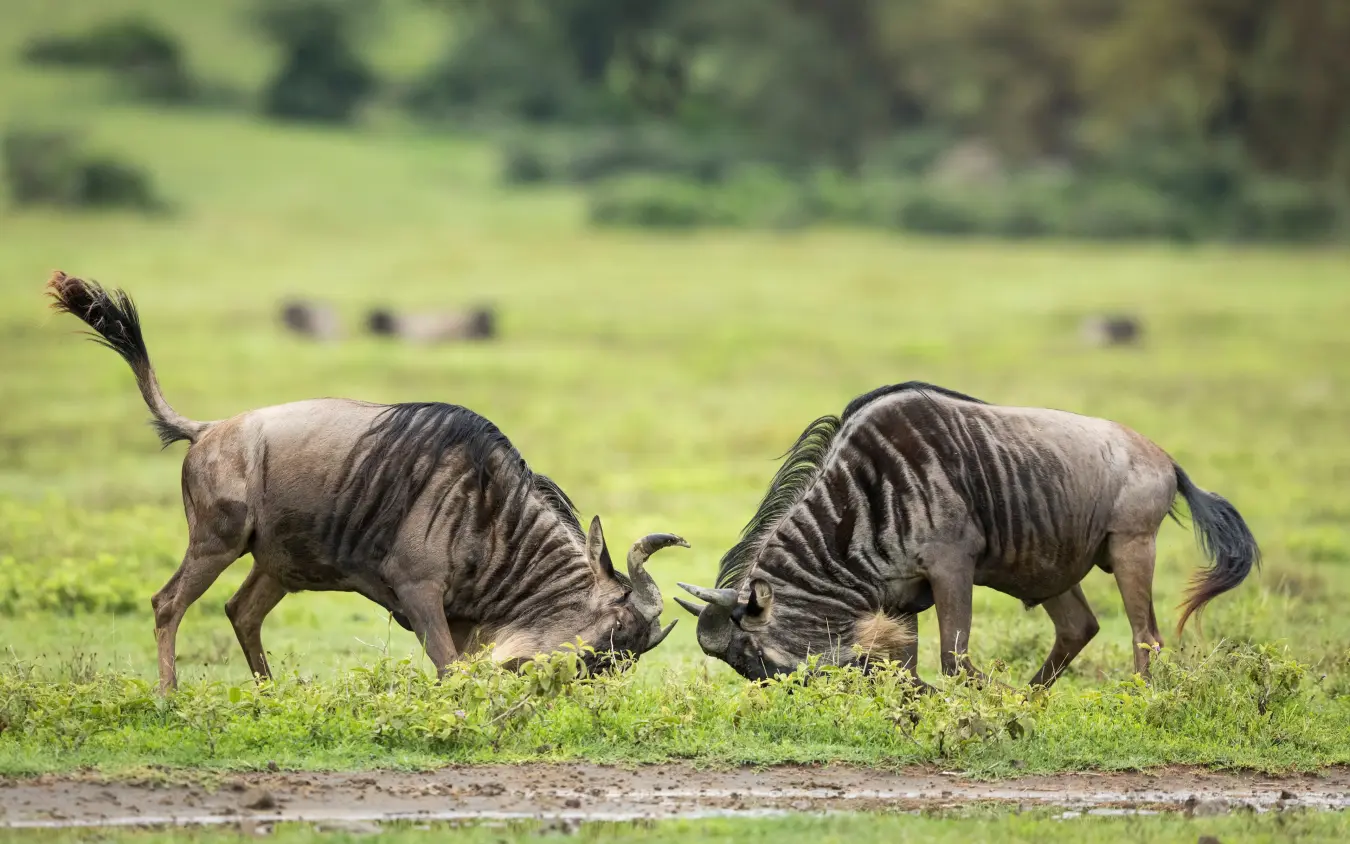
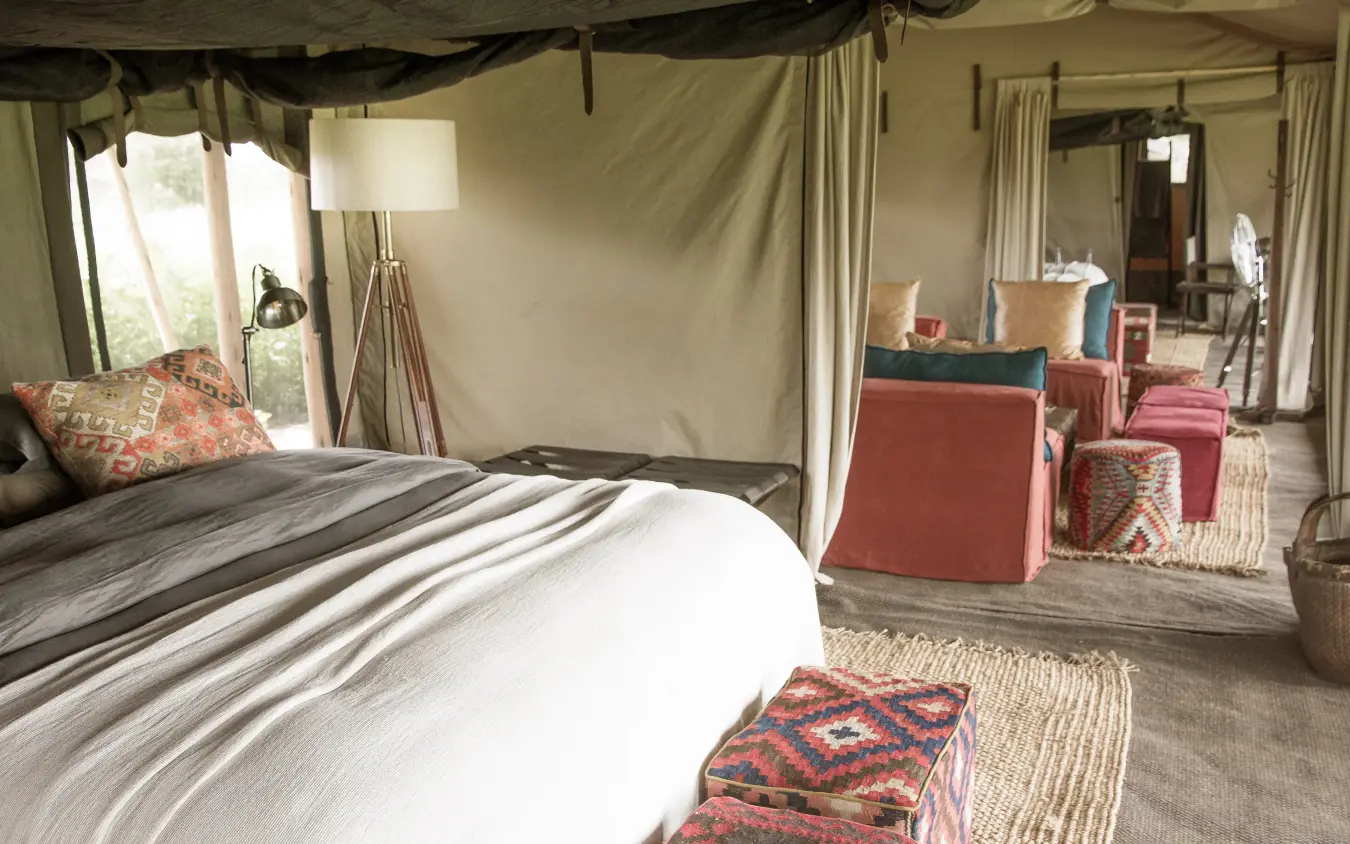
In the far north of the Serengeti, days run on early morning and late afternoon game drives, with full-day outings when a Mara River crossing looks imminent. The Lamai Wedge sits between the river and the Kenyan border, set apart from the busier crossing sites, so wildebeest, zebra and gazelle gather along the banks with fewer vehicles nearby, drawing lions, leopards, cheetahs and spotted hyenas. Nyasi Tented Camp keeps to eight en-suite tents and one family tent, and every booking comes with its own vehicle and guide.
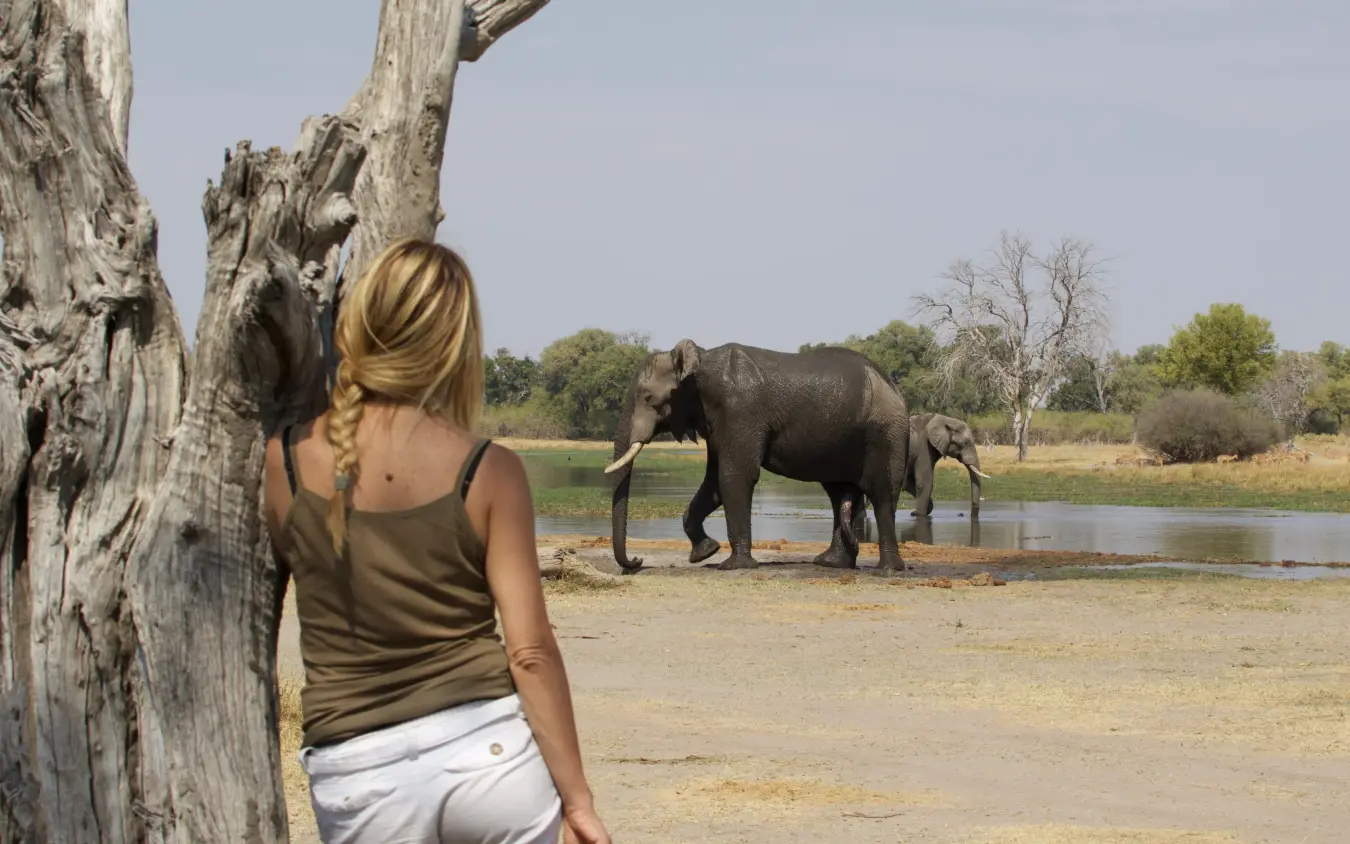
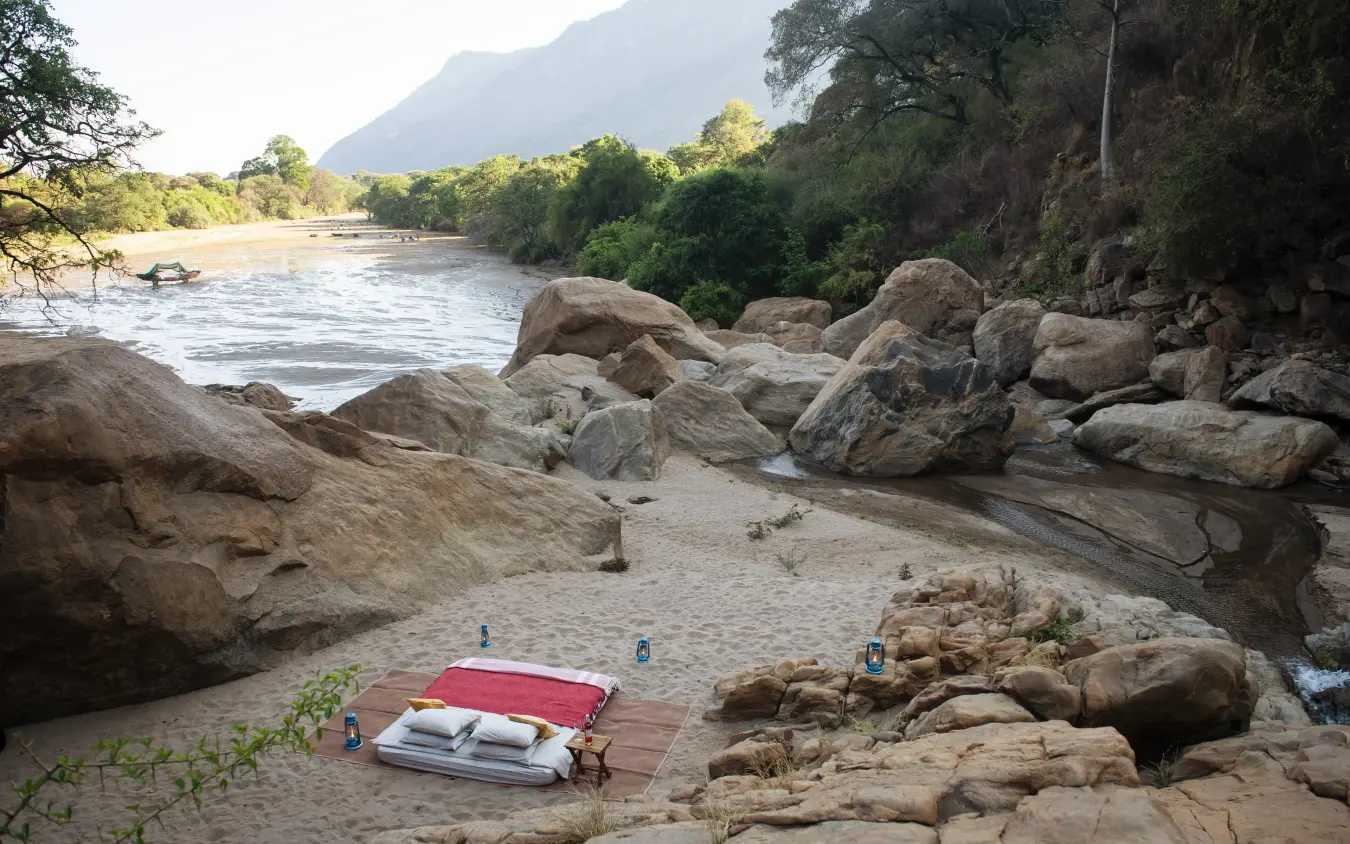
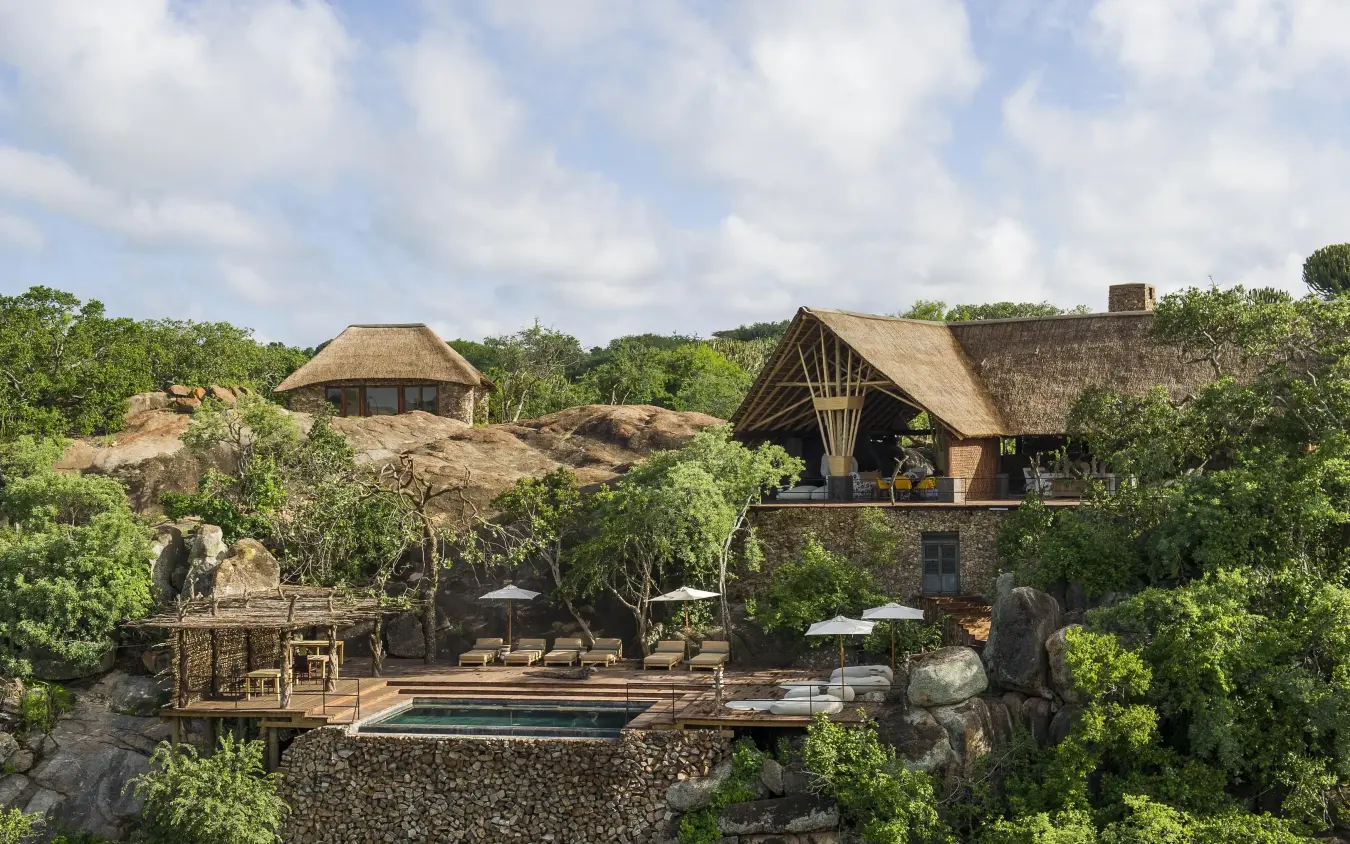
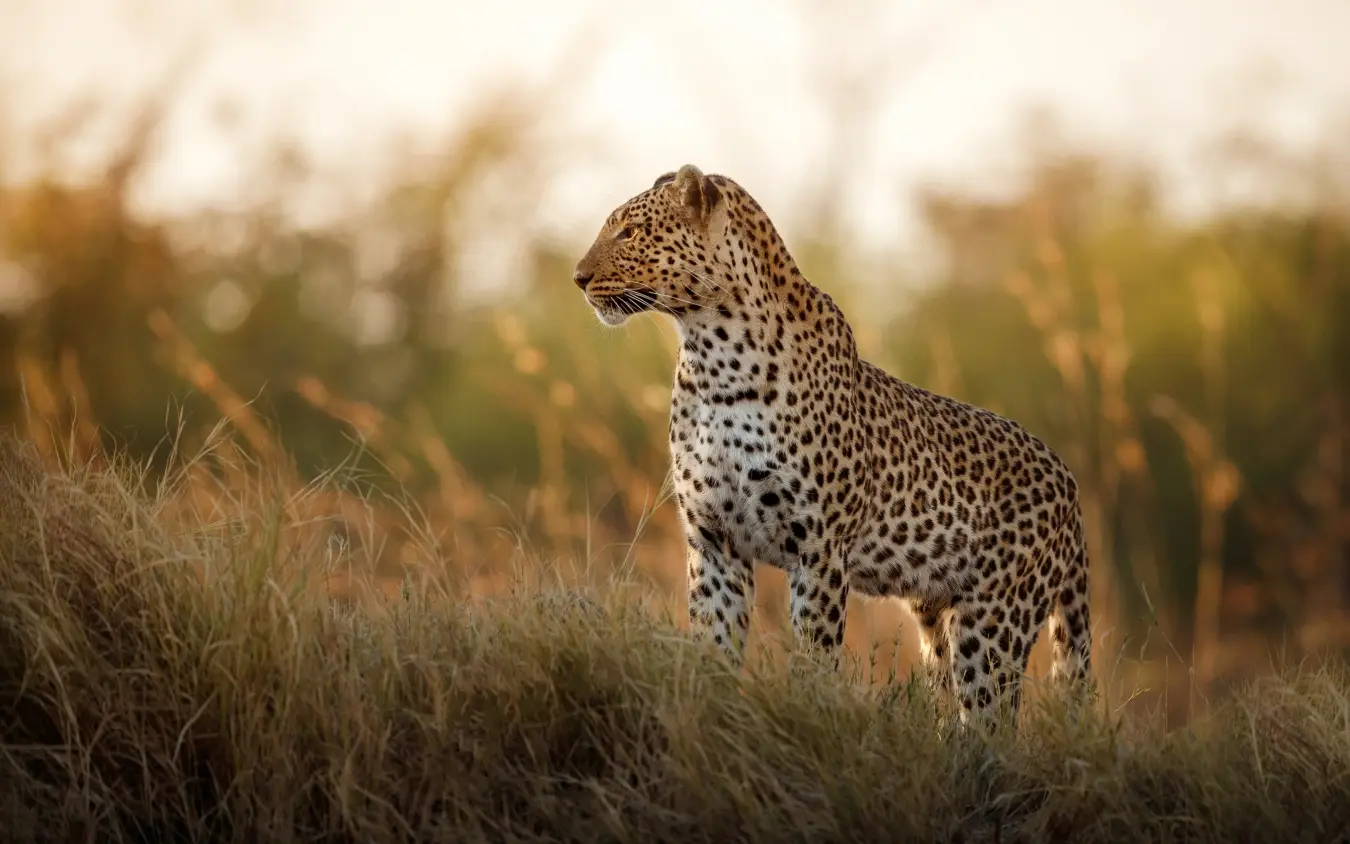
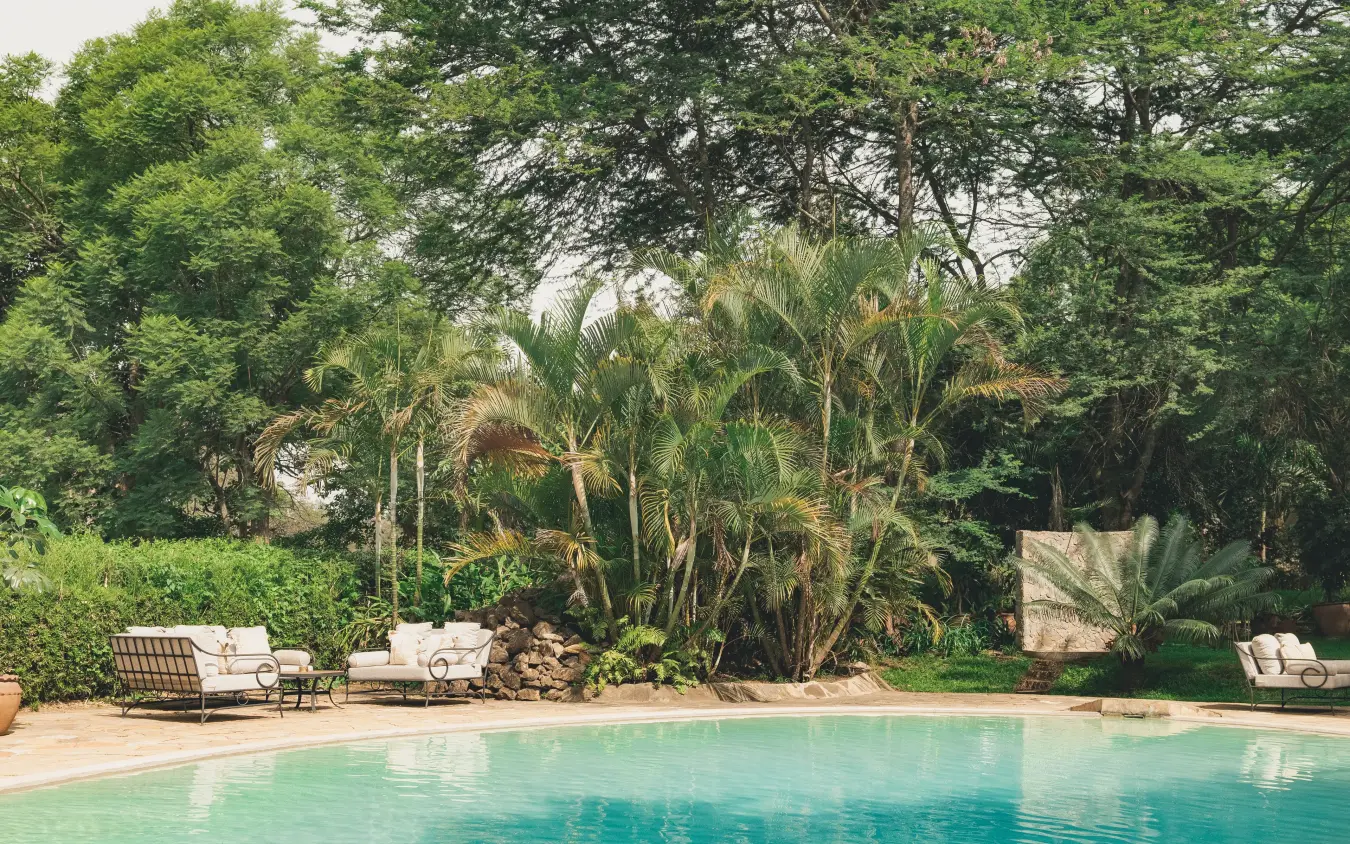
On a private reserve along the southern boundary of the Serengeti, guided walks and night drives run on the reserve and a private guide and vehicle come with the stay. Springs hold wildlife through the year, and from the suite decks and infinity pool you look out on elephants, giraffes and antelope coming to drink, with leopards in the wooded outcrops. You can also walk with the Hadza, one of Tanzania's last hunter-gatherer communities. From January to March, calving season draws wildebeest into the nearby southern Serengeti. Mwiba Lodge sets ten suites into granite boulders above the Arugusinyai gorge.
In the Ngorongoro Highlands near Karatu, the days move at the pace of a working coffee farm at roughly 1,800 metres, with coffee fields to walk, gardens heavy with vegetables and herbs, and forest climbing towards the crater rim above. For a full day down in the Ngorongoro Crater, the kitchen packs a picnic lunch. Gibb's Farm grew from a plantation whose farmhouse dates to 1929, with guest cottages added in 1972, and it is recognised by Quiet Parks International as a Quiet Stay.
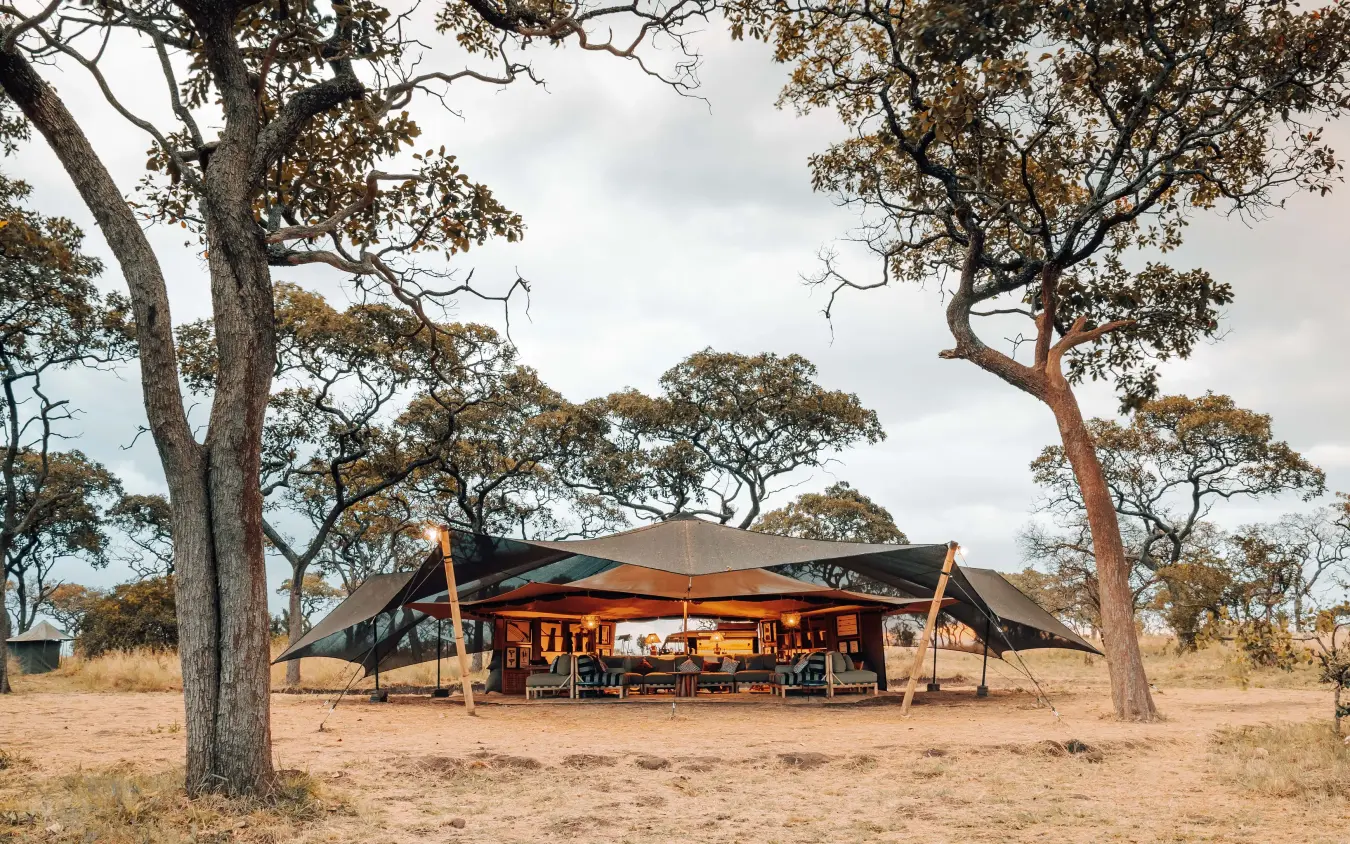
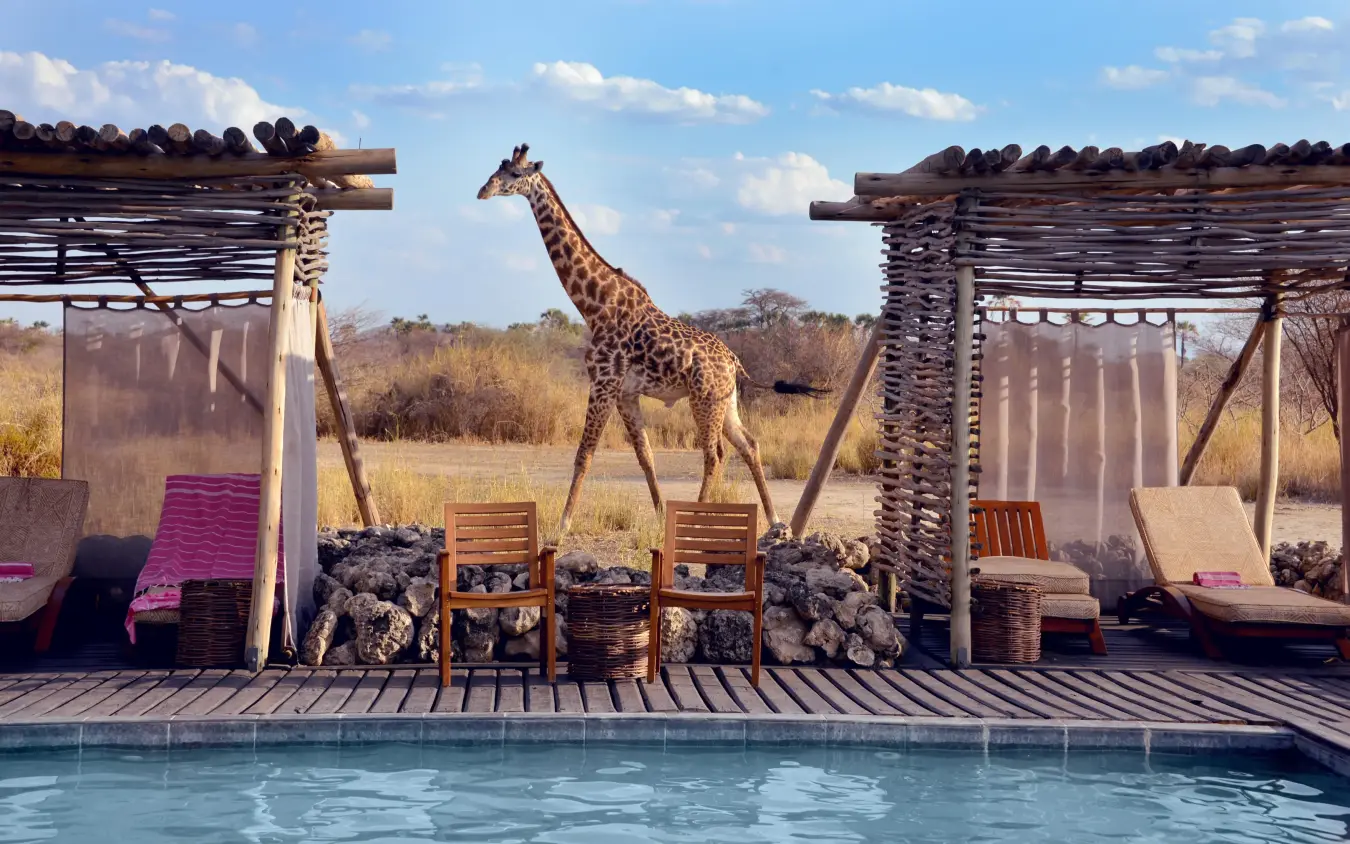
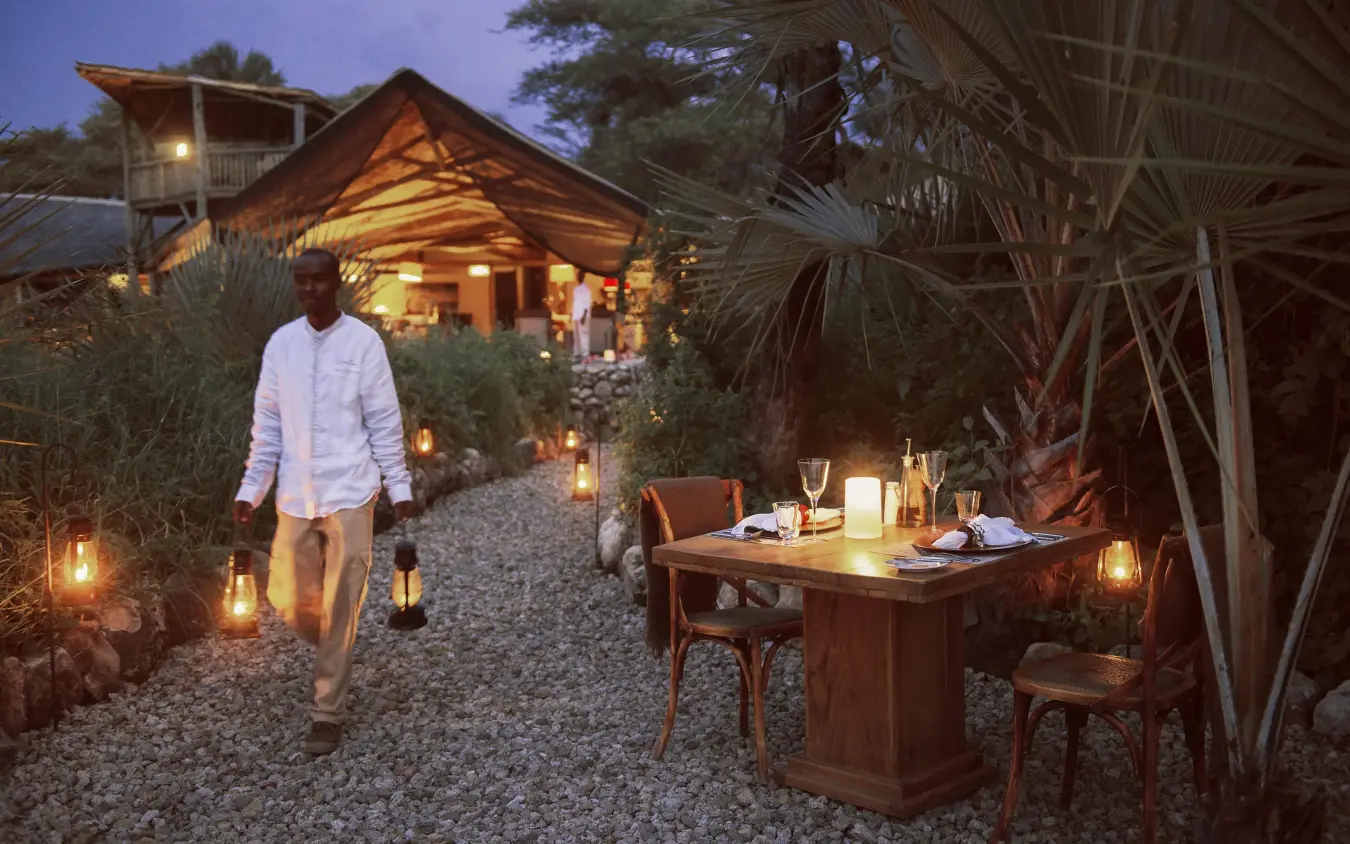
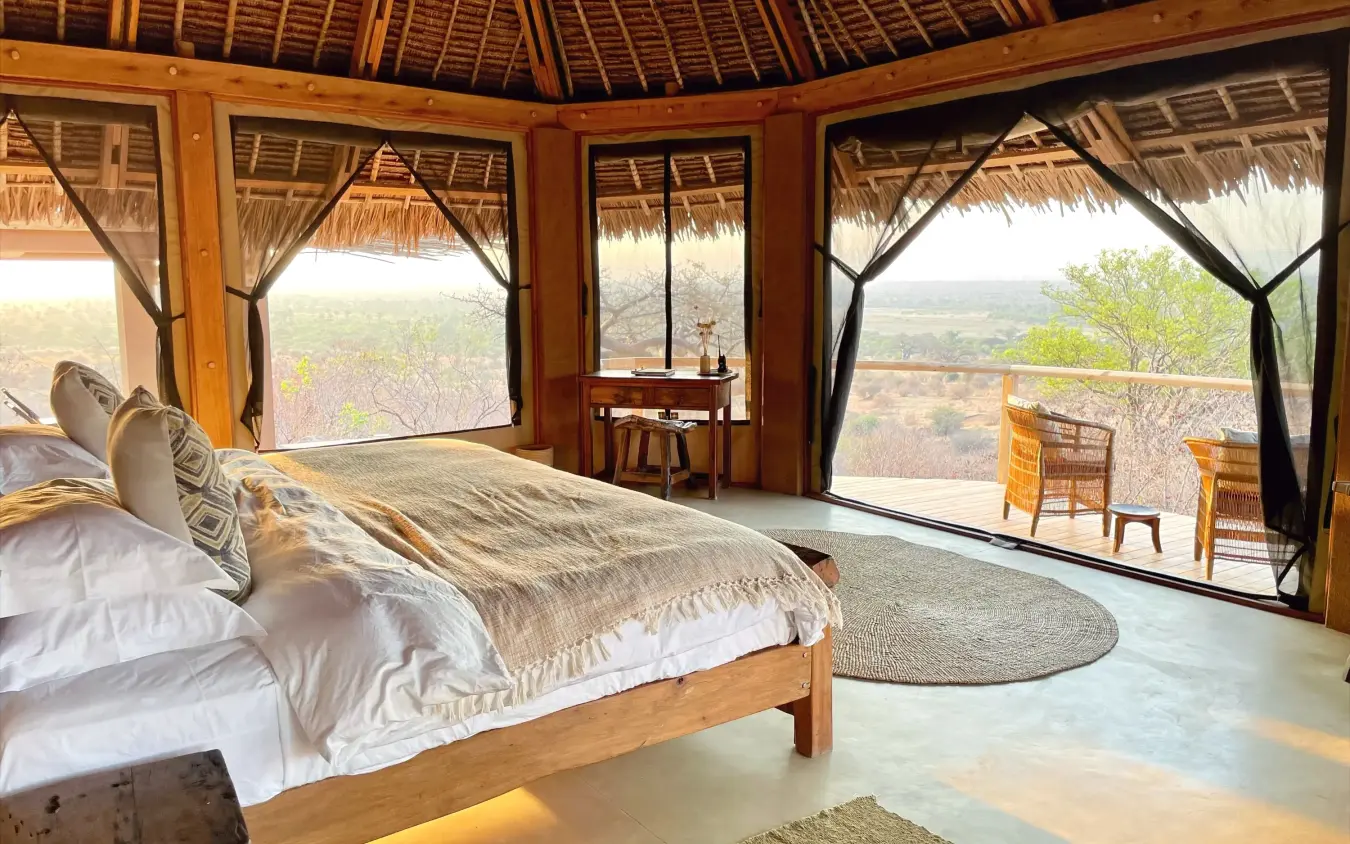
On a private concession in the Kwakuchinja corridor, between Tarangire and Lake Manyara, the day is set by whatever walks past rather than a game-drive schedule. Elephants and other wildlife move freely along the corridor through the Burunge Wildlife Management Area, and giraffe and zebra graze within sight of the suites while a waterhole below the lodge draws game. Walking safaris run on the concession, led by Maasai guides, and open 4x4s head into Tarangire and Lake Manyara for full days that end with sundowners on the lakeshore. Night drives run from the two sister camps on the far side of the concession rather than from the lodge itself. Chem Chem Lodge holds eight tented suites raised on stone plinths, spaced at least 80 metres apart.
In the right months the odds are good, but a crossing can never be promised and no honest percentage exists.
The herds usually reach the far north of the Serengeti in July, and crossings run from about late July into October, with August and September the peak. Even then the wildebeest may mass on the bank for hours or days, turn back, or cross somewhere else, so what improves your chances is time and patience.
Three or four nights in the area is the usual advice, and this route gives you three in the Lamai Wedge. Because the vehicle and guide at Nyasi are yours alone, you can stay at the river all day when a build-up looks promising, where a shared vehicle may have to turn for camp.
Outside those months the herds are elsewhere and the river is quiet, so on this trip the dates matter more than anything else.
For the river crossings, travel between July and October.
Those are the strongest months on our own reckoning at every stop on this route: the herds are in the north, the crater and Tarangire are dry, and August and September are the peak for the crossings and for Tarangire's elephant herds. They are also the busiest months, at the highest rates.
February is the other month we rate highly in the Serengeti, for the calving on the southern plains near Mwiba, but the herds are then a long way from the Lamai Wedge, so we would move the northern nights south.
November to January sits in between: short rains, green country, migrant birds, newborn animals, fewer vehicles and often lower rates, though the wildebeest are on the move and harder to place.
April and May bring the long rains and are the months we rate lowest almost everywhere on the route. Chem Chem closes from early April to mid-May.
As the sample route is written you travel by road throughout, and two legs are long: Arusha to the far north of the Serengeti, and from there south to Mwiba.
If you would rather not spend those days driving, we can arrange flights for both as a change to the route. A light aircraft, typically a Cessna Grand Caravan, reaches the Lamai airstrip from Arusha in an hour to an hour and a half, against what one airline calls up to eight hours of dusty road.
Nyasi is about an hour's game drive from the airstrip. Mwiba has its own airstrip, fifteen minutes from the lodge. The later drives are shorter: a little over two hours from Gibb's Farm to Chem Chem, and about two hours on to Arusha.
Any flight can be a private charter, typically in a Caravan or a Pilatus PC-12. Scheduled flights usually limit luggage to 15 kilograms a person, hand luggage included, and ask for soft bags.
It is a full day and rarely a quiet one, and still worth doing.
Gibb's Farm is about half an hour from the conservation area gate. From there the road climbs to the rim and then drops some 600 metres to a crater floor of about 260 square kilometres. The descent road closes at 4pm and driving anywhere in the conservation area stops at 6pm, so an early start buys the most time on the floor.
The rim can be close to freezing at dawn, so bring a warm layer. You stay in the vehicle except at the designated picnic sites, which is why the farm packs lunch.
Be ready for company: the crater is small, open and popular, and it is busy all year. In return the floor holds lion, elephant and buffalo in plain view, and it is a good place to look for black rhino, which most visitors see, though not everyone.
Yes, with some thought about ages.
Nyasi and Mwiba both describe themselves as suited to families with children of four and over, Nyasi has a family tent, and Chem Chem welcomes children from four, asking those under 15 to share with an adult.
The limits come with the activities, not the beds. Walking in big game country is the main one: camps across Africa usually set a minimum age of 12, 14 or 16 for walks. At Mwiba the guide has the final say on the day, so younger children should expect to stay on wheels while older teenagers can usually join.
Long days waiting at the Mara River also ask a lot of small children, but because the vehicle is private at Nyasi and Mwiba the day can be cut to suit them. Tell us the ages when you enquire and we will confirm each camp's rules before you book.
Yes. This is a sample route and most of it can move.
What cannot move is the migration: the herds are near the Lamai Wedge only from about July to October, so for a trip between January and March we would swap the northern nights for the southern plains, where the wildebeest calve within reach of Mwiba, and keep the rest.
Nights are easy to shift as well. A fourth night at the river improves your chance of a crossing, and the crater needs only one full day if you would like the time elsewhere. A beach ending is simple, since there is a scheduled flight of about two hours from Arusha to Zanzibar.
The fixed points are few: Chem Chem closes from early April to mid-May, and with only eight to ten rooms at Nyasi, Mwiba and Chem Chem we would start planning the crossing months as early as you can.
Ed Charles, BBC Producer
Fitzroy are true specialists in accessing the wilderness. They know where to go and importantly, when to go there. Highly recommended.
tanzania
Ten nights across Tanzania's wild south and west: walking Ruaha, Katavi's dry-season game and Mahale's chimpanzees.
tanzania
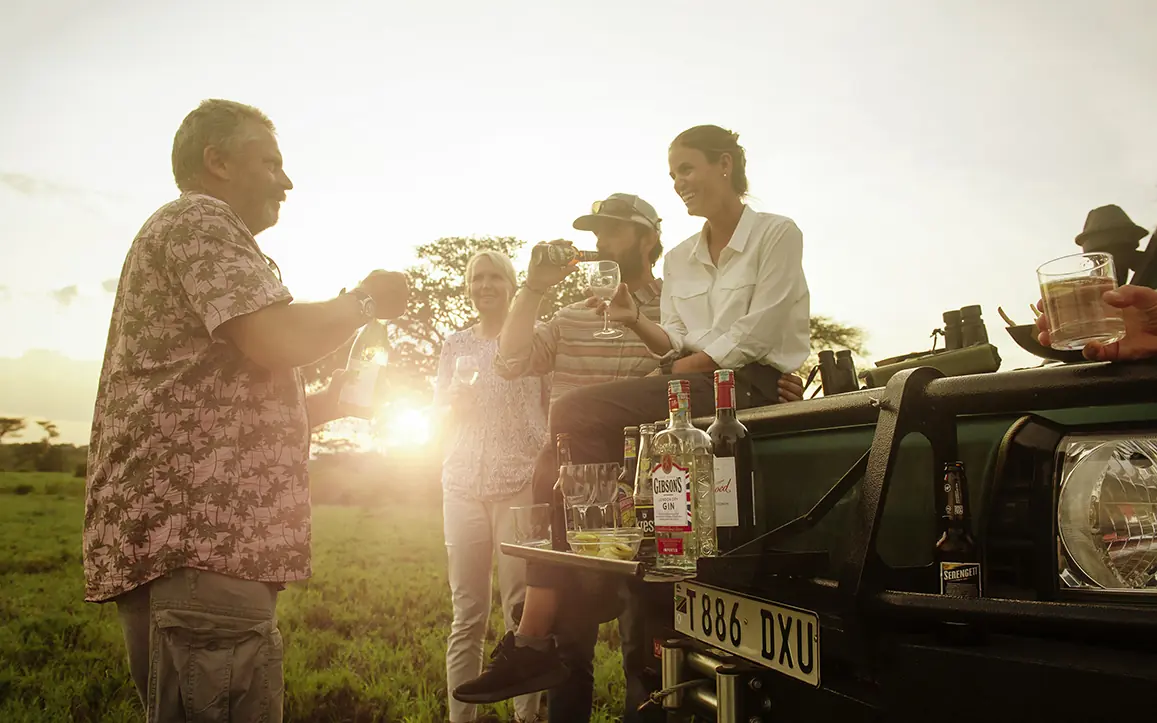
Eight nights in Tanzania, walking the central Serengeti near Seronera then the reefs and sands of Zanzibar's Bwejuu Beach.
tanzania
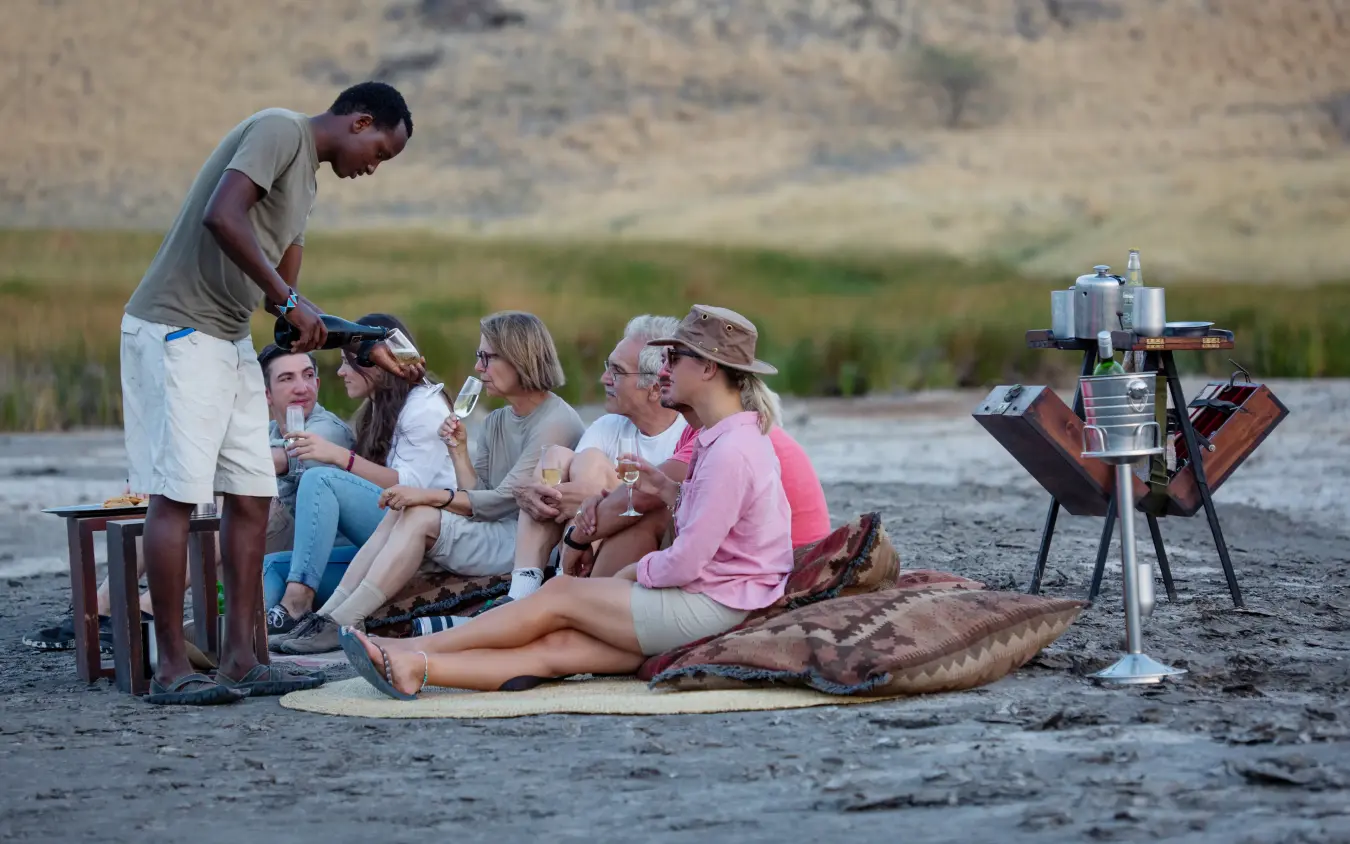
Walking safaris through Tanzania's Rift Valley and Serengeti, then five nights in a private villa on Zanzibar's coast.
rated five stars by our clients

our approach
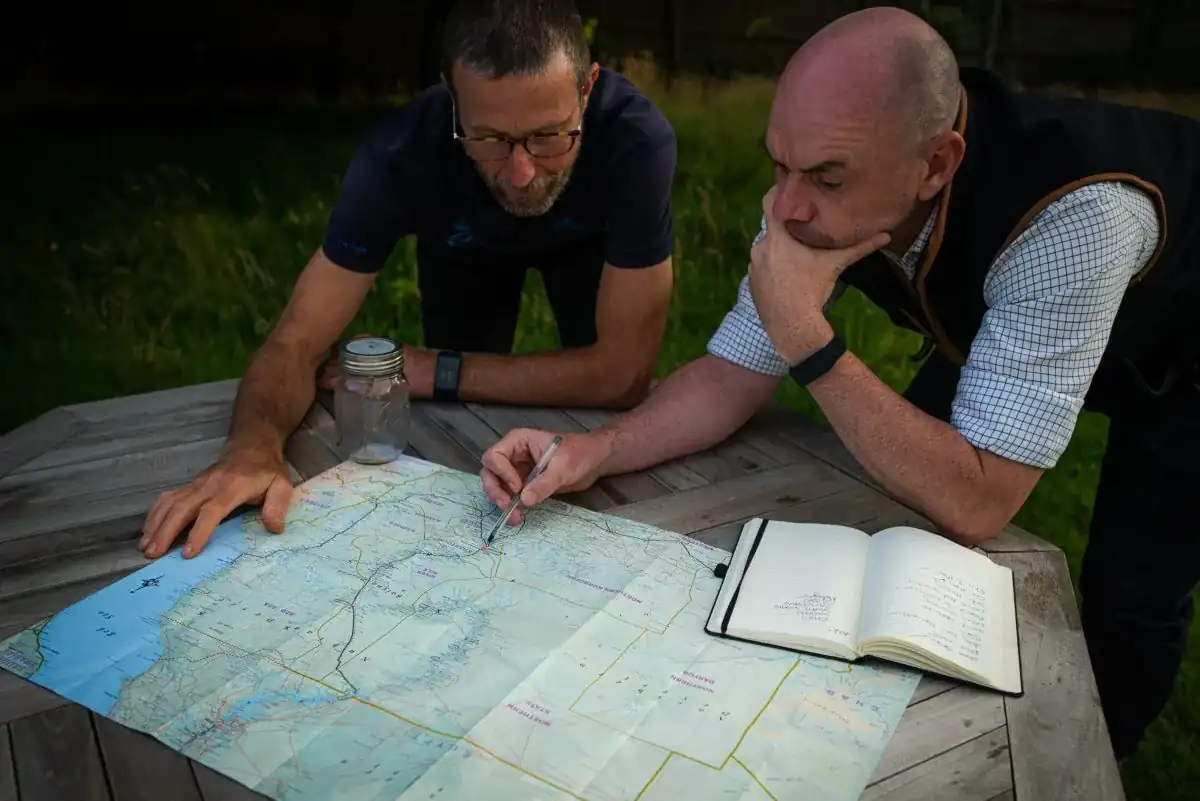
Every journey starts with a conversation. We take the time to understand your vision before we start planning.
Whether by phone or in person, we work with you directly to shape something that is considered, personal, and expertly delivered.
Every journey starts with a conversation. We favour a direct, personal approach: understanding your vision before anything else.
Whether by phone or in person, we work with you directly to shape a journey that is both thoughtfully considered and expertly delivered.
Get in touch to start planning yours.