




tanzania
luxury serengeti
Ten nights across northern Tanzania's private reserves, from a coffee estate below Meru to the western Serengeti.
- Private Safari
- From $18,625 pp
- 2 guests
- 10 nights
This ten-night route links four parts of Tanzania in order. It opens with a single night in Arusha, the staging town beneath Mount Meru where the northern circuit begins. From there it climbs to the Ngorongoro highlands above the crater, then drops south-east to Tarangire and the Silale Swamp, before closing on the Dongwe shore of Zanzibar’s Michamvi Peninsula.
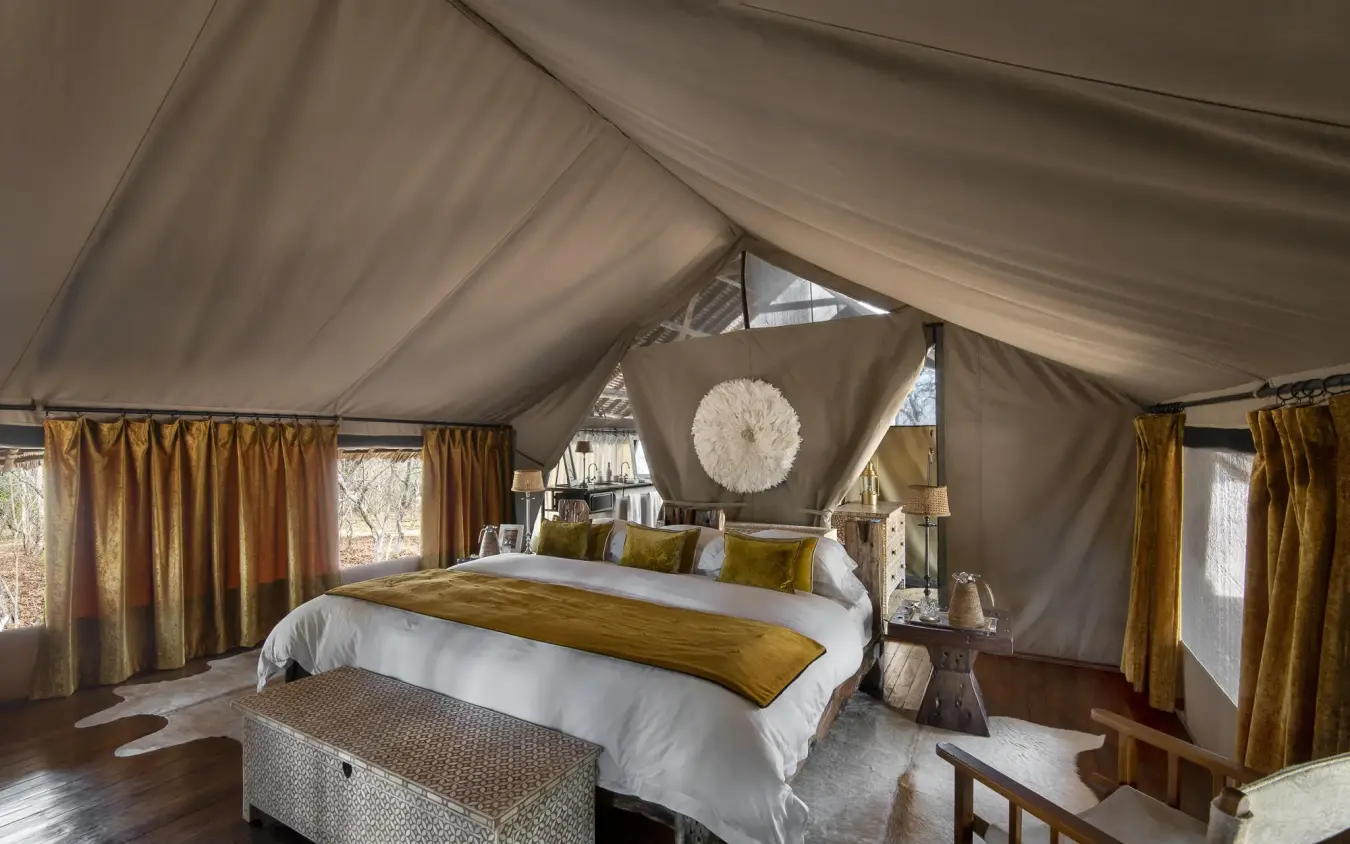
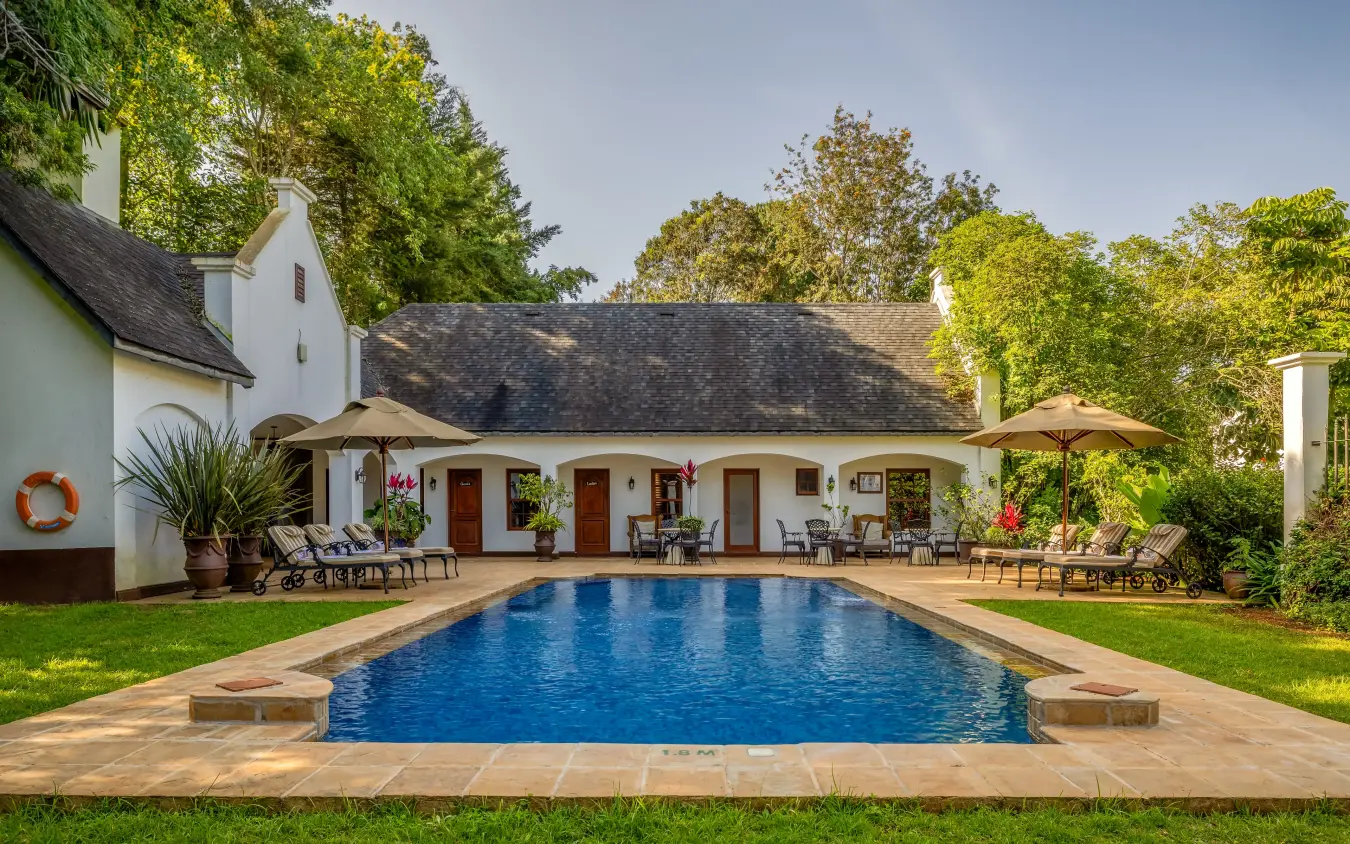
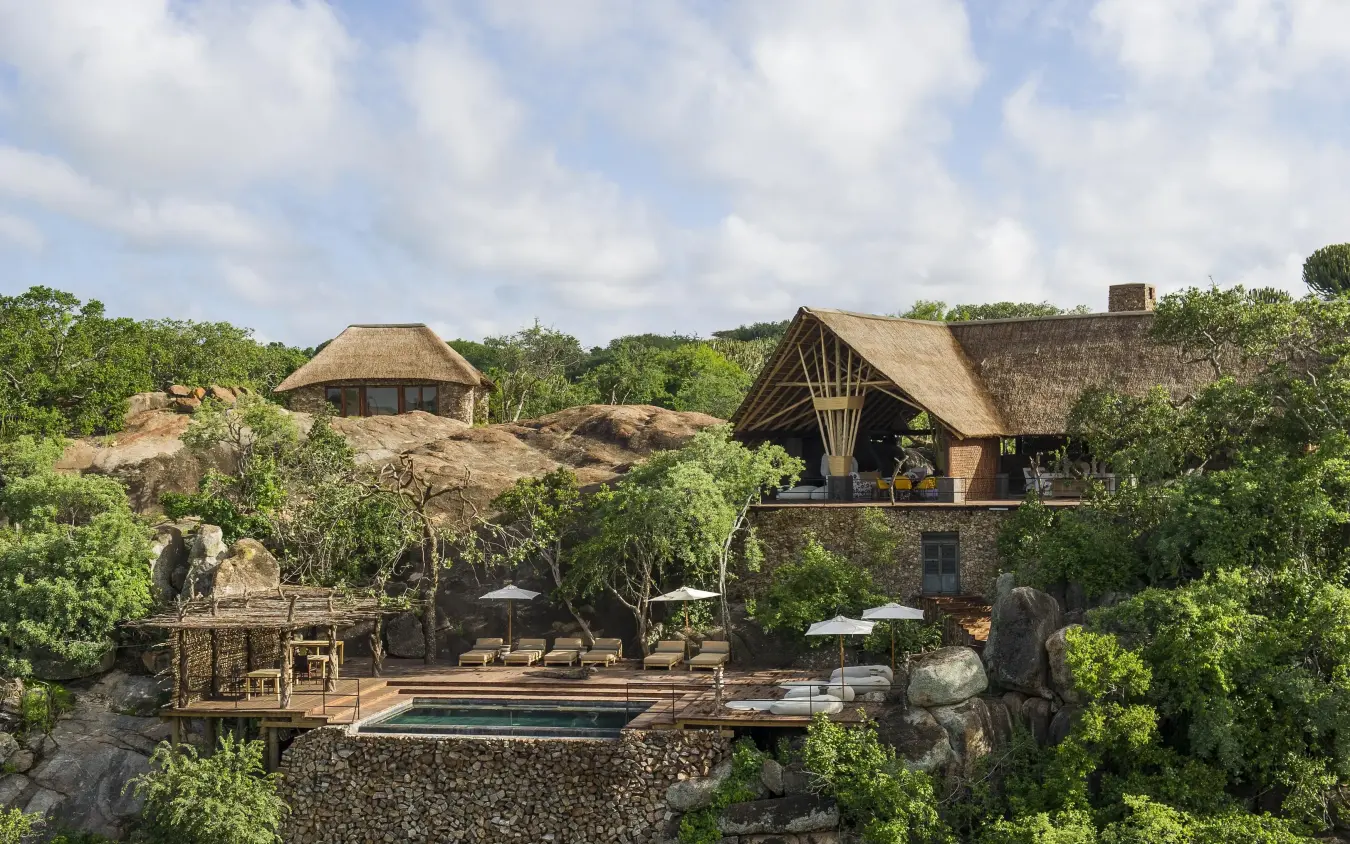
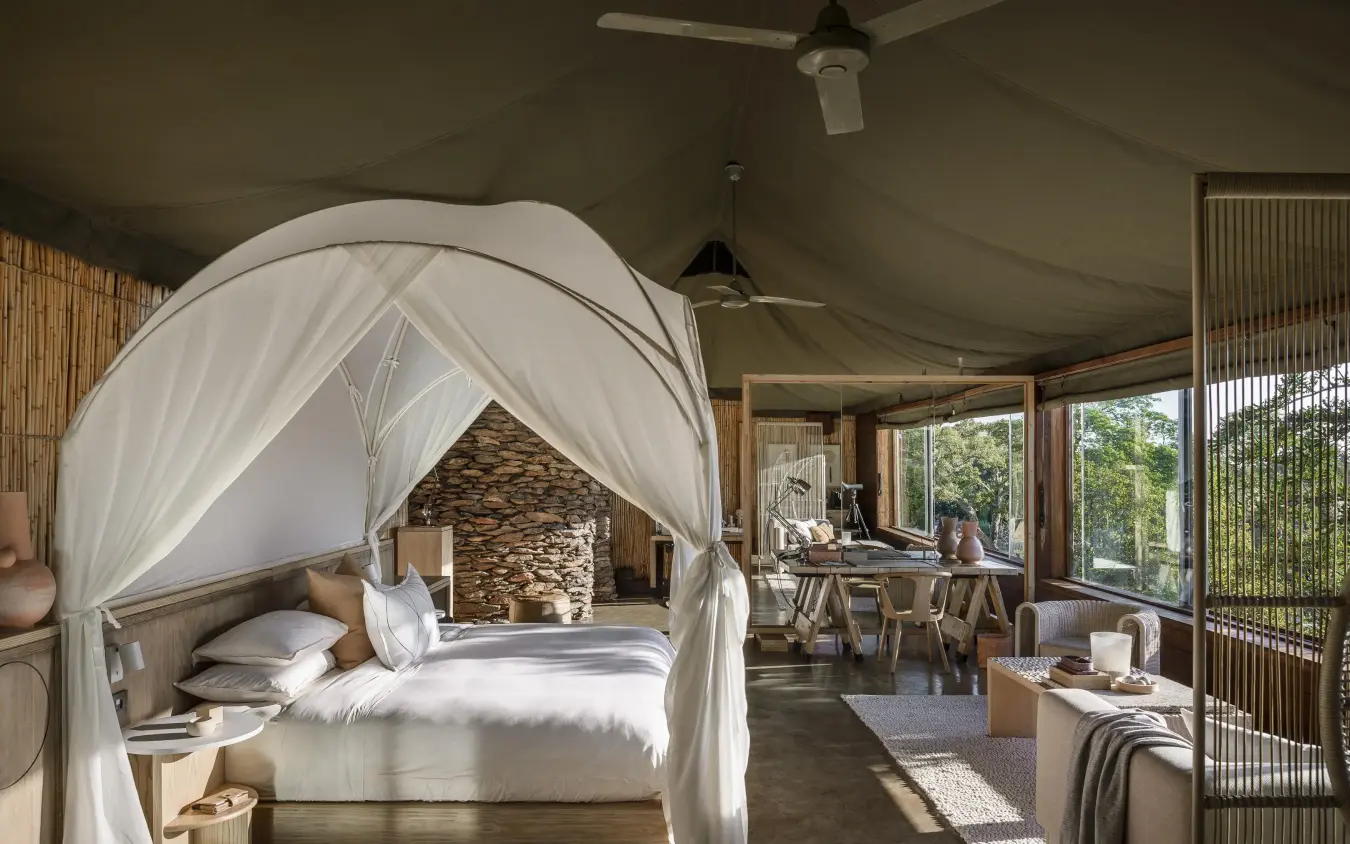
You travel by road through the northern parks and by air to the coast. Days hold crater drives, walking safaris and off-road driving in Tarangire’s quiet south-east, then tide-set beach days and a sunset dhow on Unguja. The stays run from a coffee estate lodge and a Cape Dutch manor to a classic tented camp and nine coral-walled beach villas, each chosen for its ground rather than its polish.
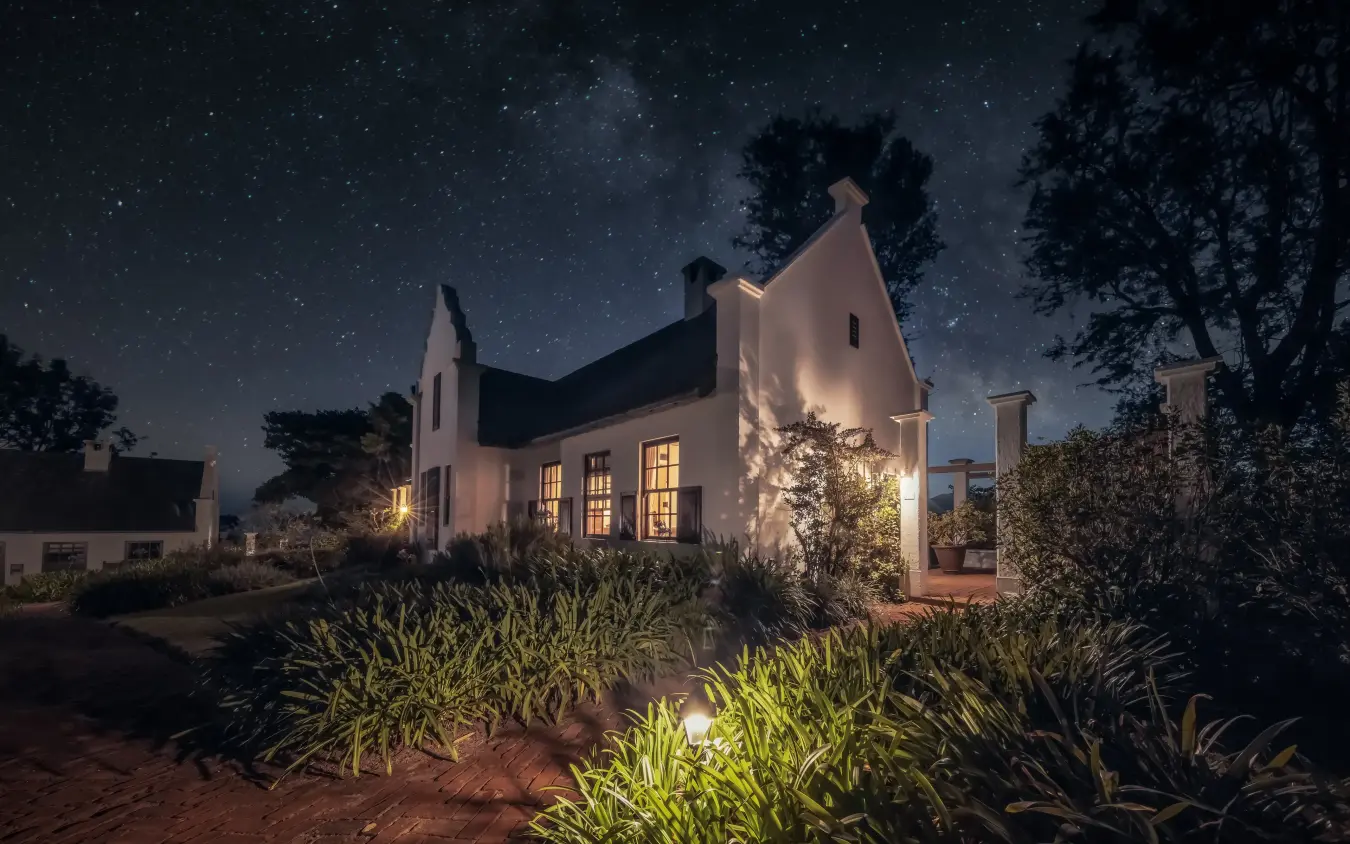
The northern circuit begins with a single night on the Selian Coffee Estate, a working farm planted a century ago at the foot of Mount Meru. Twelve cottages are scattered through tropical gardens and rows of coffee, with dik-dik and other small antelope wandering the grounds. The airport is fifteen minutes away, and the staff are practised in smooth arrivals and departures, meeting transfers and keeping complex itineraries running before the parks take over.
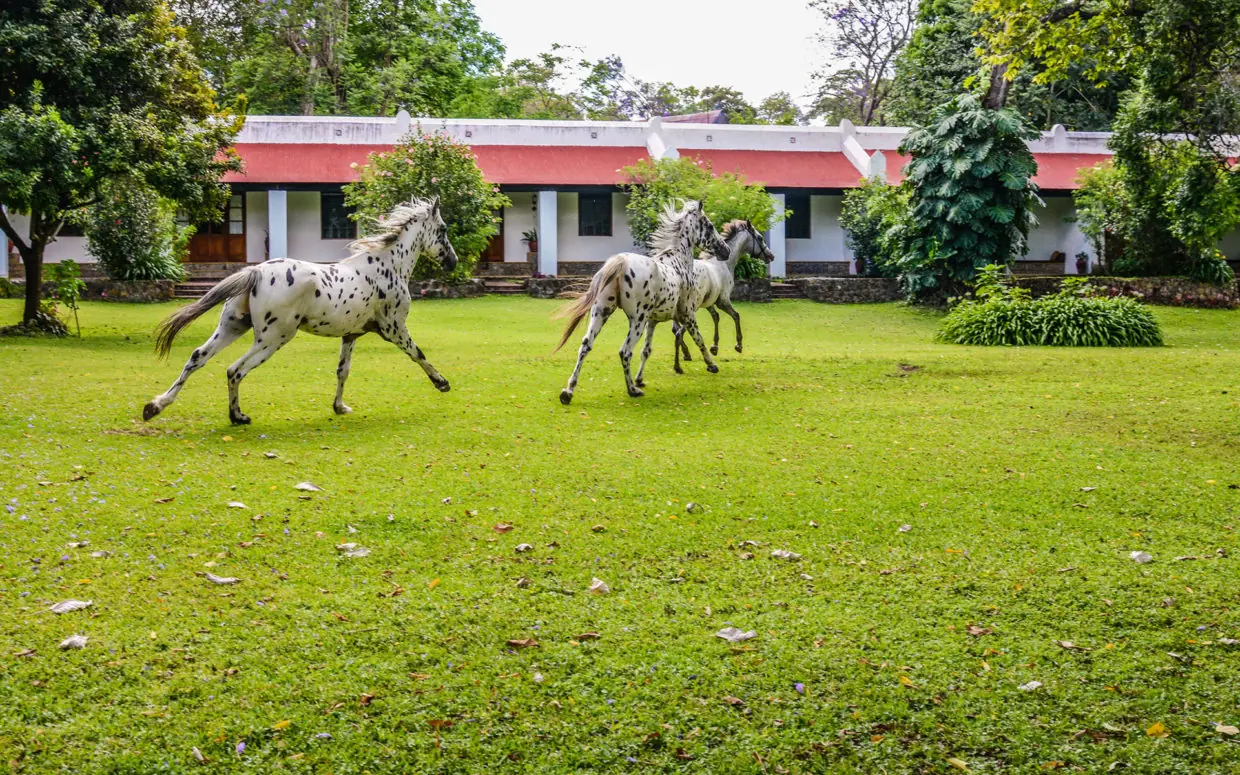
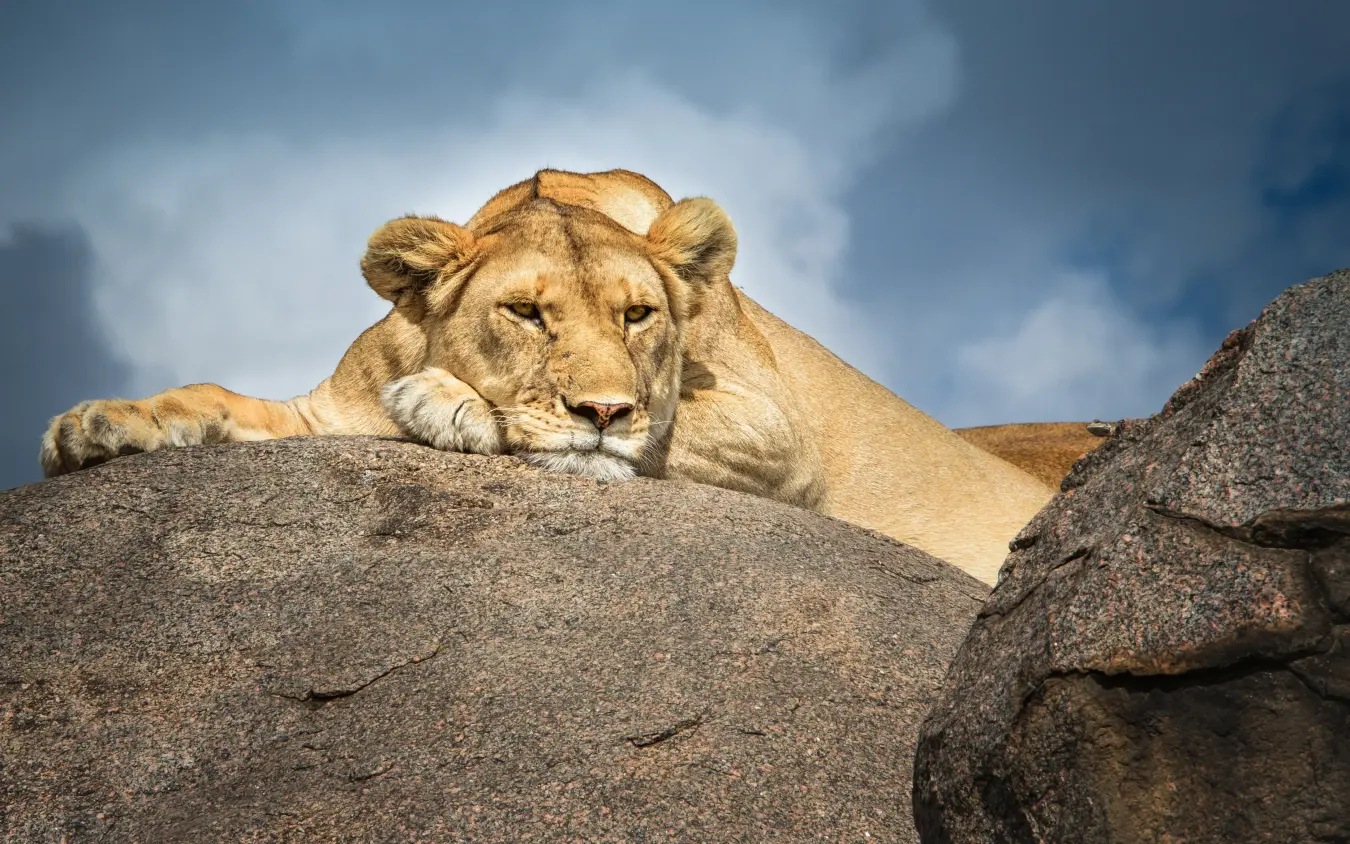
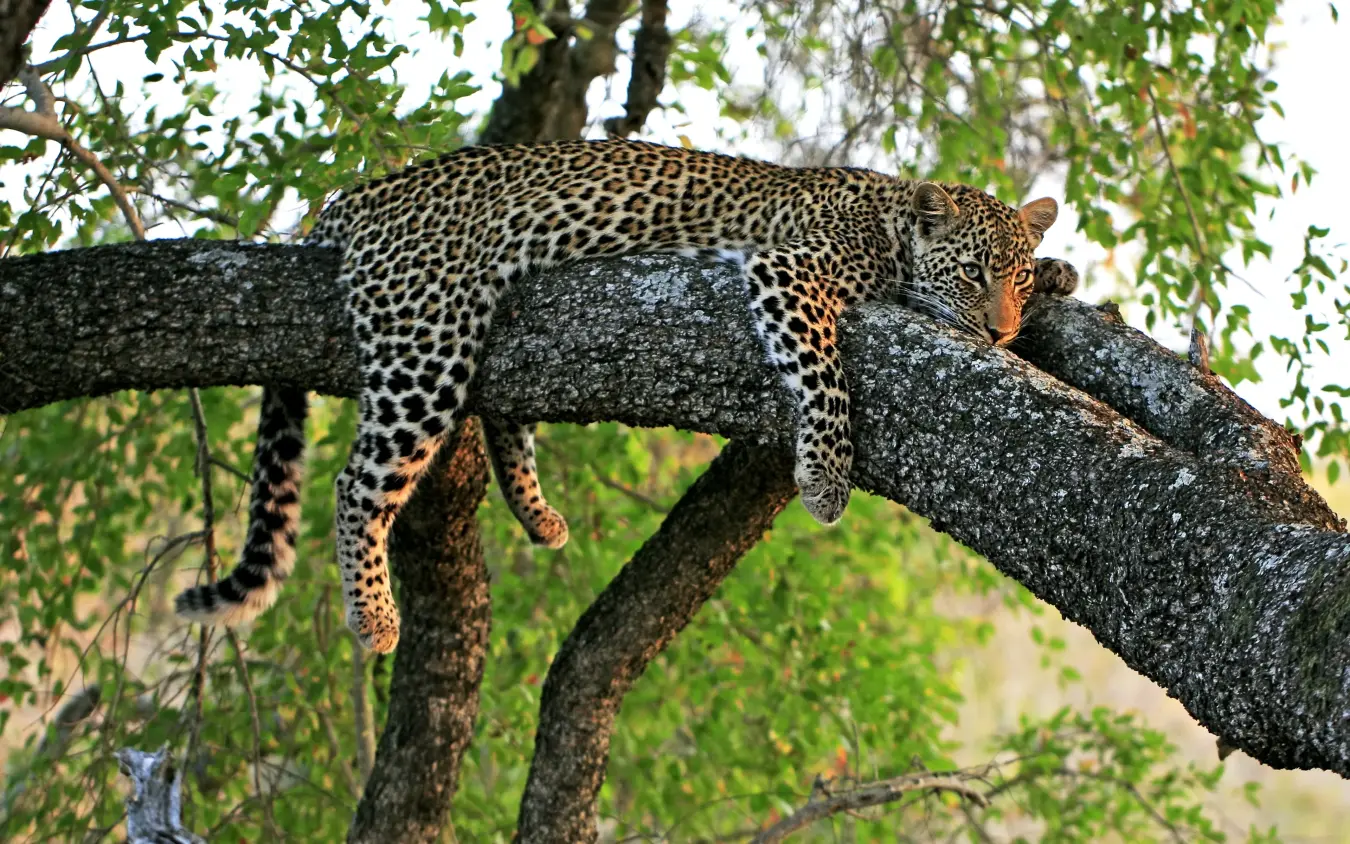
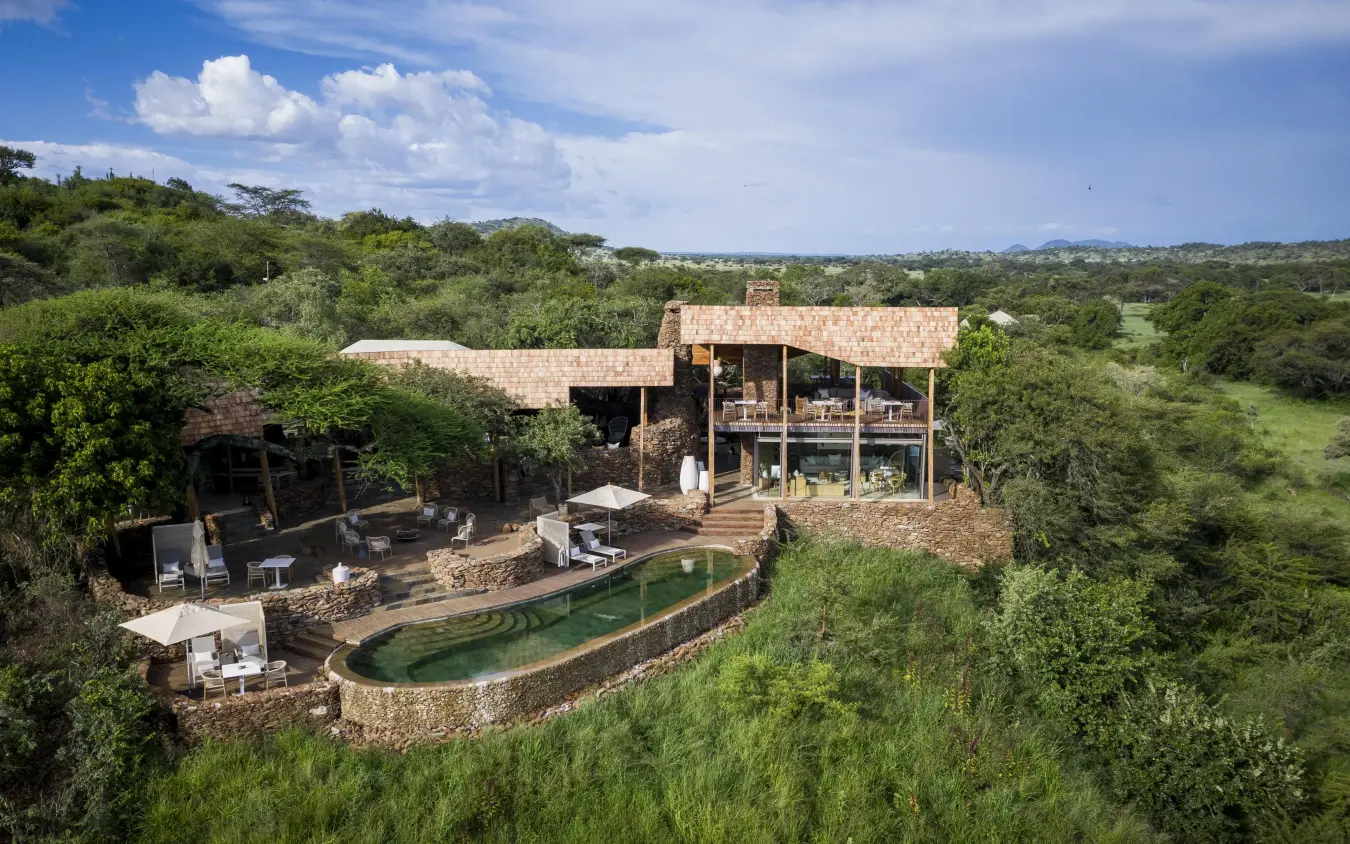
Two nights on the Shangri-La coffee estate, high on the slopes south of the crater near Karatu. This is a highland base for day drives into the crater, whose floor holds lion, elephant, Cape buffalo, wildebeest, zebra and black rhino, with Lake Manyara and its tree-climbing lions and flamingos around forty minutes away. Back at the estate, riders explore the plantation on horseback, walkers follow paths through indigenous shade trees, and high tea arrives each afternoon with scones and clotted cream.
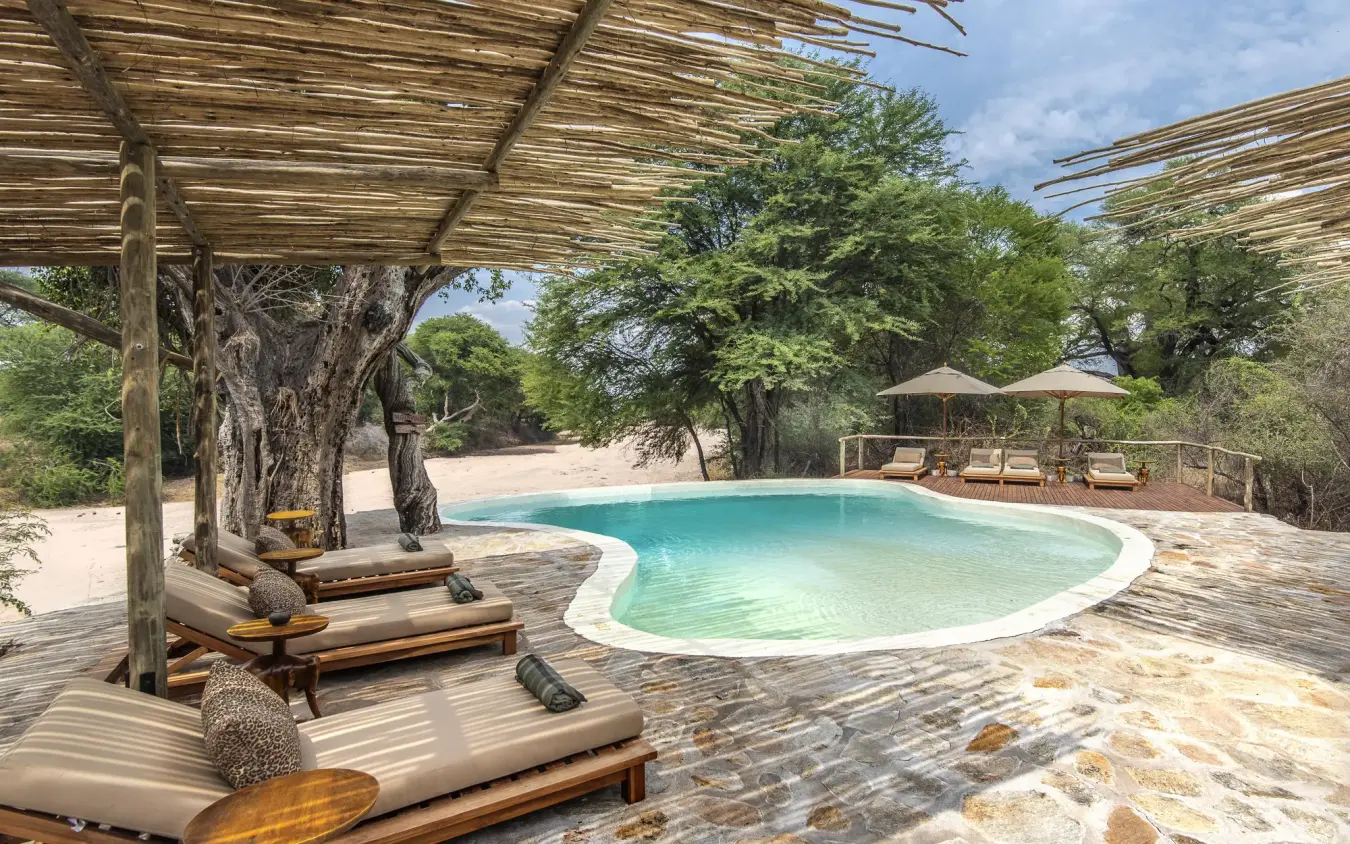
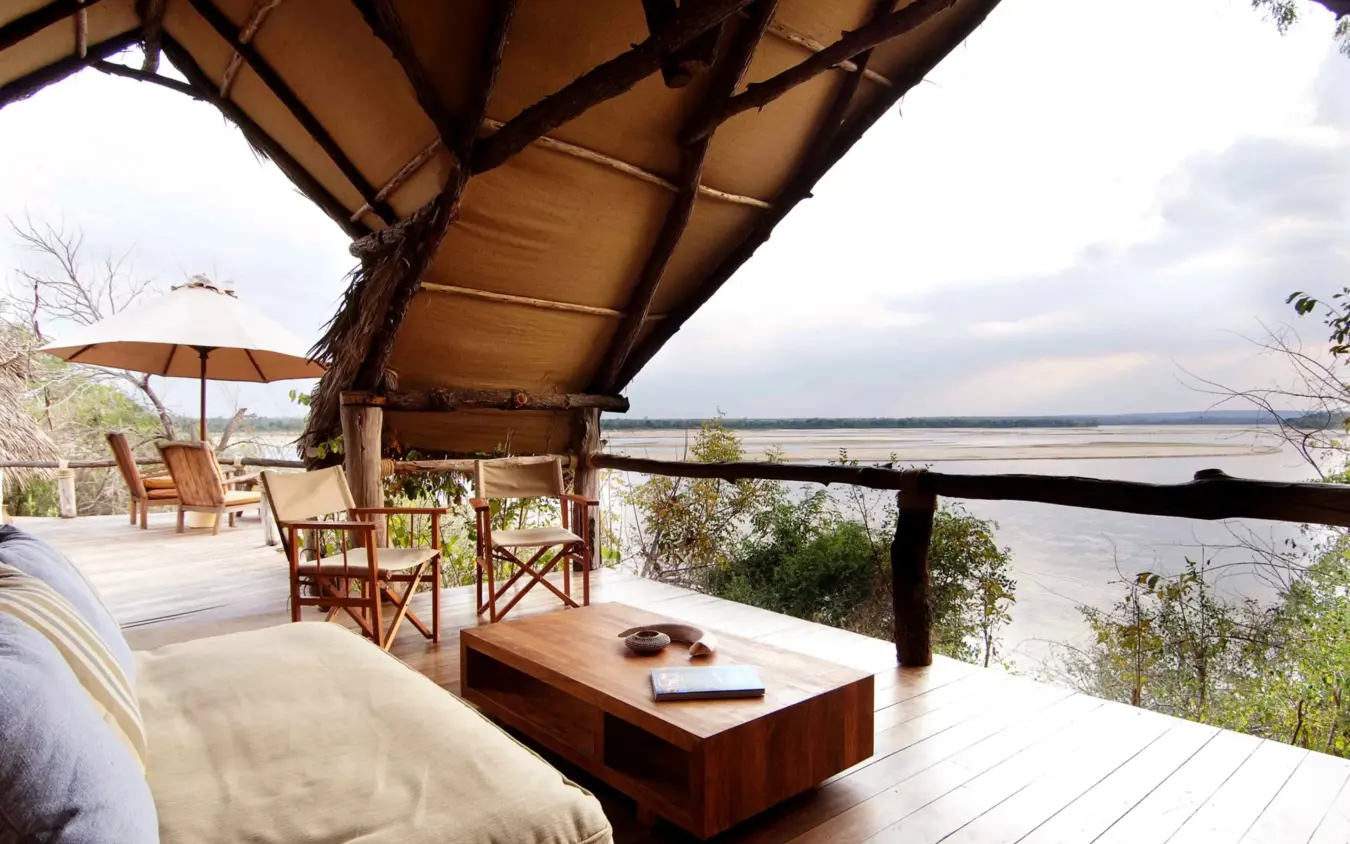
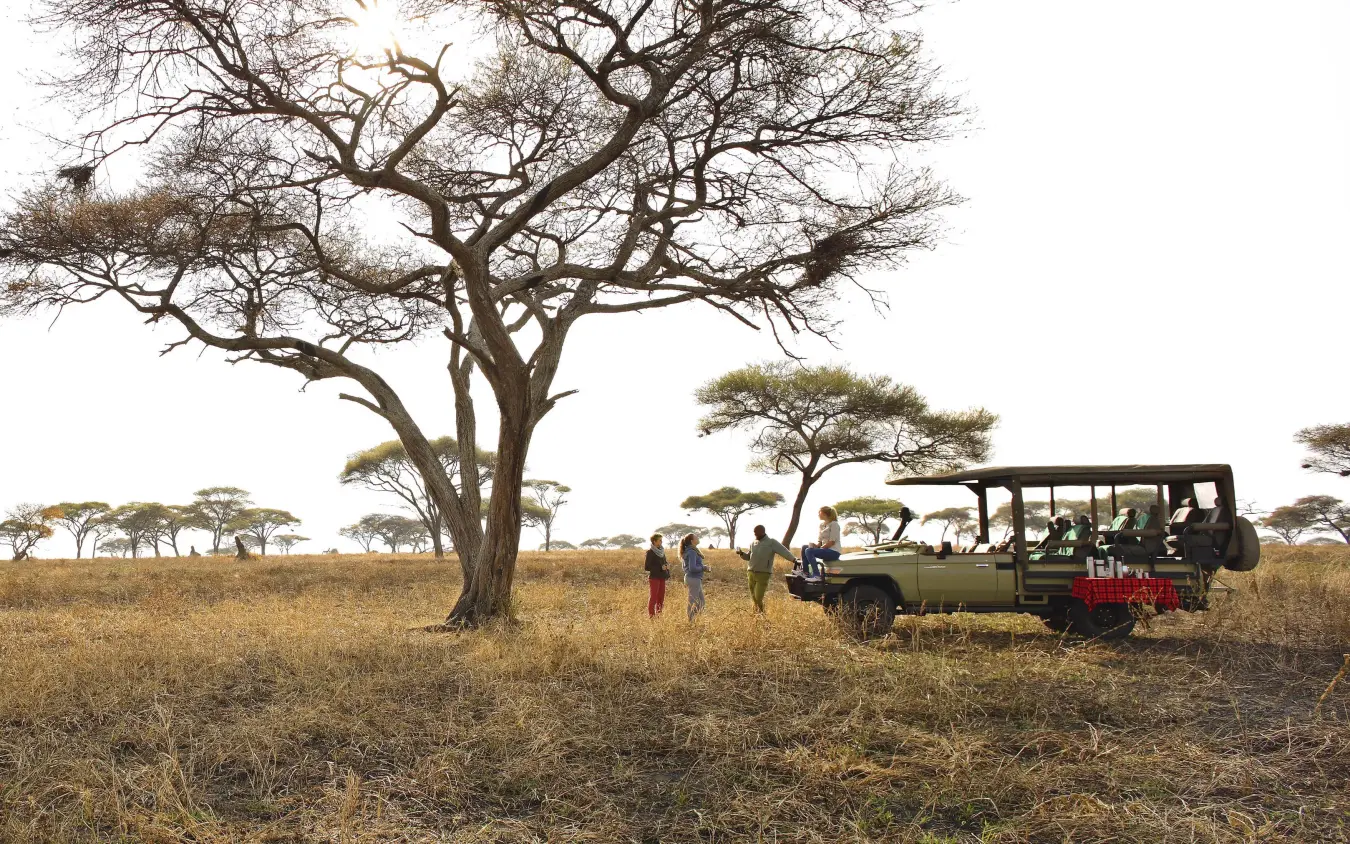
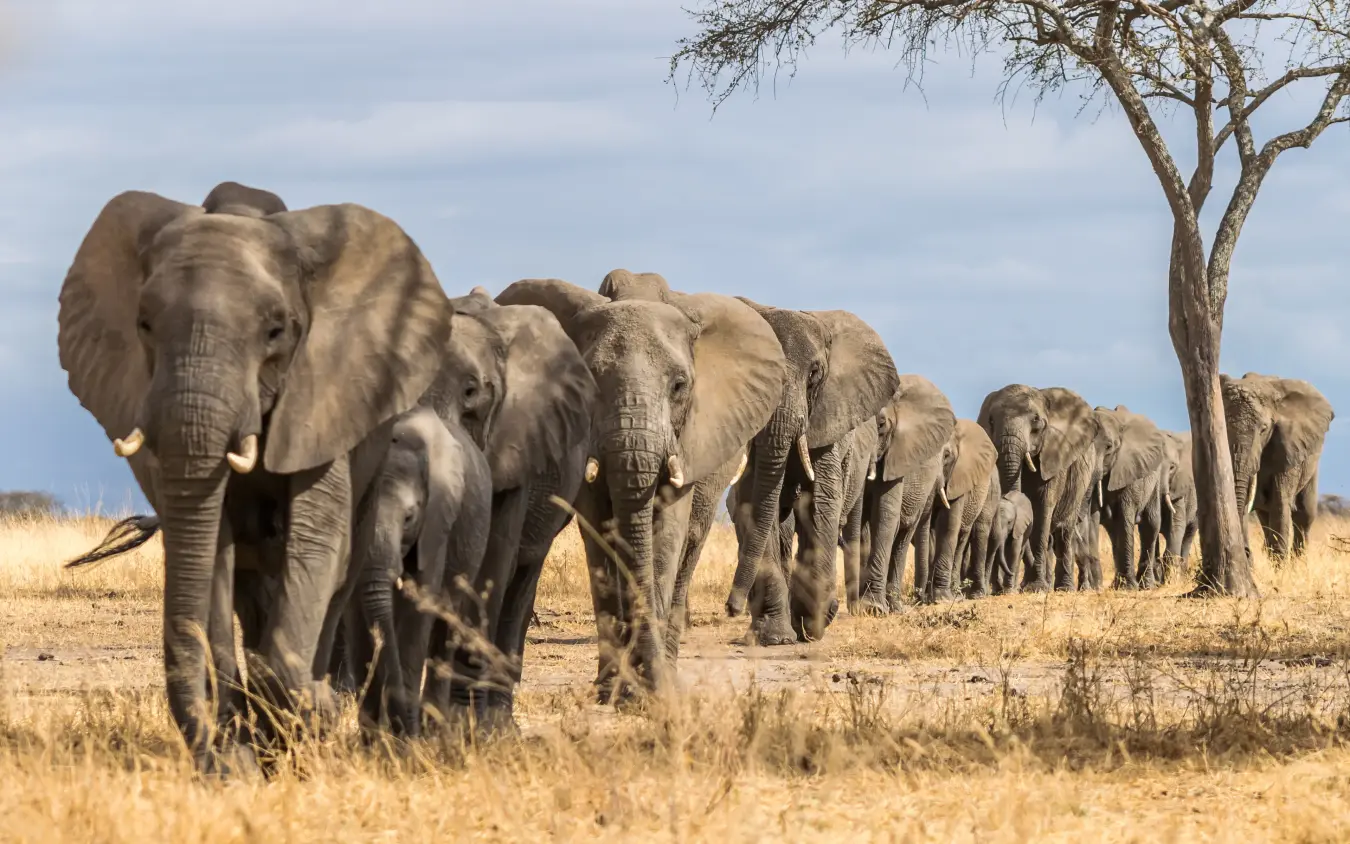
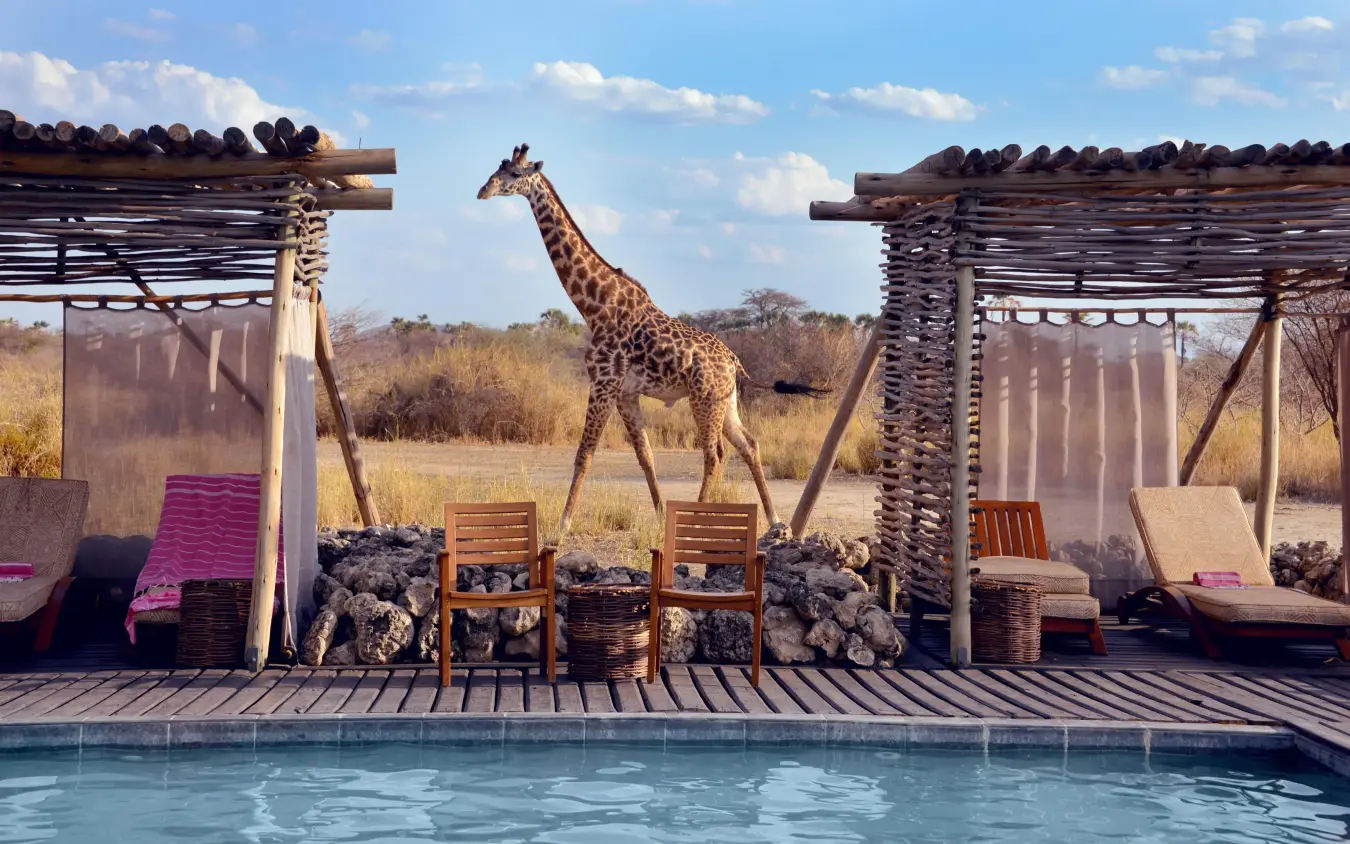
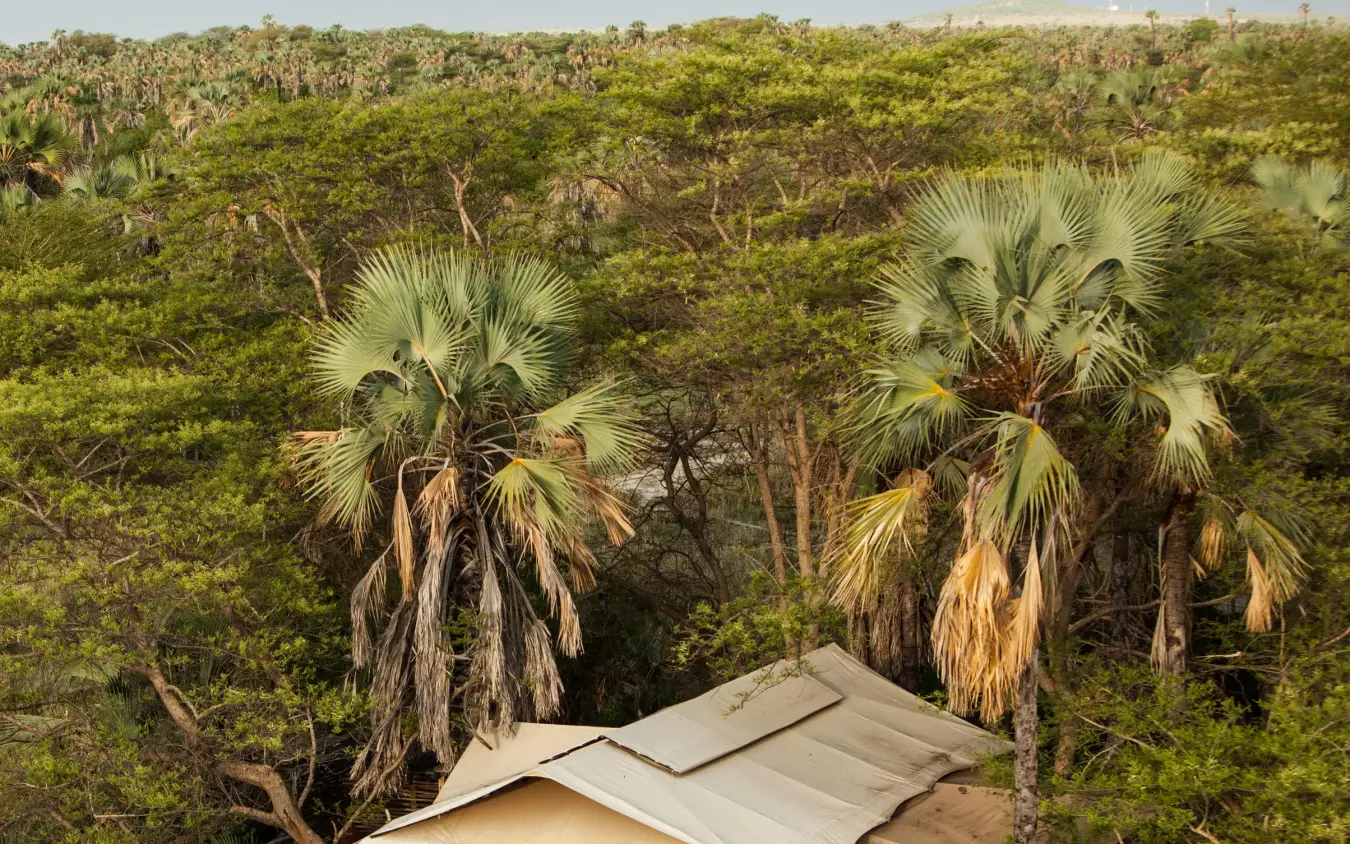
Two nights in the remote south-east of Tarangire, beside the water of the Silale Swamp. The swamp holds water through the dry season, drawing elephant herds, buffalo and the predators that follow, and the tents face the Tarangire River floodplains so game moves within view of the decks. Walking safaris led by experienced guides and an armed park ranger are the specialism here, with night drives and off-road driving permitted in this sector too. Being deep in the south-east means fewer vehicles at sightings.
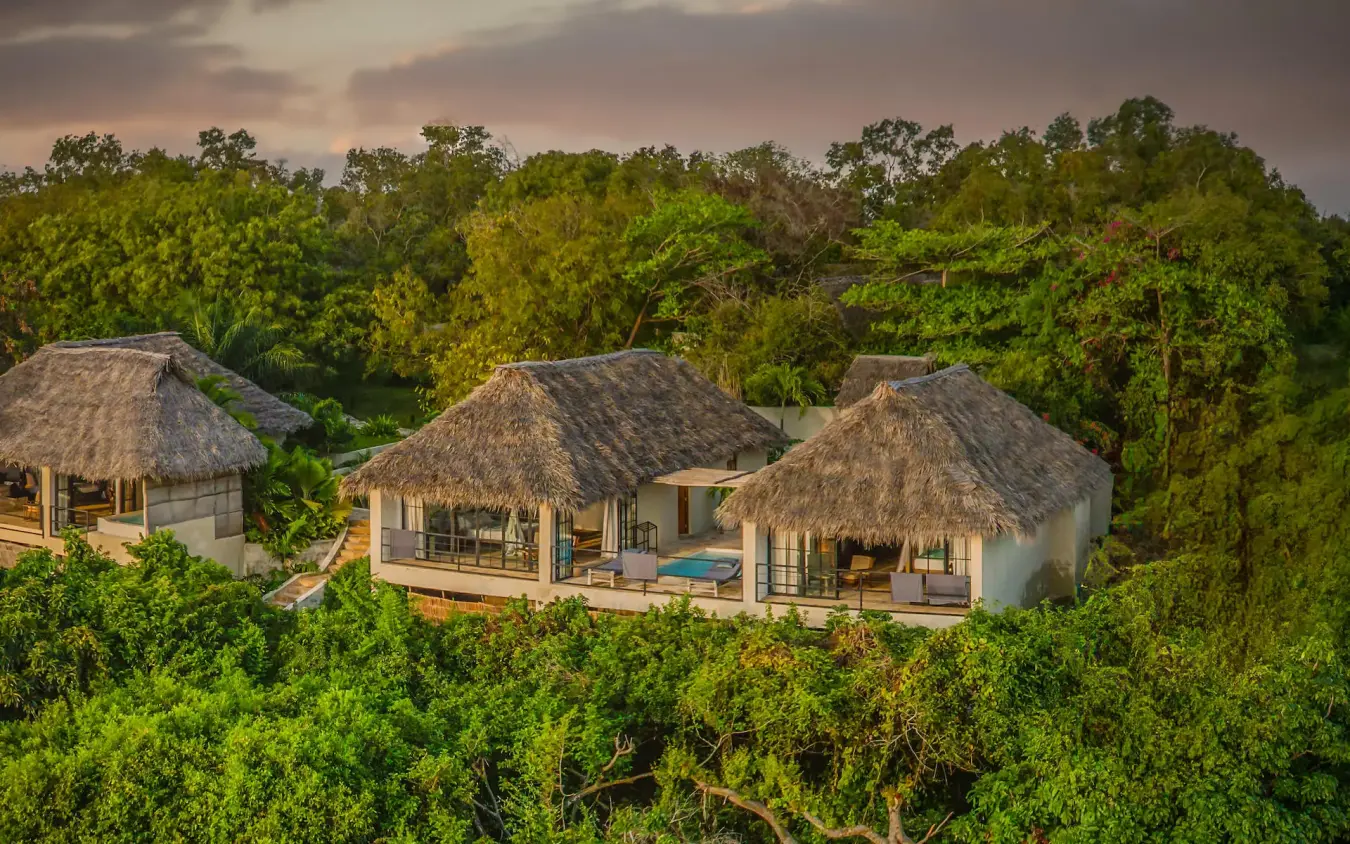
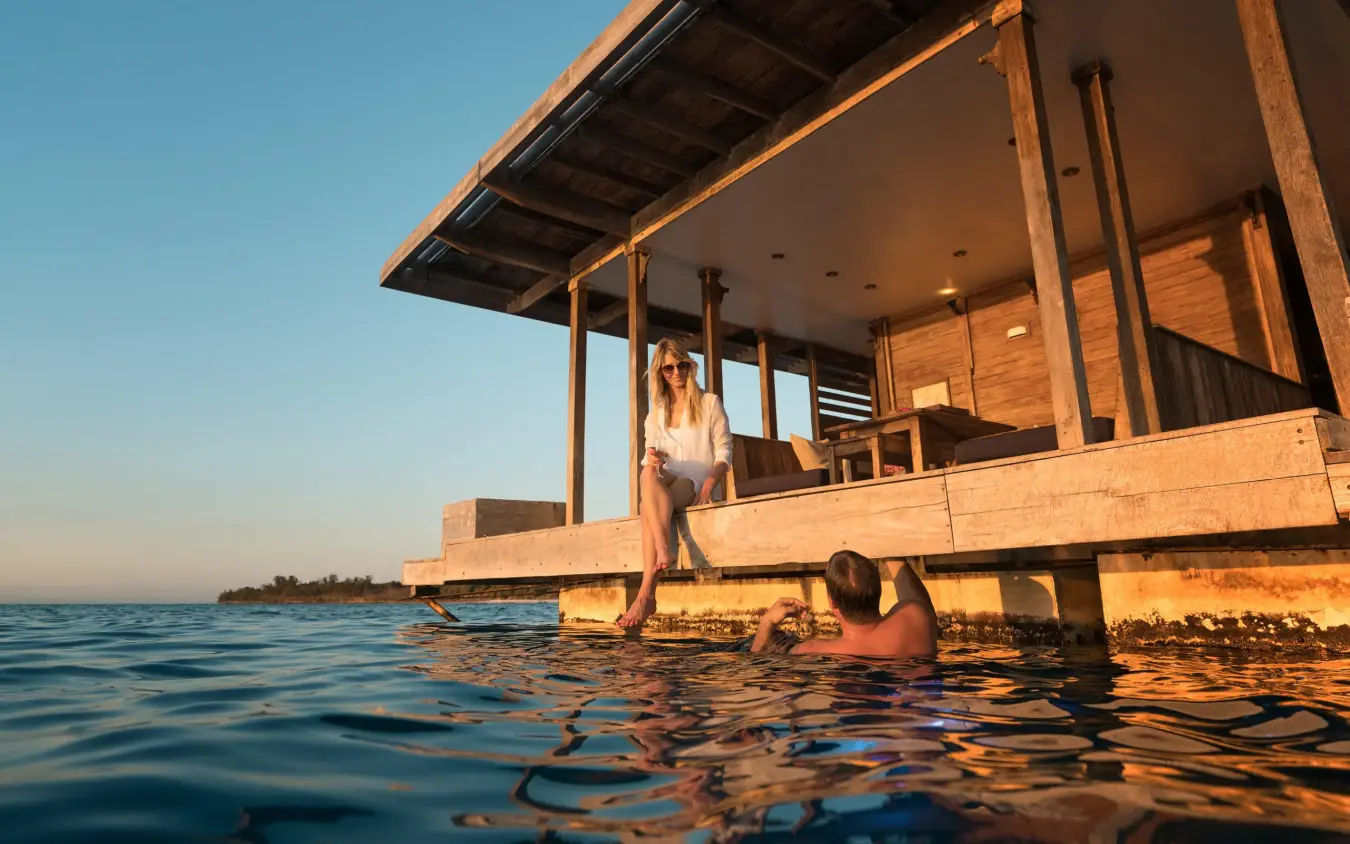
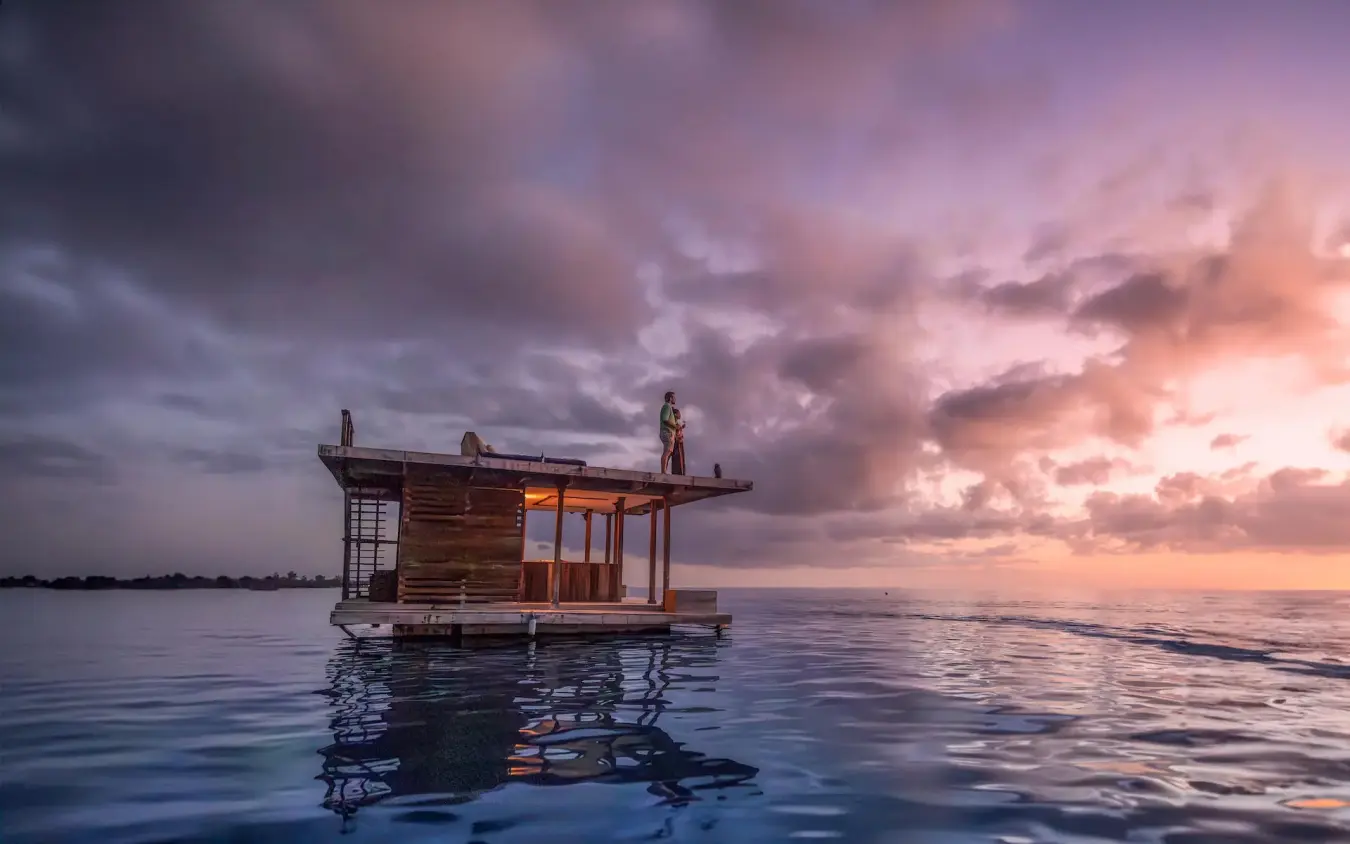
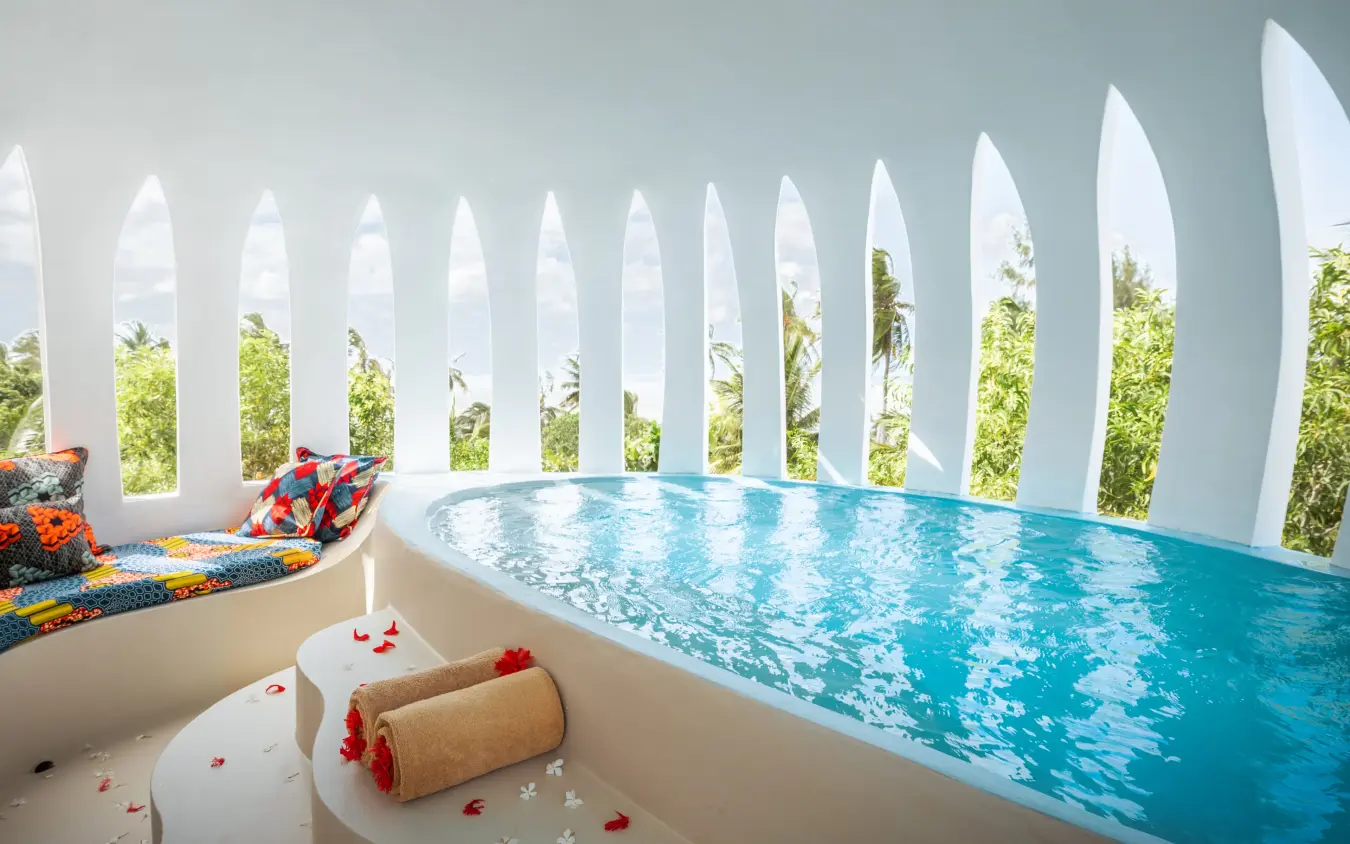
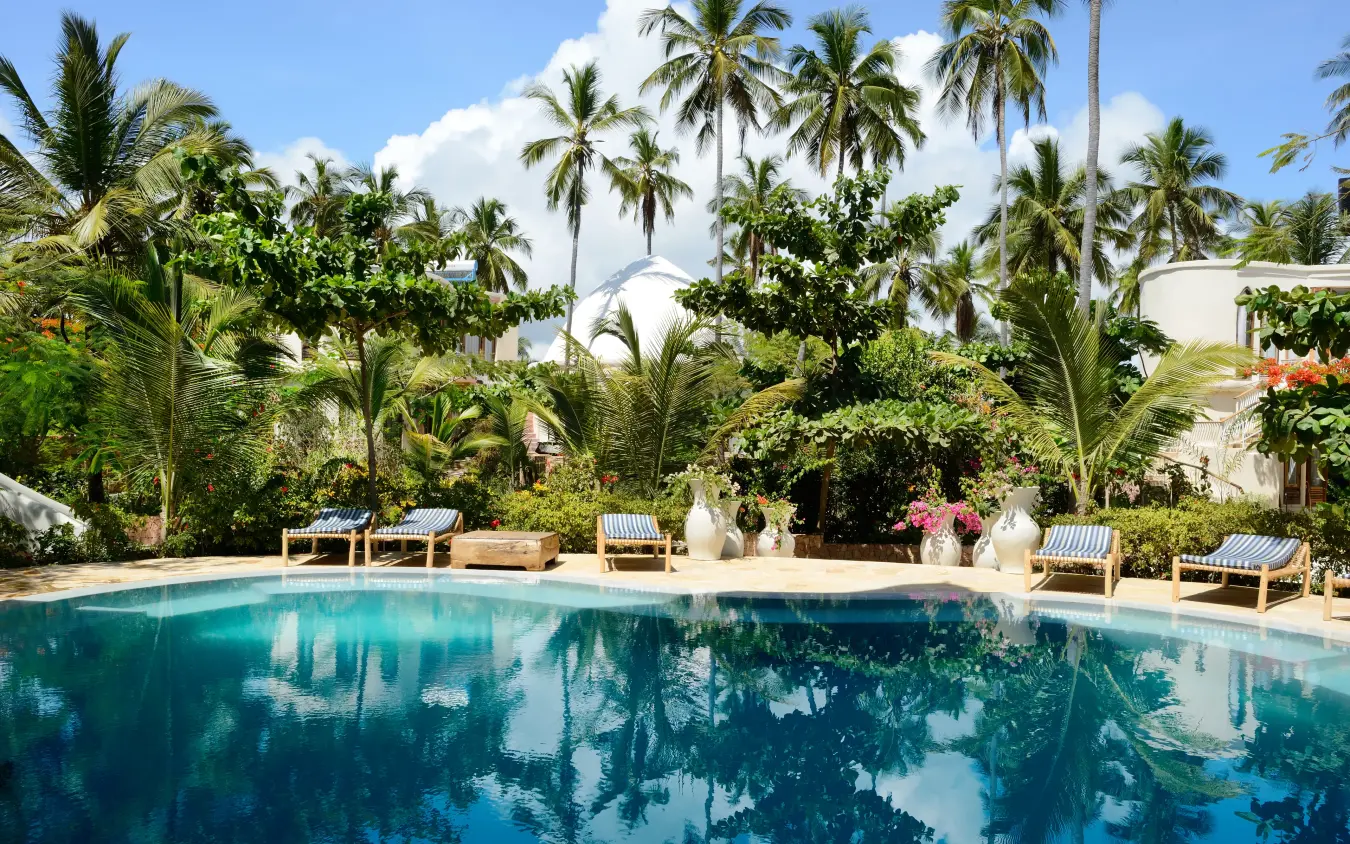
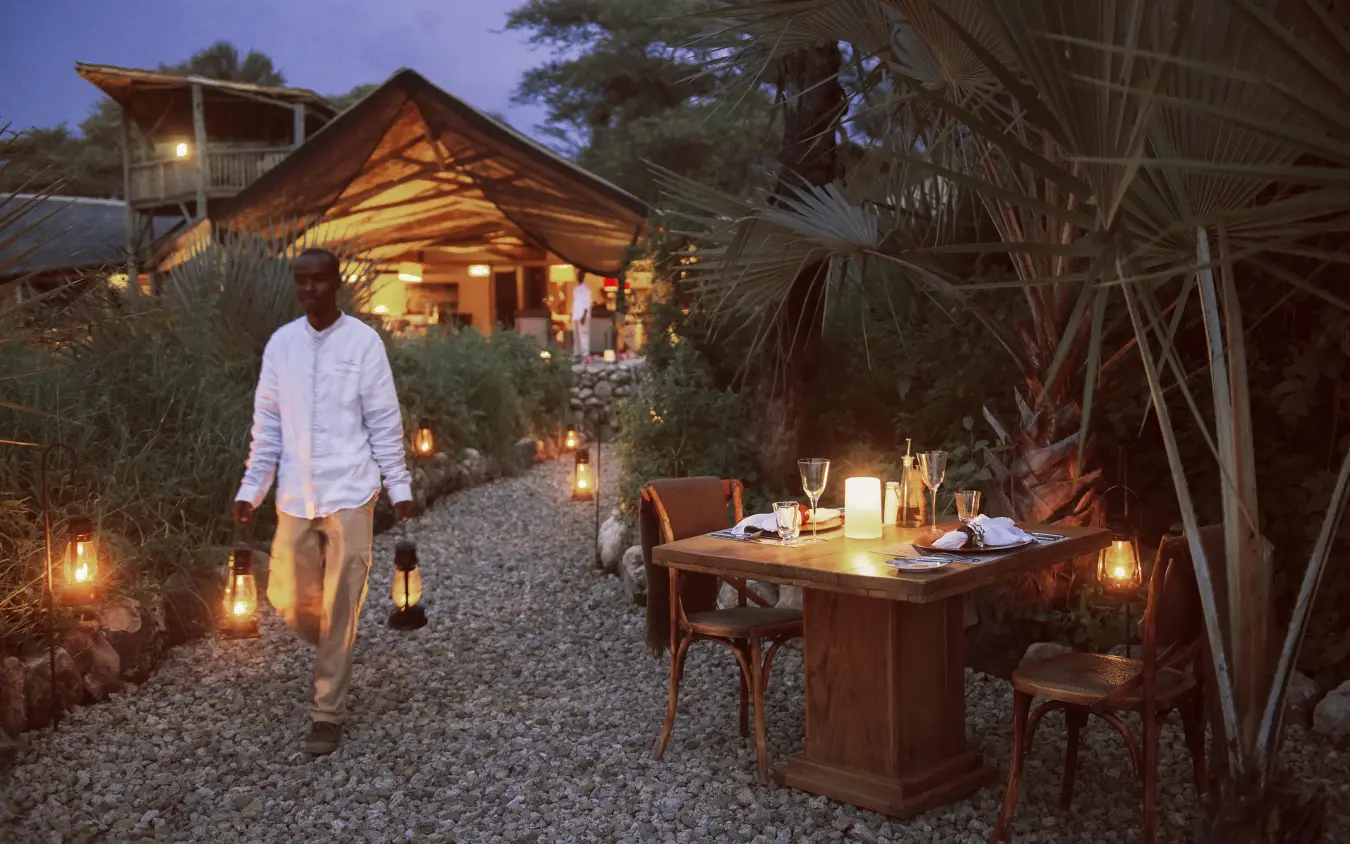
Five nights close the trip on the Michamvi Peninsula, where the tide sets the shape of the day and the snorkelling, kayaking and paddleboarding run when it allows. About an hour inland, Jozani Chwaka Bay National Park holds the endemic Zanzibar red colobus, along with bushbabies and 168 recorded bird species. You stay in nine coral-walled villas at Dongwe, each with a Swahili name, a private plunge pool and a butler, in one and two bedroom layouts, with no set meal times and no main dining room, so meals come to the beach, the garden or the villa.
Yes for most ages, and the limits are set by other people rather than by us.
The camp beside the Silale Swamp takes children of five and over and keeps two family tents, and the villas at Dongwe come in one and two bedroom layouts, so a family can take a whole villa with its own plunge pool.
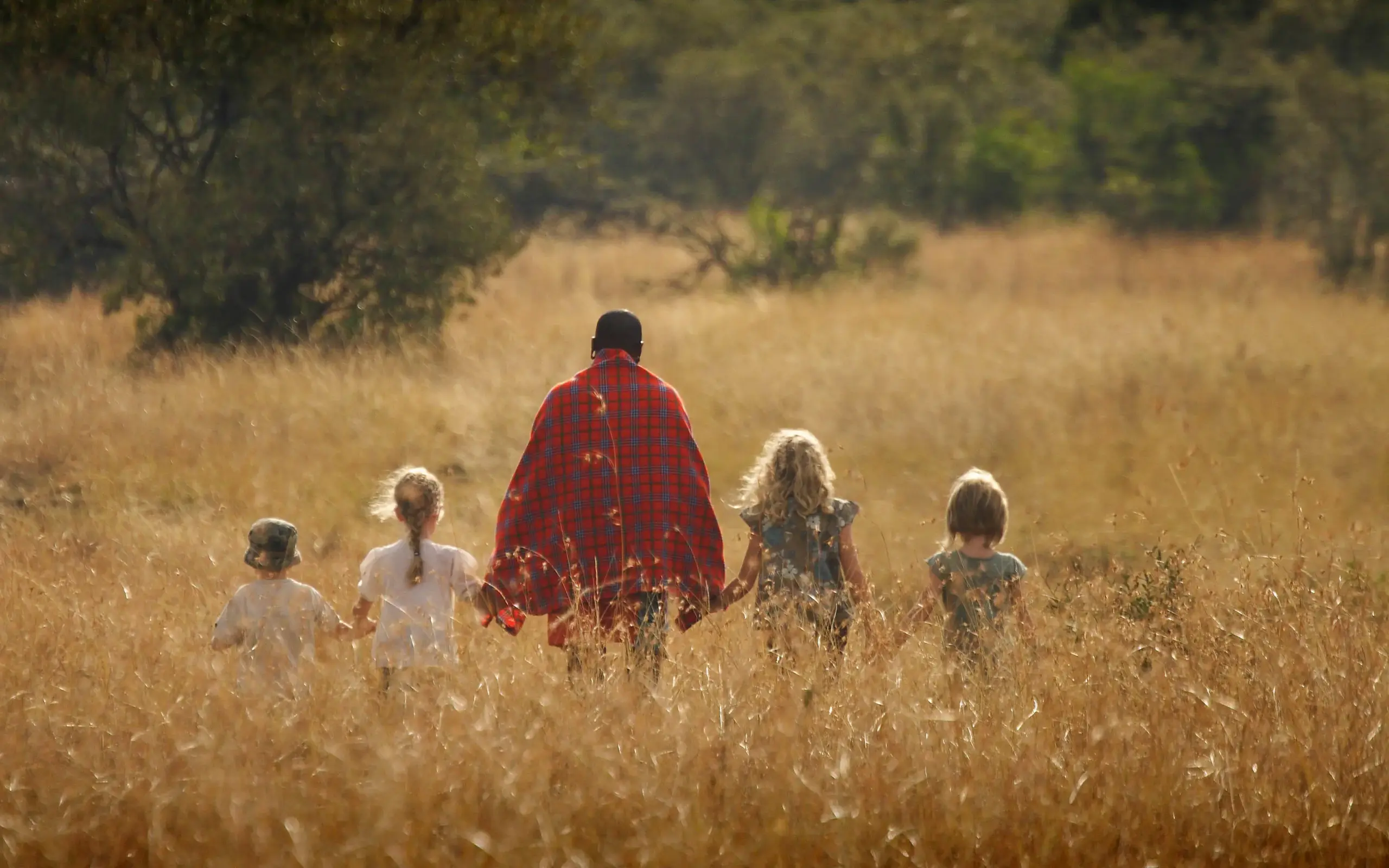
Walking is where the age rule bites: Tanzania's park authority prices a walking safari only for adults and for children of twelve or over, so younger ones stay in the vehicle while older ones can go out with the guide and the armed park ranger.
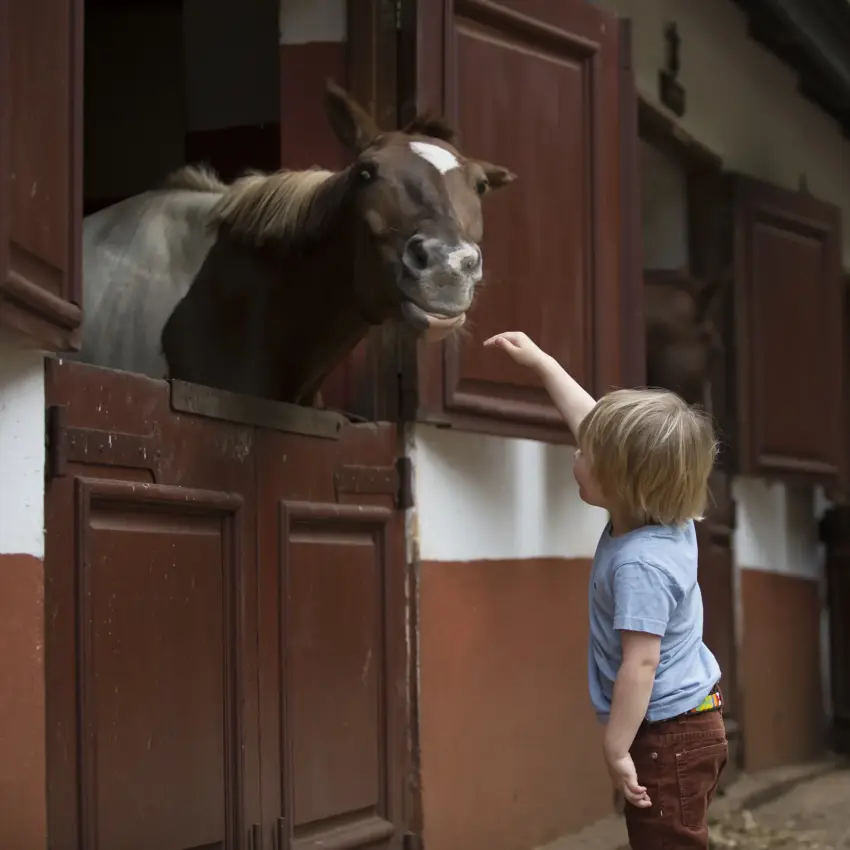
On the Karatu coffee estate the riding is guided, gentle and open to beginners, with pony rides for smaller children. Give us their ages at the enquiry stage and we will check each stop against them before anything is booked.
Better here than almost anywhere else in Tanzania, though nobody can promise a wild animal and the crater's rhino are few.
Black rhino are anywhere from straightforward to find on the floor to a chance of around seven in ten across a day's driving, and counts of the crater population disagree with each other, from the mid twenties to the mid fifties, so treat any single figure with care.
What helps is the ground itself. The floor is open, around 260 square kilometres inside walls that rise some 610 metres, and the rhino often feed in plain view on short grass early in the morning.
That is the argument for the early start from Karatu, twenty to thirty minutes from the gate. Driving inside the conservation area stops at six in the evening and the descent gate shuts at four.
Water, permission and distance, and together they are why the route goes that far in.
The Silale Swamp holds water when the rest of the park dries out, so elephant, buffalo and the predators behind them gather near it through the dry months.
Driving after dark is licensed by the park authority in Tarangire and Lake Manyara but not in the Serengeti, so a night drive in this sector does something the better known parks to the west cannot. Walking is licensed too, with an armed ranger, and this sector is where it is run from.
The third thing is simply how far it is from the main gate, which keeps the numbers at a sighting down.
One date to check: the camp runs its walks between early June and mid February, weather allowing, and shuts from mid March to mid May.
July to October if the dates are yours to choose.
We rate all four of those months highly at every stop here: short grass on the crater floor, elephants drawn in to the Tarangire River and the clearest water of the year off Zanzibar.
Families tied to school holidays have two other windows worth having.
June is already dry in the highlands, quieter than August and settled on the coast.
February suits the crater and the coast, and Tarangire is greener, gentler and emptier of vehicles, which small children often prefer.
The long rains from March to May are the stretch to leave alone: tracks turn heavy, the Tarangire camp shuts from mid March to mid May, and April is the wettest month on the coast, when many dive centres close.
The northern half is driven and the coast is flown, which takes the worst day out of the trip.
From the estate below Meru the run up to Karatu takes two and a half to three hours, and Karatu down to Tarangire at two to two and a half, with the drive on to the south-eastern sector adding more inside the park. Those are the long ones.
The crater gate is twenty to thirty minutes from Karatu, so the early start is not a dawn marathon.
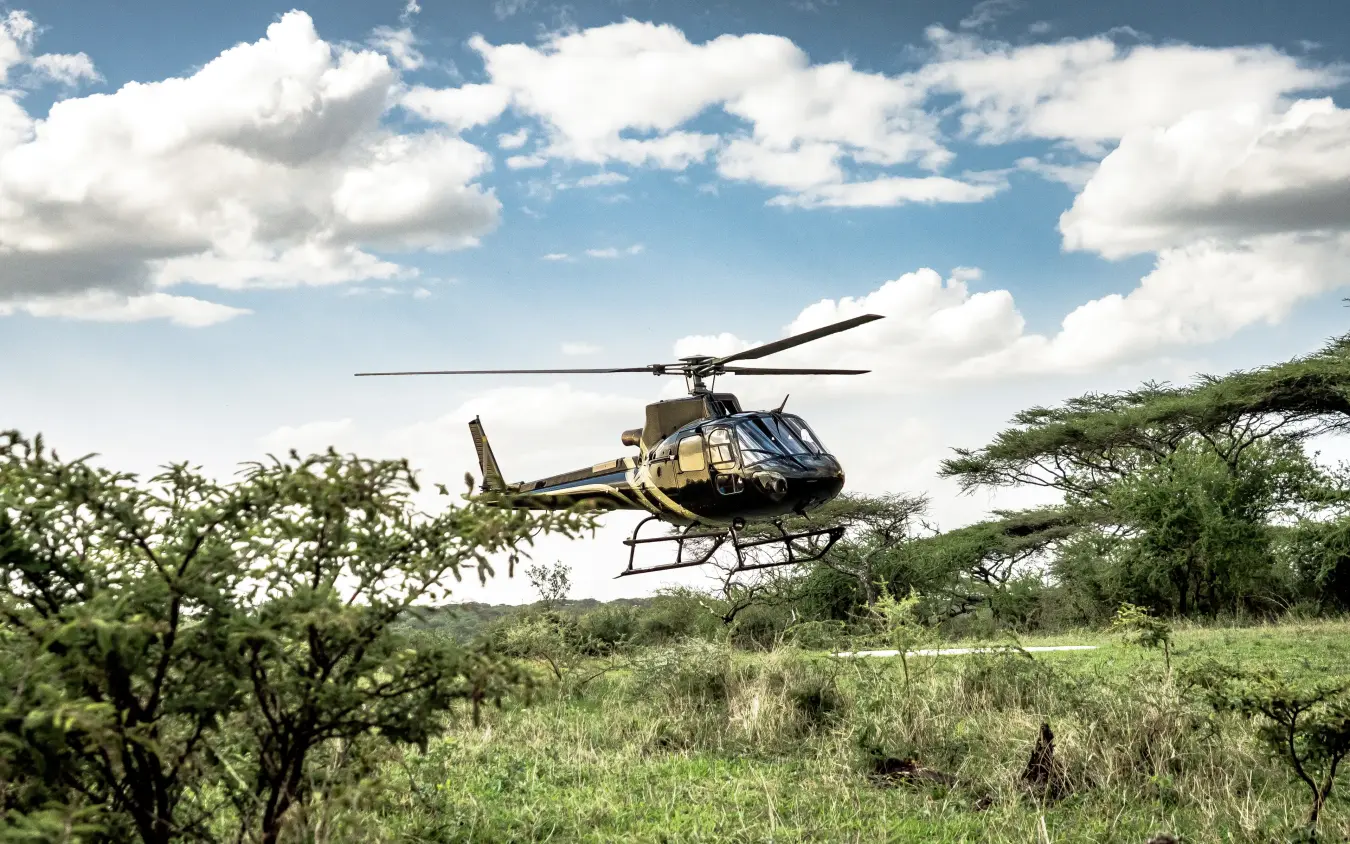
The coast is reached by scheduled light aircraft, about two hours from Arusha to Zanzibar, then roughly an hour and a half by road to the Michamvi Peninsula. Those flights allow 15 kilograms each, hand luggage counted in, and want soft bags rather than hard cases.
We can fly the Tarangire leg instead of driving it if the drives look long for your children.
It sets the timetable, so the days are planned around it rather than against it.
Michamvi sits on the south-east coast, where the range is wide and the reef lies well offshore. This side of the island is not always swimmable at both tides, unlike Kendwa in the north-west, and on the biggest tides the water can draw back a long way and then cover most of the sand.
Swimming, snorkelling, kayaking and paddleboarding belong to high water; low water is when the flats and rock pools are worth walking, which children usually like more than the swimming. Each villa has its own plunge pool for the hours in between.
About an hour inland, Jozani Chwaka Bay National Park holds a large share of the world population of the Zanzibar red colobus, a monkey found only on Unguja.
Ed Charles, BBC Producer
Fitzroy are true specialists in accessing the wilderness. They know where to go and importantly, when to go there. Highly recommended.
tanzania
Ten nights across northern Tanzania's private reserves, from a coffee estate below Meru to the western Serengeti.
tanzania
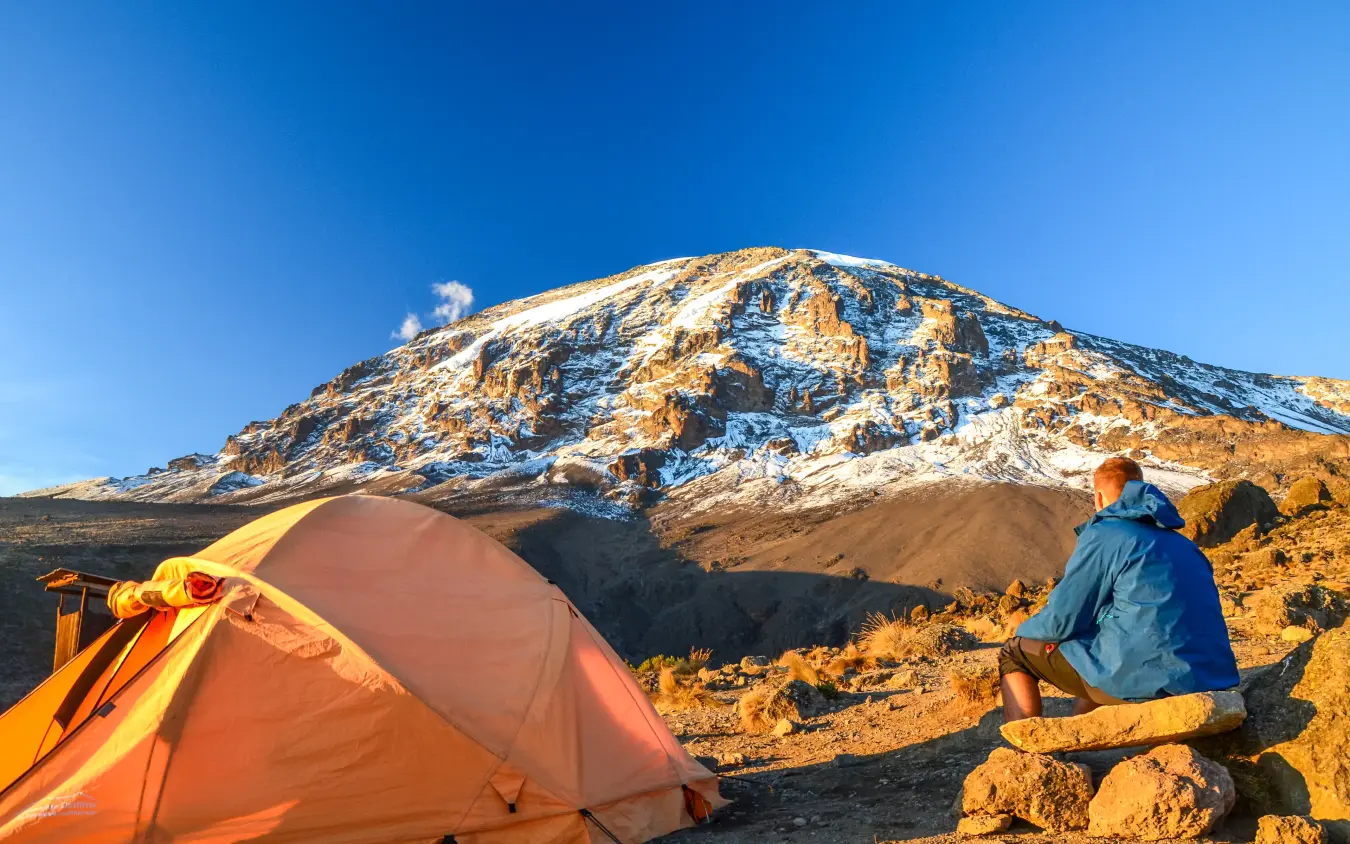
Ten nights in northern Tanzania climbing Kilimanjaro by the Lemosho route, with two nights at Ngare Sero on Mount Meru.

tanzania
Ten nights linking remote Ruaha, the Rufiji at Nyerere and the reefs of Pemba Island, by game drive, boat and dive.
rated five stars by our clients


our approach
Every journey starts with a conversation. We take the time to understand your vision before we start planning.
Whether by phone or in person, we work with you directly to shape something that is considered, personal, and expertly delivered.
Every journey starts with a conversation. We favour a direct, personal approach: understanding your vision before anything else.
Whether by phone or in person, we work with you directly to shape a journey that is both thoughtfully considered and expertly delivered.
Get in touch to start planning yours.