











tanzania
chimpanzee tracking
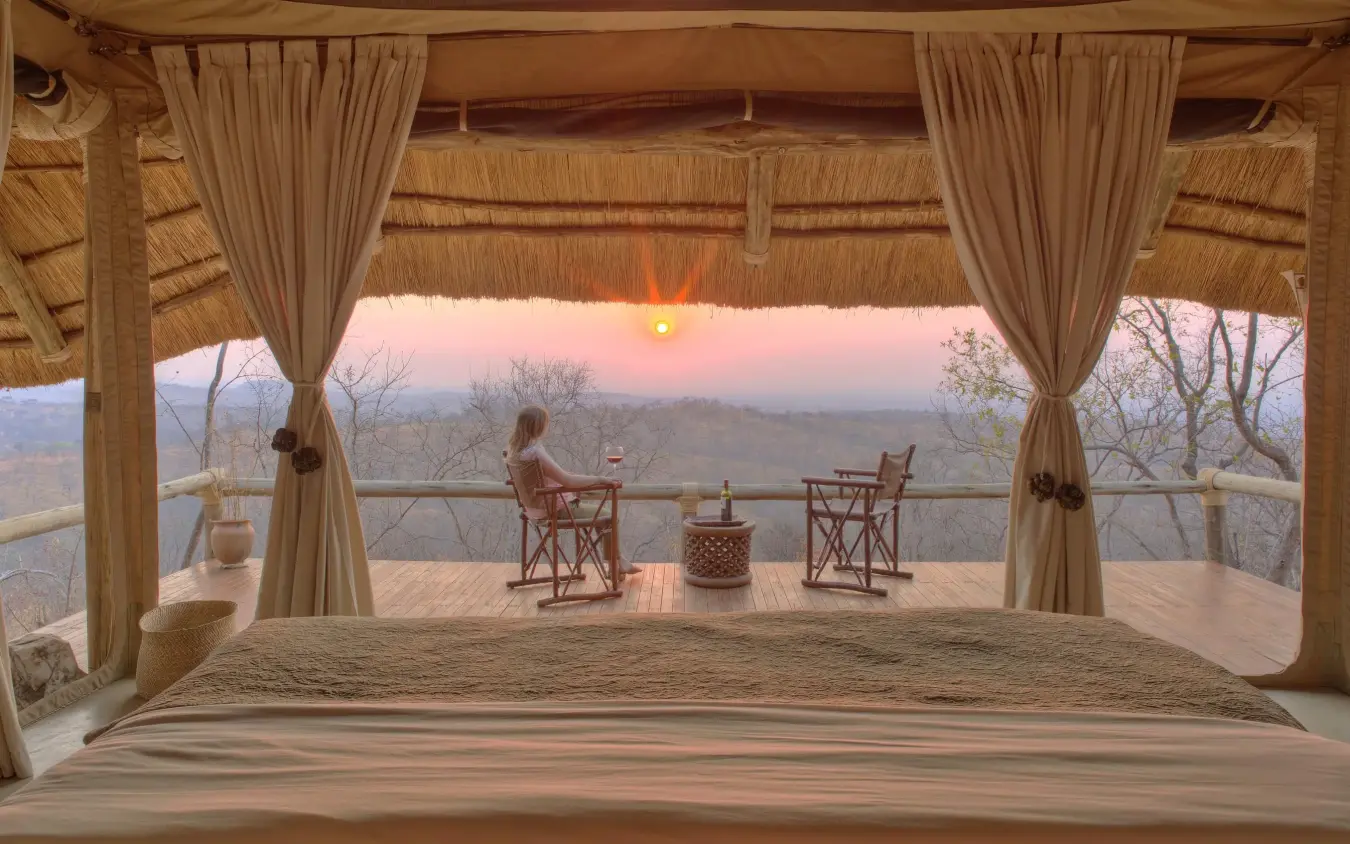
Ten nights across Tanzania's wild south and west: walking Ruaha, Katavi's dry-season game and Mahale's chimpanzees.
- Private Safari
- From $16,326 pp
- 2 guests
- 10 nights
The route runs for ten nights, opening with a night beneath Mount Meru at Arusha before three regions of northern Tanzania. The eastern Serengeti, on the short-grass plains of Soit Le Motonyi, is cheetah country with few vehicles. The southern Serengeti brings the Kusini calving plains. The Ngorongoro Crater closes the trip, its floor enclosed by walls that rise as much as 610 metres.
You travel by game drive, with days built around morning and afternoon outings and full-day options in the east. At Kusini a mobile camp stands among the herds, and on the crater rim an early descent puts you on the floor before the traffic. The accommodation runs from a 1905 farmhouse to tented camps, each small in scale and placed for the wildlife rather than the road.
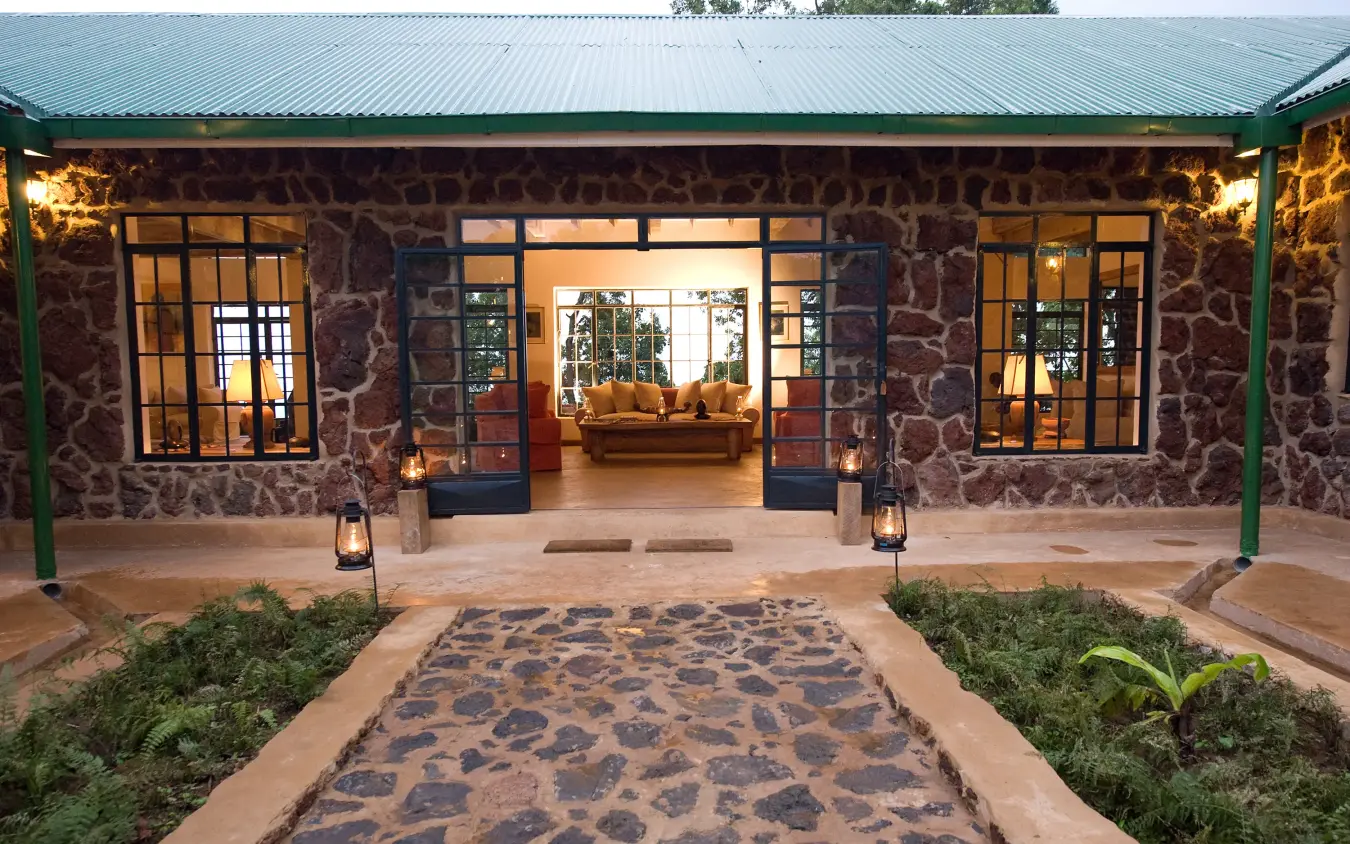
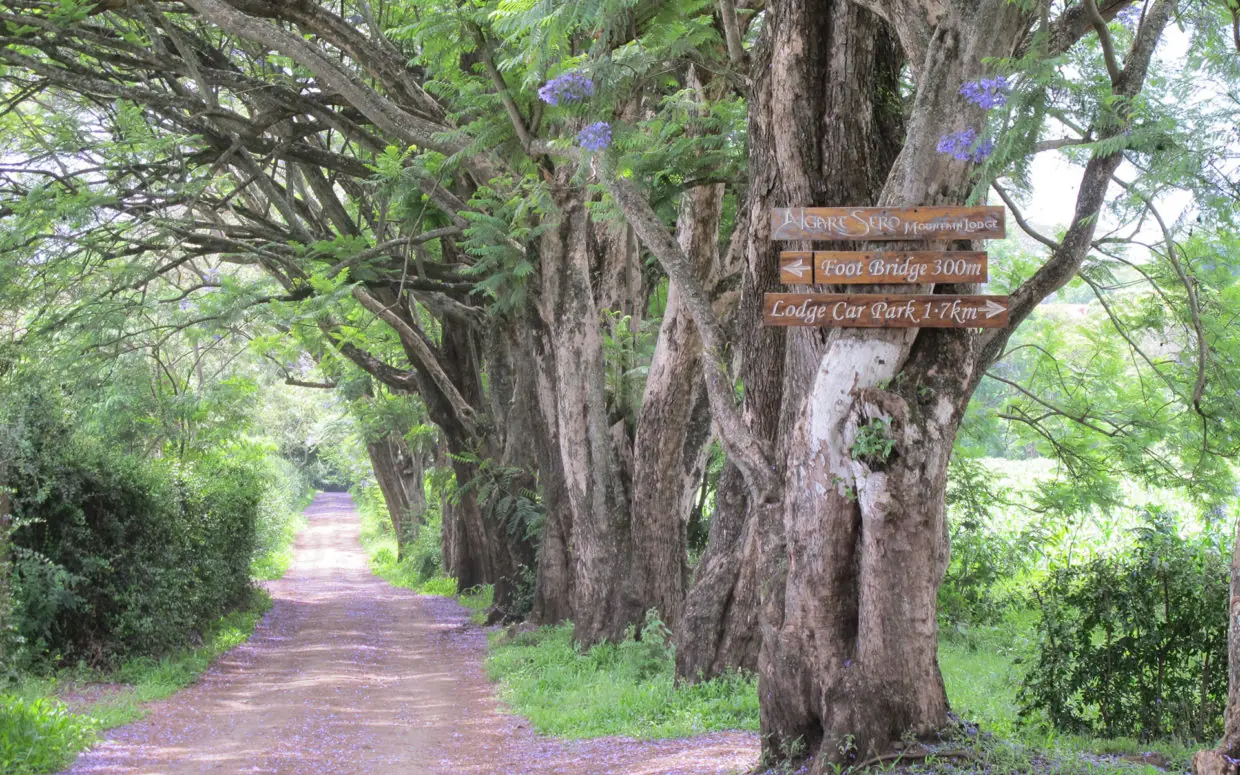
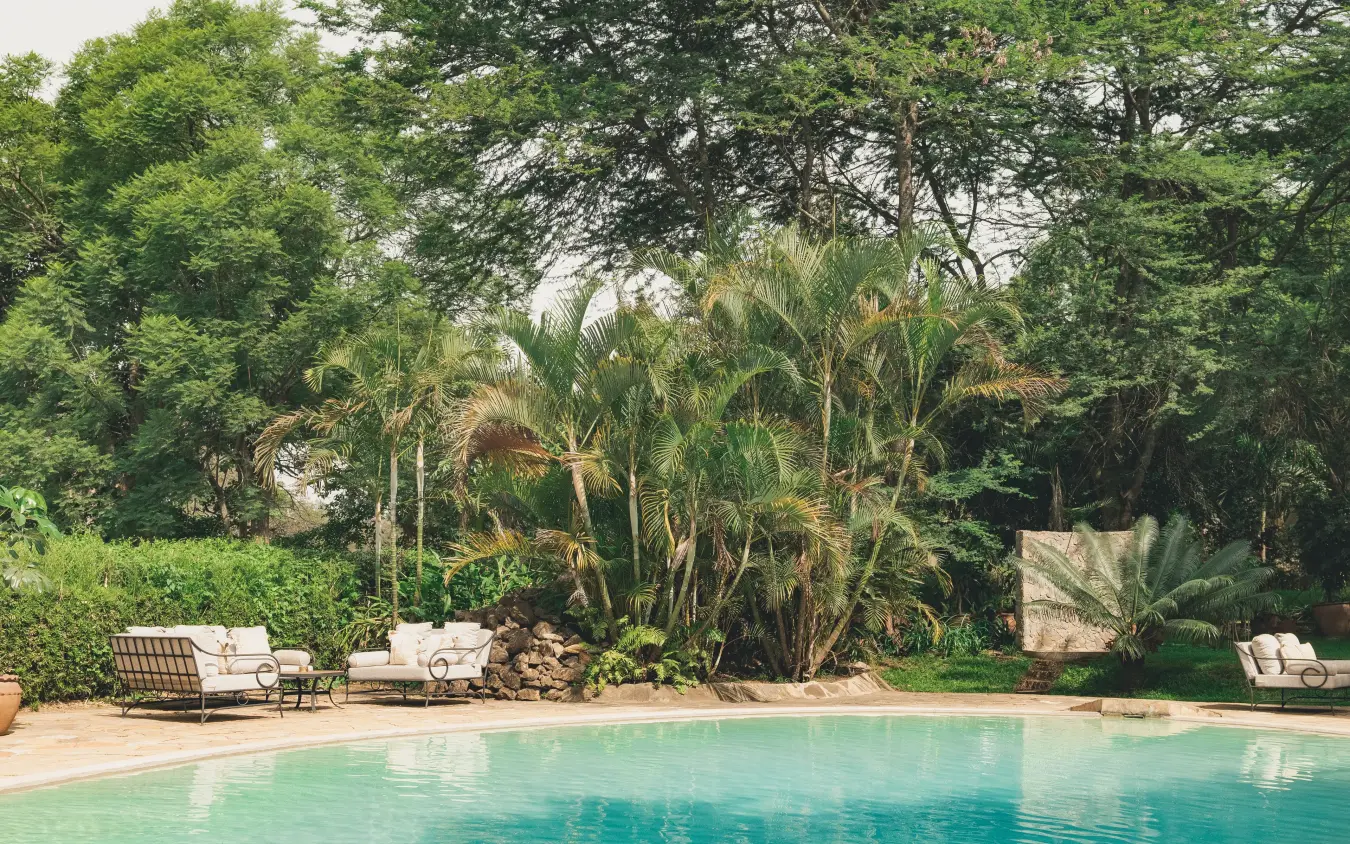
Northern circuit safaris begin here, in the staging town on Mount Meru's southern slopes, where the altitude at 1,400 metres cools the air and the mountain dominates a clear morning. It is a single night to gather yourself before the parks. Ngare Sero sits on Meru's forested lower slopes, half an hour from Kilimanjaro International, a 1905 farmhouse the Leach family has run since 1974. Colobus and Sykes' monkeys move through the canopy, a spring-fed lake sits at the centre of the grounds, and meals lean on the estate's organic garden and freshly caught trout.
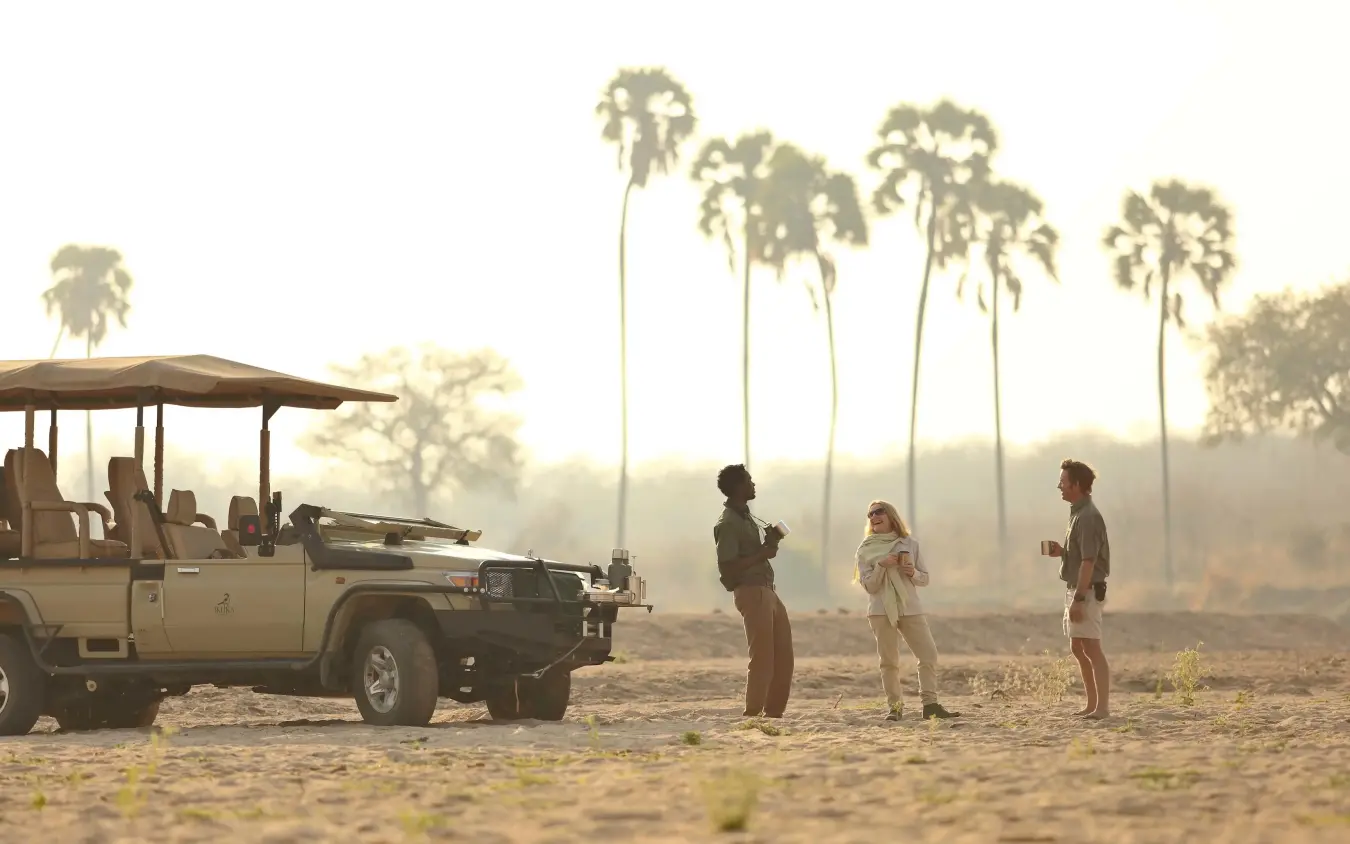
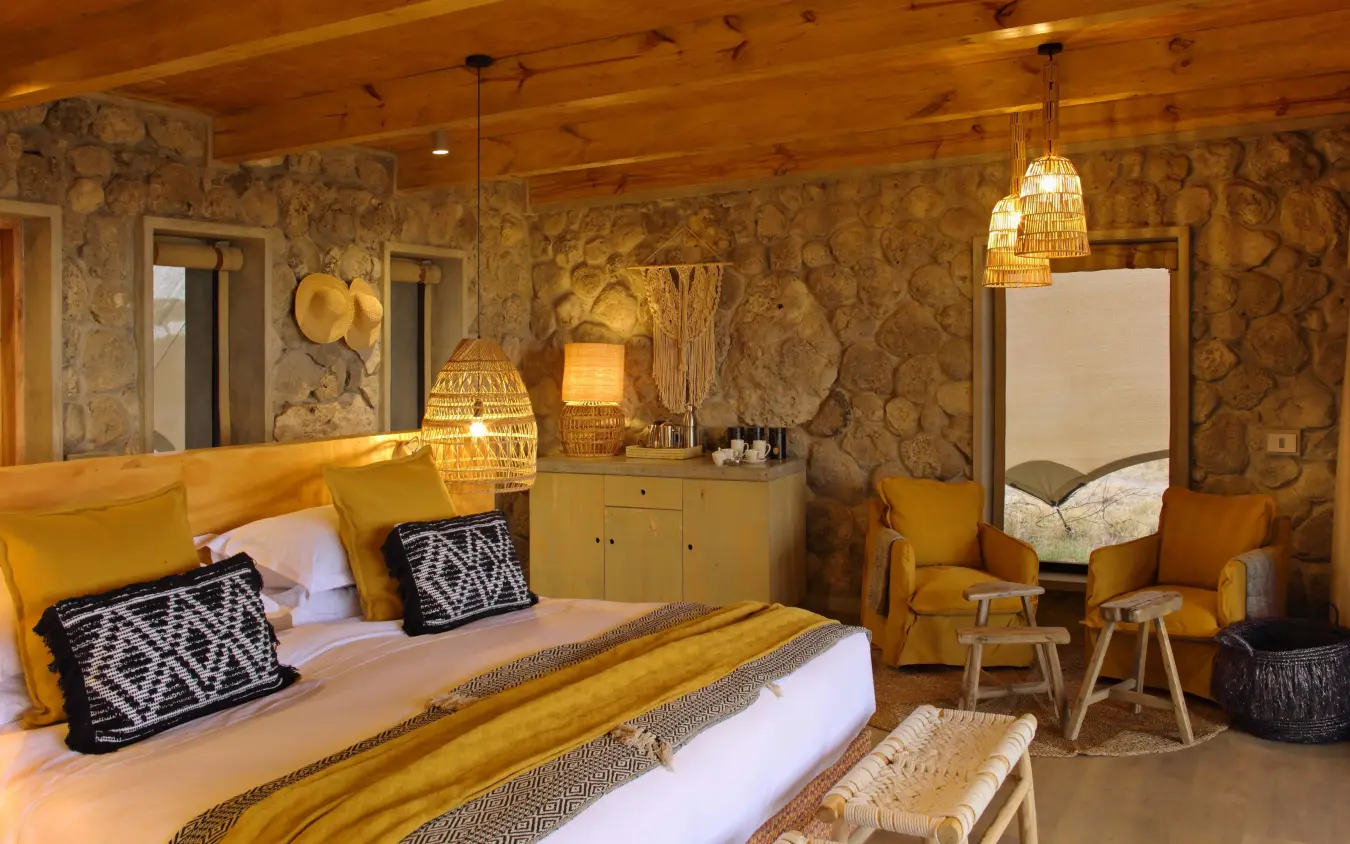
The open, short-grass country of the eastern Serengeti, Soit Le Motonyi, was closed to tourism for more than a decade and set aside for cheetah research. Days run on morning and afternoon game drives, with full-day options and packed meals, across sightlines that run for kilometres. Lion prides hold territory, leopards move along the seasonal Ngare Nanyuki River, and cheetahs cross open ground; between November and May the migration herds spread across these plains. Namiri Plains is a secluded tented camp whose nearest neighbour is over an hour away, so drives often pass without another vehicle in sight.
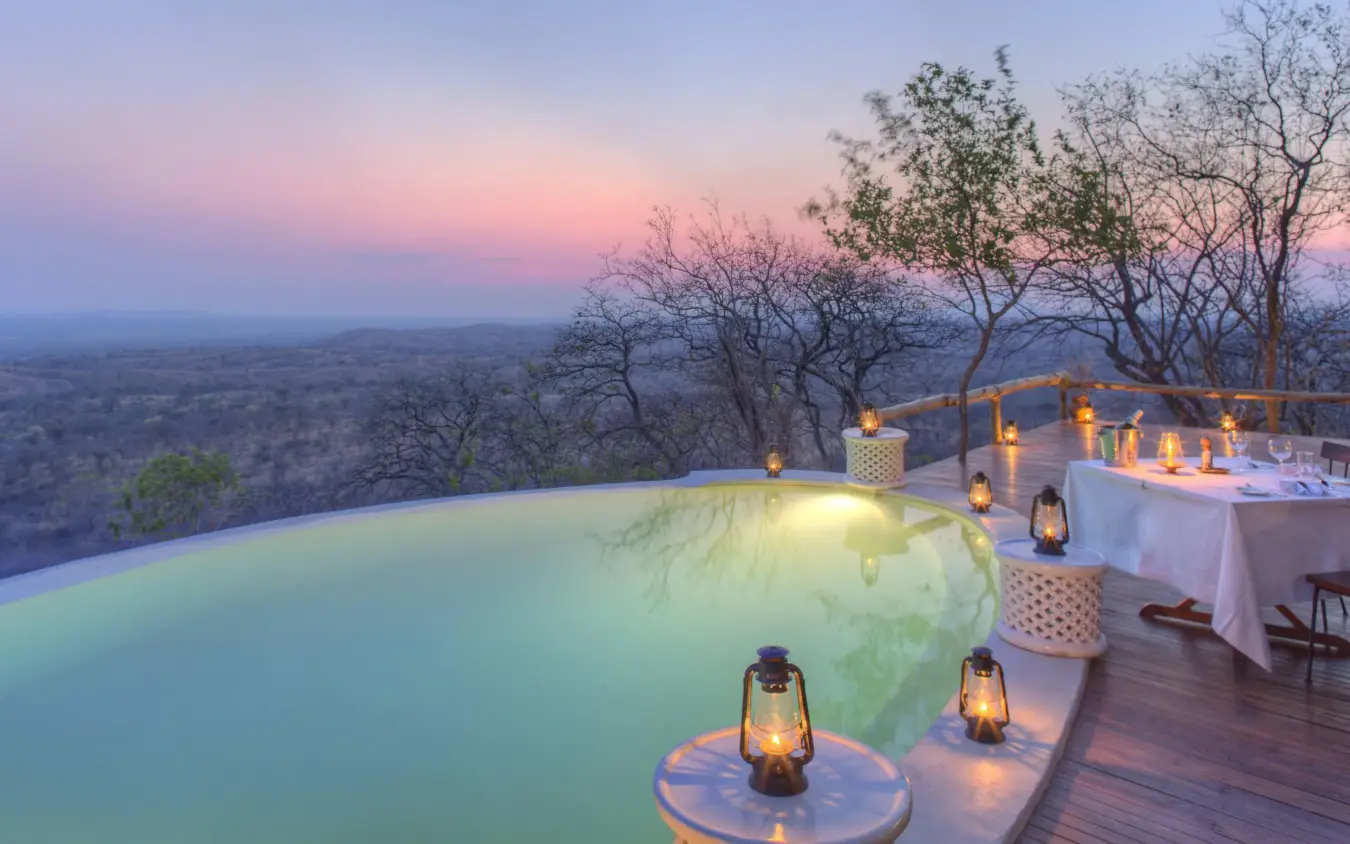
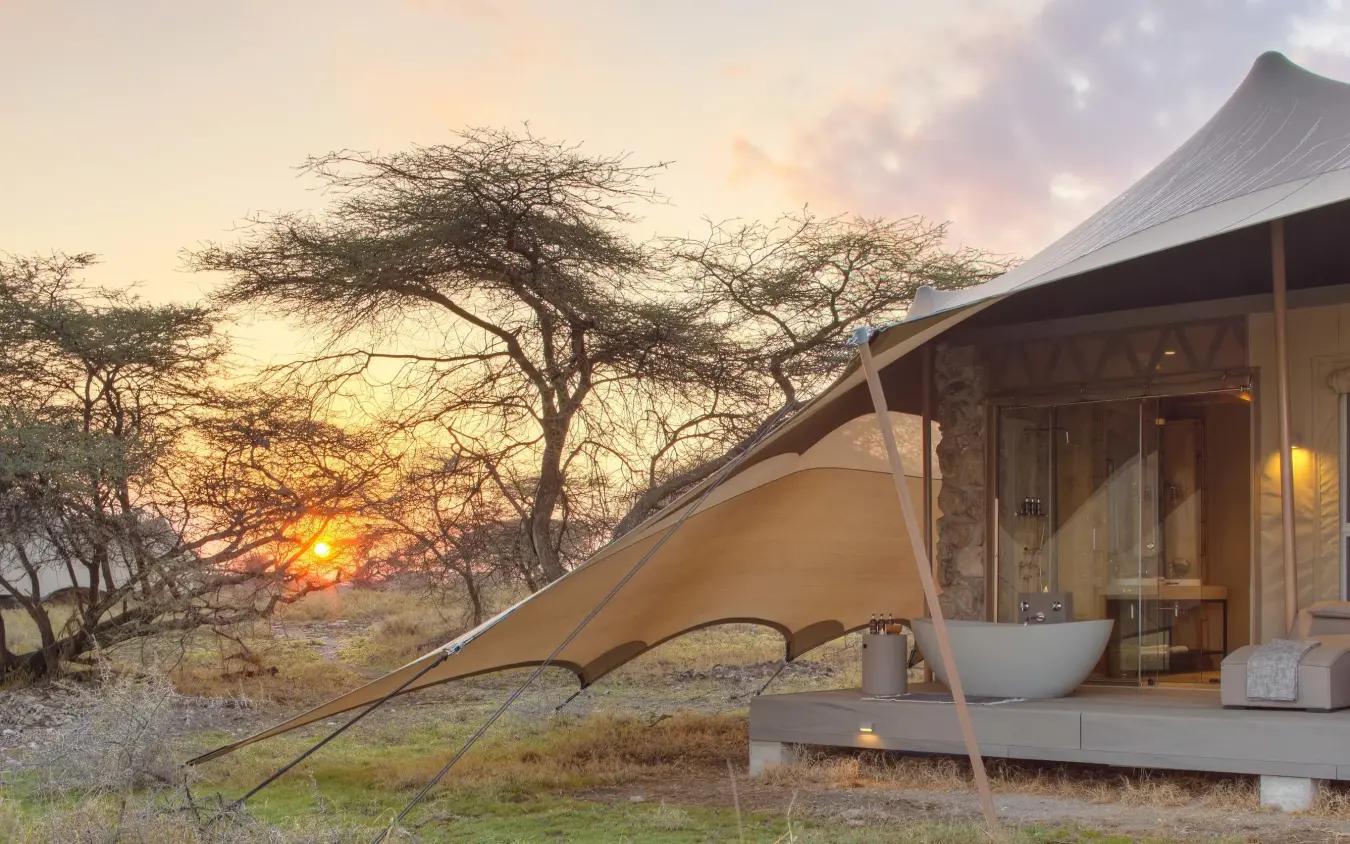
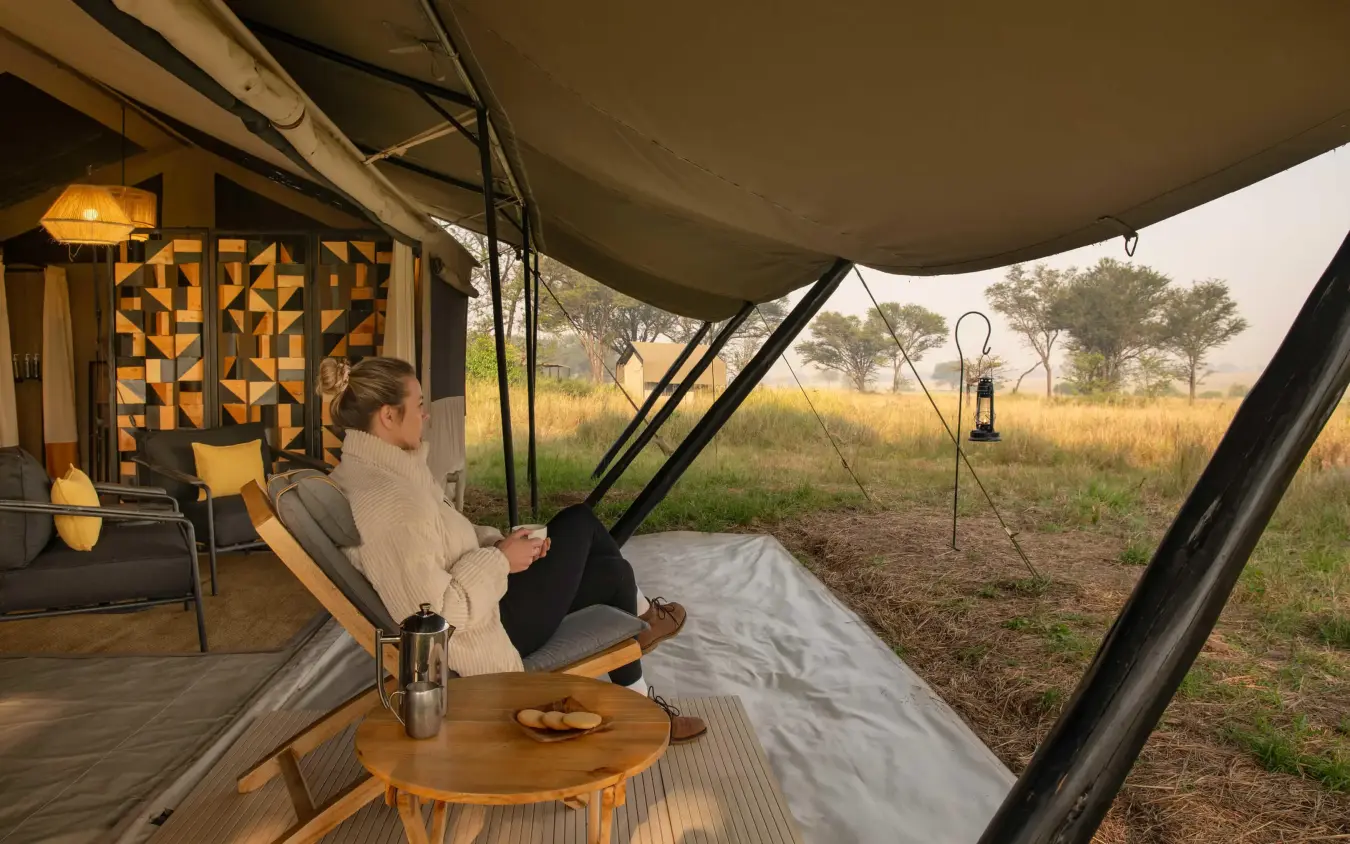
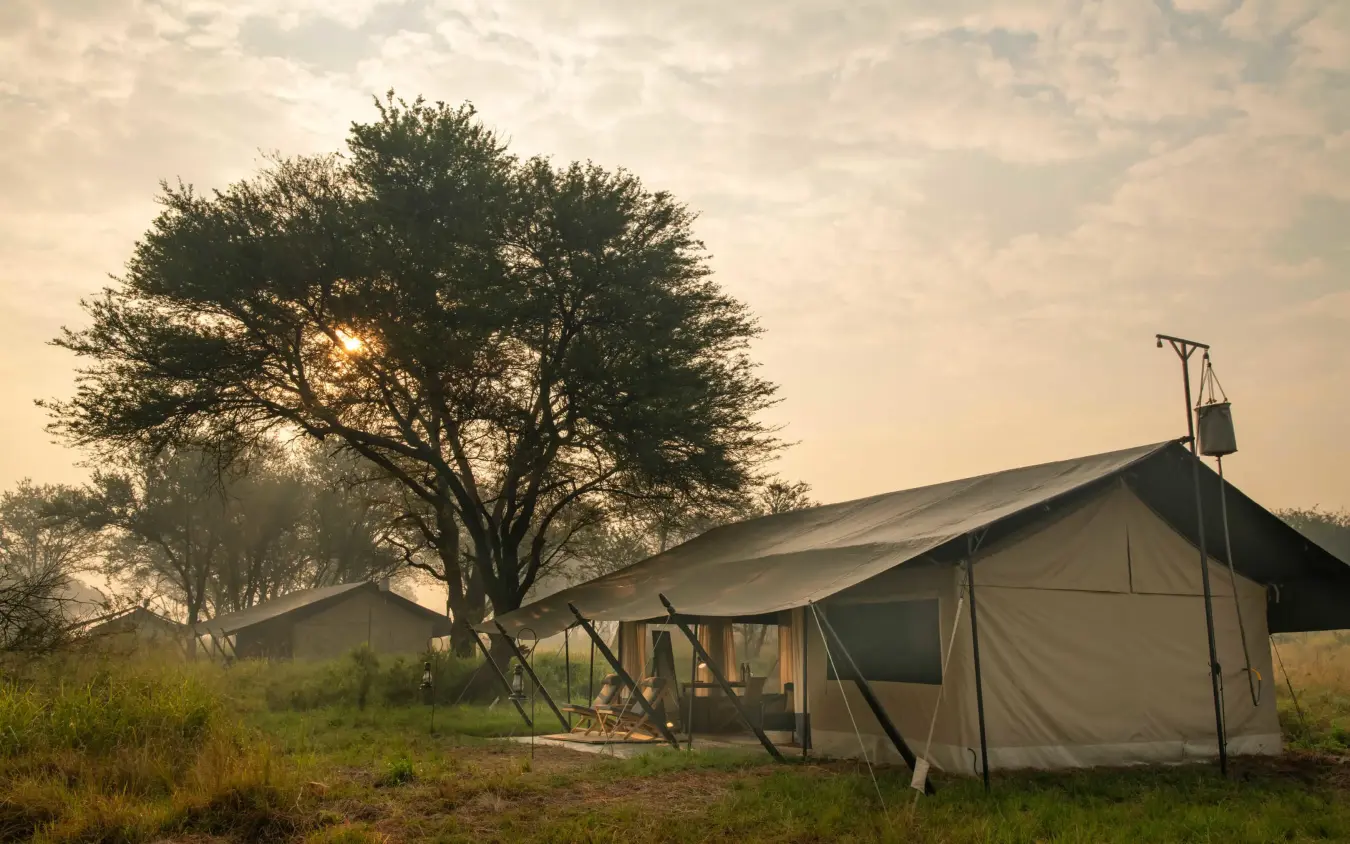
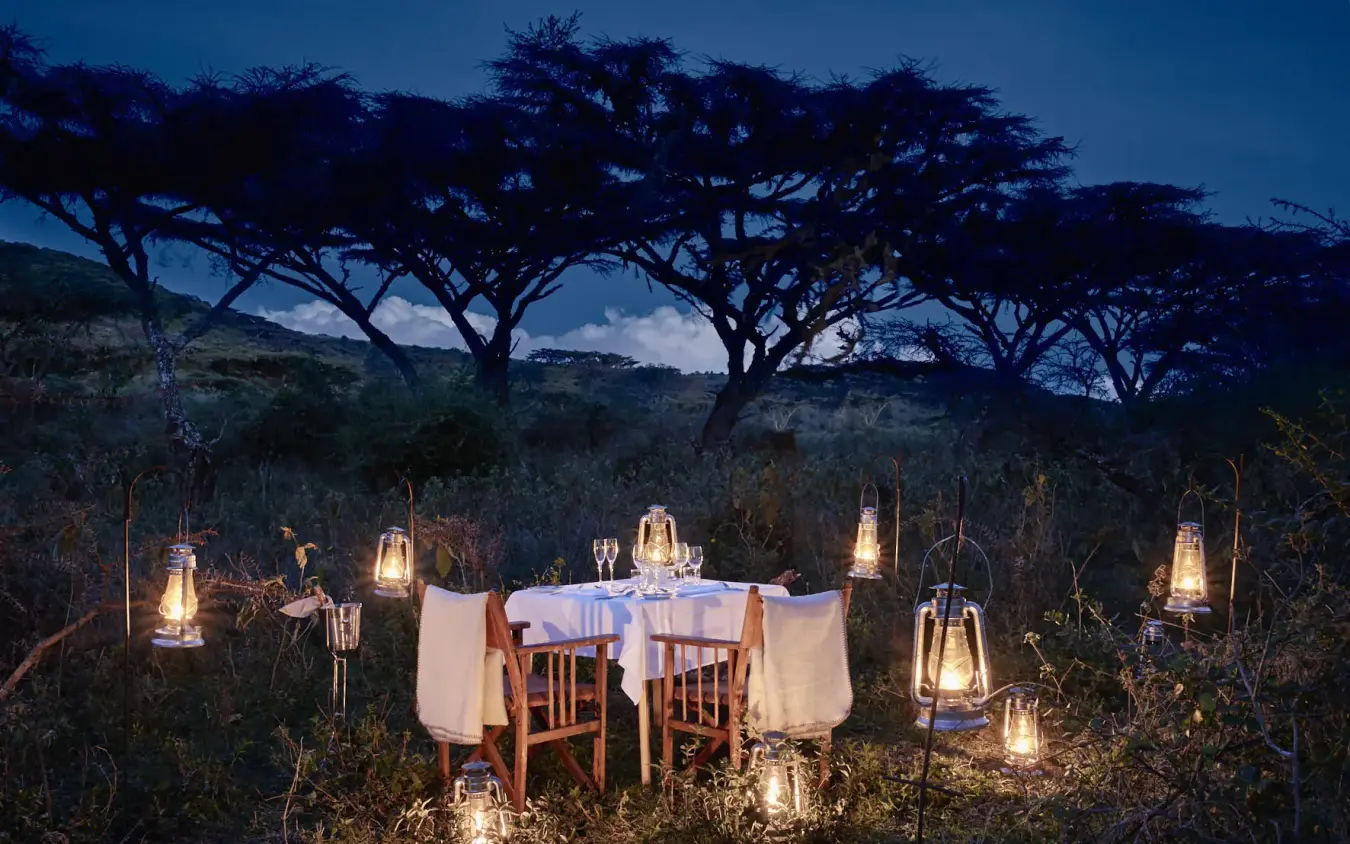
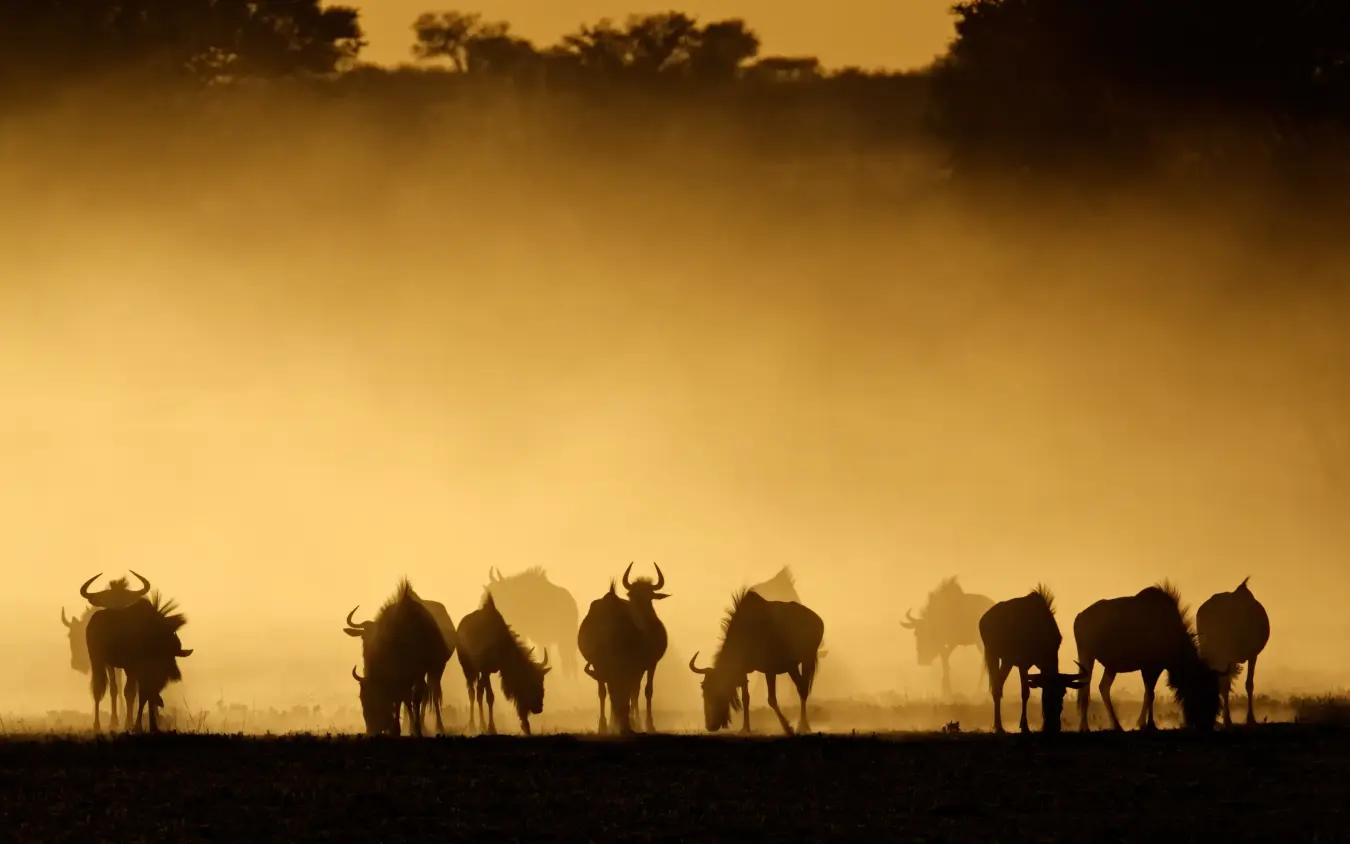
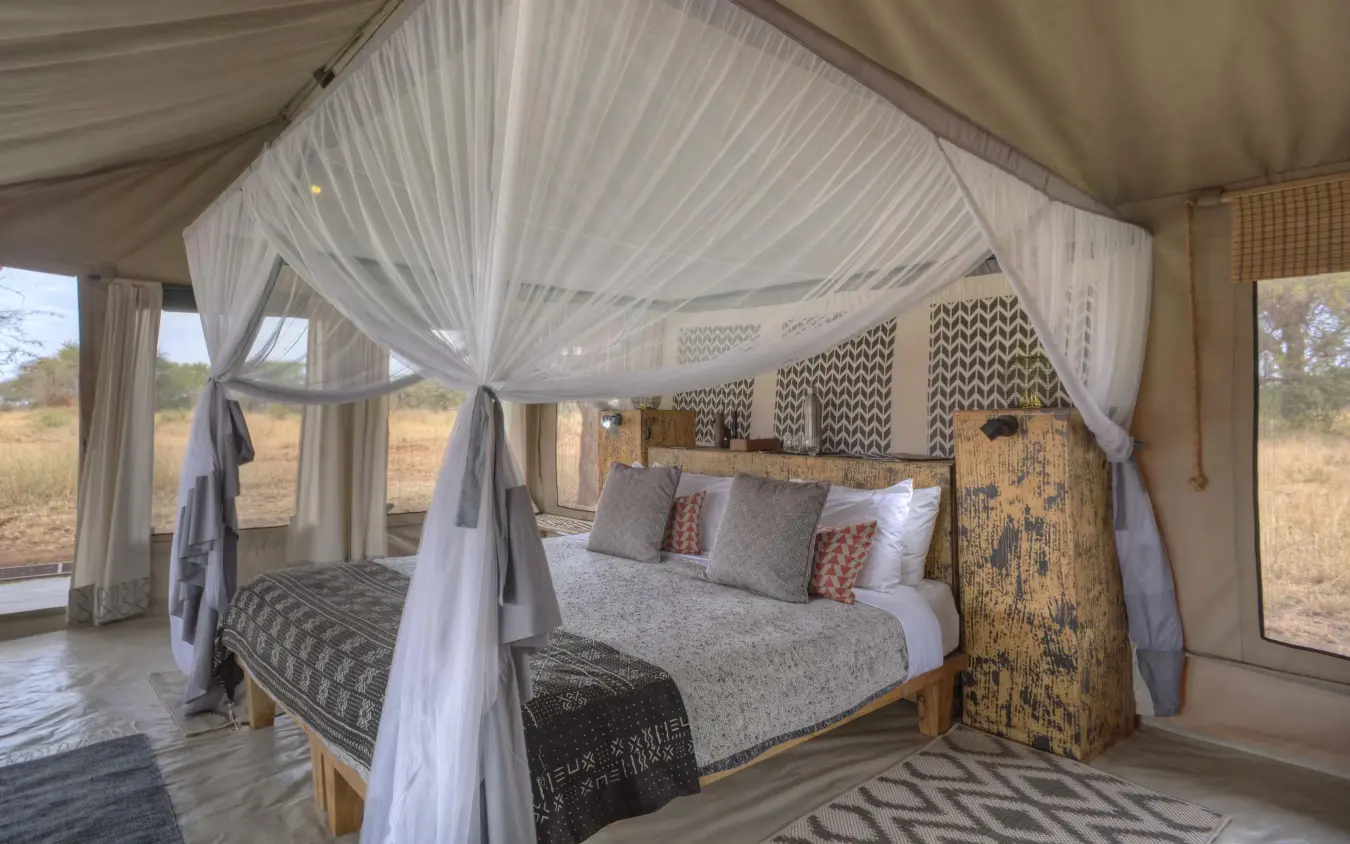
Between December and March the short-grass plains of Kusini fill with wildebeest gathering to calve within a few short weeks, and the mass of newborns draws intense predator activity across open ground that hides nothing. Kusini lies apart from the busier Ndutu tracks, so game drives here can find large herds and hunting cats with barely another vehicle in sight. Ubuntu is a mobile camp of ten canvas tents, spaced well apart on a low hillside, each with a private veranda facing the plains. Inside are proper beds, campaign furniture and fire-heated bucket showers; lions, hyenas and the grunt of wildebeest carry through the night.
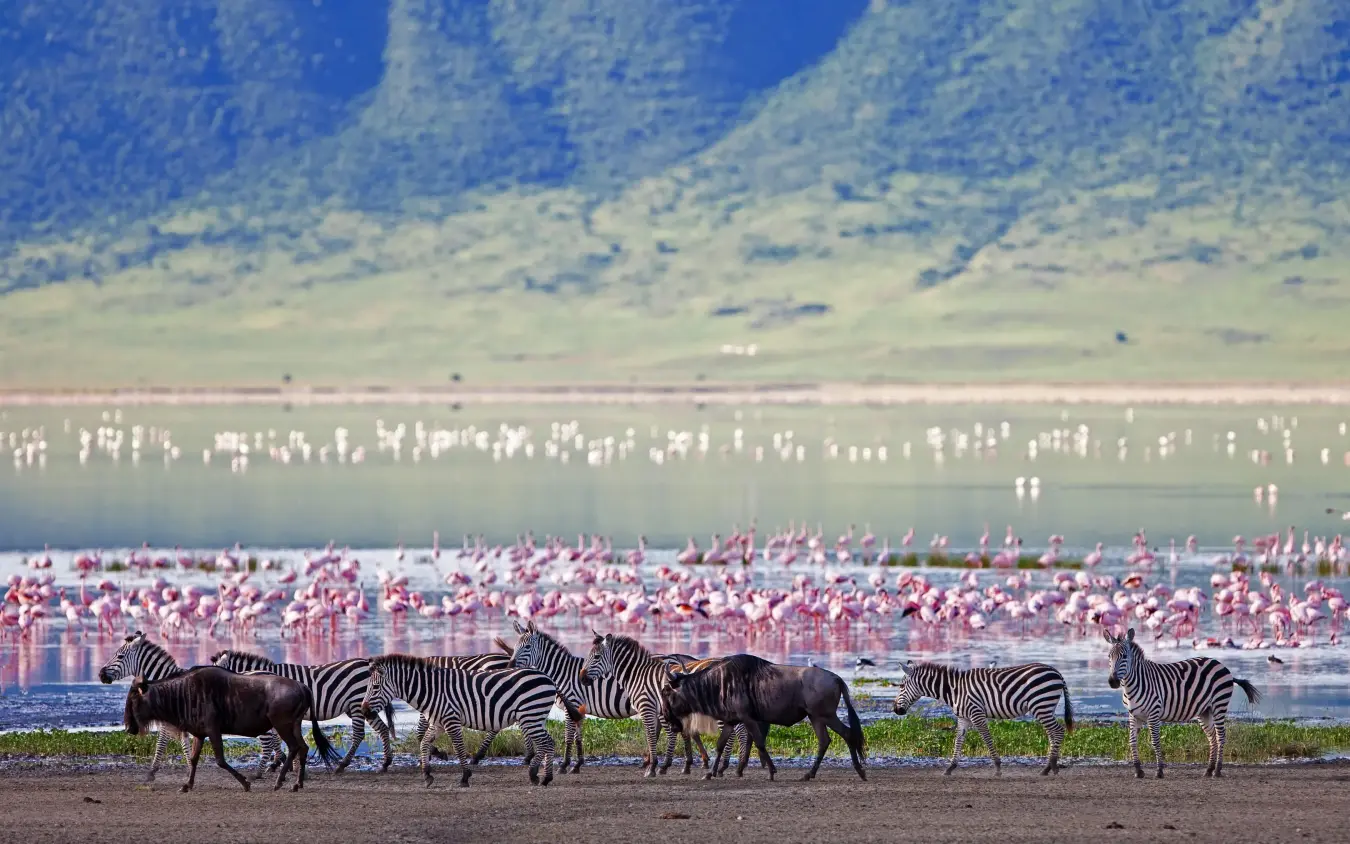
The crater floor gathers grassland, swamp and forest side by side, fed year-round by water draining down the walls, and it supports a resident community of around 25,000 large animals. A stay is built around one descent by registered 4x4, with picnic breakfast and lunch carried down; it is one of the more reliable places in Tanzania for black rhino, and the Big Five can turn up within a single morning. Sanctuary Crater Camp stands in acacia forest on the rim, close to the descent road, so you are among the first vehicles onto the floor before the traffic arrives. At around 2,300 metres evenings turn cold, and a hot-water bottle answers the altitude.
These are the plains people come to for cheetah, though no cat is ever a certainty.
Soit le Motonyi, the eastern country this camp stands on, was closed to visitors for more than a decade and given over to cheetah research, opening again only when the camp arrived in 2014. The closure matters less for its length than for what it left: ground the cheetah had largely to themselves, and still share with very few vehicles.
We rate it one of Africa's best places to watch big cats. Three nights of morning and afternoon drives over short grass, with sightlines running for kilometres, is a fair amount of looking, and lion and leopard hold territory here too.
Two limits are worth saying out loud. There are few game drive tracks in this corner, and the park's own rules keep vehicles on them, so a cat lying well out stays well out. No success rate has ever been published, and nothing can be promised.
That is the calving, and Kusini is the quieter side of it.
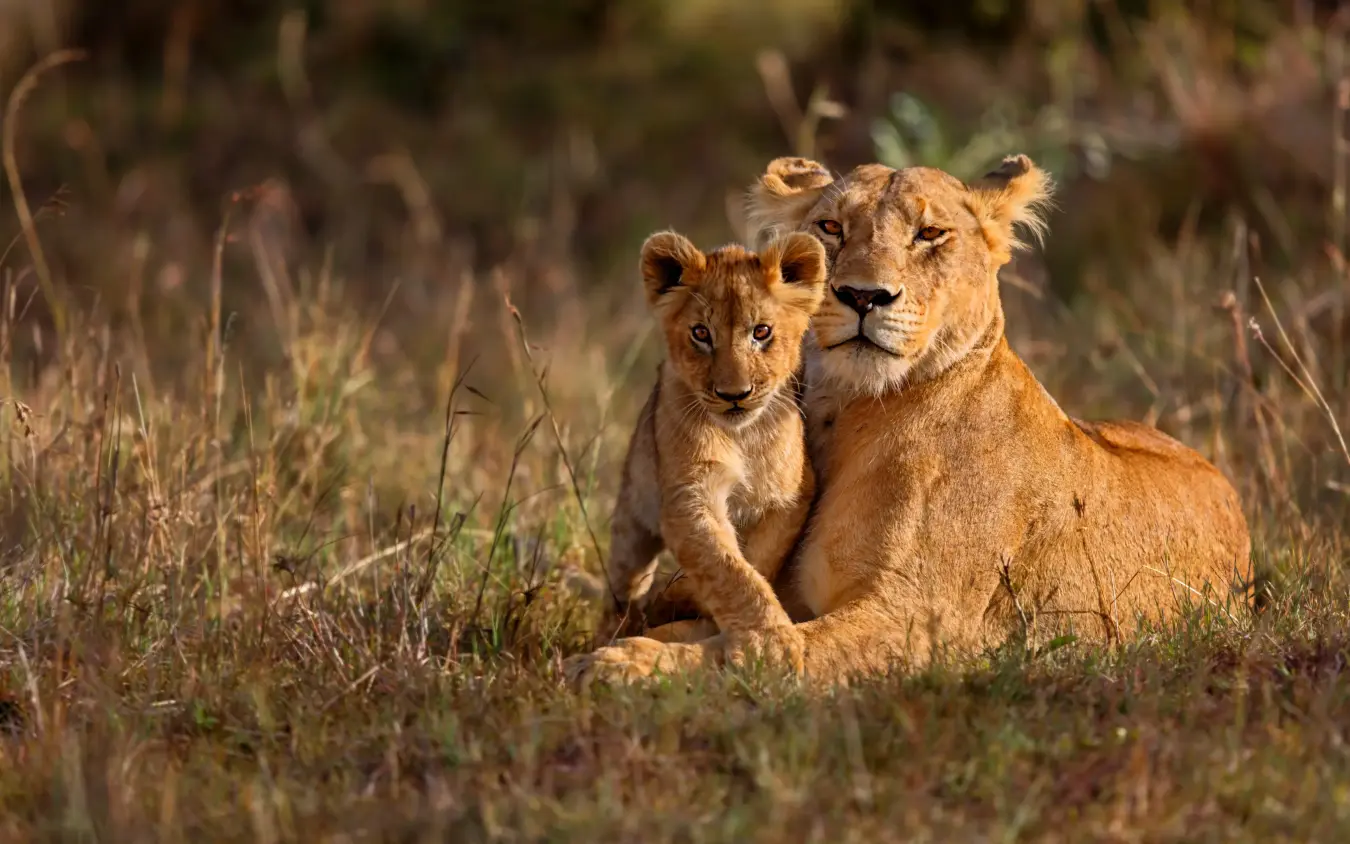
Most of the calves arrive on the southern short grass inside a few weeks, over 250,000 a year, with the middle of February the height of it and as many as twelve thousand births in a day. Lion, cheetah and hyena gather for that, and because nothing on short grass is hidden, a hunt can be watched from a long way off.
Kusini lies west of the busier tracks around Ndutu, so there tend to be fewer vehicles around the same herds.
Outside those weeks the picture changes entirely: the animals move on and the camp goes with them, so three nights here only works on dates from mid December to mid March.
Canvas that is taken down and moved, with more comfort than that suggests.
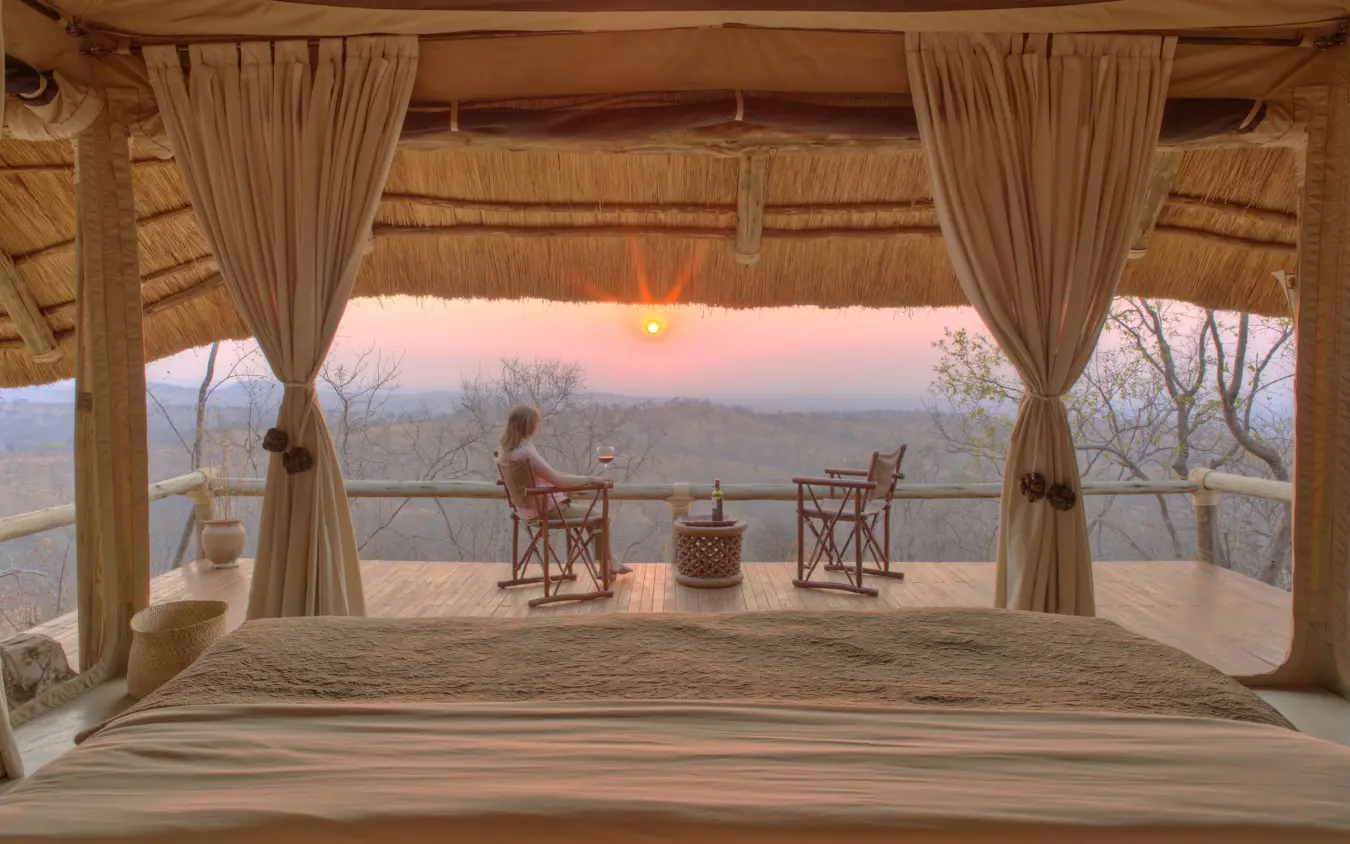
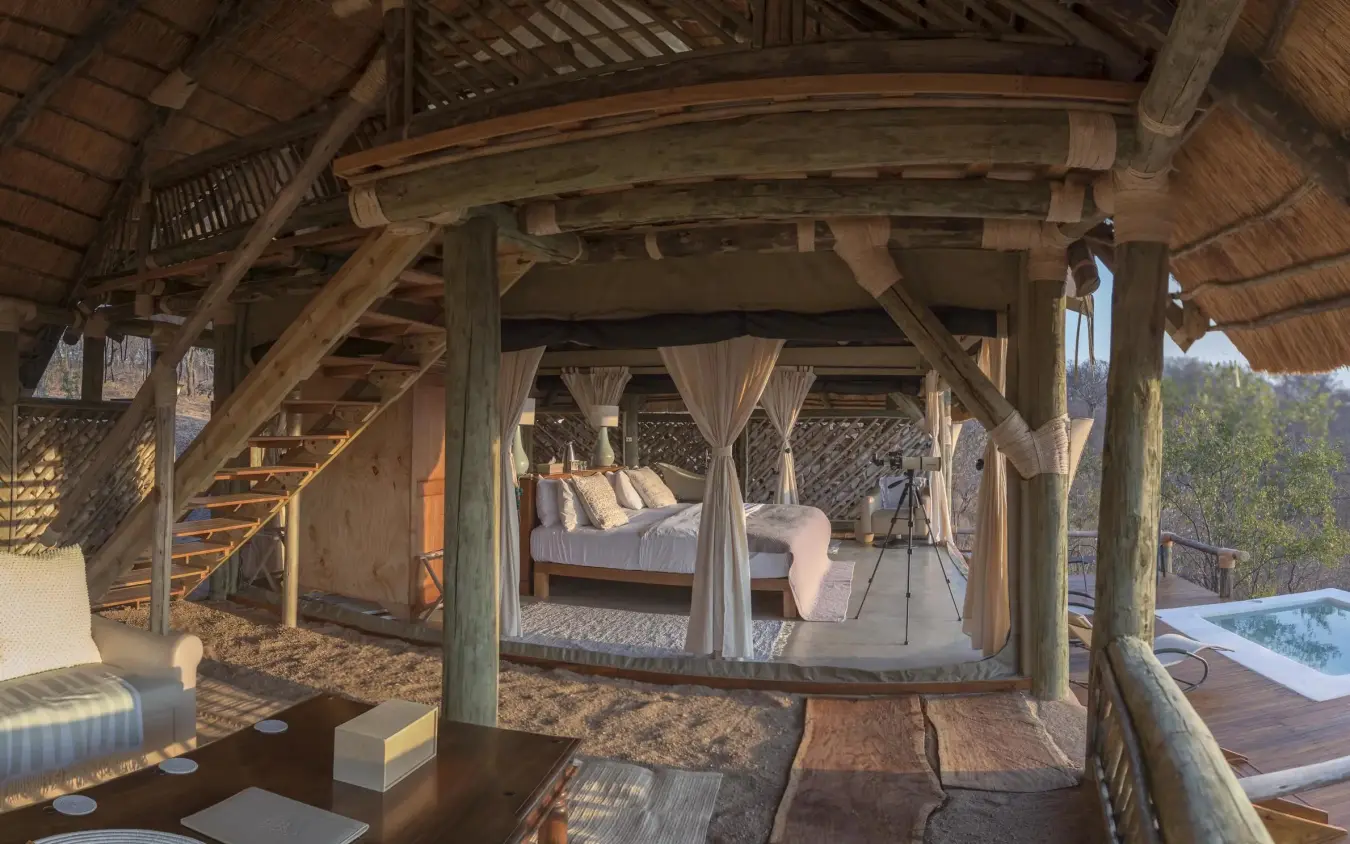
Ubuntu has ten tents including a family one, set well apart on a low rise, each with a proper bed, campaign furniture and a veranda facing the plains.
The bathroom is en suite, with a flushing loo and a gravity fed bucket shower, which means a bucket is filled with hot water and hoisted above head height when you ask for it, so a shower is ordered rather than turned on.
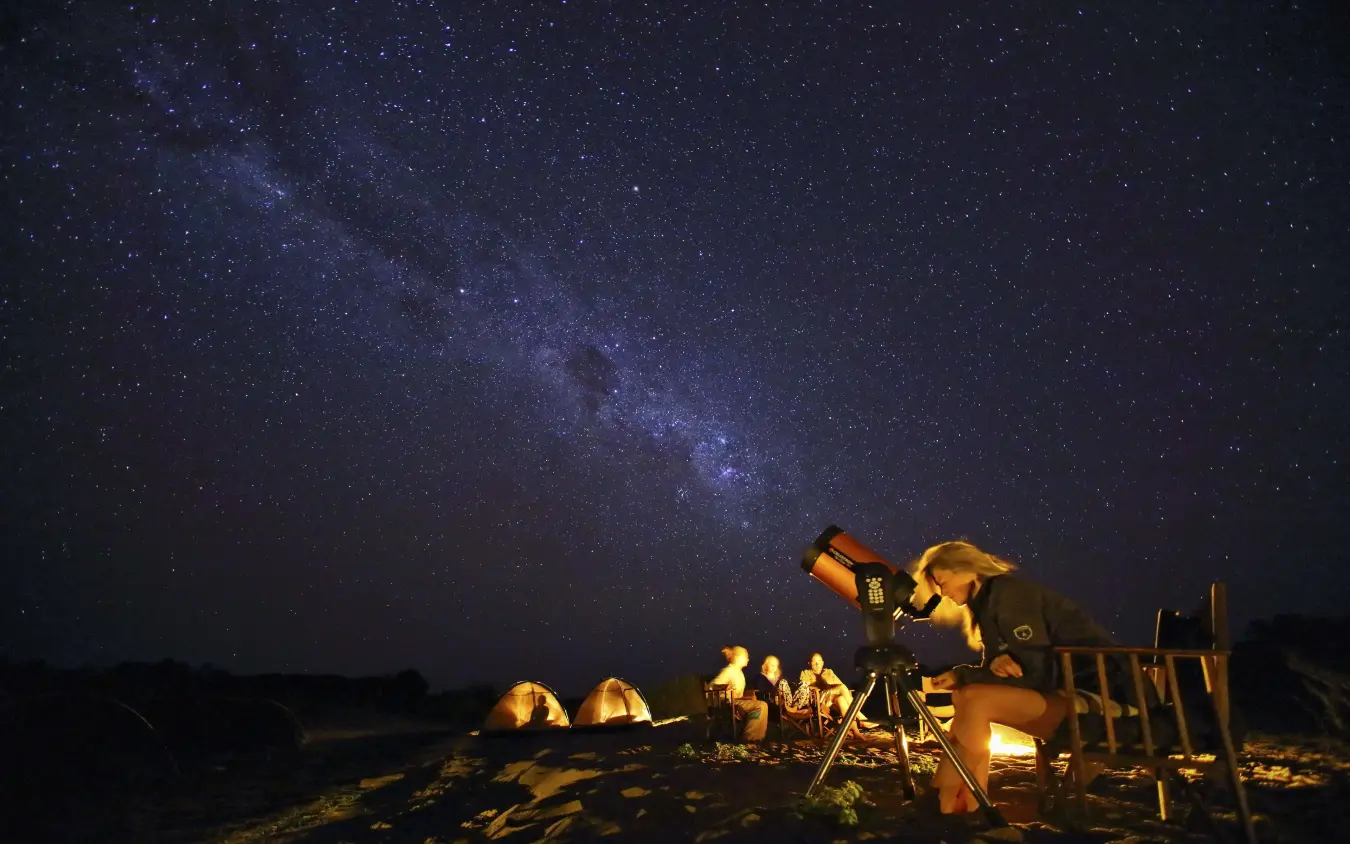
Electricity is solar with a generator in reserve, and there are sockets for charging and a wifi signal. Beyond the guy ropes there is nothing for miles. What you hear at night is the point of staying here: lion, hyena and the grunting of wildebeest a short walk from the bed.
The descent is the centrepiece and the camp is placed for it.
Sanctuary Crater Camp stands in the rim valley very close to the road down to the floor, so you can be on the caldera early, ahead of the vehicles coming up from lodges further out, with breakfast and lunch carried down with you.
The rate covers one game drive on the crater floor for the stay and one activity a day, so the remaining days run on the rim itself and a visit to a nearby Maasai village is offered.
Expect company below: the floor is small and open, and it is busy whatever the month. Bring warm layers, because the rim is cold at dawn the year round and can touch freezing.
This one is built around the calving, so it runs on dates between the middle of December and the middle of March.
February is the strongest: we rate it top for both the Serengeti and the crater, and the calving is at its height.
January and December trail a little: greener, emptier, good for wintering birds, and easier on the crater floor, where the queue of vehicles is shorter. The trade is that the calving is not yet at full strength, so the herds are spread wider and the predator watching is thinner than in February.
July to October is the finest stretch of the year in all three places, but the camp is then in the north and the calving plains are bare, so we would rebuild the route around the north.
March slides into the long rains, and the camp closes from mid March until May.
Yes, with the ages checked first, because the three safari camps do not set the same floor.
Namiri Plains and Ubuntu both take children from five, and each keeps a family tent. Sanctuary Crater Camp starts at six, asks anyone of fifteen or under to share with an adult, and lifts that minimum only for a party taking the whole camp; it also has no child care facilities, so the children are with you through the day.
The hard limit is on foot. The park authority admits children to walking safaris, short or long, only from twelve, and Namiri Plains sets the same age, though walking is an addition to this route rather than part of it.
Give us their ages up front and we will confirm the Arusha lodge policy too.
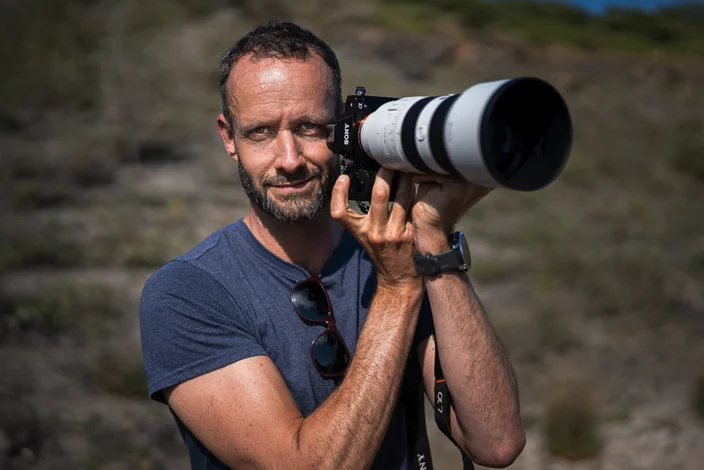
Ed Charles, BBC Producer
Fitzroy are true specialists in accessing the wilderness. They know where to go and importantly, when to go there. Highly recommended.
tanzania
Ten nights across Tanzania's wild south and west: walking Ruaha, Katavi's dry-season game and Mahale's chimpanzees.
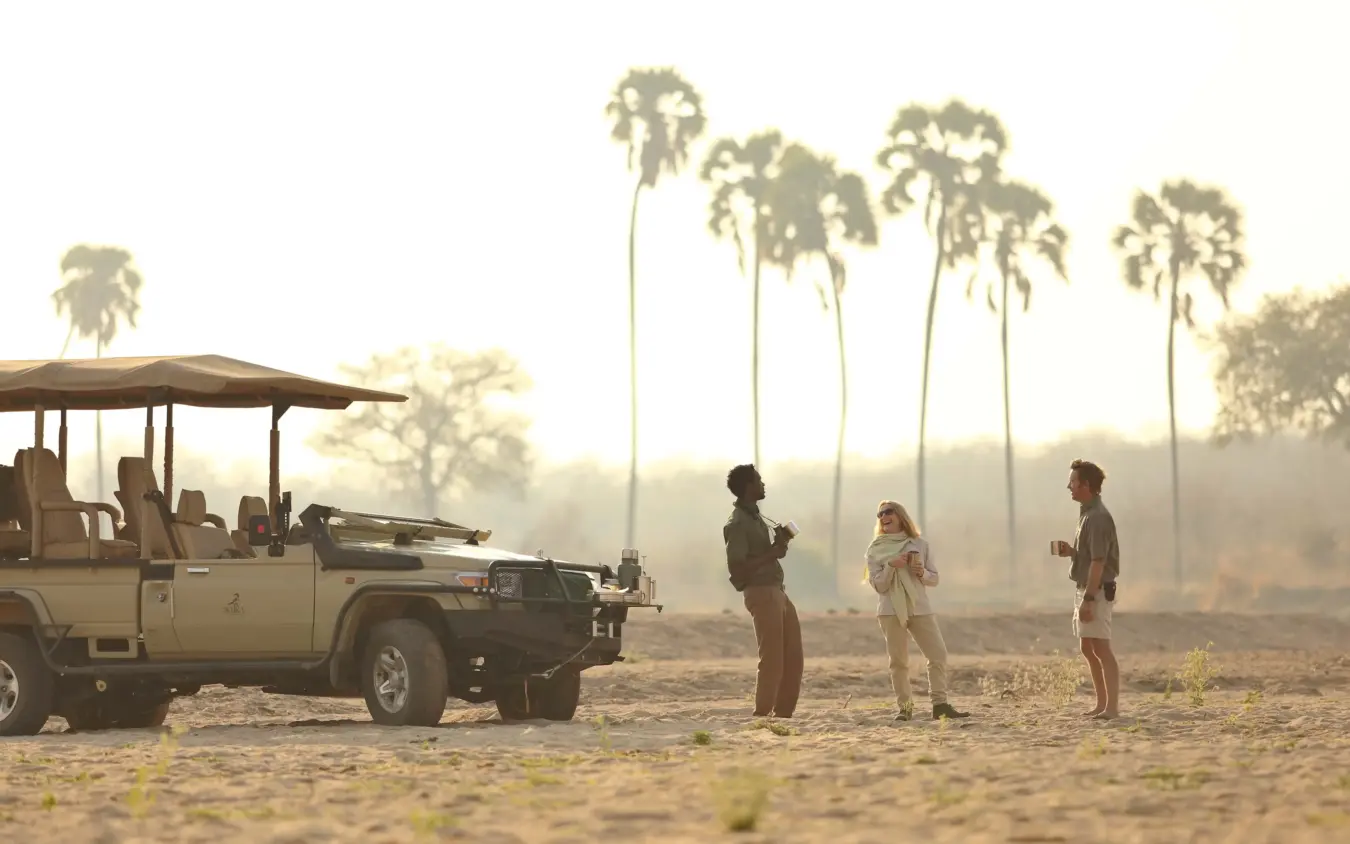
tanzania
Ten nights linking Ruaha's escarpment game drives with the coral reef and Swahili coast of Zanzibar.

tanzania & uganda
Ten nights from Bwindi's Nkuringo gorillas through Entebbe to six nights of reef and forest on northern Pemba Island.
rated five stars by our clients

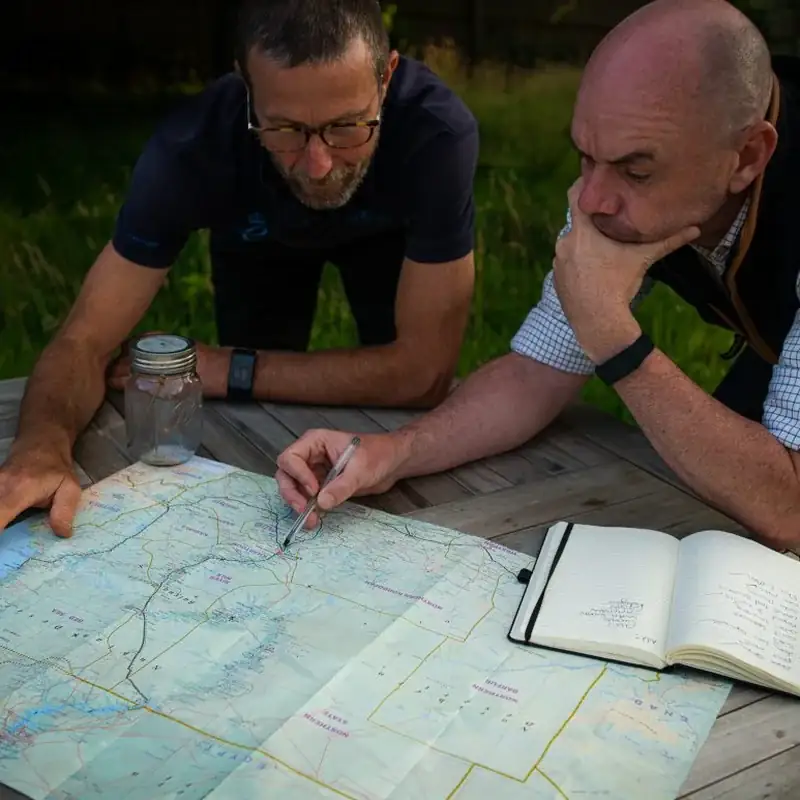
our approach
Every journey starts with a conversation. We take the time to understand your vision before we start planning.
Whether by phone or in person, we work with you directly to shape something that is considered, personal, and expertly delivered.
Every journey starts with a conversation. We favour a direct, personal approach: understanding your vision before anything else.
Whether by phone or in person, we work with you directly to shape a journey that is both thoughtfully considered and expertly delivered.
Get in touch to start planning yours.