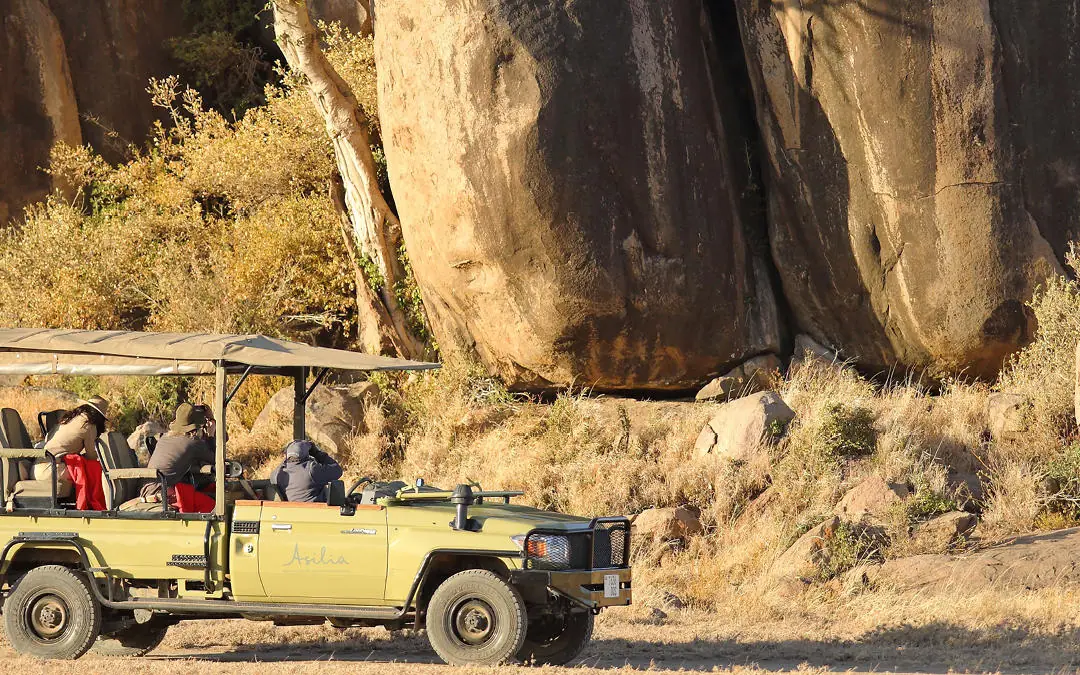
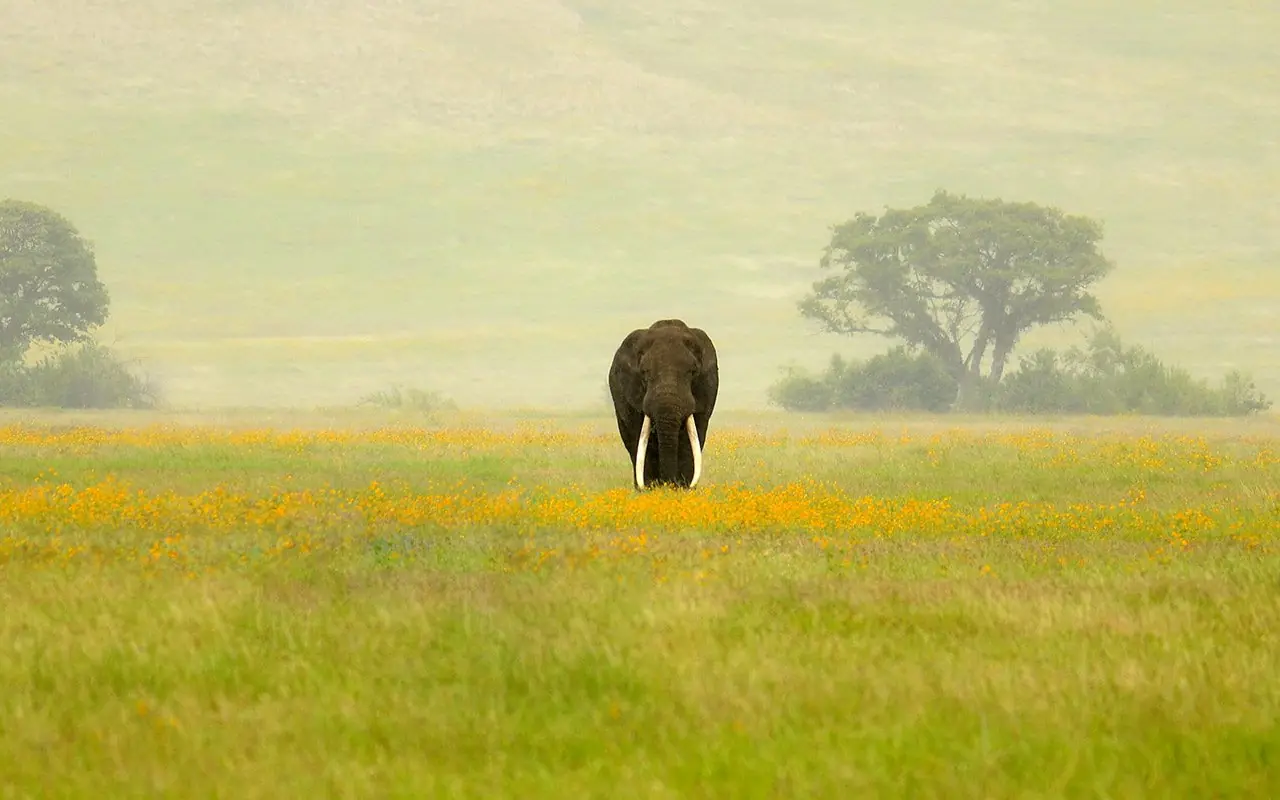
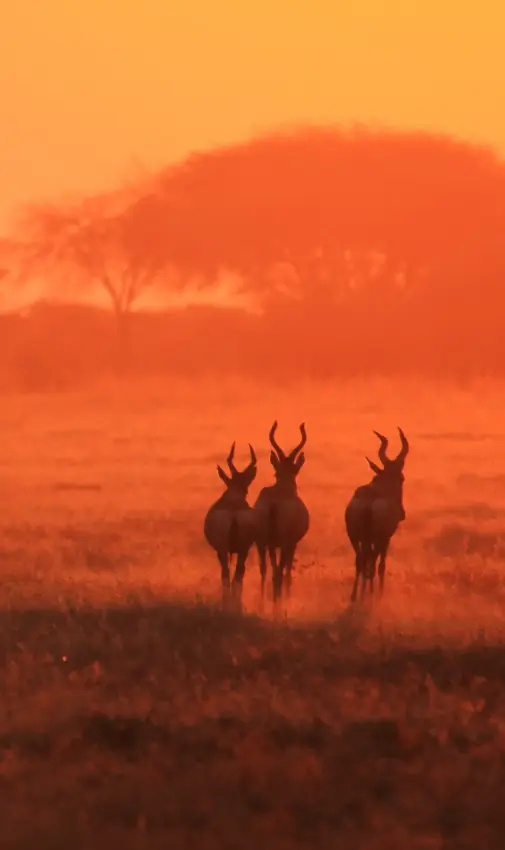
Days are built around morning and afternoon game drives, with full-day options and packed meals for anyone who wants to stay out from first light. Breakfast is set up on Soit Le Motonyi Rock, the plains opening out below, and sundowners are taken on a kopje as the light drops. Walking safaris run from June to mid-February and must be booked ahead. They offer a slower reading of the grassland, its tracks and its smaller residents that a vehicle usually passes by.
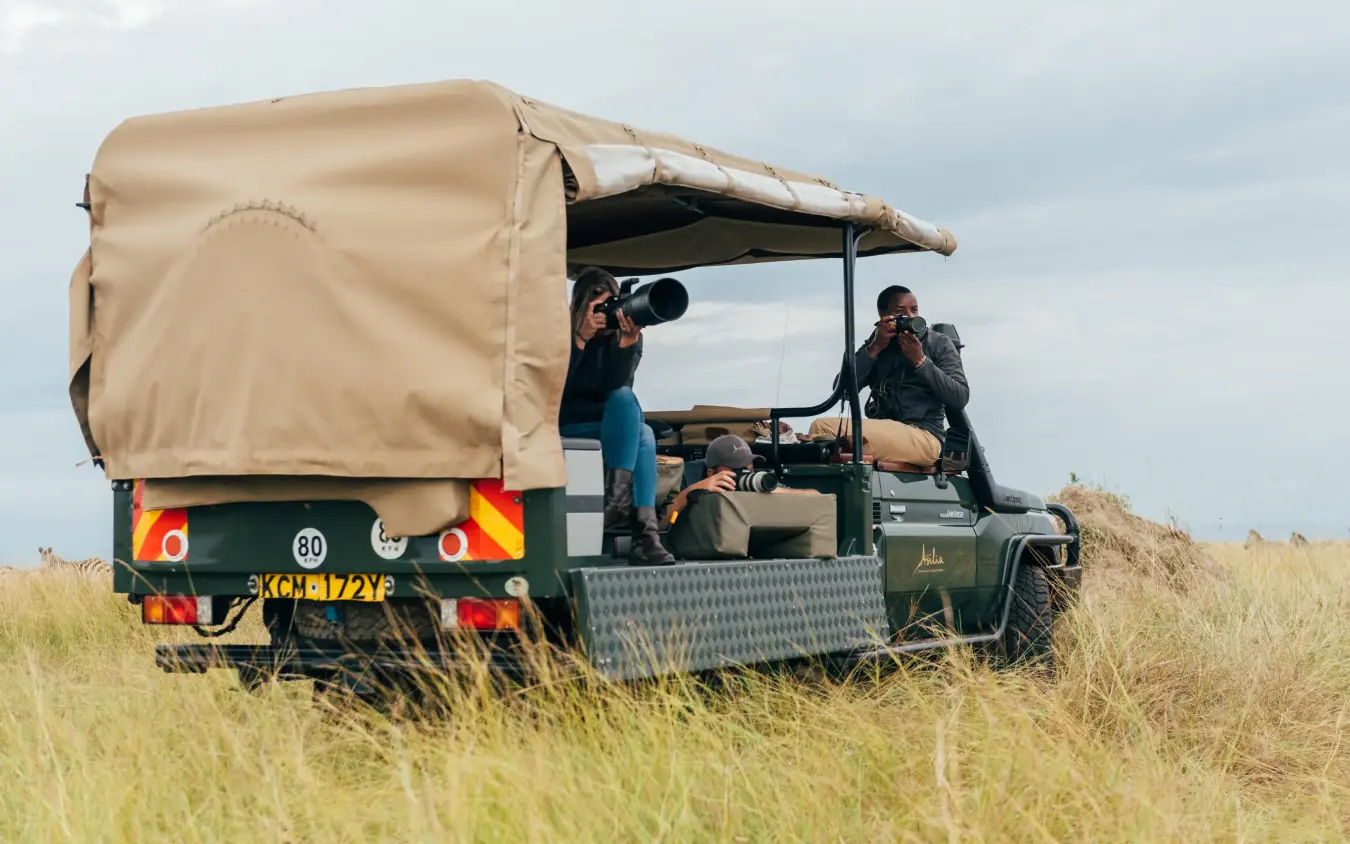
The camp keeps close links to the Serengeti Cheetah Project, and guests can meet a resident researcher to learn how the local cheetah population is studied and tracked. For those who want to see the country whole, a hot-air balloon lifts over the plains for an aerial view of the herds before landing to a champagne breakfast. The guides are used to working with photographers, positioning the vehicle for light and angle rather than simply for the sighting itself.
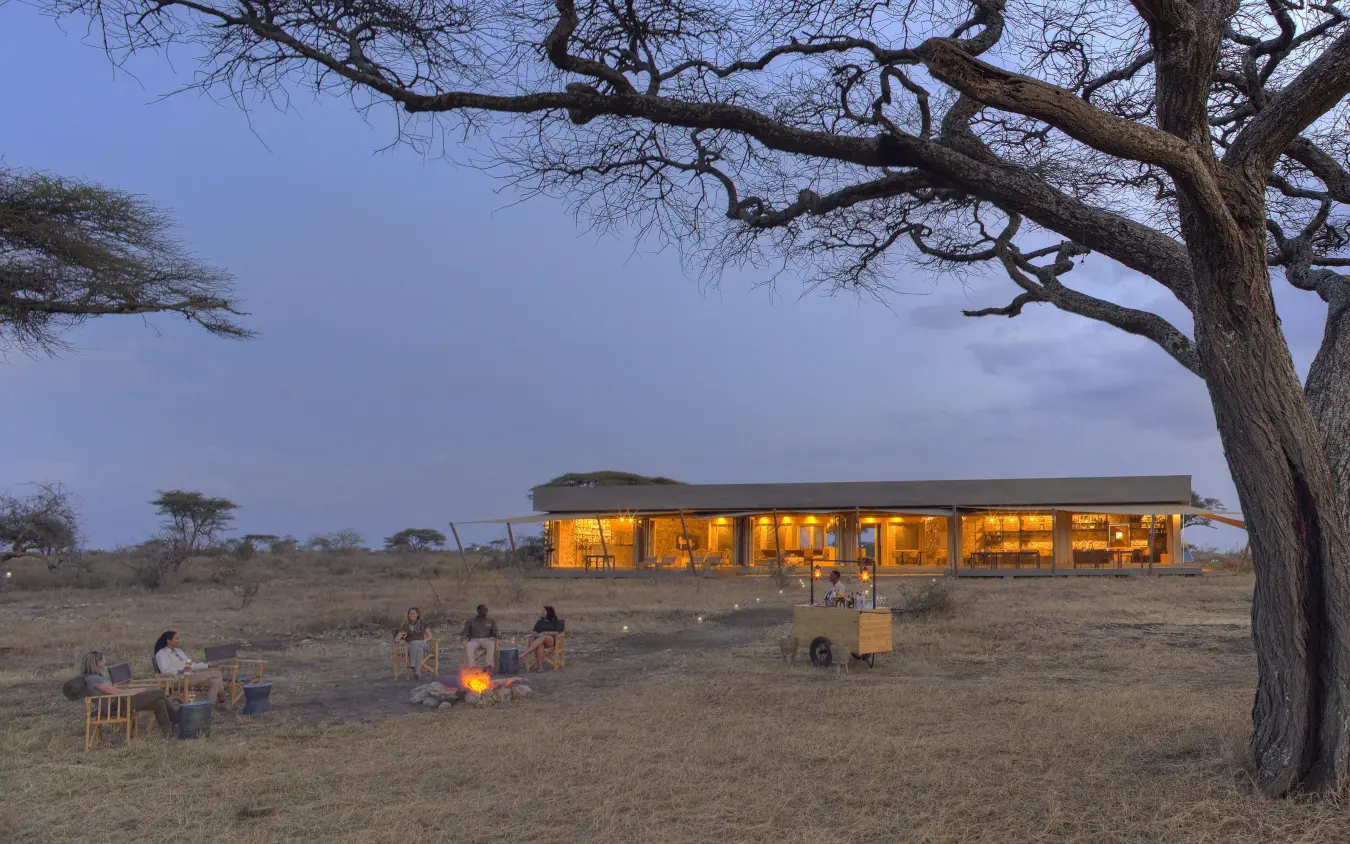
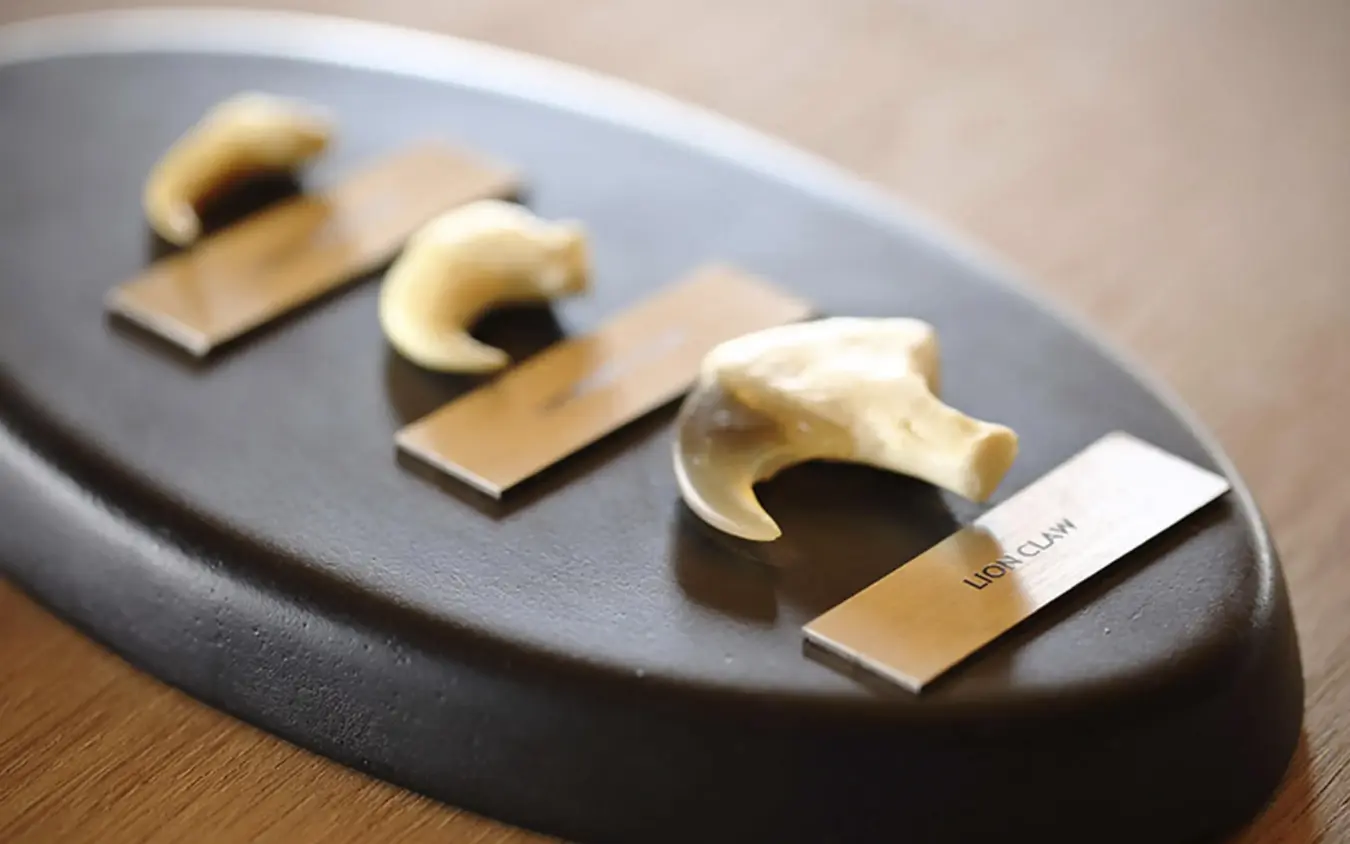
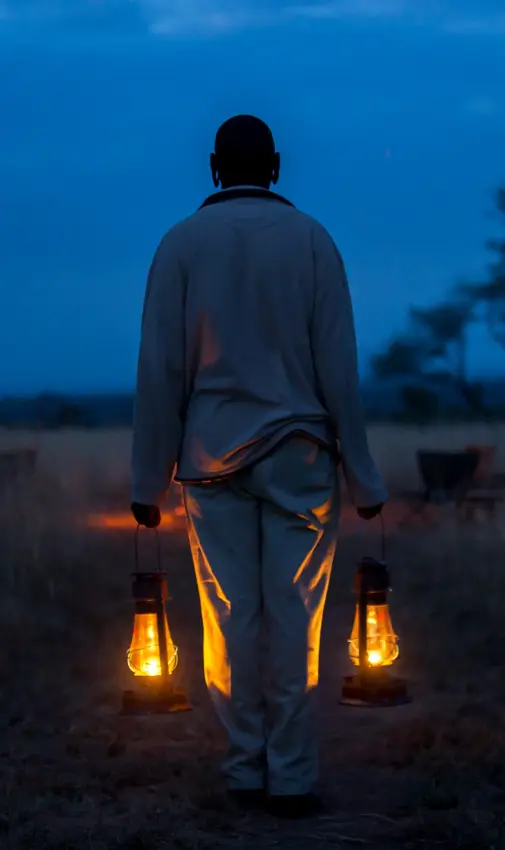
At night the lion roars carry across the plains, close enough to place
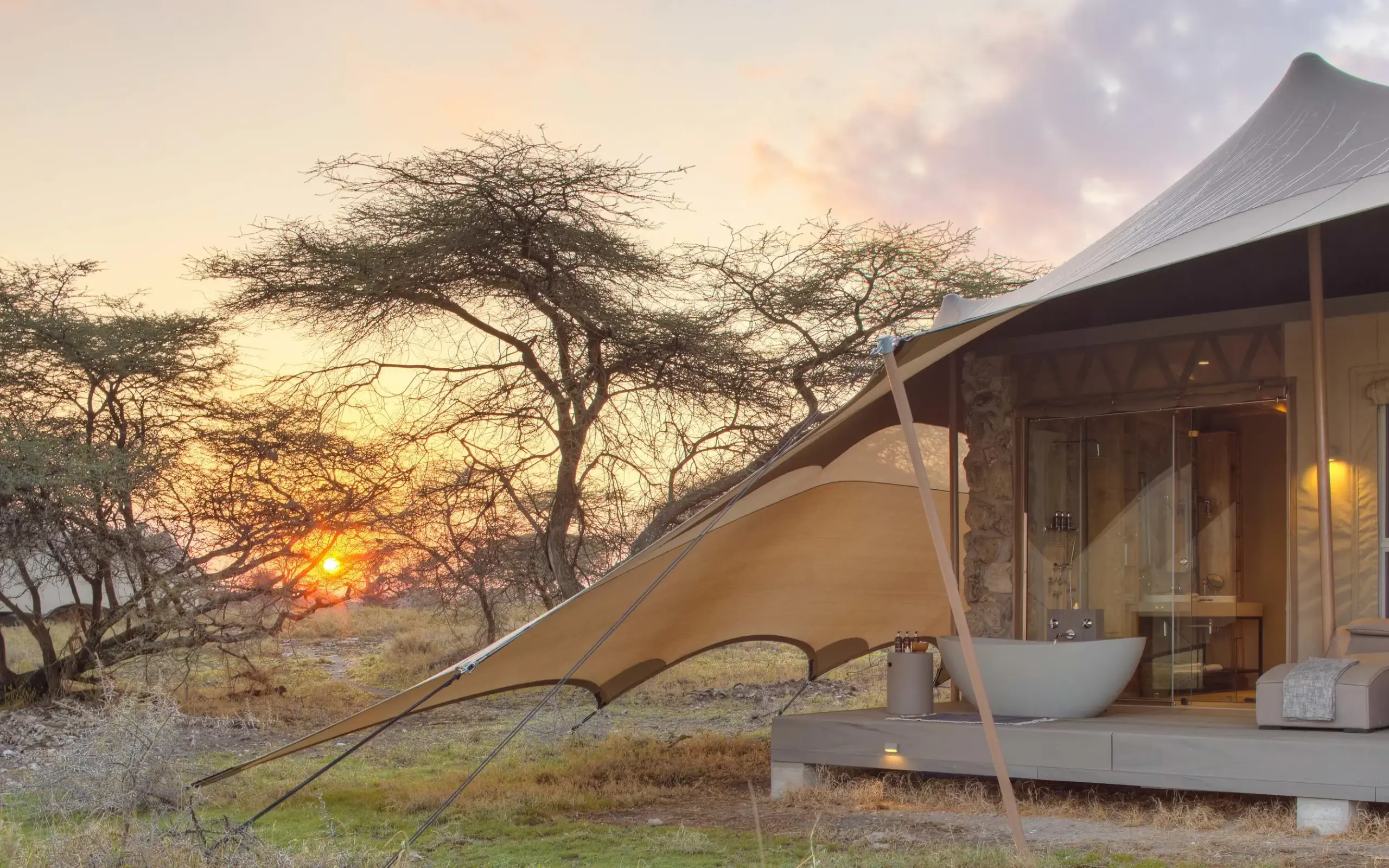
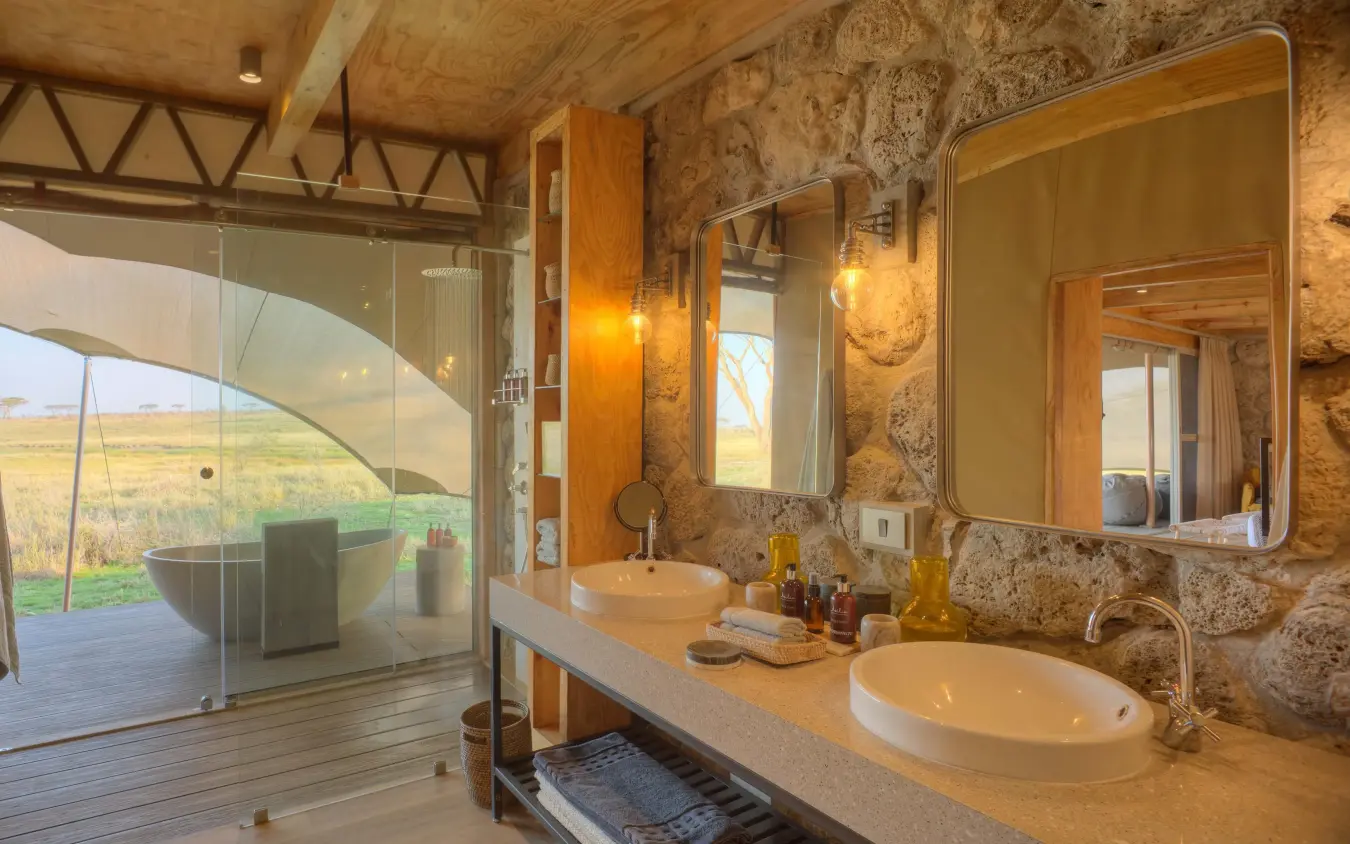
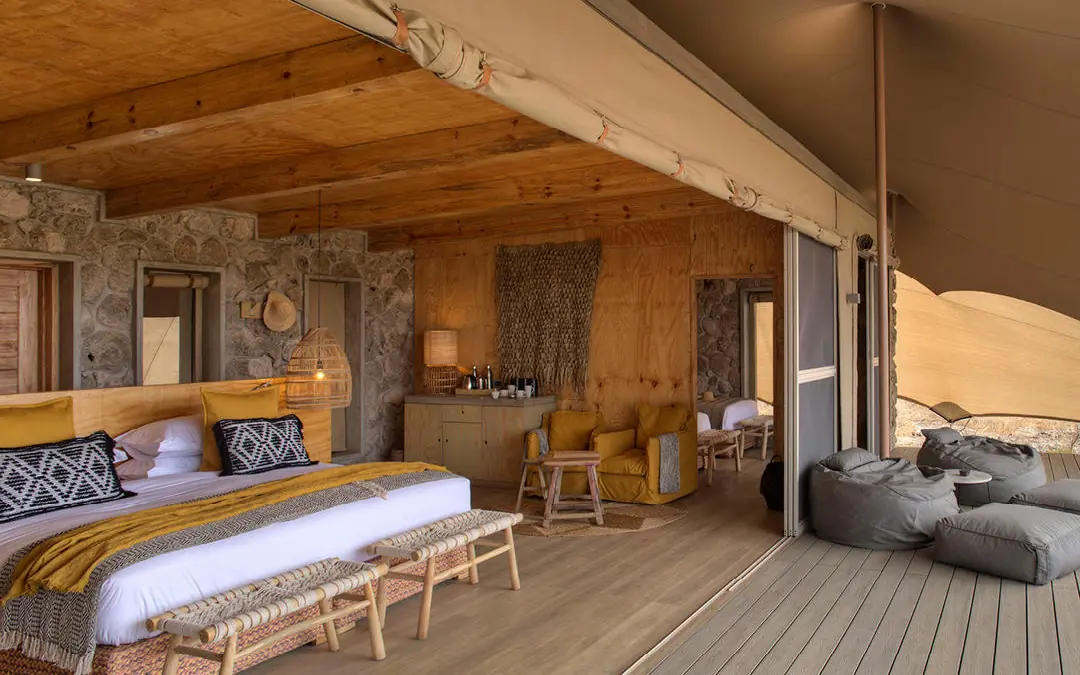
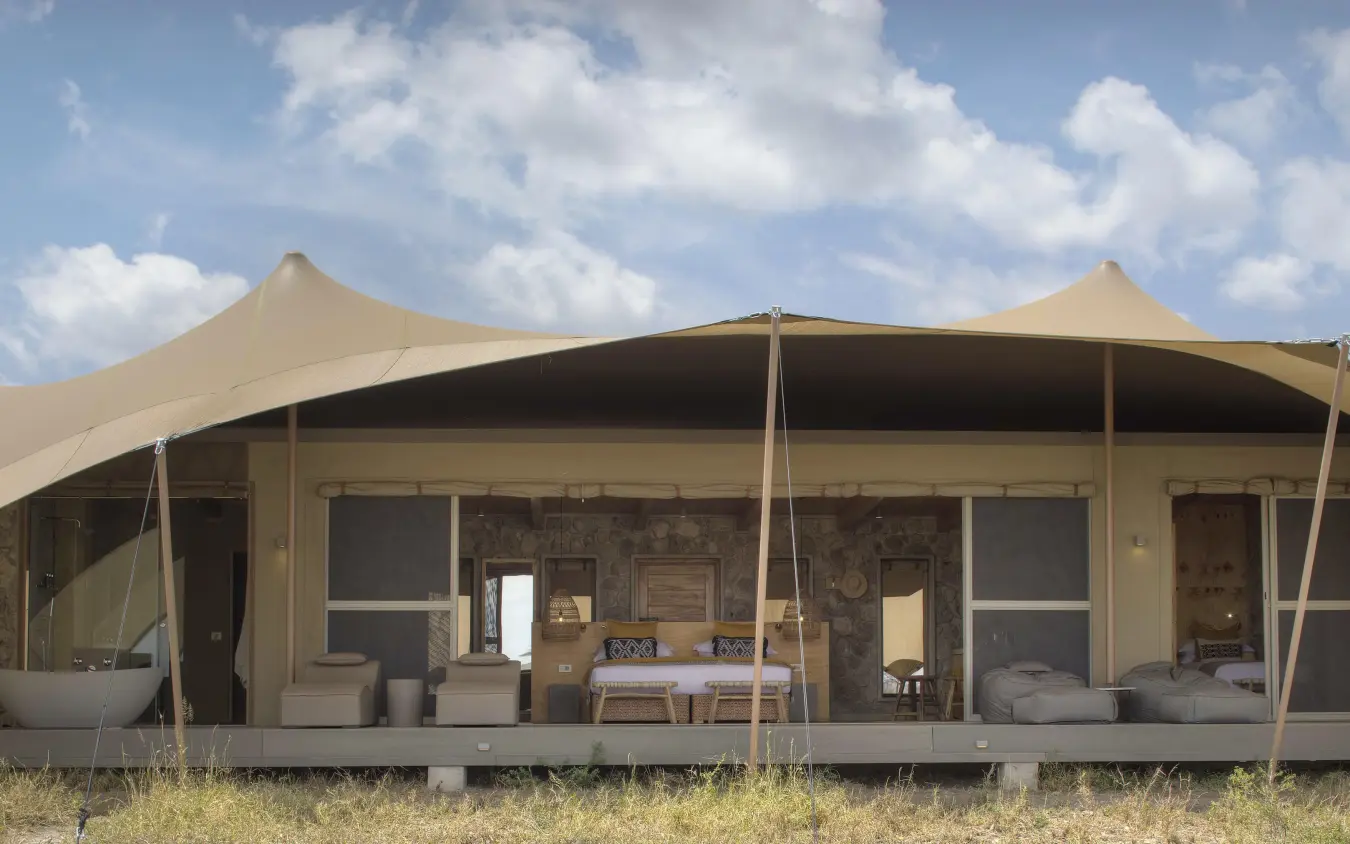
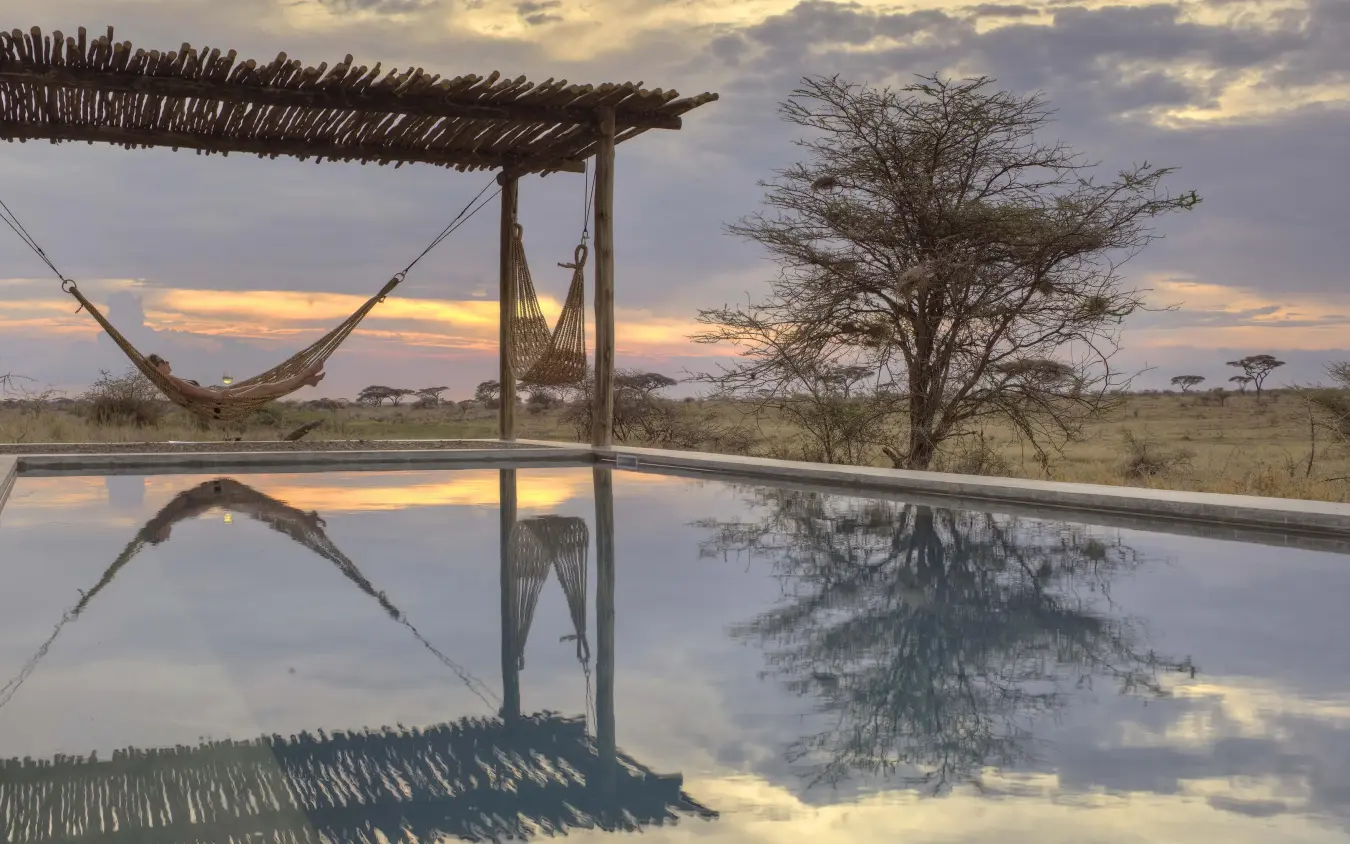
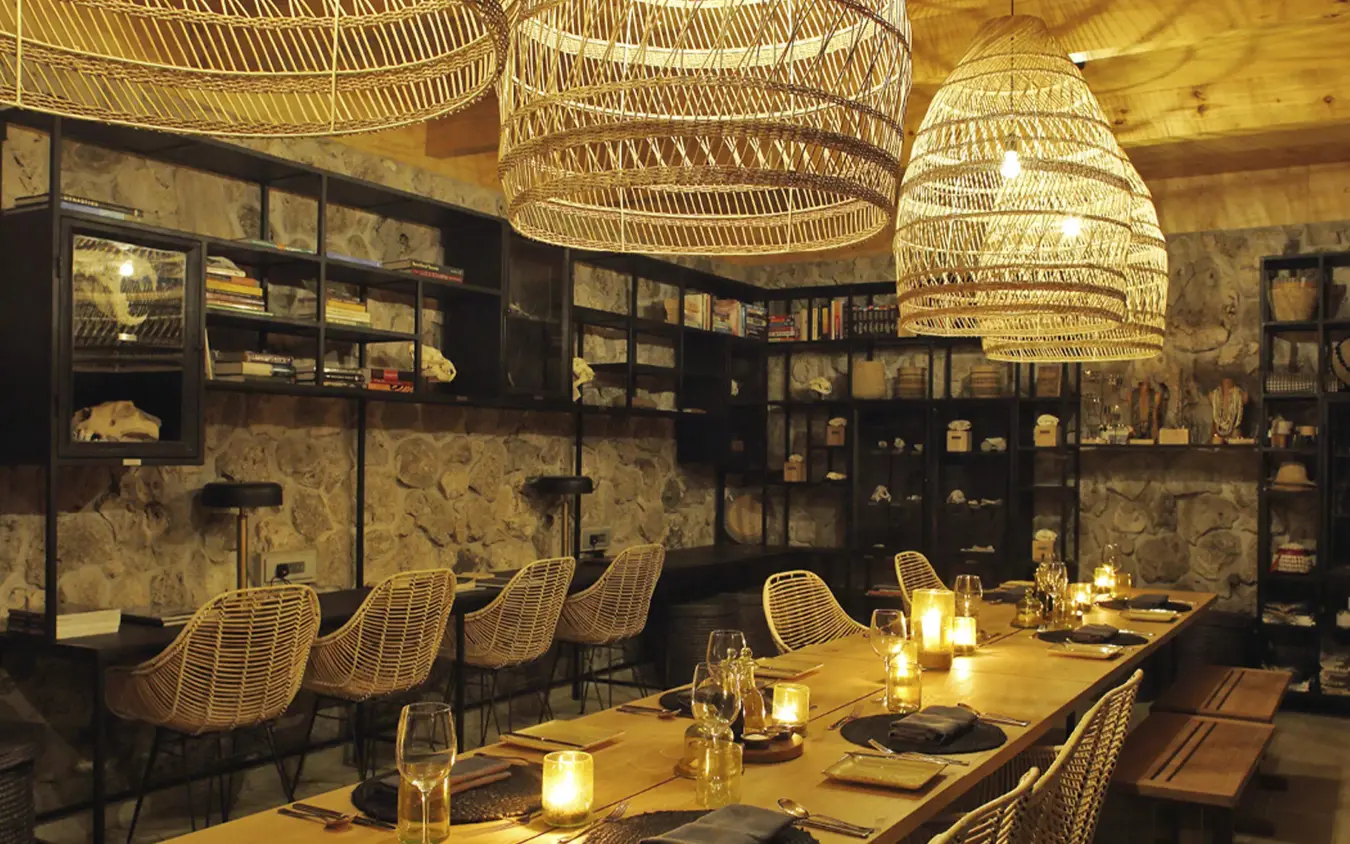
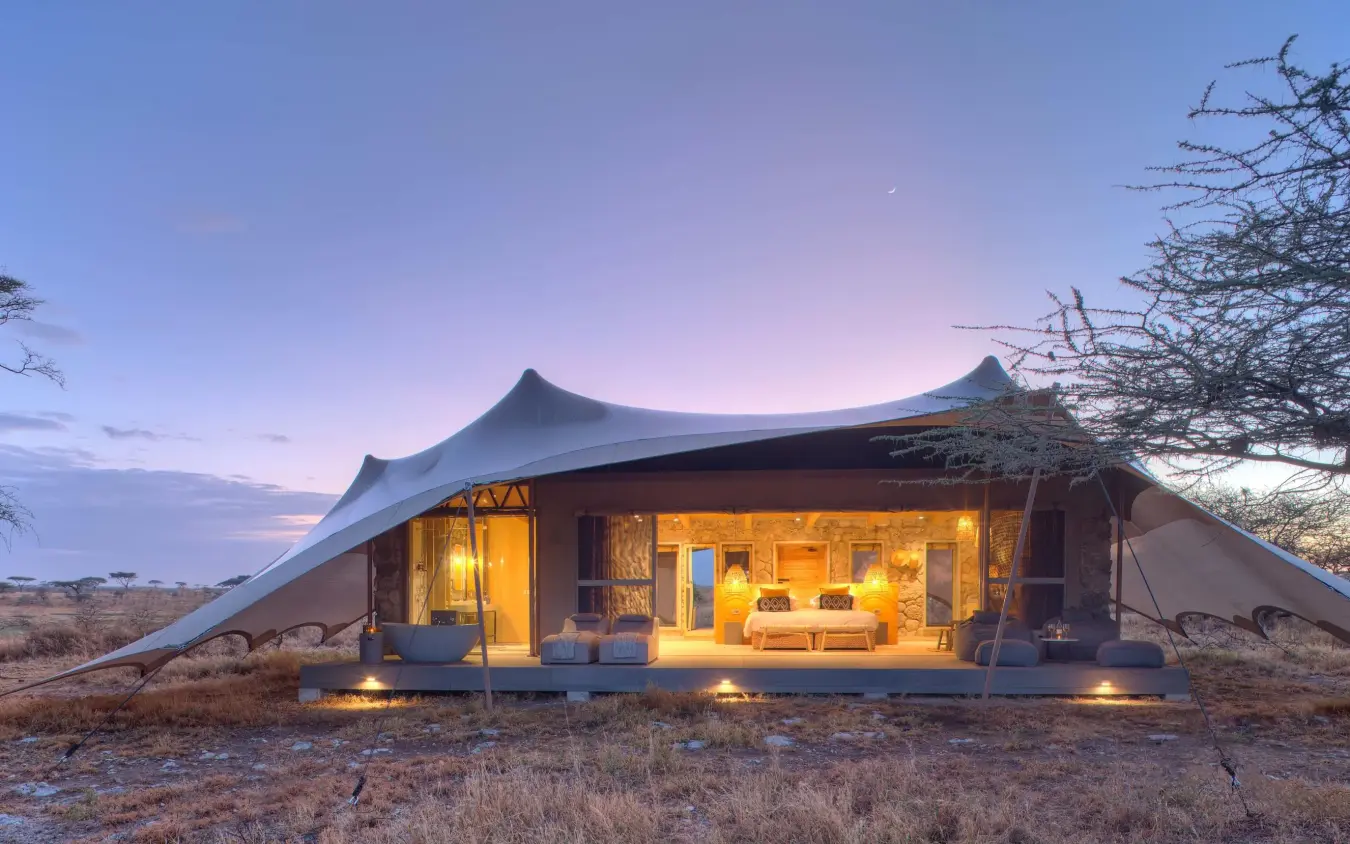
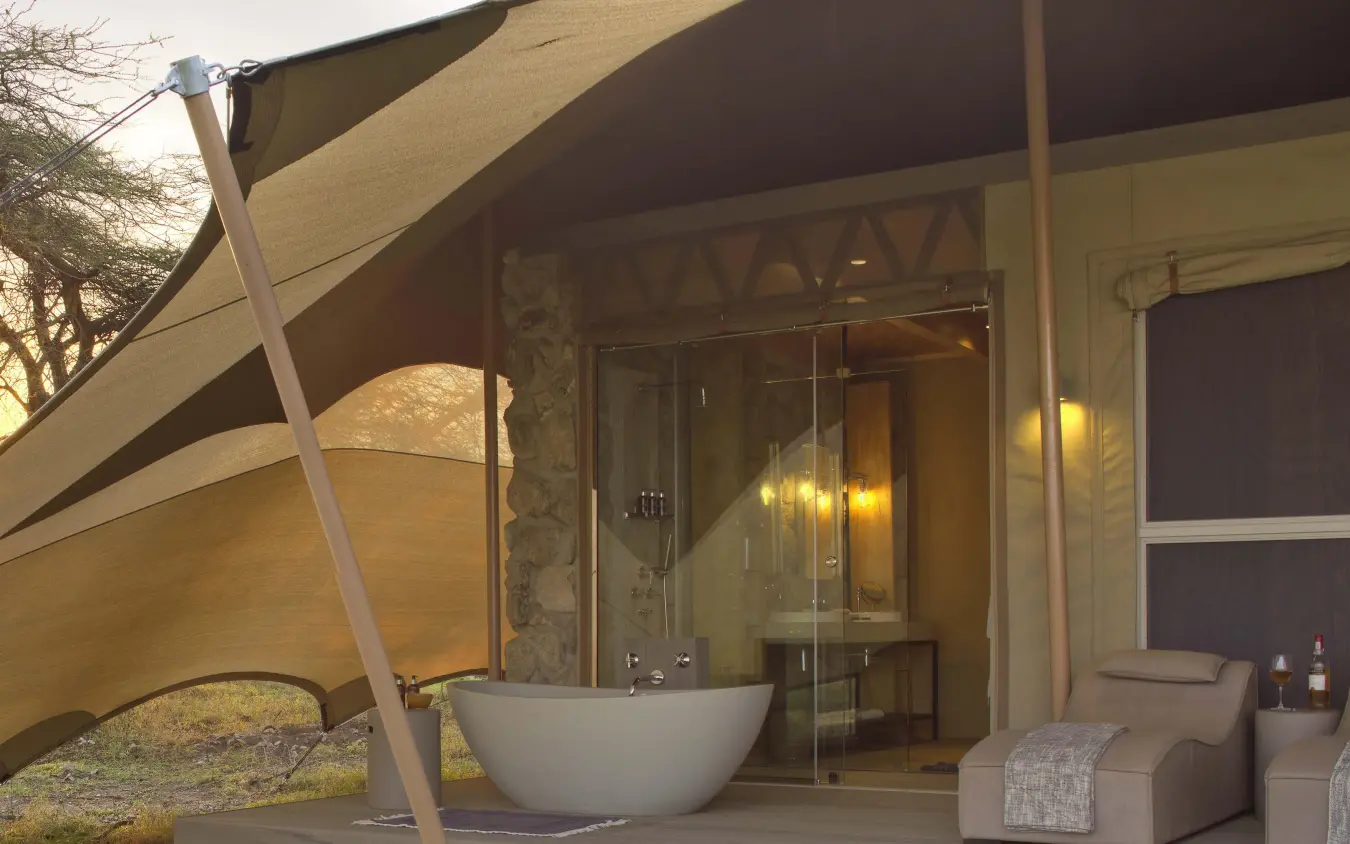
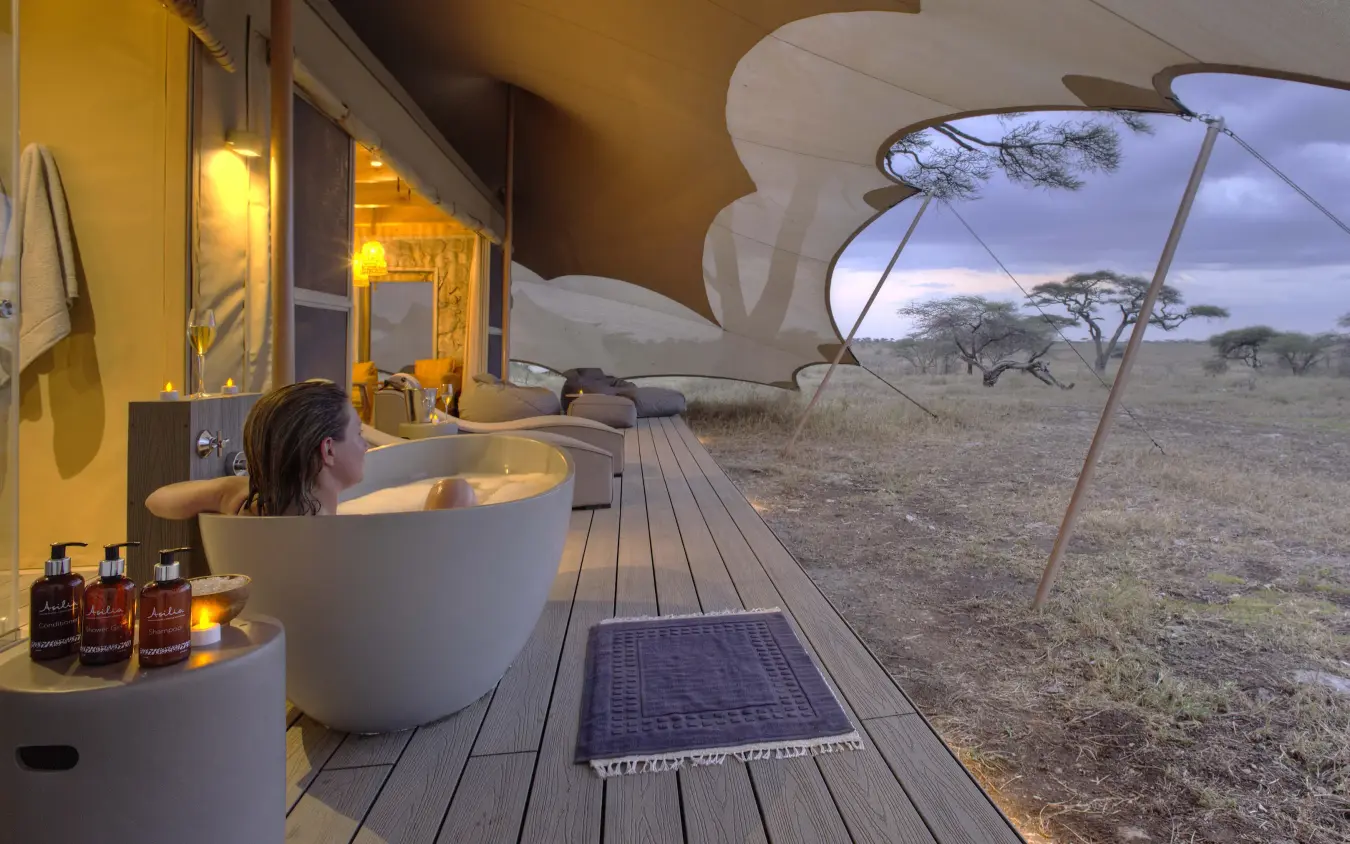
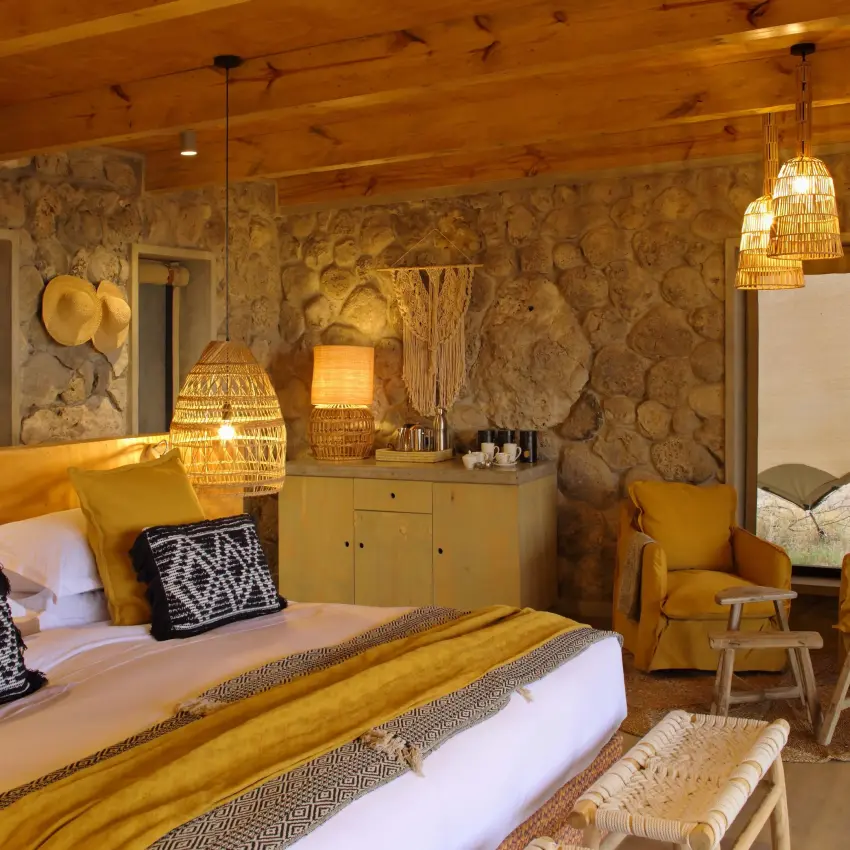
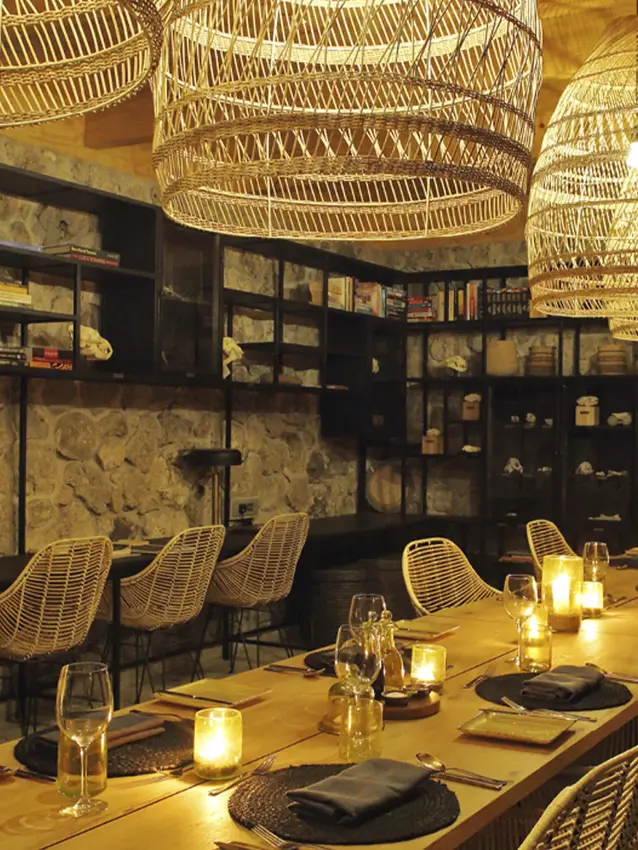
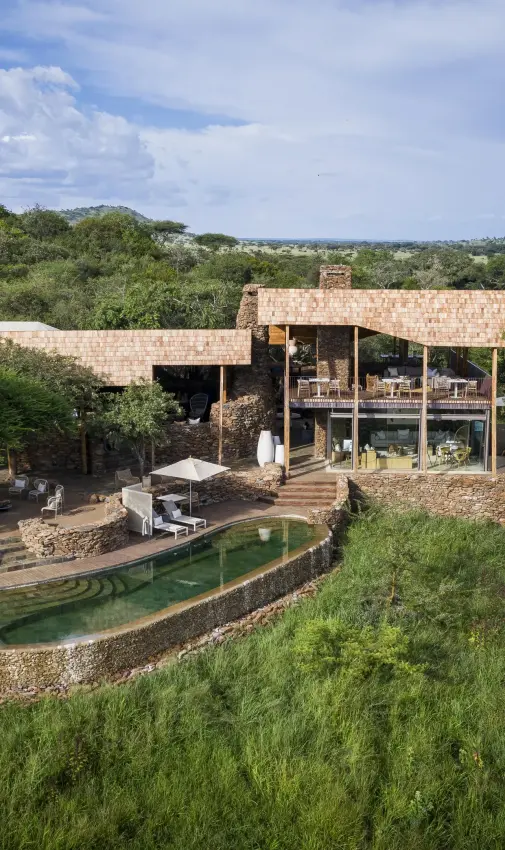
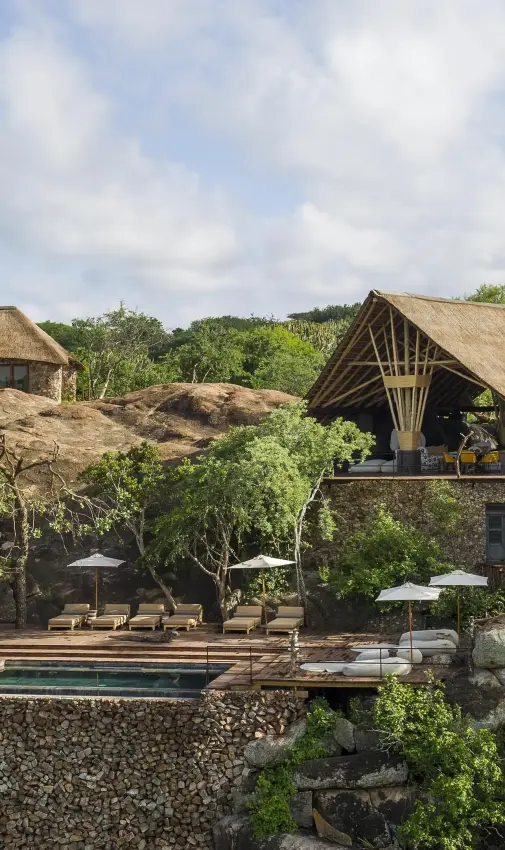
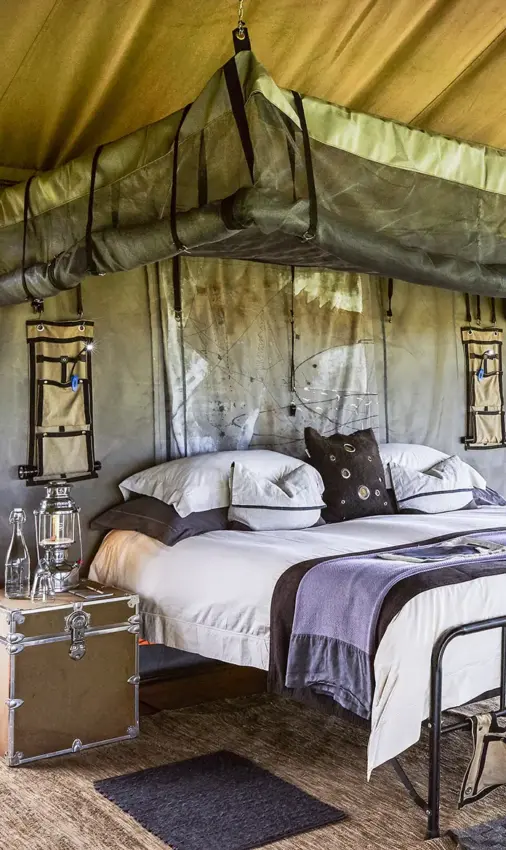
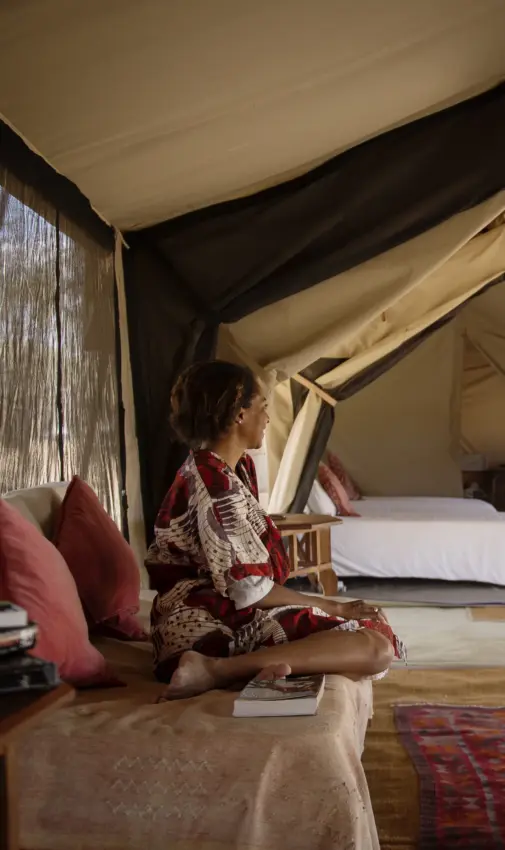
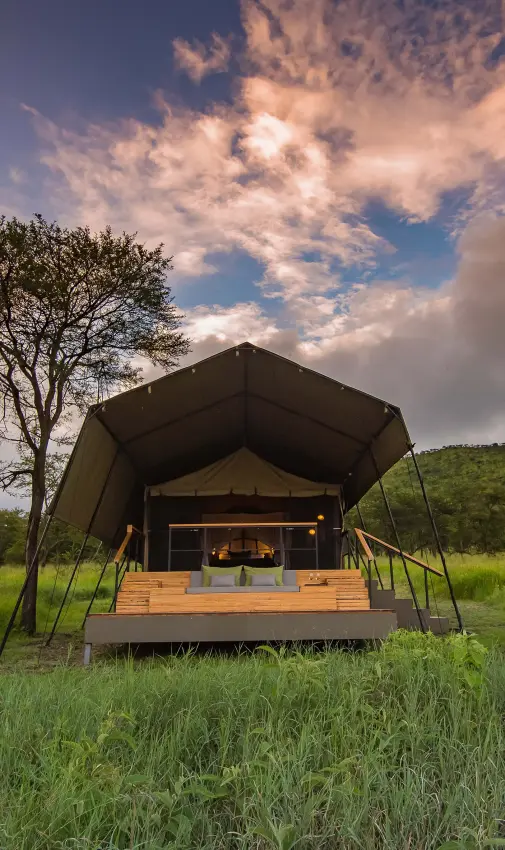
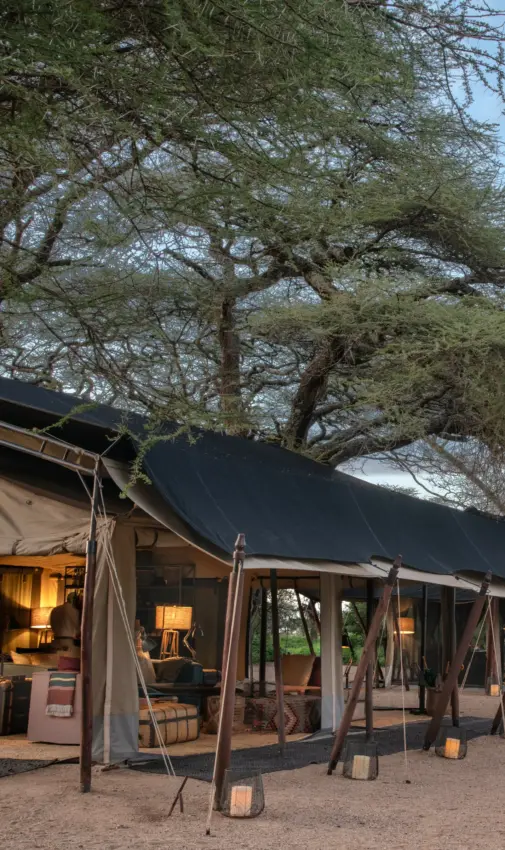
The design draws on the geology beneath it. Walls are built from calcrete, the same ash-formed rock that keeps the plains open, chosen for its insulating properties as much as its texture, with canvas, natural wood and stone carrying the rest of the camp. Sliding glass doors run the length of each suite, opening onto a private deck with a standalone resin bathtub facing the grassland. Indoors, the main areas hold a library, a bar and a pool deck, and meals move between the dining tent, the open air and a guest’s own veranda depending on the evening.
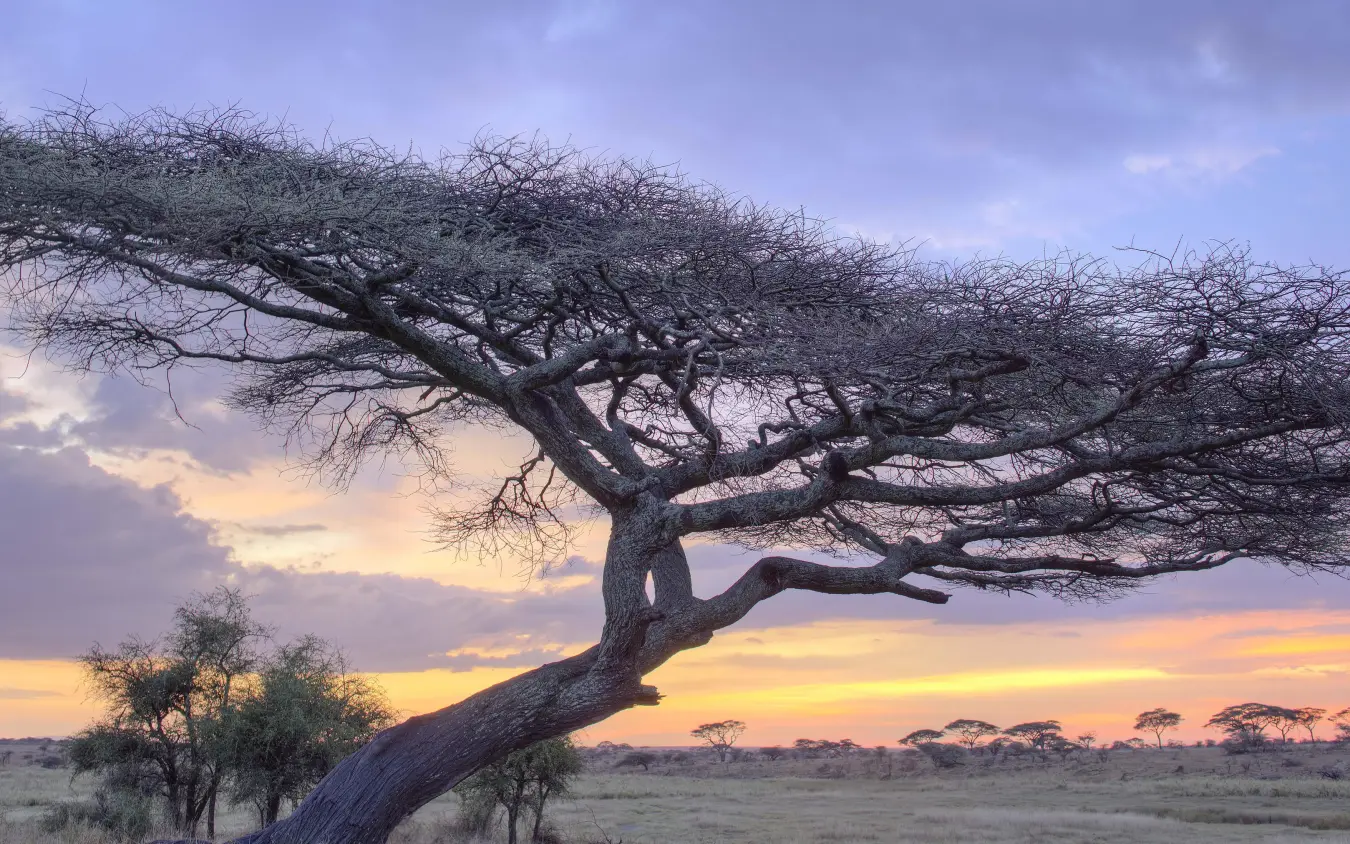
At night the lion roars carry across the plains, close enough to place. The atmosphere is unhurried, and the welcome is warm without formality. The camp runs on solar power, with a generator held in reserve, and recycles rainwater and waste as part of a broader effort toward carbon neutrality. For families or small groups, two private-use Retreats come with their own chef, host, guide and vehicle, and share a pool set apart from the main camp.