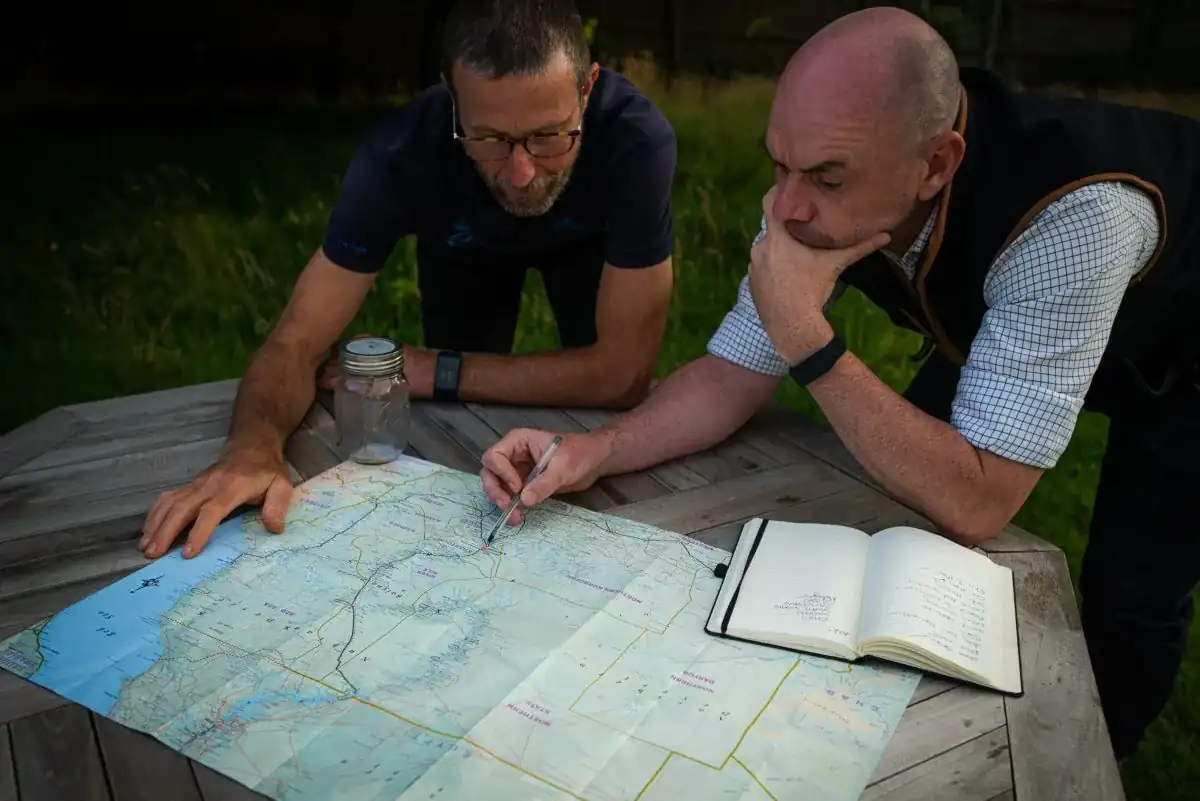
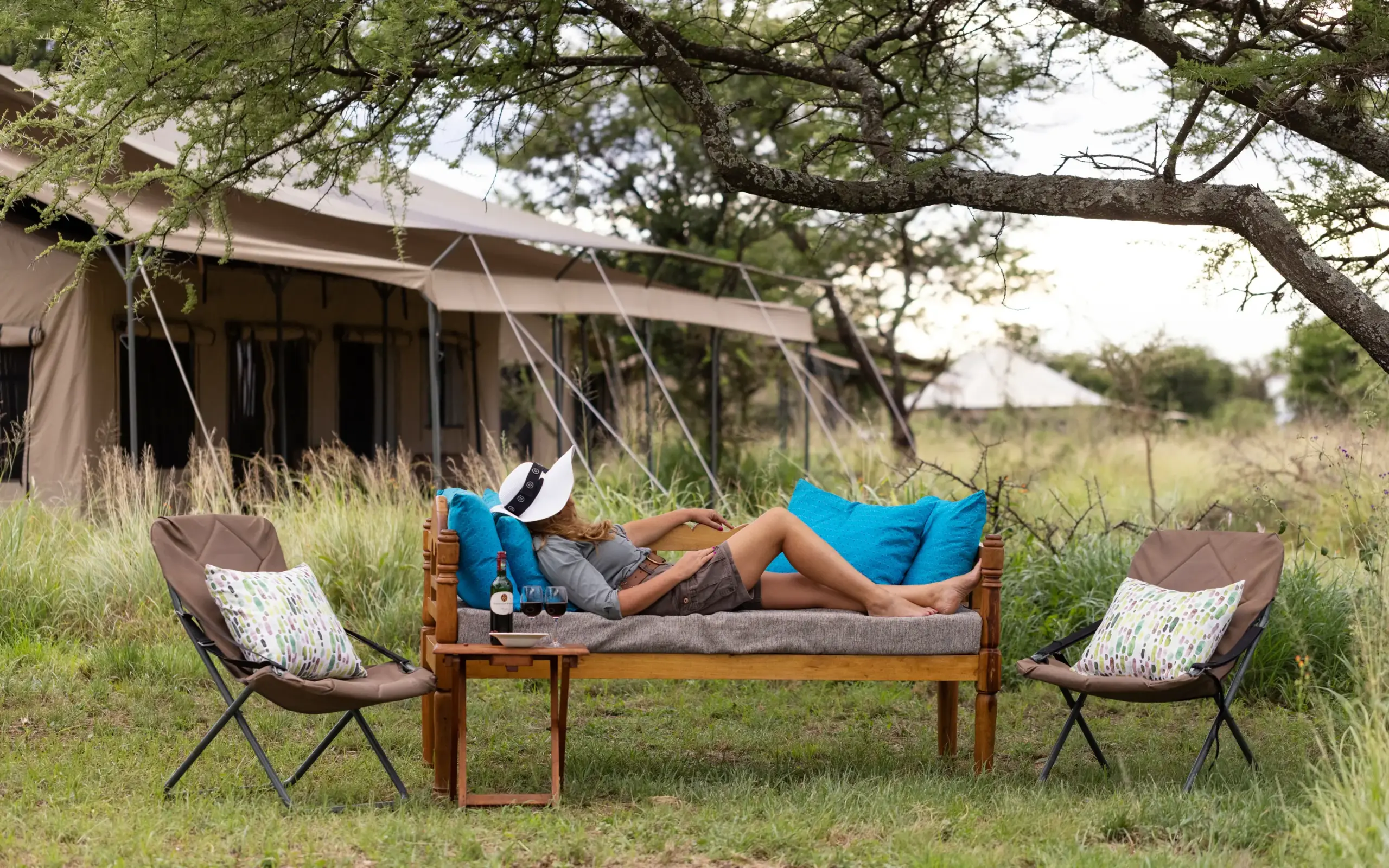
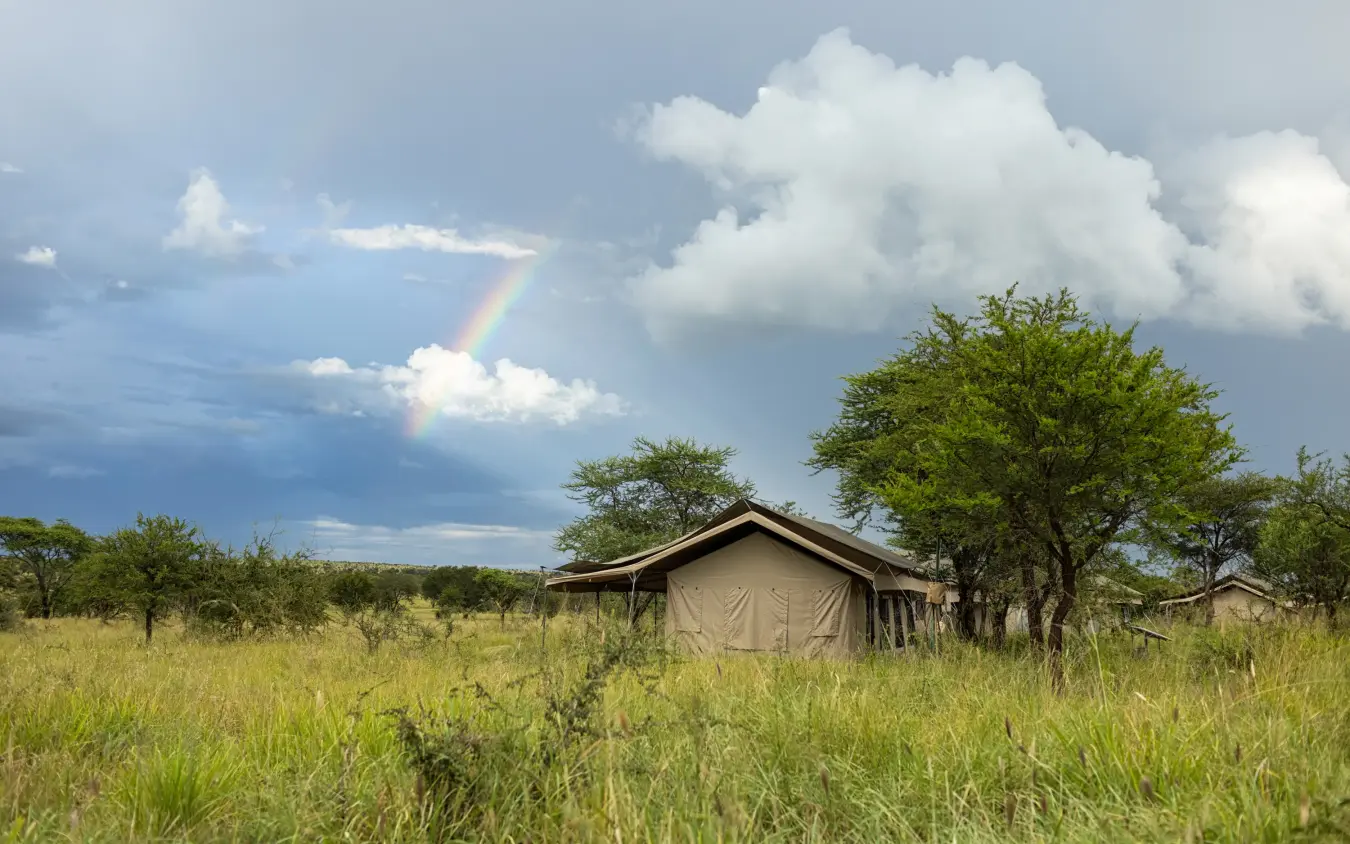
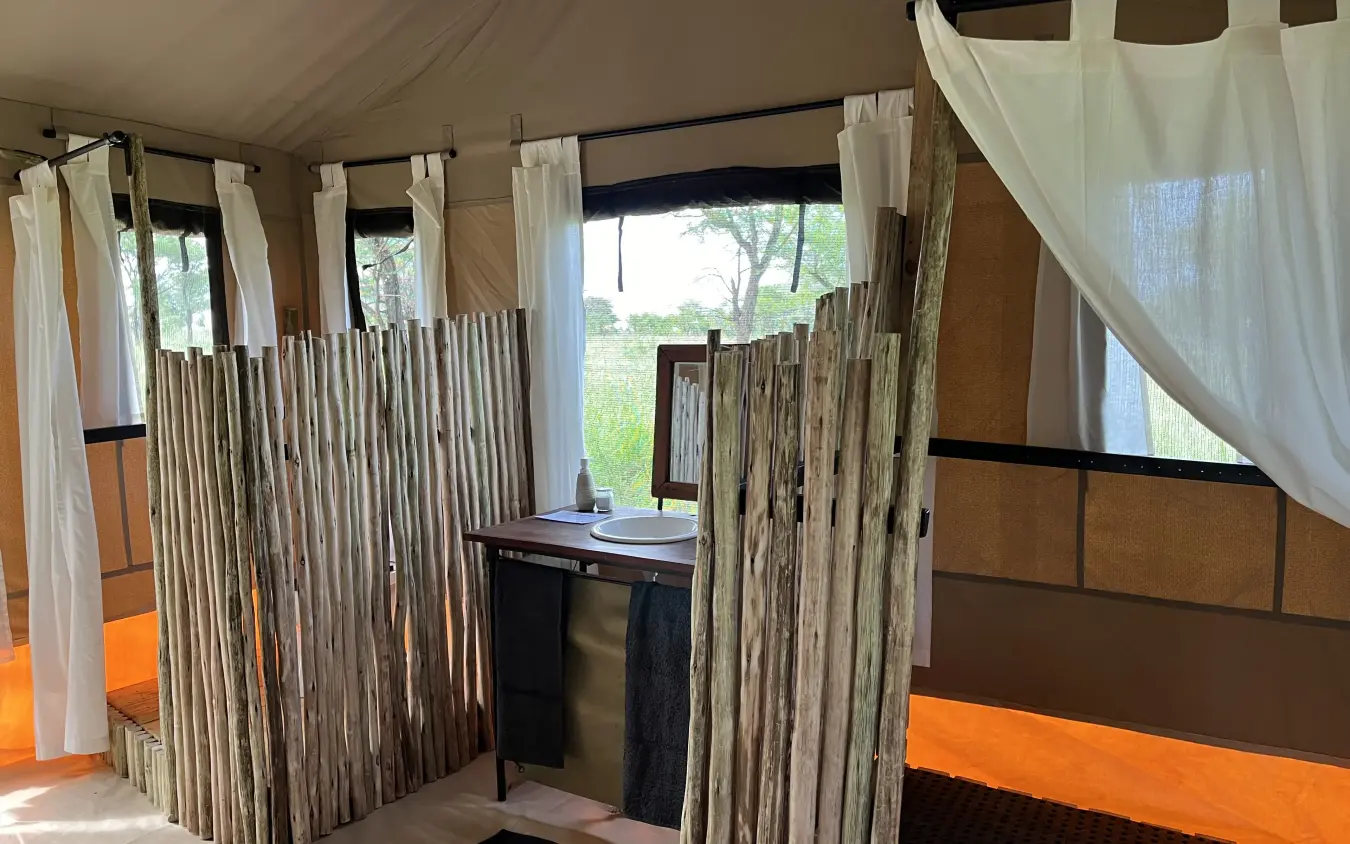
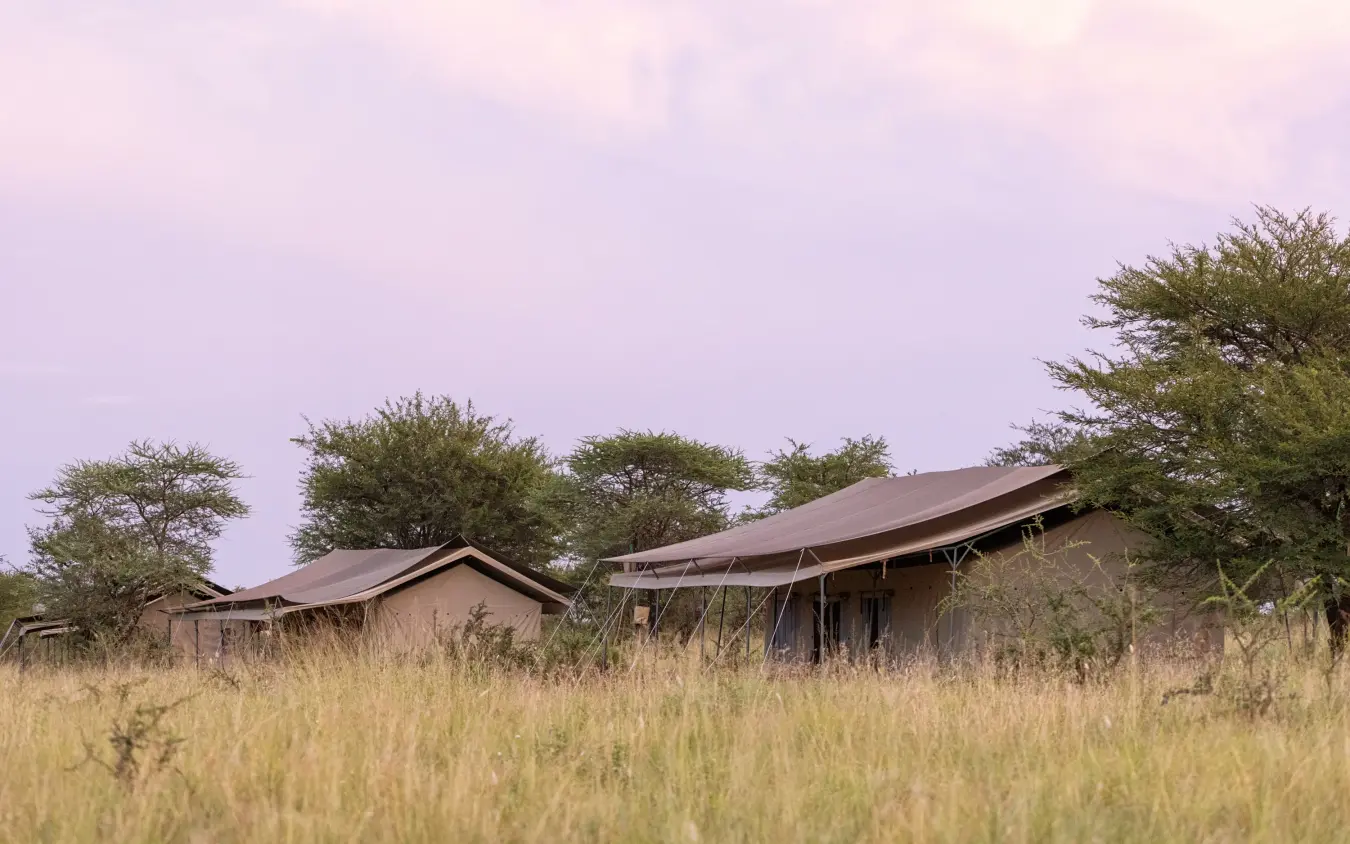
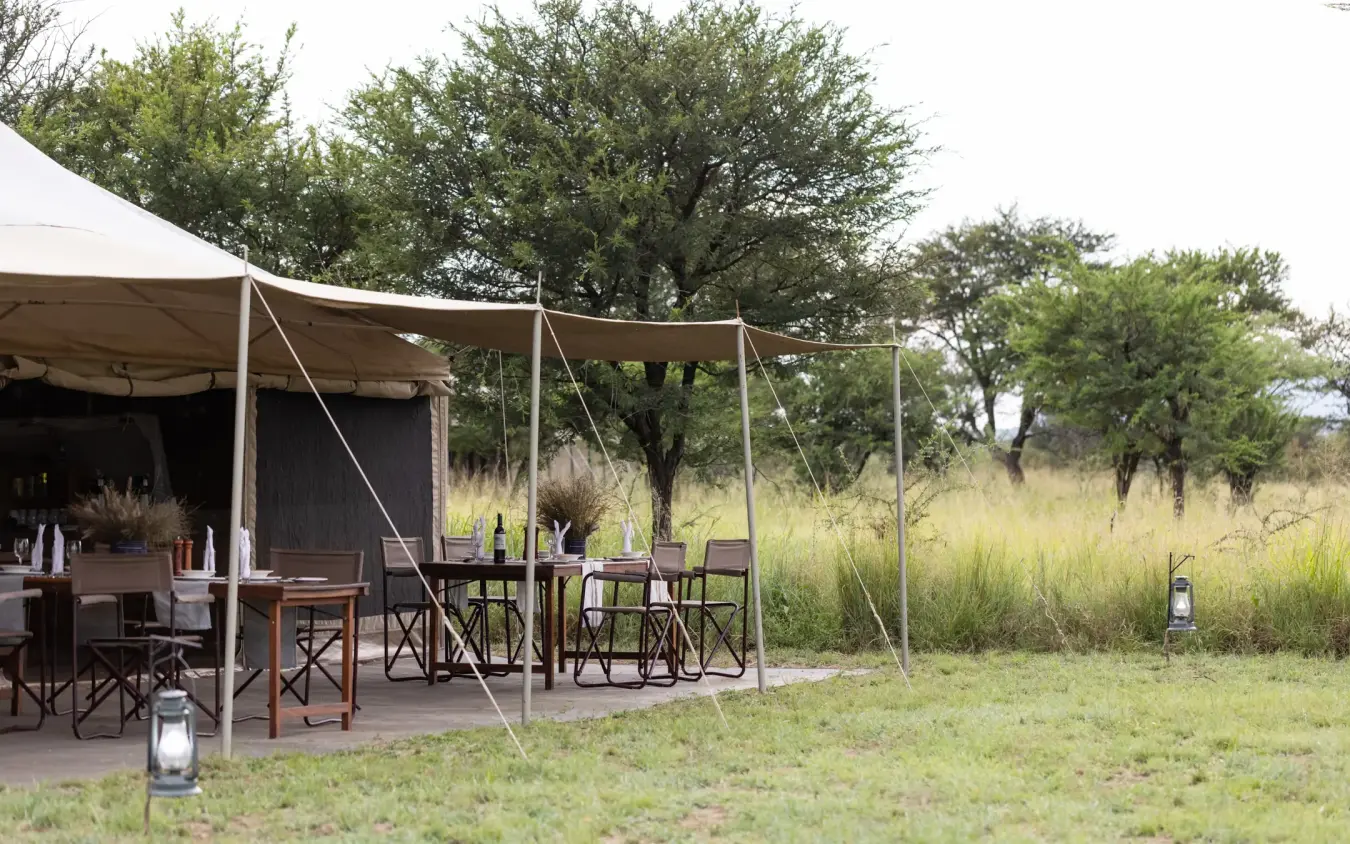
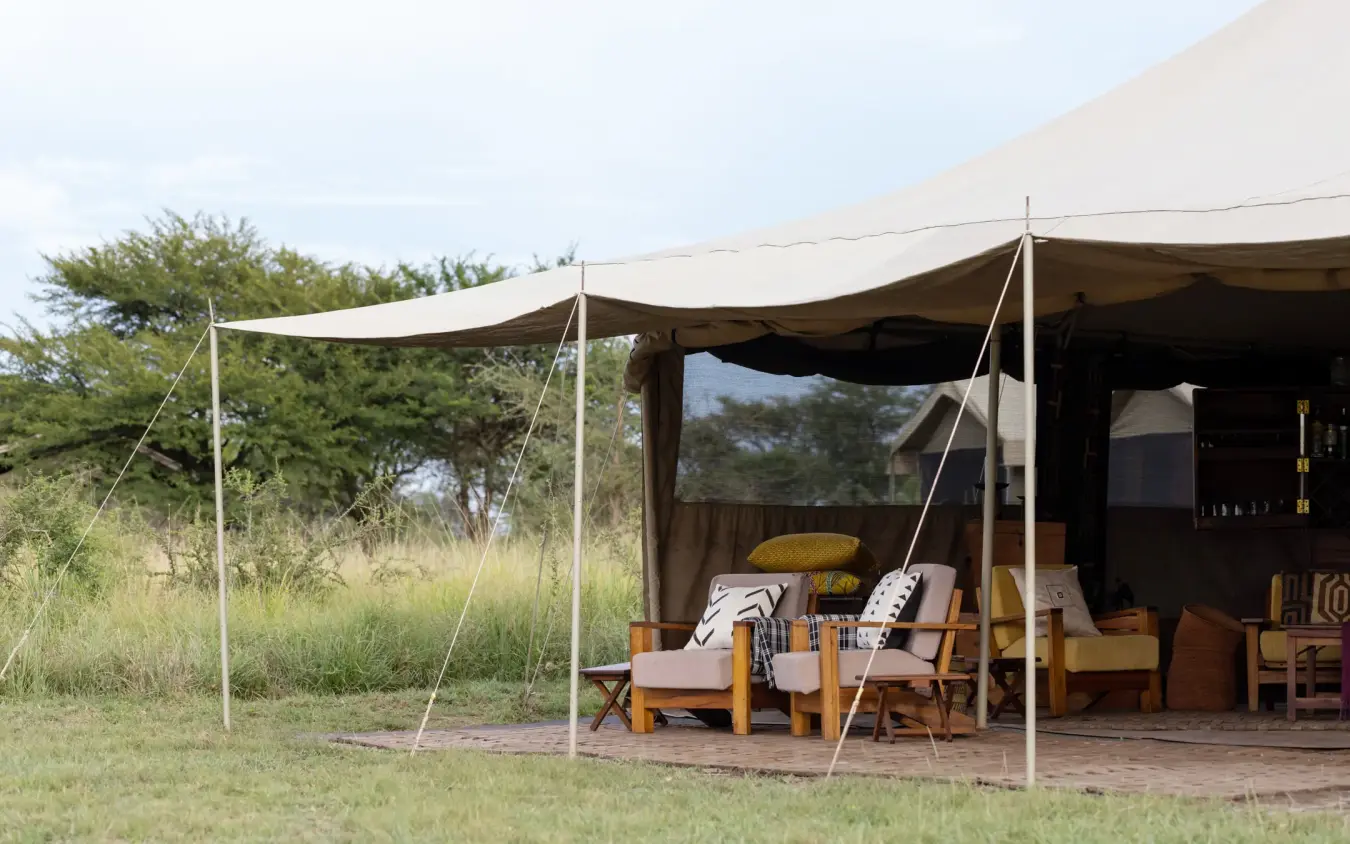
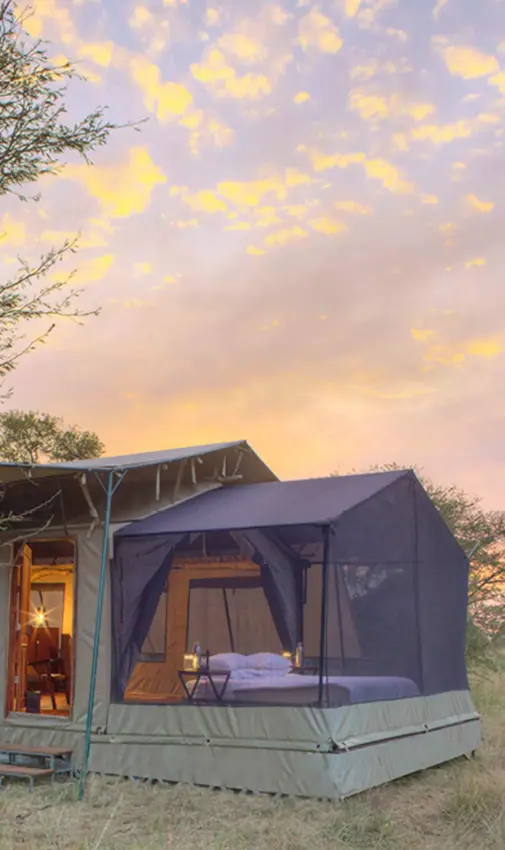
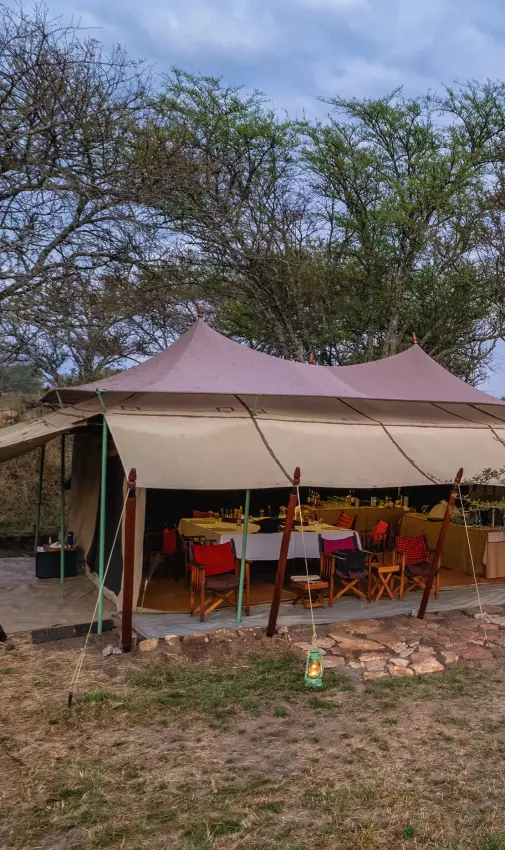
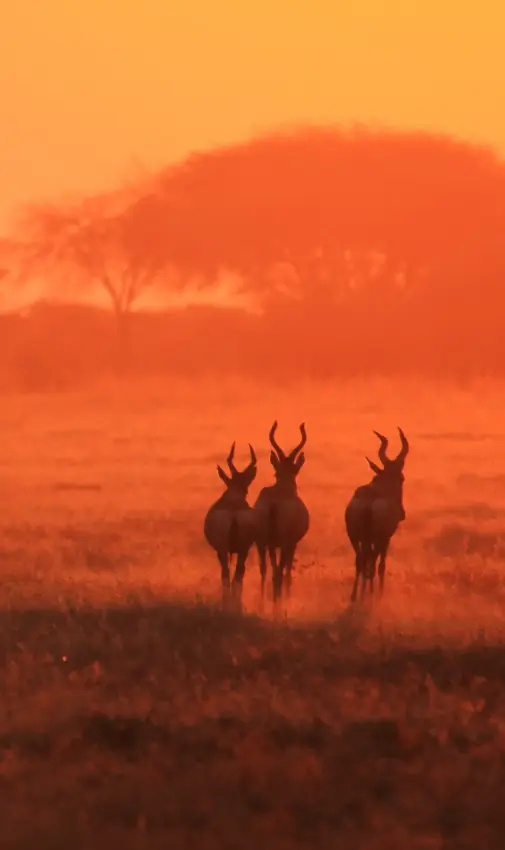
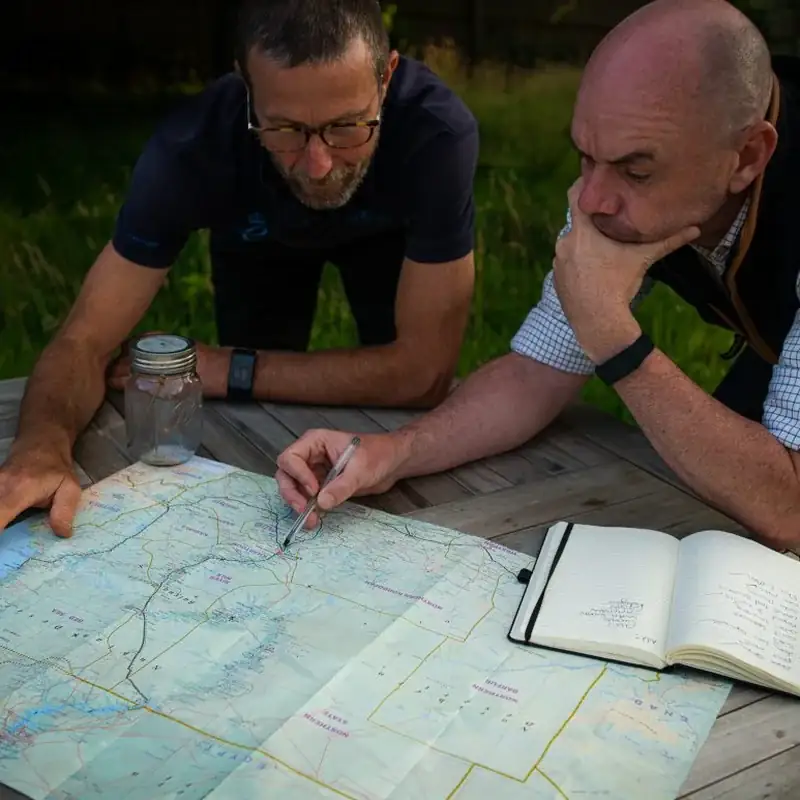
John and Debbie Addison began by running mobile safaris, and the camp still works the way they started: light on the ground, moved rather than expanded. There is no concrete and no foundation anywhere on site. Each year the canvas comes down and goes up elsewhere, which is why the valley below the tents still reads as open Serengeti rather than ground camped on for two decades. East of the main Seronera tracks the position is a quieter one, and vehicle numbers stay thin at the sightings nearest camp.
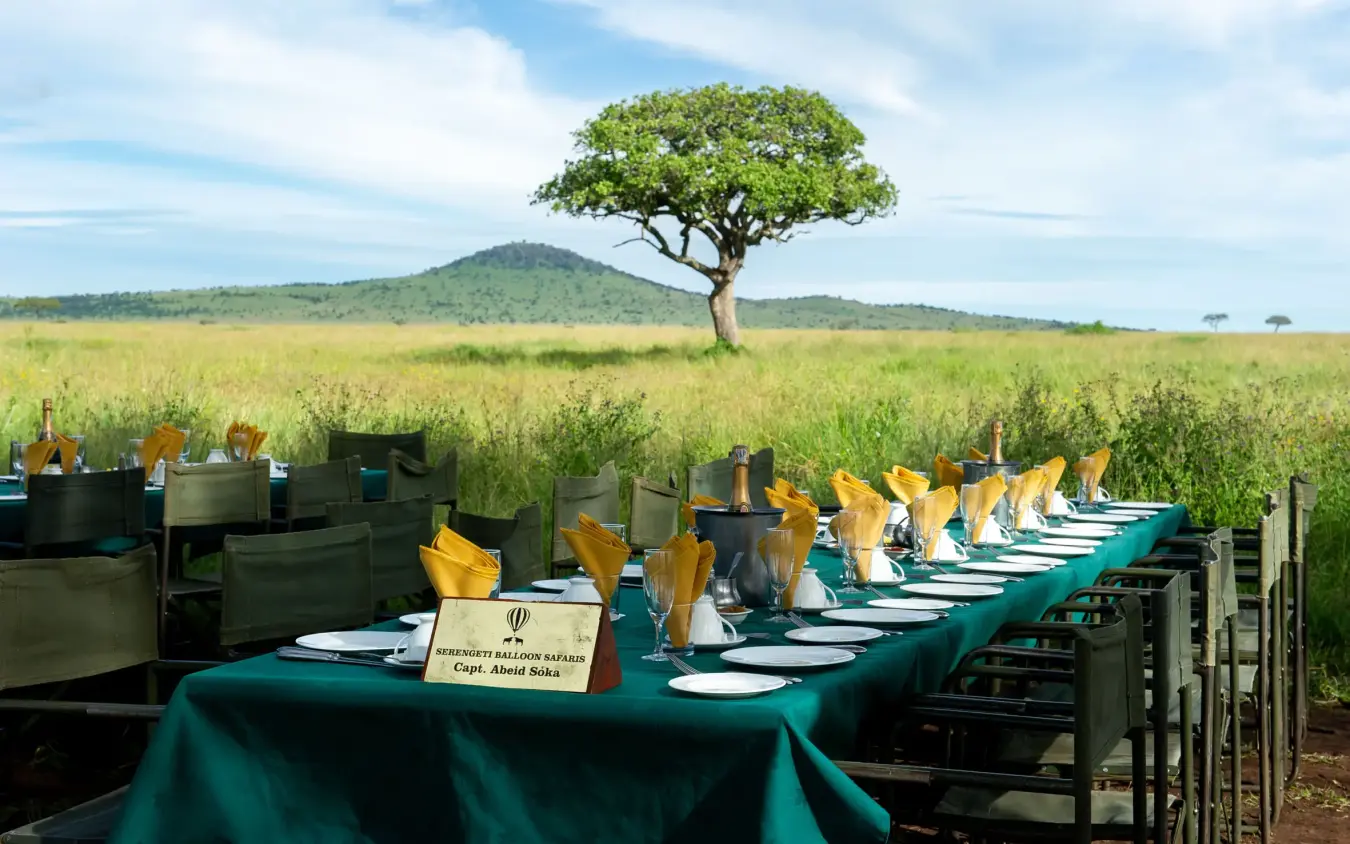
Days run on game drives, morning and afternoon, in open 4x4s laid out with side seats only, so nobody sits in the middle. Bean bags and camera-resting arms come as standard. Inside Serengeti National Park the rules are firm: no off-road driving and no night drives, so the guiding depends on tracks, alarm calls and the way the plains game is standing, and a sighting is read out of the country long before it is reached. Balloon flights over the central plains can be booked ahead, lifting off at dawn and landing to a bush breakfast.
Hyena whoop across the valley, and a leopard coughs its sawing note in the dark.
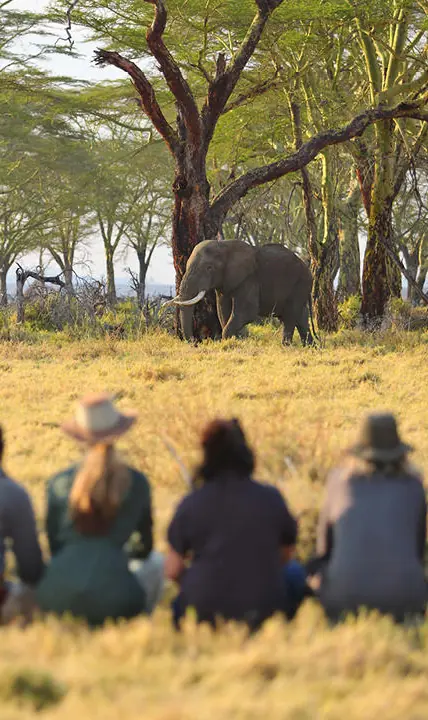
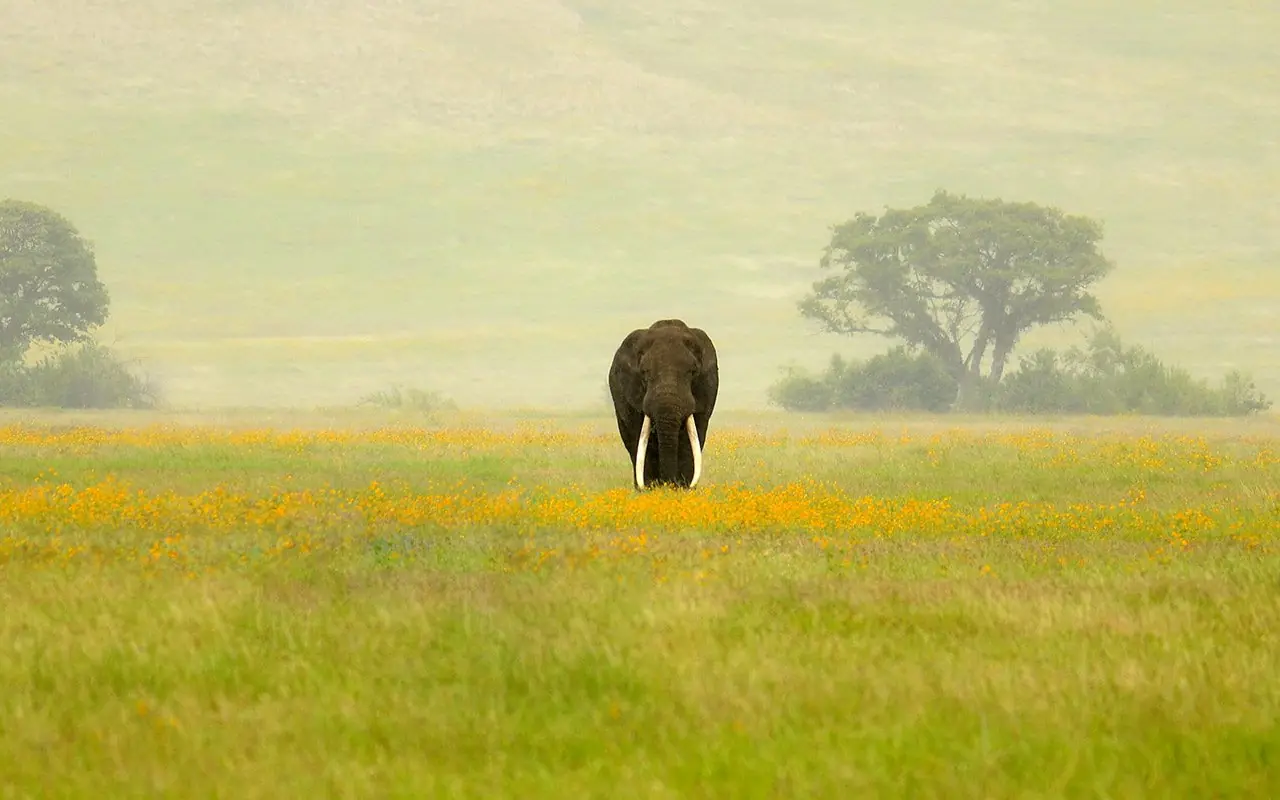
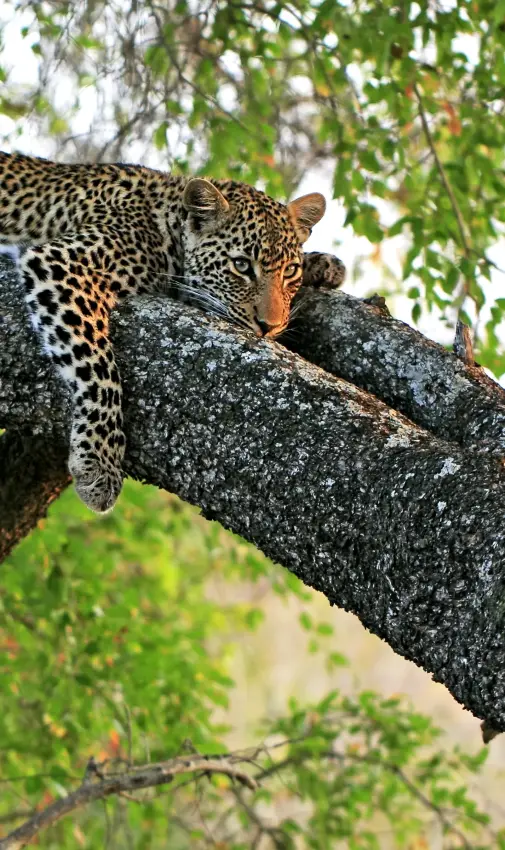
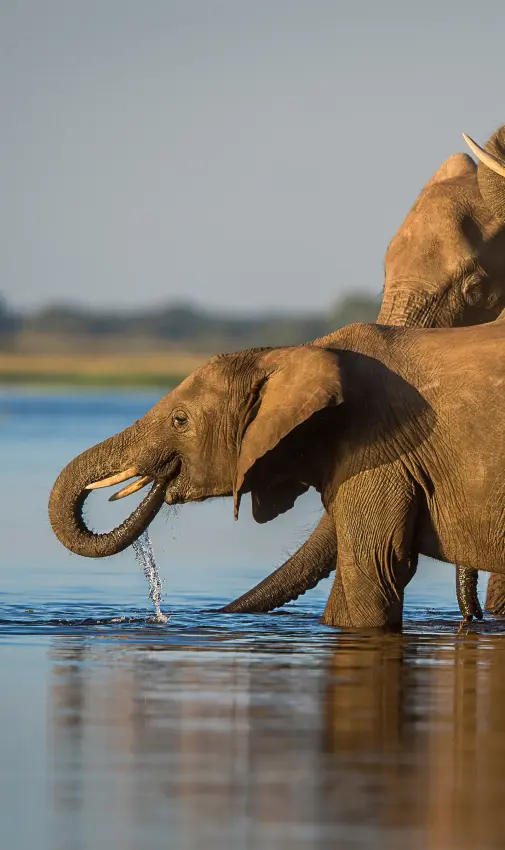
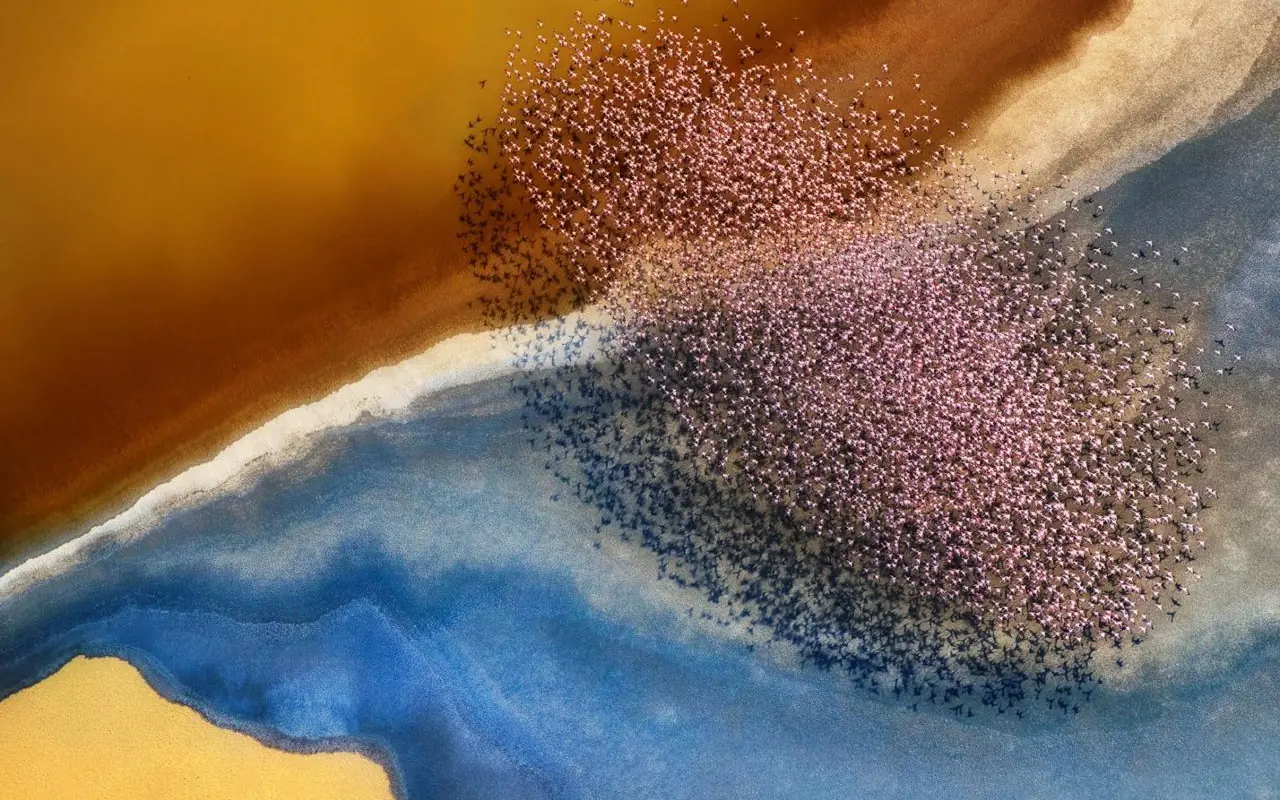
Below the tents the valley holds water year-round, and elephant, buffalo, giraffe and zebra coming down to it can be watched from a verandah chair. The cats, though, are the reason most guests come. Because the Seronera River keeps its water as the surrounding country dries, leopard stay in the trees along its banks, and lion and cheetah hold the same ground through the year. For a few weeks in each direction the migration moves through, the plains fill, and then they empty again. Birdlife rewards the binoculars too.
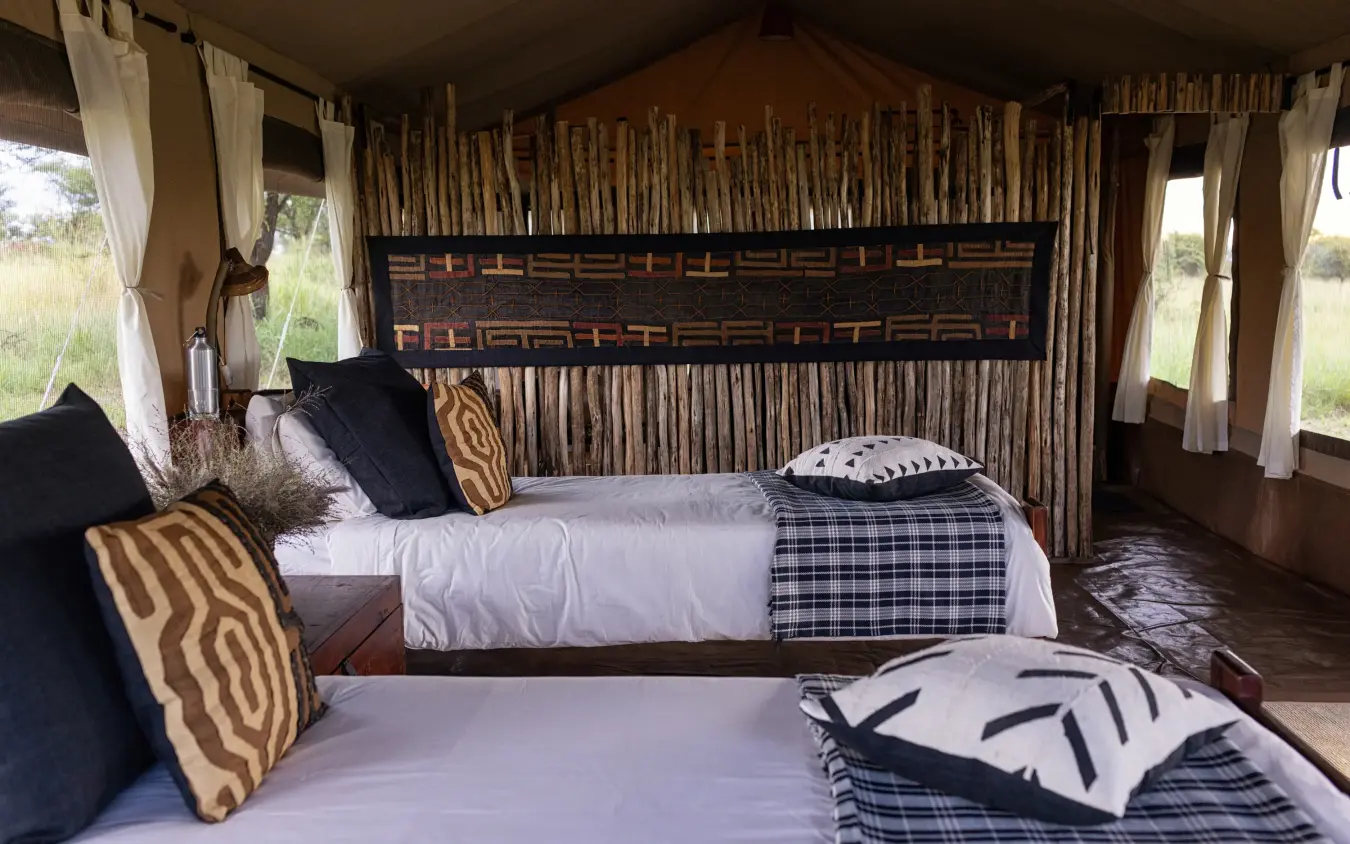
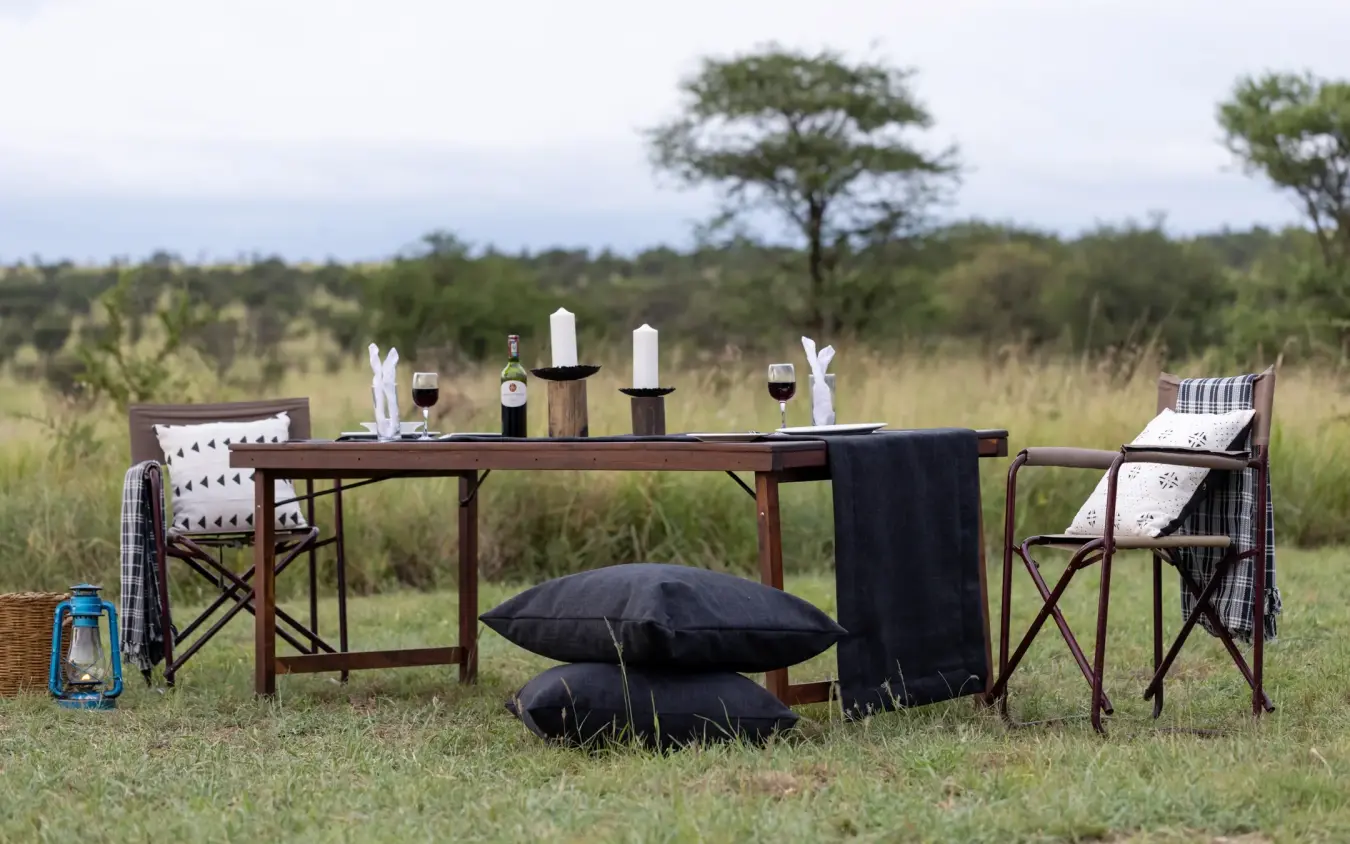
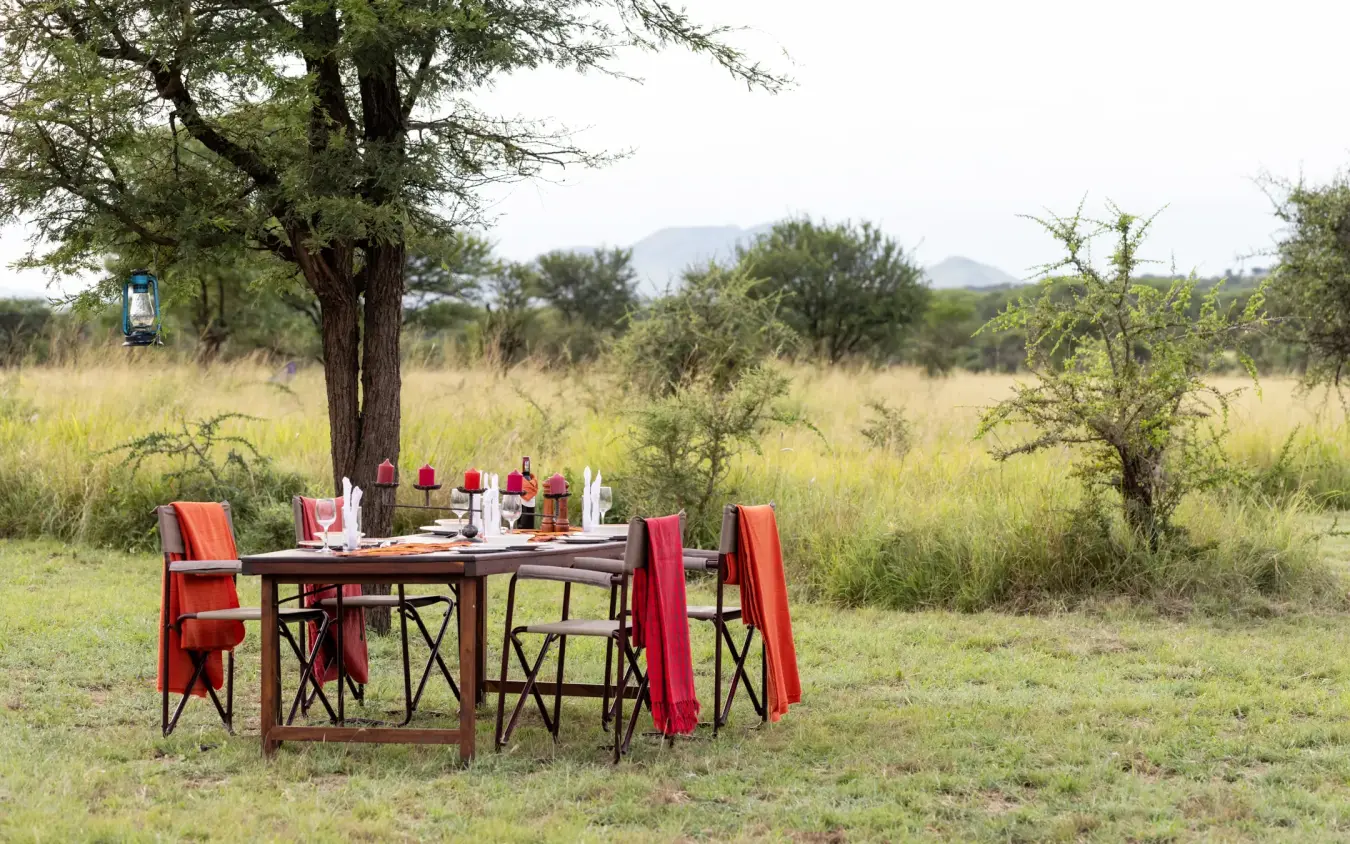
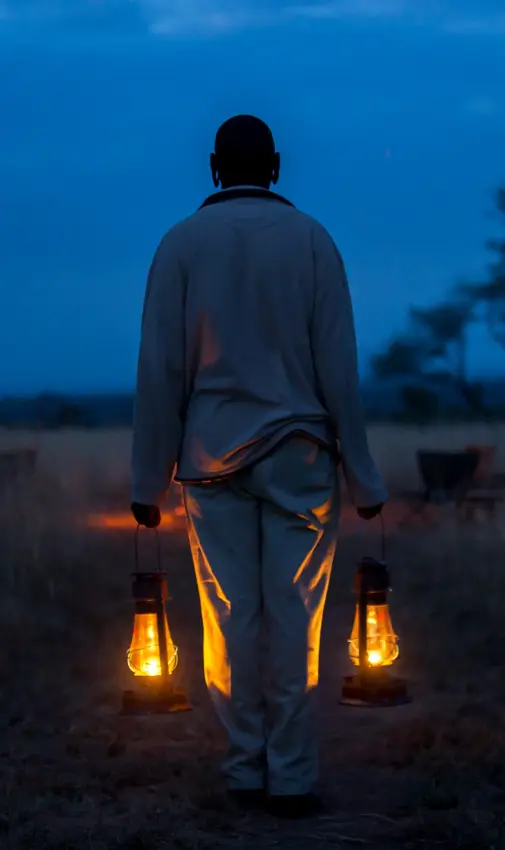
Meals are eaten with the guides at the table, and that is when most of the day’s sightings get explained properly, the tracks read back, the calls placed. After dark the fire is lit and the talk slows to whatever the drive turned up. Sleeping under canvas means hearing all of it. Hyena whoop across the valley, and a leopard coughs its sawing note in the dark. Zebra crop the grass close to the tent wall, near enough to wake you. Ten tents is a small number, and the crew learns everyone’s name on the first evening.