Camp

Mila Tented Camp

Six tents in the Nyasirori area of the Serengeti’s Western Corridor, Tanzania, deep in resident lion country.
Country: Tanzania
Location: Nyasirori, Serengeti Western Corridor
Number of rooms: 6

Resident lions in Nyasirori's acacias

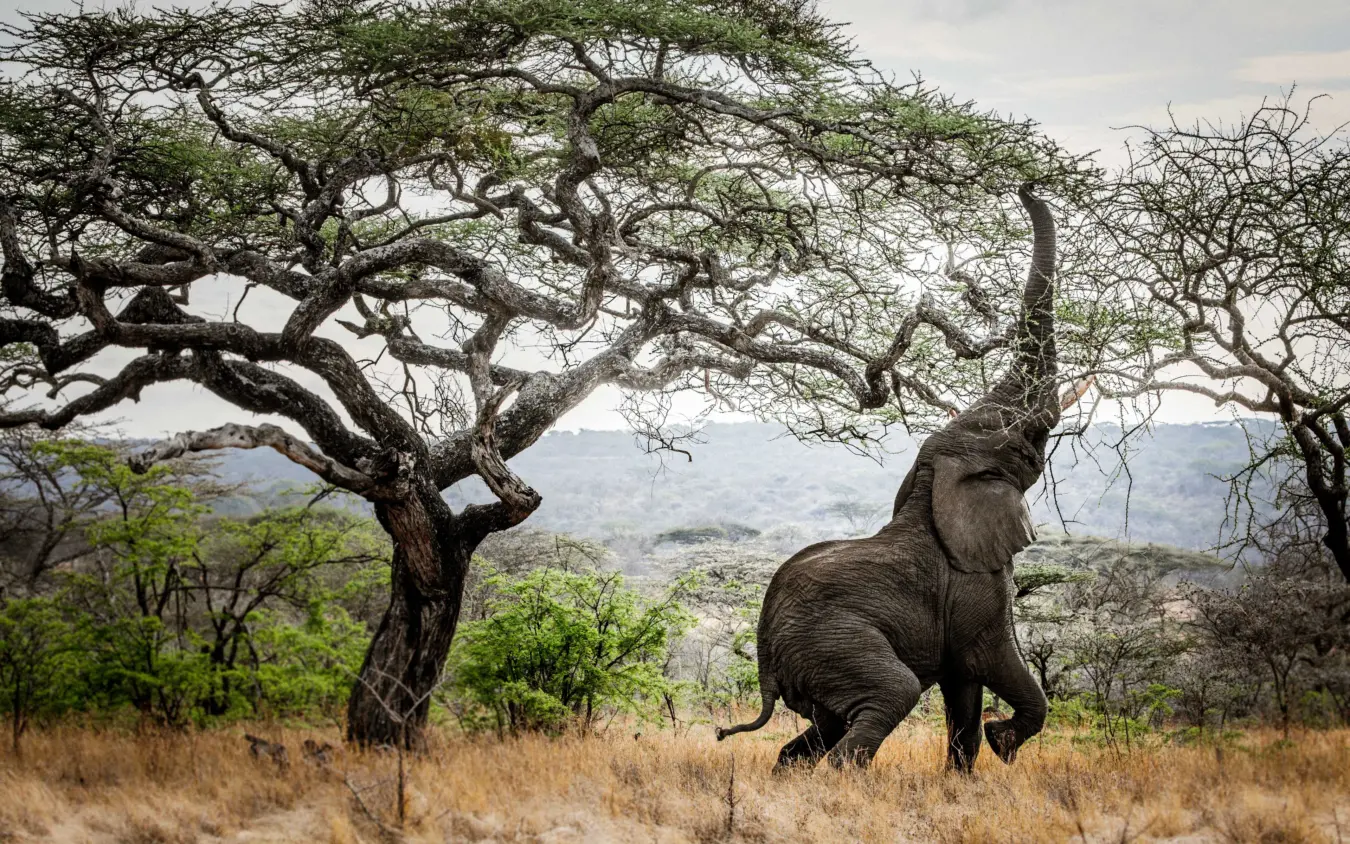
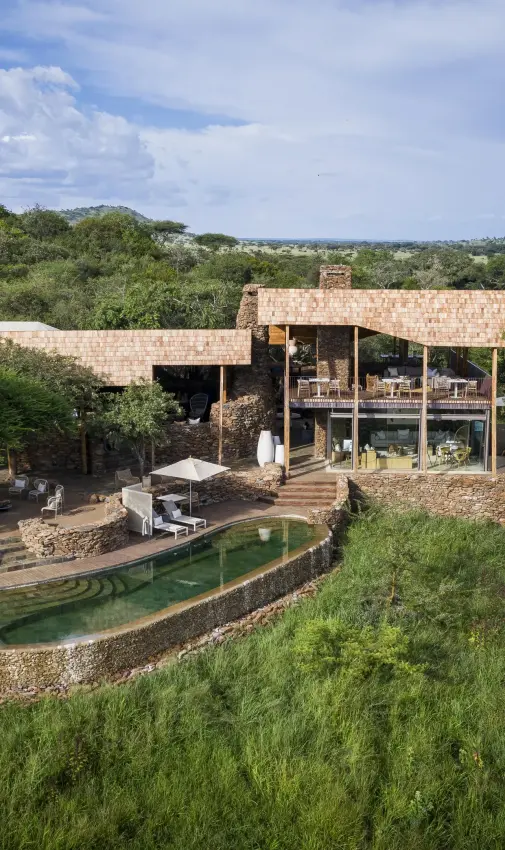
In the western Serengeti, Nyasirori is a corner of the park with few permanent camps and, on most mornings, no other vehicle in sight. The prides here are large and resident, holding their ground through the year, so the game does not depend on the migration passing through. Five tents and a two-bedroom family suite look out over acacia woodland and open plains, each on its own stone platform.

Lions climb the acacias here, and hunt on the open grassland.

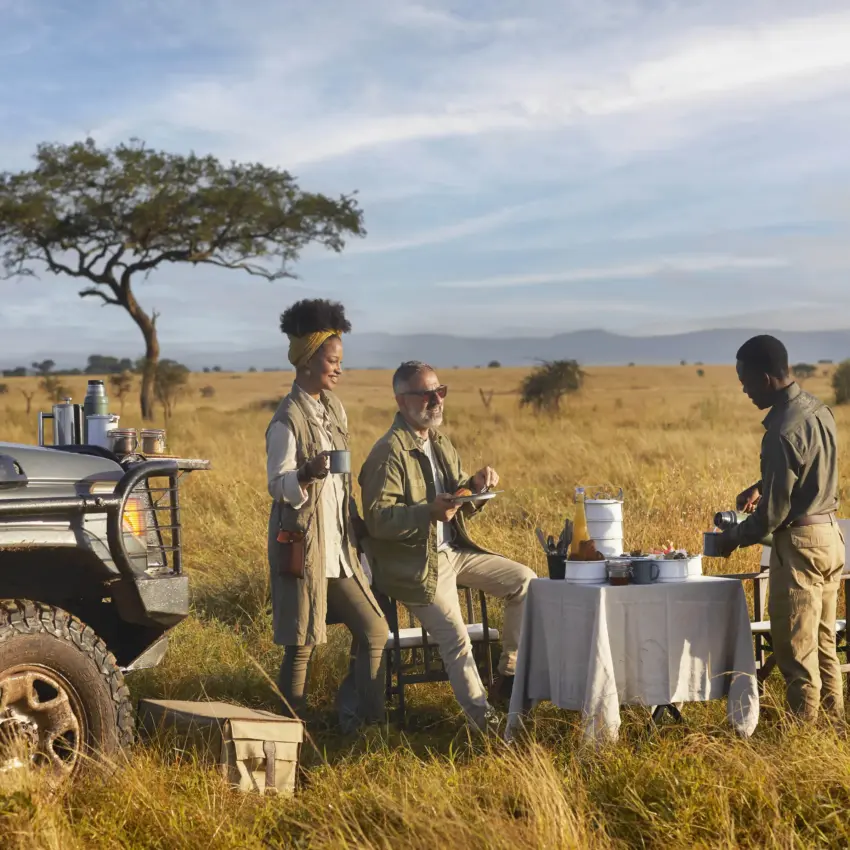
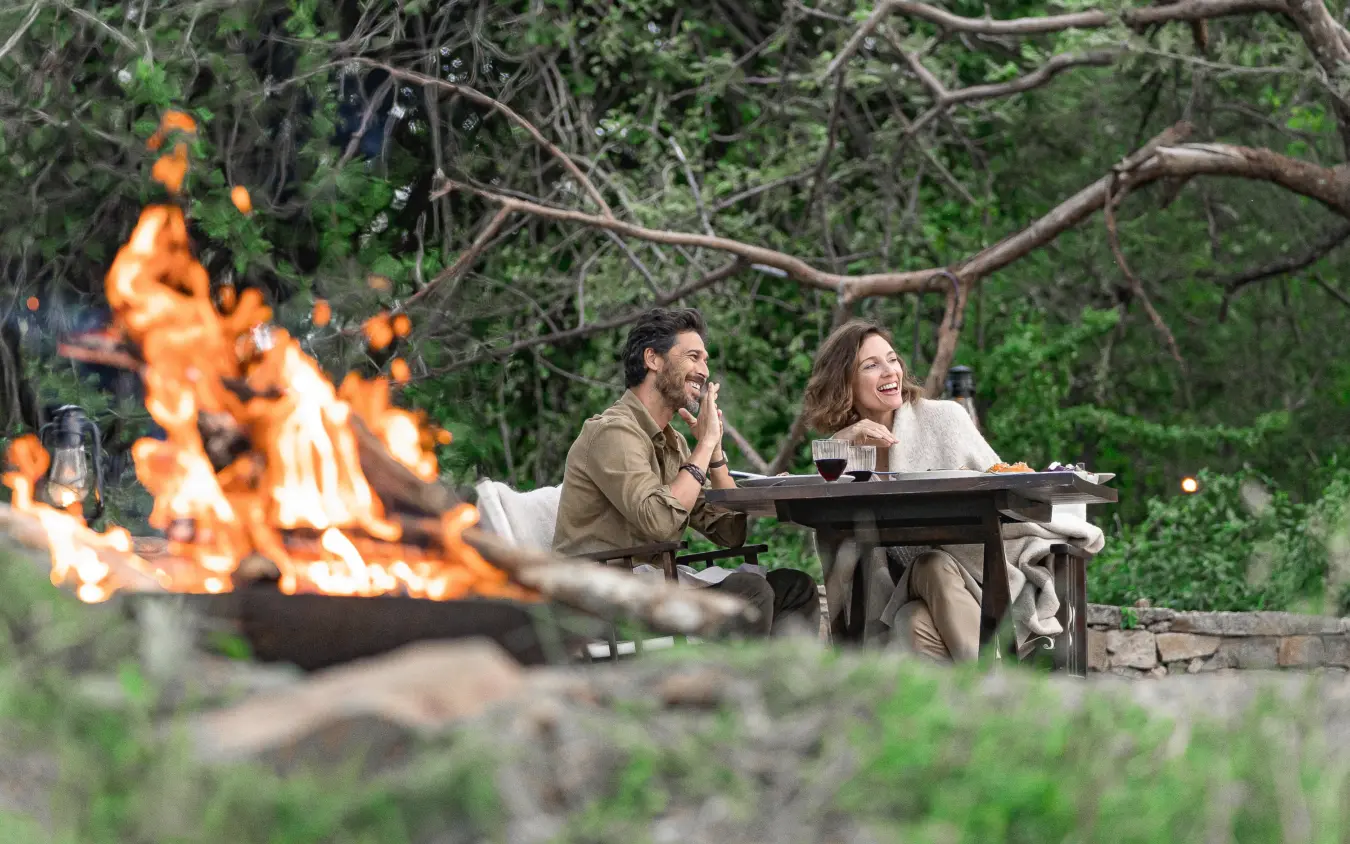
Every booking travels with its own vehicle and guide, whether a couple or a family, so drives keep no timetable. Lions climb the acacias here, and hunt on the open grassland. Breakfast can be taken on the plains at first light or held back for the sighting that keeps a morning going, and sundowners are set up wherever the afternoon ends.

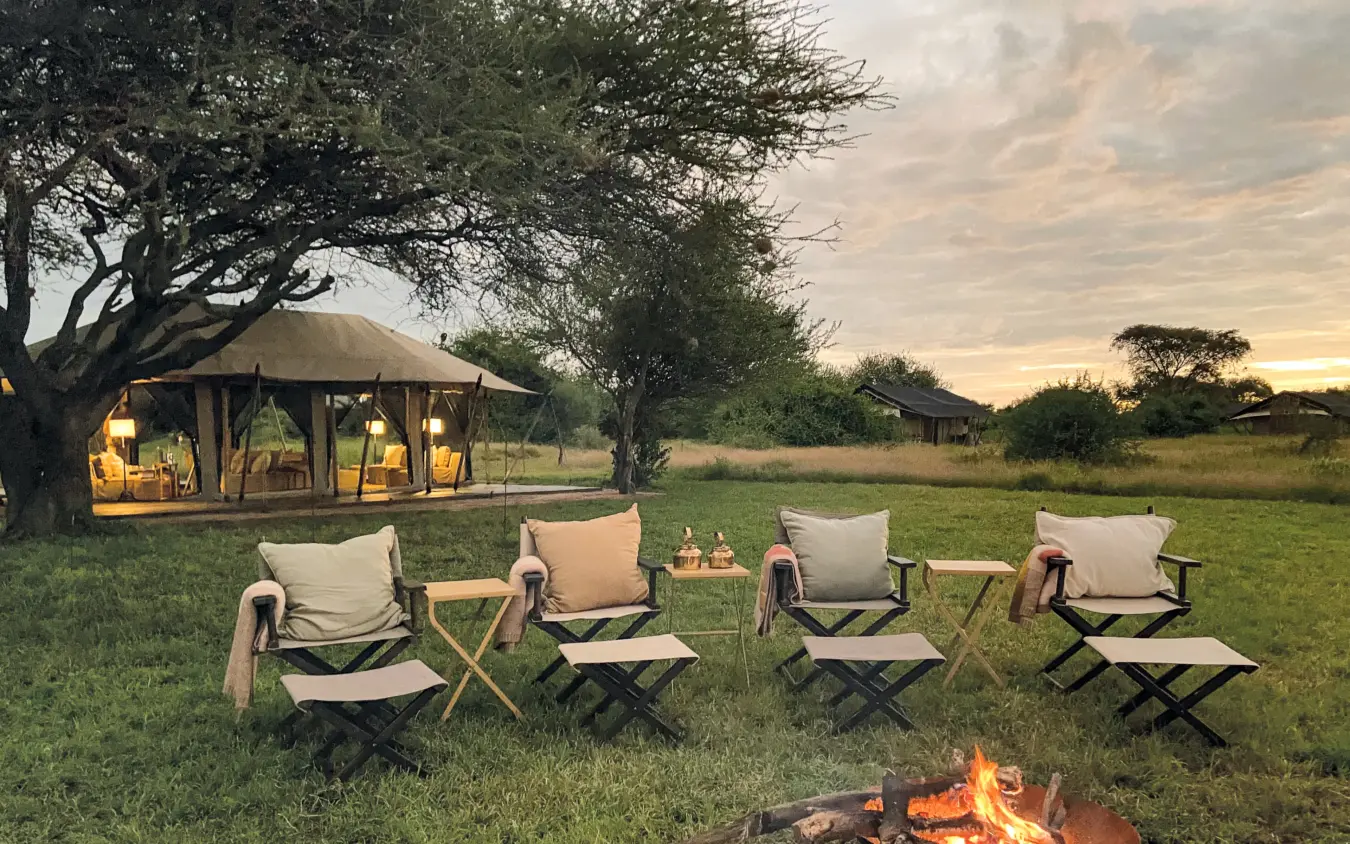
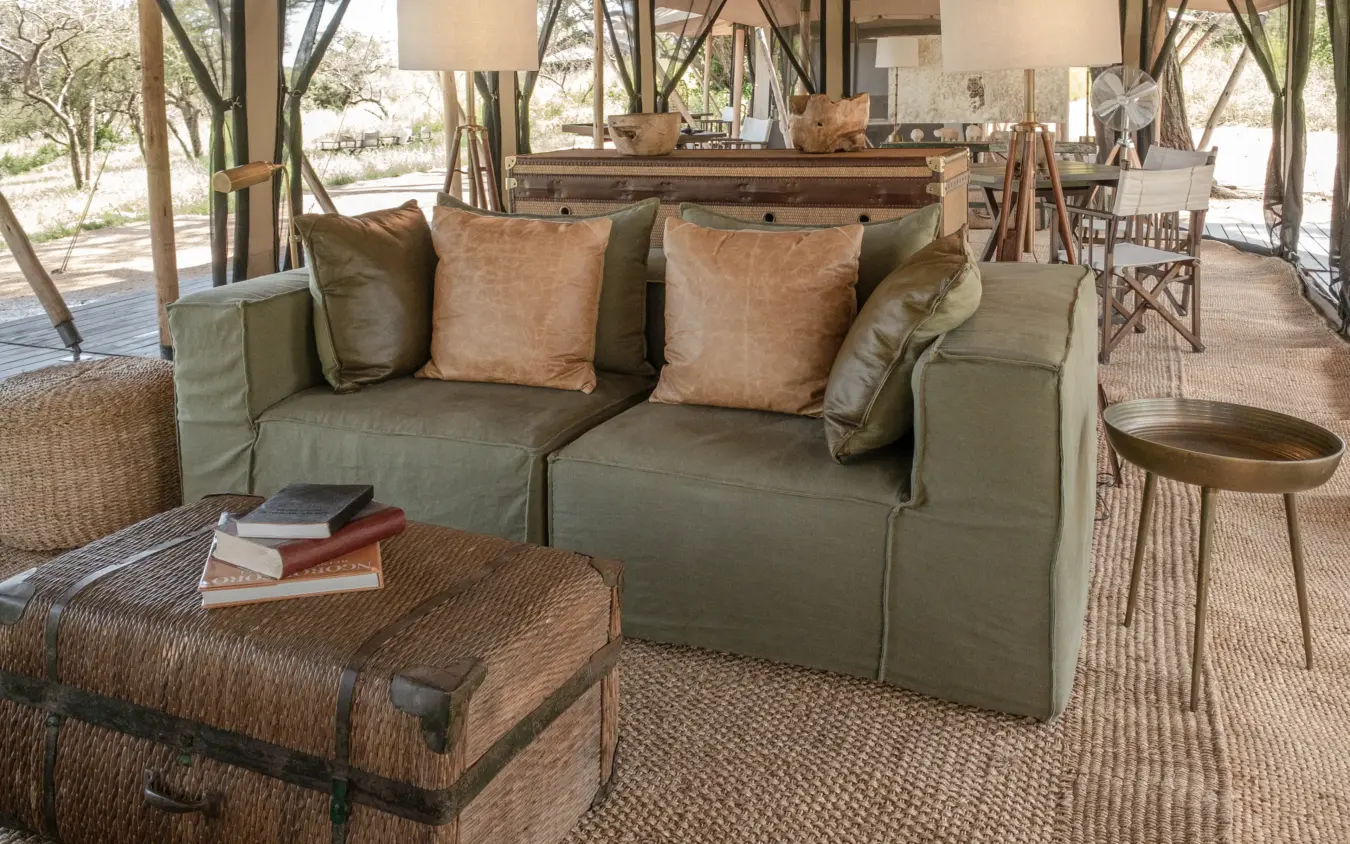
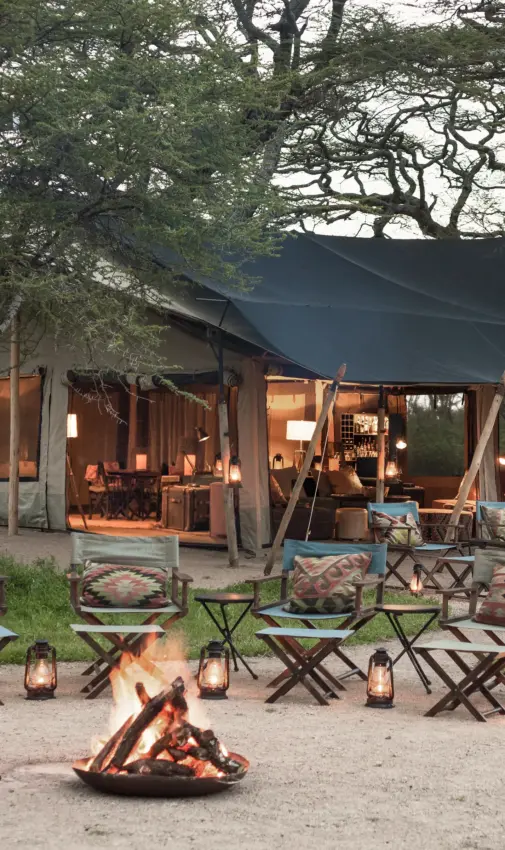
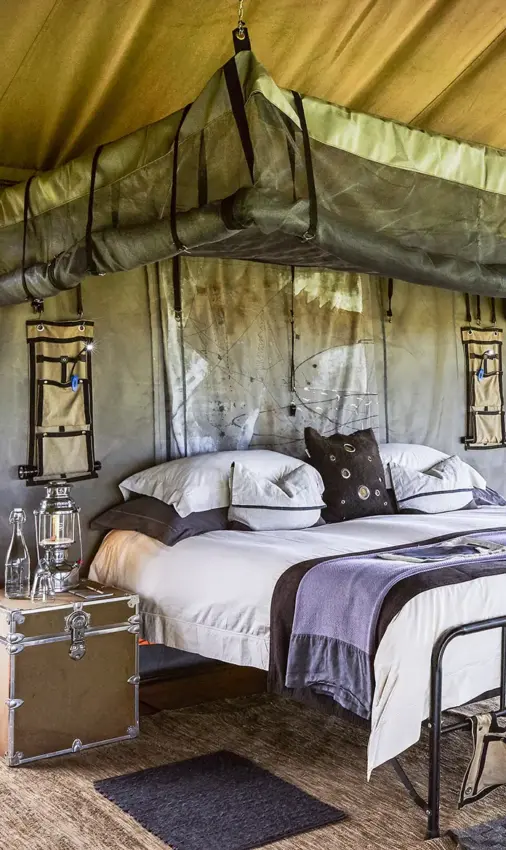
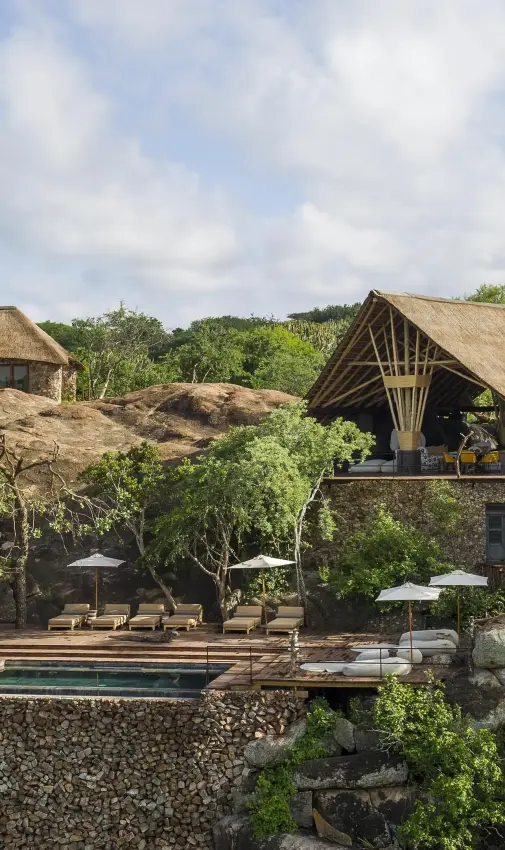
Each tent is dressed in linen and brass, with mosquito nets, a rainfall shower and a canvas-shaded veranda for the hours between drives. The mess tent runs to honey tones, a nod to the Hadzabe’s long association with wild honey, and the palette holds across the whole camp, vintage safari rather than a contemporary design statement.

With the Hadzabe there is foraging, and honey-guide birds to follow

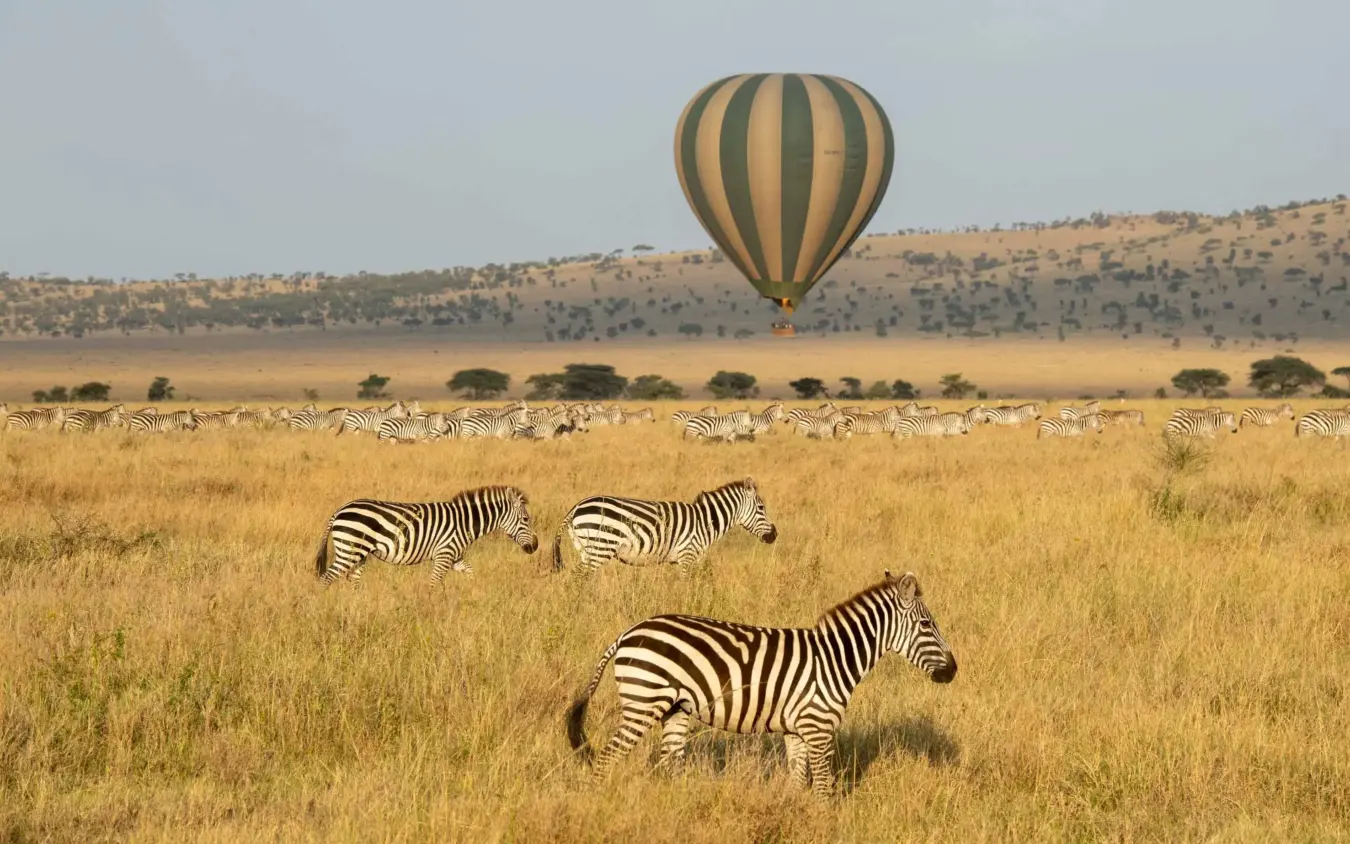
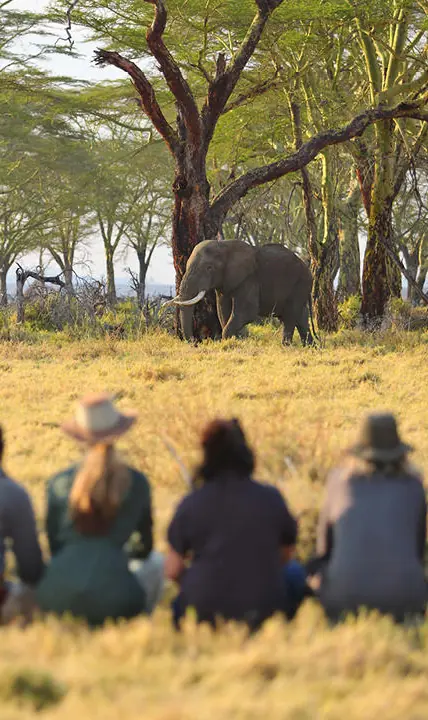
Walking safaris with a private guide cover the ground the vehicles skip: tracks in the dust, birds, the smaller detail of the acacia woodland. Because the camp lies inside Serengeti National Park, driving stays on the roads and ends at dusk. Cultural visits can be arranged through the camp. Balloon flights over the plains are arranged for early risers.

01

accommodation

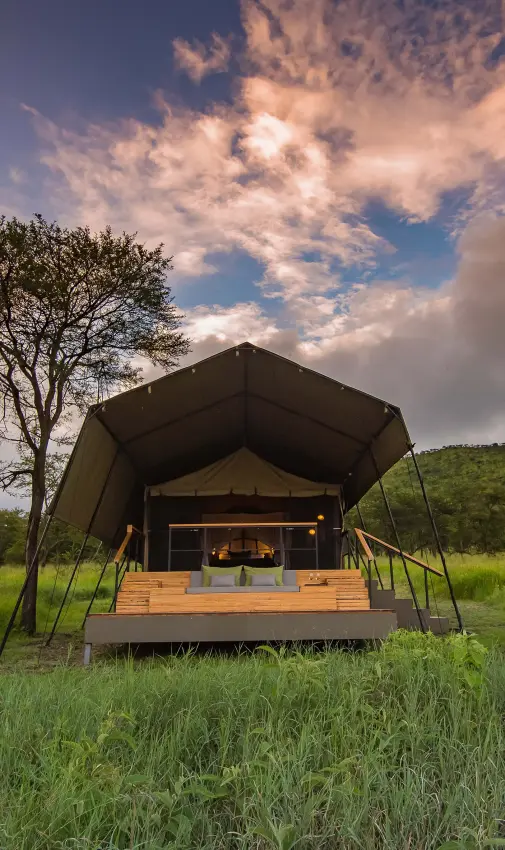
Six Tents on Stone Platforms Facing Plains

Six tents in all, five doubles or twins and a two-bedroom family suite, each raised on a stone platform, spaced well apart and facing the plains. Inside are king or twin beds under mosquito nets, twin basins, a flush toilet, an indoor rainfall shower and a safe, with a canvas-shaded veranda outside. Laundry is done in camp.

02

activities

Private Guides, Walking Safaris, Balloon Flights

Game drives run on a private vehicle with a private guide, at whatever hours suit, plus walking safaris, bush breakfasts and picnic lunches. Balloon flights over the plains can be arranged. Night drives and off-road driving are not permitted inside Serengeti National Park. Visits to Hadzabe and Datoga communities can be arranged alongside the drives.

03

conservation

Friedkin Conservation Fund Protects Greater Mwiba

The Friedkin Conservation Fund, established in 1994, protects the Greater Mwiba Protected Wildlife Area, roughly eight percent of the greater Serengeti and Ngorongoro ecosystem, through wildlife protection, habitat management and work with the communities bordering it. Visits to Hadzabe and Datoga communities near Mila add a direct economic link to that work.

ready to get started?

Get in touch and let’s start the conversation. An initial consultation helps us understand what you’re looking for, whether that’s specific experiences, luxury touches, or marking a special occasion, and from there we’ll guide you through what’s possible so you can decide if we’re the right fit.

Alternative accommodation in serengeti national park

Guests viewing elephant from savanna during guided safari walk, Namiri Plains, Serengeti National Park, Tanzania 01

Namiri Plains

Serengeti National Park

Couple dining under ancient tree with hanging lanterns at dusk, Nyasi Tented Camp, Serengeti National Park, Tanzania 02

Nyasi Tented Camp

Serengeti National Park

Canvas safari tent illuminated at dusk among acacia trees, Serian Serengeti Lamai, Serengeti National Park, Tanzania 03

Serian Serengeti Lamai

Serengeti National Park

Safari lodge buildings with thatched roofs nestled among trees, Mwiba Lodge, Serengeti National Park, Tanzania 04

Mwiba Lodge

Serengeti National Park

Guest relaxing in infinity pool overlooking savanna landscape, Singita Sasakwa Lodge, Serengeti National Park, Tanzania 05

Singita Sasakwa Lodge

Serengeti National Park

Modern lodge building with pool surrounded by savanna vegetation, Singita Faru Faru Lodge, Serengeti National Park, Tanzania 06

Singita Faru Faru Lodge

Serengeti National Park

Illuminated safari camp tents on wooden deck at dusk, Olmara Serengeti, Serengeti National Park, Tanzania 07

Olmara Serengeti

Serengeti National Park

08

Singita Milele

Serengeti National Park

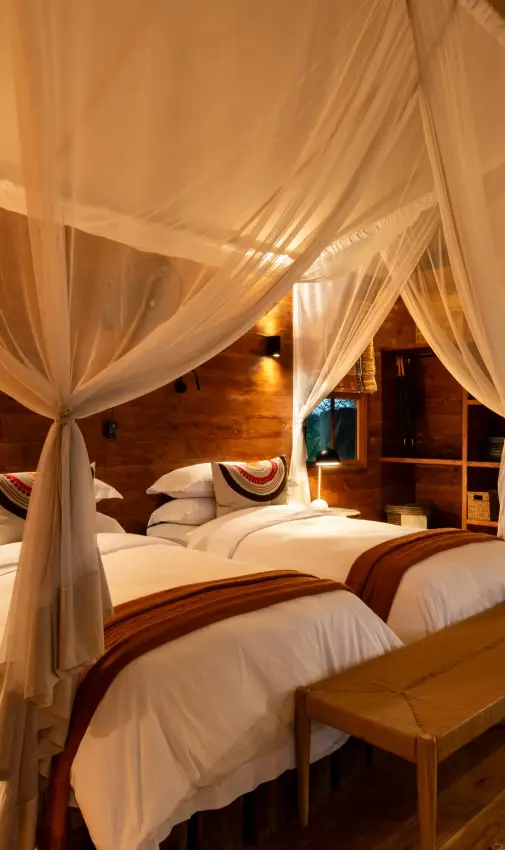
Luxury bedroom with four-poster canopy beds and wooden architecture, The Retreats at Sayari Camp, Serengeti National Park, Tanzania 09

The Retreats at Sayari Camp

Serengeti National Park

Canvas tent accommodation at sunset in savanna landscape, Olakira Migration Camp, Serengeti National Park, Tanzania 10

Olakira Migration Camp

Serengeti National Park

11

Singita Sabora Tented Camp

Serengeti National Park

12

Kichakani Camp

Serengeti National Park

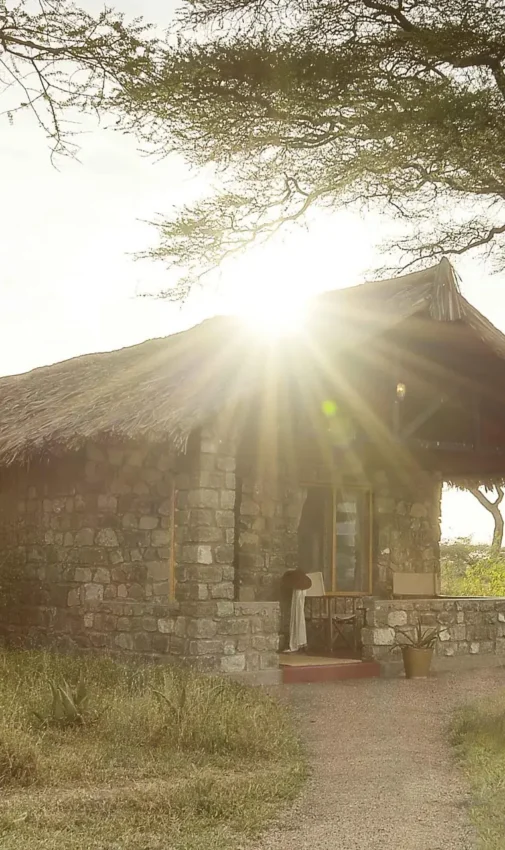
Stone bungalow with thatched roof at sunrise, Ndutu Safari Lodge, Serengeti National Park, Tanzania 13

Ndutu Safari Lodge

Serengeti National Park

14

Mara Mobile Tented Camp

Serengeti National Park

Canvas safari camp with dining area under acacia trees in grassland, Laba Migration Camp, Serengeti National Park, Tanzania 15

Laba Migration Camp

Serengeti National Park

Safari tent lodge with wooden deck and acacia tree, Sayari Camp, Serengeti National Park, Tanzania 16

Sayari Camp

Serengeti National Park

Thatched safari lodge deck overlooking vast savanna landscape, Lamai Serengeti, Serengeti National Park, Tanzania 17

Lamai Serengeti

Serengeti National Park

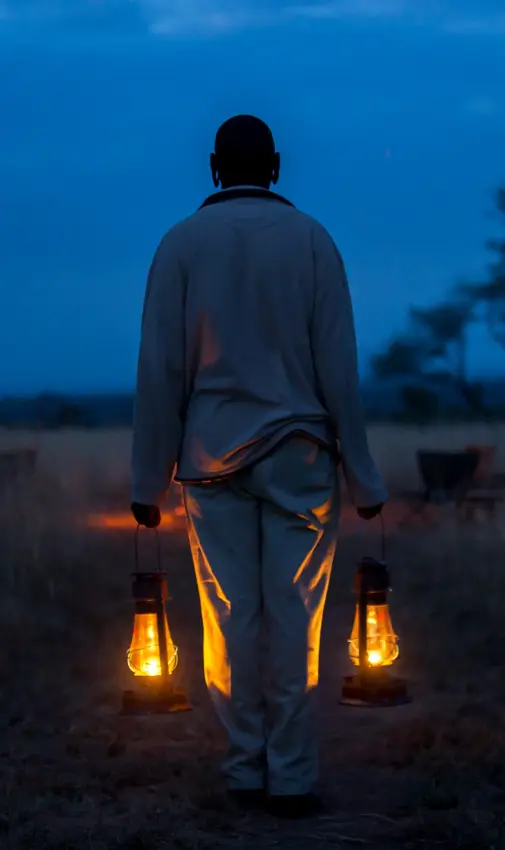
Person holding lanterns standing in savanna grassland at dusk, Serengeti North Wilderness Camp, Serengeti National Park, Tanzania 18

Serengeti North Wilderness Camp

Serengeti National Park

Safari lodge tents beneath acacia trees at golden hour, Namiri Plains, Serengeti National Park, Tanzania 19

The Retreats at Namiri Plains

Serengeti National Park

20

Mwiba Plains

Serengeti National Park

frequently asked questions

Fly to Grumeti airstrip, which some timetables list as Kirawira, and the camp's vehicle takes you the rest of the way as a game drive of forty five minutes to an hour, with that transfer included in the rate. Coastal Aviation's timetable, valid to May 2027, has two departures a day from Arusha, at a quarter to eight landing at ten past nine and at a quarter to eleven landing at one, both calling at Lake Manyara on the way. From Kilimanjaro there is a late-morning departure at a quarter past eleven that routes through Arusha and Manyara and lands at one, and a mid-afternoon one at a quarter to four via Manyara alone, landing at a quarter to six. Regional Air also runs scheduled services into Grumeti. We can arrange a private charter instead, typically a Cessna Caravan or a Pilatus PC-12, direct from Arusha or Kilimanjaro at a time of your choosing, which is the answer for anyone landing off an overnight flight who wants to be on the plains by lunchtime.

Two things catch people who research the camp themselves. Older listings still give Mwiba airstrip and a fifteen-minute drive: that was the camp's original site in the Mwiba reserve, and it has stood at Nyasirori since May 2022, so those pages are out of date. And although the camp can collect from Seronera airstrip on request, there is a charge for that transfer where the Grumeti one is free, so we book Grumeti unless the rest of the routing genuinely favours Seronera.

It is, and neither official source hedges on it. The test TravelHealthPro, the UK's official travel health service, applies to Tanzania is altitude: high risk everywhere under 1,800 metres and no risk above it, and the CDC's map for the country uses the same figure. Grumeti airstrip, the camp's gateway, sits at roughly 1,200 metres and the rest of the Western Corridor is no higher, which puts Nyasirori firmly on the risk side. On that basis TravelHealthPro's advice for the area is antimalarial tablets together with bite avoidance, and the CDC's is prescription medicine to prevent malaria, begun before the trip and continued through it and for a period afterwards.

We do not make medical recommendations. We are travel planners, not doctors. Which tablets are right for you, whether they suit your own health or anyone else's in the party, and what is appropriate for a child, is a conversation between you and your doctor or a travel clinic. The practical side we can speak to is not medical: cover arms and legs from late afternoon and keep repellent to hand.

Yes, from the age of four, which is the camp's own line rather than an agent's, and the rules around it are clear enough to plan a family trip on. Children under fifteen share a tent with an adult, and each of the standard tents can take a third guest on an extra single bed for a child of fifteen or under, so two adults and one child fit in one tent. The two-bedroom family unit, with a bathroom at each end and a shared sitting area between, is set up for two adults and two children under sixteen; older teenagers count as adults for sharing. Walking safaris start at twelve and stay at the guide's discretion on the day, so a younger child does the drives and the bush meals while an older sibling walks.

The camp's annual closure runs from 1 April to 15 May, which takes out most of the Easter school holiday, so families tend to come in the summer holiday, when the Western Corridor is dry and the nights cool enough for a fleece, or at October half term. Give us the children's ages at the enquiry stage and we will set out which tent arrangement works for your family and which activities each child can join.

Wifi, yes: the camp provides it free in every tent as well as the mess tent, and says openly that the speed varies, so it will carry messages and photographs but not a video call you can rely on. Each tent has power and USB charging points, an internal phone to the main tent and fans for the warm afternoons. On mobile reception the camp publishes nothing at all, and Nyasirori is one of the emptier corners of the park, so we would not plan on a signal from the tent.

If you need to be contactable at a set time, for work or for family at home, let us know before departure and we will ask the camp what is true for your dates rather than rely on a listing, and pass on the best way for people to get hold of you while you are there.

The camp reopens on 15 May as the long rains finish, and from June to October the Western Corridor is dry, with afternoons around twenty six degrees and nights around fourteen; between June and September a cold front now and then can take a dawn game drive close to freezing. November and December bring the short rains, which rarely get in the way of a drive; January and February are a drier spell; and March is the start of the long rains, the wettest and cloudiest weeks of the year, which is why the camp shuts from 1 April. The wildebeest herds move through the Western Corridor between May and July on their way north, and the camp itself points to the rut, when the bulls fight and call across the plains, as the thing to see at Mila in that window; the Grumeti crossings fall in the same weeks, and the balloon operator only launches from its Western Corridor site from June to October.

Dress for two climates in one day: the first hour of a game drive wants a warm layer with something windproof over it, the middle of the day wants light clothing in bush colours and a hat with a brim, and the evening wants the warm layer back. Add closed shoes with a grip for the walks, strong sun cream, a torch for the path between the tents after dark and a light waterproof outside the dry months. Soft bags only, fifteen kilograms a person on the light aircraft with hand luggage counted in; Coastal sells a larger seat with a thirty kilogram allowance, which we book ahead if you need it.

Three nights is the sensible minimum, because the first afternoon is largely the transfer, the last morning is the drive back to the airstrip, and resident prides reward more than one morning; four nights if you are coming between mid-May and July for the herds and the Grumeti crossings, since nobody can promise a crossing on a given morning. The camp's own rate covers all meals and drinks including house wines, beers and local spirits, the private vehicle and guide, unlimited game drives with picnic meals, the guided walking safari, daily laundry, the wifi and the transfers to and from Grumeti airstrip.

Charged on top, on the camp's own list, are the Serengeti park fees, which run per person per night, premium wines, champagne and spirits, tips, telephone calls, and the transfer from Seronera if you arrive there instead. The balloon flight is arranged by the camp but paid separately, and it sells out early in the busy months, so it goes into the plan at the start rather than on arrival. Our quote carries the park fees and the flights from the start, so nothing is left to a separate bill at the end.

rated five stars by our clients

other areas in tanzania

African wild dog standing alert in grassland 01

Ruaha National Park

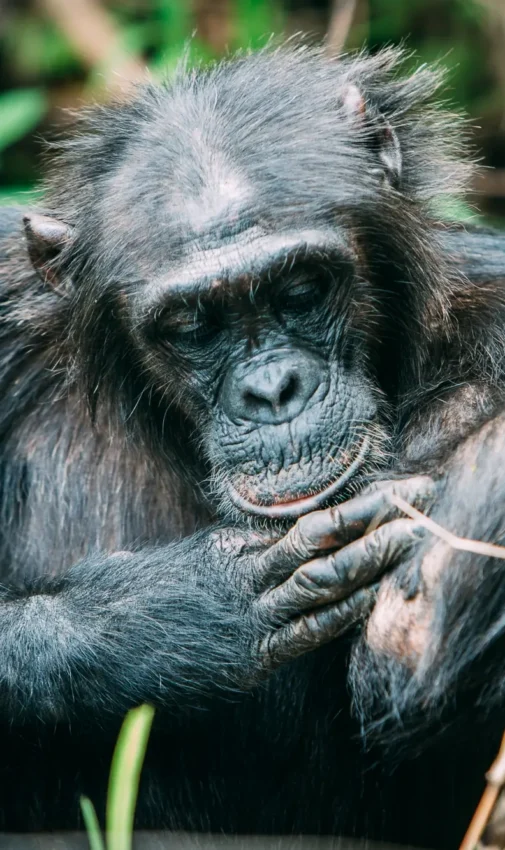
Chimpanzee holding branch while foraging in forest, Mahale Mountains, Tanzania 02

Mahale Mountains

Guests relax in chairs by river with child wading, Lake Manyara, Tanzania 03

Lake Manyara

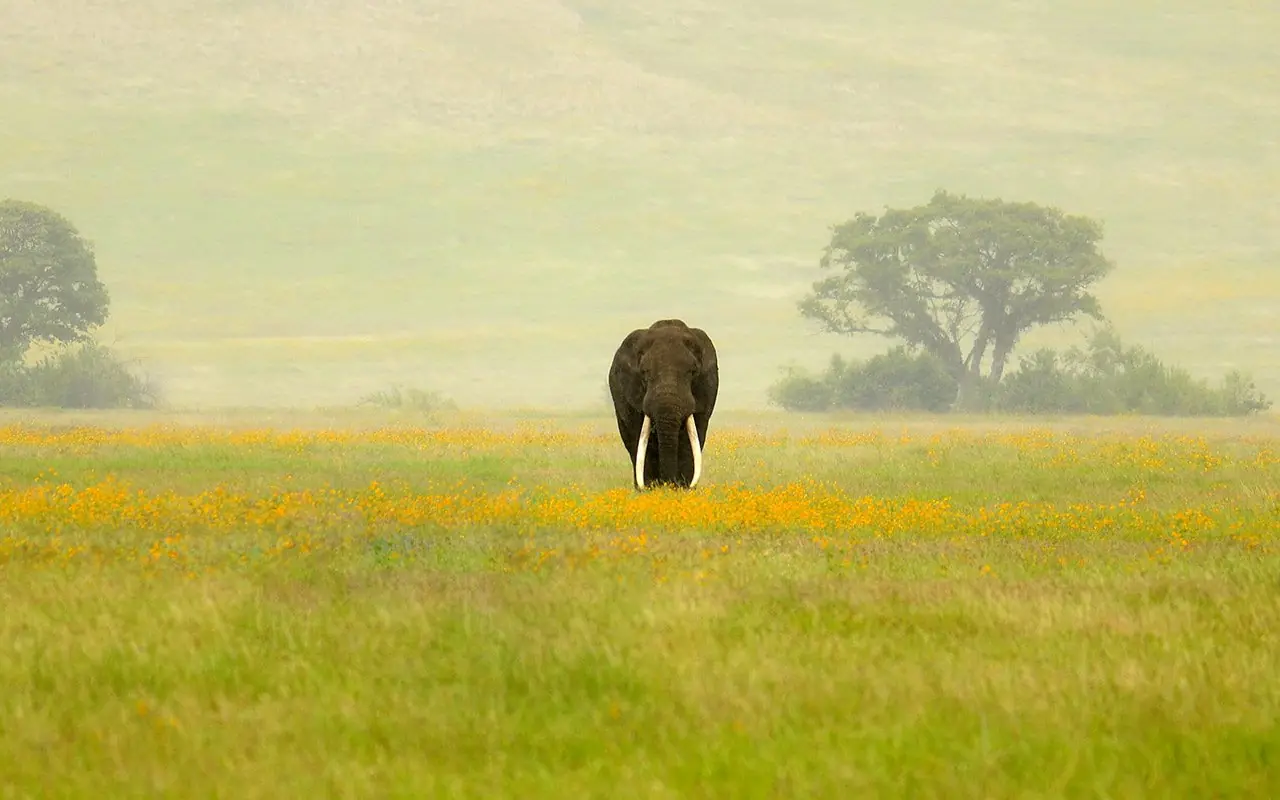
Elephant walking alone across golden savanna grassland 04

Ngorongoro Crater

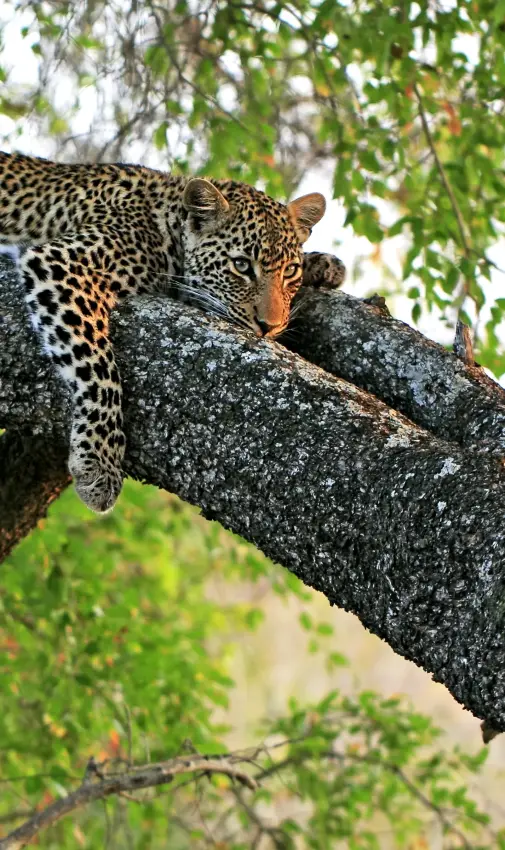
Leopard resting on tree branch surrounded by green foliage 05

Tarangire National Park

Hippopotamuses in water with heads above surface 06

Katavi National Park

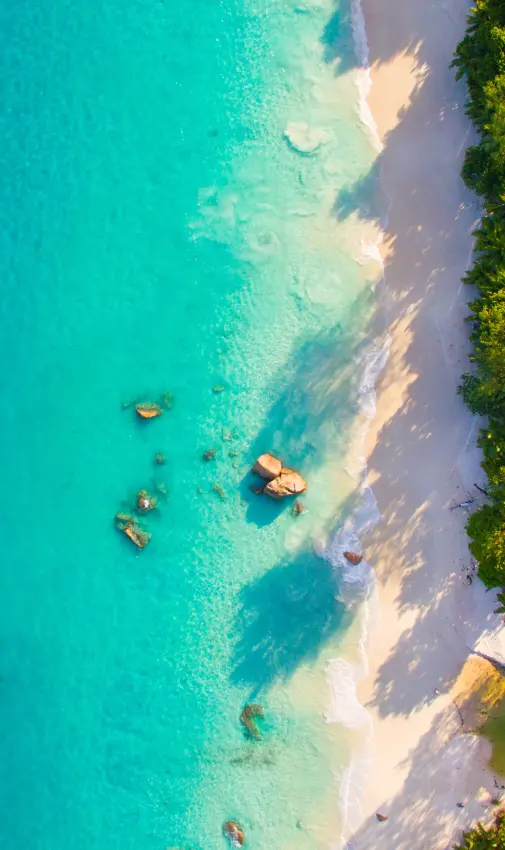
Turquoise water beach with boats and tropical vegetation 07

Zanzibar & Pemba

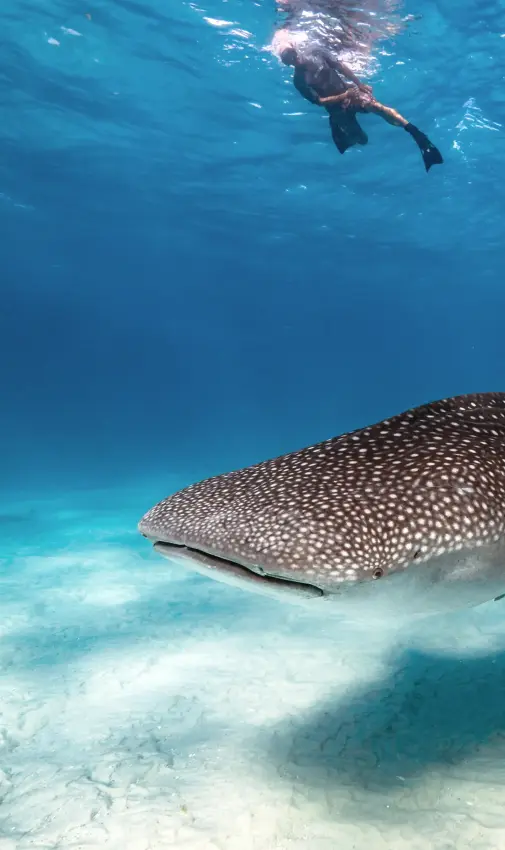
Snorkeler swimming alongside whale shark in shallow turquoise water, Mafia Archipelago, Tanzania 08

Mafia Archipelago

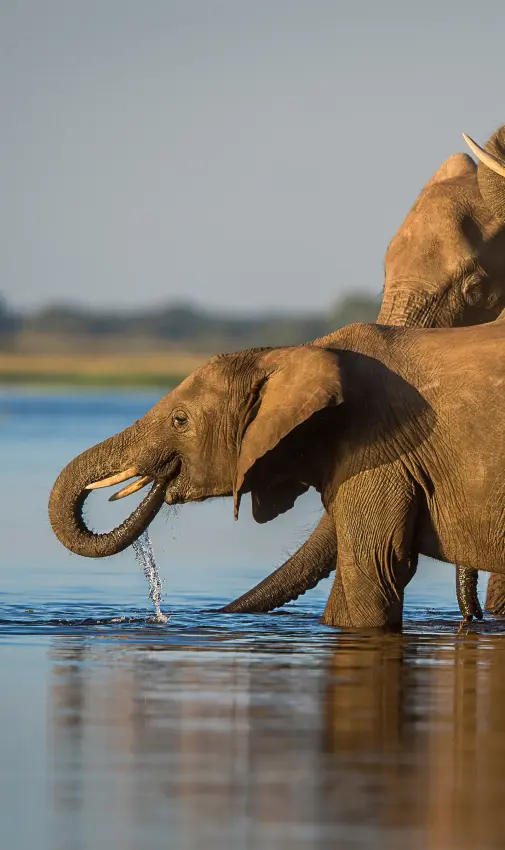
elephants drinking water at riverbank during daytime 09

Nyerere National Park

Chimpanzee among vegetation looking toward camera, Rubondo Island, Tanzania 10

Rubondo Island

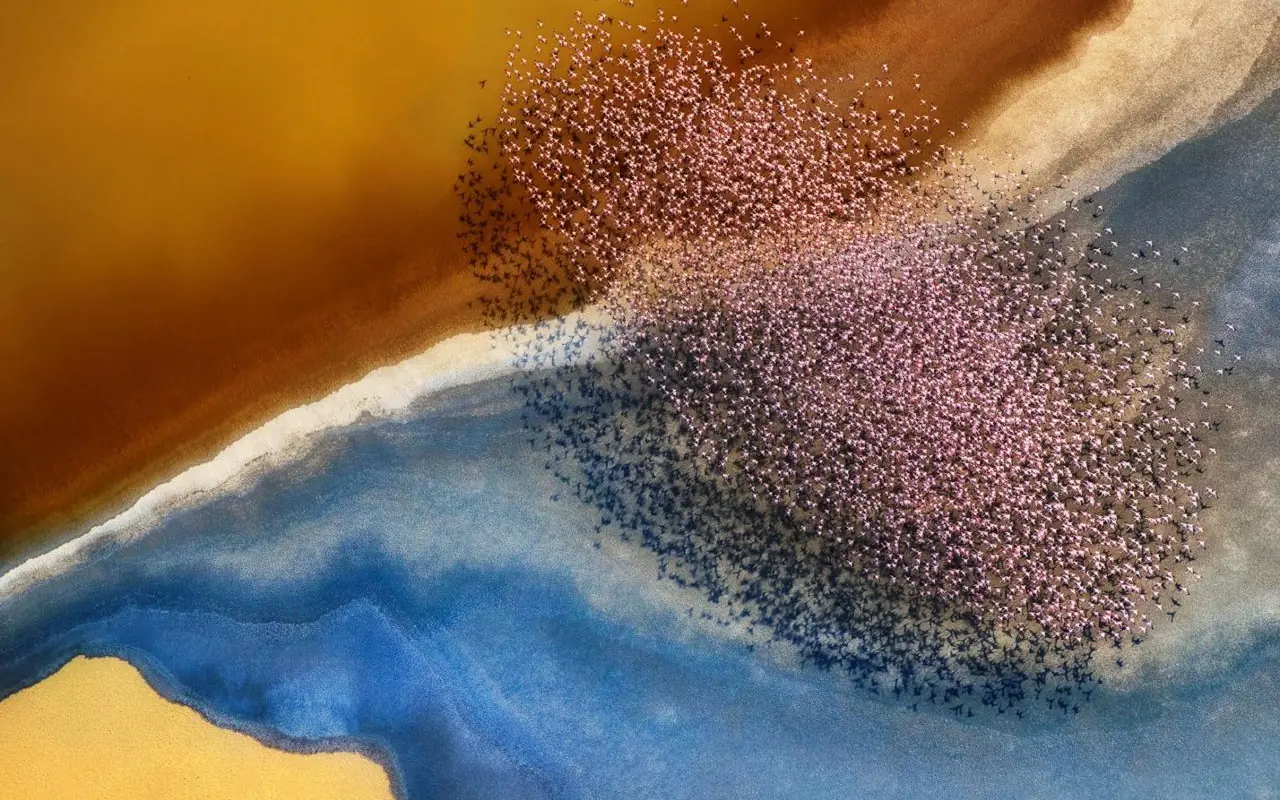
Aerial view of colorful salt lakes and mineral deposits 11

Lake Natron

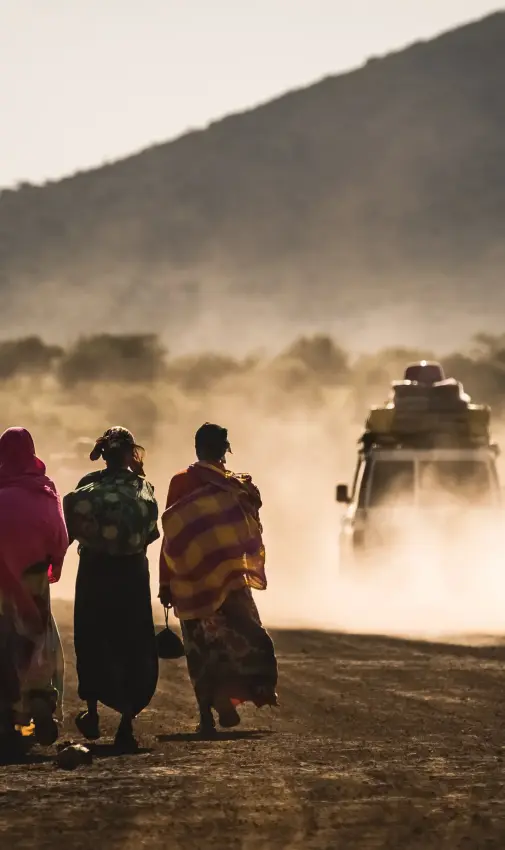
Local people walking on dusty road with vehicle approaching 12

Arusha

13

Ugalla River National Park

Planning a journey together

our approach

remote, exclusive
& personal

Every journey starts with a conversation. We take the time to understand your vision before we start planning.

Whether by phone or in person, we work with you directly to shape something that is considered, personal, and expertly delivered.

get in touch
destinations ideas & inspiration our process about us contact us