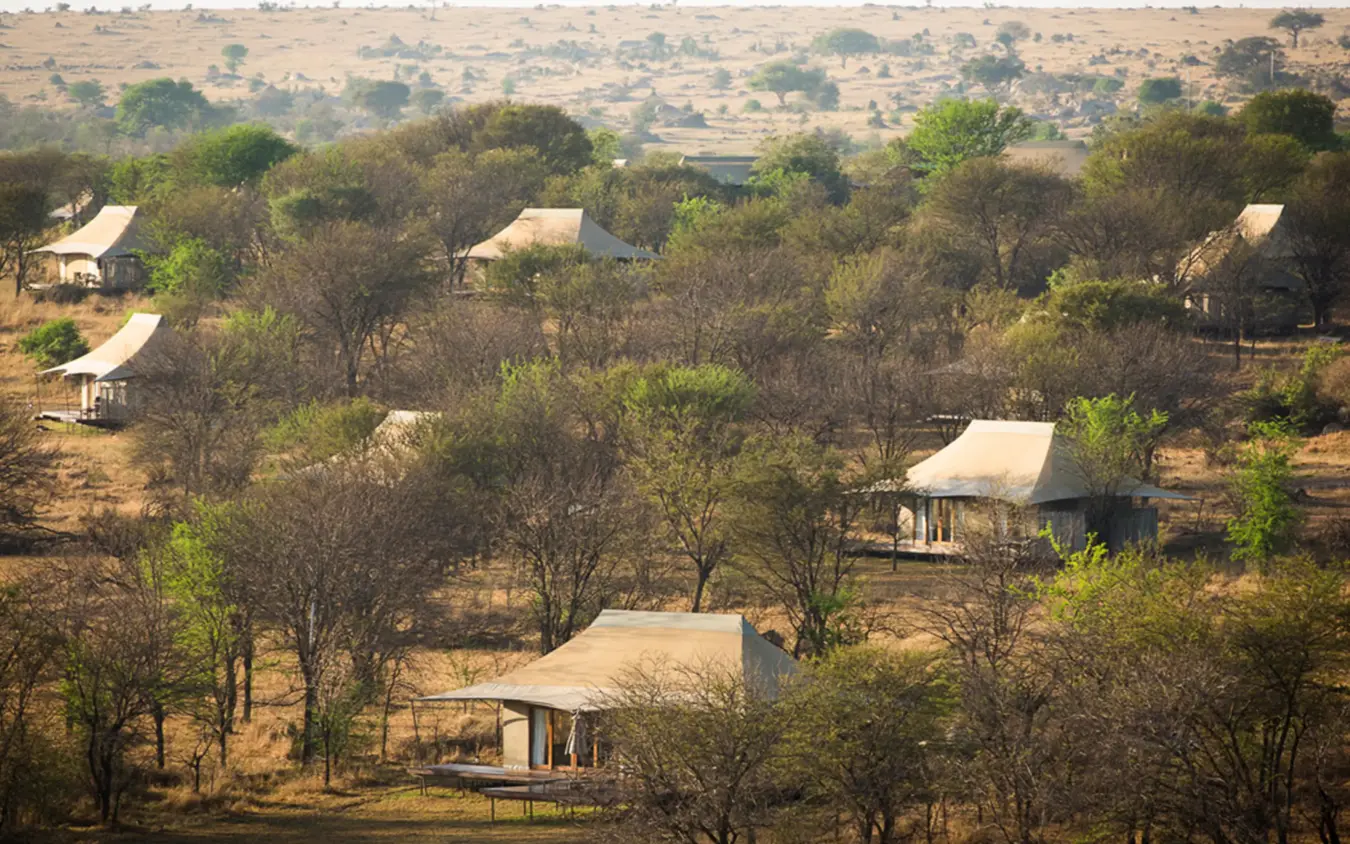
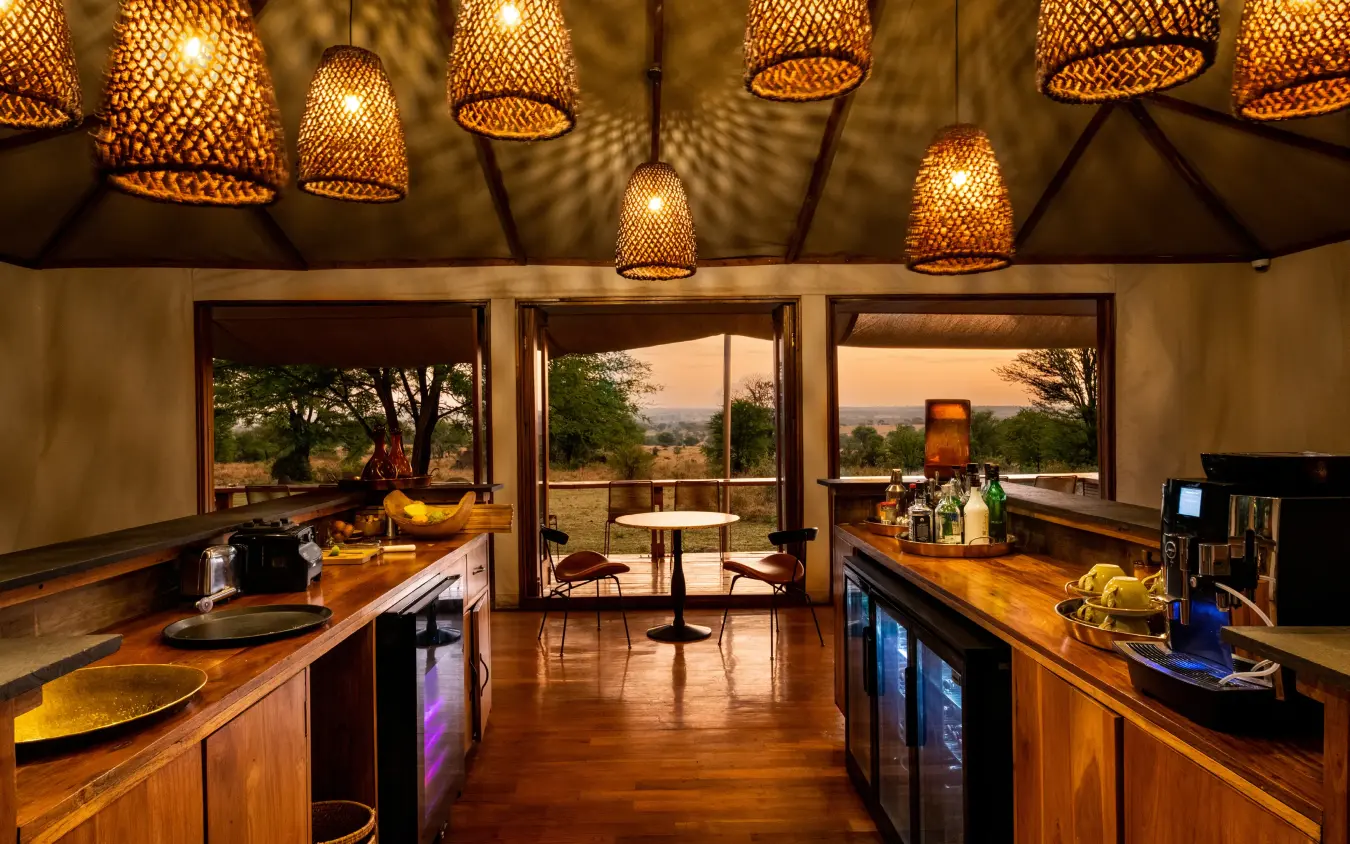
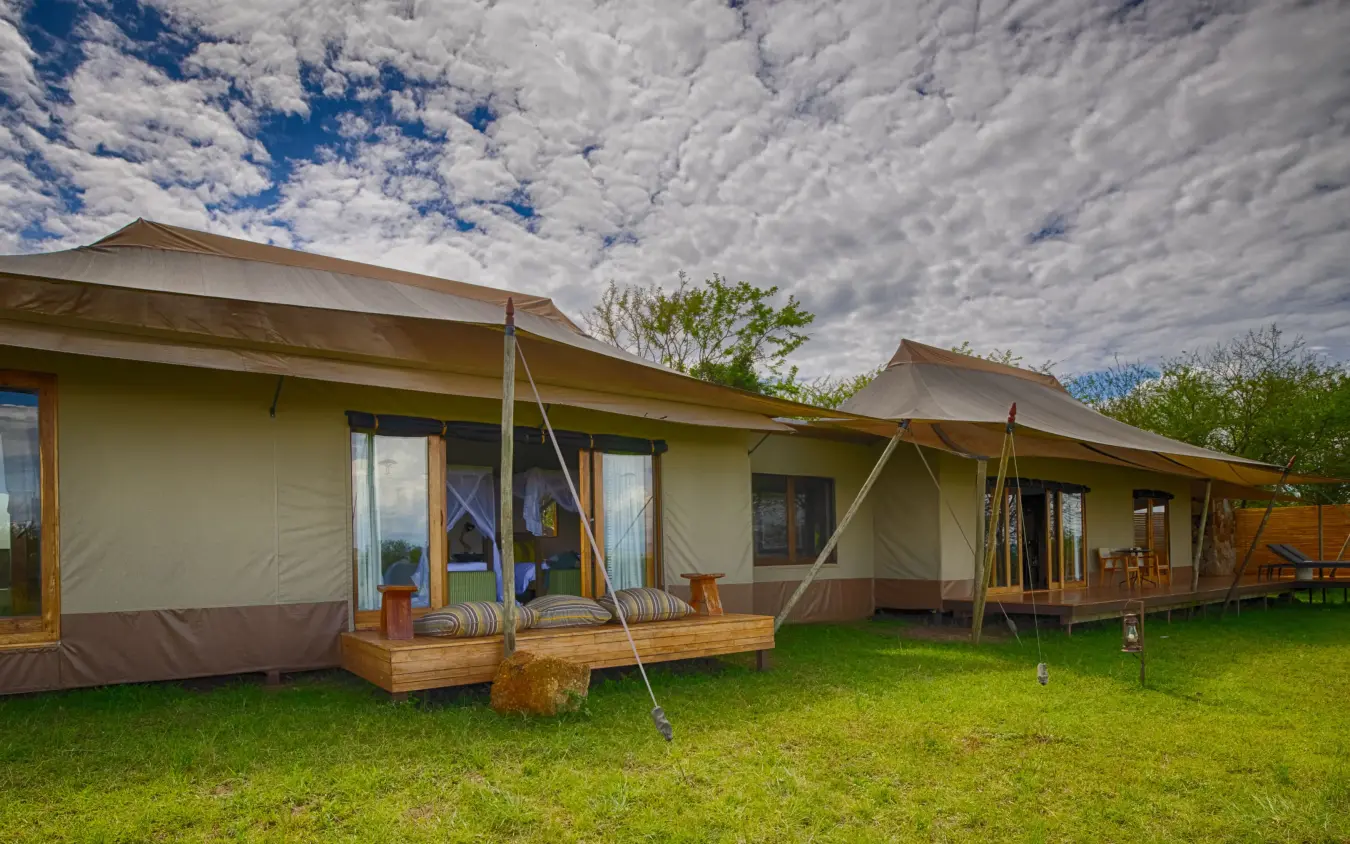
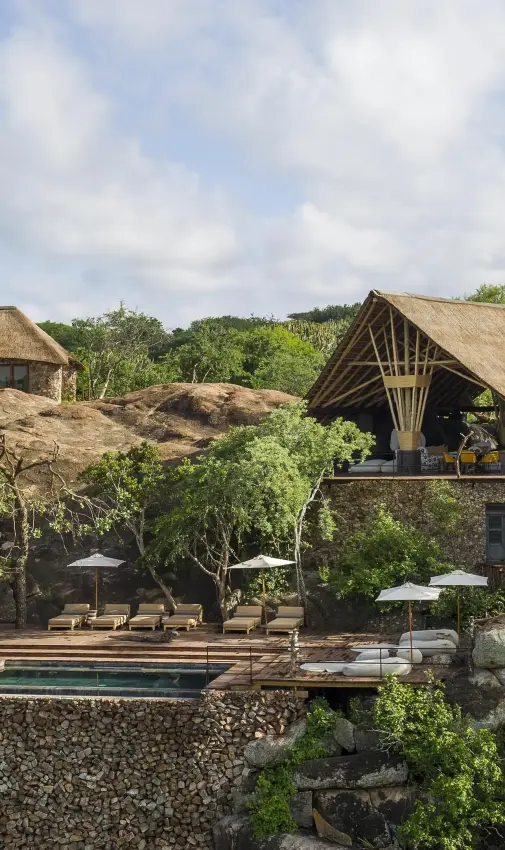
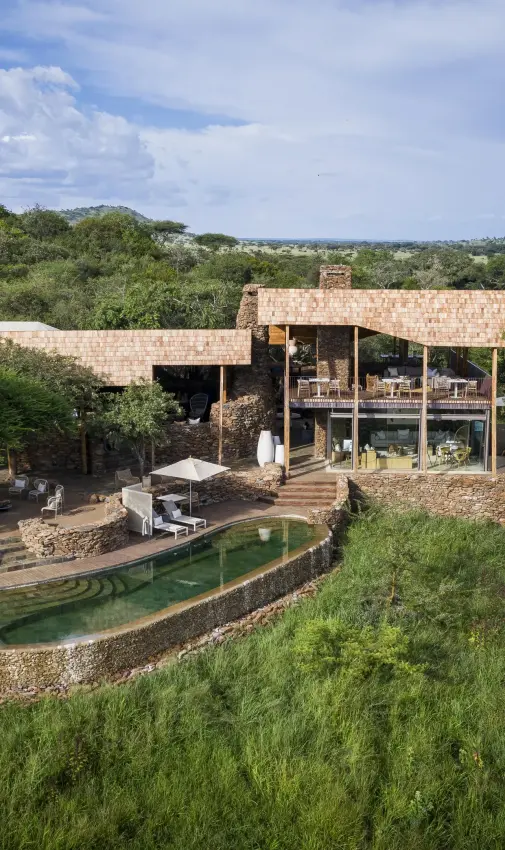
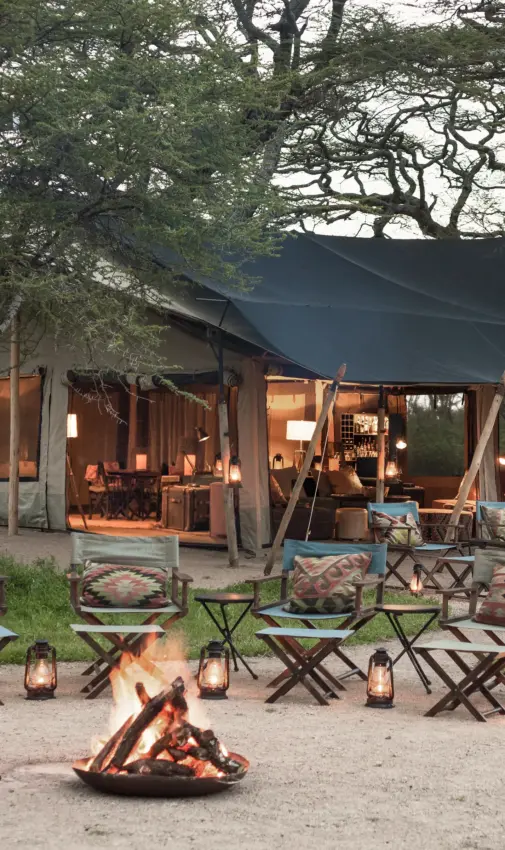
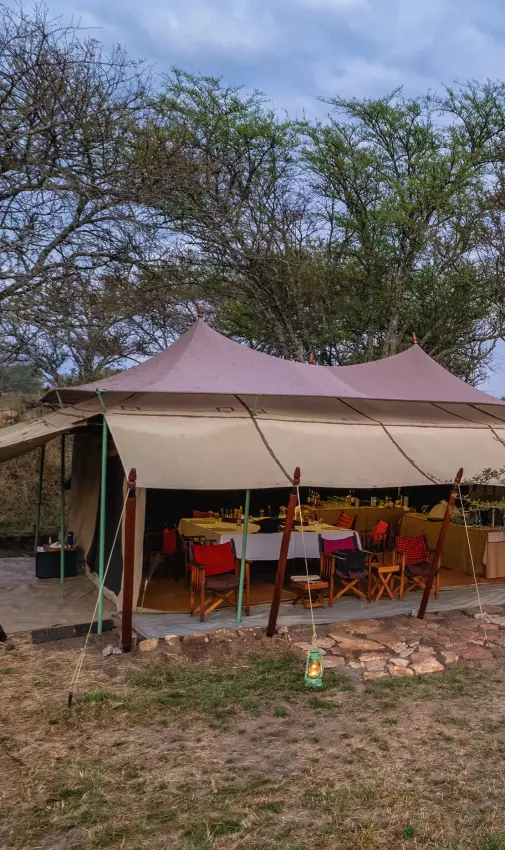
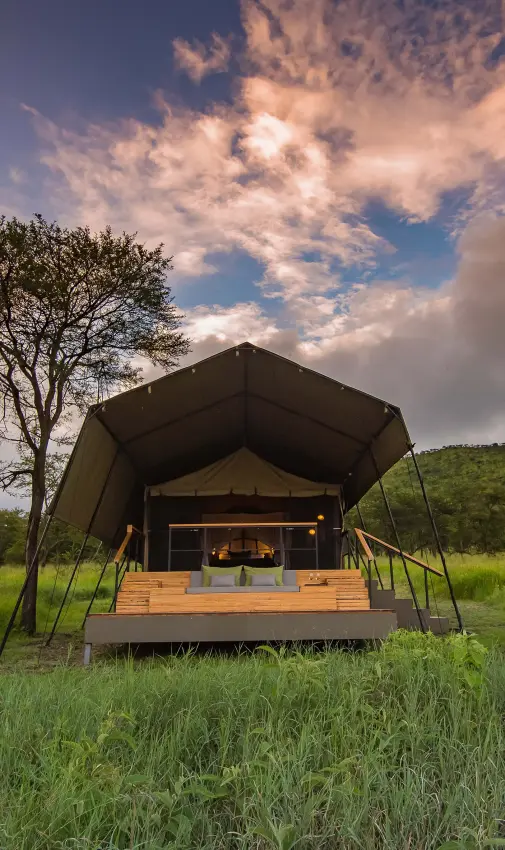
Sayari opened in 2005, became permanent in 2009 as one of the first camps in the northern Serengeti, and was rebuilt and reopened in 2020. The suites stand on raised mahogany platforms, their rounded, turreted roofs said to echo Turner Hill on the horizon to the north. Caline Williams-Wynn led the interior design, drawing on the textures of the land and the visual language of the local Kuria people. Handwoven light fittings and an earthy palette of sand, stone and acacia are set against colourful textiles.
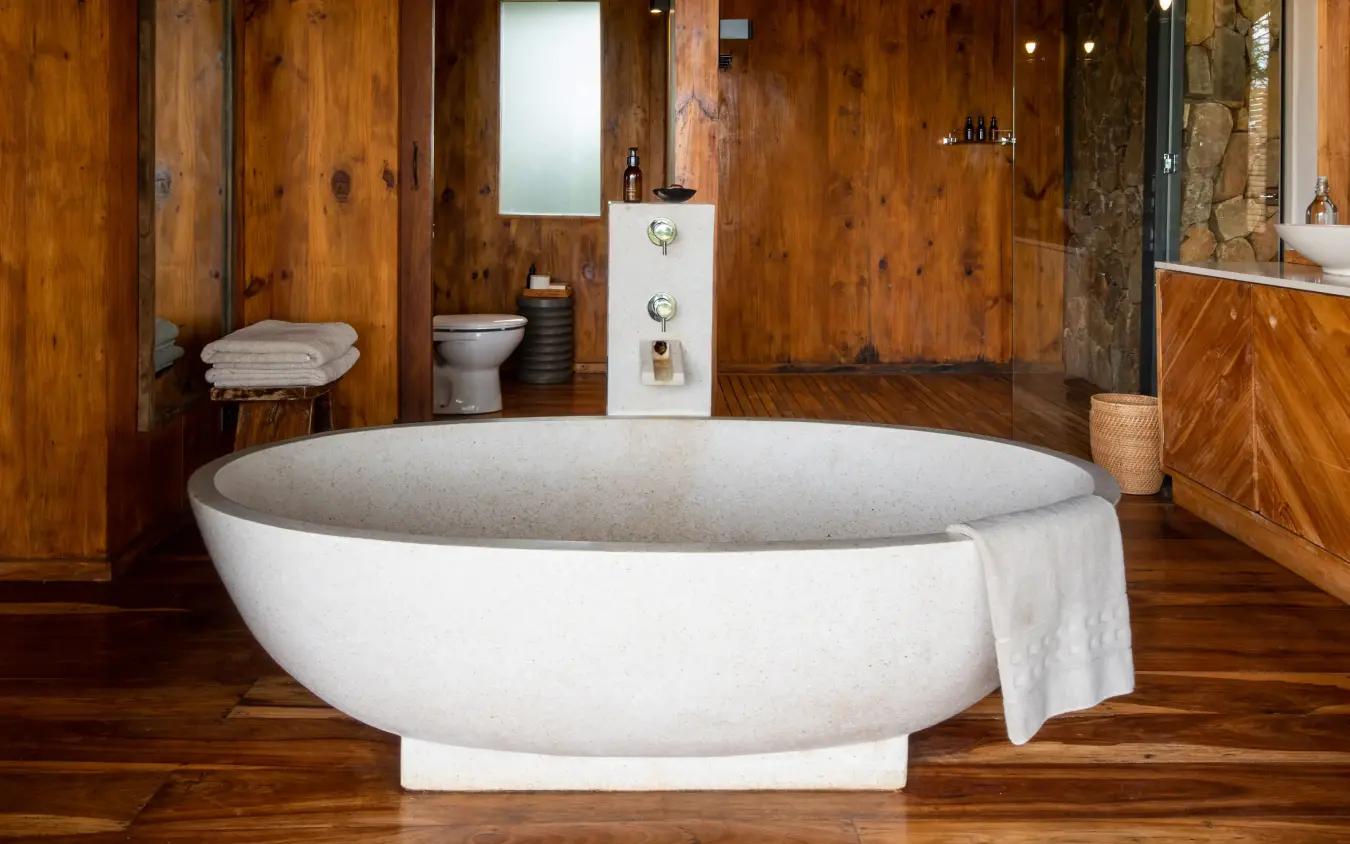
Each suite opens onto a large wraparound veranda, with a shaded daybed and views that run out across the plains. The bathrooms hold a walk-in shower, a second shower out on the deck, and a freestanding tub angled toward the savannah. Two family tents and one honeymoon suite sit among the standard rooms. Two exclusive-use Retreats, added in 2023, each hold two en-suite bedrooms and a lounge and dining area, and come with a private host, chef, guide and vehicle for a family or group wanting the camp to itself.
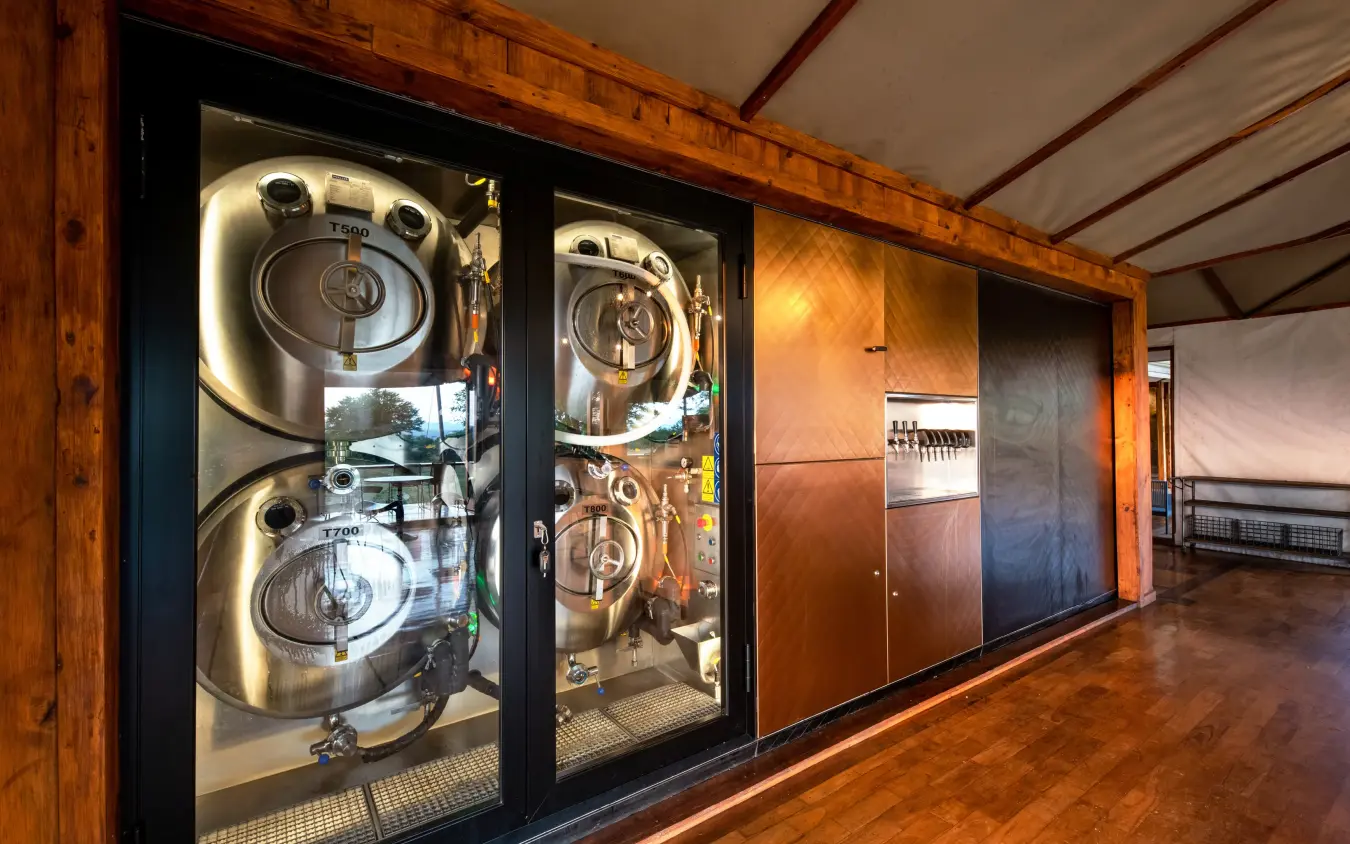
A solar-powered microbrewery on site purifies water and produces its own beer and soft drinks
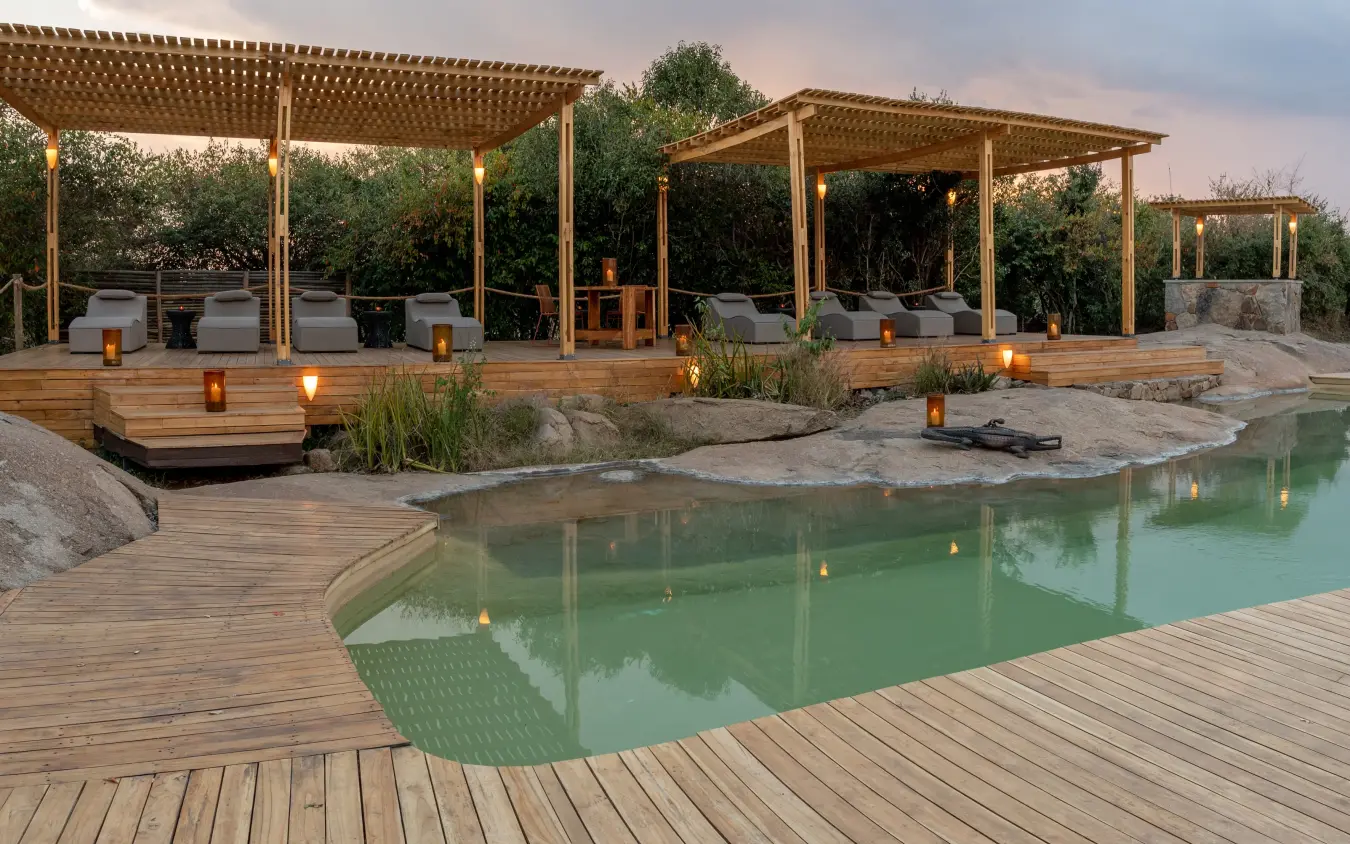
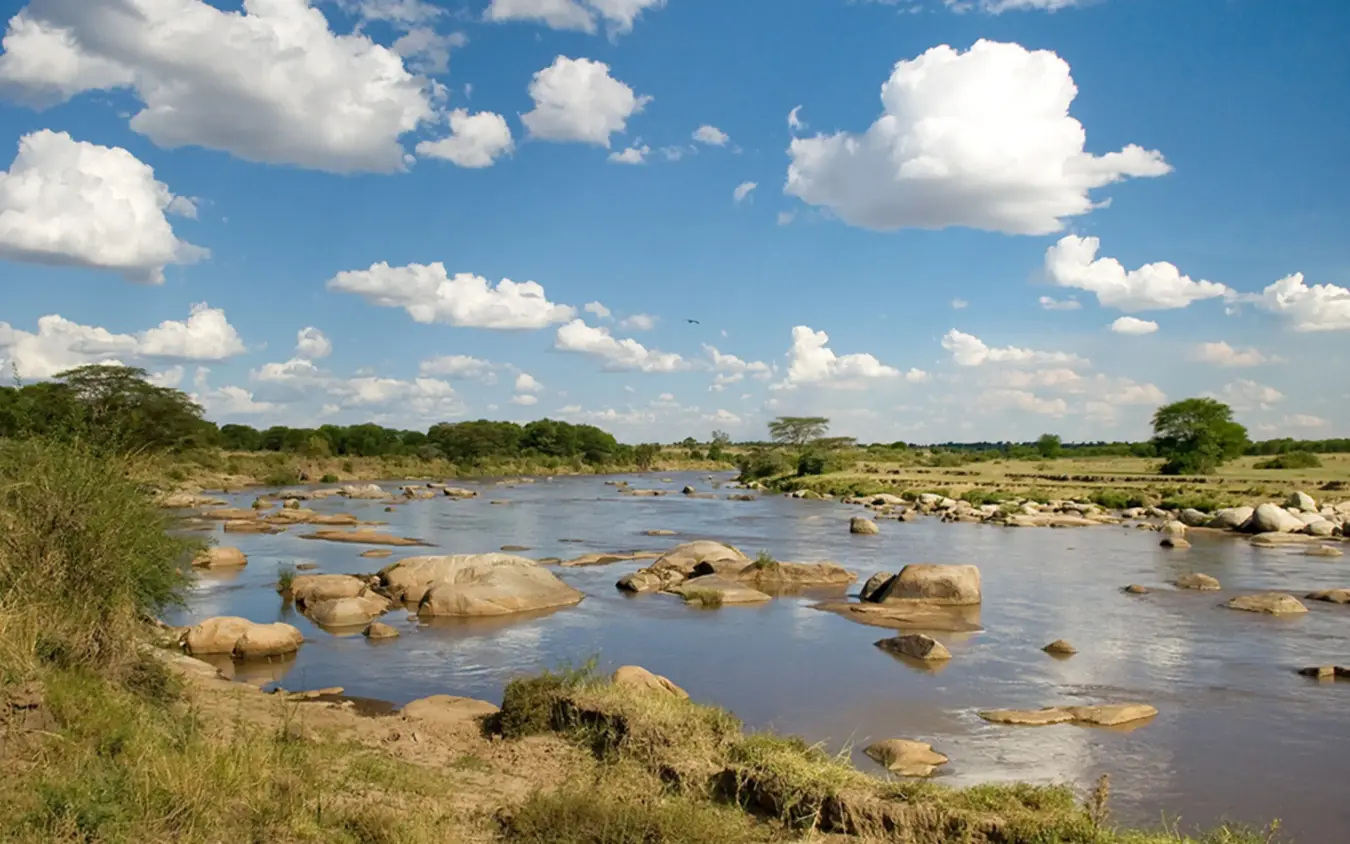
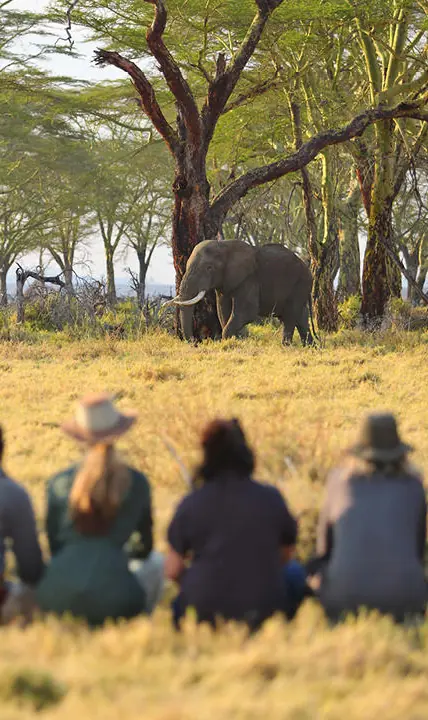
The days follow twice-daily game drives in open vehicles, guided walks that slow the pace to tracks, plants and birdlife, and hot-air balloon flights over the plains, the walking safaris carrying a minimum age of 12. Meals mix European and African cooking, served in the wing dining areas, out on the deck under the stars, or packed up for full days at the river. A solar-powered microbrewery on site purifies water and produces its own beer and soft drinks, cutting down on the bottles and cans trucked in from elsewhere. Massage treatments and the pool answer the dust of a long drive.
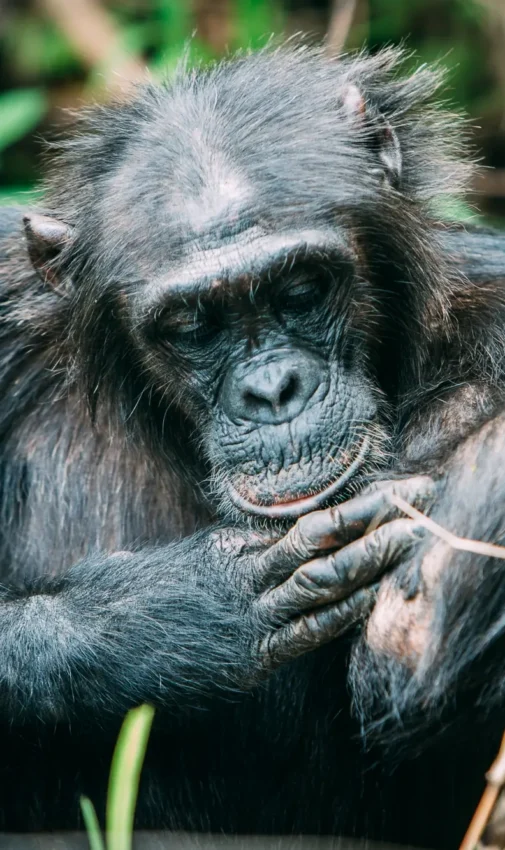
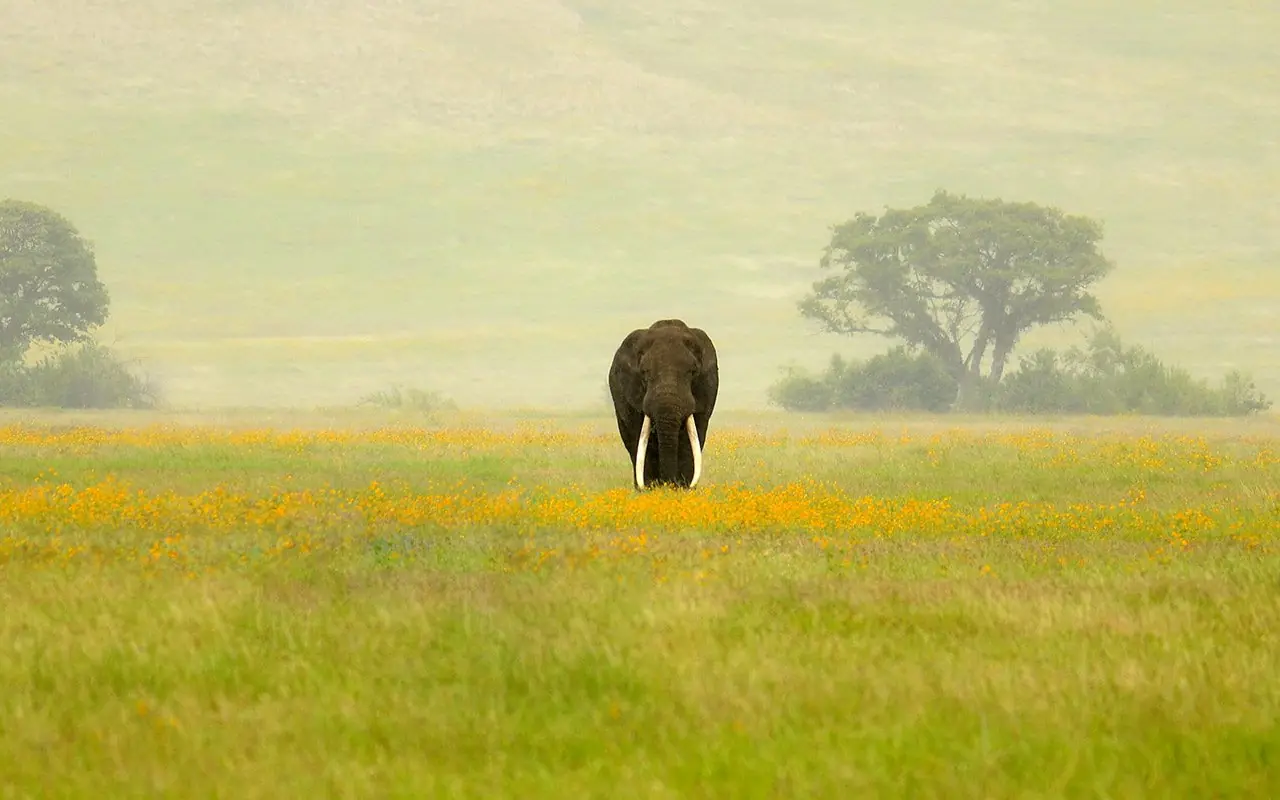
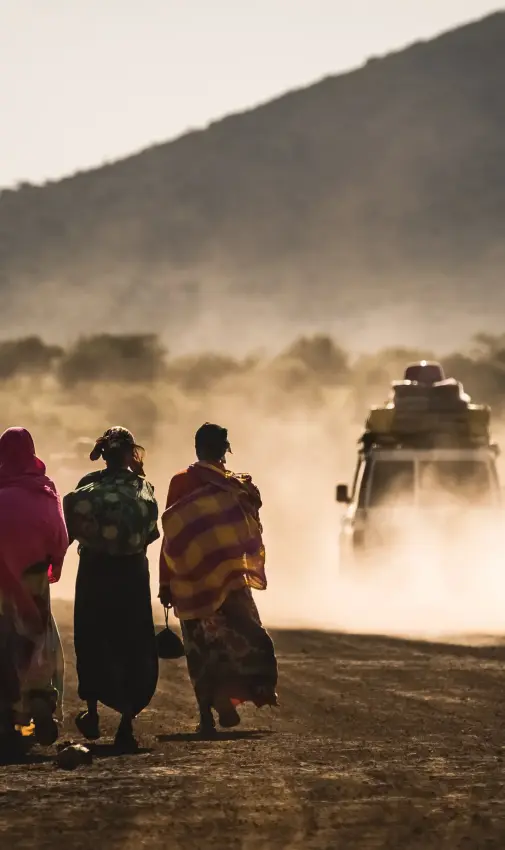
Around 80 percent of staff are drawn from local communities, some of them former poachers. The kitchen buys its produce from community vegetable gardens, and guests can visit the Kuria community at Merenga village. The case for coming year-round rests as much on this resident wildlife and its protection as on the crossings themselves.