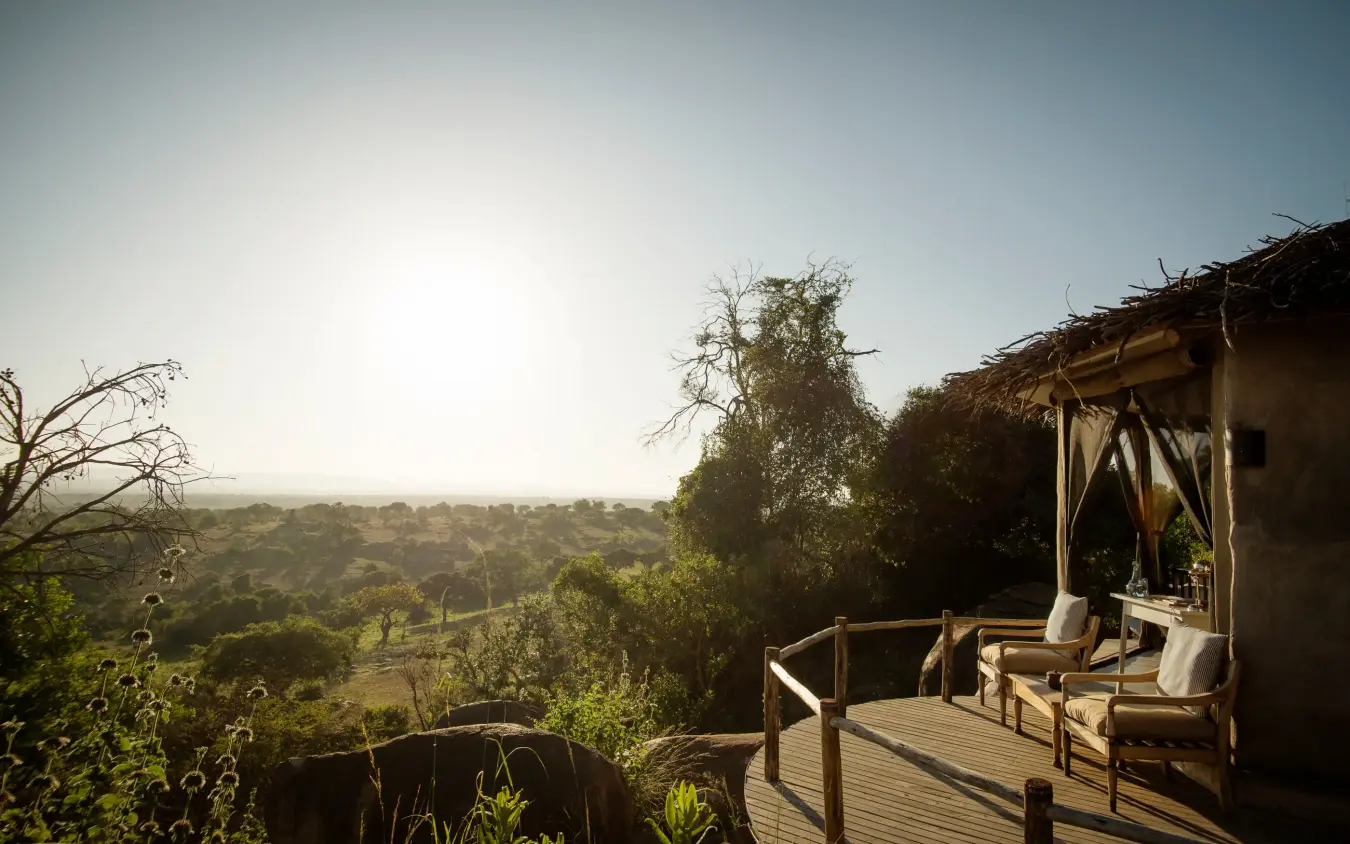
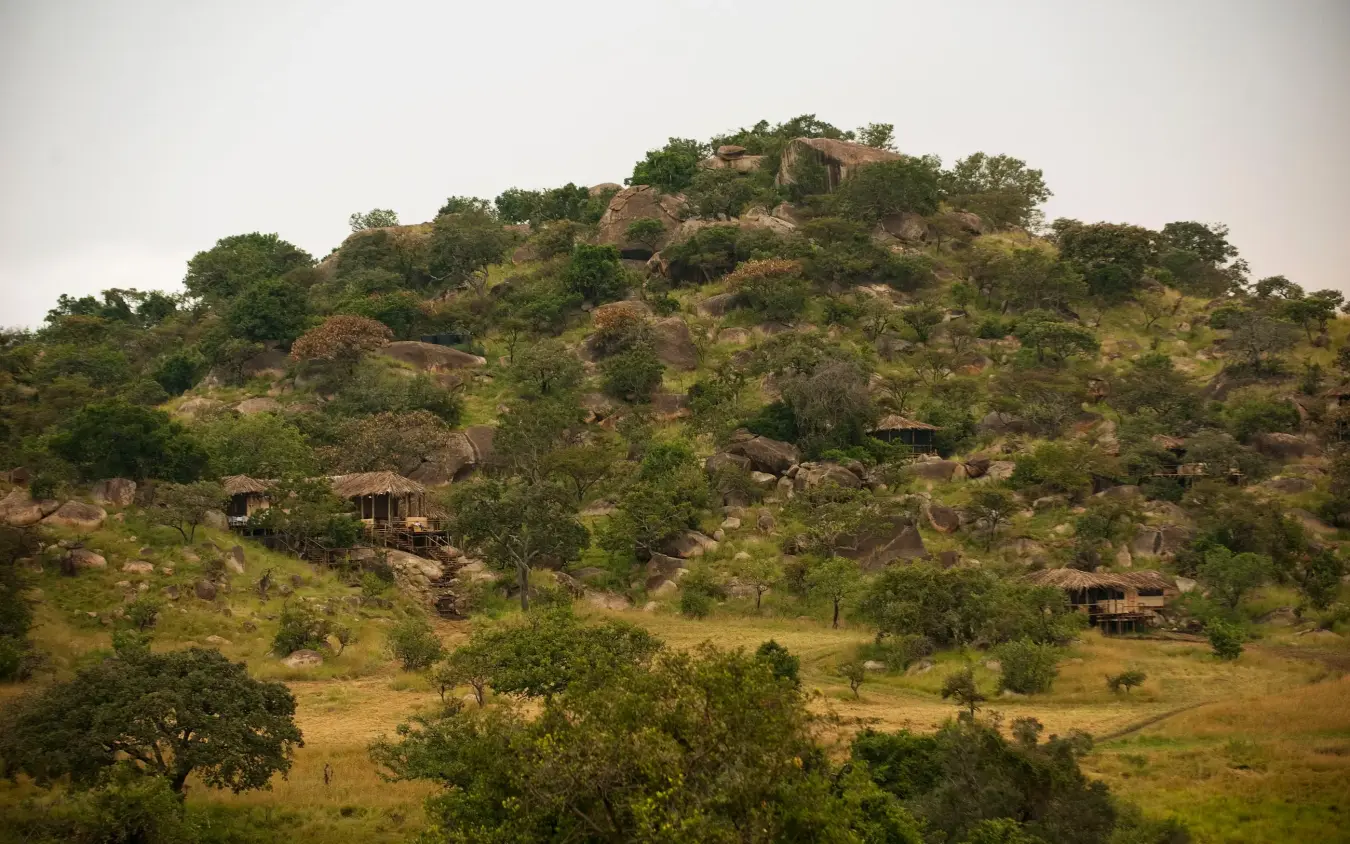
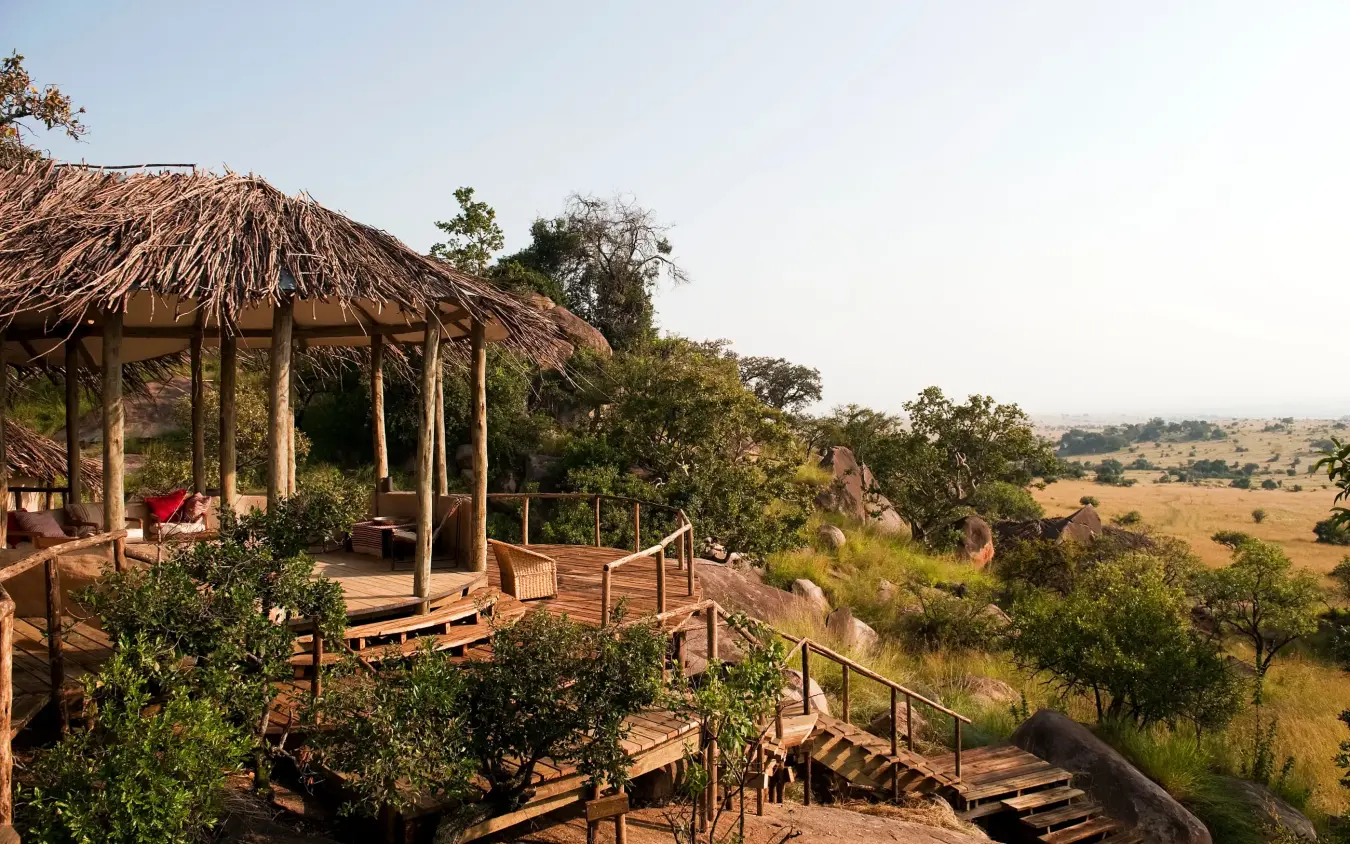
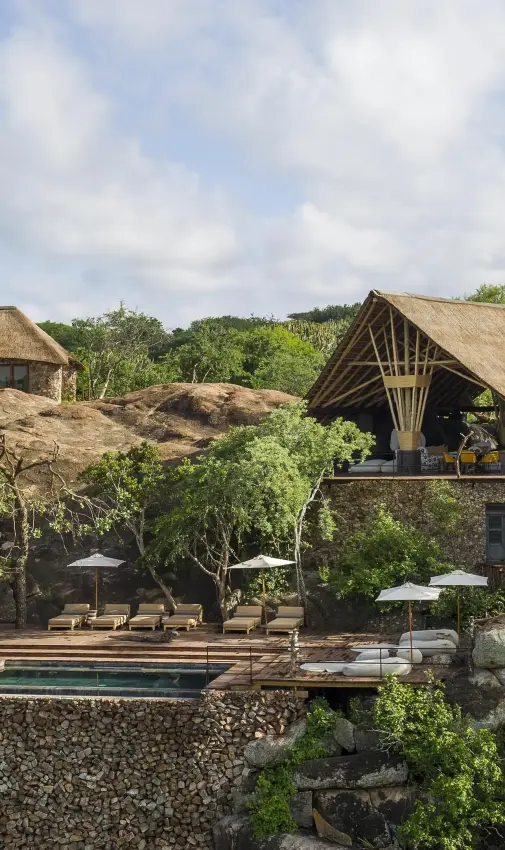
The northern Serengeti earns its reputation between July and October, when the migration reaches the Mara River and the herds mass on the banks before crossing. From the kopje, Lamai opens long sightlines over several crossing points, and the game drives track the columns as they build toward the water. This far north, vehicle numbers stay lower than on the busier southern plains, and the boulder-strewn hillsides give the landscape a character all its own, quite unlike open savannah. It is one of the great set pieces of the safari calendar, watched here from height and at a distance from the crowds.
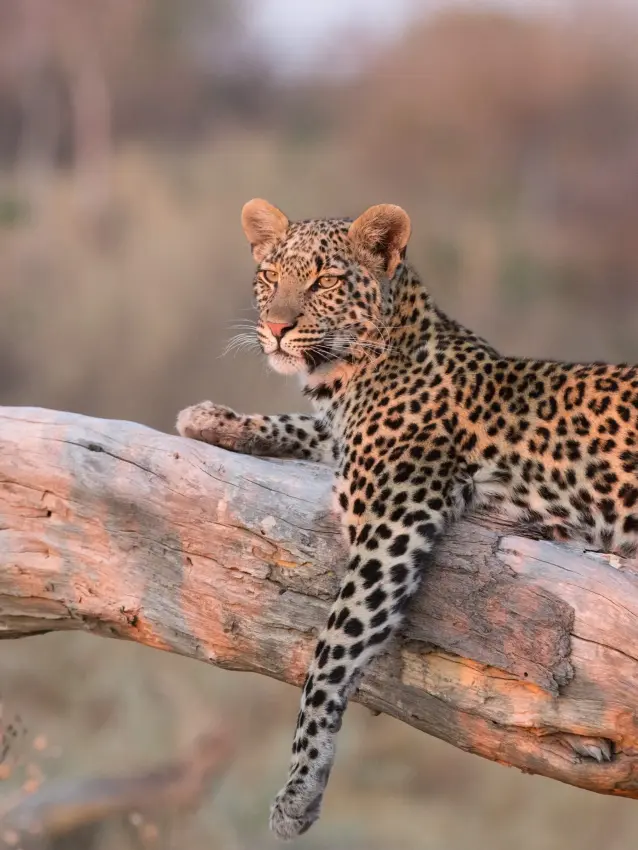
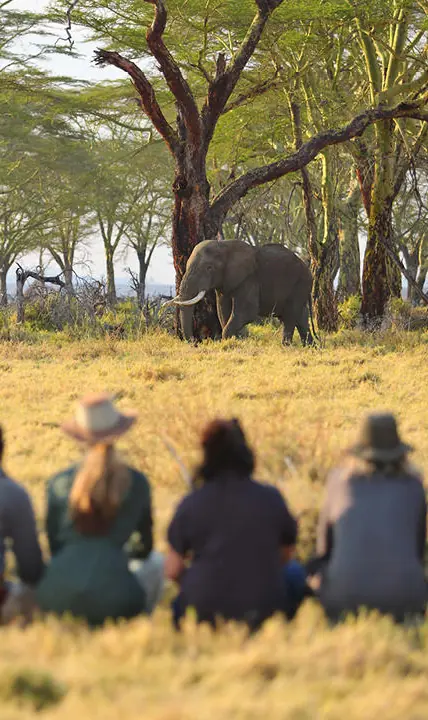
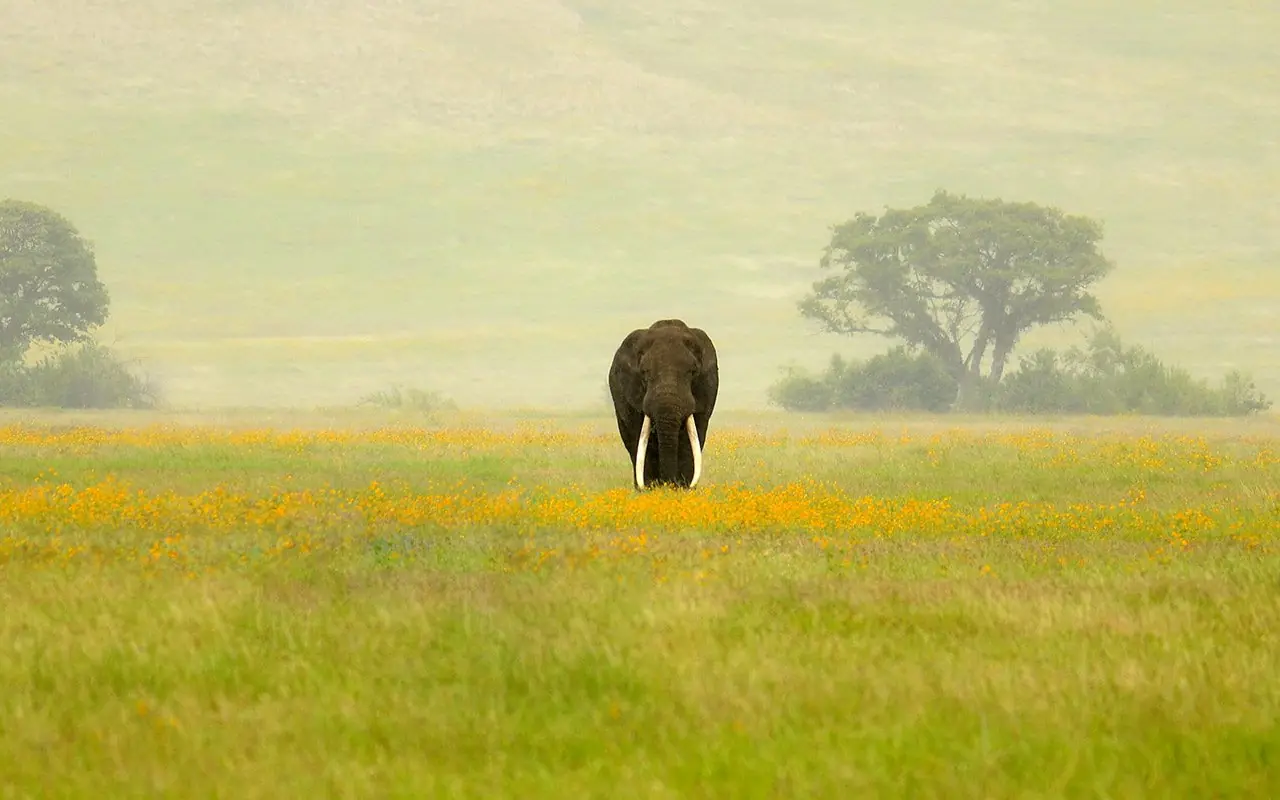
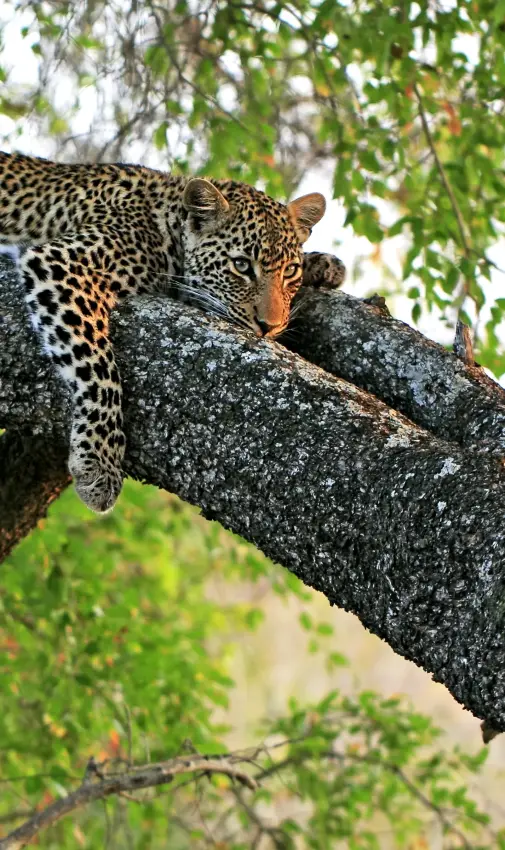
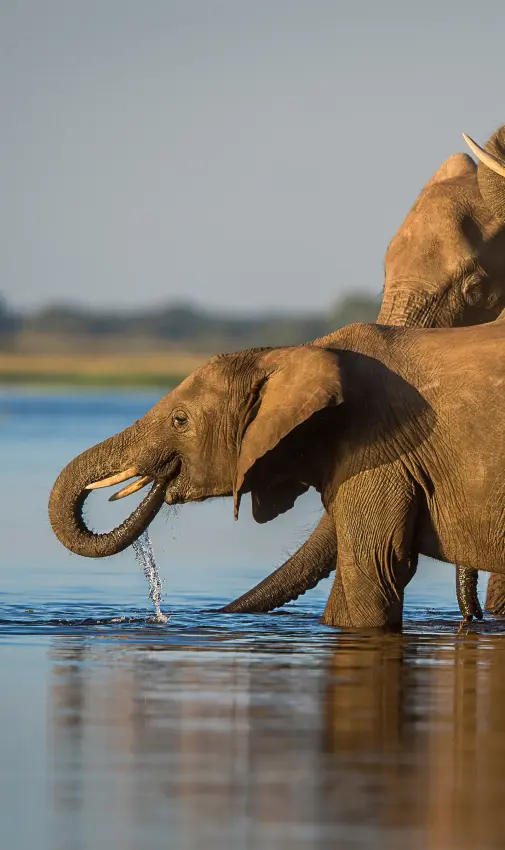
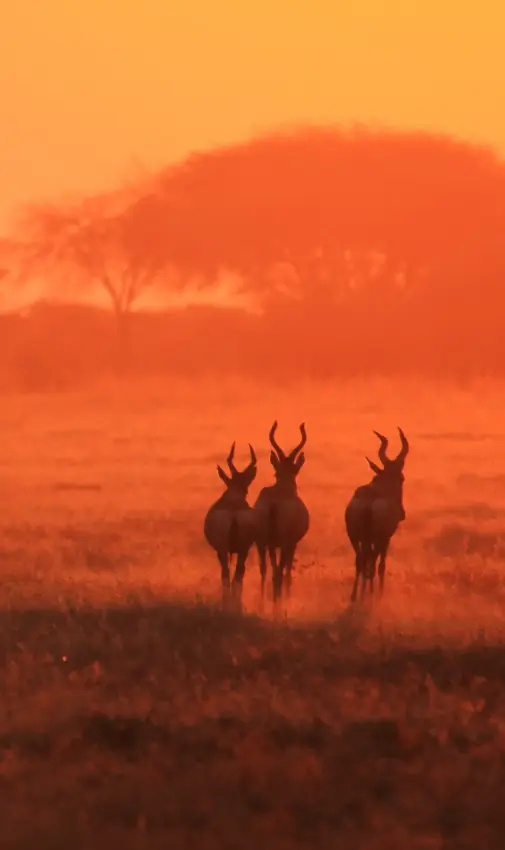
Outside the crossing season, the Lamai Wedge holds strong resident game, and the drives stay full through the green months with leopard, elephant, buffalo and large herds of plains game. Daily 4×4 drives explore the northern plains and the river valley, and when the grass is low enough short guided walks run from camp under the permit arrangements that apply within the national park. Bush breakfasts and sundowners, birdwatching and hot-air balloon flights over the plains can all be arranged, so the days settle around whatever the season offers.
This far north, vehicle numbers stay lower than on the busier southern plains
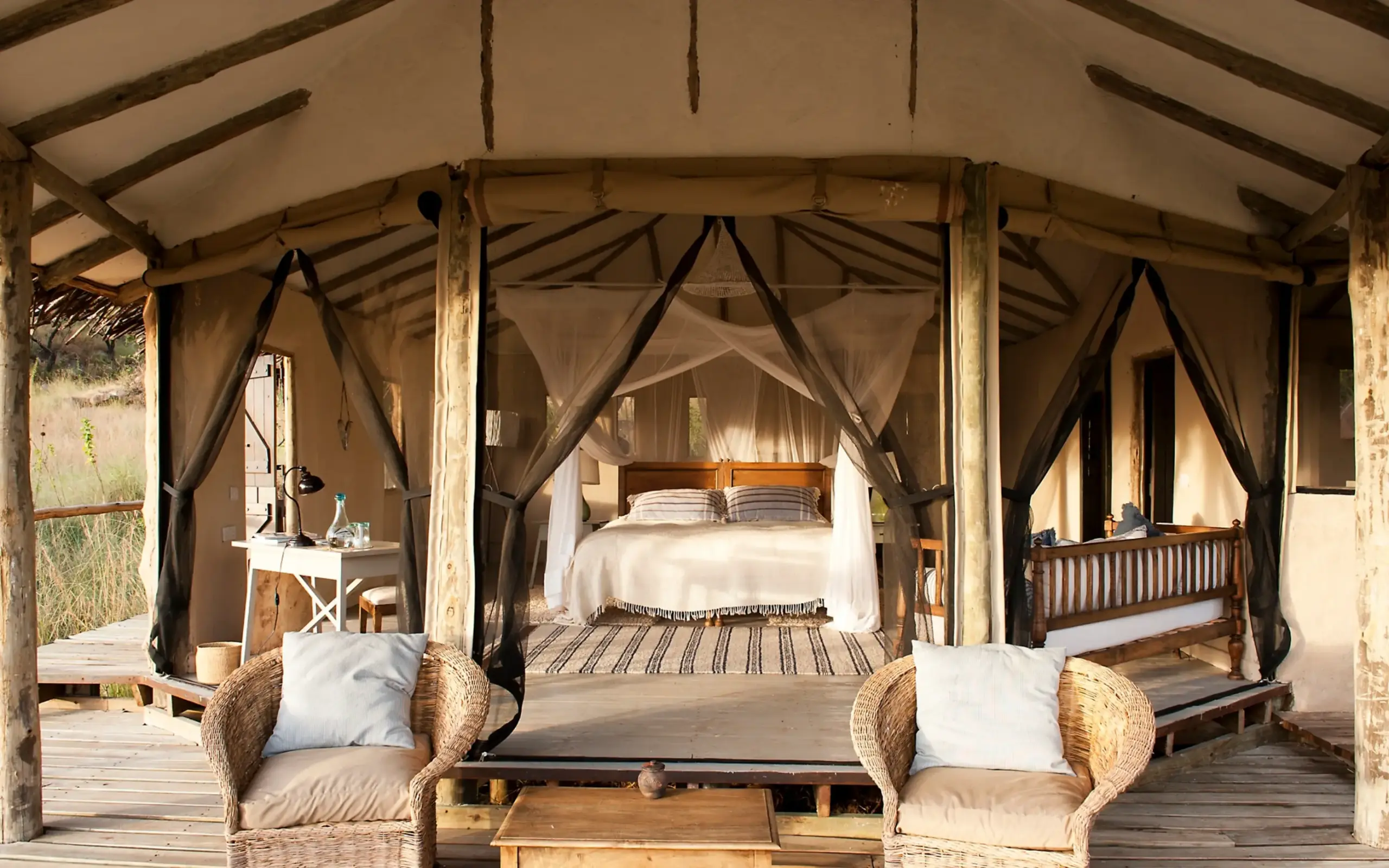
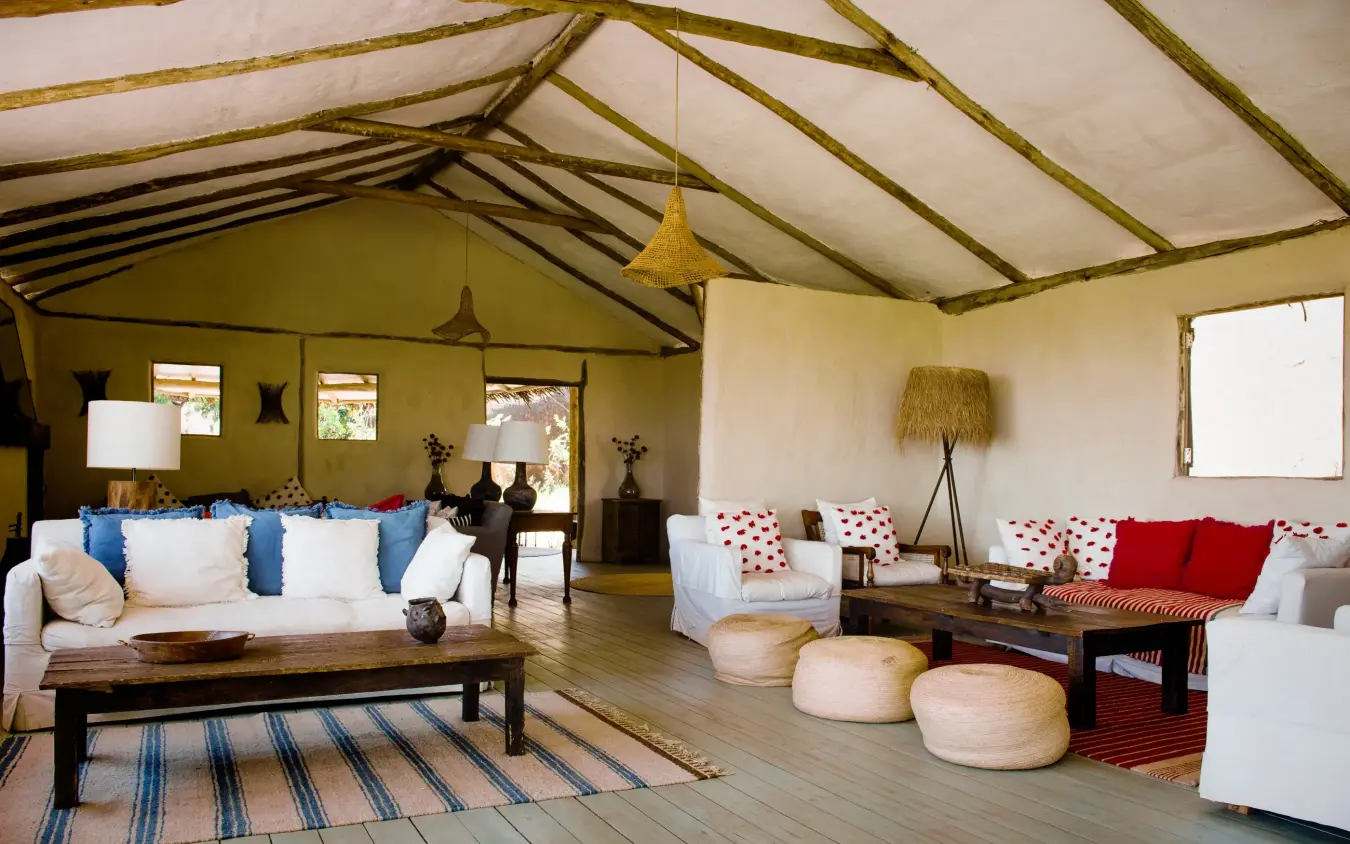
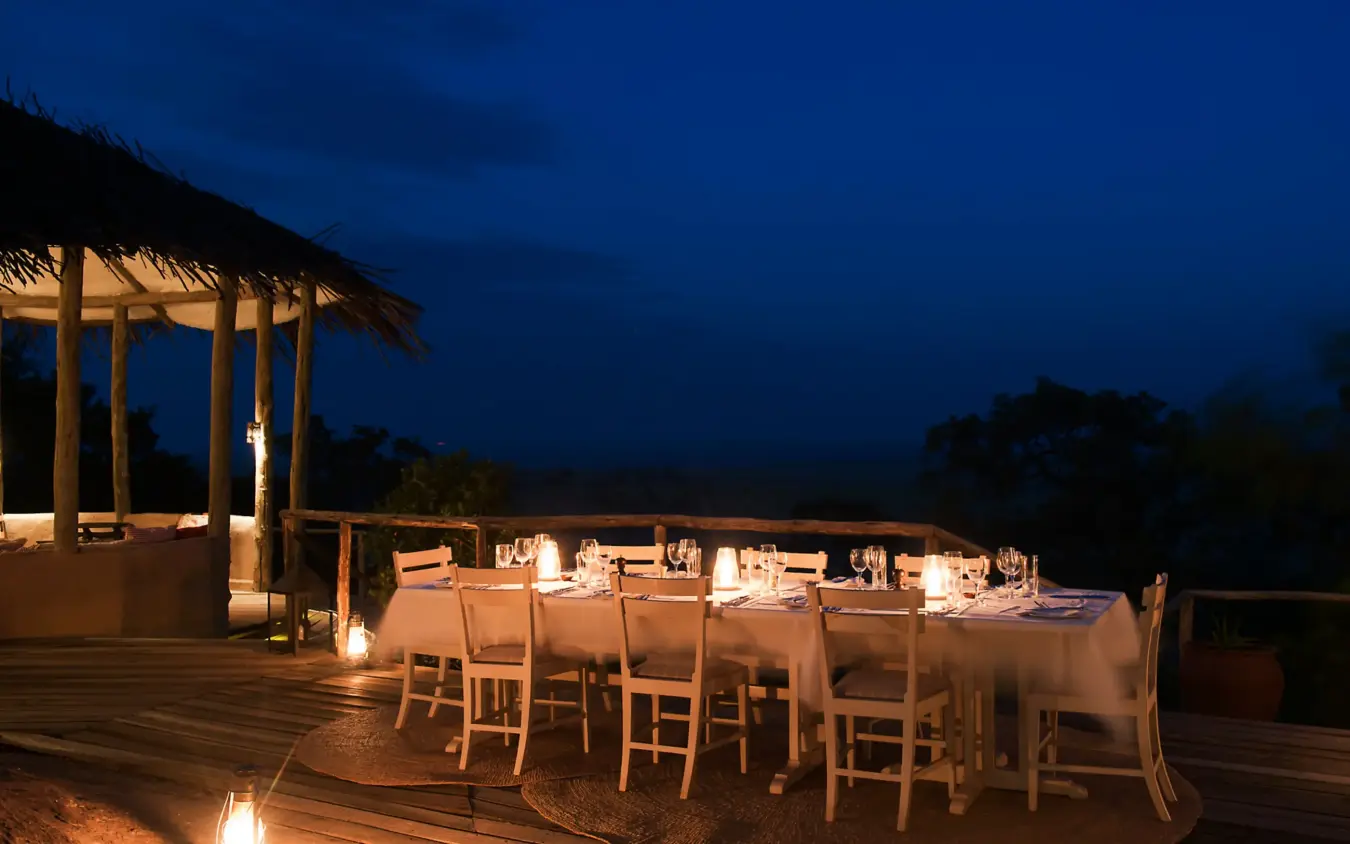
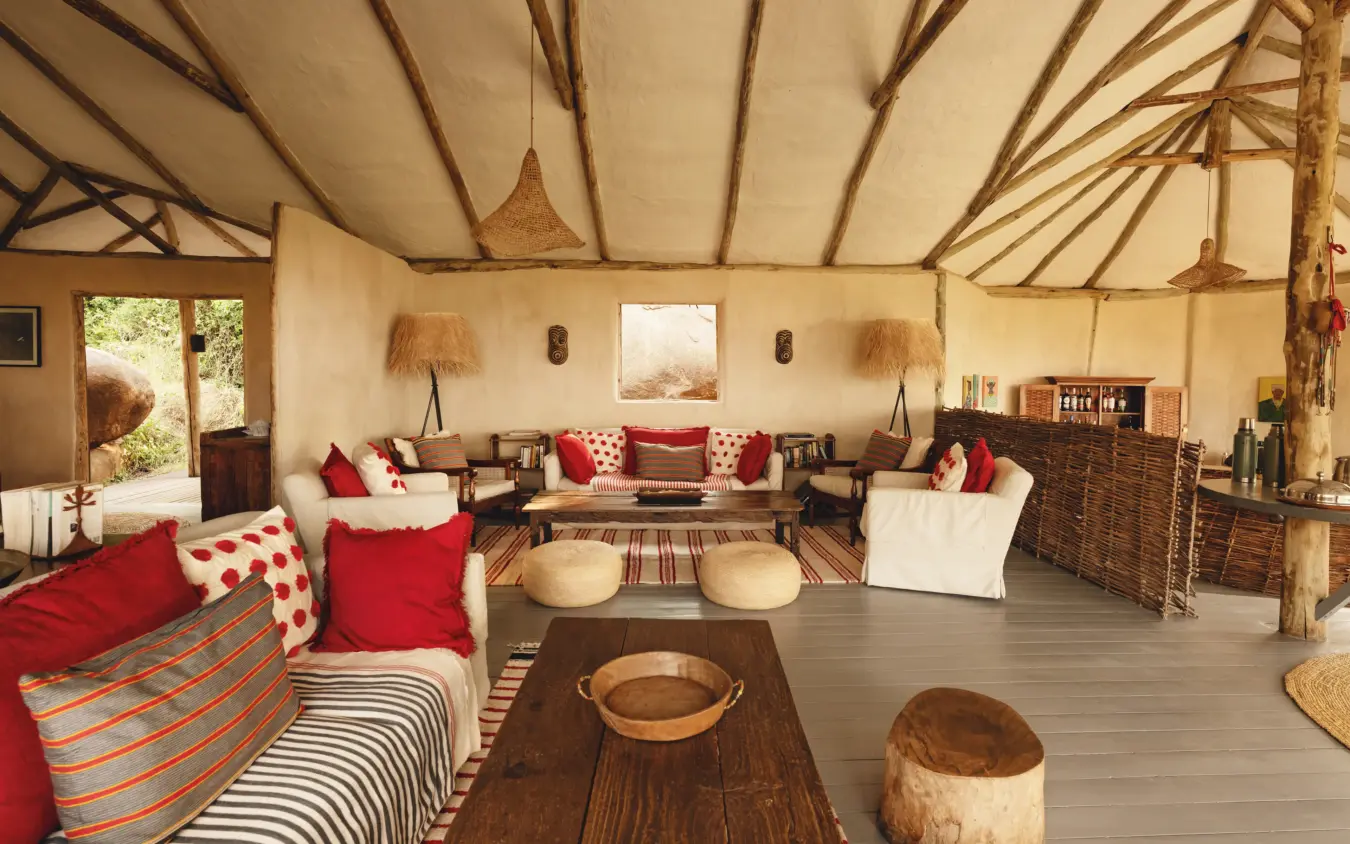
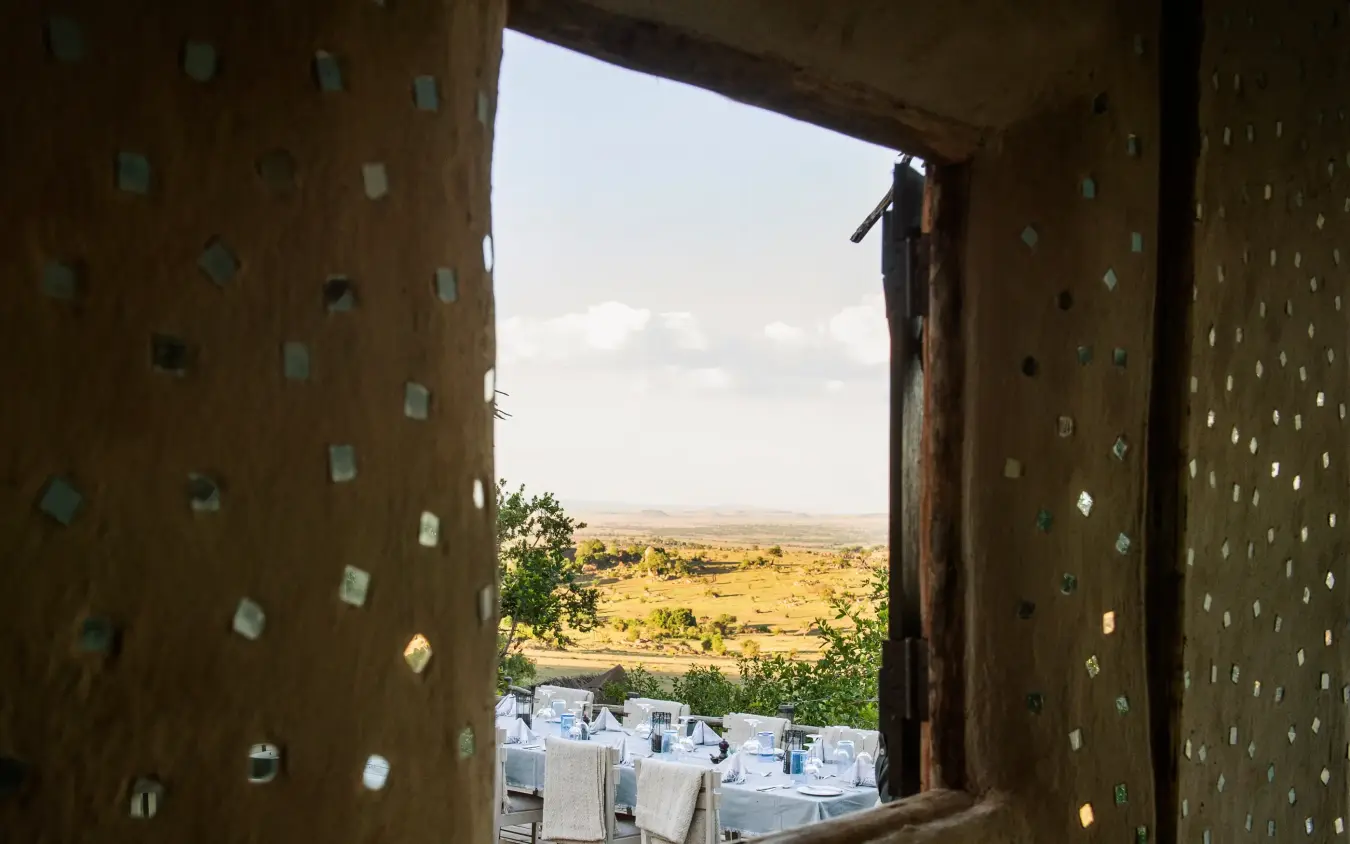
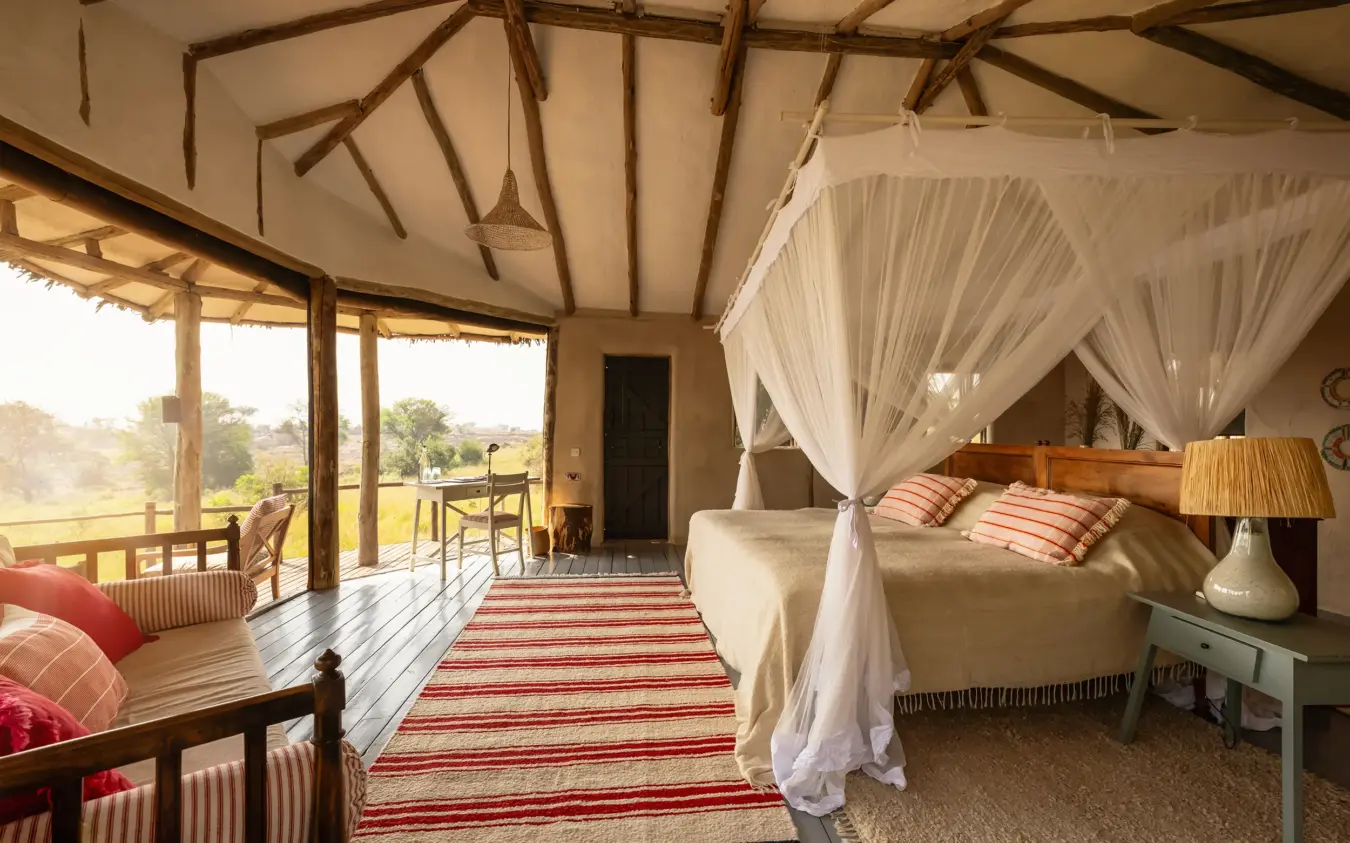
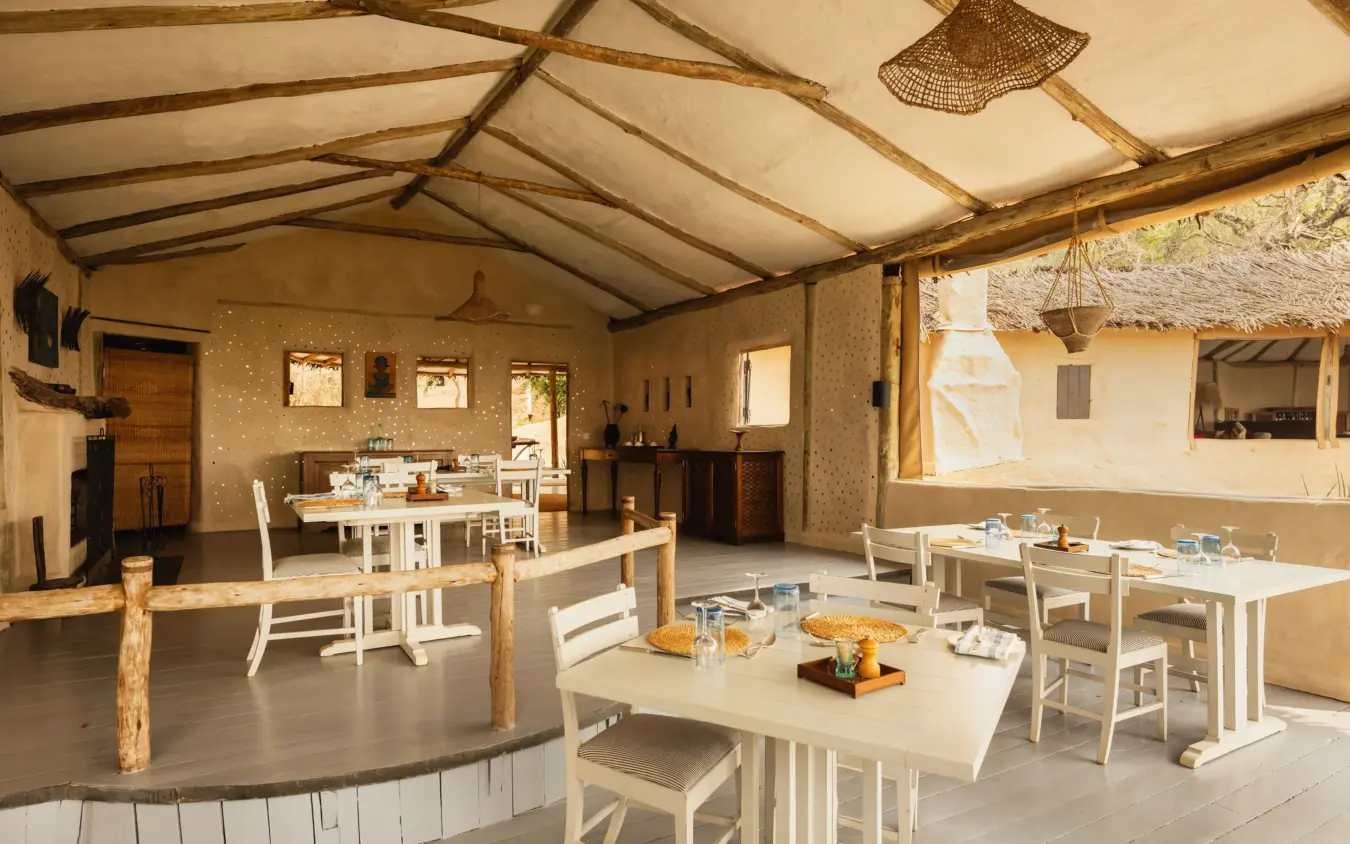
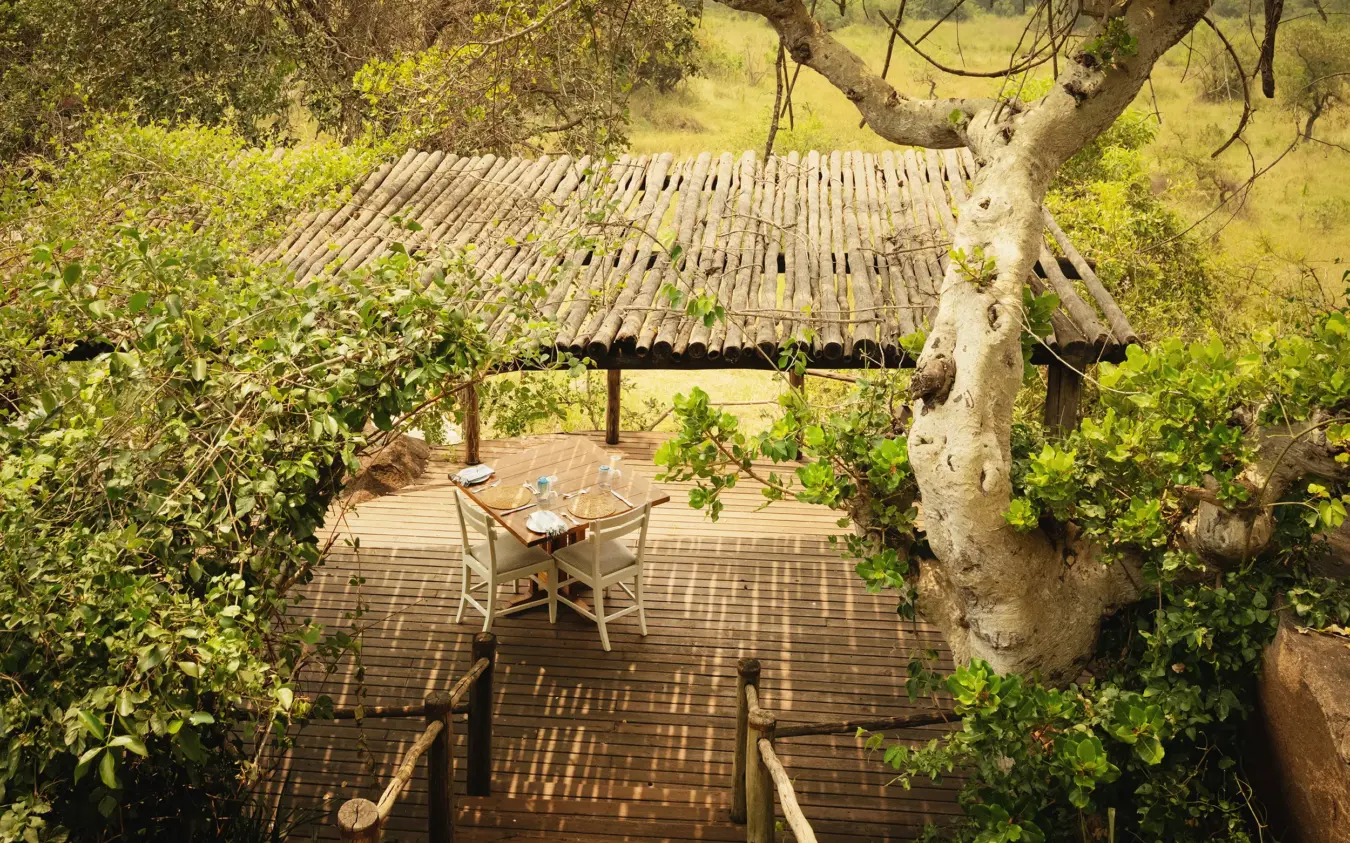
Dining is relaxed and communal, built around fresh ingredients and regional flavours rather than a fixed menu. Meals are taken in the main dining room, out on the deck, or as a picnic during a game drive. Families are looked after too, with two rooms in the main camp pairing a master bedroom with an adjoining twin. The exclusive-use camp goes further, a private, self-contained setting for families and small groups who want their own corner of the kopje, away from the main lodge entirely.
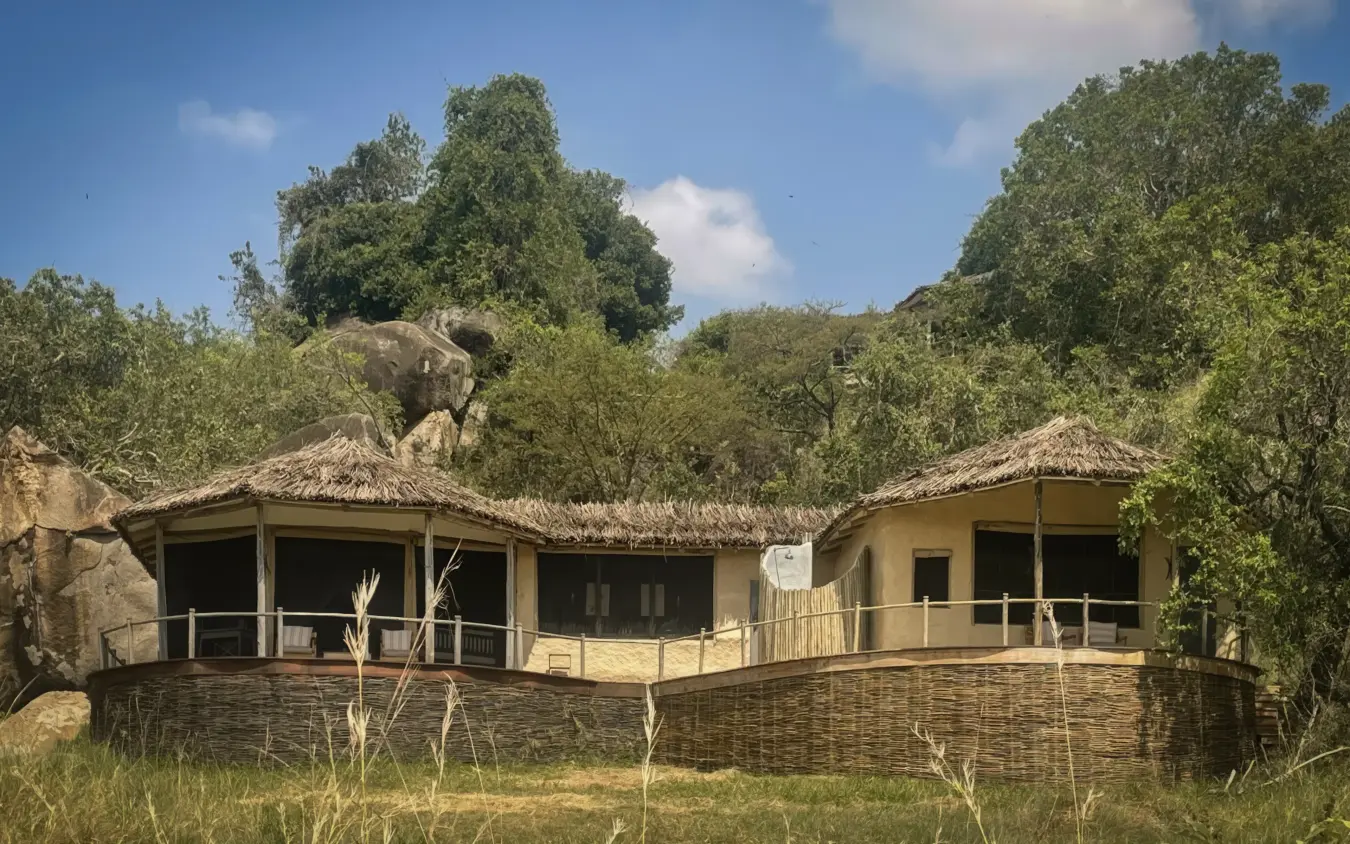
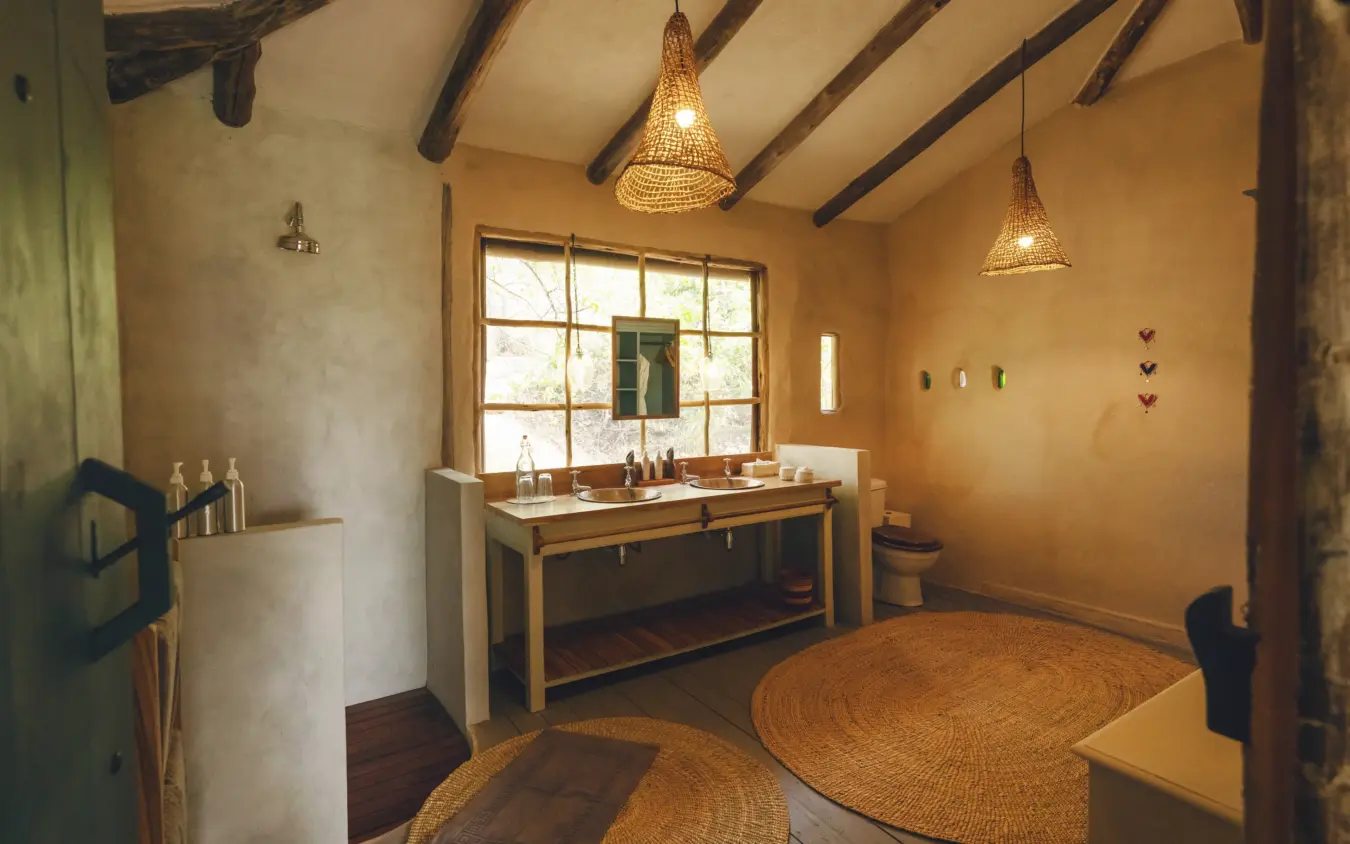
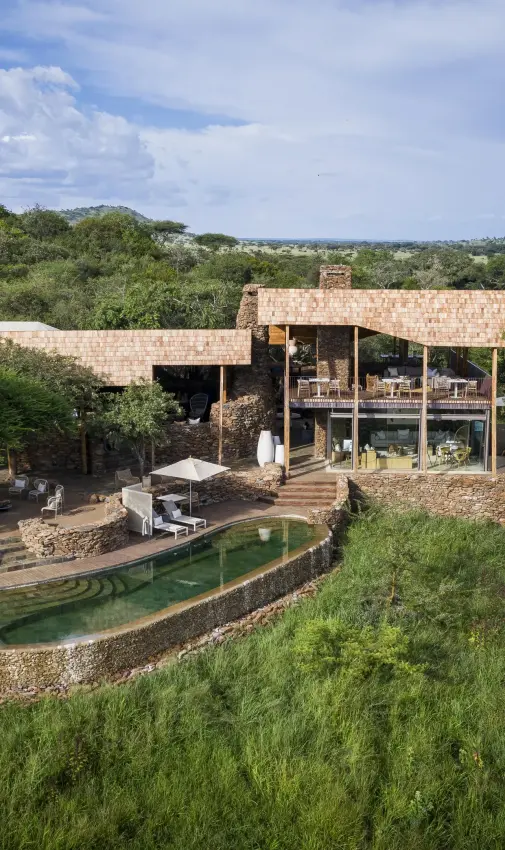
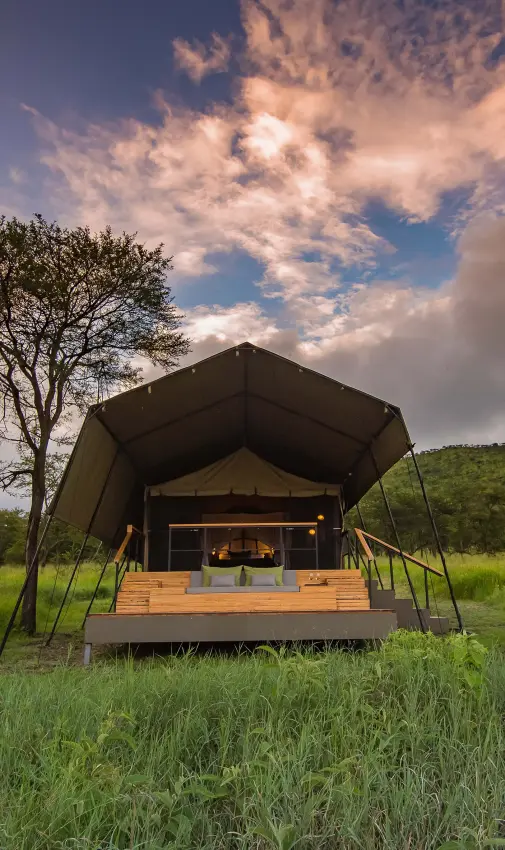
Conservation and community work is channelled through wider initiatives that support education, healthcare and anti-poaching efforts around the camps of northern Tanzania. Most of the staff are Tanzanian, many of them recruited from communities near the park, and a guide-training programme develops local talent for work across the camps. The lodge itself was built with a light footprint, stepped into the boulders and constructed largely from materials sourced within the country.