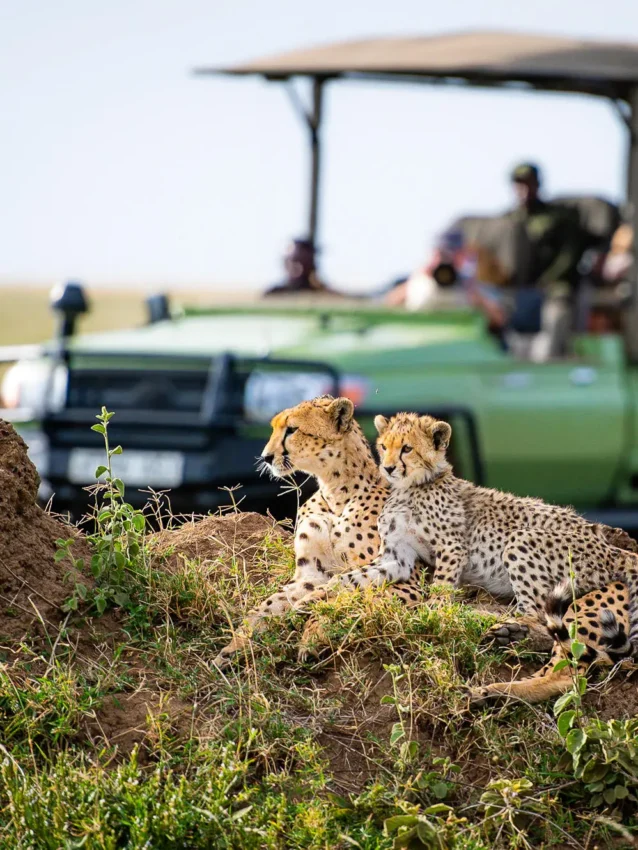
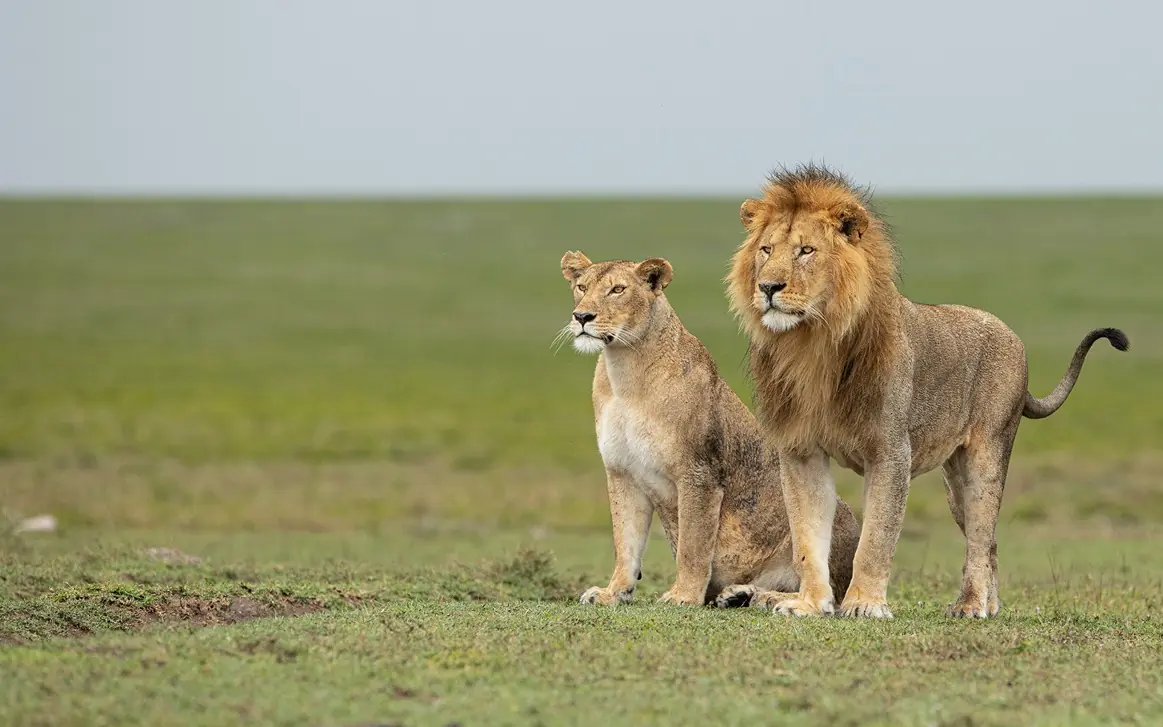
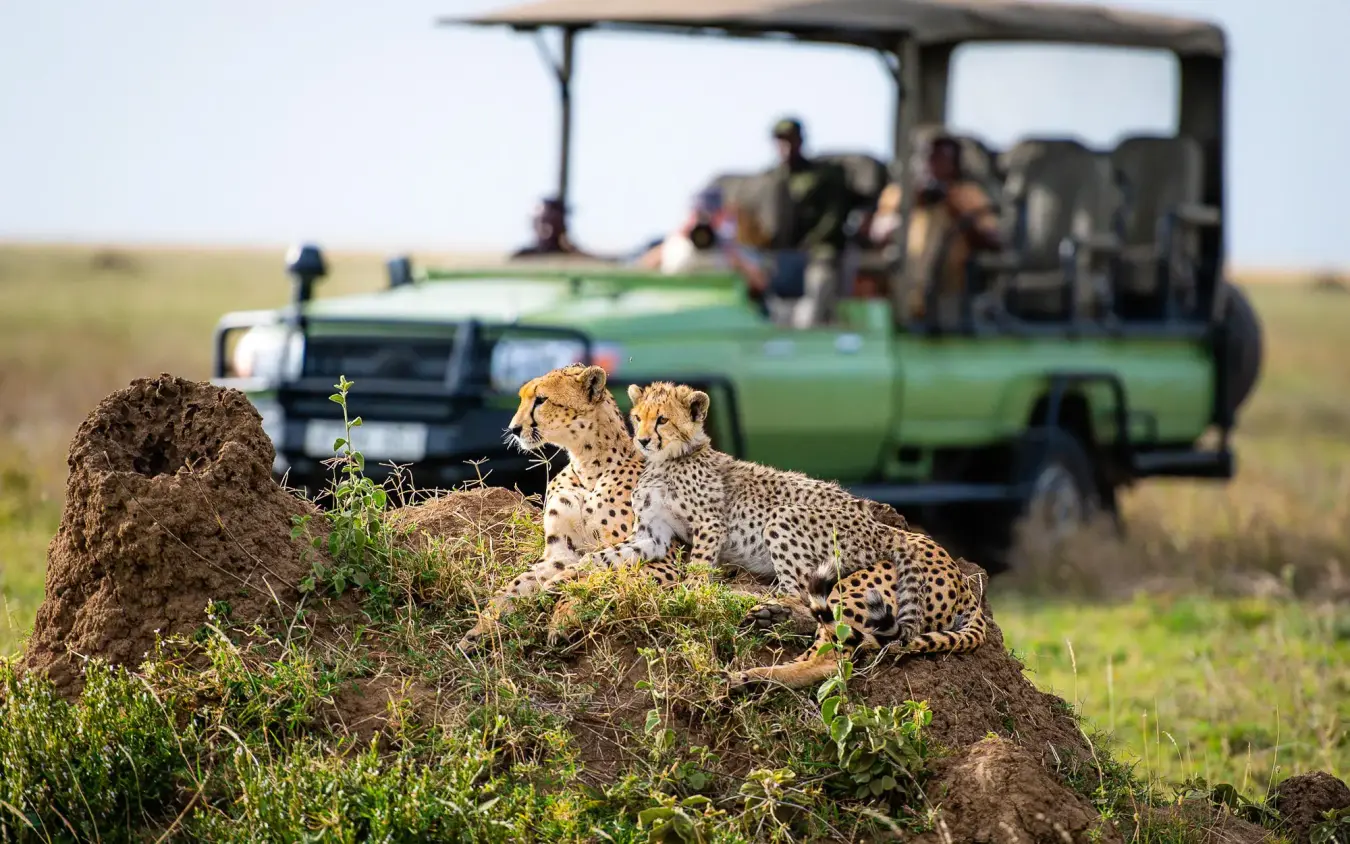
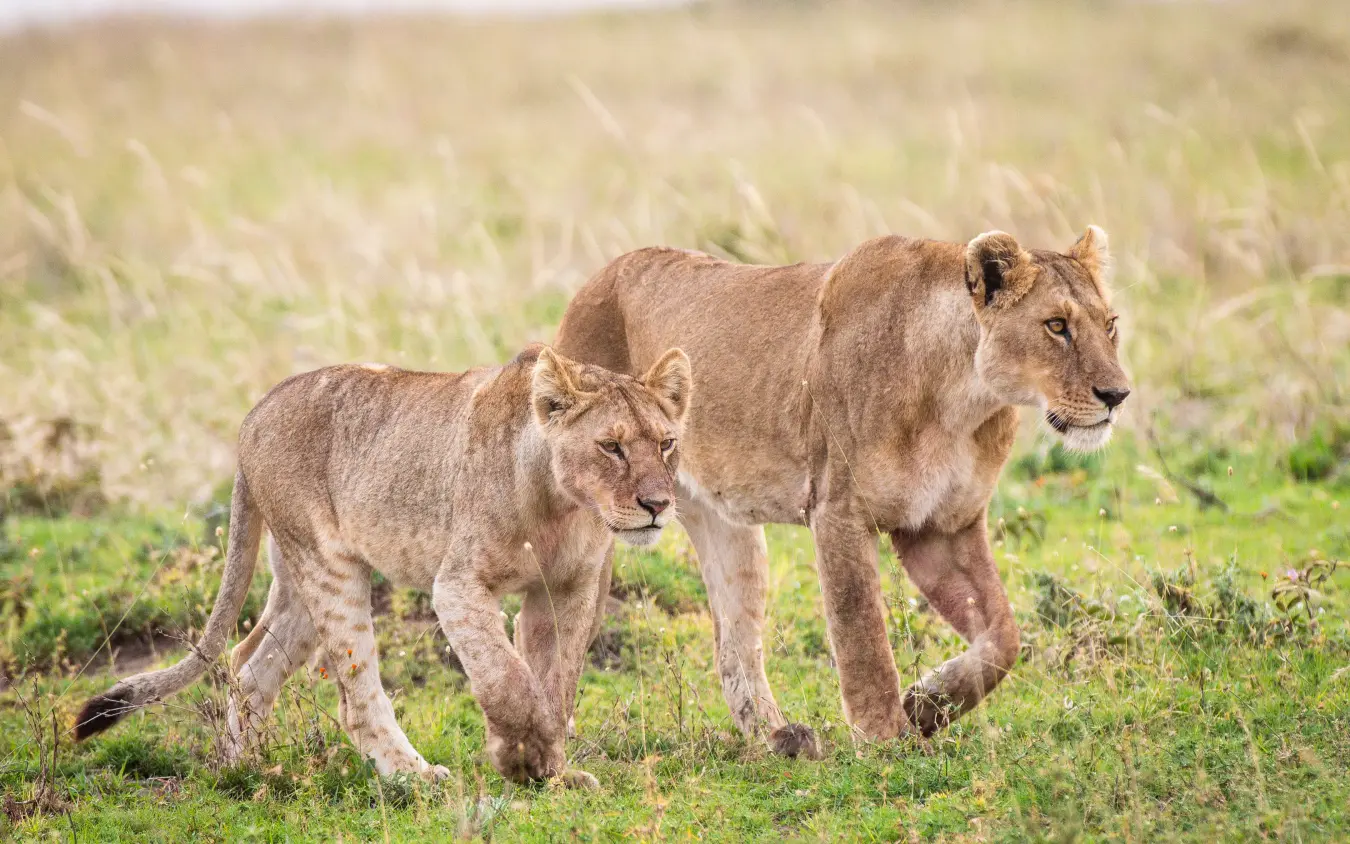
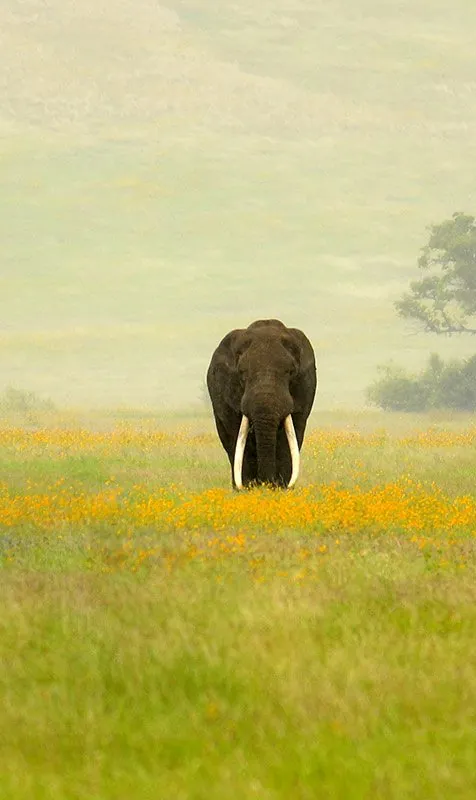
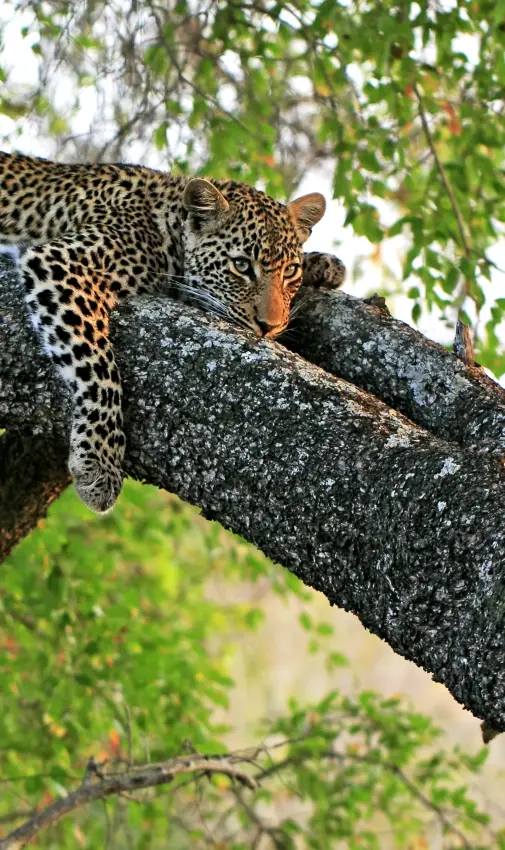
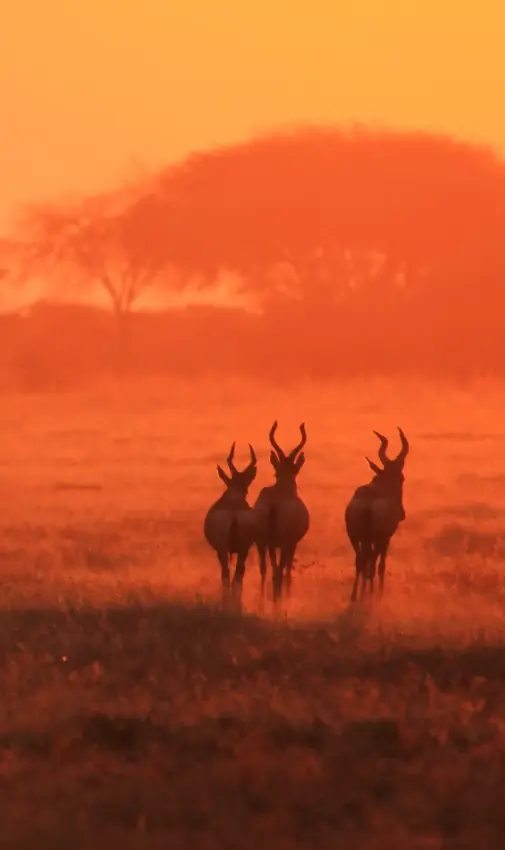
Short grass gives cheetah the open running room they hunt in, while the acacia belts and rocky kopjes along the Ngare Nanyuki valley give lion and leopard cover to stalk from and dens in which to raise their cubs. That pairing of open ground and edge cover, backed by dense herds of gazelle and other small antelope, explains how often predators are seen in this part of the park. Klipspringer hold to the kopjes, elephant, giraffe and zebra cross the flats, and spotted hyena move through after dark.
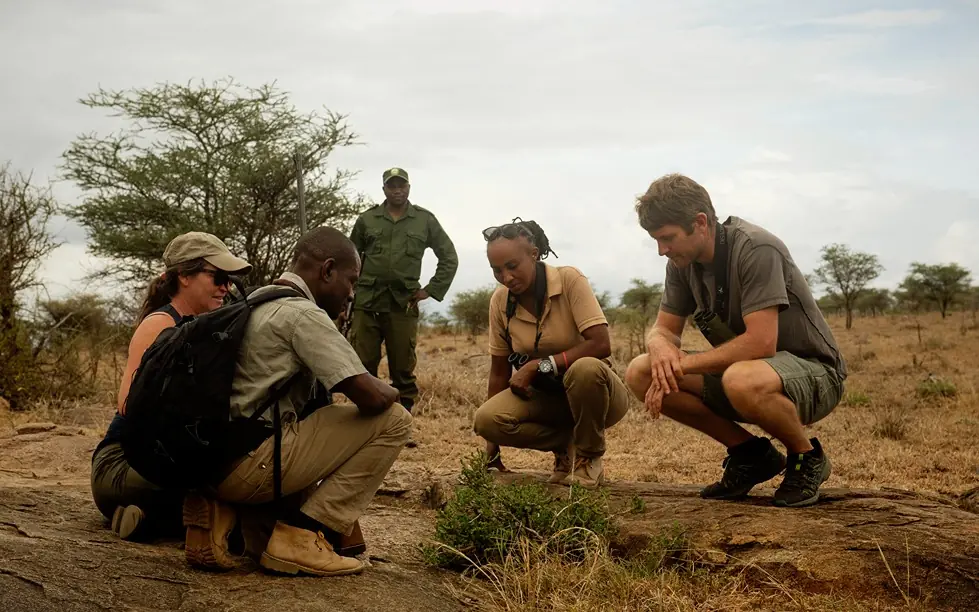
The guides are Tanzanian, and guiding is their career. They were recruited and trained for this particular stretch of plains rather than the busier ground further west. Morning and afternoon they take open 4x4s out across the Soit le Motonyi plains, down into the valley and along the woodland edges, and they stay with the cats long after the first photographs are taken. With so few camps working this corner of the park there is little other traffic to hurry them on, and patience does the rest.
Lions call close to camp, hyenas whoop across the dark, and long silences fall in between.
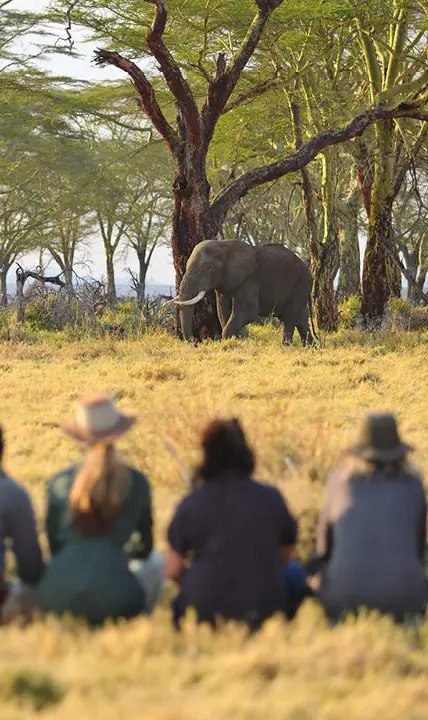
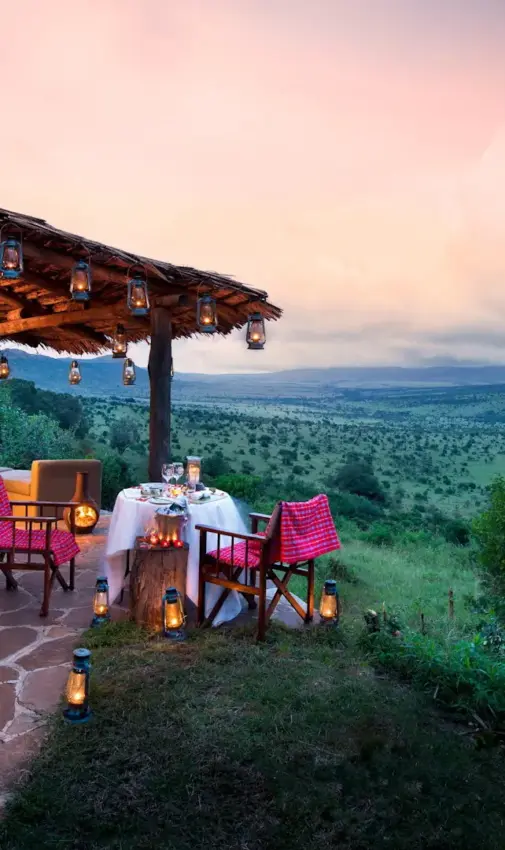
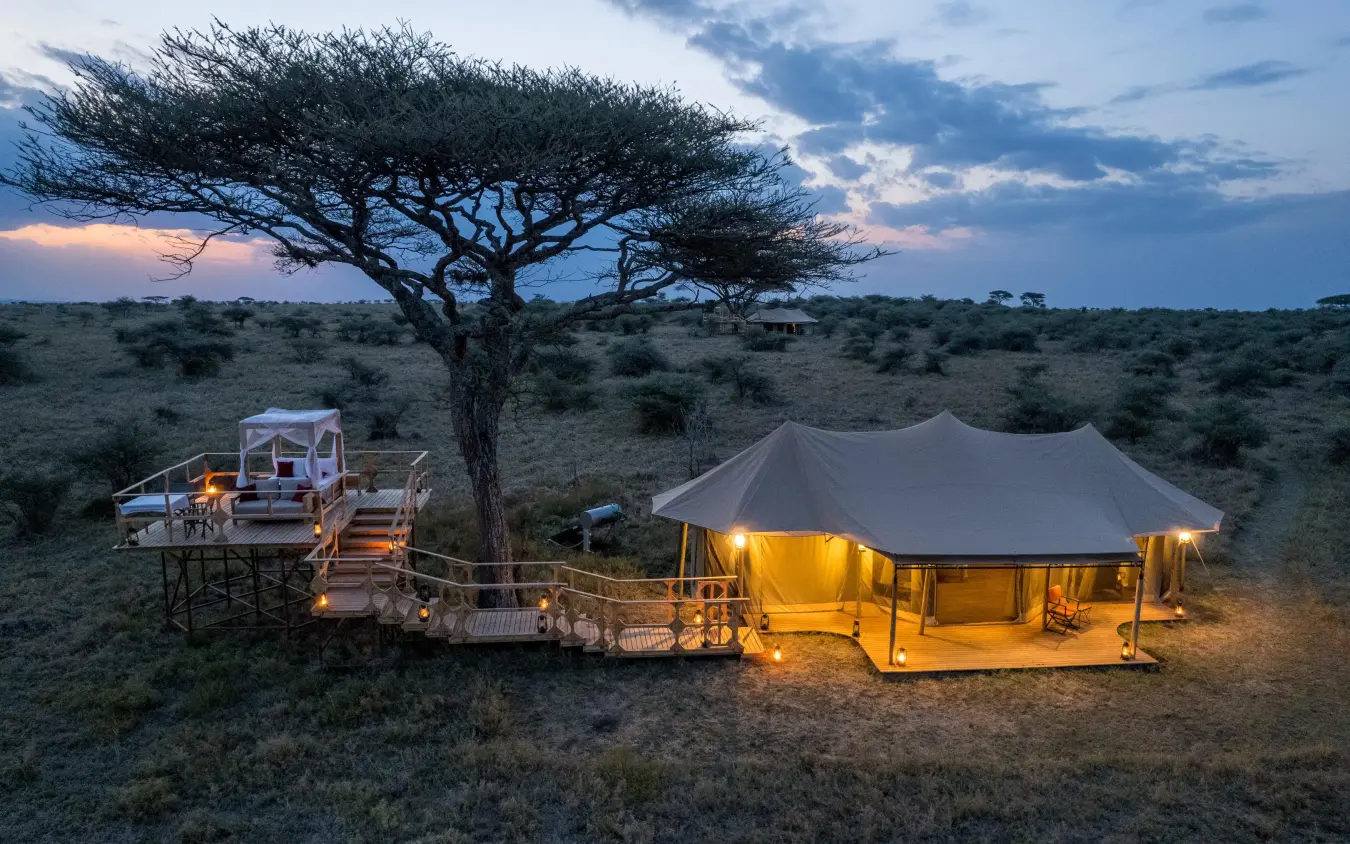
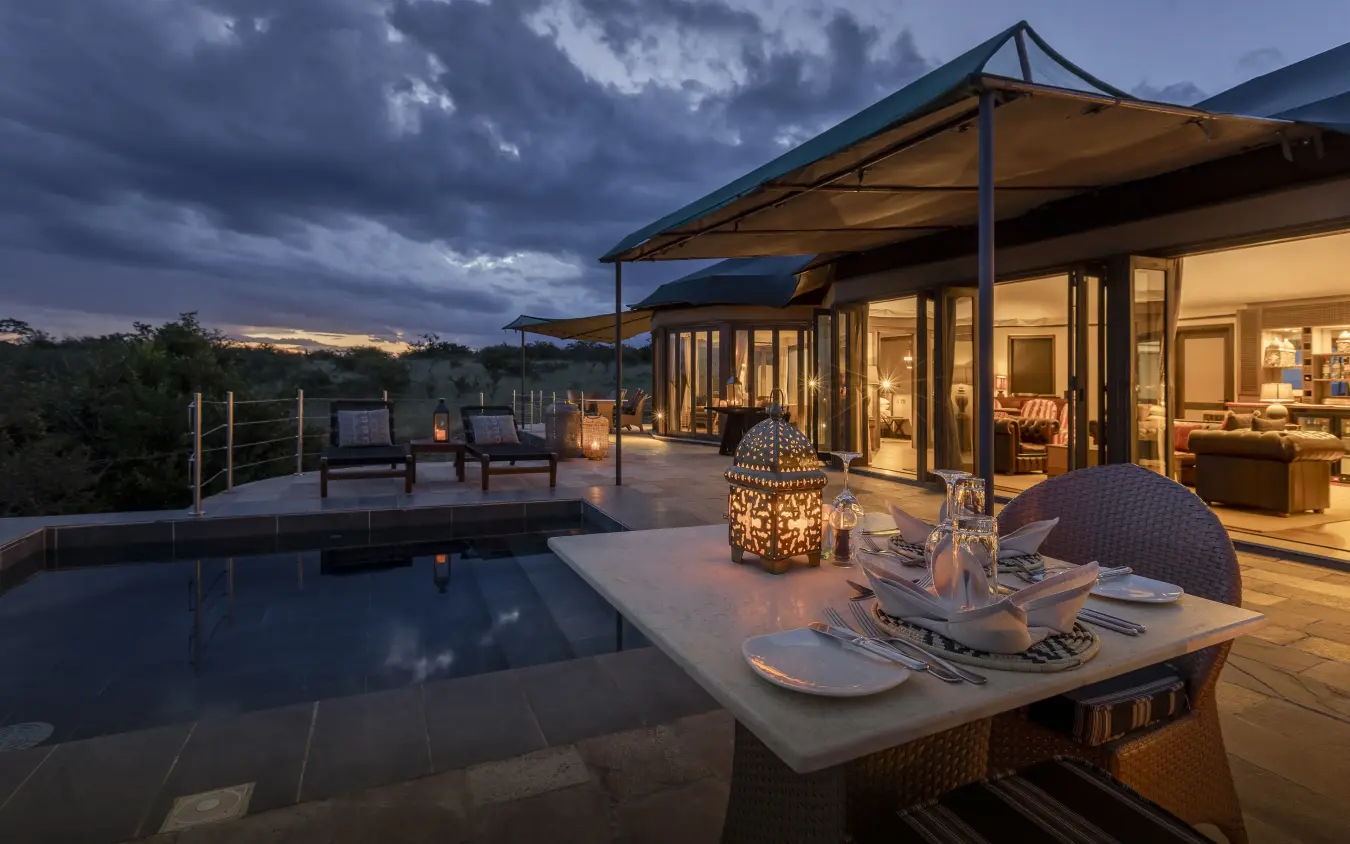
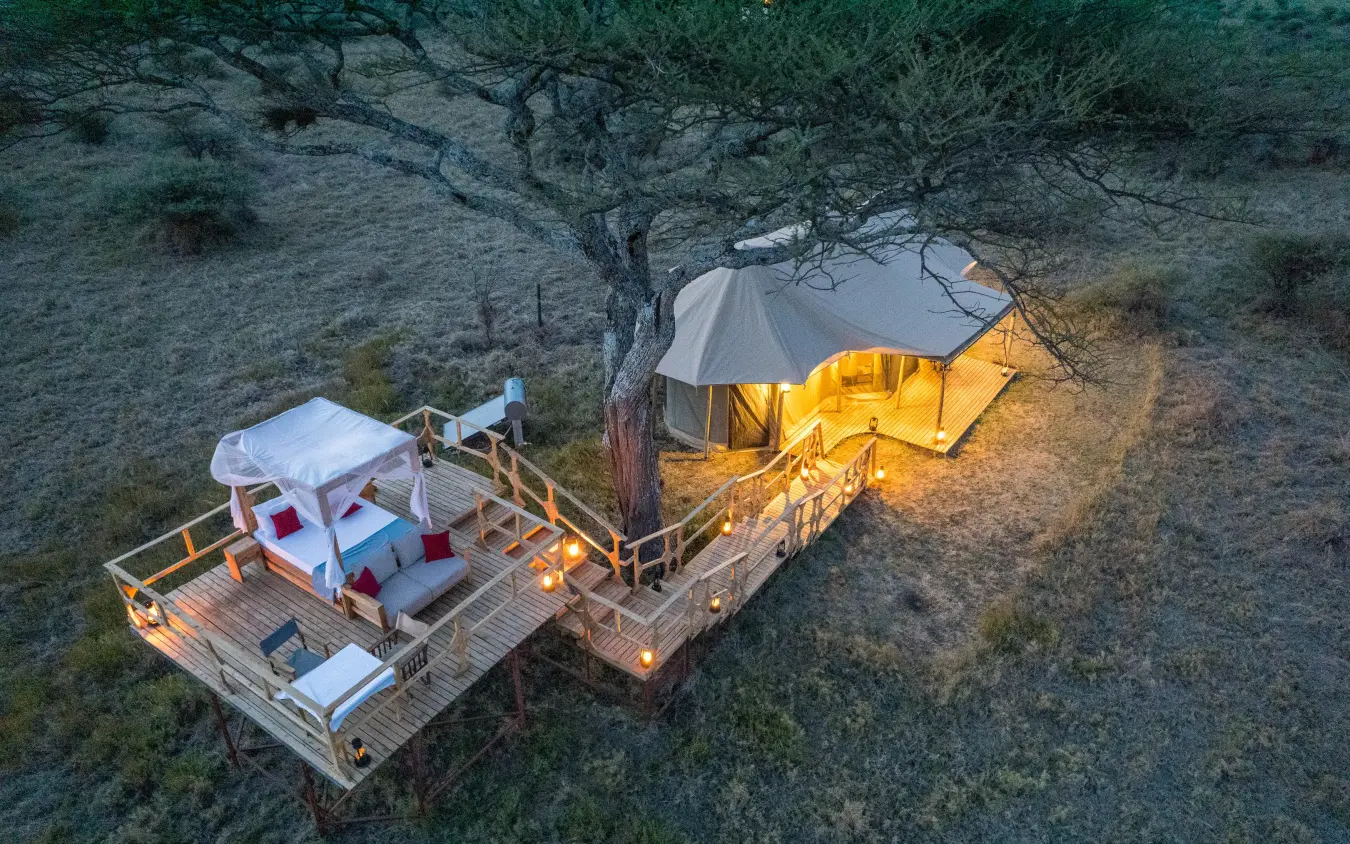
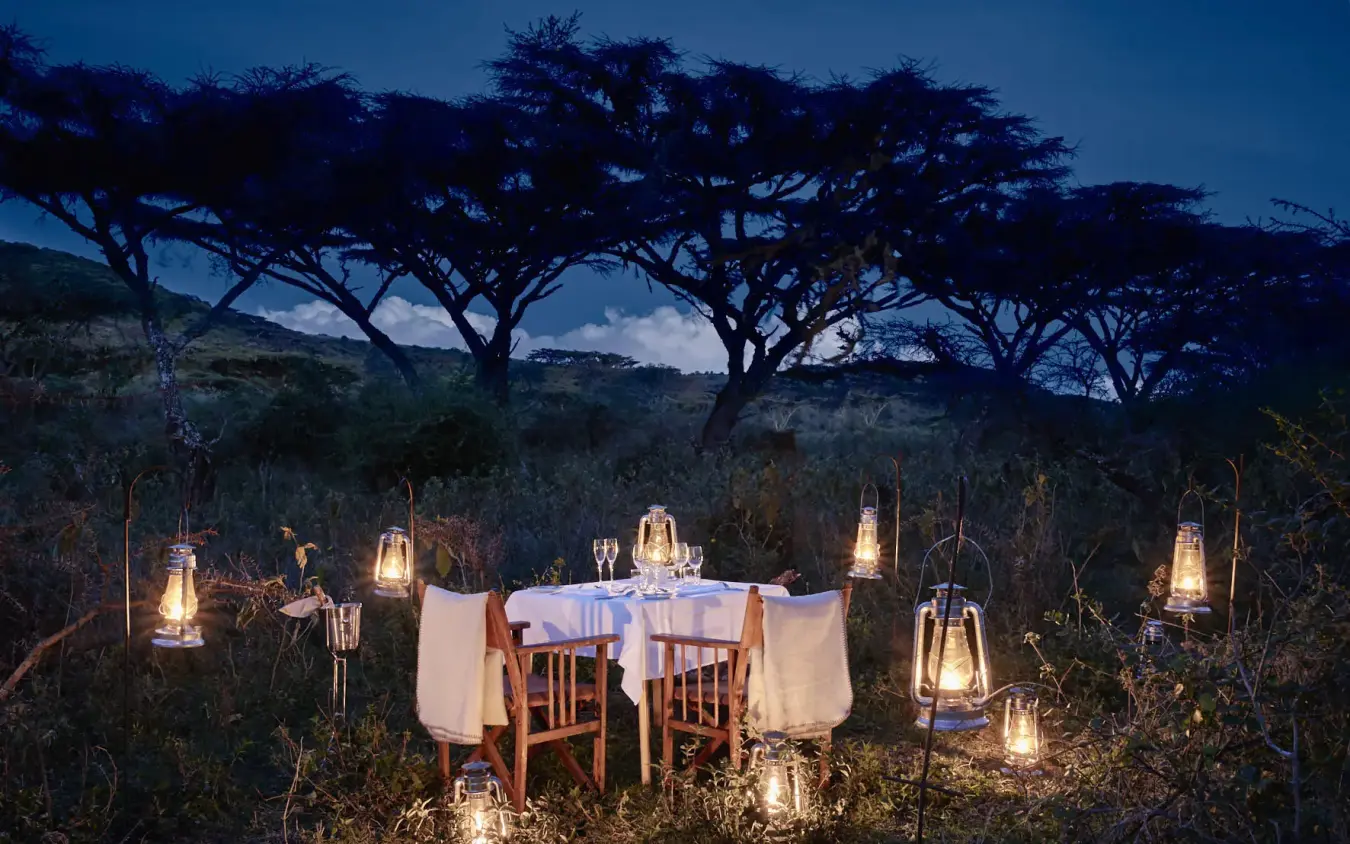
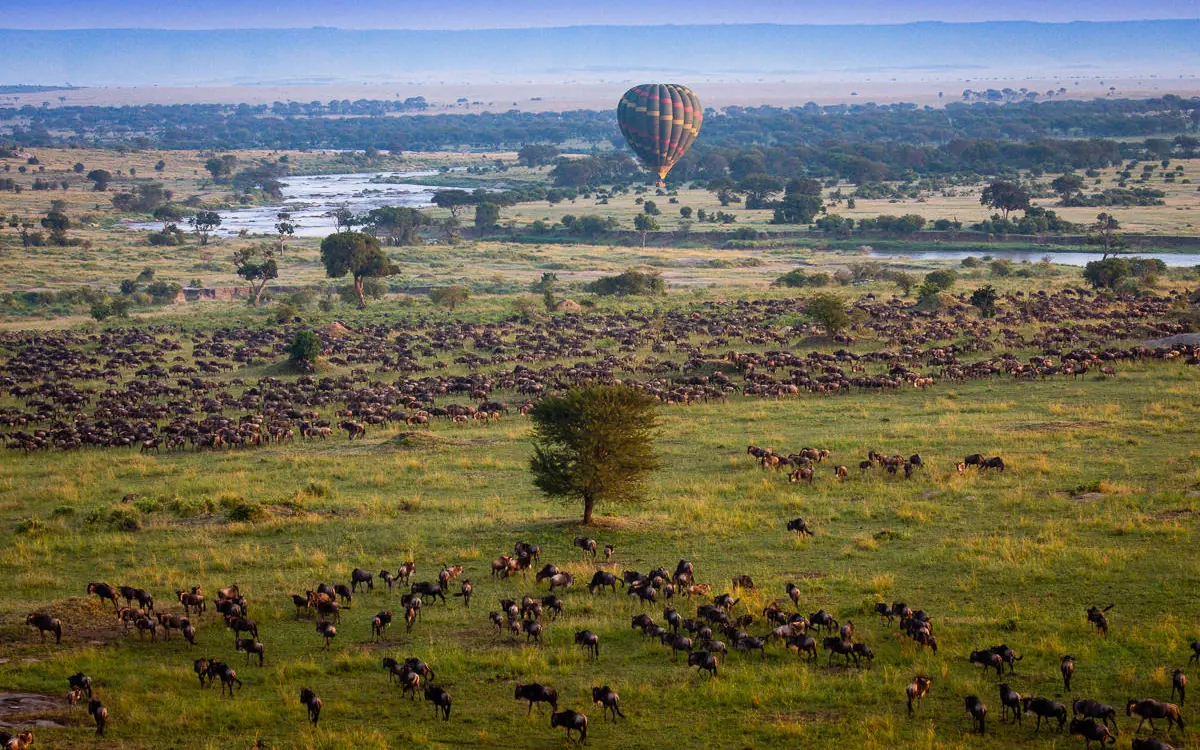
On foot, a secluded river valley of fig-covered kopjes and hippo pools opens up, walked with an armed guide and open to anyone aged twelve and over. Fly-camping extends the day into a night out in the bush. Balloons lift off from Seronera at dawn and come down to breakfast laid out on the plains, and bush meals can be set out in the same open country. Night drives are not permitted inside the national park, so the hours after dark belong to the camp, to lantern light and the stargazing platforms above three of the tents.
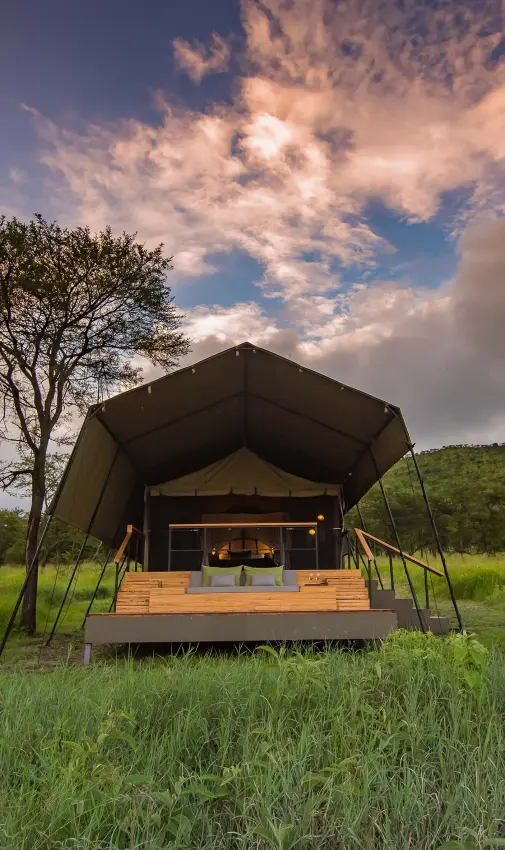
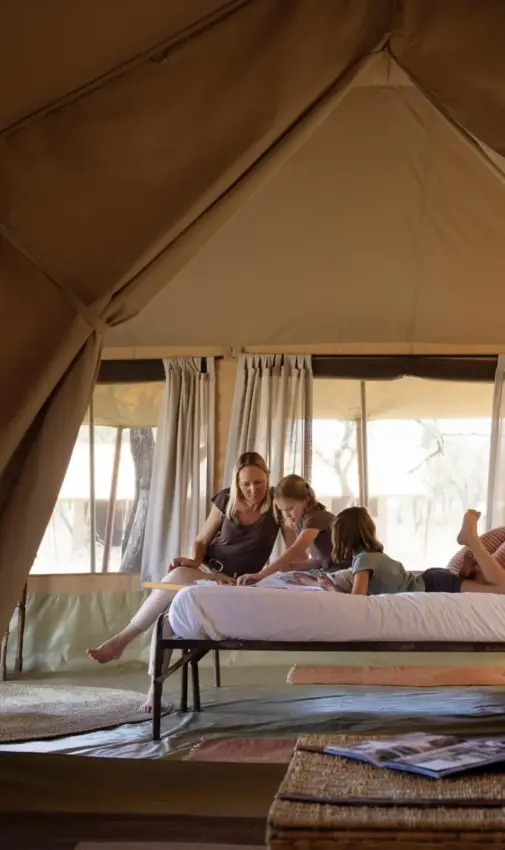
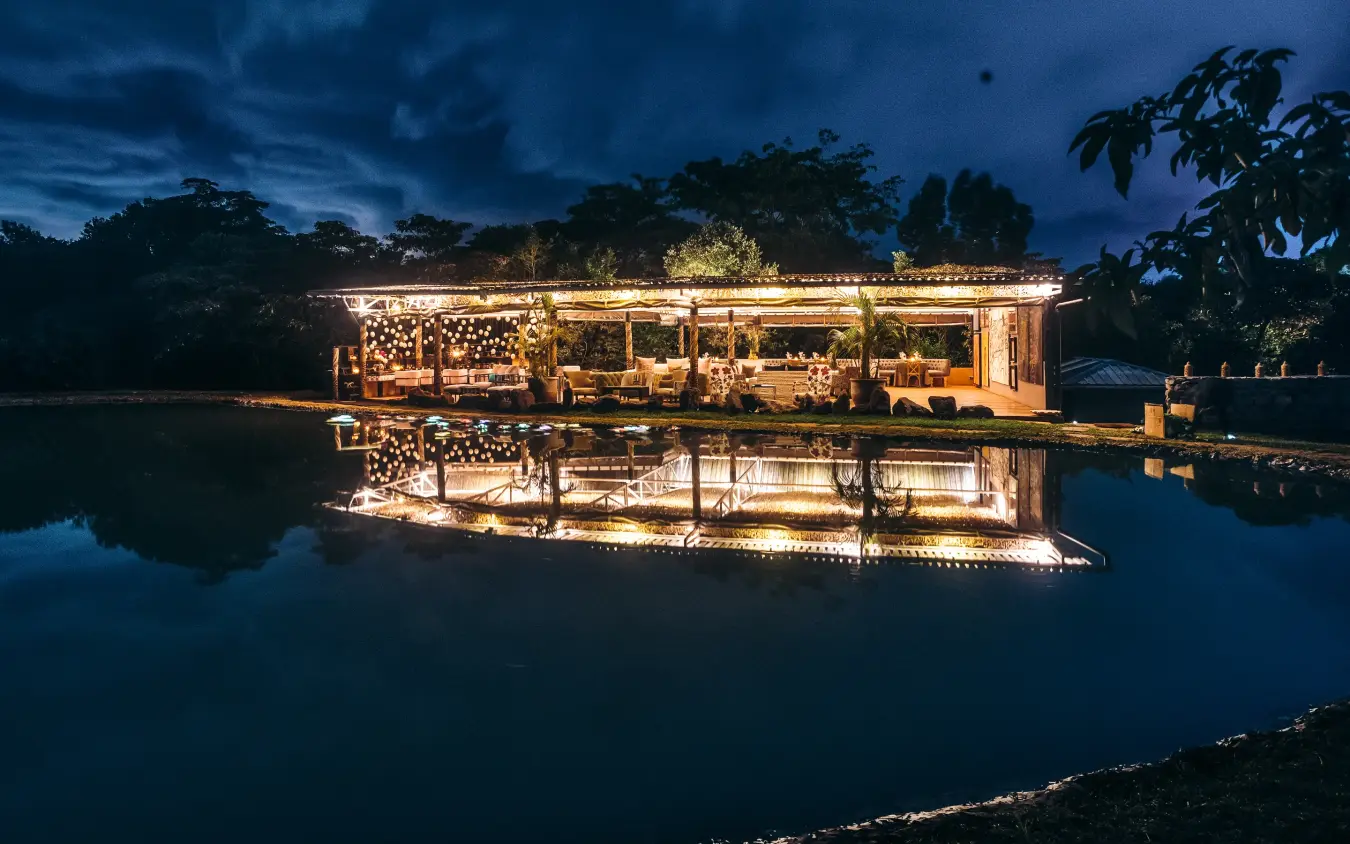
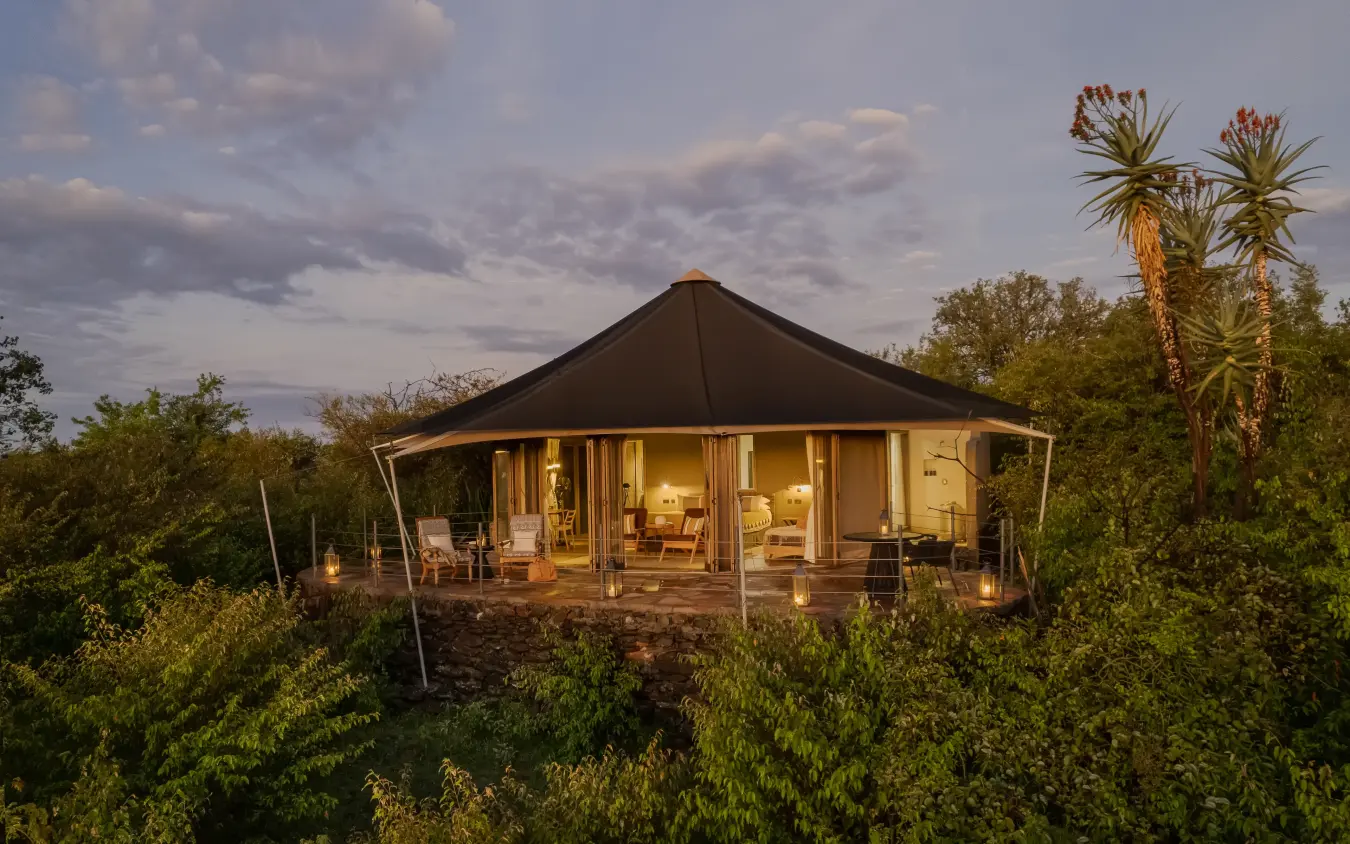
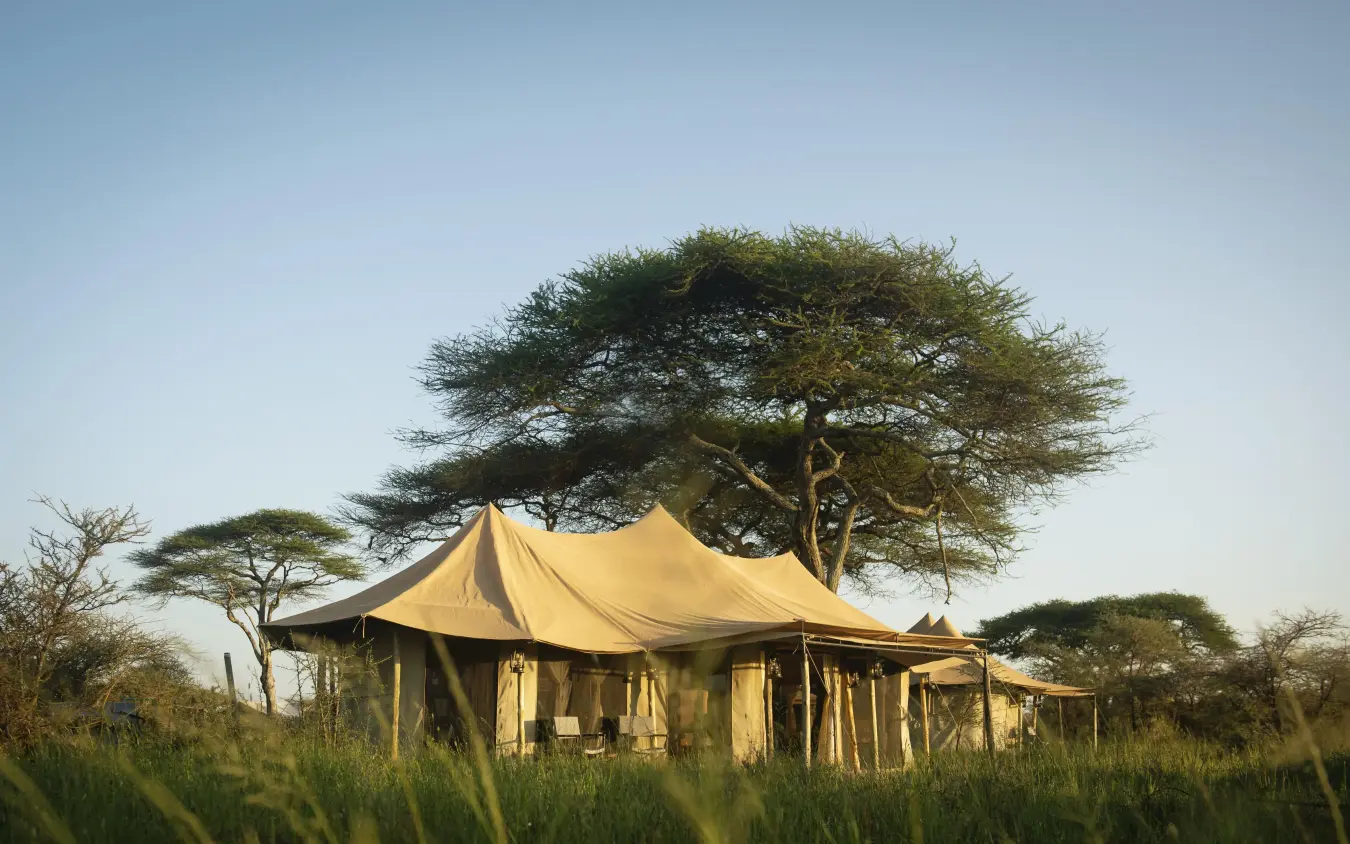
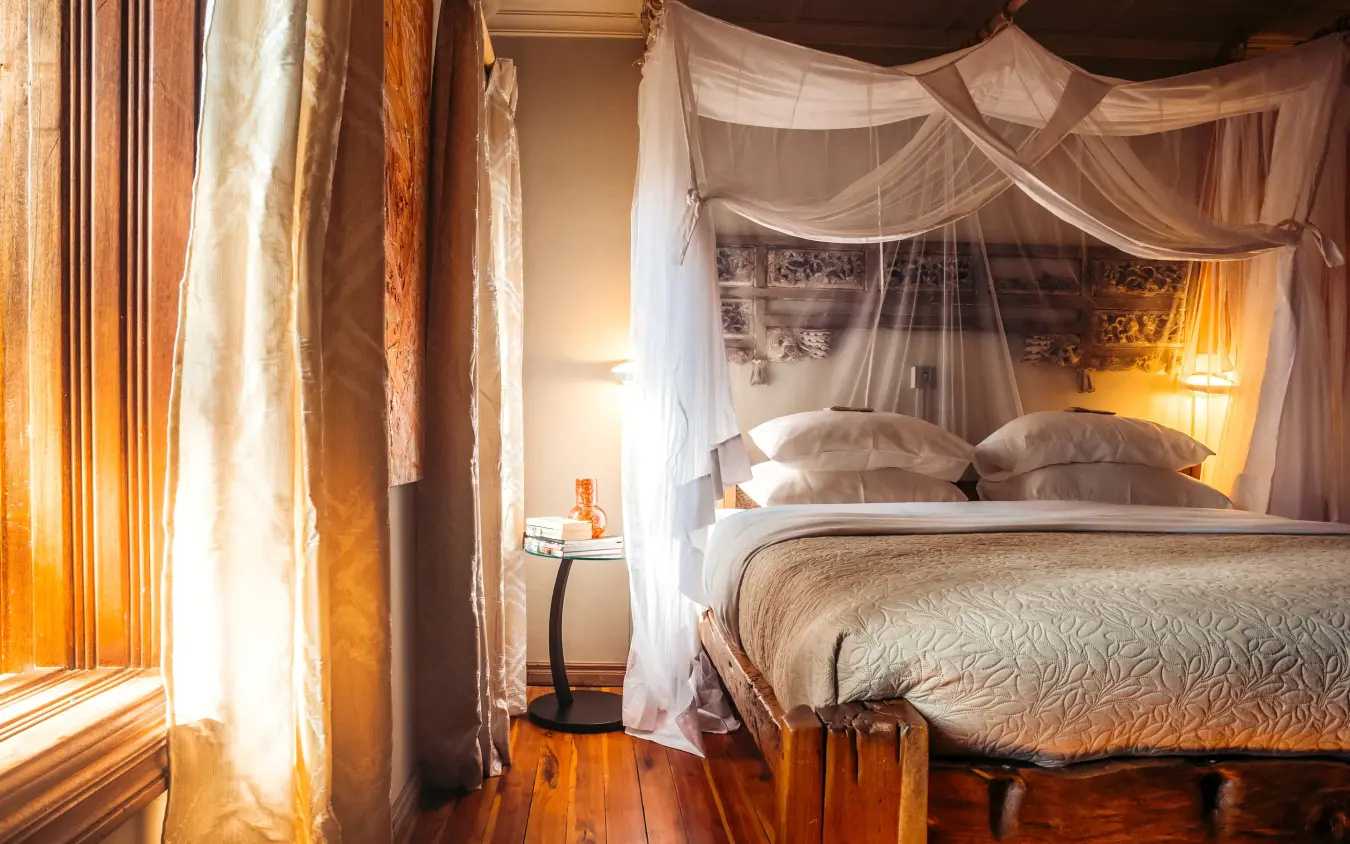
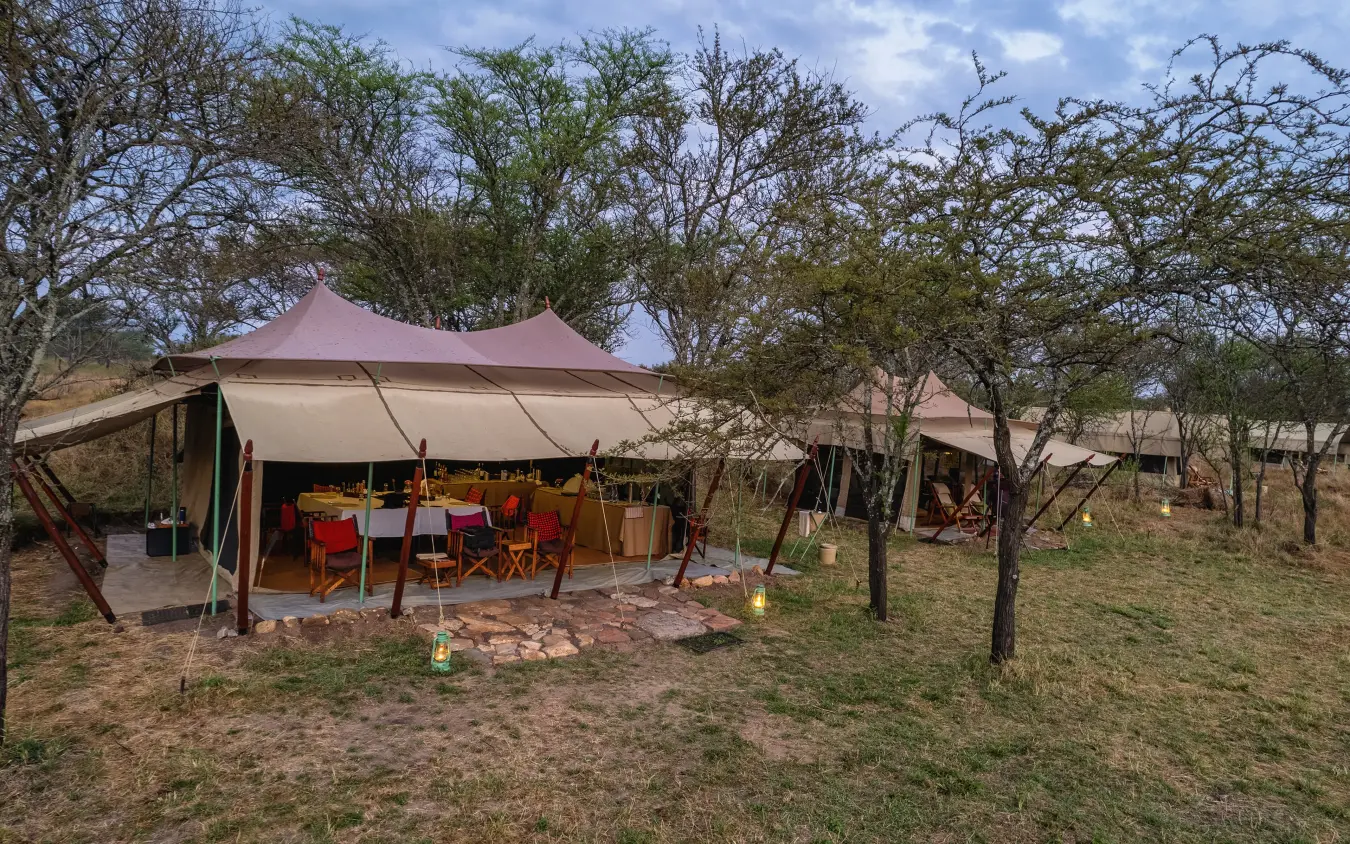
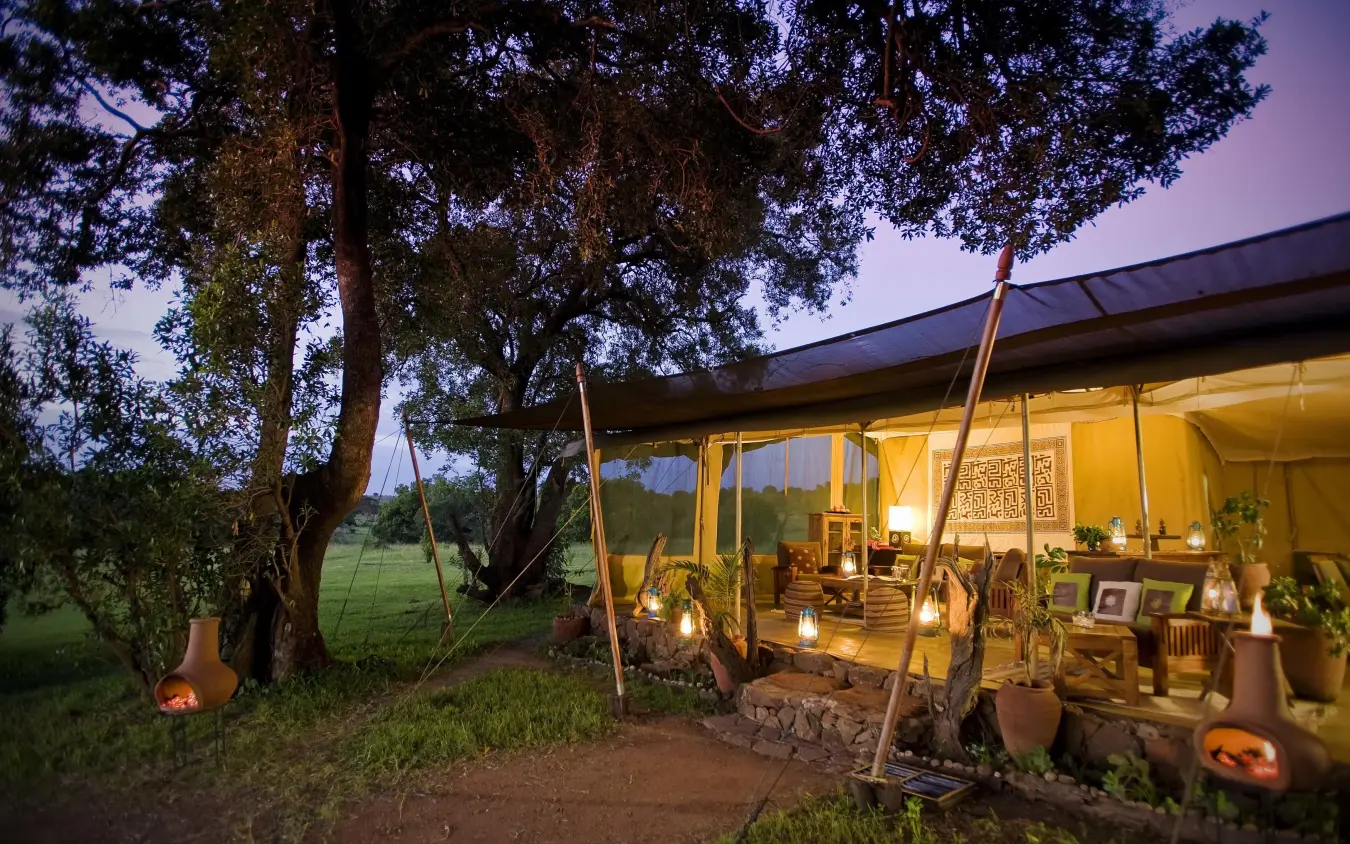
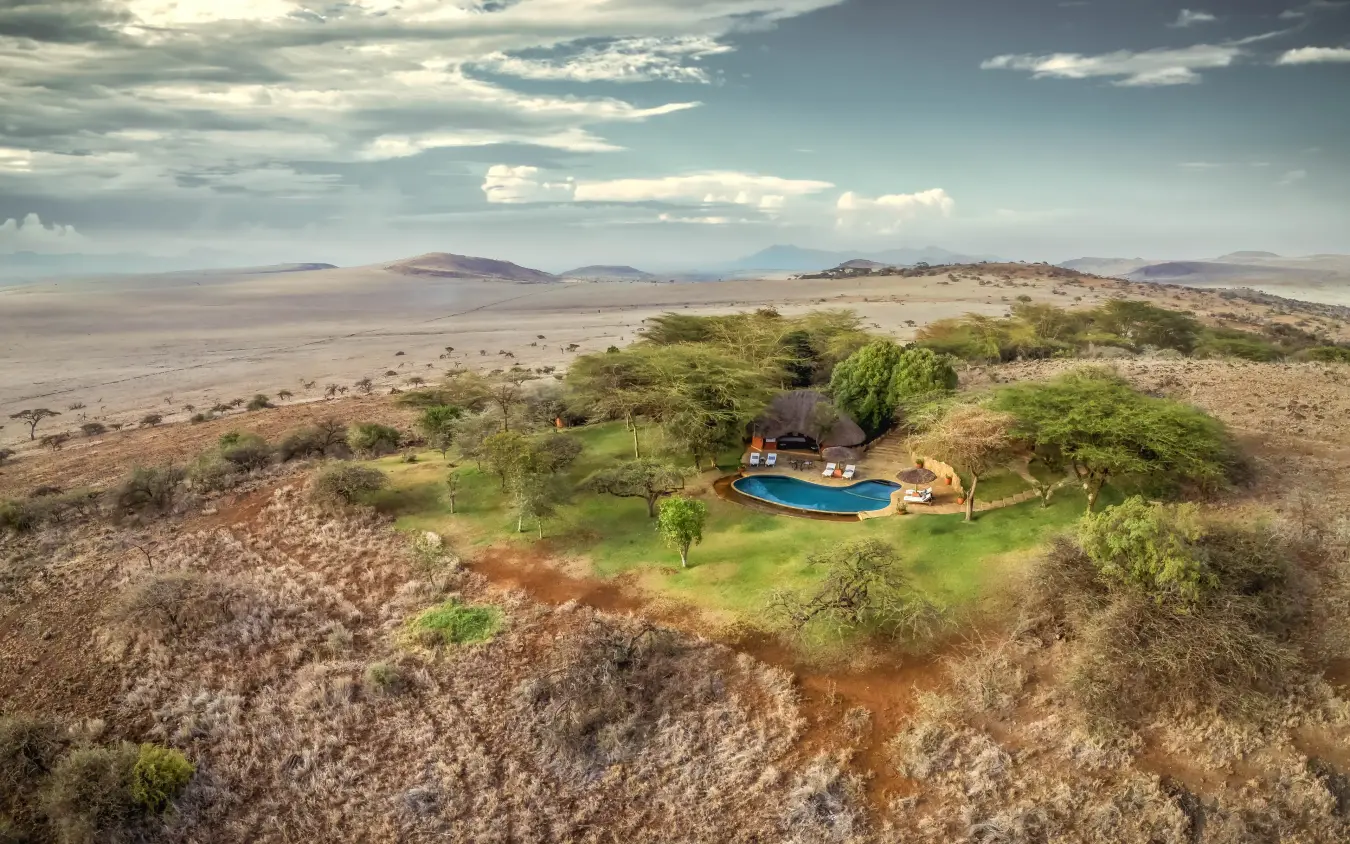
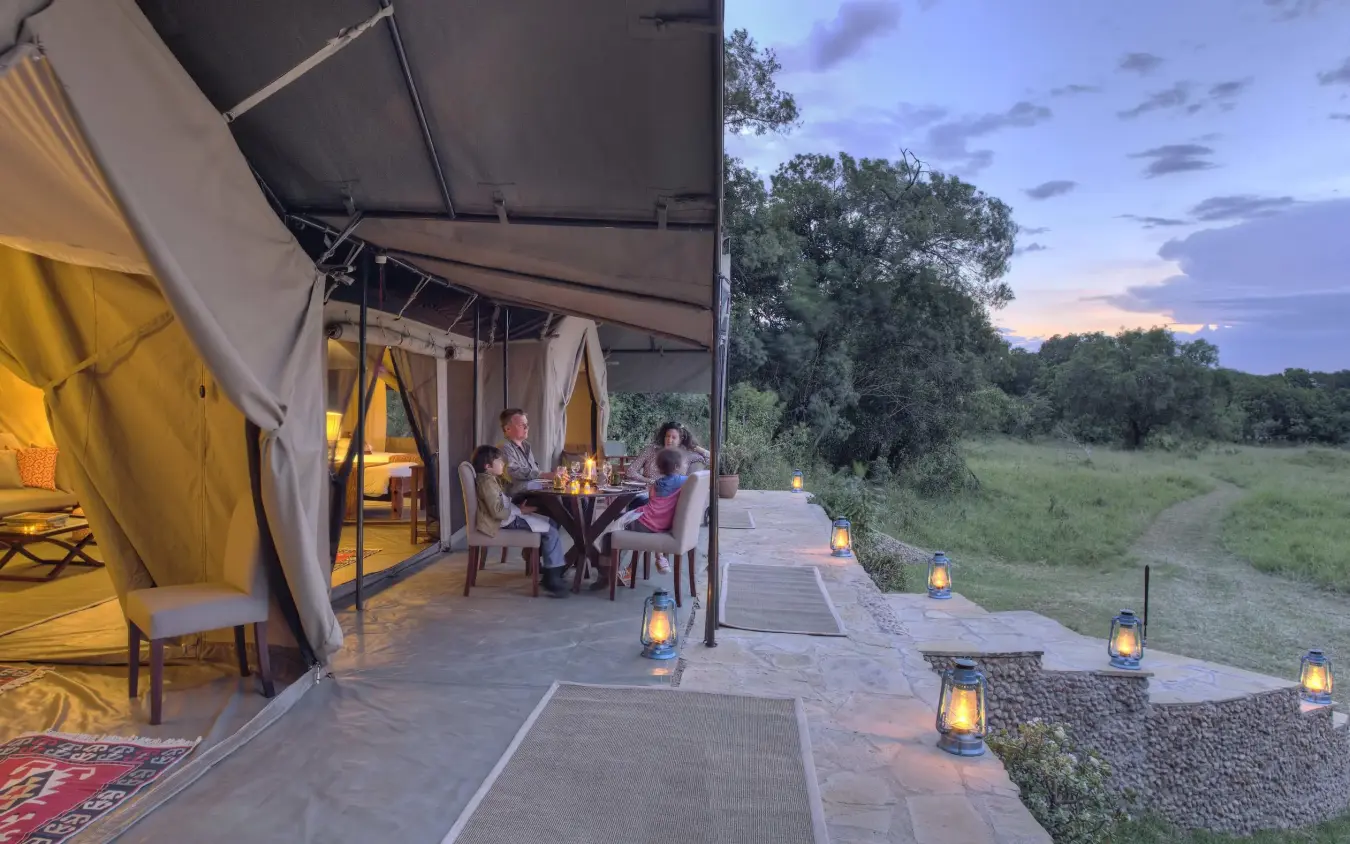
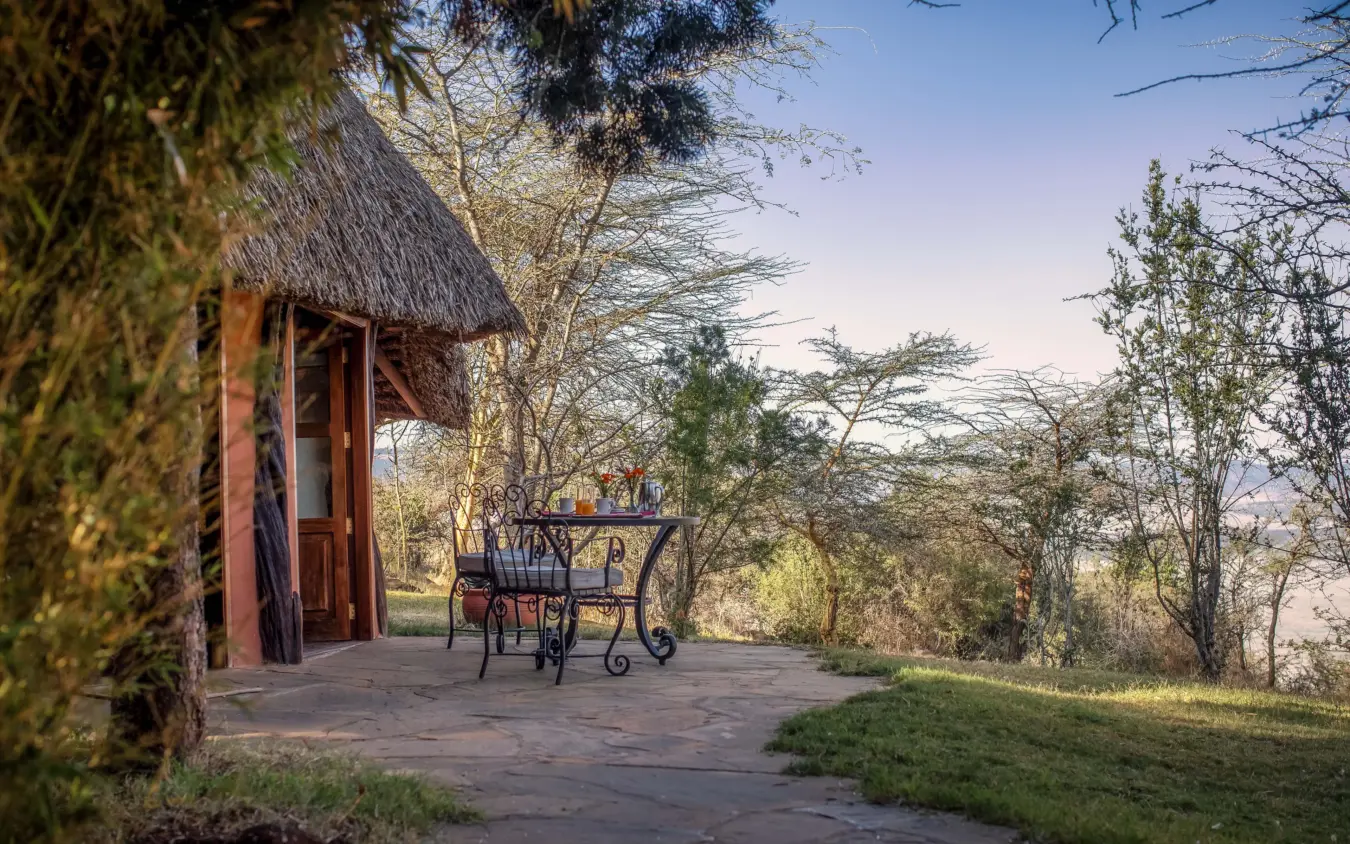
The camp itself is small, eight canvas tents set among the acacias at a deliberately light footprint, and it runs entirely on solar power. By evening the plains are left to themselves, in a corner of Serengeti National Park that most safari traffic never reaches. Lions call close to camp, hyenas whoop across the dark, and long silences fall in between. The same quiet protected the cheetahs through the decade and more that Soit le Motonyi was closed to visitors, and the camp was built to keep it.