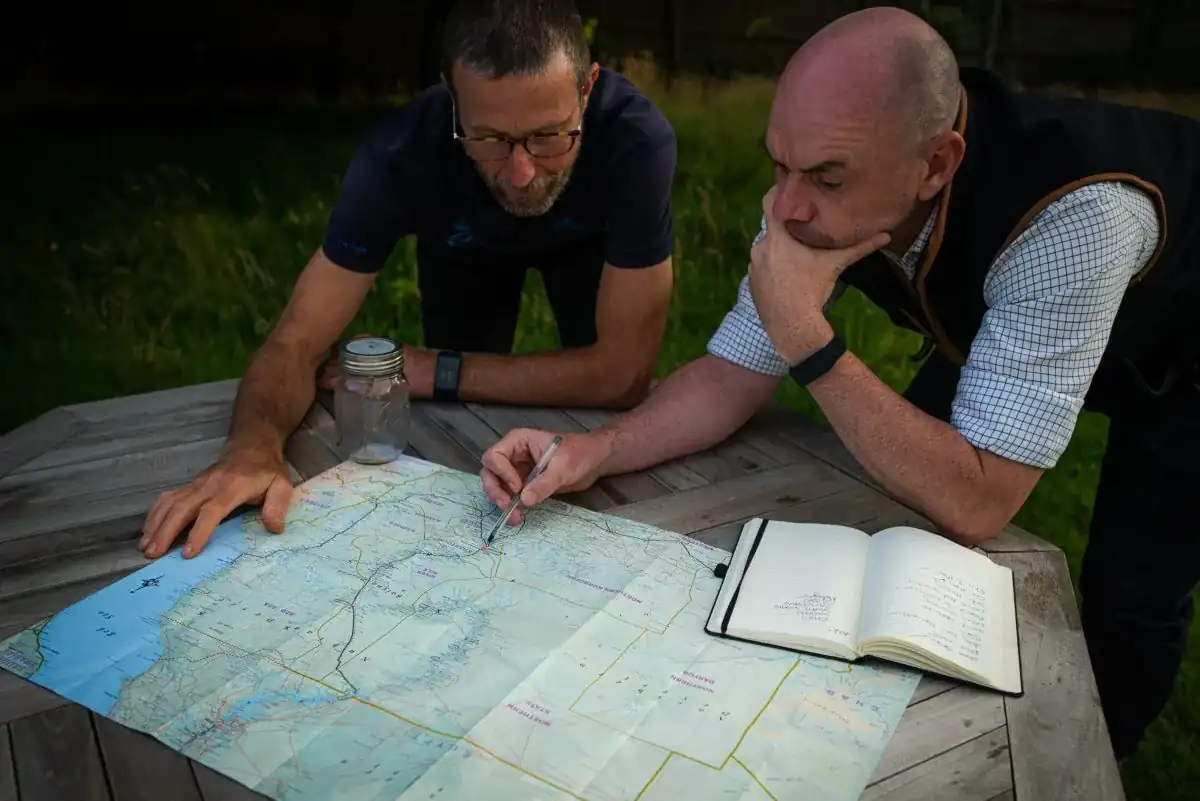
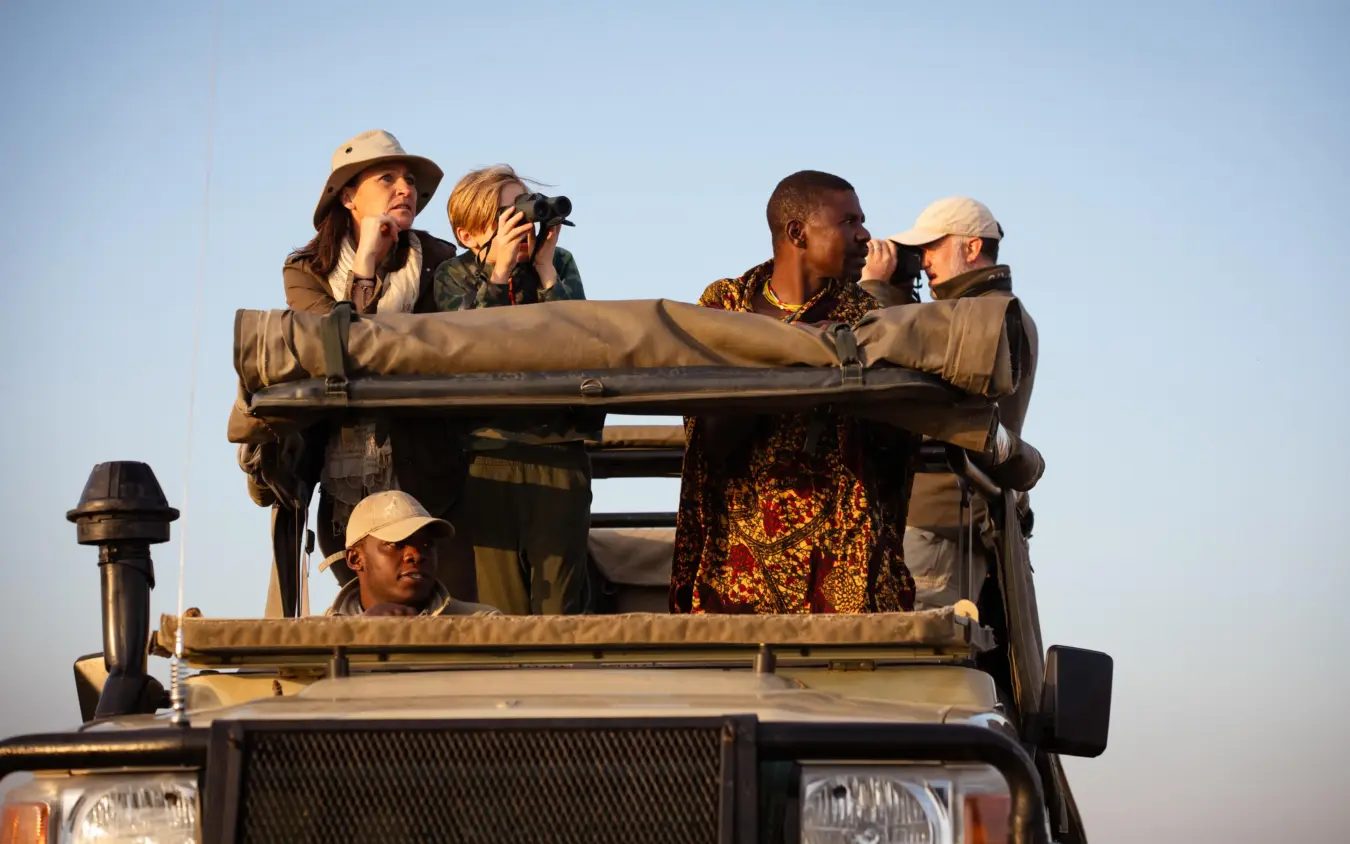
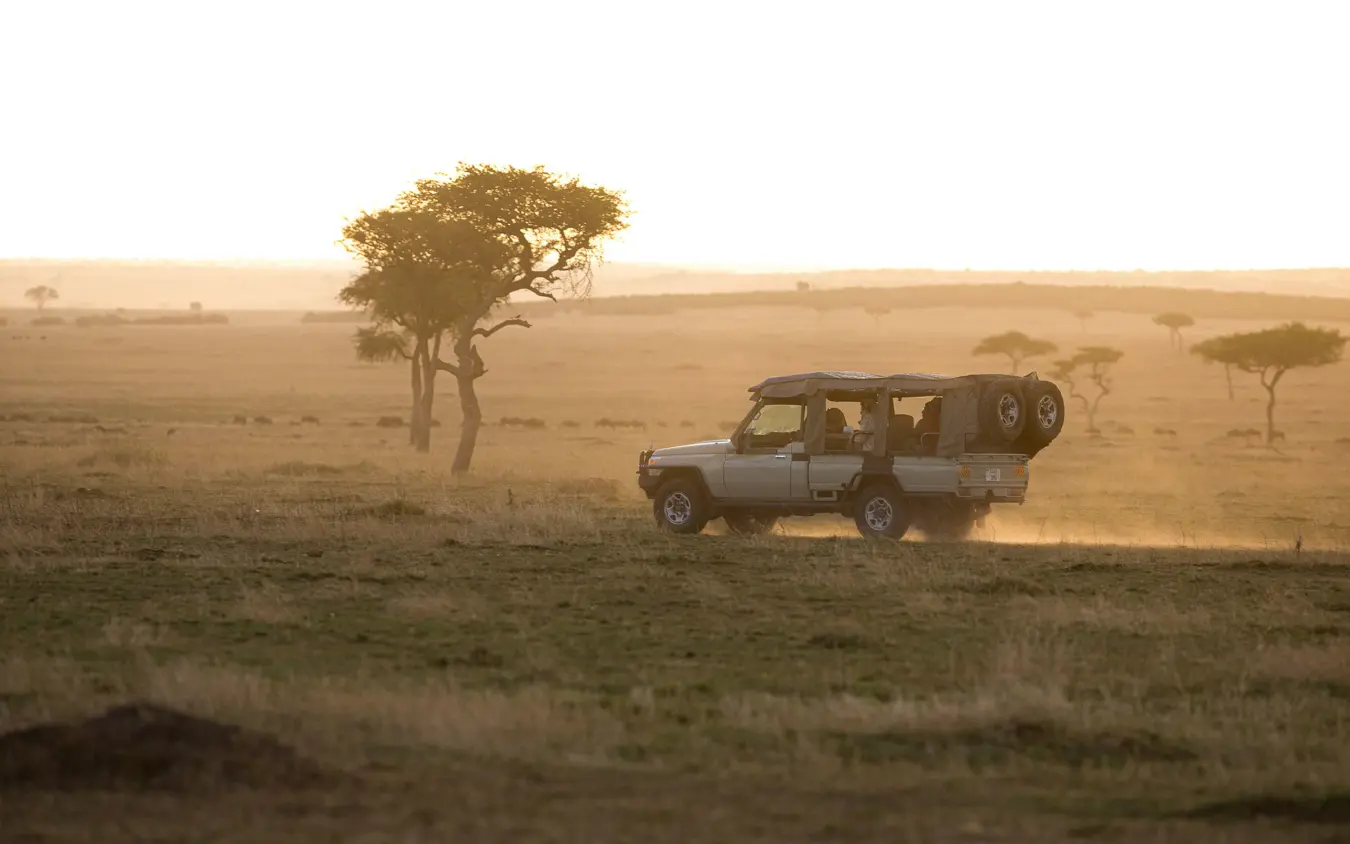
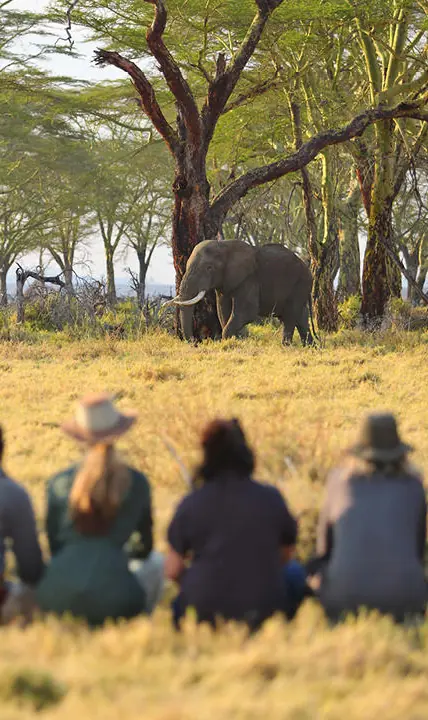
Alex Walker learned to walk in big-game country as a child, alongside his father’s trackers. He founded the camp and still runs it under his own name, Alex Walker’s Serian. That upbringing shows in how the operation works, with a guide and a spotter attached to each group for the length of a stay, and a clear preference for getting people out of the vehicle and onto their feet. Serengeti South is one of several camps he moves around Tanzania and Kenya with the seasons, and the same guides often carry guests from one to the next.
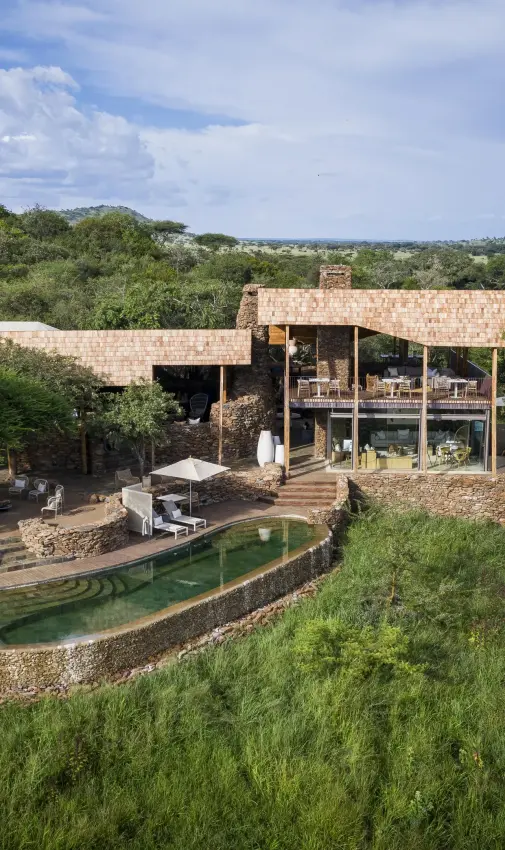
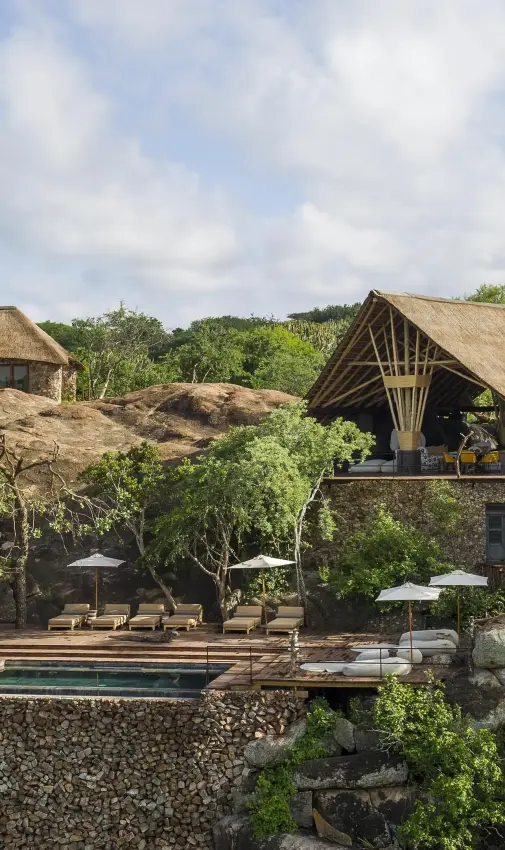
The southern season runs from around mid-December to May. A second seasonal camp a few kilometres away looks out over the same plains from its own vantage point, with migration trails passing directly through it too, and staying at both in one trip is increasingly common, since it widens the ground covered while the herds are calving. From July to mid-November the operation shifts north, to camps close to the Mara River crossing points and in the Lamai Wedge, following the same animals into the river-crossing phase of their year, hundreds of kilometres from these calving grounds.
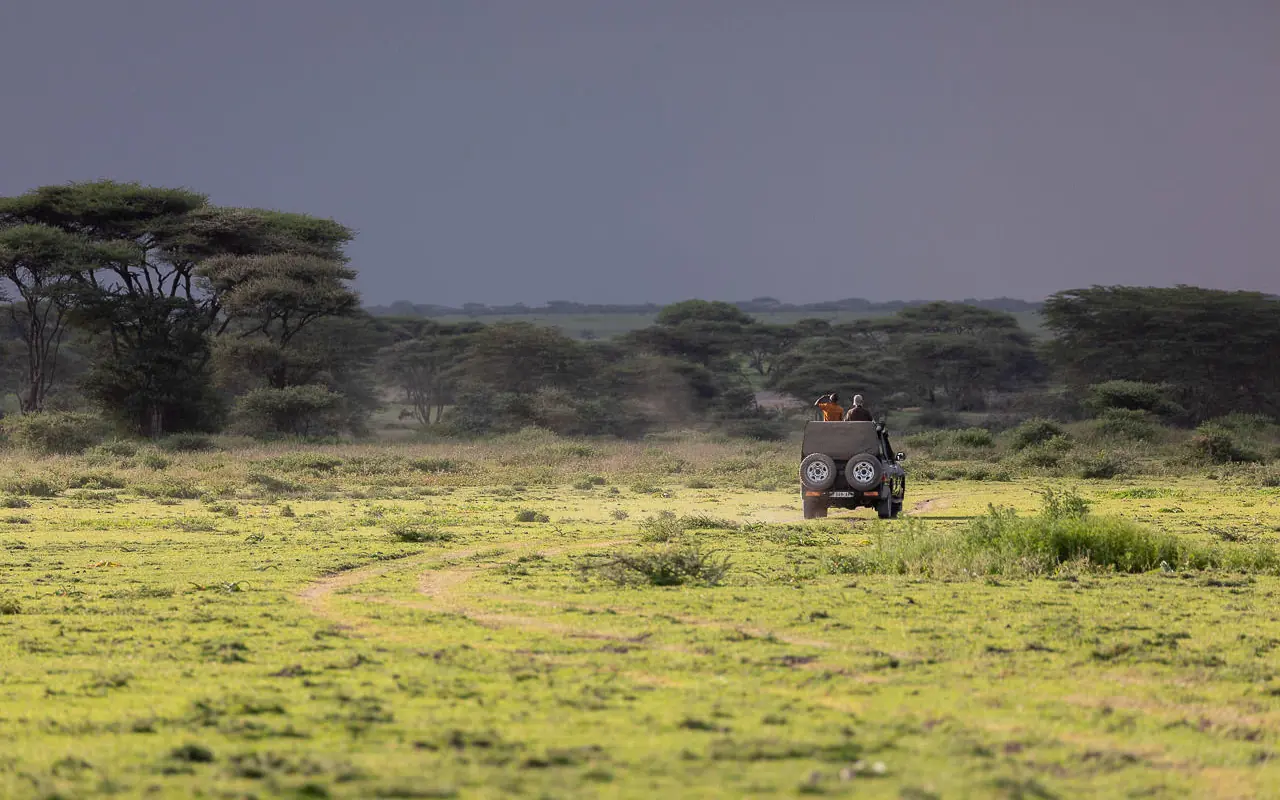
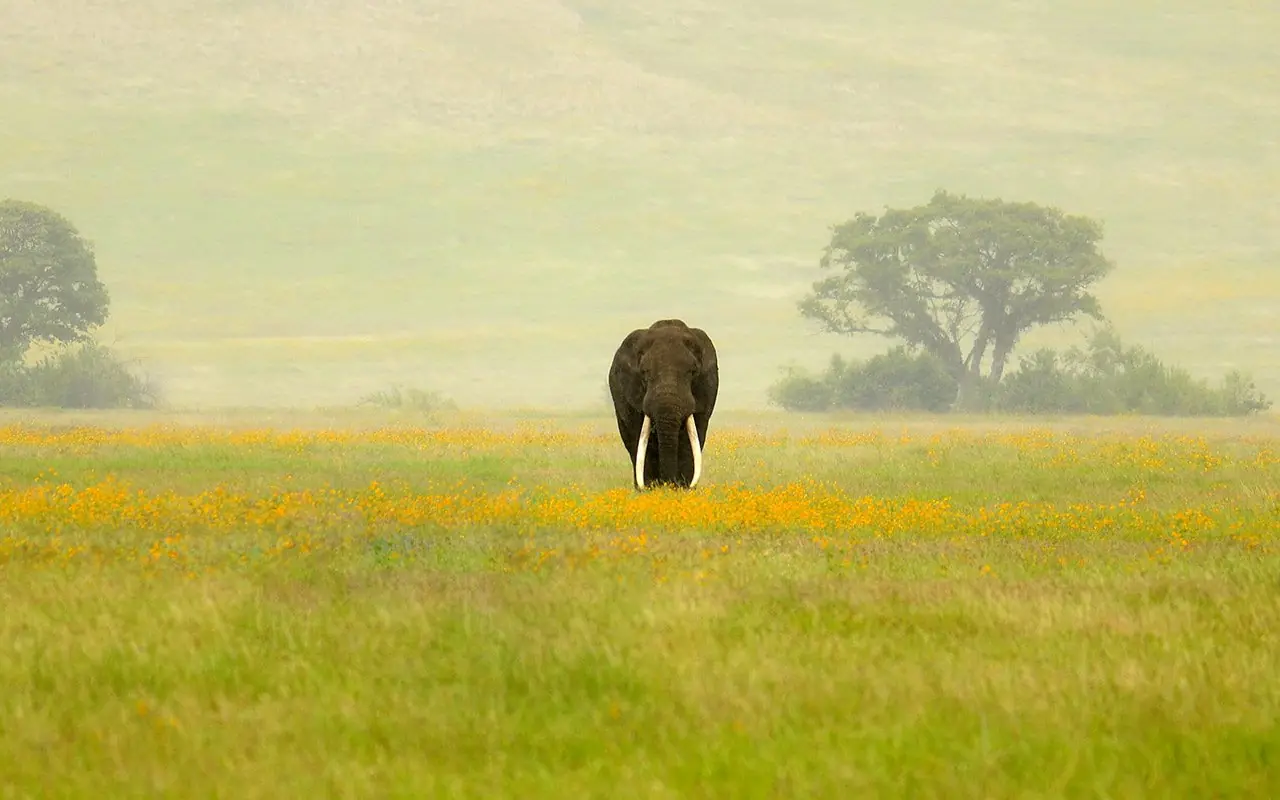
Storms build across the plains through the calving months, and wildflowers follow the rain
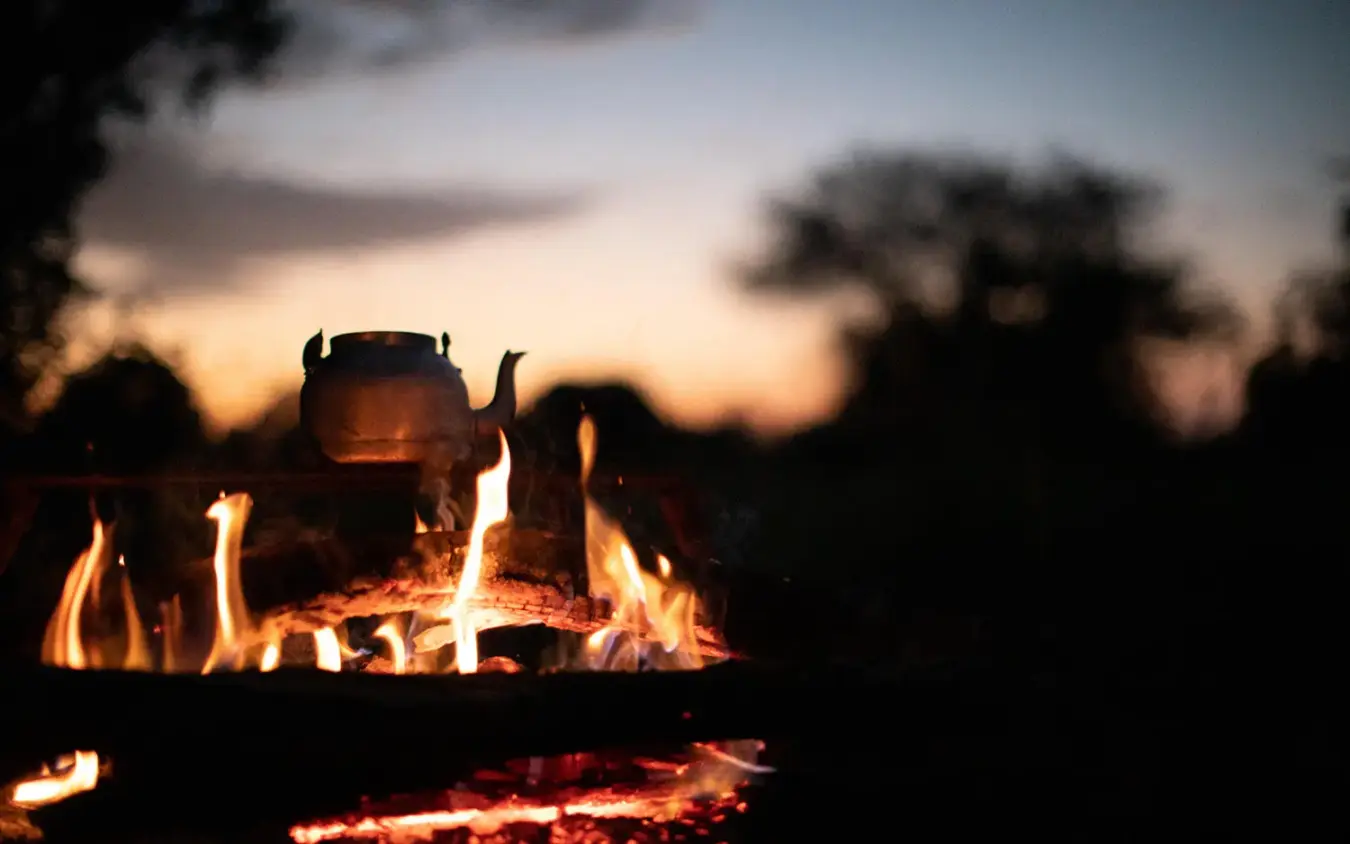
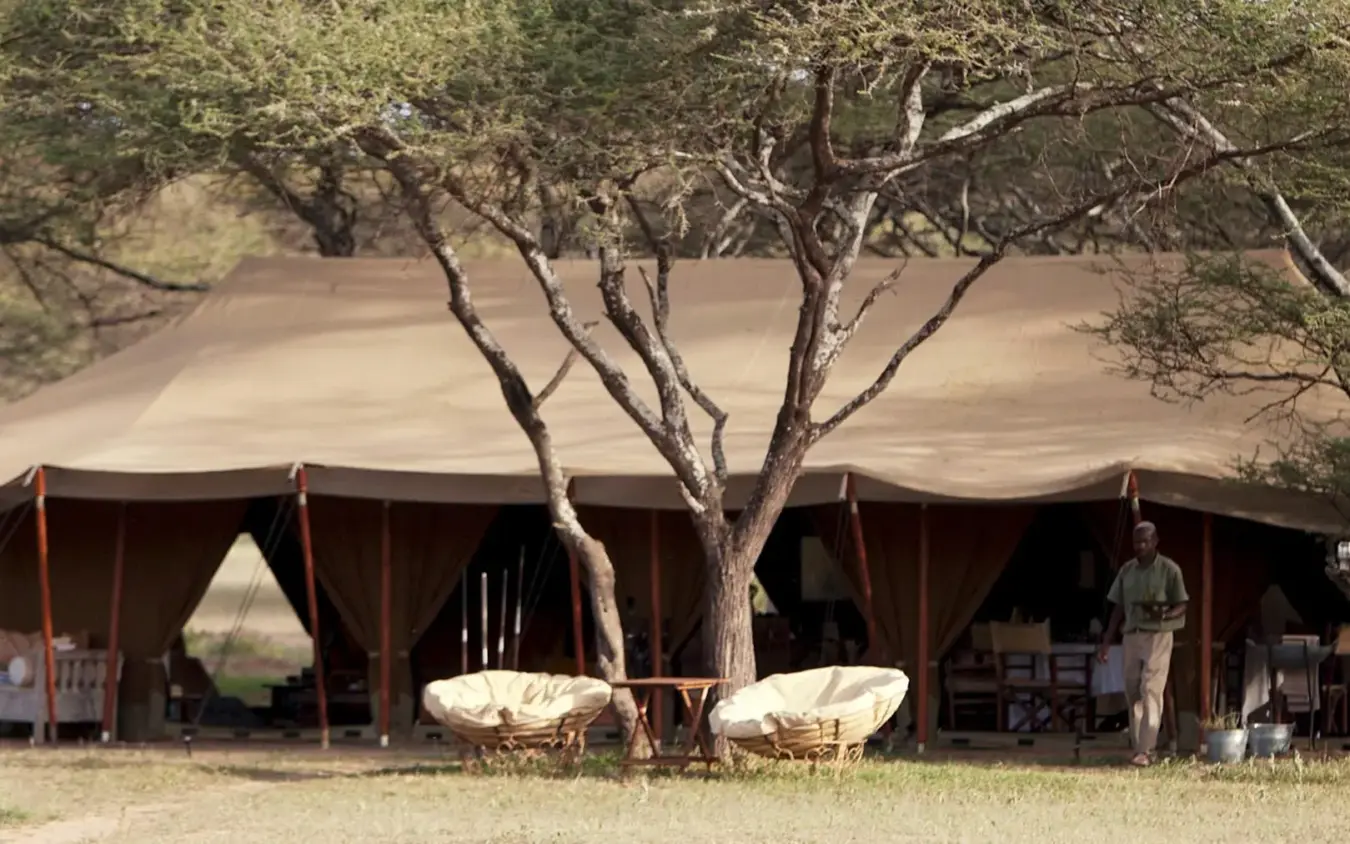
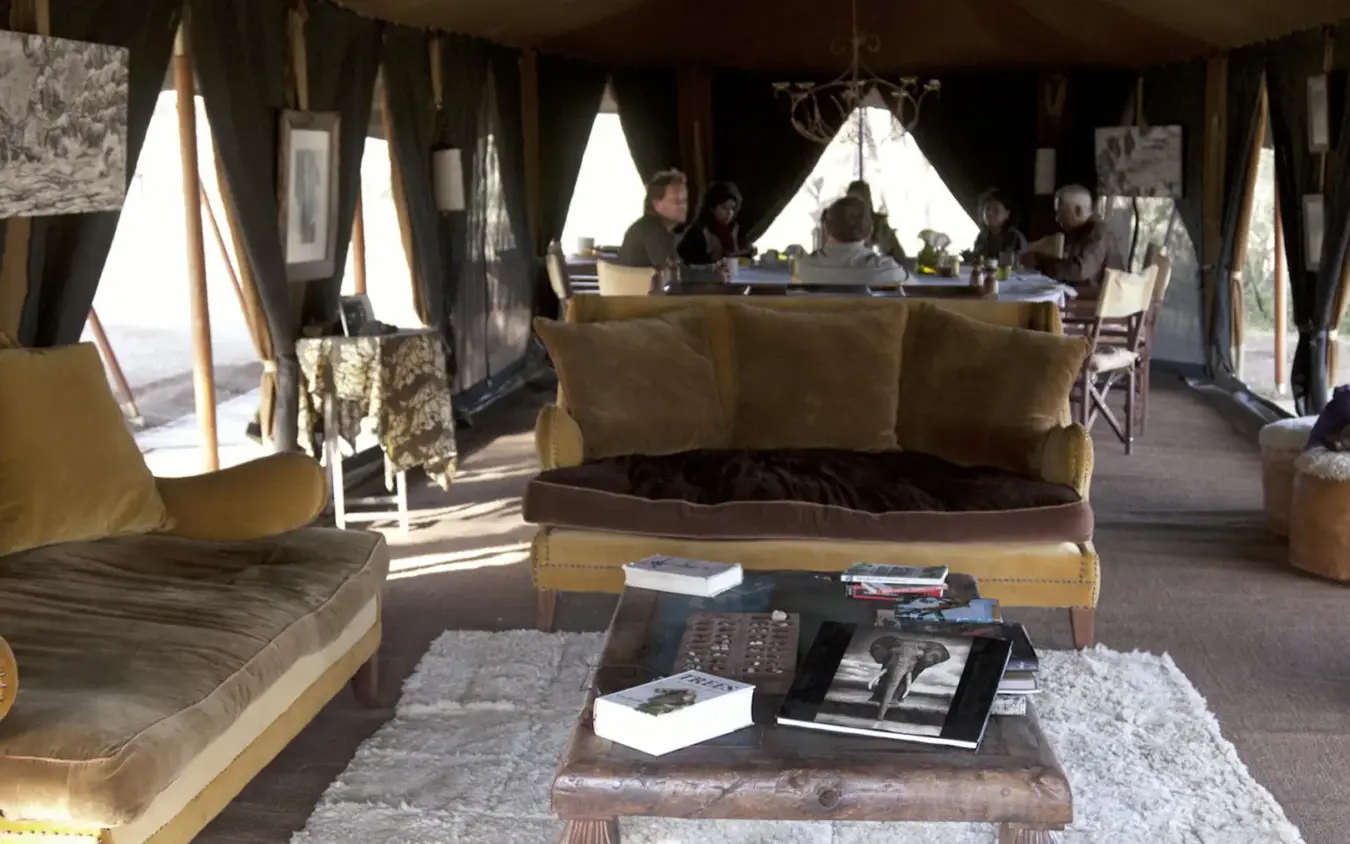
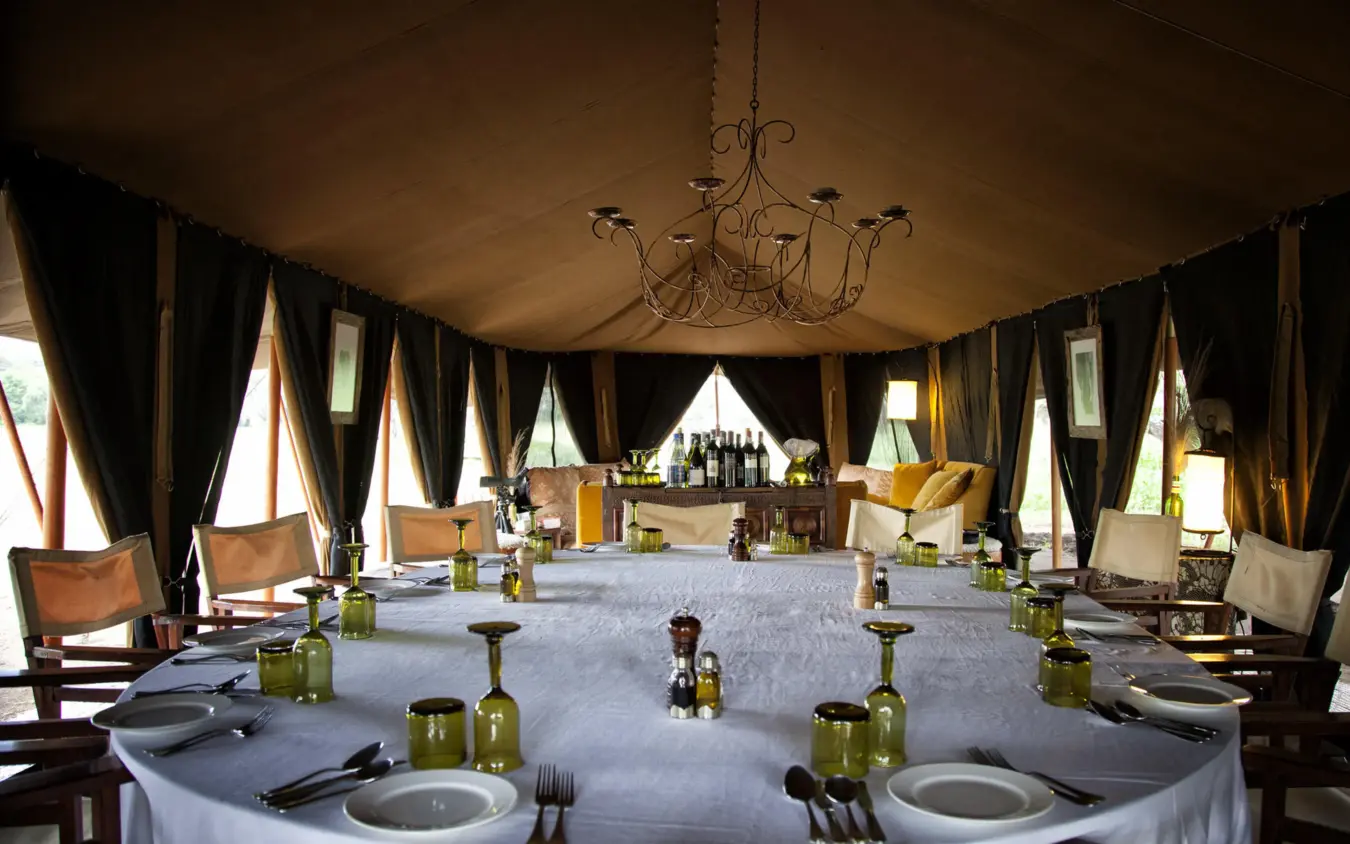
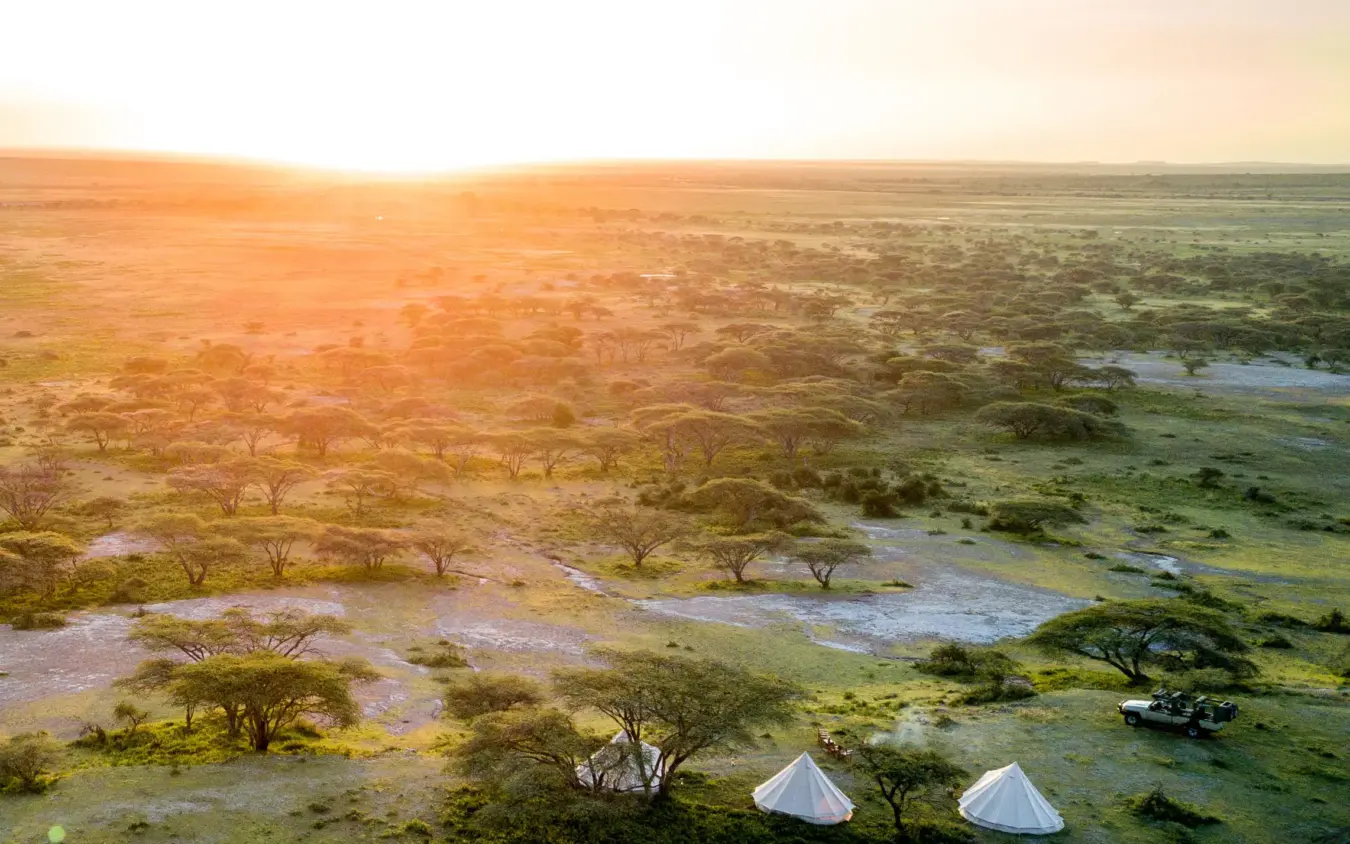
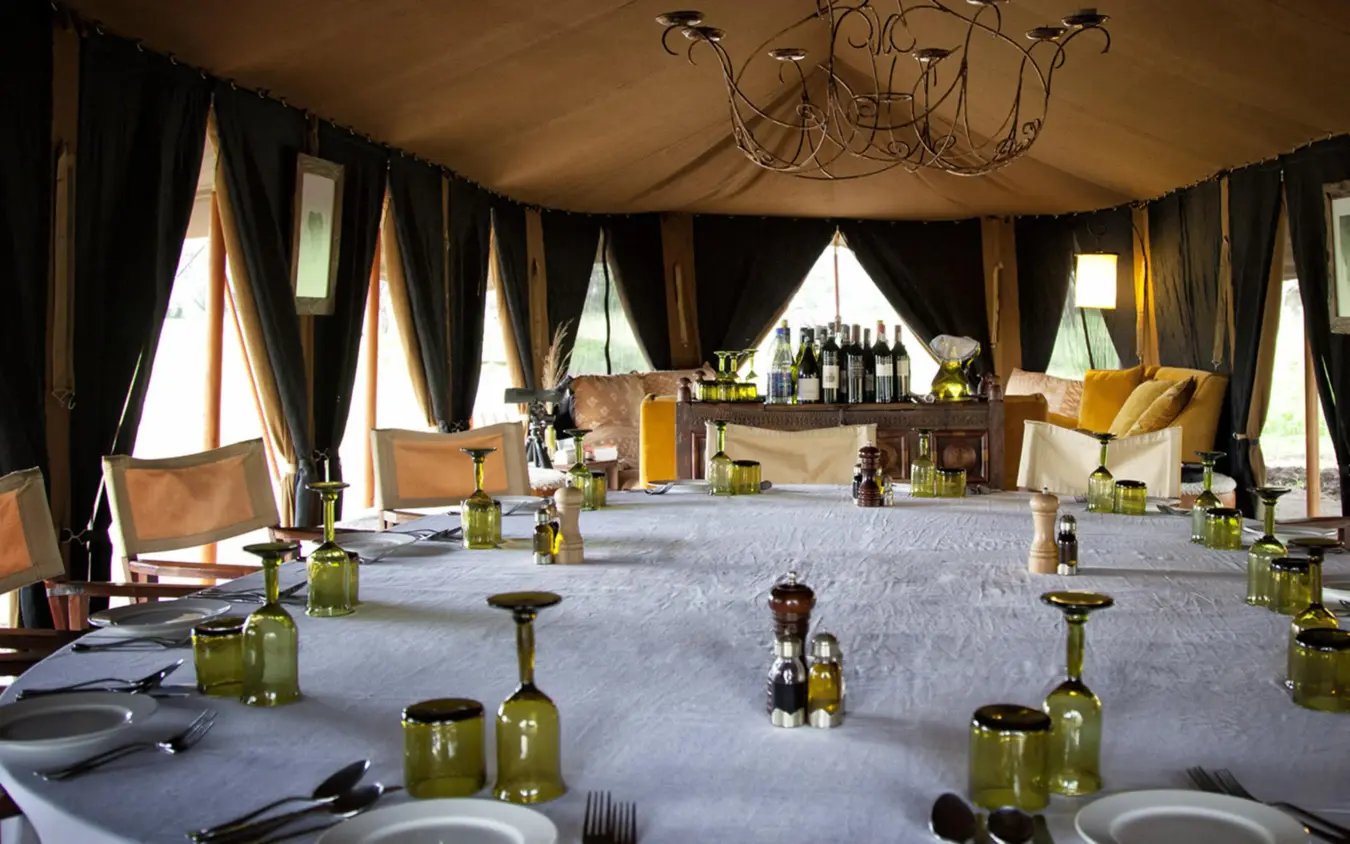
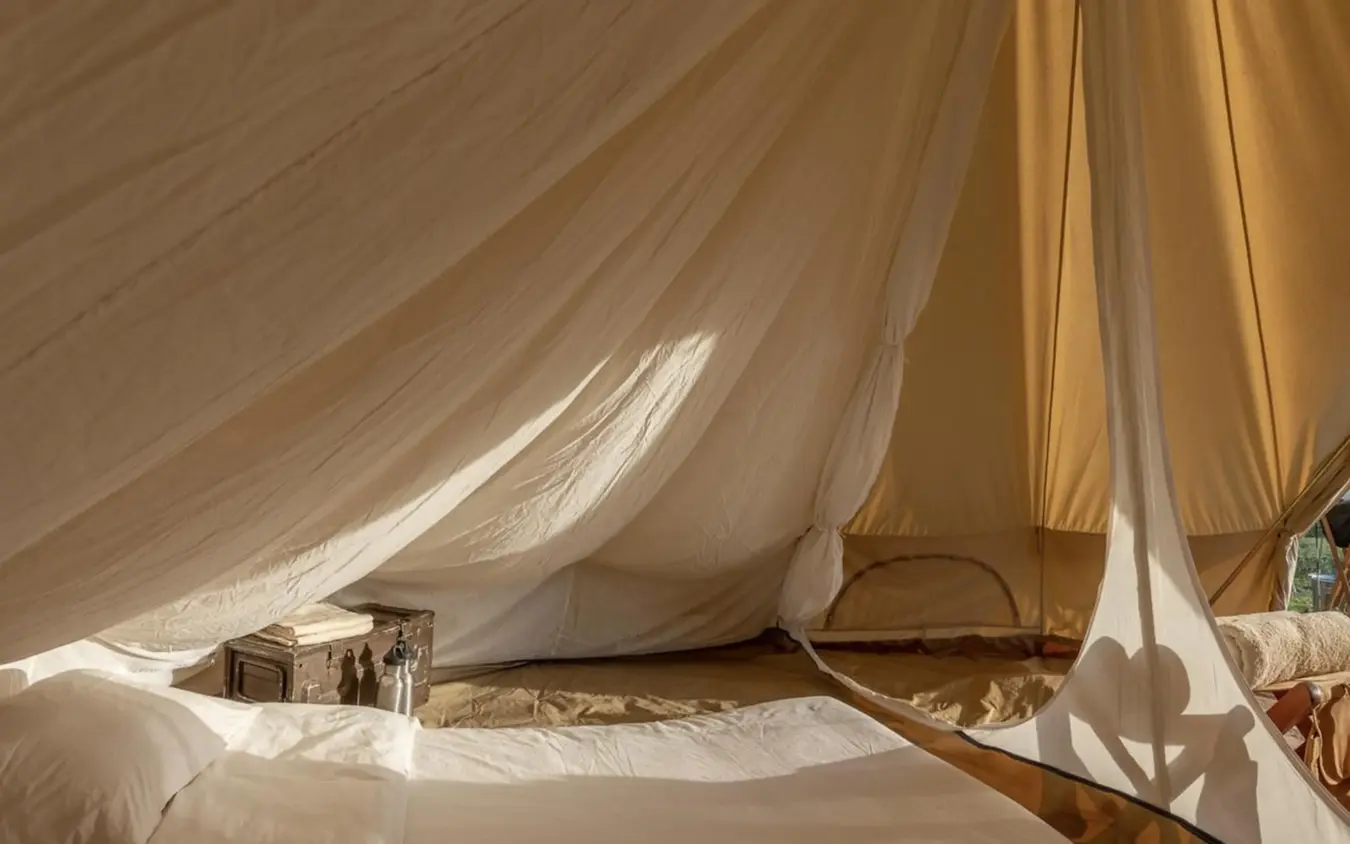
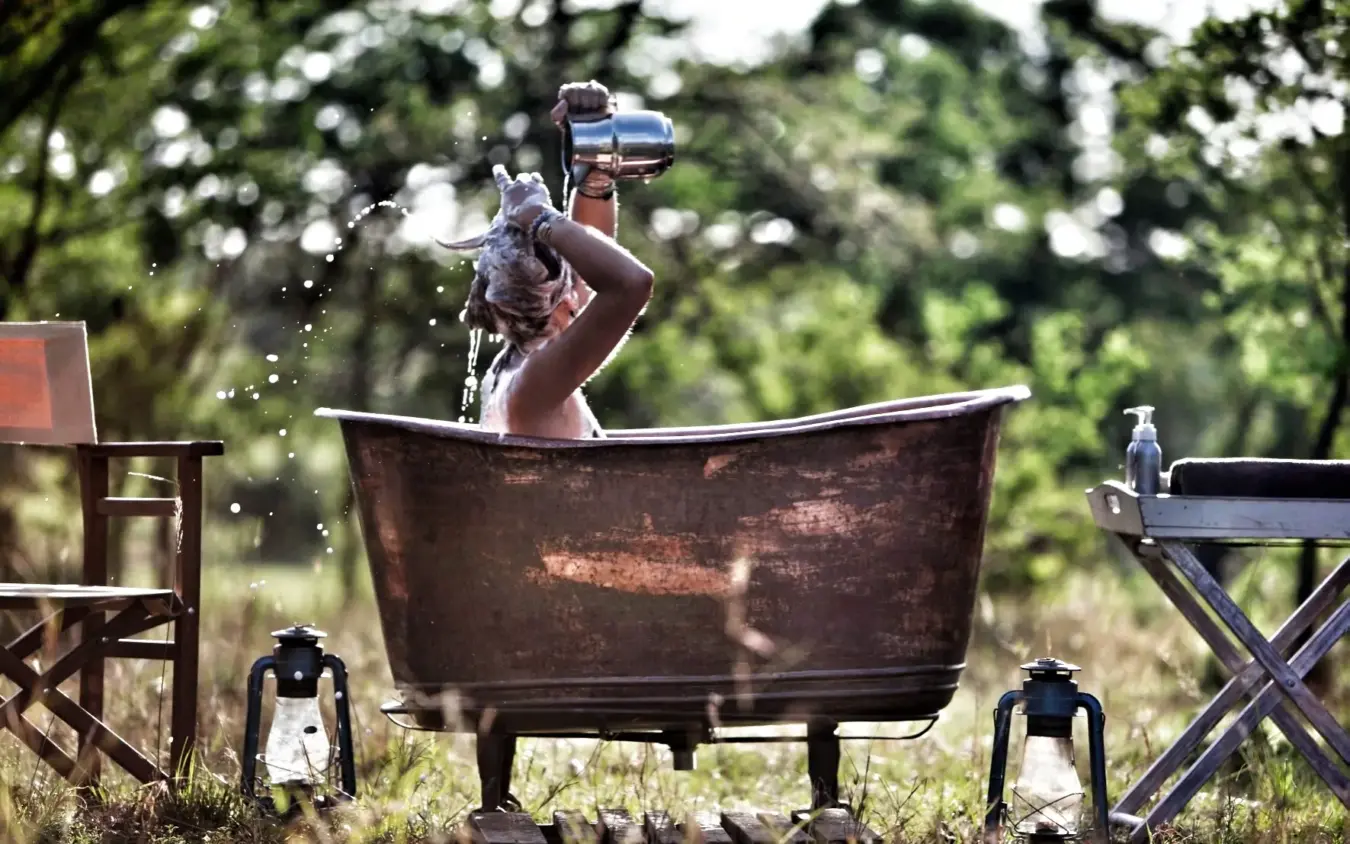
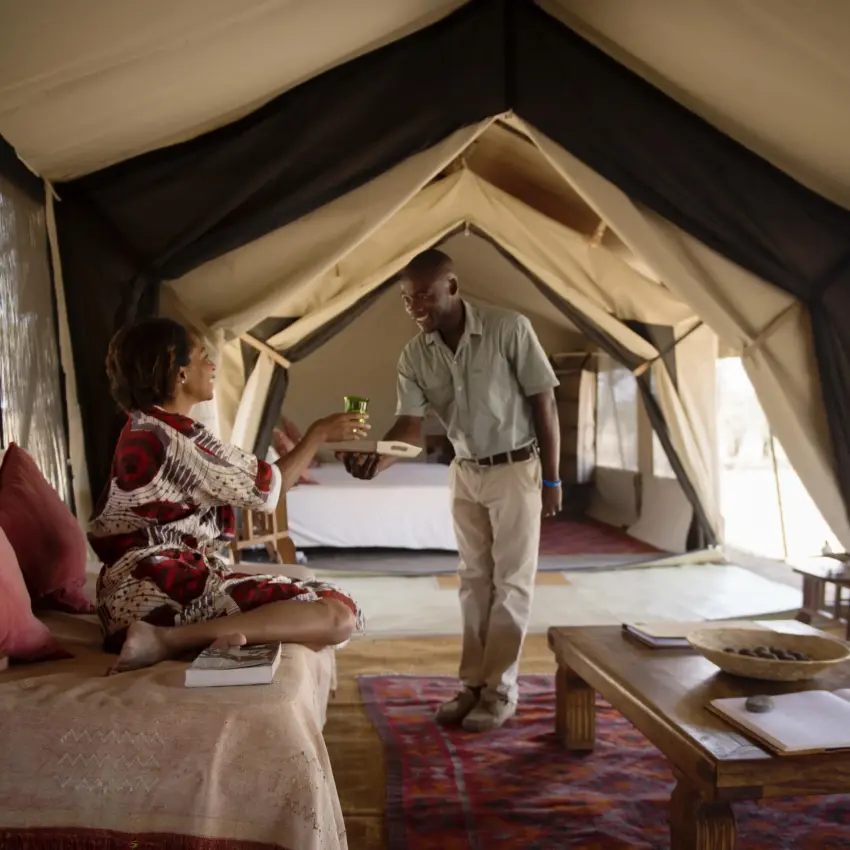
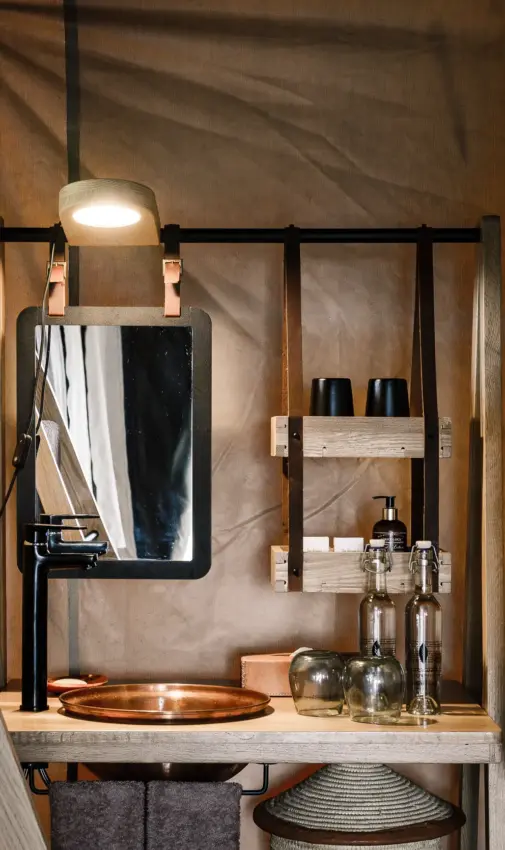
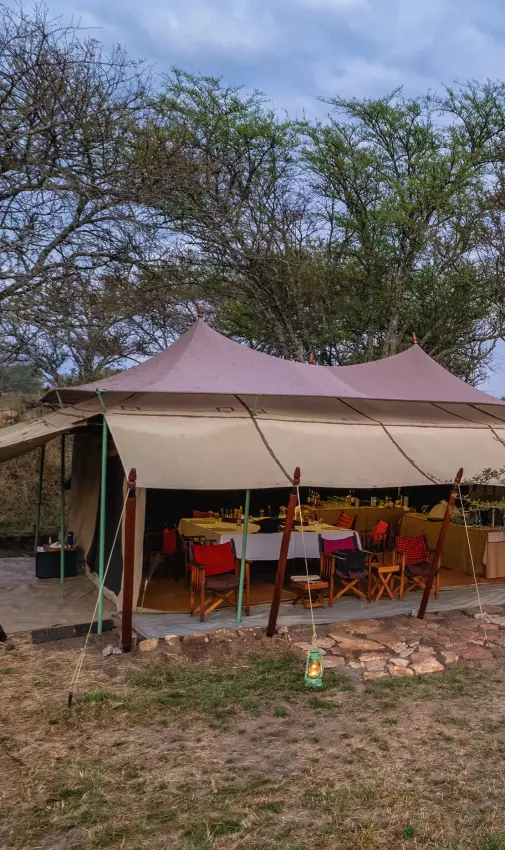
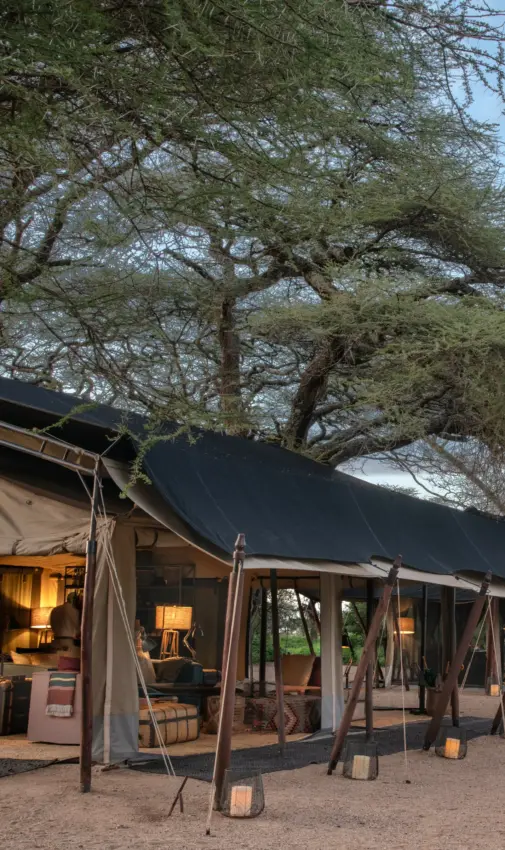
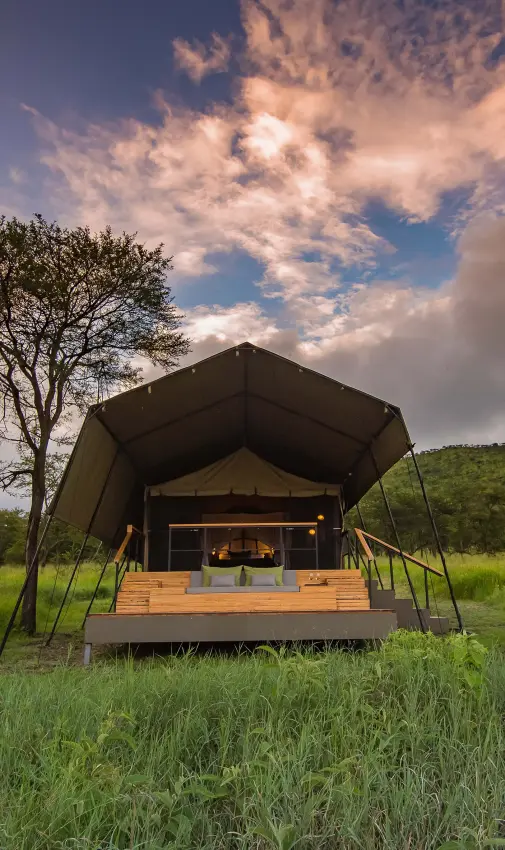
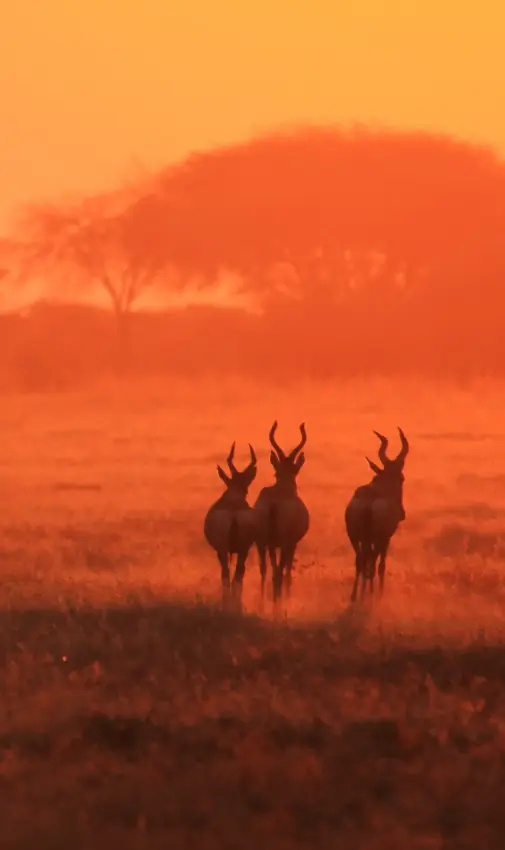
Six tents stand well apart along the tree line, canvas over proper beds, each with an en-suite bathroom, a flush toilet and a bucket shower filled with hot water on request. Wildebeest and zebra graze past the tents day and night, and there is no Wi-Fi to distract from it. Evenings gather around a fire and then move into a candlelit mess tent, where everyone eats together at one table. Hot water bottles appear in the beds on cold nights, and blankets are waiting in the vehicle before an early start.
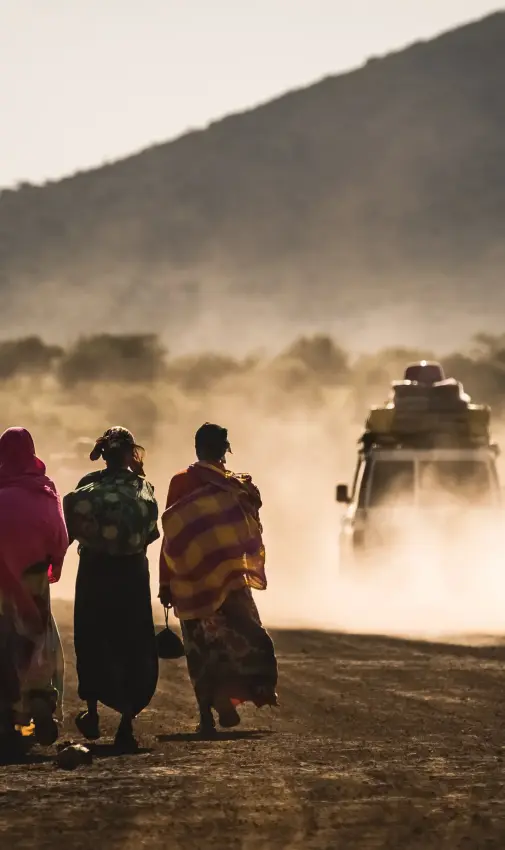
Walking with Hadzabe hunter-gatherers and with Ndorobo and Mangati guides takes guests south into the Lake Eyasi country, where the interest is in beehives, in tracks, and in the plants people use as medicine. The Seketeti Escarpment falls away towards the lake and doubles as a fly-camping destination. Storms build across the plains through the calving months, and wildflowers follow the rain. The short green grass holds the herds in one place long enough for the whole cycle of birth and predation to play out within a few weeks.