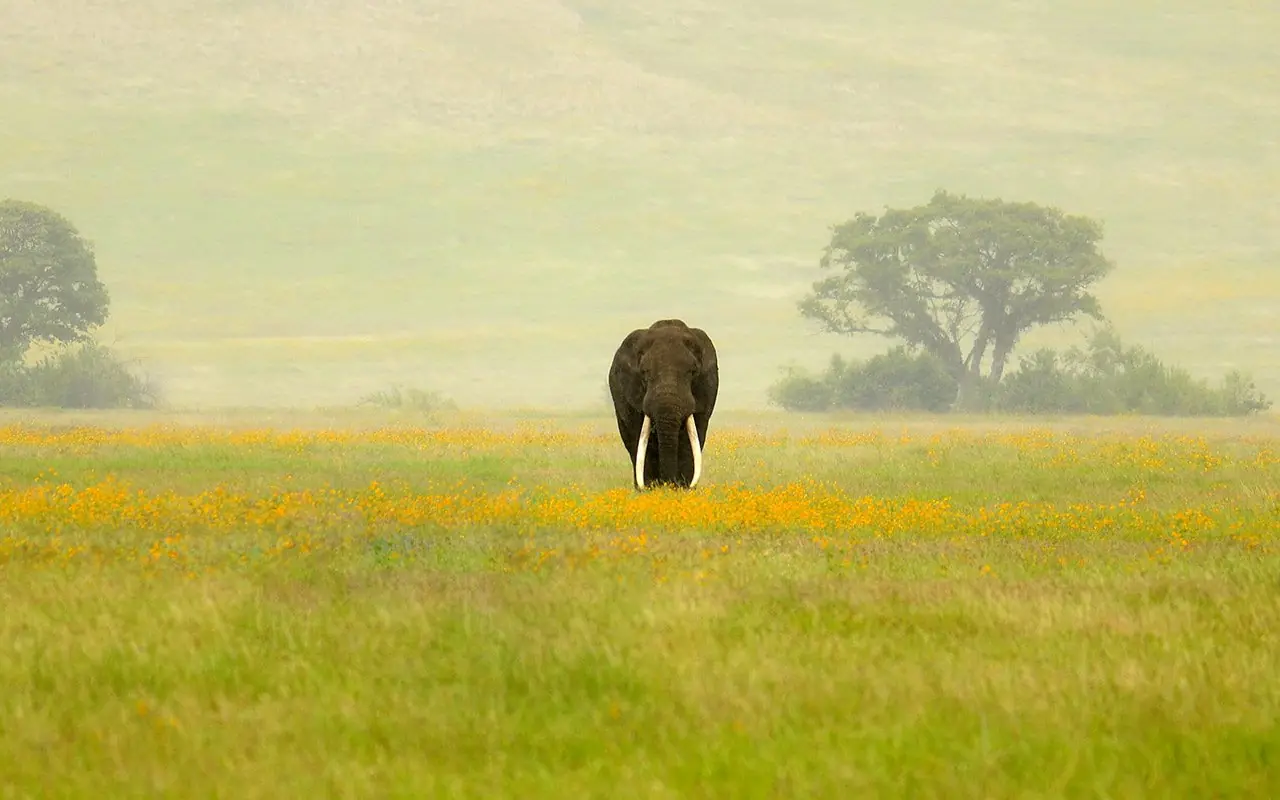
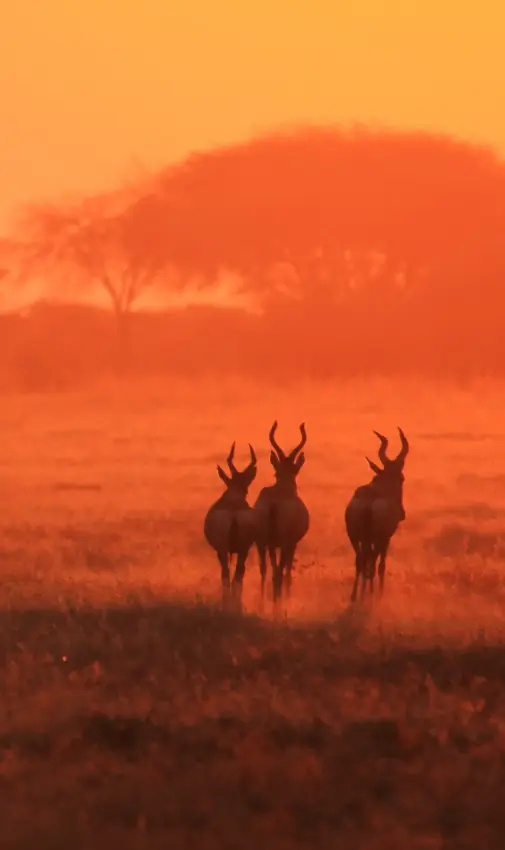
Between mid-June and mid-November, camp works the Lamai Wedge, the country between the Mara River and the Kenyan border, where wildebeest cross and crocodiles wait beneath the banks. Camp also works the short-grass plains in the south, on the wildebeest calving grounds. Cheetahs hunt these plains in the calving season.
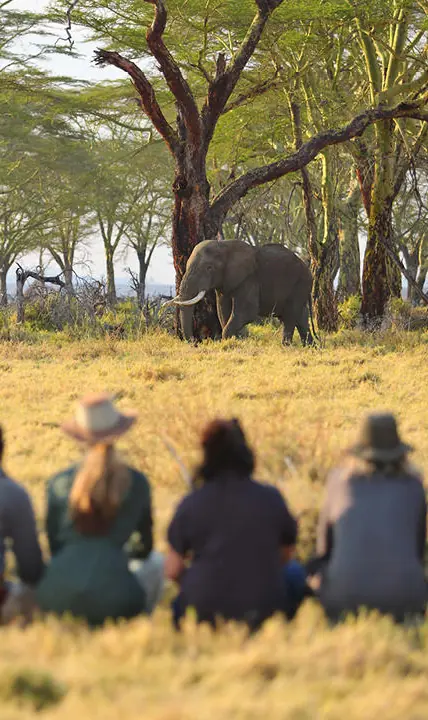
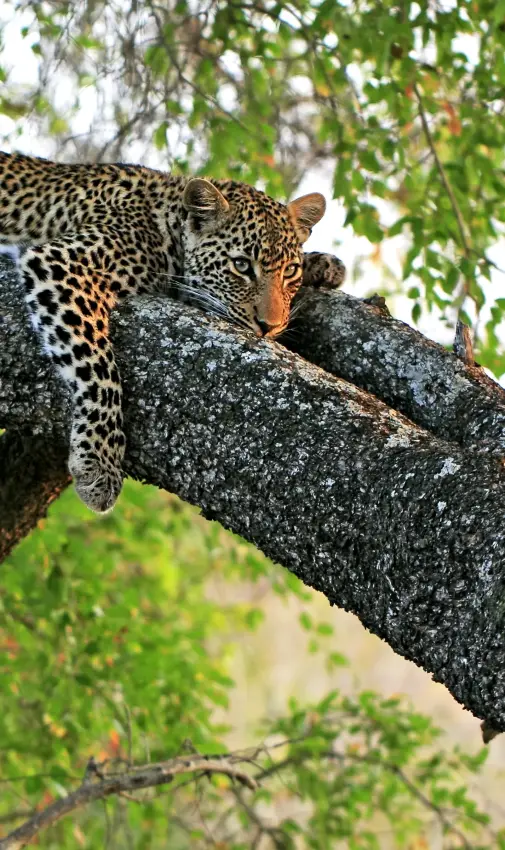
A day’s walking is paced by whoever in the group is walking slowest, and the long stops are built in rather than tolerated. A leopard’s print pressed into dust beside a hyena’s, a termite mound doubling as a lookout post, dung beetles rolling their loads across the path: this is the ground-level detail that a vehicle simply drives past. Oxpecker chatter overhead can mean something is sleeping in the grass ahead. Buffalo announce themselves on the wind before they are ever seen.
Oxpecker chatter overhead can mean something is sleeping in the grass ahead.
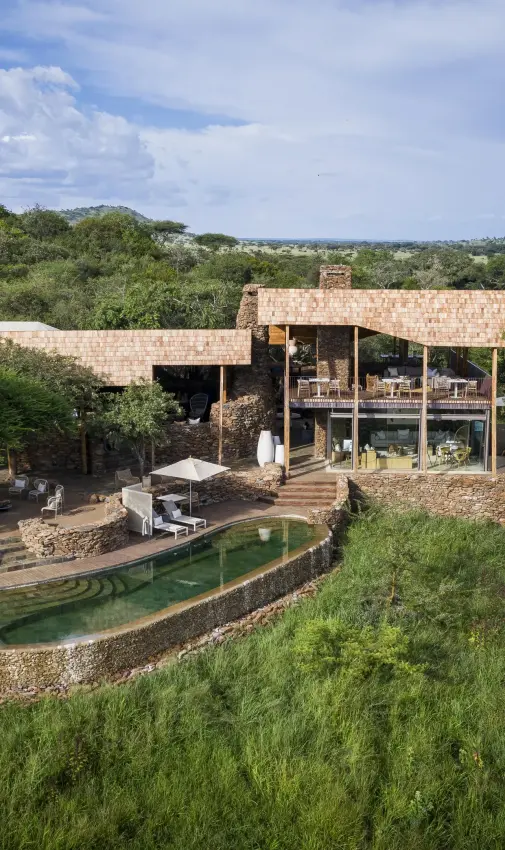
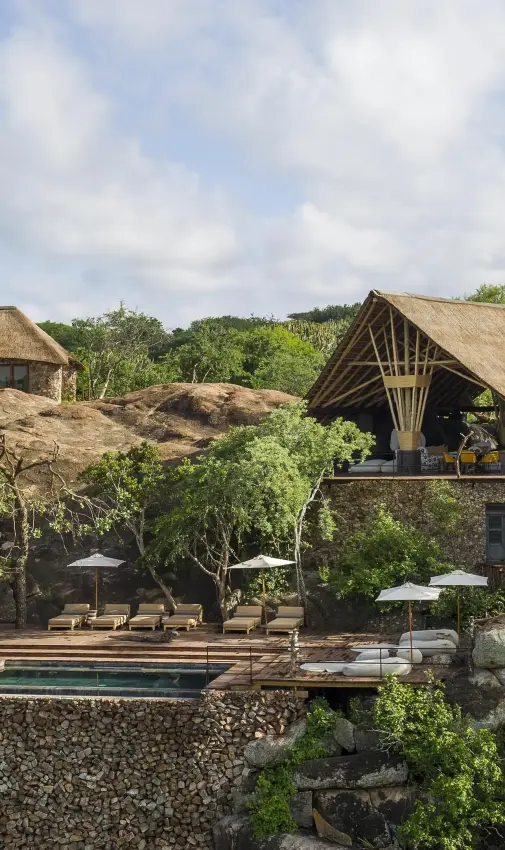
Adventure Flycamping works best bookended by nights at one of Serian’s permanent camps. Those camps have proper beds, en-suite bathrooms and hosted dinners at a candlelit table, giving orientation on arrival and hot water and laundry on the way out. Off-road driving is permitted from the southern camp inside the Ngorongoro Conservation Area, but not within Serengeti National Park, where game drives keep to daylight hours and designated roads. Access is by light aircraft, into Kogatende in the north or Mwiba in the south.
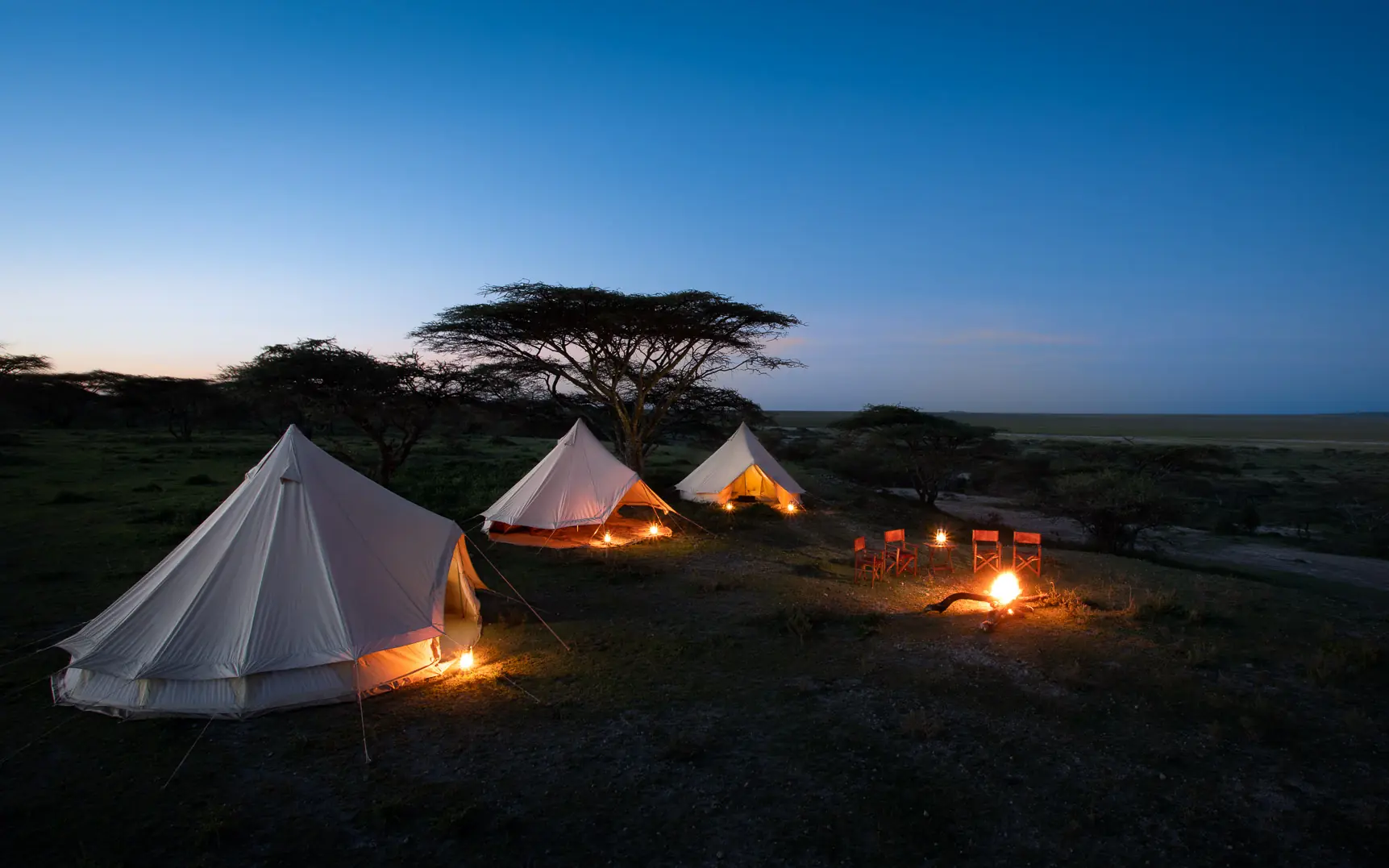
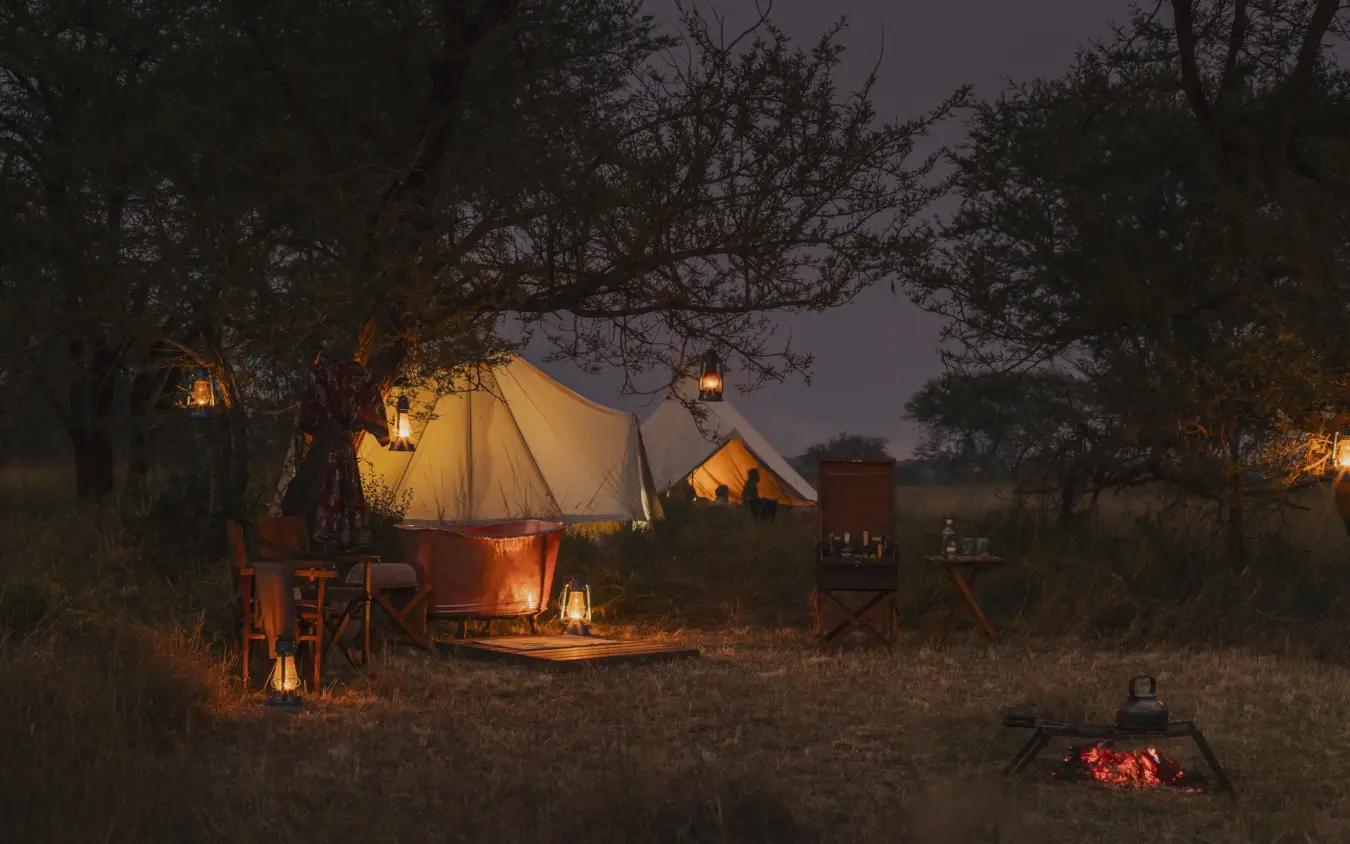
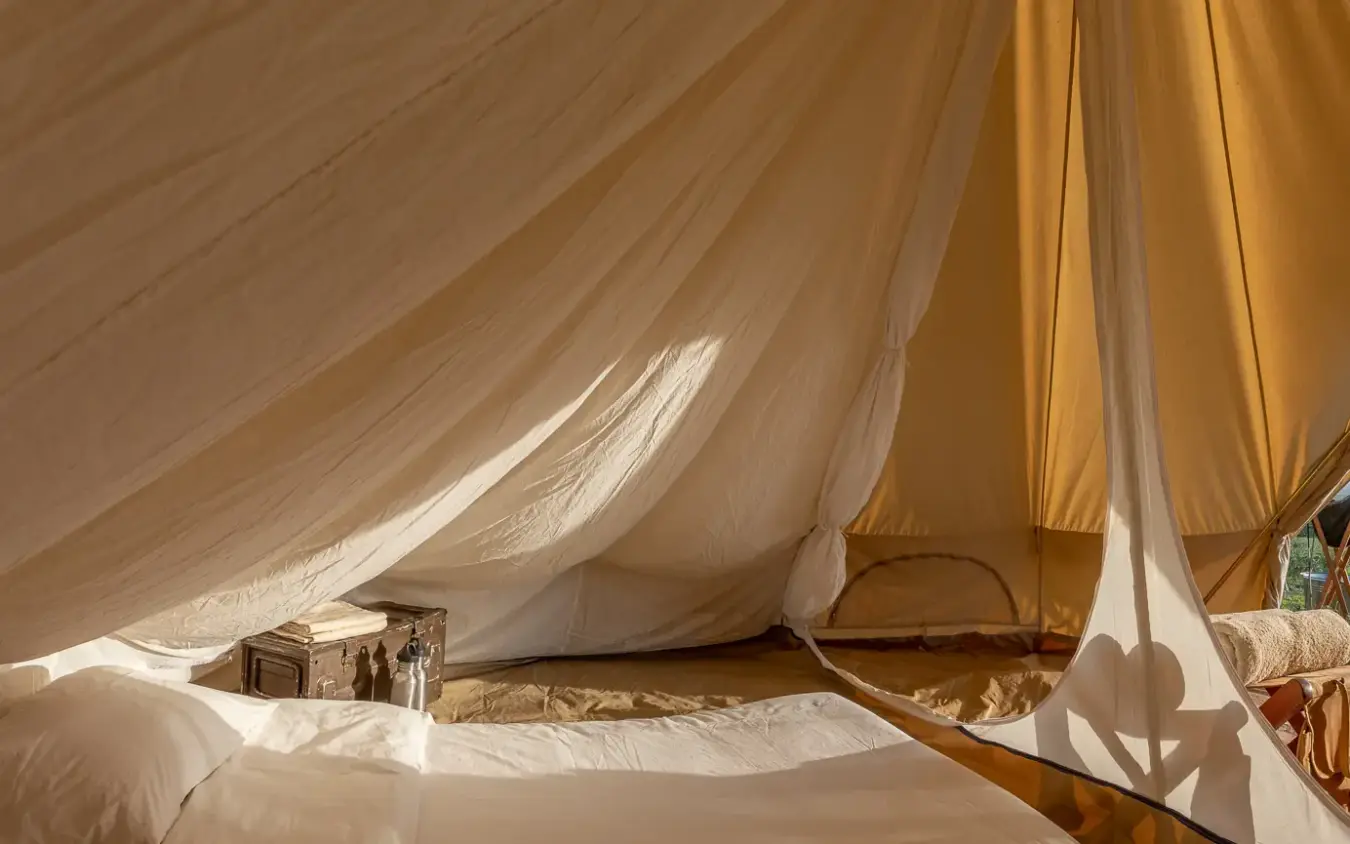
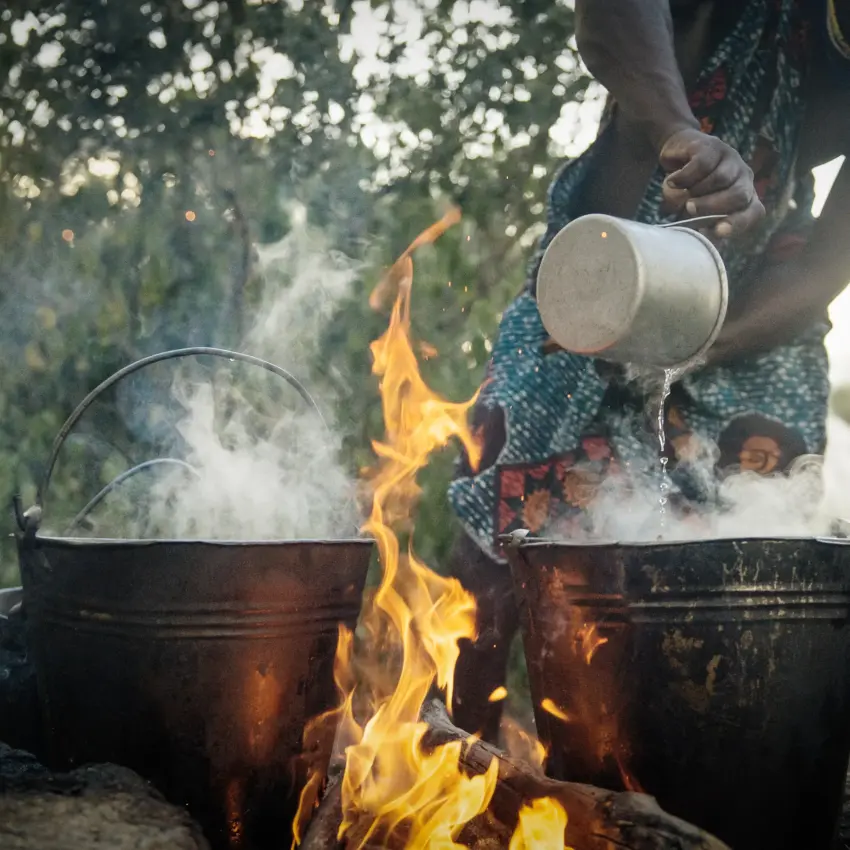
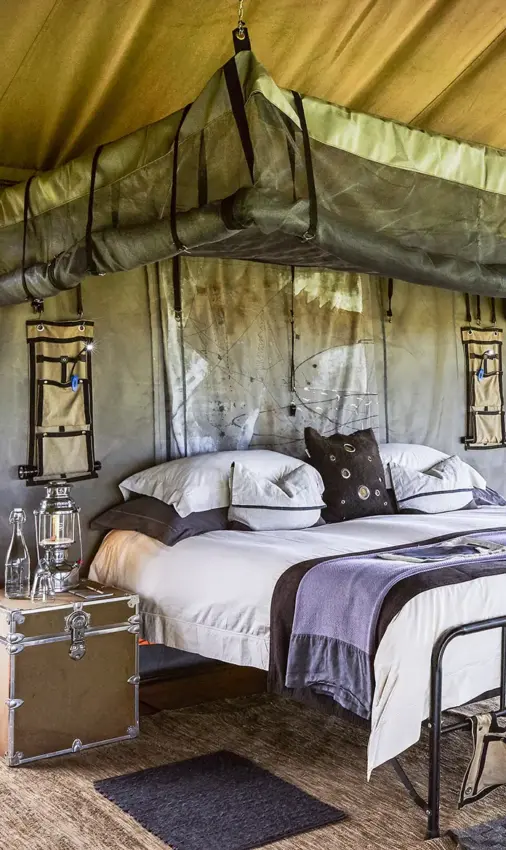
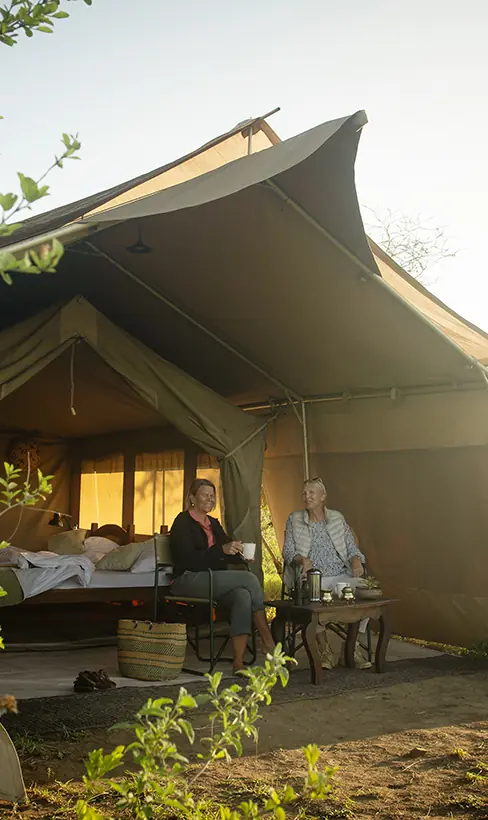
Time on foot suits travellers content without plumbing, who want their wildlife encounters without other vehicles nearby. Evenings settle into the same rhythm: hot bucket water at dusk, a fire, a hearty dinner, and a flysheet tied back so the mesh roof frames the stars. In the south, walks with Hadzabe hunter-gatherers add bow-making, honey-collecting and medicinal-plant knowledge to the day. Physical ability to walk for several hours daily matters more here than in a vehicle-based safari, and children under twelve are not permitted on the walks themselves.