













tanzania
mobile camping with the migration
Ten nights across Tanzania, from a predator-free estate near Arusha to the Serengeti migration and Zanzibar's reef coast.
- Private Safari
- From $8,200 pp
- 2 guests
- 10 nights

This ten-night route runs across Tanzania in four stays. It opens in Arusha at 1,400 metres beneath Mount Meru, then reaches the eastern Serengeti at Soit Le Motonyi, long-closed cheetah country of open short-grass plains. From there it crosses to the southern Serengeti and the Kusini calving grounds, before flying west to the Mahale Mountains, where forest comes down to the shore of Lake Tanganyika and a chimpanzee community lives in the trees above the beach.
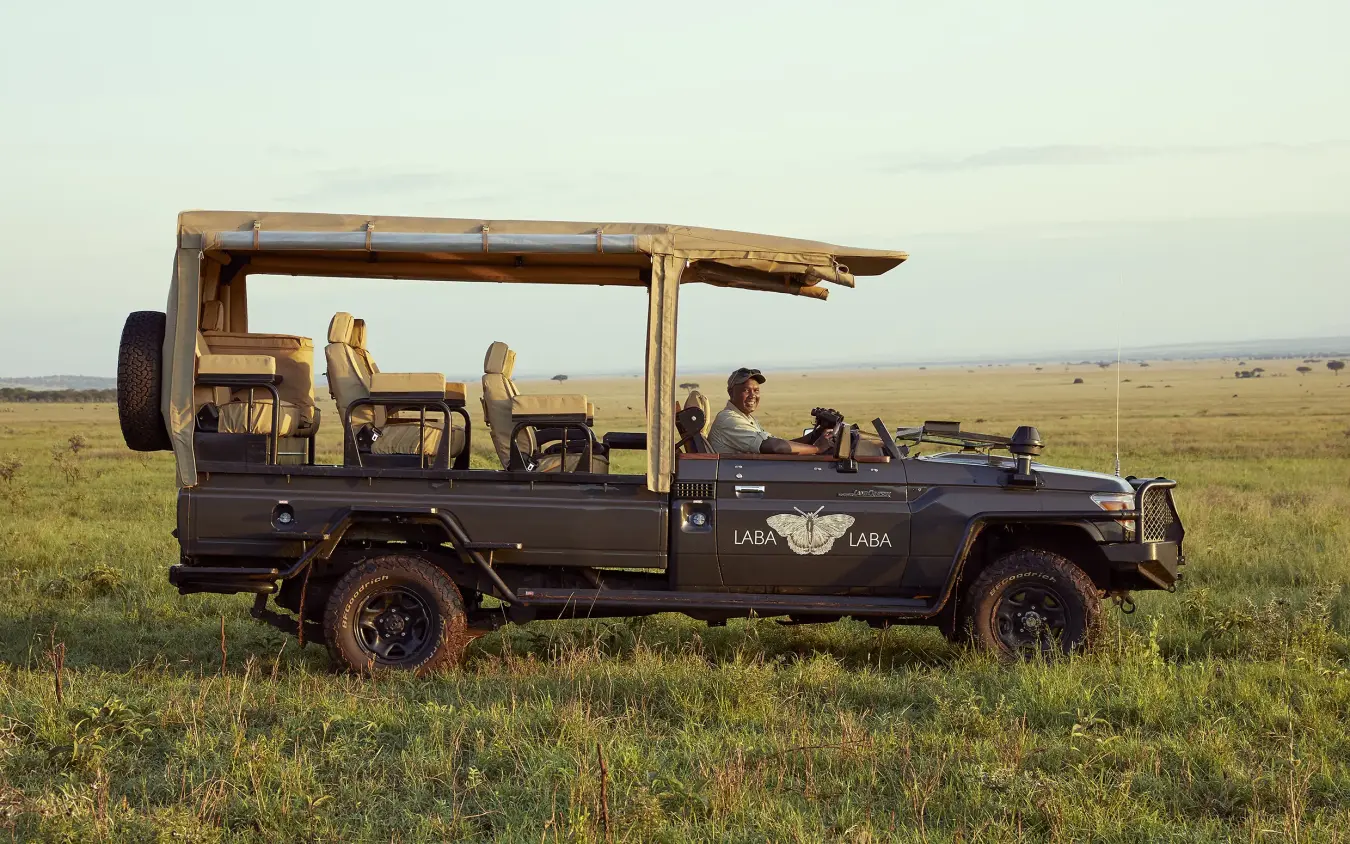
You travel by road and game drive, days built around morning and afternoon drives with time to let a sighting develop. Arusha is a single settling night in a 1905 farmhouse; the Serengeti stays are tented camps, one of them mobile and pitched with the migration; the last leg is a fly-in to Mahale on one of the two days a week the aircraft goes west, where the chimpanzees are tracked on foot in forest with no roads in it at all.
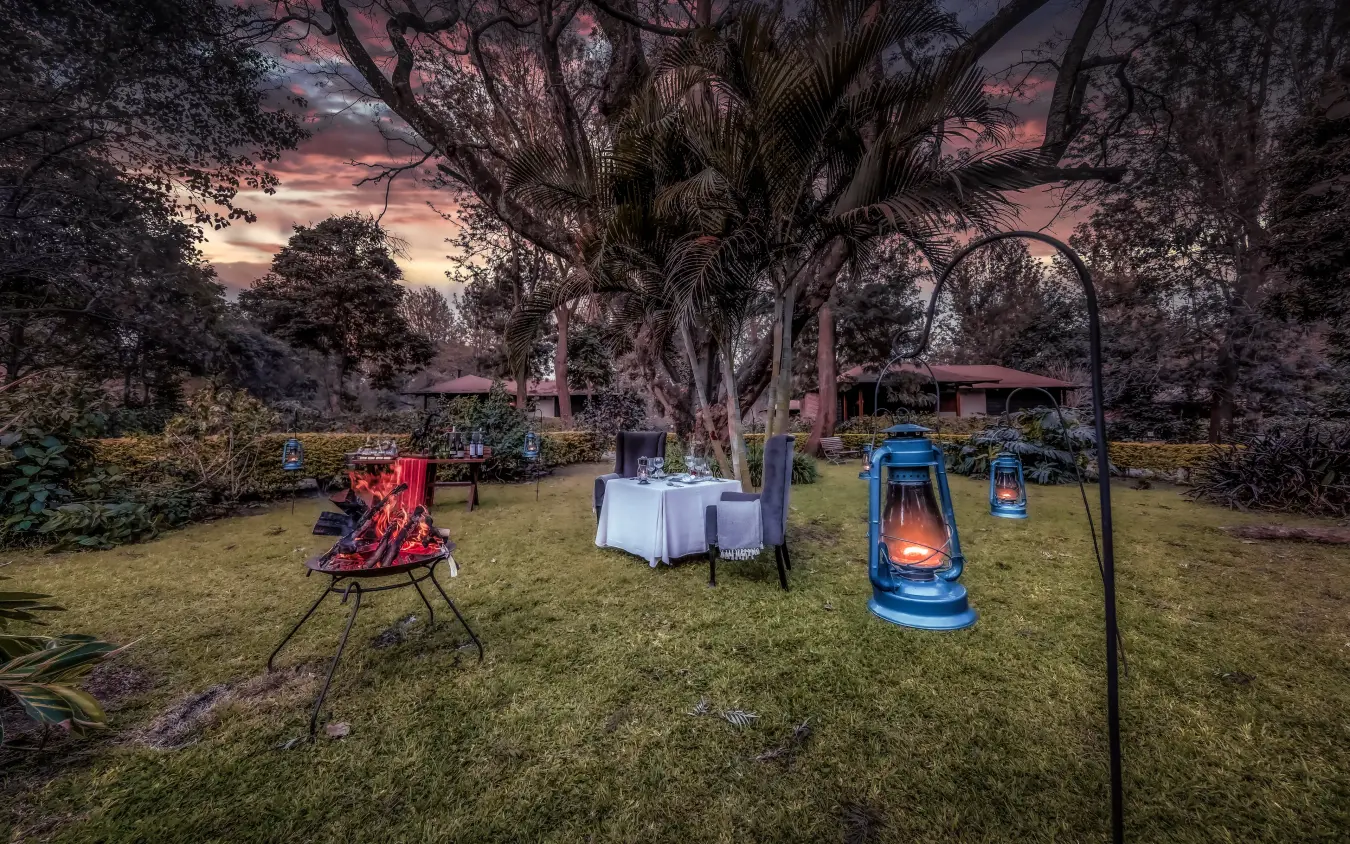
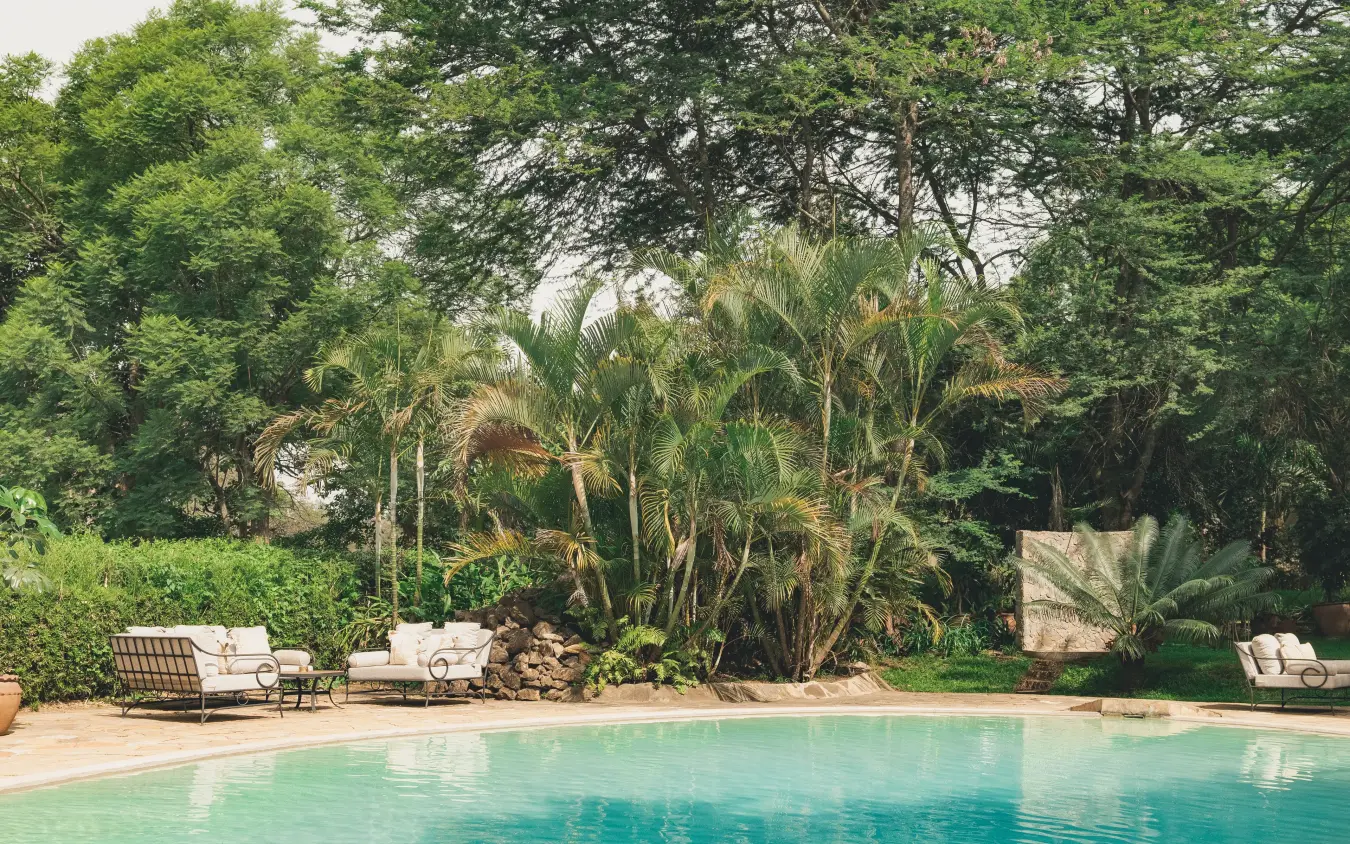
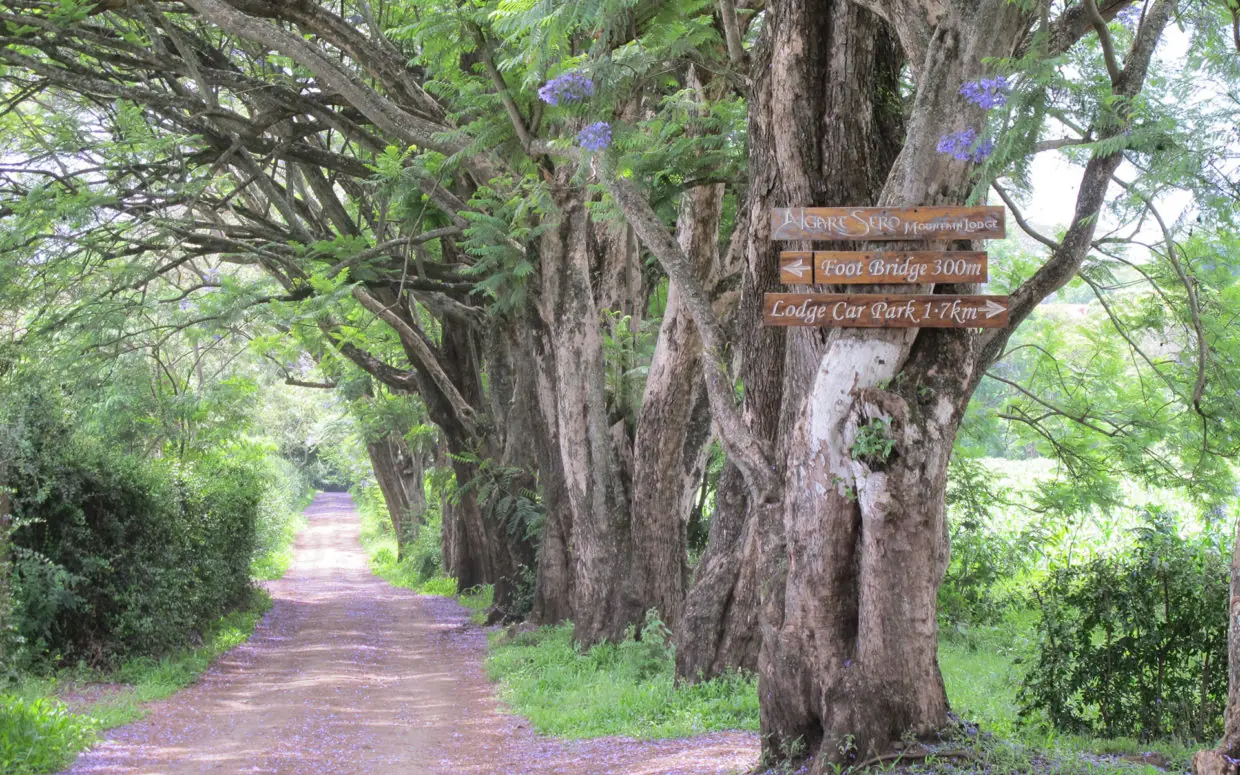
Land at Kilimanjaro International after dark and wake to Mount Meru before the drive to the parks begins. Arusha sits at 1,400 metres on the mountain's southern slopes, a logistical hinge rather than the main event, and a single night here lets you settle first. Set on Meru's forested lower slopes around 20 kilometres east of town, the 1905 farmhouse has been run by the Leach family since 1974. Colobus and Sykes' monkeys move through the canopy, a spring-fed lake sits at the centre of the grounds, and meals lean on the estate's organic garden and freshly caught trout.
These are the eastern Serengeti's open, short-grass plains at Soit Le Motonyi, country set aside for cheetah research and closed to tourism for more than a decade. Days run on morning and afternoon game drives across sightlines that stretch for kilometres, with lion prides holding territory, leopards along the seasonal Ngare Nanyuki River, and cheetahs, serval and caracal out on the ground. Game drives here often pass without another vehicle in sight. Opened in 2014, the camp keeps close links to the Serengeti Cheetah Project, and breakfast is set up on Soit Le Motonyi Rock with the plains below.
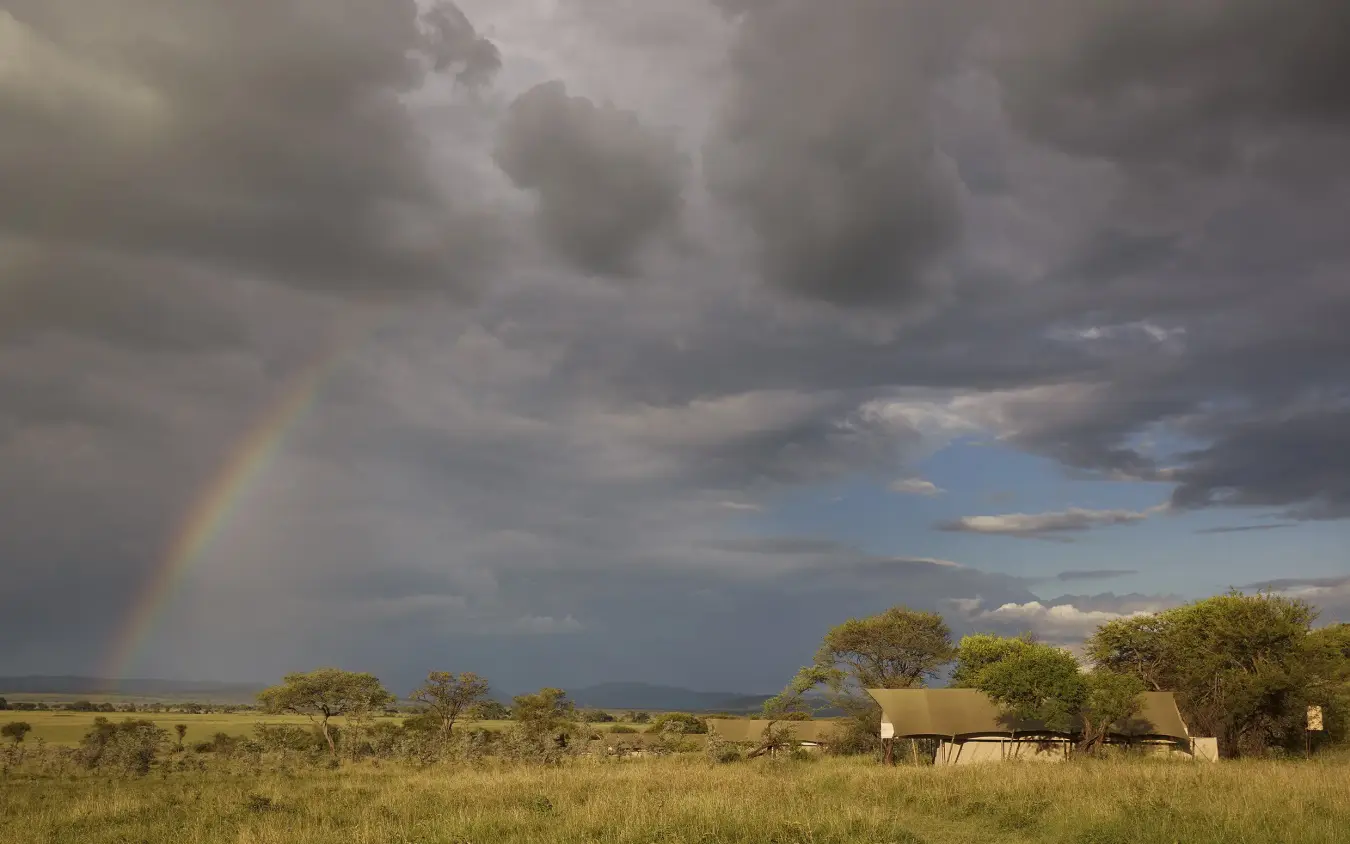
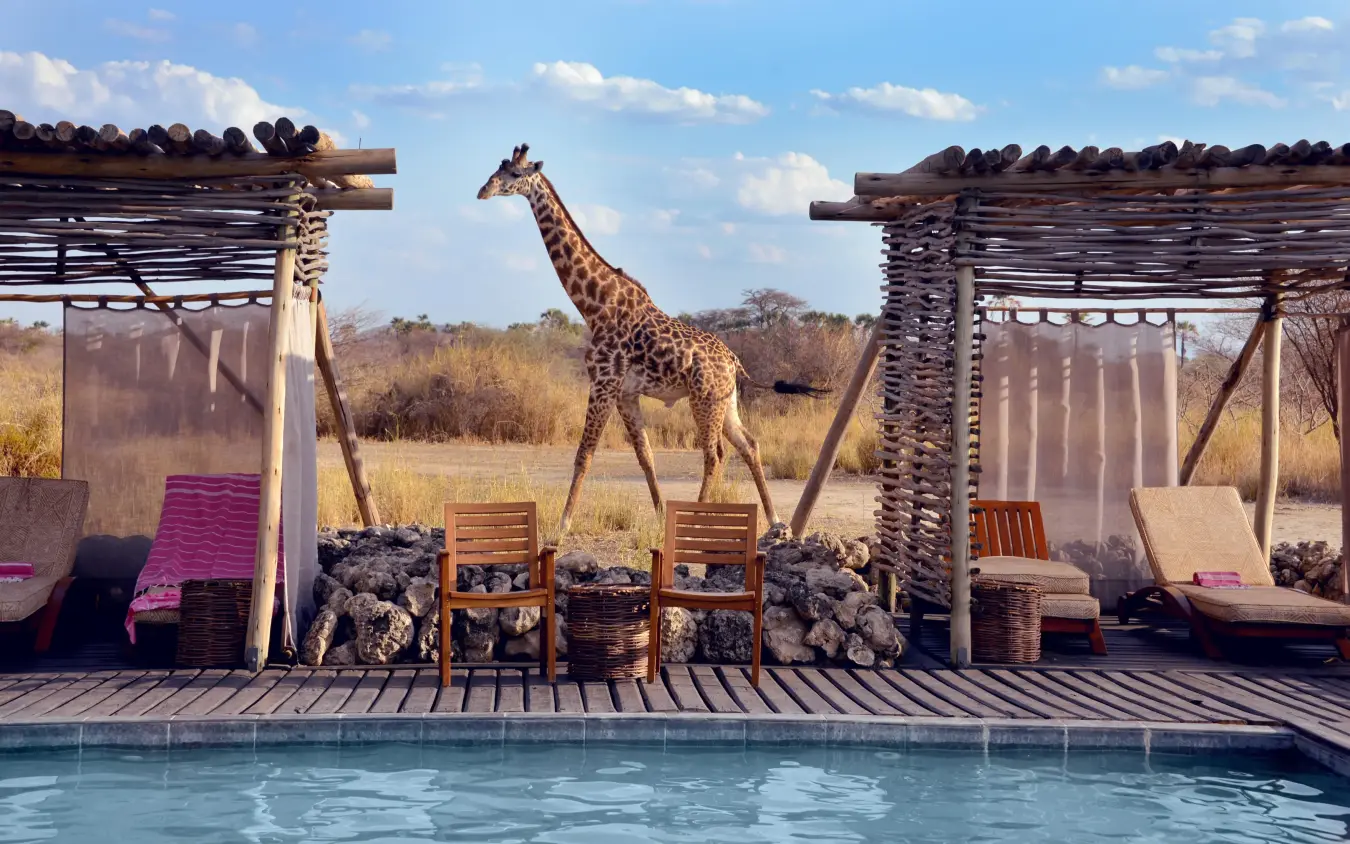
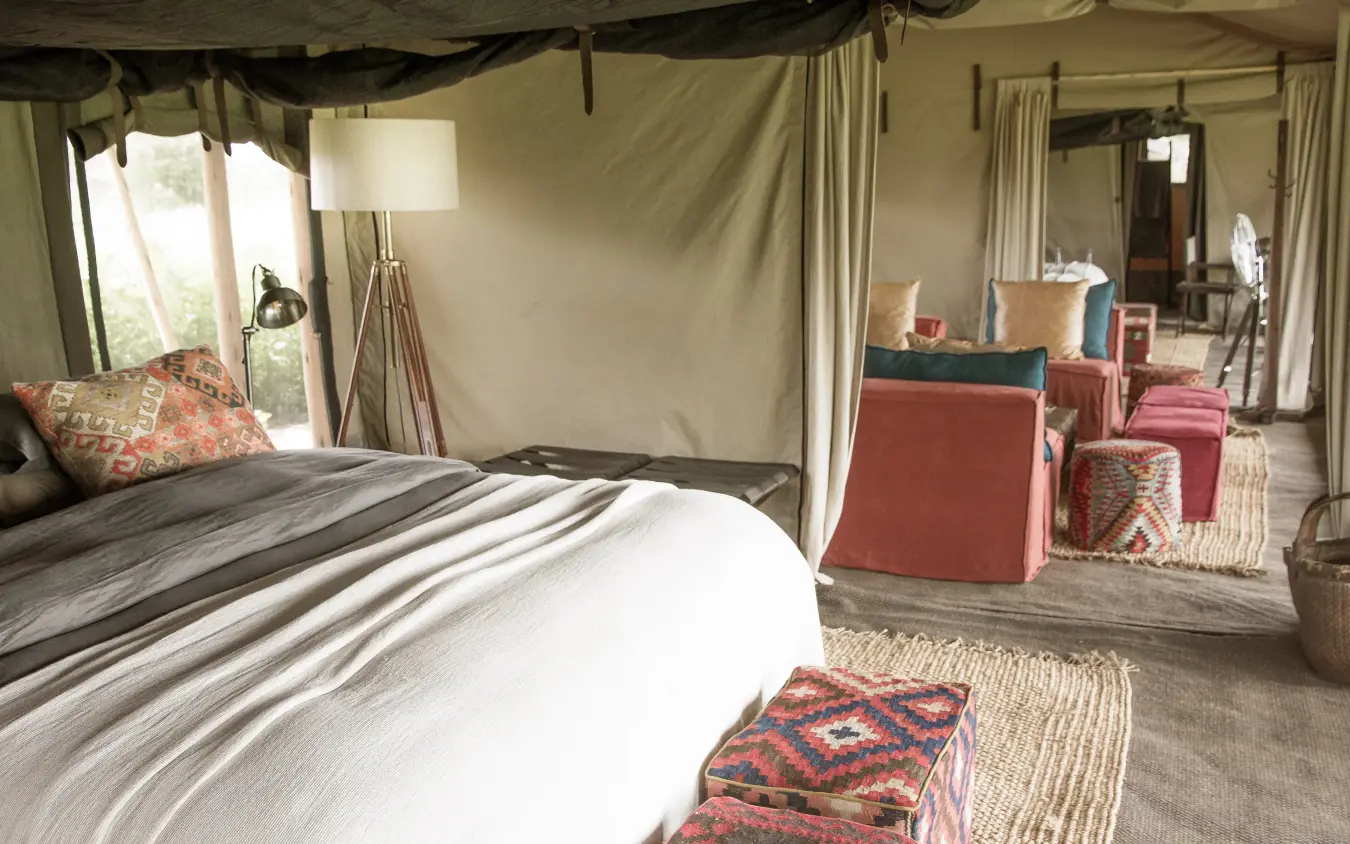
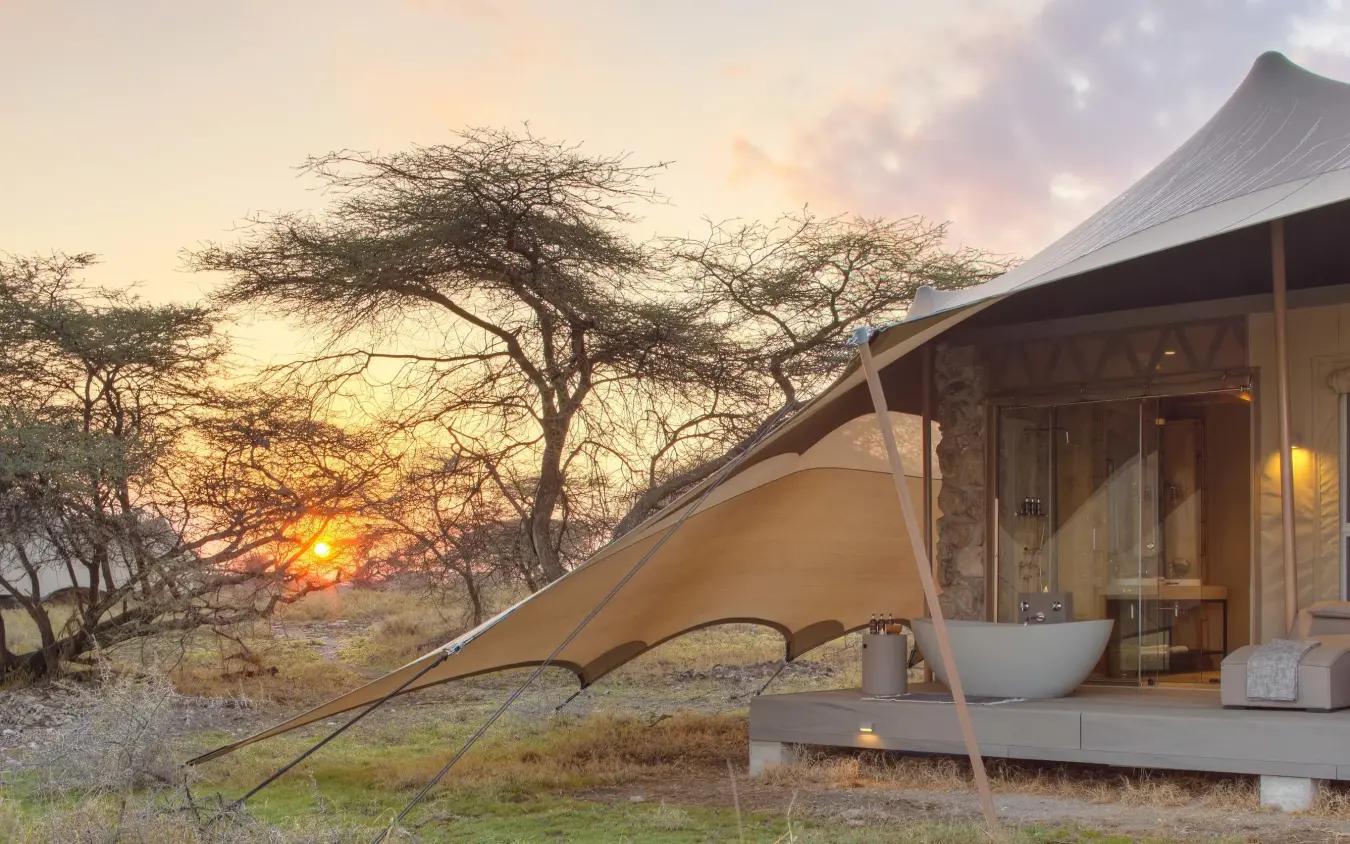
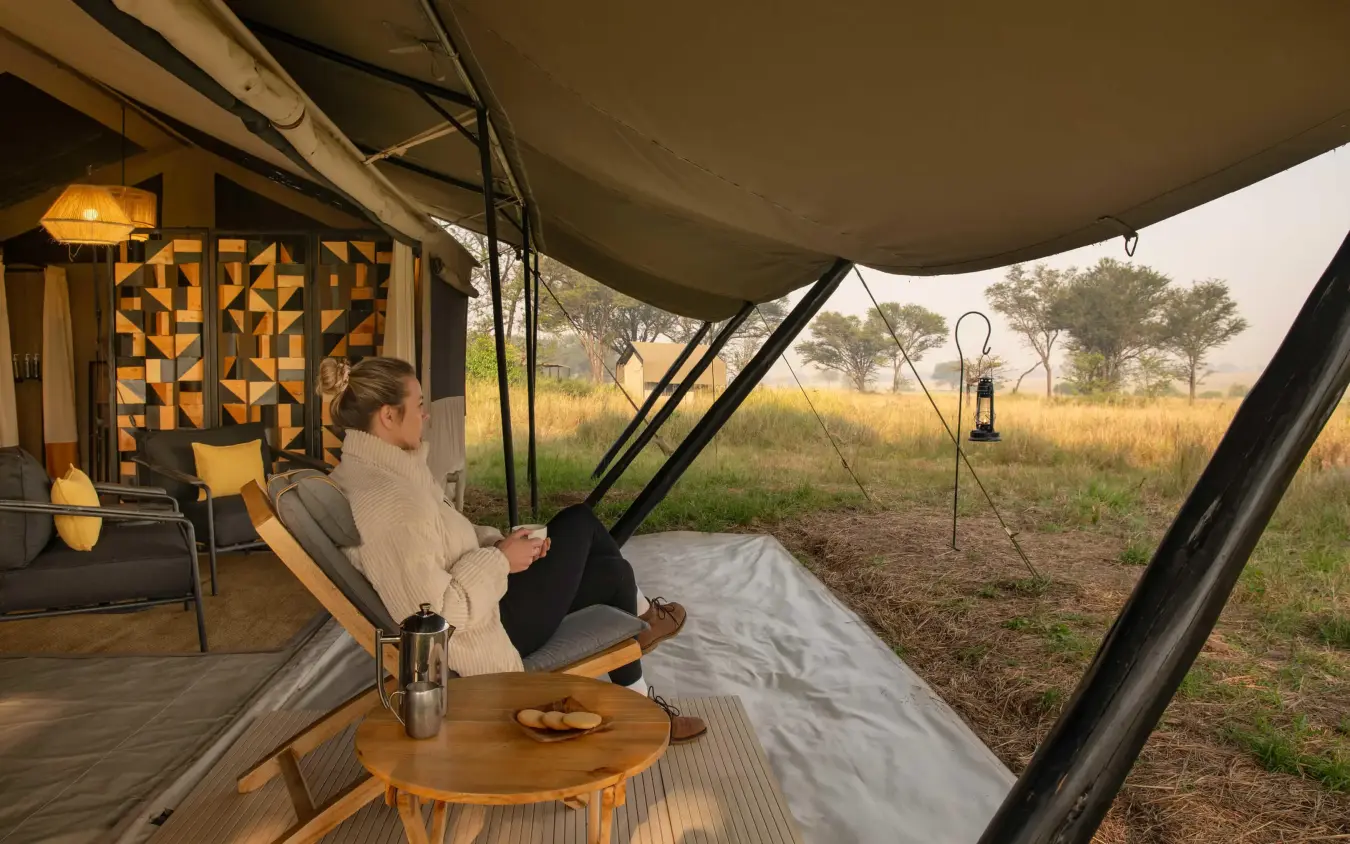
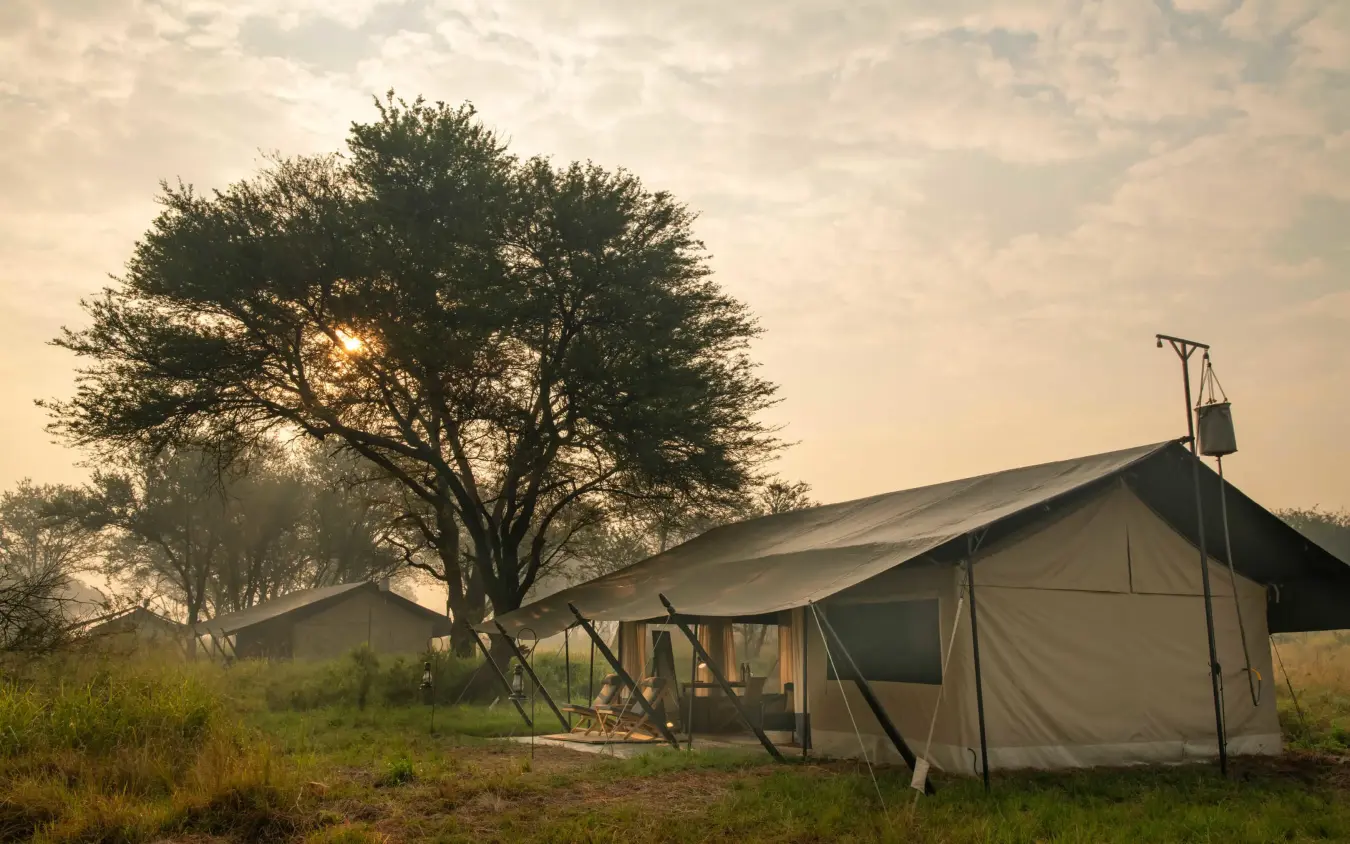
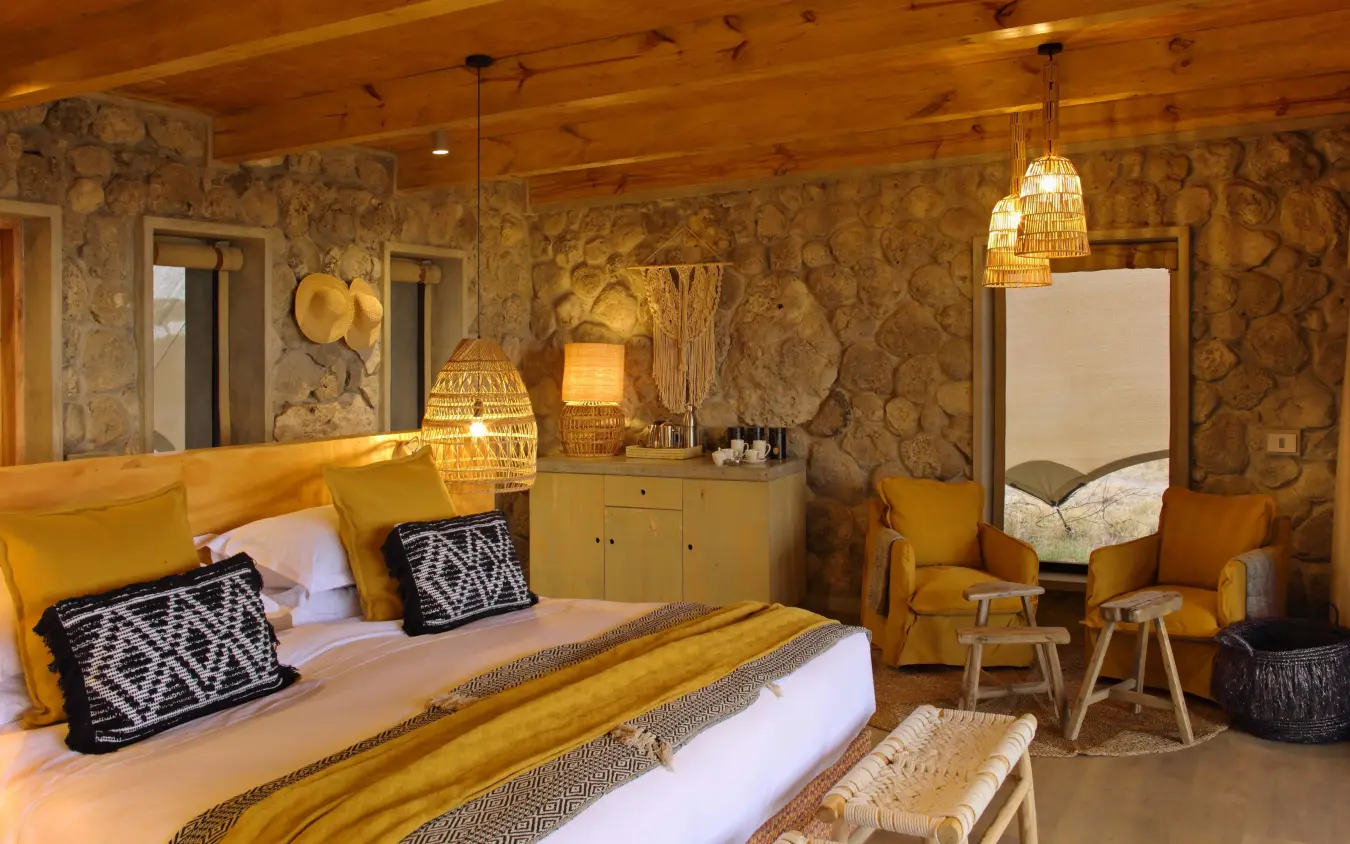
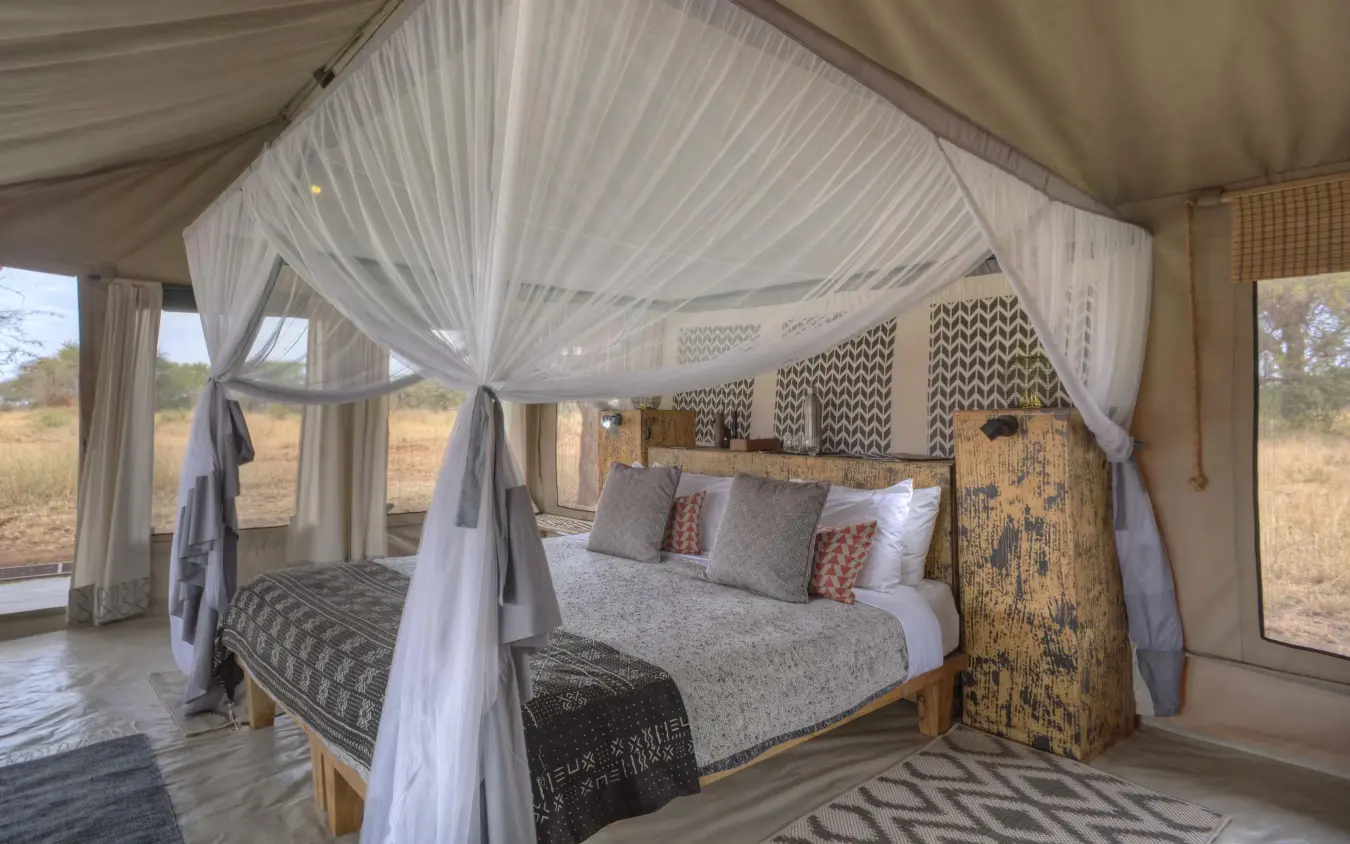
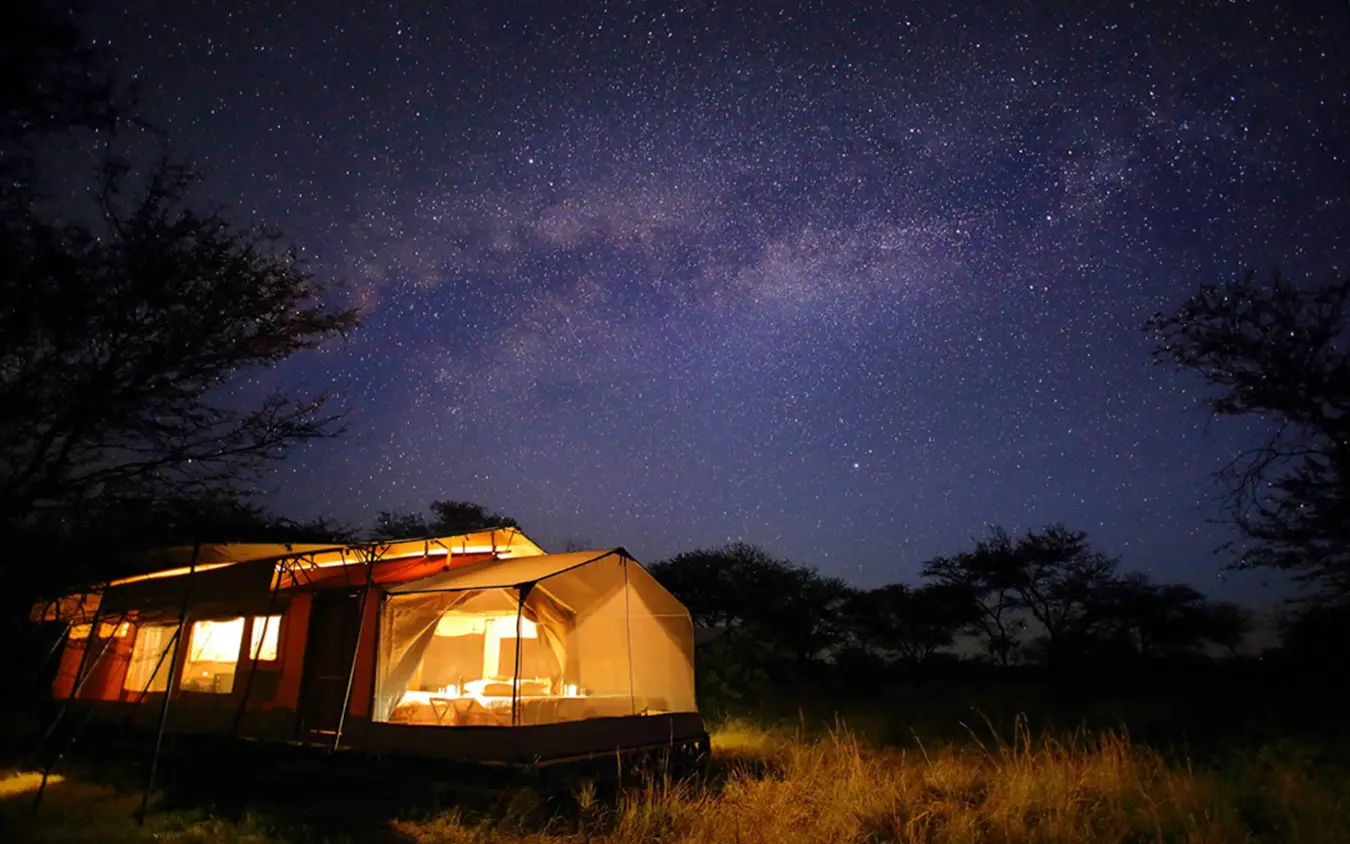
From December to March the camp is pitched on a Kusini hillside above the southern short-grass plains, where hundreds of thousands of wildebeest gather to calve within a few short weeks and the open ground draws intense predator activity. Kusini lies apart from the busier Ndutu tracks, so game drives regularly find large herds and cats with barely another vehicle in sight. Ten canvas tents, one of them a family tent, stand well apart, each with a private veranda facing the plains. Inside are proper beds, campaign furniture, en-suite bathrooms and a fire-heated bucket shower; lions, hyenas and the grunt of wildebeest carry through the night.
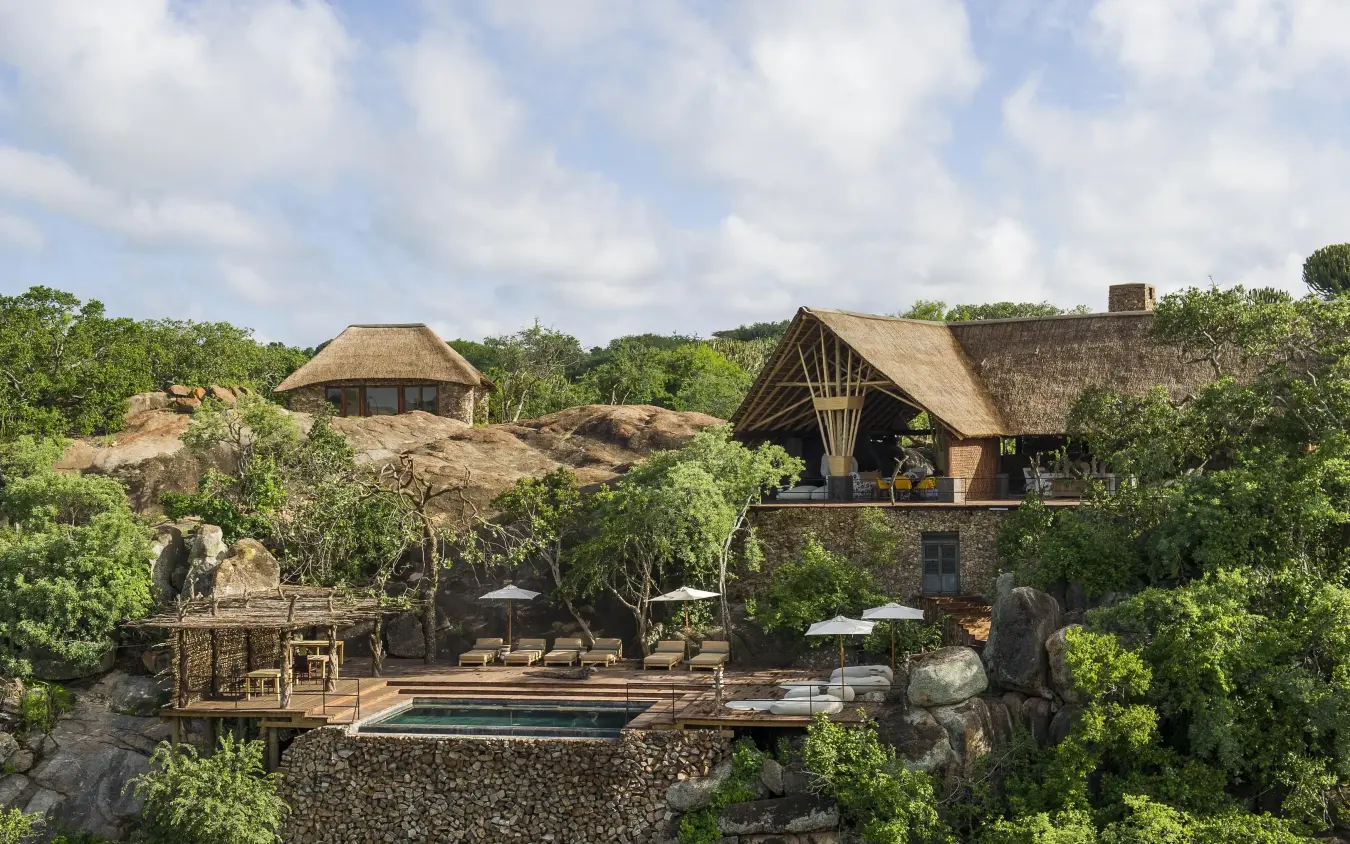
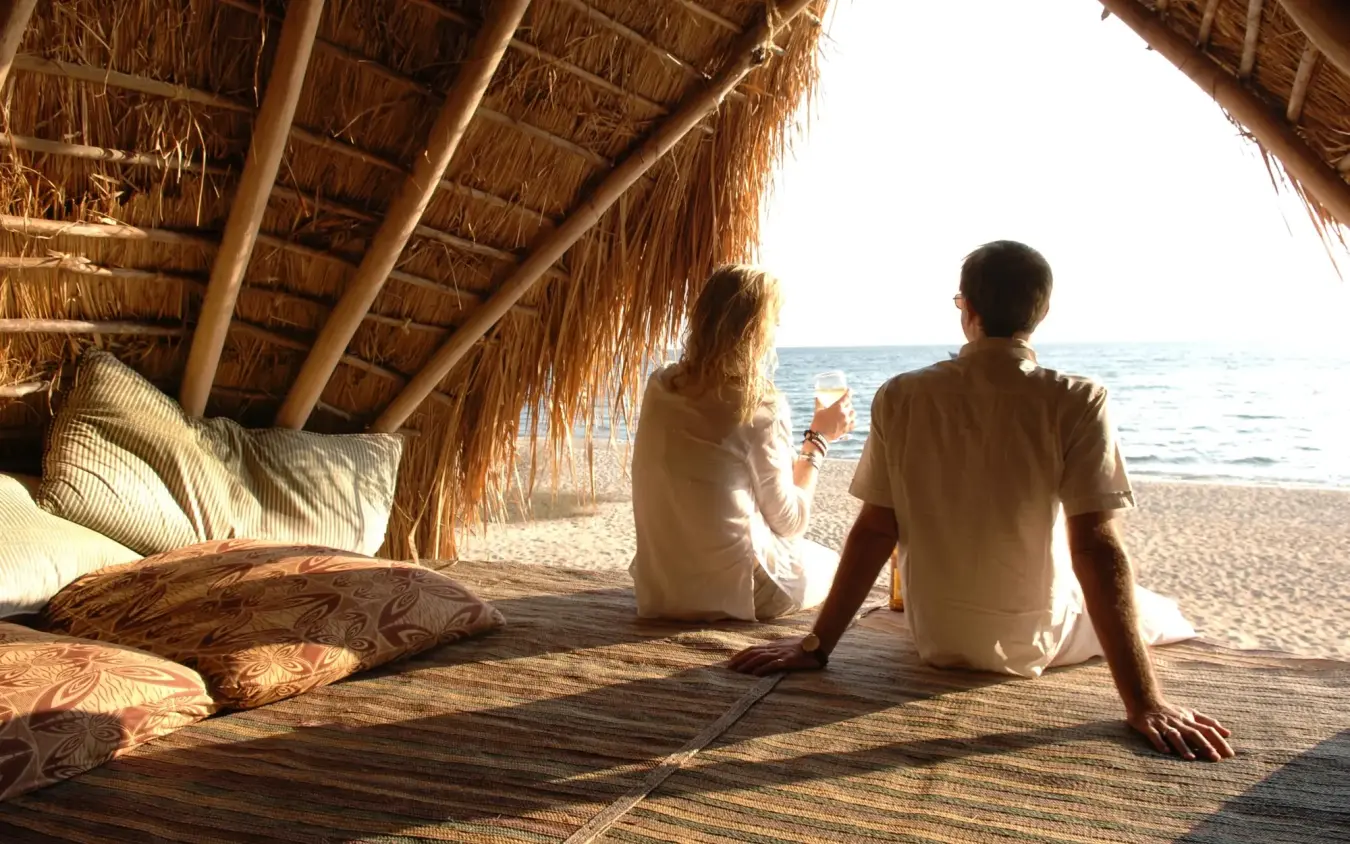
The last leg is a flight west to the Mahale Mountains, forested country on the eastern shore of Lake Tanganyika with no roads in it at all. The aircraft goes west on Mondays and Thursdays, arranged as a fly-in with the camp, so the Serengeti days are set around those two departures. Chimpanzee trekking starts on foot from the beach and climbs through steep forest until the trackers find the group, a community researchers have followed since the 1960s that now moves easily around people. An hour with them is the limit, and the walk back leaves the afternoon for the lake, clear enough to snorkel and holding hundreds of cichlid species found nowhere else. Greystoke Mahale sets eight bandas of old dhow timber above the sand, with rainforest rising behind.
Sightings are usually good in the dry months and the walk can be hard, but no success rate has ever been published for Mahale, so anyone quoting you a percentage is guessing.
The community above the beach has been followed by researchers since the 1960s and is used to people, and trackers go out ahead of you, yet the chimpanzees choose the altitude.
From about July to October they tend to favour the lower slopes near the lakeshore, which makes for a shorter and drier walk; earlier in the year they climb, and the trek gets longer and steeper through forest that has no roads in it at all. You need to be reasonably fit.
The park authority's rules are firm:
By air and then by boat, on a timetable set by two days of the week.
The flight goes in to Kalilani airstrip just outside the park, and the last leg is about ninety minutes by boat along the shore, because there are no roads.
Mahale is reached on a fly-in arranged with the camps rather than a public airline service, and it runs twice a week, on Mondays and Thursdays, which is why almost every visit is a three or four night stay: you go in on one of those days and come out on the other.
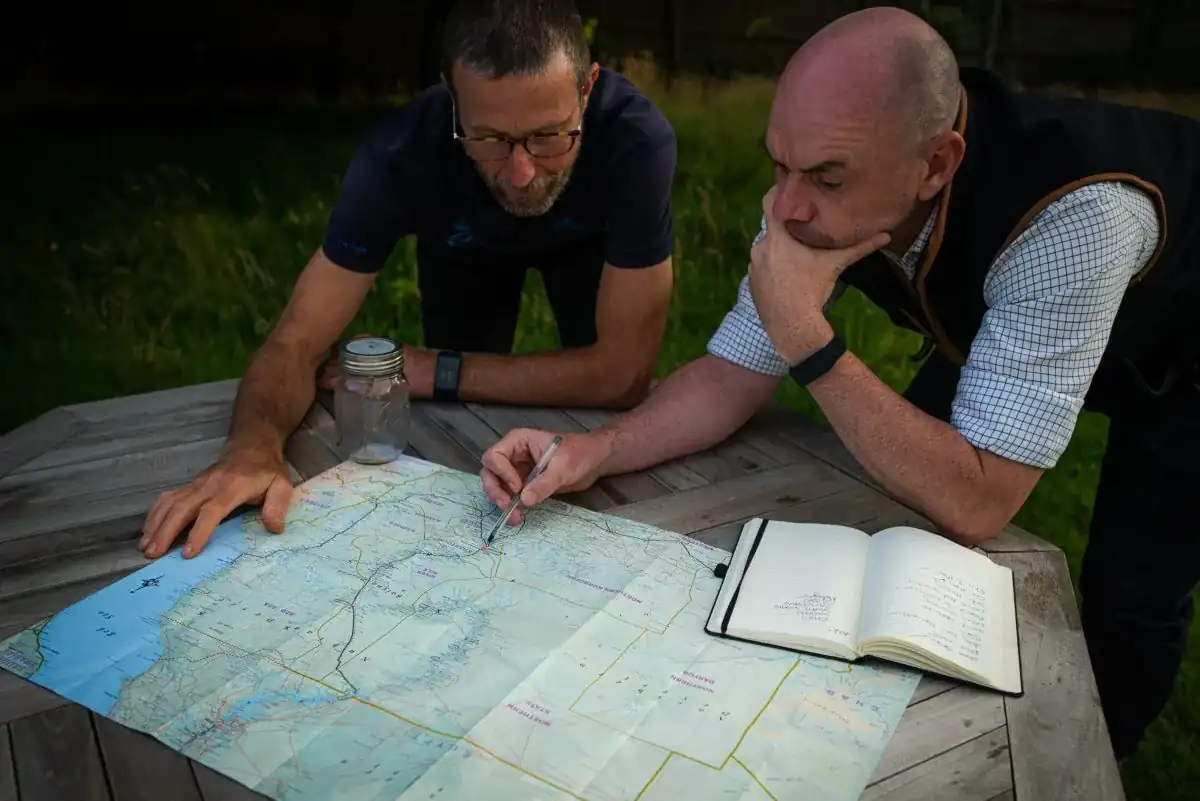
That is the fixed point in this route. The three nights at Mahale have to sit on those days, and the Serengeti nights before them are what gets adjusted around it. Tell us the month and we will work backwards from the flight rather than forwards from your arrival.
Remarkable when it lands, and the dates are a window rather than a date.
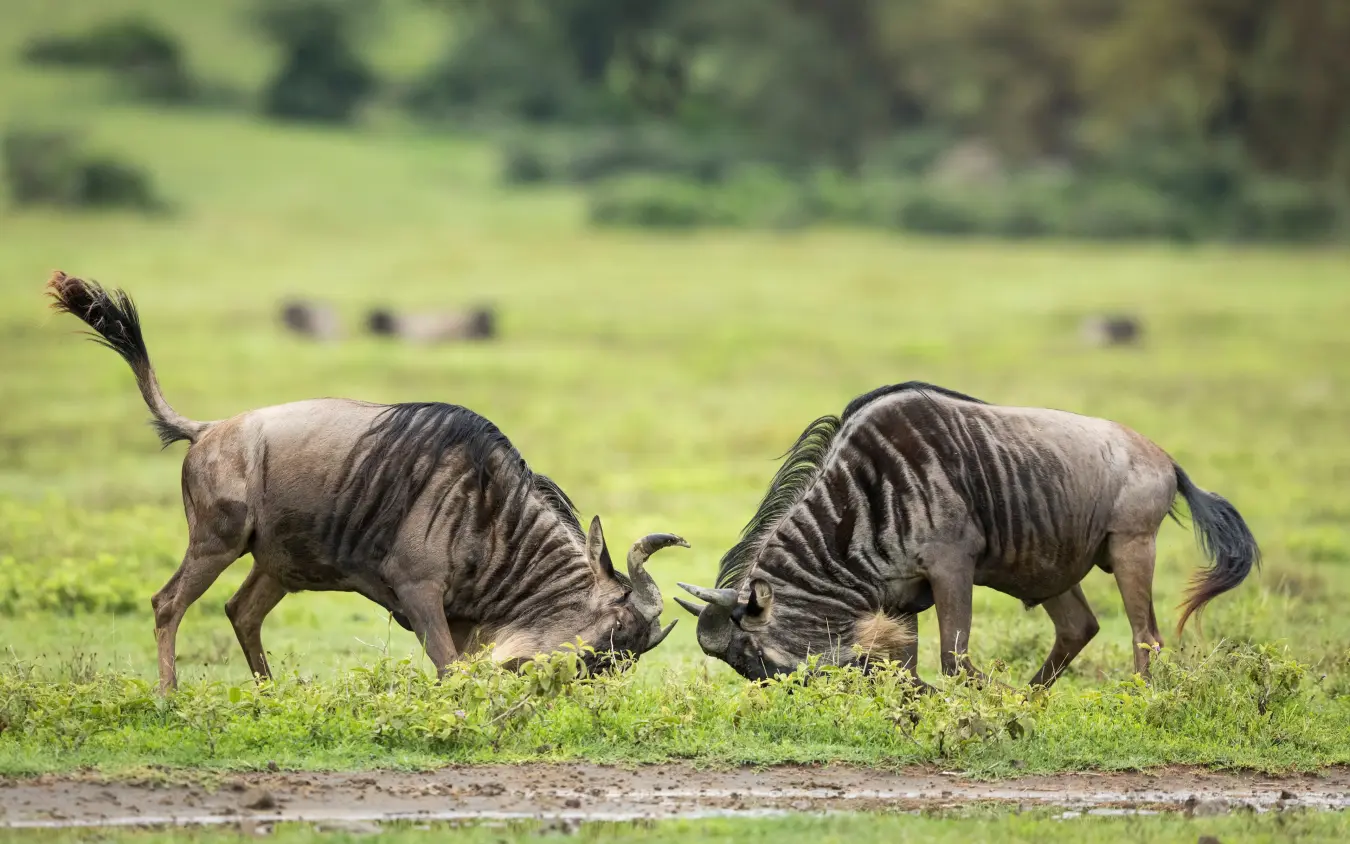
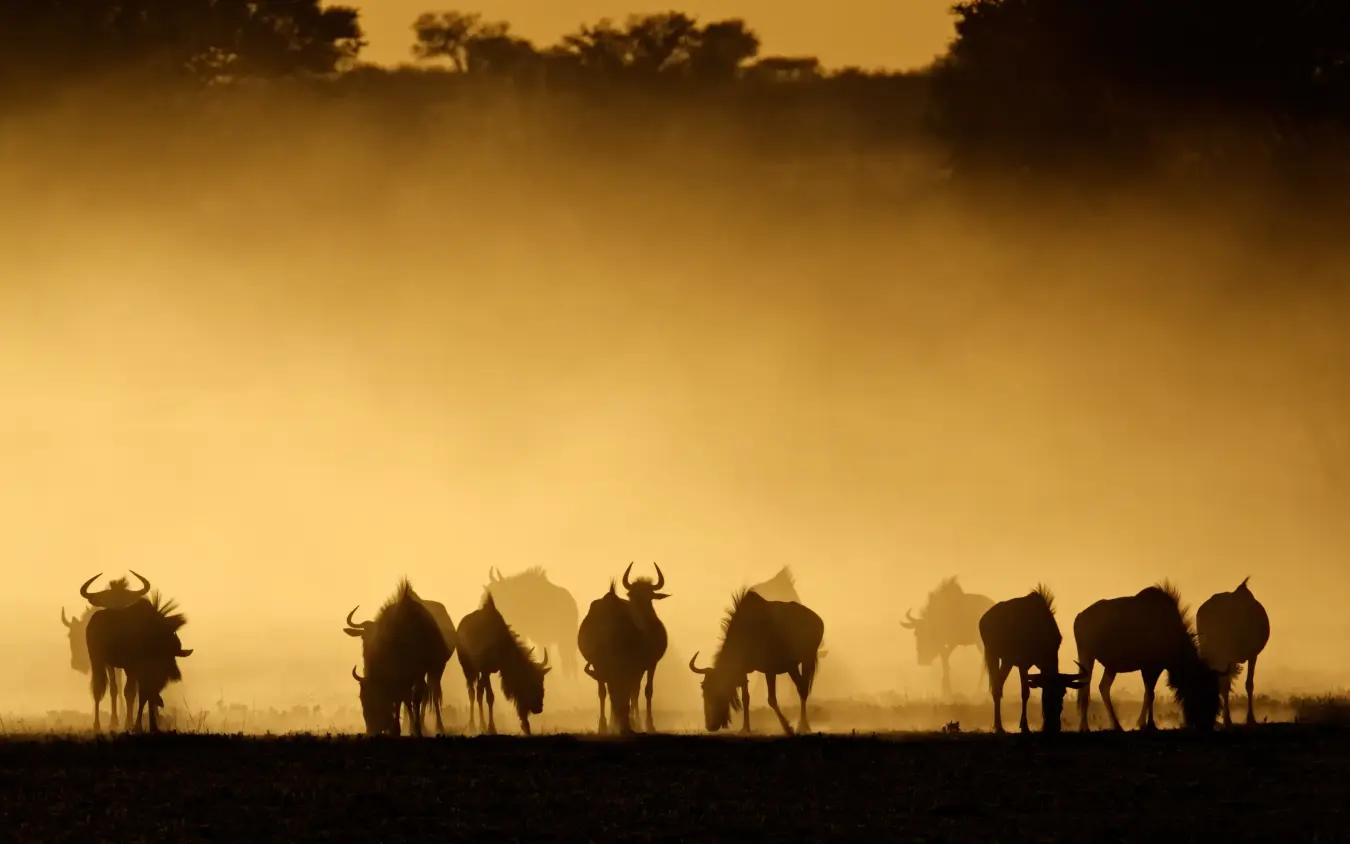
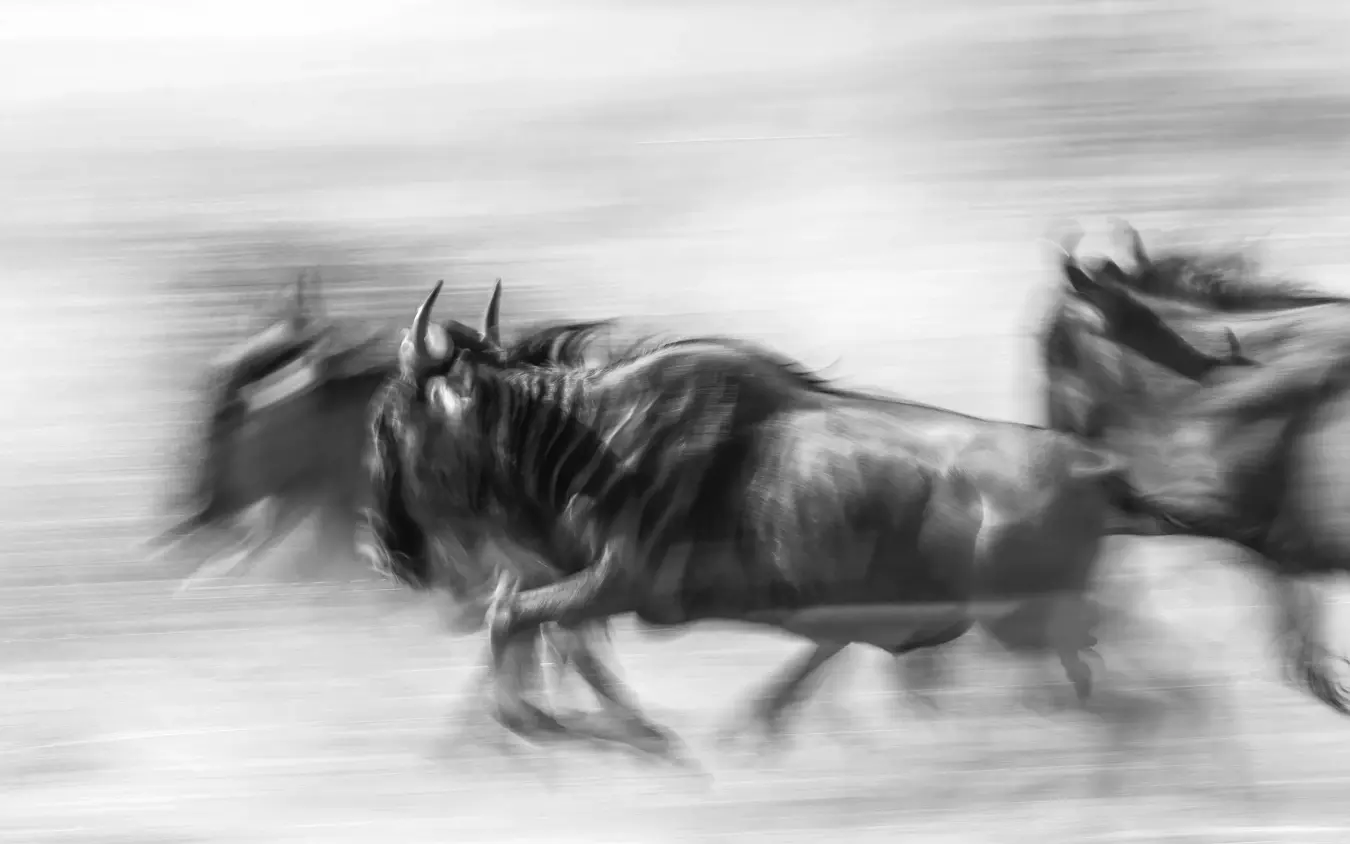
Wildebeest drop most of their calves in a short burst on the southern short-grass plains, with the middle of February the peak. There are more than 250,000 calves a year, with up to twelve thousand born on a single day at the height, while some counts run higher still.
All those newborns on open ground pull the predators in close, and that is the real draw. The camp is pitched at Kusini between mid December and mid March, and the plains it looks over sit apart from the busier Ndutu tracks.
What nobody can fix is the rain. The herds follow the grass, and a dry January can put them somewhere else entirely.
Largely, and it helps to know where the exceptions sit.
Soit le Motonyi, the eastern plains, was shut to tourism while cheetah research ran there year after year, reopening in 2014, and there is still very little accommodation out that way, so a drive can easily pass without meeting another car.
Kusini sits away from the Ndutu tracks, where the calving traffic concentrates, so you watch the same herds with fewer vehicles around them. Mahale has no roads at all and a handful of small camps on the shore.
The crowded places in northern Tanzania are precisely the ones this route leaves out: the floor of the Ngorongoro Crater, which is busy all year, and the Seronera valley in the central Serengeti. The trade is time in the air and on the water, and camps small enough that dates go early.
The two halves pull in opposite directions, so it comes down to which you would rather have.
February is the month for the calving at Kusini, and it is one we rate highly in the Serengeti. Mahale in February is workable, but the chimpanzees are often high on the slopes and the trails are wet.
July to October reverses it. Those are the months we rate highest for Mahale, when the chimpanzees drop to the lower slopes near the lake, and the strongest stretch of the year in the Serengeti, but the herds are then in the far north and the mobile camp goes with them, so there is no calving to see.
March to May is the pair to leave alone, when most of the Mahale camps close and the long rains settle in.
If the calving is why you are going, take February and accept the harder walk in the forest.
Most of it can move and two things cannot.
The Kusini nights exist only in the window from mid December to mid March, because that is where and when the camp is pitched, and the Mahale nights have to sit between the Monday and Thursday flights.
Everything either side is open. The eastern plains block can grow or shrink, and walking safaris go out there between 1 June and 15 February, so a February trip can add a morning on foot.
If you travel between July and October we would swap Kusini for the northern Serengeti and the Mara River, and Mahale is at its most dependable then, which makes that version the easier one to build.
A beach ending is easy to add: Arusha to Zanzibar is a scheduled flight of roughly two hours.
Ed Charles, BBC Producer
Fitzroy are true specialists in accessing the wilderness. They know where to go and importantly, when to go there. Highly recommended.
tanzania
Ten nights across Tanzania, from a predator-free estate near Arusha to the Serengeti migration and Zanzibar's reef coast.

tanzania
Eleven nights linking the Ngorongoro rim, the herds of the Serengeti and chimpanzee tracking at Mahale.
tanzania
Twelve nights across northern Tanzania, from the Serengeti and a private granite reserve to the Ngorongoro Highlands and the Rift.
rated five stars by our clients

our approach
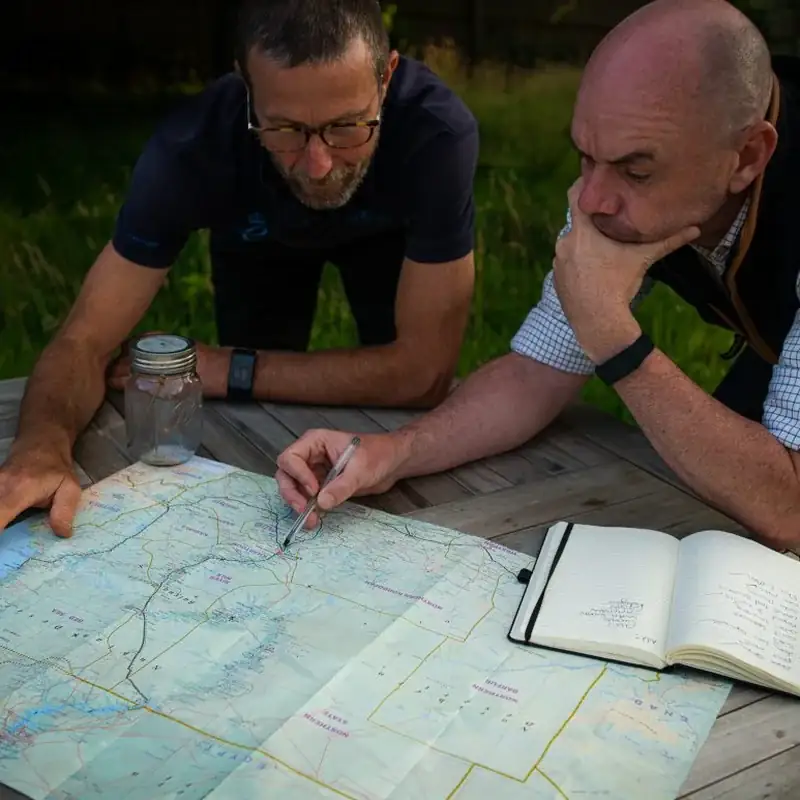
Every journey starts with a conversation. We take the time to understand your vision before we start planning.
Whether by phone or in person, we work with you directly to shape something that is considered, personal, and expertly delivered.
Every journey starts with a conversation. We favour a direct, personal approach: understanding your vision before anything else.
Whether by phone or in person, we work with you directly to shape a journey that is both thoughtfully considered and expertly delivered.
Get in touch to start planning yours.