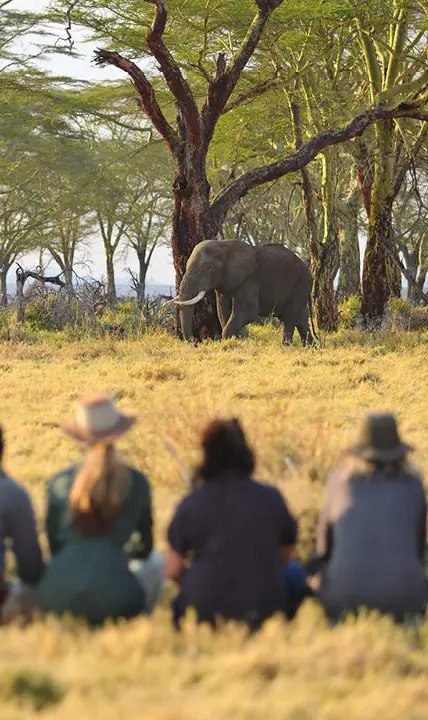
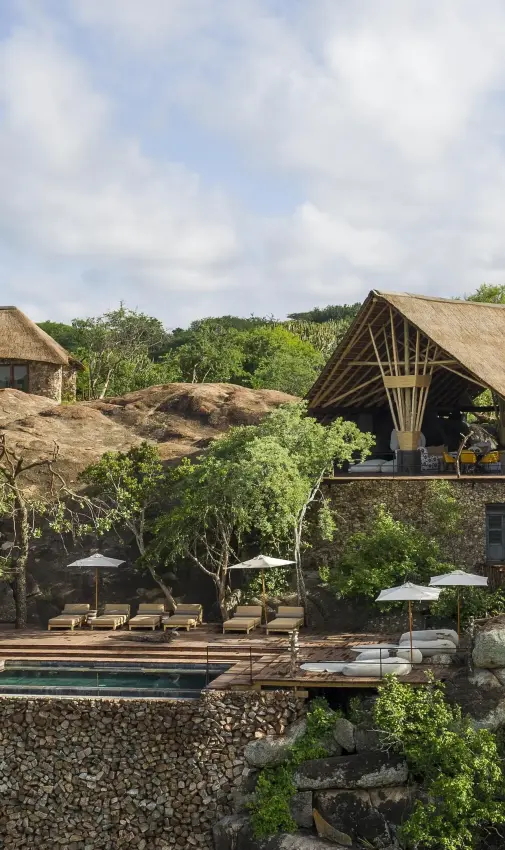
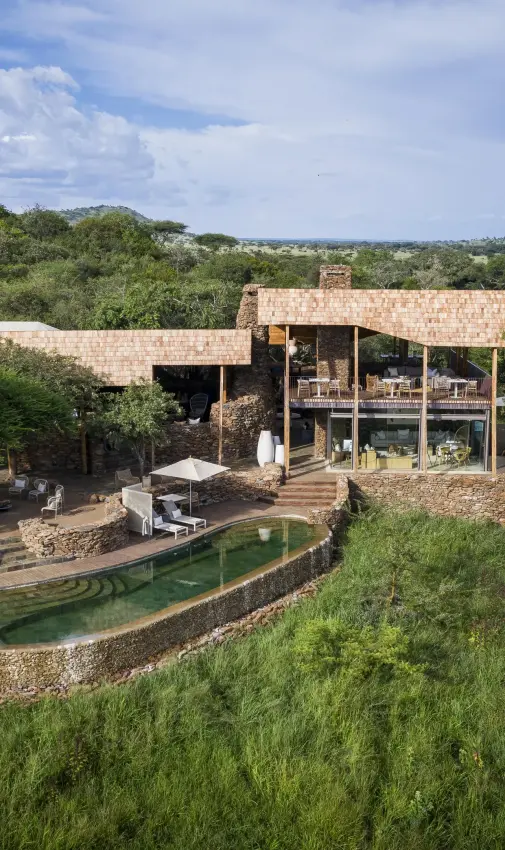
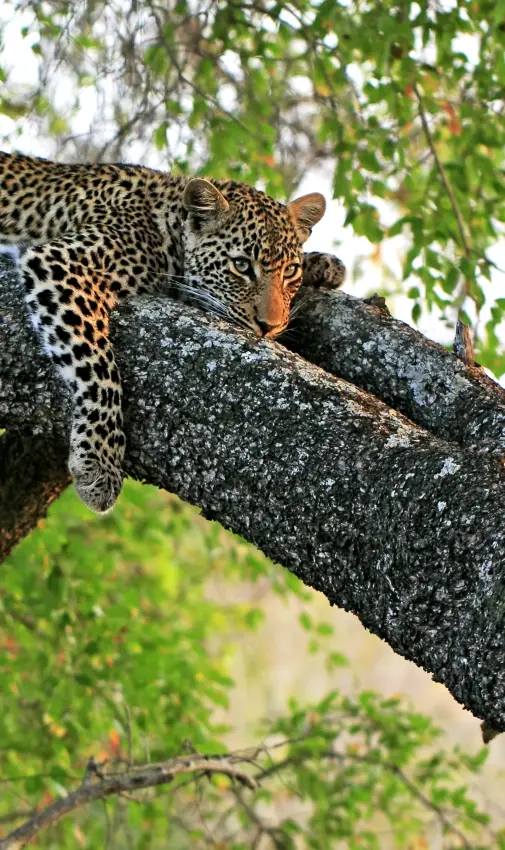
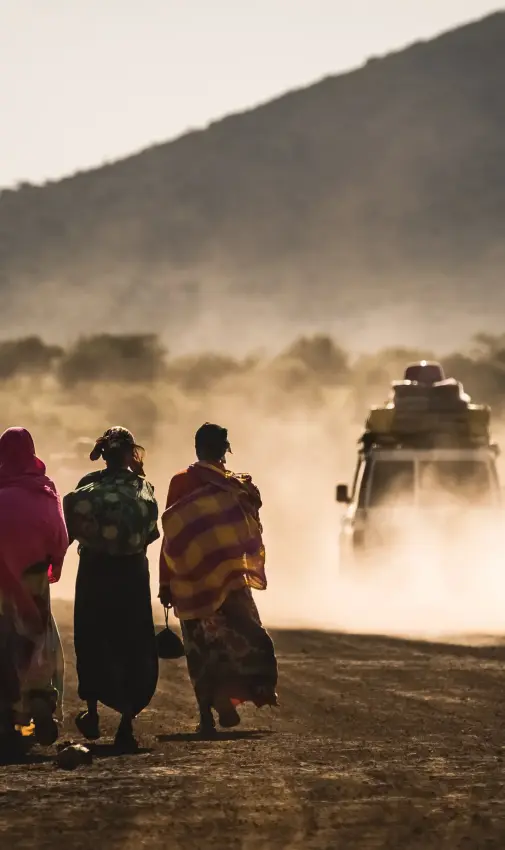
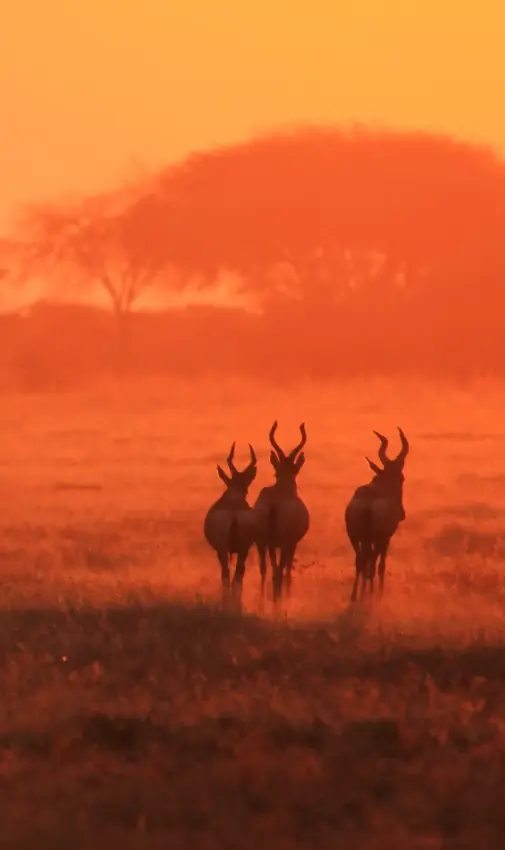
Year-round game makes Seronera one of the busier corners of the Serengeti, and a good lion sighting near its rivers soon draws a ring of other vehicles. Guides from camp answer with distance. Drives go out in open 4×4 vehicles in the morning and again in the late afternoon. Full days with a picnic lunch reach across the central, southern and western Serengeti, following the herds and the big cats wherever that month has put them. The return each evening is to a quiet valley that no other vehicle has reason to enter. By then the crowds at the rivers feel a long way off.
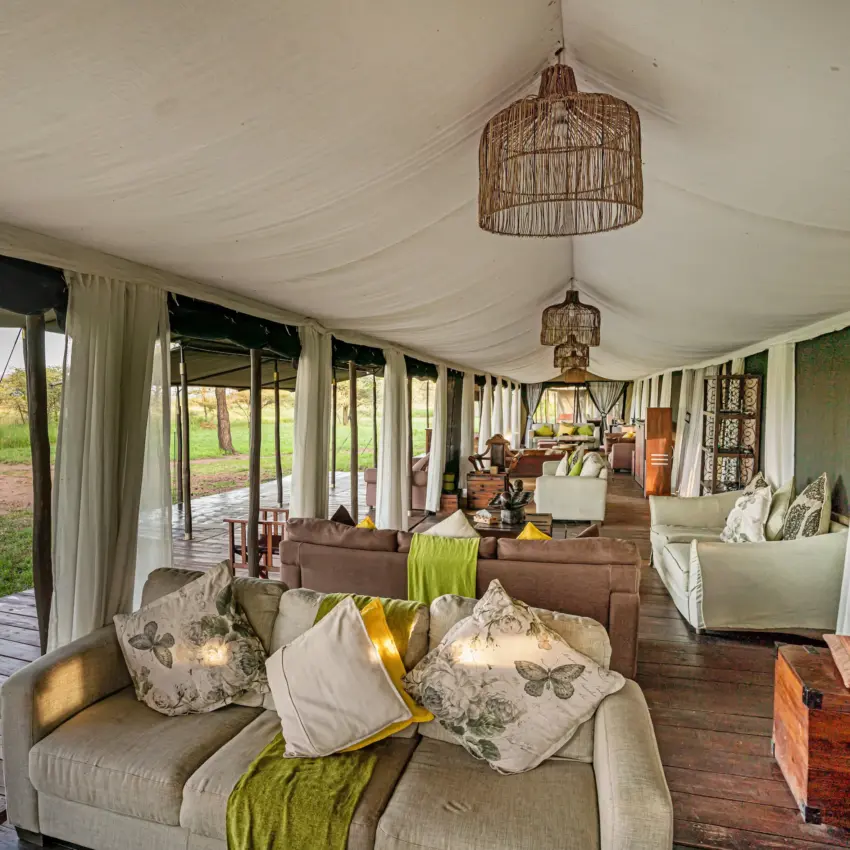
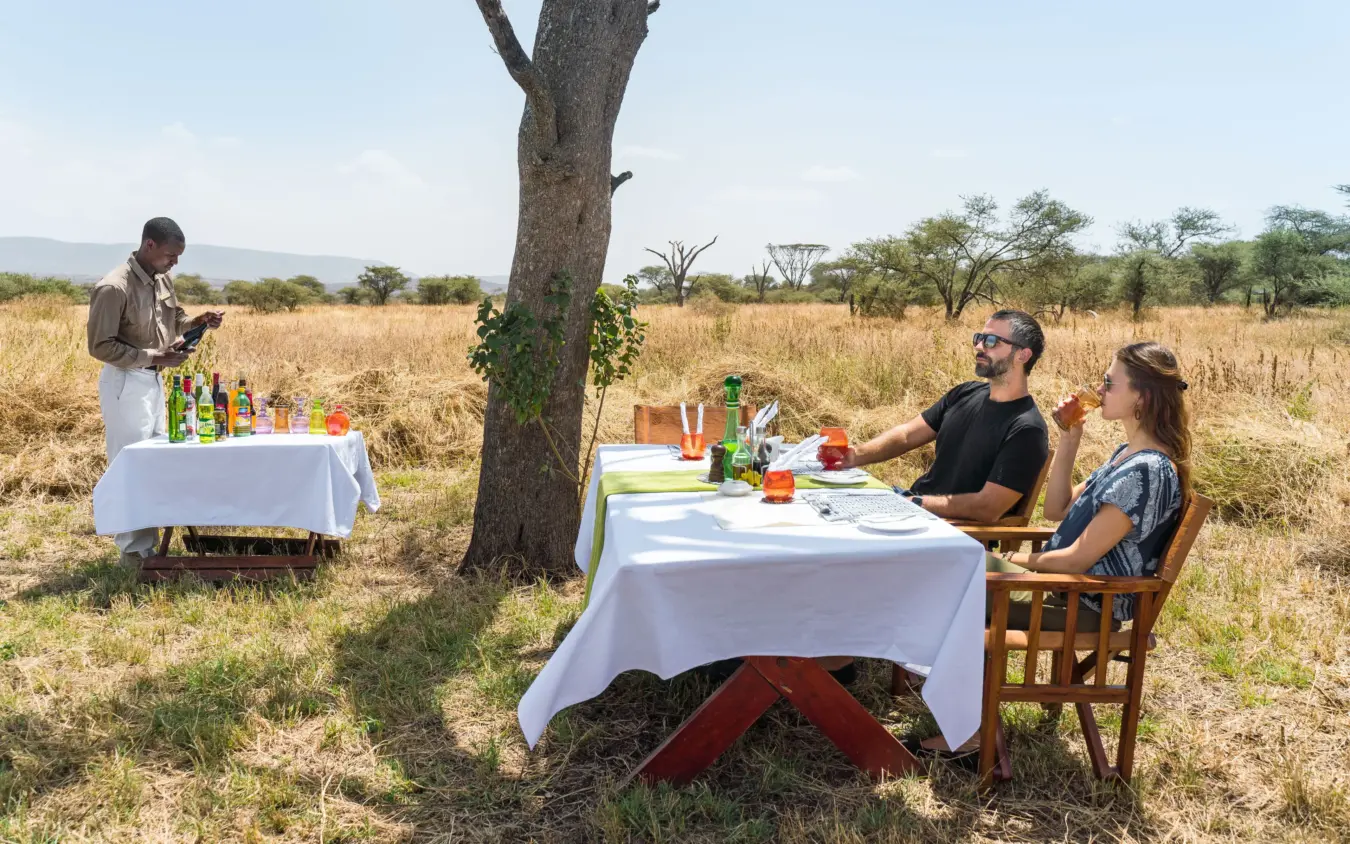
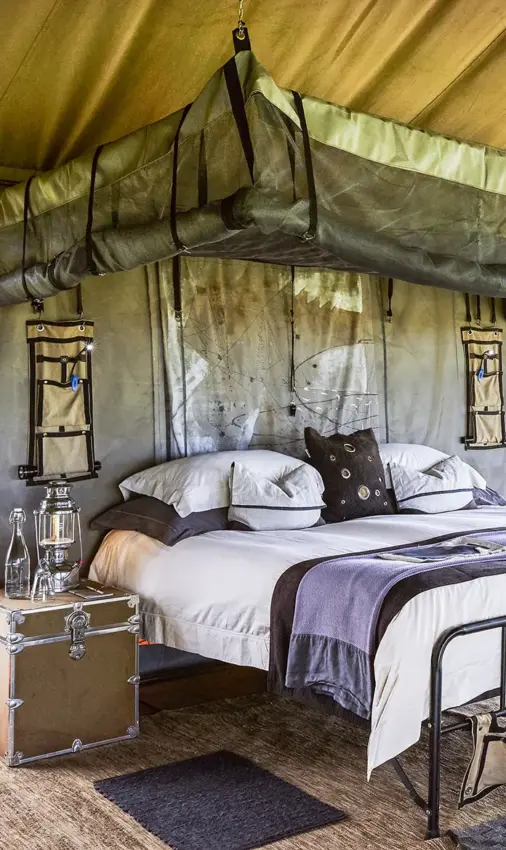
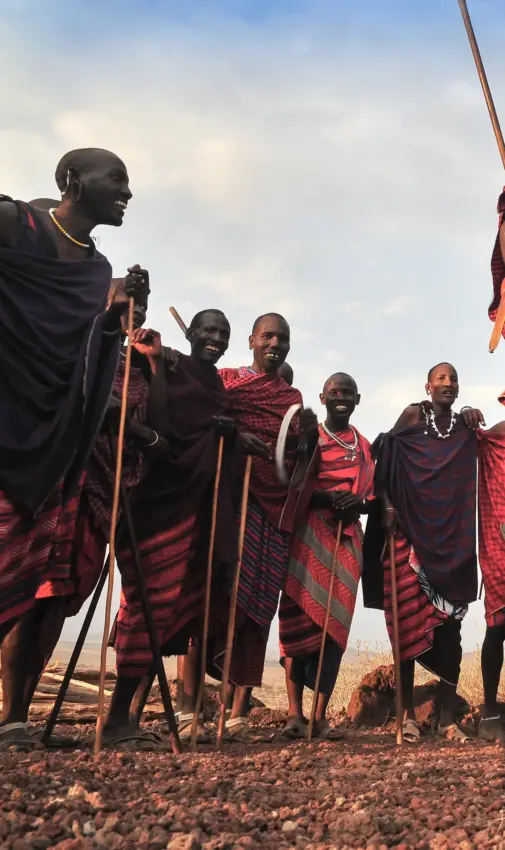
An optional balloon flight leaves before sunrise and drifts for around an hour over the Seronera plains, coming down to a breakfast laid out in the grass. Phones charge in the main area, not beside the bed. Wi-Fi reaches the lounge and bar, and little else. After dark, Maasai askaris keep watch over the camp.
The return each evening is to a quiet valley that no other vehicle has reason to enter.
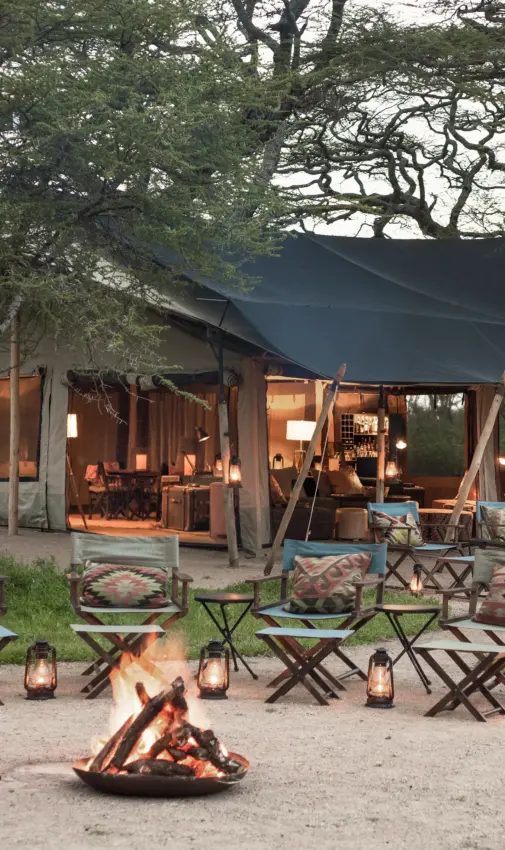
Stays are full board, with most drinks included, and the day’s eating follows the day’s plans. Lunch is either a light meal in camp or a packed picnic for the full days out. Before dinner, sundowners are taken around the campfire in front of the lounge as the sun sets over the plains. The camp offers work and training to people from the surrounding communities, and the staff are friendly and quick to help.
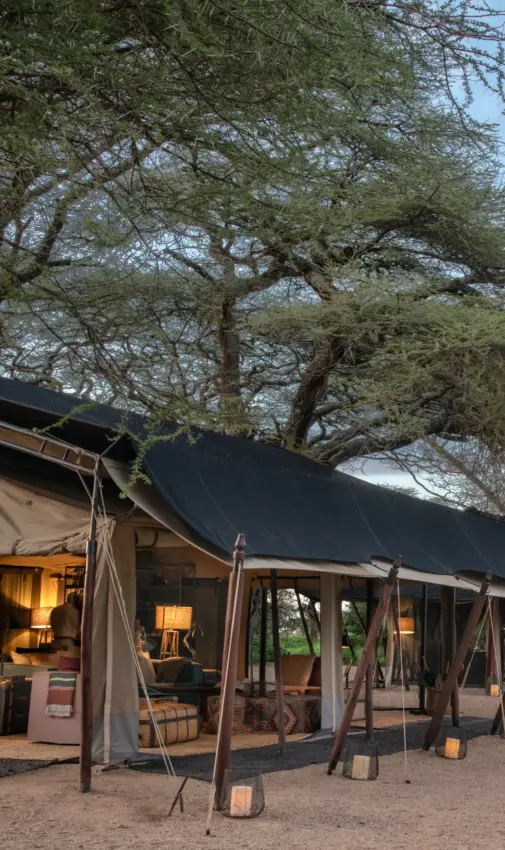
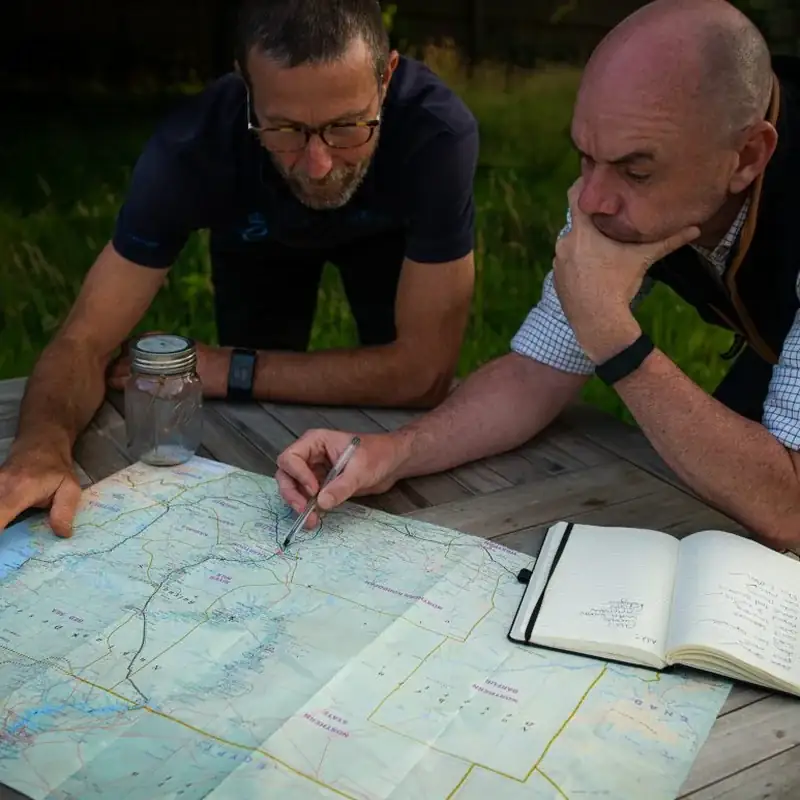
Because the cats stay all year, the camp earns a place at almost any point in a Serengeti National Park itinerary. Between December and March it pairs with a stay on the Ndutu plains in the south. From July to October the better partner is a camp near the Mara River in the far north, and Ewanjan Tented Camp holds the central ground between the two. Three or four nights here allow time for a balloon morning and a couple of long days out west or south. The evenings belong to the fire and the sound of the valley after dark.