Lodge

Greystoke Mahale

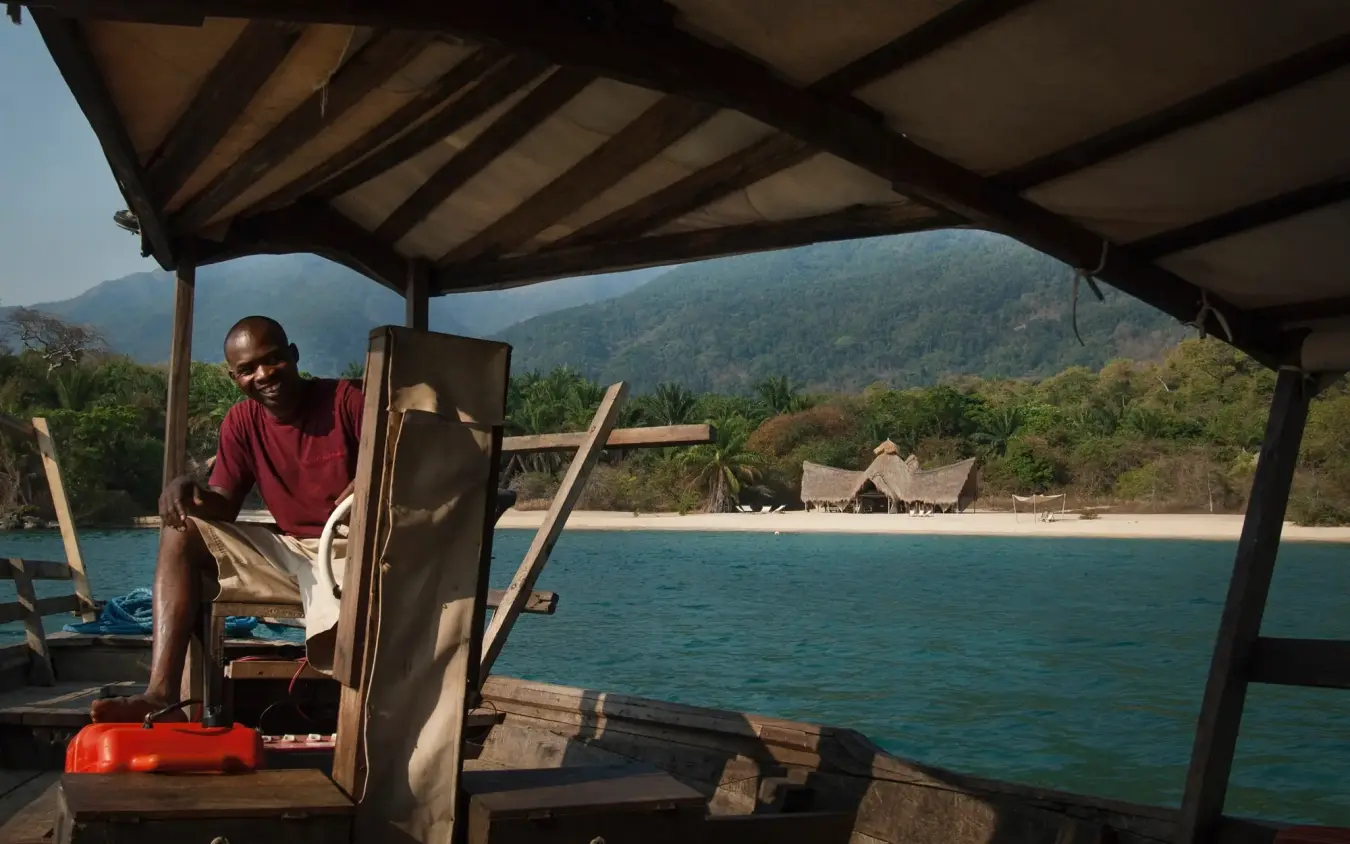
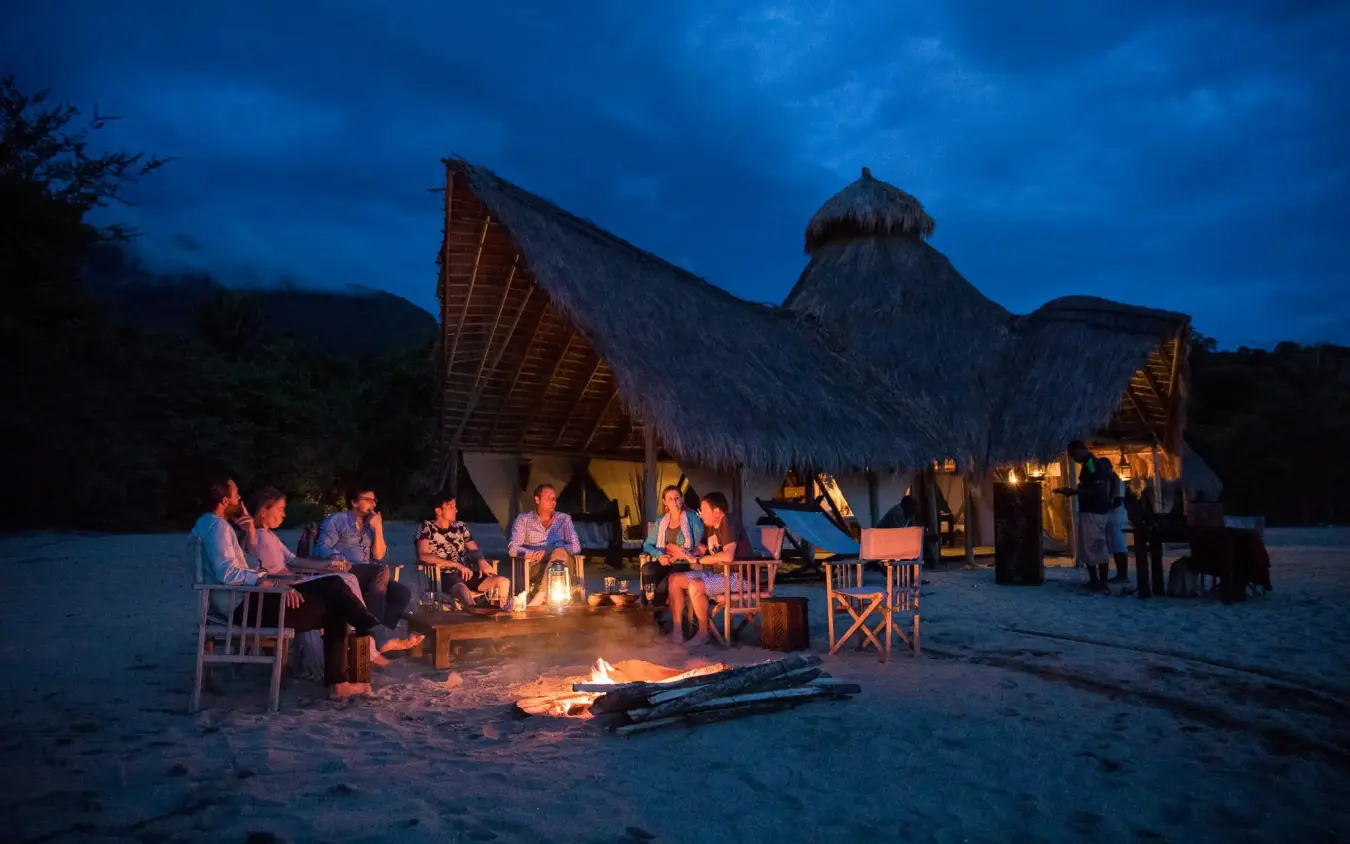
Six open-fronted bandas of old dhow timber on a Lake Tanganyika beach, with wild chimpanzees tracked on foot in the forest behind.

Country: Tanzania
Location: Kangwena Beach, Mahale Mountains
Number of rooms: 6

Chimps Tracked on Foot From a Beach

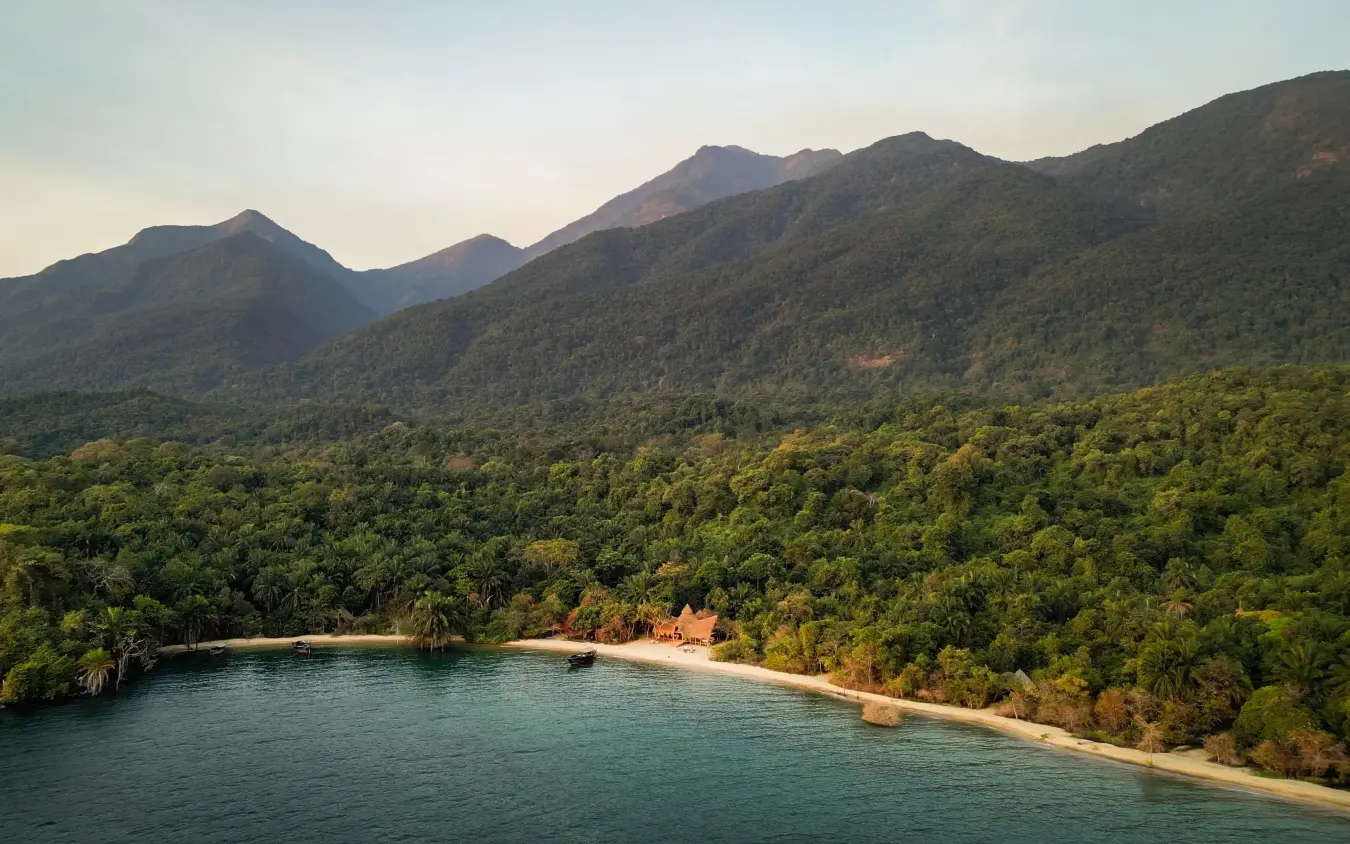
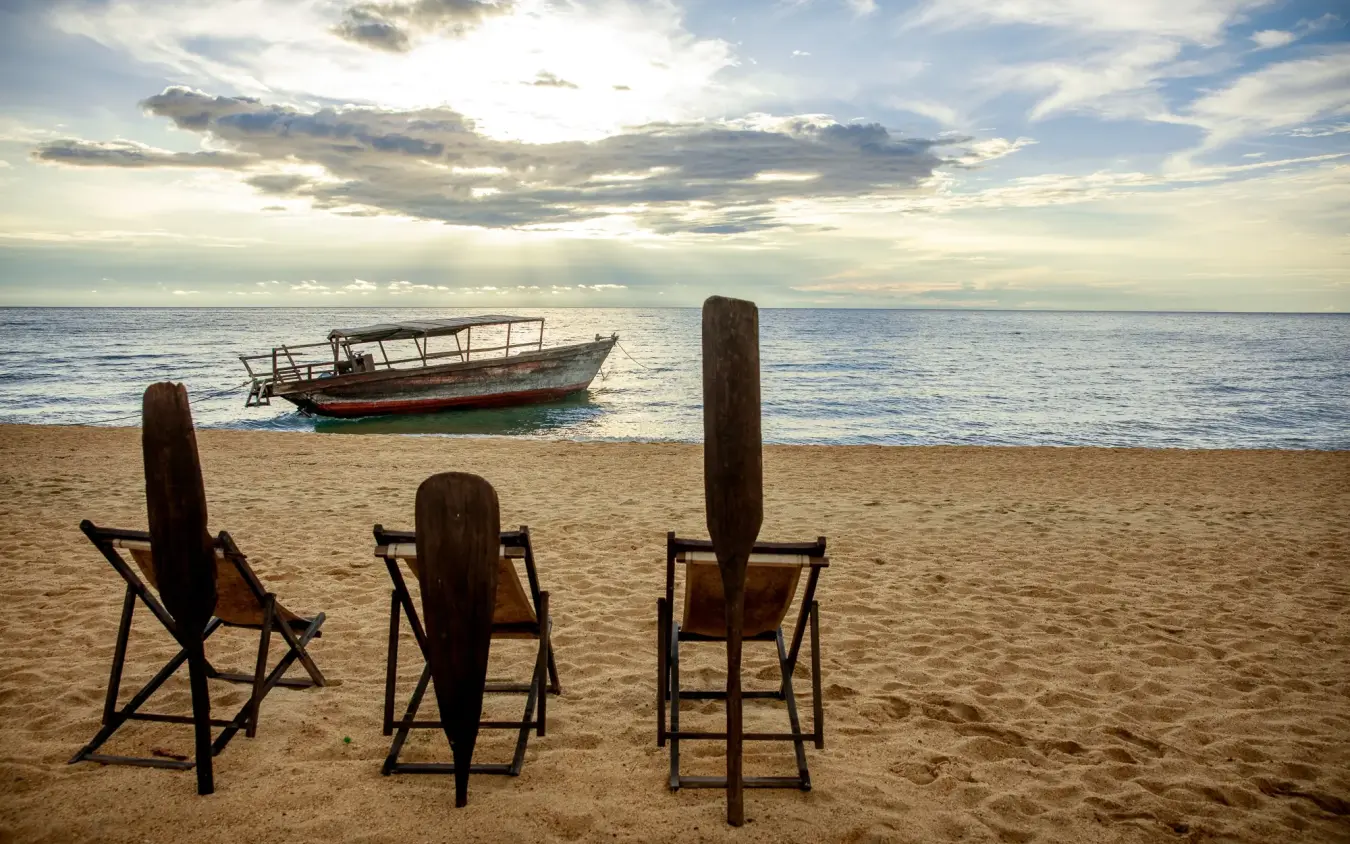
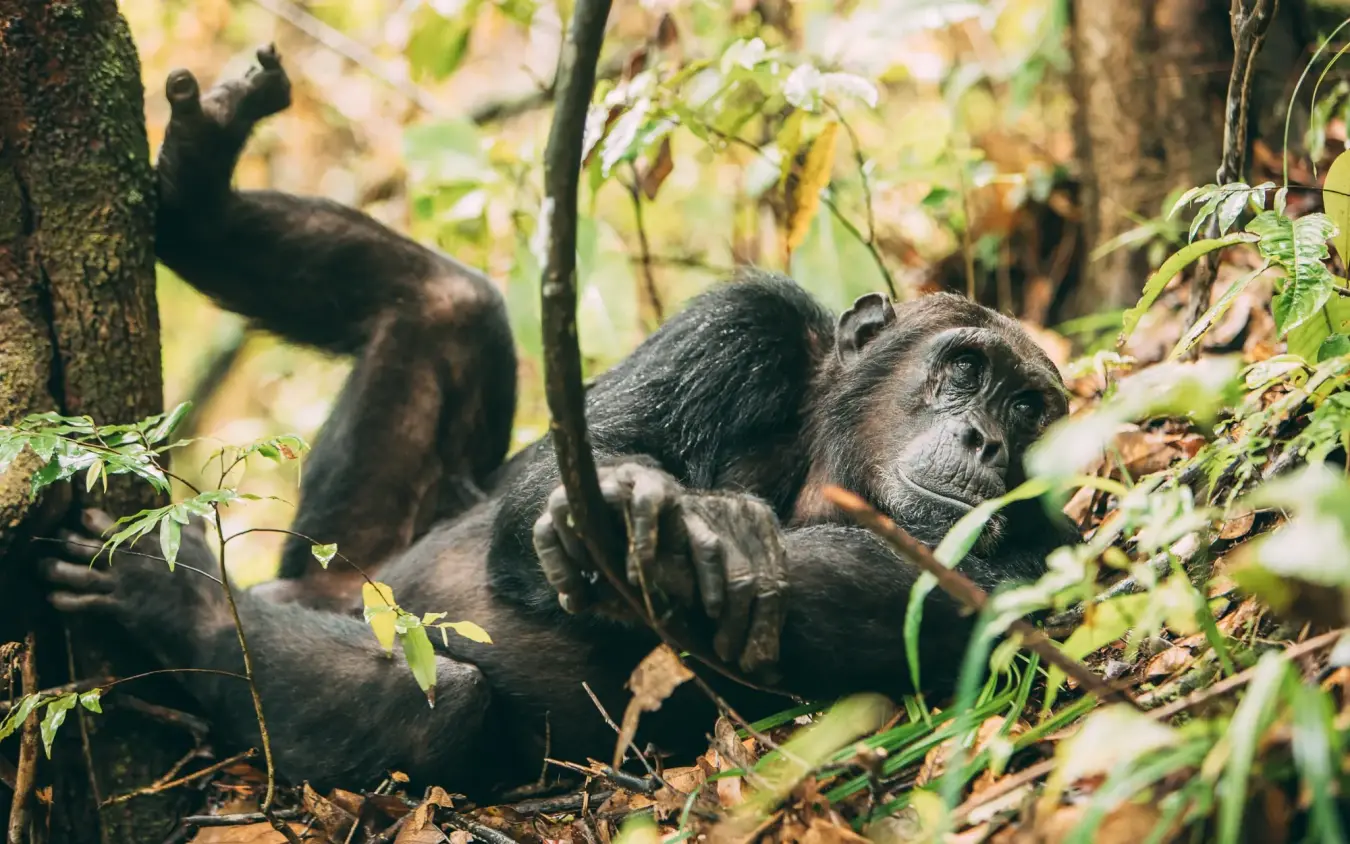
Wild chimpanzees live in the forest directly behind Greystoke Mahale, and guests walk in from camp to find them. There is no vehicle between them and the trees. Six open-fronted bandas face Lake Tanganyika from a white-sand beach in Mahale Mountains National Park, in western Tanzania, with rainforest climbing steeply behind. Tracking the chimpanzees on foot is what the camp was built for.

There is no vehicle between them and the trees.

Roland Purcell, an Irish adventurer, found this beach in 1988. He had worked on mountain gorilla conservation in Rwanda, and with his wife Zoe he built a camp here from the timbers of old fishing dhows. They named it after Tarzan’s fictional title, Lord Greystoke. Today guides and park rangers lead the treks, reading the signs of movement until the group is found.
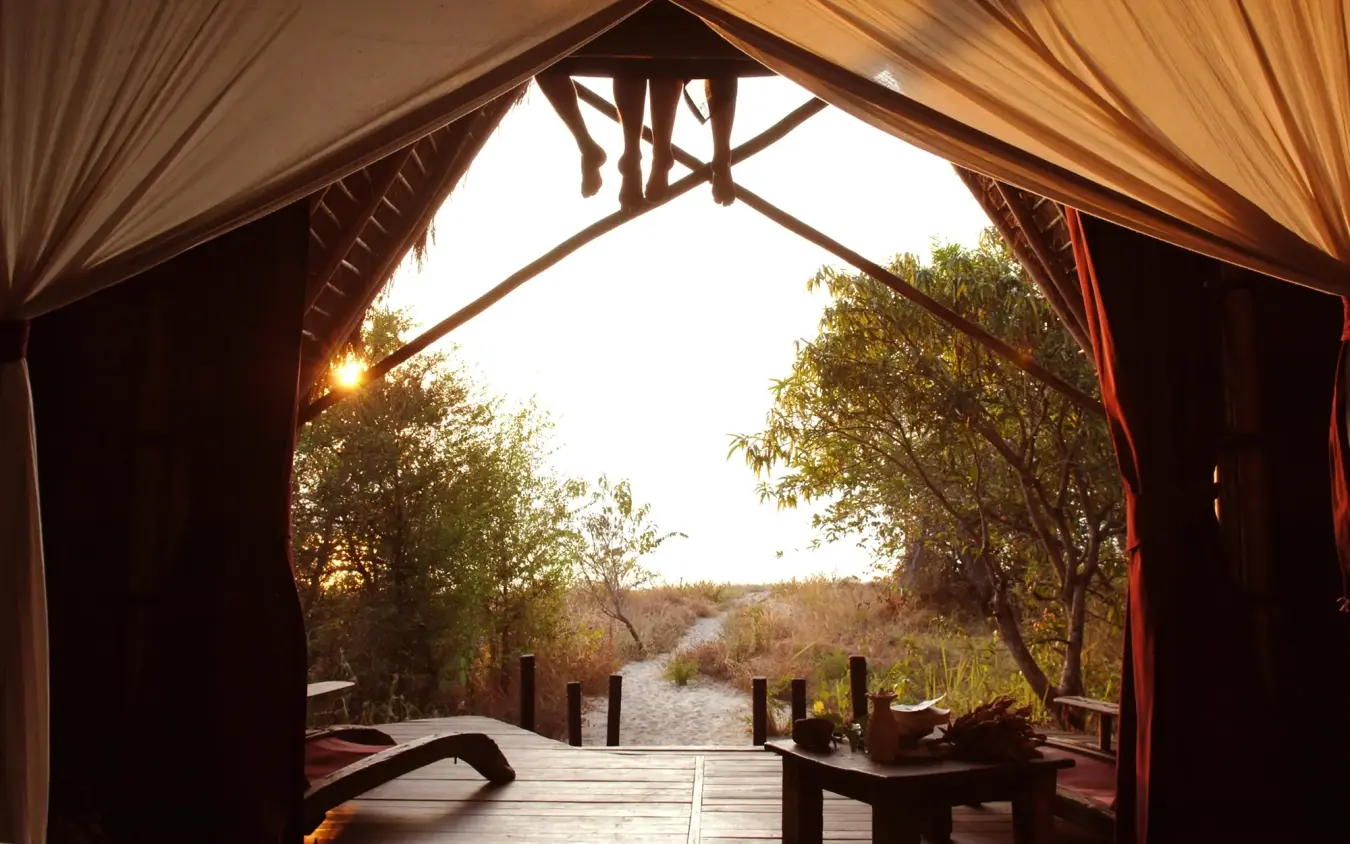
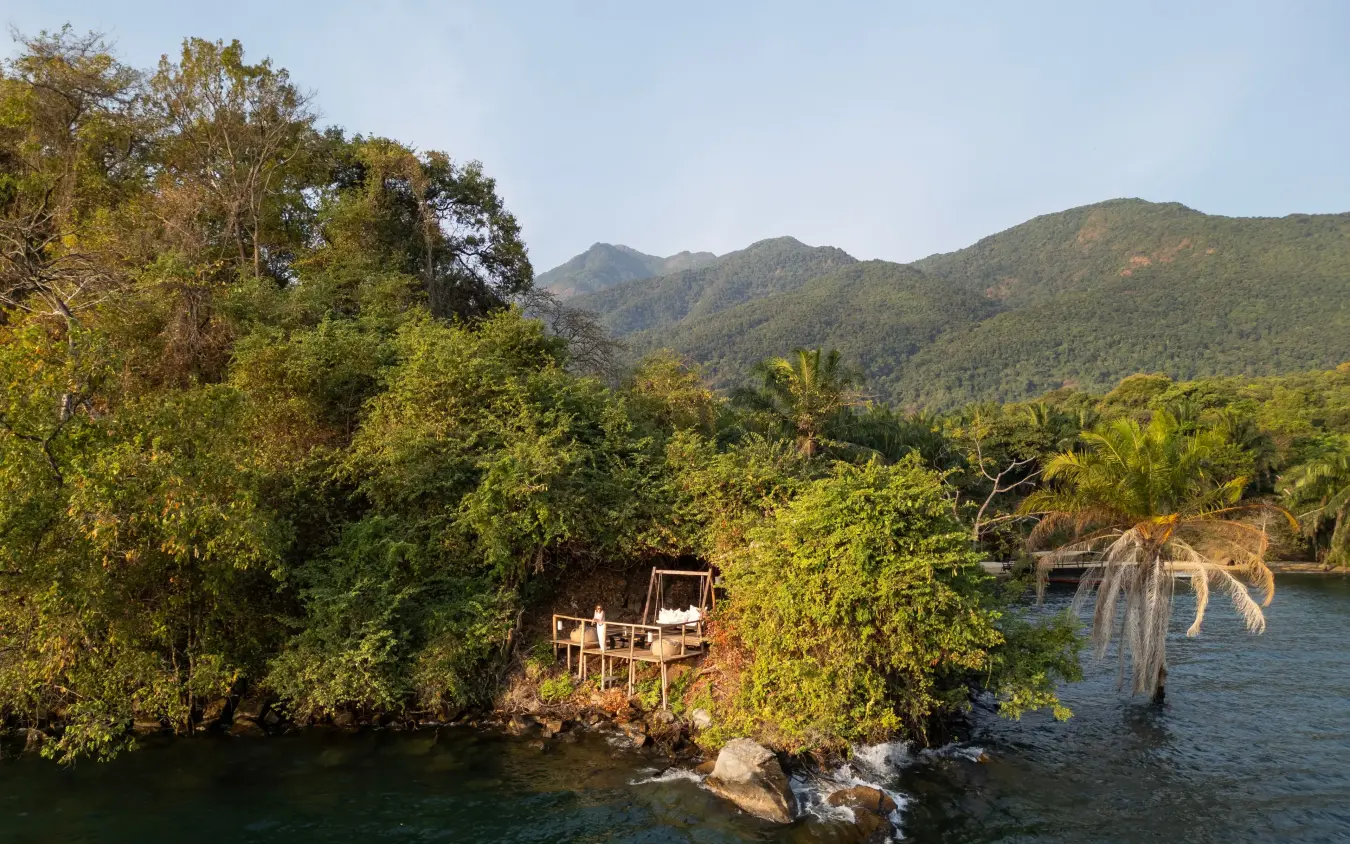
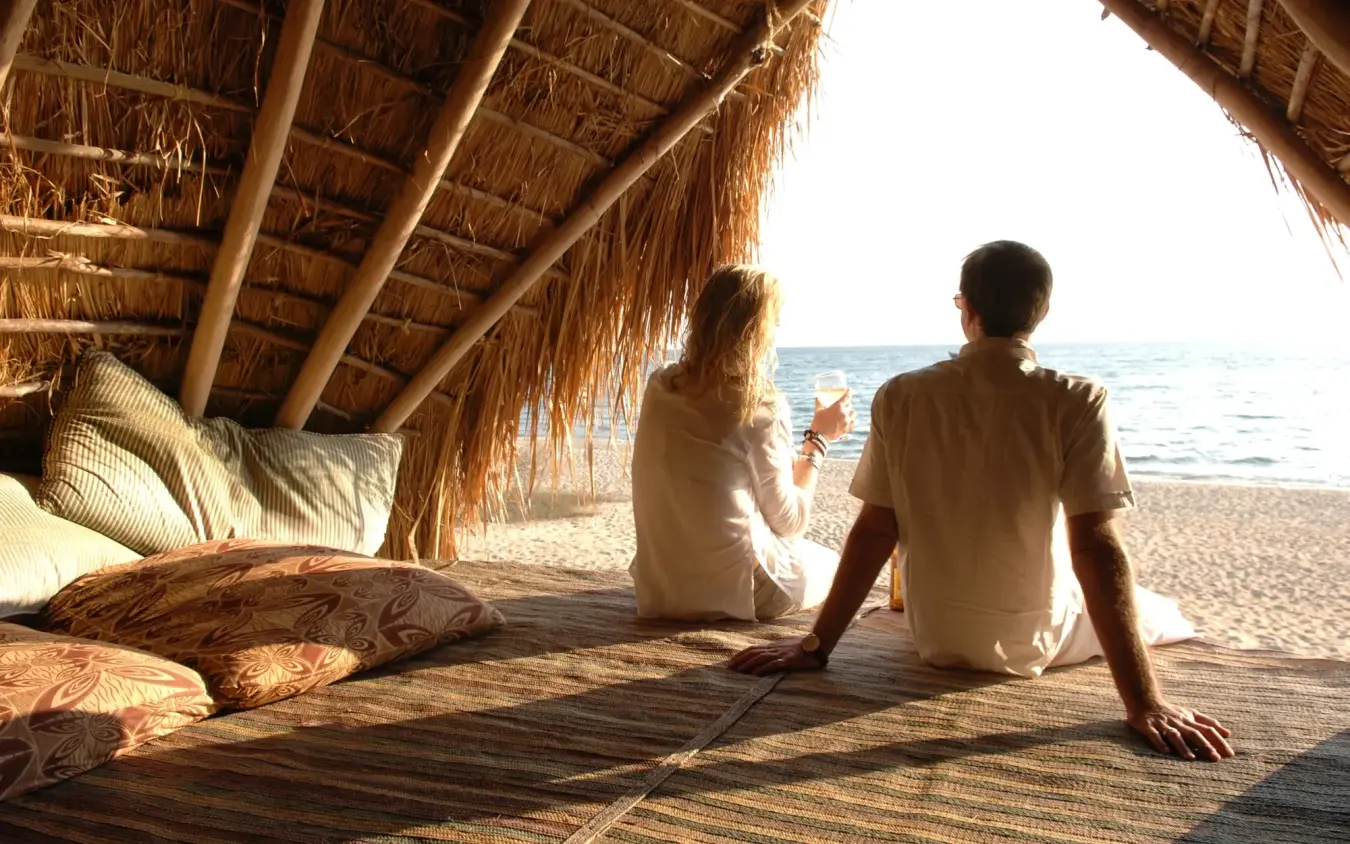
Couple relaxing in beachfront shelter overlooking ocean, Greystoke Mahale, Mahale Mountains, Tanzania
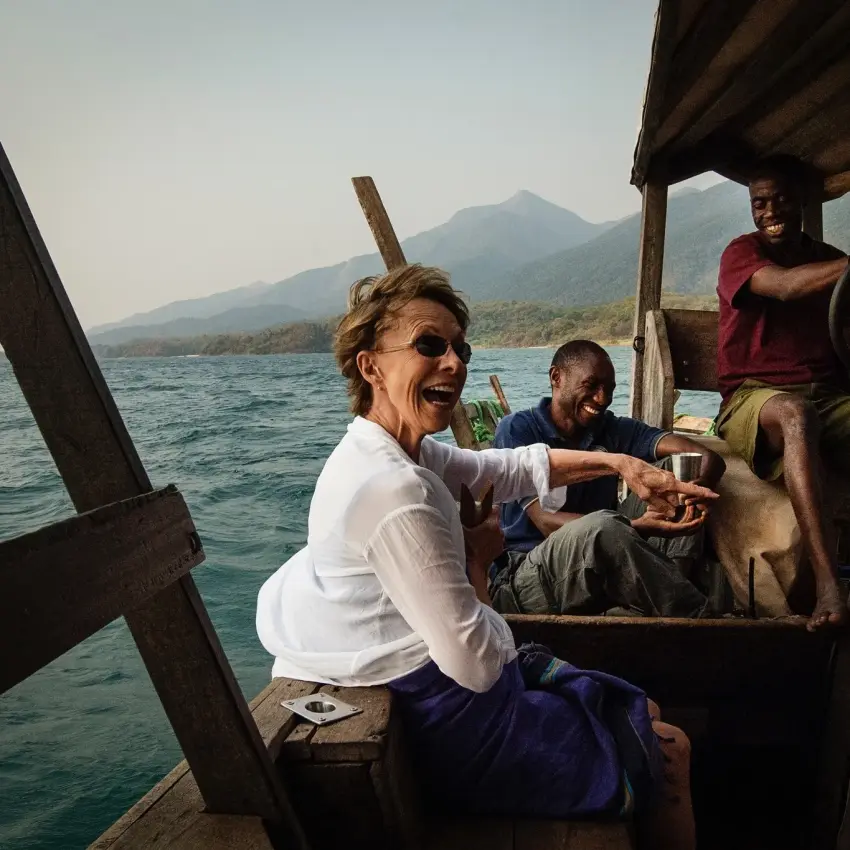
Guests in wooden boat on lake with mountain backdrop, Greystoke Mahale, Mahale Mountains, Tanzania

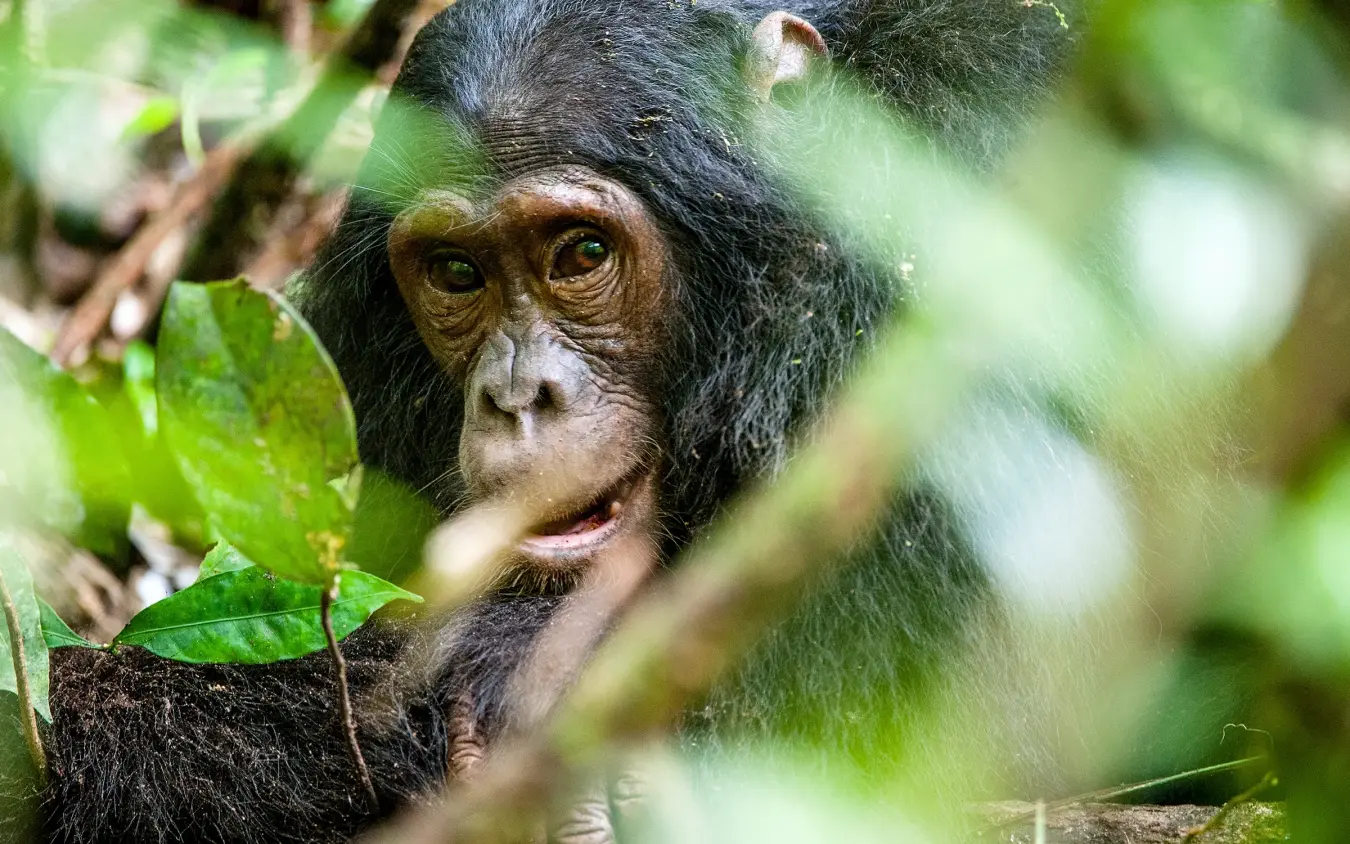
Japanese researchers have studied the M-group chimpanzees since the 1960s, and the animals are habituated but wild. Guests watch the grooming, the foraging and the shifting social politics, at a regulated distance and for a limited time each visit. A chimpanzee sighting is earned on foot. The trek may be a gentle walk or several steep hours, depending on where the group has wandered that day.

Mornings go to the chimps and afternoons to the lake.

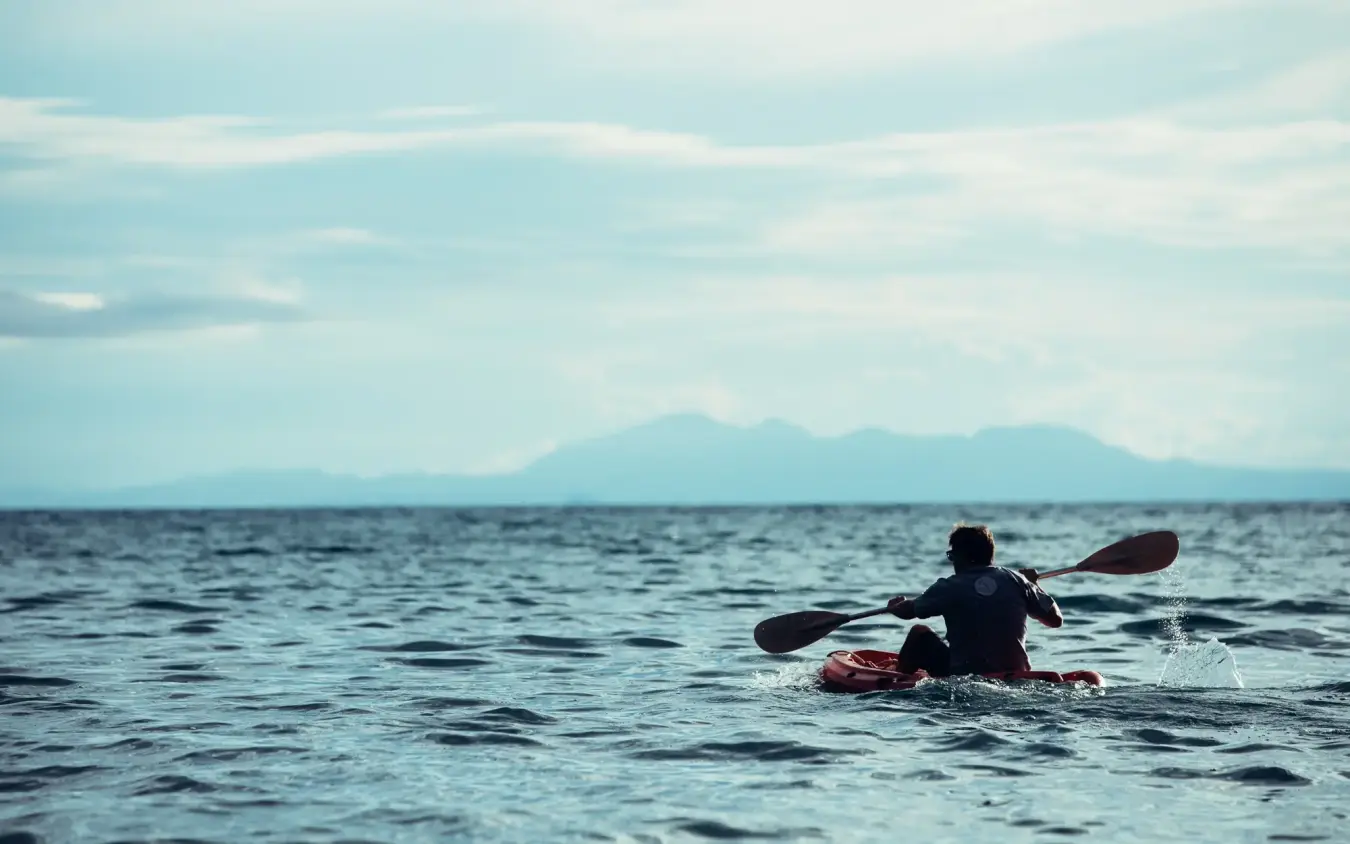
Lake Tanganyika is the second-deepest lake on earth and holds more than 250 species of cichlid, its shallows busy with them. Mornings go to the chimps and afternoons to the lake. Guests swim off the beach, kayak along the shore and snorkel among the fish. Forest walks lead to waterfalls and rock pools, and late in the afternoon the dhow goes out for sunset.

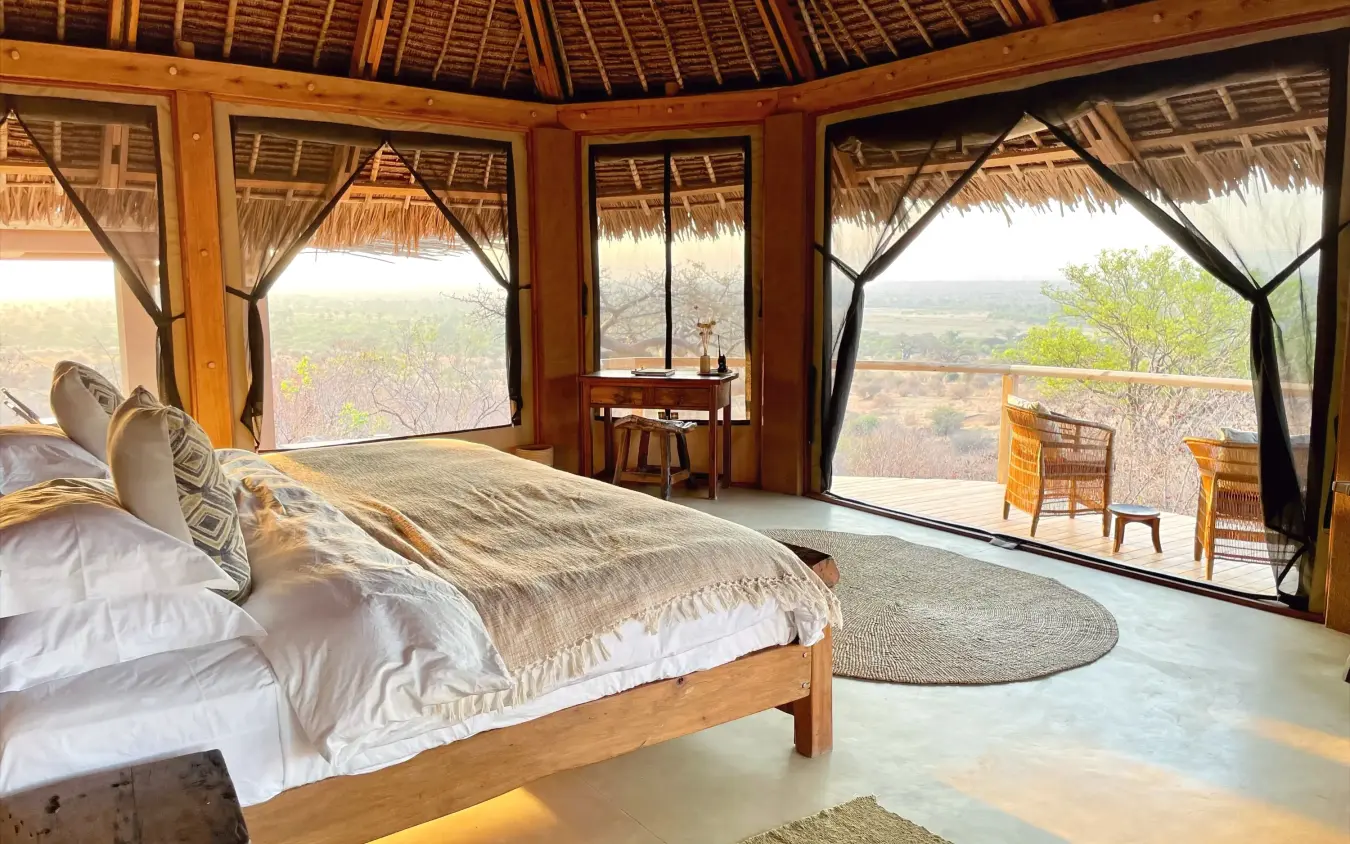
Thatched roof bedroom with canopy bed and striped chairs, Greystoke Mahale, Mahale Mountains, Tanzania 01

accommodation

Six Bandas Open to Lake Tanganyika

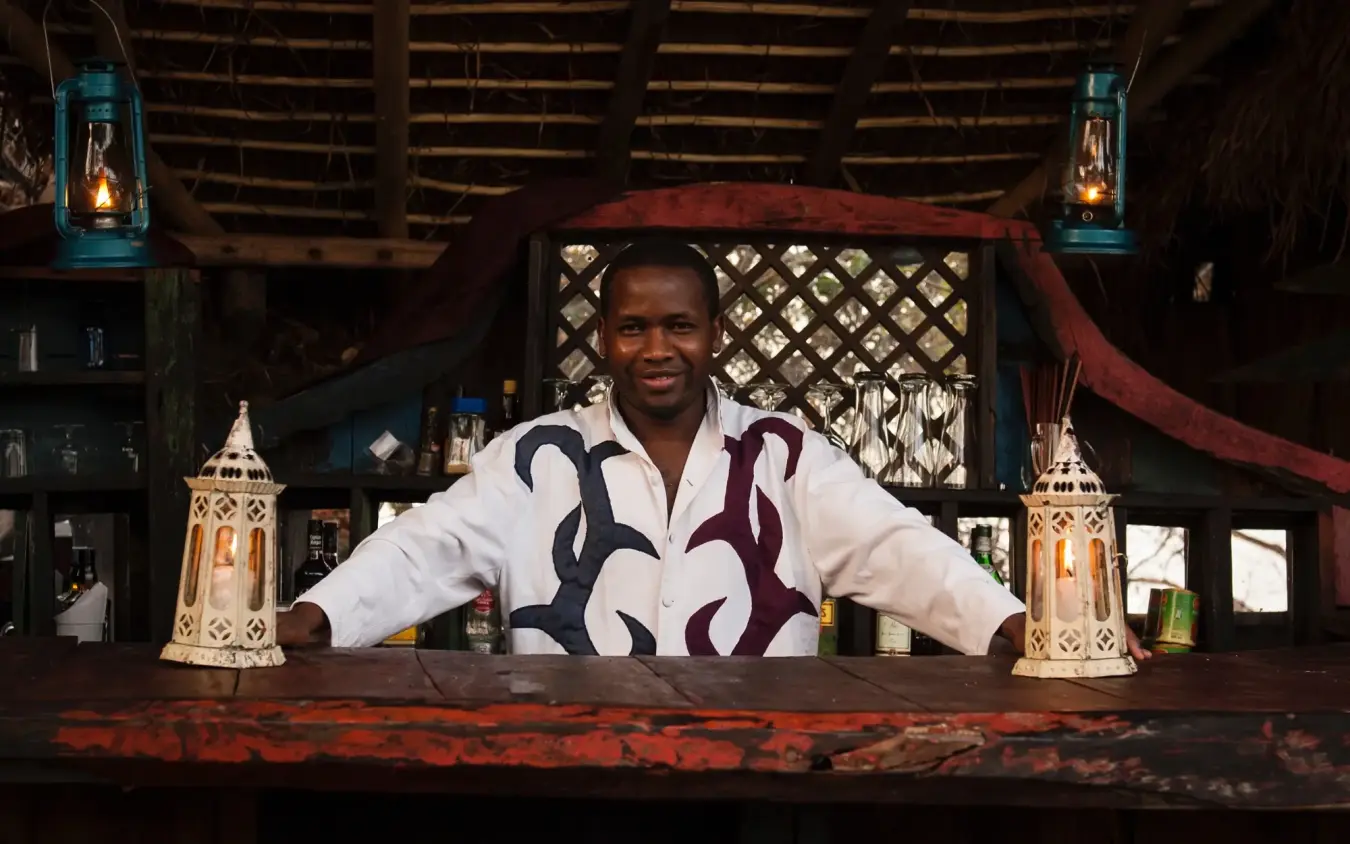
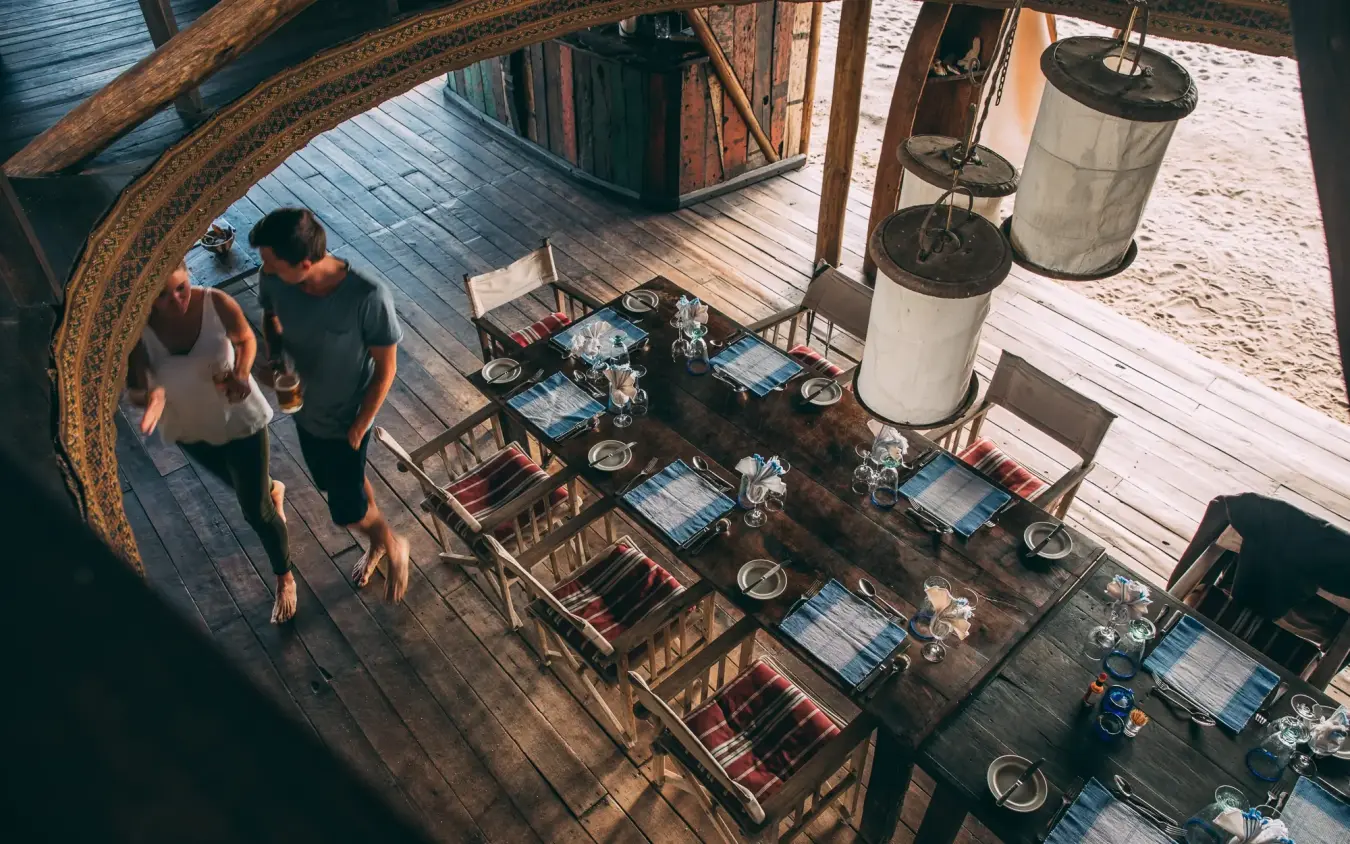
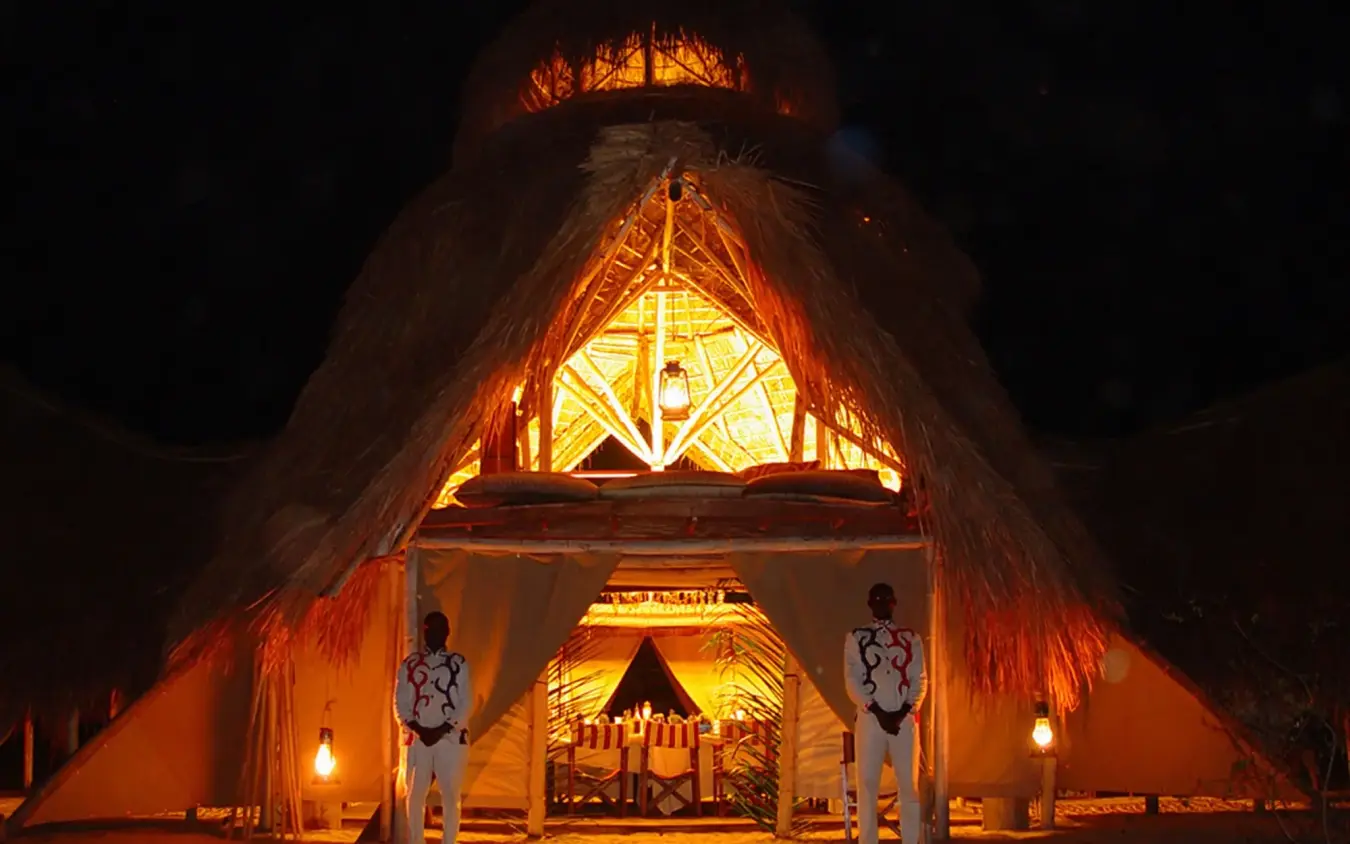
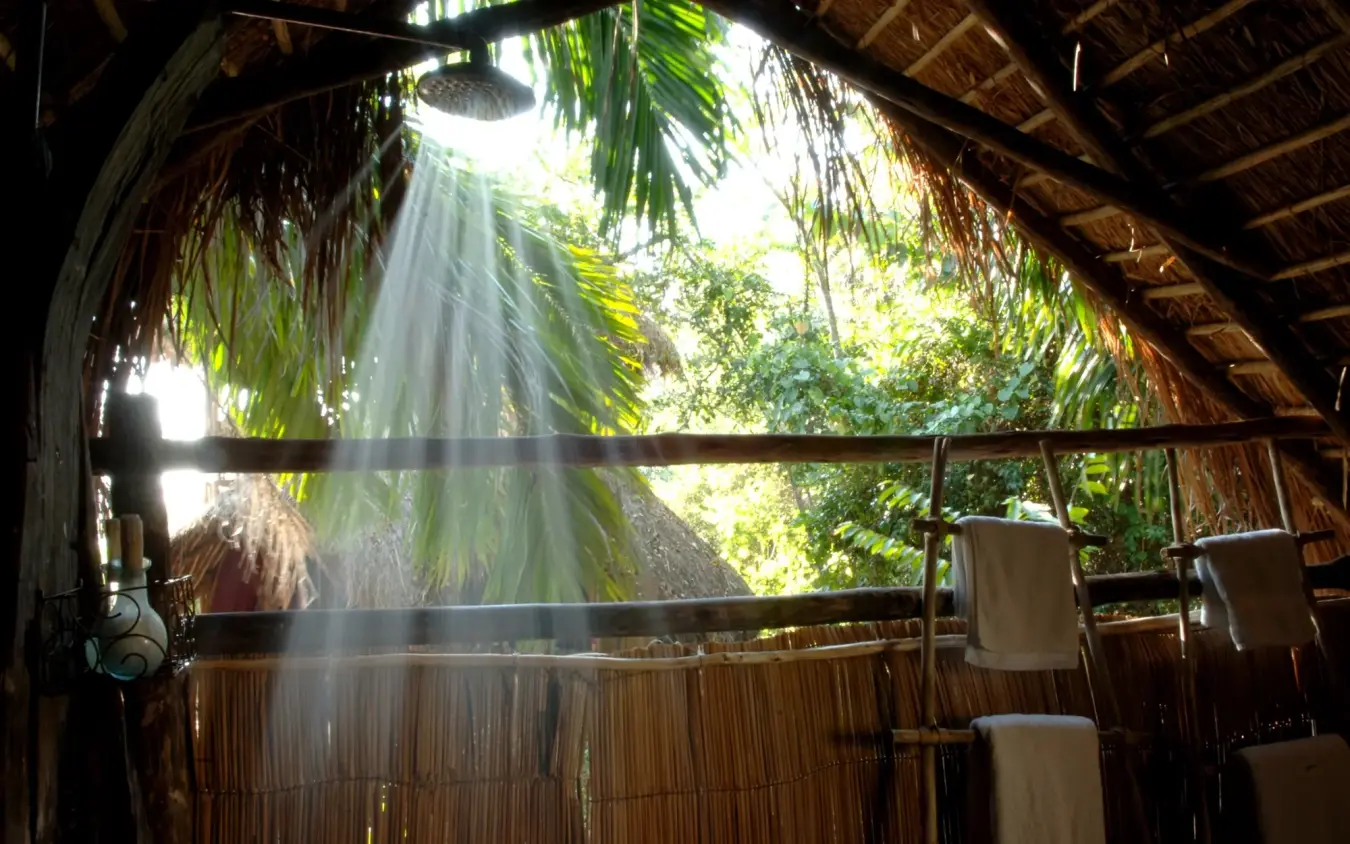
The six bandas are built from reclaimed dhow wood and bamboo and roofed with palm thatch, and all are open to the lake. Each is two storeys tall, with a bedroom, an en-suite bathroom and an al fresco shower on the ground floor and an upper deck above the sand. Heavy canvas curtains close the front for privacy or weather.

Group of visitors hiking through dense forest with guide, Greystoke Mahale, Mahale Mountains, Tanzania 02

activities

Chimpanzee Treks and Lake Tanganyika Water Sports

Chimpanzee trekking on foot is the main activity, led by guides and park rangers. Treks usually start in the morning, and time with the group is limited under park rules. Forest walks reach waterfalls, and Lake Tanganyika offers swimming, snorkelling, kayaking, catch-and-release fishing, dhow cruises and birdwatching.

Guide leading group through dense forest vegetation on foot, Greystoke Mahale, Mahale Mountains, Tanzania 03

conservation

Tongwe Trust Protects Ntakata Forest

Roland Purcell co-founded the Tongwe Trust to protect the Ntakata Forest. The chimpanzees themselves are protected within Mahale Mountains National Park, which is managed by TANAPA, and all trekking is regulated to limit disturbance. The camp supports the school and clinic in neighbouring Katumbi village, and buys from a local gardening project.

ready to get started?

Get in touch and let’s start the conversation. An initial consultation helps us understand what you’re looking for, whether that’s specific experiences, luxury touches, or marking a special occasion, and from there we’ll guide you through what’s possible so you can decide if we’re the right fit.

frequently asked questions

Mahale is among the most remote lodges in Tanzania, and no roads reach it. You fly by light aircraft to a lakeshore airstrip, usually routing from Arusha or the western circuit, then transfer by boat or dhow along Lake Tanganyika to the camp, which sits at the foot of forest-clad mountains rising straight from the water.

We build the flights and the boat transfer into one journey and confirm the timings with your dates.

Because the aircraft run on a small western network, seats are shared and the routing is fixed close to the day, and luggage is soft bags only with a limit of around 15 to 20kg.

If the shared schedule does not suit your dates, we can arrange a private charter, typically a Cessna Caravan or Pilatus PC-12, flown to your own timings. Mahale pairs naturally with Katavi's game on the same loop, and we will plan the two together so the connections work.

Yes. Although it is called the Mahale Mountains, the camp and its activities sit on the low, hot lakeshore of Lake Tanganyika, well below 1,800 metres, and current UK guidance from TravelHealthPro treats all of mainland Tanzania below that height as a malaria area. The camp provides nets and repellent, but antimalarial tablets and covering up after dark are the real protection.

We do not make medical recommendations. We are travel planners, not doctors. Which tablets are right for you, whether they suit your own health or anyone else's in the party, and what is appropriate for a child, is a conversation between you and your doctor or a travel clinic.

The practical side we can speak to is not medical: cover arms and legs from late afternoon and keep repellent to hand.

The lakeshore is hot and humid, and the chimpanzee trek climbs steep, sometimes muddy forest, so you are dressing for heat and effort at once.

Pack light, breathable clothes, swimwear for the lake, and sturdy shoes or trainers with grip for the trek, plus a light long-sleeved layer and long trousers for the forest, insect repellent, a hat, sunglasses and sunscreen. A light waterproof is worth having outside the driest months.

This is the reason to come. A community of wild chimpanzees, studied by Japanese researchers since the 1960s, lives in the forest behind the beach, and you go to them on foot, tracking directly from camp with guides and national park rangers and no vehicle between you and the trees.

The long habituation allows close, unhurried watching of grooming, foraging and shifting social politics, at a set distance and for a limited time with the group under park rules. There are no vehicle game drives here; between treks the days run to forest walks, swimming, snorkelling and kayaking on the lake.

Come in the dry season from July to October, when the group moves down to the lower slopes near camp, making sightings shorter to reach, drier and more frequent, with August and September the standout.

The green season is lush but the chimps climb higher and the trails grow muddy, and the March to May rains close most camps. Because sightings are never guaranteed on a single trek and the journey in is long, we would suggest at least three nights.

Month by month: the best time to visit Mahale Mountains

It is a remote camp built around a demanding forest trek to see wild chimpanzees, on steep terrain and with park rules on how the group is approached, so it is not suited to young children. Chimpanzee trekking also carries minimum-age rules that we will confirm for your dates.

Tell us the ages of any older children and how they are on foot, and we will say honestly whether it fits.

Barely, and by design. Mahale is one of the most remote places you can stay in Tanzania, so you should not count on wifi, and mobile signal on this stretch of Lake Tanganyika is very limited to non-existent.

It is as close to genuinely off the grid as a safari gets, which is much of the appeal. If you need to stay reachable, tell us before you travel and we will confirm what is currently possible and set expectations.

rated five stars by our clients

other areas in tanzania

Katavi pairs naturally with Mahale: a remote western savannah of dry-season hippo and crocodile concentrations, usually on the same flight route. The Serengeti adds open plains, big predators and the wildebeest migration for contrast. Gombe Stream, further north on Lake Tanganyika, offers a smaller, research-led chimpanzee experience. Ruaha and Nyerere, in the south, bring woodland-savannah, strong predator dynamics and river systems to a broader Tanzania itinerary.

African wild dog standing alert in grassland 01

Ruaha National Park

Guests relax in chairs by river with child wading, Lake Manyara, Tanzania 02

Lake Manyara

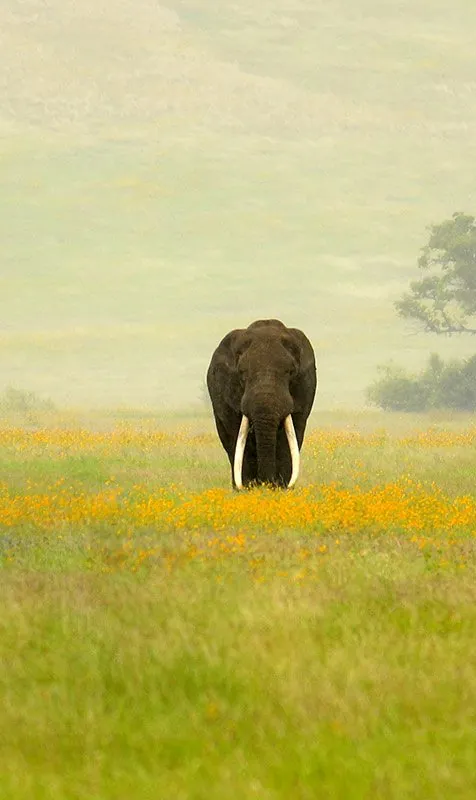
Elephant walking alone across golden savanna grassland 03

Ngorongoro Crater

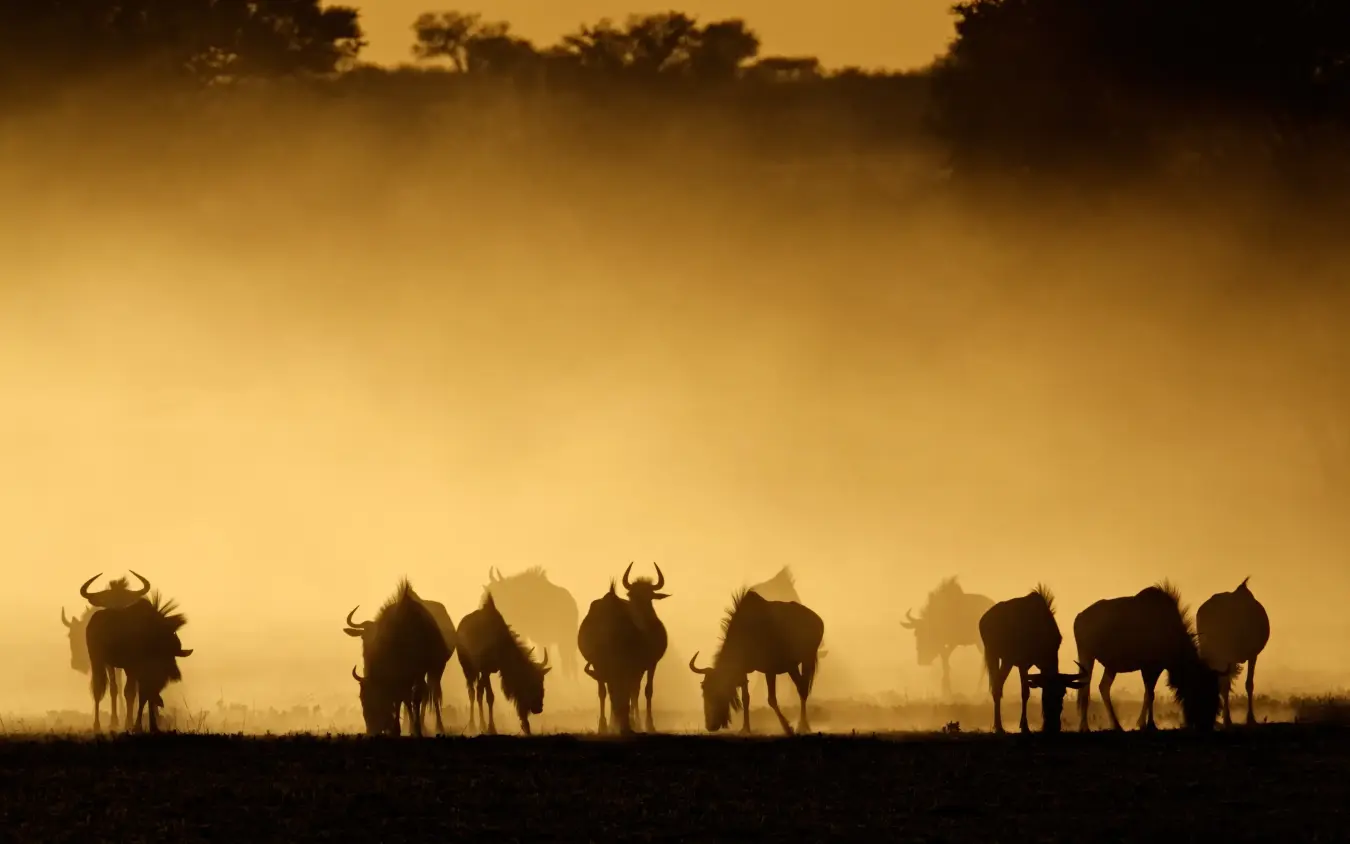
Silhouetted herd of wildebeest in dusty savanna landscape 04

Serengeti National Park

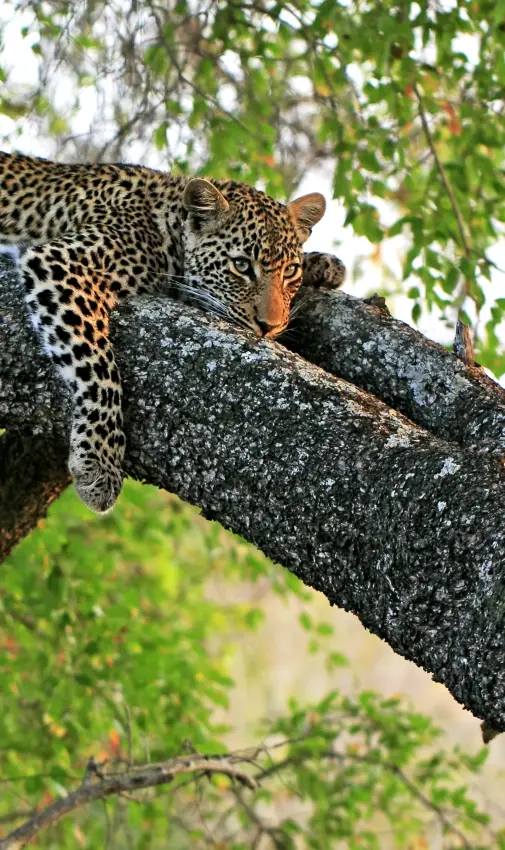
Leopard resting on tree branch surrounded by green foliage 05

Tarangire National Park

Hippopotamuses in water with heads above surface 06

Katavi National Park

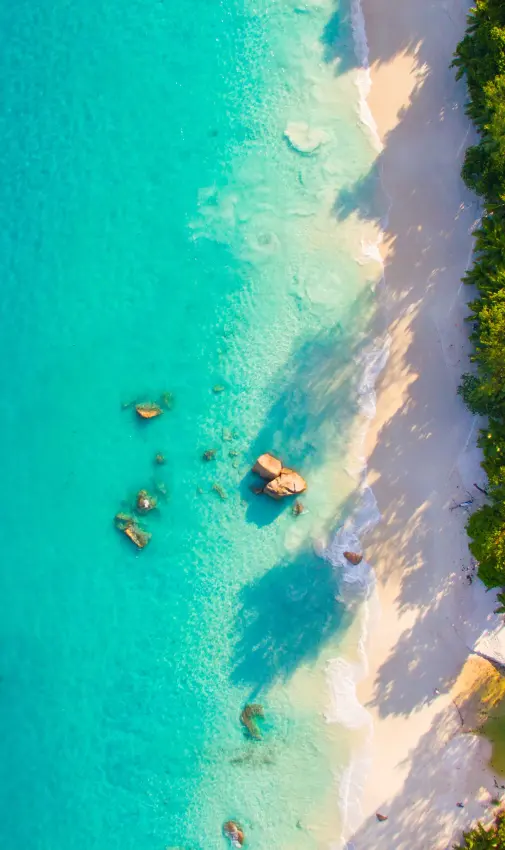
Turquoise water beach with boats and tropical vegetation 07

Zanzibar & Pemba

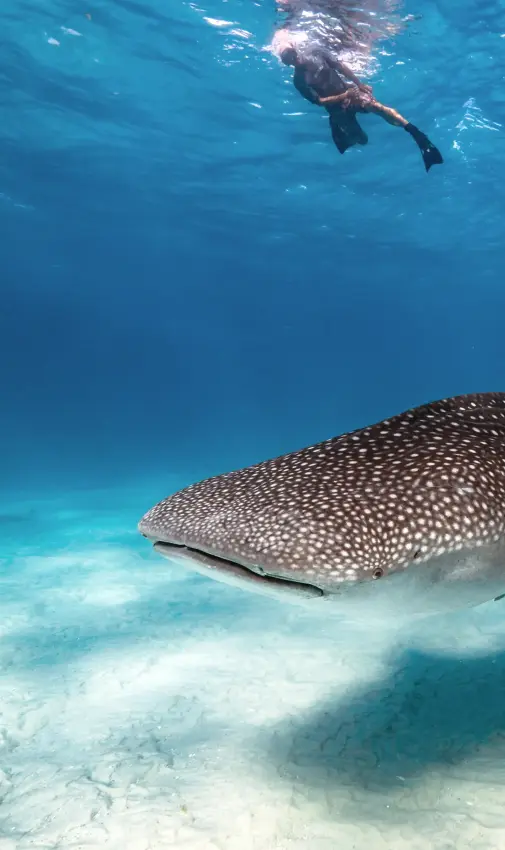
Snorkeler swimming alongside whale shark in shallow turquoise water, Mafia Archipelago, Tanzania 08

Mafia Archipelago

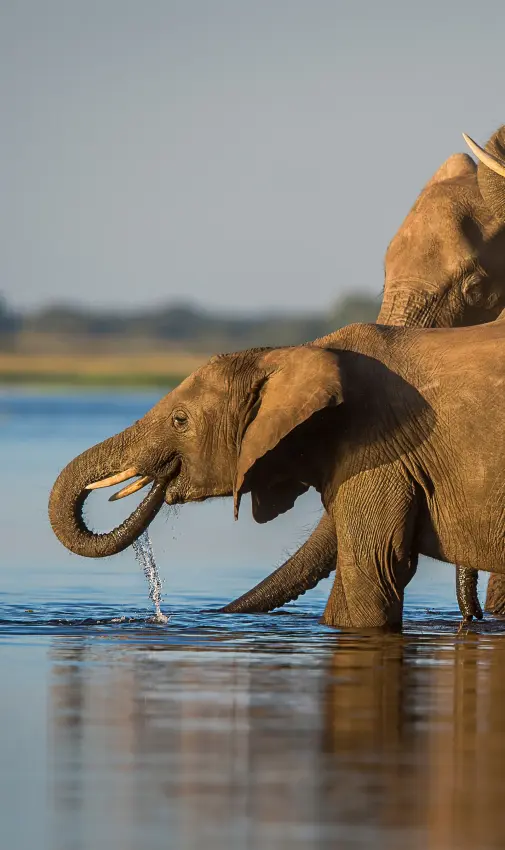
elephants drinking water at riverbank during daytime 09

Nyerere National Park

Chimpanzee among vegetation looking toward camera, Rubondo Island, Tanzania 10

Rubondo Island

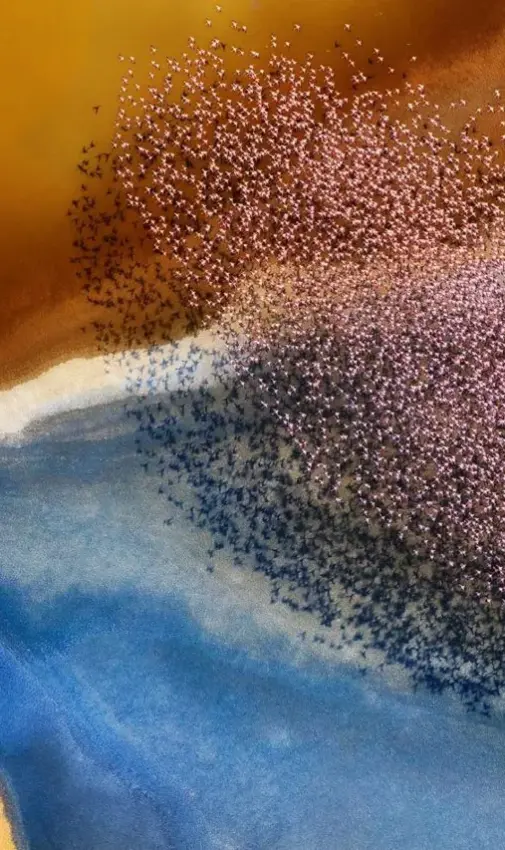
Aerial view of colorful salt lakes and mineral deposits 11

Lake Natron

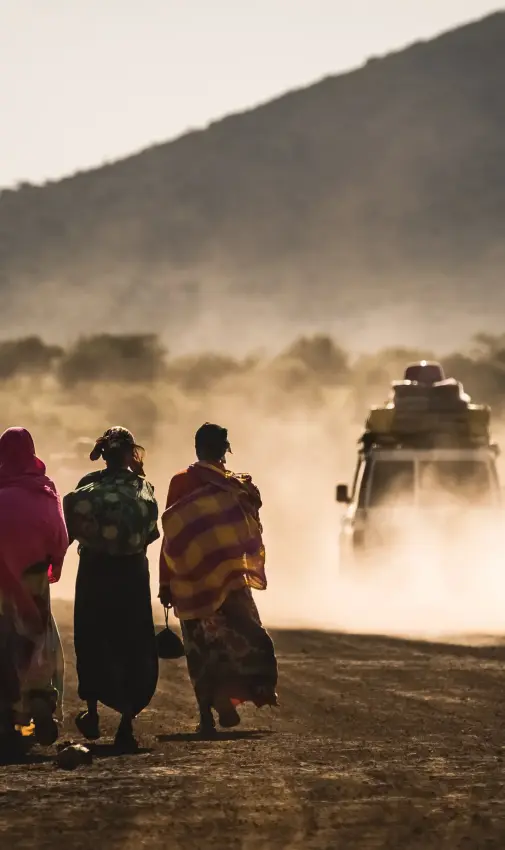
Local people walking on dusty road with vehicle approaching 12

Arusha

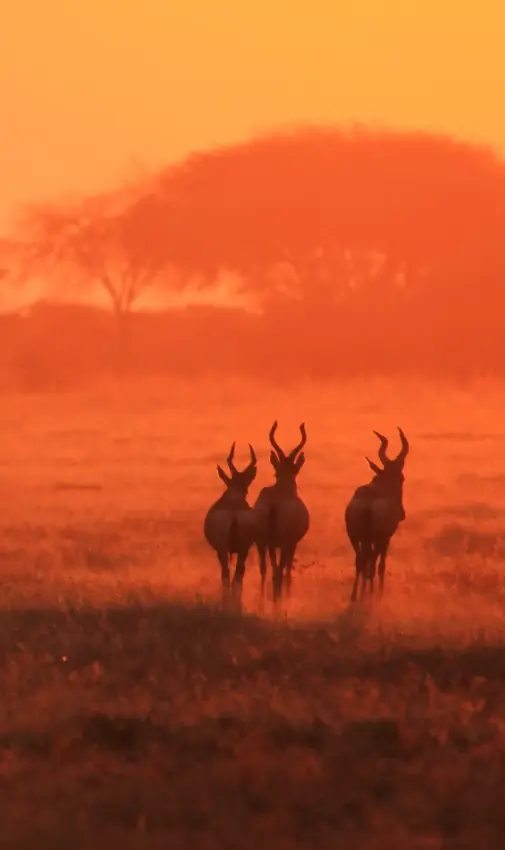
Herd of antelope silhouetted against orange sunrise 13

Ugalla River National Park

West Kilimanjaro, Tanzania 14

West Kilimanjaro

Planning a journey together

our approach

remote, exclusive
& personal

Every journey starts with a conversation. We take the time to understand your vision before we start planning.

Whether by phone or in person, we work with you directly to shape something that is considered, personal, and expertly delivered.

get in touch
destinations ideas & inspiration our process about us contact us