











tanzania
the northern circuit and the coast
Eleven nights from Arusha's coffee slopes through Tarangire, Ngorongoro and the Serengeti to Zanzibar's coast.
- Private Safari
- From $11,245 pp
- 2 guests
- 11 nights
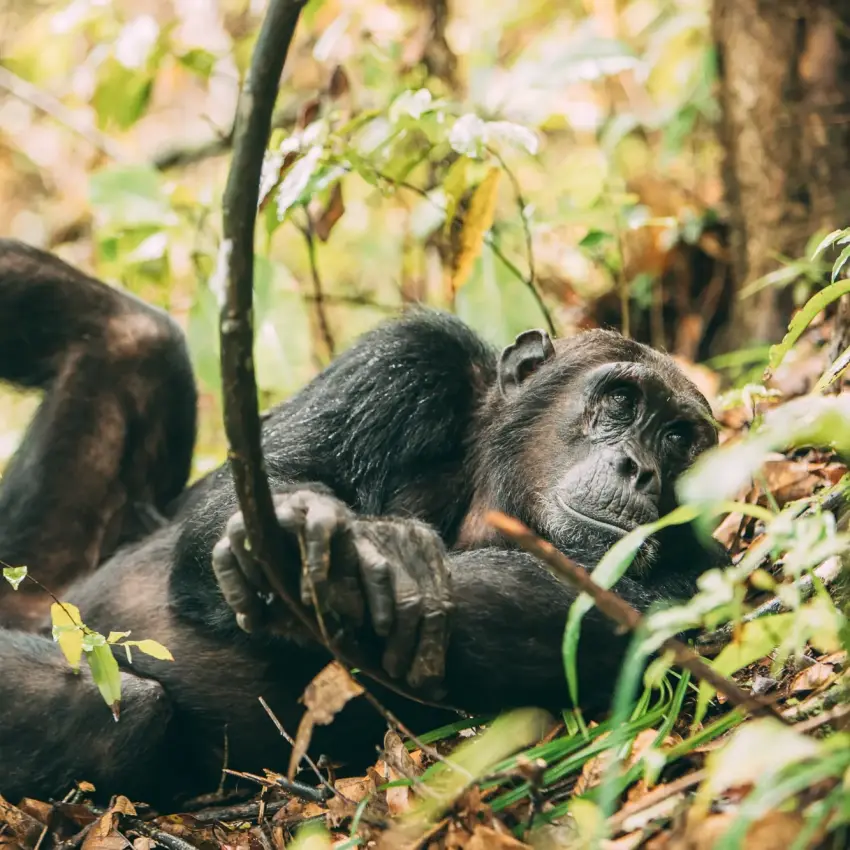
This eight-night route runs through the quiet west of Tanzania, beginning with a single night in Arusha, the staging town beneath Mount Meru where northern journeys start. From there it turns to Katavi, one of the least-visited parks of its size, where the dry season concentrates hippos, buffalo and elephants on a shrinking plain. It closes in the Mahale Mountains, a lakeshore rainforest on Lake Tanganyika where wild chimpanzees are tracked on foot.
You travel by light aircraft between the parks, with game drives in open 4×4 vehicles on the Chada Plain and trekking on steep forested slopes at Mahale. The camps are small and simple in the way remote places require, strong on guiding and set among the country rather than behind glass. Each is the right base for what its region offers, from open grassland to white-sand beach.
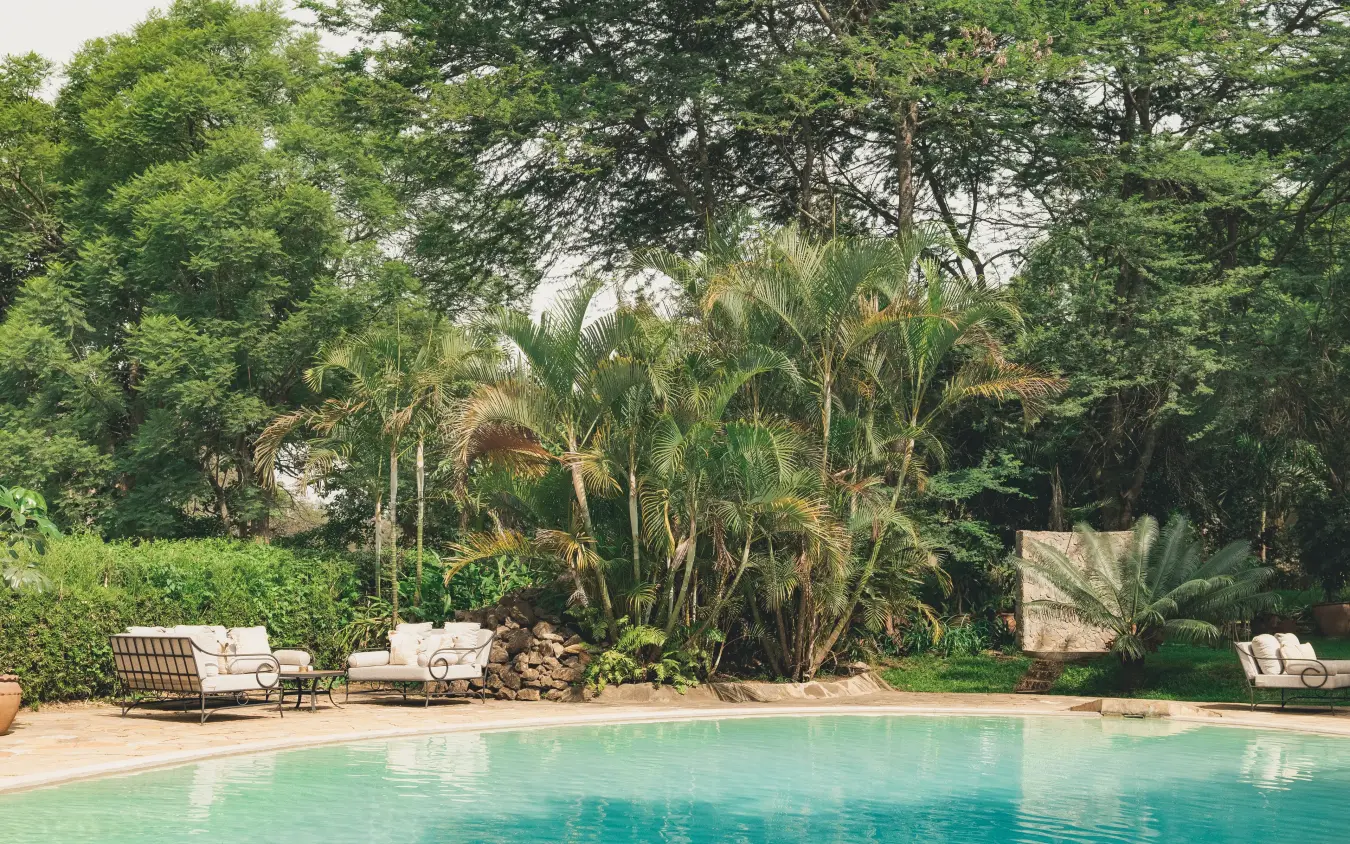
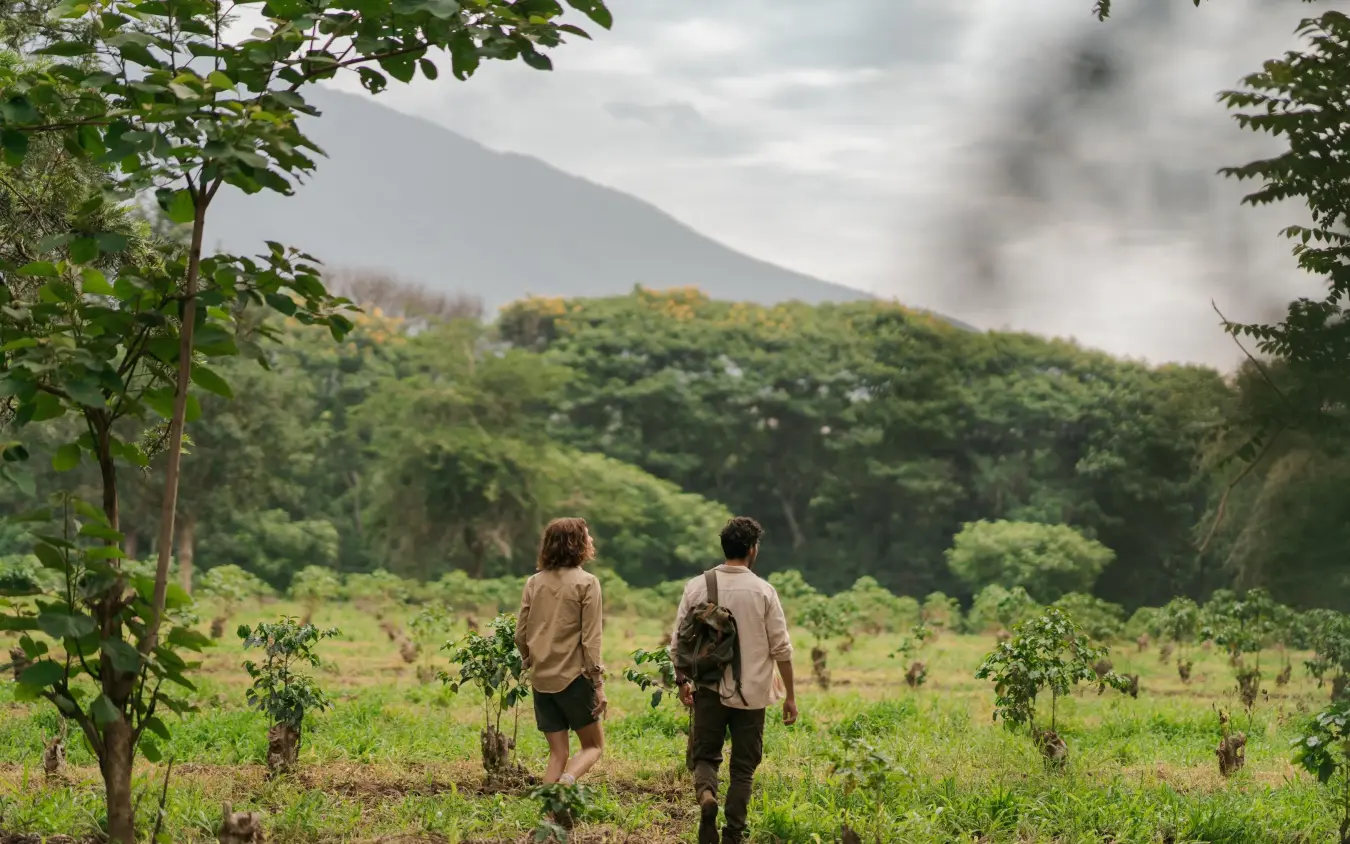
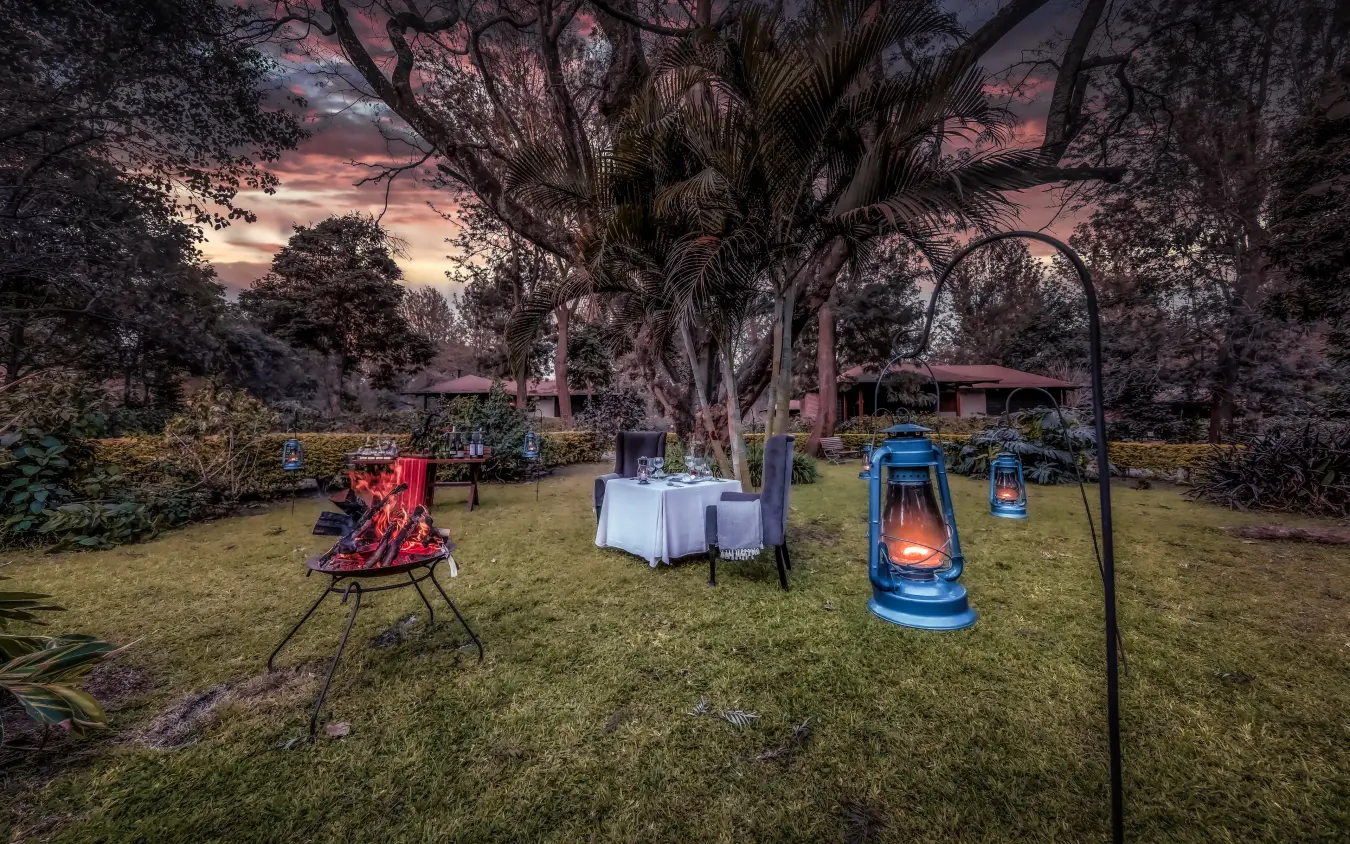
The first night settles you on the western edge of Arusha, at 1,400 metres on the southern slopes of Mount Meru, before the flights west begin. This is the region's logistical hinge rather than its main event, a calm place to rest after the long haul in. You can walk the estate and taste the roast at an unhurried pace. Legendary Lodge stands on the century-old Selian Coffee Estate, its twelve cottages scattered through tropical gardens and rows of coffee, with the airport fifteen minutes away and the arrival handled without fuss.
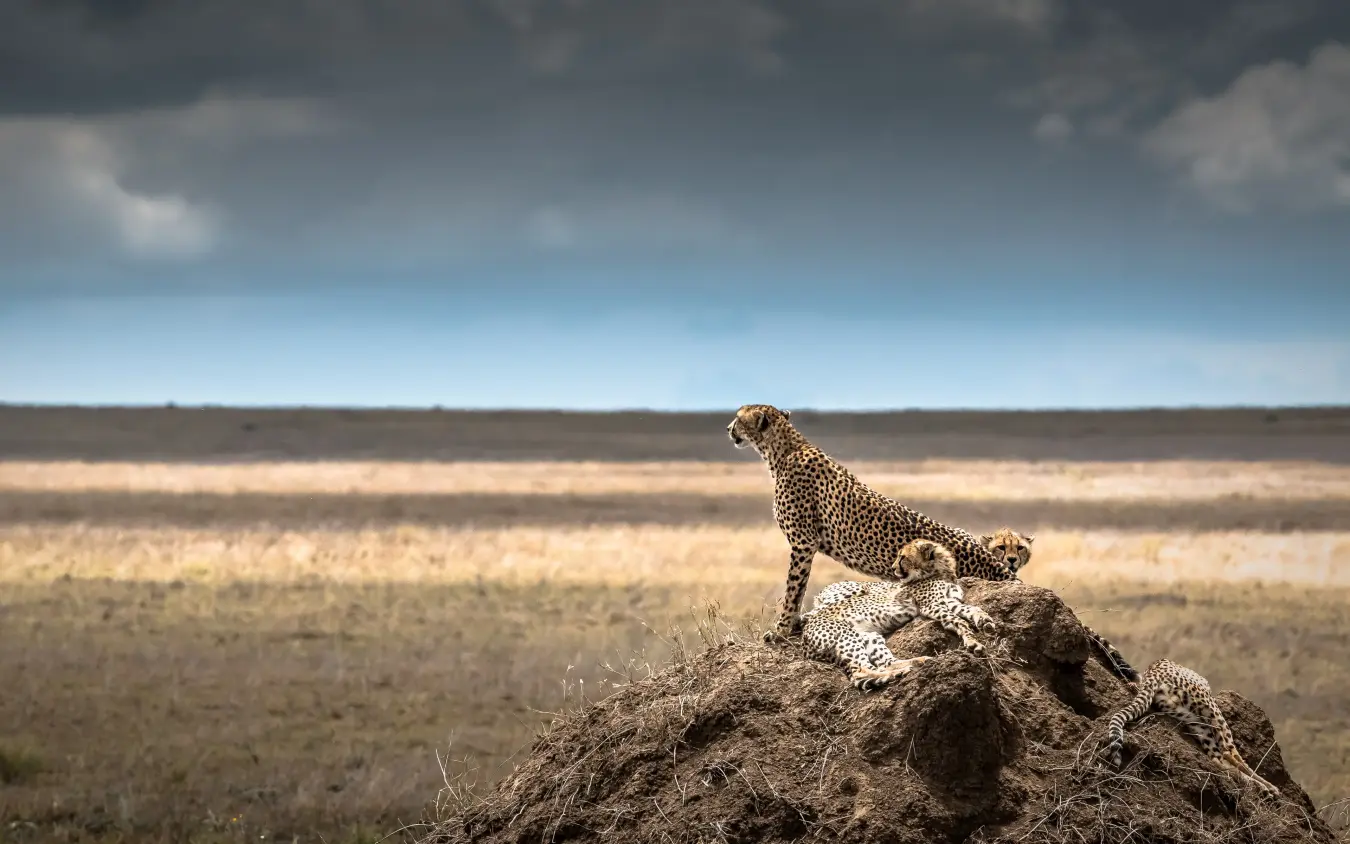
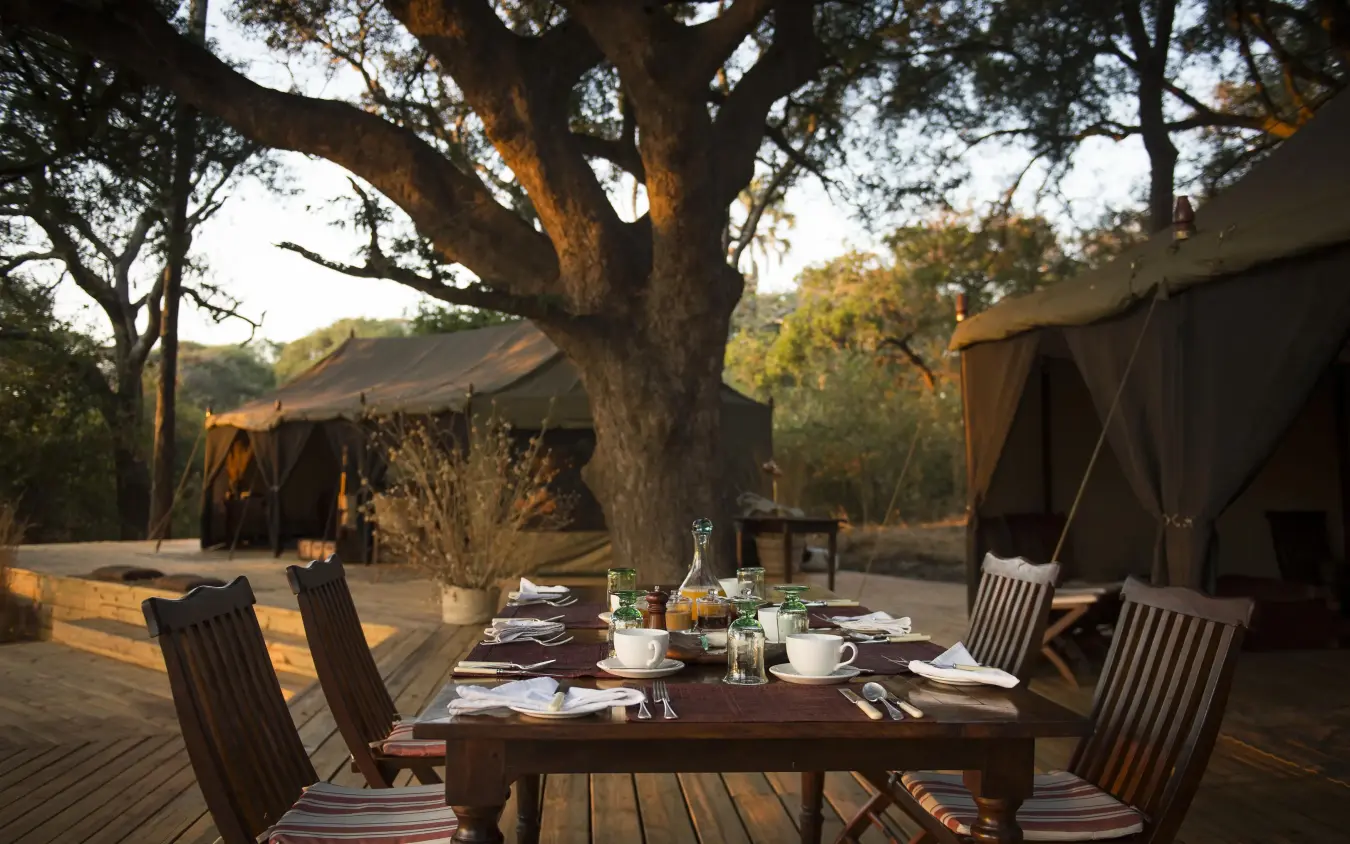
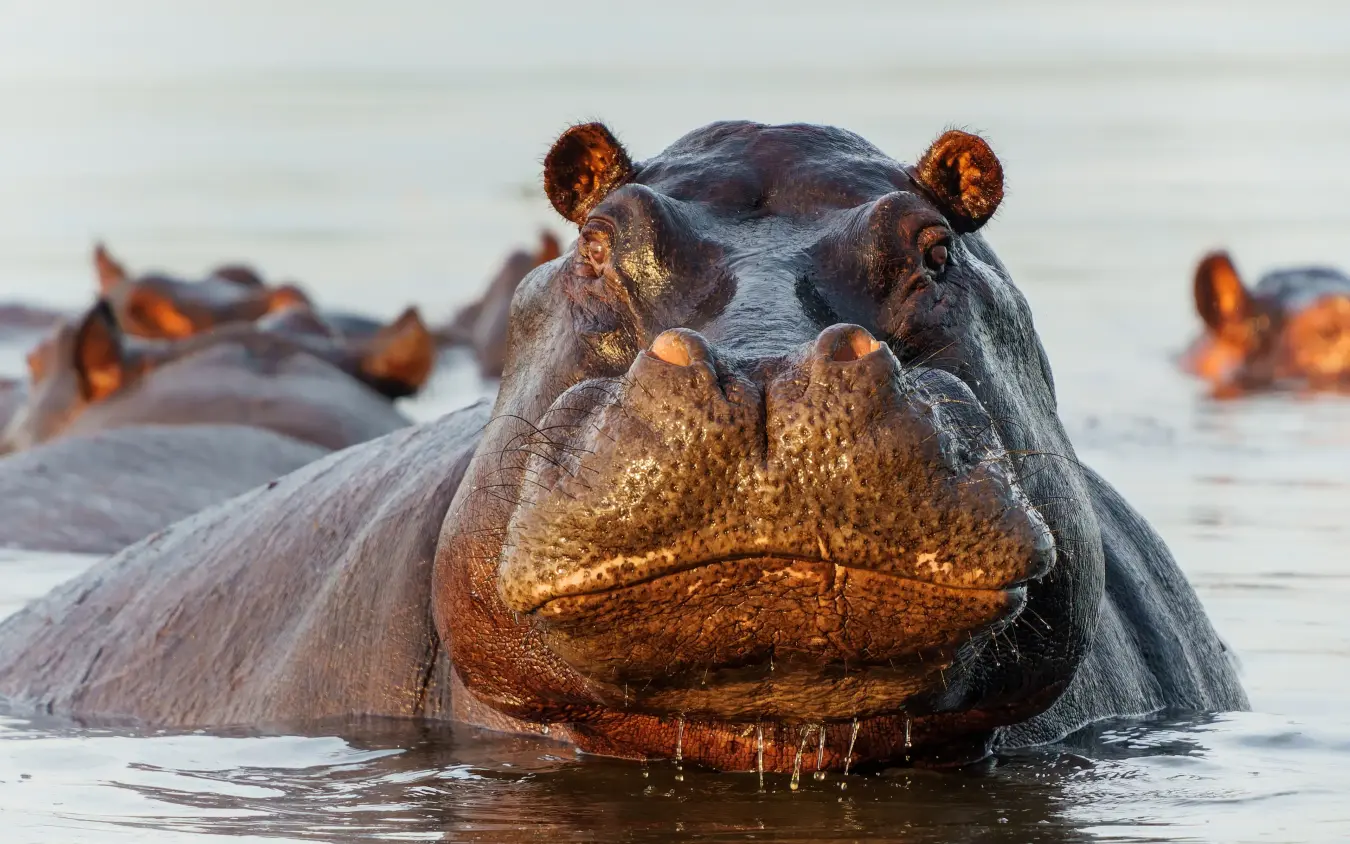
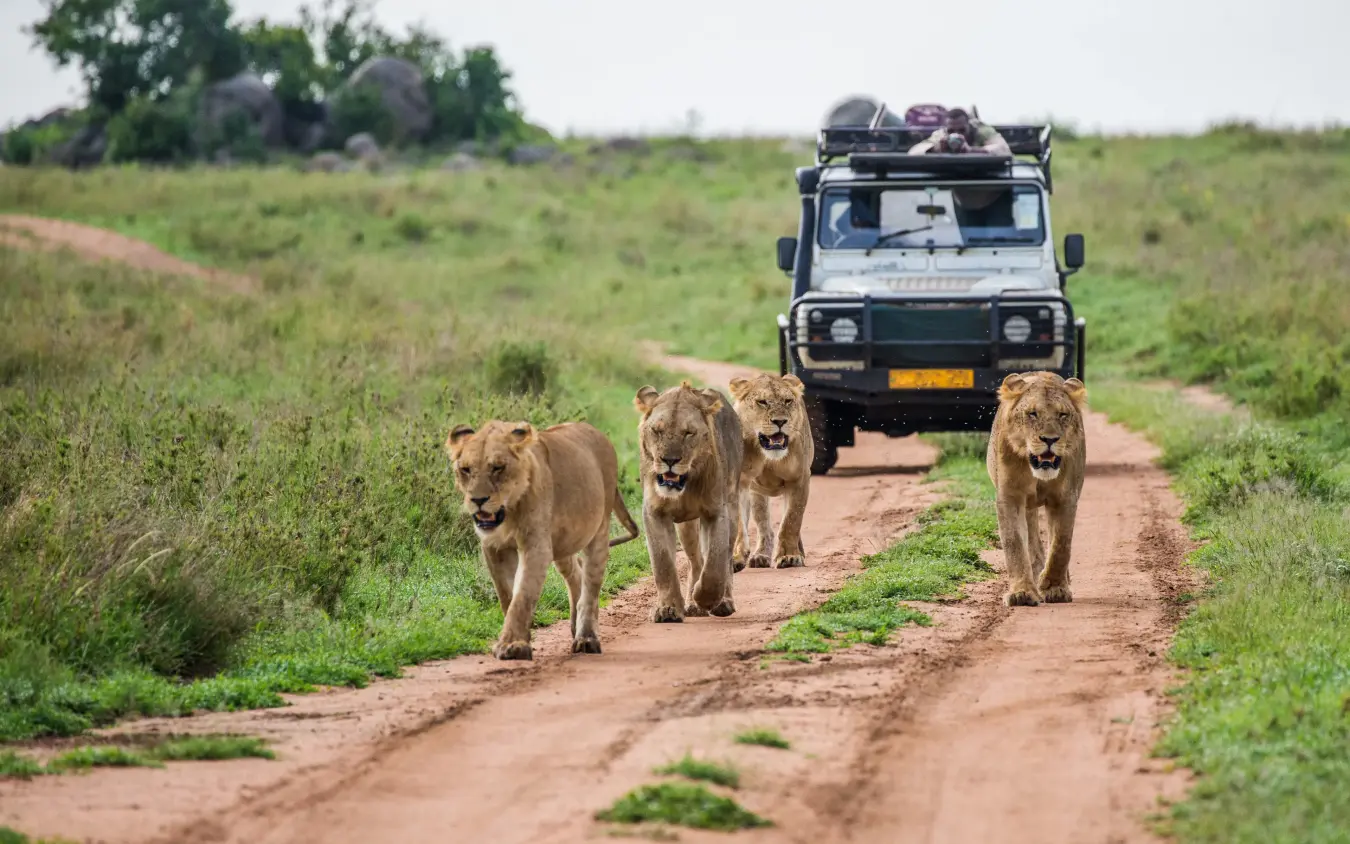
Four nights are given to Katavi, reached by light aircraft from Arusha and a short transfer or game drive from Ikuu airstrip. Days turn on morning, afternoon and full-day drives in open 4x4 vehicles across the Chada Plain. As the dry season tightens from June to October, the Katuma River and scattered pools shrink and the wildlife gathers around what water remains, with hundreds of hippos crowding the pools, crocodiles on the banks and buffalo in their thousands. Chada Camp holds just six canvas tents under tamarind and acacia on the edge of the plain, where elephants come for the fruits and lions turn up often.
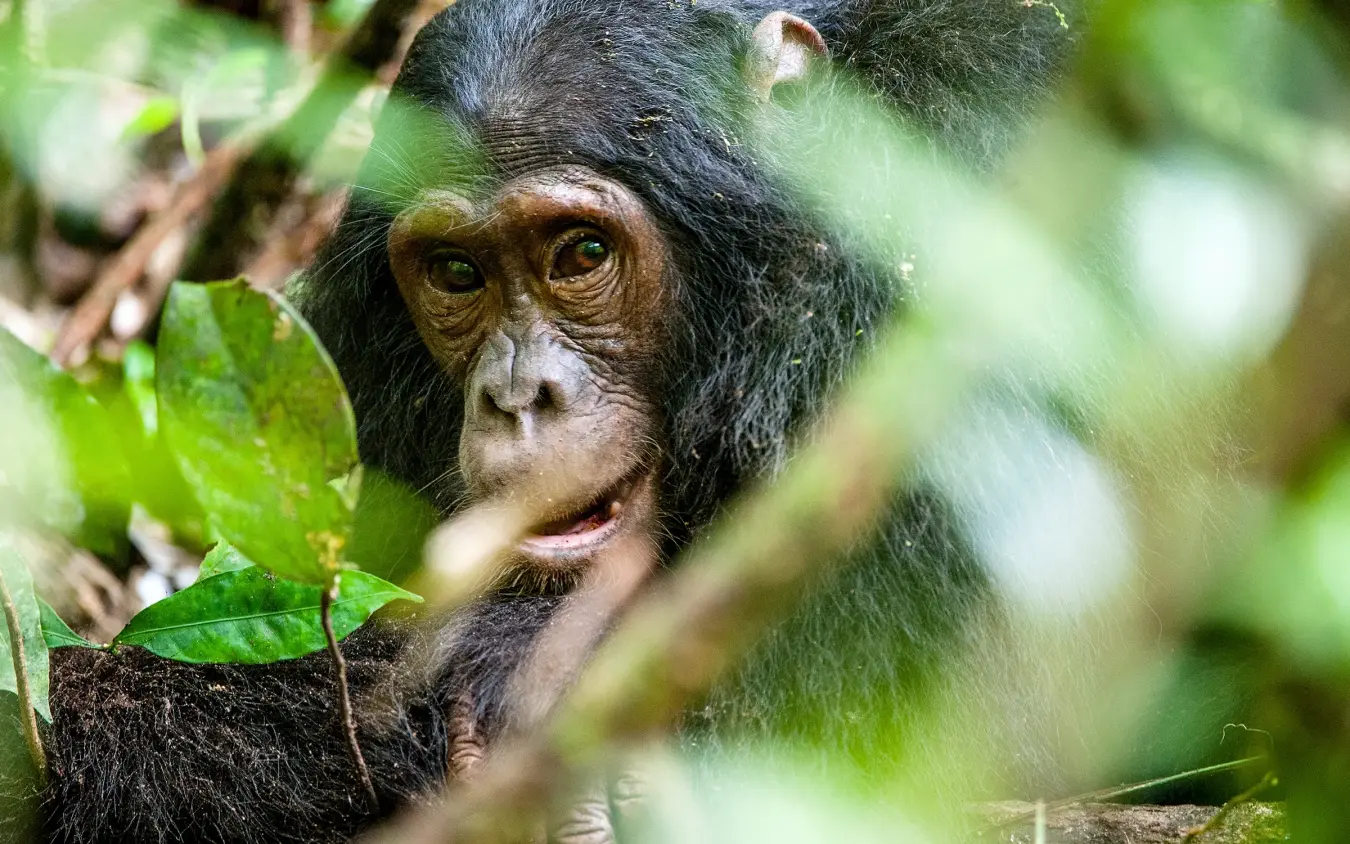
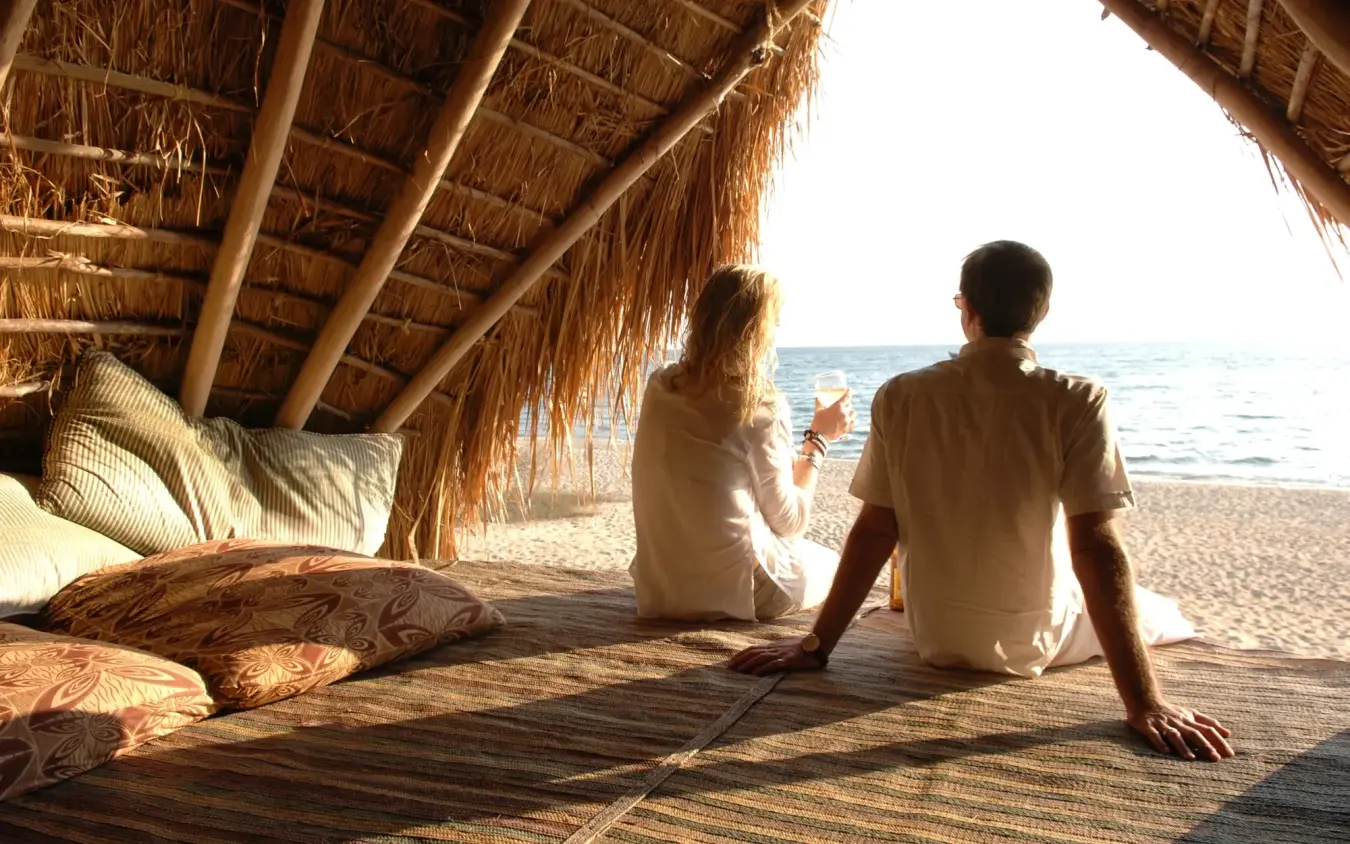
The final three nights sit on a white-sand beach on Lake Tanganyika, inside Mahale Mountains National Park, reached by light aircraft and then a dhow along the lake. Mornings begin with a trek into the hills, guides and rangers reading the signs until the habituated chimpanzees of the M-group are found, tracked on foot with no vehicle involved. A trek might be a gentle walk or several steep hours. Afternoons turn to the water, with swimming, snorkelling among more than 250 species of cichlid, kayaking or a sunset dhow. Greystoke Mahale is an eight-banda lodge built from old dhow timbers, forest climbing steeply behind it.
Comfortably, if you want the park rather than a highlight reel.
Katavi is large and thinly camped, so ground takes time: full-day drives with a picnic reach the far floodplains, and morning and afternoon drives work the Chada plain closer to camp.
The camp also runs guided walks, night drives and bush meals, and a night at its fly camp, three simple tents for up to six adults, can be added if it is booked ahead. Six tents in camp keeps the numbers low whatever the day holds.
What the extra night really buys is repetition: the same hippo pools and buffalo herds on different days and in different light, which is how you start to see behaviour rather than a list of animals.
It is a forest hike, not a drive with a short walk at the end.
The trek starts from camp on foot, with no vehicle in it anywhere: trackers go out early and the guides follow their signs uphill through humid rainforest until the group is found.
Expect anything from under an hour to four, occasionally more, on steep, root-crossed and often slippery ground, and the climbing is the hard part rather than the distance. You want to be comfortable walking uphill for a few hours in heat and humidity, which is not the same as being sporting.
One trek goes out each full day, in the morning. Grippy shoes, long sleeves and a small pack are the useful kit, and the guide hands out a mask before you get close.
They belong to the water.
The kayaks are glass-bottomed, so a paddle along the shore doubles as a look down at the fish, and the lake is home to the most varied array of cichlids in the world.
Snorkelling goes straight off the beach in warm, clear water. Swimming is usually done from a boat out in the deeper water, away from the crocodiles and hippos that keep to the shallows.
Beyond that there is:
Wifi reaches the rooms, though the bandwidth is thin, and mobile signal does not reach the place at all, which most people count as a gain.
Twelve is the floor, and it is not ours to bend.
Both camps take children from twelve, and the park authority bars anyone under twelve from visiting the chimpanzees at all, on the grounds that younger visitors are more likely to pass on an infection.
The camp at Mahale has no family rooms, though three of its eight bandas carry a mezzanine with an extra bed, and the camp in Katavi holds twelve adults across six tents. The first night near Arusha suits any age.
For a family with younger children we would say so plainly and propose a different shape of trip, rather than send you this far west and leave someone at camp on the one morning that matters.
August and September sit at the centre of it.
Both are months we rate highest for Katavi and for Mahale, and they are when the Katuma is at its lowest and the chimpanzees are usually furthest down the slopes, which makes for the shortest walks of the year.
July and October are the same window at its edges, October running hotter in Katavi than most people expect.
June is strong in Katavi and only fair at Mahale, where the forest is still wet from the long rains.
Both camps shut between mid March and the end of May, so the trip simply does not run then.
December is the one worth asking about: the Katavi camp closes again in mid November and reopens in mid December, and the light after the short rains is very good.
Everything west of Arusha flies, and only twice a week.
The shared charter leaves on Mondays and Thursdays for Katavi and on to Mahale, and it comes back on the same two days, which is exactly why the trip runs four nights and then three: Thursday to Monday is four, Monday to Thursday is three, and the timetable allows nothing in between.
Arusha to Katavi takes three to five hours depending on the calls it makes, then thirty to forty-five minutes by game drive from Ikuu airstrip. The Mahale leg lands at the park airstrip and finishes with a ninety-minute dhow along the shore, since no road reaches the camp.
Soft bags only, about 15 kilograms a person including hand luggage.
Ed Charles, BBC Producer
Fitzroy are true specialists in accessing the wilderness. They know where to go and importantly, when to go there. Highly recommended.
tanzania
Eleven nights from Arusha's coffee slopes through Tarangire, Ngorongoro and the Serengeti to Zanzibar's coast.
tanzania
Twelve nights across northern Tanzania, from the Serengeti and a private granite reserve to the Ngorongoro Highlands and the Rift.
tanzania
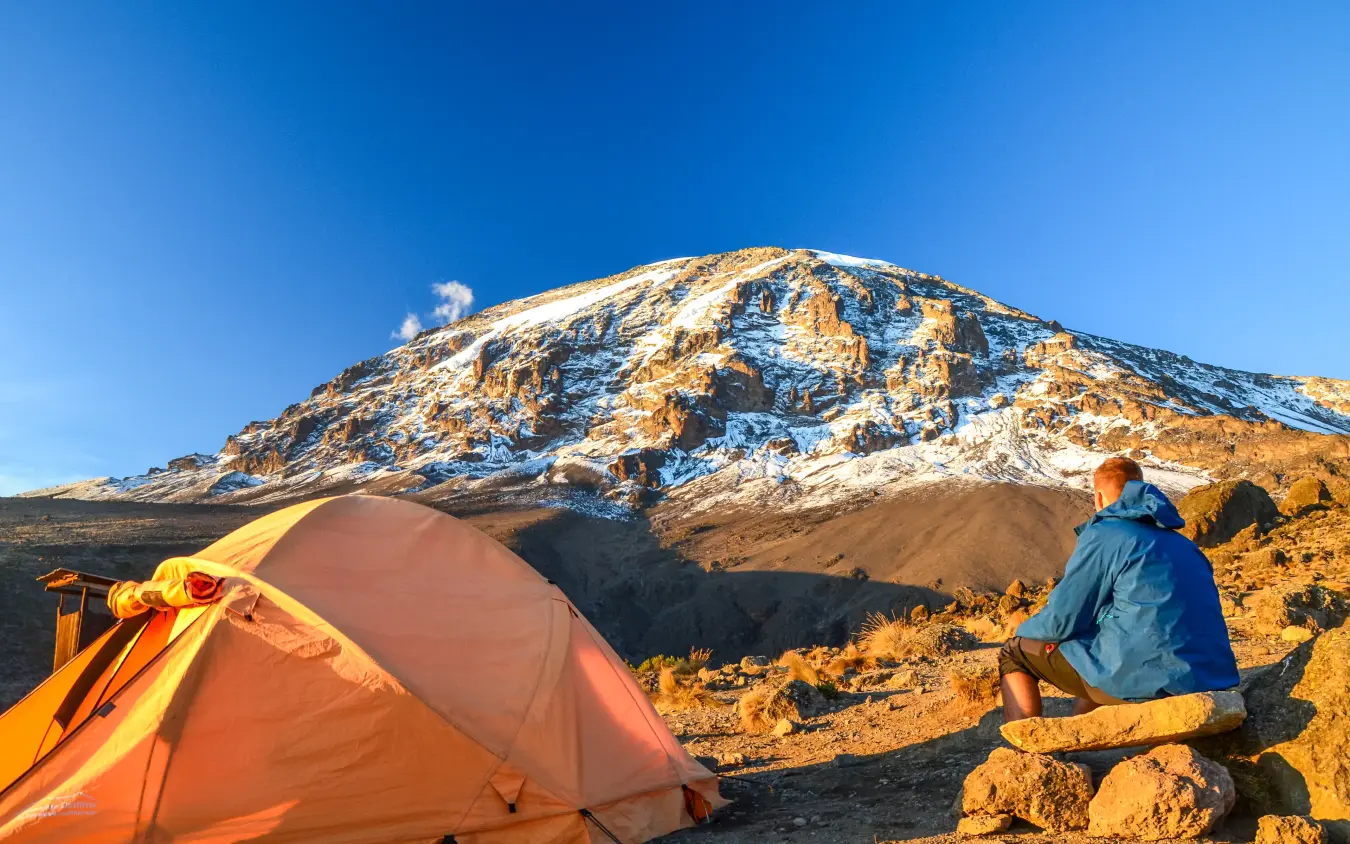
Ten nights in northern Tanzania climbing Kilimanjaro by the Lemosho route, with two nights at Ngare Sero on Mount Meru.
rated five stars by our clients


our approach
Every journey starts with a conversation. We take the time to understand your vision before we start planning.
Whether by phone or in person, we work with you directly to shape something that is considered, personal, and expertly delivered.
Every journey starts with a conversation. We favour a direct, personal approach: understanding your vision before anything else.
Whether by phone or in person, we work with you directly to shape a journey that is both thoughtfully considered and expertly delivered.
Get in touch to start planning yours.