







tanzania & uganda
gorillas, then the spice islands
Ten nights from Bwindi's Nkuringo gorillas through Entebbe to six nights of reef and forest on northern Pemba Island.
- Private Safari
- From $10,330 pp
- 2 guests
- 10 nights
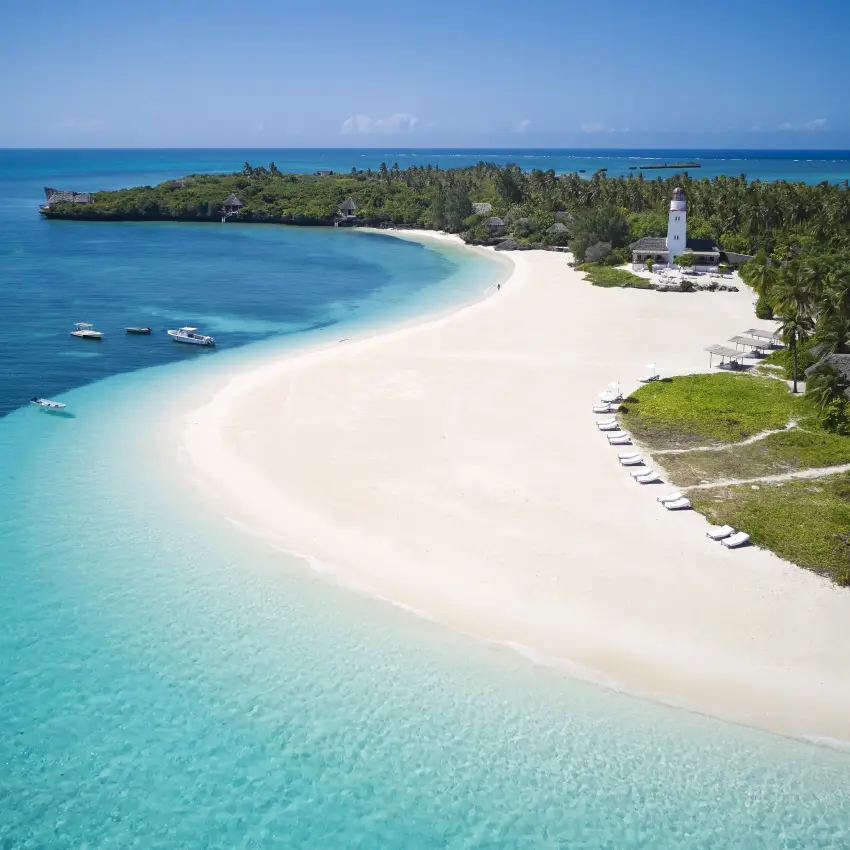
This route runs south across the Serengeti-Mara and out to the Indian Ocean over fourteen nights. It opens in Nairobi, a highland capital where savannah runs up against the suburbs, then moves to Mara Naboisho Conservancy on community-owned Maasai land, and on into the Serengeti, where a mobile camp keeps pace with the wildebeest. It closes on a private coral island in the Songo Songo Archipelago, off Tanzania’s southeast coast.
You travel by light aircraft and road, with a dhow or speedboat for the final leg to the island. The days hold game drives, walking safaris on foot with armed guides, night drives in the conservancy, and time on the reef. The four properties range from a hosted farmhouse to canvas camps and open A-frame villas, each chosen for its position rather than its fittings.
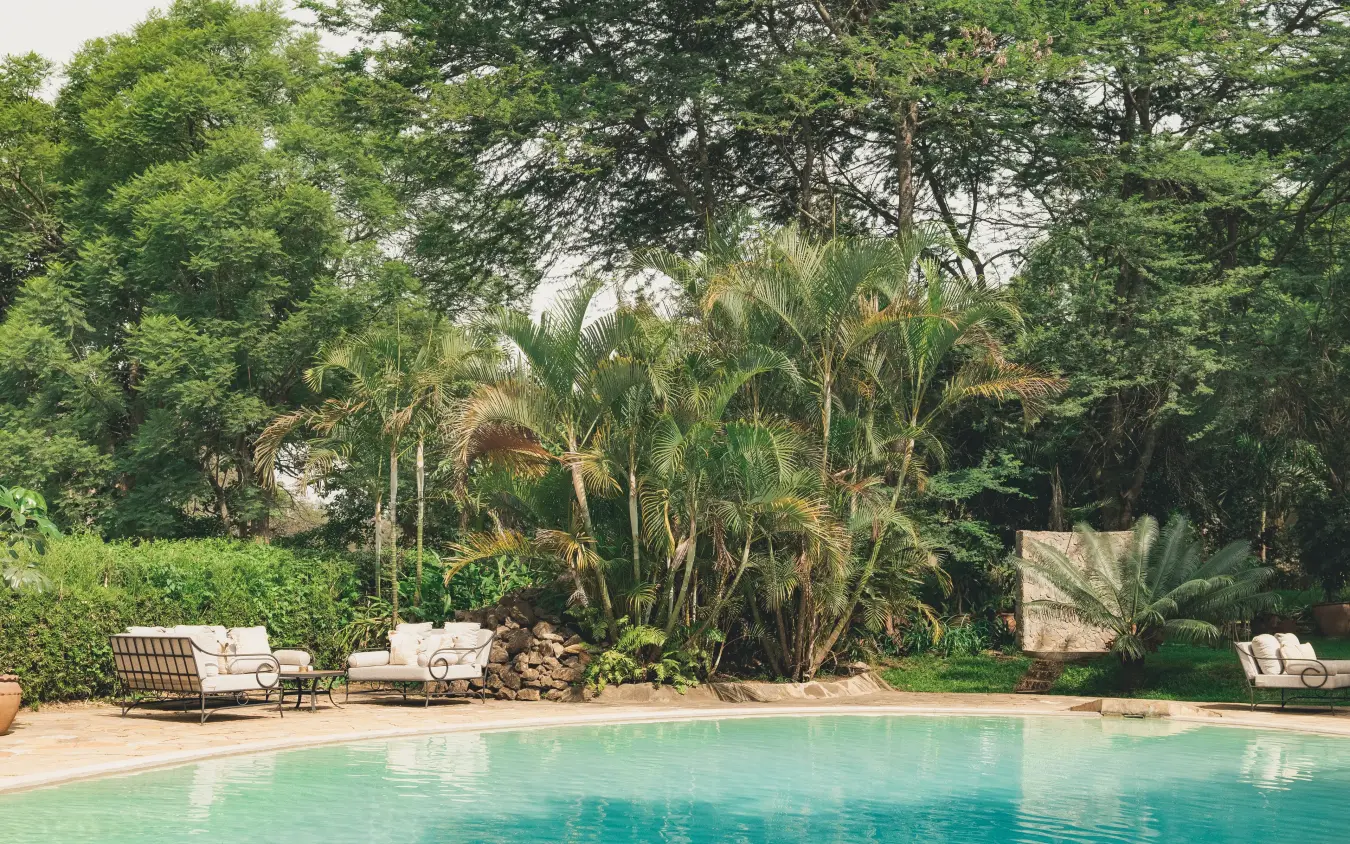
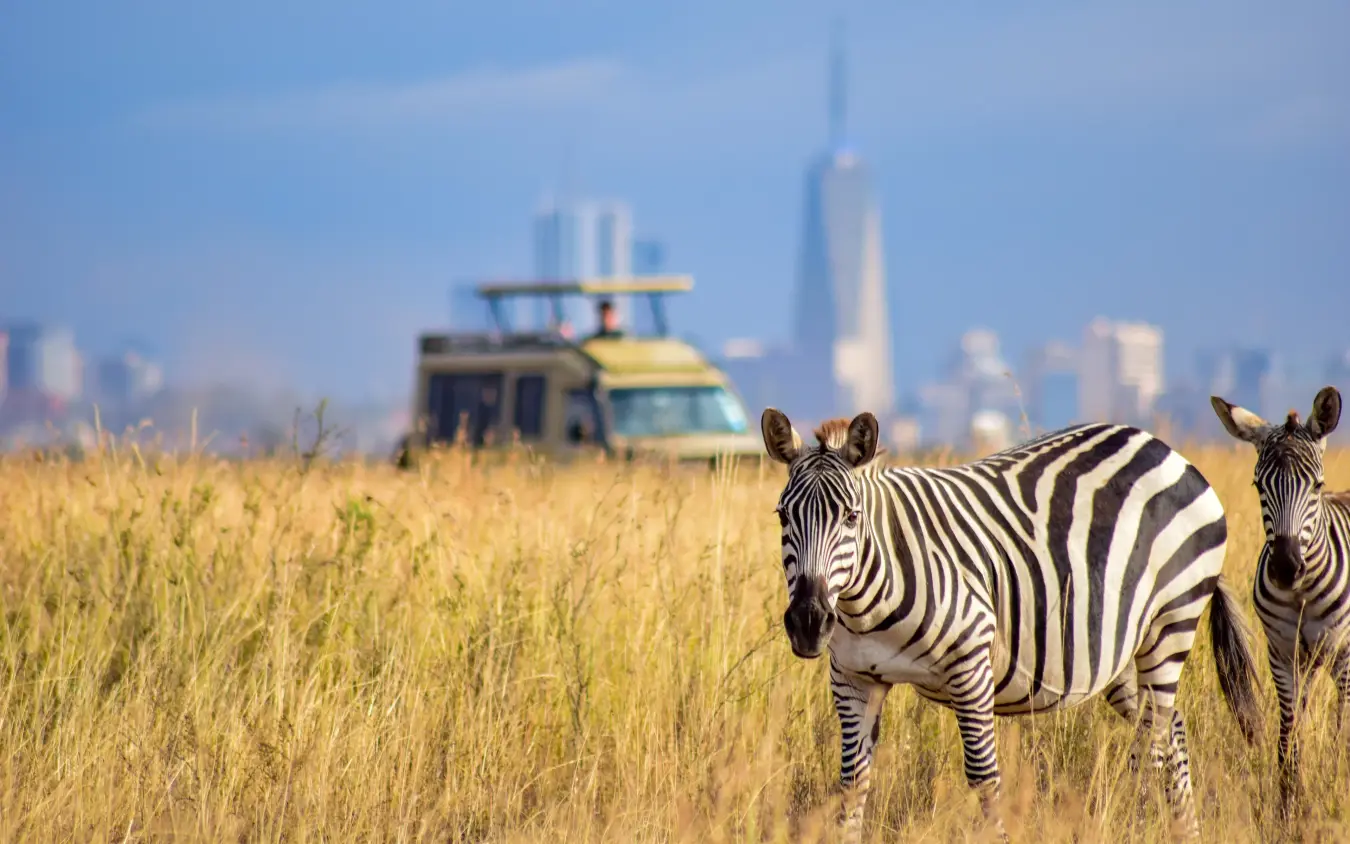
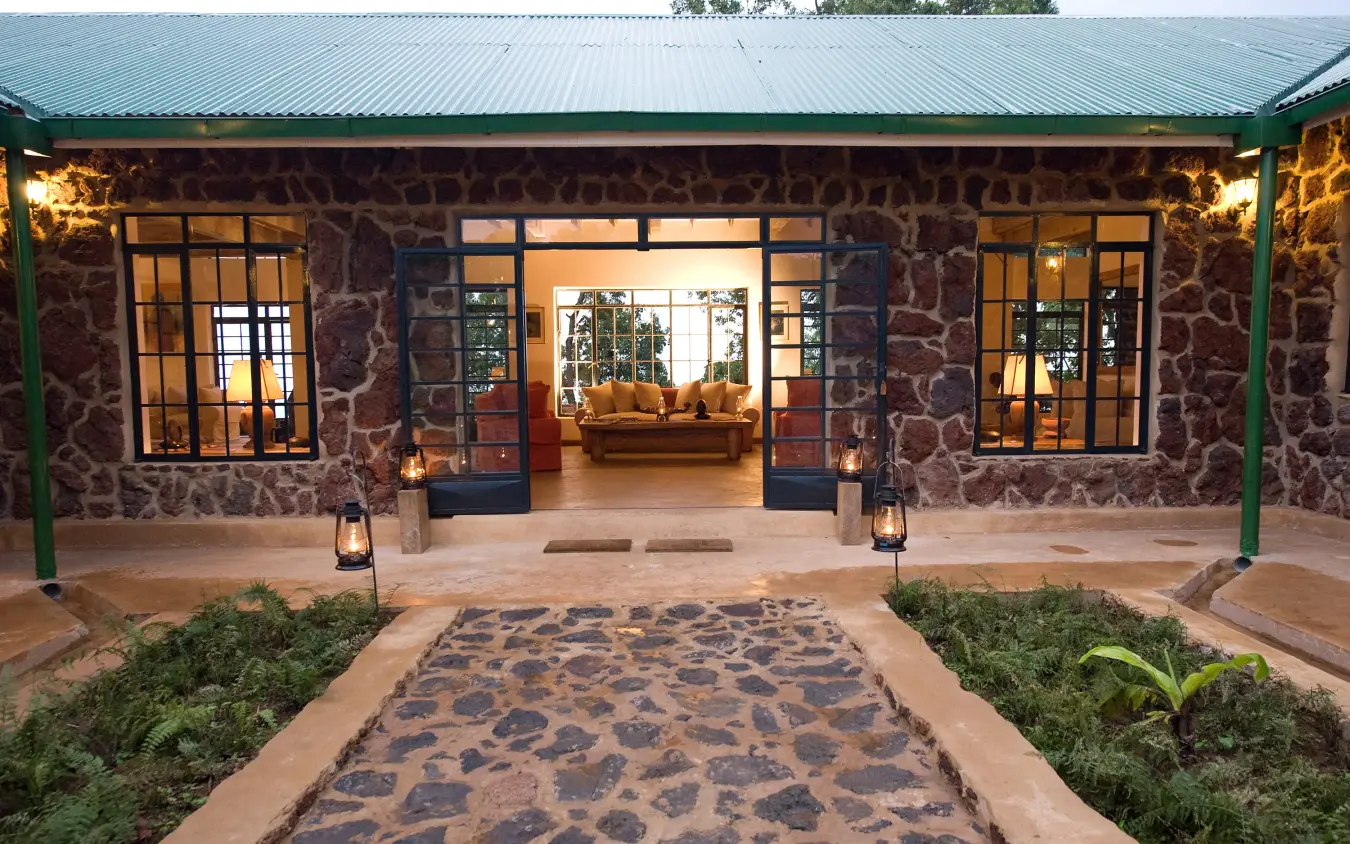
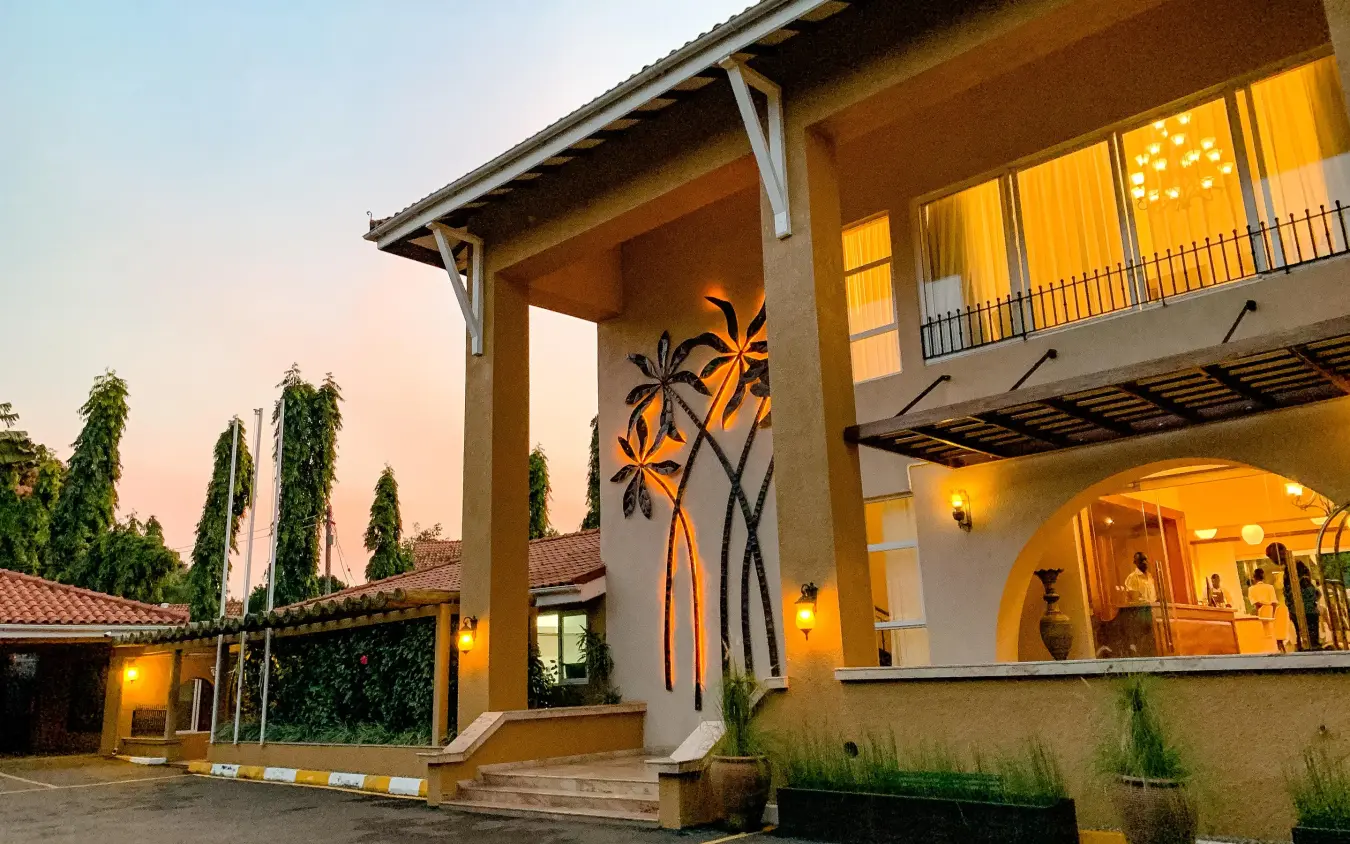
Your first two nights are spent in Karen, on the leafy south-western edge of Nairobi, a highland city where lion, black rhino and resident herds of zebra and giraffe move across the savannah of Nairobi National Park. Karen puts a cluster of the city's best-known stops within reach, among them the Sheldrick Wildlife Trust nursery, with its orphaned elephants and rhinos, and the AFEW Giraffe Centre for close encounters with Rothschild's giraffes. Sheba's Secret Garden is a hosted Cape Dutch farmhouse taken as an exclusive-use home, with a gin distillery on the grounds where a tour and tasting form part of every stay.
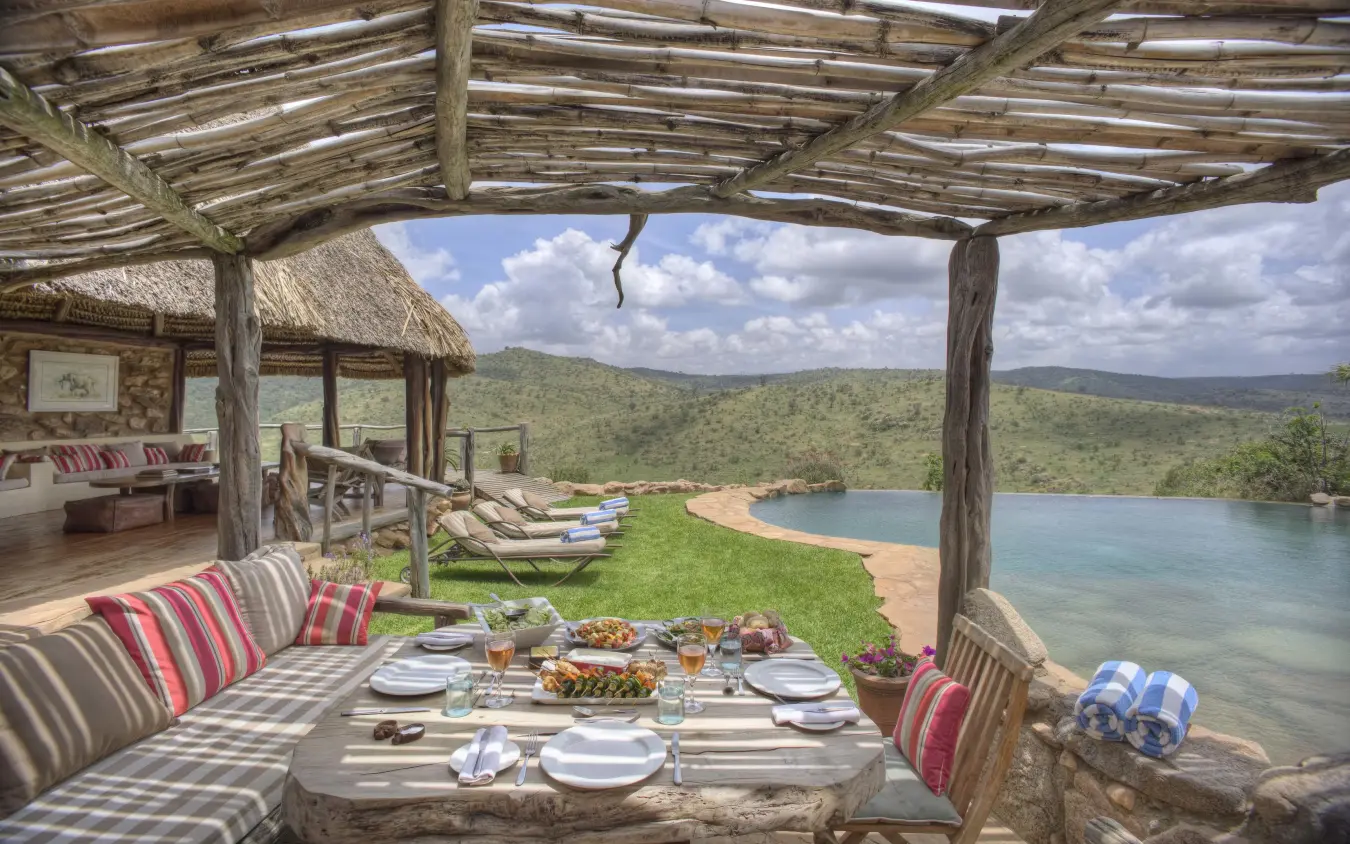
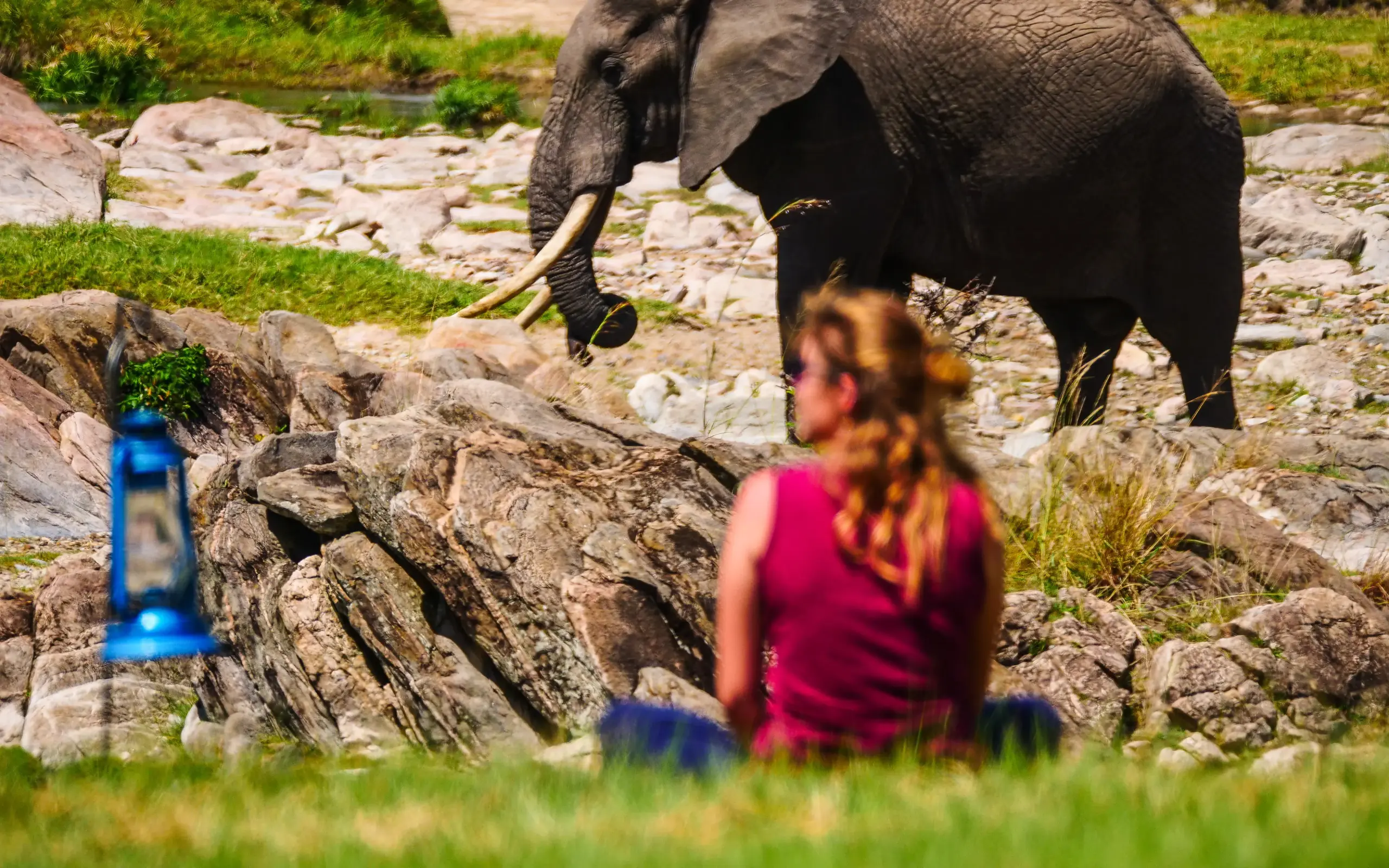
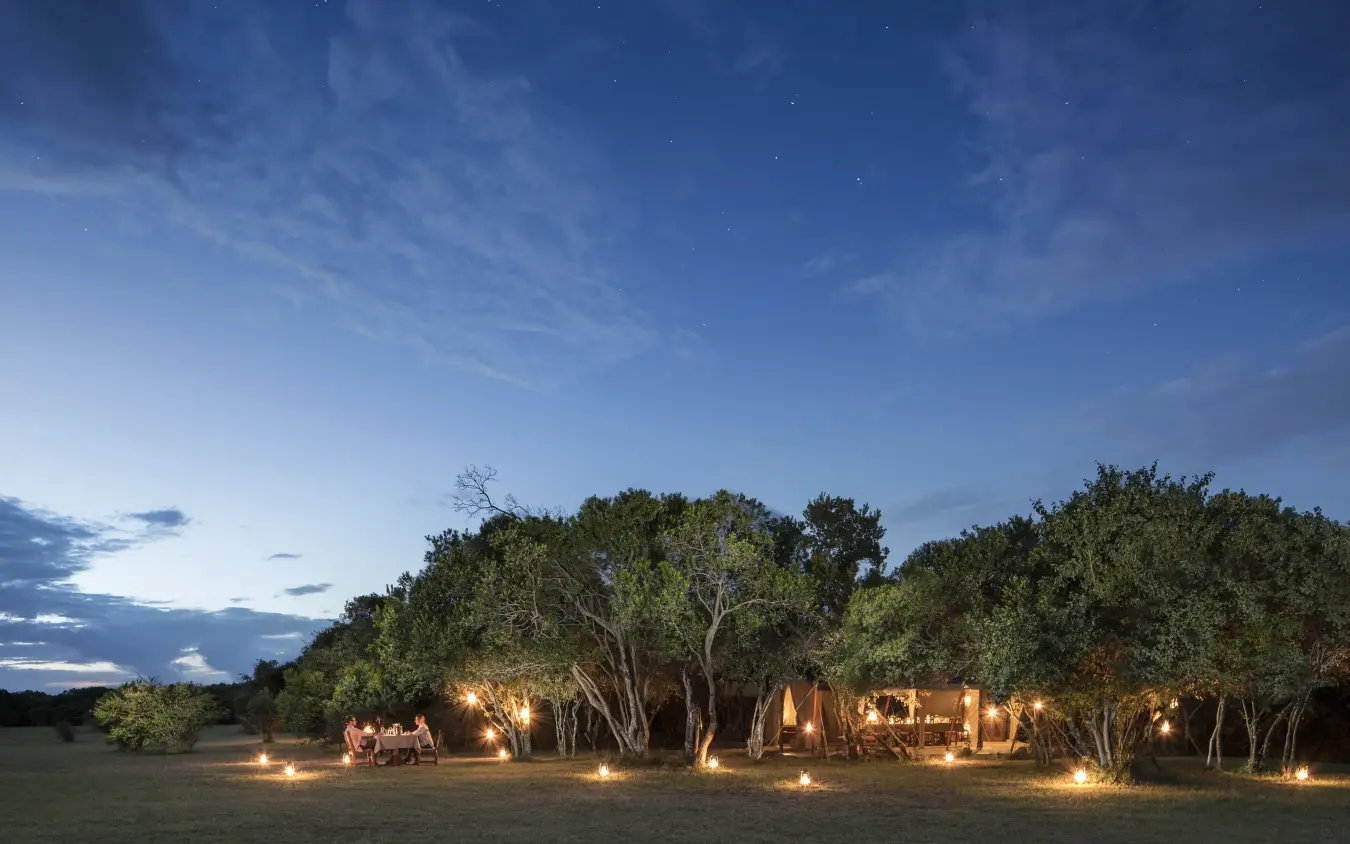
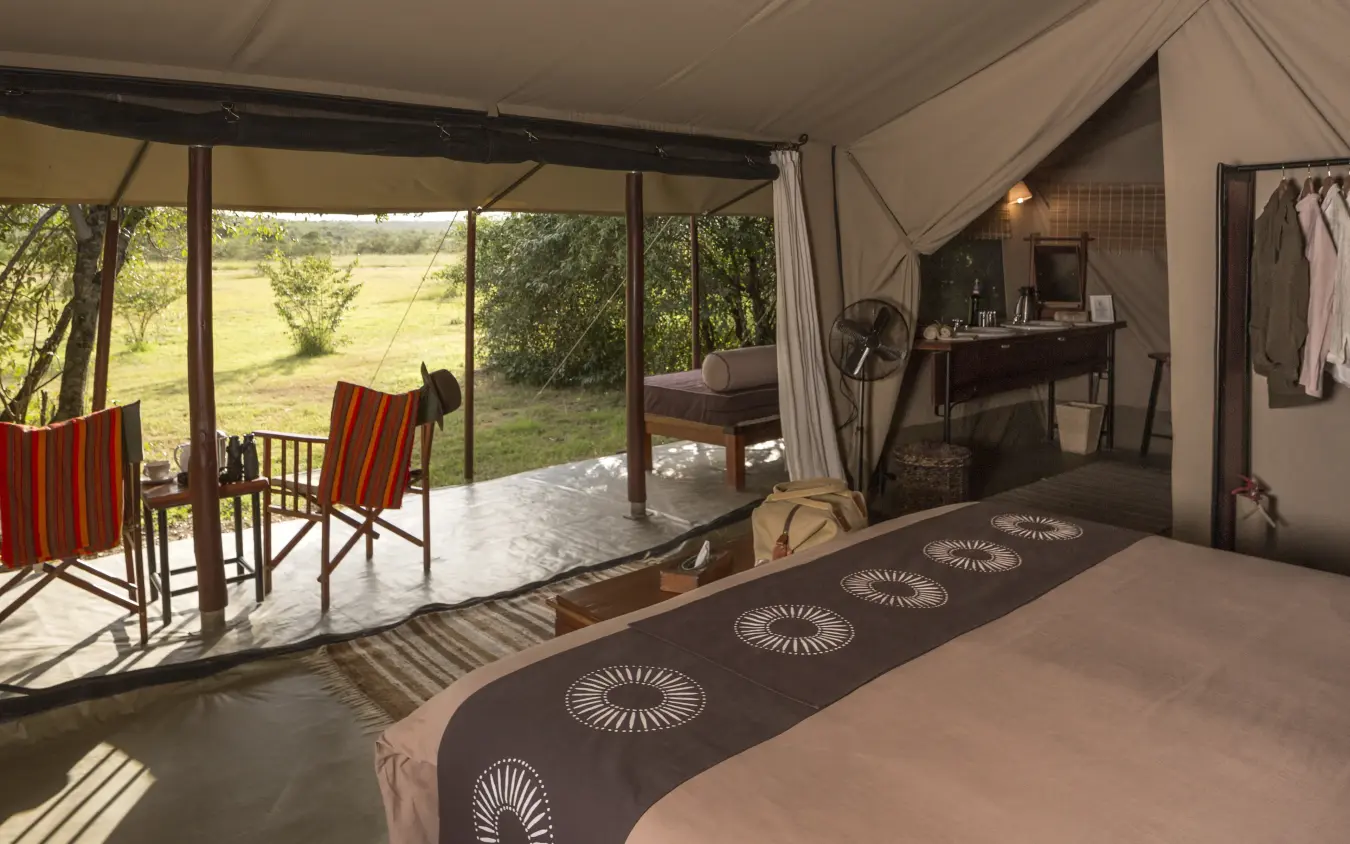
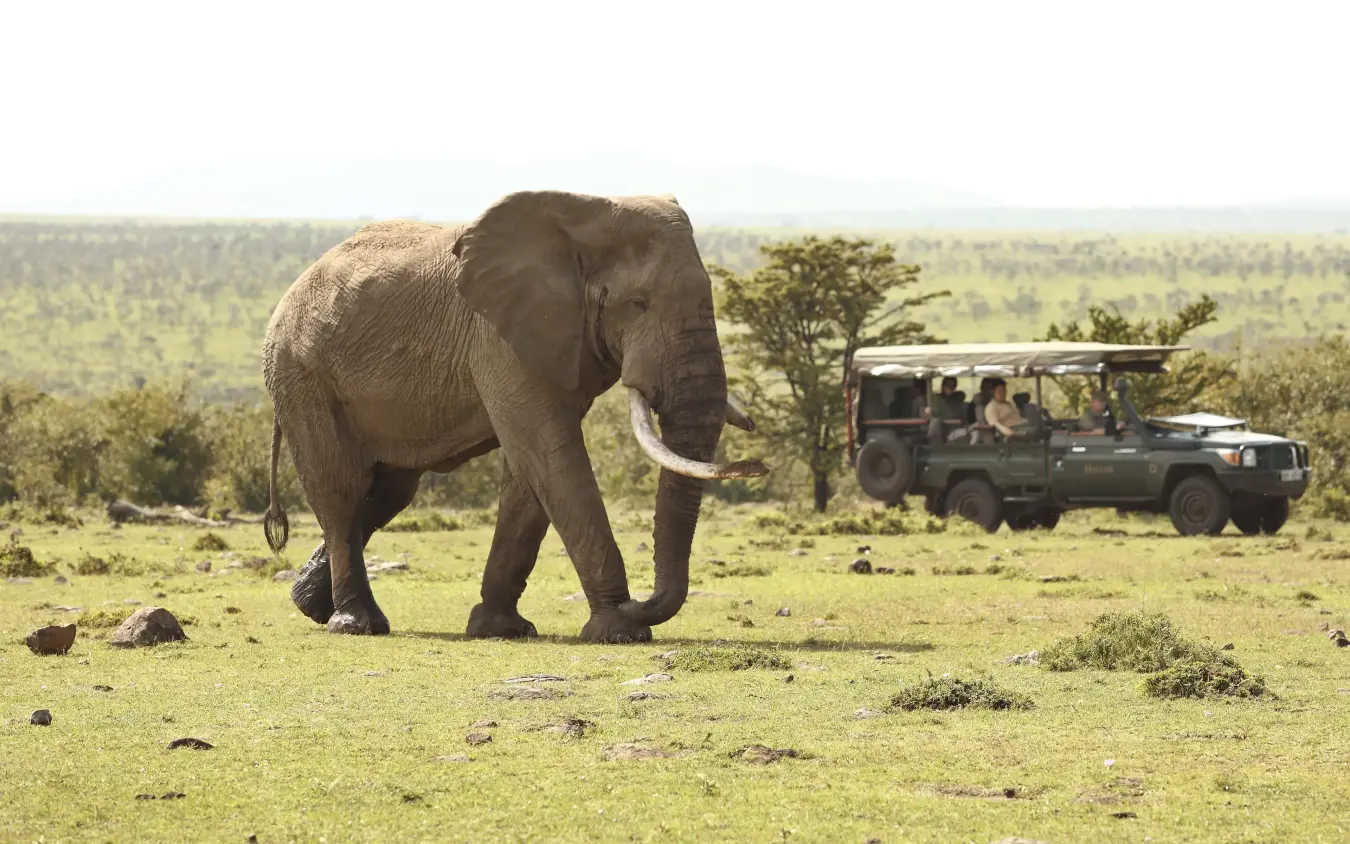
You fly out of Nairobi to Mara Naboisho Conservancy, community-owned Maasai land within the greater Maasai Mara ecosystem, long known for the density of its lions. As a private conservancy, Naboisho permits walking safaris on foot with armed Maasai guides and spotlit night drives that can pick out genets, civets and hunting lions, none of which is allowed inside the reserve. A cap on vehicle numbers means a pride or a cheetah is watched by one or two cars rather than a queue. Encounter Mara Camp runs ten tents behind a belt of trees, looking out over a salt lick, with lions often audible after dark.
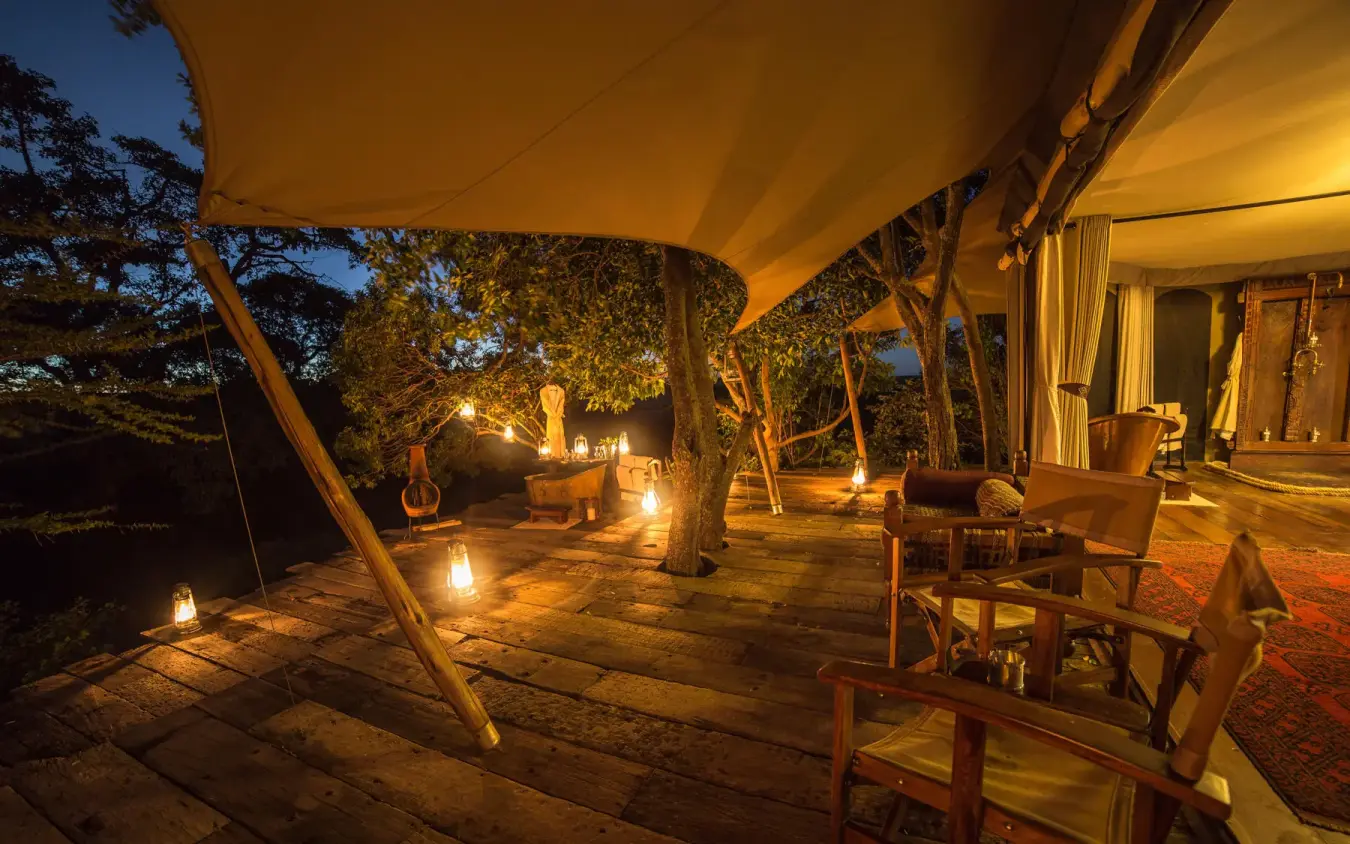
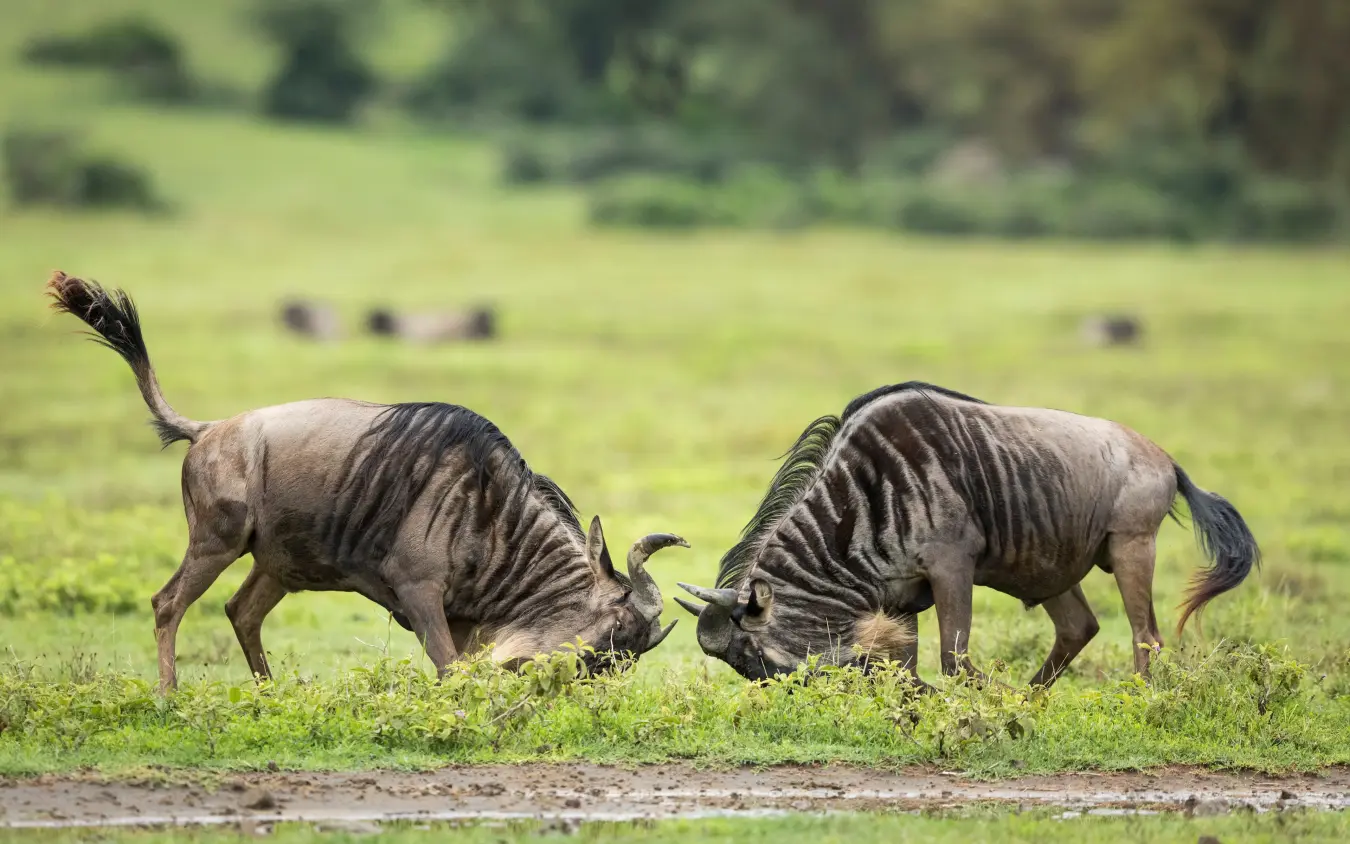
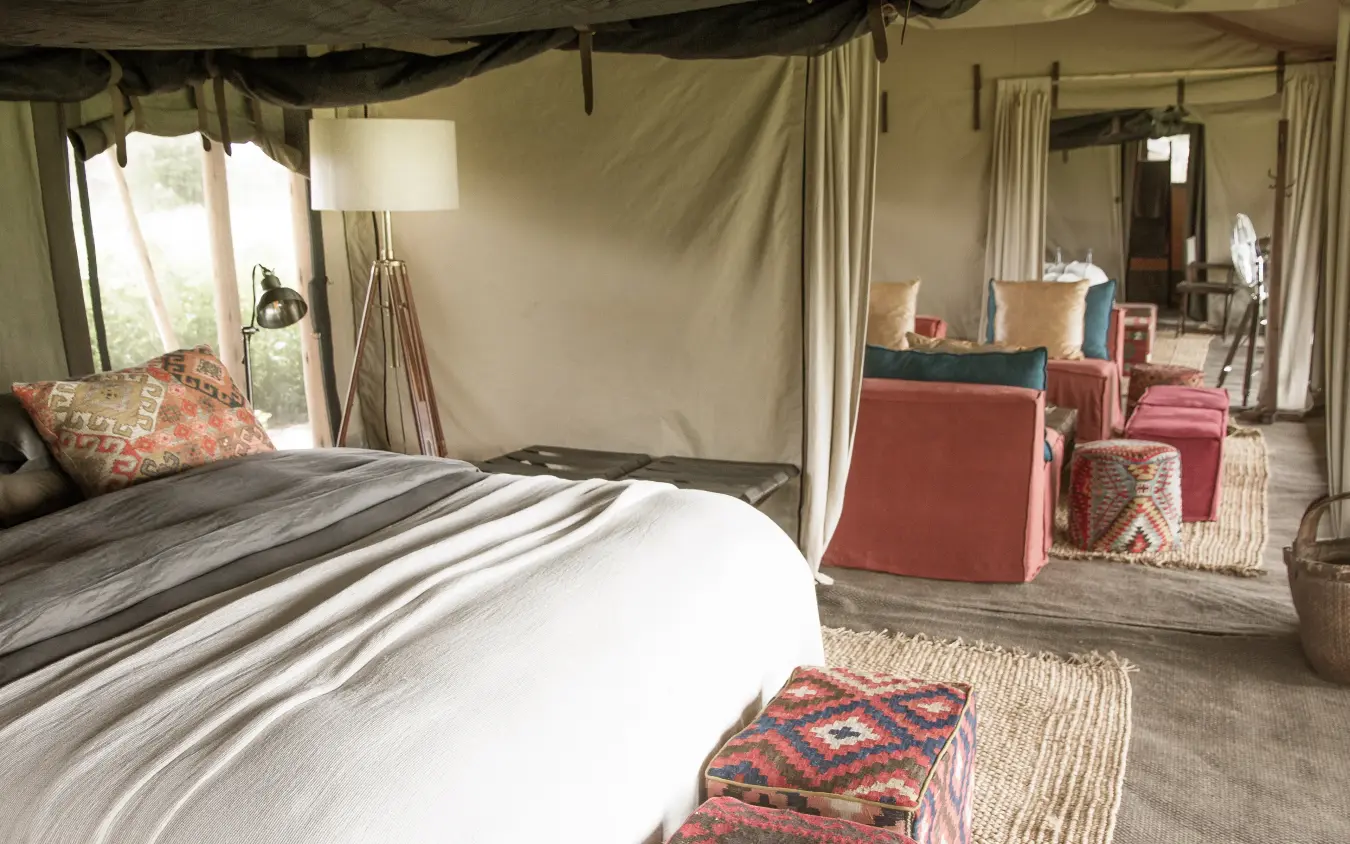
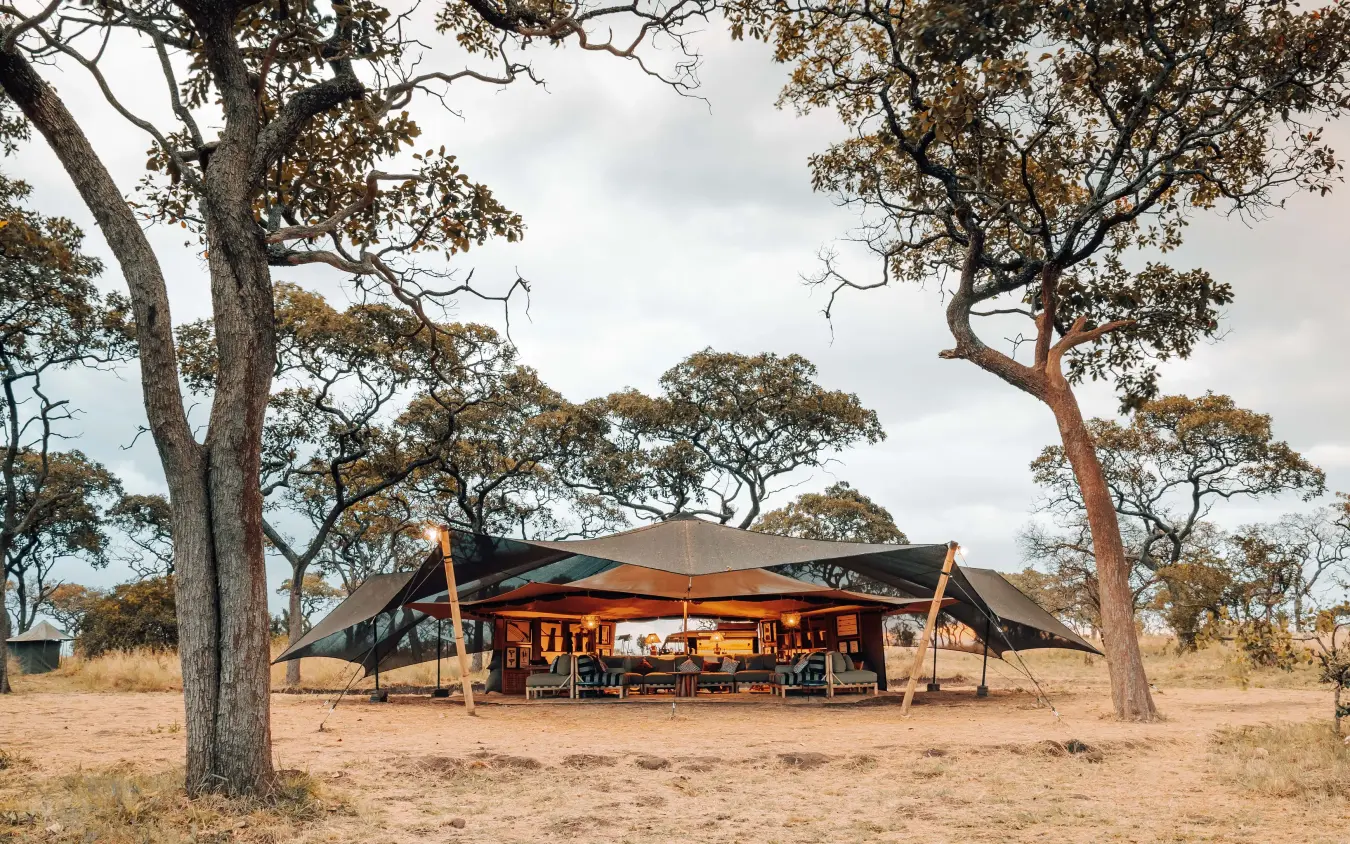
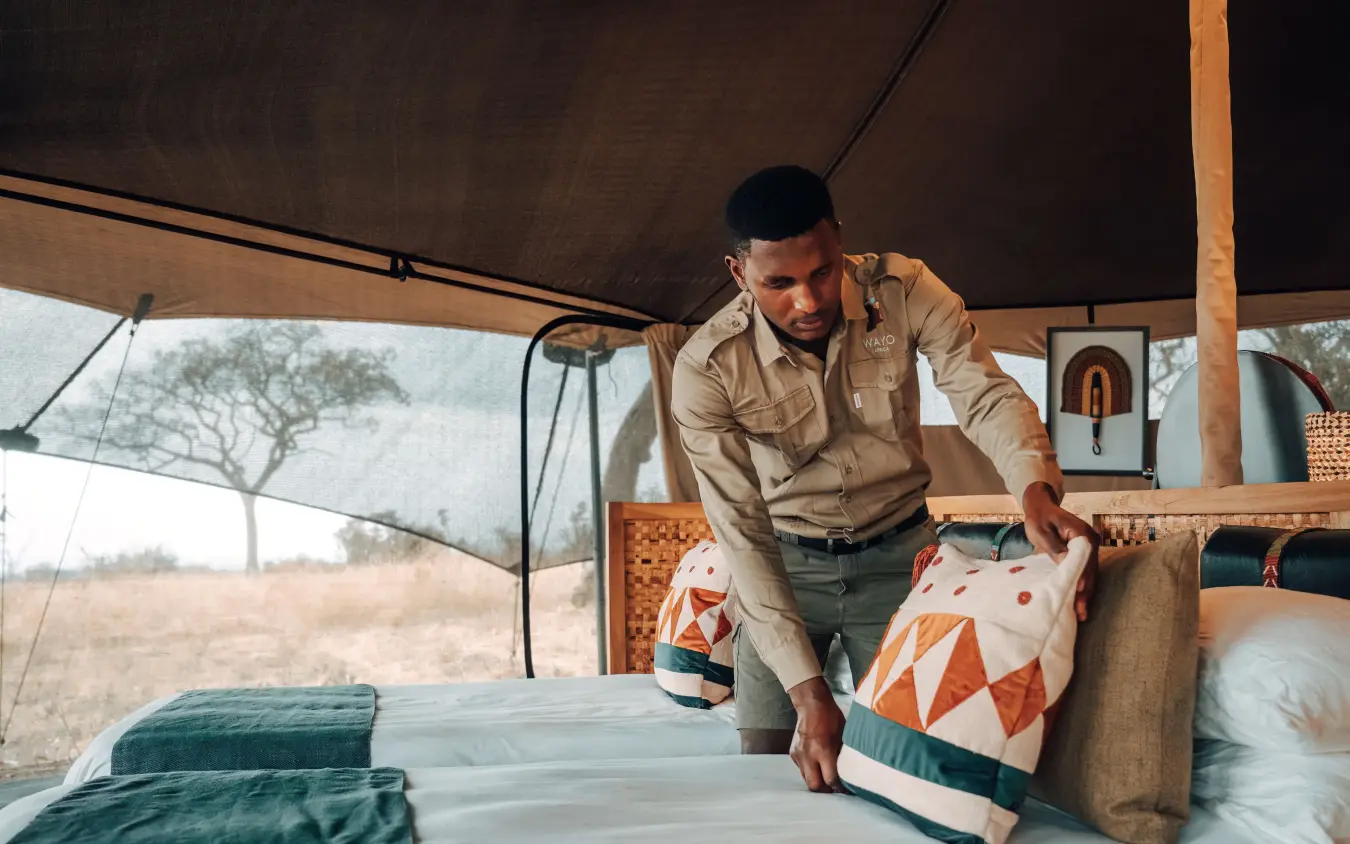
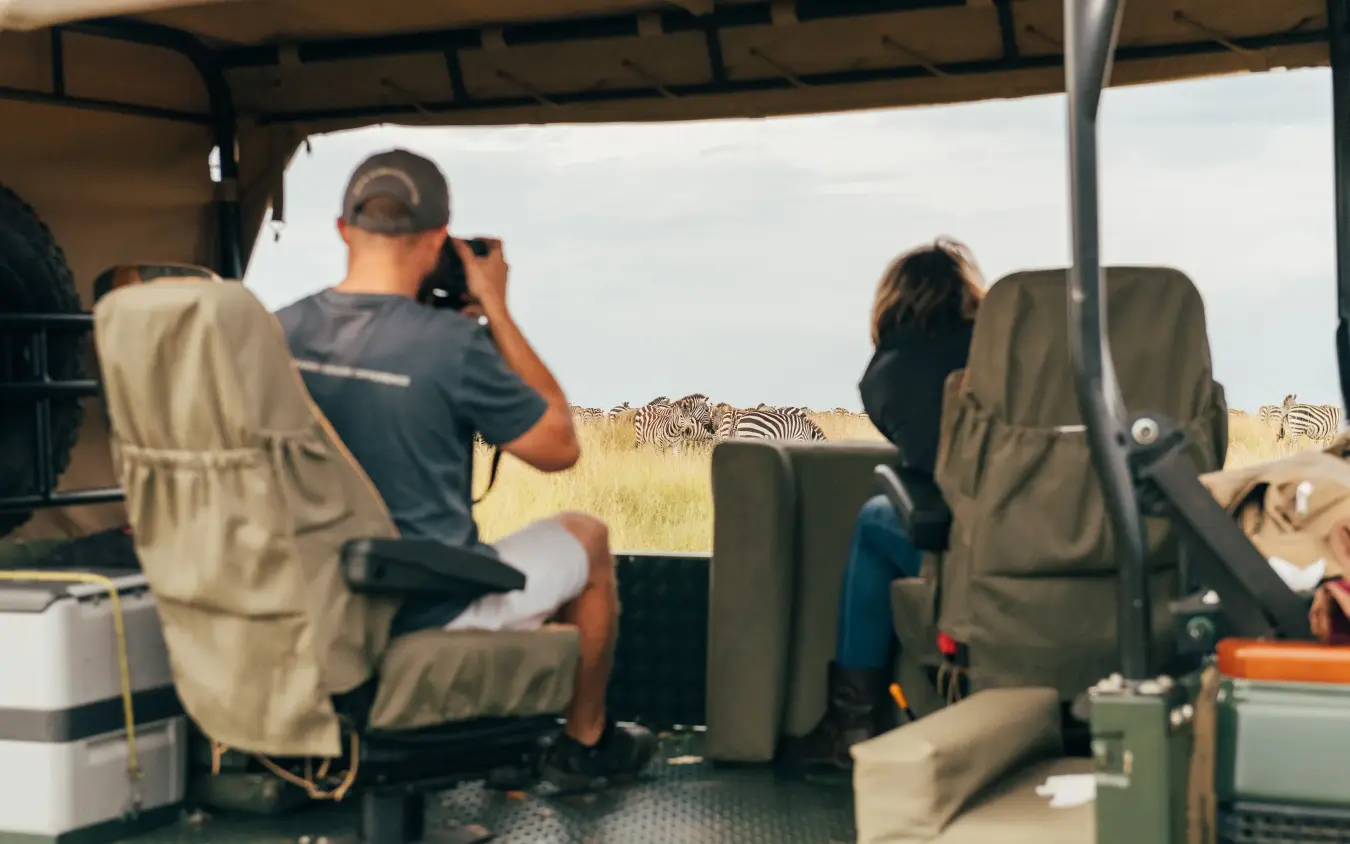
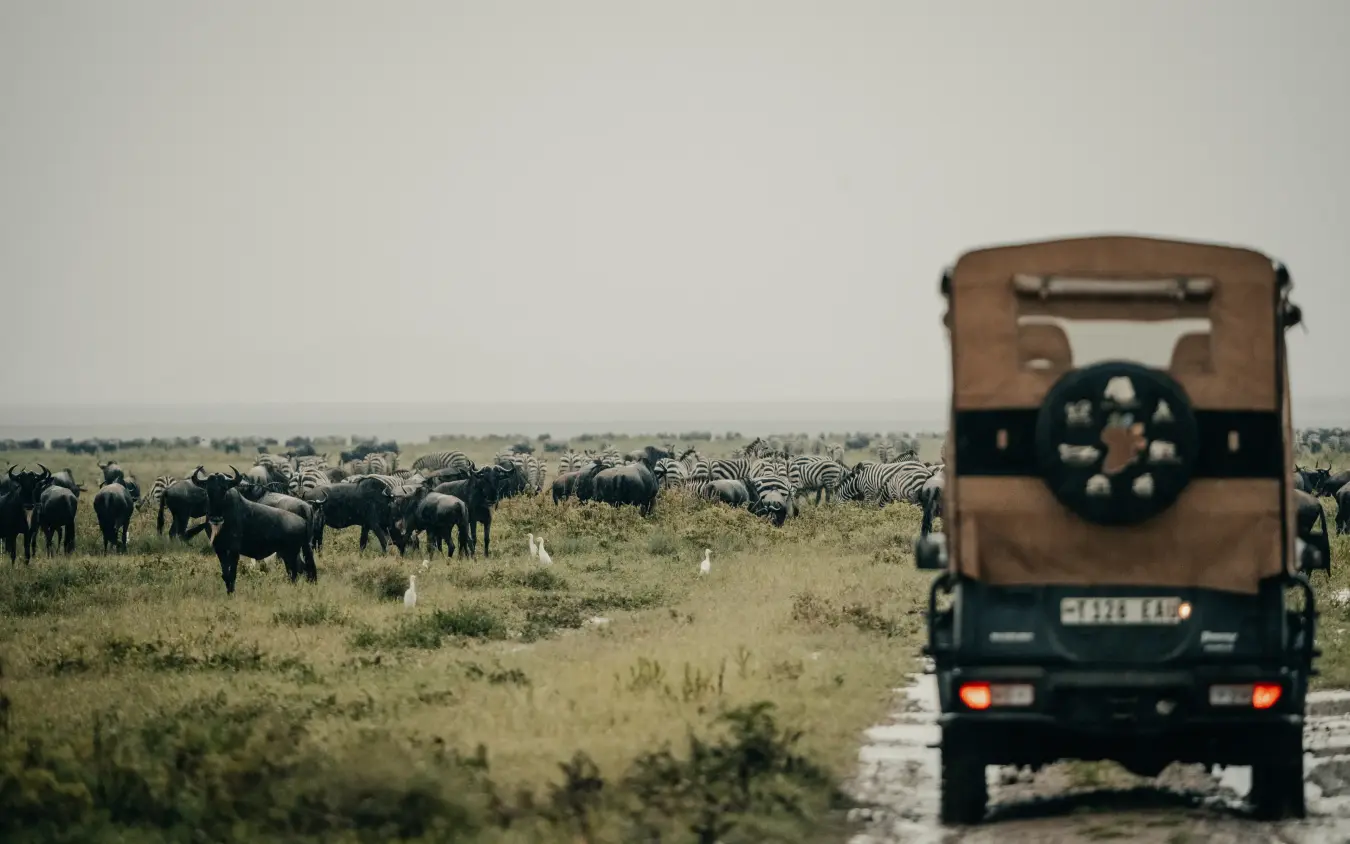
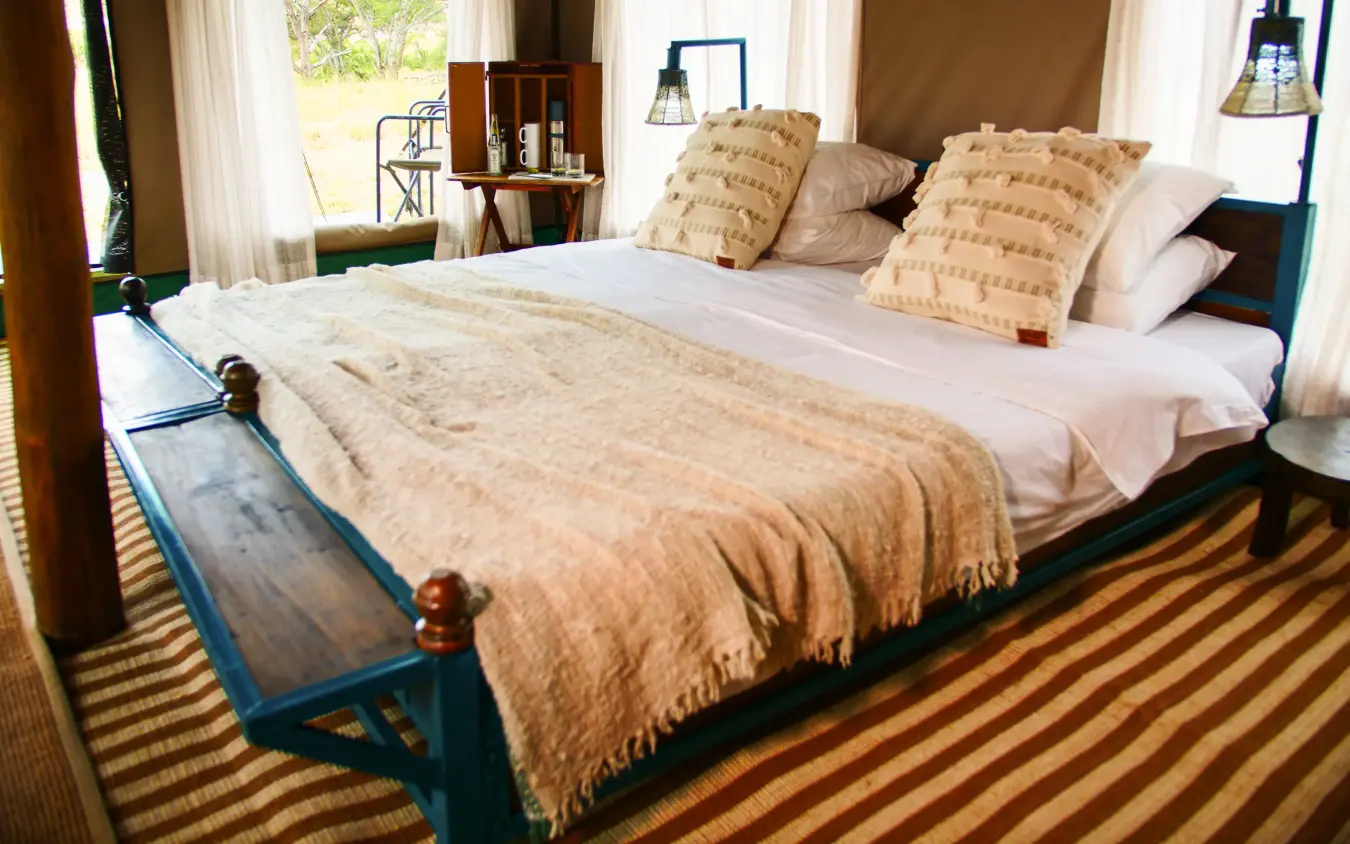
Crossing south into Tanzania, you reach the Serengeti, where the camp is taken down and rebuilt to keep pace with the wildebeest. From December to April it sits on the southern short-grass plains at Kusini, where volcanic soils draw the herds to calve in February; from June to October it moves north to Nyamalumbwa, within range of the Mara River crossings. Walking is the reason it exists in this form, with armed guides and a national park ranger leading outings from a couple of hours to a full day, and game drives running morning and afternoon. Serengeti Green Camp holds ten canvas tents, each opening onto the plains from the bed, with interiors drawn from Tanzanian craft.
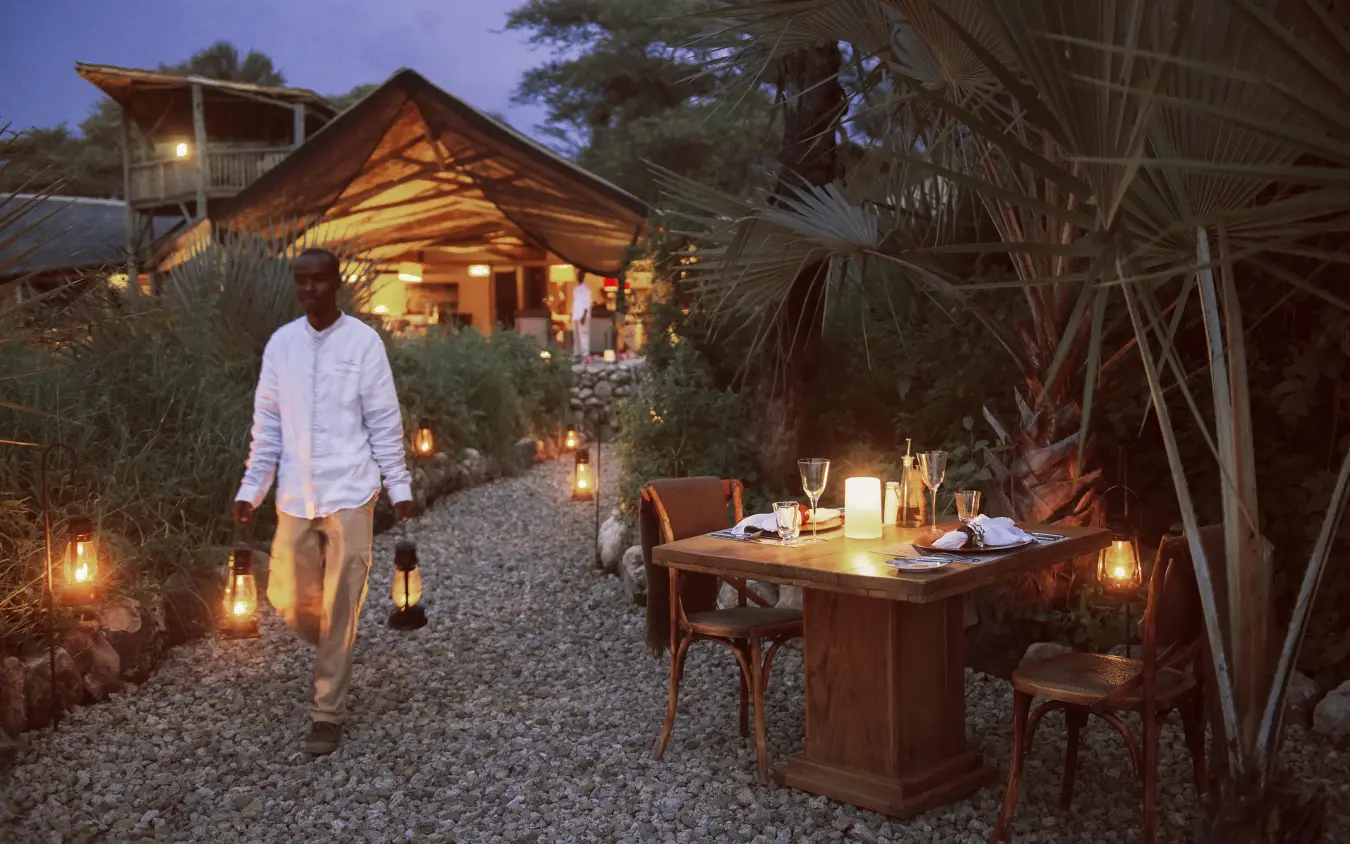
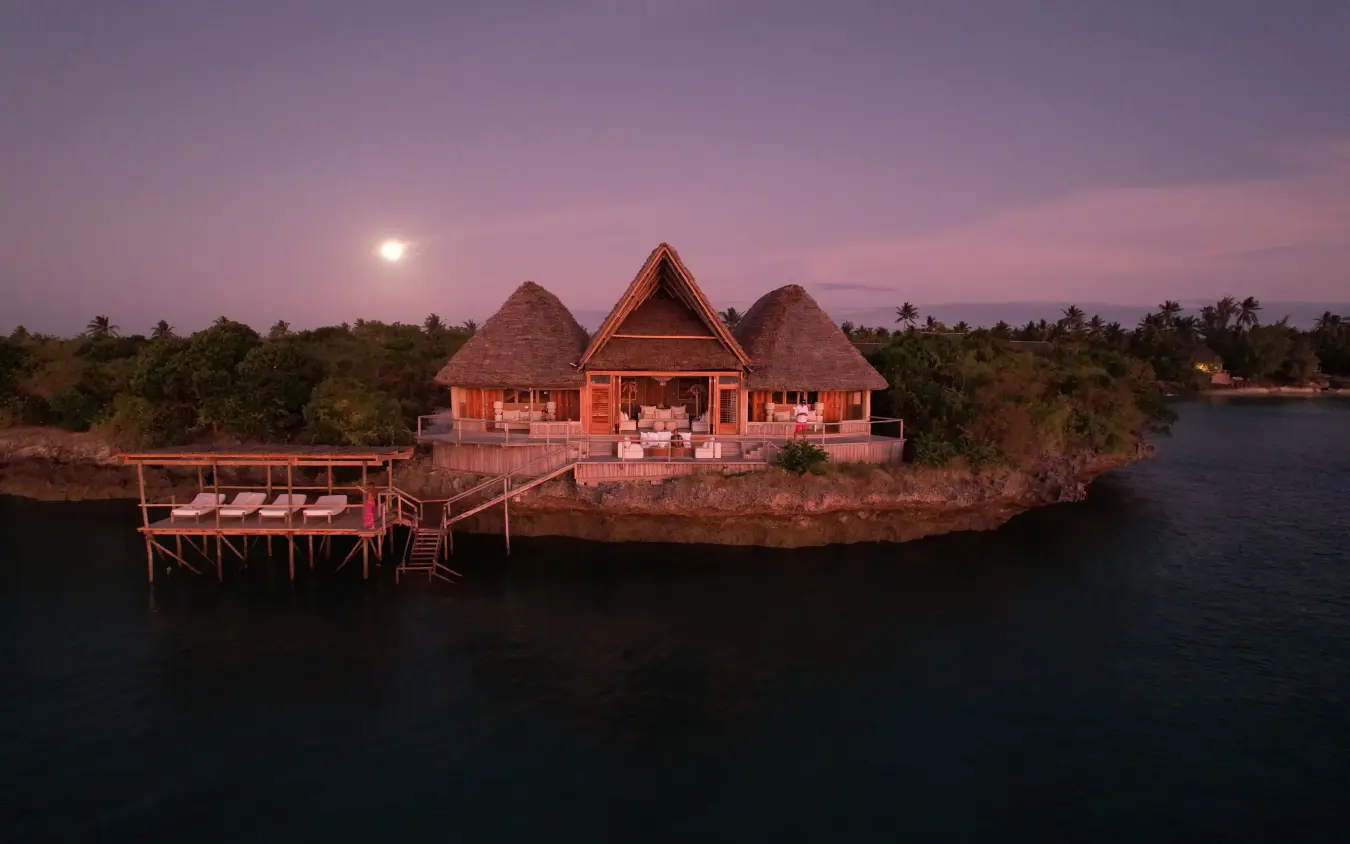
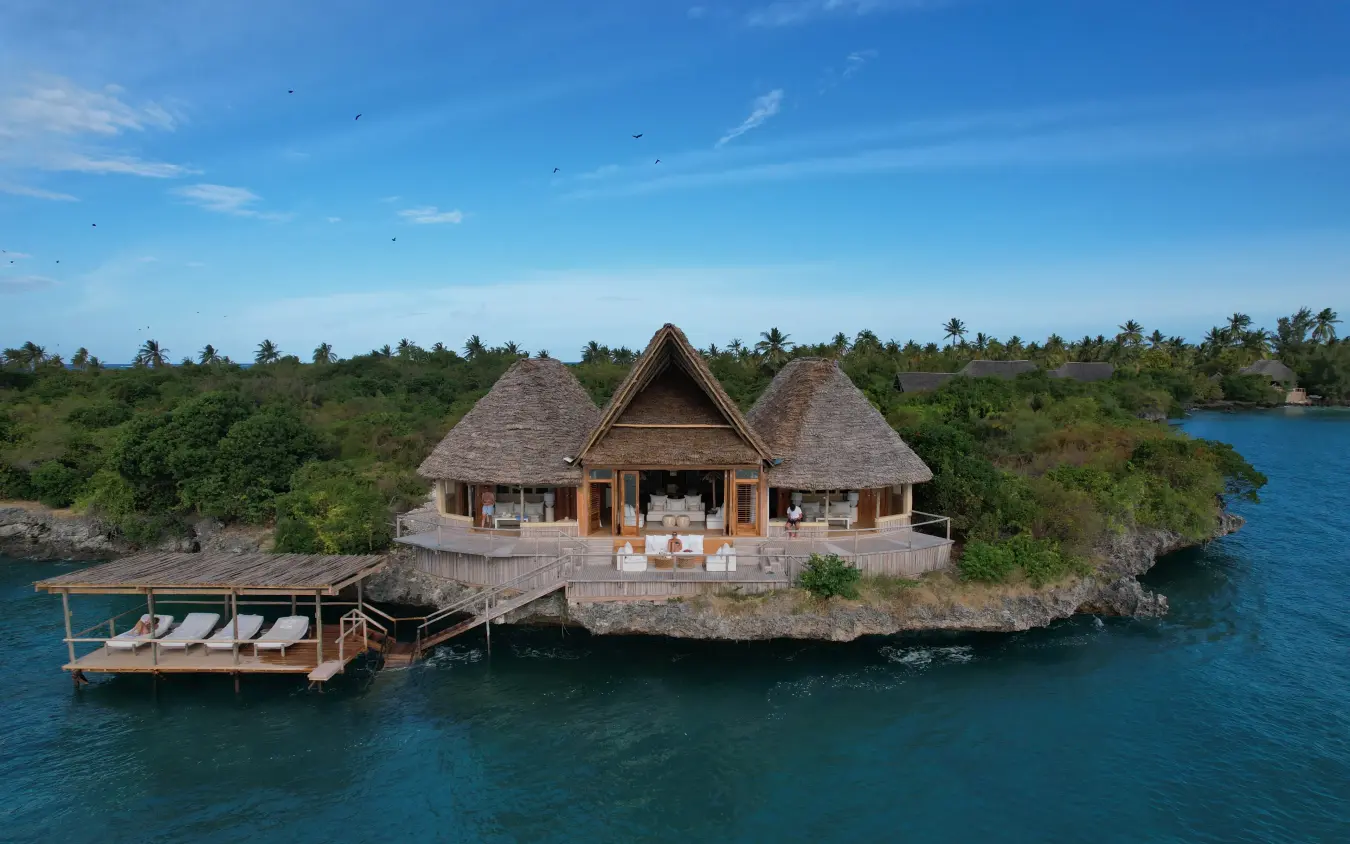
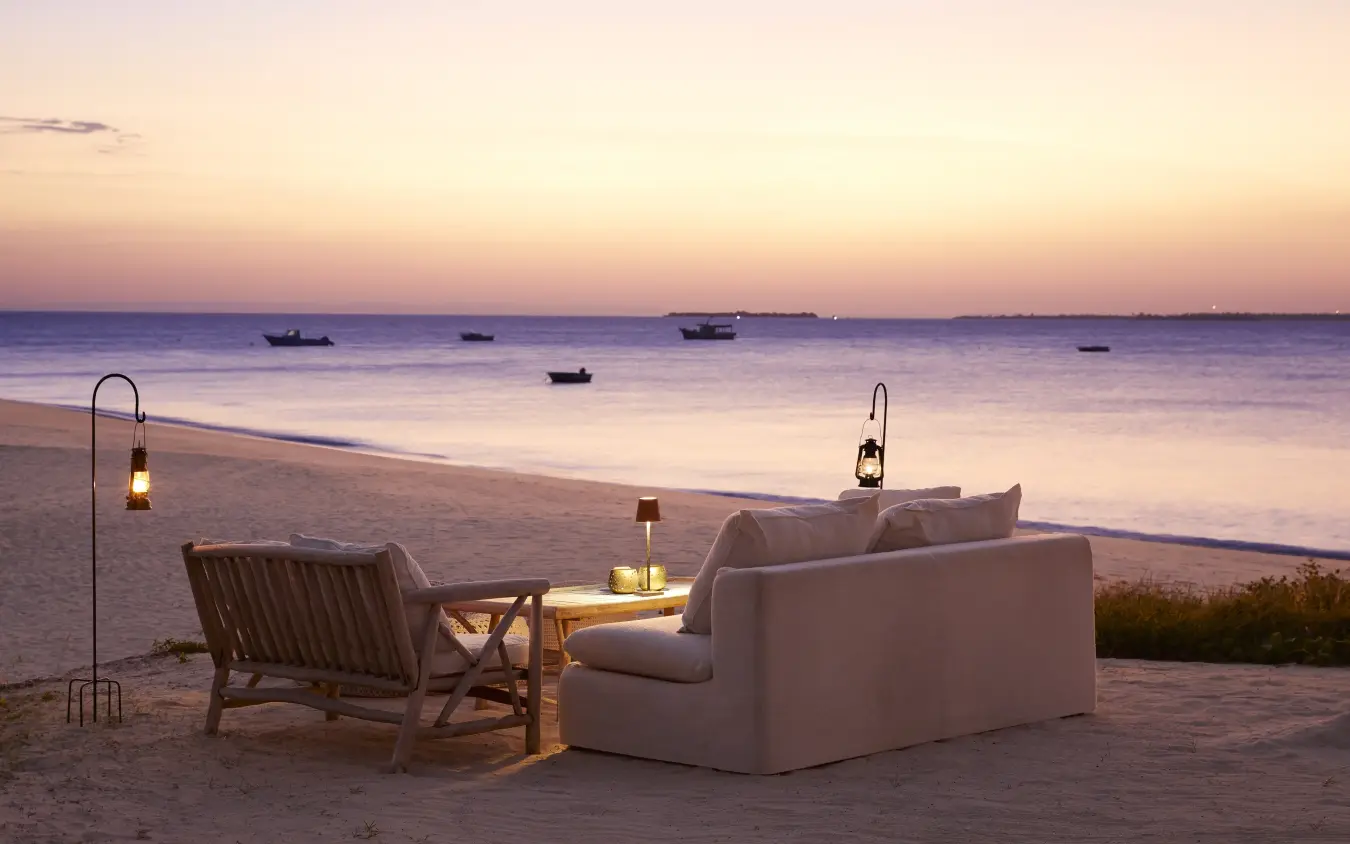
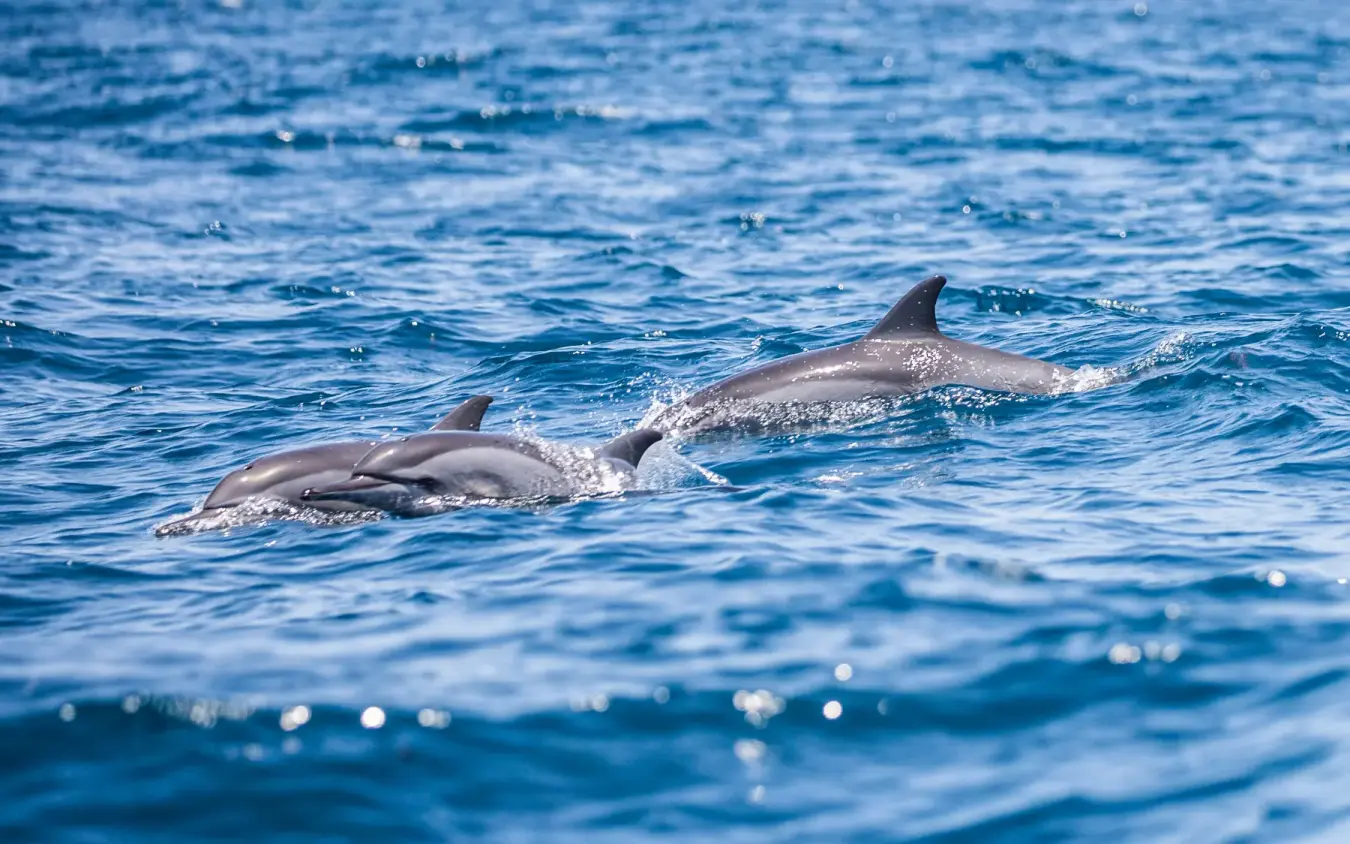
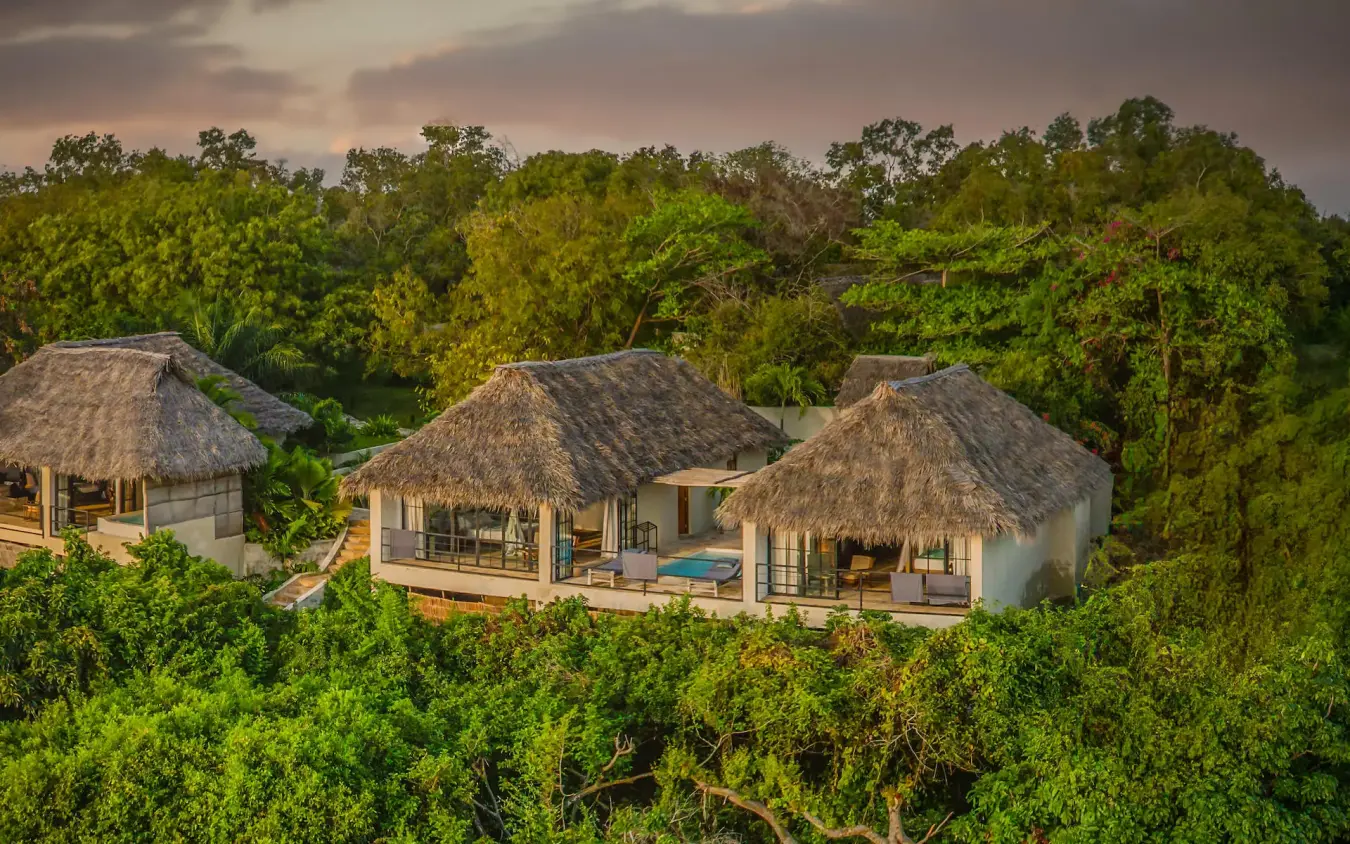
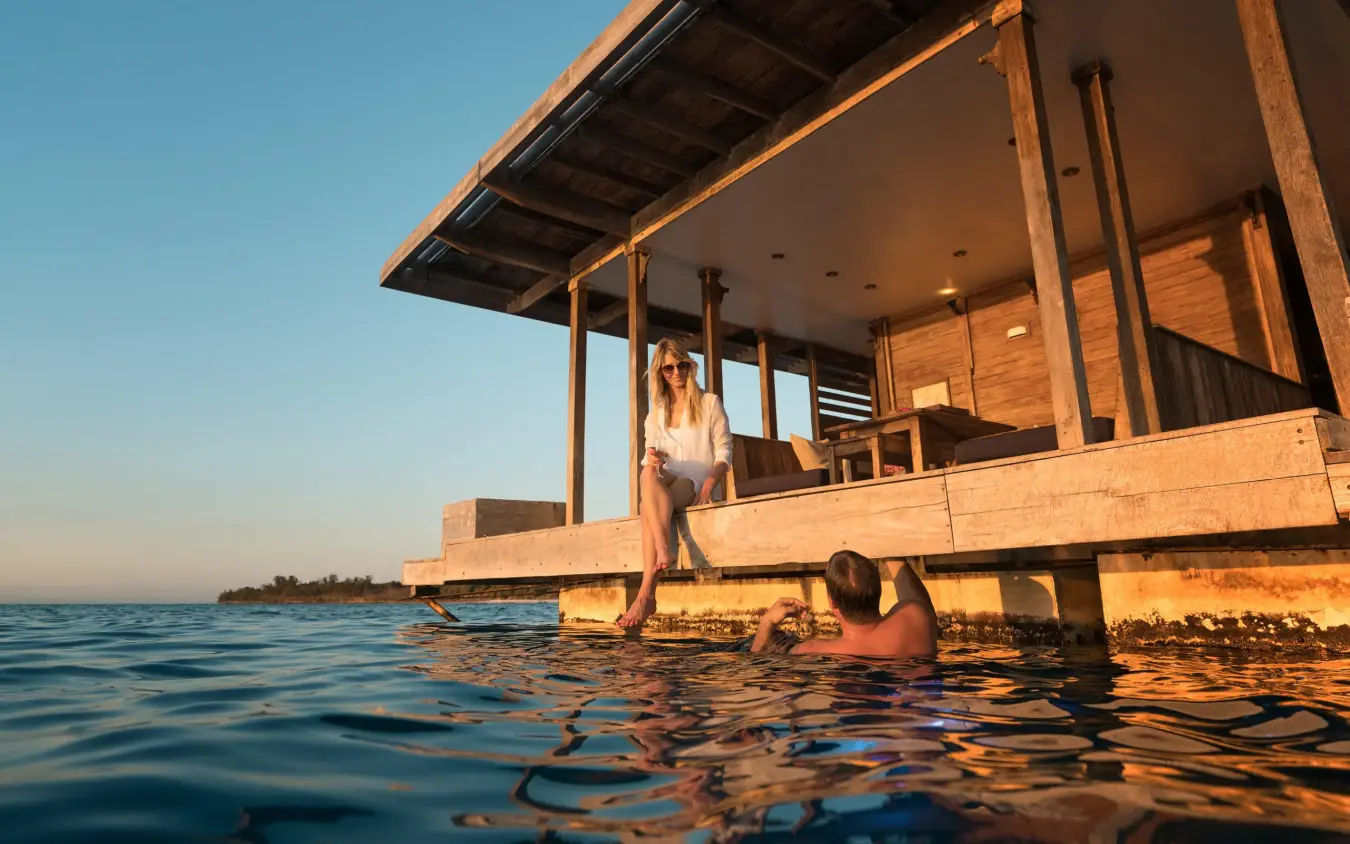
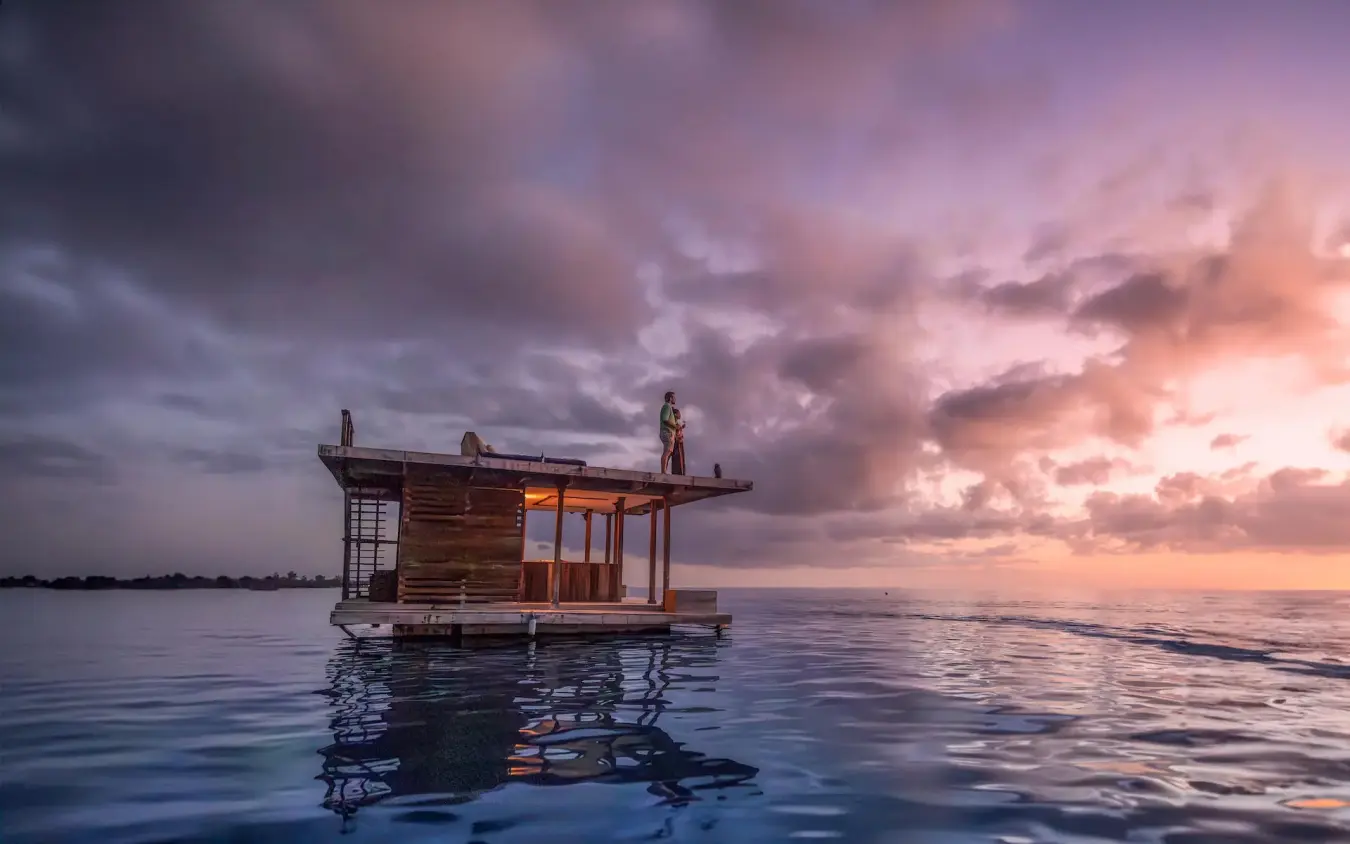
The final six nights move to a small coral island in the Songo Songo Archipelago, off Tanzania's southeast coast, reached by dhow or speedboat onto a beach with no other building in view. An 11-kilometre reef rings the island and spinner and bottlenose dolphins move through the lagoon; a sandbank runs out to sea, so swimming is possible at every tide. Days follow the tides rather than a schedule, on foot, by kayak or under sail, with snorkelling off the beach and diving on quiet outer sites. Laba Fanjove is built around a restored 1894 lighthouse, where guests gather to dine, with open A-frame villas under makuti thatch, cooled by the sea breeze.
By light aircraft, apart from one border morning and the crossing by sea.
Nairobi to the conservancy is a short hop out of Wilson Airport, a little over an hour. The Serengeti leg is the slow one, because the two parks share no immigration post: the safari airlines put down at Migori or Tarime so passports can be stamped, and the through service is published for part of the year only, so give that day to travelling.
For the island you fly to Dar es Salaam and join the island service, which calls at Mafia and reaches Songo Songo in around fifty minutes of flying. Then a short drive to the shore, a boat of about forty-five minutes, and you step off into the shallows.
Luggage is capped at 15 kilograms a head throughout, soft bags only, and anything taken into the cabin counts towards it.
No, because the two sit under different rules.
Naboisho is community-owned Maasai land, and a private conservancy may allow what the neighbouring reserve does not: walking on foot with armed Maasai guides, and spotlit drives after dark. In the Serengeti you are inside a national park, where walking is licensed much more tightly.
The camp's walks are led by its most experienced guides, all of whom have had rifle training, and are accompanied by a Serengeti park ranger, with outings from a couple of hours to a full day.
Neither is a route march. Expect a few kilometres at a slow pace, given over to tracks, birds and the detail a vehicle simply goes past, with big game watched at a distance rather than approached.
Minimum ages are set camp by camp, so tell us everyone's age and we will confirm who may walk.
In one of two places, and the month decides which.
The camp stands on the southern plains from about December to April, calving country, and in the north near the Mara River from about June to October, which is when the herds are up there.
Our route's days give it as Nabi Hill in the south from December to March and at Kogatende in the north between July and October, so a May departure falls between the two and we would place the Serengeti nights elsewhere.
If a river crossing is the hope, three nights is a narrow window. The season runs from late July into October and is heaviest in August and September. No success rate exists to quote.
Wildebeest gather at the water and then do as they please: some mornings they are across in ten minutes, some days they never go at all.
Dolphins on many days, and whales if the timing falls right.
Spinner and bottlenose dolphins are around the island through the year, close enough that guests sometimes swim beside them, which is what the lagoon sightings on this page refer to.
Humpbacks are the seasonal visitor, a marine safari worth going out for. The humpback breeding ground along the coast to the south sees whales between July and November, with the most activity from July to September, so a mid-year trip gives the better chance.
Underwater the reef is the draw, snorkelled straight off the beach or reached by boat for the quieter outer sites, and because a sandbank runs seaward you can swim whatever the tide is doing.
July to September is the one stretch our own pages rate highly at every stop: the Mara and the Serengeti dry, the herds in the north, and the island in its cooler half, June to October. October holds up well inland and is a little quieter.
January and February are the other pairing worth weighing, both strong in the Mara, with February the one our Serengeti page picks out for the calving, and the island hot by then.
March, April and May are the stretch to leave alone: the long rains soak the inland legs, and the island lodge closes for them too, from about the middle of March until May.
December greens the plains, brings migrant birds and newborn animals, thins the vehicles and softens the rates, and scatters the wildebeest, which is the trade. November, like May, falls between the camp's two positions, so those nights would go elsewhere.
Most of it moves, and three things hold.
The island lodge shuts for the long rains, giving the months as mid March to May rather than exact days, so that stretch is closed to this route rather than adjustable and we confirm the reopening date before holding anything.
The Serengeti camp only stands where the wildebeest are, so the middle of the trip follows the herds rather than your diary. The island is served by one flight a day by way of Mafia, which sets the arrival and departure days at that end.
Inside those limits the six island nights are the easiest to trade, and keeping four gives two back to the Serengeti if wildlife is the real point. The two Nairobi nights can go altogether if you land early enough to fly straight on, though the house there is taken whole, so its dates are worth settling first.
Ed Charles, BBC Producer
Fitzroy are true specialists in accessing the wilderness. They know where to go and importantly, when to go there. Highly recommended.
tanzania & uganda
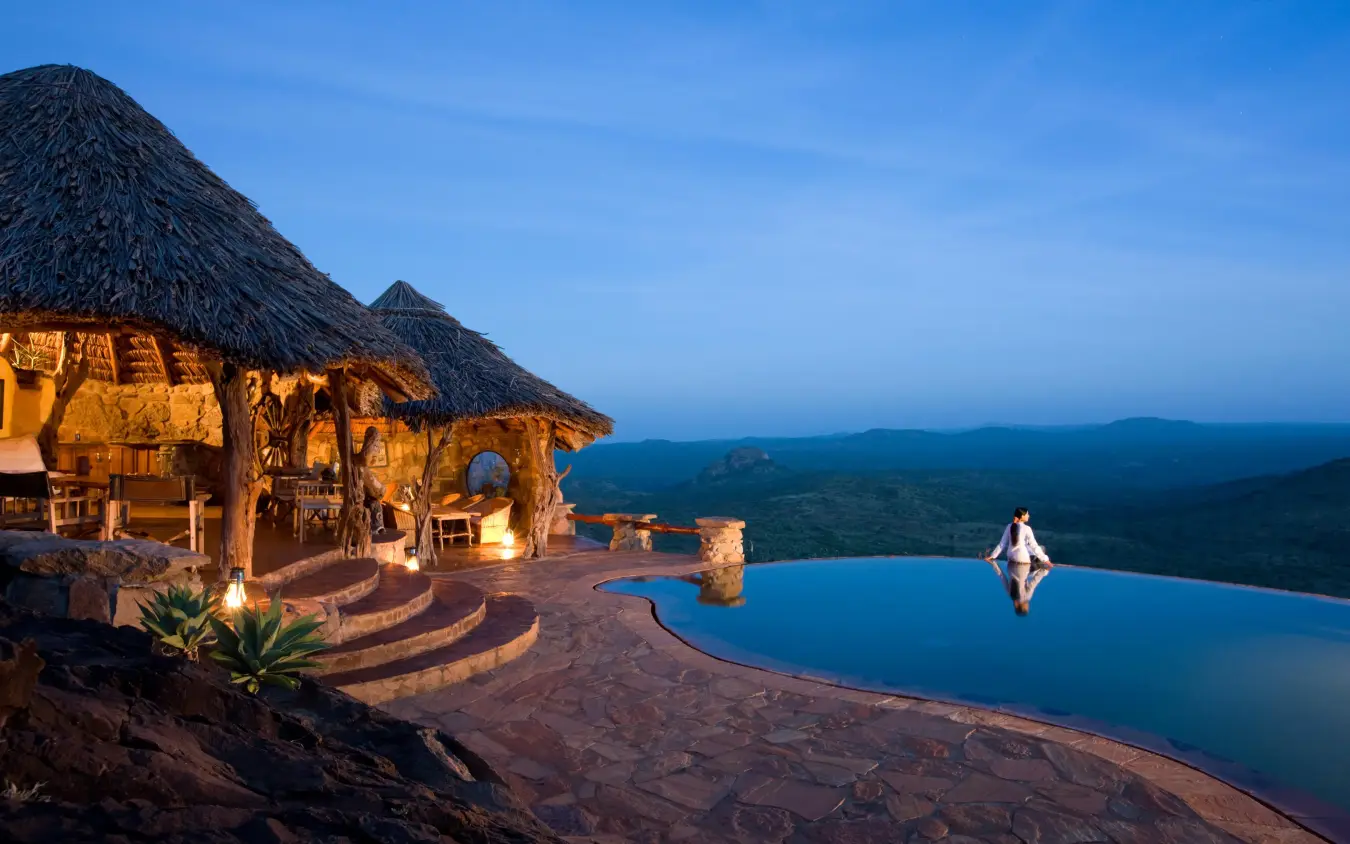
Ten nights from Bwindi's Nkuringo gorillas through Entebbe to six nights of reef and forest on northern Pemba Island.
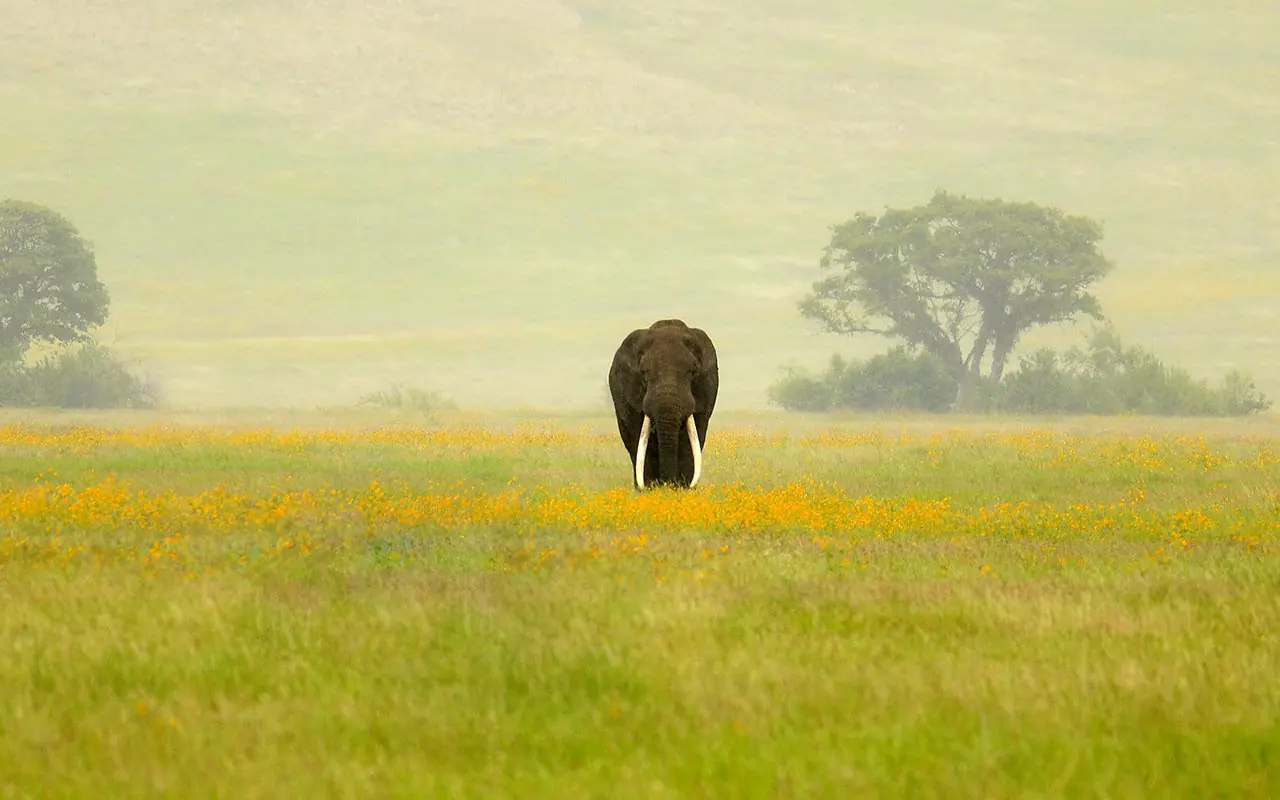
tanzania & kenya
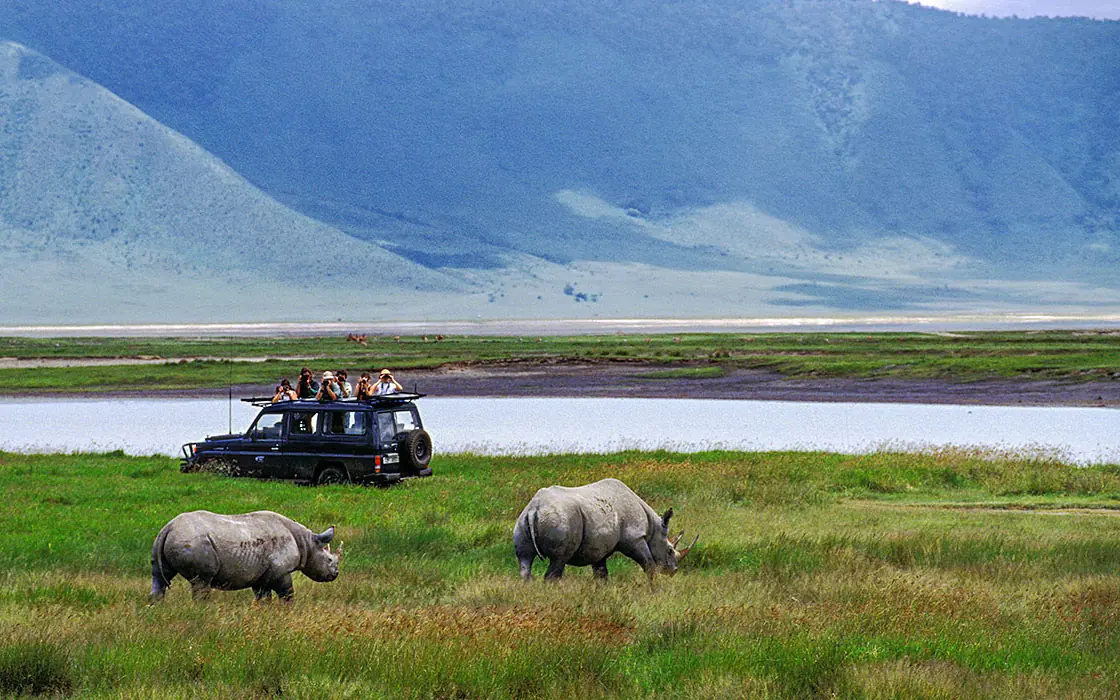
Sixteen nights from the Ngorongoro Crater and the Serengeti into Kenya's Maasai Mara, Laikipia and Borana Conservancy.
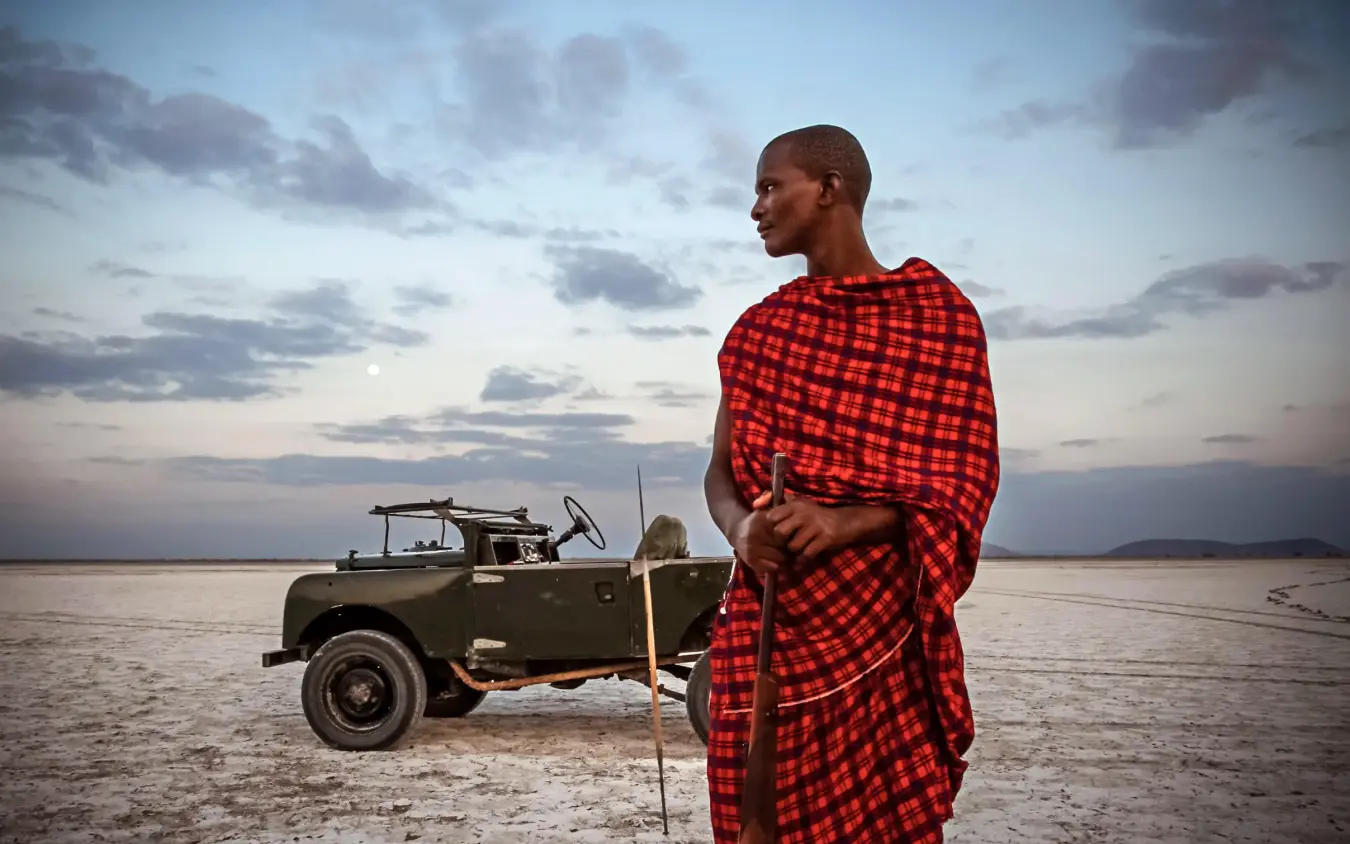
tanzania
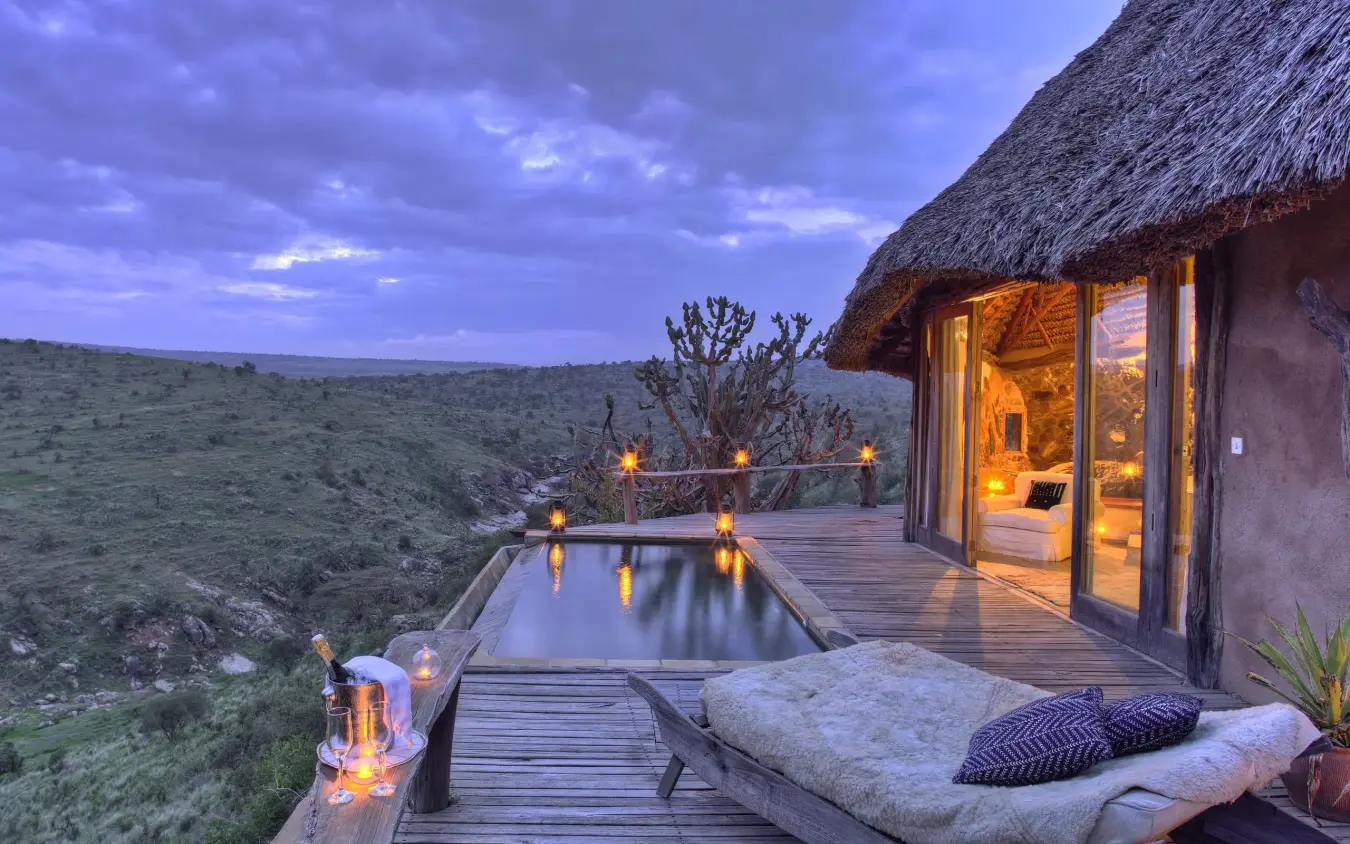
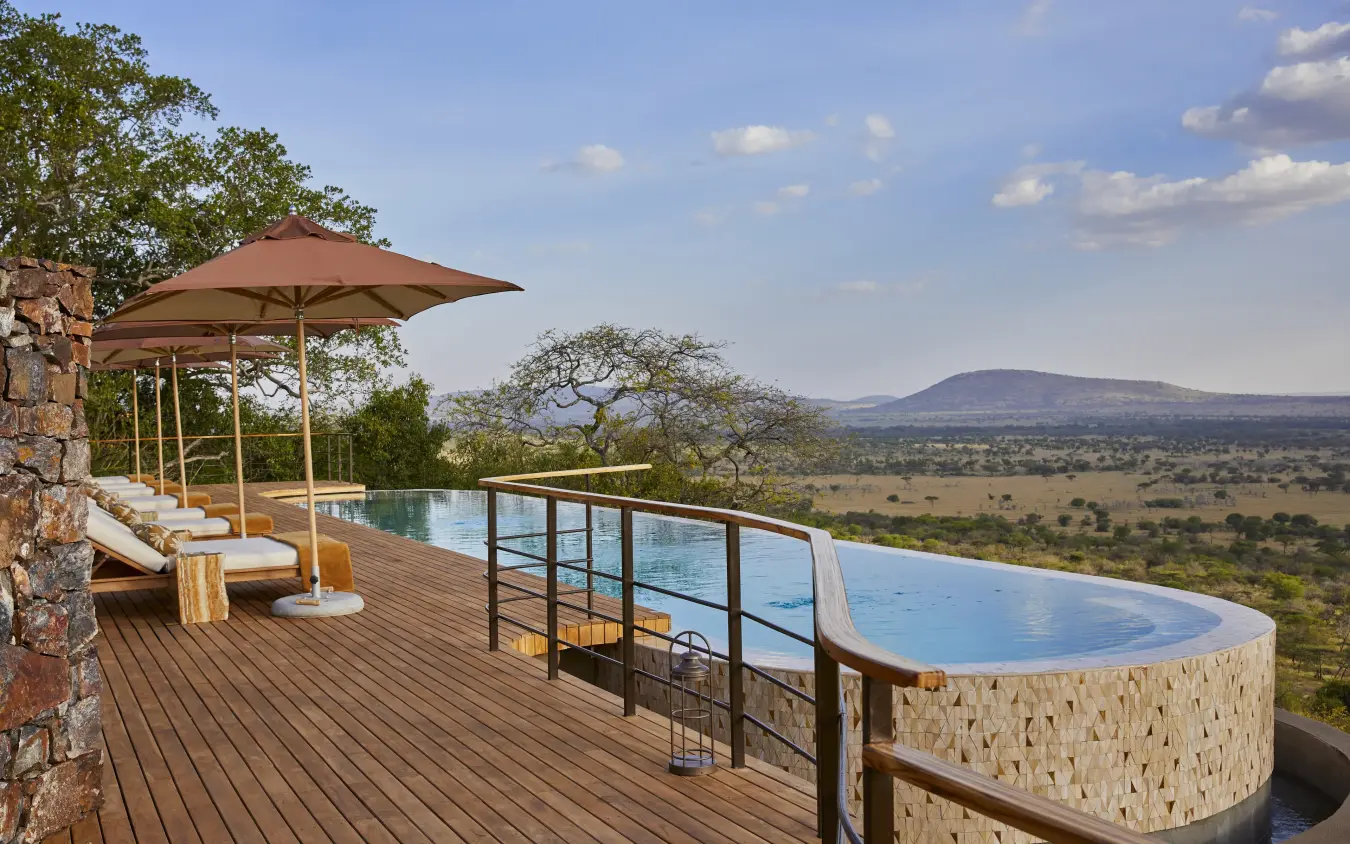
Twelve nights across northern Tanzania, from the Serengeti and a private granite reserve to the Ngorongoro Highlands and the Rift.
rated five stars by our clients


our approach
Every journey starts with a conversation. We take the time to understand your vision before we start planning.
Whether by phone or in person, we work with you directly to shape something that is considered, personal, and expertly delivered.
Every journey starts with a conversation. We favour a direct, personal approach: understanding your vision before anything else.
Whether by phone or in person, we work with you directly to shape a journey that is both thoughtfully considered and expertly delivered.
Get in touch to start planning yours.