




tanzania
lake manyara to the lamai wedge
Ten nights through northern Tanzania, from Lake Manyara's gorge to the eastern plains and the Mara River in the Lamai Wedge.
- Private Safari
- From $12,865 pp
- 2 guests
- 10 nights
This is a ten-night route through two very different corners of Tanzania. It opens in Ruaha National Park, a park of large lion prides and strong elephant numbers drawn to the rivers, viewed from the edge of the Mwagusi escarpment. It then turns east to Zanzibar, where the Bwejuu coast runs into the Indian Ocean behind an offshore coral reef, with Swahili heritage, spice farms and dhow sailing close by.
The first half is spent on game drives from the escarpment, reaching the Mwagusi River roughly twenty minutes on. The second half slows to the coast, with swimming, snorkelling and reef walks at low tide. You stay at two properties, a small owner-built camp above the valley and a thirty-villa resort on the sand, each with its own strong sense of place.
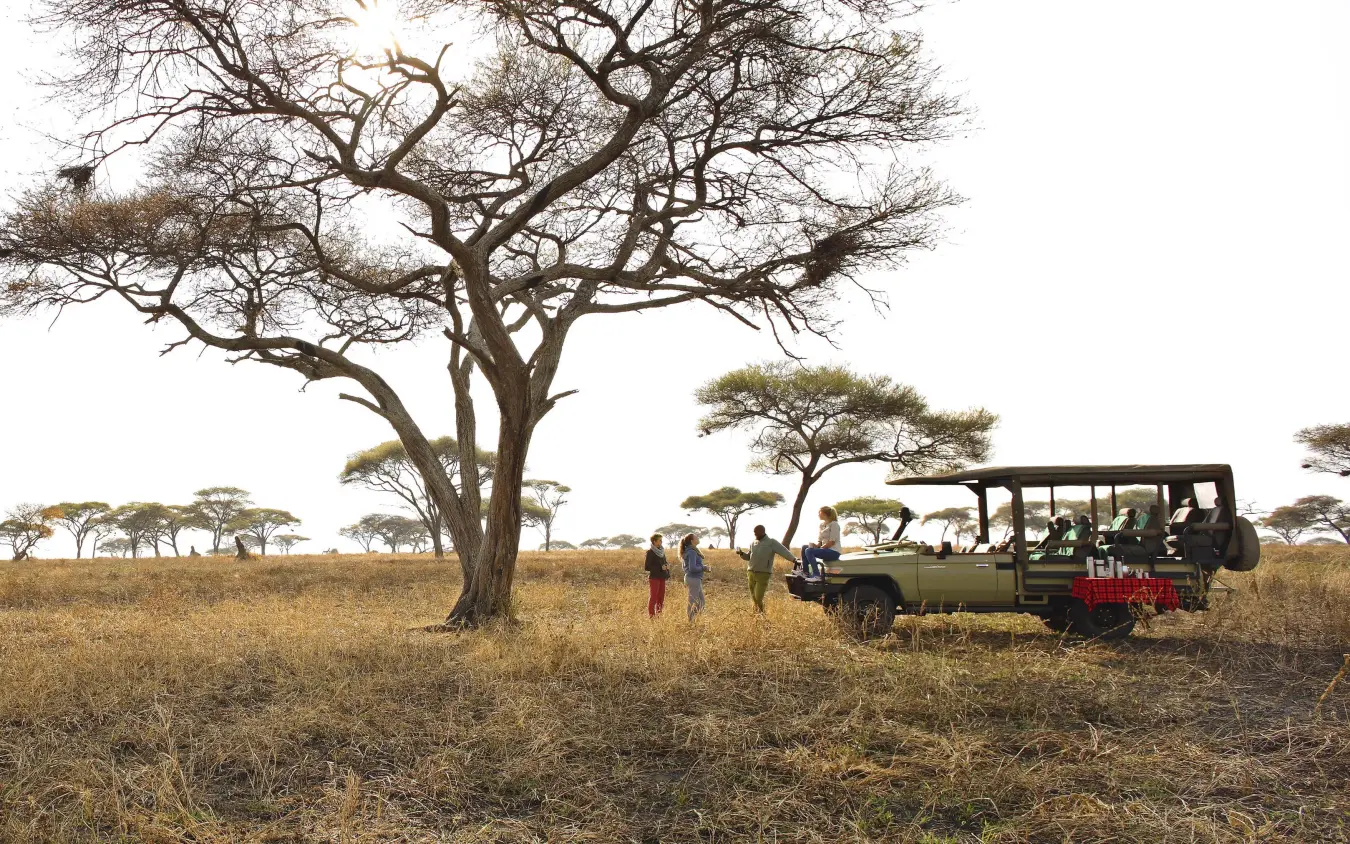
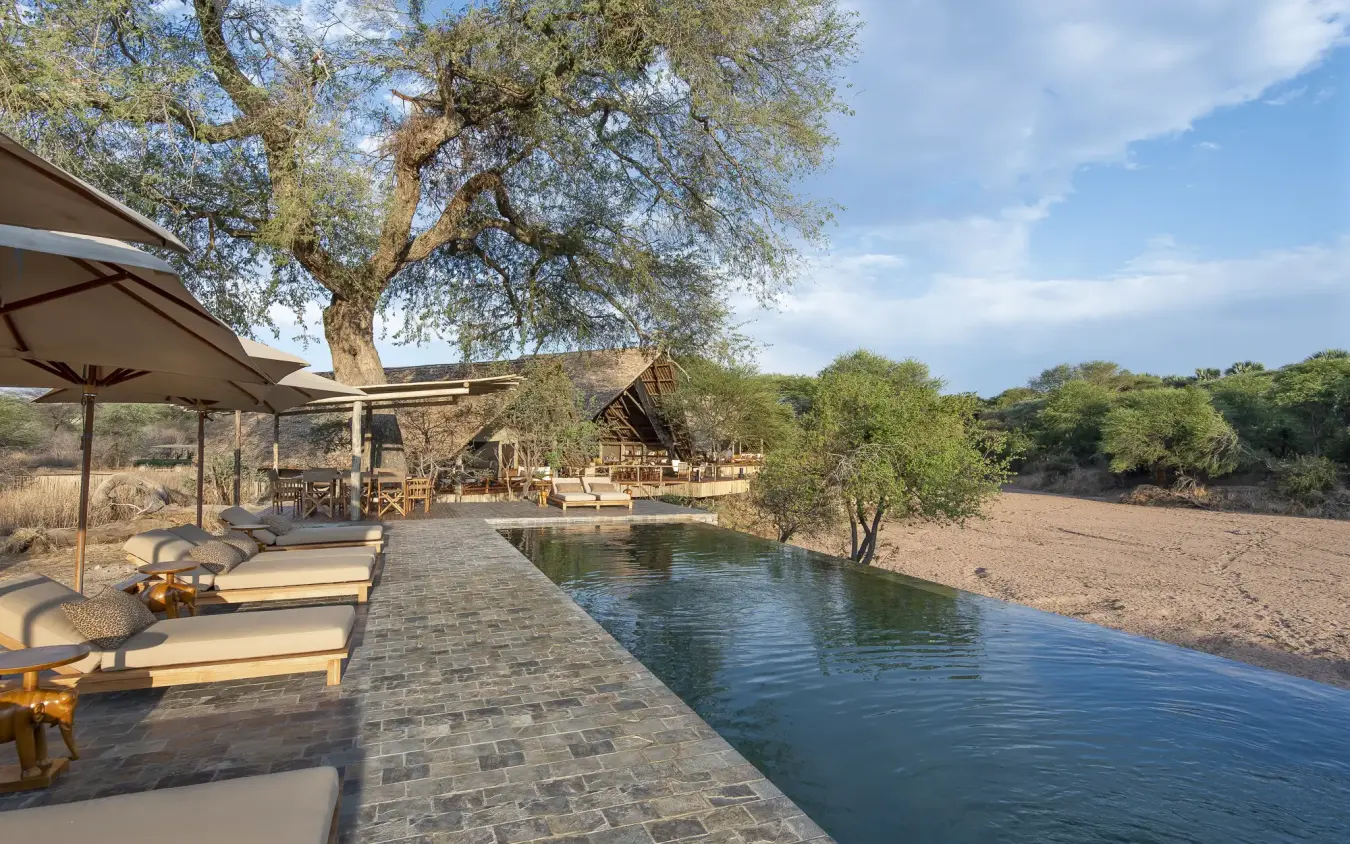
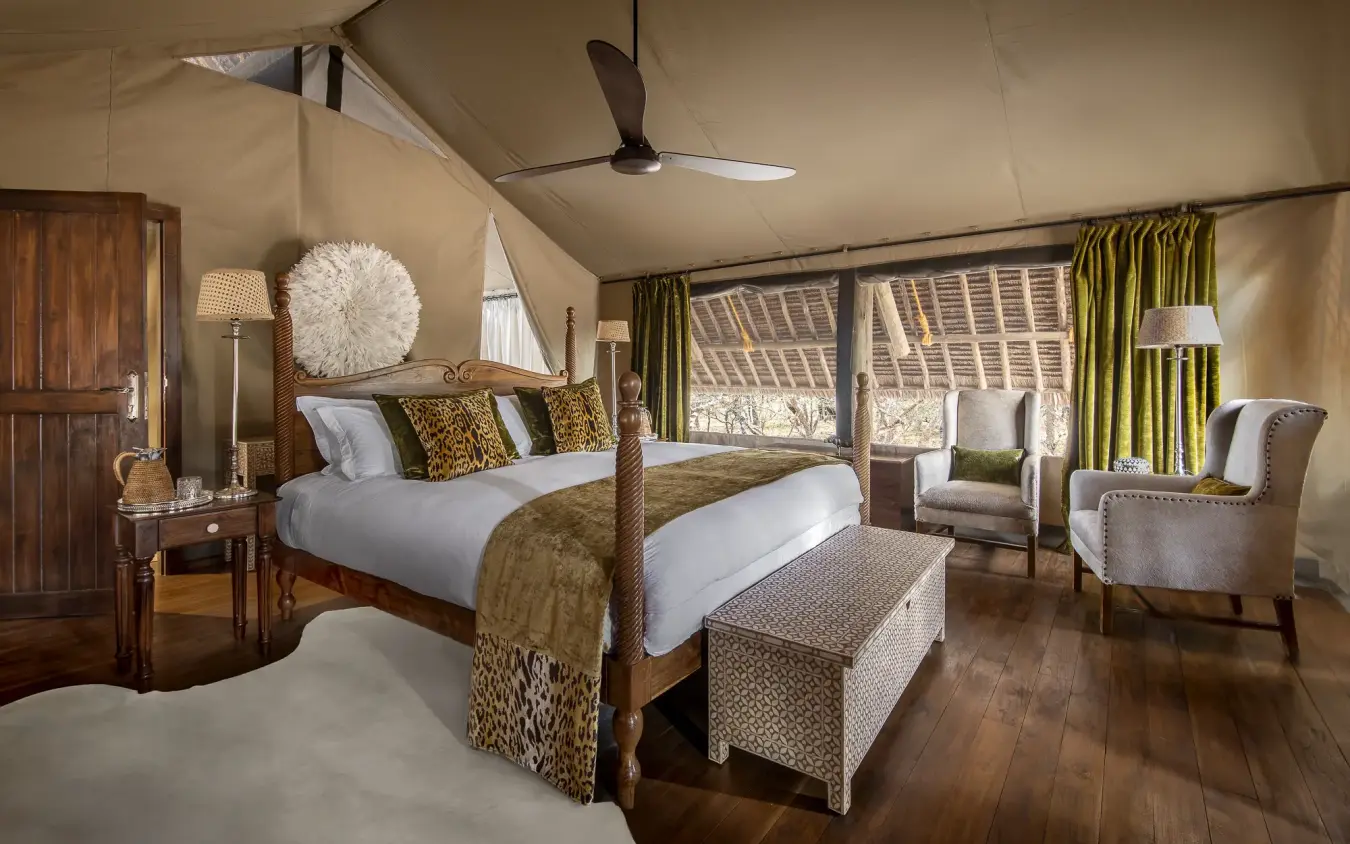
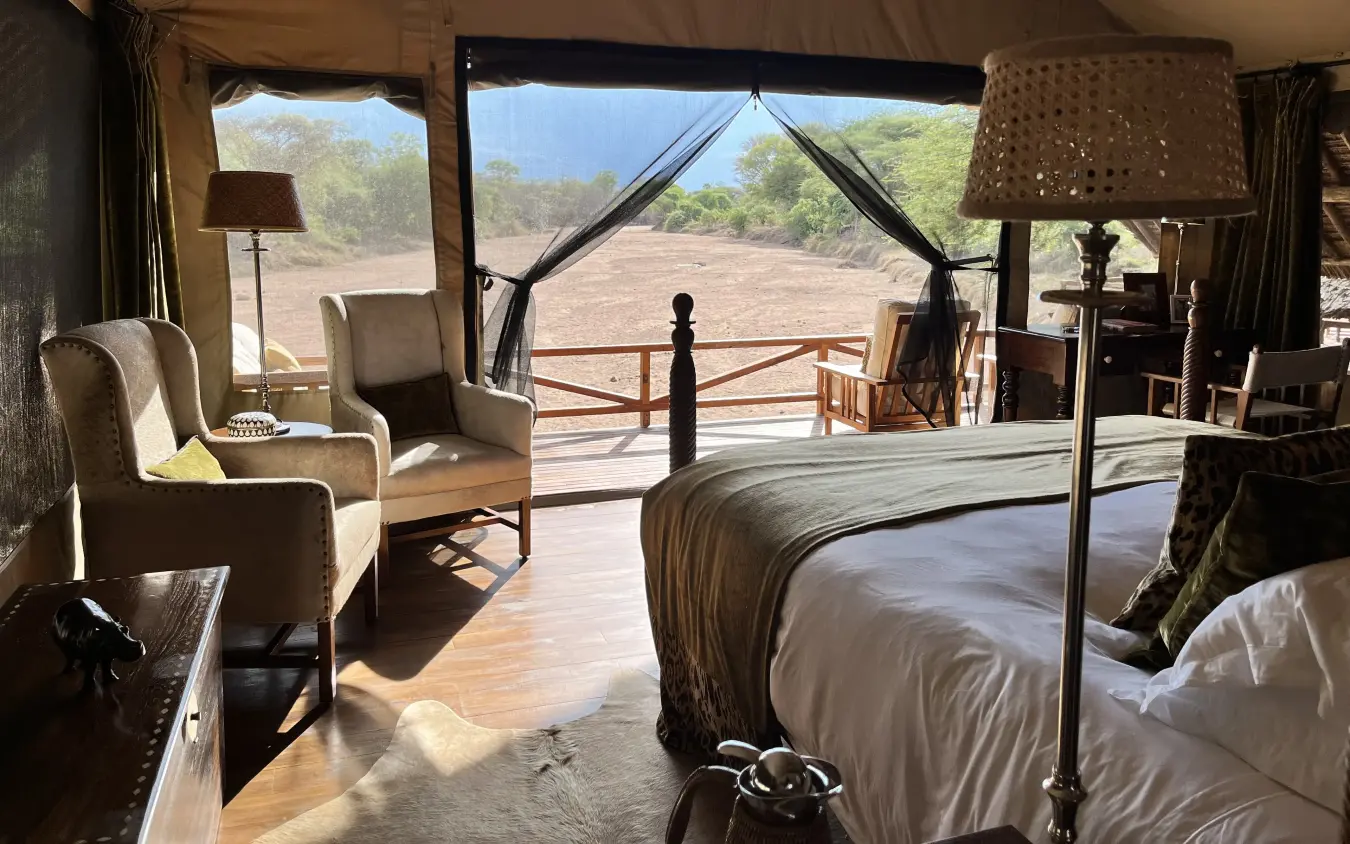
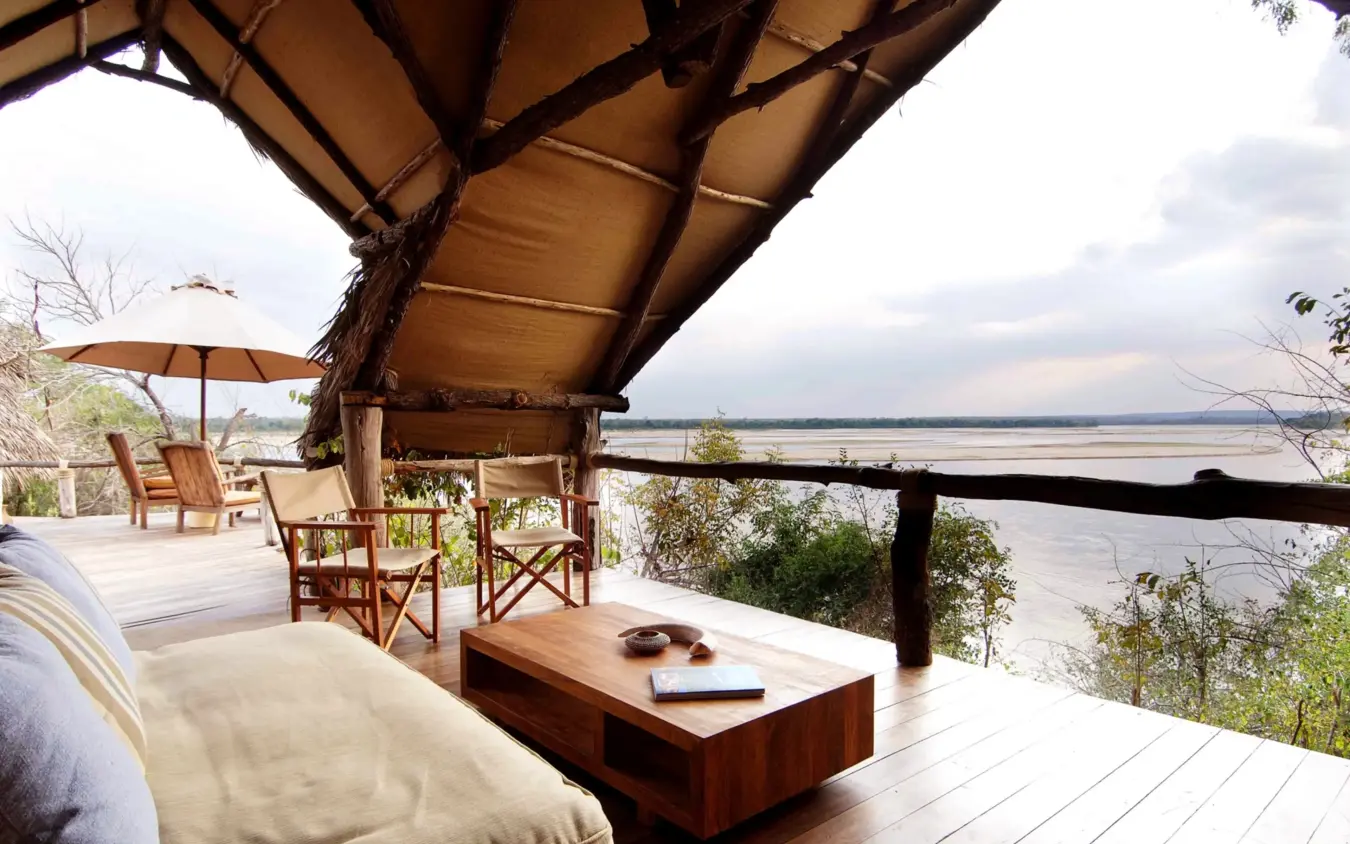
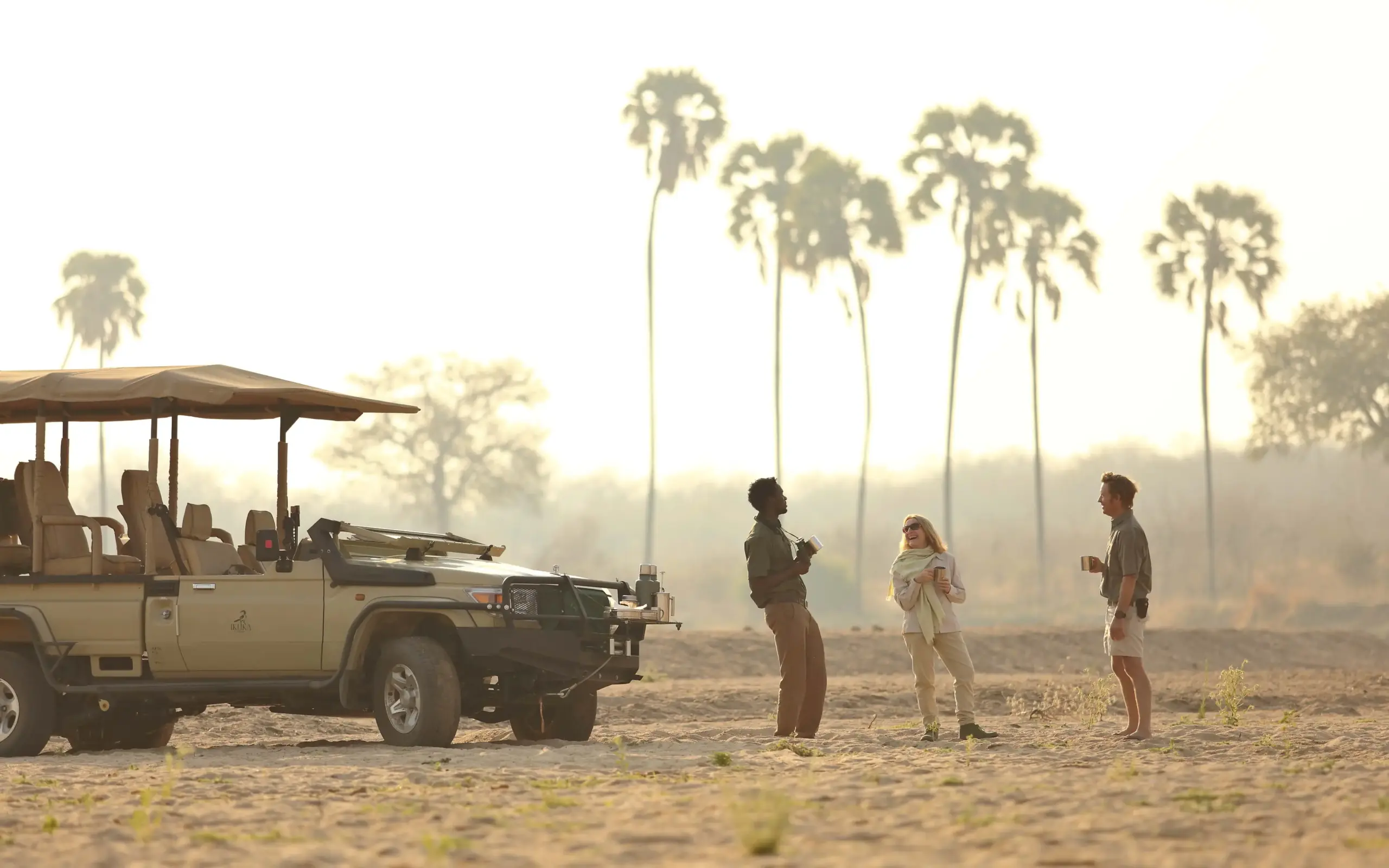
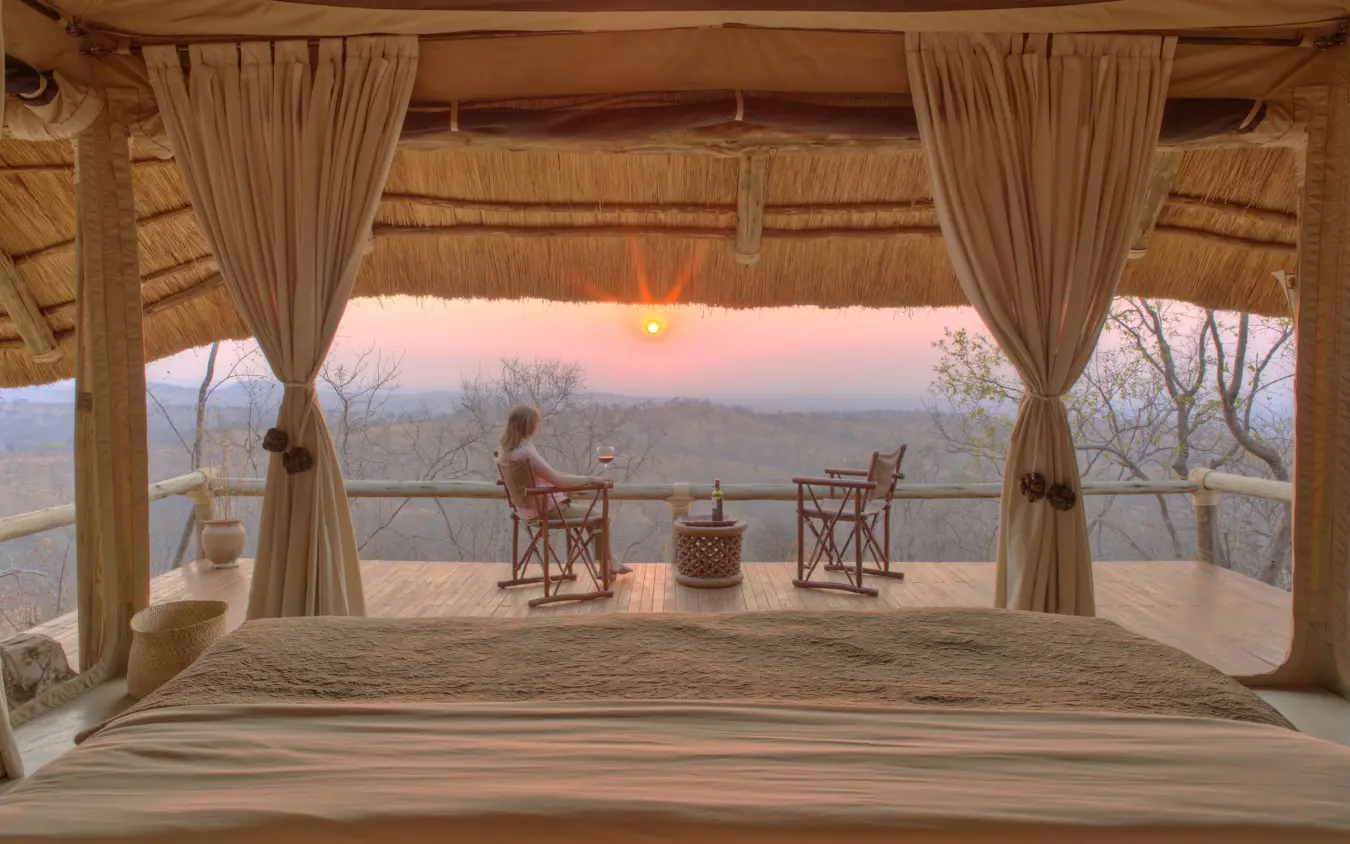
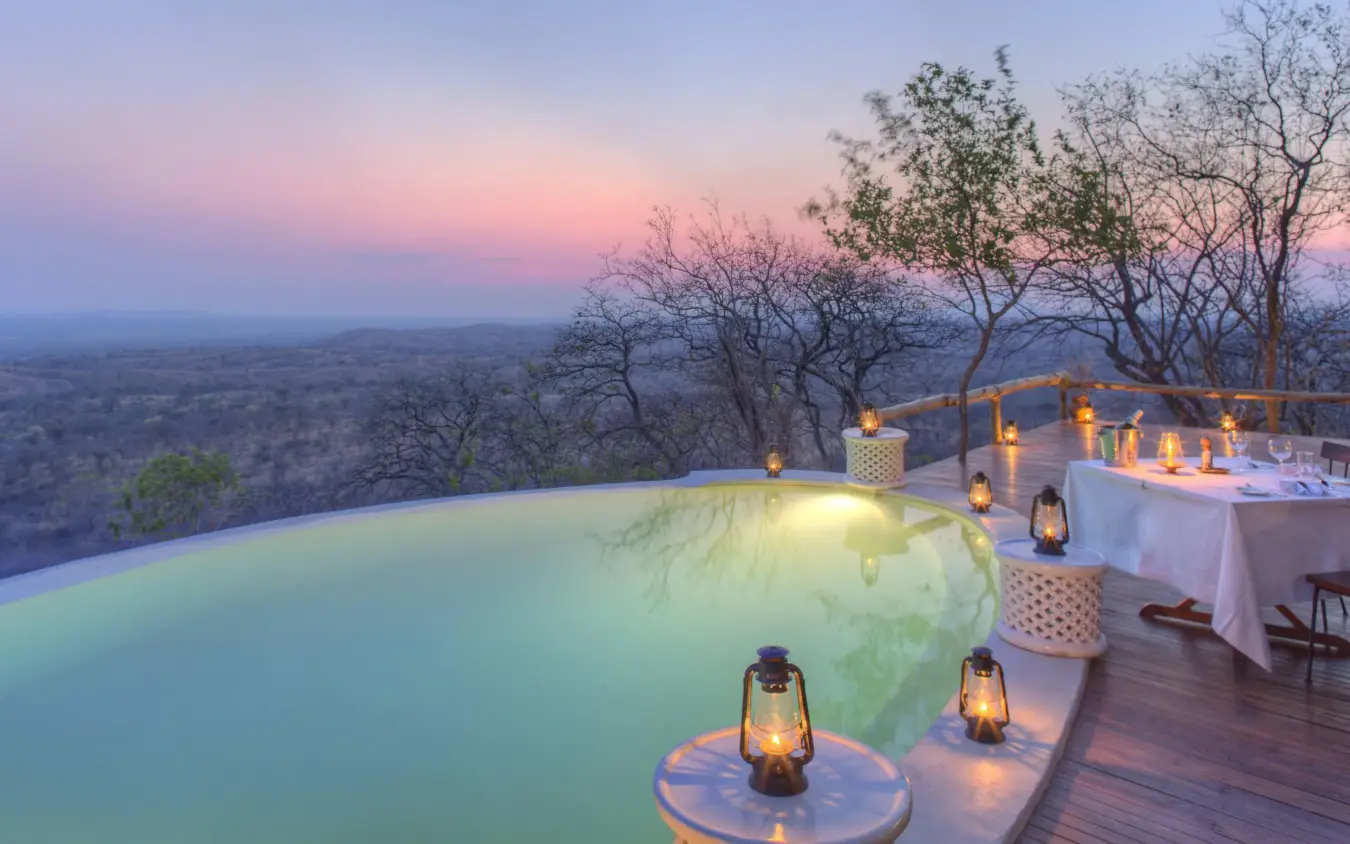
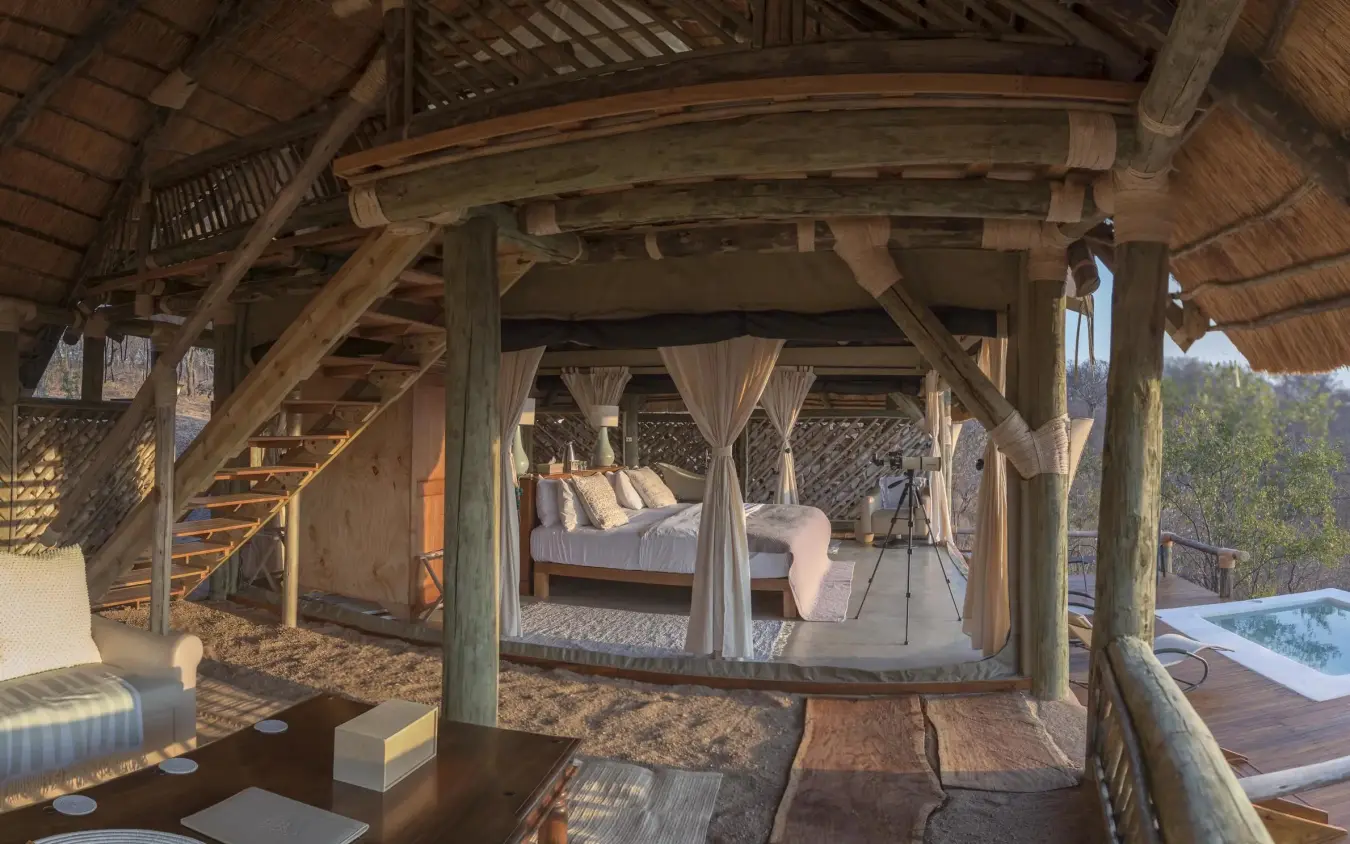
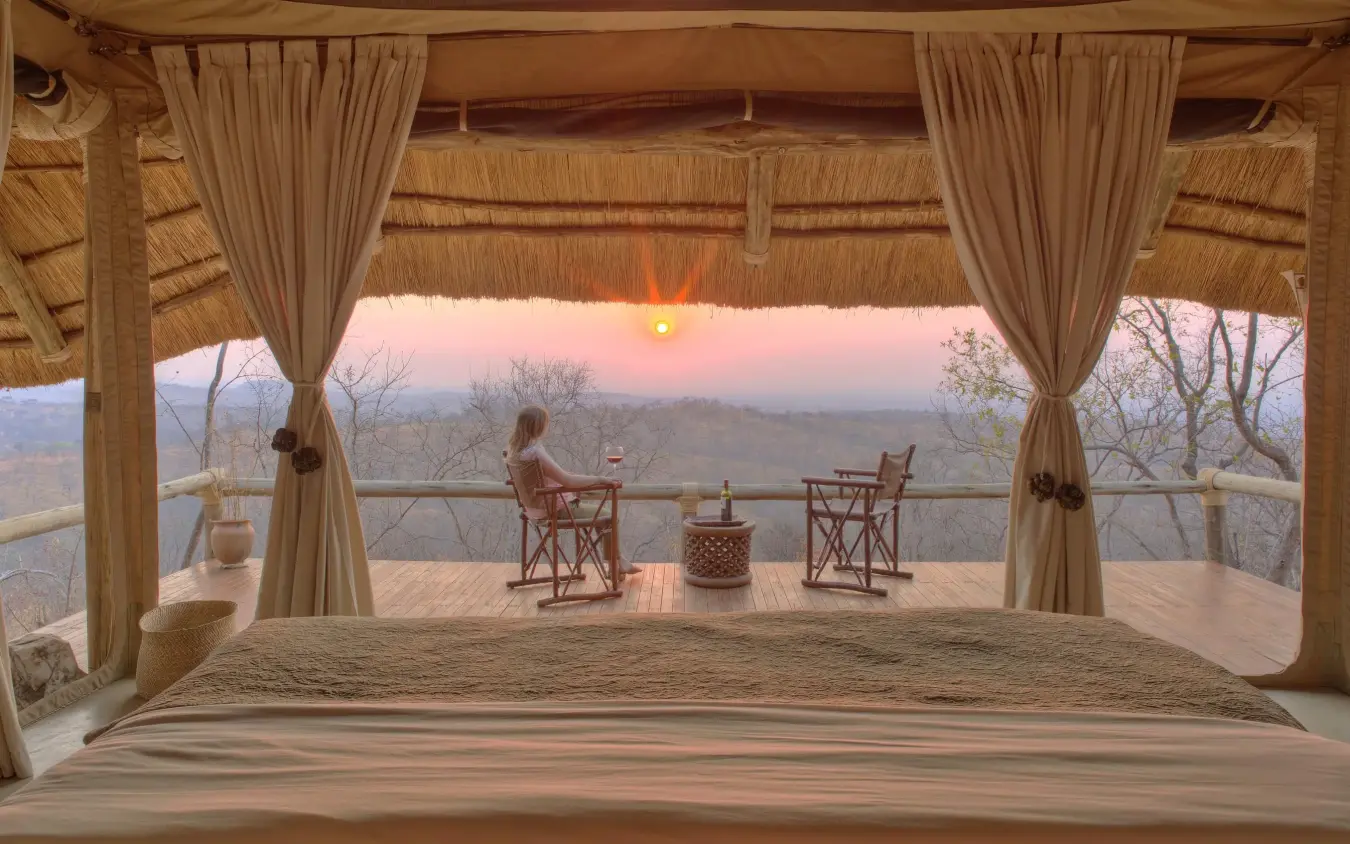
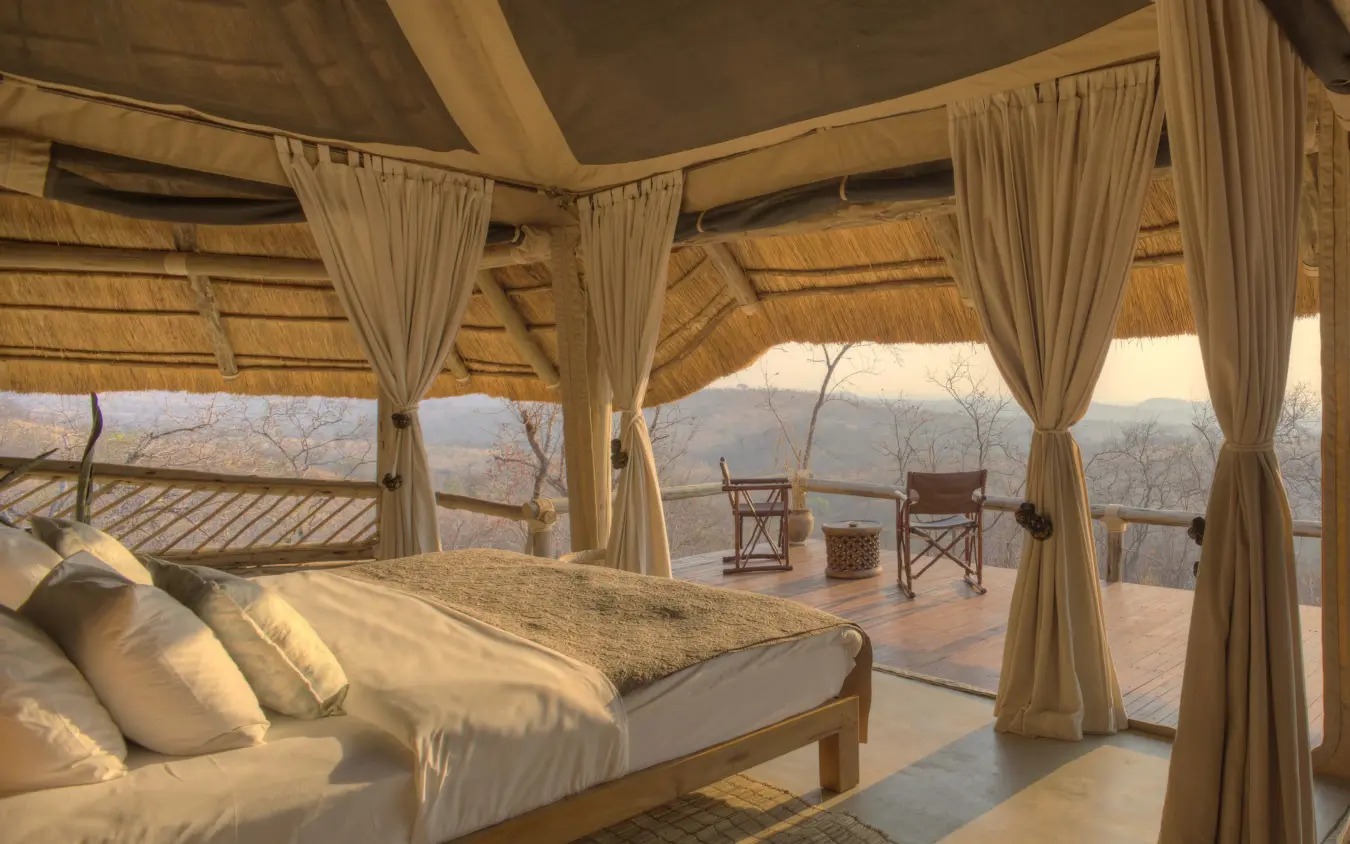
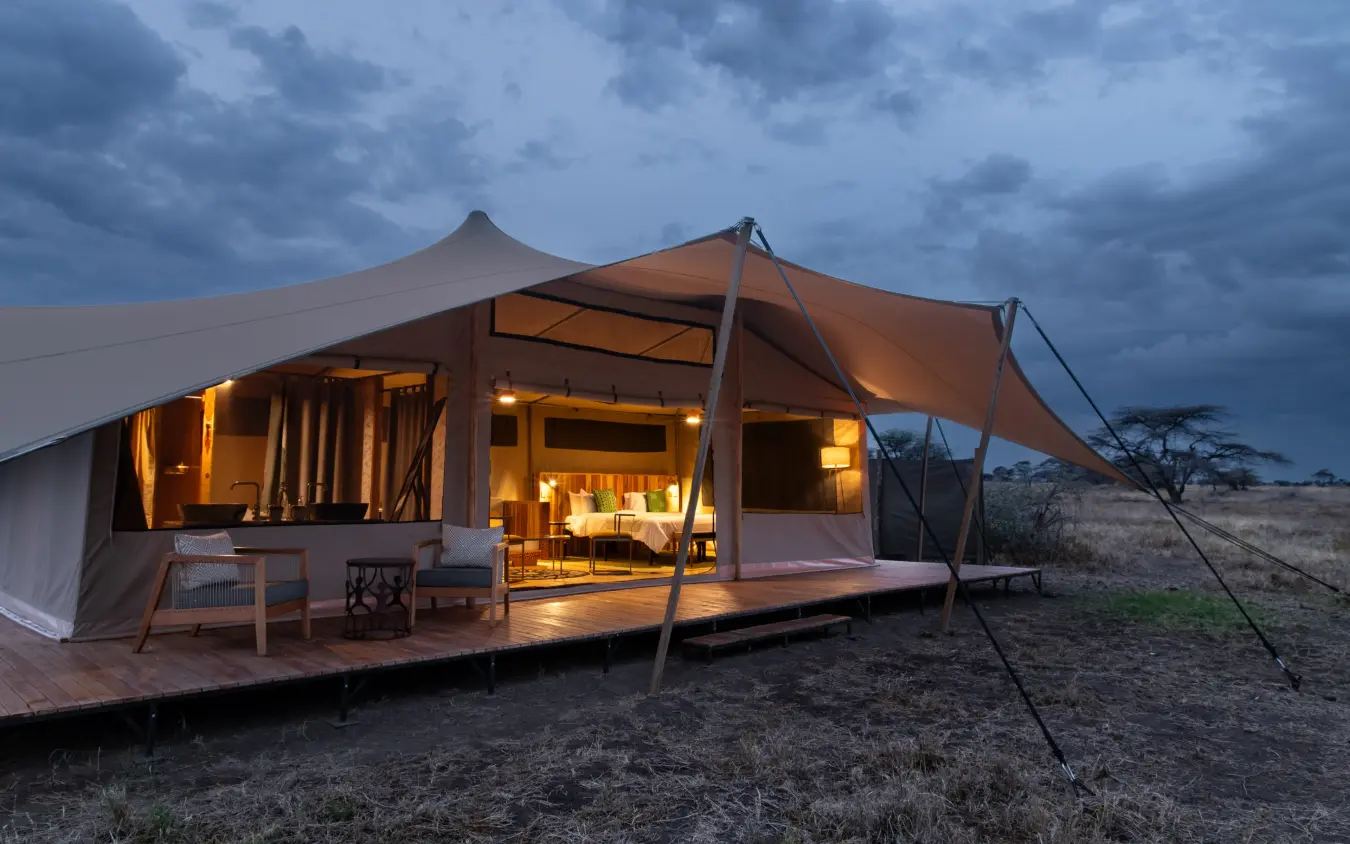
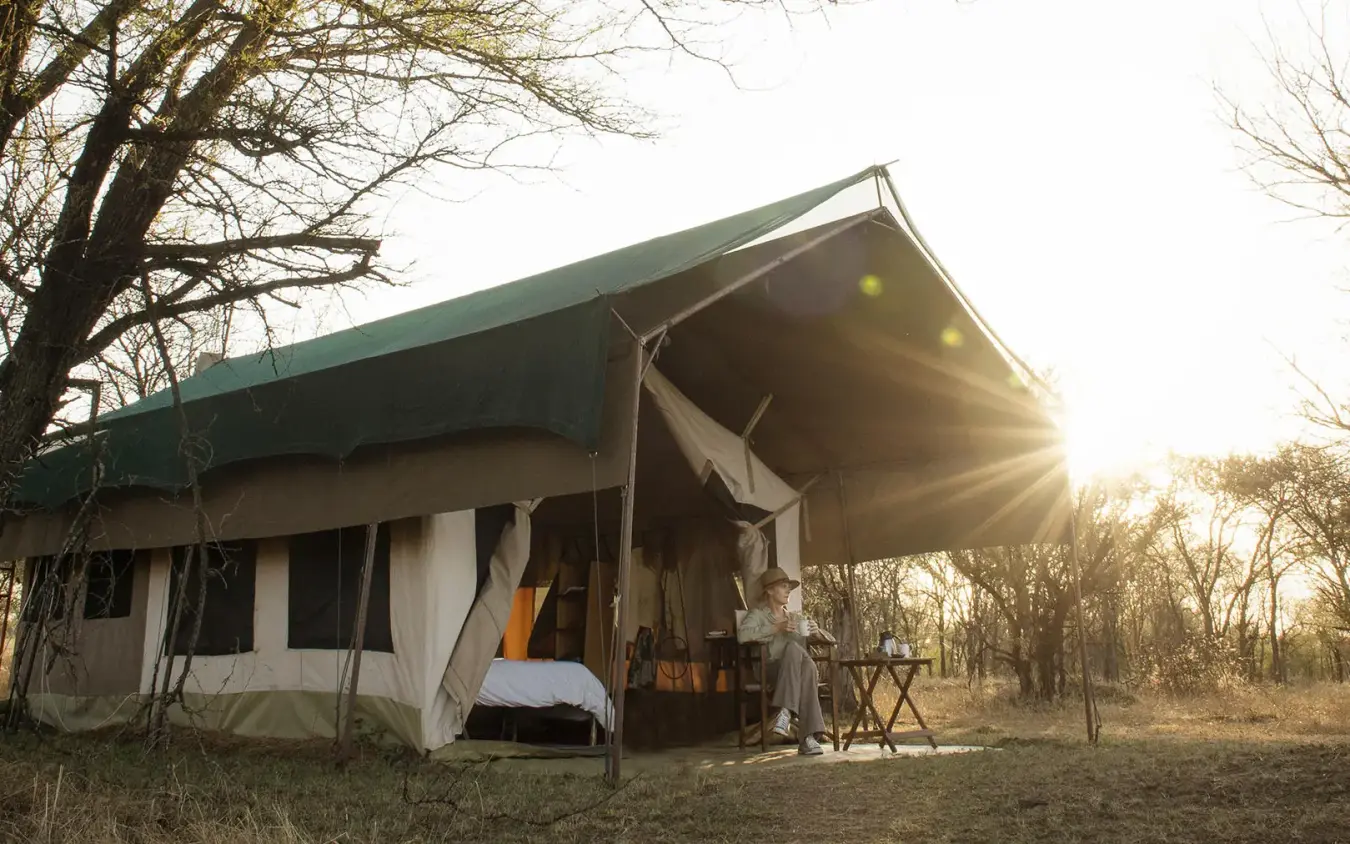
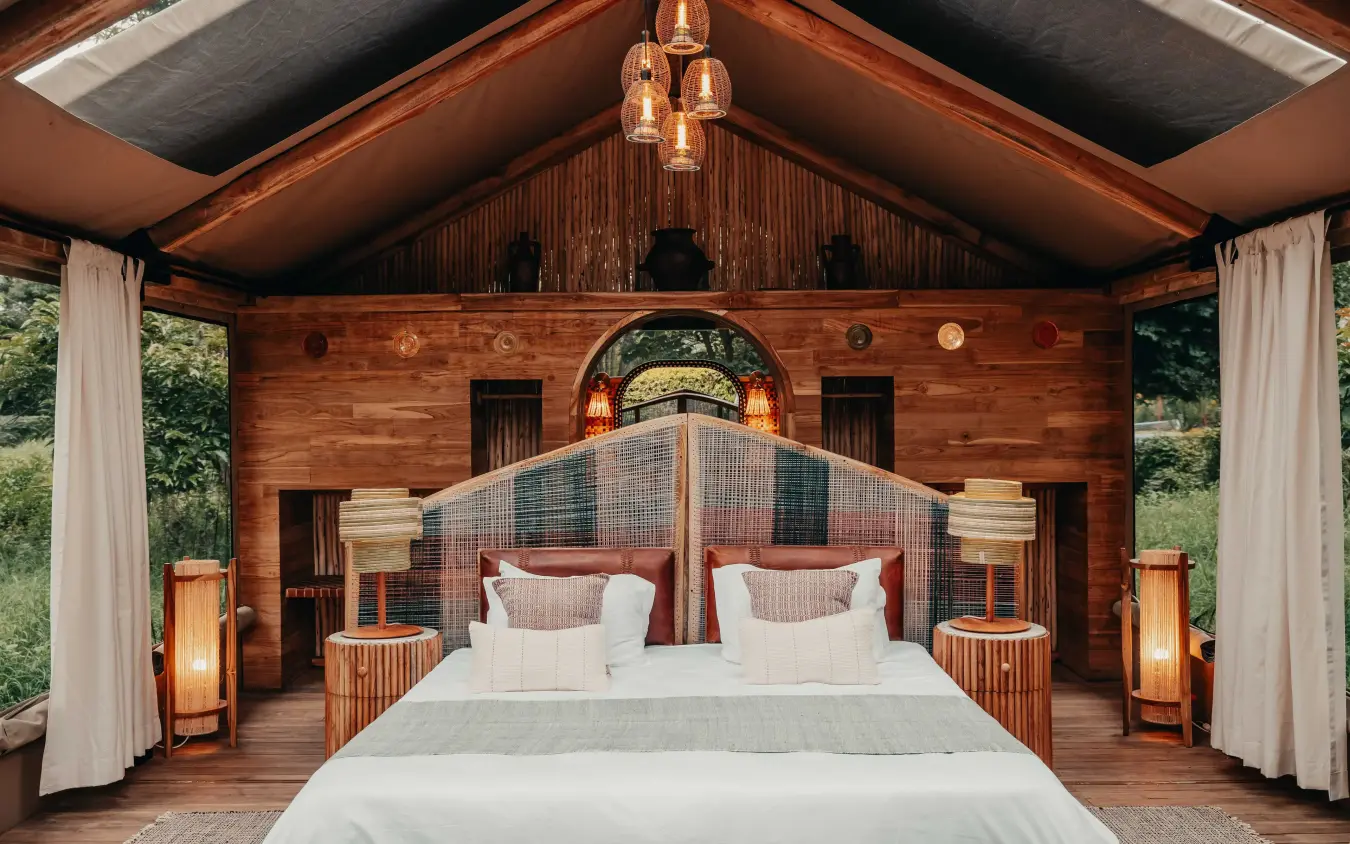
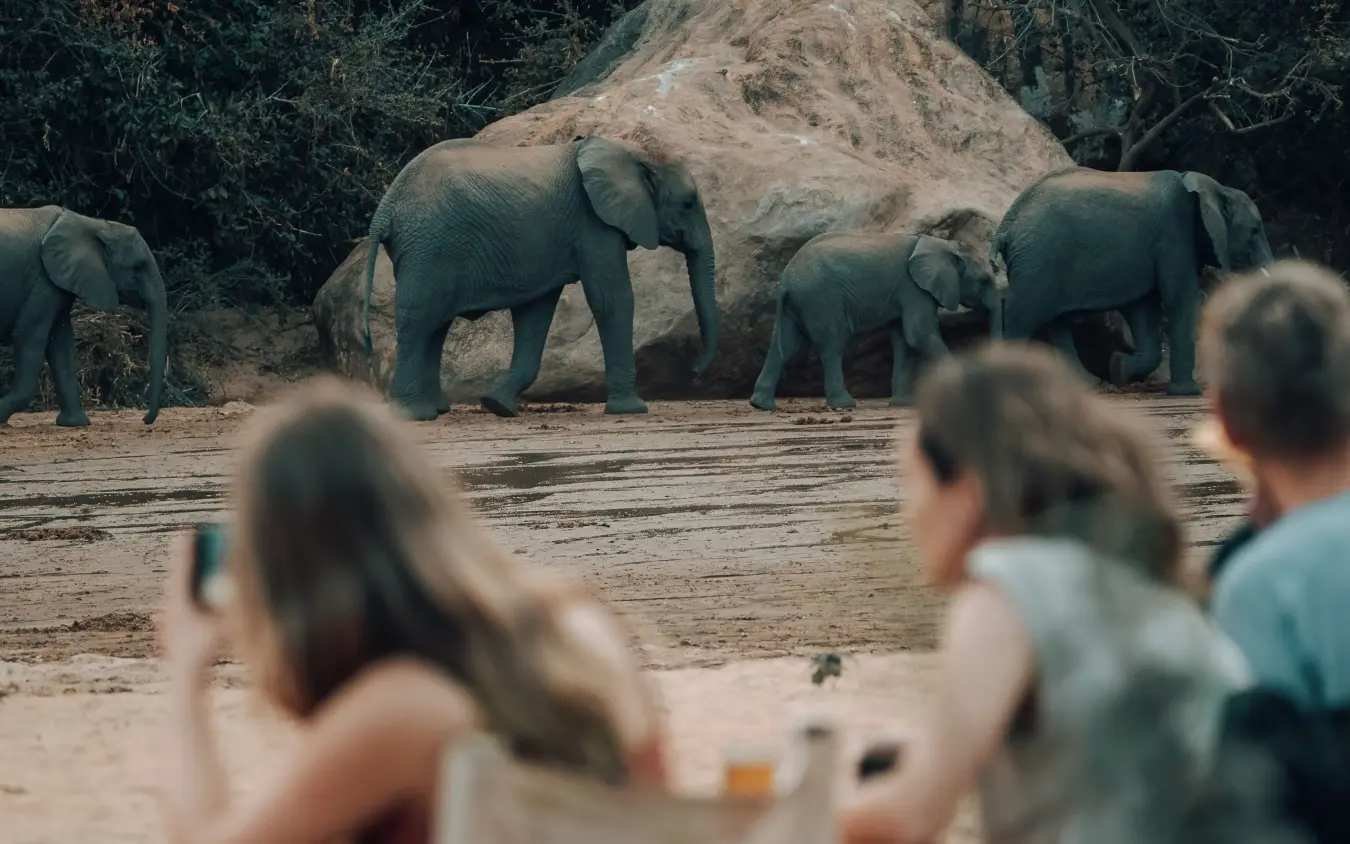
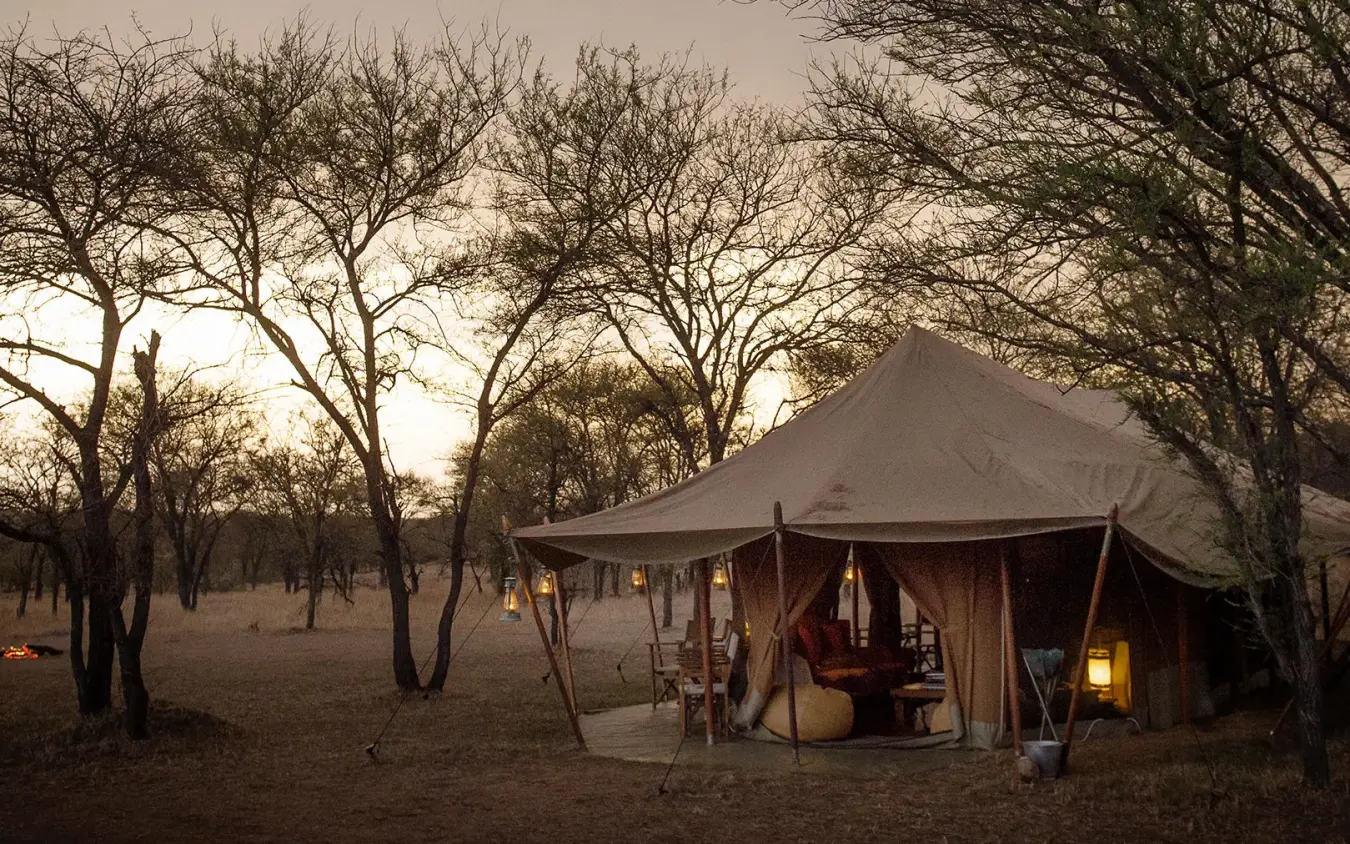
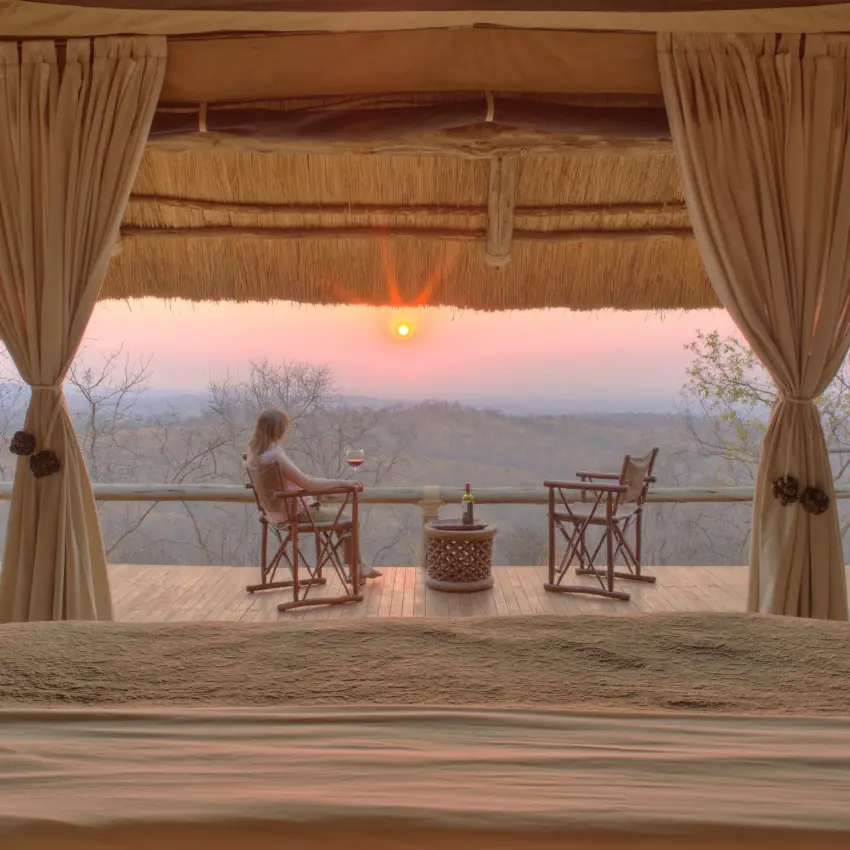
Five nights in Ruaha National Park, a park that holds large lion prides and strong numbers of elephant, many drawn to the rivers as year-round water. From the escarpment, a game drive reaches the Mwagusi River, one of the richest corners of the park, in roughly twenty minutes, so serious wildlife country comes almost as soon as you set off. Elephants and plains game move through the valley below in full view of the deck. Ikuka Safari Camp is seven open-fronted tents strung along the rock, built and run by Mark and Chloe Sheridan since 2016, with a cliff-edge pool and uninterrupted views across the plains. After dark guests are walked to their tents.
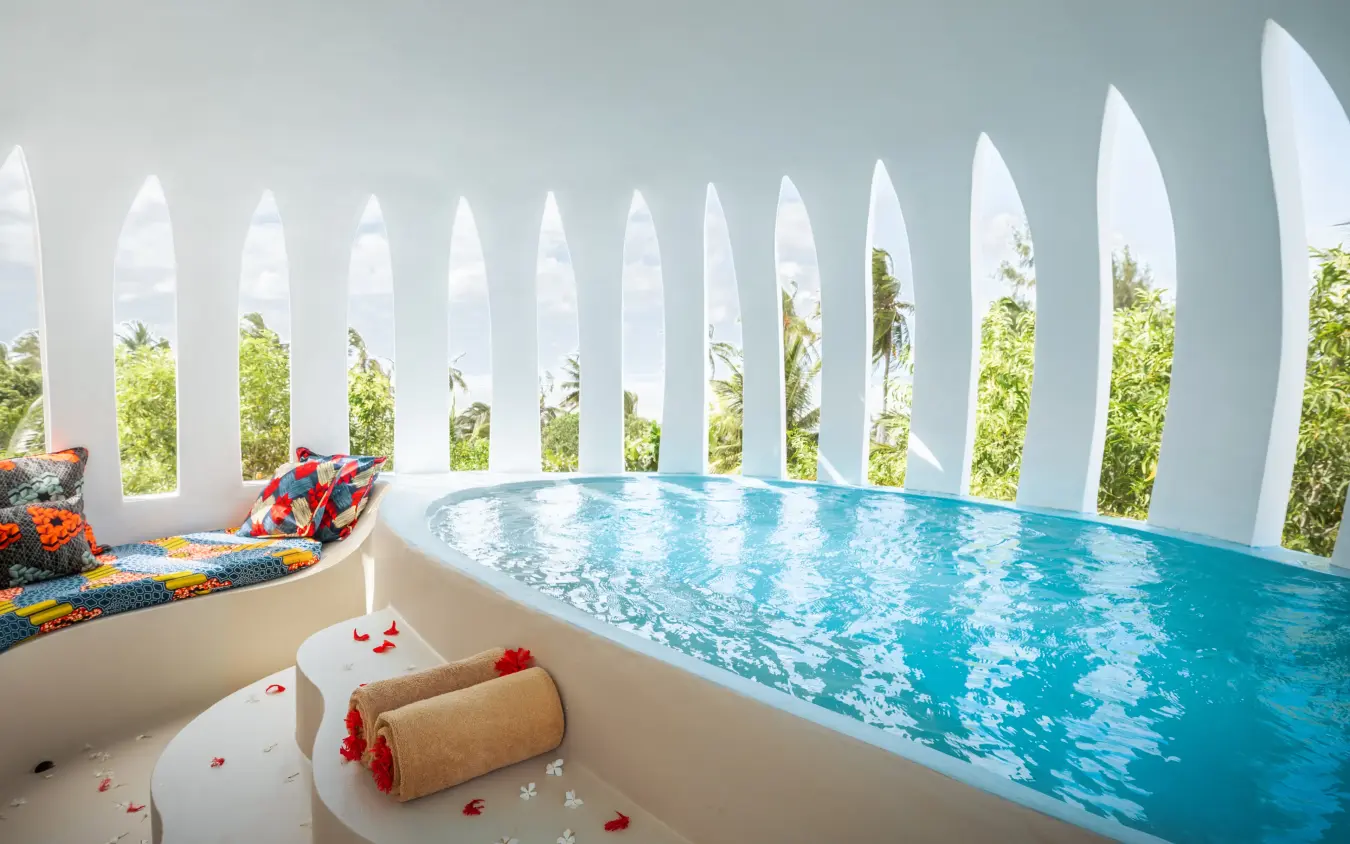
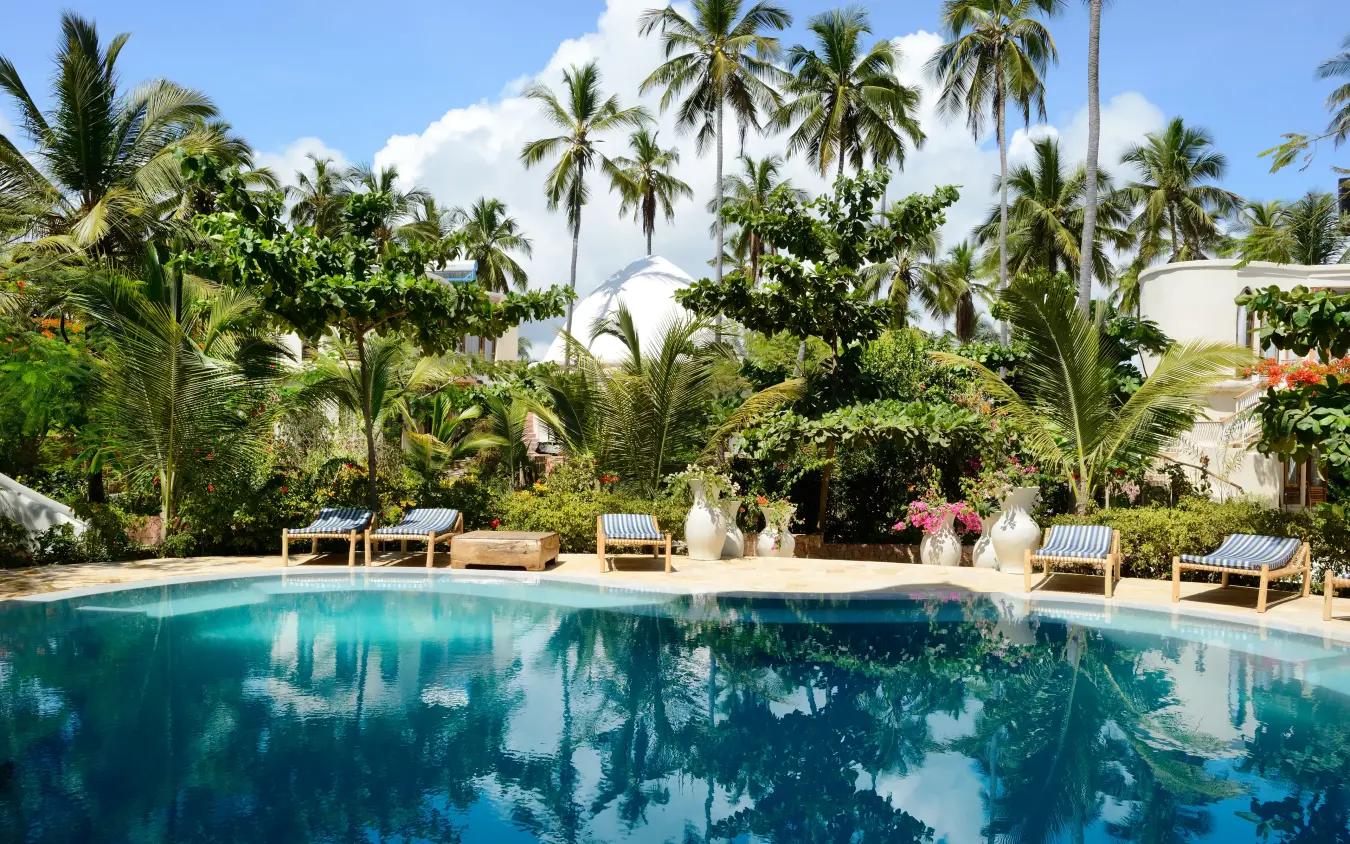
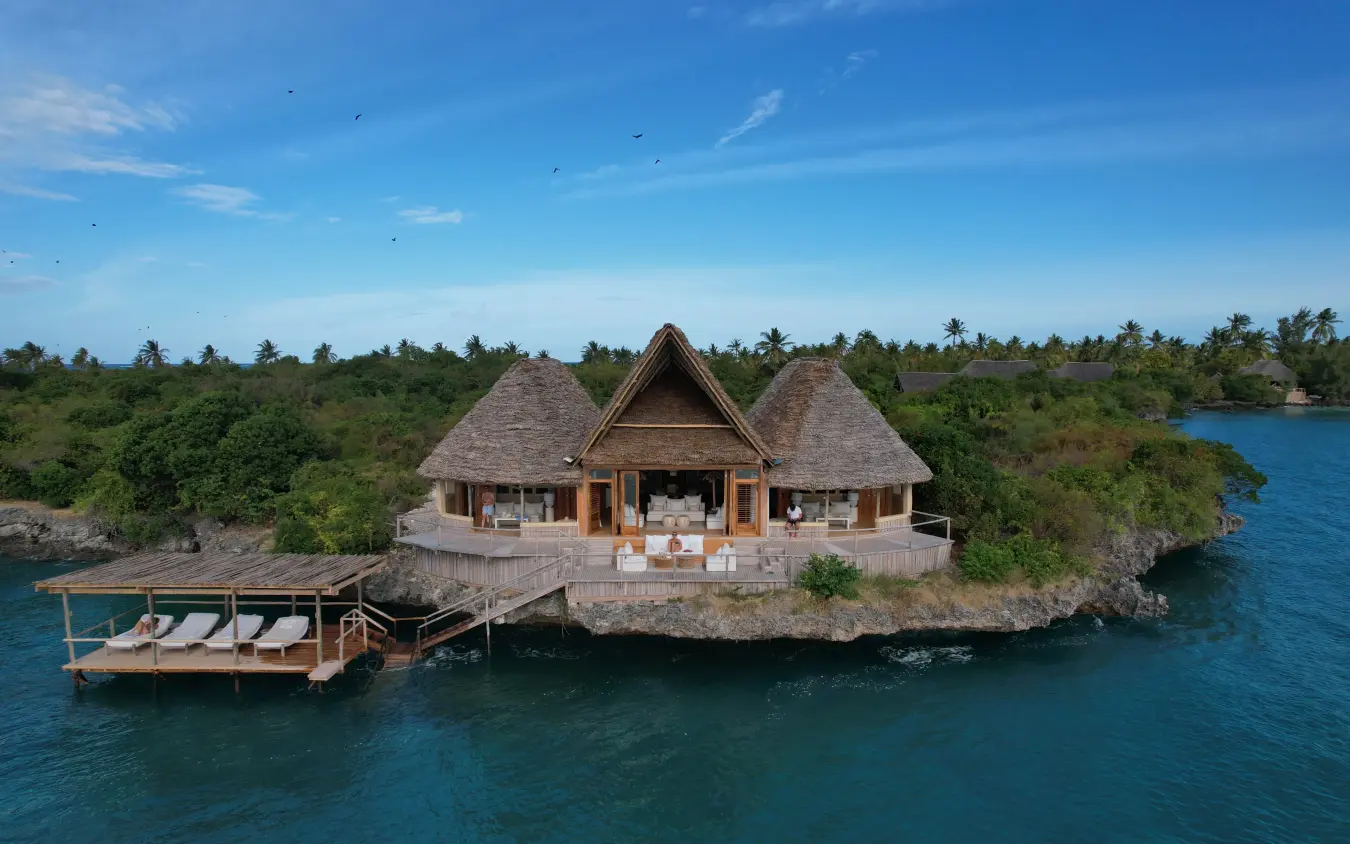
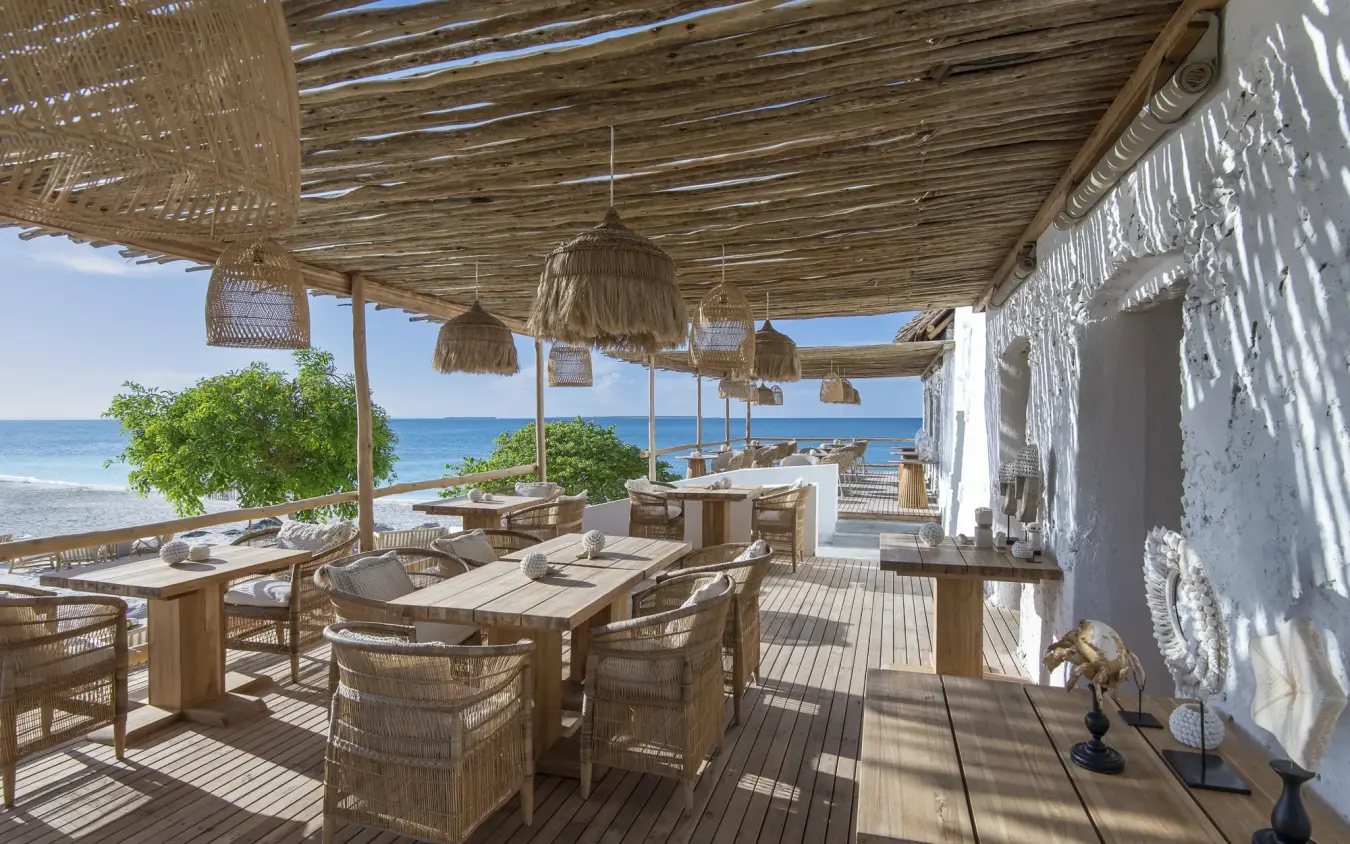
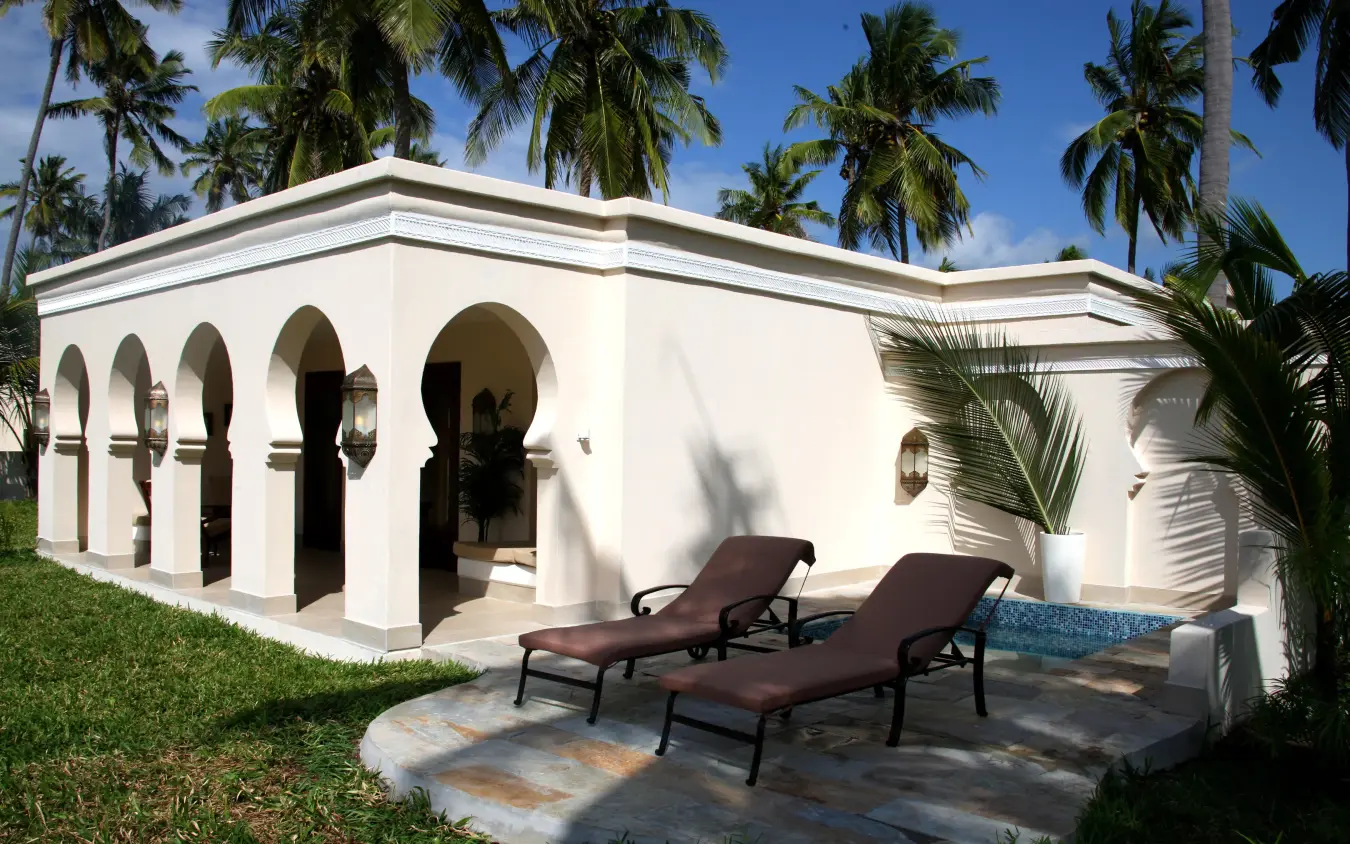
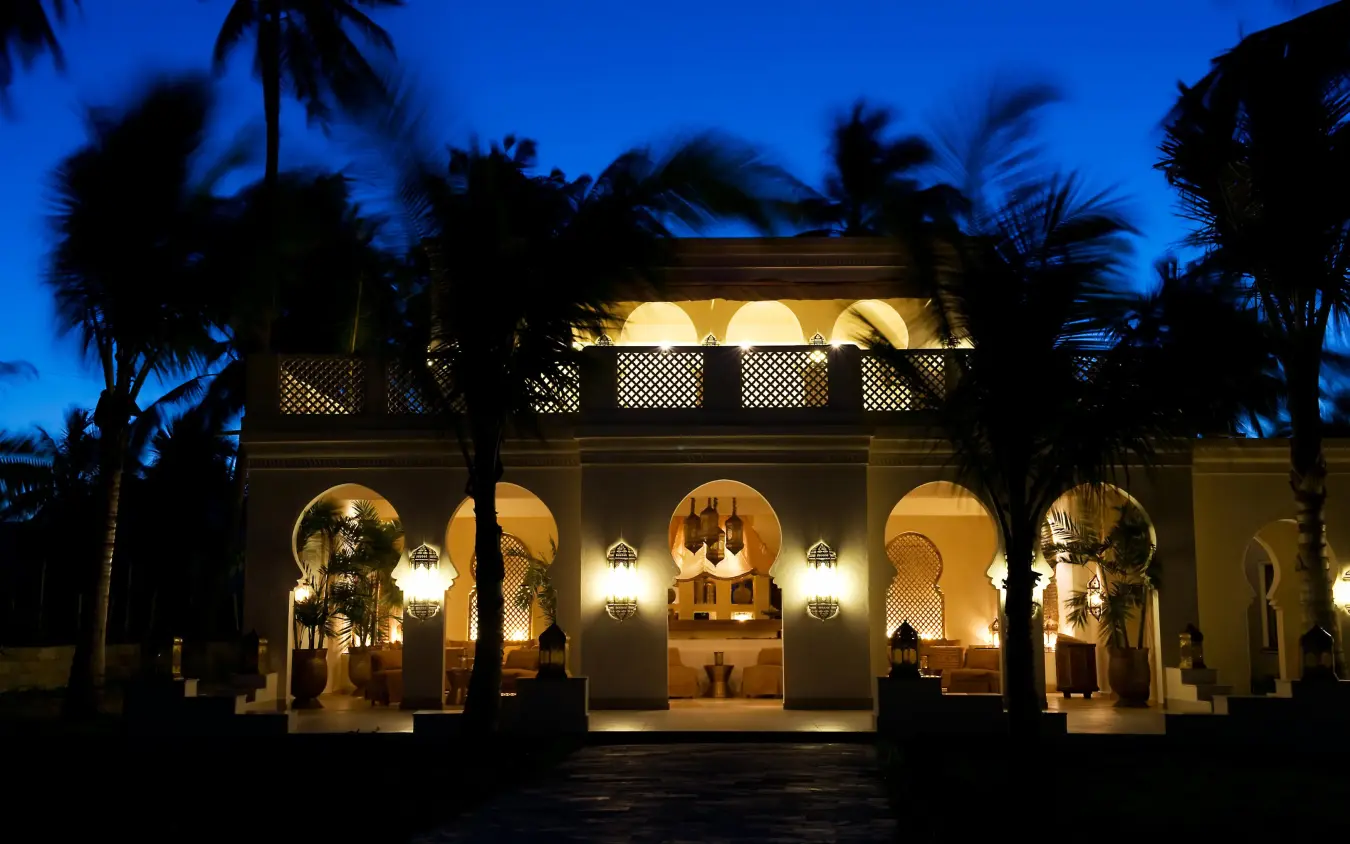
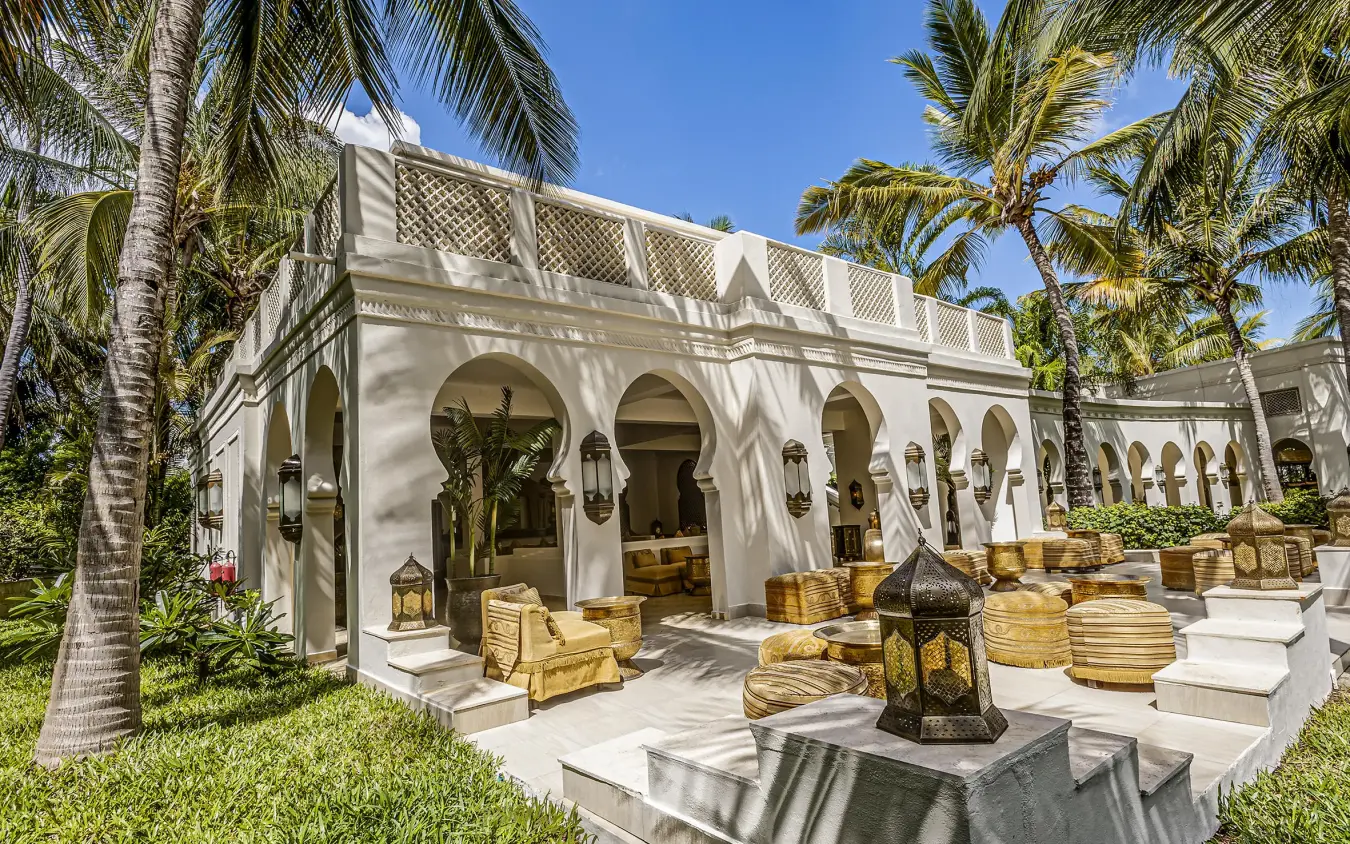
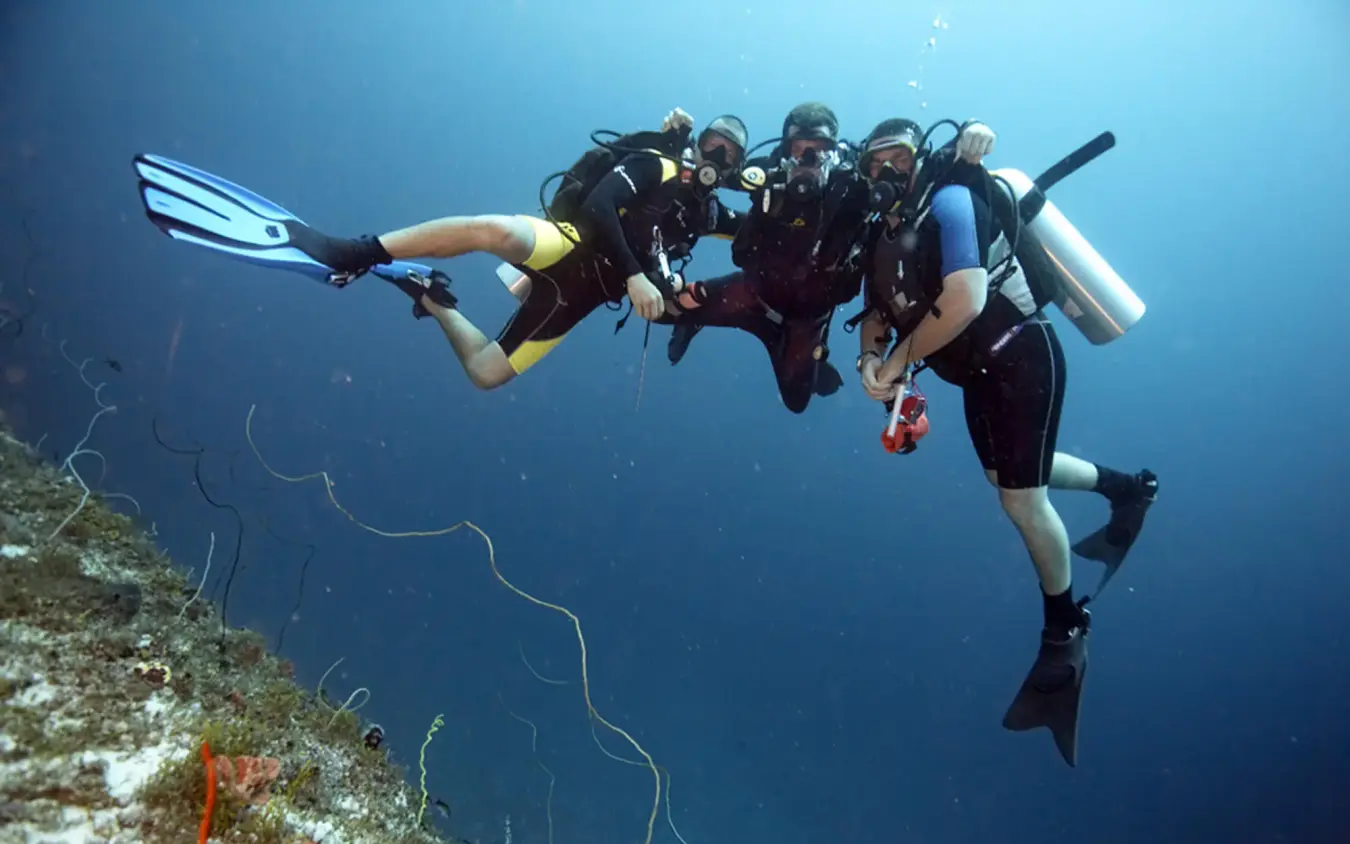
Five nights on the Bwejuu-Paje stretch of Zanzibar's southeast coast, where white sand shelves into the Indian Ocean behind an offshore coral reef. The reef shelters the shallows for swimming and snorkelling, and at low tide a guided walk across the exposed rock reveals octopus, starfish, sea cucumbers and moray eels in the pools. Stone Town's Swahili heritage and the island's spice farms lie within reach. Baraza Resort and Spa is a thirty-villa Sultanate-inspired property about fifty minutes from the airport, its design drawing Arabic, Swahili and Indian lines together, with each villa opening onto a terrace and private plunge pool and dining all-inclusive.
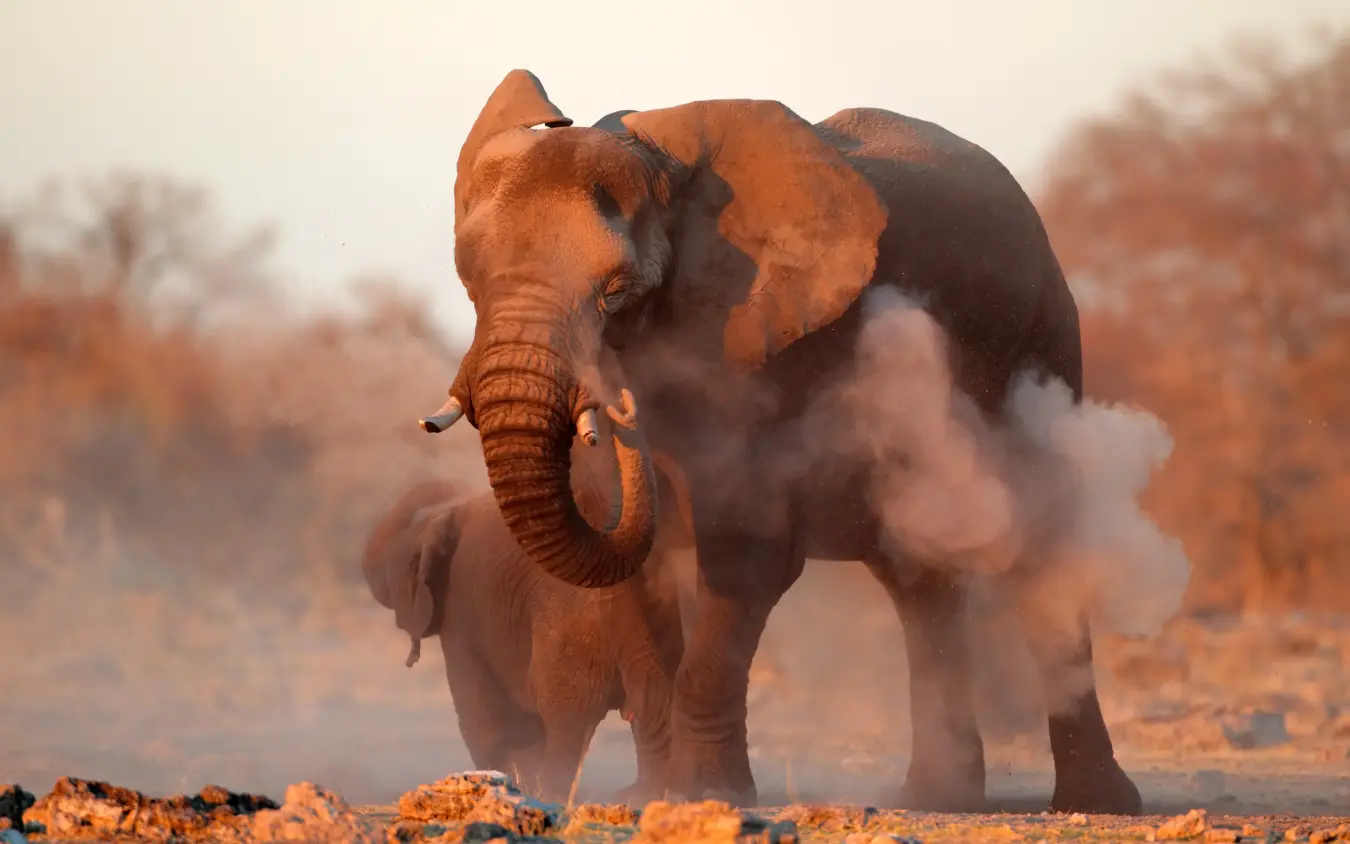
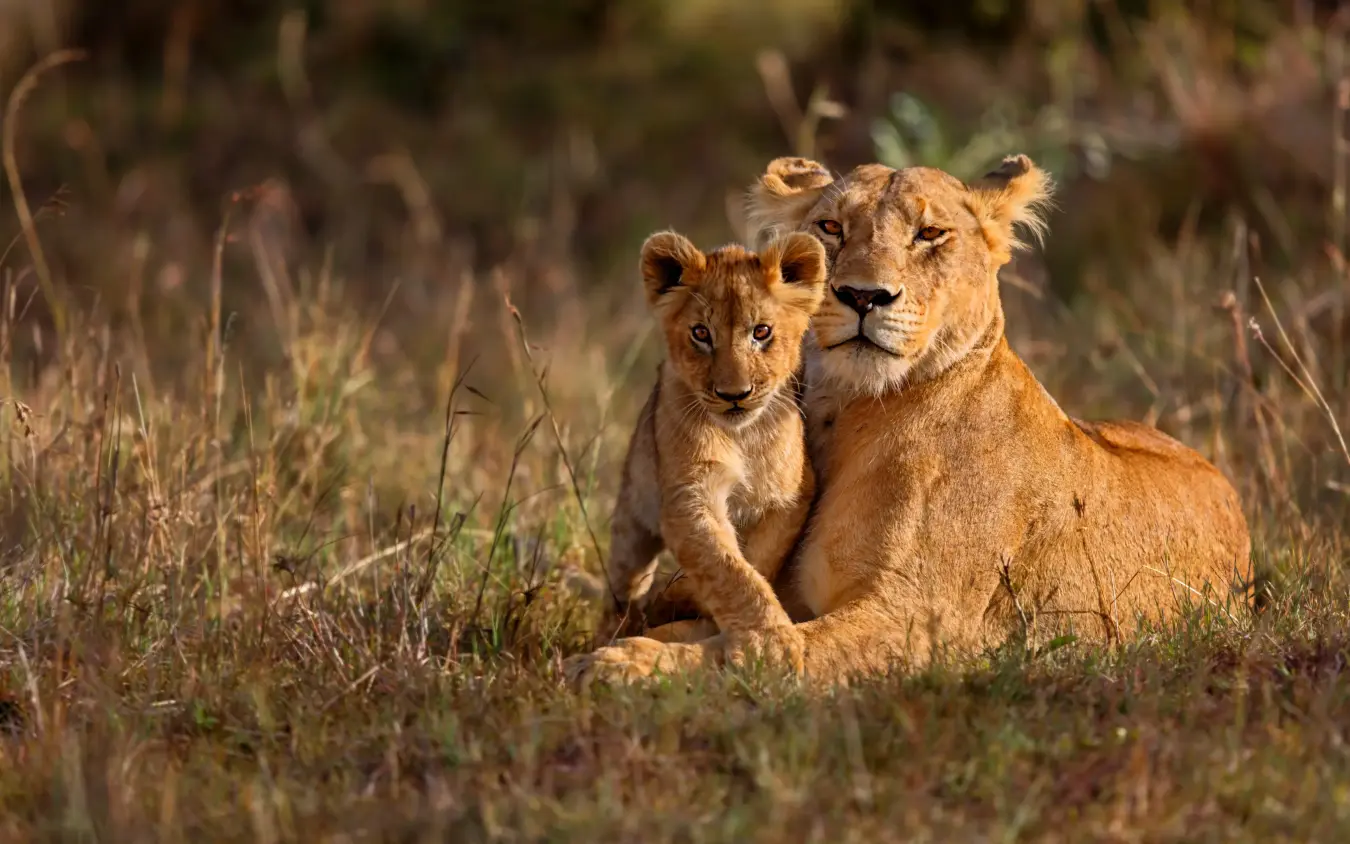
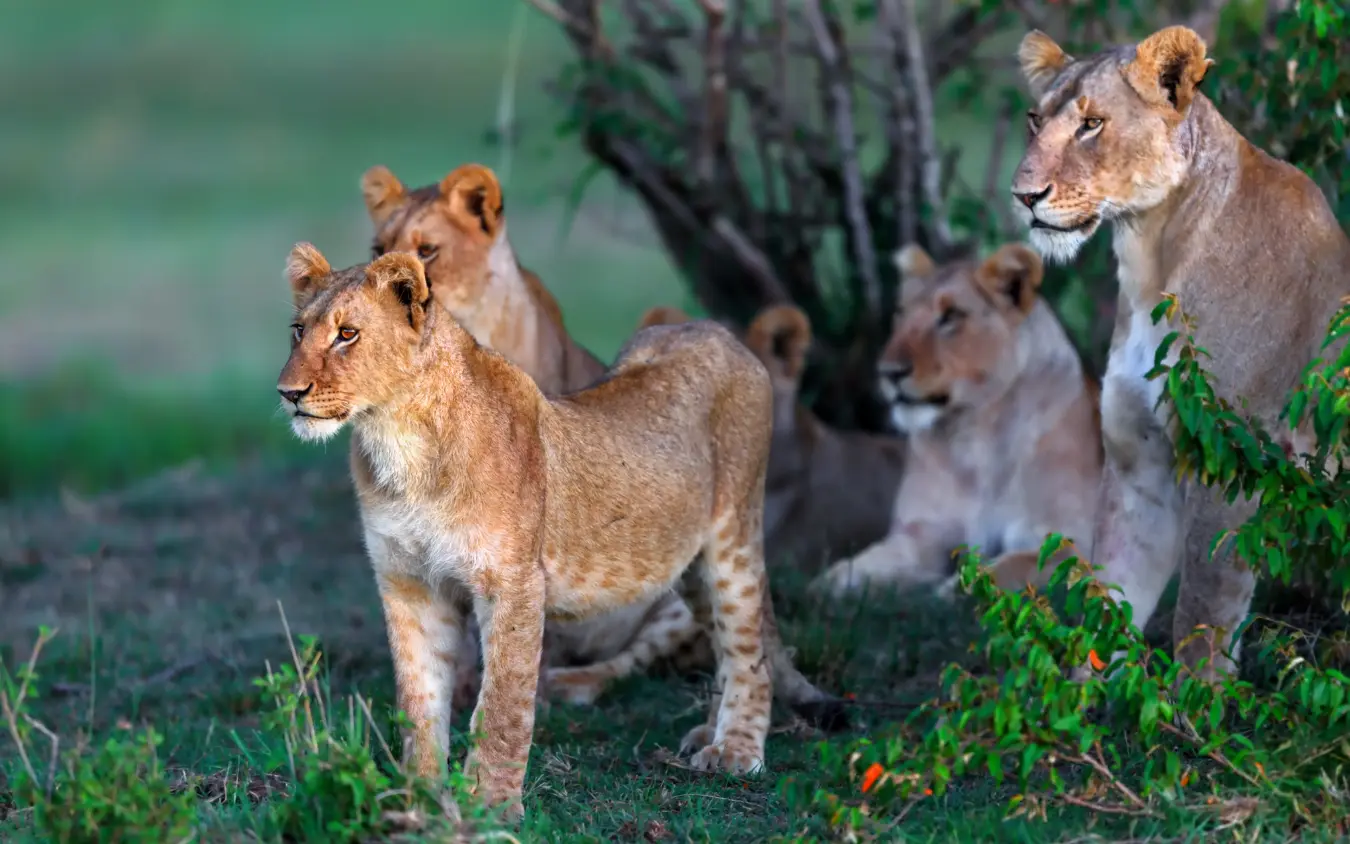
Ruaha is elephant and lion country first.
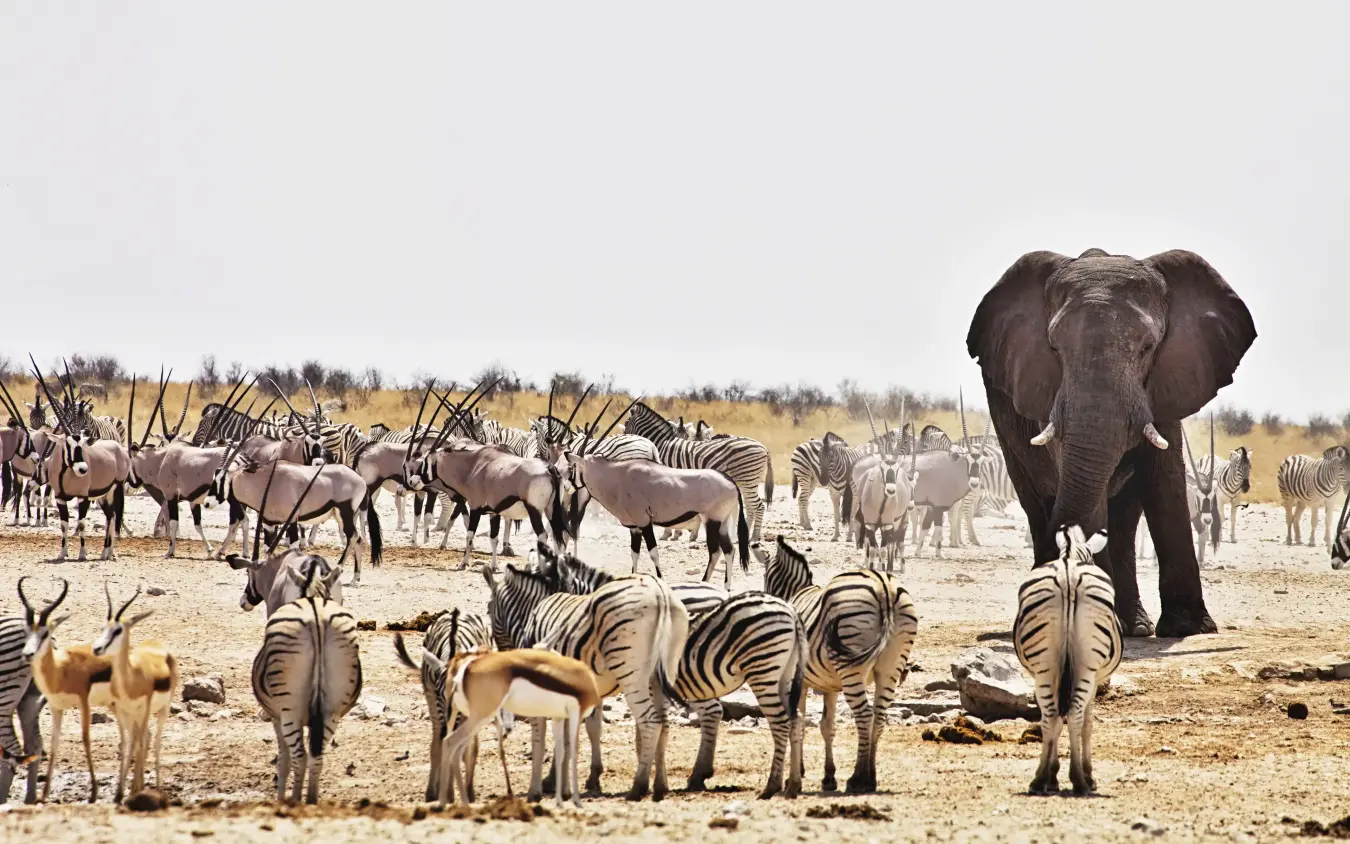
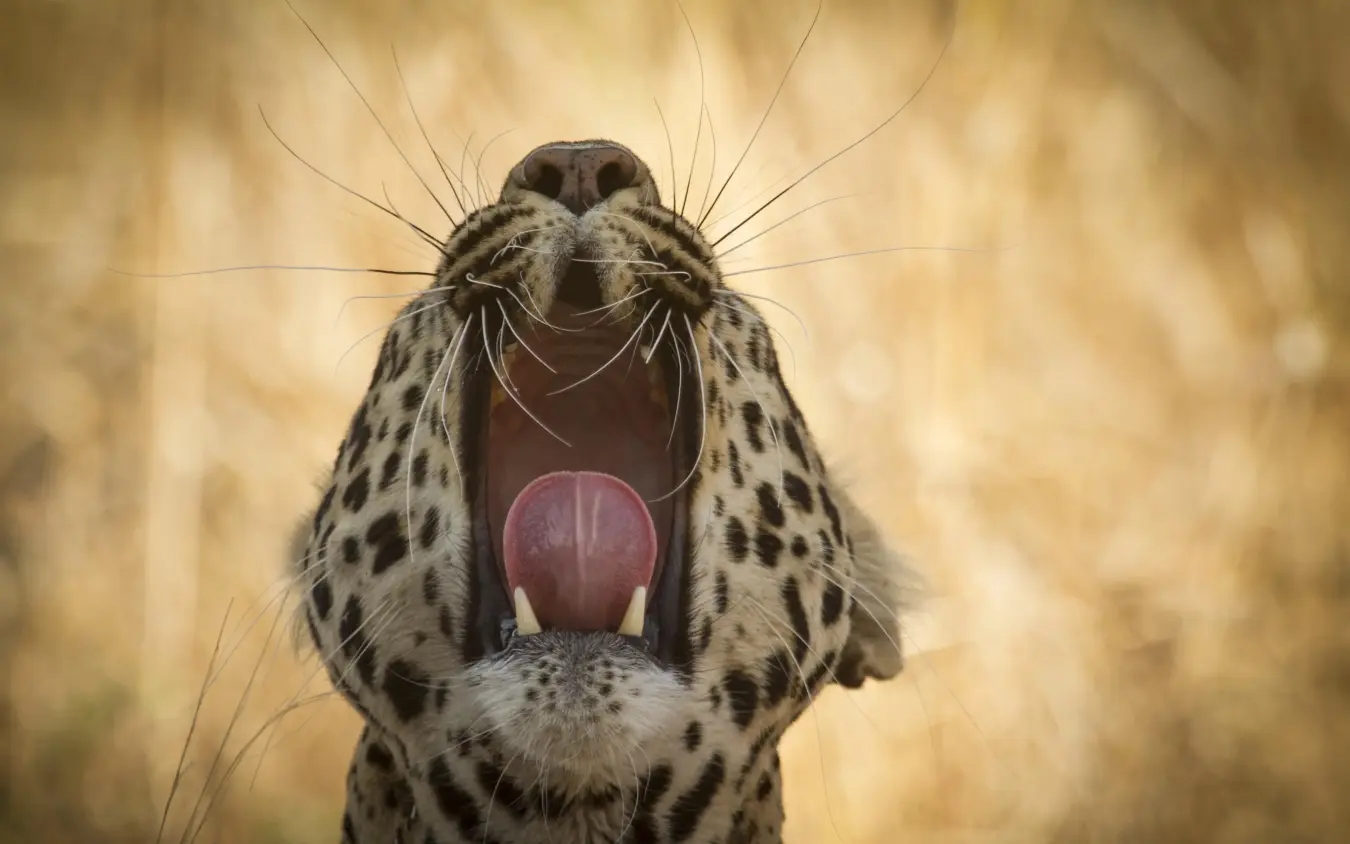
It holds about a tenth of Africa's lions, prides of twenty and more are recorded, and elephant are abundant along the rivers, so over five nights the odds of both are strong, though neither one is ever promised. Leopard are seen by many visitors but not all, and cheetah are rare.
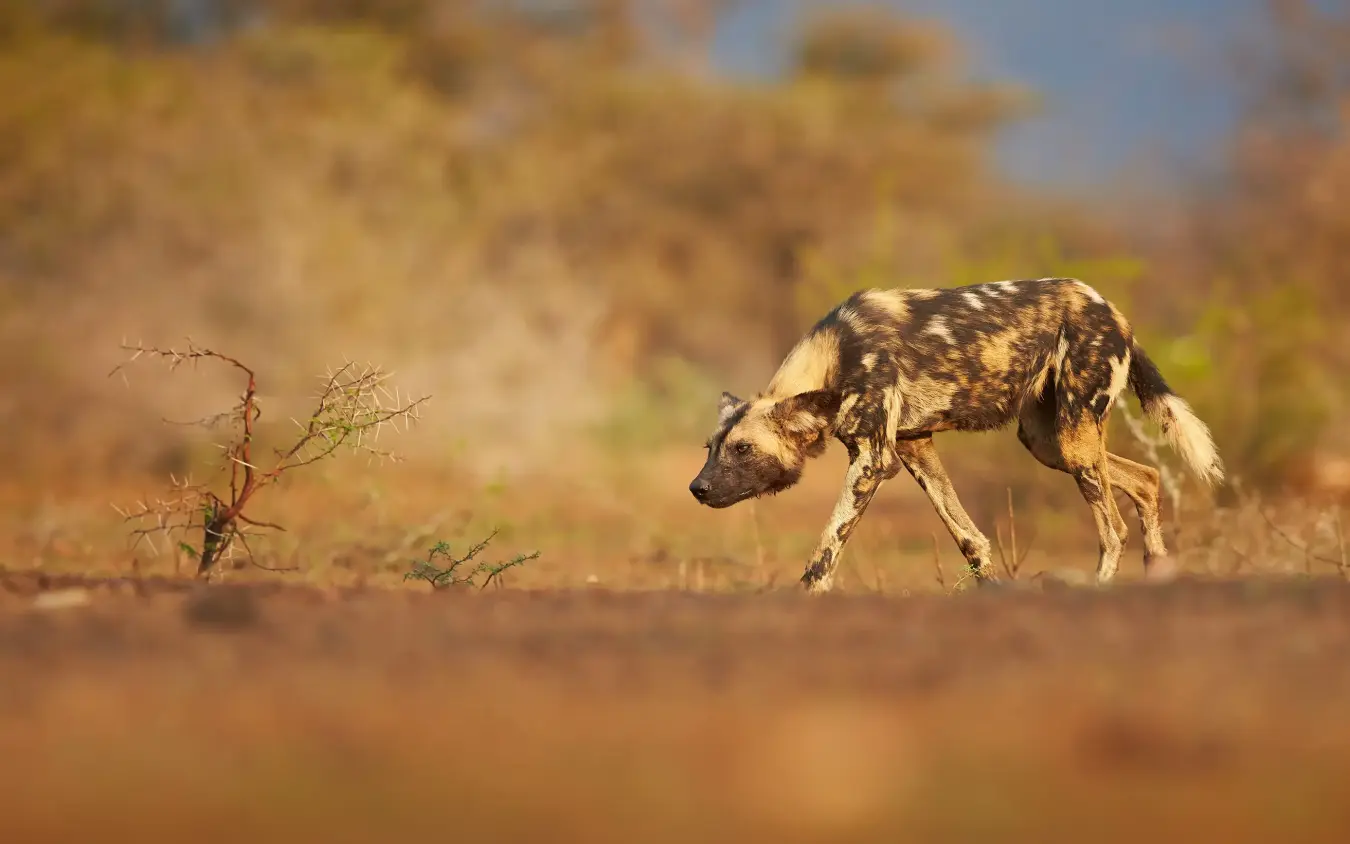
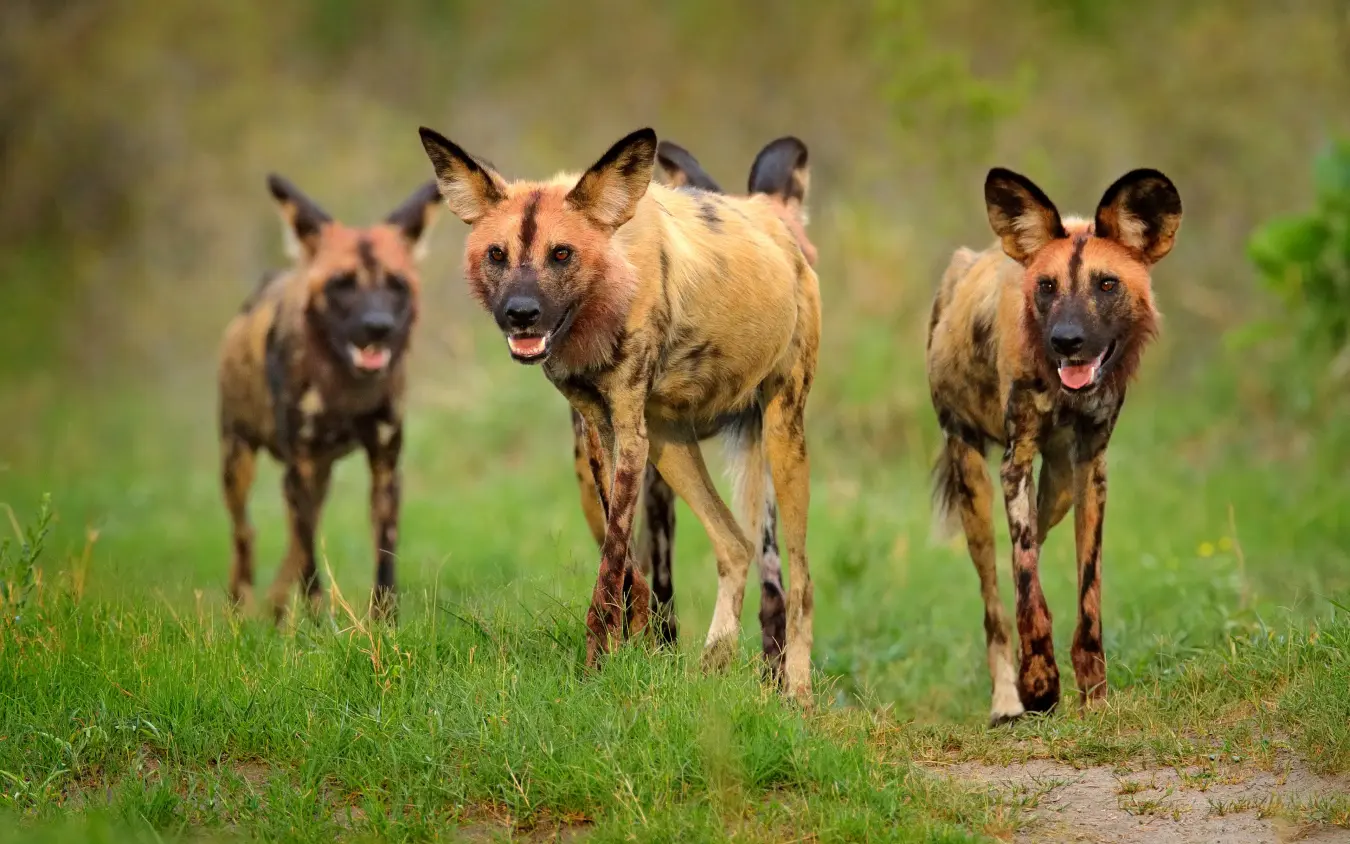
Wild dog are the honest maybe. Ruaha is one of their strongholds, and we call them the park's flagship animal, yet they roam widely and many visitors leave without a sighting. The odds are best from June to August, when the packs den and keep to one area.
Ruaha also sits where the wildlife of eastern and southern Africa overlaps, so greater and lesser kudu and, with luck, sable and roan share one park. And it is rarely crowded: over 20,000 square kilometres, with only a handful of camps.
June to October, without much argument: those are the months we rate highest for both halves.
Ruaha is dry, the bush thins and the animals gather along the rivers, while Zanzibar has its cool, settled weather and its clearest water. October is the hottest month in Ruaha.
The months from November to February have a case of their own. The park turns green, migrant birds arrive and Ruaha, rarely crowded at any time, is quieter still, while February is one of our recommended months on the coast. The trade is more scattered game, heat and humidity.
The window to skip is the long rains. Ikuka is usually closed for April and May, some park roads can become impassable from March, and April is Zanzibar's wettest month, with rough seas and poor visibility under water.
By light aircraft both ways, as almost everyone does.
Scheduled flights leave Dar es Salaam and Zanzibar each morning and land at Ruaha's Msembe airstrip late in the morning, about two and a half hours from Dar es Salaam, and Ikuka is then around 45 minutes' drive through the park.
Because those flights go early, many international arrivals need a night in Dar es Salaam or on Zanzibar first, which we would add to this route. Leaving, the late-morning flight from Ruaha reaches Zanzibar in the early afternoon, usually calling at Nyerere National Park on the way, and Baraza is about fifty minutes from the airport.
The aircraft are typically Cessna Grand Caravans or Pilatus PC-12s, and we can arrange either as a private charter. Luggage on the scheduled flights is limited to 15 kilograms a person including hand luggage, and soft bags are strongly preferred.
Not at any time, and it is worth knowing before you choose this coast.
The island turns through two tides a day, and the difference between them is considerable: about a metre at neaps and more than three at springs. The lagoon behind Bwejuu's reef is broad and shallow, so when the tide goes out the sea draws back a long way and leaves sand flats and rock pools.
Sea swimming and snorkelling are best in the hours either side of high water, and because the tides run about 50 minutes later each day, that window moves through your stay. Low water is when the guided reef walks go out, and every villa at Baraza has its own plunge pool.
If swimming at any hour matters most to you, tell us: Kendwa, on the north-west coast, is swimmable all day, and we would point you there.
Five nights suits Ruaha better than it would most parks, because the park covers over 20,000 square kilometres and there is a great deal of it to see.
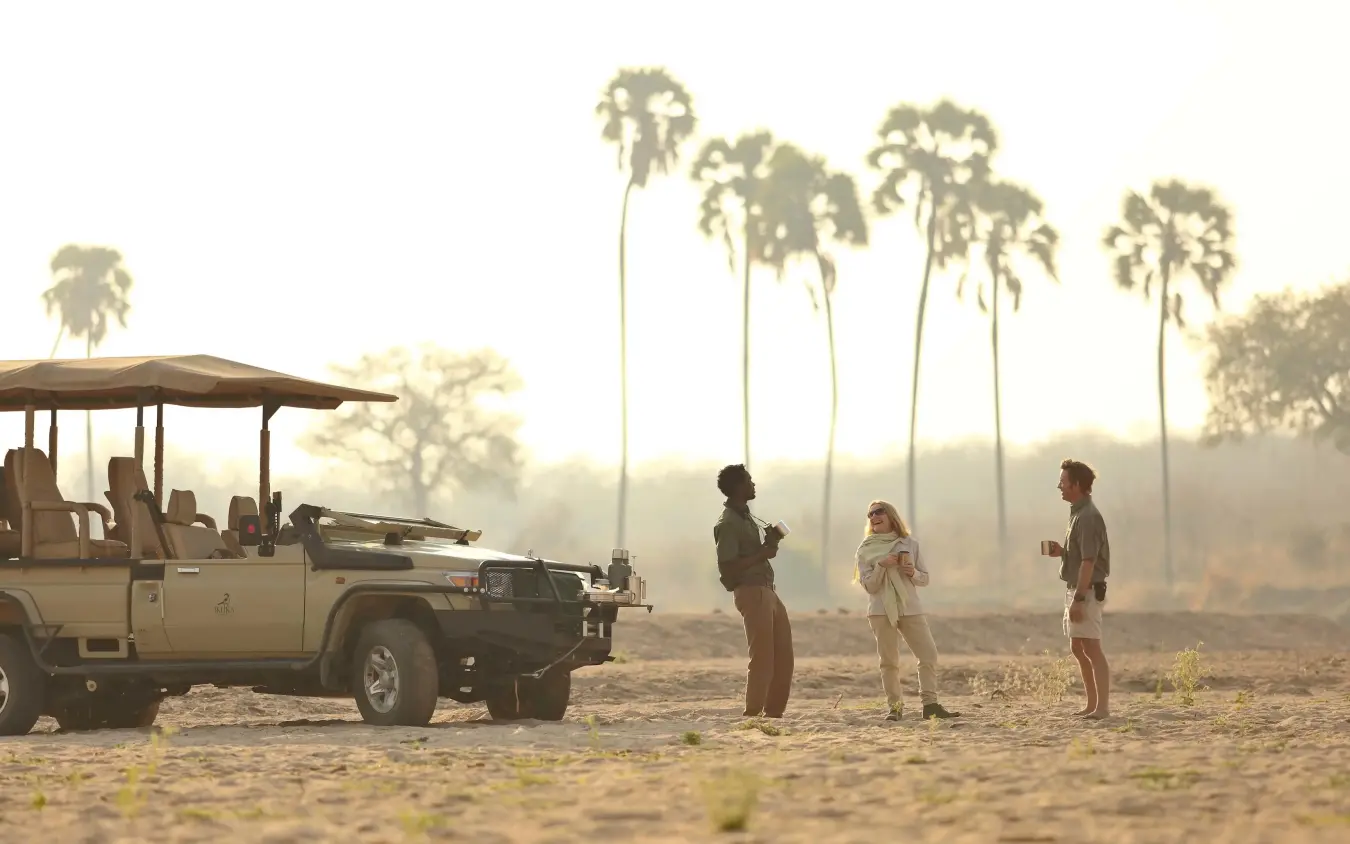
The camp's usual rhythm is out at about 6am with a picnic, back for lunch and a rest through the hot hours, then out again from about 4pm until dusk.
Beyond the drives, guided walks go out with an armed camp guide and a park ranger for anyone of 16 or over, and can be booked ahead or in camp. They are slow, a few kilometres at most, and are about tracks, plants and the small things a vehicle passes by, so they need no special fitness.
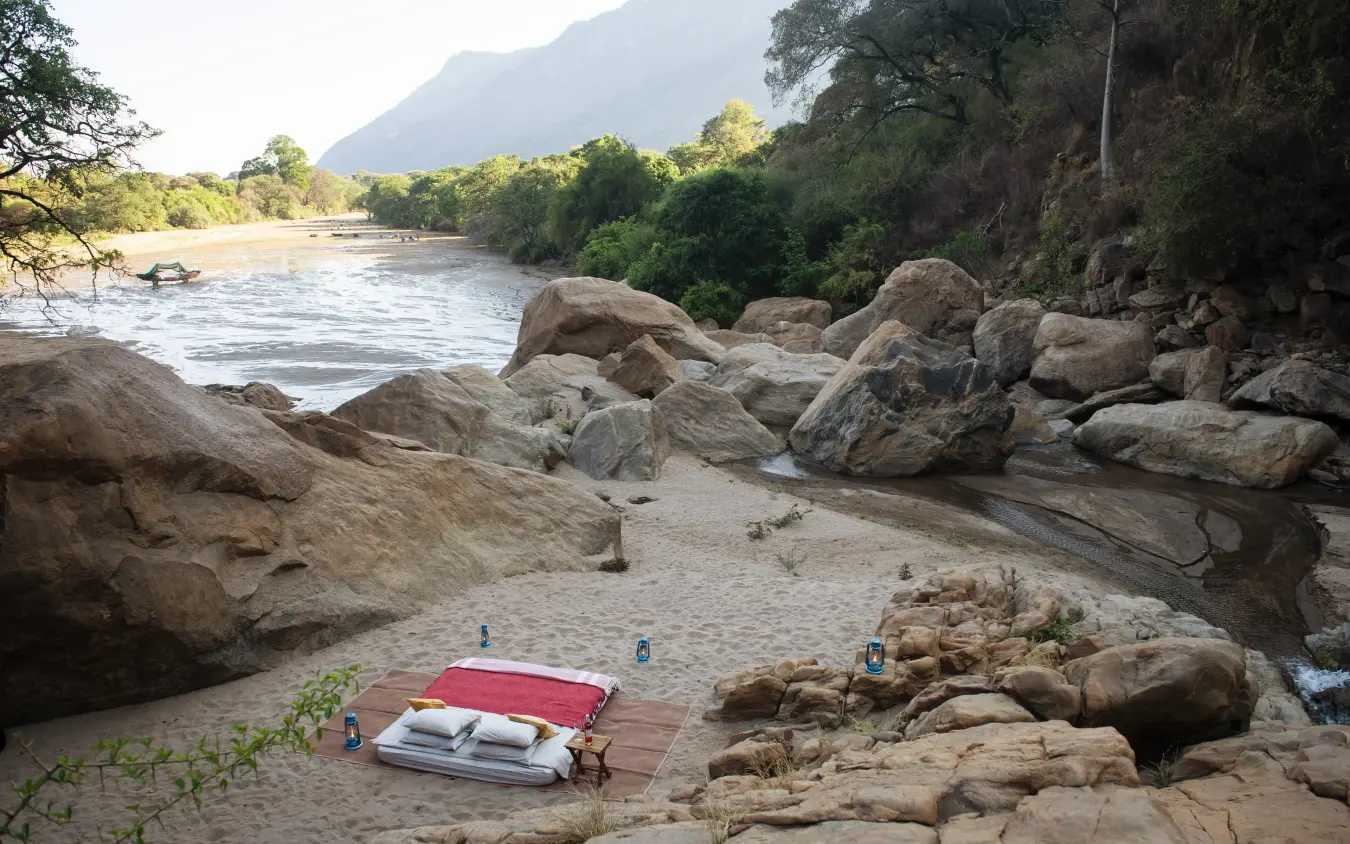
You can also spend a night at the camp's sleep-out, a tent on a raised platform among the rocks, with a bucket shower and dinner by candlelight. If you would still like more variety, the safari nights can be split with a second park.
Easily.
The most common change is to split the safari, keeping three nights in Ruaha and giving two or three to Nyerere National Park, where boat safaris on the Rufiji's lakes and channels bring hippos, crocodiles and a different pace.
Nyerere is a key stronghold for wild dog, so it improves those odds too, and the scheduled flight from Ruaha to Zanzibar calls there on the way, which makes it a natural stop.
On the coast, a night or two in Stone Town before the beach suits anyone who wants to see the old Swahili town on foot and unhurried. From about November to February, Mafia Island is worth considering in place of Zanzibar for its whale sharks, which gather inshore then, though nobody can promise them.
What stays fixed is the calendar: Ikuka is usually shut in April and May, and the flights into Ruaha leave in the morning.
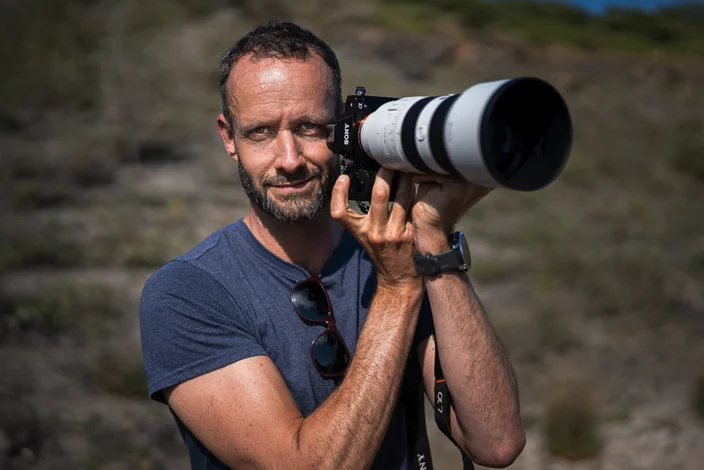
Ed Charles, BBC Producer
Fitzroy are true specialists in accessing the wilderness. They know where to go and importantly, when to go there. Highly recommended.
tanzania
Ten nights through northern Tanzania, from Lake Manyara's gorge to the eastern plains and the Mara River in the Lamai Wedge.

tanzania
Ten nights through Arusha, the Ngorongoro highlands and Tarangire's Silale Swamp, closing on Zanzibar's south-east coast.
tanzania
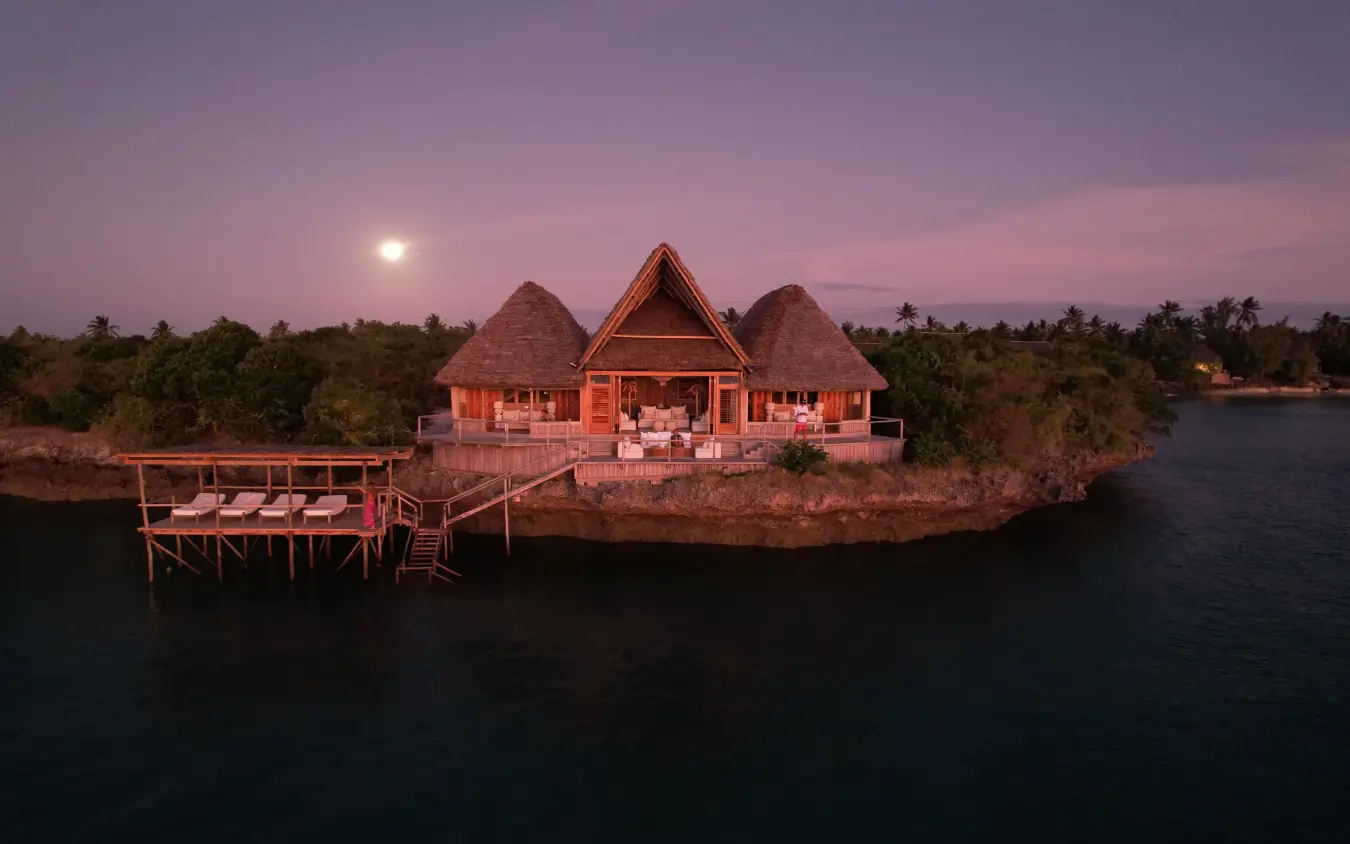
Twelve nights across remote Ruaha, the walking country of the Rufiji, and a private coral island on the reef.
rated five stars by our clients

our approach
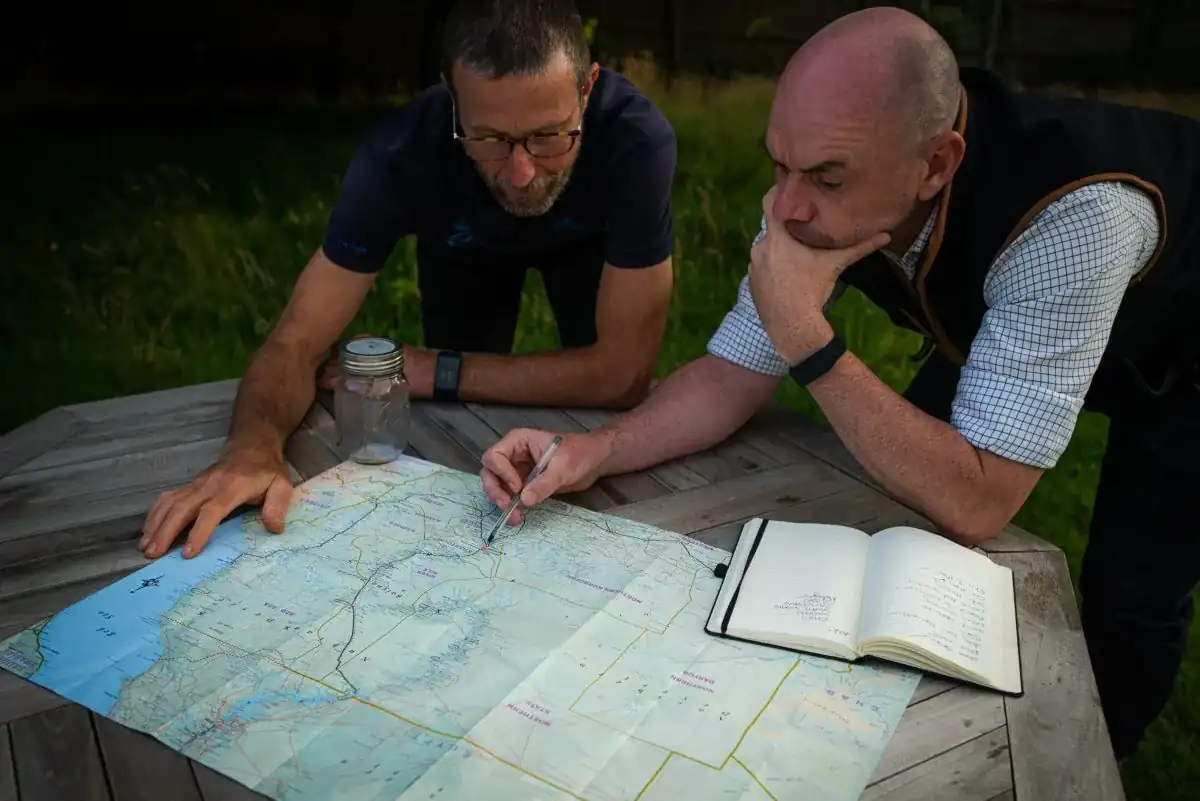
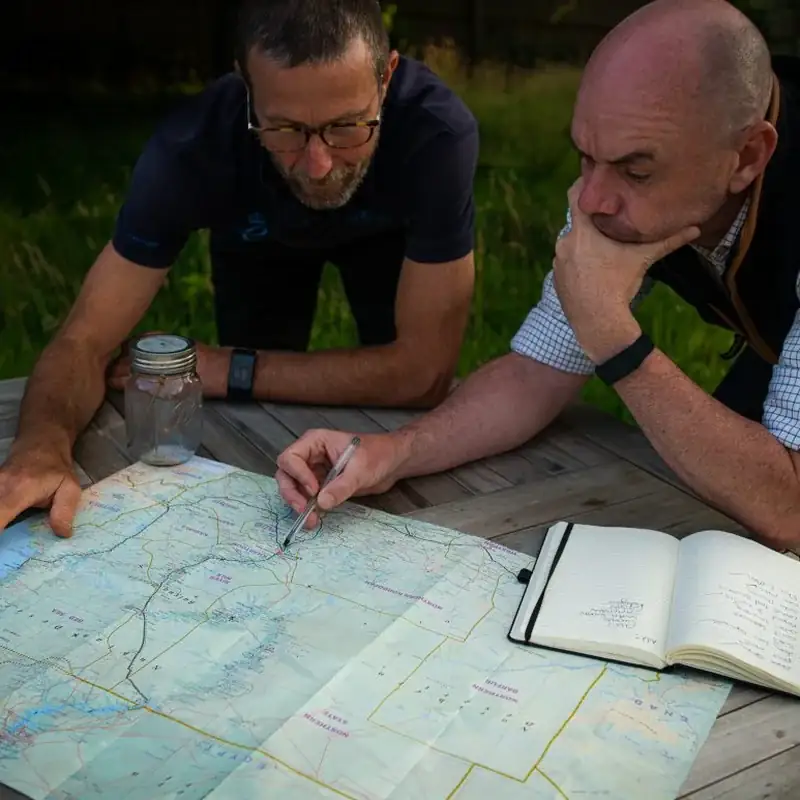
Every journey starts with a conversation. We take the time to understand your vision before we start planning.
Whether by phone or in person, we work with you directly to shape something that is considered, personal, and expertly delivered.
Every journey starts with a conversation. We favour a direct, personal approach: understanding your vision before anything else.
Whether by phone or in person, we work with you directly to shape a journey that is both thoughtfully considered and expertly delivered.
Get in touch to start planning yours.