
















tanzania
northern safari
Two nights in Tarangire, a full morning on the Ngorongoro Crater floor and three nights under canvas in a camp that moves with the herds.
- Group Departure
- From $5,980 pp
- 7 guests
- 7 nights

Ten nights link three parts of Tanzania in turn. It opens beneath Mount Meru at Arusha, the staging town at 1,400 metres where the northern circuit begins, on a wildlife estate with no large predators. It moves to the wildebeest migration, camping at Ndutu inside the Ngorongoro Conservation Area from December to March and in Serengeti National Park from June to October, then closes on Zanzibar’s southeast coast, where a barrier reef breaks about a kilometre off Bwejuu Beach.
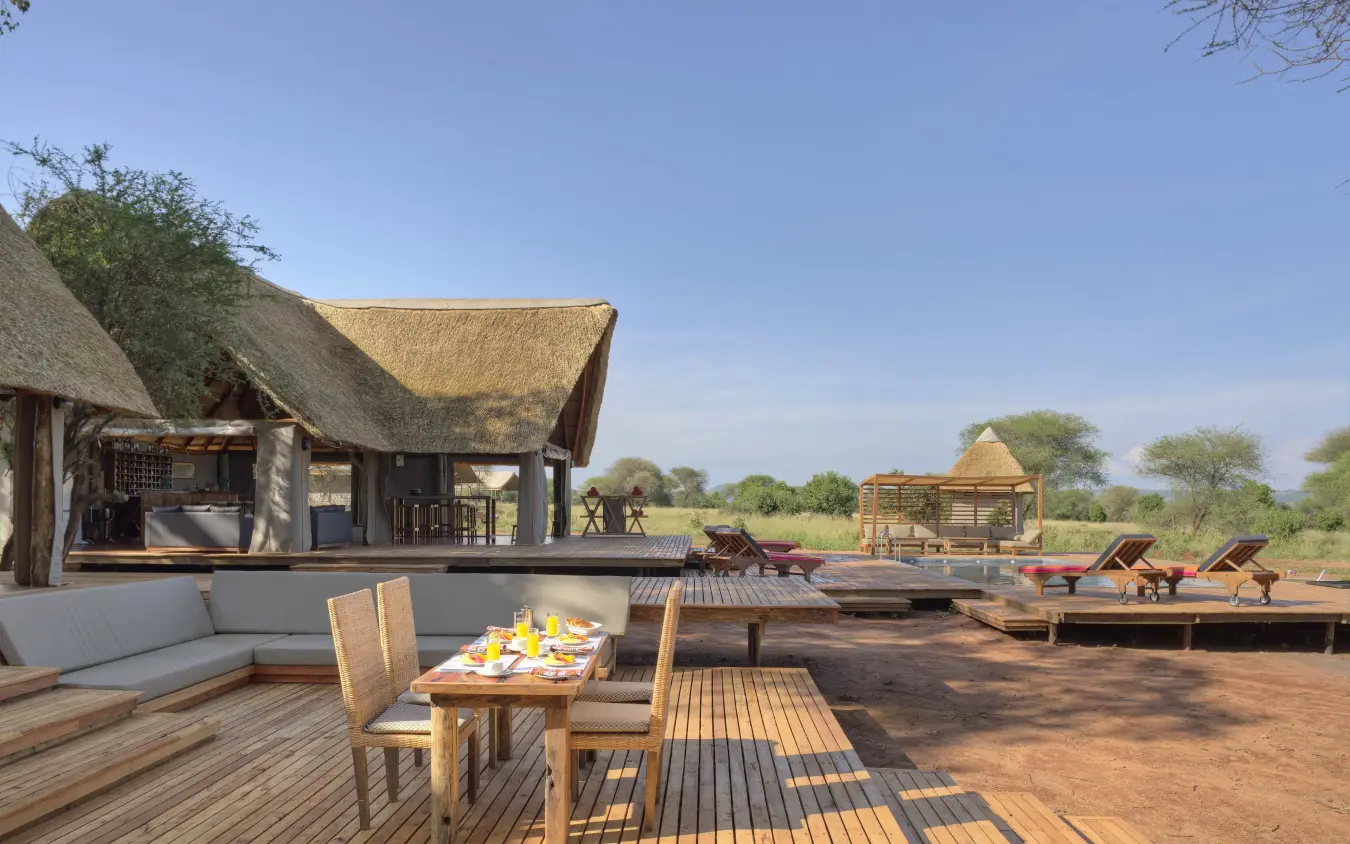
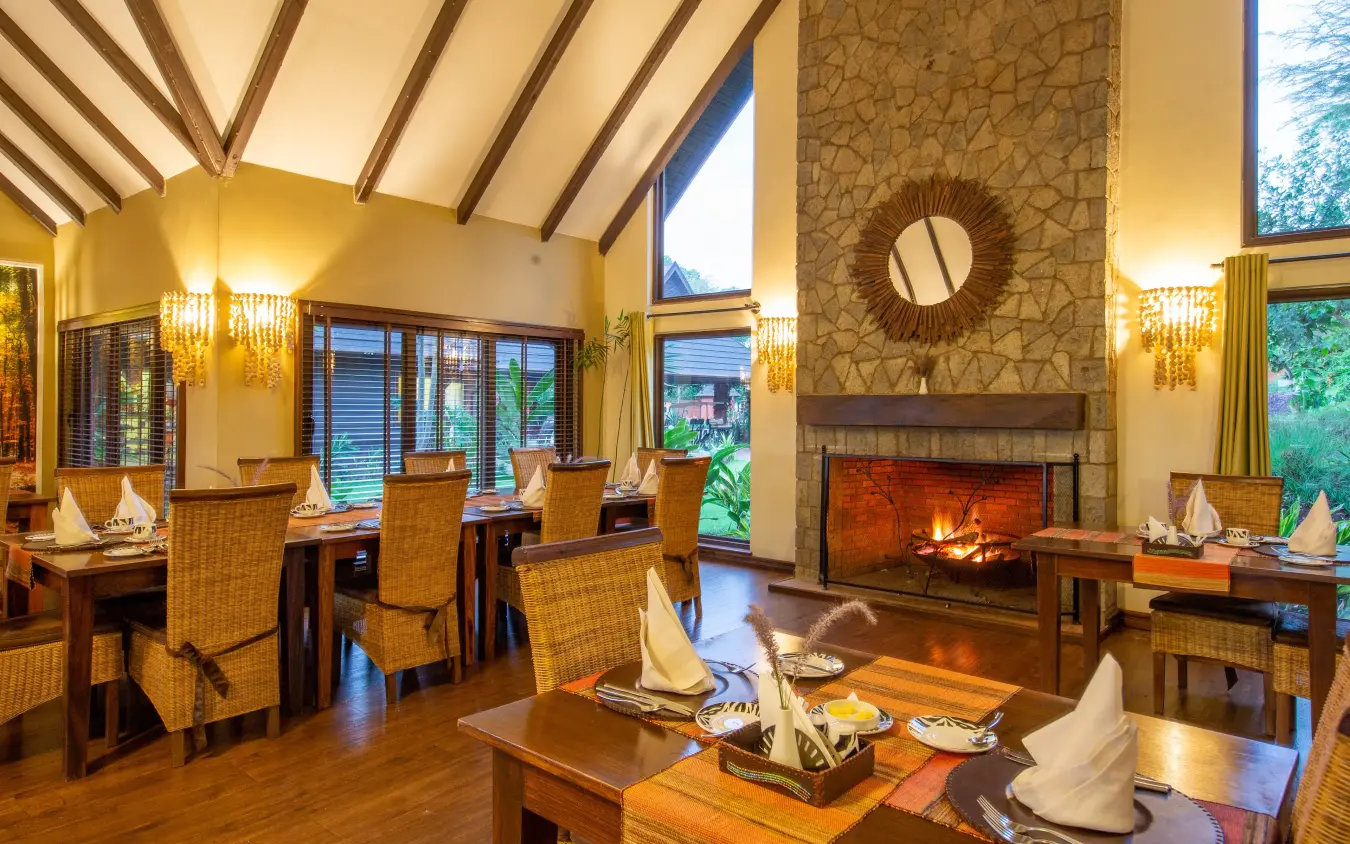
You travel by road and by light aircraft between the regions. Days run from walking and horseback near Arusha to game drives in the Serengeti and reef diving, sailing and rock-pool walks on the coast. The three properties are chosen to suit each place: a nine-room lodge on the estate, a tented camp that shifts through the year, and a hand-built beach resort on the sand.
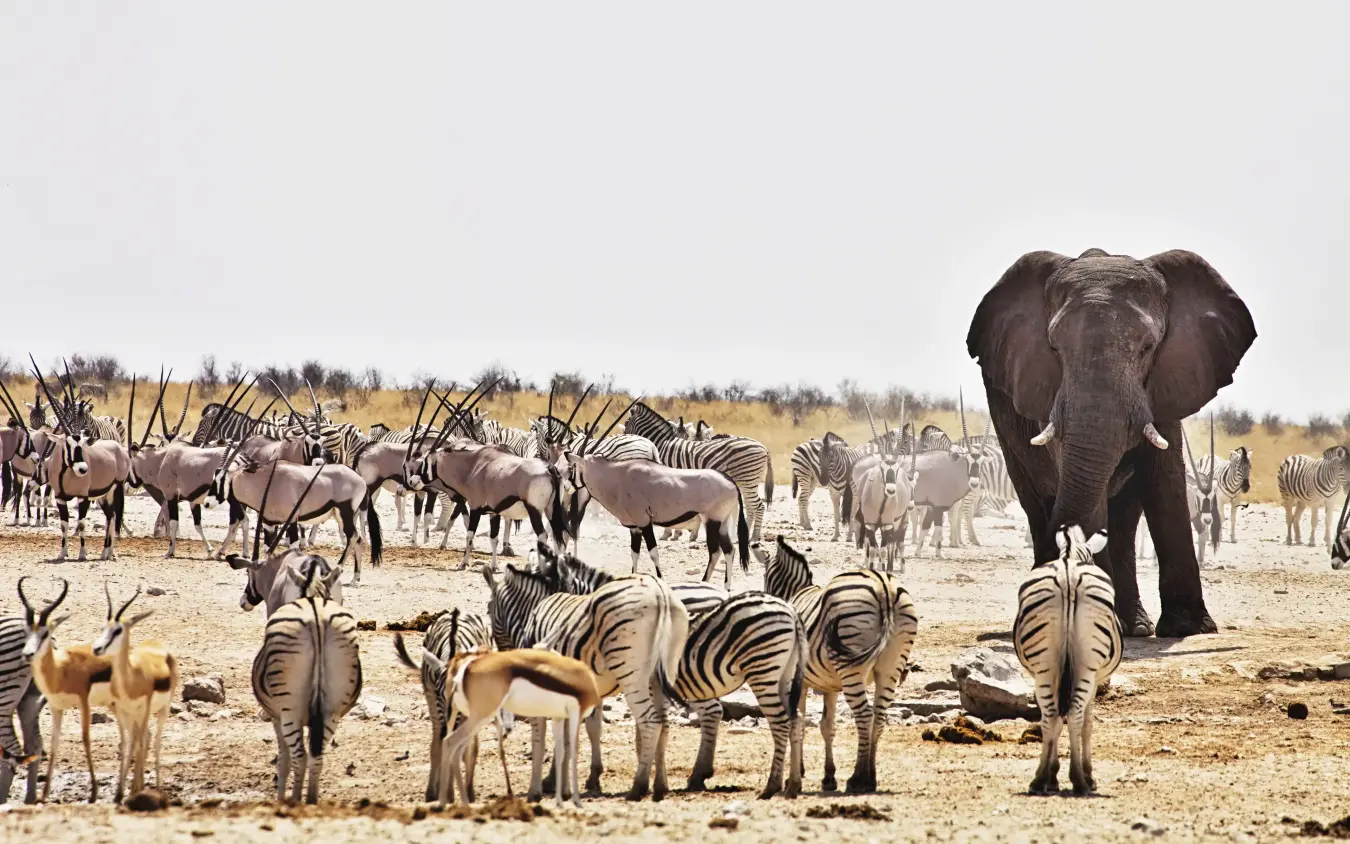
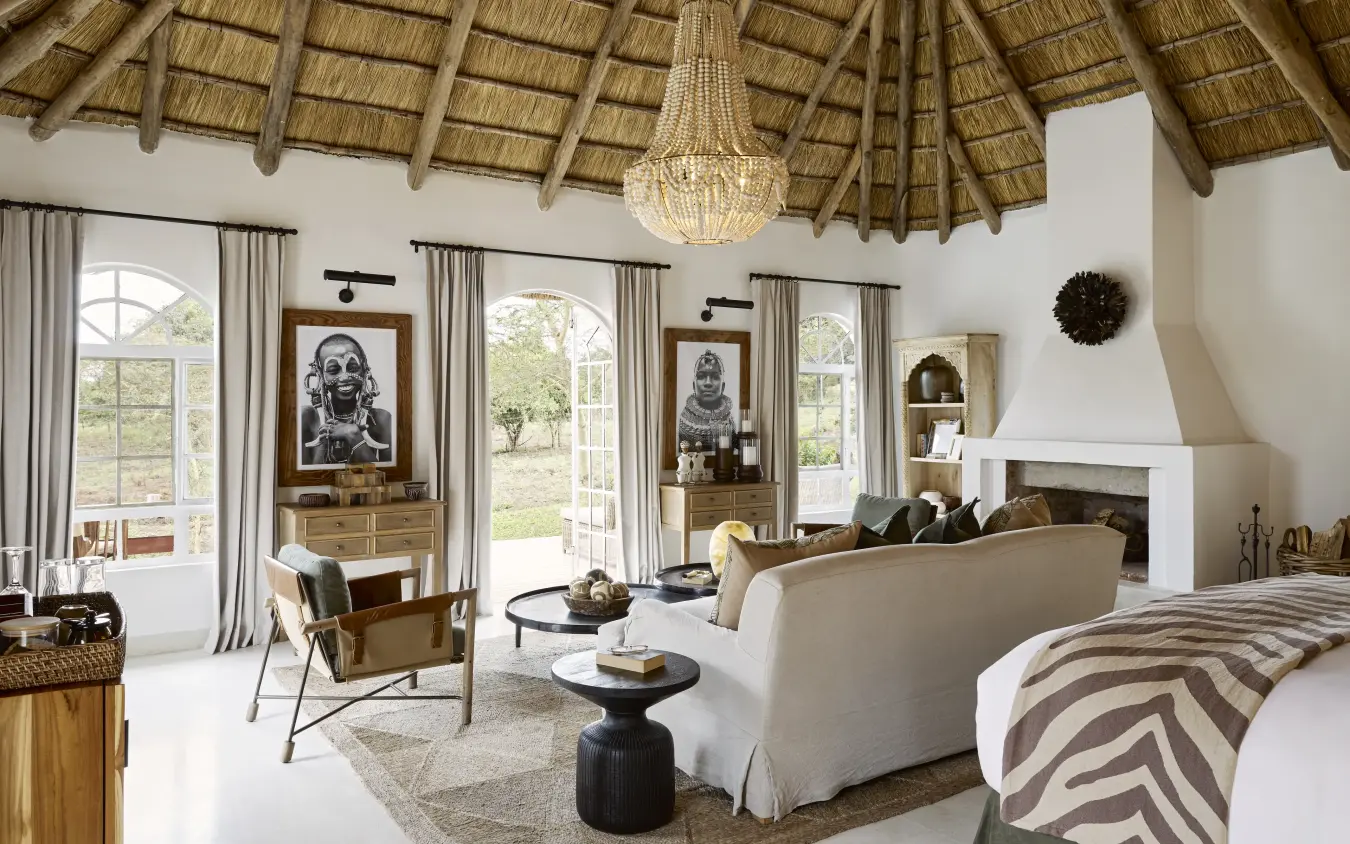
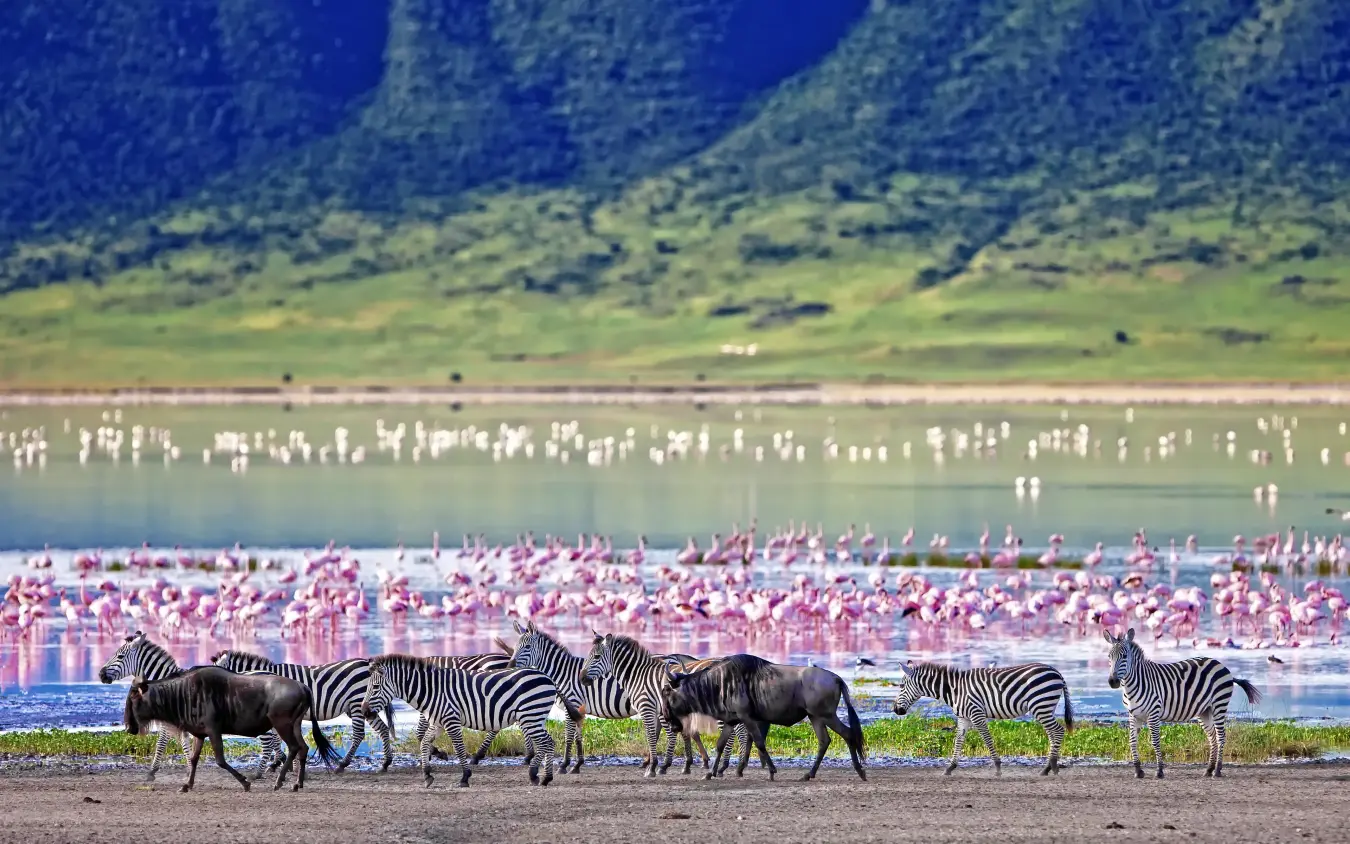
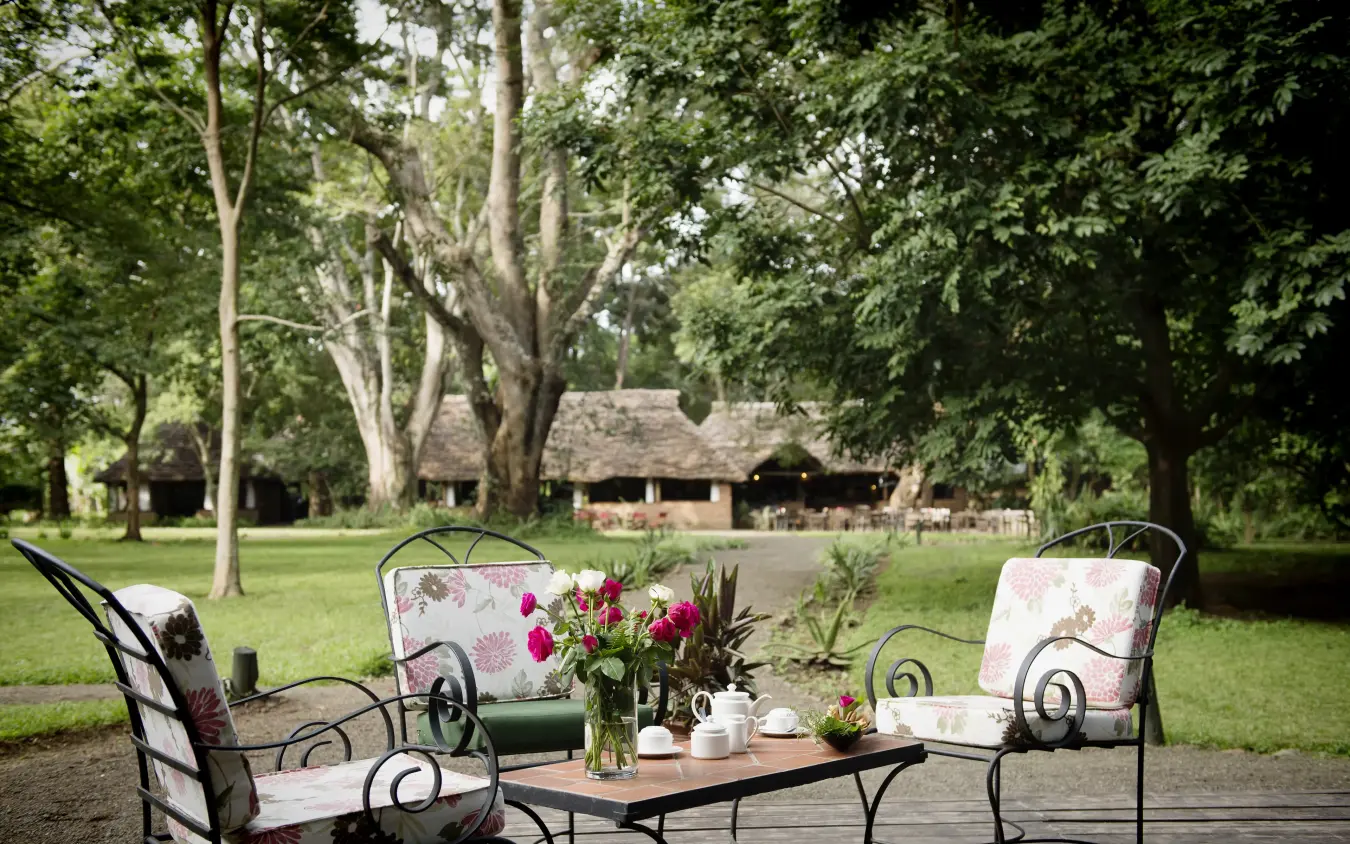
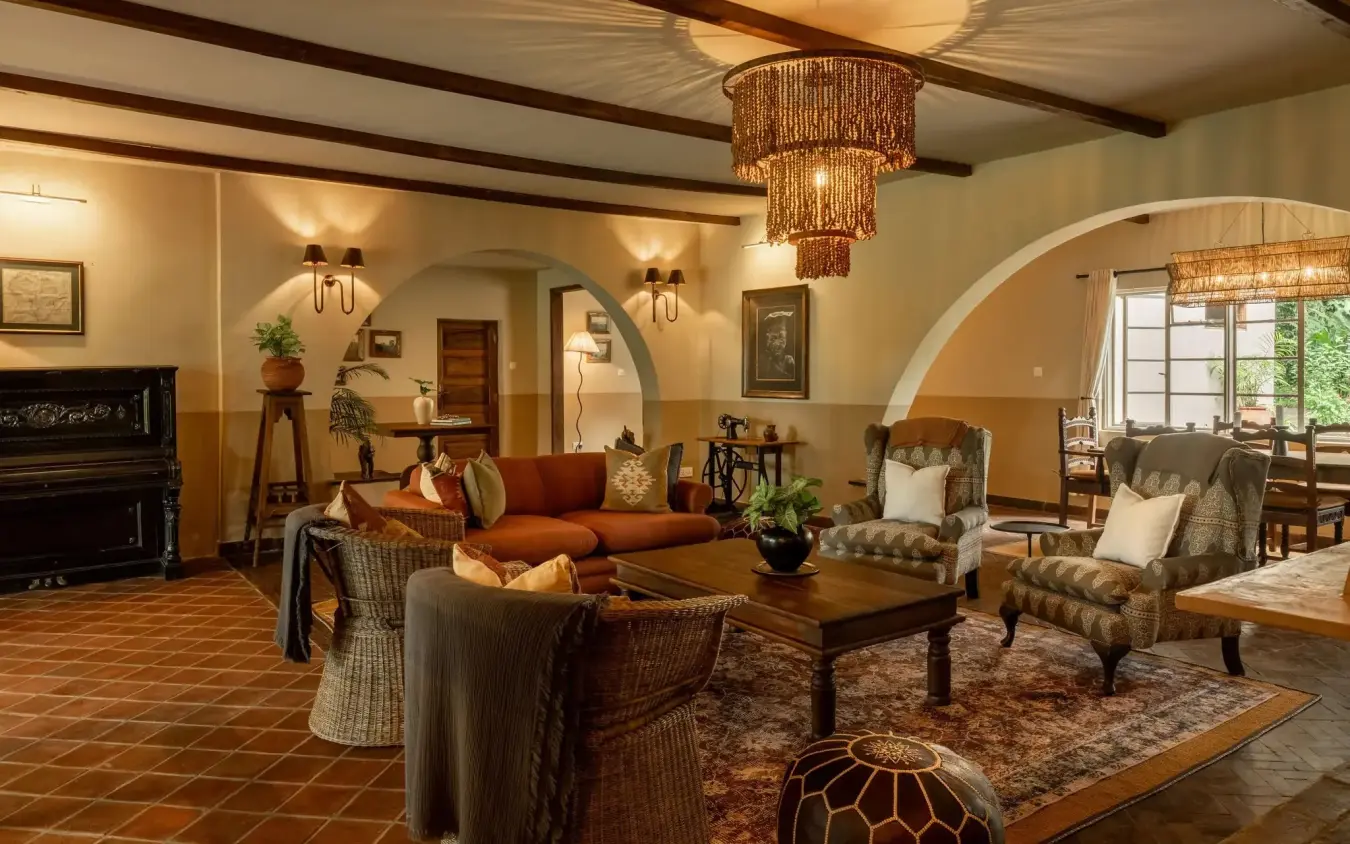
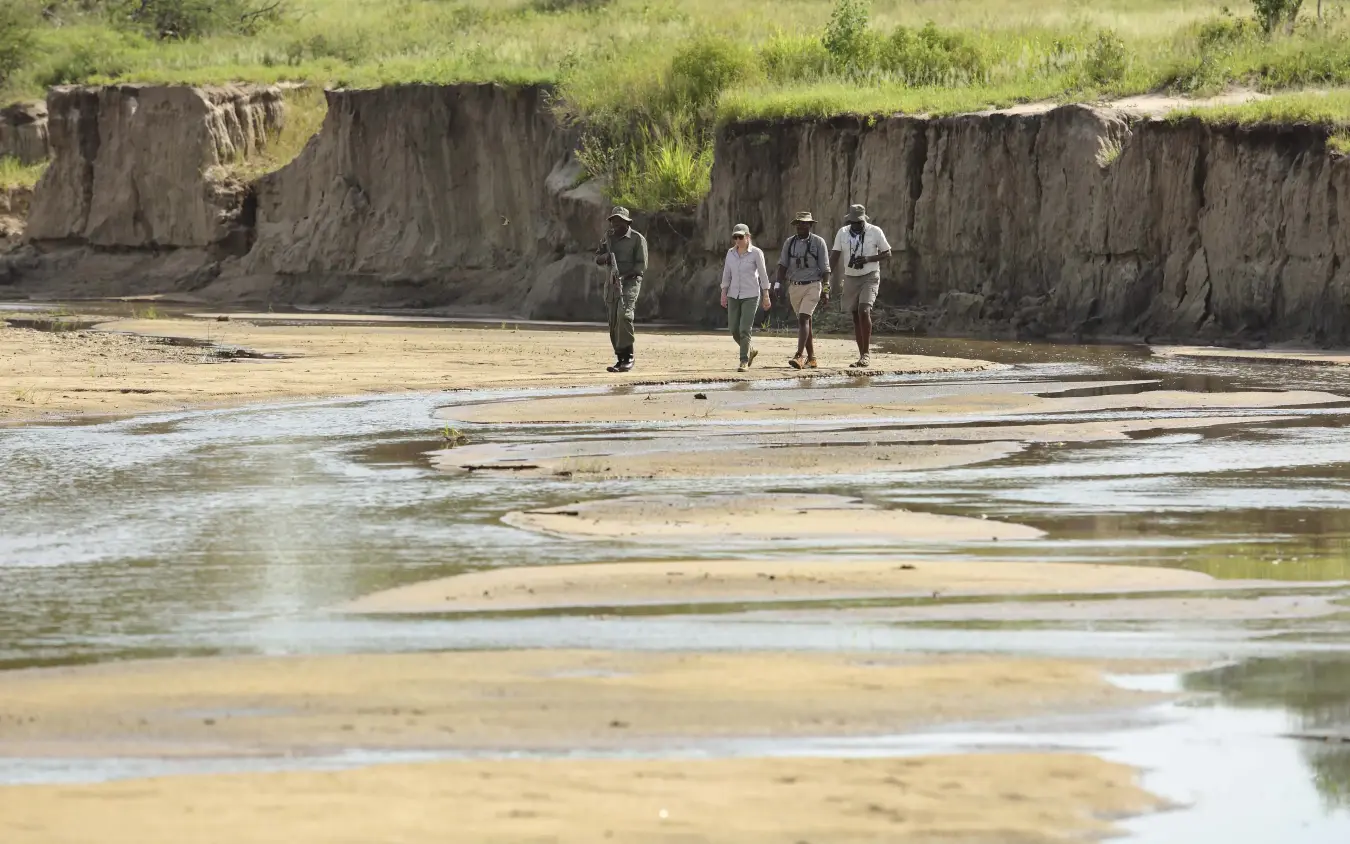
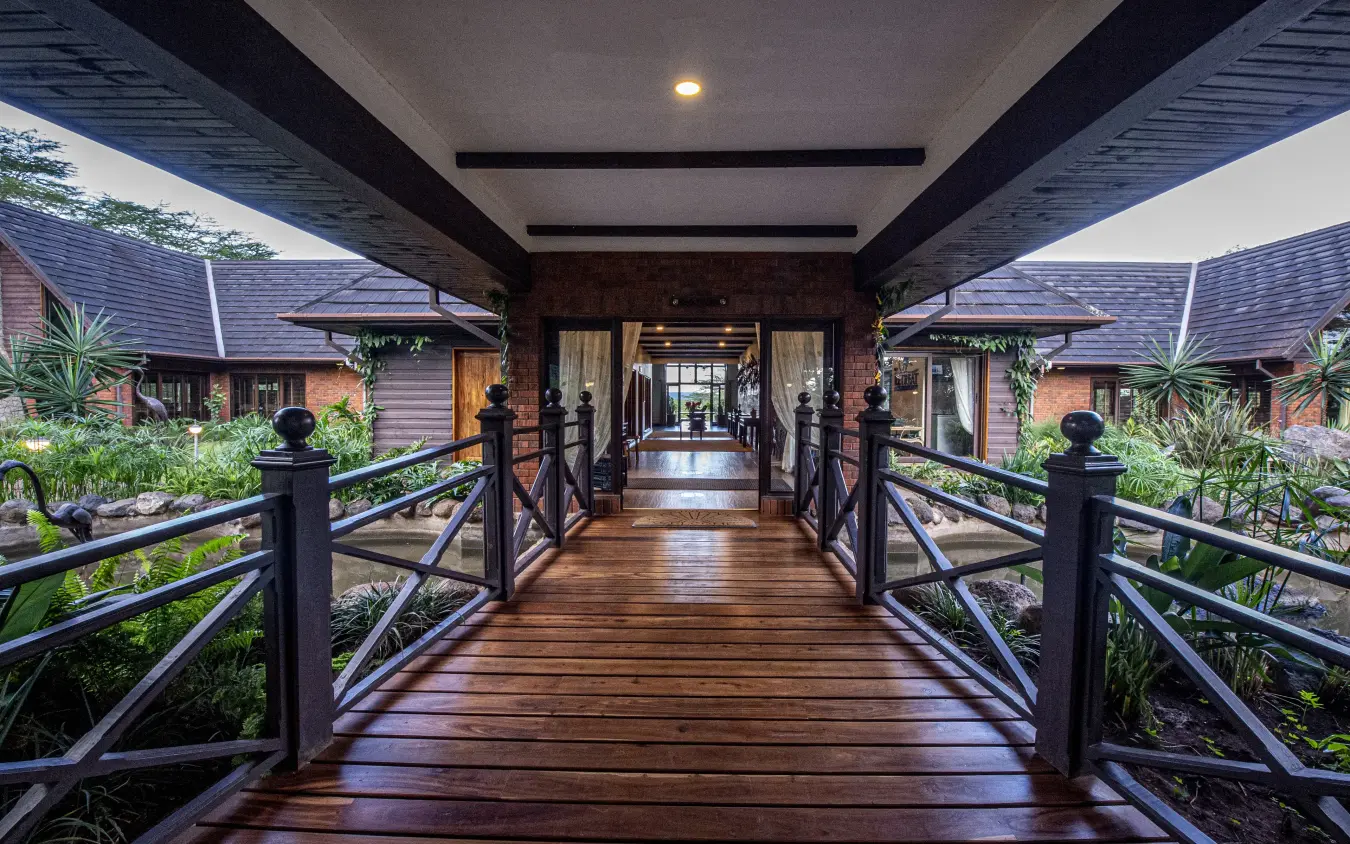
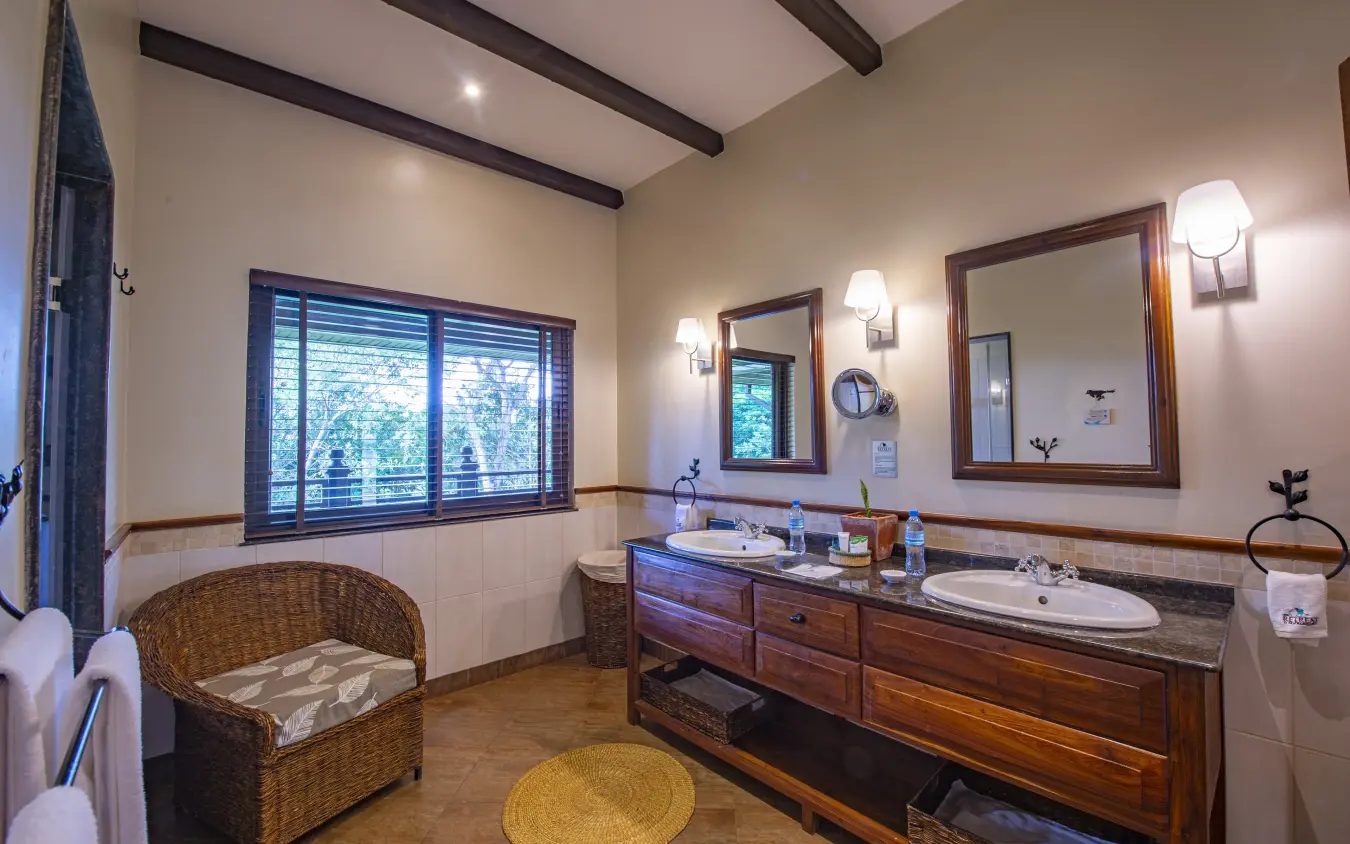
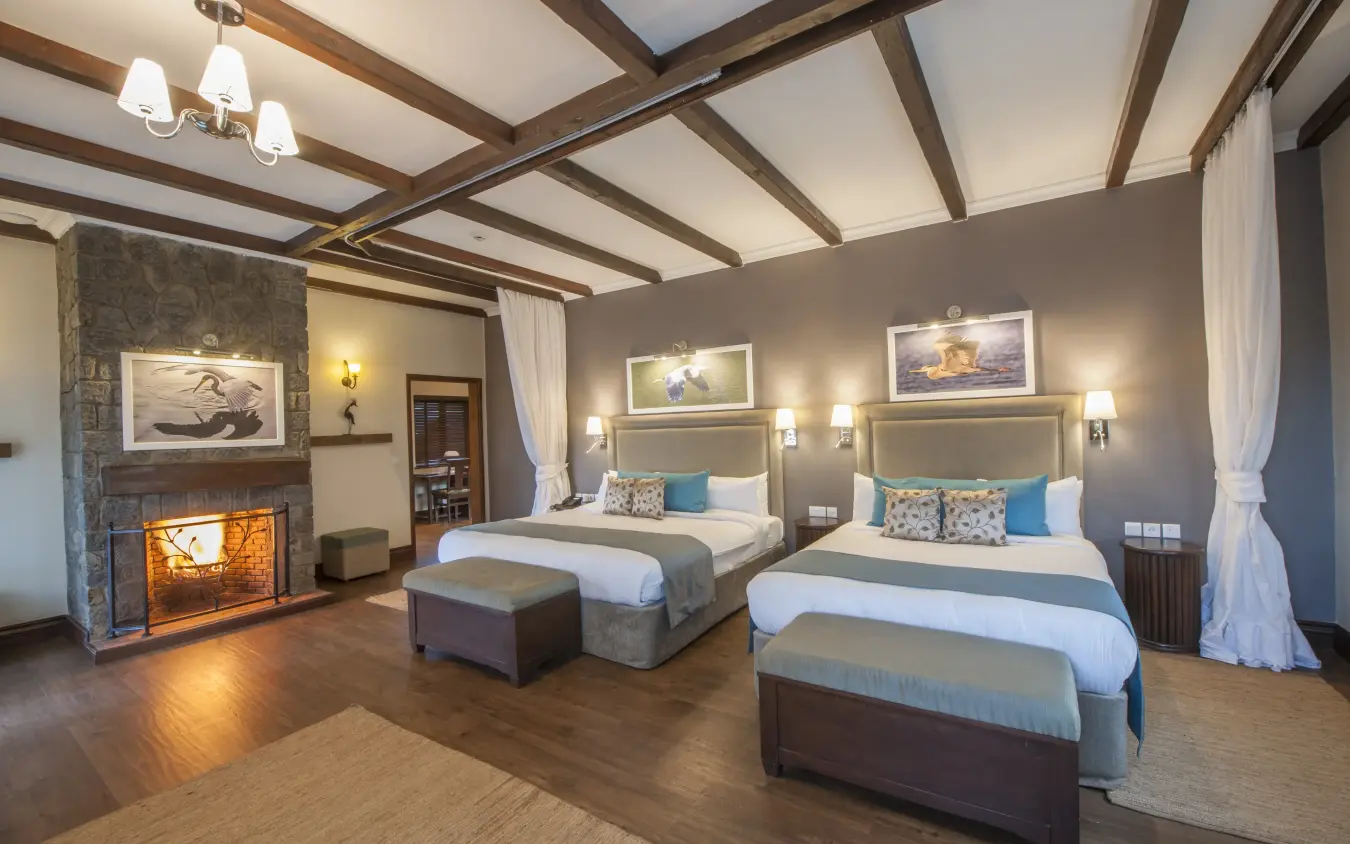
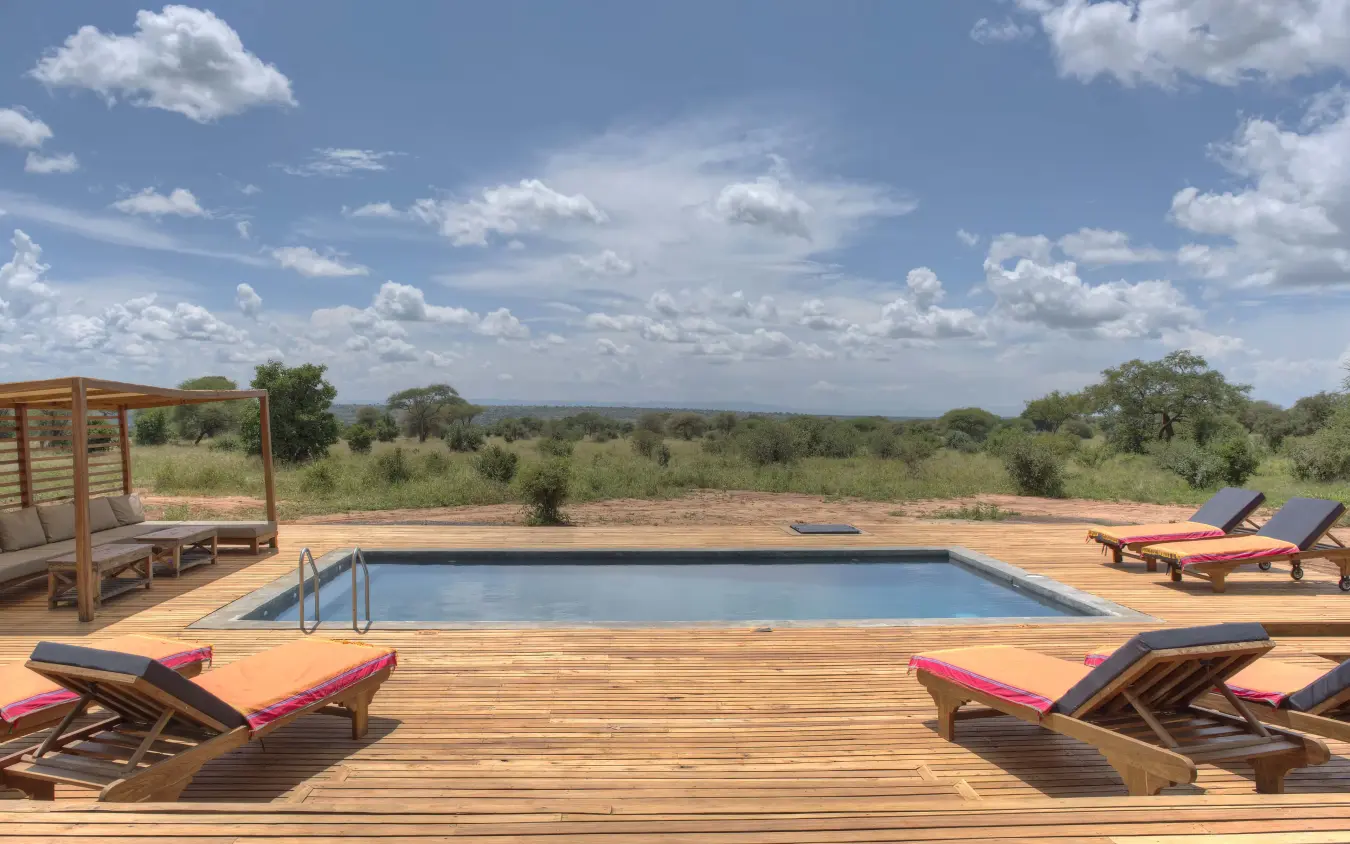
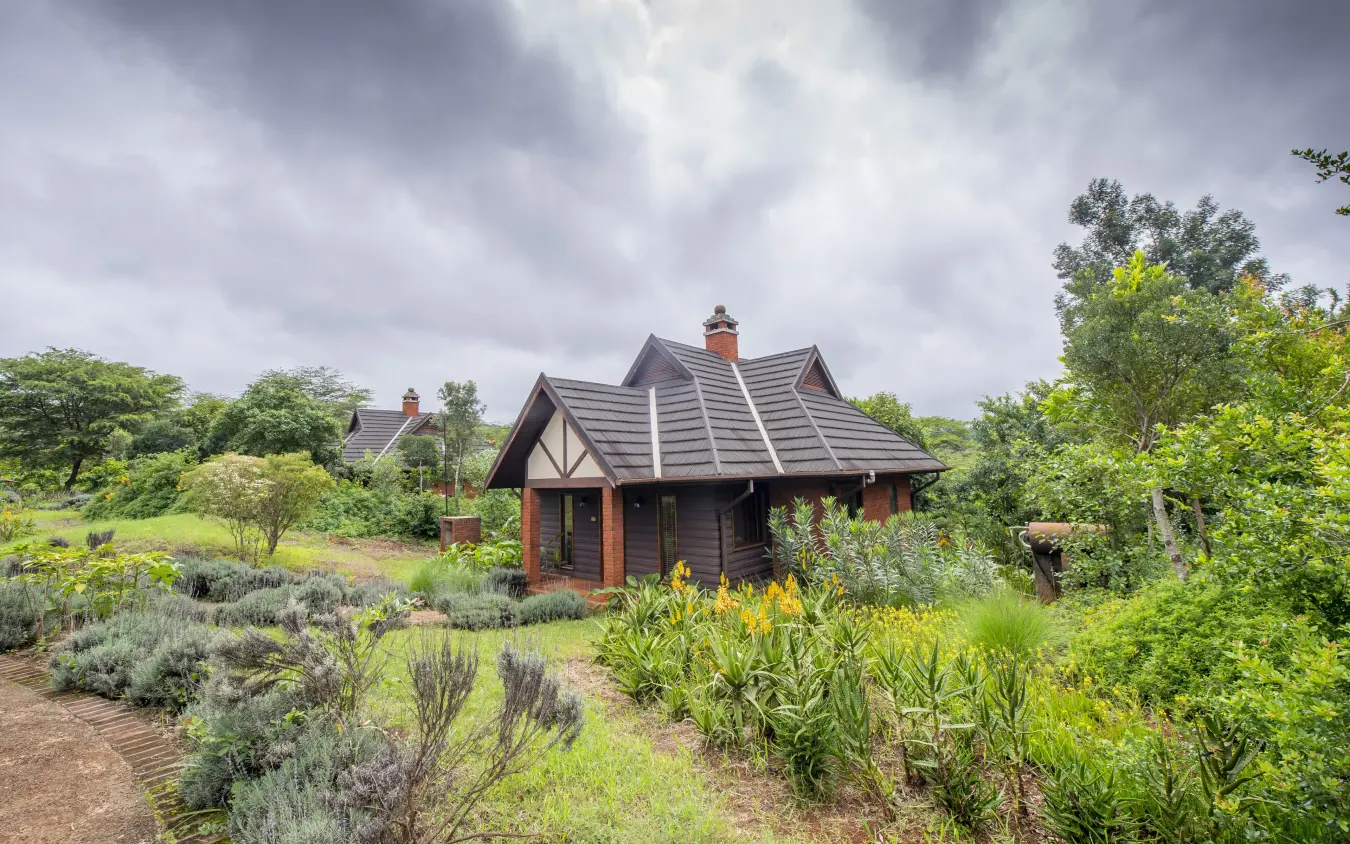
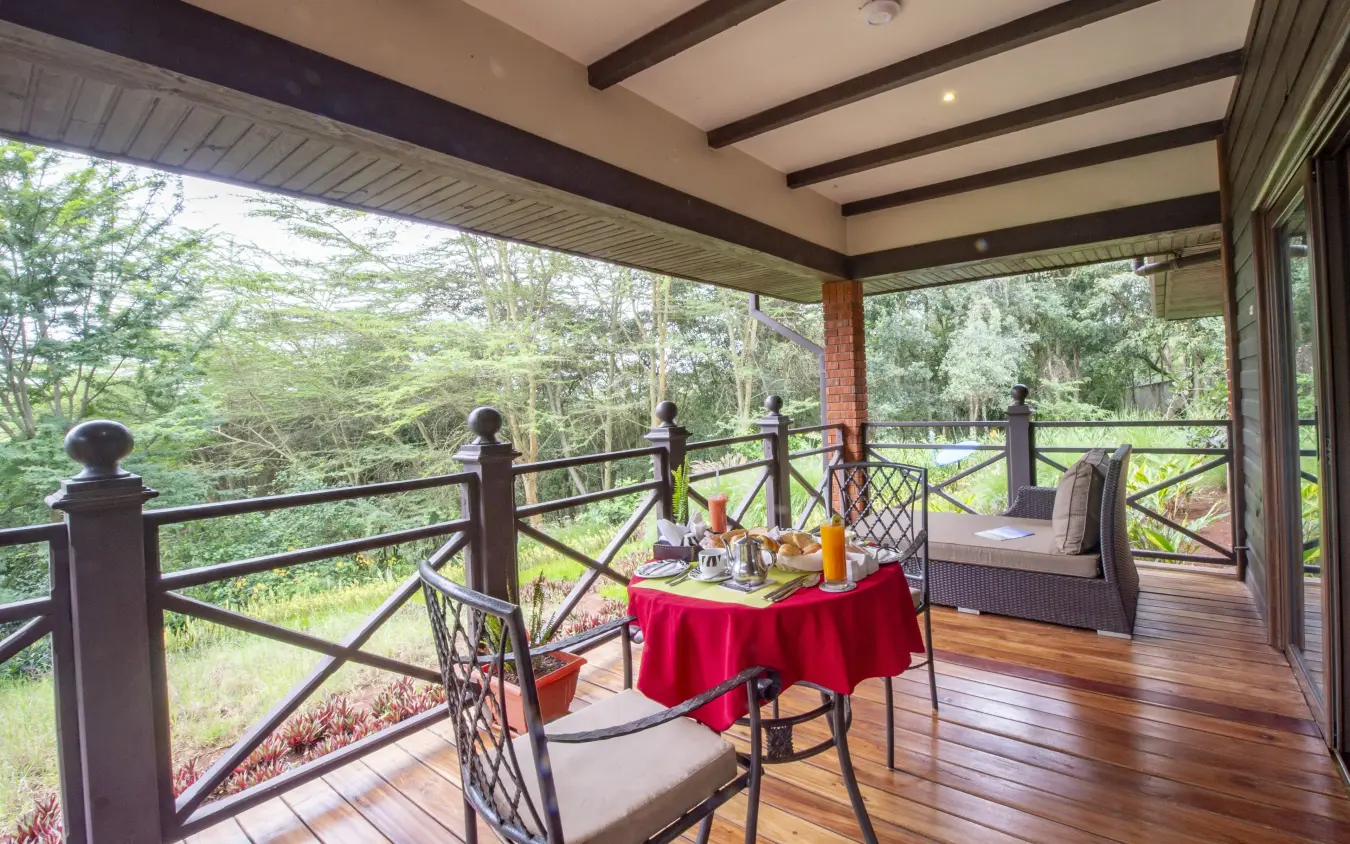
You land at Kilimanjaro International and wake to Mount Meru before the parks begin. This first night is spent on the North Dolly wildlife estate, thirty-five minutes from the airport, where zebra and antelope graze up to the lawns and there are no large predators. Maasai trackers lead walks straight from the door, and horseback rides go out for two hours at a time, drawing close to grazing wildebeest. Mama Simba is a nine-room lodge, its Garden Cottages set apart across the estate with wood-burning fireplaces, copper bathtubs and terraces turned towards the mountain.
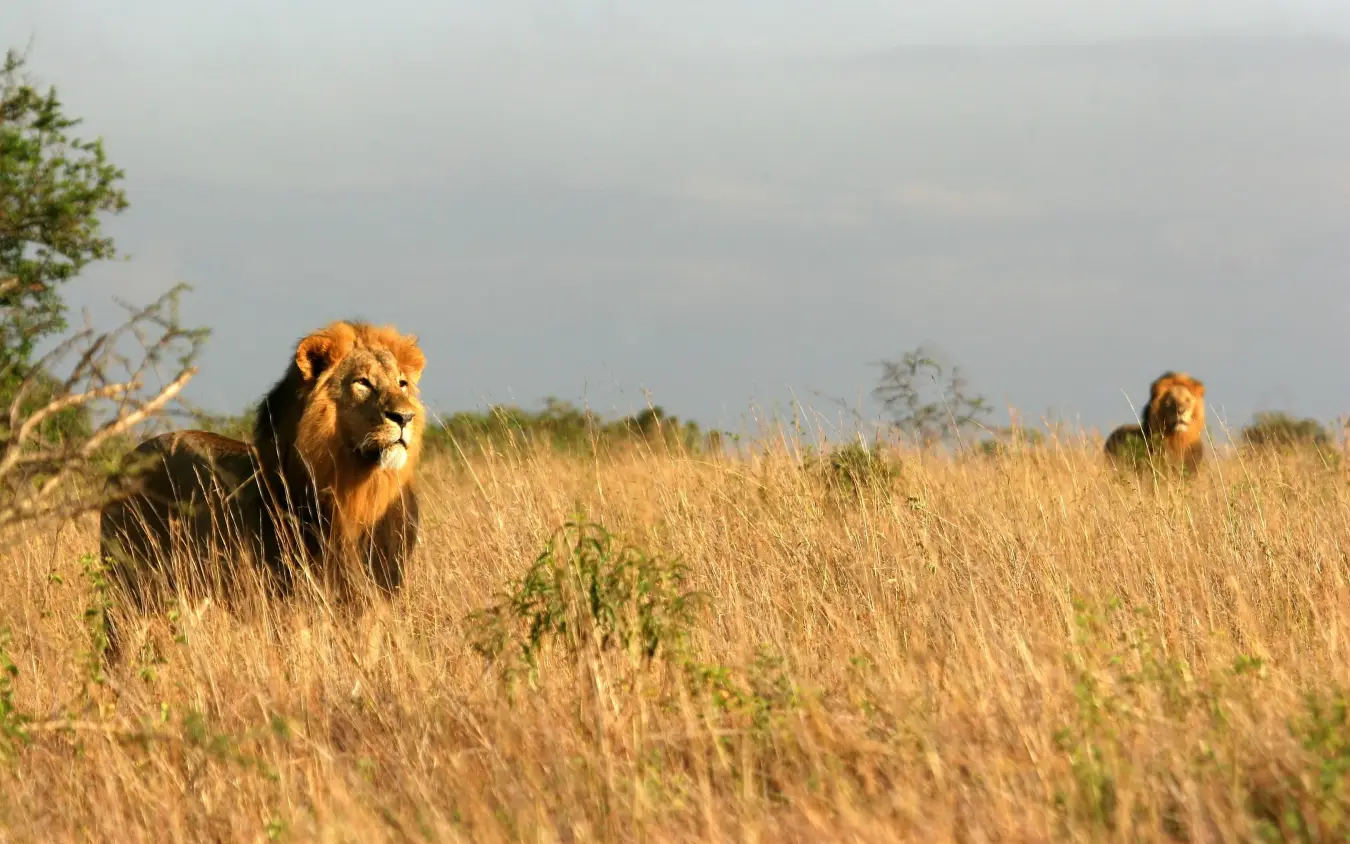
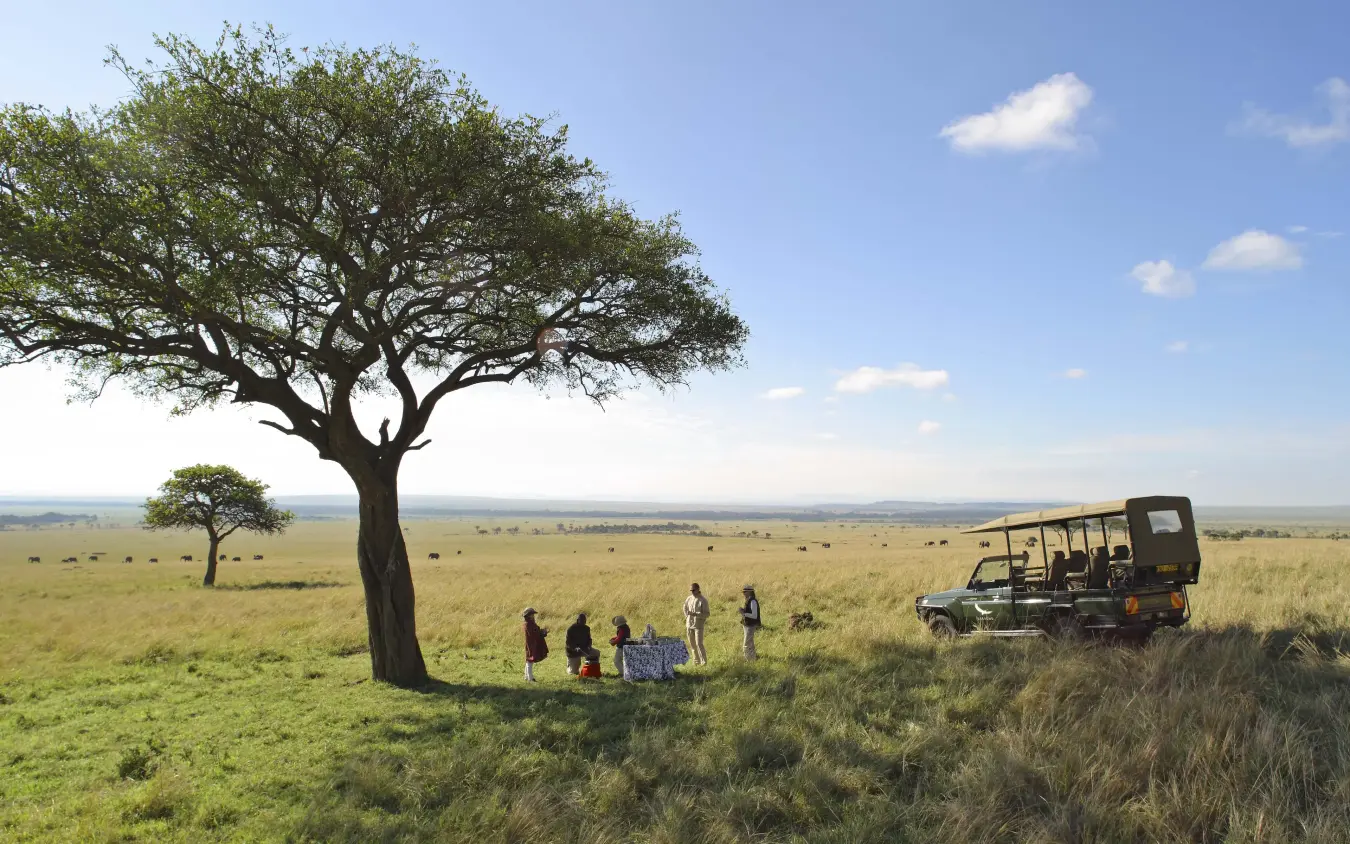
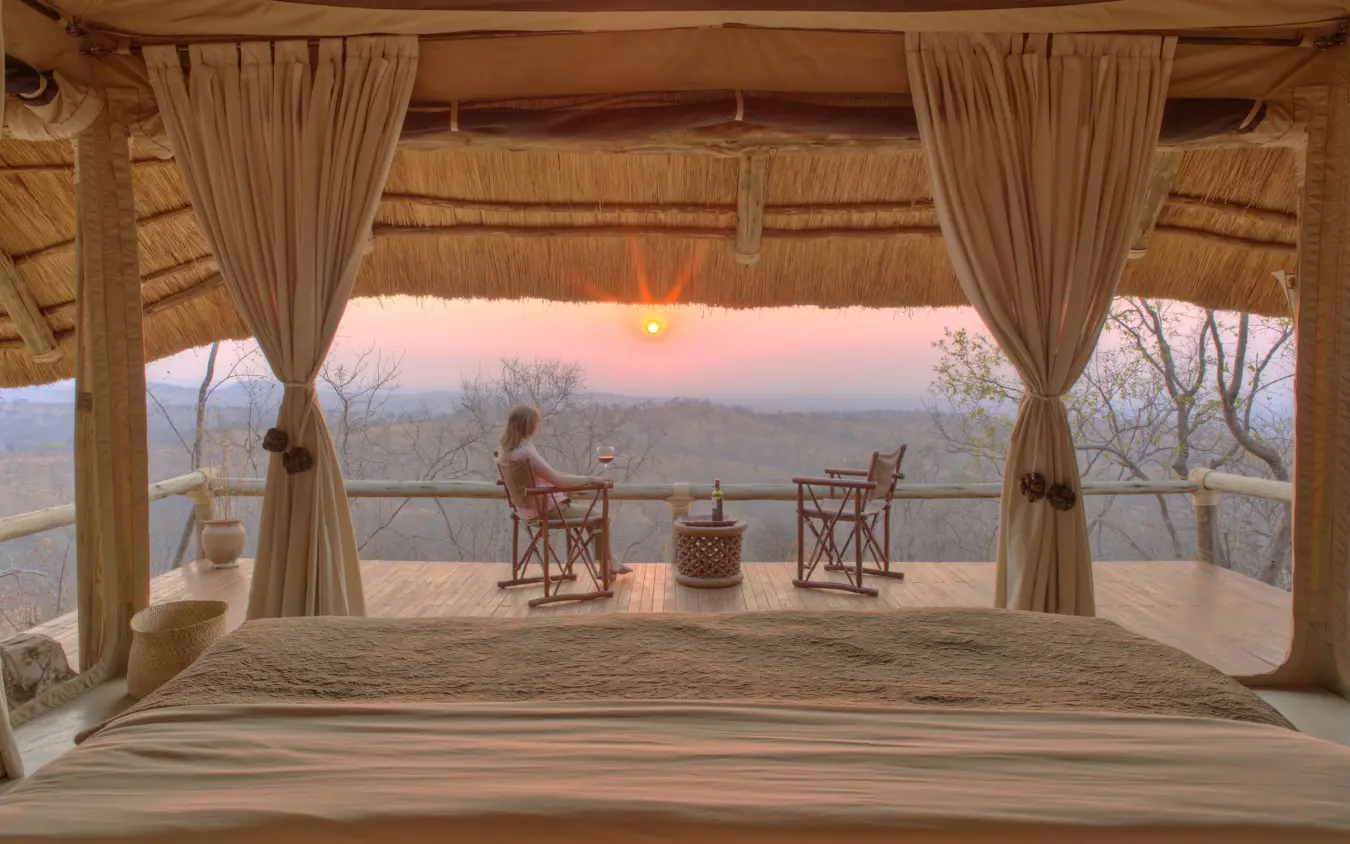
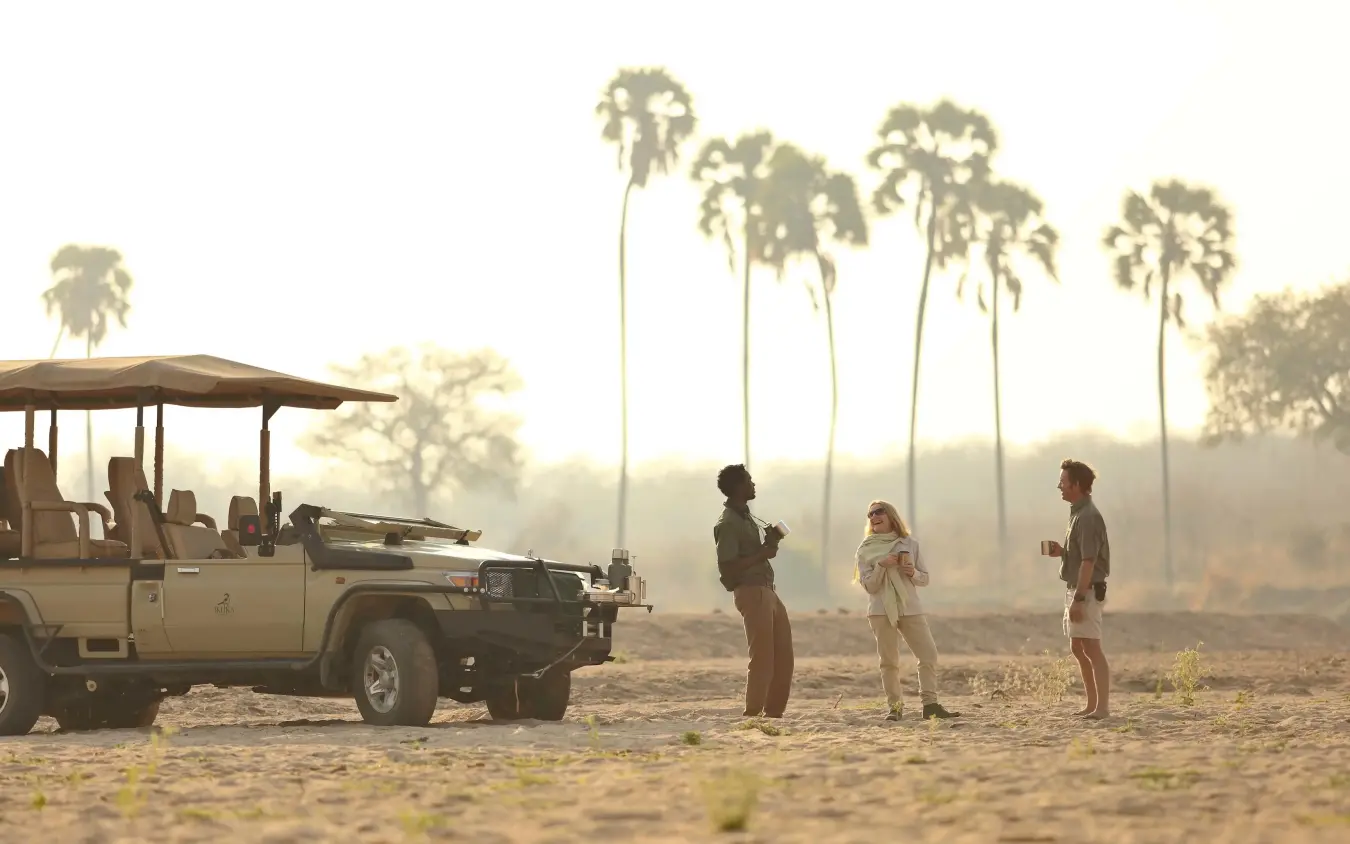
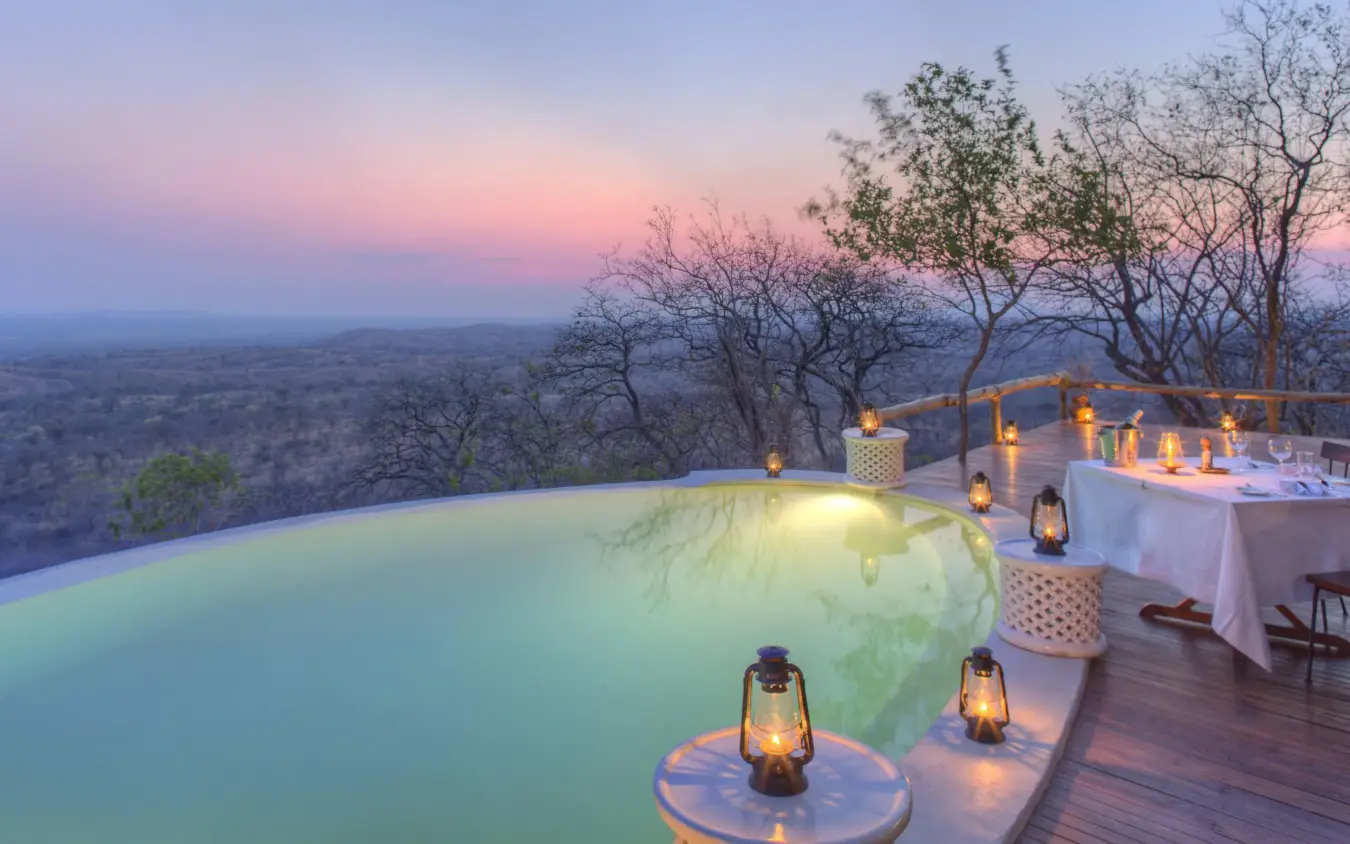
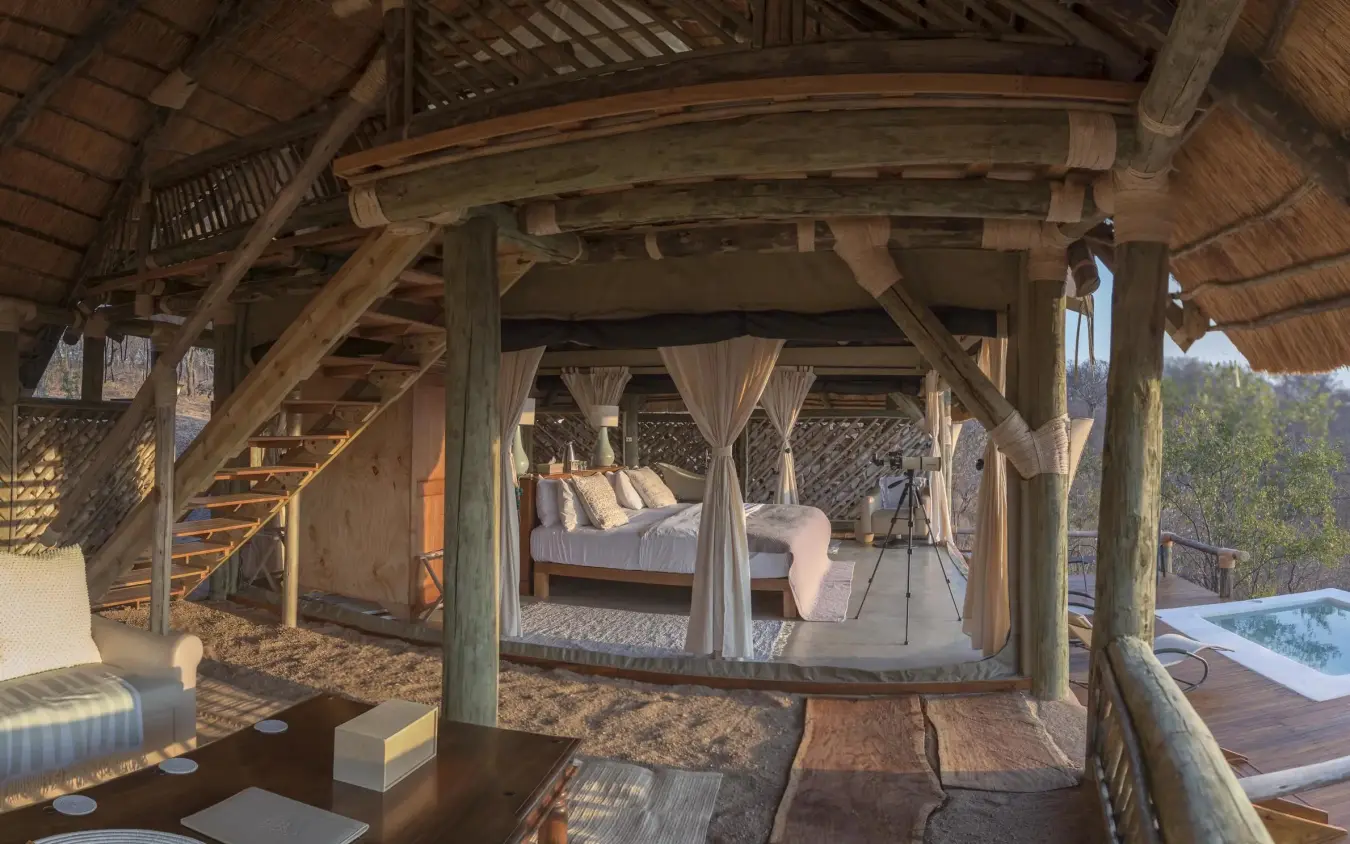
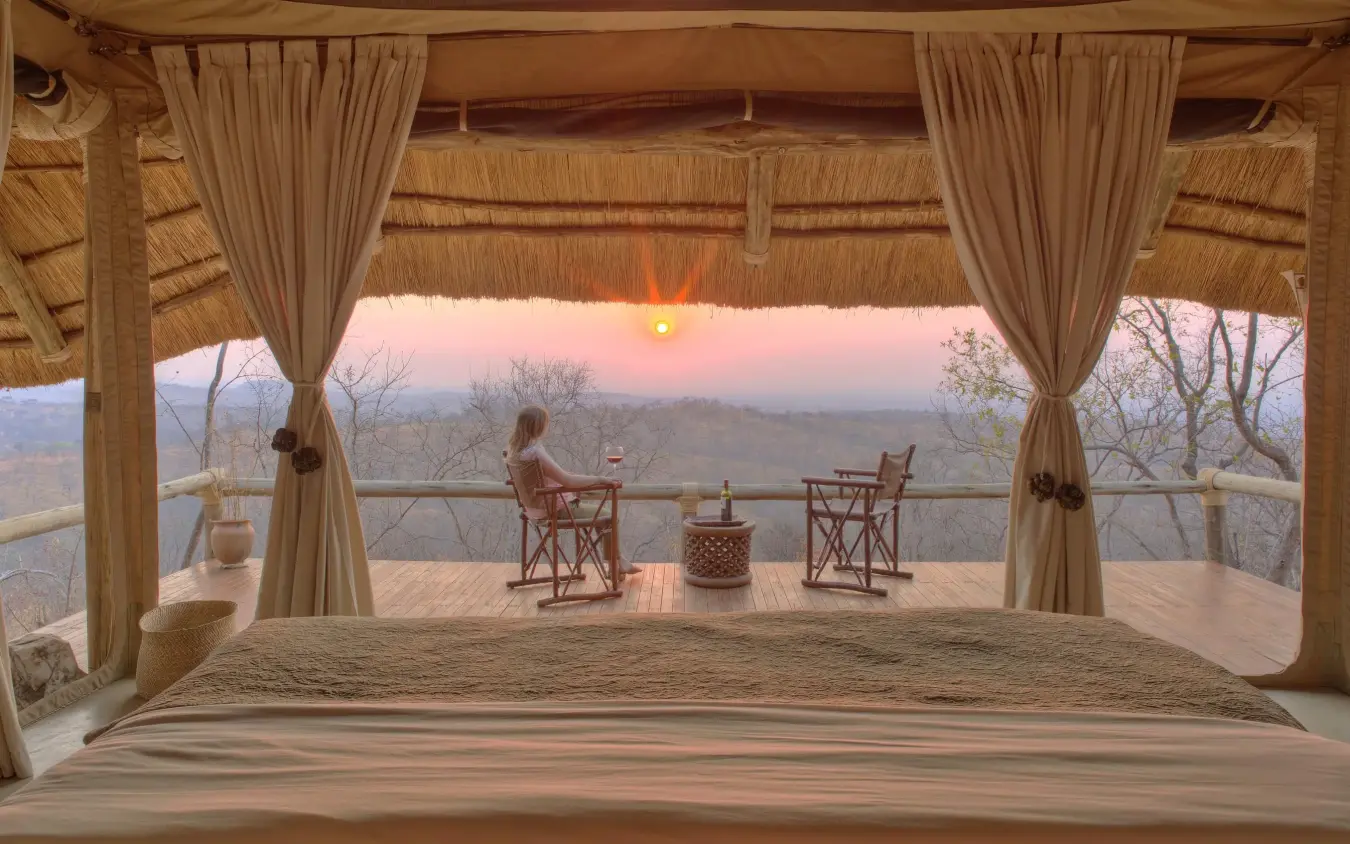
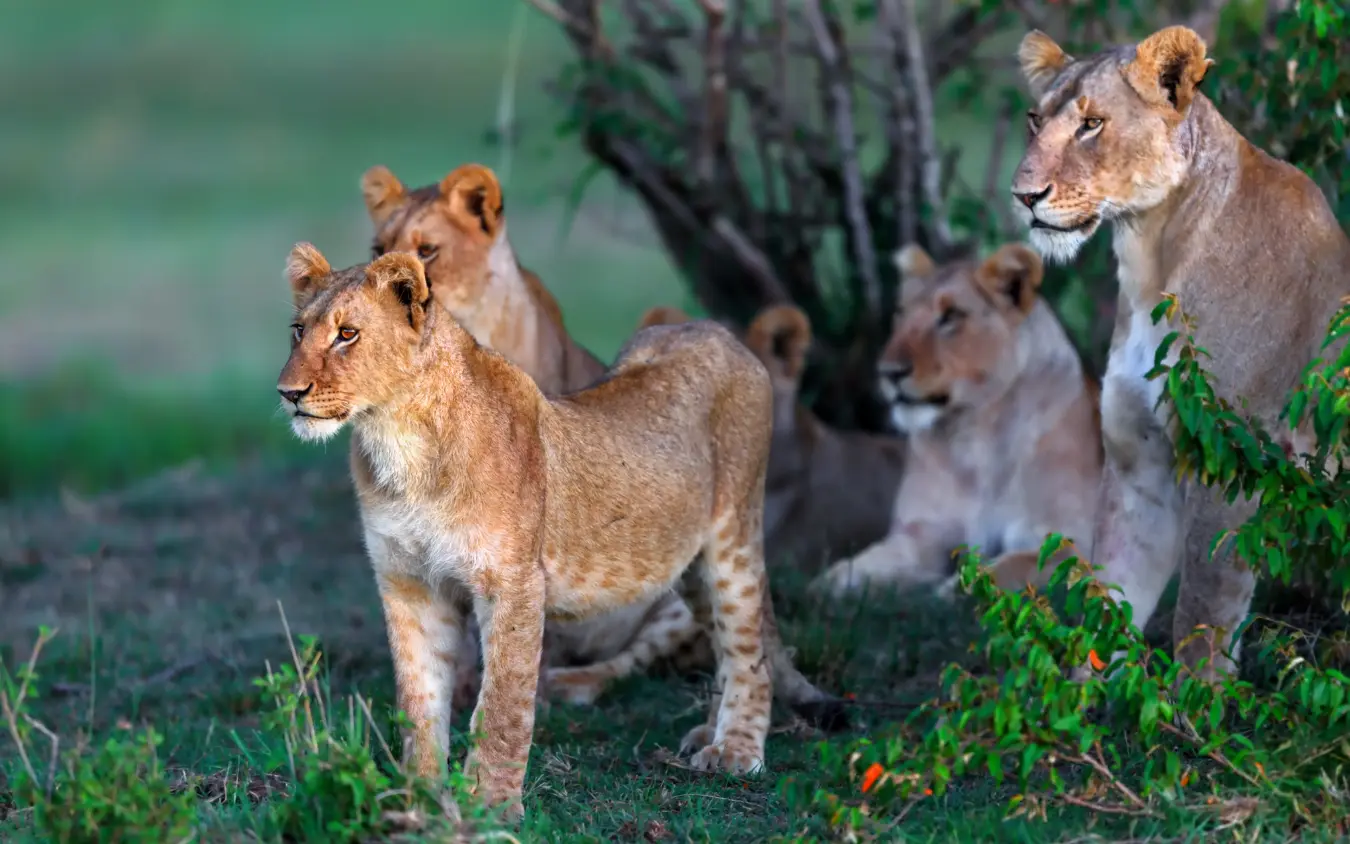
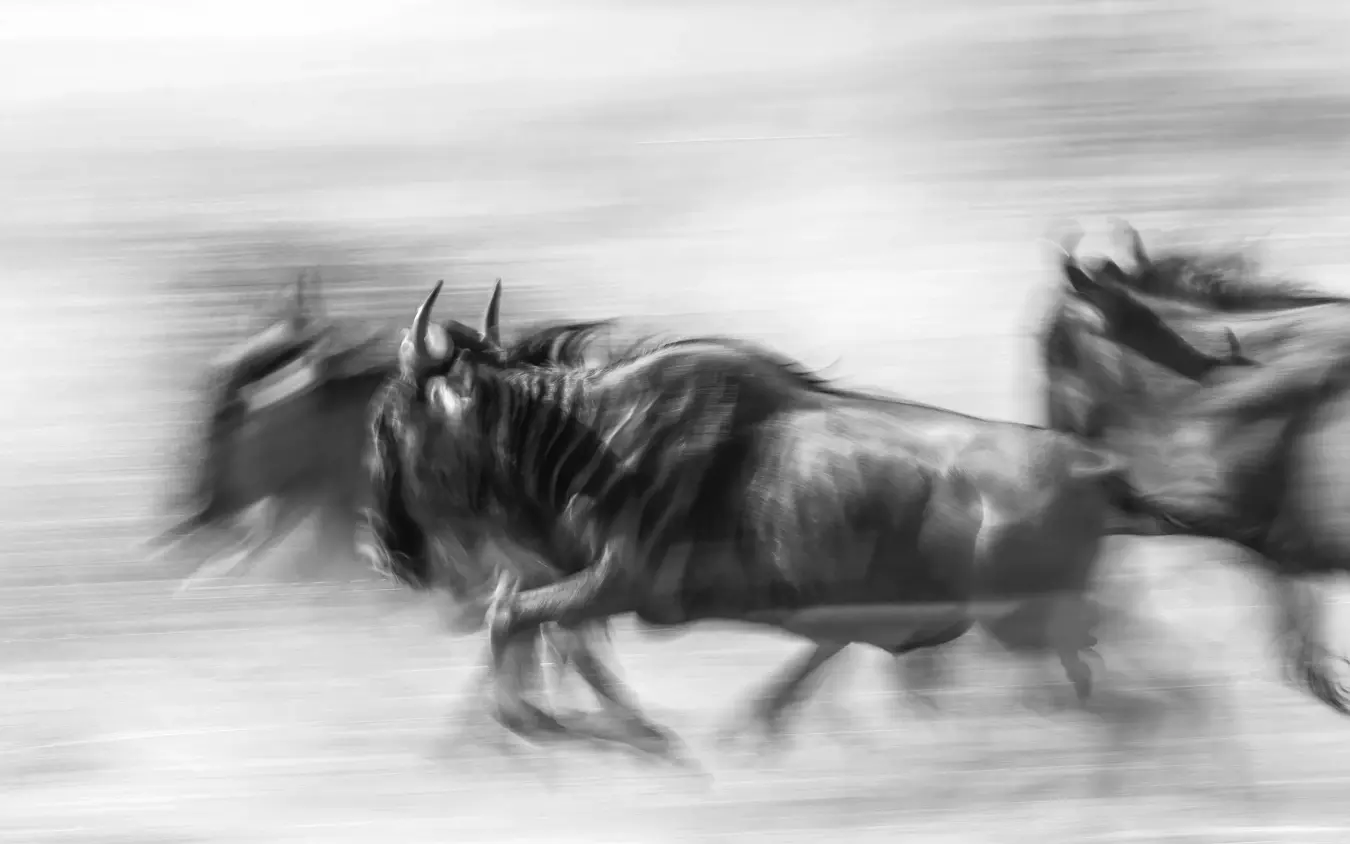
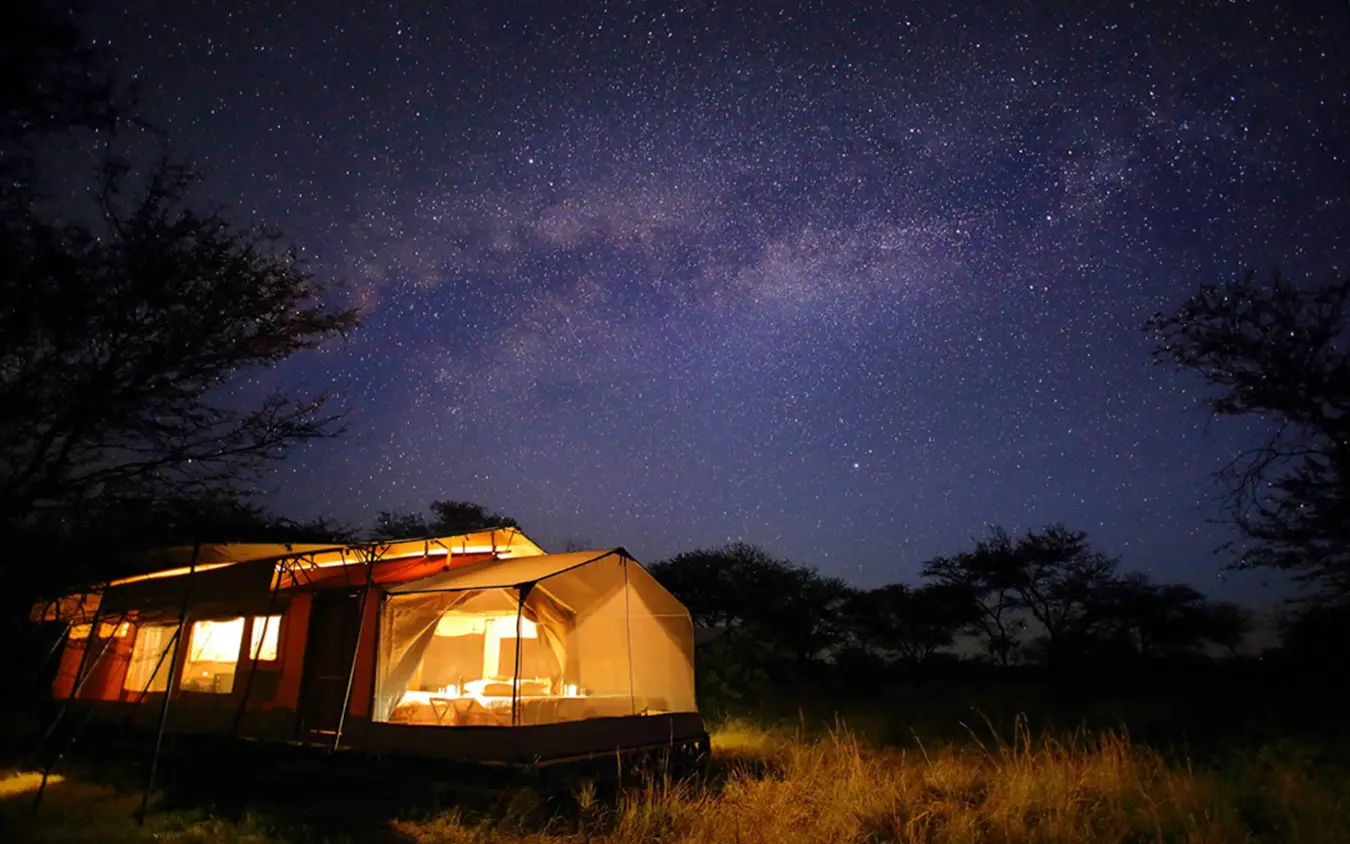
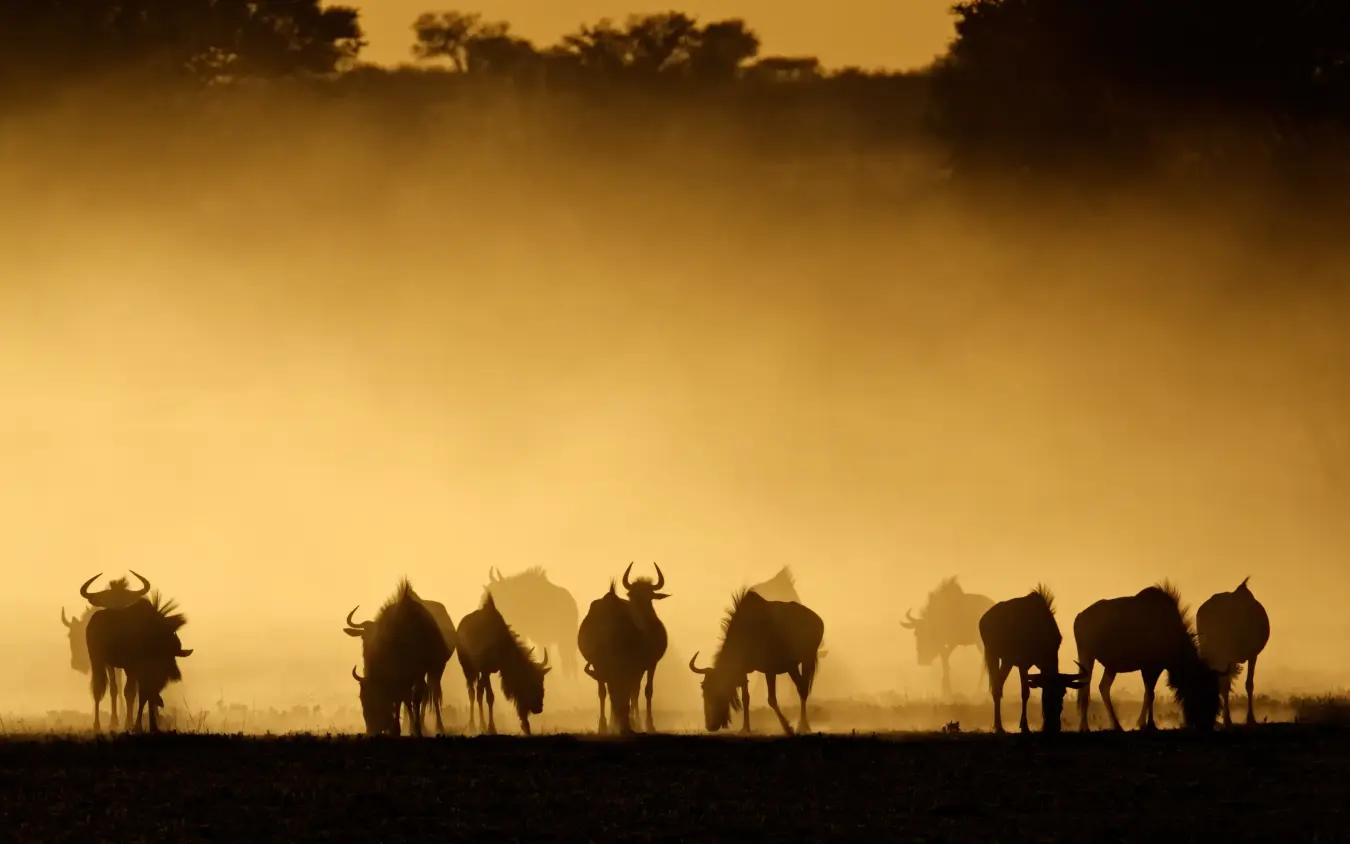
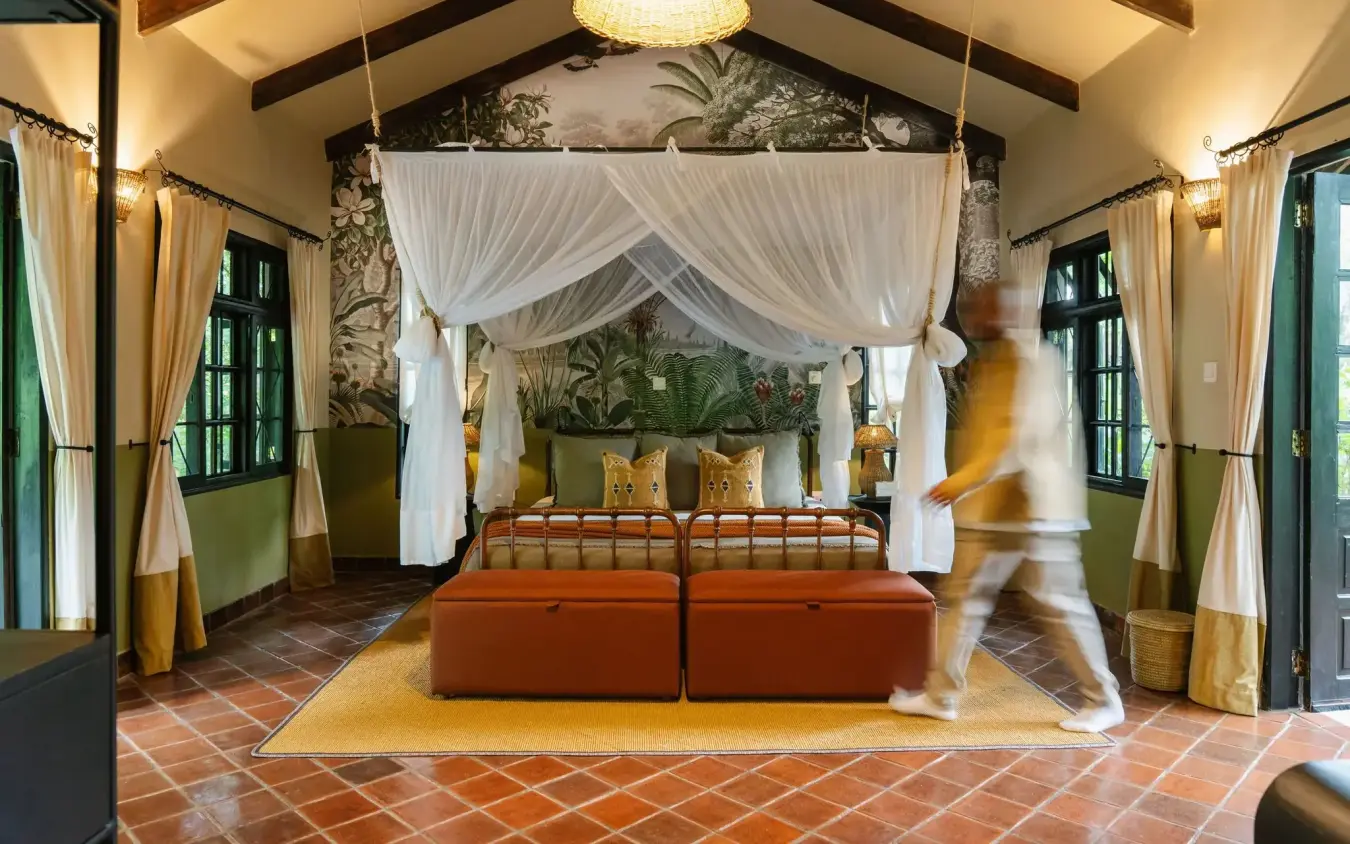
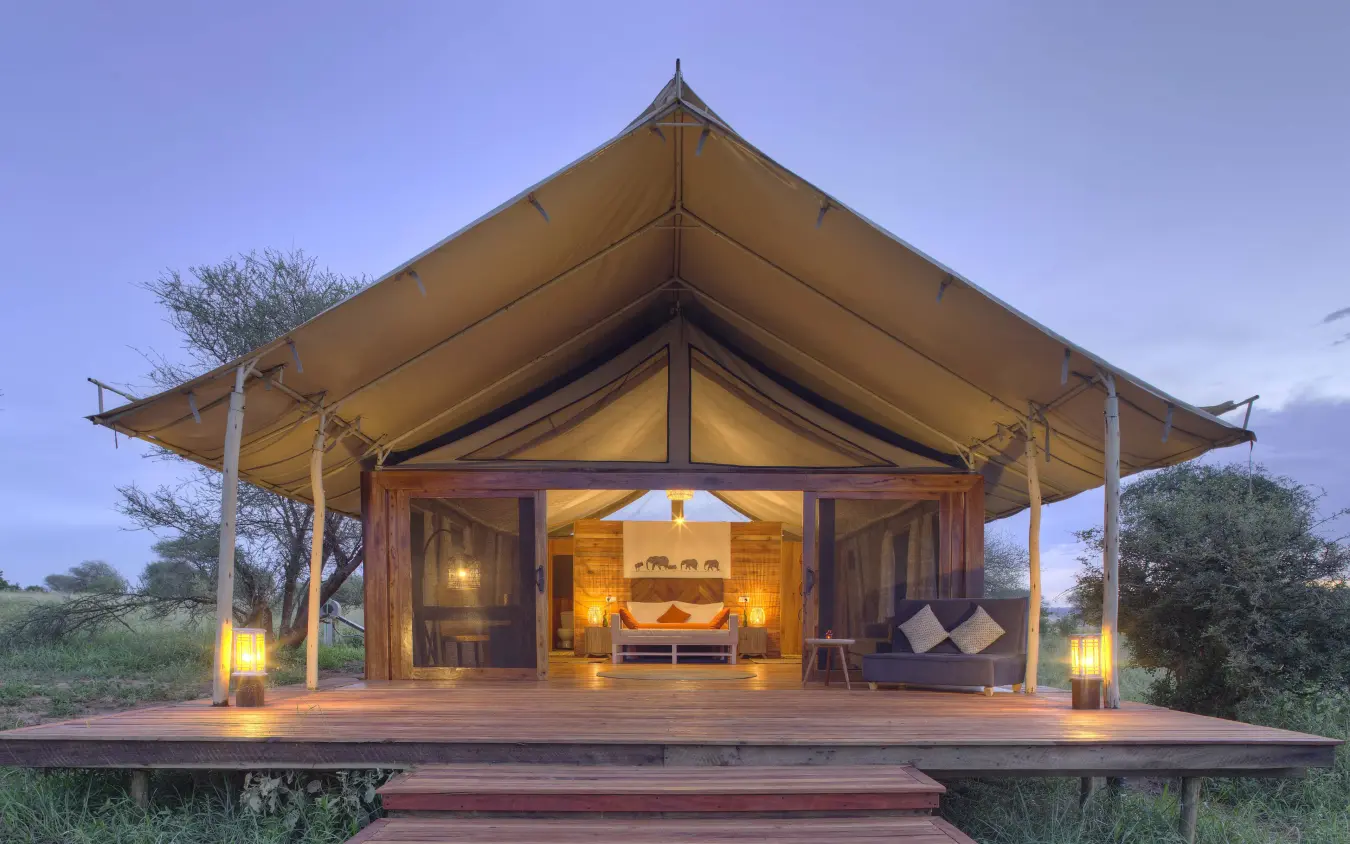
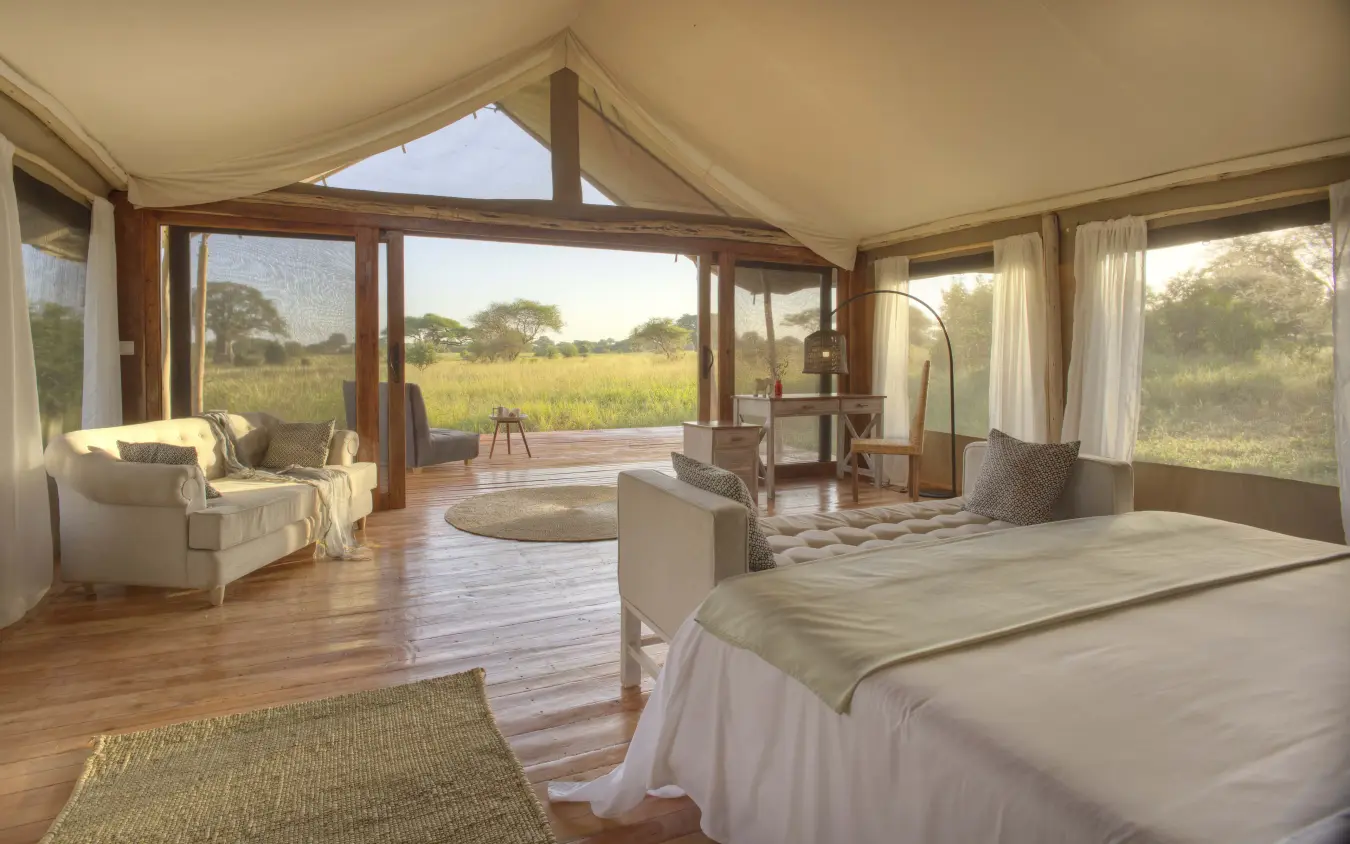
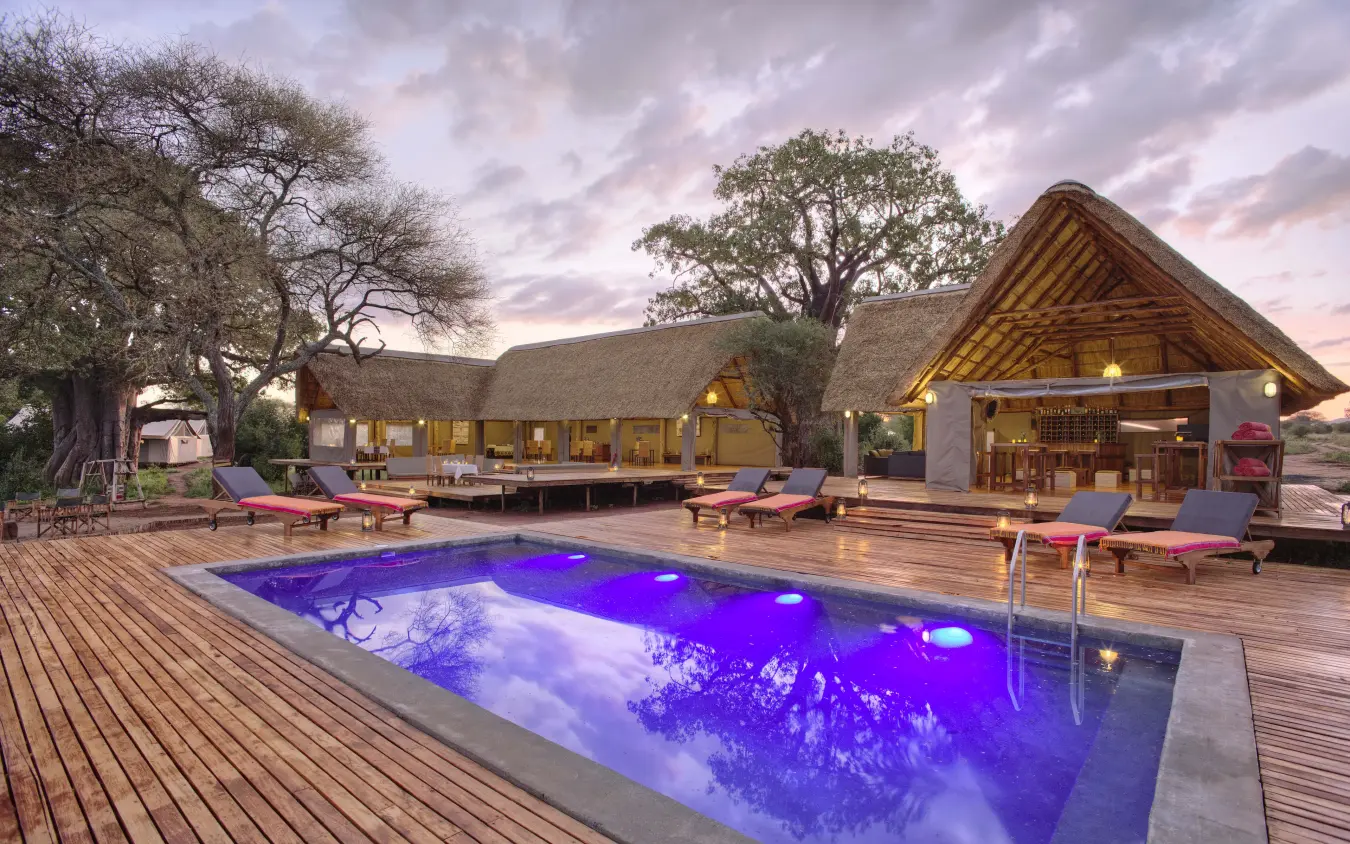
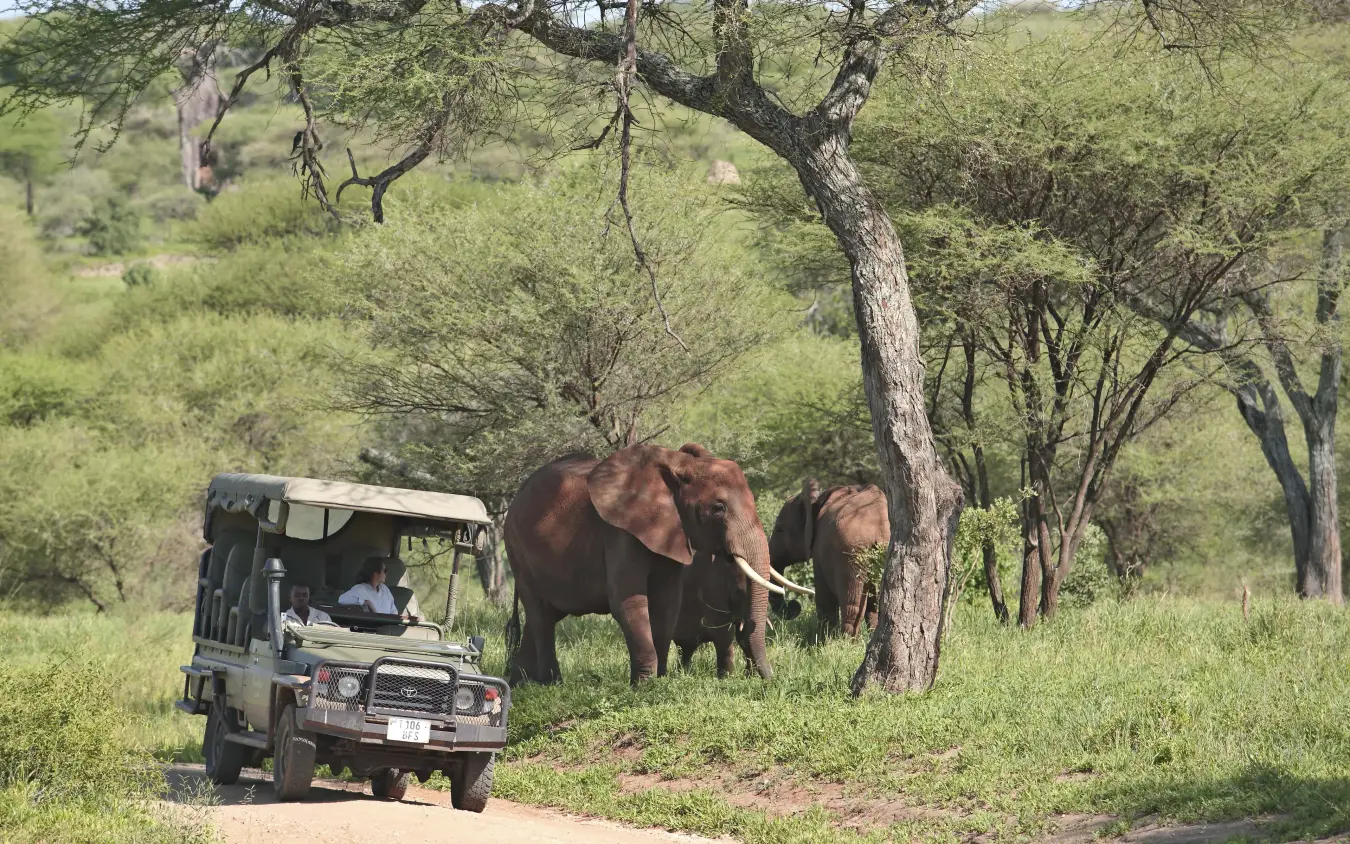
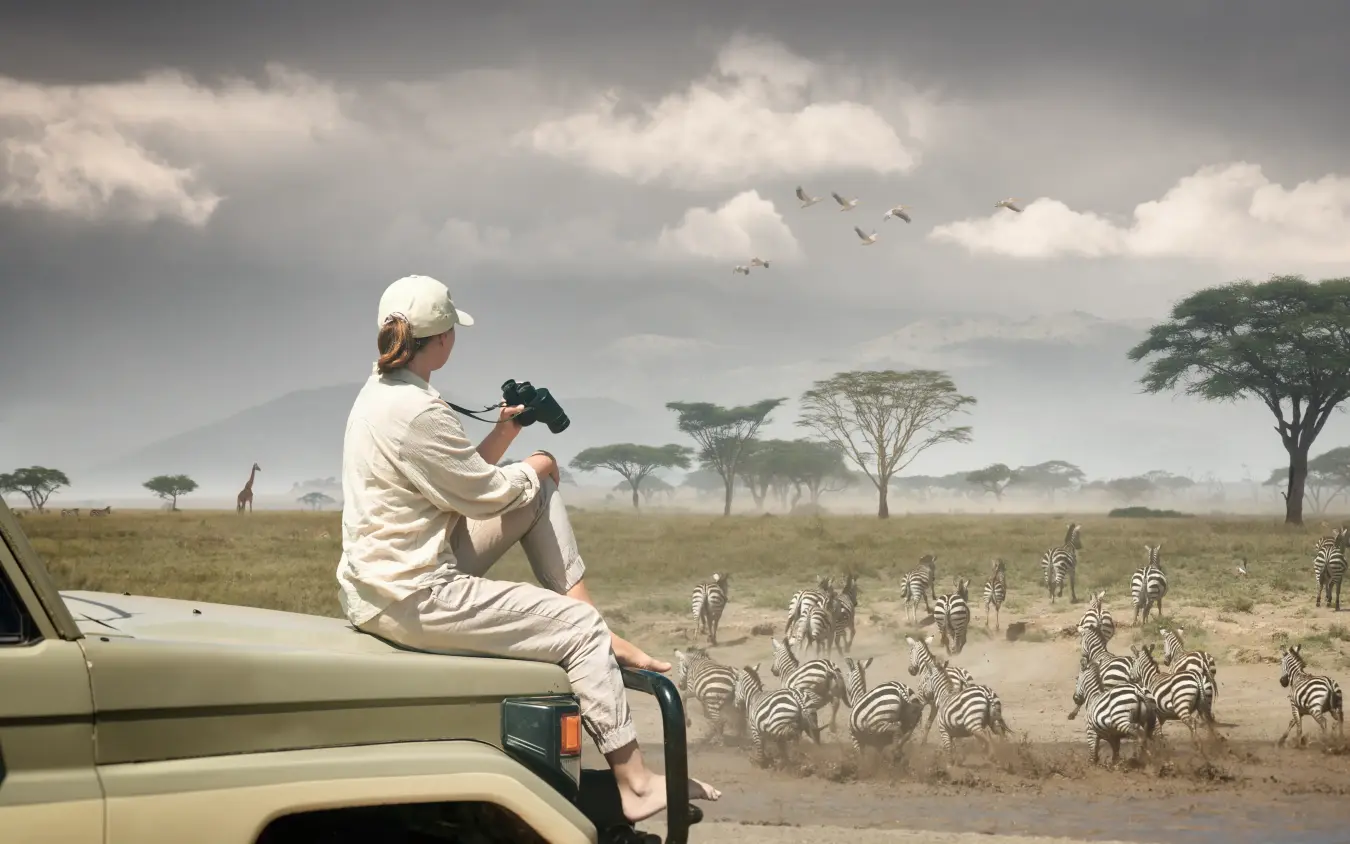
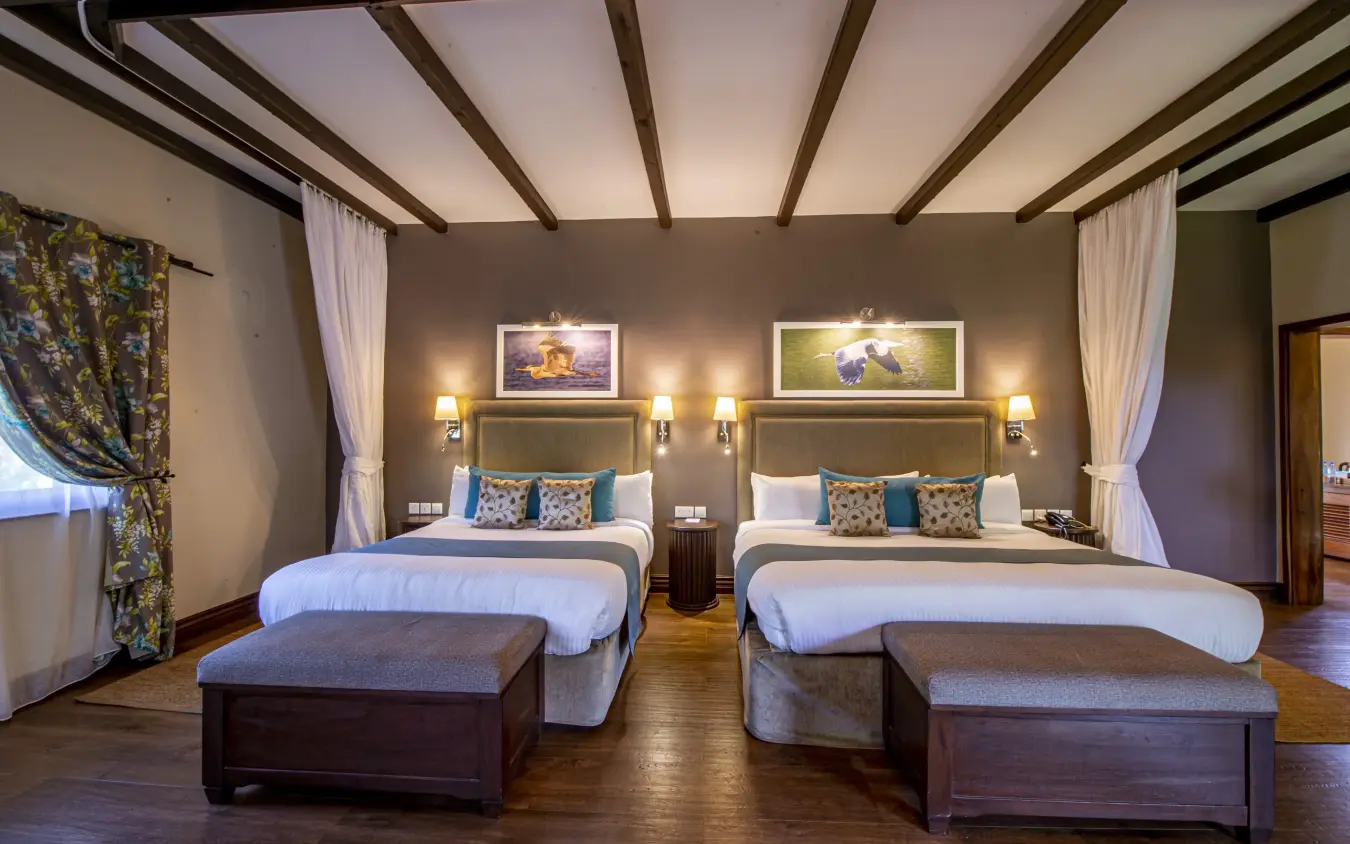
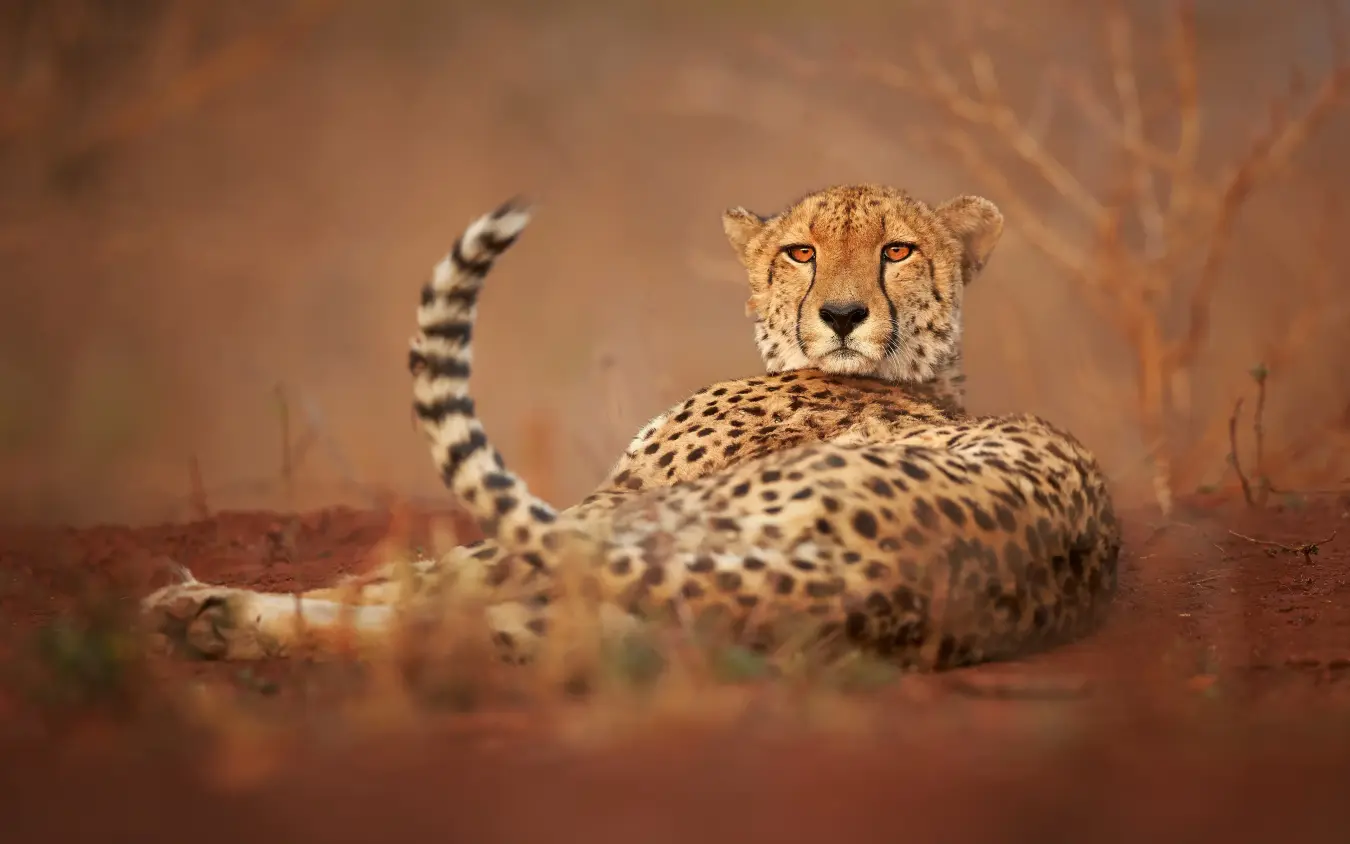
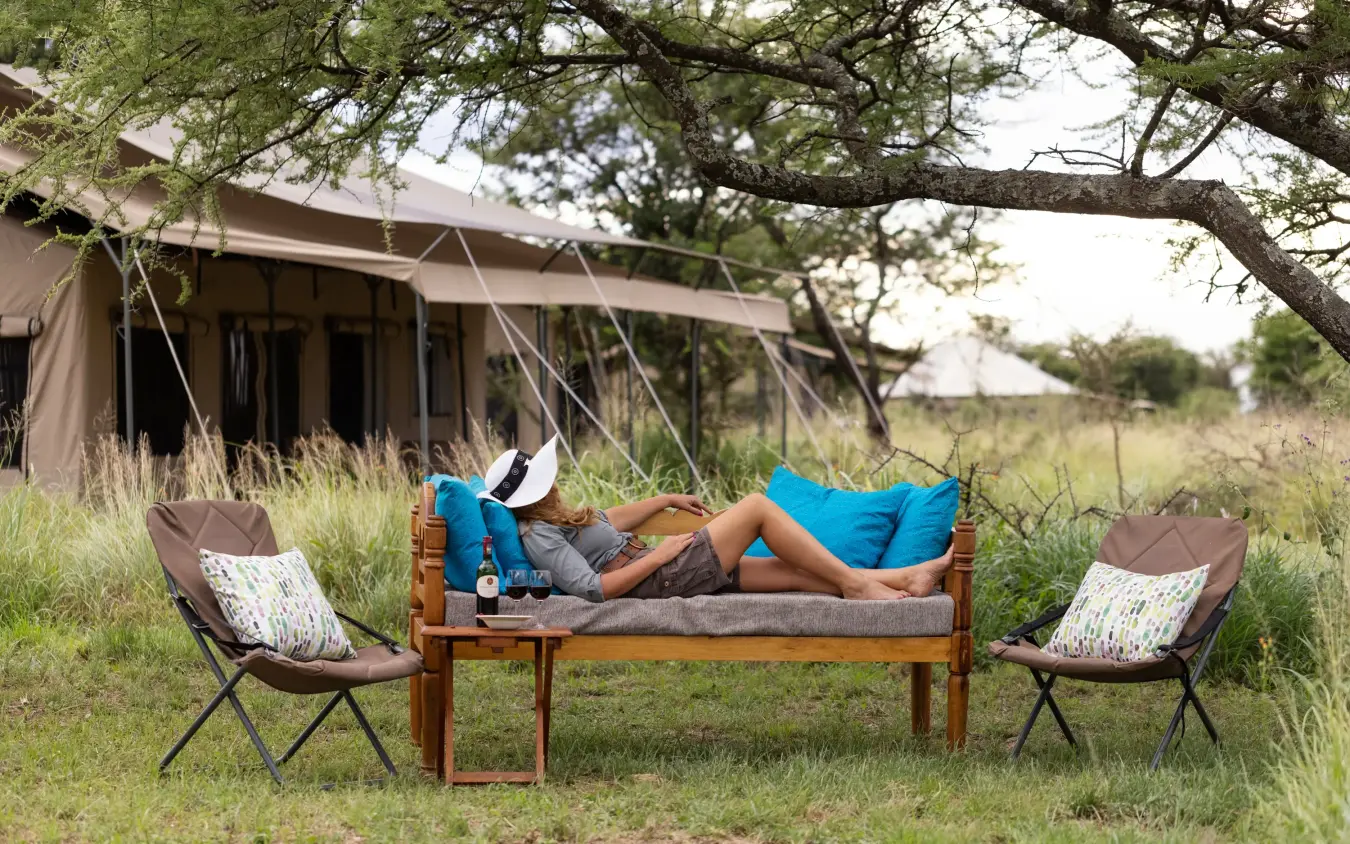
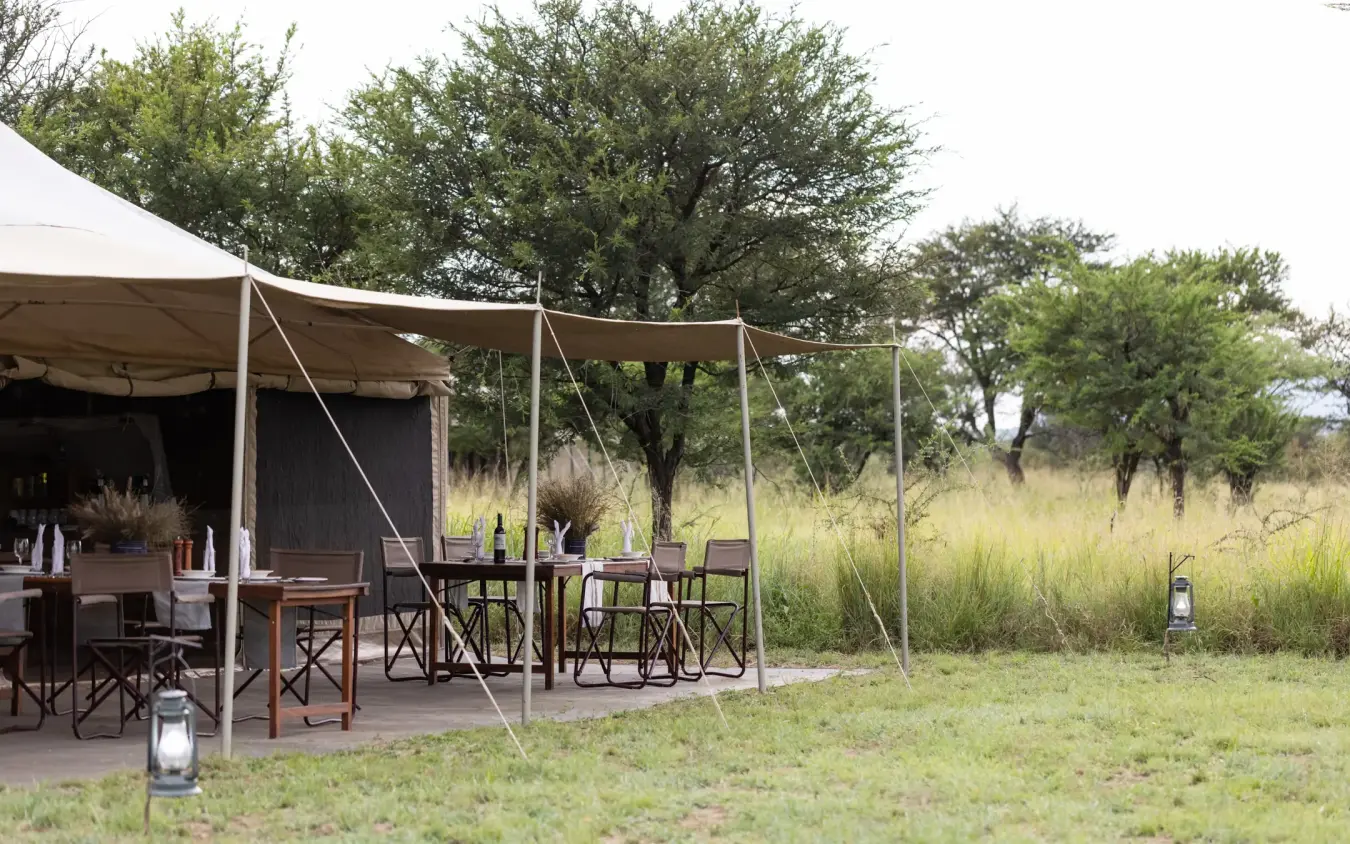
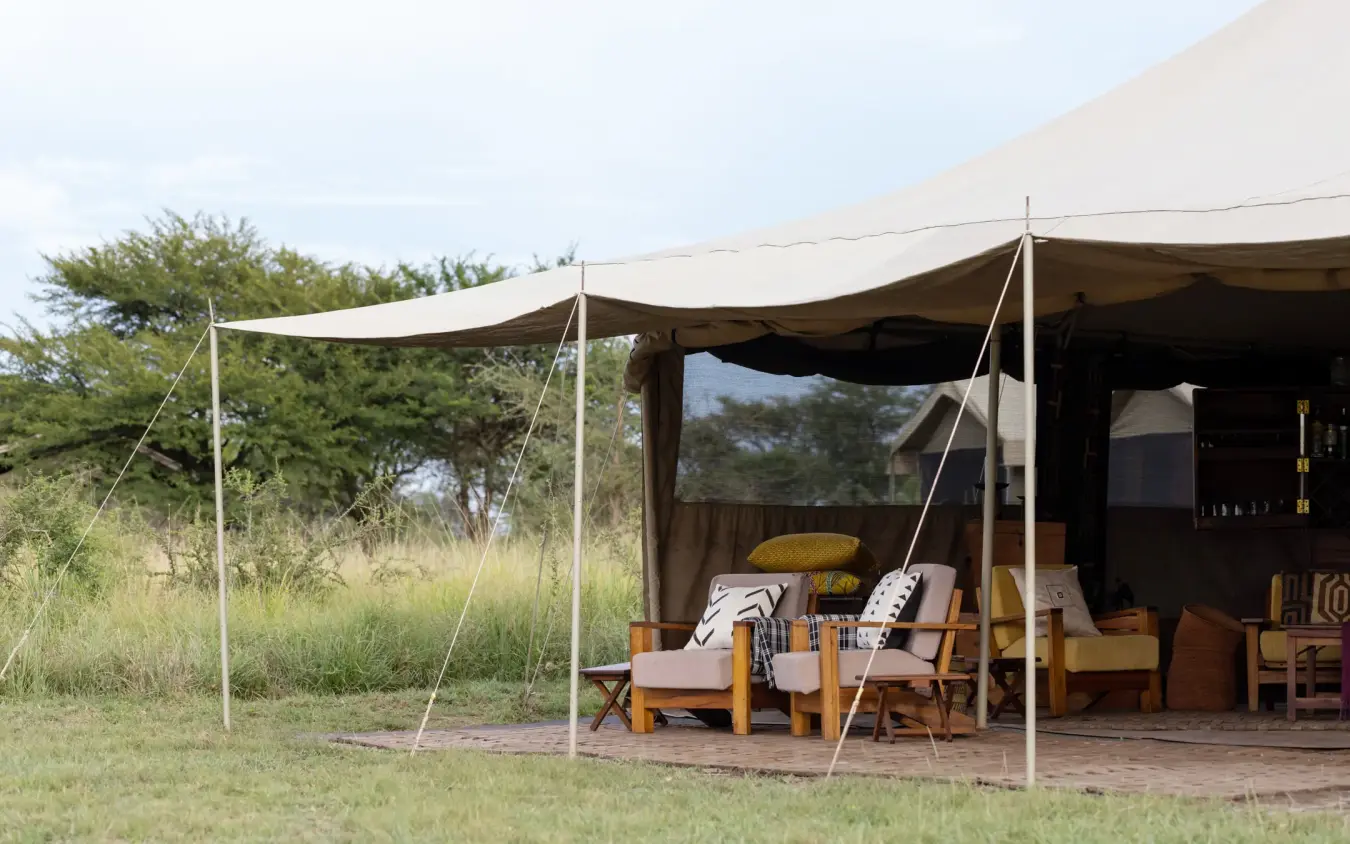
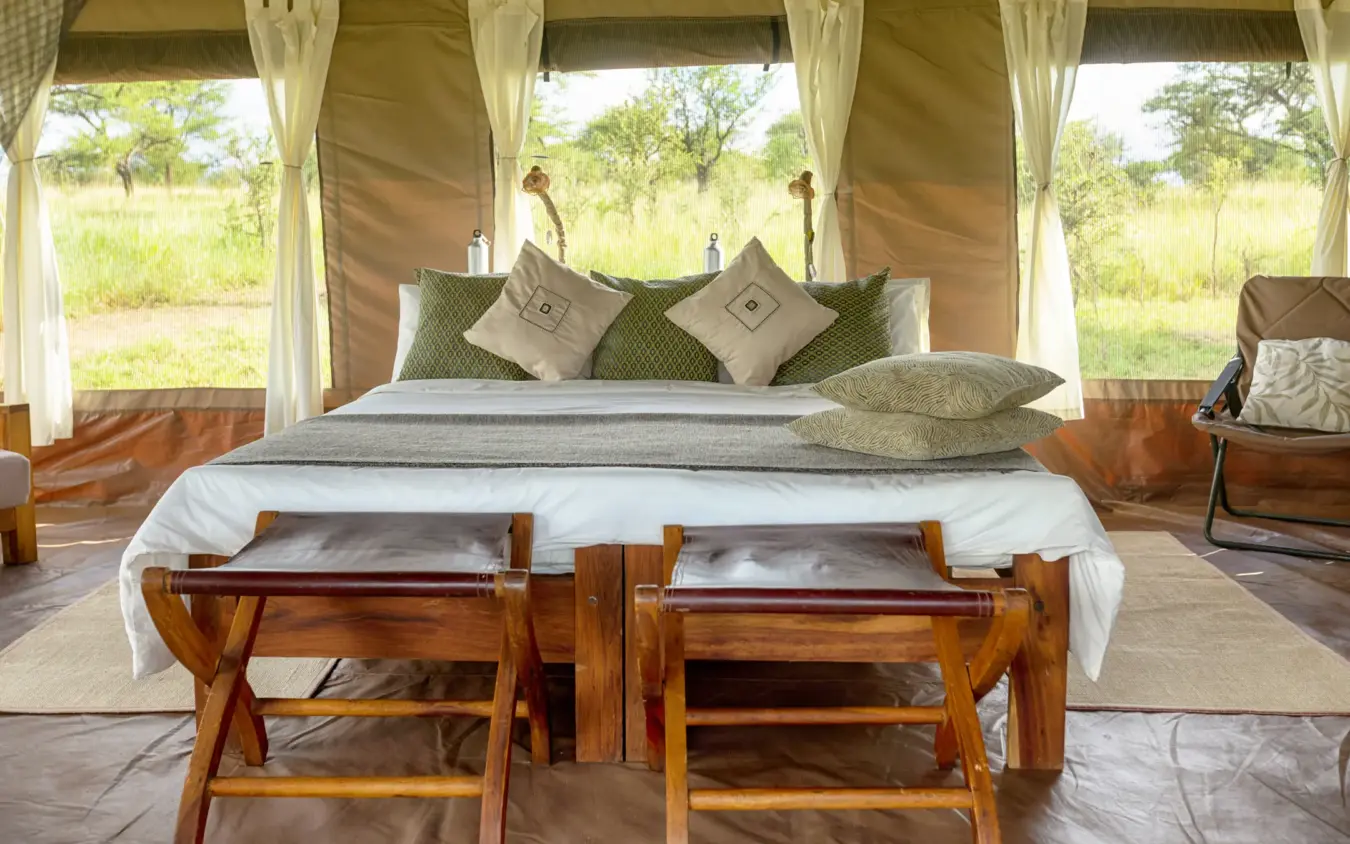
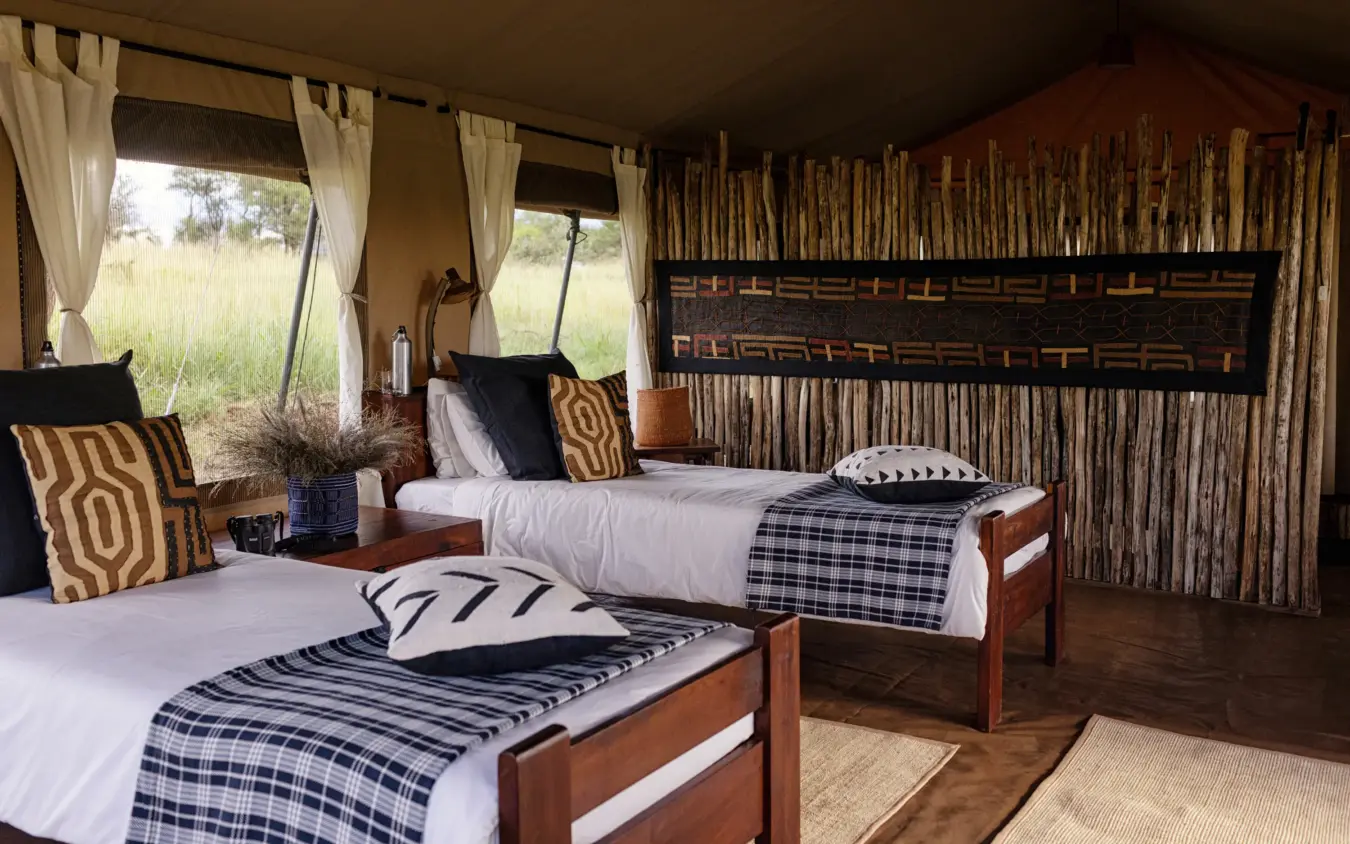
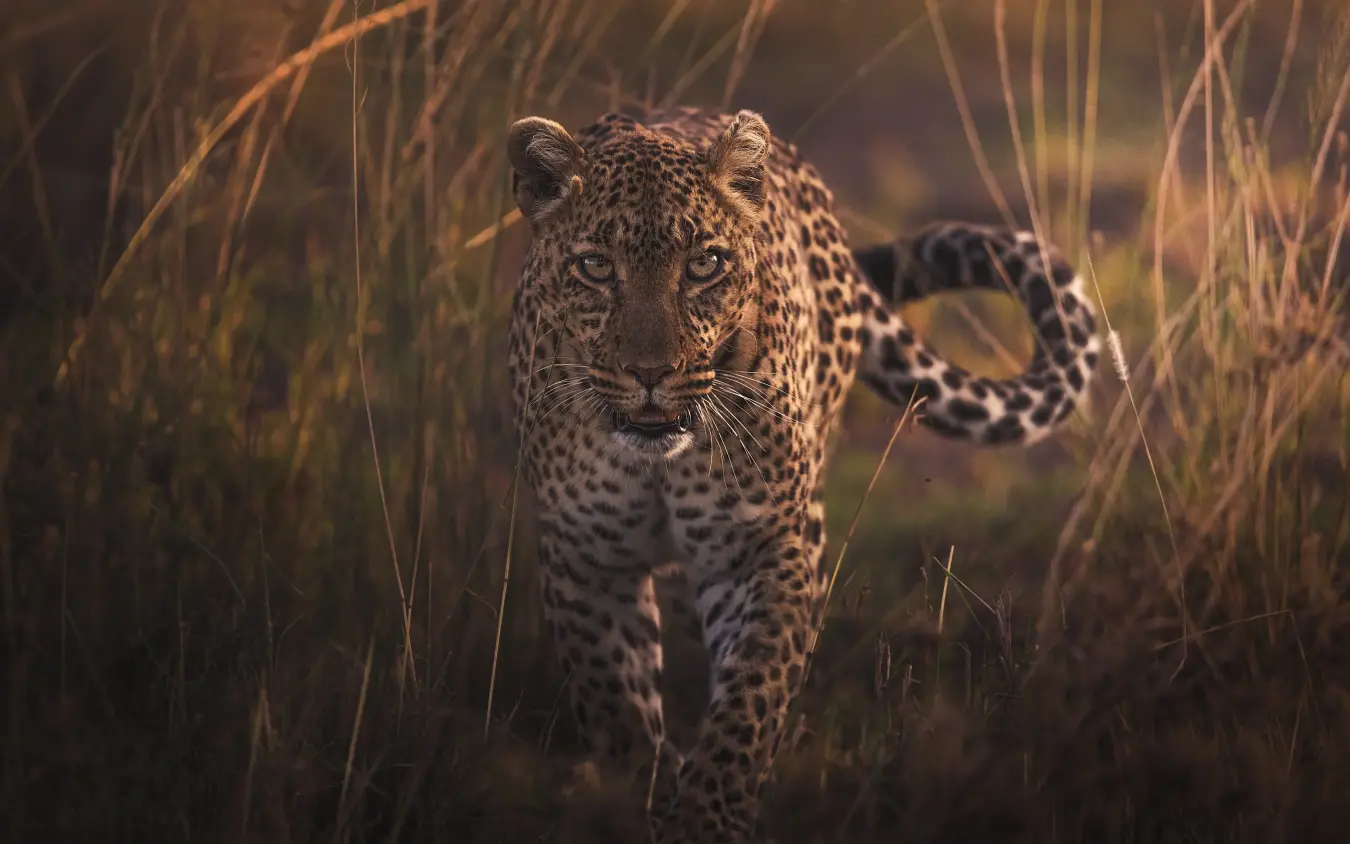
Four nights follow the wildebeest. Olakira moves twice a year to keep pace with the migration, standing on the Ndutu calving plains inside the Ngorongoro Conservation Area from December to March, when newborns draw lions, cheetahs and spotted hyenas onto open ground, and moving north into Serengeti National Park at the Mara River from June to October for the crossings. Game often starts within minutes of leaving camp. Tents stand on raised decking, and each has a mesh-walled section with wide views into which the bed can be rolled for a night under open sky.
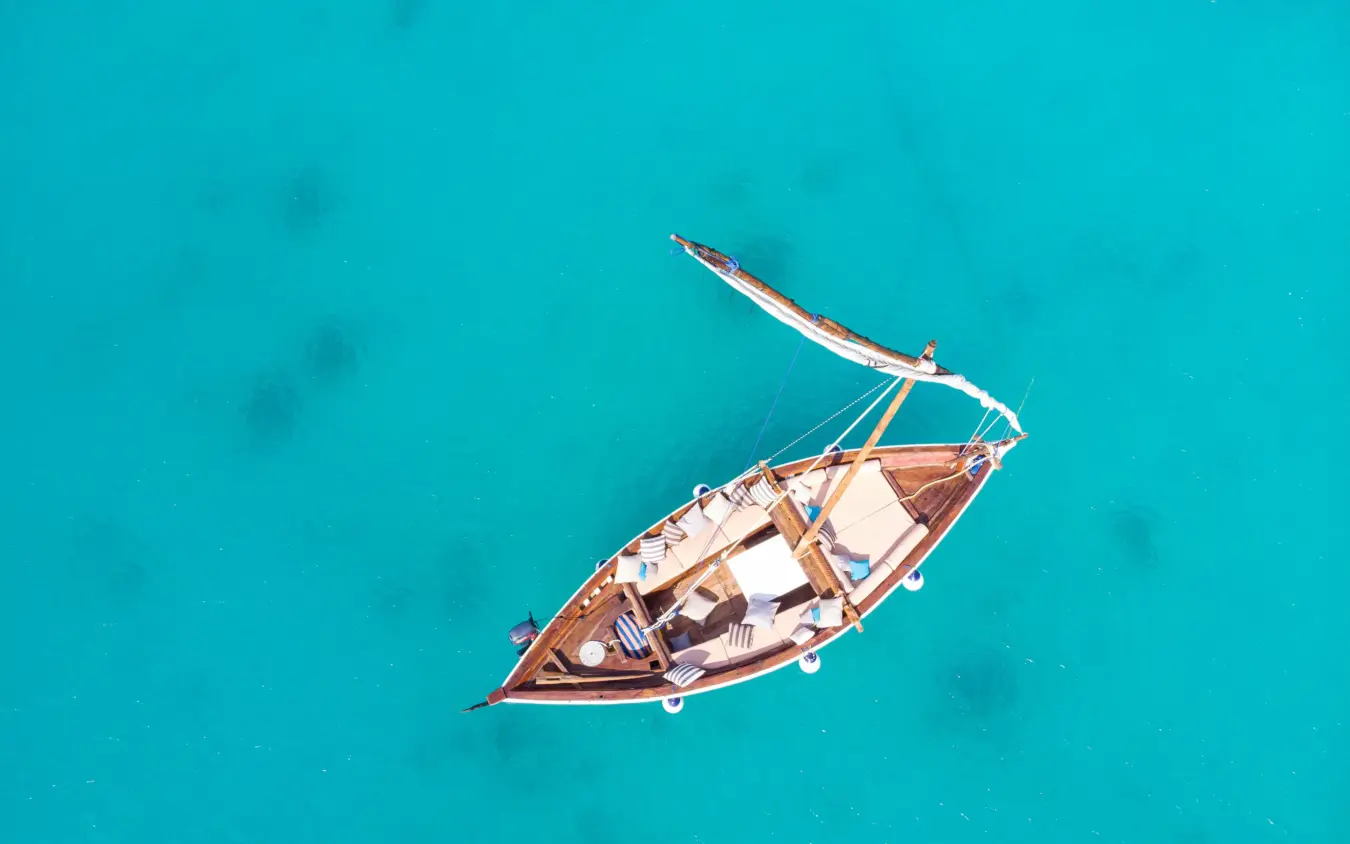
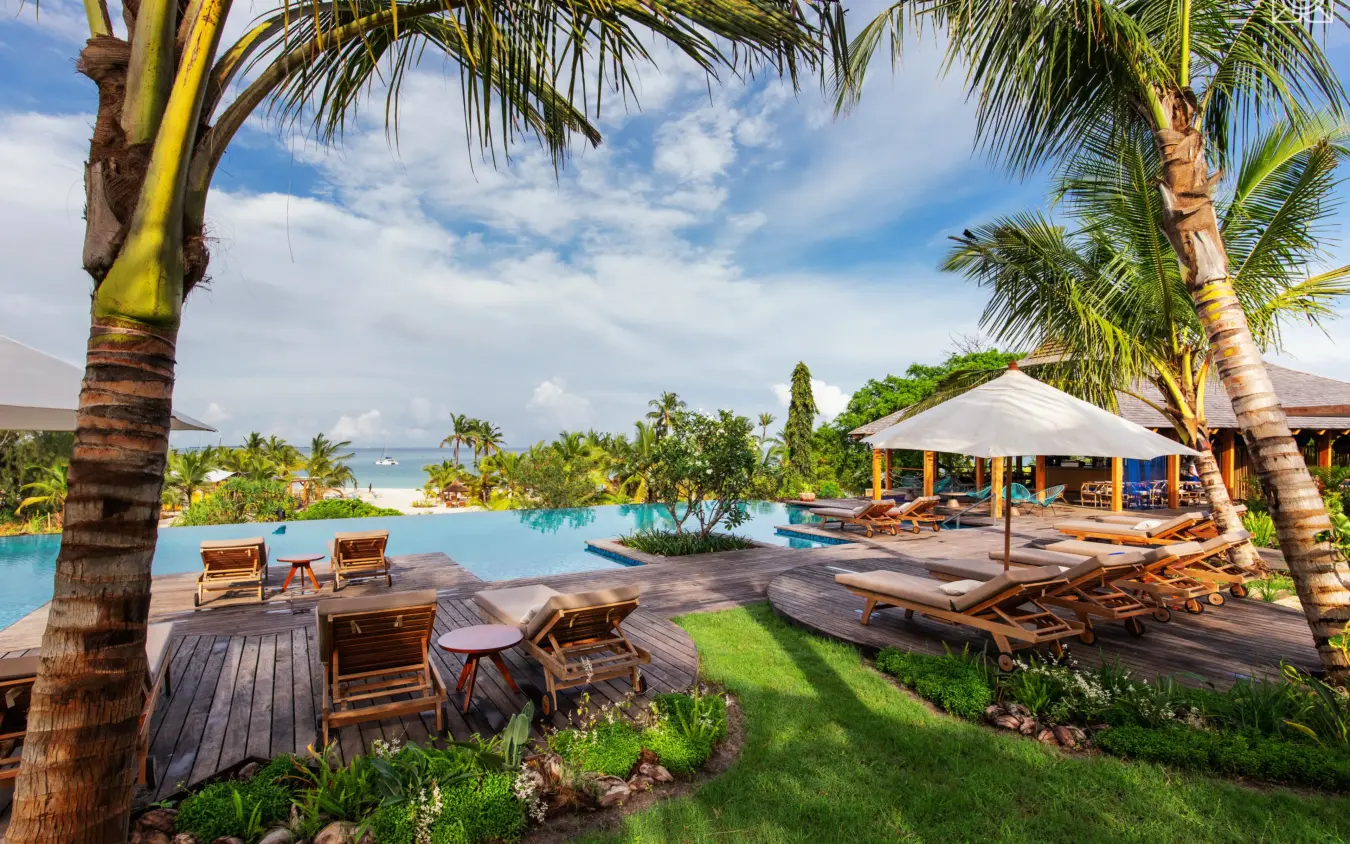
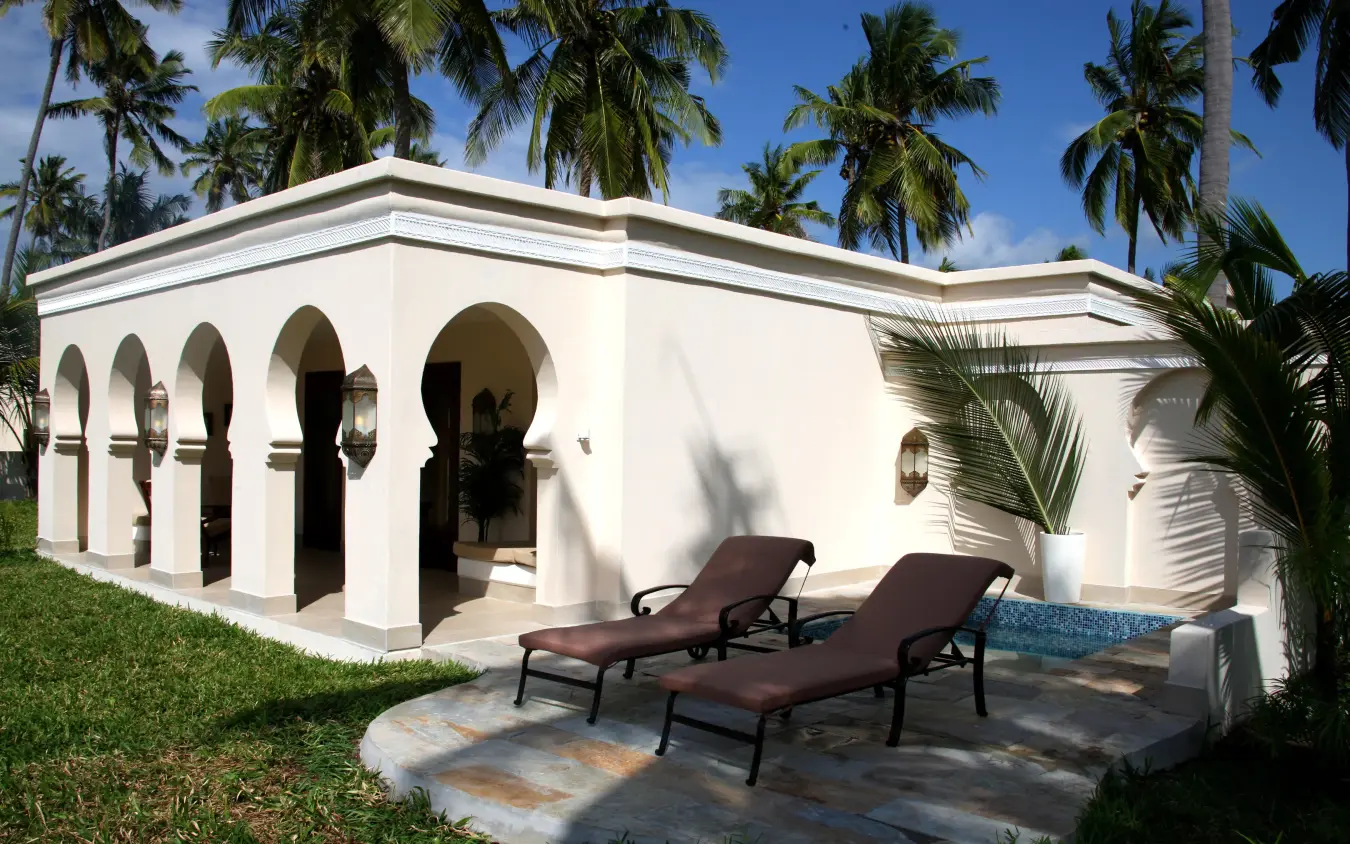
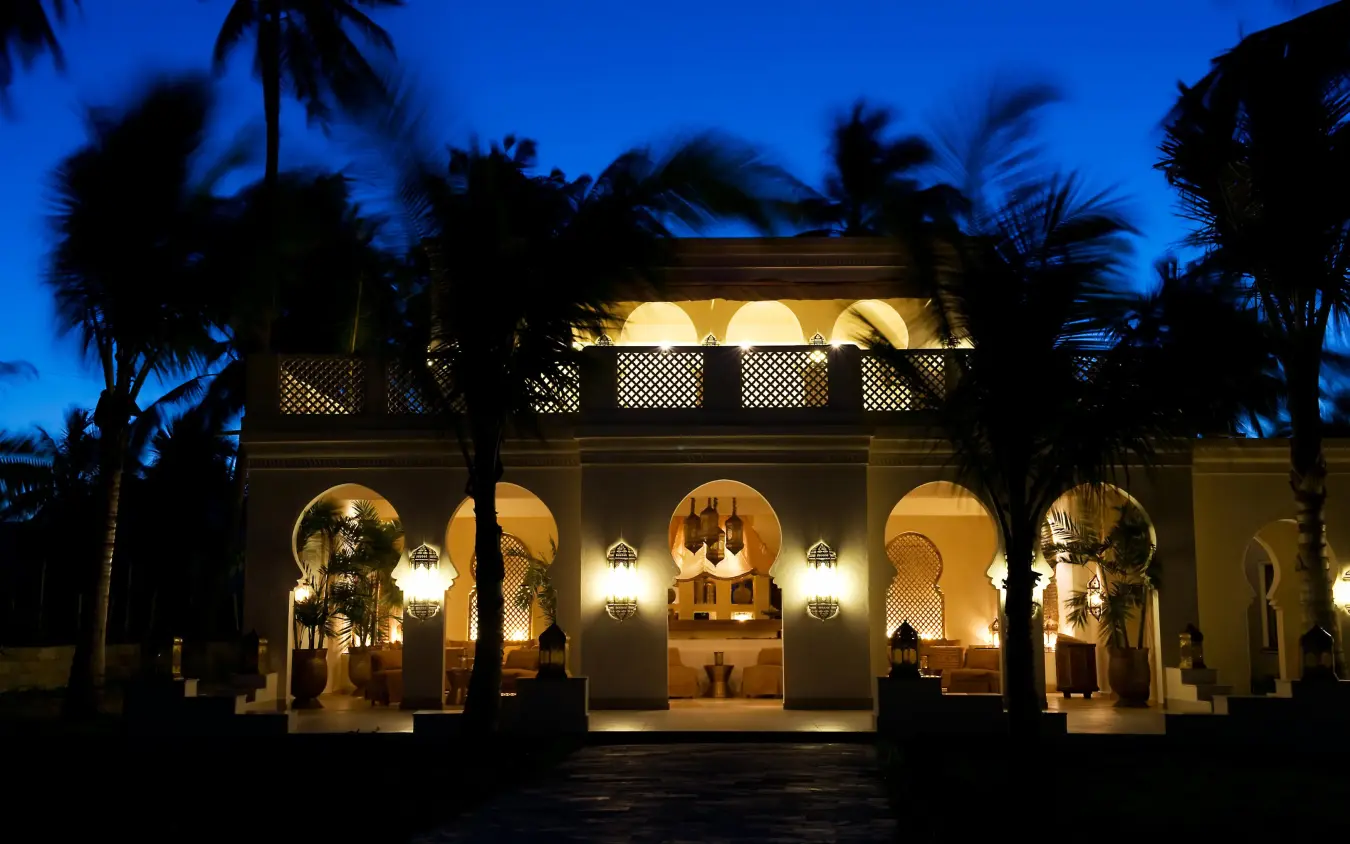
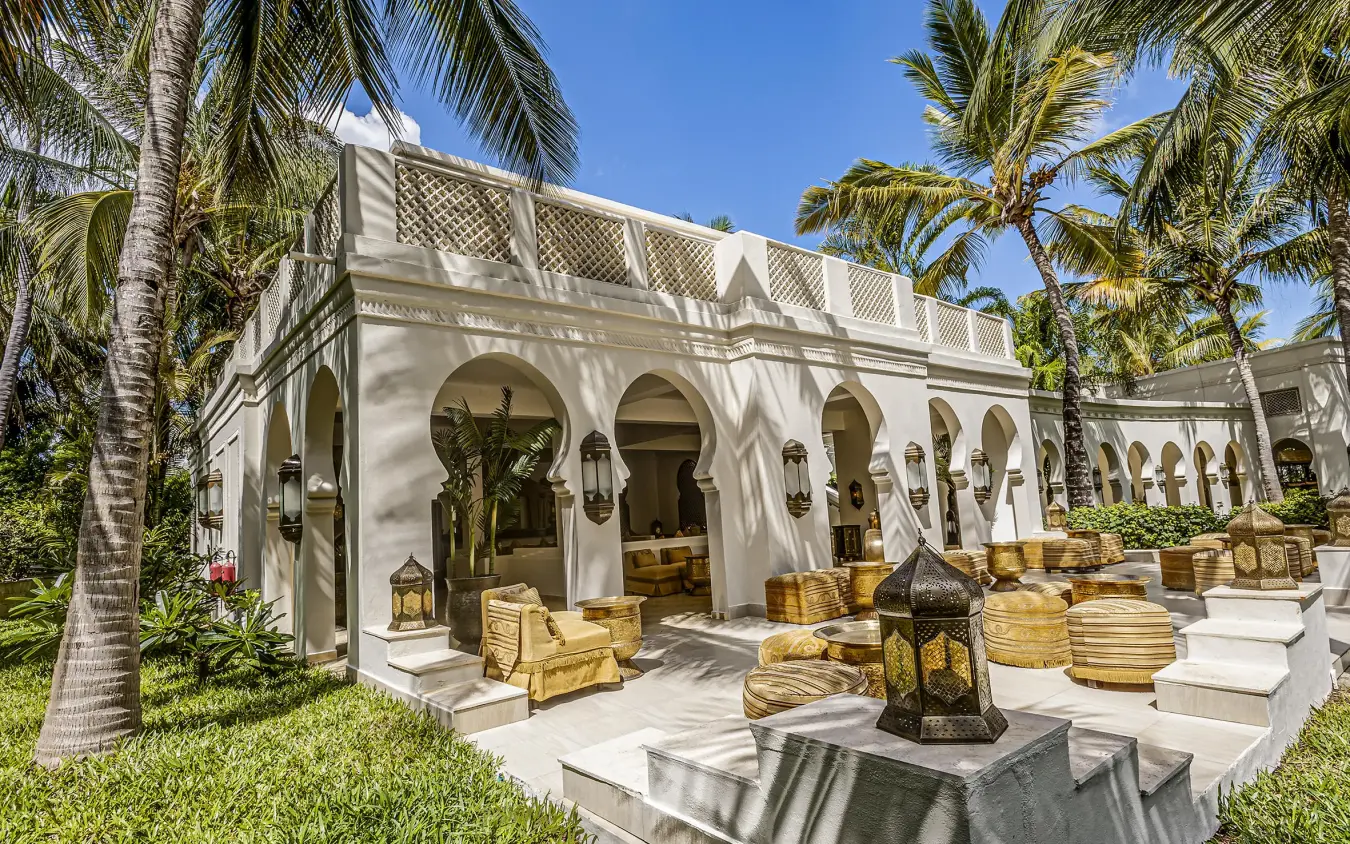
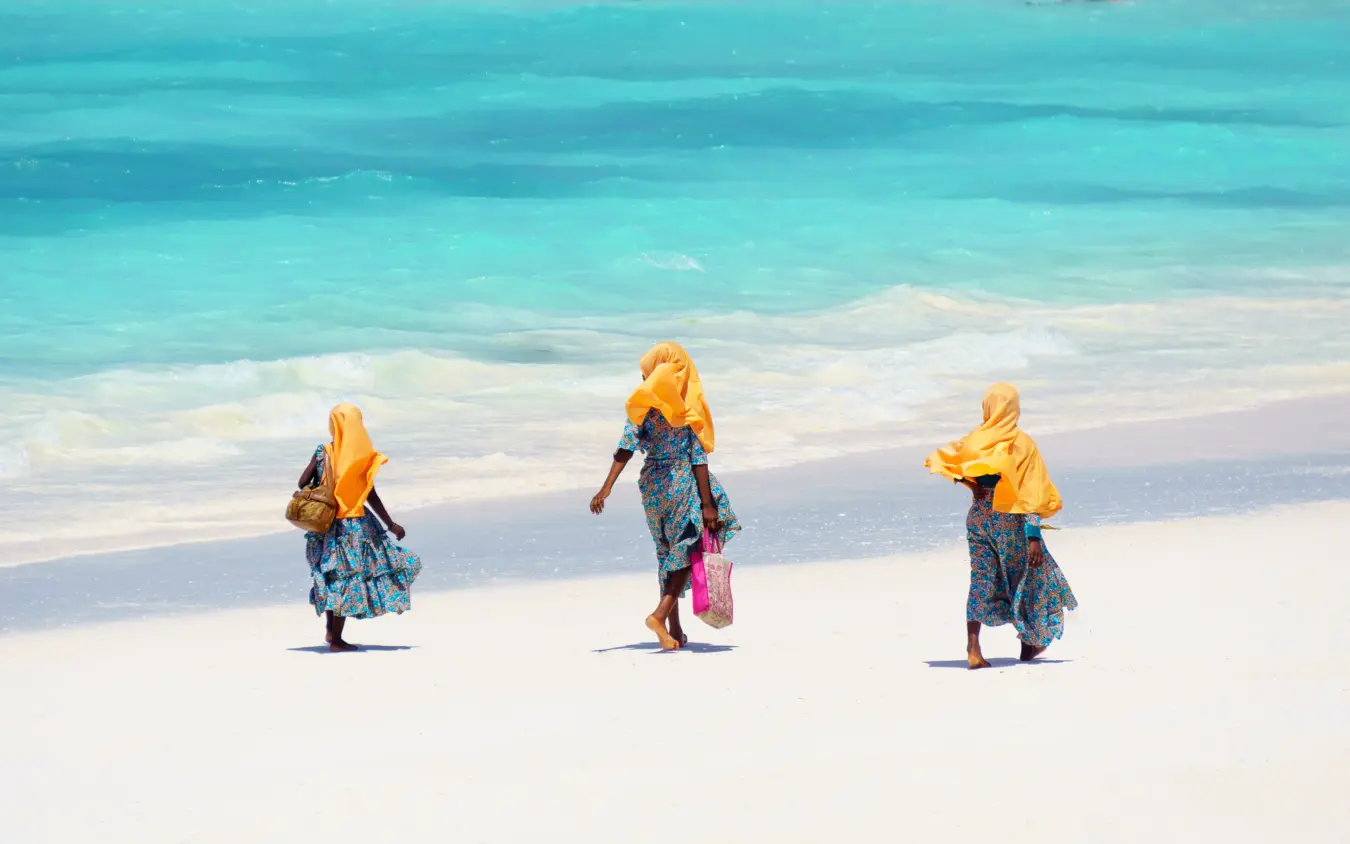
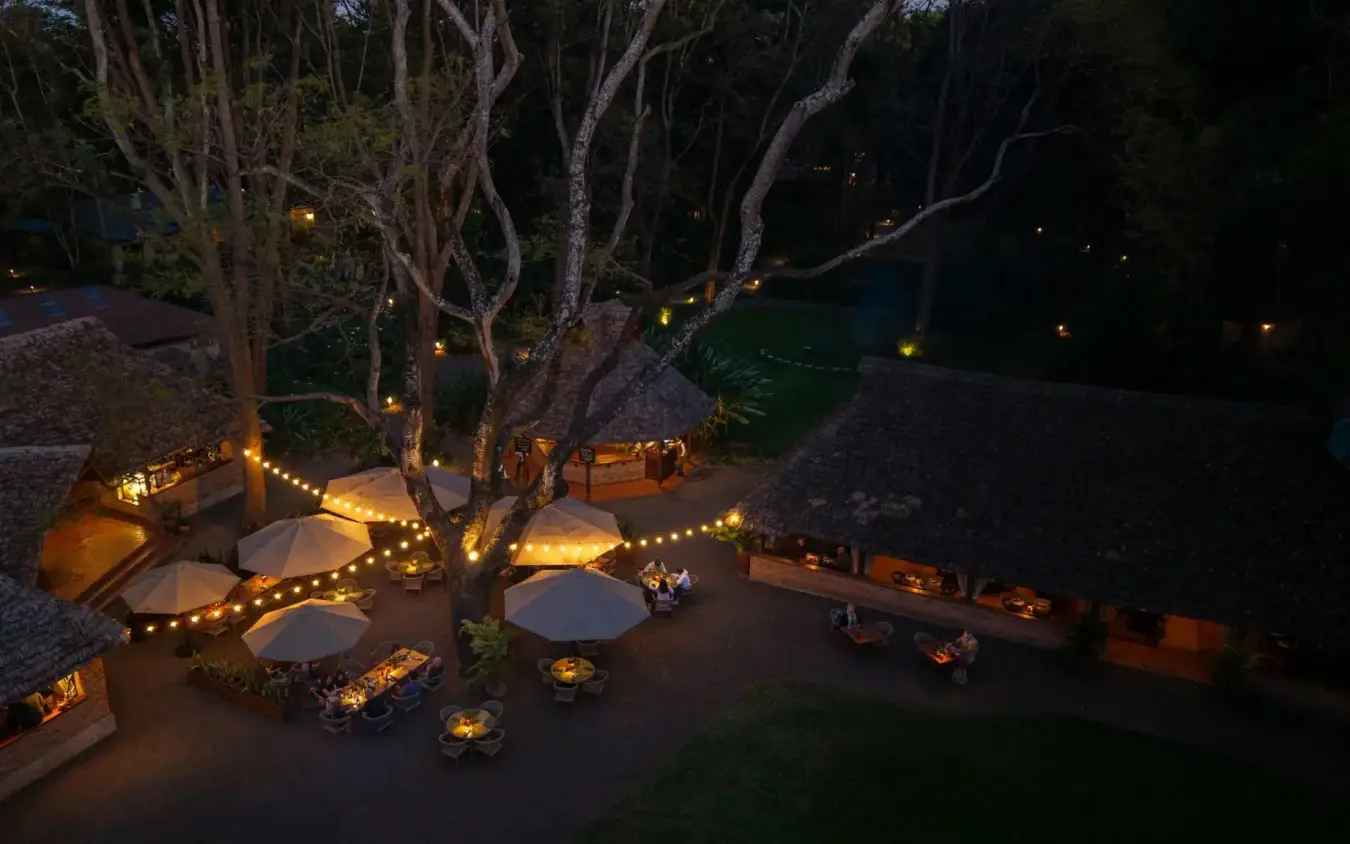
Five nights close the trip on Zanzibar's southeast coast, where Bwejuu Beach runs long and quiet behind coconut palms. The barrier reef breaks about a kilometre offshore, and when the tide drops the lagoon empties into rock pools of starfish, sea urchins and crabs that local guides walk you out to see. Swimming, kitesurfing, sailing and diving fill the high water. Breezes was built in Swahili-Omani plantation style, with makuti thatch over open-sided rooms, carved teak and four dining venues from the Salama dining room to a single table for two on the sand.
You can, and it is the reason most people pick this camp.
Each tent has a mesh walled section on its deck into which the bed rolls out, so there is netting and nothing else between you and the sky, and it rolls back under canvas if the weather turns.
The camp runs to nine or ten tents plus one or two family units, depending on which of its two sites it is standing on.
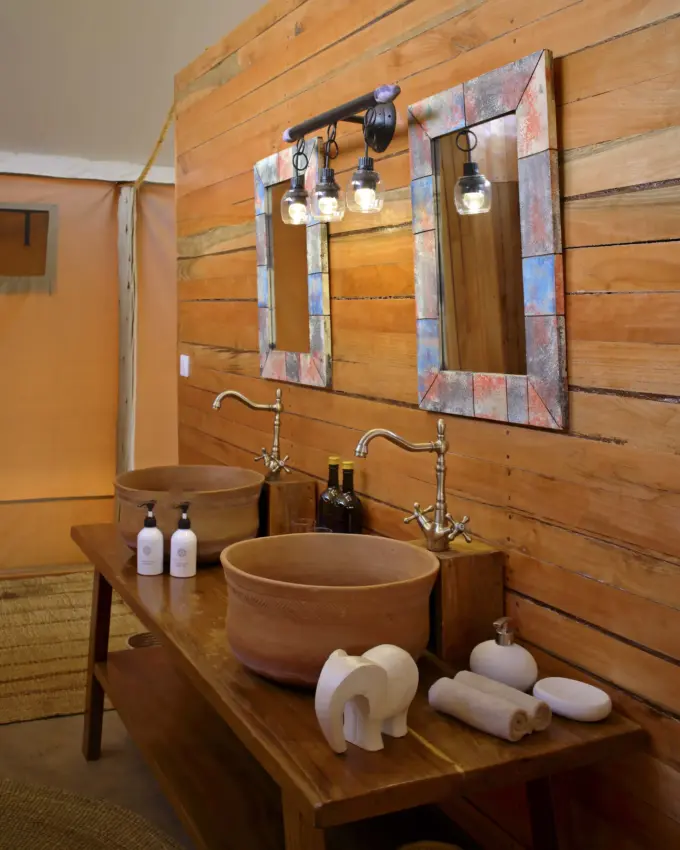
Bathrooms are en suite, with flushing loos and solar heated hot showers, there is battery charging and wifi, and the power comes off solar panels with a generator standing by. There is no pool and no air conditioning.
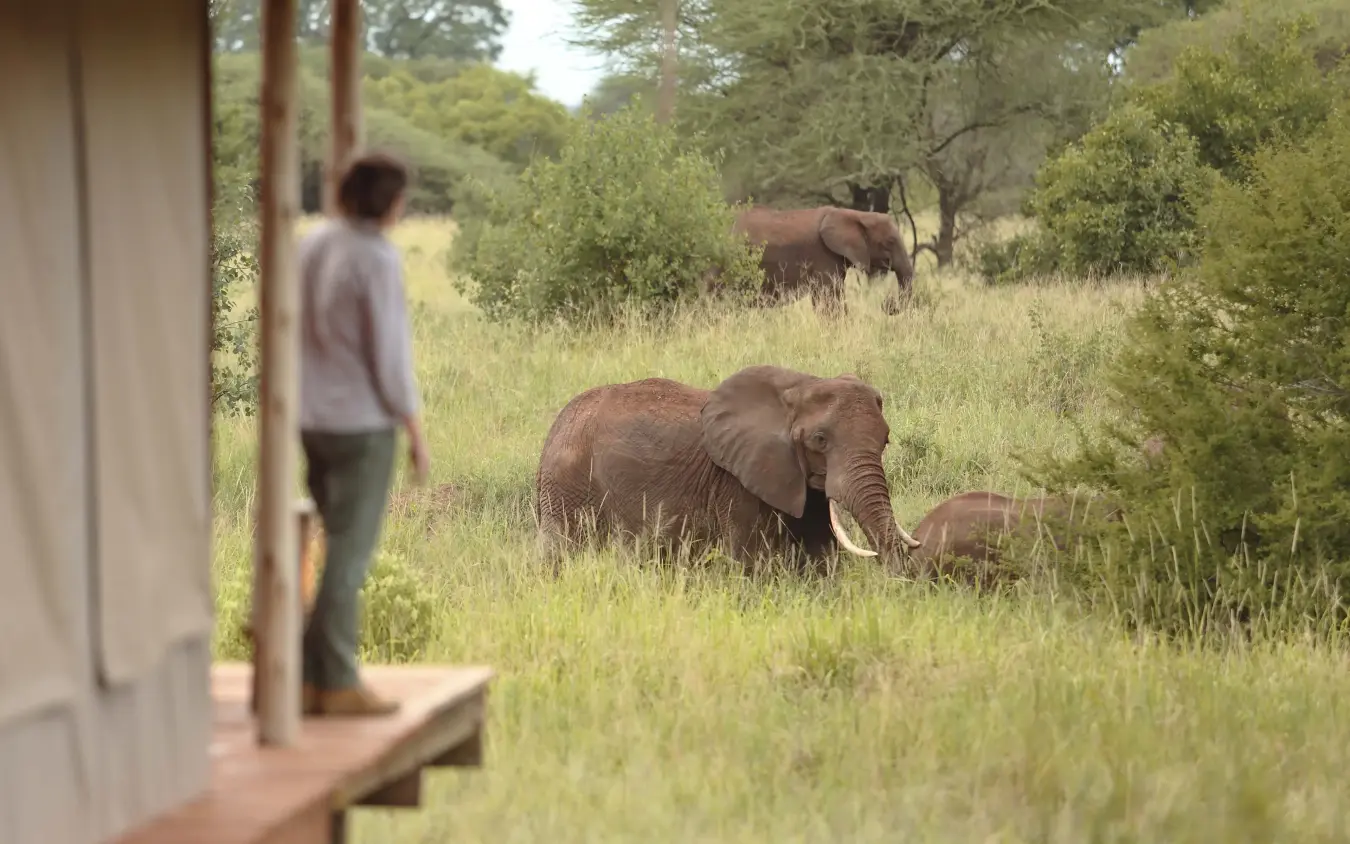
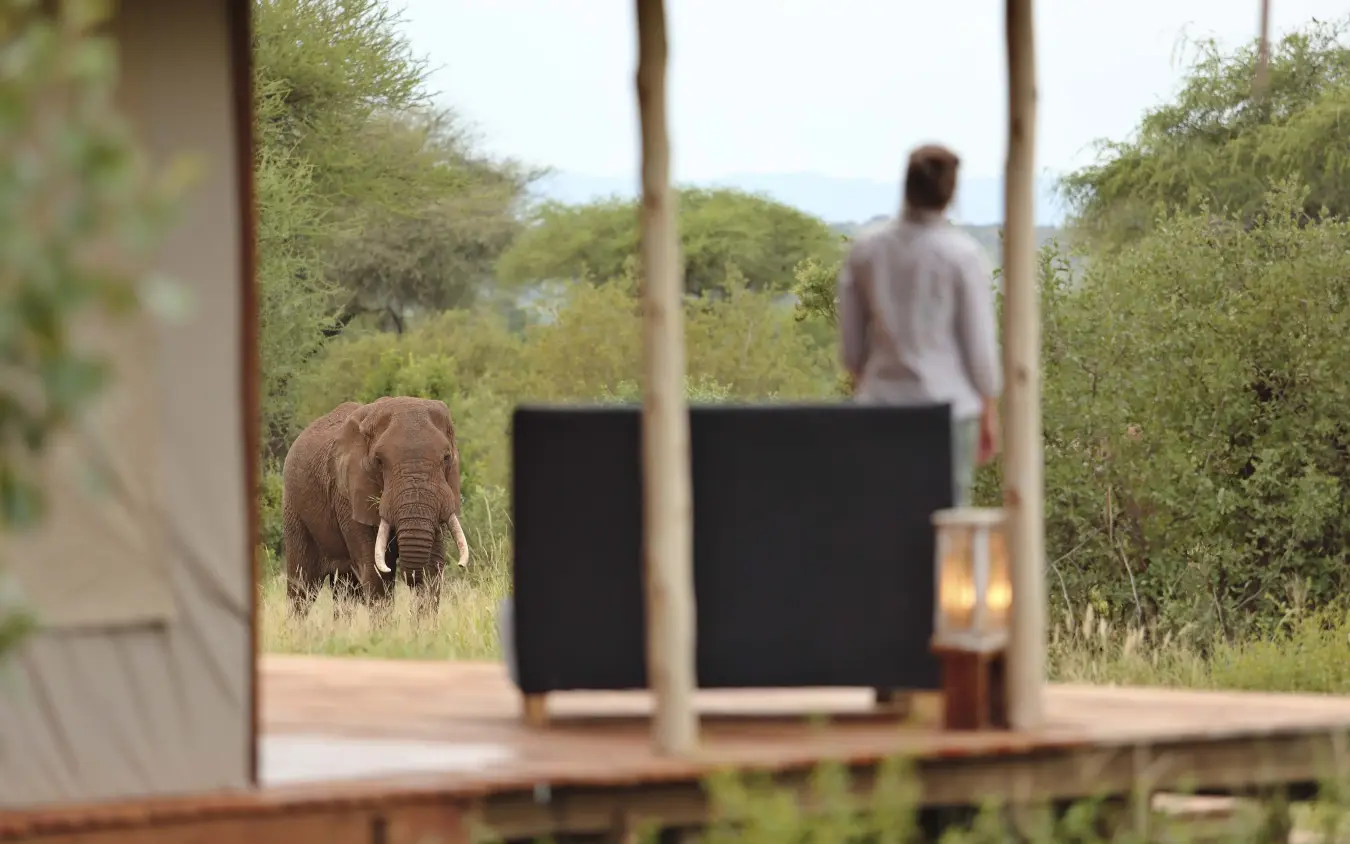
Nights are loud, because the camp stands among the animals rather than at a polite distance from them.
They are two different trips, and the camp moves between them.
From December to March it stands at Ndutu on the southern plains, where the wildebeest drop their calves inside a few weeks.
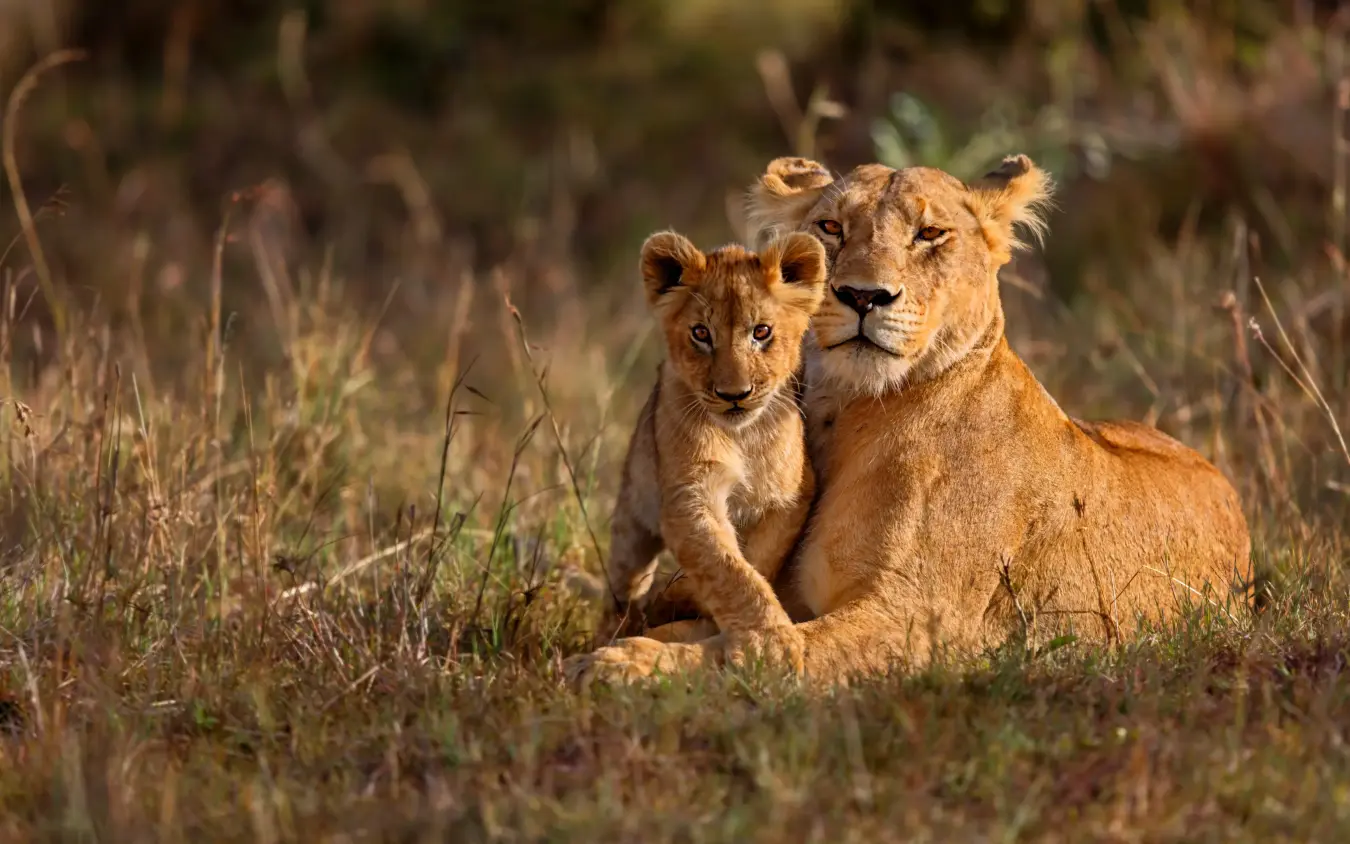
There are over 250,000 calves a year and eight to twelve thousand births a day in mid February, which is what draws lion, cheetah and hyena onto ground with no cover on it at all.
From June to October the camp is north near the Mara River, where the crossings begin in late July and continue into October, with the heaviest weeks in August and September. Nobody can promise one: a herd may wait on the bank for days, turn away, or go in where nobody can follow.
Calving is the steadier spectacle and crossings the more dramatic gamble. The camp is shut in April, May and November.
No qualification is needed.
The dive centre on the beach starts people from scratch, running entry level qualifications through to advanced and specialist ones, and it keeps groups to six divers a guide.
The reef here is a fringing one running some 65 kilometres down this coast and breaking about a kilometre offshore. The centre works a spread of named sites:
Snorkelling and the guided walks over the exposed reef at low water ask nothing of you at all. The water is at its clearest in the cool months from June to October, and roughest in April and May.
Two windows stand out and they give different holidays.
The first runs July to October, our highest rated stretch on every leg: by then Olakira has moved up to the Mara River, the plains have dried out, and the sea off Bwejuu has settled into its clearest months.
The second is February, when the calving is on at Ndutu and the coast is bright and settled.
December and January fall between the two, with fewer vehicles, birds down from Europe and the heavy skies photographers prize, set against game that is harder to place and calving that has barely started.
March is wetter across Tanzania. The camp itself closes for April, May and November, so those three are out whatever the weather, and April and May are also the roughest weeks at sea, when many dive centres on this coast shut too.
Road for the short hop and light aircraft for the long ones.
The first night is thirty five minutes by road from Kilimanjaro International, on the North Dolly estate. The Serengeti is then reached by air, landing at Ndutu in the calving months or in the north near the Mara River later in the year.
Zanzibar is about two hours' flying from the Serengeti, with a stop at another airstrip on most days, and Bwejuu lies across on the ocean side of the island.
The bag limit is what trips people up: 15 kilograms each, hand baggage counted within it, and a soft sided bag rather than a suitcase. A private charter can replace any leg, normally a Cessna Grand Caravan.
Most of it can move.
The five beach nights are the easiest to shorten or to swap for another stretch of coast, and any spare nights are best added in the Serengeti, where four at the river is already a fair run at a crossing and a fifth improves it.
What is fixed is the calendar. The camp stands at Ndutu only from December to March and in the north only from June to October, and it shuts in April, May and November, so your dates decide where you sleep rather than the other way round.
One thing worth knowing when you compare camps: in the calving months the site stands on Ngorongoro Conservation Area land, not inside the national park itself. The single Arusha night exists because most flights from Europe land late.
Ed Charles, BBC Producer
Fitzroy are true specialists in accessing the wilderness. They know where to go and importantly, when to go there. Highly recommended.
tanzania
Two nights in Tarangire, a full morning on the Ngorongoro Crater floor and three nights under canvas in a camp that moves with the herds.

kenya & tanzania
Fourteen nights from Nairobi's park and a Mara balloon flight to nine nights at Kendwa Beach on Zanzibar, for families with children from eight.
tanzania
Ten nights linking Ruaha's escarpment game drives with the coral reef and Swahili coast of Zanzibar.
rated five stars by our clients

our approach
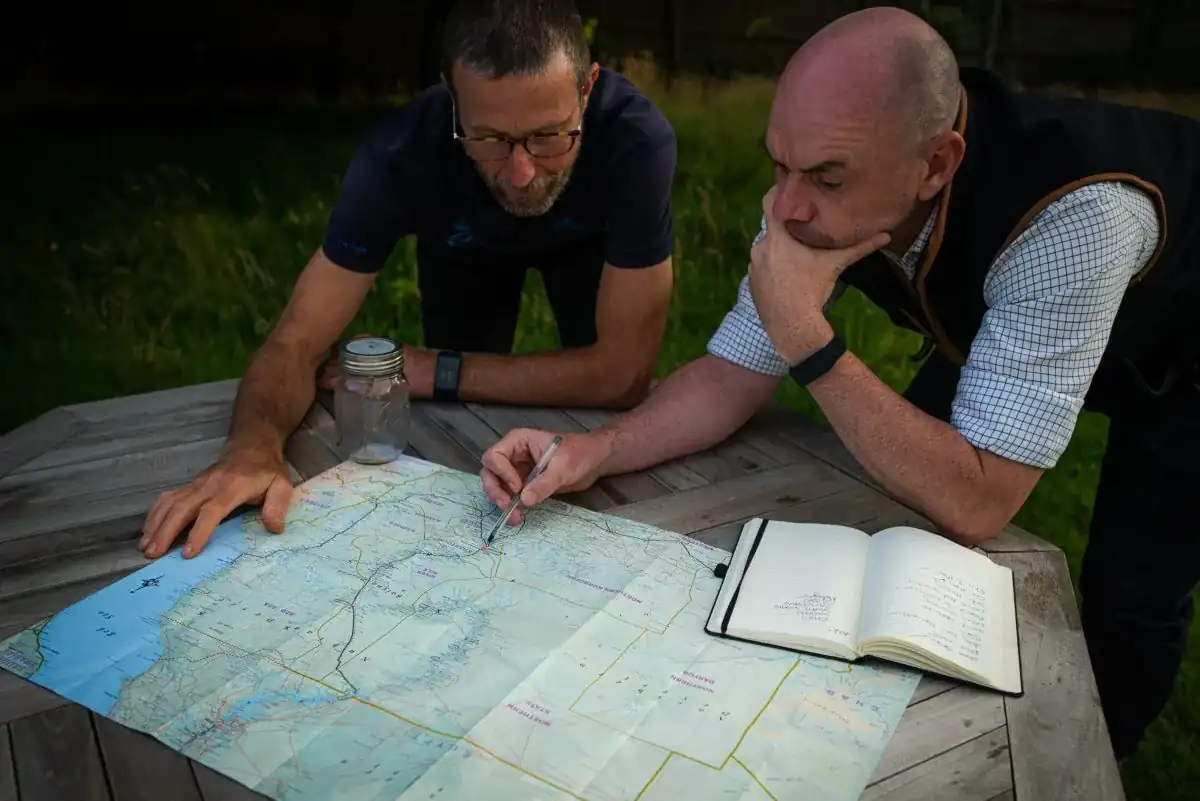
Every journey starts with a conversation. We take the time to understand your vision before we start planning.
Whether by phone or in person, we work with you directly to shape something that is considered, personal, and expertly delivered.
Every journey starts with a conversation. We favour a direct, personal approach: understanding your vision before anything else.
Whether by phone or in person, we work with you directly to shape a journey that is both thoughtfully considered and expertly delivered.
Get in touch to start planning yours.