









rwanda
gorillas and the shores of lake kivu
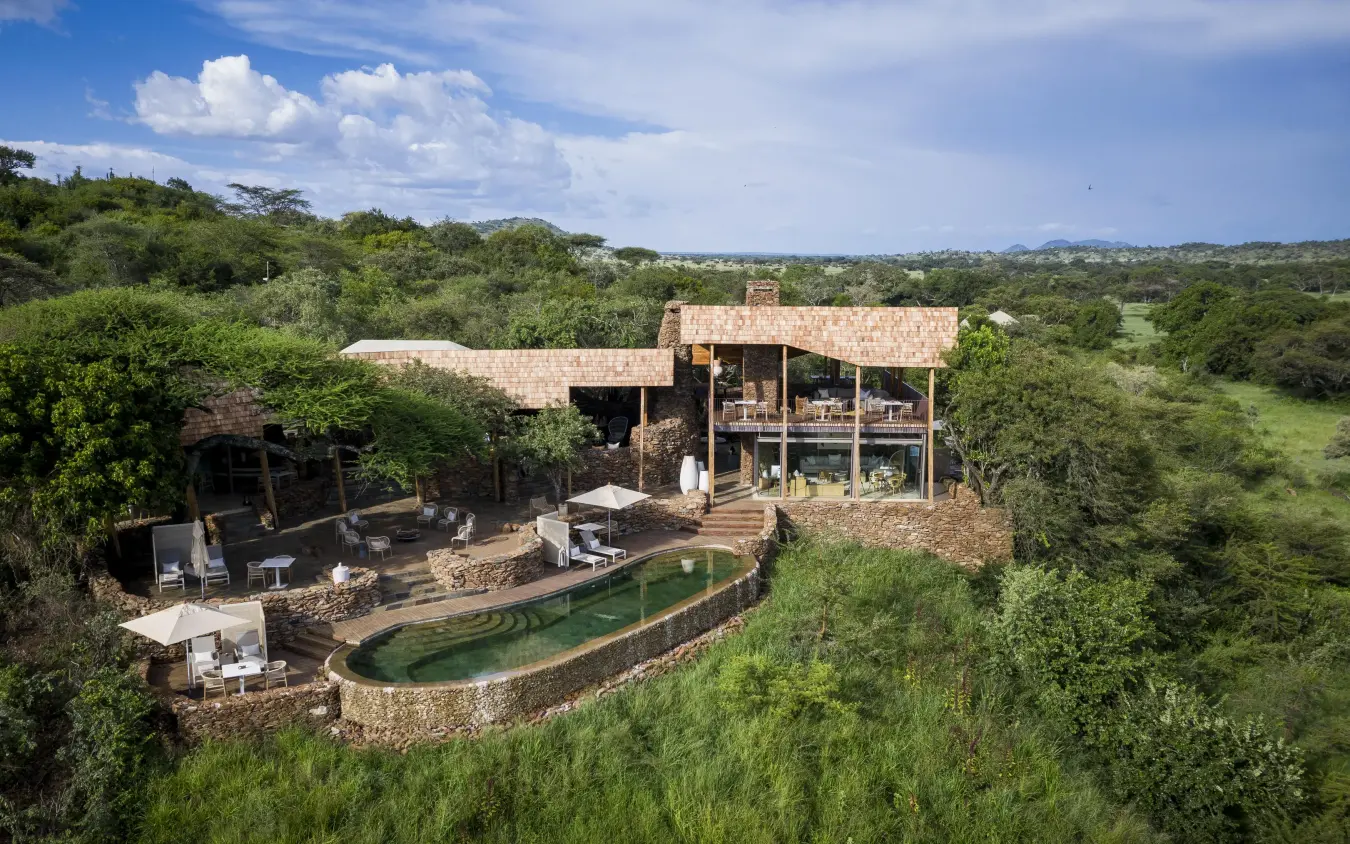
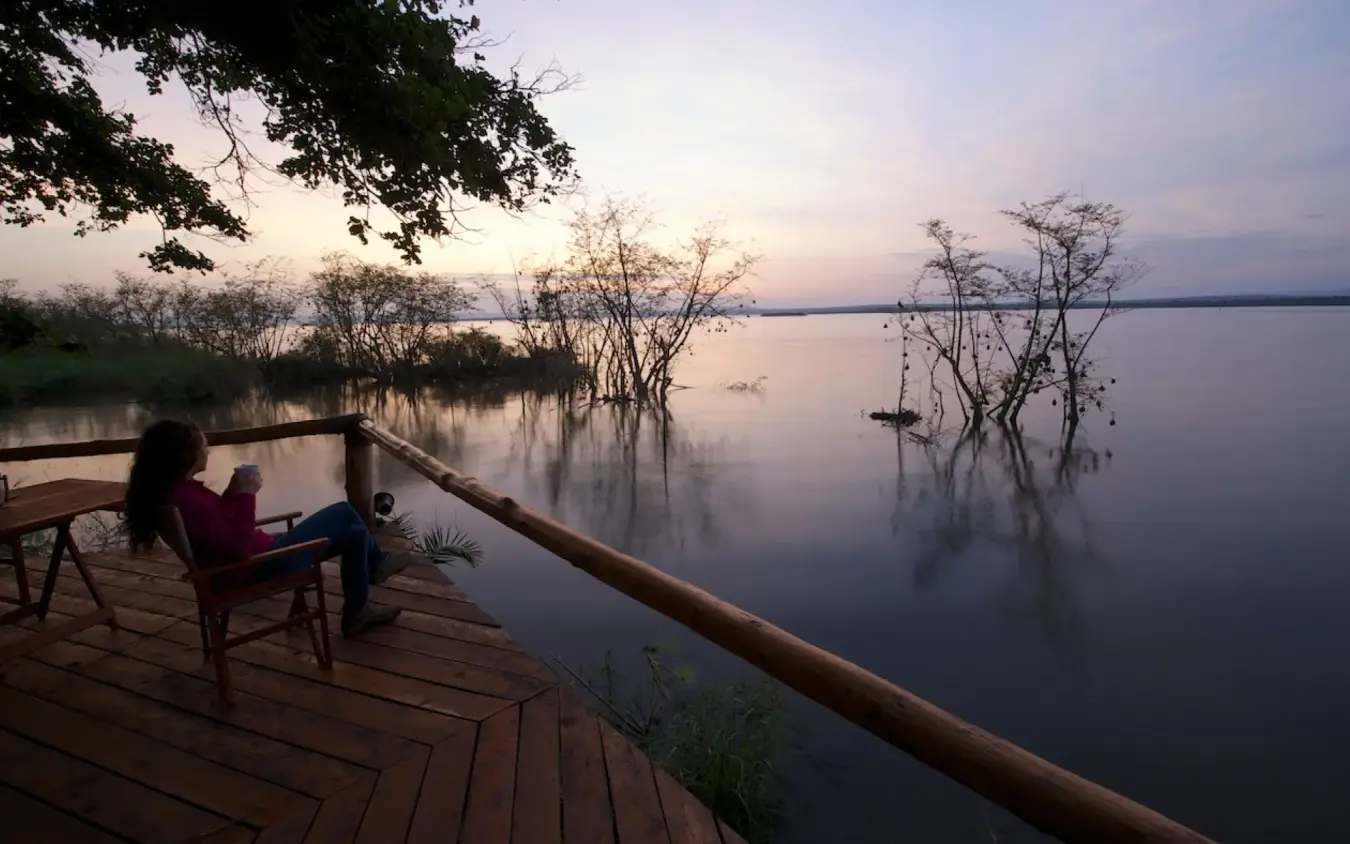
Twelve nights across Rwanda, from Akagera's savannah to Nyungwe's rainforest, Lake Kivu and the mountain gorillas.
- Private Safari
- From $13,135 pp
- 2 guests
- 12 nights
Three countries over 14 nights, beginning in Kigali, Rwanda’s clean and orderly capital. The route climbs into Volcanoes National Park for the mountain gorillas, crosses to the northern Serengeti where the plains run toward the Mara River, then reaches the Maasai Mara’s Mara North Conservancy and its predators. It ends in the Chyulu Hills, where safaris are ridden below Kilimanjaro, with a final night in Nairobi.
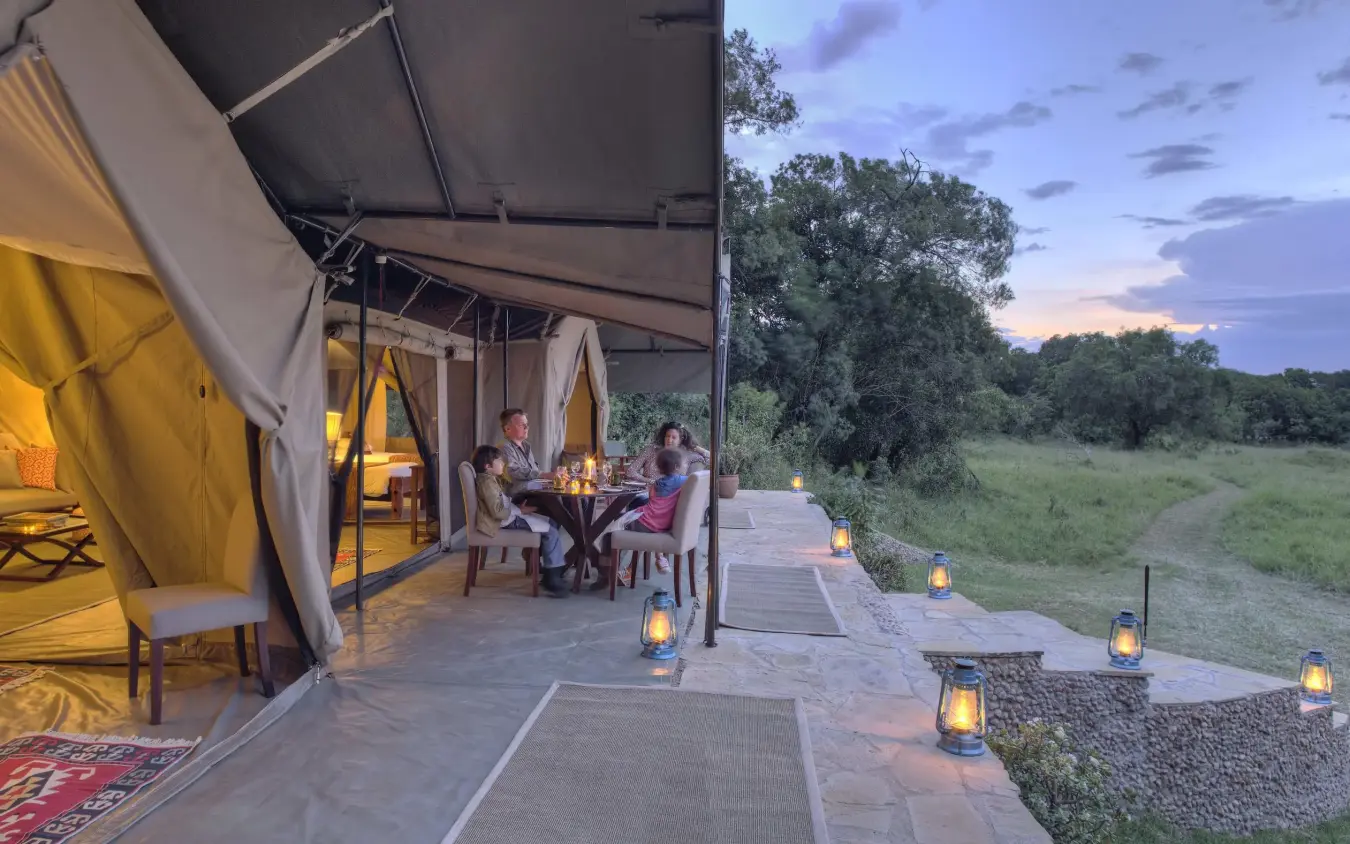
You travel by a mix of road and air transfers, with private driver-guides and 4x4s. Days hold gorilla trekking, guided walks, game drives and horseback riding, at a pace set by the season. The accommodation runs from an established city hotel to a ridge-top lodge, a mobile walking camp, a small conservancy camp and a hosted farmhouse, each chosen for its place.
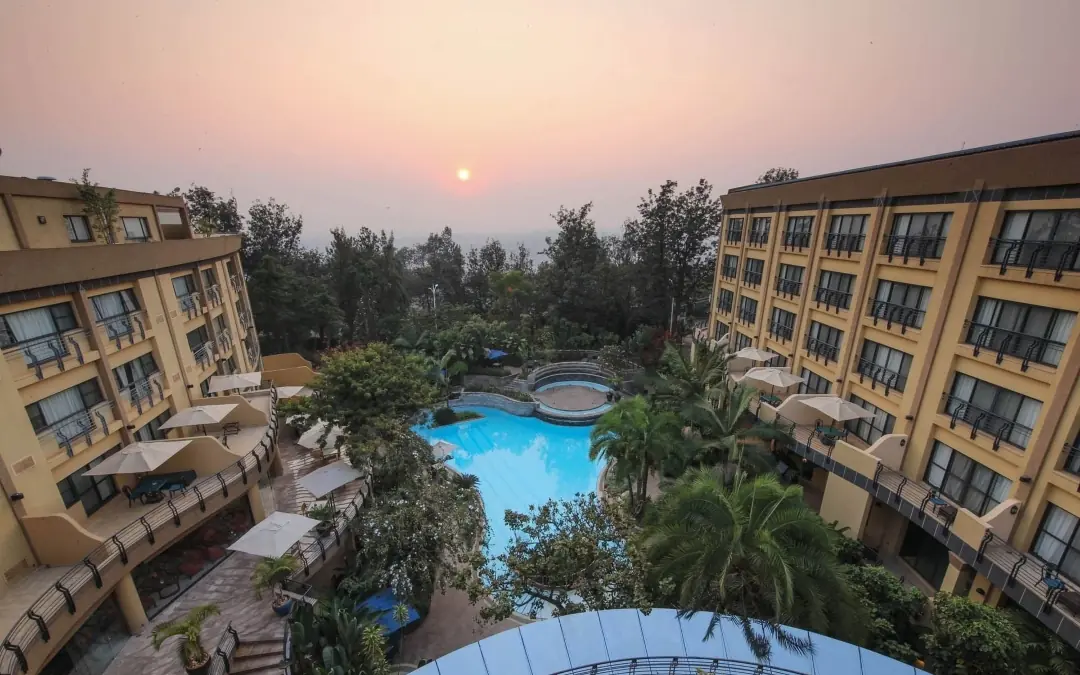
Kigali spreads across ridges and valleys at the centre of Rwanda, a clean, orderly capital of memorials, markets and arts. A single night settles you after the flight, with the Kigali Genocide Memorial at Gisozi and the textile stalls of Kimironko Market within an easy drive by private driver-guide. Set on Boulevard de la Révolution, the Kigali Serena Hotel is the city's established five-star address, built around a polished granite atrium of Rwandese art and roughly twenty minutes from Kigali International Airport.
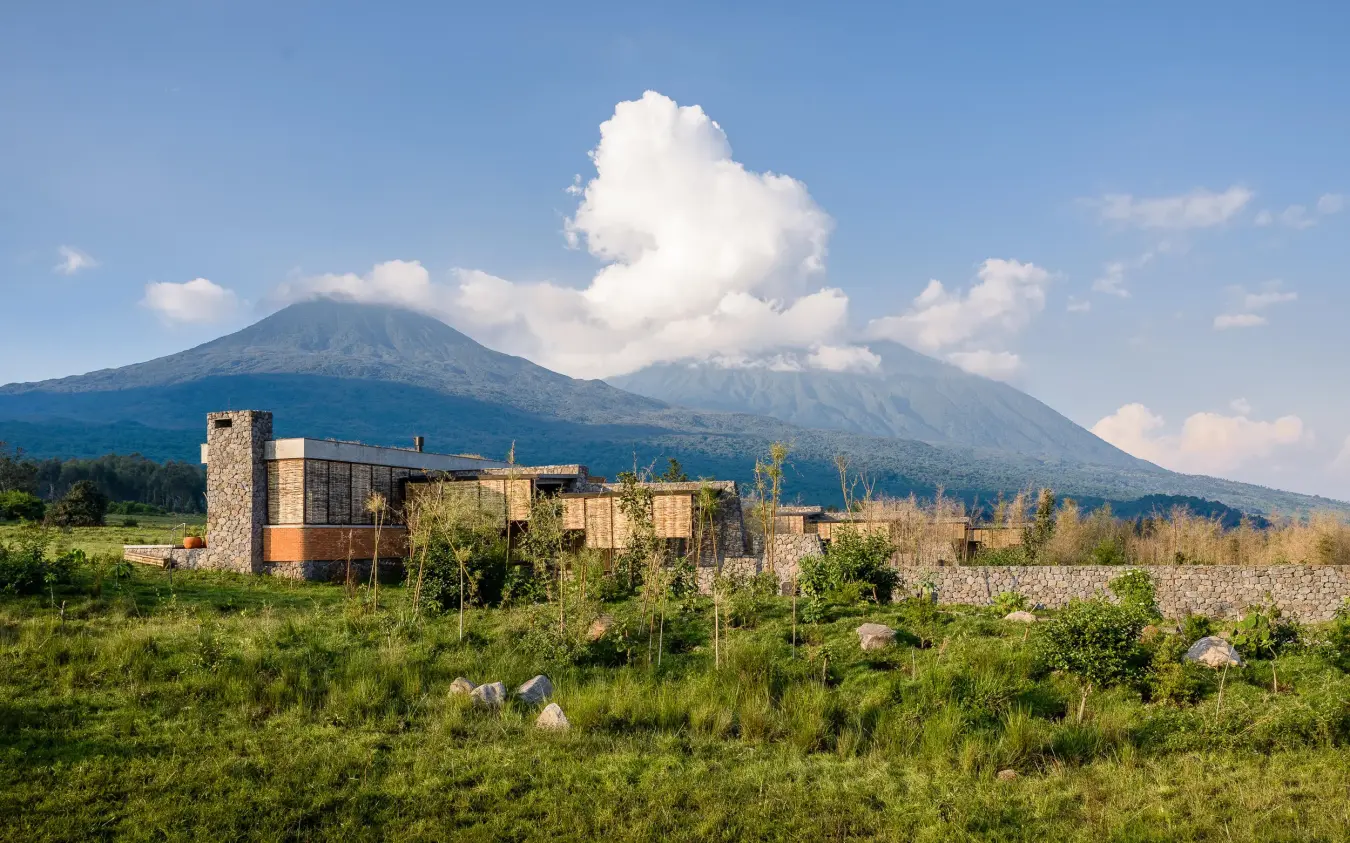
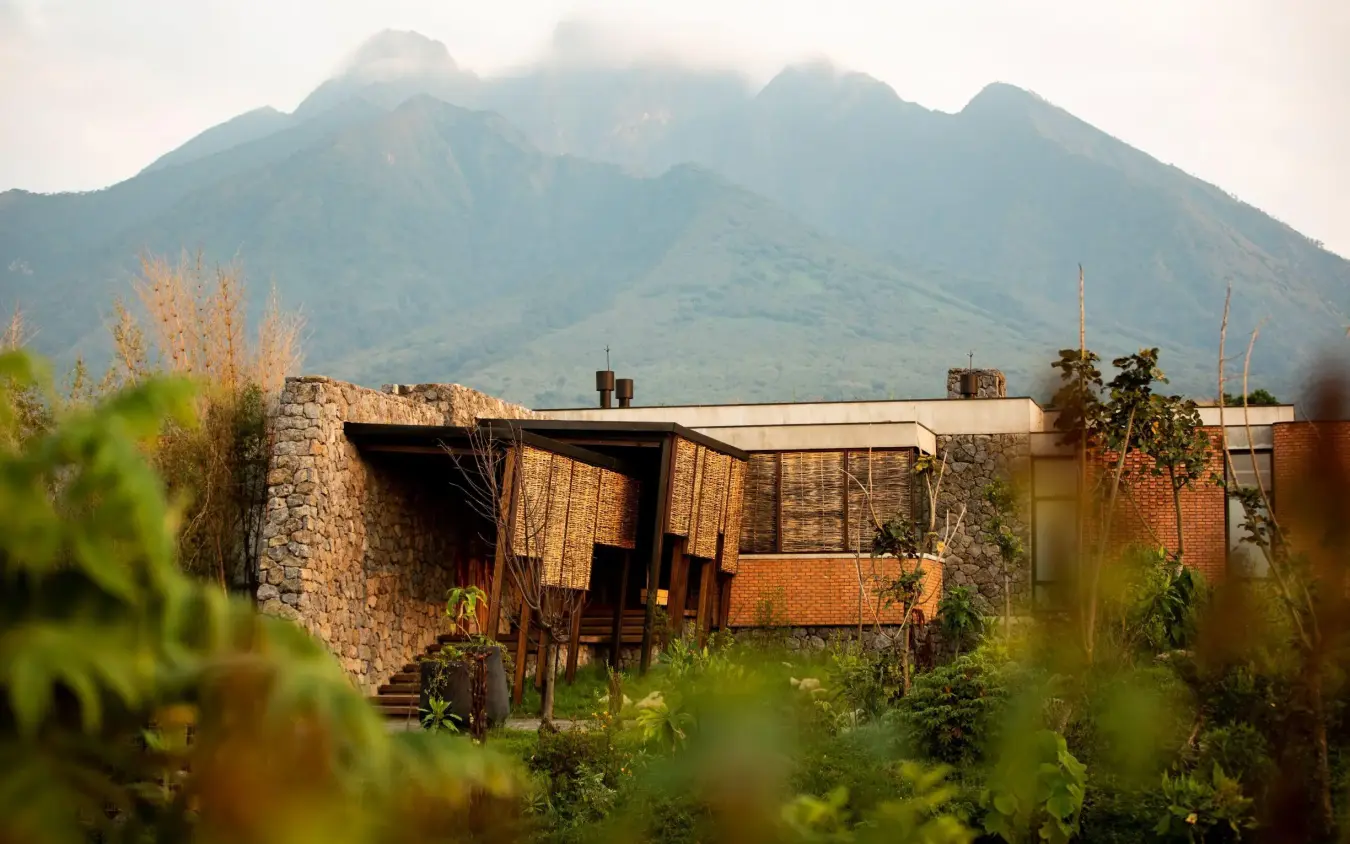
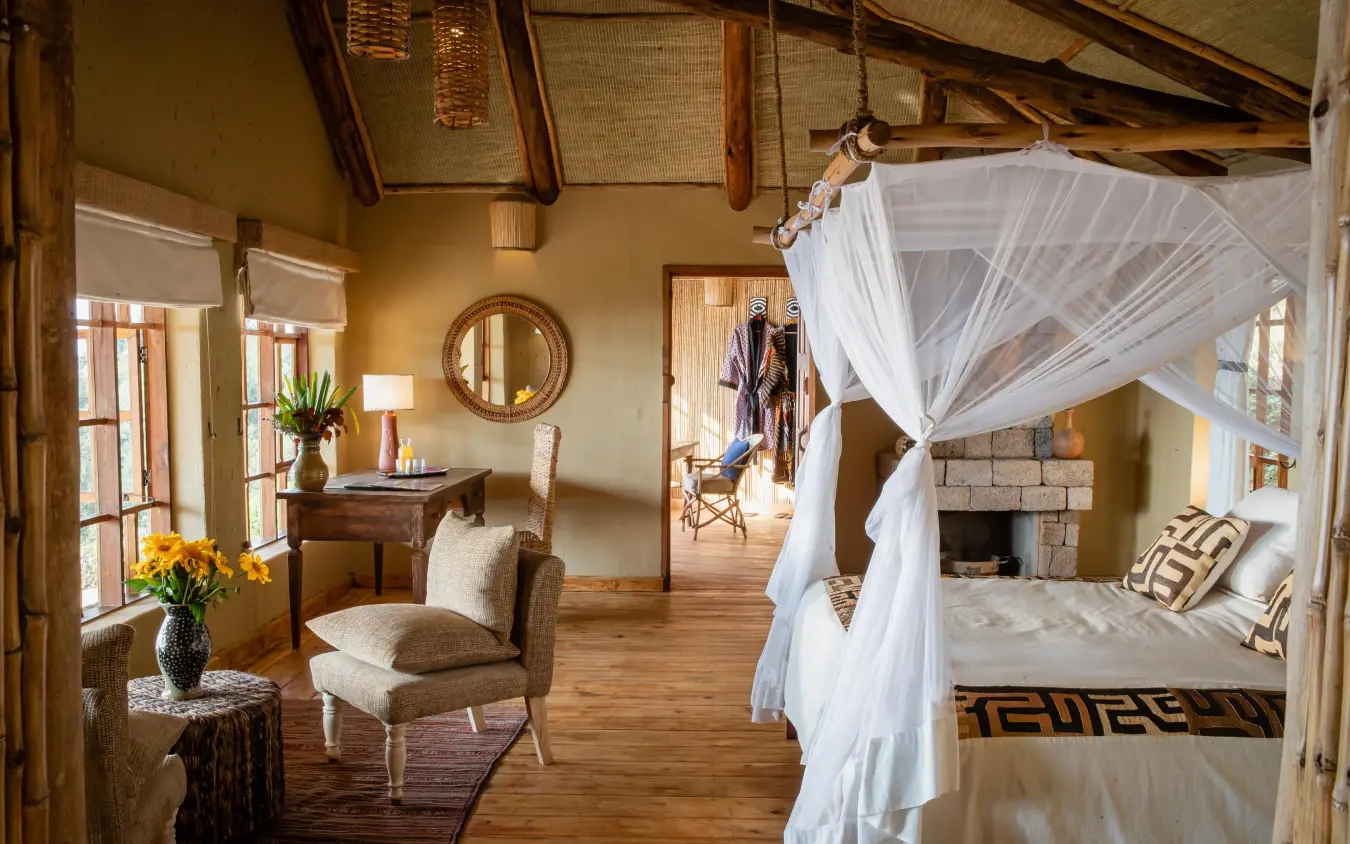
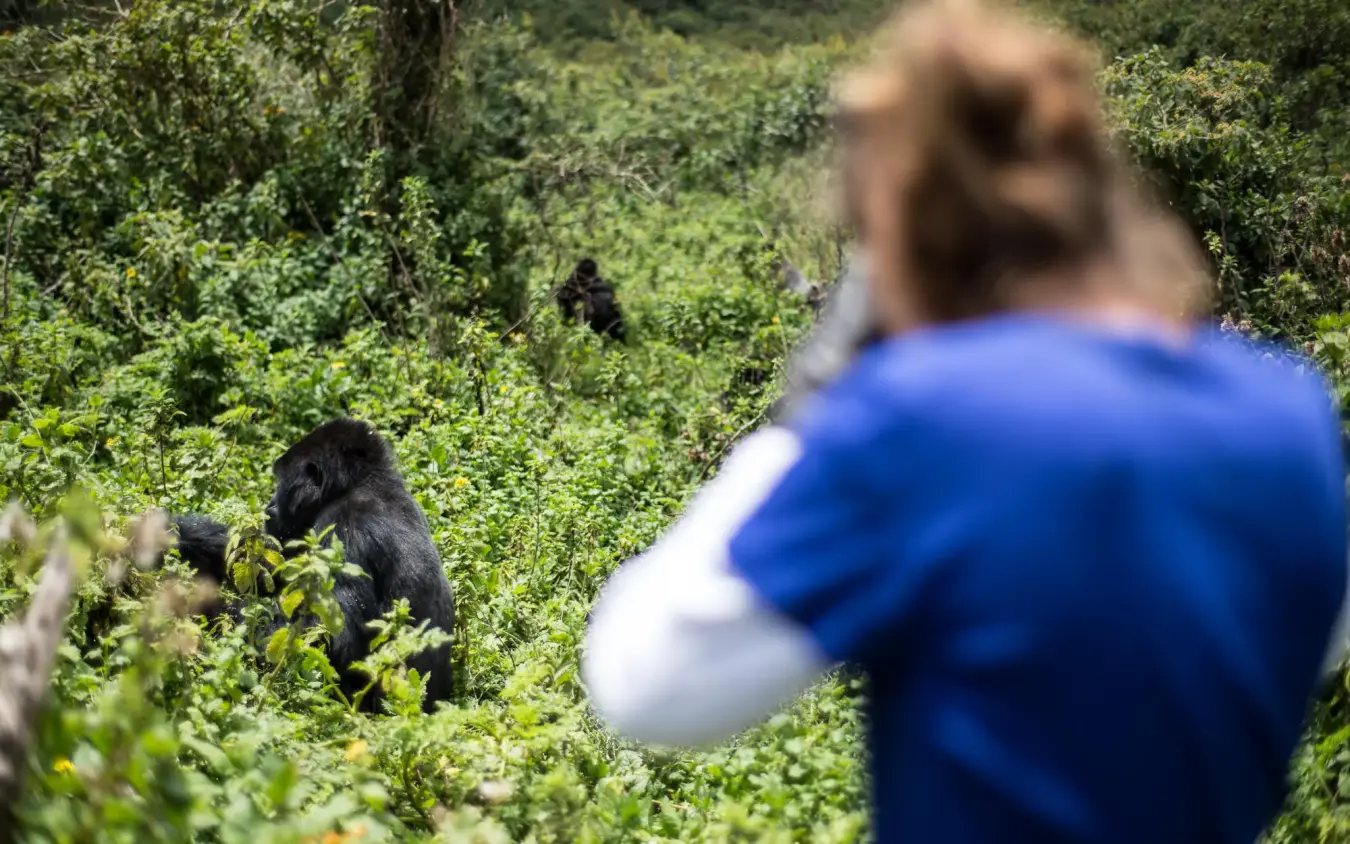
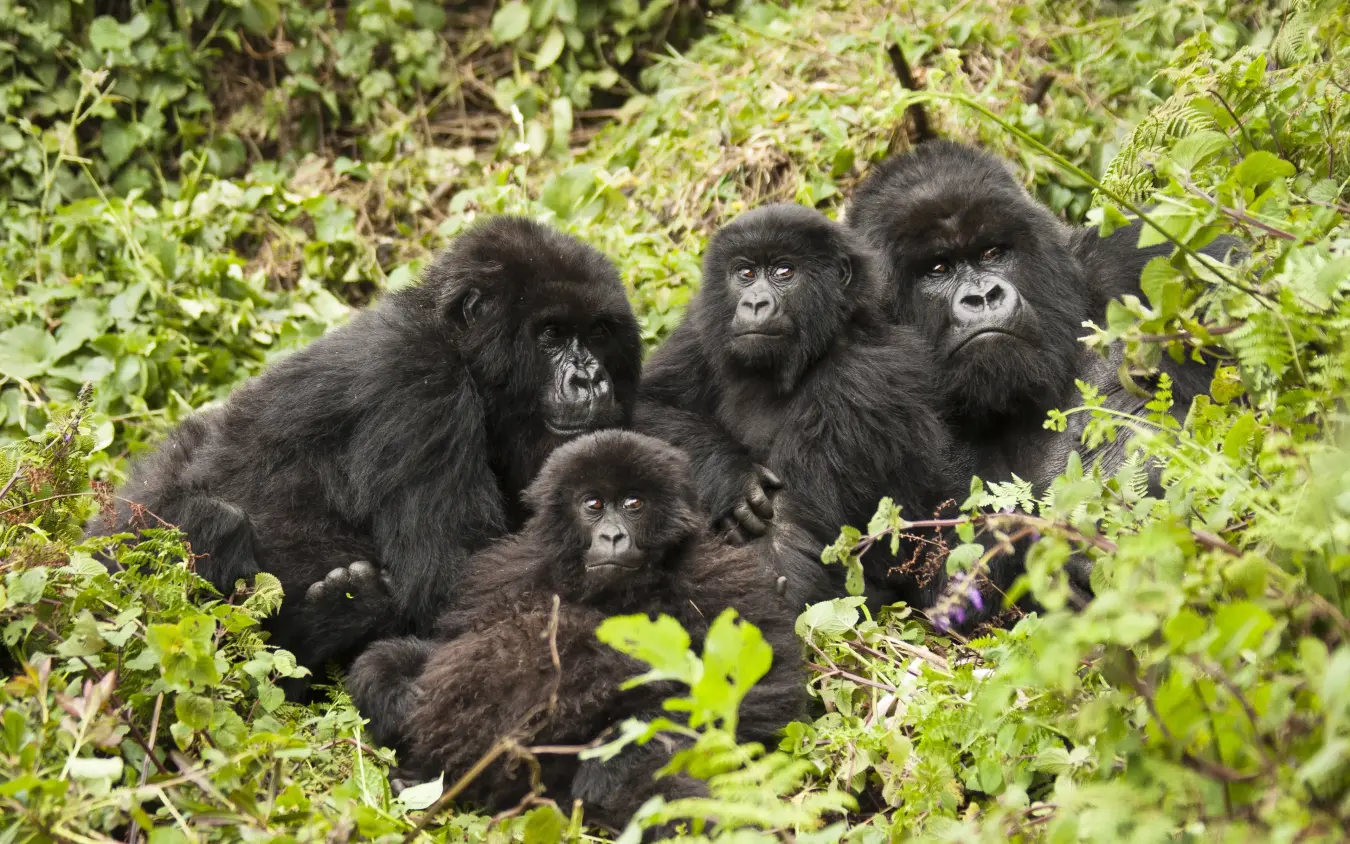
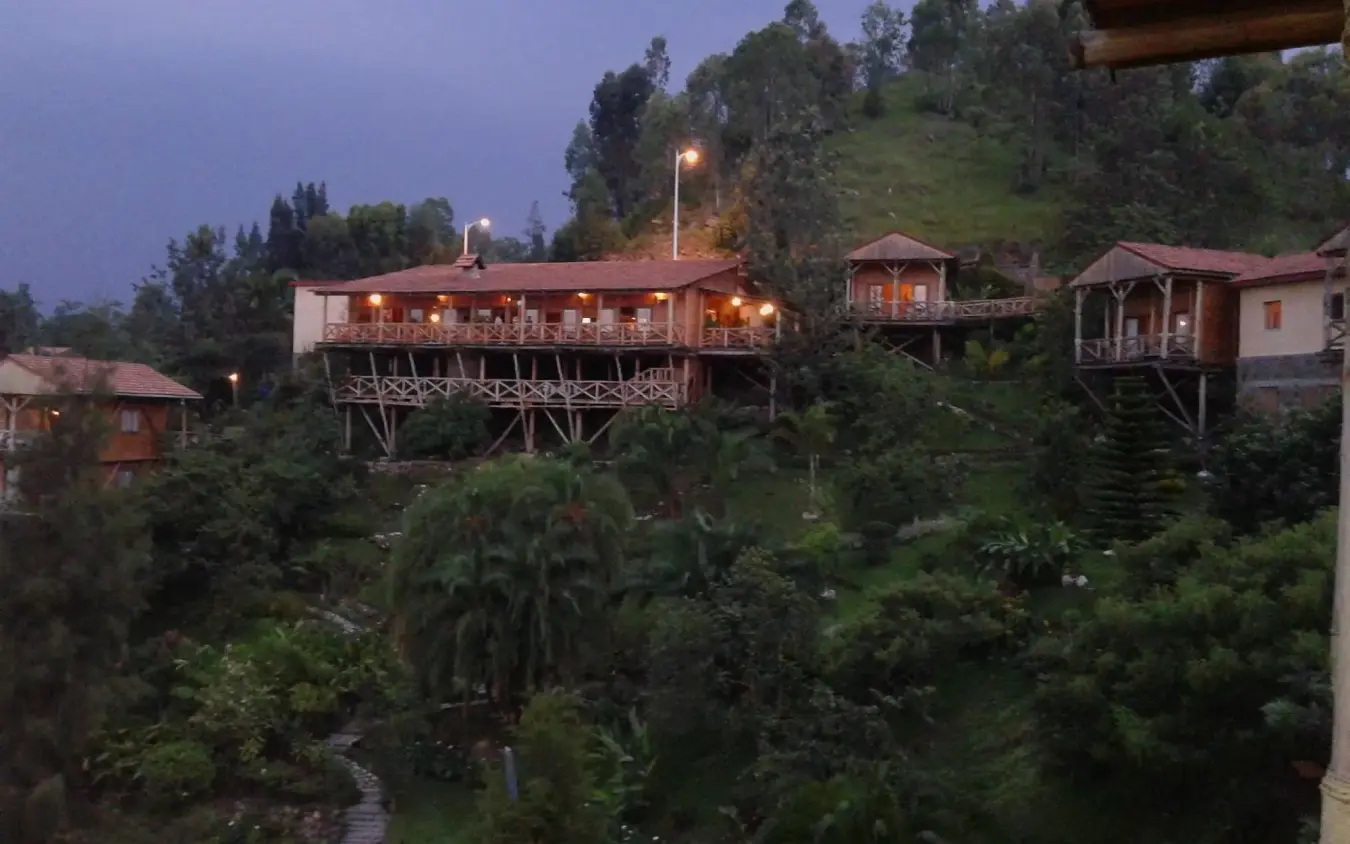
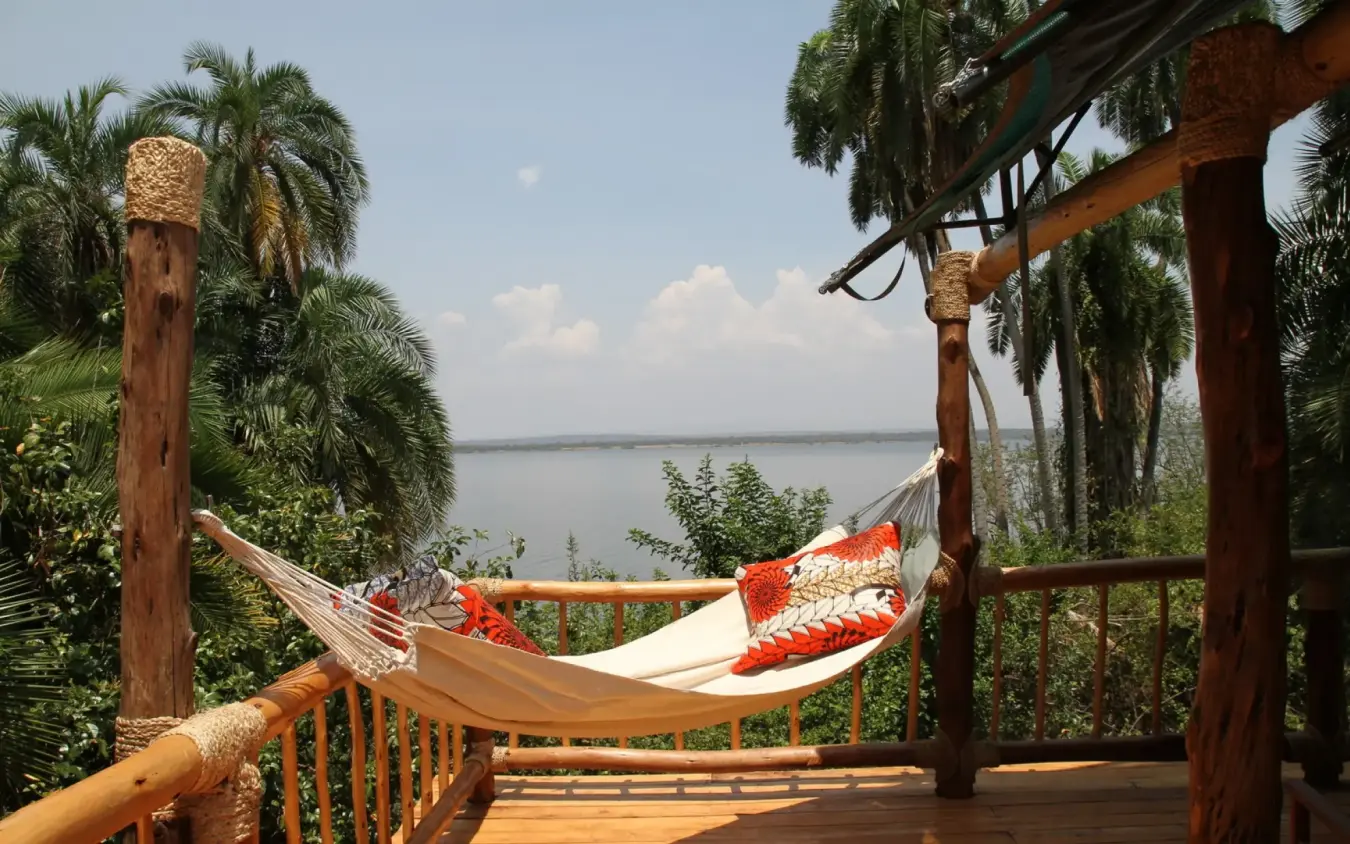
From Kigali you travel northwest into the Musanze District and the rainforest of Volcanoes National Park, home to Rwanda's mountain gorillas. Trekking begins at Kinigi Park Headquarters, where groups assemble by 7am before climbing through farmed foothills and forest; a permit grants one hour with a habituated family, and a trek can run from two to seven hours depending on where the gorillas have moved. Golden monkeys, endemic to the Virunga region, also live here. High on a ridge between Lakes Bulera and Ruhondo, reached by a drive of around an hour from the park headquarters, Virunga Lodge looks west to the volcanoes, its ten hand-built bandas each with a private terrace.
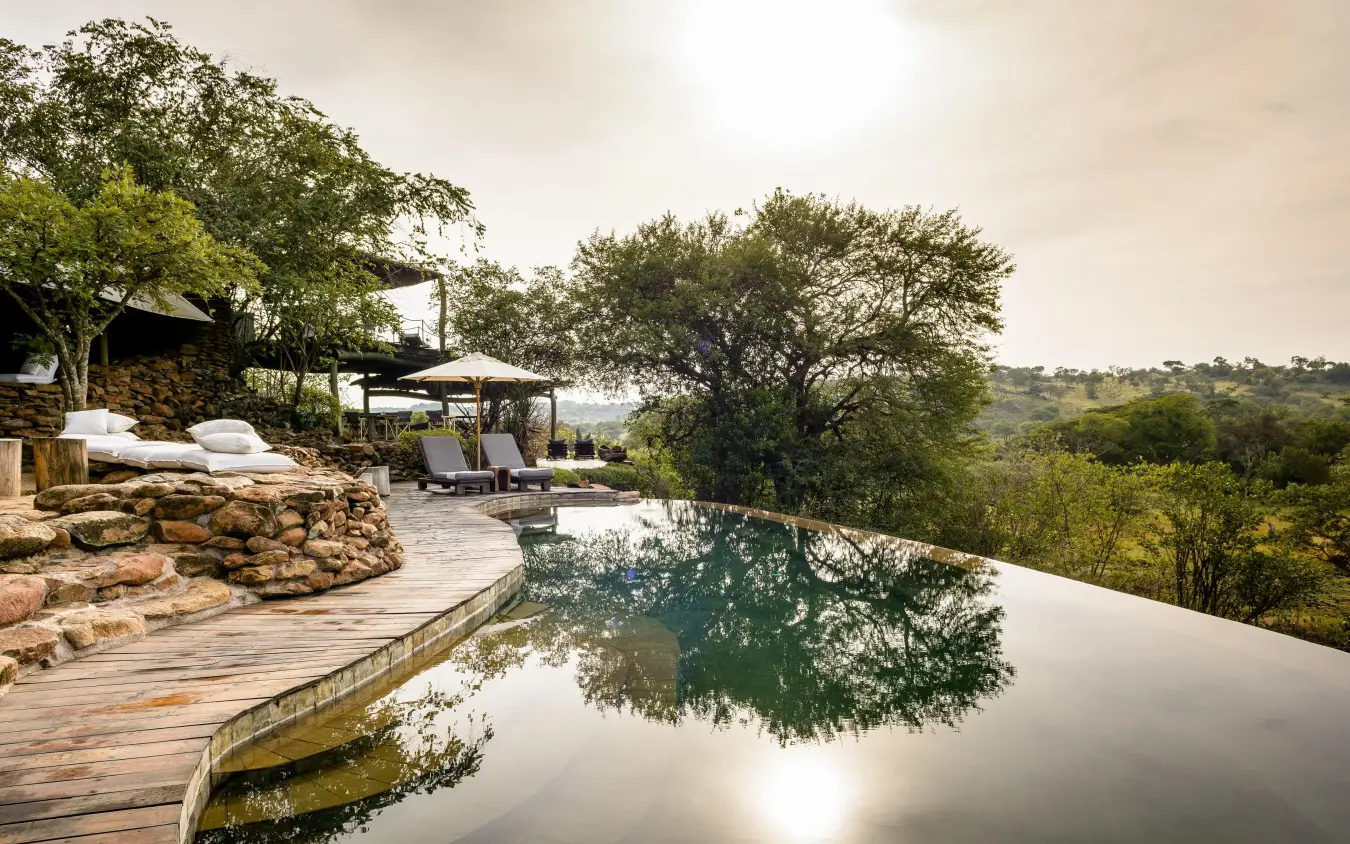
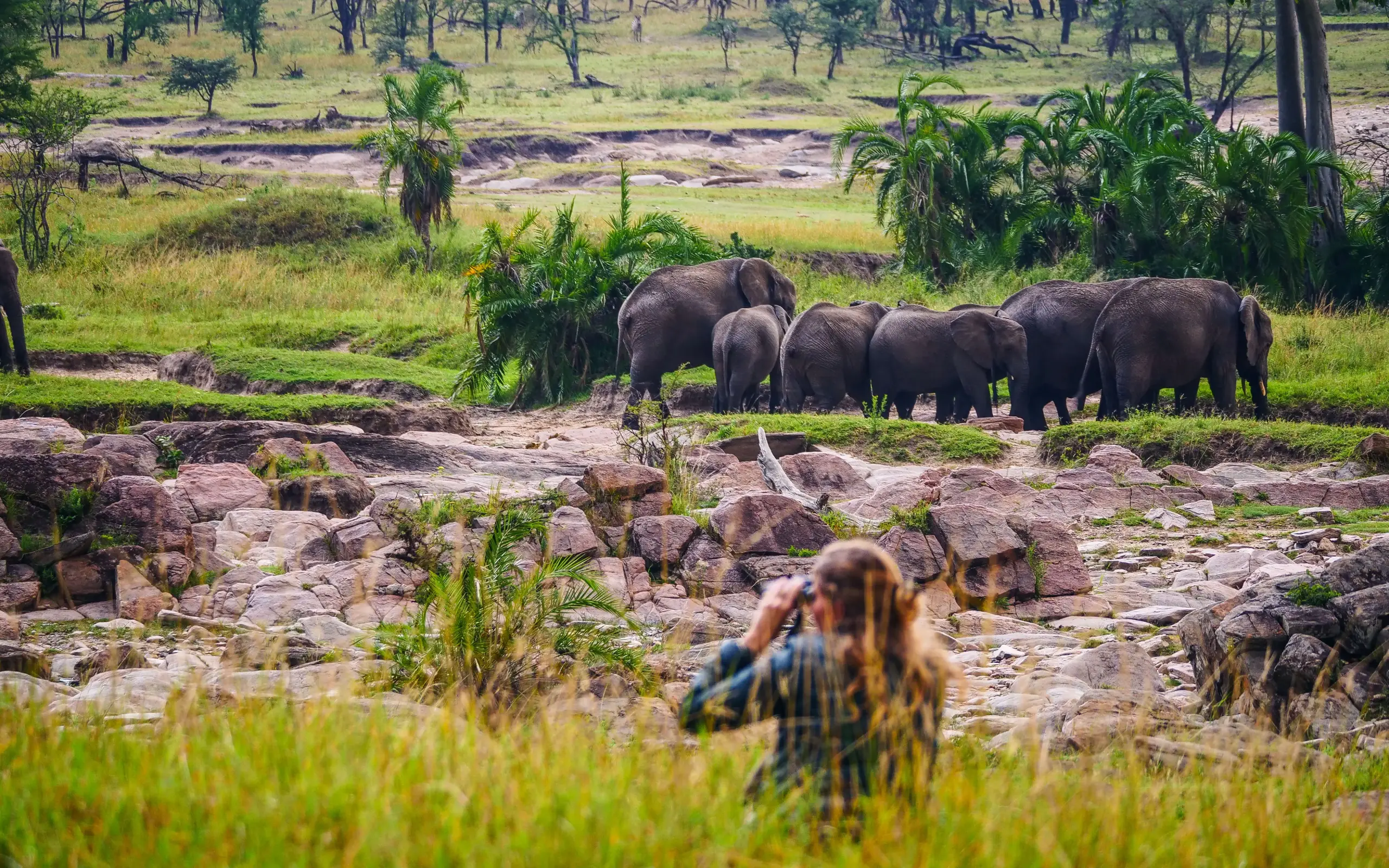
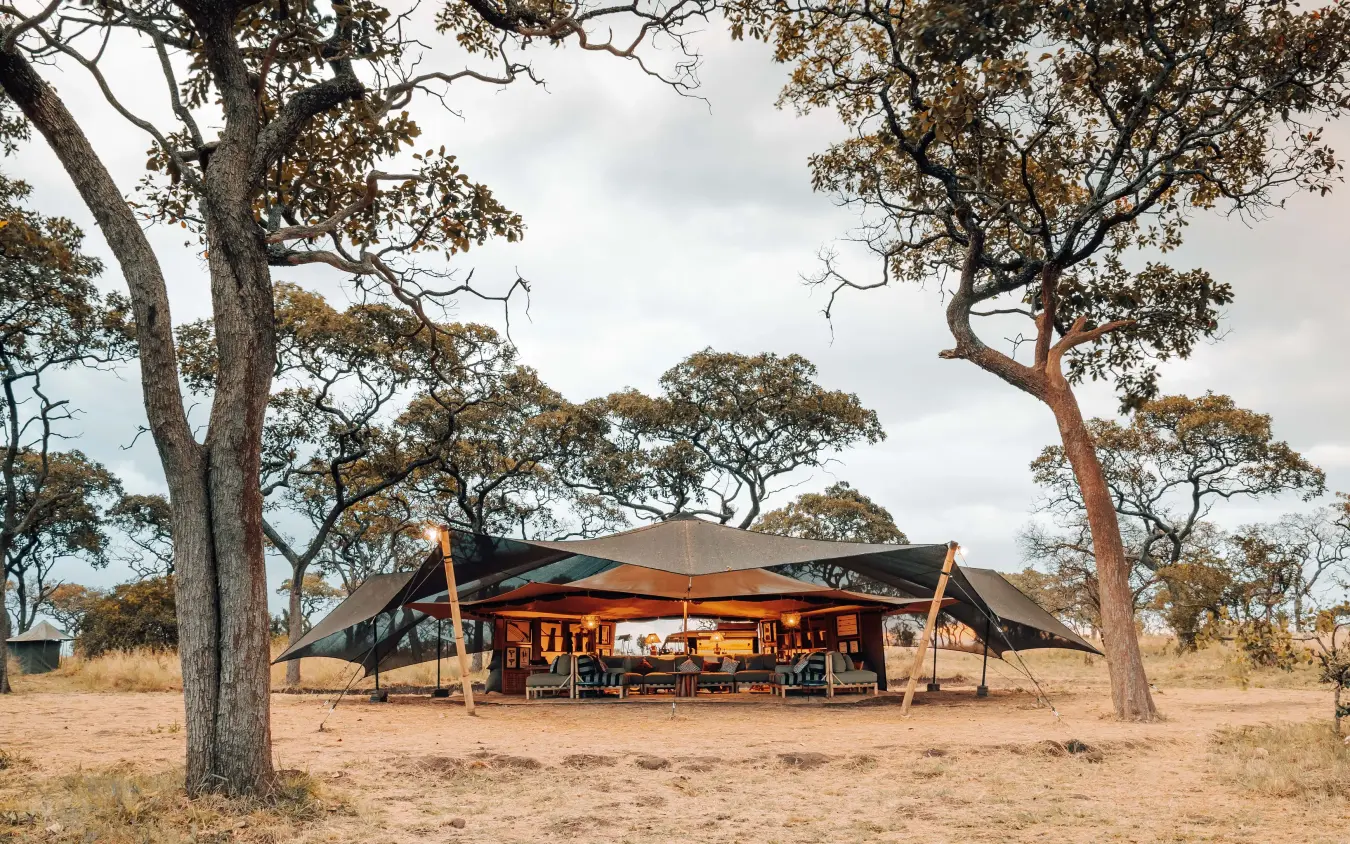
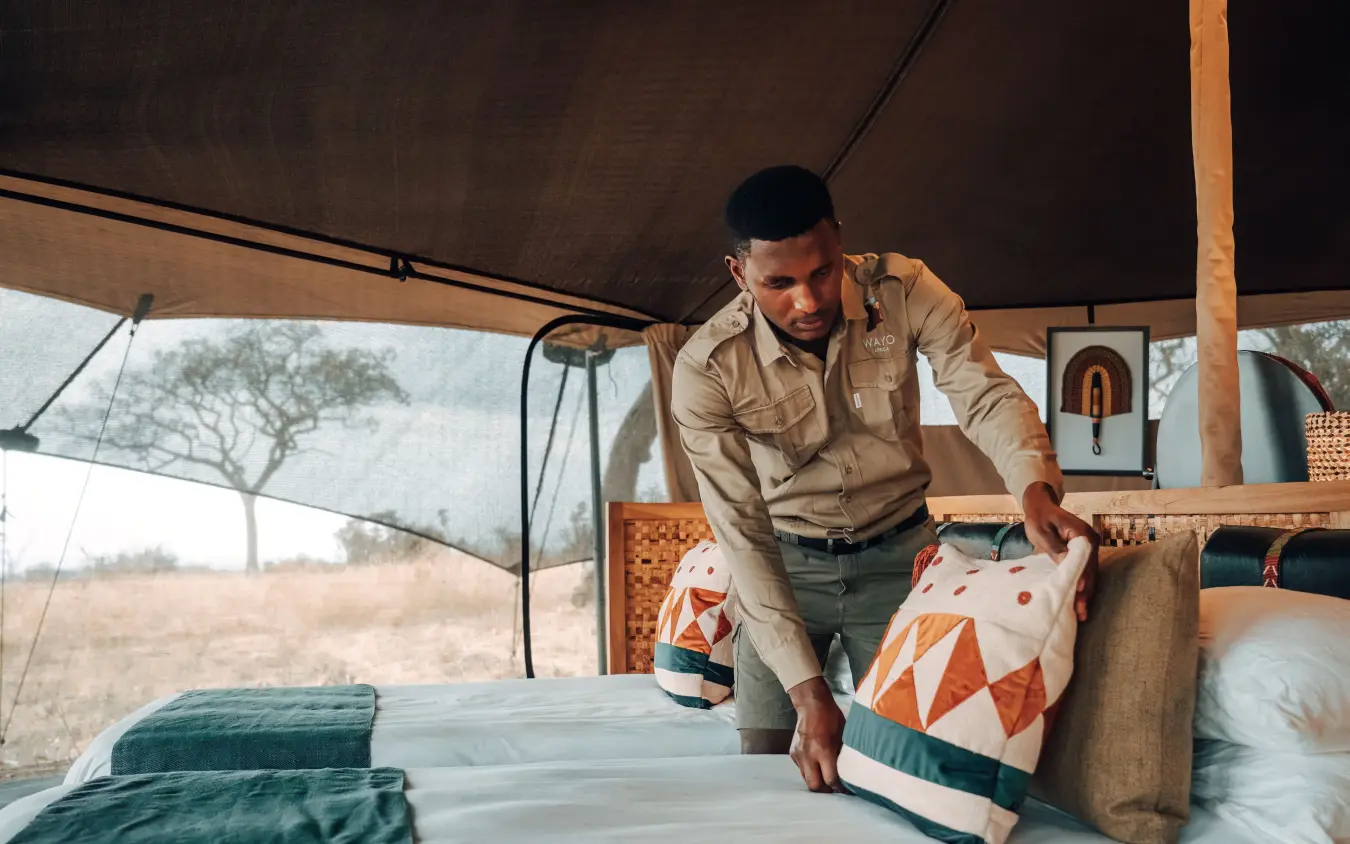
In the northern Serengeti the plains run on toward the Mara River, and from around July to October the camp stands in the Kogatende area within range of the crossings. Walking is the point here: armed guides, accompanied by a national park ranger, lead outings from a couple of hours to a full day, reading tracks, grasses and insect activity at a pace no vehicle allows, with morning and afternoon game drives as standard. Serengeti Green Camp is a mobile tented camp that moves with the wildebeest, its ten canvas tents opening onto the grass and its interiors drawn from Tanzanian craft.
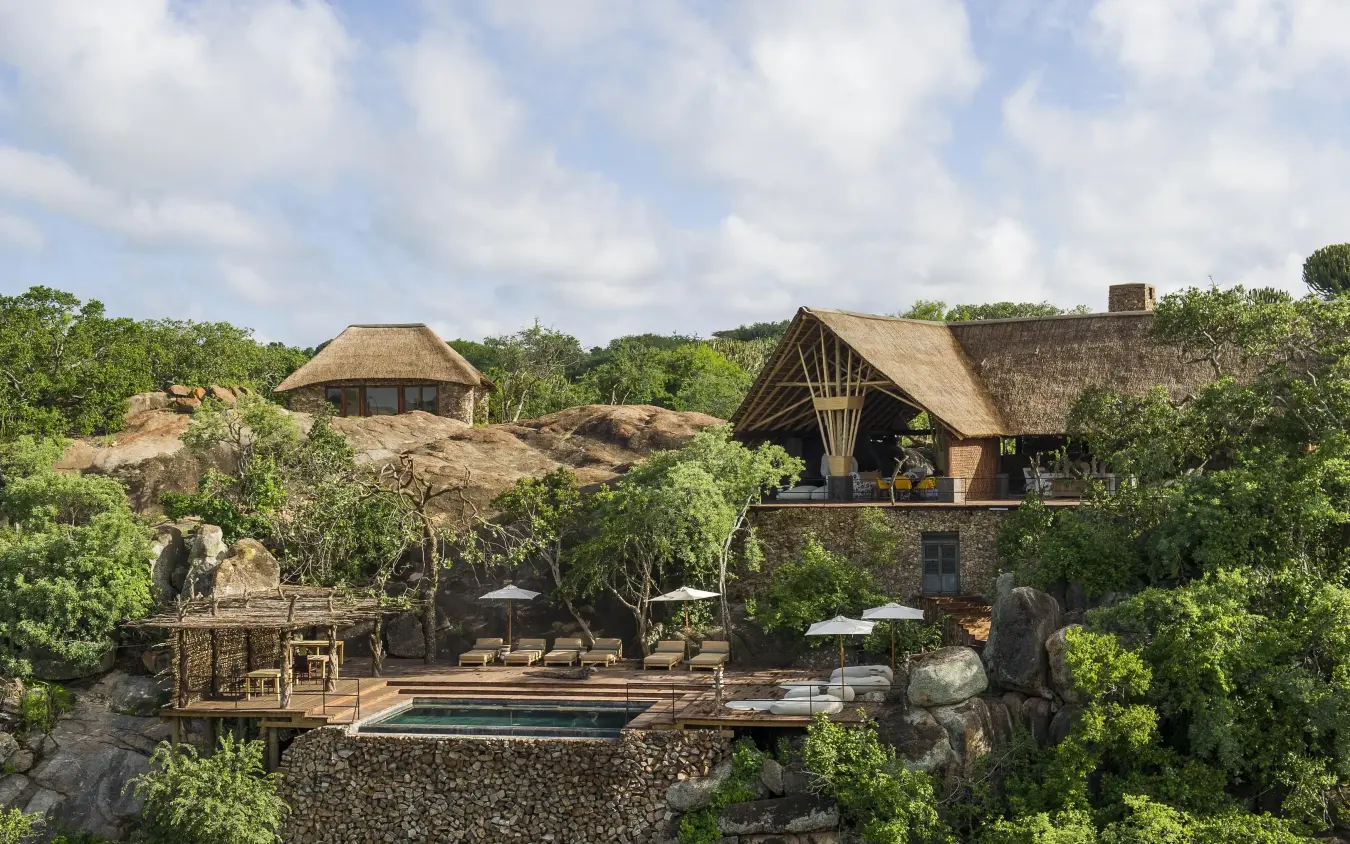
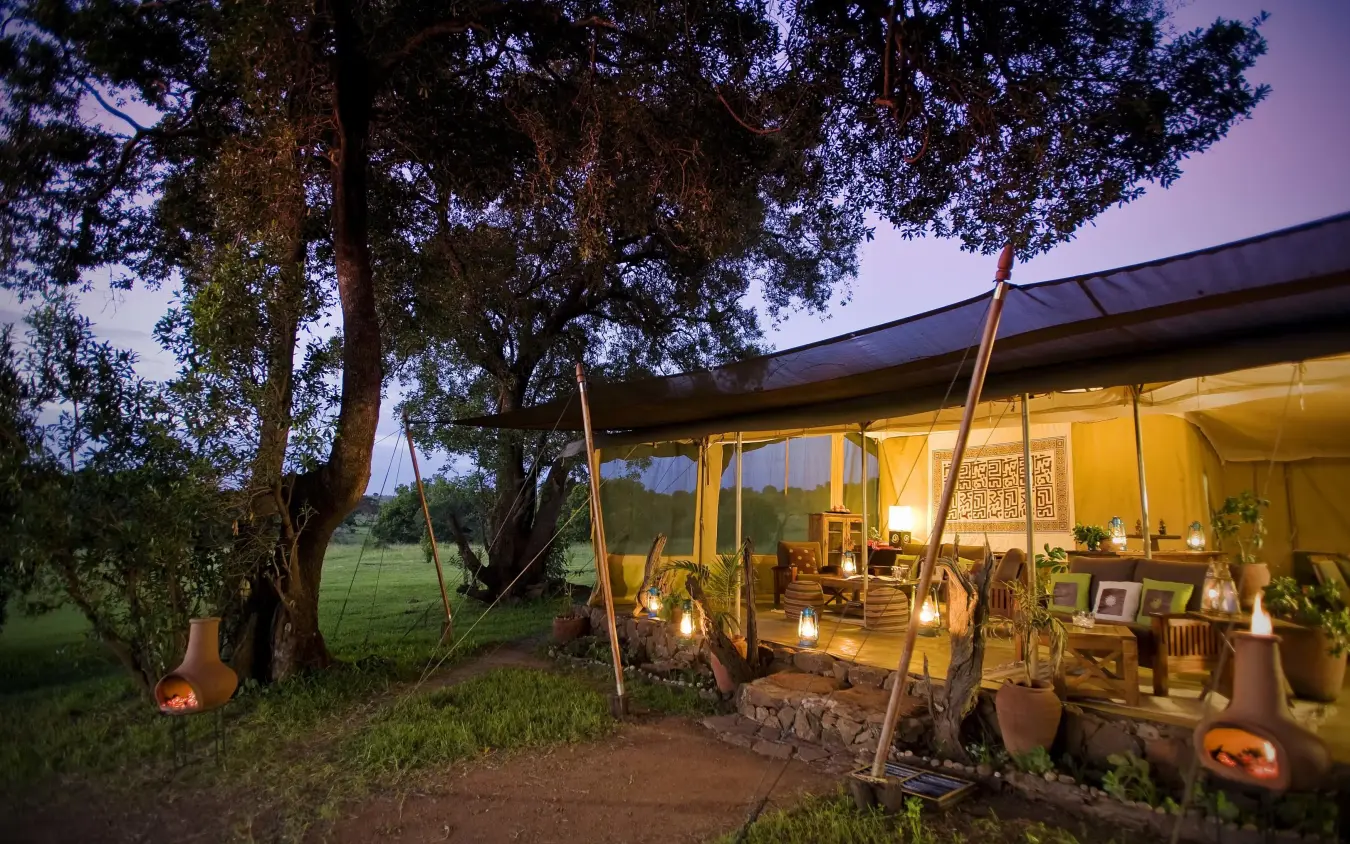
Mara North Conservancy borders the national reserve on Kenya's northern Mara plains, worked to a low-density model where no more than five vehicles may gather at a sighting and off-road driving is permitted to reach one. Days hold game drives in customised 4x4s morning and afternoon, guided bush walks with an armed ranger, and dawn hot-air balloon flights, on ground that carries strong predator numbers the year round. In Acacia Valley, tucked into a grove of wild olive and croton above the seasonal Olare Orok stream, Kicheche Mara Camp is a small tented camp where zebra and antelope graze within sight of the tents.
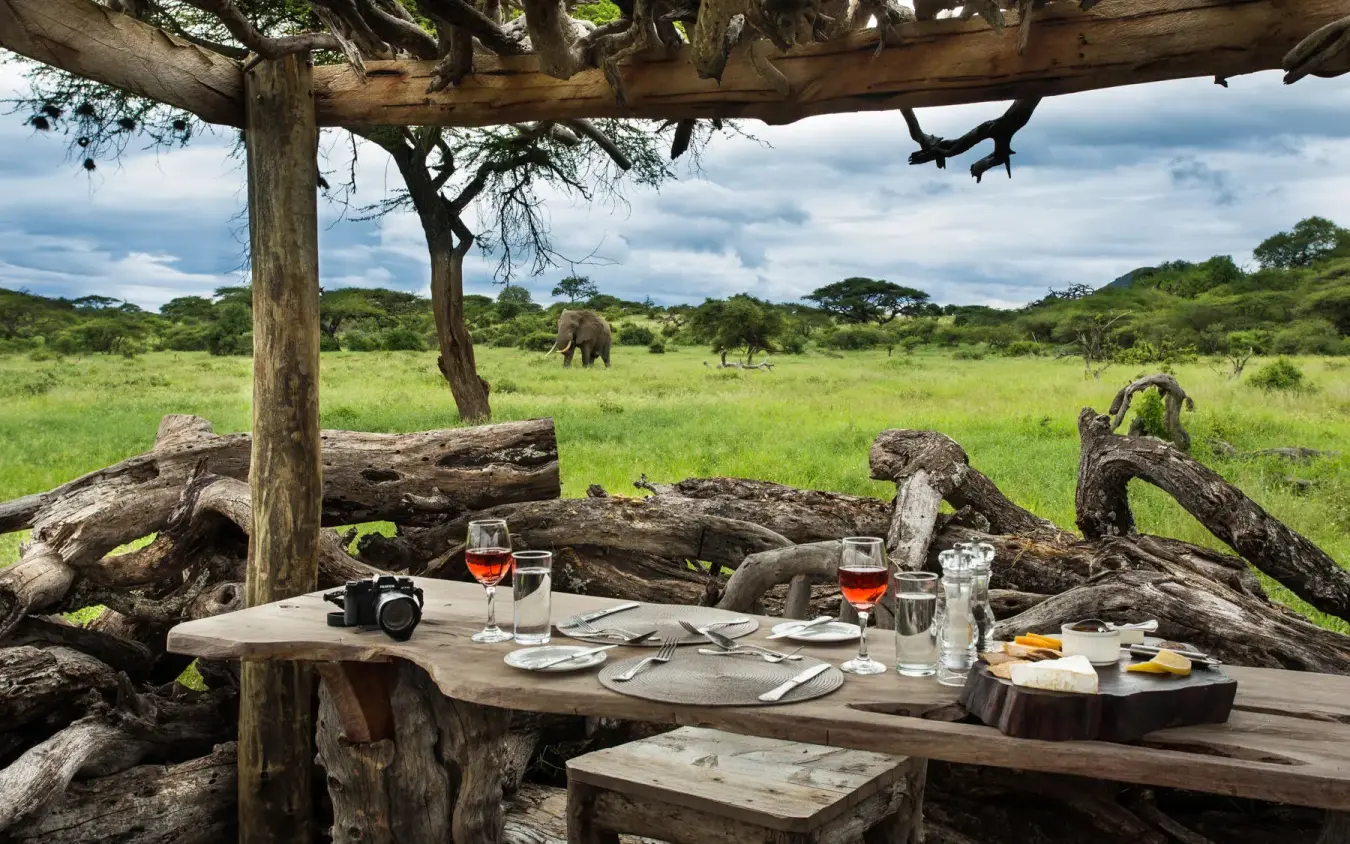
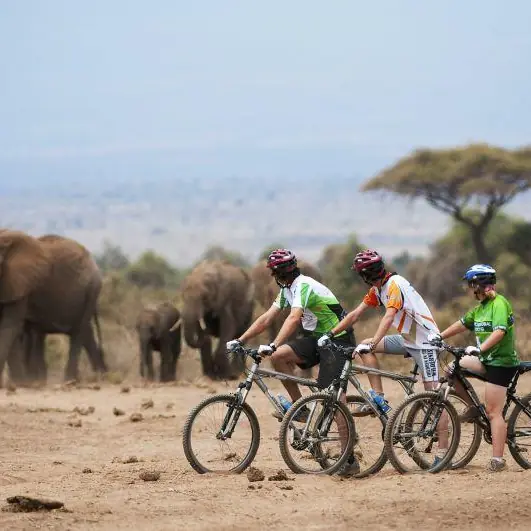
On Maasai-owned land in the Chyulu Hills, between Amboseli and Tsavo, you explore as often on horseback as by vehicle, with Kilimanjaro filling the horizon on clear mornings. Night drives, guided walks and mountain biking all belong here, none of them permitted in neighbouring Amboseli, and a waterhole in front of camp draws elephant, giraffe, zebra and antelope. The ranch is known for its large-tusked bulls. On the Mbirikani Group Ranch, Ol Donyo Lodge sits on the south-western flank of the hills, with a sunken hide that brings guests to eye level with elephant.
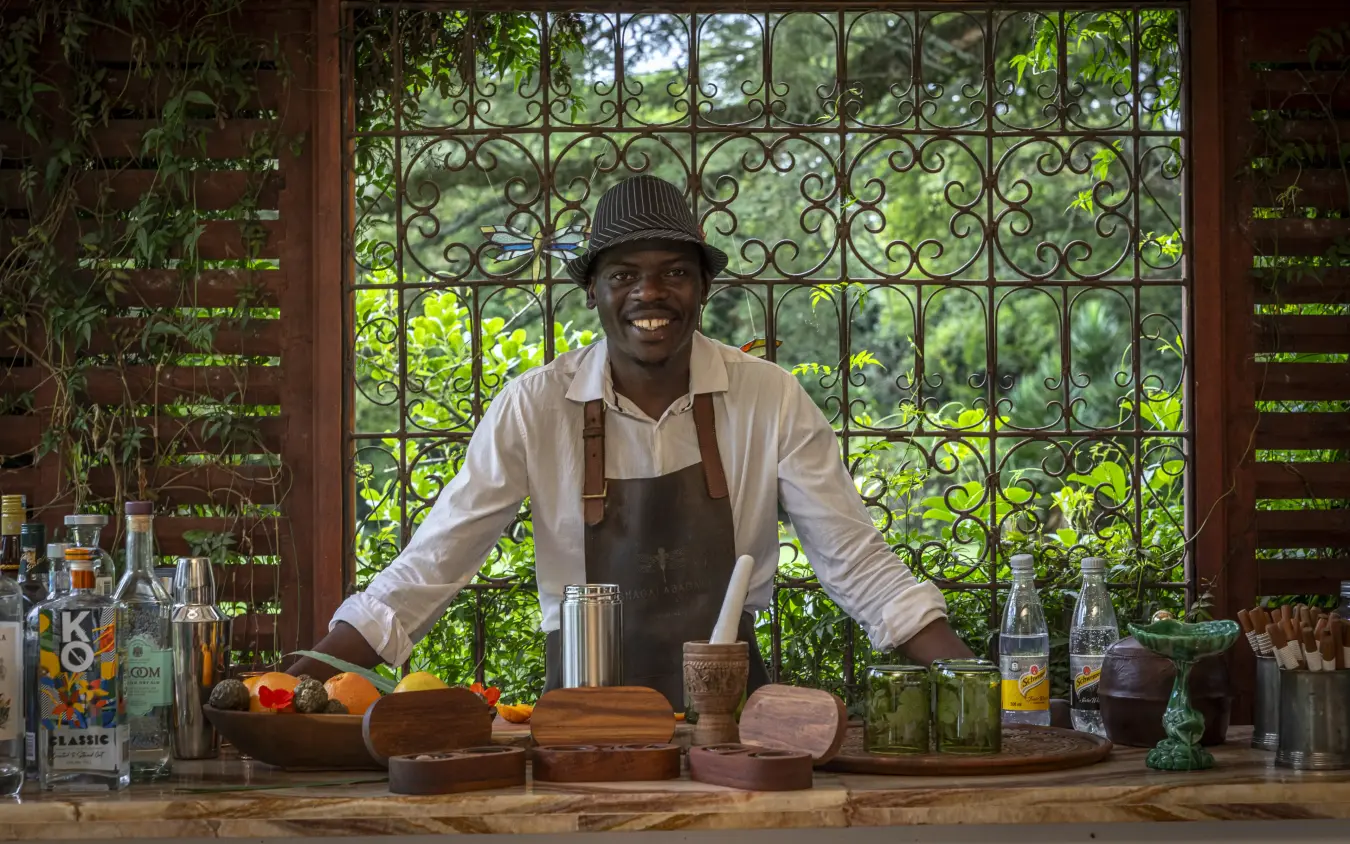
Karen sits on the leafy south-western edge of Nairobi, some fifteen kilometres from the centre, with the Sheldrick Wildlife Trust nursery, the AFEW Giraffe Centre and the Karen Blixen Museum nearby and arranged with a vehicle on hand. A final night here lets you slow down after the bush, the day yours to shape. Sheba's Secret Garden is a hosted Cape Dutch farmhouse taken as an exclusive-use home, with its own Shagalabagala distillery where an African Dry Gin is made, a tour and tasting part of every stay.
Less than three countries suggest, though both international legs go by air.
Rwanda is road: Kigali to the volcanoes takes two and a half to three hours, with the lodge about an hour beyond the park headquarters.
Between Rwanda and Tanzania our page does not fix the routing, and we would not want it to before we see when you are going, so that connection is settled as we build the plan.
The Serengeti to the Maasai Mara cannot be driven straight across, because the two parks share no border post that visitors may use; the scheduled safari aircraft route through the border airstrips instead and take roughly three to five hours strip to strip.
Those flights allow 15 kilograms each, soft-sided, with cabin bags counted in, and they often call somewhere on the way.
Two, if you use the joint one.
Rwanda, Kenya and Uganda share one visa, issued once and good for several entries, so it carries your arrival in Kigali, but a leg into Tanzania ends it and your return into Kenya then needs its own permission. We set out what each crossing needs when we build the route.
Tanzania sits outside it and runs a visa of its own, best obtained online in advance, which is what both the British and the Tanzanian government sites tell you to do.
If you would rather hold separate visas, Kenya now runs an electronic travel authorisation that has to be applied for in advance, with two weeks ahead the official suggestion. Passports need six months left and blank pages.
What applies depends on the passport you hold, and we set out the current requirements for yours at the time of booking.
Not expert, which is unusual for riding in big game country.
Less experienced riders are welcome on a quiet ride, and there is a weight limit of 95 kilograms. That is gentler than the riding safaris in the Okavango or on the Mara plains, where you need to be able to gallop out of trouble, and it comes from the ground itself: open hills, good footing and long views.
Confident riders can go further and faster. The reason to be on a horse at all is that zebra, giraffe and antelope treat you as another grazing animal and let you come closer than a vehicle can.
If nobody rides, the same days work on foot, on a mountain bike or from the vehicle.
Often, but never to order.
The mountain makes its own weather and spends much of the day under cloud. We find it shows itself most reliably in two windows, at sunrise and at sunset, which is exactly when you are out on a horse or back on the deck with a drink.
Three nights give you six of those windows, so the odds over a stay are good even when a particular morning comes up blank. The trick is to wait for it and not chase it.
Clear mornings come more often in the dry months, which is when we would put this route anyway. The waterhole in front of camp gives you something to watch while the cloud makes up its mind.
Slow and close up, and it is the reason the Tanzanian nights sit where they do.
The park allows walking in its northern and eastern reaches with an armed ranger alongside the camp's own guide, and its published tariff splits walks into short ones of one to four hours and long ones beyond that, which is the range our days describe.
Distance is not the point. A morning may cover a few kilometres with long stops at tracks, dung, bones and the small things you would never notice from a vehicle, so ordinary fitness and boots you have already worn in are enough.
The park prices walks for children of 12 and over, and camps set their own limits on top of that, so tell us the ages. Game drives still run morning and afternoon.
Three months do all the work here.
July, August and September are rated at the top of our scale at every stop, which is rare on a route this long: dry trails on the volcanoes, the herds in the northern Serengeti and then on the Mara plains, and clear air over the Chyulu Hills.
October holds up well in Kenya and Tanzania as Rwanda turns wetter. June is a halfway month, strong in Rwanda and the Chyulus and early for the herds.
January and February are dry and rate well for the gorillas, the Mara and the Chyulus, but the wildebeest have moved to the southern Serengeti by then, so we would shift the mobile camp's nights to follow them.
April and May are the months to leave alone. The wetter months bring easier gorilla permits, green plains, newborn antelope and fewer vehicles.
Ed Charles, BBC Producer
Fitzroy are true specialists in accessing the wilderness. They know where to go and importantly, when to go there. Highly recommended.
rwanda
Twelve nights across Rwanda, from Akagera's savannah to Nyungwe's rainforest, Lake Kivu and the mountain gorillas.
rwanda & tanzania
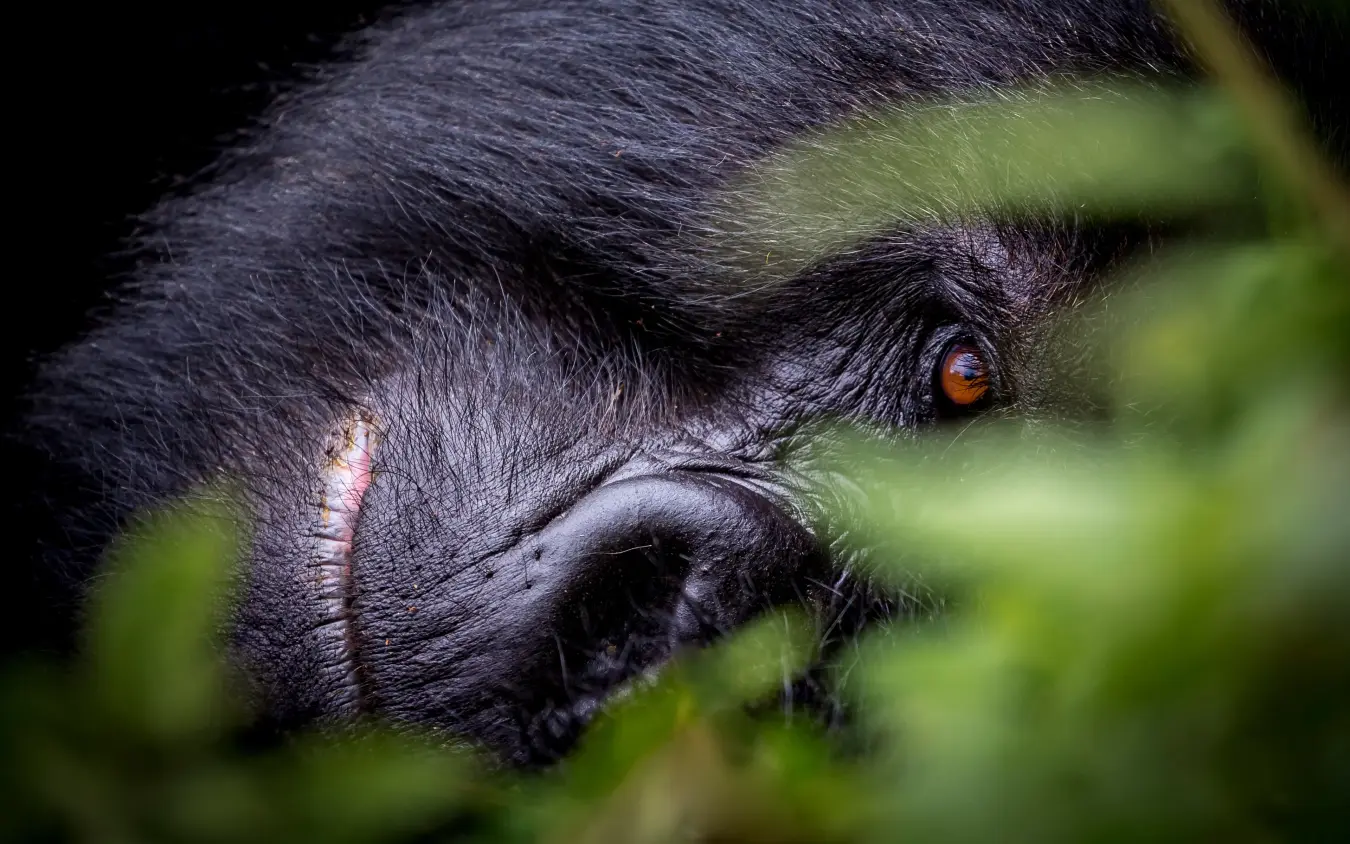
Rwanda's mountain gorillas, private Serengeti reserves in Tanzania and a finish on the Zanzibar coast.

rwanda & uganda
Ten nights linking Kigali, Volcanoes, Mgahinga and Bwindi, tracking mountain gorillas across Rwanda and Uganda.
rated five stars by our clients

our approach
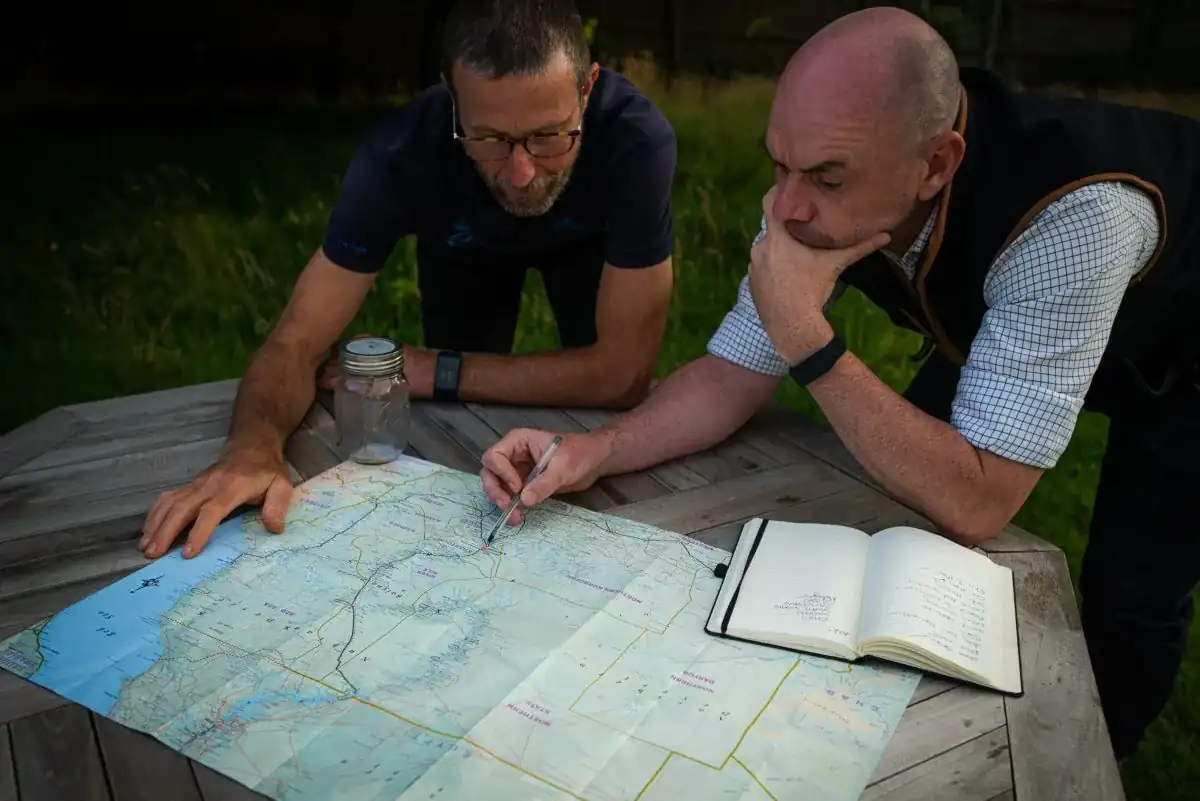
Every journey starts with a conversation. We take the time to understand your vision before we start planning.
Whether by phone or in person, we work with you directly to shape something that is considered, personal, and expertly delivered.
Every journey starts with a conversation. We favour a direct, personal approach: understanding your vision before anything else.
Whether by phone or in person, we work with you directly to shape a journey that is both thoughtfully considered and expertly delivered.
Get in touch to start planning yours.