








rwanda, tanzania & kenya
gorillas, herds and the chyulus
Rwanda's gorillas, the northern Serengeti and Mara plains, then horseback days below Kilimanjaro in the Chyulu Hills.
- Private Safari
- From $24,290 pp
- 2 guests
- 14 nights

This route runs over 12 nights from Rwanda into Tanzania. It opens in Kigali, the country’s capital and arrival hub, then moves to Kinigi at the foot of the Virunga volcanoes for the gorilla treks that begin at the Volcanoes National Park headquarters. From there it crosses to the eastern plains of Serengeti National Park, cheetah and lion country, before finishing along the high western corridor above the Grumeti country.
You travel with a private driver-guide in Rwanda and by open vehicle on the plains, with drives at sunrise and in the late afternoon. Days hold gorilla tracking, farm mornings, and game drives across short grass, granite kopjes and river valleys. The stays run from a settled five-star city hotel to a working organic farm, a small tented camp on protected plains and a design-led art lodge on a ridge.
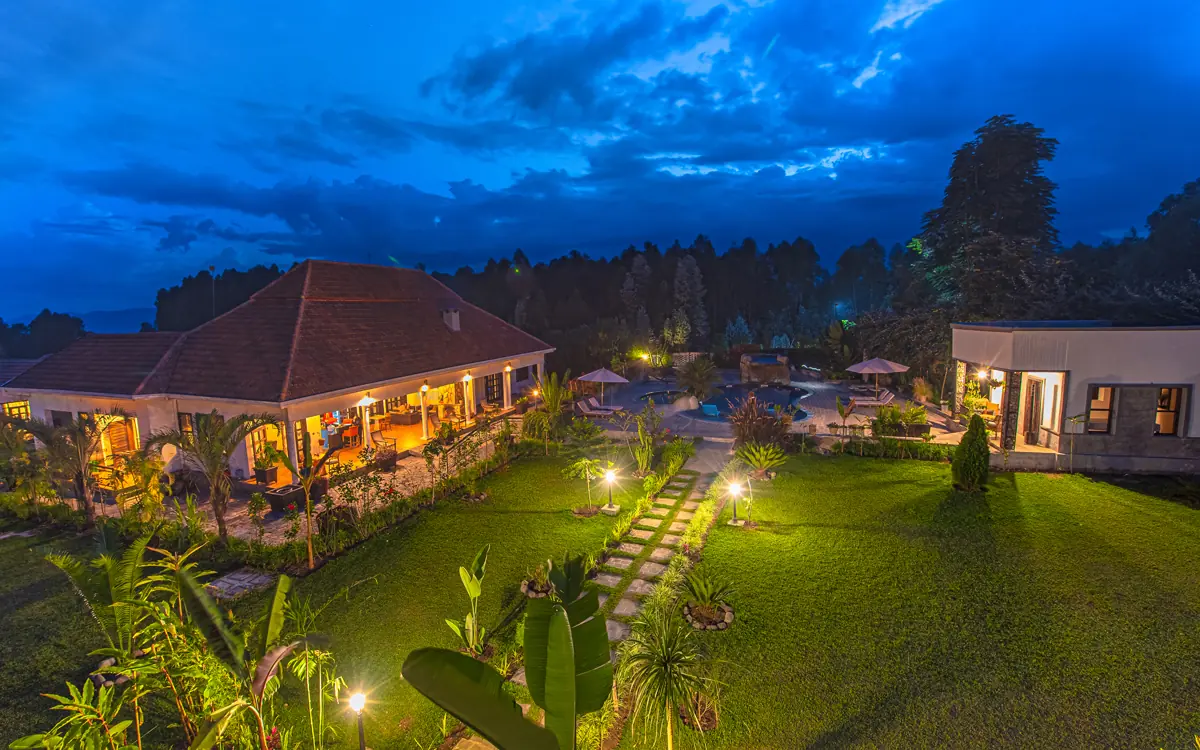
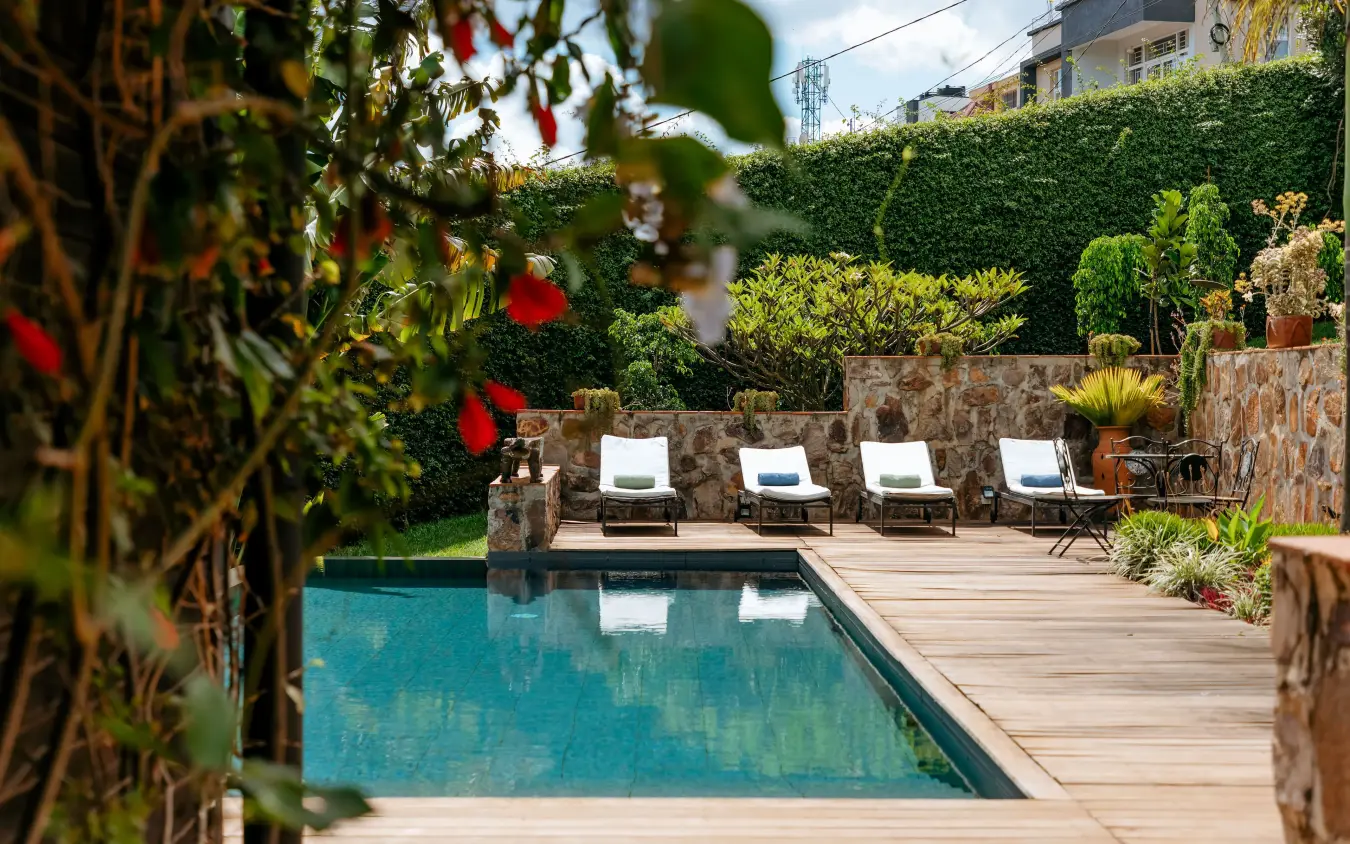
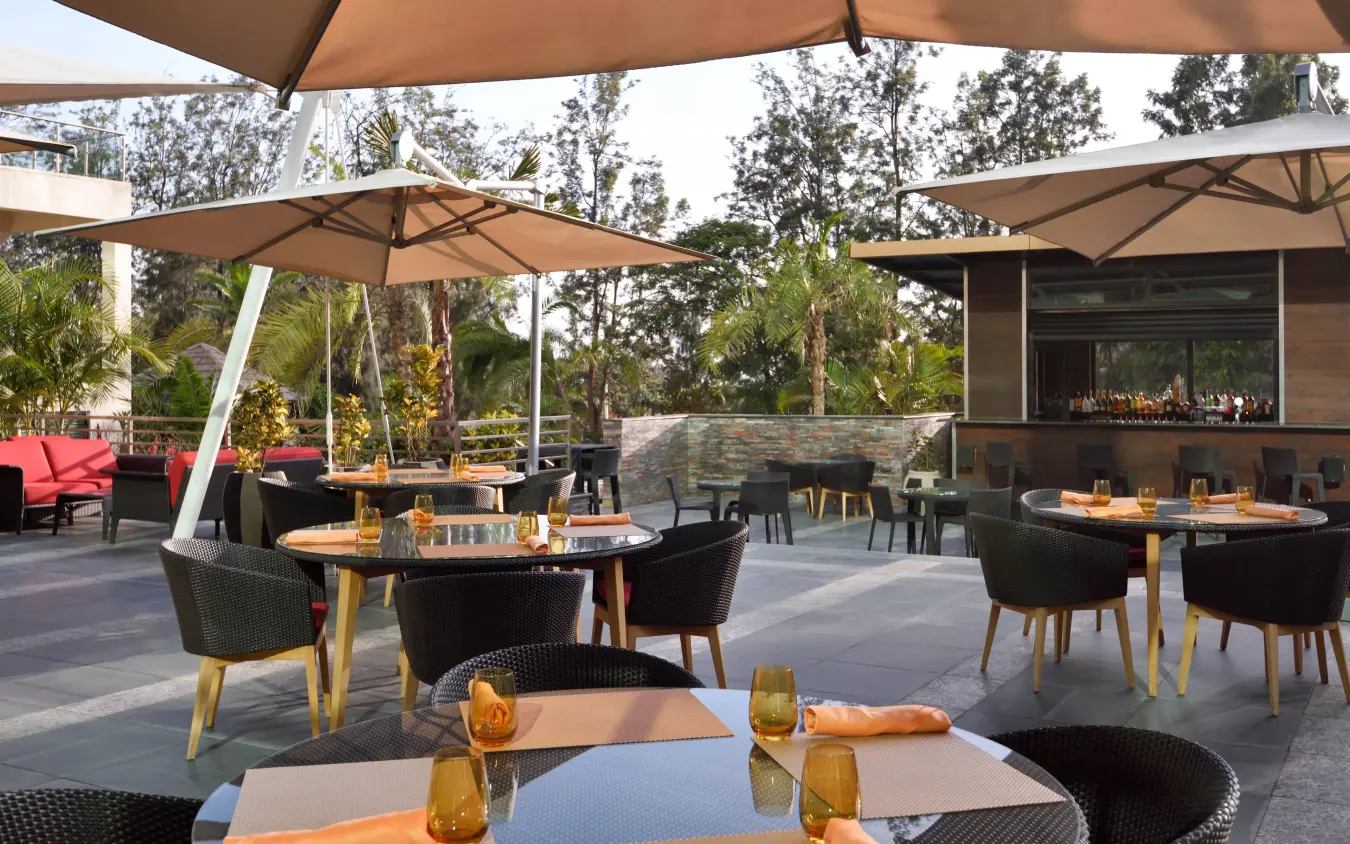
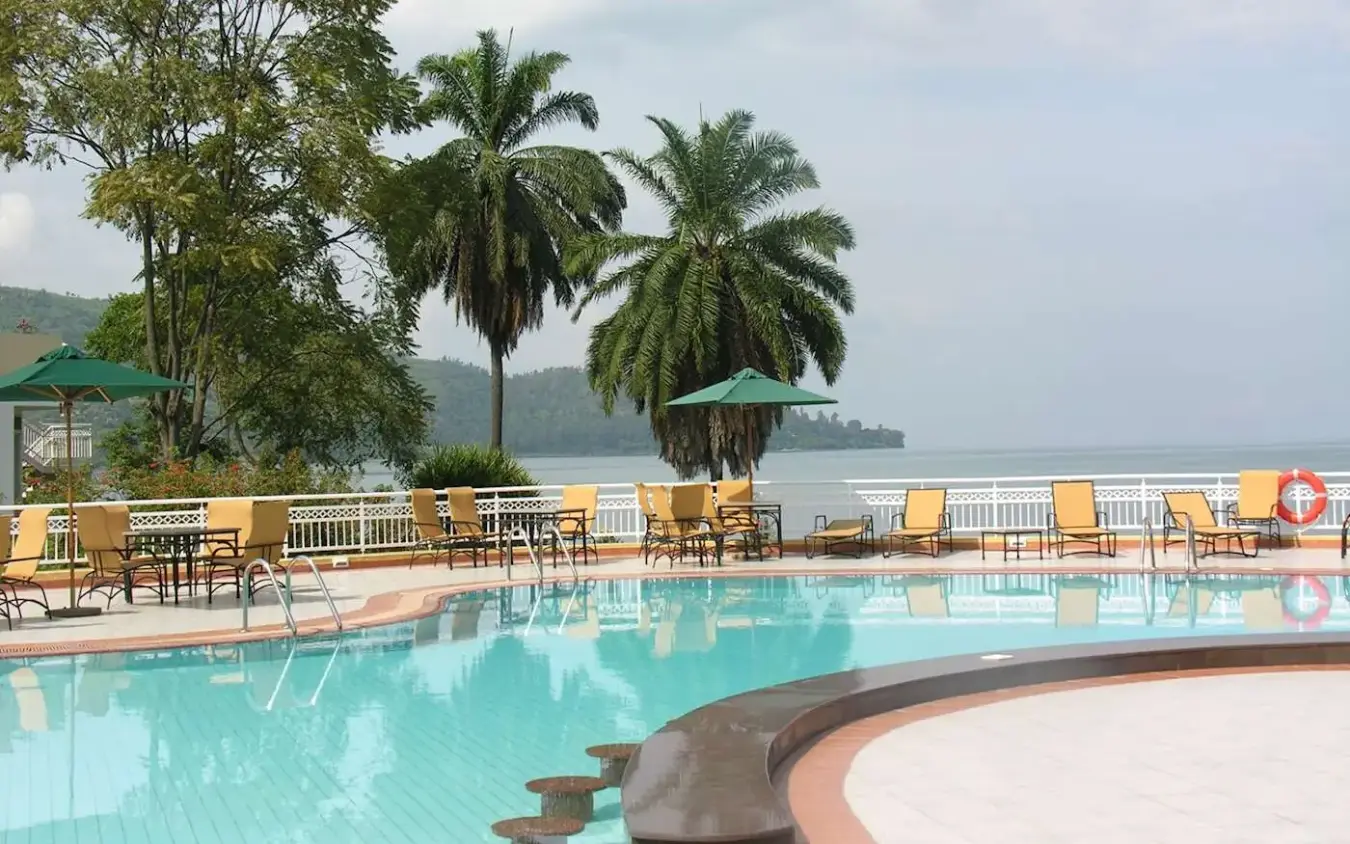
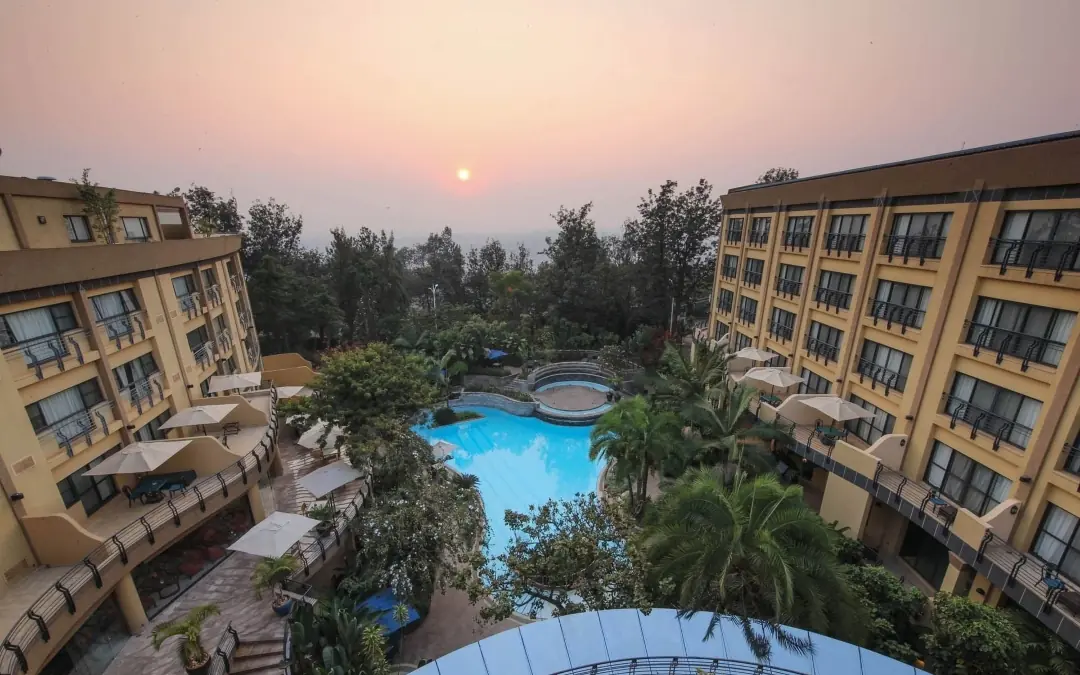
You begin in Kigali, Rwanda's capital, spread across ridges and valleys and widely regarded as the cleanest city in Africa. A single night settles you after the flight and prepares you for the road to the volcanoes. If time allows, the Kigali Genocide Memorial at Gisozi, the Inema Arts Center and Kimironko Market are all within an easy drive. Set on Boulevard de la Révolution, the Kigali Serena Hotel is the city's established five-star address, built around a polished granite atrium that displays Rwandese art and craft, roughly twenty minutes from the airport.
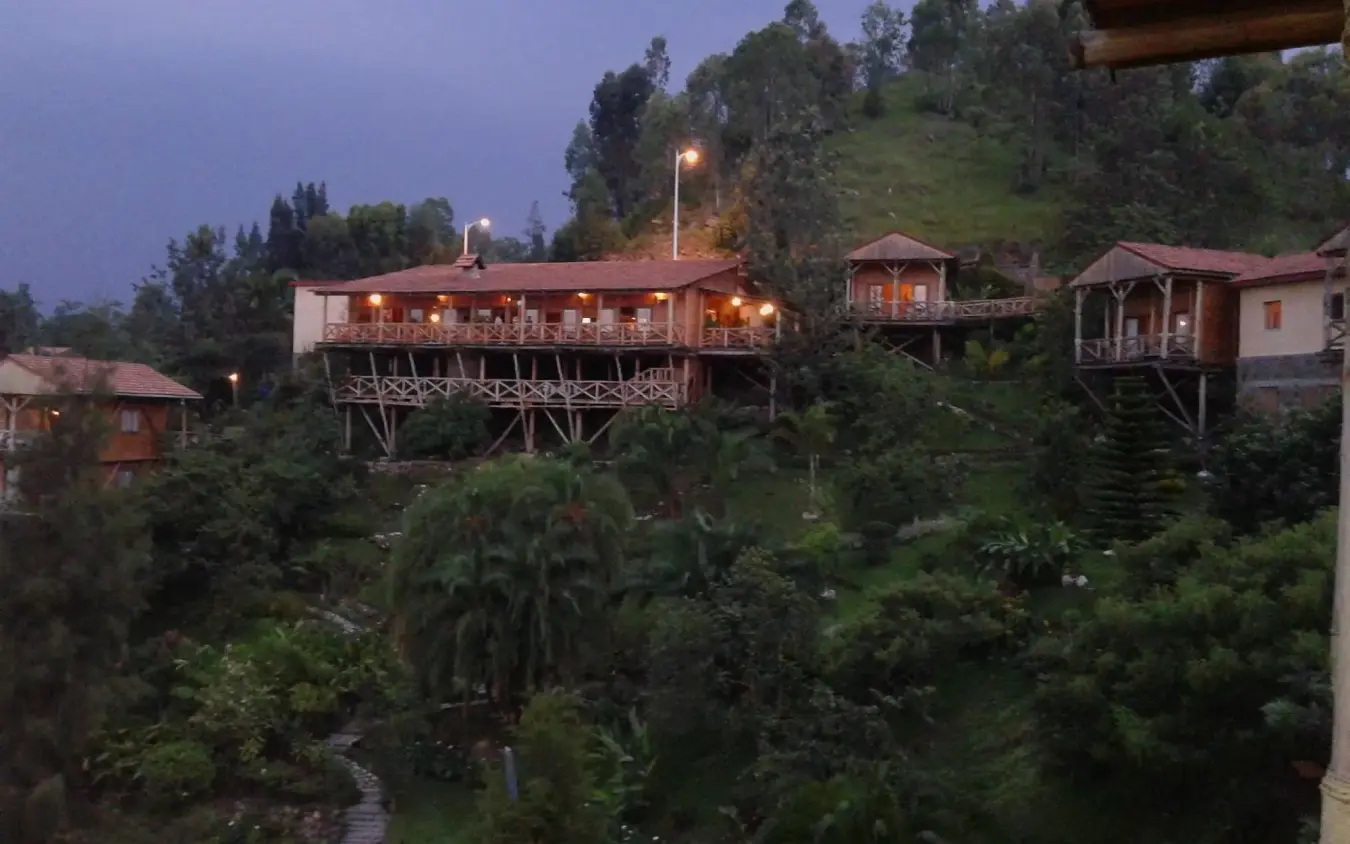
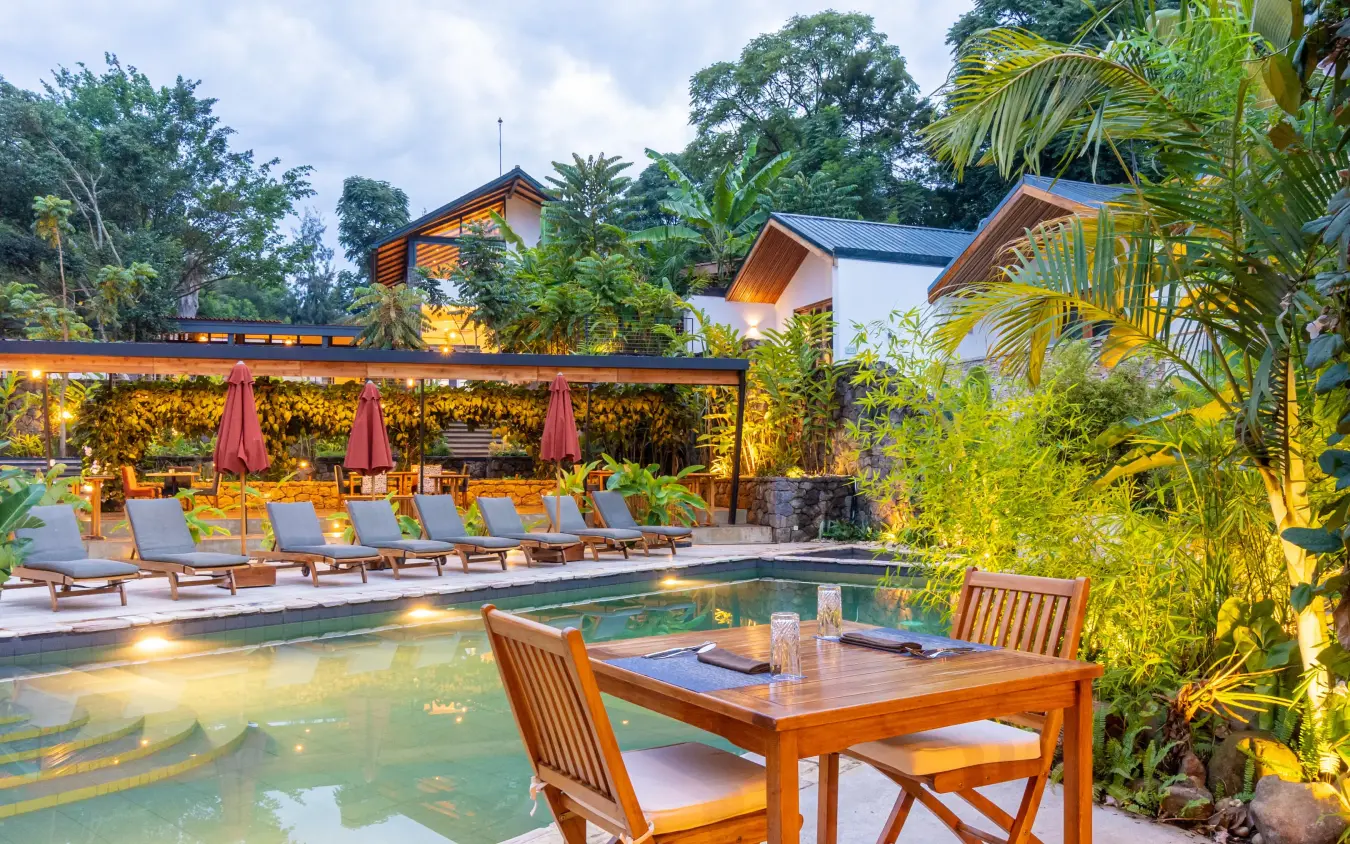
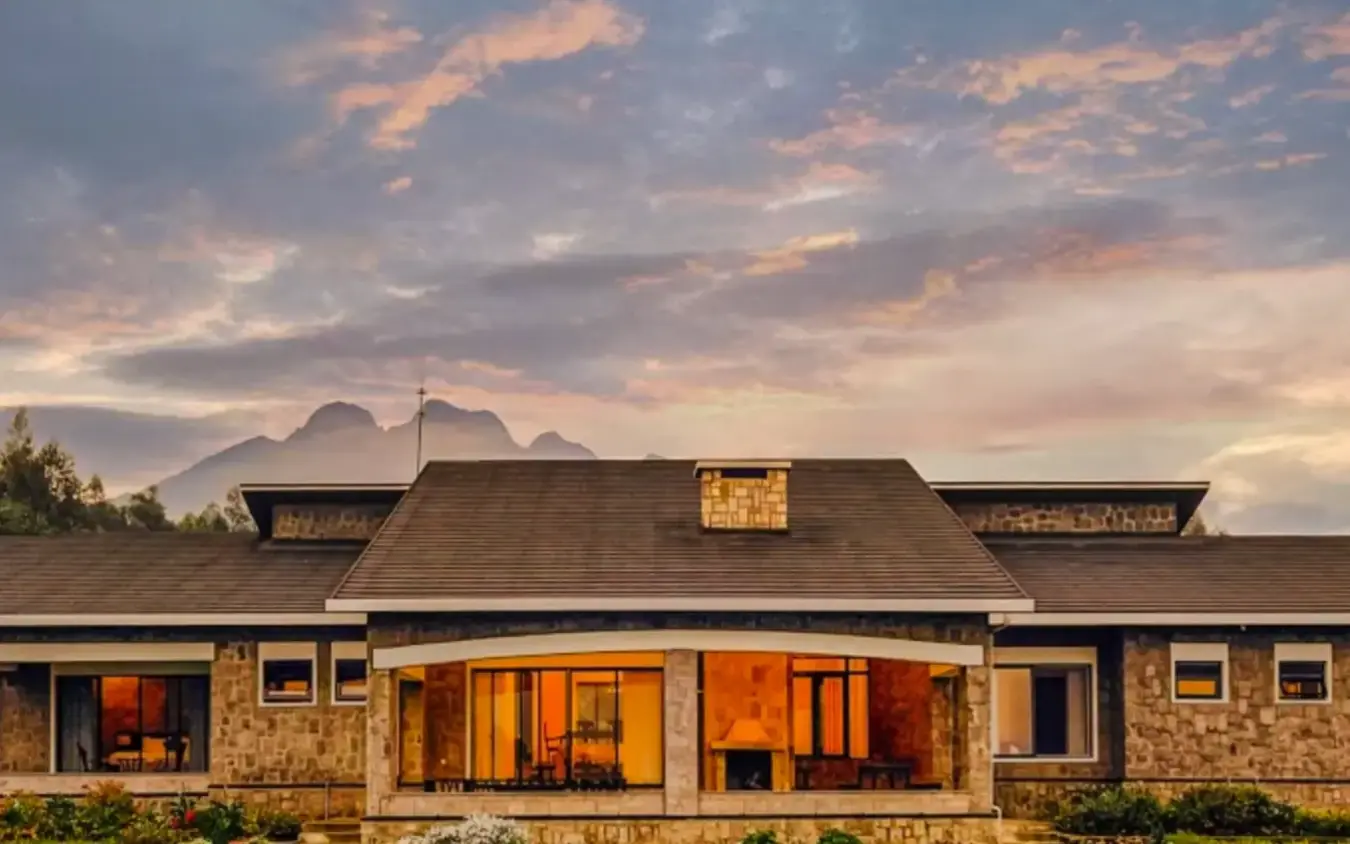
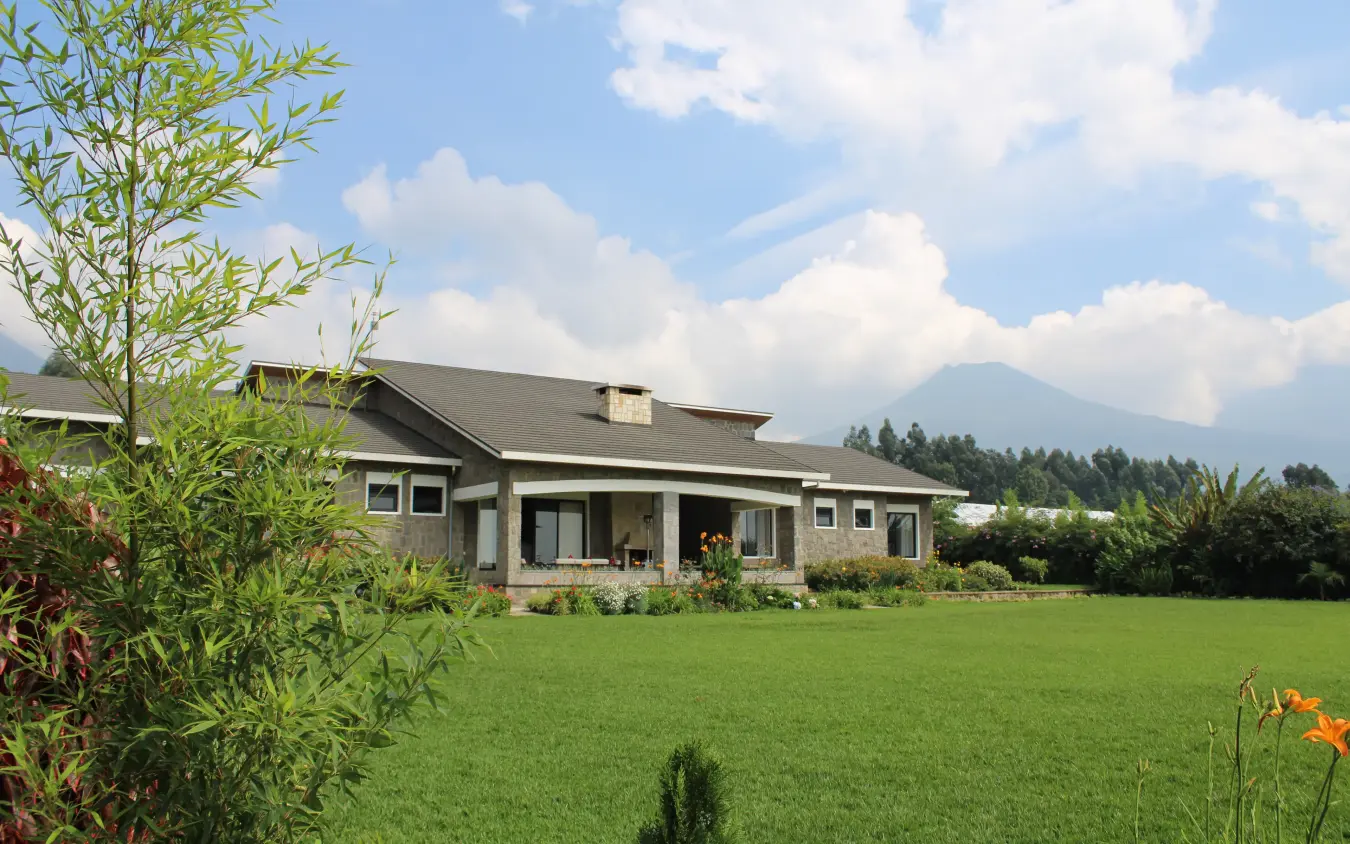
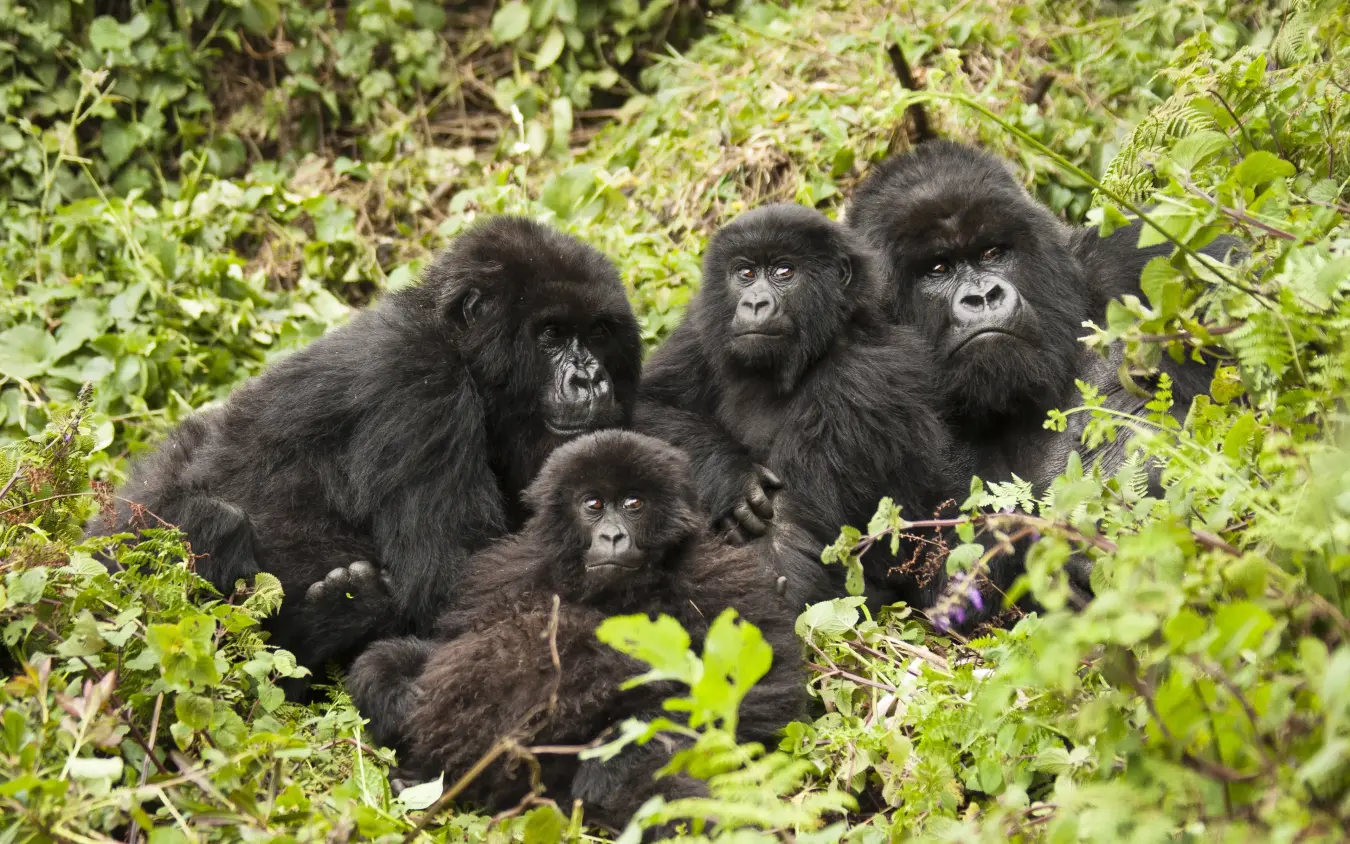
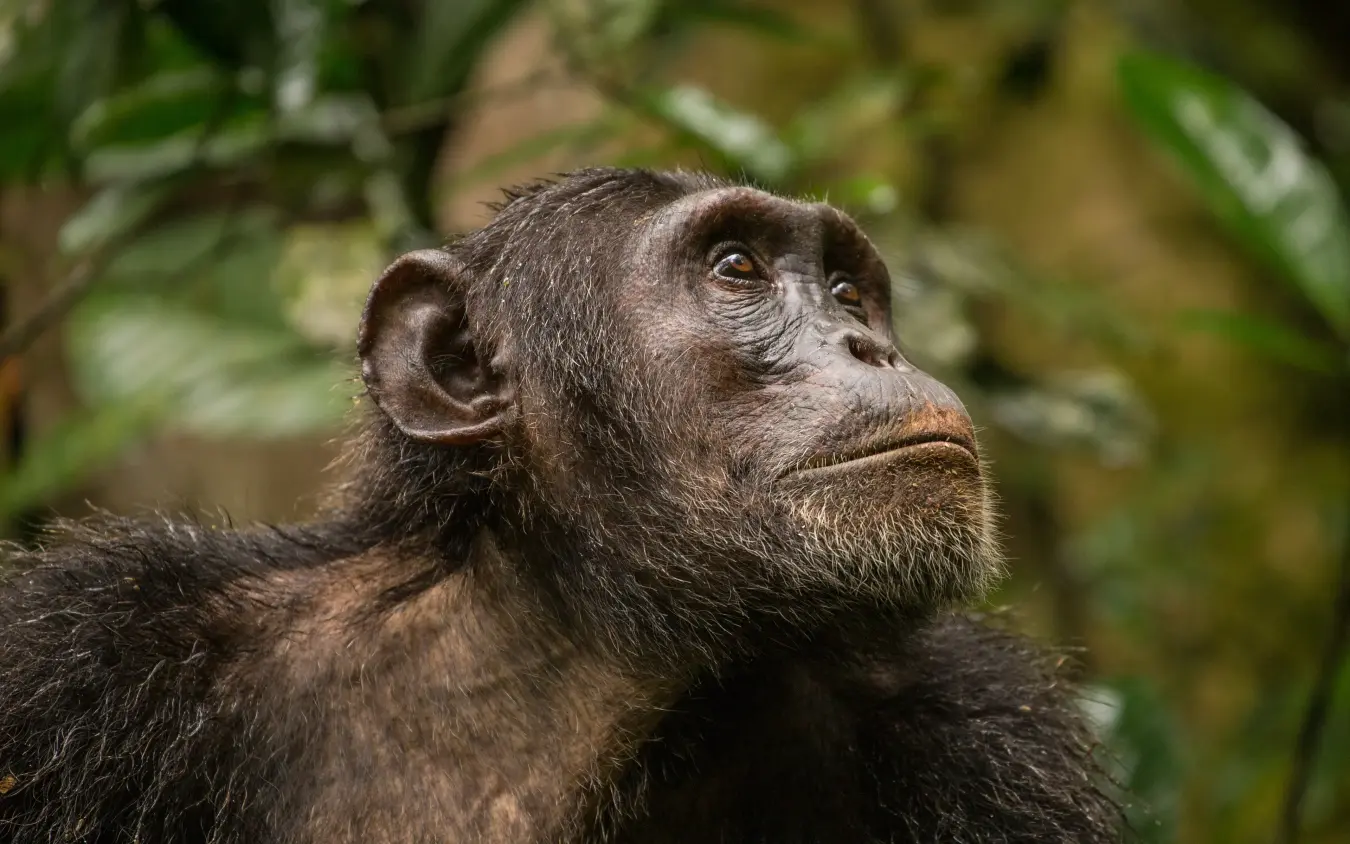
Three nights in Kinigi place you at the foot of the Virunga volcanoes, a short drive from the Volcanoes National Park headquarters where the gorilla treks begin. On days not spent in the forest on the day's tracking permit, you join the work of a farm: cow milking, egg collecting, cheese-making, beekeeping and honey harvesting run alongside horseback lessons. Farmhouse Rwanda is a working organic farm with rooms attached, where around 95 percent of what is served is grown, milked or harvested on site, and mornings open with mist lifting off the peaks.
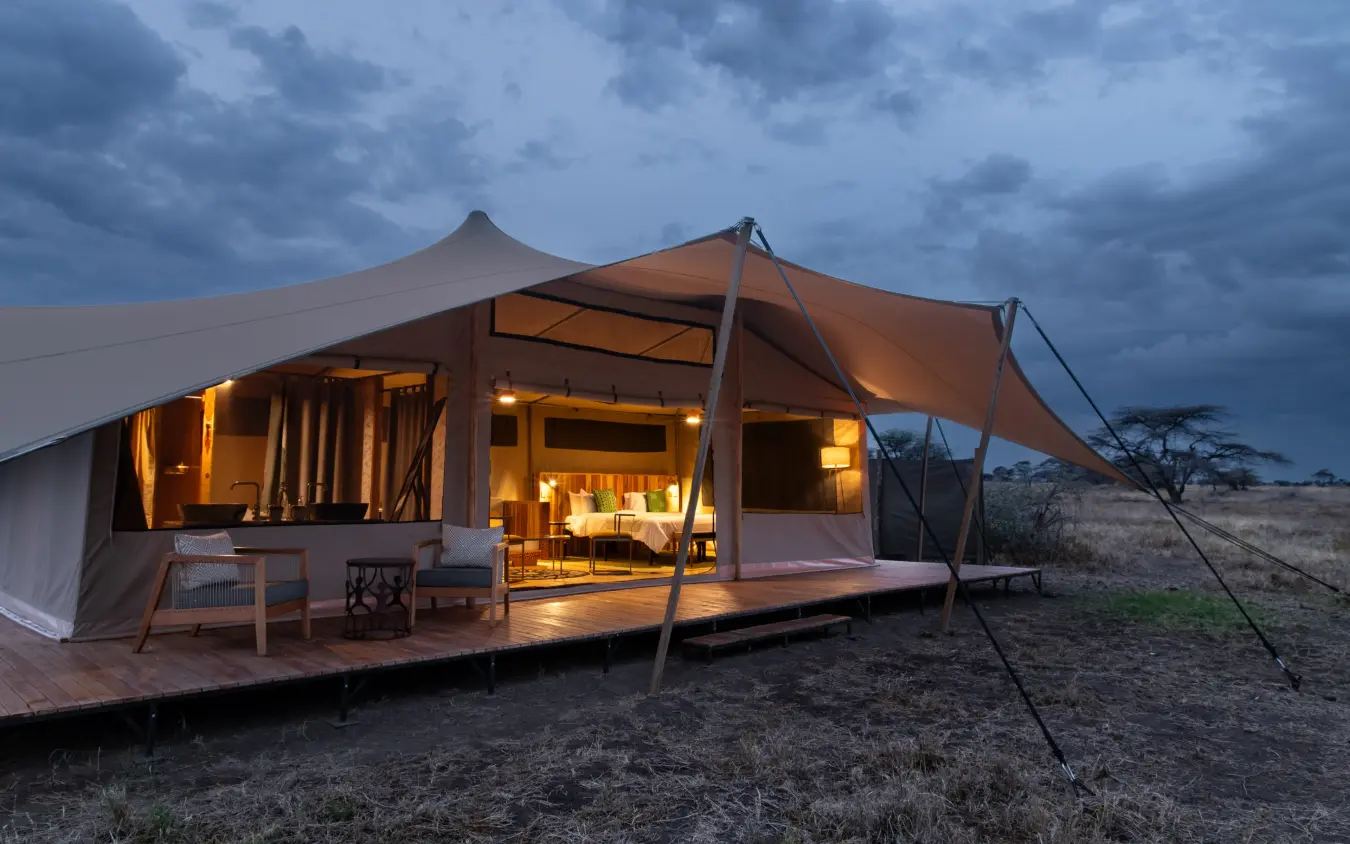
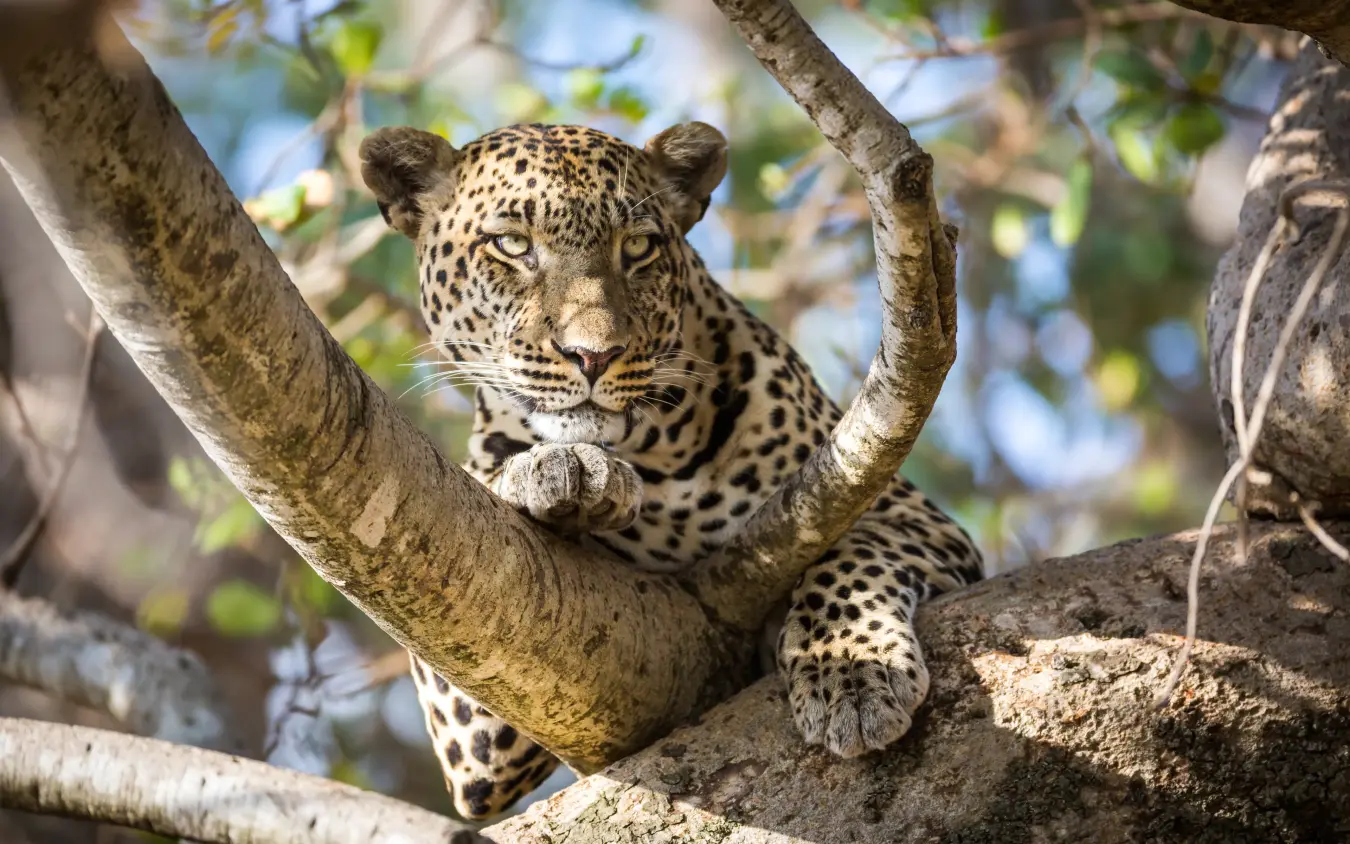
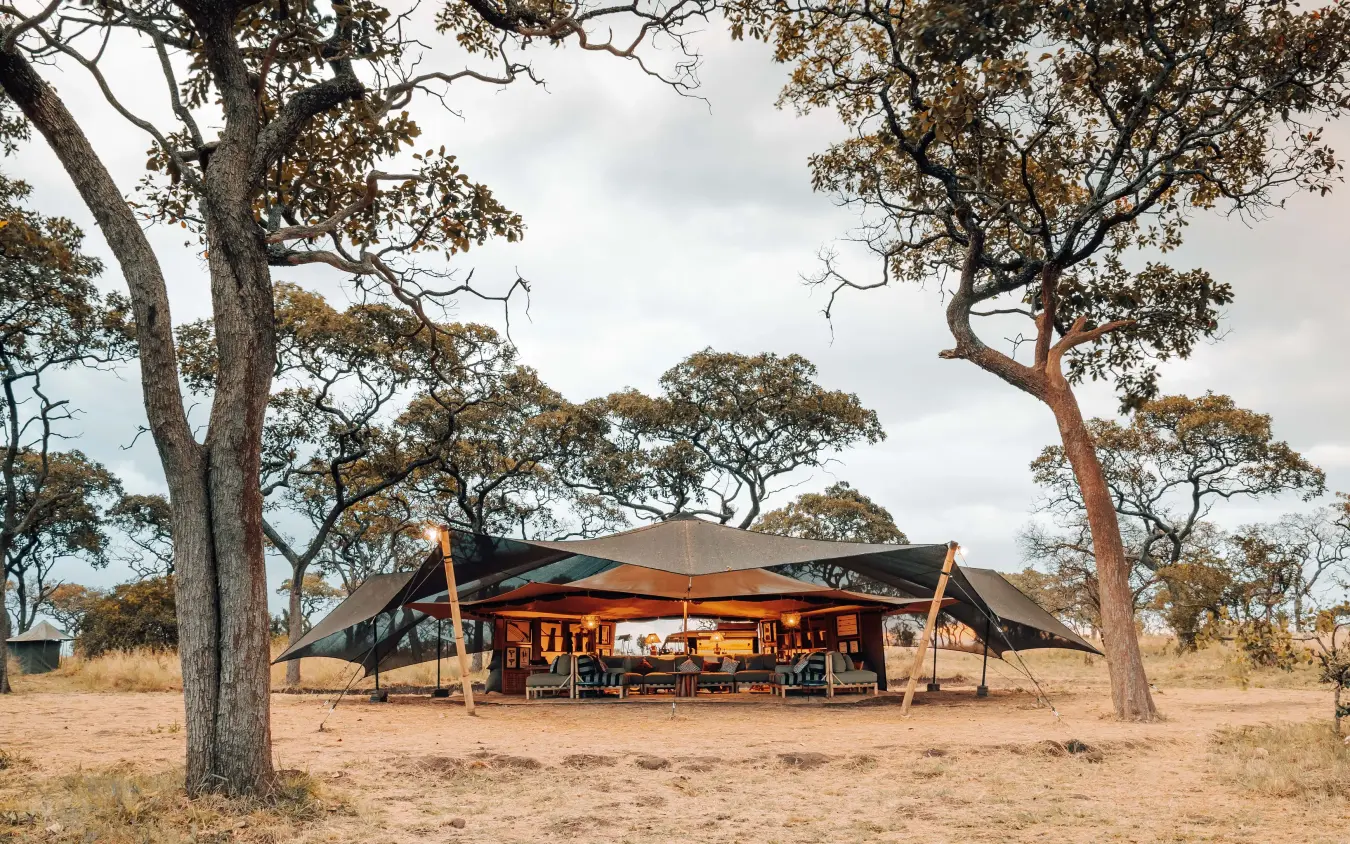
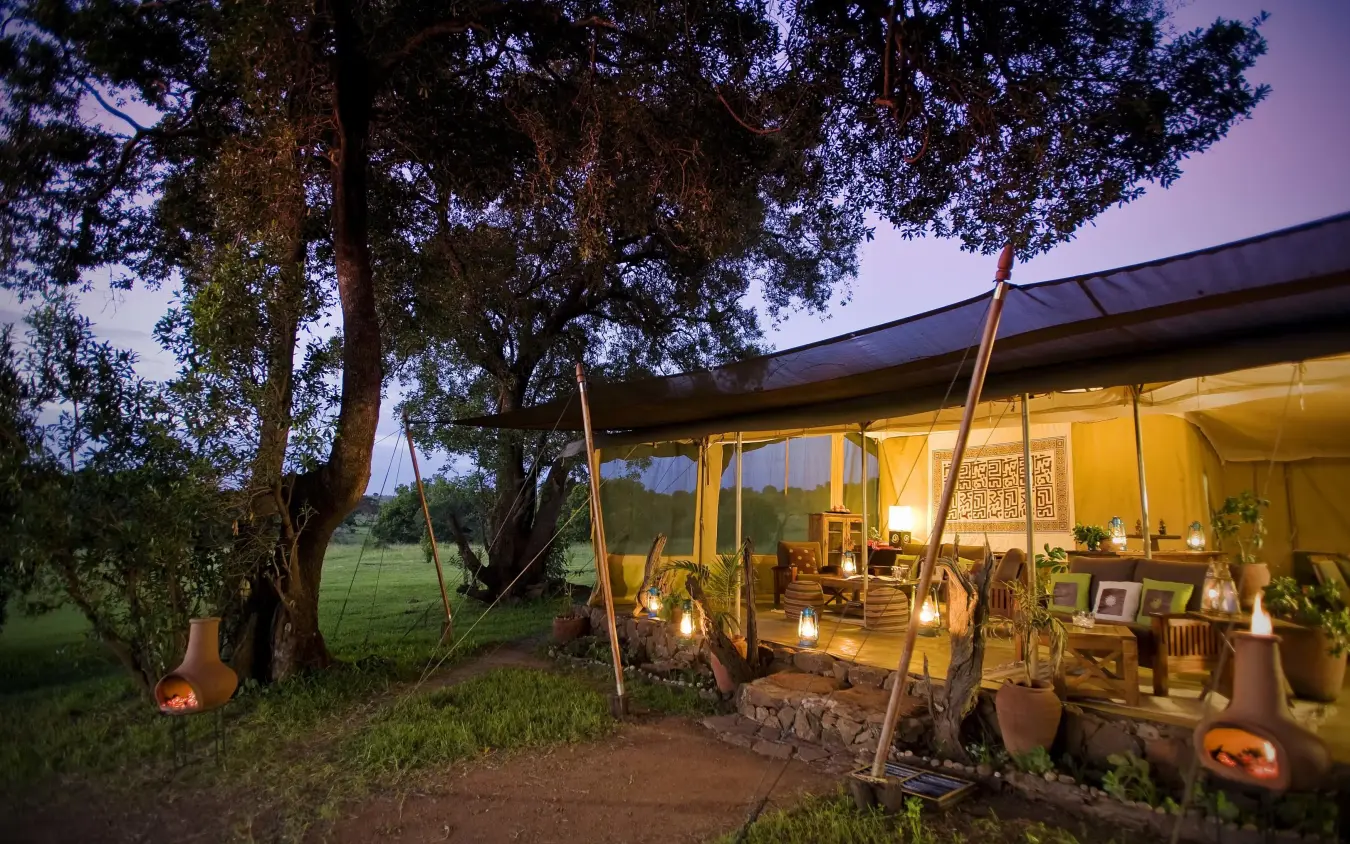
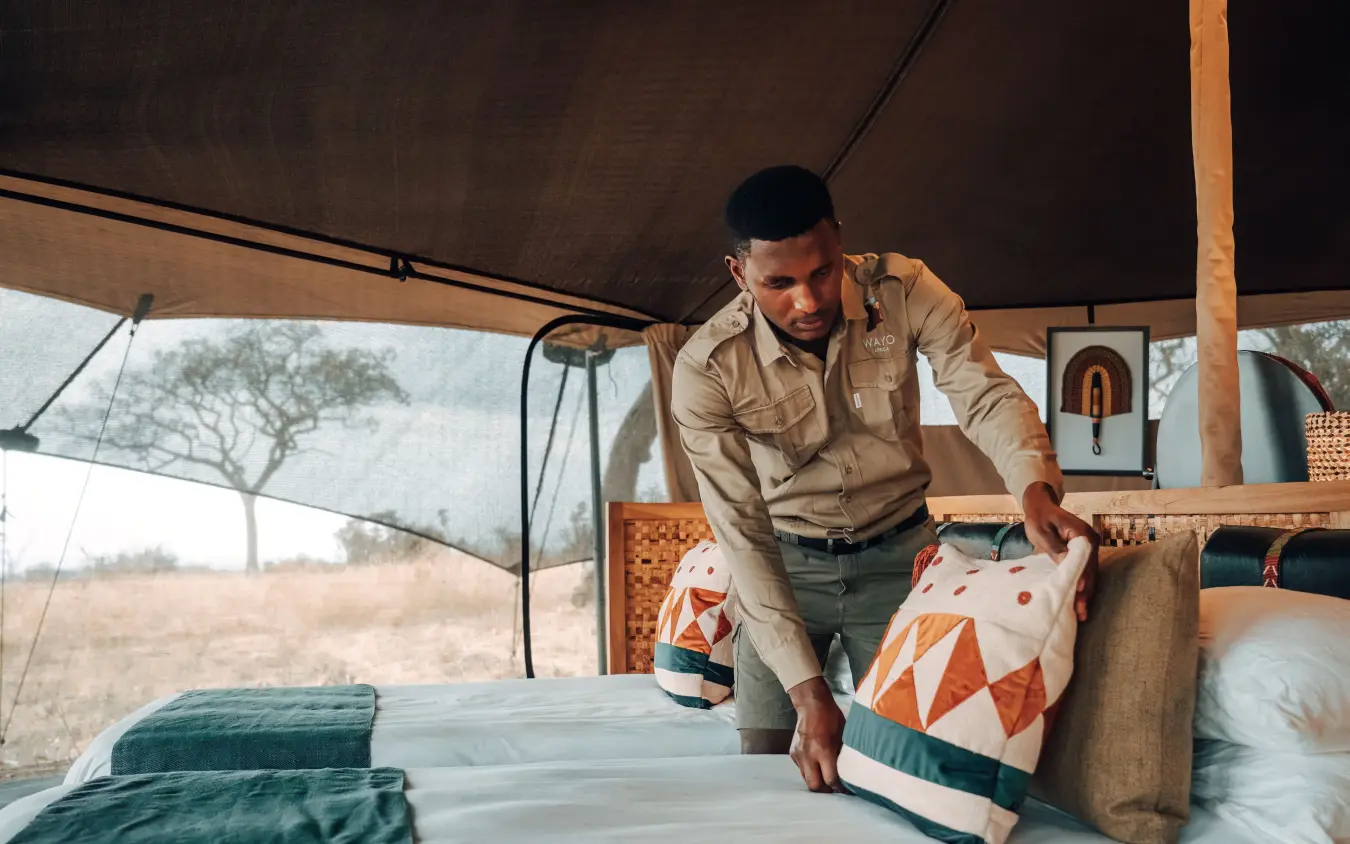
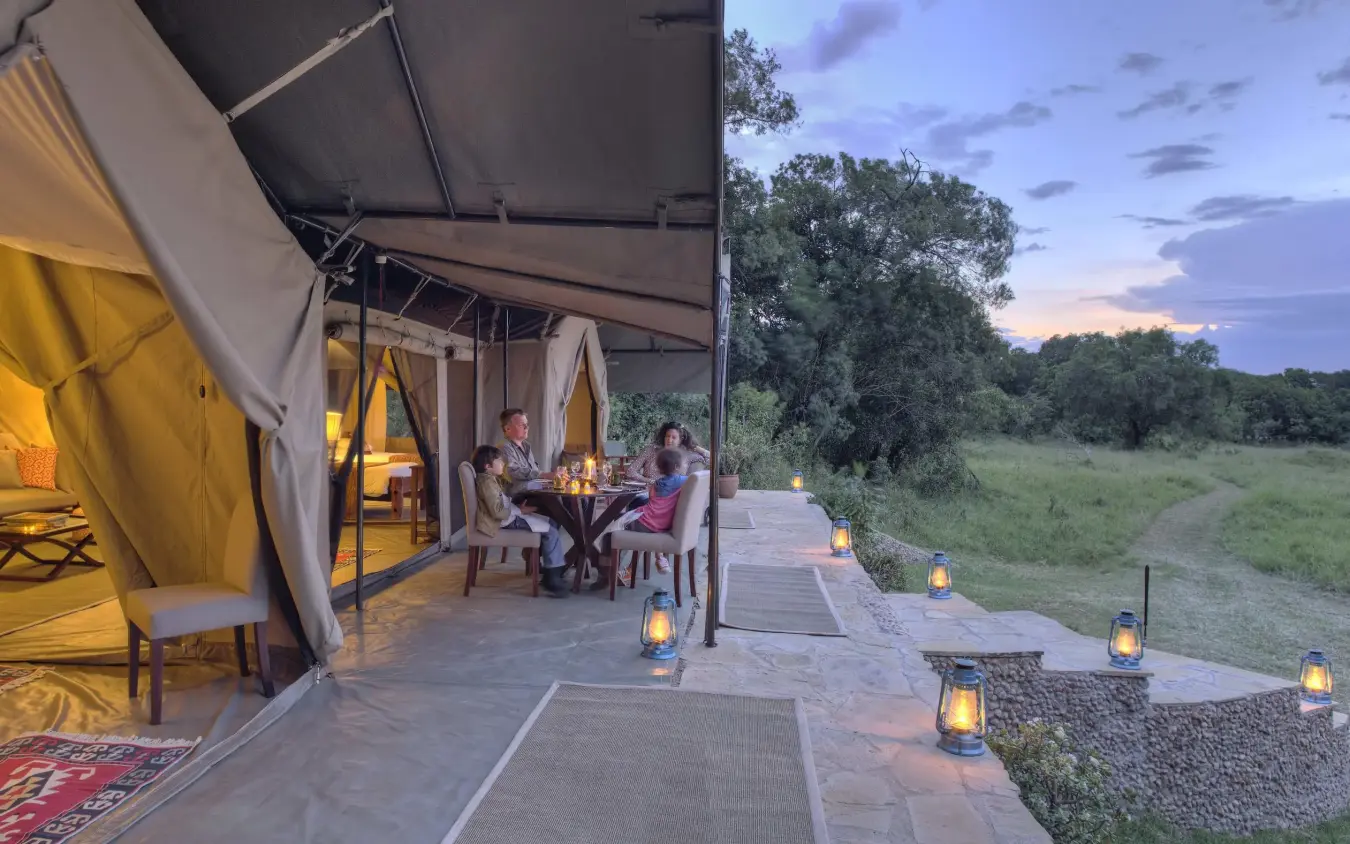
Four nights on the eastern plains of Serengeti National Park, a sector closed to the public for more than a decade so researchers could study big cat behaviour. Open vehicles go out at sunrise and again in the late afternoon, working the short grass, the granite kopjes and the Ngare Nanyukie valley for cheetah, lions and leopards, with far fewer vehicles than the central circuits. Serengeti Plains Camp holds eight tents on raised wooden platforms at the edge of acacia woodland, each with a private veranda and solar-heated water, and lions call close enough to register through canvas.
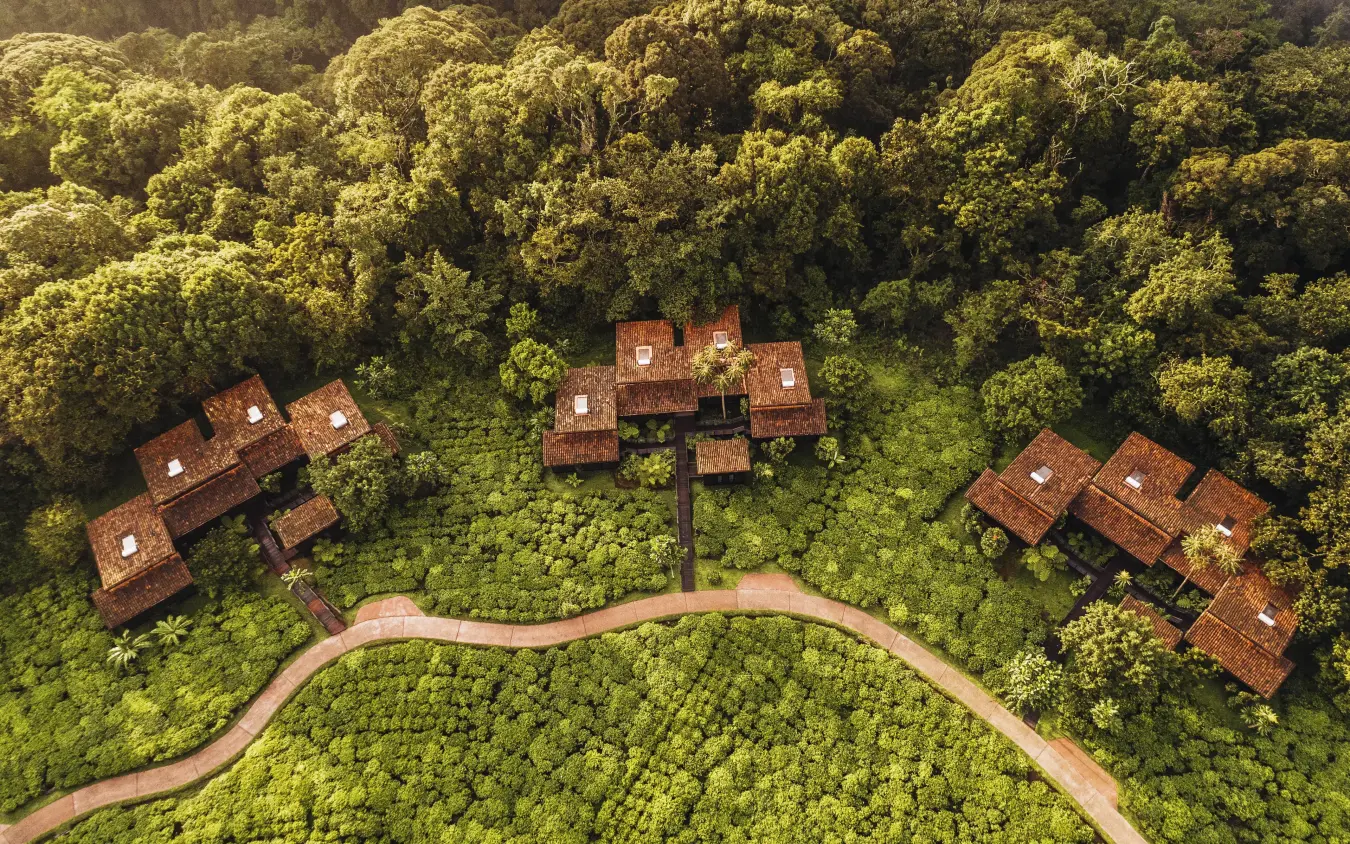
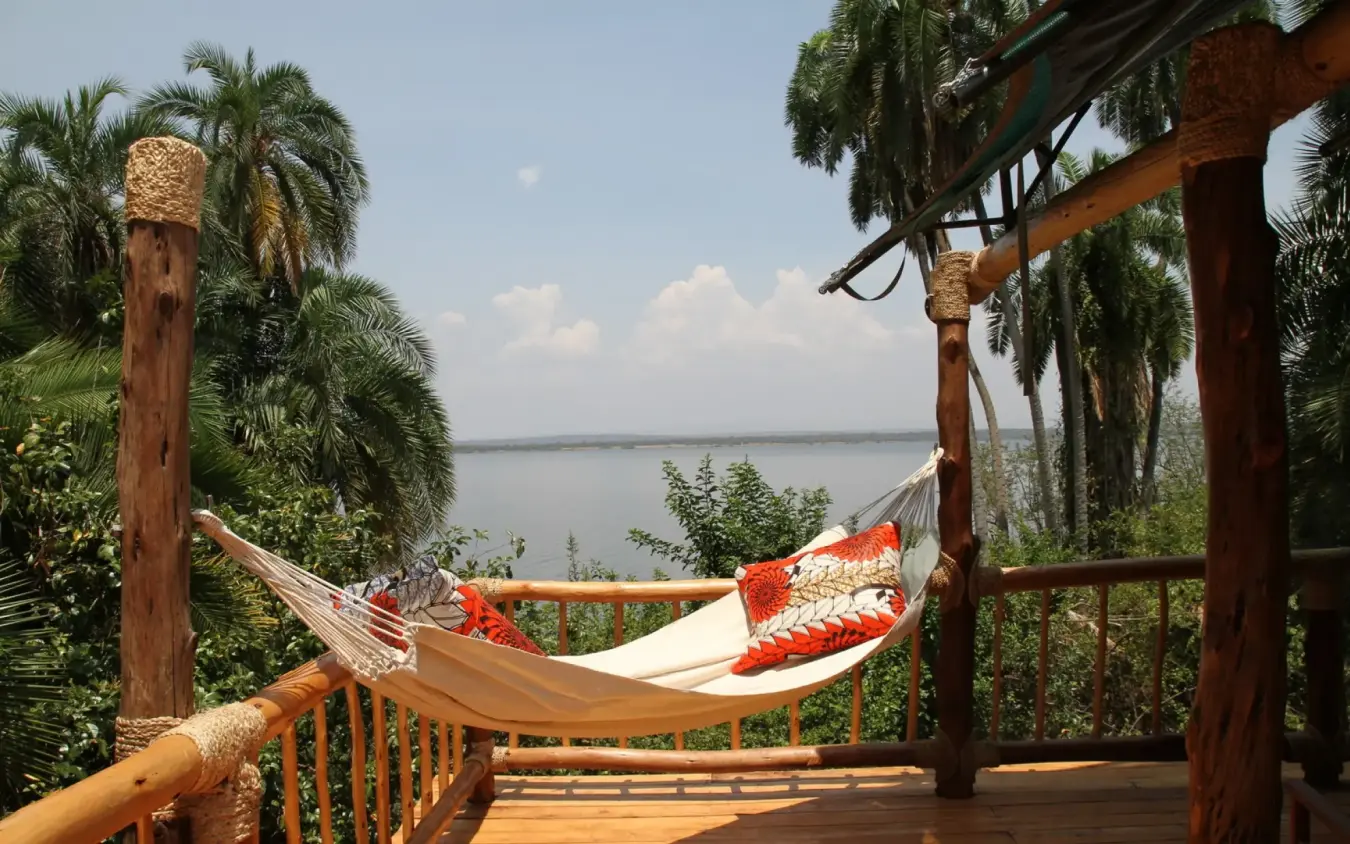
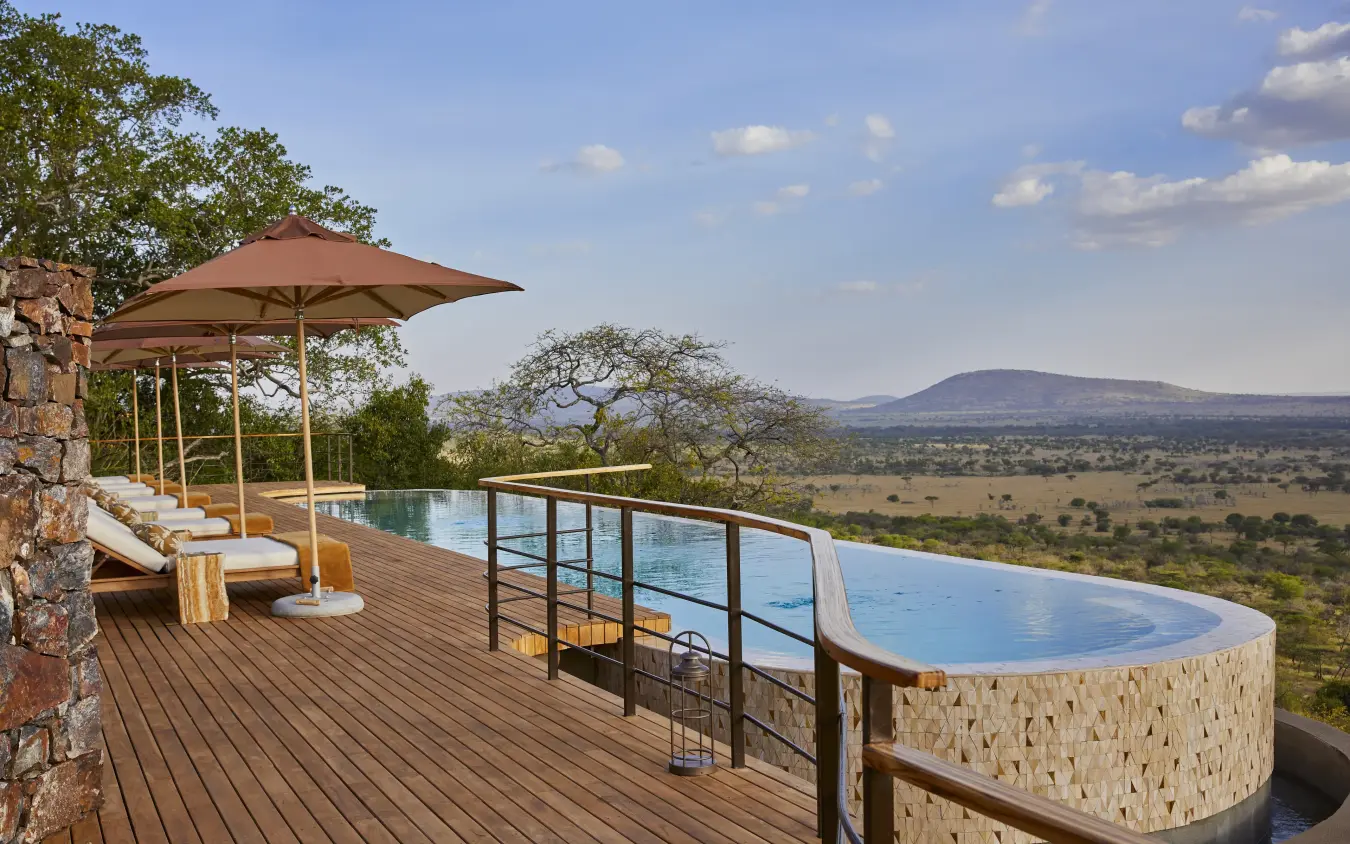
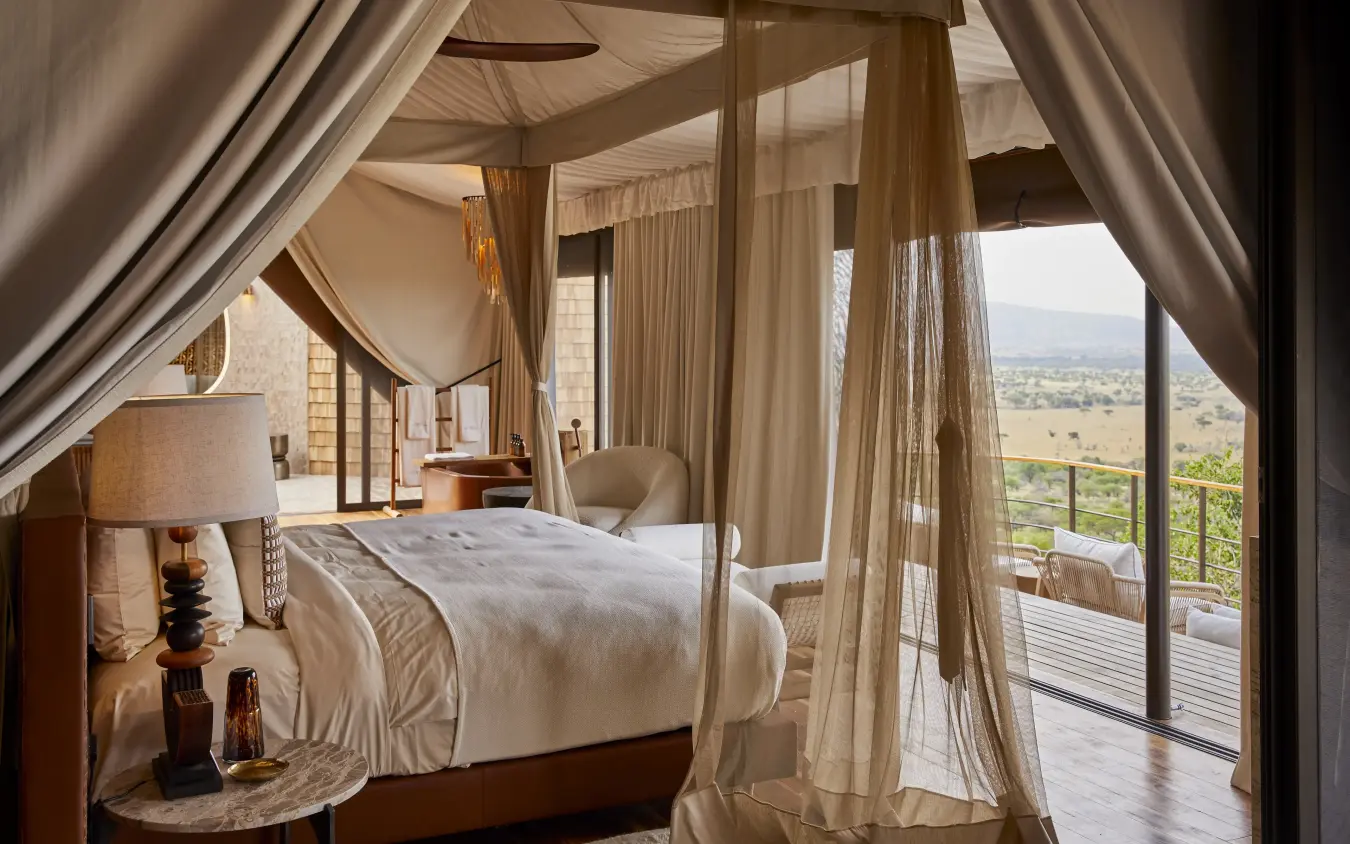
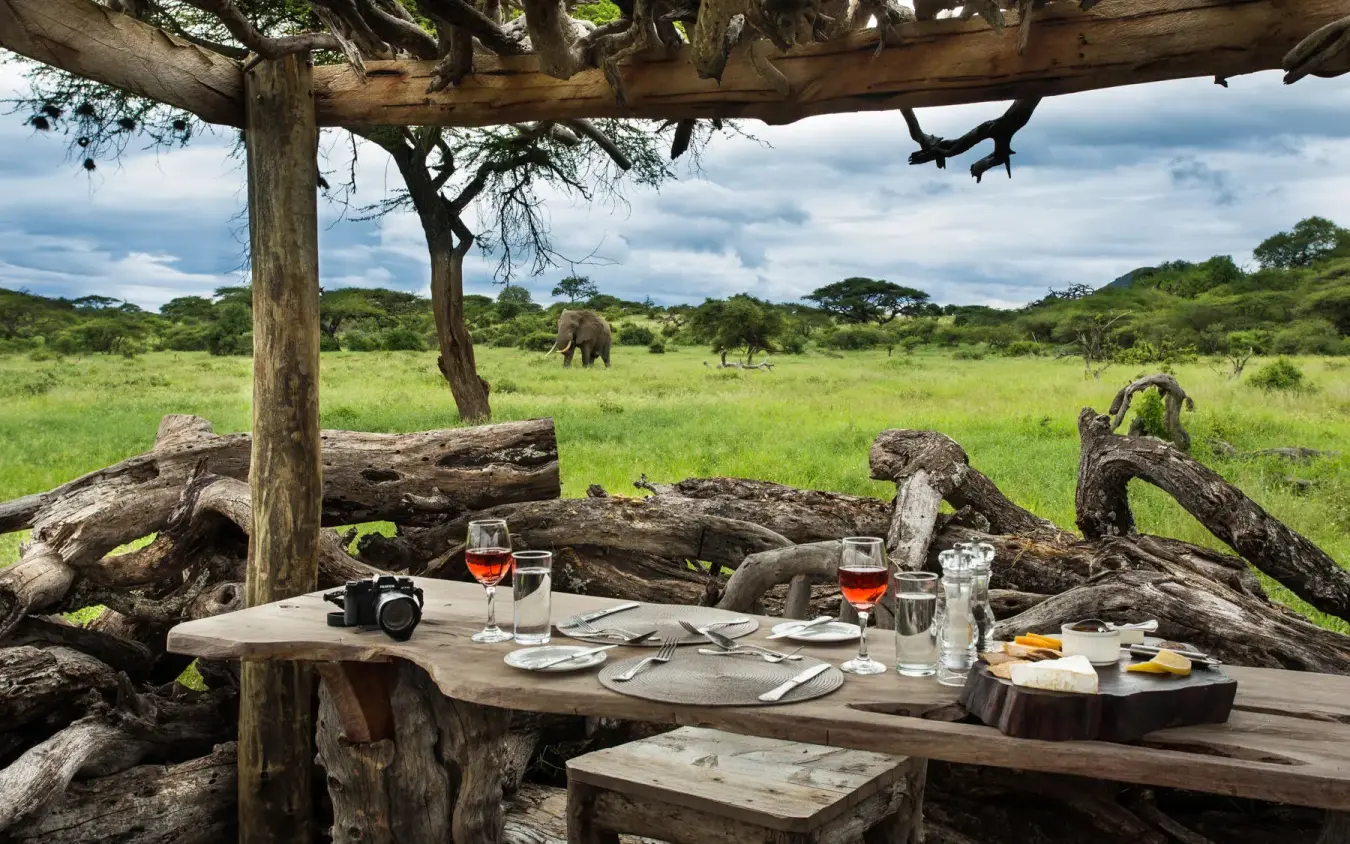
Four nights along a high ridge in the western corridor of Serengeti National Park, where the Great Migration passes through and the Grumeti country holds resident lions, leopards and hyenas, with colobus monkeys in the riverine forest. A waterhole below the ridge draws elephants, buffalo and antelope into view from the main veranda. Laba Grumeti Art Lodge has twelve tented suites, each doubling as a gallery, with forty-six museum-grade works woven through the camp and custom Land Rovers that switch between fuel and electric power.
One, as the sample route is written: the days at Kinigi are built around a single tracking permit, and the other mornings go to the farm.
A second trek is the change we are asked for most, and three nights leave room for it. Every morning in the forest needs its own permit, and Rwanda issues only eight for each habituated family each day, so a date can have space at the farm and nothing left in the forest.
That is the part of the plan we fix first and the rest moves around it. A permit buys one hour with the family once the trackers have led you in, and the minimum age is 15, which matters if anyone in the party is younger.
The odds are high, and the reason is the tracking rather than luck.
Teams pick each family up at the nests it slept in the night before and stay with it, so the rangers briefing you at Kinigi at 7am usually know roughly where you are heading.
Rwanda publishes no official rate; we put the figure at better than 95 per cent, and nothing with a wild animal can be promised.
The walking is the part nobody can forecast. The animals live somewhere between about 2,500 and 4,000 metres, the ground is bamboo and wet volcanic soil with nettles through it, and the climb can take half an hour or most of a day.
Families are shared out with fitness in mind, so say what you would prefer.
Work, not a display.
The list of what a guest can join runs to about a dozen things:
These are the jobs the place does anyway, which is why the timing follows the animals and not a programme, and why nobody minds if you only want to watch.
It suits anyone who likes to learn something with their hands, and it sits well beside the trekking, since a trek takes one morning and leaves the rest of a three-night stay open. Tell us what interests you and we will ask for it to be arranged.
The Rwandan half is by road, and it is a climb: allow around three hours from Kigali up to Kinigi with a private driver-guide.
The legs between the two countries are not set out on our page, and what works depends on when you travel, so we confirm the airlines and the timings once we have your dates and build them around the gorilla permit.
Inside Tanzania the plains are reached by light aircraft, and those carry a limit of 15 kilograms a person in soft bags, cabin bag included, often with a stop at another airstrip on the way.
Two visas, not one. The East Africa Tourist Visa is shared by Rwanda, Kenya and Uganda and does not reach Tanzania, which runs a system of its own, and the official advice on both sides is to apply online well before you fly.
Better here than in most of the Serengeti, though no camp can promise a cat.
Cheetah hunt in daylight and need open ground they can run on, so short grass suits them, while the granite kopjes and scattered bush give the cover they use to stalk and to hide cubs. Four nights count for a lot, because finding them is a matter of quartering open country until you do.
No one publishes a sighting rate for this corner. What we can say is that the Serengeti carries among the highest cheetah densities recorded anywhere, and that the plains can hold many times that number when the grazing herds are on them, which is as close to a figure as anyone can honestly get.
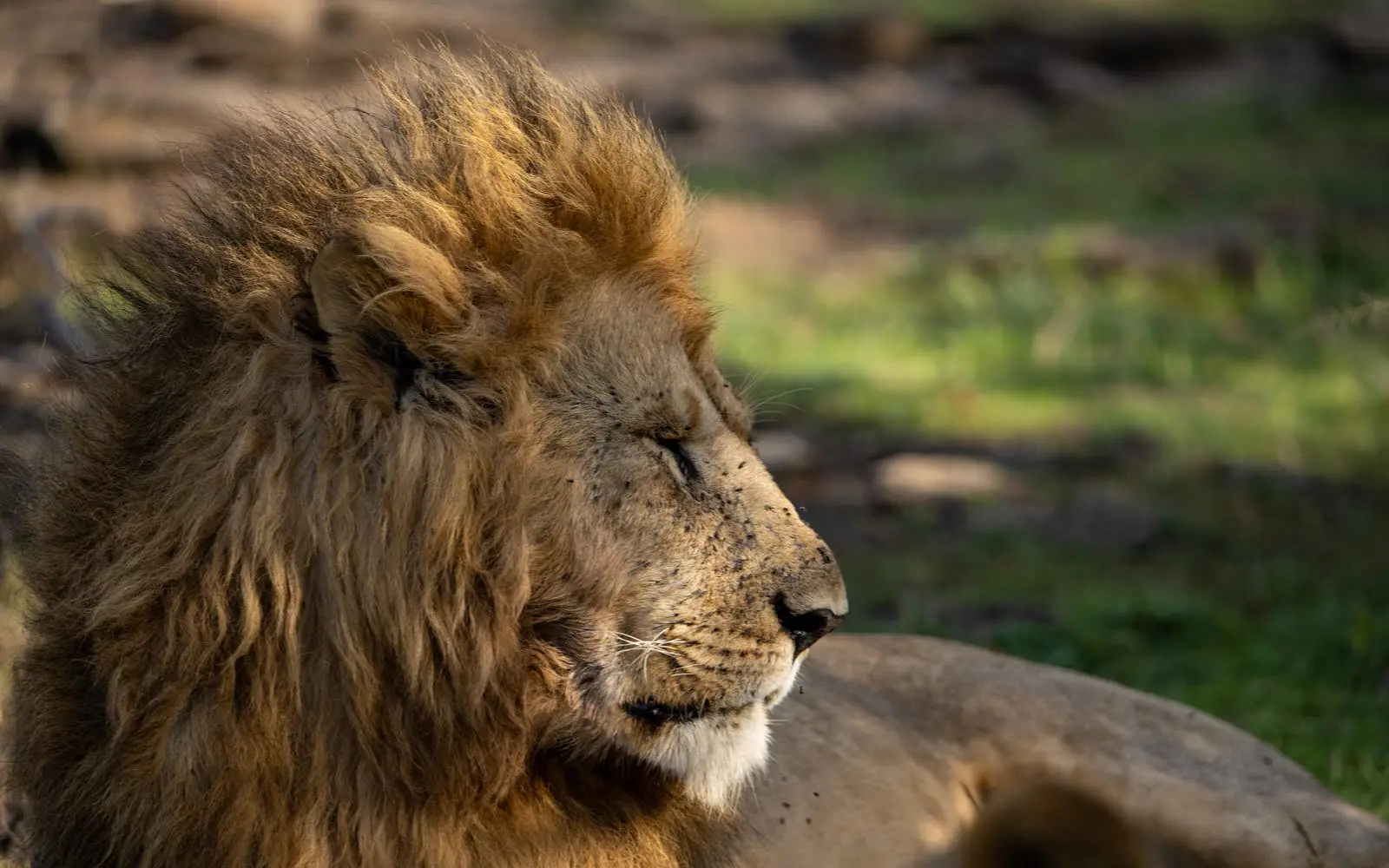
Lion and leopard are resident here too.
July and August come out top at every stop: dry trails on the volcanoes, settled weather in Kigali and the Serengeti in its dry months, with game concentrated on the plains. September is close behind.
June is worth weighing if the western corridor is your reason for coming, since the herds usually work through that country around then.
January and February are the other dry window, which we rate well for the gorillas, February being the stronger of the two out on the plains.
April and May are the ones to avoid, with Tanzania's long rains and the heaviest going in the forest. March and November are difficult in Rwanda.
The wetter months do carry advantages: permits and small camps open up, the forest is green and loud with birds, and flat cloud kills the harsh shadows that spoil photographs of a black-furred animal in sunshine.
Ed Charles, BBC Producer
Fitzroy are true specialists in accessing the wilderness. They know where to go and importantly, when to go there. Highly recommended.
rwanda, tanzania & kenya
Rwanda's gorillas, the northern Serengeti and Mara plains, then horseback days below Kilimanjaro in the Chyulu Hills.
rwanda
Twelve nights across Rwanda, from Akagera's savannah to Nyungwe's rainforest, Lake Kivu and the mountain gorillas.

rwanda
Seven nights across Rwanda, linking Nyungwe rainforest, Lake Kivu and the gorillas of Volcanoes National Park.
rated five stars by our clients

our approach
Every journey starts with a conversation. We take the time to understand your vision before we start planning.
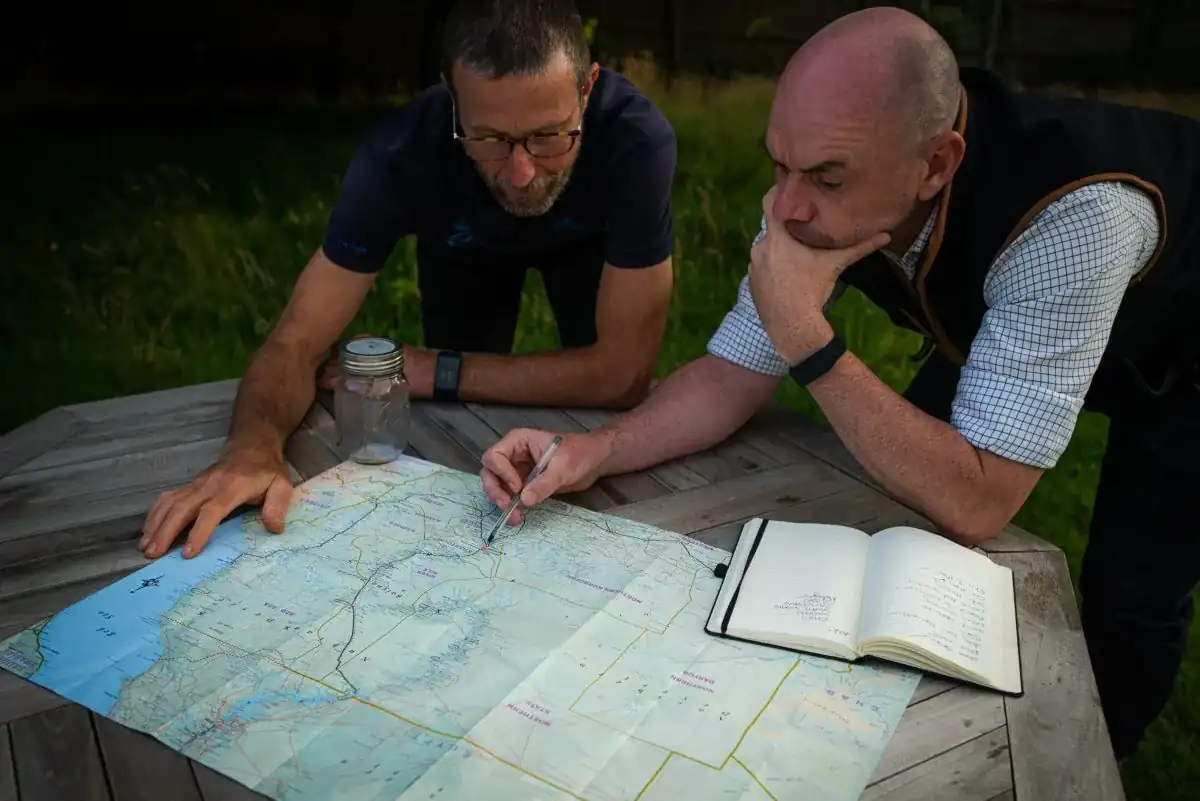
Whether by phone or in person, we work with you directly to shape something that is considered, personal, and expertly delivered.
Every journey starts with a conversation. We favour a direct, personal approach: understanding your vision before anything else.
Whether by phone or in person, we work with you directly to shape a journey that is both thoughtfully considered and expertly delivered.
Get in touch to start planning yours.