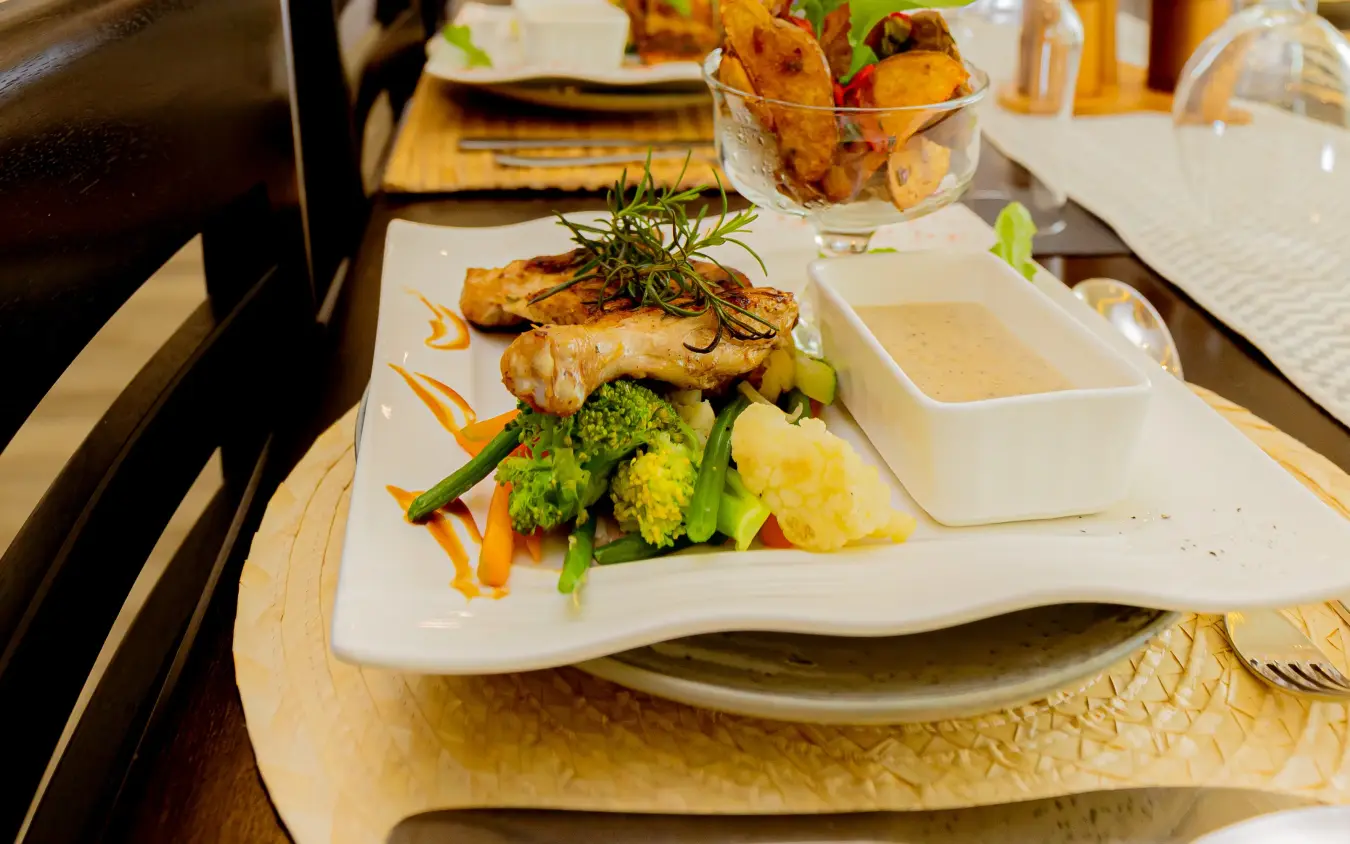
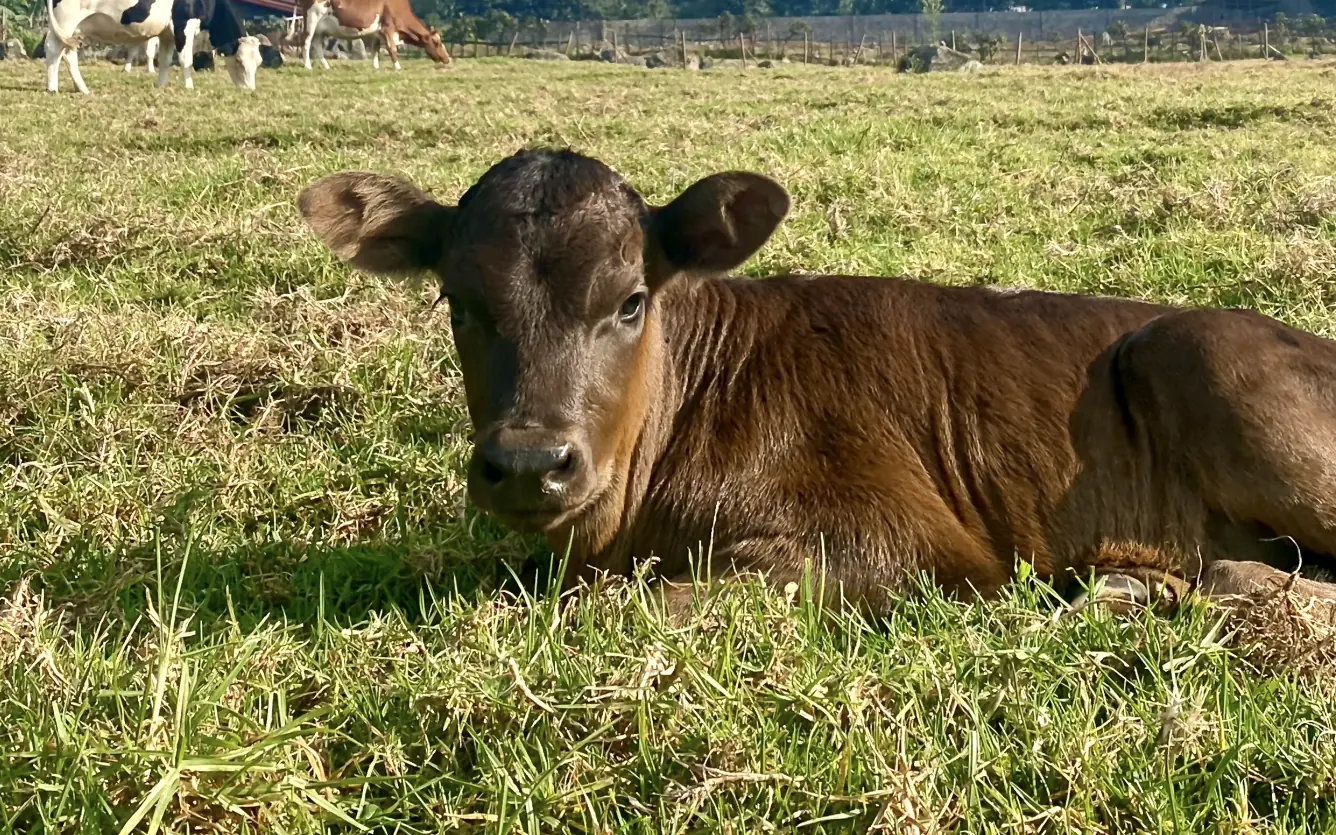
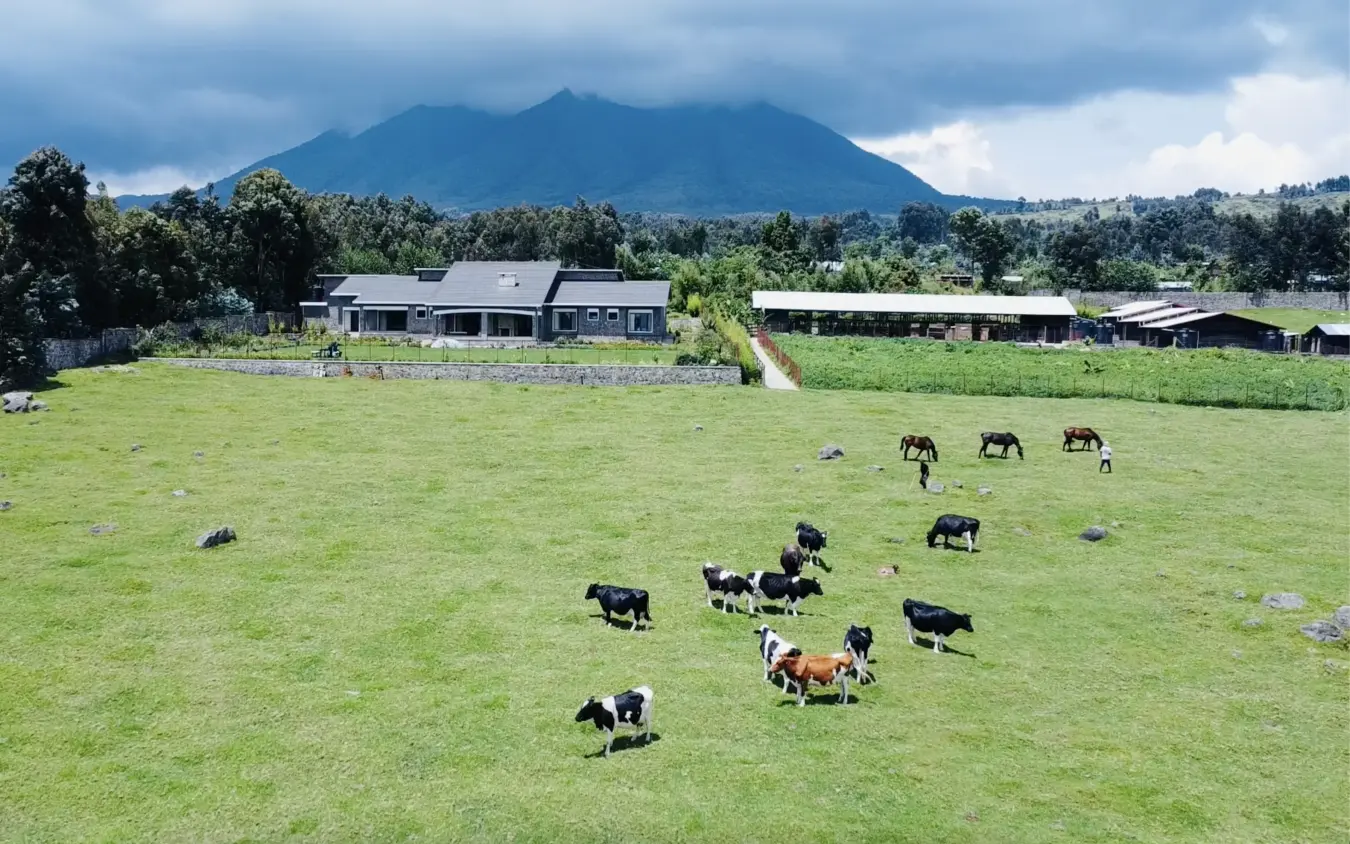
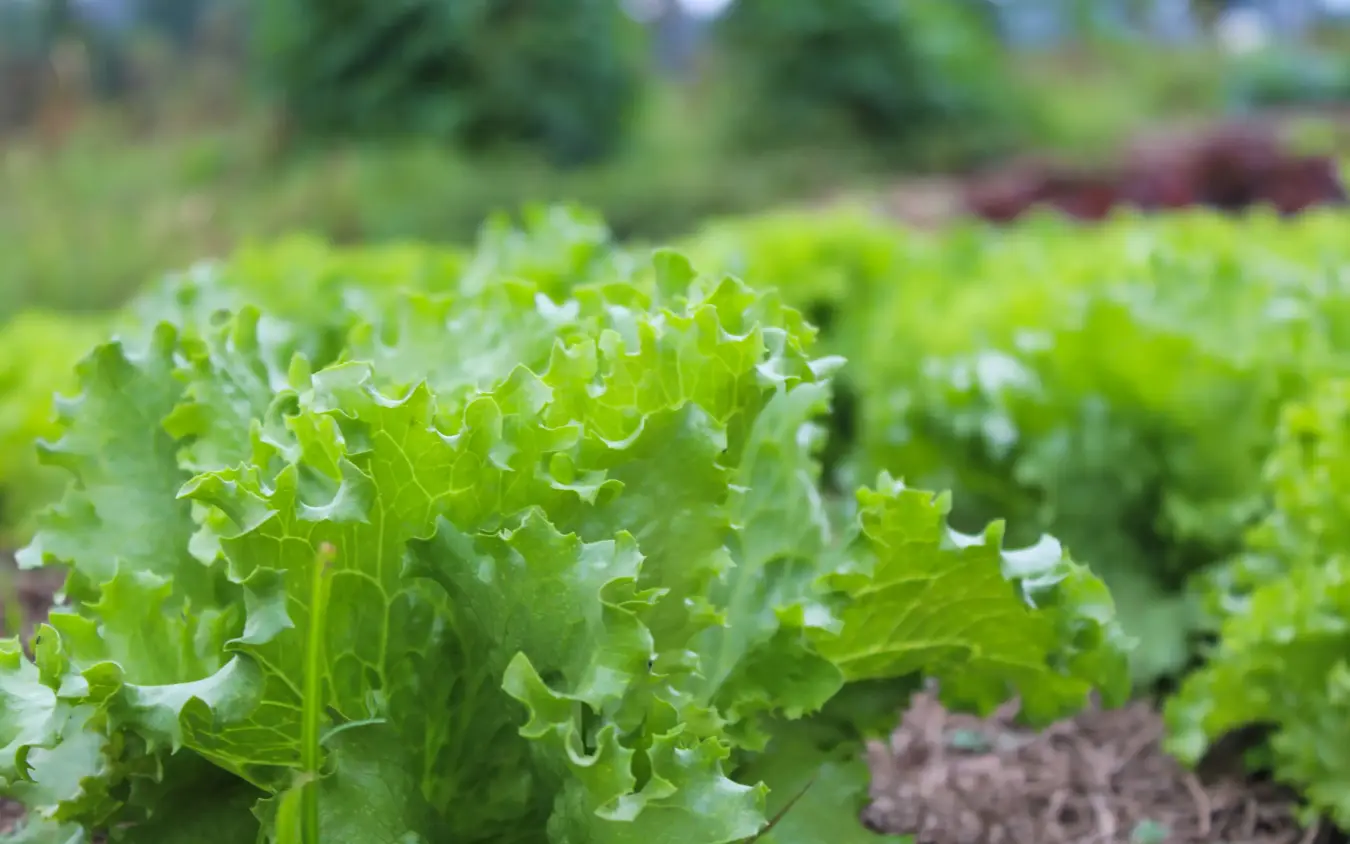
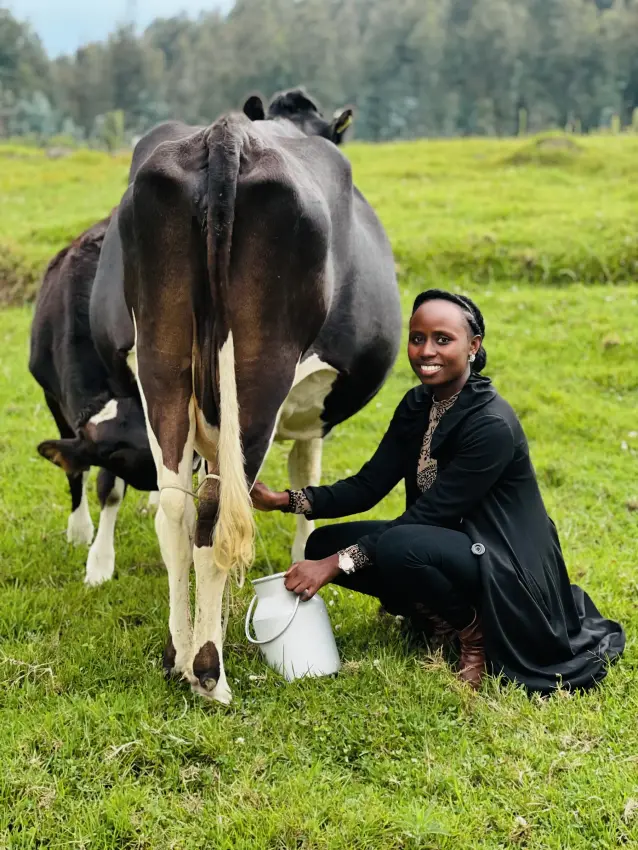
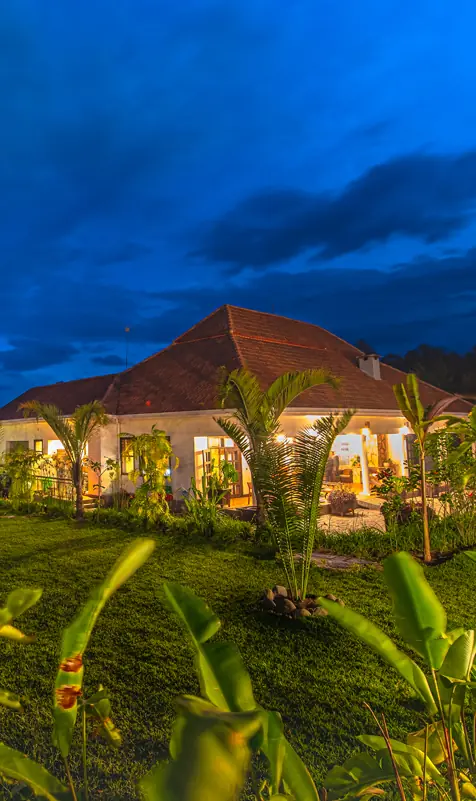
Farmhouse Rwanda is a working farm, not a lodge with a garden attached, and the table proves it: around 95 percent of what is served is grown, milked or harvested on site. Guests walk the gardens with the chef, pull their own herbs and vegetables, and take a hand in the cooking during kitchen sessions. The food pairs Rwandan ingredients with international technique, served in the main house dining room, out on the cottage terraces, or at open-fire barbecues once the light has gone and the peaks have slipped into darkness.
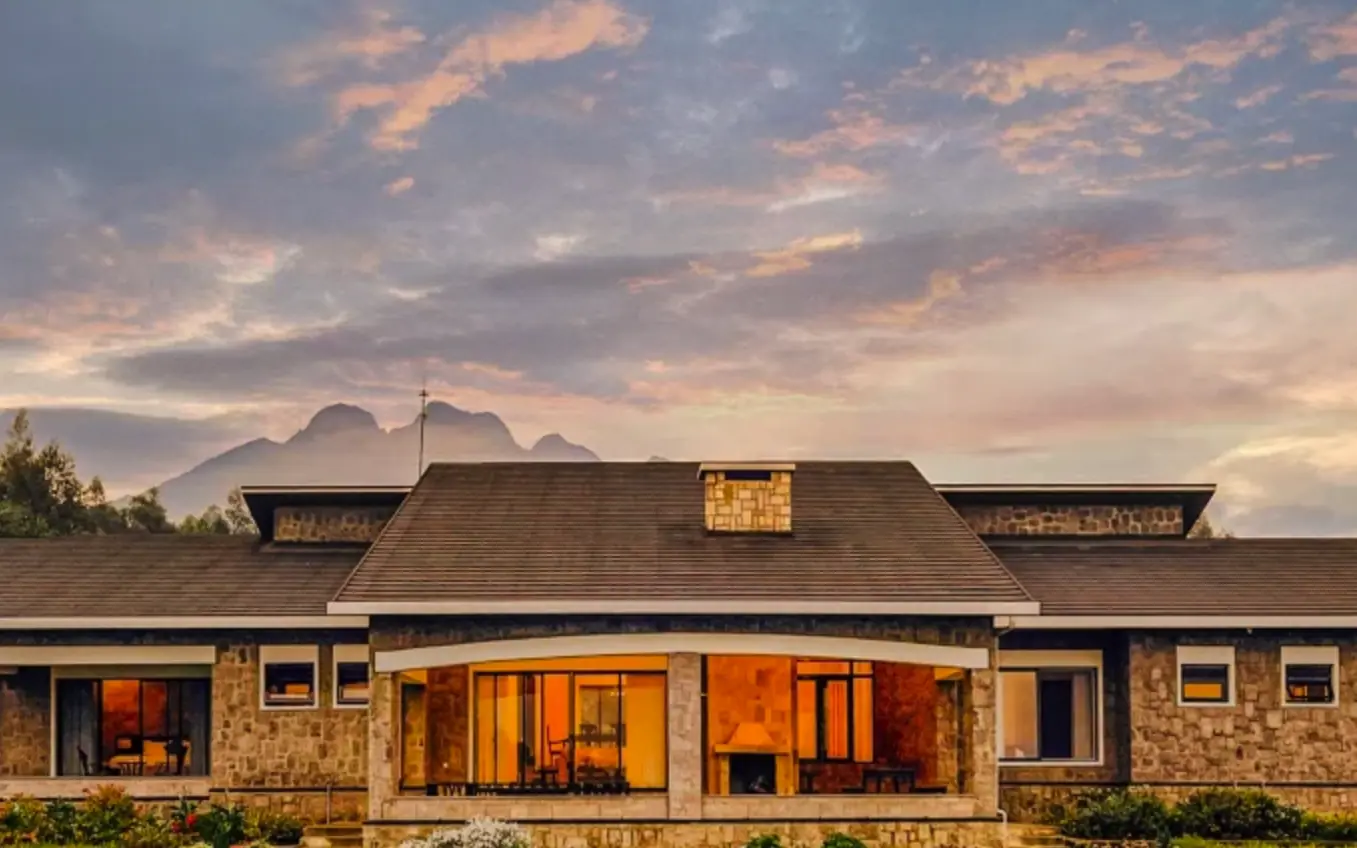
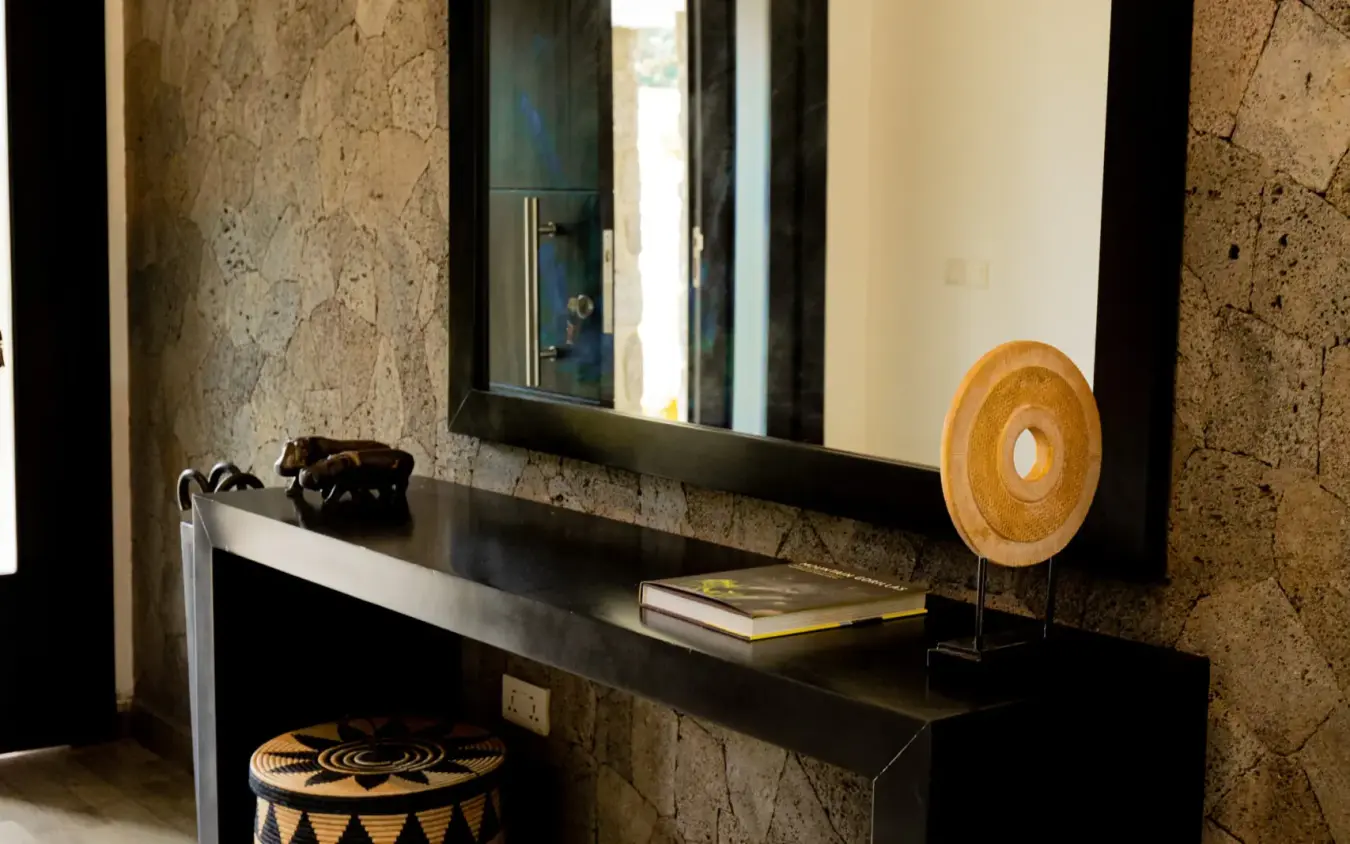
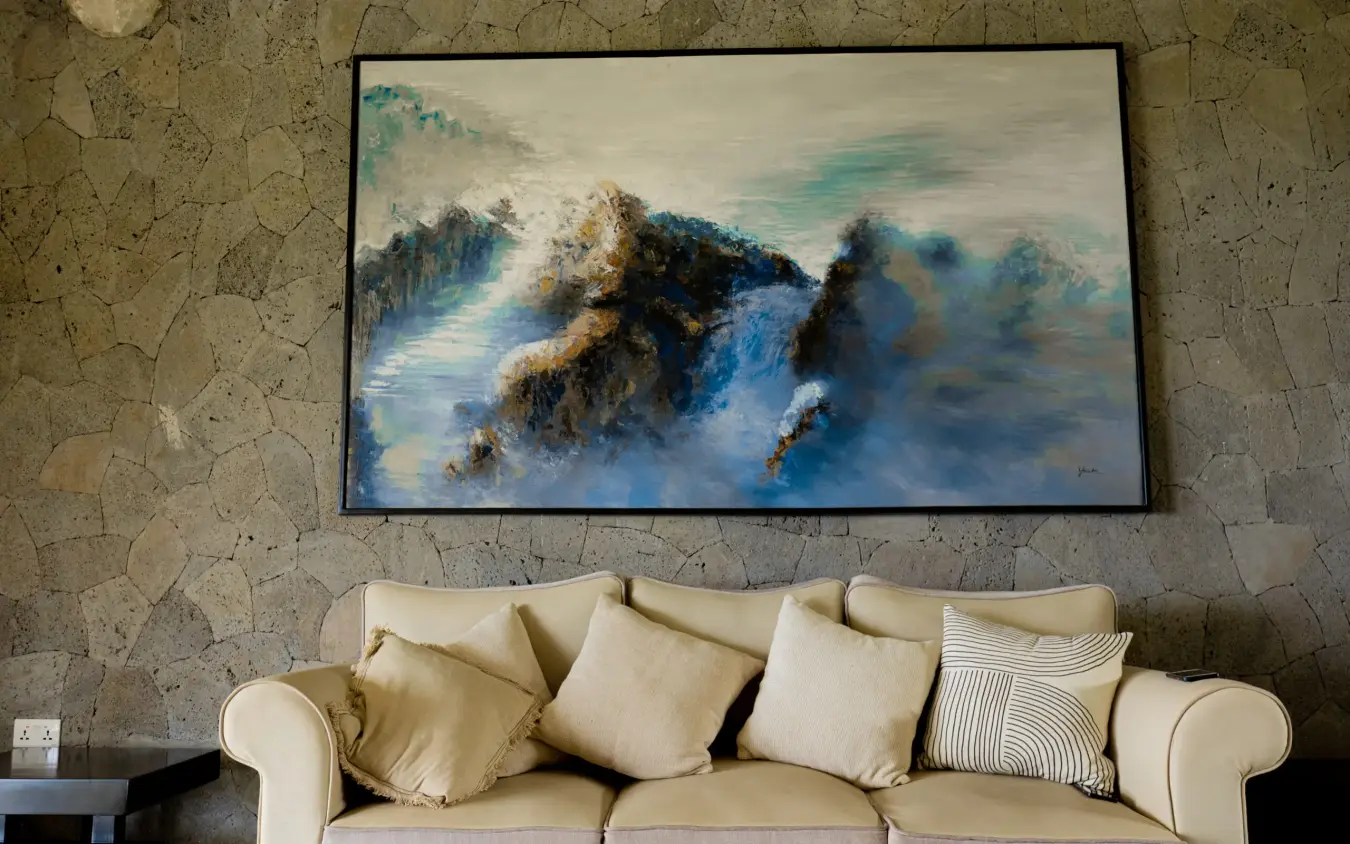
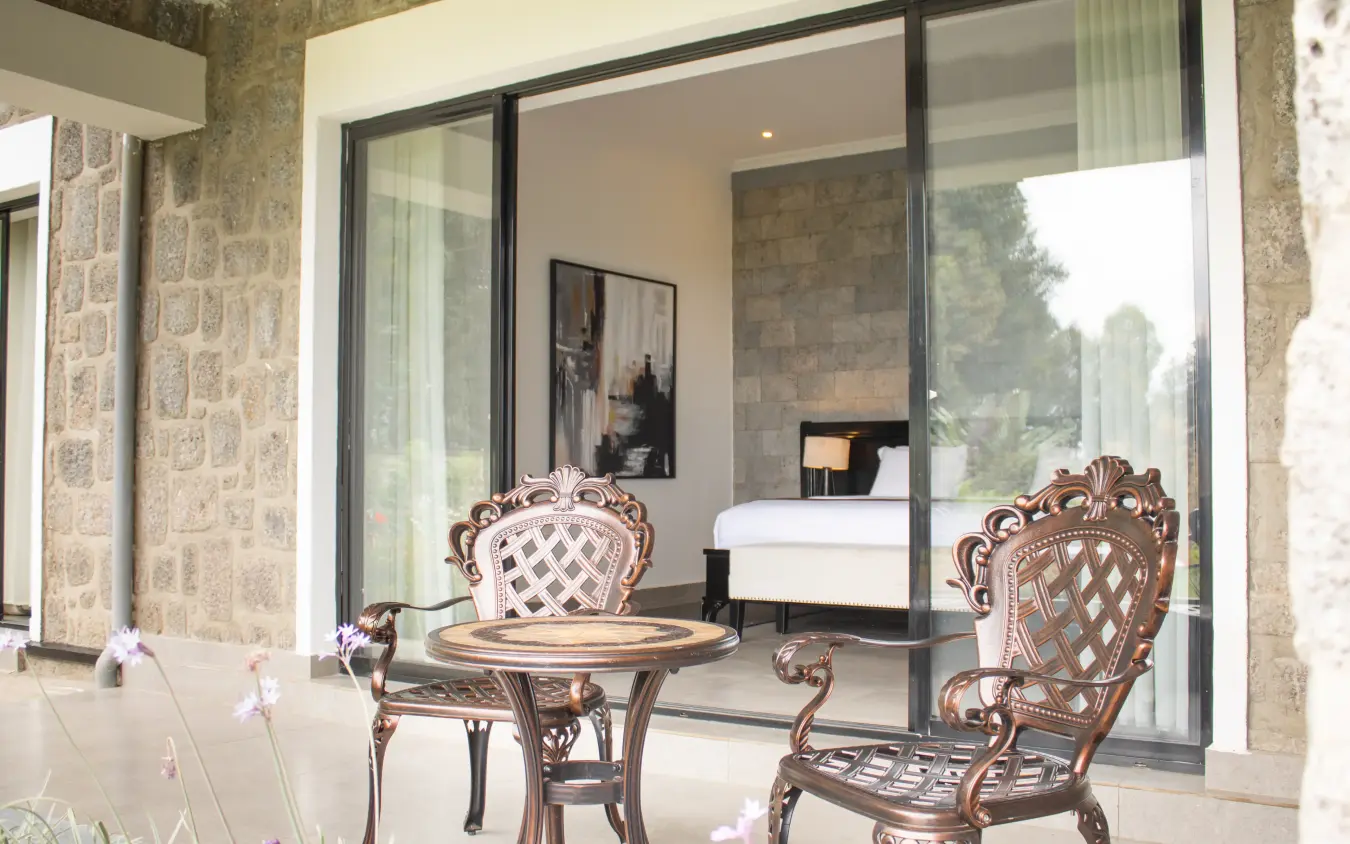
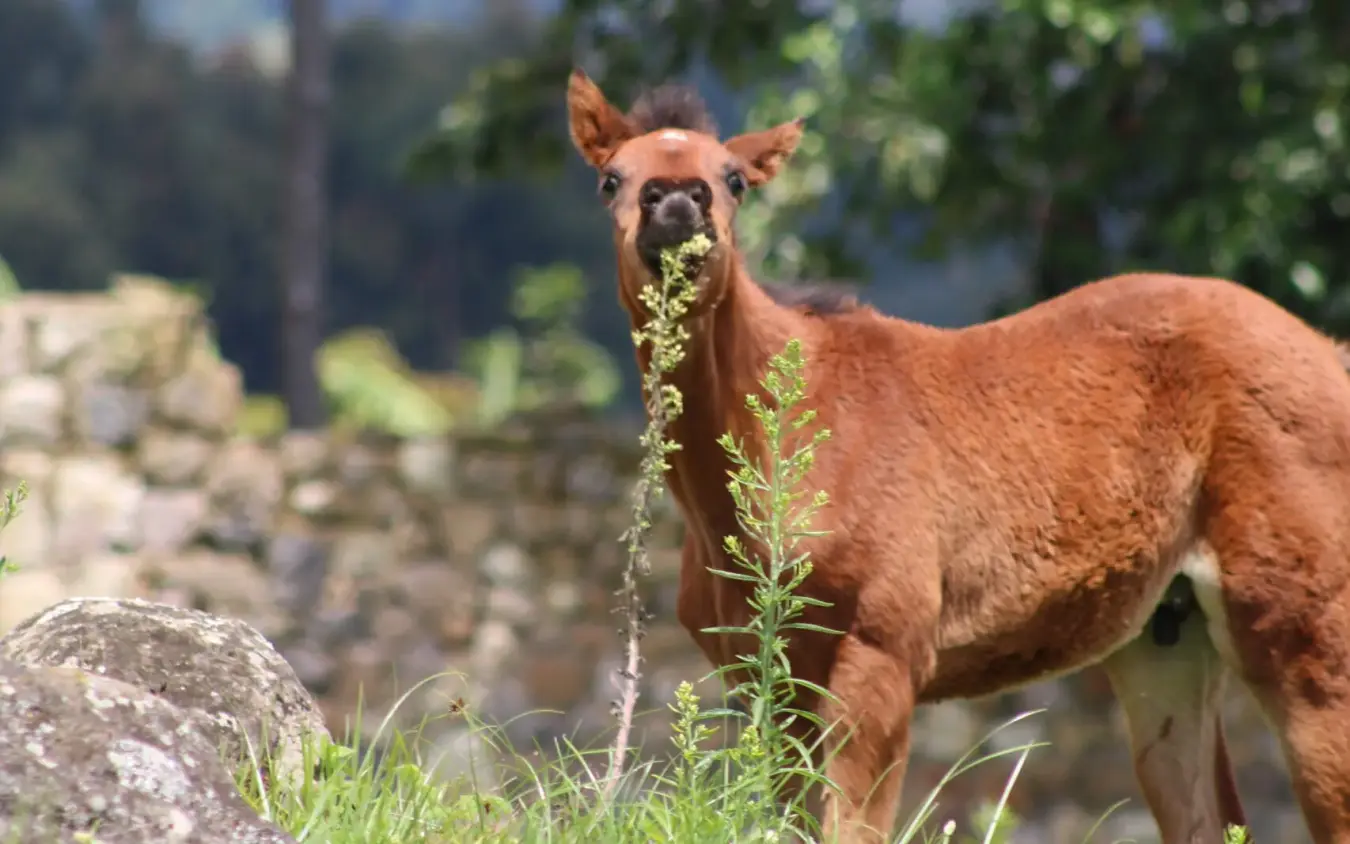
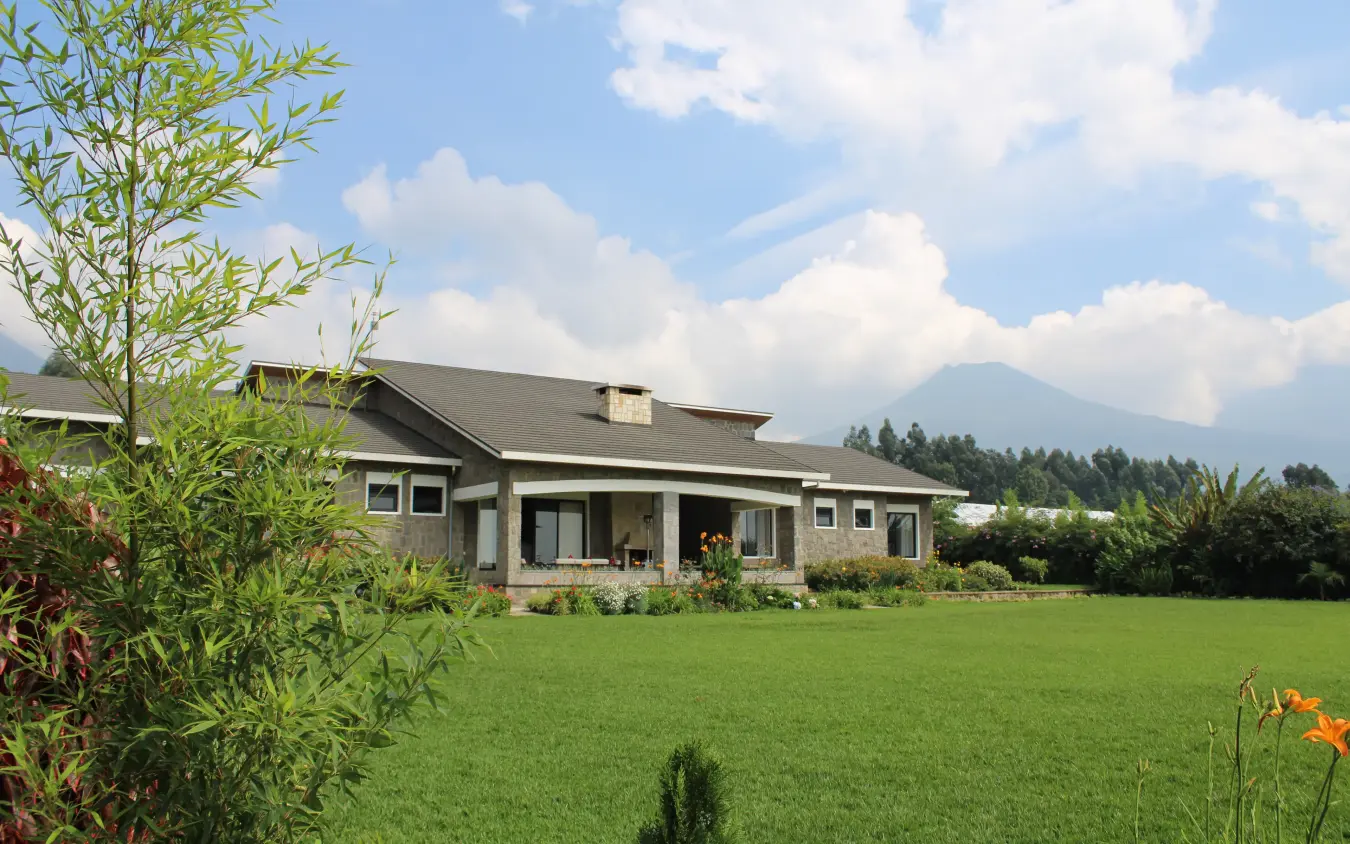
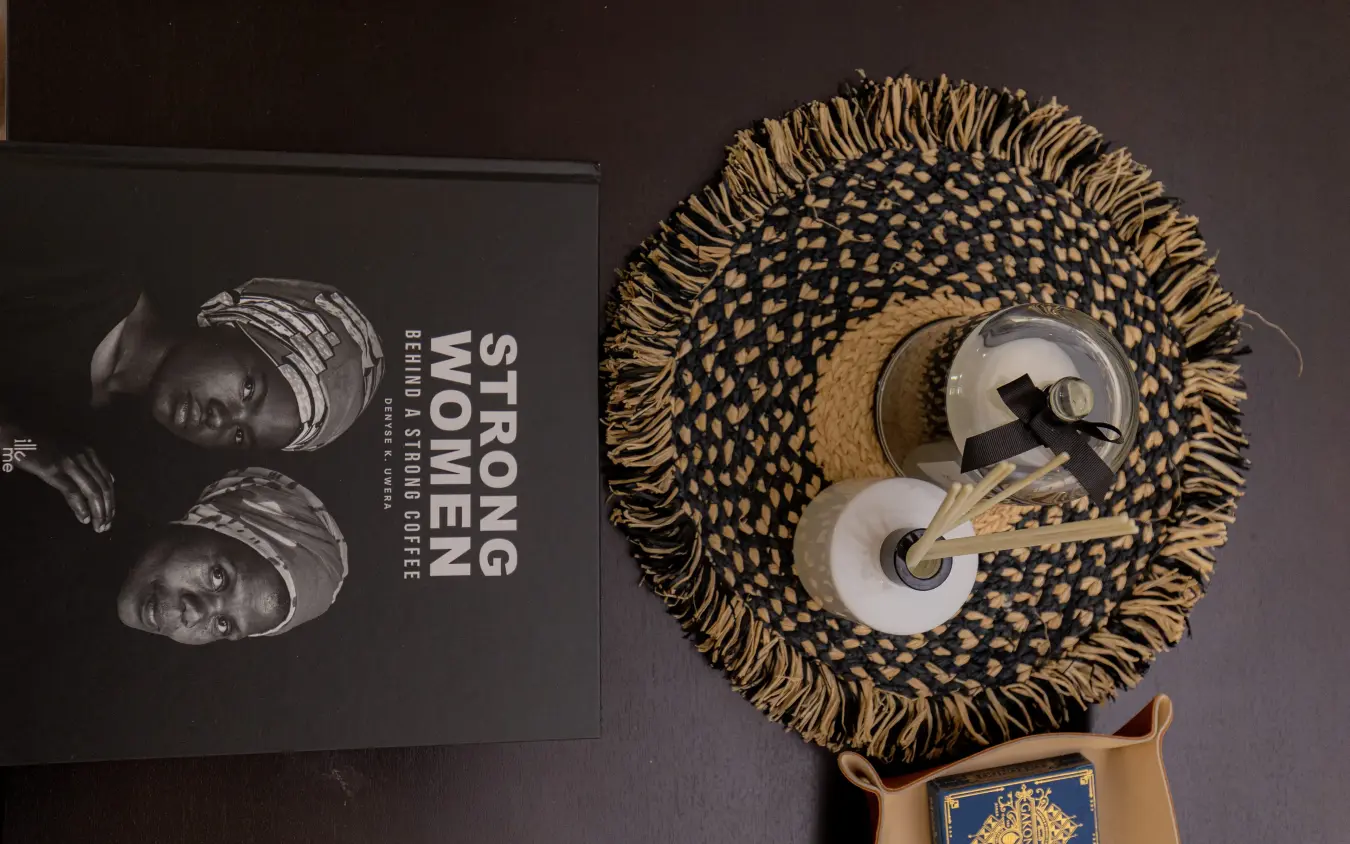
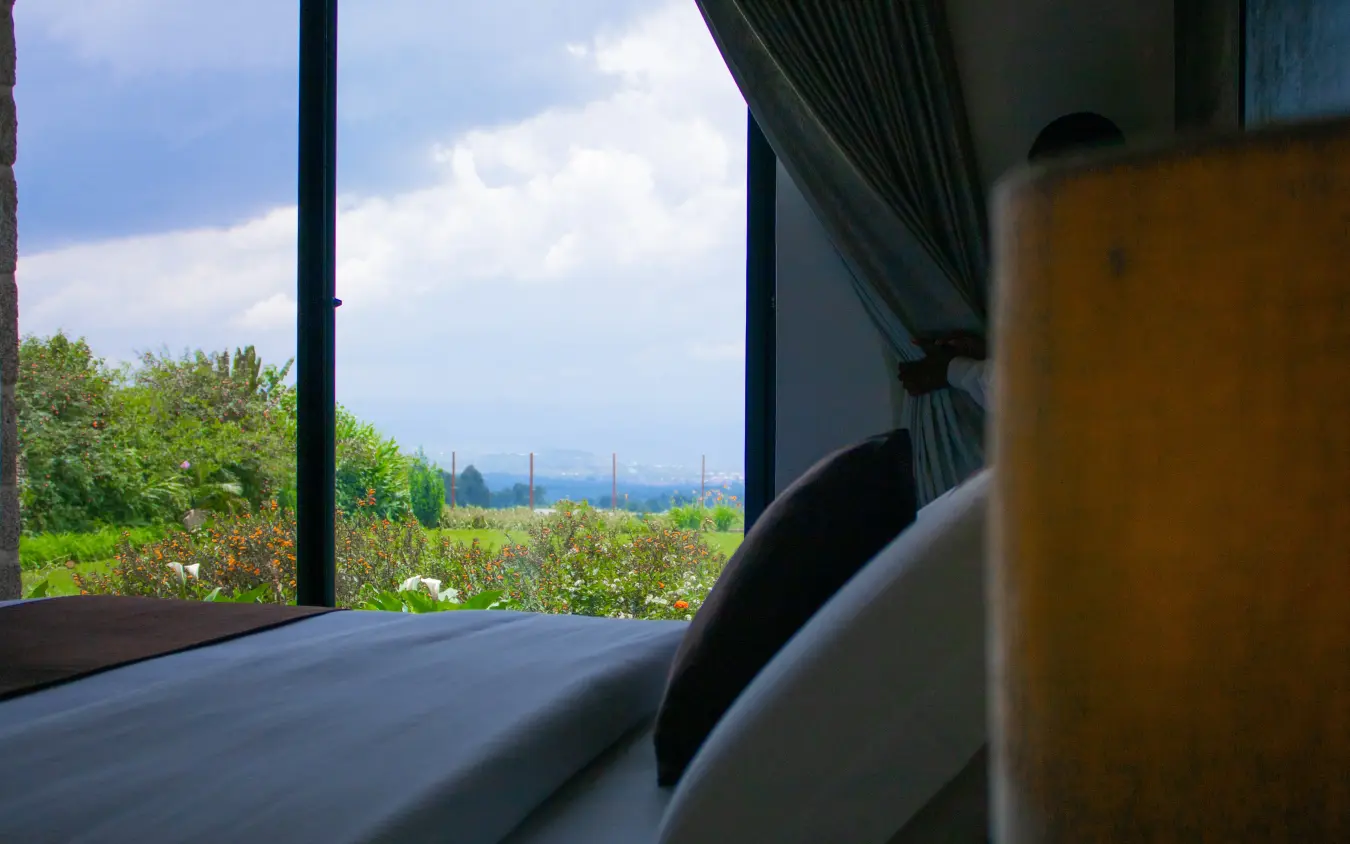
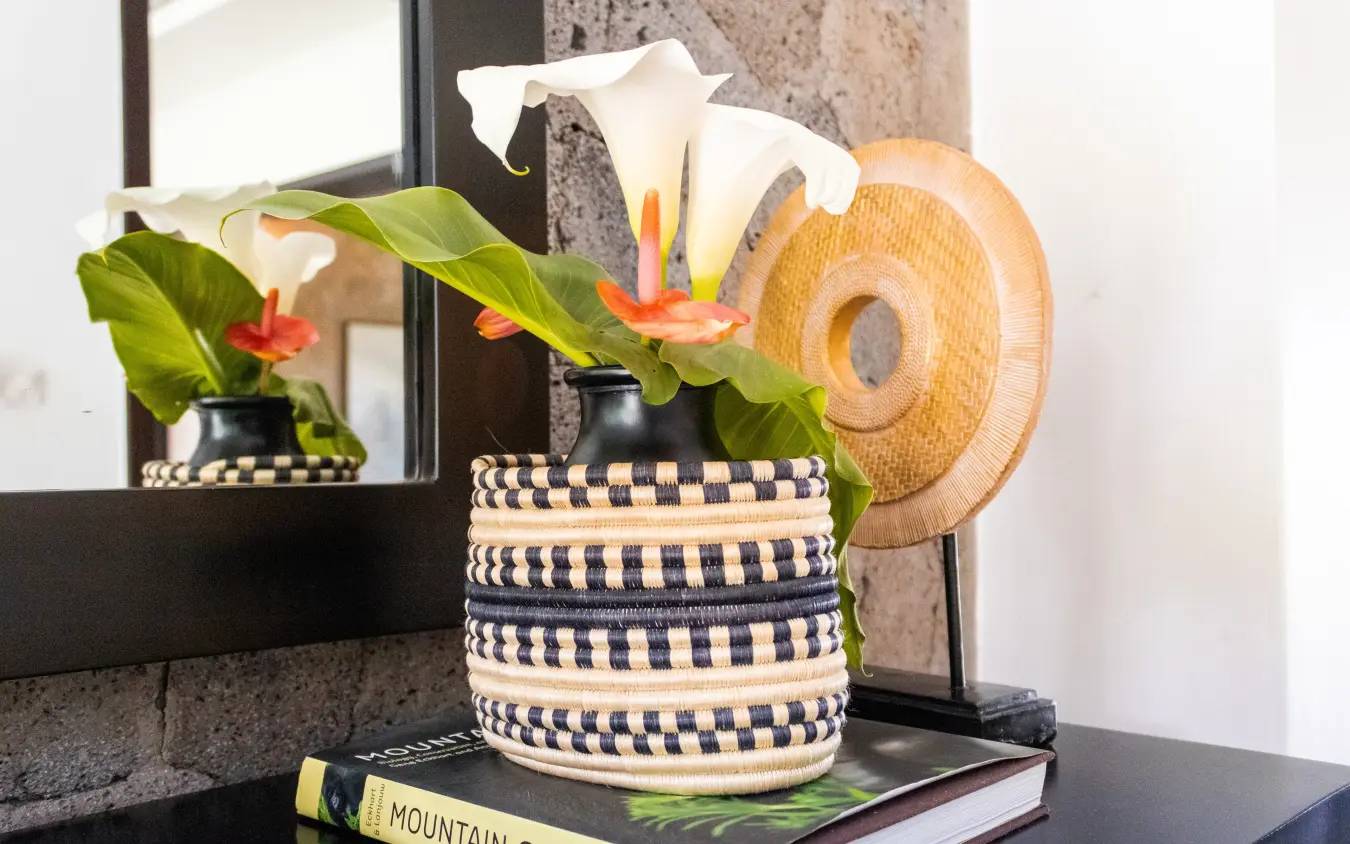
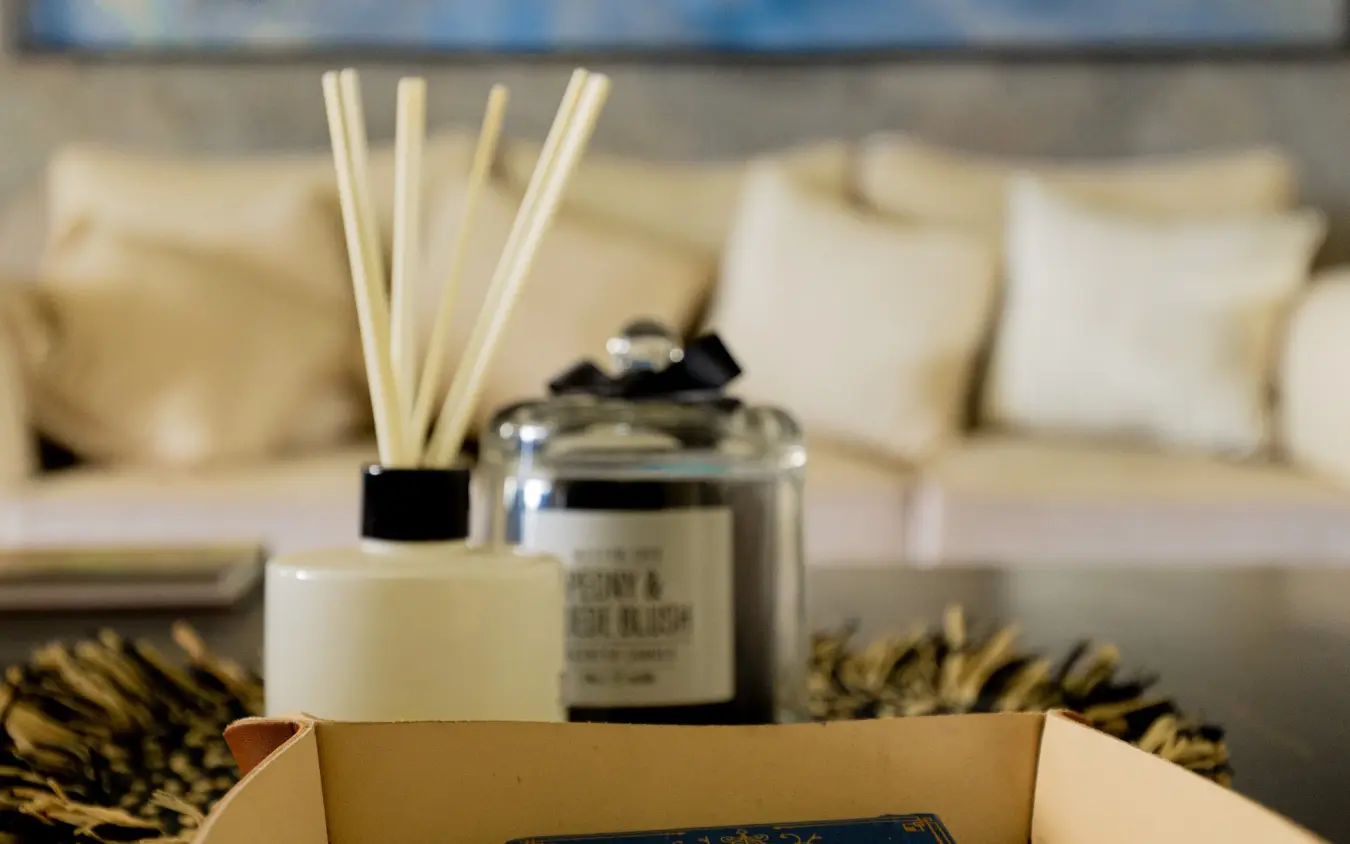
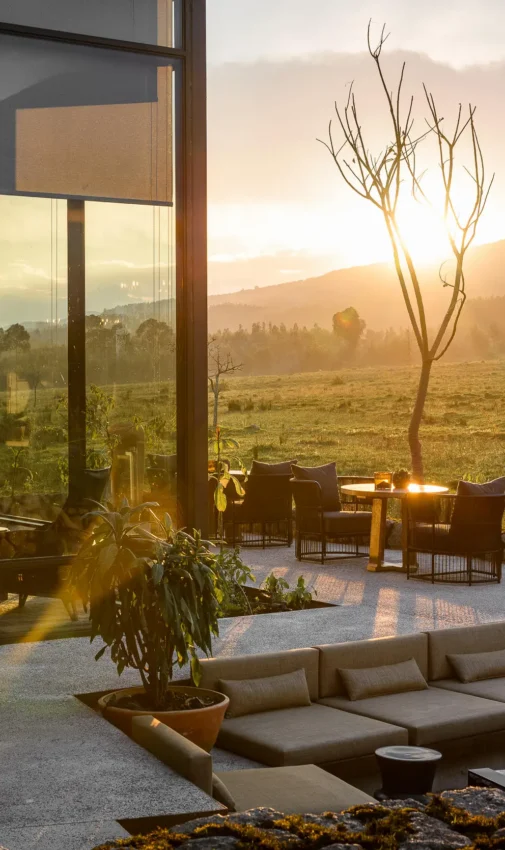
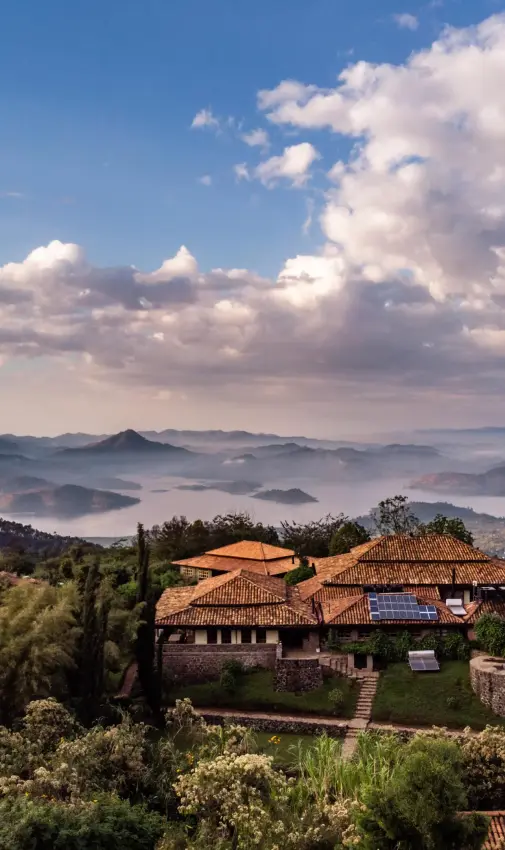
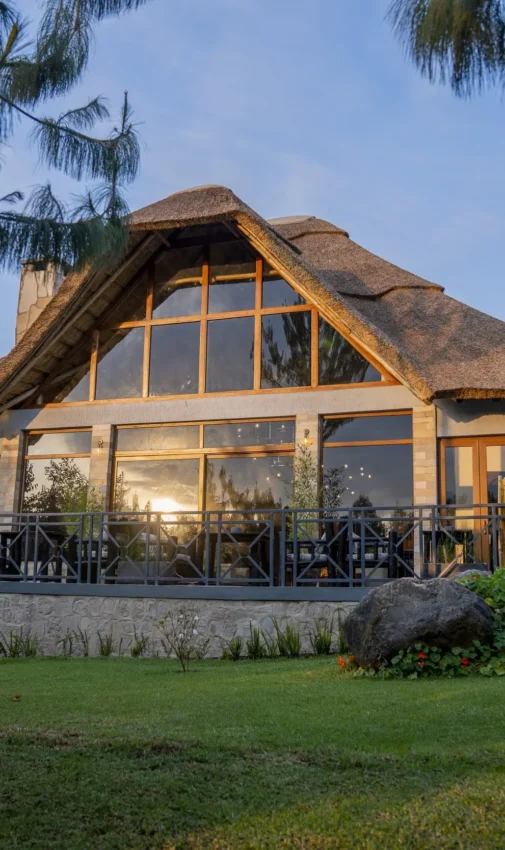
The buildings read as modern-rustic rather than safari-camp. Local volcanic stone meets sustainably sourced timber, earthy plasters and natural fibres, and the main living spaces are anchored by high ceilings, exposed timber trusses and stone fireplaces. Floor-to-ceiling windows pull the highland light indoors. Several bathrooms set freestanding tubs beside picture windows that look out onto horses grazing in the meadows below, and handcrafted wooden furnishings and soft linen keep the rooms warm.
The farm handles the logistics, sending guests off well fed before a dawn start
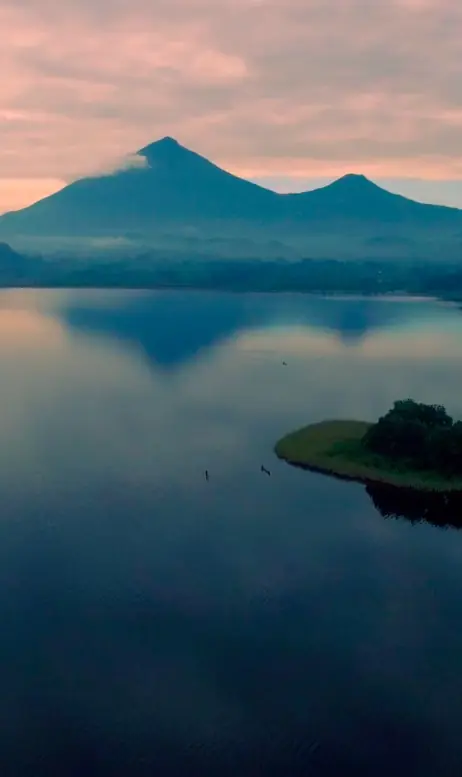
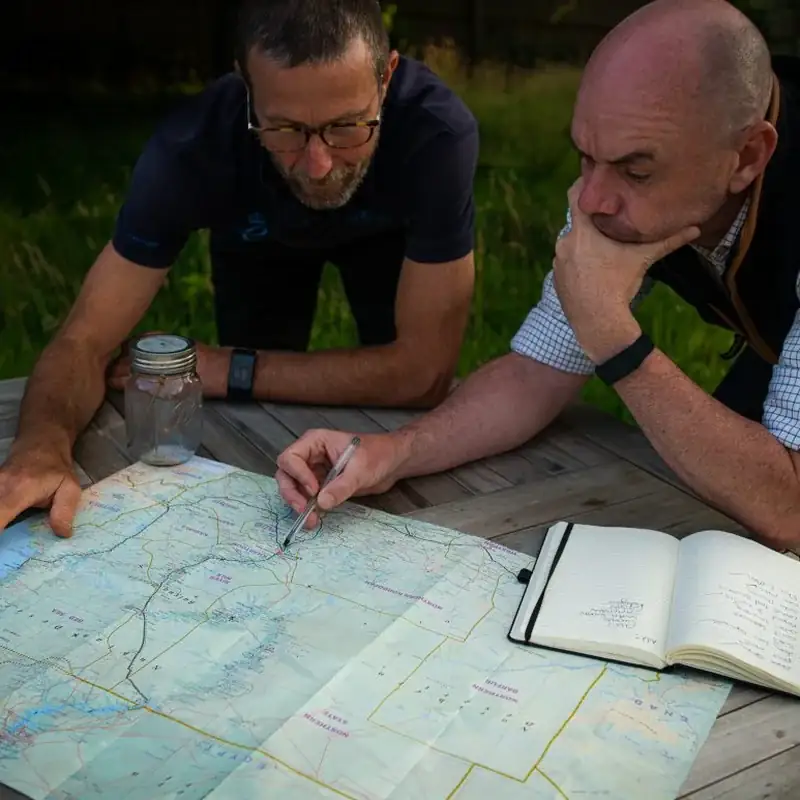
Gorilla trekking and golden monkey tracking begin at the park headquarters a short drive away, and the same location makes an easy base for the Dian Fossey grave hike. Permits are booked separately through the park authorities. The farm handles the logistics, sending guests off well fed before a dawn start. Canoe and boat trips on the Twin Lakes and visits to the Gorilla Guardians community at Iby’Iwacu round out the wider itinerary, alongside the farm’s own trails and stables.
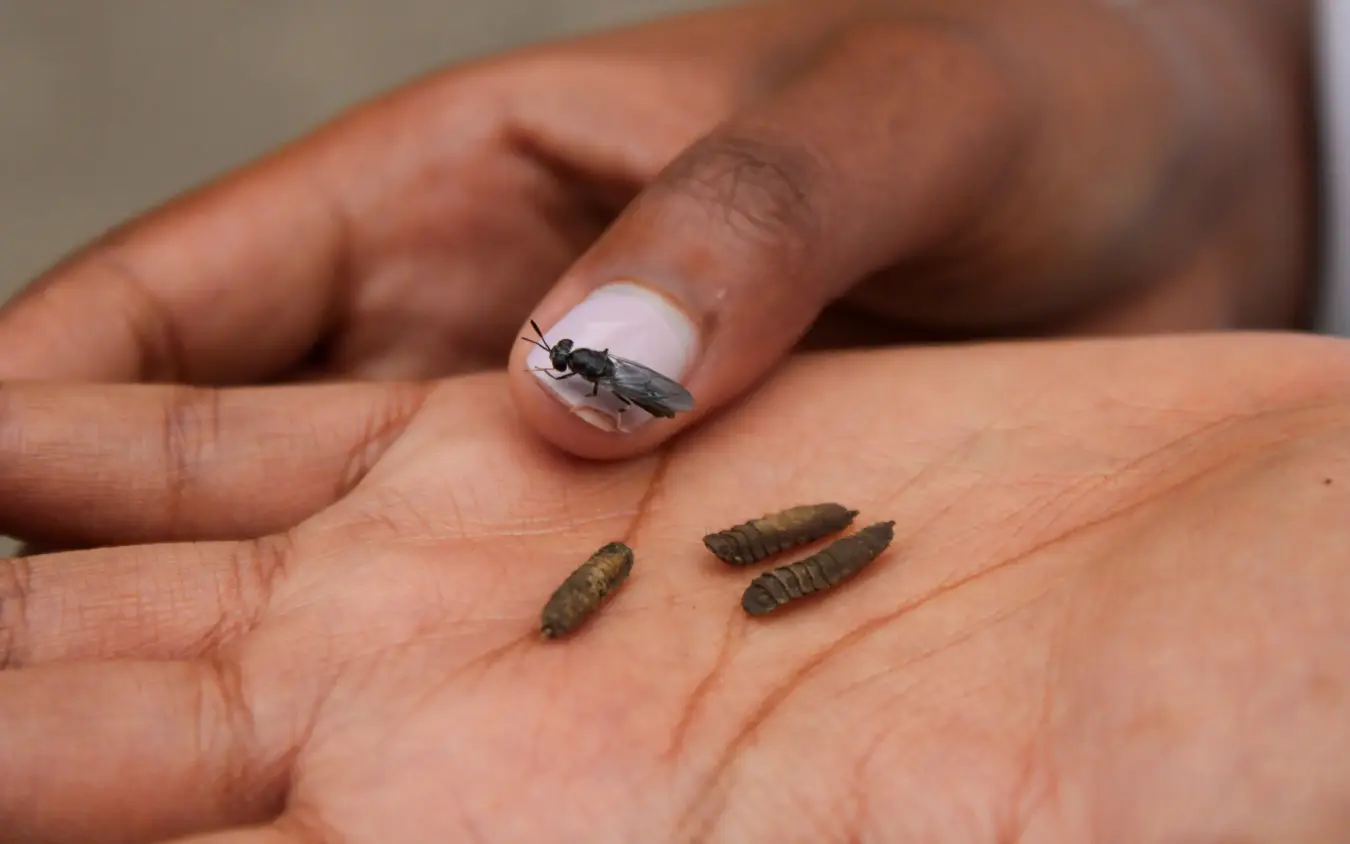
The closed-loop thinking runs further than the kitchen. A composting system built around black soldier fly larvae turns kitchen and garden waste into animal feed. Families and couples stay side by side here, the children spending their days feeding geese, collecting eggs and taking pony lessons while their parents track gorillas or ride the trails through the foothills.