
Rwanda's great rainforest watershed
Nyungwe covers roughly 1,019 square kilometres of southwestern Rwanda, the largest stretch of montane rainforest left in the country and one of the largest in the Albertine Rift. It sits on the continental watershed between the Congo and Nile basins, and rain falling here feeds two of the world’s greatest rivers, draining west to the Congo and east towards the Nile.
One forest, two of Africa’s greatest rivers.
In September 2023 it became Rwanda’s first UNESCO World Heritage Site, recognised for a biodiversity so concentrated that it ranks among the most irreplaceable protected areas on Earth for mammals, birds and amphibians. Over 1,400 plant species, 85 mammals and 13 primates live within its borders.

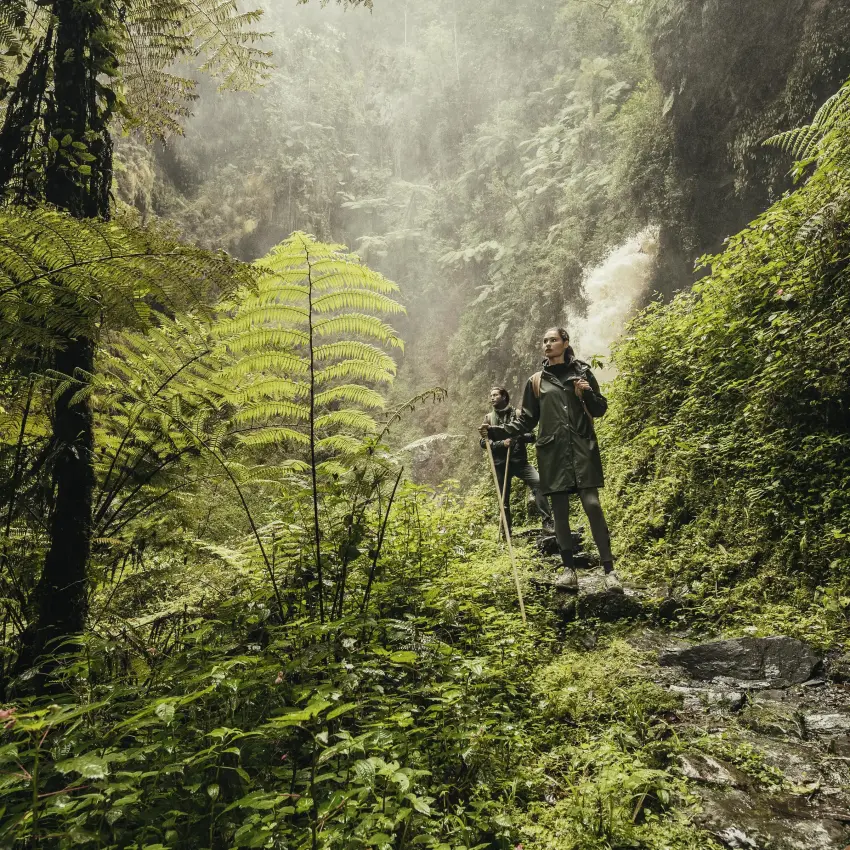
This is forest trekking, not the vehicle game drive of the savannah. Days begin before dawn, following guides along a network of around 130 kilometres of trails that climb through dense Afromontane forest, bamboo slopes, grasslands and wetlands. The air stays cool and constant, near 20°C by day and 10°C at night, and around 2,000mm of rain a year keeps the canopy green.
Walk seventy metres above the forest floor.
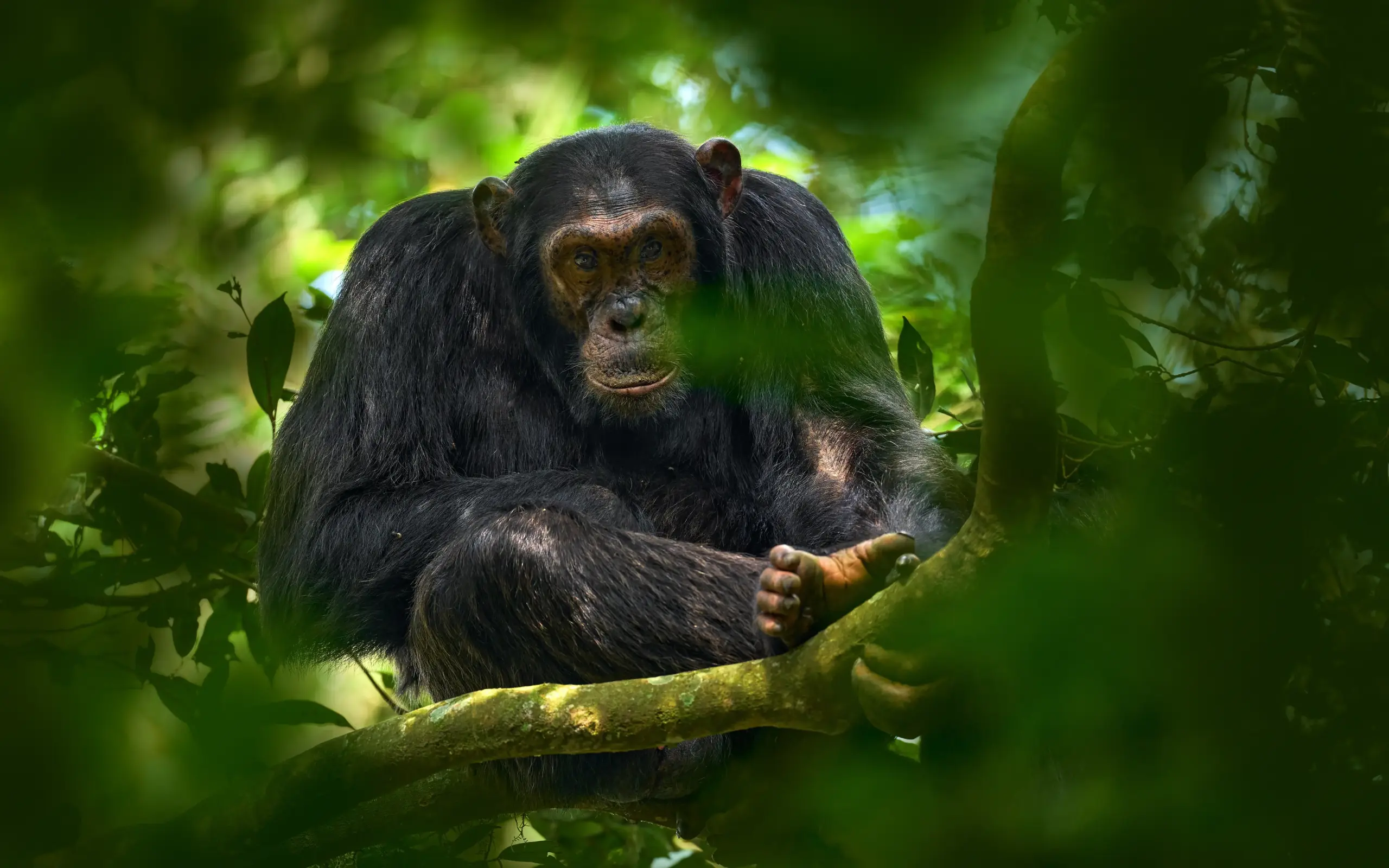
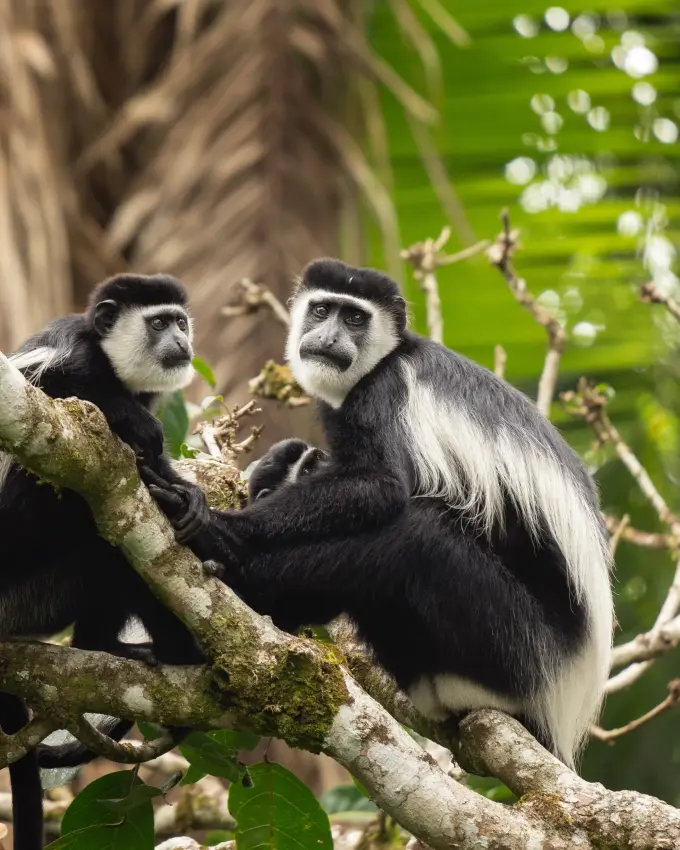
Chimpanzees are the headline encounter, tracked across three semi-habituated communities at Cyamudongo, Mayebe and Gisovu, with no more than eight visitors per group each day. A super-troop of up to 400 Angolan black and white colobus moves through the trees near Uwinka. East Africa’s only canopy walkway carries you across a 160-metre steel bridge that reaches around 70 metres above the forest floor.
From reserve to World Heritage
Nyungwe was first set aside as a forest reserve in 1933 under the Belgian colonial administration, though it lost more than 150 square kilometres to fire, woodcutting and farming between 1958 and 1973. War and genocide in 1994 destroyed research and tourist facilities at Uwinka, yet many junior staff stayed on to protect the forest. It was declared a national park in 2005 and inscribed by UNESCO in 2023.
The park records 1,441 species of vascular plants, 85 mammals and 317 bird species, of which 30 are endemic to the Albertine Rift. Specialities include the Rwenzori turaco and the great blue turaco, while the Grauer’s swamp-warbler holds one of its largest populations in the Kamiranzovu swamp. Alongside chimpanzees, you may meet golden monkeys, L’Hoest’s monkeys and Ruwenzori black and white colobus.
The best-preserved montane rainforest in the region.
Since October 2020 the park has been managed under a 20-year agreement between the Rwanda Development Board and the non-profit African Parks. An eco-ranger team drawn from local communities, including former poachers, works to clear snares from the forest, and more than 1,600 people are engaged through community cooperatives. Forest restoration is supported by the World Bank’s Rwanda Wildlife Conservation Bond.
The forest is fringed by tea estates around Gisakura and connects to a wider circuit of southern Rwanda. Three reception centres at Uwinka, Gisakura and Gisovu open daily from 7am to 5pm, each with a café, and ten trails begin at Uwinka with three more from Gisakura. They range from the two-hour Igishigishigi walk to the six-hour Bigugu Trail, which summits the park’s highest peak at 2,950 metres.
Most visitors reach Nyungwe by road, around five to six hours from Kigali or 1.5 hours from Cyangugu. RwandAir flies daily from Kigali to Kamembe airport, about an hour’s drive away, and helicopter charters are available. A 4×4 is recommended for the rougher, un-tarmacked road to Cyamudongo, so most travellers explore with a driver-guide as part of a longer Rwanda journey.

The best time to visit Nyungwe Forest
Jan
Feb
Mar
Apr
May
Jun
Jul
Aug
Sep
Oct
Nov
Dec
Recommended
Transitional
Challenging conditions
For dry trails and active chimpanzees, come between June and August, when the long dry season firms the footing and heavy fig fruiting draws chimps into busy feeding. February is the settled month of the short dry season. The two rainy seasons keep chimps and colobus near their food and bring the best birding, but April and November are the wettest and hardest for trekking.
accommodation in nyungwe forest
Accommodation in Nyungwe ranges from a five-star lodge set within a working tea estate to park-run guesthouses and forest campsites. The places below put you within reach of the trailheads and reception centres, ready for the pre-dawn departures into the rainforest.


activities
Trekking and the canopy walk
Chimpanzee tracking runs across three communities at Cyamudongo, Mayebe and Gisovu, capped at eight visitors a day. Add a super-troop of up to 400 colobus near Uwinka, East Africa's only canopy walkway around 70 metres up, a 1,935-metre zipline, guided night walks and waterfall hikes to Isumo and Kamiranzovu.

conservation
Managed by African Parks
Since October 2020 the Rwanda Development Board and African Parks have managed Nyungwe under a 20-year agreement. An eco-ranger team that includes former poachers clears snares from the forest, more than 1,600 people work through community cooperatives, and the World Bank's Rwanda Wildlife Conservation Bond funds forest restoration.

getting around
Reaching the rainforest
Nyungwe is around five to six hours by road from Kigali, or a short RwandAir flight to Kamembe followed by an hour's drive. Three reception centres at Uwinka, Gisakura and Gisovu open daily, and a 4x4 is recommended for the rougher Cyamudongo road, so most travellers explore with a driver-guide.
other areas in rwanda
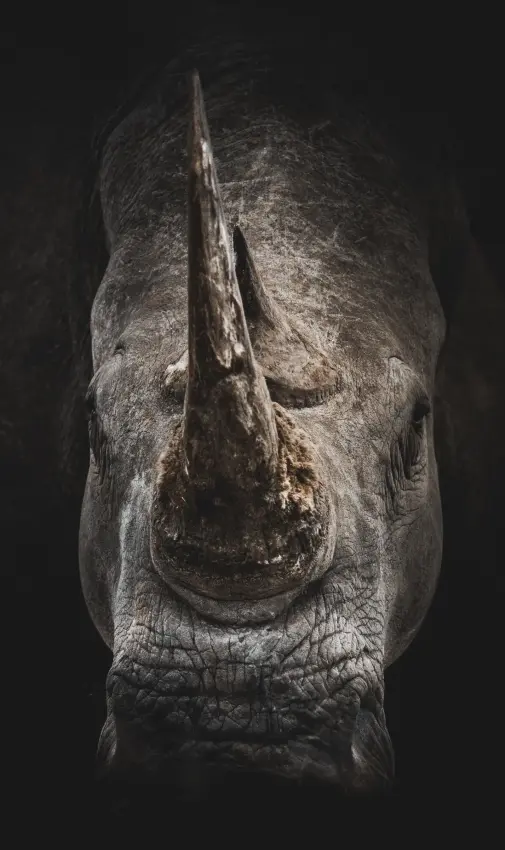
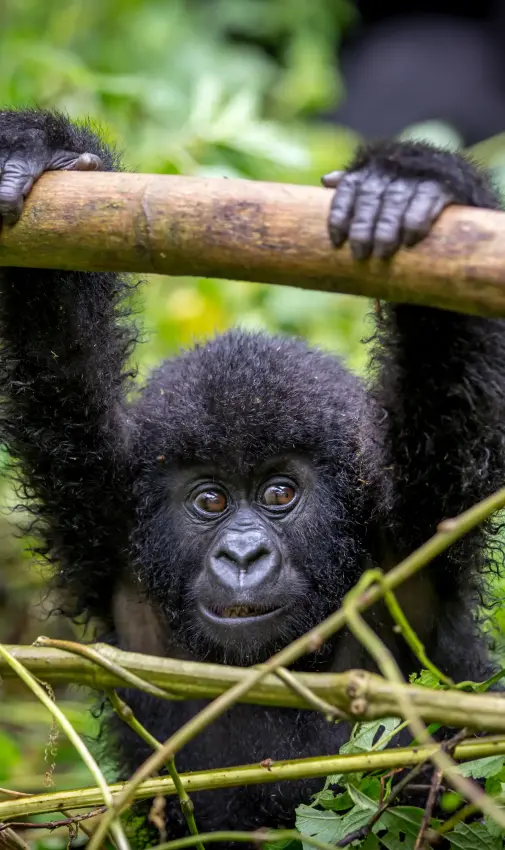
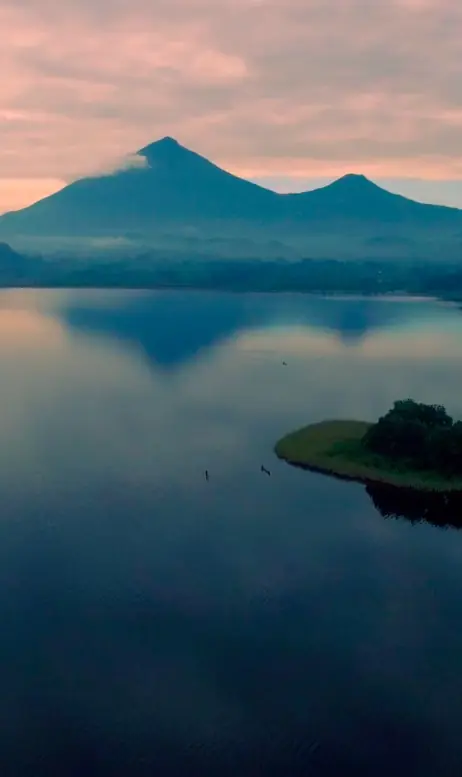
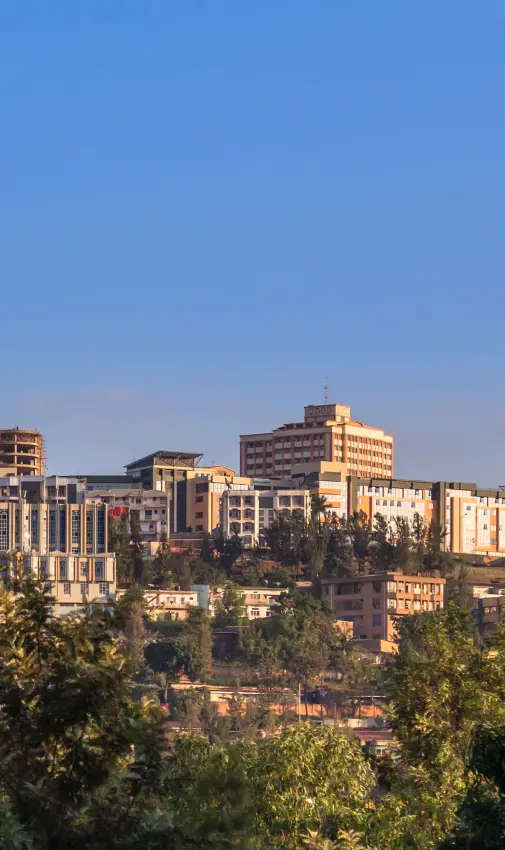
Nyungwe pairs naturally with the rest of Rwanda. Combine its rainforest trekking with gorilla encounters in Volcanoes National Park to the north, savannah game viewing in Akagera to the east, or the shores of Lake Kivu, which lies just to the west.
frequently asked questions
By road from Kigali, or by a short flight to Kamembe.
The drive is five to six hours through the hills, and it is a beautiful one, particularly the stretch along Lake Kivu. Flying to Kamembe near Rusizi cuts it to about an hour in the air plus an hour on the road.
Most of our Rwanda routes pair Nyungwe with the gorillas in the north, either driving the length of the country or flying one leg.
We will say which suits your days and your patience for a car.
Primates above all, in one of the oldest rainforests in Africa.
Thirteen primate species live here. Chimpanzee tracking is the headline, but the colobus troops are the surprise: they move in groups of hundreds, which happens almost nowhere else.
The canopy walkway, suspended high above a ravine, is the other thing people come for, along with a network of forest trails and some of the best birding in the region.
Waterfall walks and tea estate visits fill an extra day comfortably.
Harder than the gorillas, and it is the pace rather than the climb.
Chimpanzees move fast and high, so the trackers follow their calls at first light and you walk quickly on steep, often muddy ground to keep up. A trek can be an hour or most of a morning, and a sighting is usually overhead rather than at eye level.
The minimum age is fifteen, and the permit comes from the Rwanda Development Board.
Good boots, a waterproof and a reasonable level of fitness make the difference.
Yes. The whole of Rwanda is treated as a malaria risk area by both TravelHealthPro, the UK's official travel health service, and the CDC, and it is not a malaria-free country.
Nyungwe sits high and cool, which means fewer mosquitoes than the lowlands, but low risk is not the same as no risk.
We do not make medical recommendations. That is a conversation between you and your own doctor or a travel clinic.
On the practical side, cover up at dusk and carry repellent.
Rainforest kit, and expect to use it.
- A proper waterproof jacket, and over-trousers if you have them
- Boots with grip, worn in before you travel, and gaiters for the mud
- A warm layer: the lodges sit high and the evenings are cool
- Long sleeves and trousers for the forest, in neutral colours
A dry bag for a camera is worth the space, because the forest lives up to its name.
Porters are available at the trailhead and we recommend taking one.
Two at least, and three to do it properly.
Two nights give you one tracking morning. A third lets you add the canopy walkway, a colobus trek or the waterfall trail without rushing, and covers you if the chimpanzees are hard to find on the first attempt.
It pairs naturally with the gorillas at Volcanoes and a night or two on Lake Kivu between them.
Tell us how much walking you want and we will build the stay around it.
rated five stars by our clients

our approach
remote, exclusive
& personal
Every journey starts with a conversation. We take the time to understand your vision before we start planning.
Whether by phone or in person, we work with you directly to shape something that is considered, personal, and expertly delivered.
Every journey starts with a conversation. We favour a direct, personal approach: understanding your vision before anything else.
Whether by phone or in person, we work with you directly to shape a journey that is both thoughtfully considered and expertly delivered.
Get in touch to start planning yours.