
Rwanda's Savannah and Big Five Park
Covering 1,122 square kilometres along the Tanzanian border, Akagera is the warm, low-lying counterpoint to Rwanda’s montane forests. Rolling western hills give way to open savannah plains, acacia woodland and one of the largest protected wetlands in central and eastern Africa.
Ten lakes, open plains and the Big Five.
Founded in 1934, the park once spanned more than 2,500 square kilometres before being reduced to its current size in 1997. Today it ranks among the most scenic reserves in Africa, its papyrus swamps and fringed lakes drawing wildlife to water across a single, varied landscape that shifts from highland to wetland within a few hours’ drive.

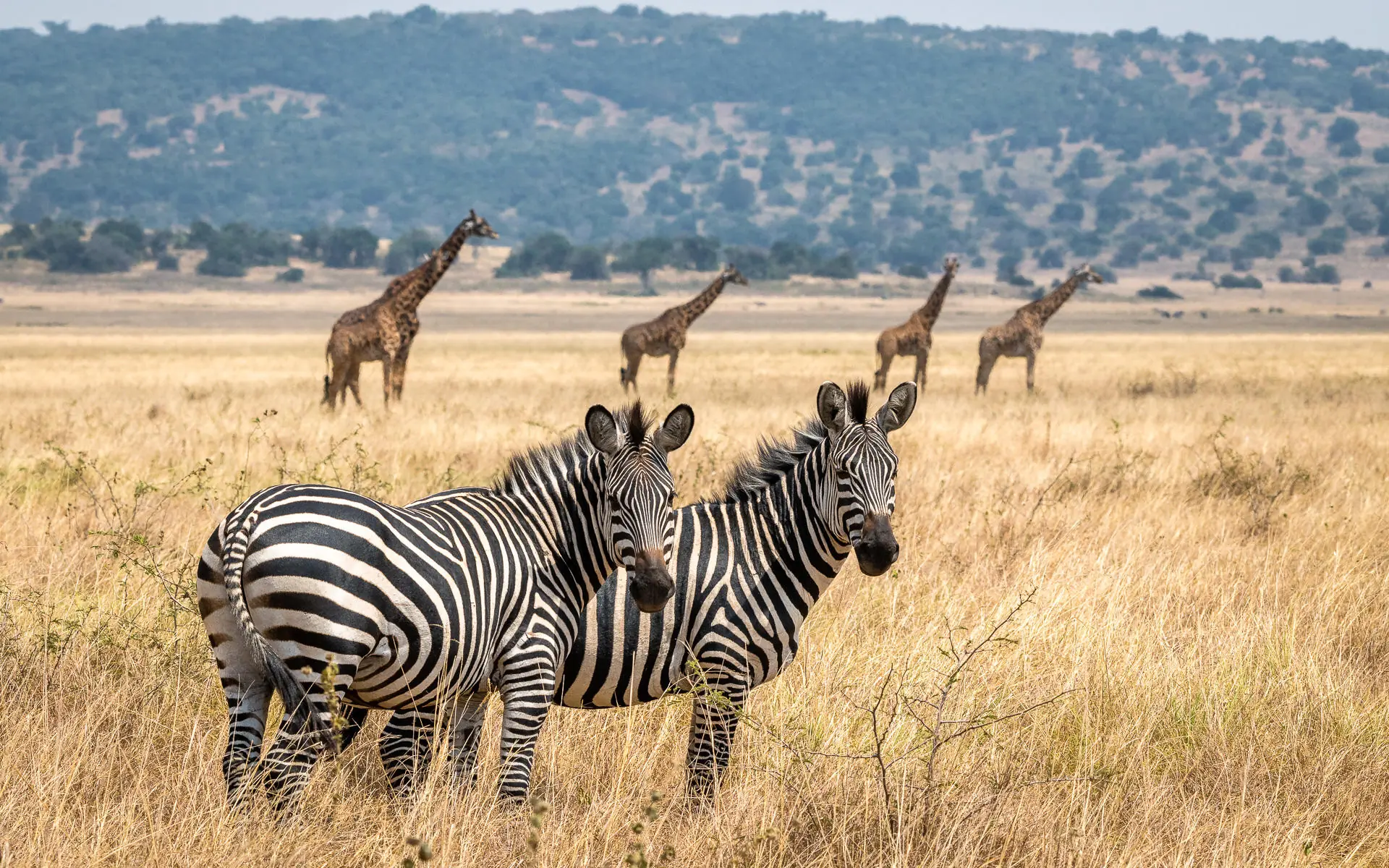
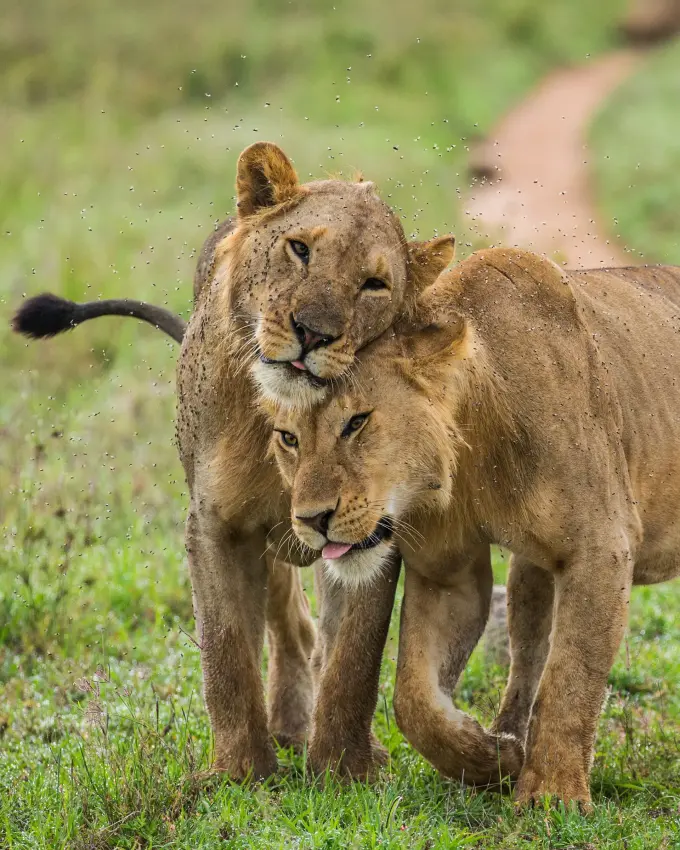
Game drives here feel uncrowded. Akagera carries far fewer vehicles than the better-known parks across the border, so you can watch lion, elephant and herds of zebra, topi and eland without jostling for position. Lion and elephant range across the plains once more, the reintroduced black and white rhino now number over 180, and around 500 bird species have been recorded.
No crowds, just plains, lakes and wildlife.
Water is never far away here. Lake Ihema, the largest, holds one of East Africa’s highest hippo densities, best seen from a boat at first light or late afternoon. Birders scan the papyrus for the elusive shoebill and the brilliant papyrus gonolek, while 44 raptor species patrol the skies above. Guided bush walks, night drives for in-park guests and catch fishing on Lake Shakani round out the days.
A Conservation Comeback
Created in 1934 by the Belgian colonial government, Akagera once covered around 2,500 square kilometres, close to a tenth of the entire country, and ranked as a complete Big Five park. In 1957 and 1958 black rhinos were translocated here from Tanzania, among the first such operations in conservation history.
The 1994 genocide changed everything. As refugees returned and settled on park land, lions were killed by farmers and the area suffered from poaching and cultivation. In 1997 the park was reduced by close to half. By the time African Parks and the Rwanda Development Board signed a joint management agreement in 2009, much of the wildlife was gone.
From near oblivion to one of Africa’s great comebacks.
The Akagera Management Company, formed in 2010, drove the recovery. A Howard G. Buffett Foundation grant funded a 120-kilometre solar-powered fence, aerial surveillance and dedicated anti-poaching teams. Snare seizures fell from 1,997 in 2013 to 25 in 2019, and the large mammal population grew from under 5,000 animals in 2010 to over 12,000 today. Seven lions arrived in 2015, eighteen eastern black rhinos in 2017, and 30 southern white rhinos in 2021, with a further 70 white rhinos translocated from South Africa in June 2025.
Wildlife now spans the full Big Five alongside giraffe, roan antelope, waterbuck, bushbuck and olive baboon. Activities range from day and night game drives to boat safaris, walking safaris, fishing and a behind-the-scenes tour of park headquarters. Around 80 per cent of full-time staff come from surrounding communities, and 10 per cent of park revenue is shared back to local infrastructure projects.
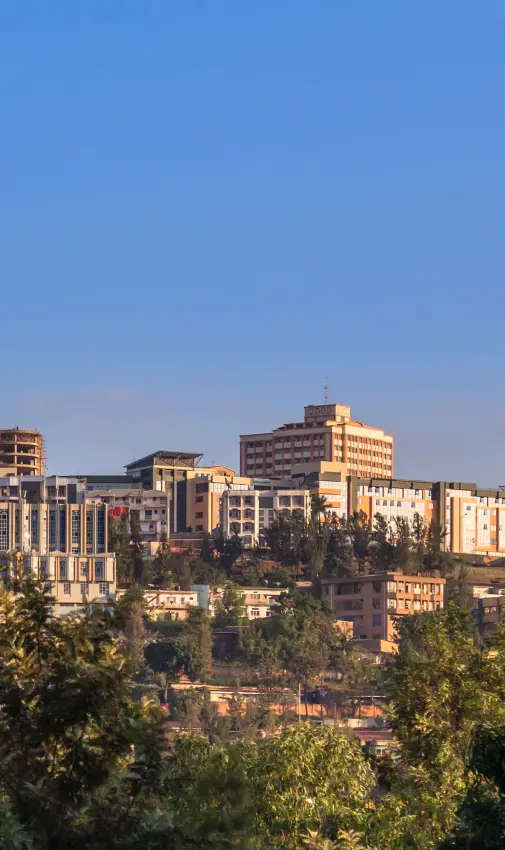
Trips begin in Kigali, roughly a 20-minute drive from the international airport. There are no domestic flights to Akagera, so you travel two to three hours east by road. The southern gate opens onto the cluster of lakes, while the north holds the wildlife-rich plains around Lake Rwanyakazinga. The park pairs well with gorilla trekking at Volcanoes and the forests of Nyungwe.

The best time to visit Akagera National Park
Jan
Feb
Mar
Apr
May
Jun
Jul
Aug
Sep
Oct
Nov
Dec
Recommended
Transitional
Challenging conditions
Come in the long dry season from June to September, when thinning bush and shrinking water draw the Big Five to Lake Ihema and the Akagera River and firm tracks make following lion and rhino easy. The short dry spell from mid-December to February is nearly as good. The green months bring fine birding, including shoebill, though the game disperses and April turns the tracks to mud.
accommodation in akagera national park
Akagera's in-park lodges are few and carefully chosen, from solar-powered eco-camps on Lake Ihema to an exclusive private concession in the wildlife-rich north. Each places you close to the water and the game, with profits from several supporting the park's own conservation work.


activities
Drives, Boats and Walks
Days fill with game drives by day and night, boat safaris on Lake Ihema among hippos and crocodiles, and birding for the shoebill and papyrus gonolek. Guided bush walks, a morning rhino trek, catch fishing on Lake Shakani, a behind-the-scenes tour of park headquarters and visits to cattle-keeping communities add further depth.

conservation
A Park Reborn
Since 2010, African Parks and the Rwanda Development Board have run the park through the Akagera Management Company. A Howard G. Buffett Foundation grant funded a 120-kilometre fence, aerial surveillance and anti-poaching teams, cutting snare seizures from 1,997 in 2013 to 25 in 2019. Lions, black and white rhinos have all been returned.

getting around
Reaching the Park
Trips begin in Kigali, around a 20-minute drive from the international airport. There are no domestic flights to the park, so you travel two to three hours east by road. The southern gate near Kigali opens onto the lakes, while the northern section reaches the open plains around Lake Rwanyakazinga.
other areas in rwanda
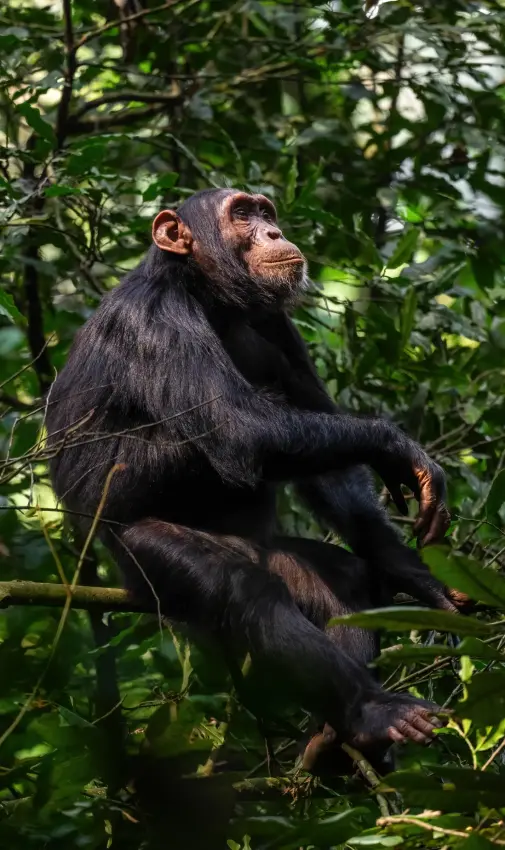
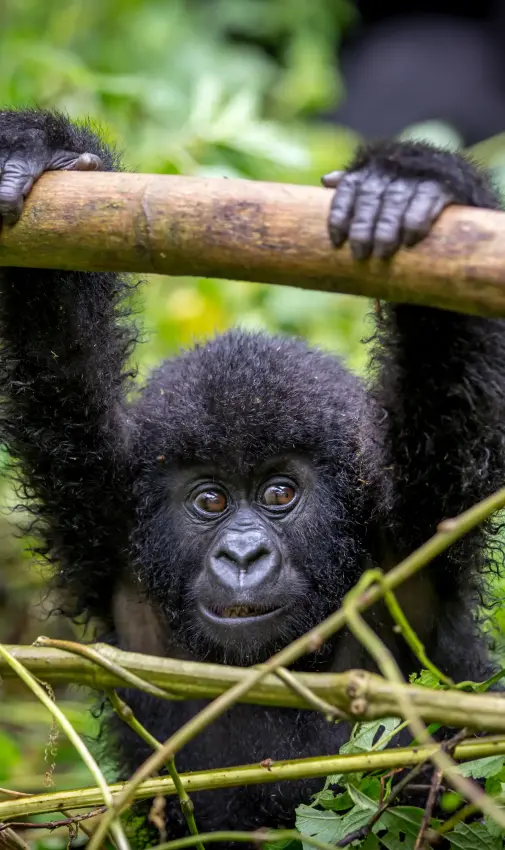
Akagera pairs naturally with the rest of Rwanda. Combine its savannah and lakes with gorilla trekking in the montane forests of Volcanoes National Park, or the canopy walks and chimpanzees of Nyungwe, for a journey that spans the country's full range of habitats.
frequently asked questions
By road from Kigali, in about two and a half to three hours.
The drive east is straightforward and tarred most of the way, and it is arranged as a private transfer. A helicopter charter cuts it to well under an hour for anyone short of time.
There is no need for an internal flight anywhere in Rwanda, which is one of the country's quiet advantages.
Most of our Rwandan routes put Akagera after the gorillas, as the change of pace.
Yes, and it is the only one in Rwanda.
Lion were brought back in 2015 and black rhino in 2017, with white rhino following in 2021, so the park now holds all five alongside the elephant and buffalo that were always here. Seeing them is another matter: the park is large and the rhino are genuinely hard to find.
The recovery here is one of the better conservation stories in Africa.
We would come for the lakes, the space and that story rather than for a tick list.
Yes. The whole of Rwanda is treated as a malaria risk area by both TravelHealthPro, the UK's official travel health service, and the CDC, and antimalarial cover is recommended countrywide.
Akagera sits lower and warmer than Kigali or the volcanoes, so the risk here is higher than in the highlands.
We do not make medical recommendations. That is a conversation between you and your own doctor or a travel clinic.
On the practical side, cover up at dusk and carry repellent by the lakes.
Water and after dark, which is unusual for the region.
- A boat safari on Lake Ihema, for hippo, crocodile and waterbirds
- Night drives with a ranger, for hyena, genet and the cats
- A behind-the-scenes visit to the conservation and tracking teams
- Fishing on the lakes, arranged in advance
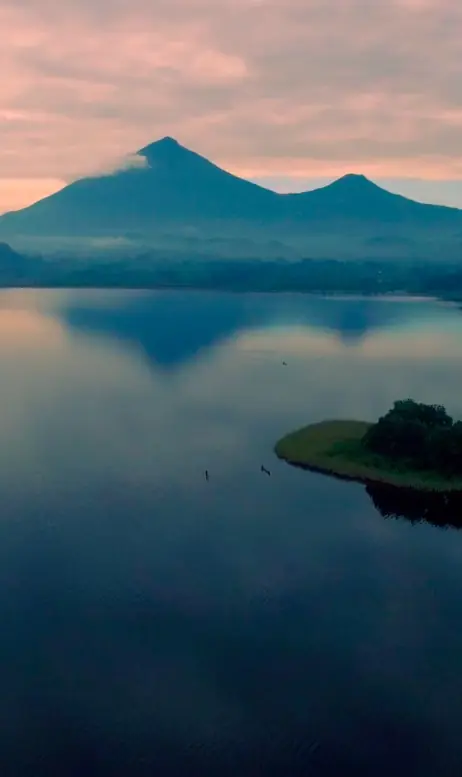
The chain of lakes along the Tanzanian border is what makes the park look unlike anywhere else in Rwanda.
Birders come for the shoebill in the papyrus swamps, which is a genuine reason to allow an extra day.
Yes, and it is the part of Rwanda that does.
Gorilla trekking has a minimum age of fifteen, so families with younger children often use Akagera as the wildlife half of the trip. The boat, the night drive and open savannah game viewing take all ages.
The driving distances inside the park are long, which is the thing to weigh.
Tell us their ages and we will build a Rwandan trip that does not leave the youngest sitting in a lodge.
Two, and three if the birding or the boat matters to you.
Two nights gives you a full day in the park, a boat afternoon and a night drive. A third lets you get up to the northern plains, where most of the game is, without spending the whole day driving.
It works best at the end of a Rwandan trip, after the gorillas.
Tell us the whole route and we will say how many nights it earns.
rated five stars by our clients

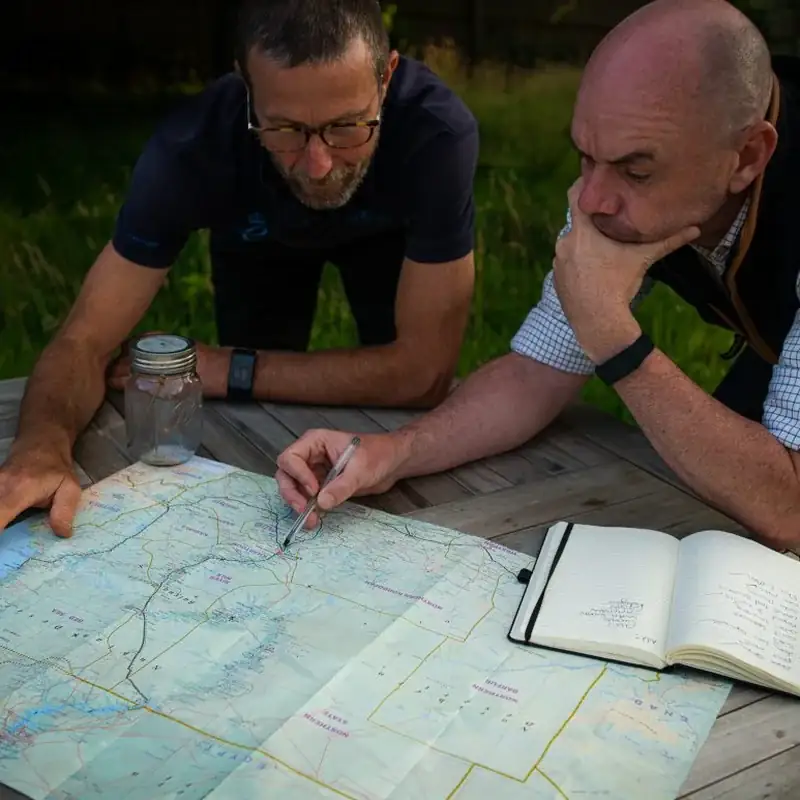
our approach
remote, exclusive
& personal
Every journey starts with a conversation. We take the time to understand your vision before we start planning.
Whether by phone or in person, we work with you directly to shape something that is considered, personal, and expertly delivered.
Every journey starts with a conversation. We favour a direct, personal approach: understanding your vision before anything else.
Whether by phone or in person, we work with you directly to shape a journey that is both thoughtfully considered and expertly delivered.
Get in touch to start planning yours.