 01
01

Area
Volcanoes National Park
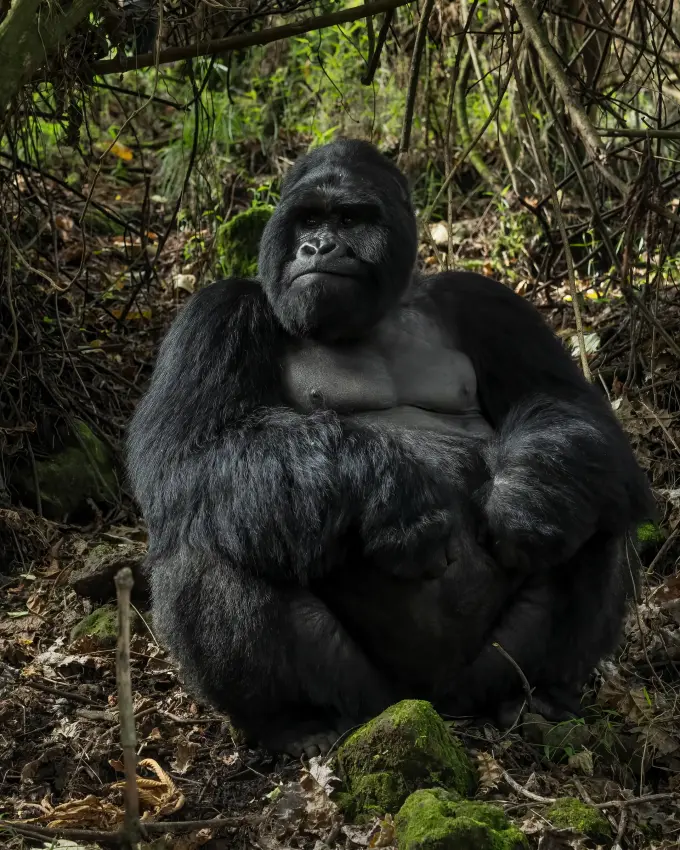
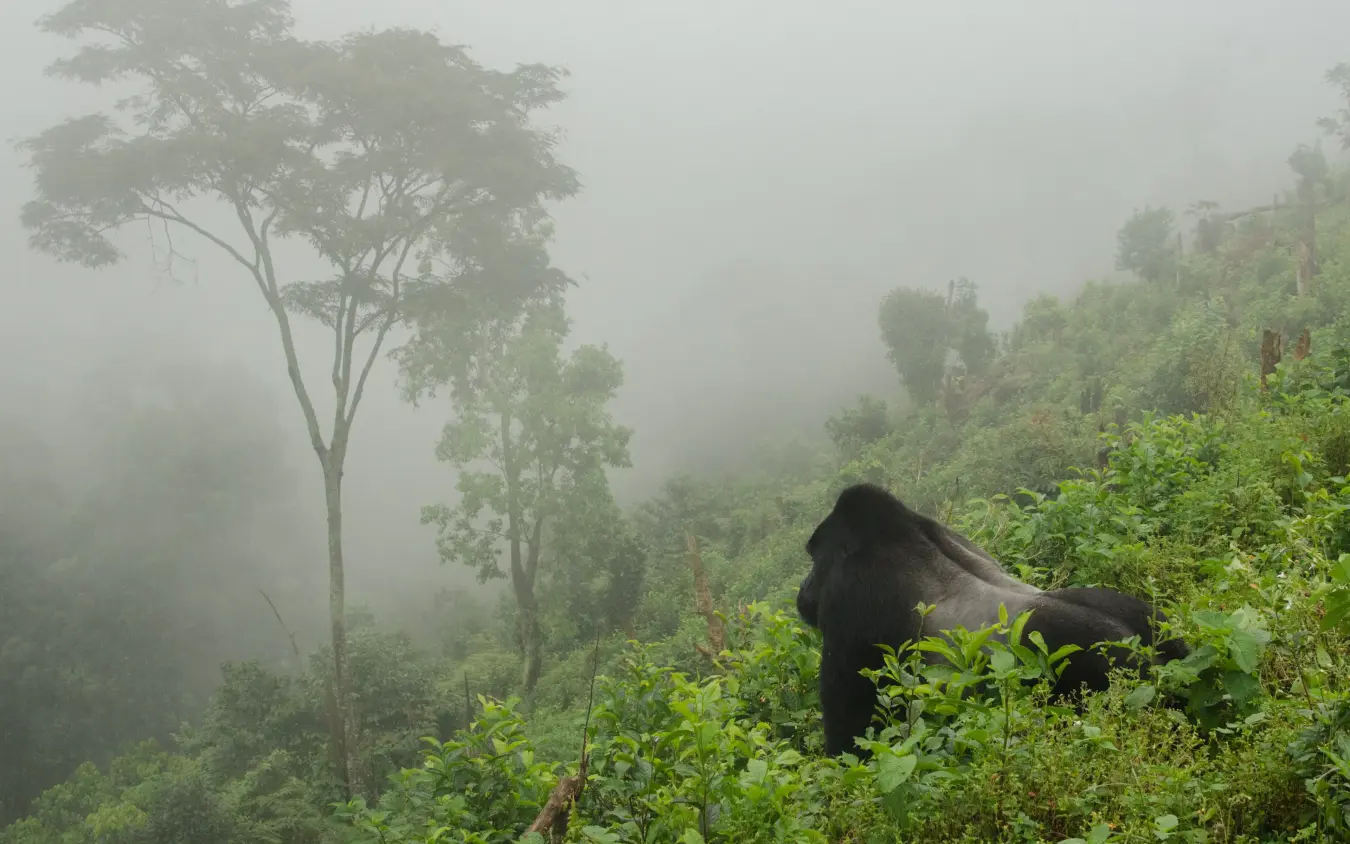
Volcanoes National Park shelters Rwanda’s mountain gorillas across five forested Virunga peaks, a refuge under protection since 1925.
Size: 160 km², expanding to about 197 km²
Key species: Mountain gorilla, golden monkey, 200 birds
Habitat: Bamboo and Hagenia forest to alpine moorland
Where mountain gorillas roam free
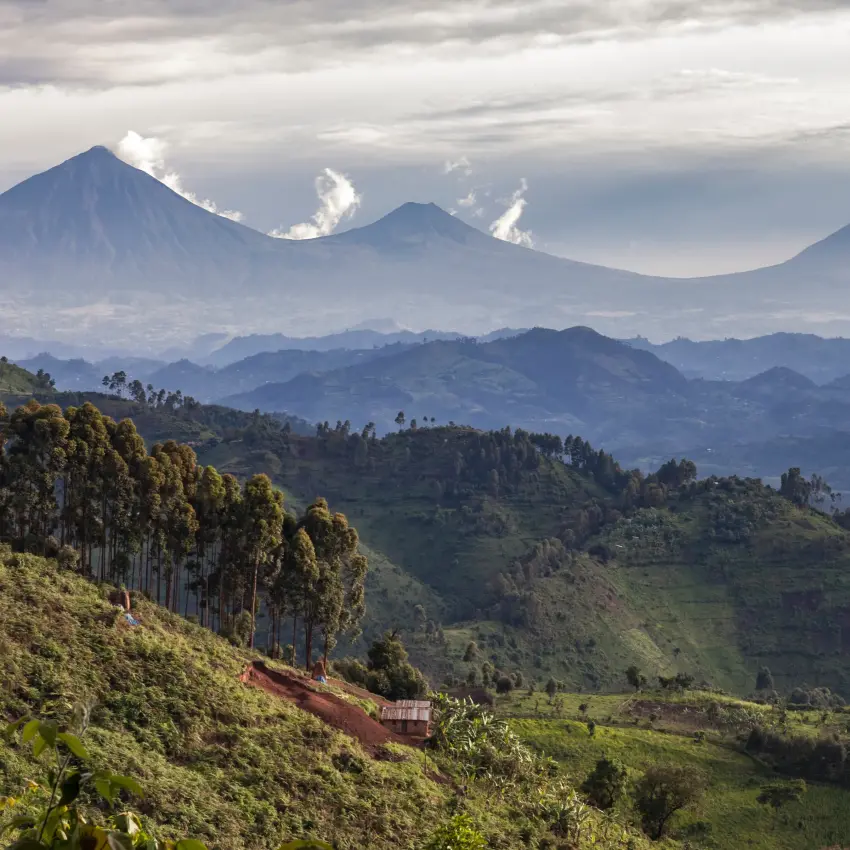
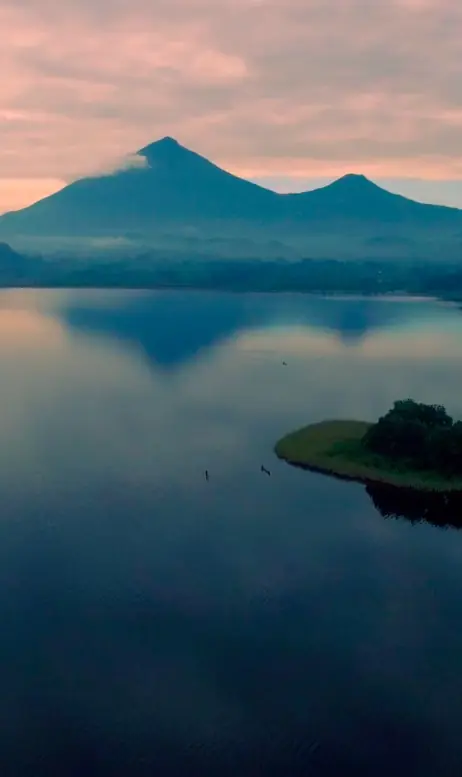
The Virunga forests were first protected in 1925, within Albert National Park, Africa’s earliest, set aside to safeguard the mountain gorillas from poachers. The Rwandan sector was added in 1927 and is today Volcanoes National Park, covering 160 square kilometres of rainforest in northwestern Rwanda’s Musanze District. It encompasses five of the eight Virunga volcanoes: Karisimbi, Bisoke, Muhabura, Gahinga and Sabyinyo.
These forests have sheltered the mountain gorillas under protection since 1925.
The park forms the Rwandan sector of the transboundary Virunga Massif, a single protected ecosystem shared with the Democratic Republic of the Congo and Uganda, where gorillas move freely across all three borders. Mount Karisimbi, at 4,507 metres, rises as the highest of the Virunga volcanoes and the tallest peak in Rwanda.
Trekking begins at Kinigi Park Headquarters, where groups assemble by 7am before setting out across farmed foothills and into the forest. The terrain climbs through four vegetation zones, from bamboo on the lower slopes to Hagenia woodland, sub-alpine growth and Afro-alpine moorland near the summits. A permit grants exactly one hour with a habituated gorilla family, and only eight visitors are allowed per family each day.
One hour, eight people, a single gorilla family.
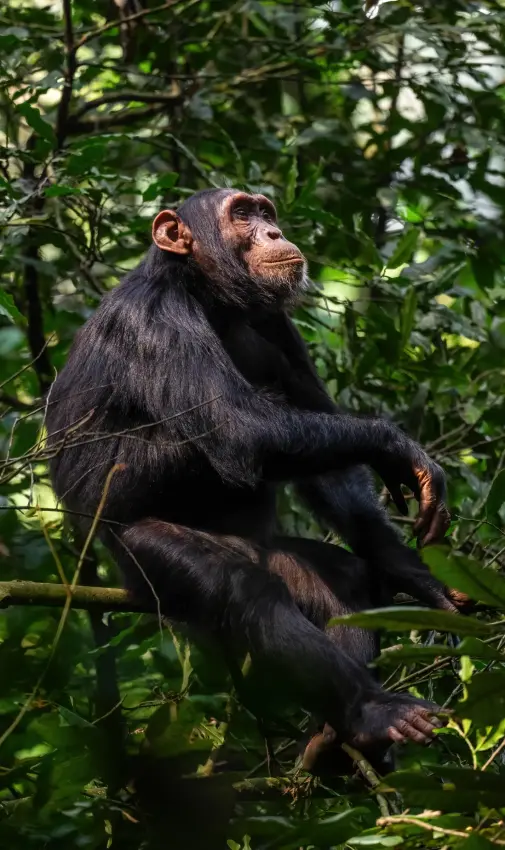
Beyond the gorillas, the park shelters golden monkeys, a primate endemic to the Virunga region, alongside forest elephants, buffaloes, duikers and around 200 bird species including the Rwenzori turaco. A trek can last anywhere from two to seven hours, depending on where the gorillas have moved, and the minimum age for a permit is fifteen.
Conservation in the Virungas
The park became the base for American naturalist Dian Fossey, who arrived in 1967 and established the Karisoke Research Centre between Karisimbi and Bisoke. She is widely credited with saving the gorillas from extinction by drawing the world’s attention to their plight, and her life was portrayed in the film “Gorillas in the Mist”. Fossey was murdered at her home in 1985 and is buried in the park, close to the research centre.
Conflict later reached the forest. The park became a battlefield during the Rwandan Civil War, the headquarters was attacked in 1992, and gorilla tourism was suspended through the years of conflict, resuming in the late 1990s. Today the gorillas number among the great conservation recoveries: surveys announced in 2018 recorded 604 mountain gorillas in the Virunga Massif, lifting the global total to 1,063 and prompting the IUCN to downlist the species from critically endangered to endangered.
From battlefield to one of conservation’s great recoveries.
Wildlife here extends well beyond the flagship primates. Golden monkeys troop through the bamboo, forest elephants and buffaloes move in small groups, and leopards, bush pigs and spotted hyena share the slopes. Visitors trek to habituated families such as Susa, Kwitonda, Agashya and Amahoro, track golden monkeys, climb the volcanoes, or follow the trail to Fossey’s grave.
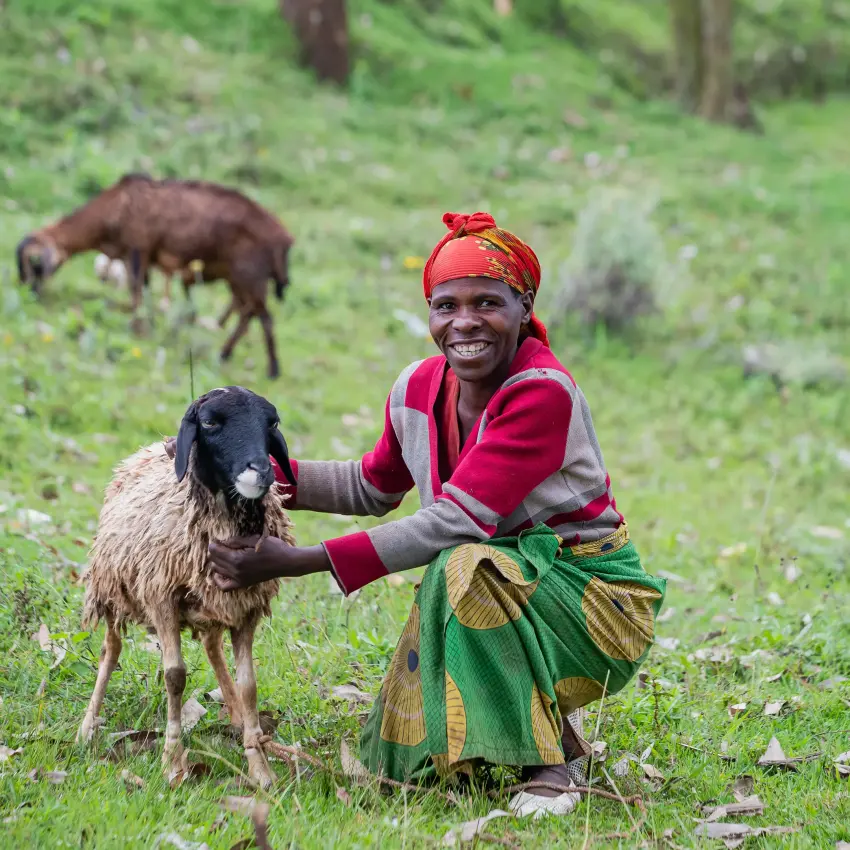
Conservation is woven into the community. The annual Kwita Izina ceremony, held at Kinigi since 2005, names each year’s gorilla infants, while the Dian Fossey Gorilla Fund’s Ellen DeGeneres Campus opened nearby in 2022 with exhibits, nature trails and the Gorilla Café. Ten per cent of park tourism revenue is shared with surrounding communities, and the Gorilla Guardians’ Village, founded in 2004, brings reformed poachers into conservation work.
The park sits about 105 kilometres from Kigali, a drive of two and a half to three hours, or roughly 25 to 30 minutes by helicopter to the Musanze airstrip. It pairs naturally with the rest of Rwanda, from Lake Kivu and Nyungwe Forest to the savannah of Akagera National Park, all reachable by road or domestic flight.
The best time to visit Volcanoes National Park
Jan
Feb
Mar
Apr
May
Jun
Jul
Aug
Sep
Oct
Nov
Dec
Recommended
Transitional
Challenging conditions
For the easiest trekking and firmest trails, come in the long dry season from June to September or the short dry season of December to February, with July and August driest. Gorillas and golden monkeys are tracked year-round, so the choice is trail comfort, crowds and permits, not sightings. Permits sell out months ahead for the dry peaks, while the March to May rains offer the best availability.
accommodation in volcanoes national park
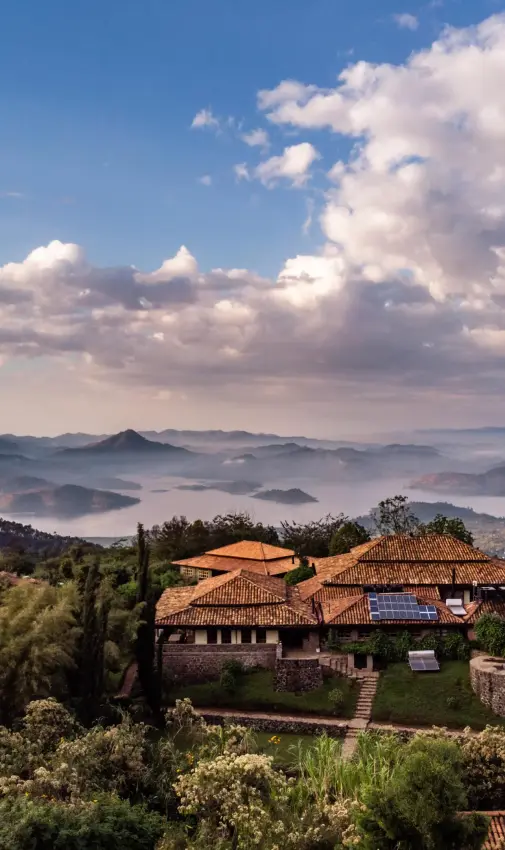
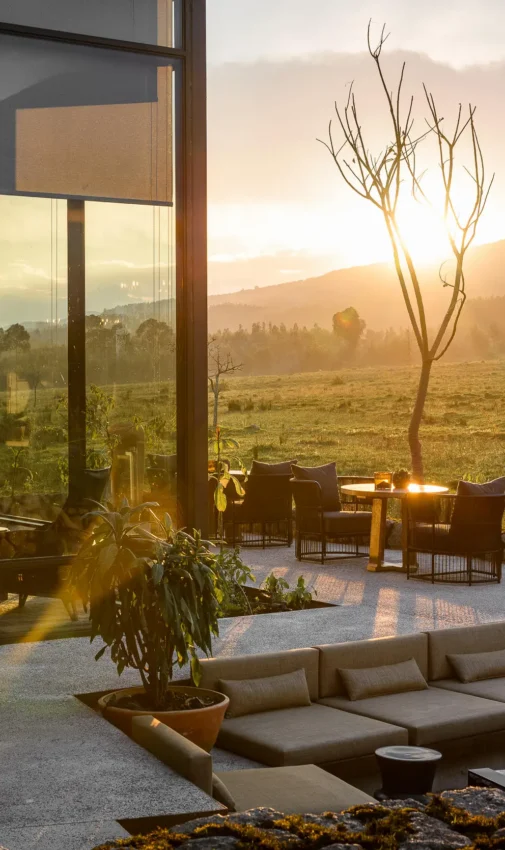
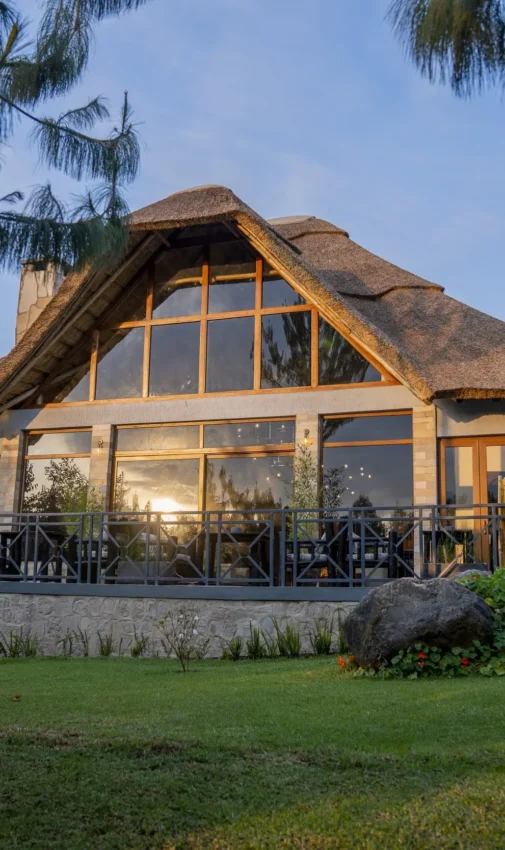
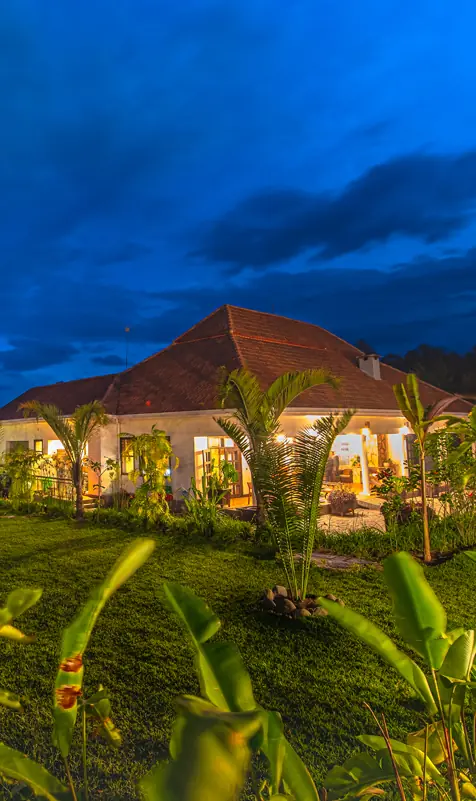
The cluster of lodges near the Kinigi park boundary ranges from architecturally striking forest retreats to community-owned cottages, all within easy reach of the trek start point. Each offers a refined base for early morning departures and quiet evenings beneath the volcanoes.





activities
Gorilla treks and volcano hikes
Gorilla trekking is the headline experience, a permit granting one hour with a habituated family. Beyond it, track golden monkeys through the bamboo, hike Bisoke or Karisimbi, walk to Dian Fossey's grave through the forest, or explore the 2-kilometre Musanze Caves carved by ancient volcanic activity.

conservation
Communities and gorilla recovery
Ten per cent of park tourism revenue flows to neighbouring communities. The annual Kwita Izina ceremony names each year's gorilla infants, the Dian Fossey Gorilla Fund runs its Ellen DeGeneres Campus at Kinigi, and the Gorilla Guardians' Village brings former poachers into conservation. A planned 23% expansion will grow the park to about 197 square kilometres.

getting around
Reaching Kinigi and beyond
The park lies around 105 kilometres from Kigali, a two and a half to three hour drive, or 25 to 30 minutes by helicopter to the Musanze airstrip. All treks assemble at Kinigi Park Headquarters by 7am, so an early start is essential. Onward travel to Kivu, Nyungwe and Akagera is by road or domestic flight.
other areas in rwanda
Volcanoes National Park works well as part of a wider Rwandan journey. Combine gorilla trekking with the lakeside calm of Lake Kivu, the rainforest of Nyungwe Forest, or the savannahs of Akagera National Park, all linked by road or short domestic flight.
frequently asked questions
By road from Kigali, and it is one of the easiest gorilla trips in Africa.
The drive is two and a half to three hours on good tarmac, through the terraced hills, and we arrange it as a private transfer. A helicopter charter cuts it to well under an hour when the day is tight.
Kigali's airport handles the international flights, so there is no light-aircraft leg and no soft-bag limit.
Most of our Rwanda trips start with a night in Kigali, then the drive up, so the trekking morning begins rested rather than off a flight.
Yes, one per person per trek, and it is not part of what you pay the lodge.
A permit from the Rwanda Development Board costs 1,500 US dollars per person for a single trek. The government sets the price and can move it, so we confirm the current figure when you book.
The permit buys one hour with a gorilla family once you reach them, in a group of no more than eight, with a minimum age of fifteen.
The daily allocation is capped, so we hold permits months ahead for the dry seasons.
Anything from an hour to most of a day, and the altitude is the part people underestimate.
The park sits on the Virunga volcanoes, so the walking starts high and climbs, on steep ground that is often muddy. The families move, so the trek you get is the trek the gorillas have given you.
A porter is worth every dollar, and we arrange one at the trailhead.
Golden monkey tracking is the gentler alternative, and worth a second morning if you have one.
For teenagers, yes. For younger children, plan around the lodge.
The minimum age for gorilla trekking is fifteen and the park applies it strictly. Several lodges welcome children from six, with gardens, short walks and babysitting, so a family can stay together while the adults trek.
Families with teenagers can trek together, which is one of the great shared experiences.
Tell us the ages of everyone travelling and we will build a stay that works for the ones who cannot walk in.
The whole of Rwanda is treated as a malaria risk area by both TravelHealthPro, the UK's official travel health service, and the CDC, and antimalarial tablets are recommended wherever in the country you stay.
The Virunga foothills are high and cool, which means fewer mosquitoes than the lowlands, but low risk is not the same as no risk and no part of Rwanda is malaria-free.
We do not make medical recommendations. That is a conversation between you and your own doctor or a travel clinic.
On the practical side, cover up at dusk and carry repellent.
Two at the park, three if you want a second trek.
Two nights means one trekking morning, which is the minimum that makes the permit and the journey worth it. A third night buys a second permit, or a golden monkey trek, or a day for the Dian Fossey memorial hike.
Add a night in Kigali at the start or the end, and most Rwanda trips run four or five nights in total.
Tell us how much walking you want and we will fit the permits around it rather than the other way round.
rated five stars by our clients

our approach
remote, exclusive
& personal
Every journey starts with a conversation. We take the time to understand your vision before we start planning.
Whether by phone or in person, we work with you directly to shape something that is considered, personal, and expertly delivered.
Every journey starts with a conversation. We favour a direct, personal approach: understanding your vision before anything else.
Whether by phone or in person, we work with you directly to shape a journey that is both thoughtfully considered and expertly delivered.
Get in touch to start planning yours.