

Singing fishermen, coffee islands
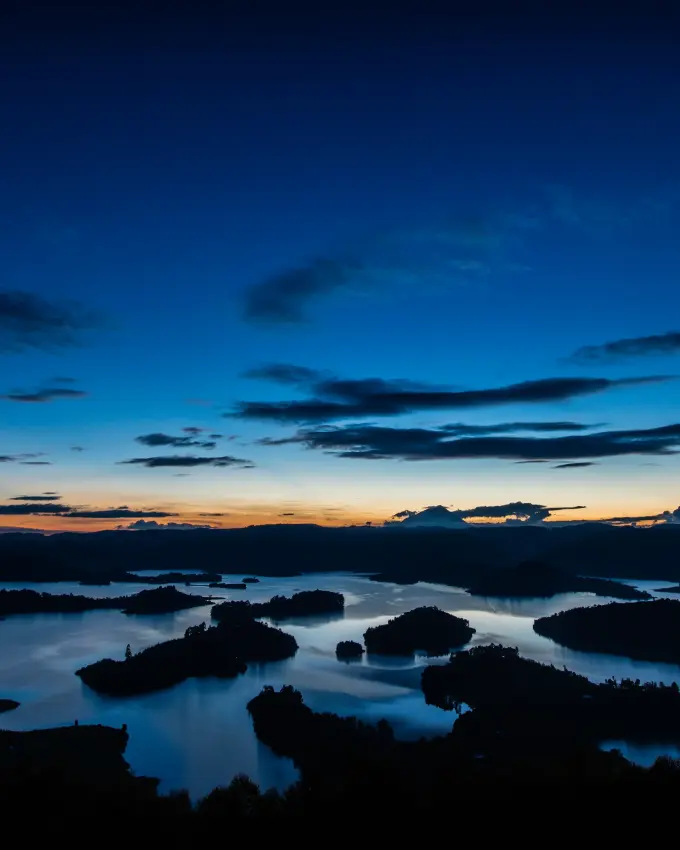
Lake Kivu sits at 1,460 metres in the Albertine Rift, forming Rwanda’s western border, with the Congolese hills rising beyond the far shore. There are no crocodiles and no hippos, and people swim. Steep terraces of coffee and banana run down to a shoreline broken into bays and peninsulas, with small forested islands lying offshore.
There are no crocodiles and no hippos, and people swim
Rubavu, still widely called Gisenyi, holds the northern end, within driving distance of the gorilla forests of Volcanoes National Park. Karongi, known equally as Kibuye, sits mid-lake among lagoon-like arms and a scatter of islands, and it is the quietest of the bases. Rusizi, which everyone calls Cyangugu, closes the southern end near Nyungwe Forest.
At dusk the three-hulled wooden canoes push off from shore in their hundreds. The men sing in unison to keep their paddling strokes together, working under kerosene lanterns for isambaza, a small clupeid introduced from Lake Tanganyika. Guests can follow in a separate boat from Rubavu or Karongi, keeping clear of the nets and the lantern light.
The men sing in unison to keep their paddling strokes together.
Kayaks leave Rubavu for two-day paddles down to Karongi, with island campsites breaking the route and shorter outings running a few hours for anyone who wants only a morning on the water. Motorboats from Karongi work the Bay of Islands, calling at Napoleon Island, where a steep climb ends at a colony of straw-coloured fruit bats. Nyamirundi lies beyond it, given over to coffee.
Eruptions between roughly 13,000 and 9,000 years ago dammed the lake’s northern outlet with lava and raised the Virunga mountains, reversing its drainage south into the Rusizi River and on to Lake Tanganyika. The deep water has never mixed with the surface since, and those lower layers hold vast volumes of dissolved carbon dioxide and methane, warmed by vents on the floor of the lake. A plant on the Rwandan shore draws that methane up to generate electricity for the national grid, easing the pressure below as it works.
Most guests arrive from the north, muddy and tired from gorilla trekking in the bamboo forests of Volcanoes National Park, hard walking at altitude followed by a drive down to Rubavu on tarmac. What follows is slow: a swim off a jetty, an afternoon boat with nothing to track, the long middle hours given over to the view across to the Congolese hills. The shore here is steep and rocky rather than shallow and weedy, and building is kept back from the waterline, so the swimming off a lodge jetty is clear, cool and straightforward.
Out on the water, herders swim Ankole cattle between the mainland and the islands.
Volcanic soils on the western hills produce arabica of real quality, and washing stations such as Kinunu, on the shore between Gisenyi and Karongi, take visitors through picking, pulping, drying and roasting in a single morning. Out on the water, herders swim Ankole cattle between the mainland and the islands, steering them from wooden canoes toward fresh grazing. The forested islands nobody farms are held by vervet and L’Hoest’s monkeys, while fish eagles and pied kingfishers work the bays.
The Congo Nile Trail runs 227 kilometres along the eastern shore from Rubavu to Rusizi, climbing over headlands and dropping into fishing villages between them. Few travellers ride the whole thing, and there is no need to: a single stage makes a good half-day ride or walk, with a boat collecting at the far end. Geothermal water reaches the surface at the Nyamyumba hot springs near Rubavu, fed from the same volcanic system that warms the lake floor, and inland the waterfalls run heaviest after the March to May rains.
The best time to visit Lake Kivu
Jan
Feb
Mar
Apr
May
Jun
Jul
Aug
Sep
Oct
Nov
Dec
Recommended
Transitional
Challenging conditions
Come June to August for the longest dry season: near-zero rain, calm water and ideal conditions for kayaking, island hopping and bat trekking. December to February is a shorter dry spell with clear skies and mild days. March to May and September to November bring heavy afternoon rain and lake chop, though the hills are dramatically green.
accommodation in lake kivu
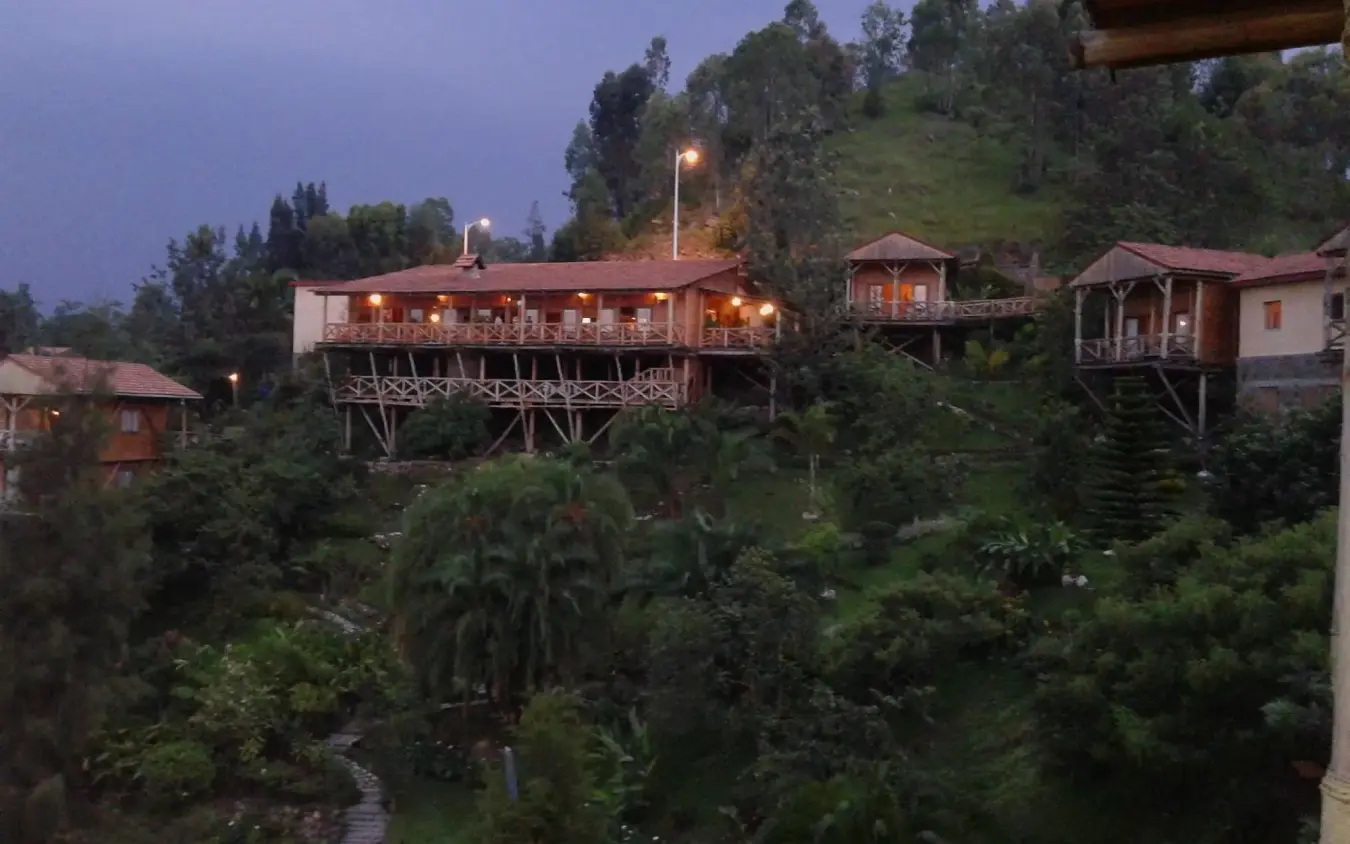
The Rwandan shore runs from small hillside lodges of timber chalets on stilts to larger beachfront hotels with spas and pools, and eco-minded camps with high-sided tents along the northern shore. Karongi holds the quietest of the bases, among them a suite-and-villa lodge with its own spa, while Rubavu offers the wider choice of beachfront rooms. Private jetties and direct water access count for more here than land area.


activities
Activities
Guided kayaks run from Rubavu, from two-hour outings to multi-day paddles south to Karongi. Motorboats reach Napoleon Island for its bat colony and the coffee islands for a morning with growers. Evenings can be spent following the isambaza fishermen. Swimming is straightforward, and stages of the Congo Nile Trail suit a ride or a walk.

conservation
Conservation Projects
Rwanda's Lake Kivu Monitoring Division tracks the lake's chemistry and the stability of its deep layers. ABAKIR, a tripartite Burundi-DRC-Rwanda body, coordinates management of the lake and the wider Rusizi basin. ARCOS runs a Living Lakes project restoring watersheds and tackling plastic waste with local fishing and farming cooperatives.

getting around
Connectivity and Logistics
Private helicopters from Kigali reach lakeside helipads in 25 to 45 minutes. RwandAir operates scheduled turboprop flights from Kigali to Kamembe at the southern end, which also handles private charters. By road, the lake is three and a half to four hours from Kigali.
other areas in rwanda
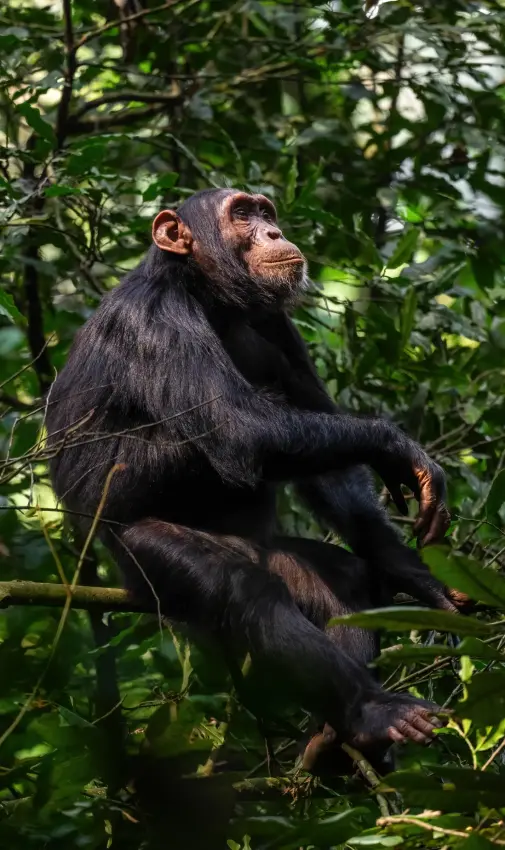
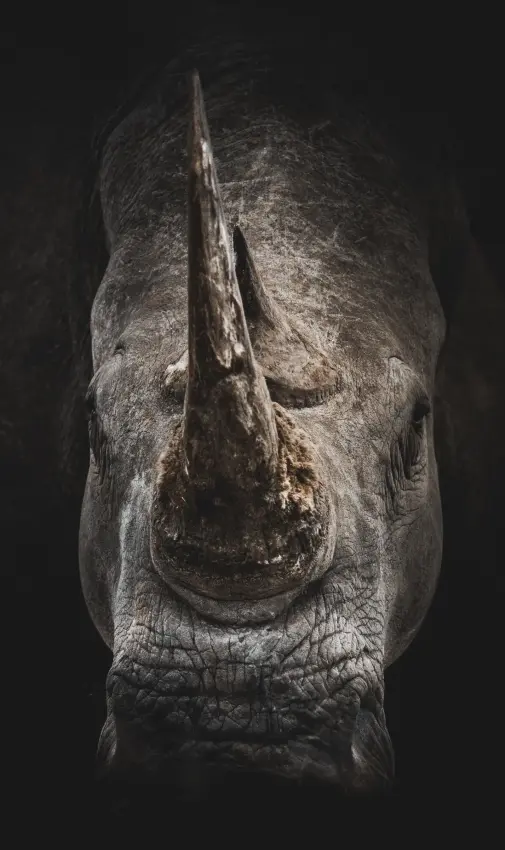
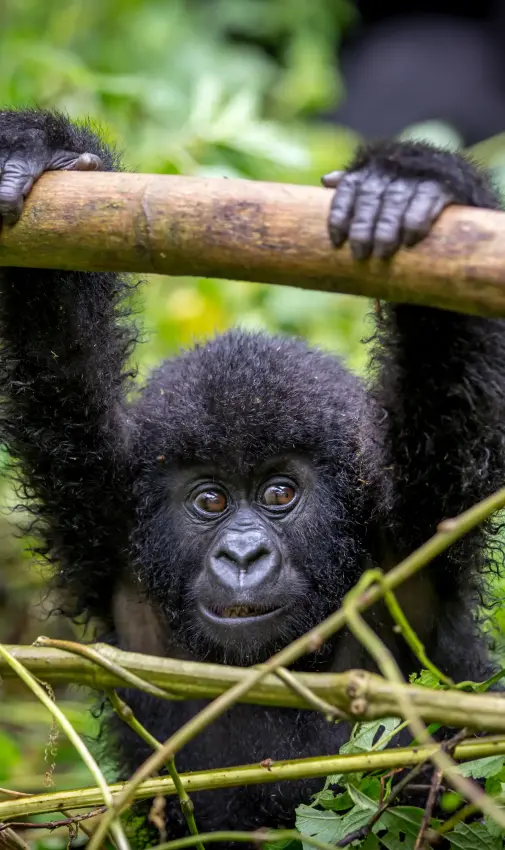
Volcanoes National Park lies to the north, with mountain gorillas and golden monkeys in the Virunga foothills above Musanze. Nyungwe Forest, at the southern end of the lake and reachable from Kamembe, adds chimpanzees, colobus troops and a canopy walkway. Akagera in the east offers savannah game viewing with lions, rhinos and elephants. Kigali handles arrivals and departures, with galleries and dining at either end of a Rwanda trip.
frequently asked questions
By road, and the drive is one of the better ones in Rwanda.
Rubavu in the north is about an hour and a half from Volcanoes National Park, and Karongi sits halfway down the shore. From Kigali it is two to three hours depending which town you are heading for.
The lakeside road between them is spectacular and slow.
Flying into Kamembe in the south makes sense if you are combining the lake with Nyungwe.
To break the journey, and to do nothing for a day or two.
Rwanda's two great draws sit at opposite ends of the country, and Kivu is in the middle. After a steep morning with the gorillas, a day by the water is exactly right.
The lake has no hippo or crocodile, so swimming off the shore is straightforward, which is unusual in this part of Africa.
Kayaking, boat trips to the islands and coffee estate mornings fill the time without demanding anything.
Yes. The whole of Rwanda is treated as a malaria risk area by both TravelHealthPro, the UK's official travel health service, and the CDC, and antimalarial cover is recommended countrywide.
The lake sits high, which means fewer mosquitoes than the lowlands, but low risk is not the same as no risk.
We do not make medical recommendations. That is a conversation between you and your own doctor or a travel clinic.
On the practical side, cover up at dusk and carry repellent.
Gentle things, and that is the point of the stop.
- Kayaking along the shore, for an hour or for several days
- Boat trips to the islands and out to watch the fishermen at dawn
- Coffee estate visits, from the bush to the cup
- Swimming, paddle boarding and sitting still
The hot springs near Rubavu are worth an afternoon.
The fishermen singing as they row out at dusk is the thing most people remember, and it costs nothing.
It depends entirely on where you are going next.
Rubavu in the north is closest to the gorillas and the busiest of the three. Karongi in the middle is the quietest and the prettiest. Rusizi in the south is the natural stop for Nyungwe.
The drives between them are long and scenic.
Tell us the shape of the trip and we will put you on the stretch that saves you hours in a car.
One or two, as a break rather than a destination.
One night breaks the drive between the gorillas and the south. Two gives you a full day on the water, a coffee morning and a genuine rest.
More than that and most people start looking for something to do.
Tell us the whole route and we will say whether one night or two suits it.
rated five stars by our clients

our approach
remote, exclusive
& personal
Every journey starts with a conversation. We take the time to understand your vision before we start planning.
Whether by phone or in person, we work with you directly to shape something that is considered, personal, and expertly delivered.
Every journey starts with a conversation. We favour a direct, personal approach: understanding your vision before anything else.
Whether by phone or in person, we work with you directly to shape a journey that is both thoughtfully considered and expertly delivered.
Get in touch to start planning yours.