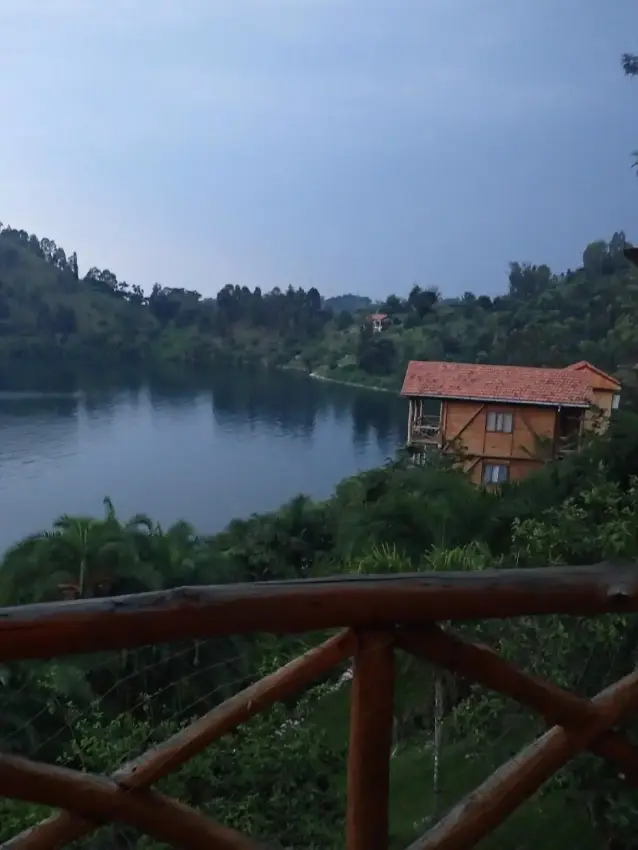
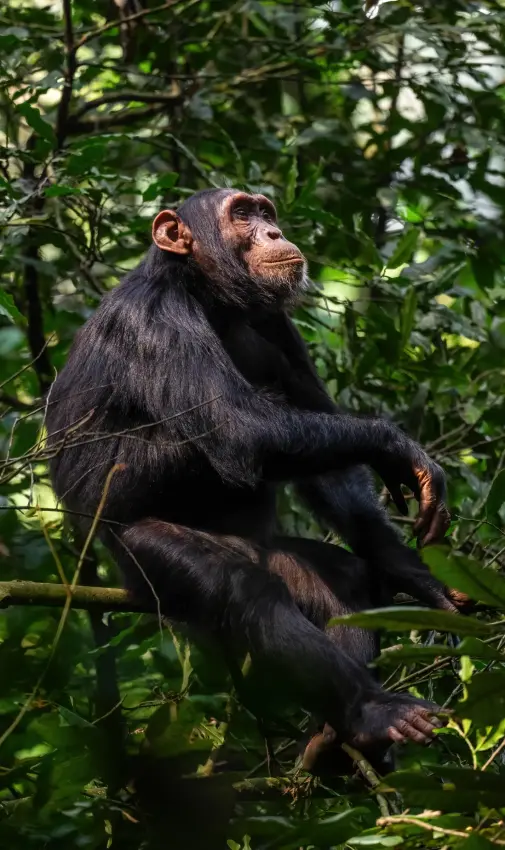
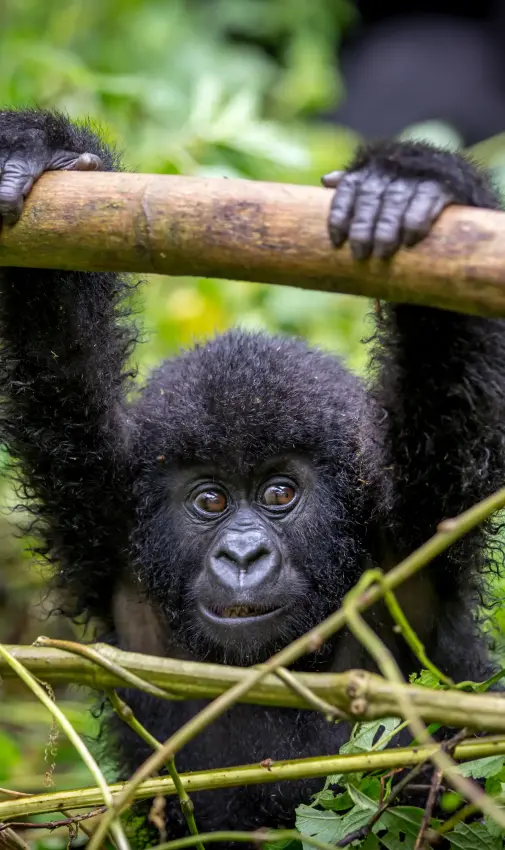
Volcanoes National Park, where the mountain gorillas live, lies several hours away by road, and Nyungwe Forest has chimpanzees and a canopy walkway. Kibuye sits on Lake Kivu’s eastern shore, and the drive in follows a ridge of terraced hillsides above the water. Guests tend to arrive off a trek with damp kit and no appetite for another dawn start, and a lodge built around swimming rather than game drives does different work. This is a stop between parks rather than a base for exploring one.
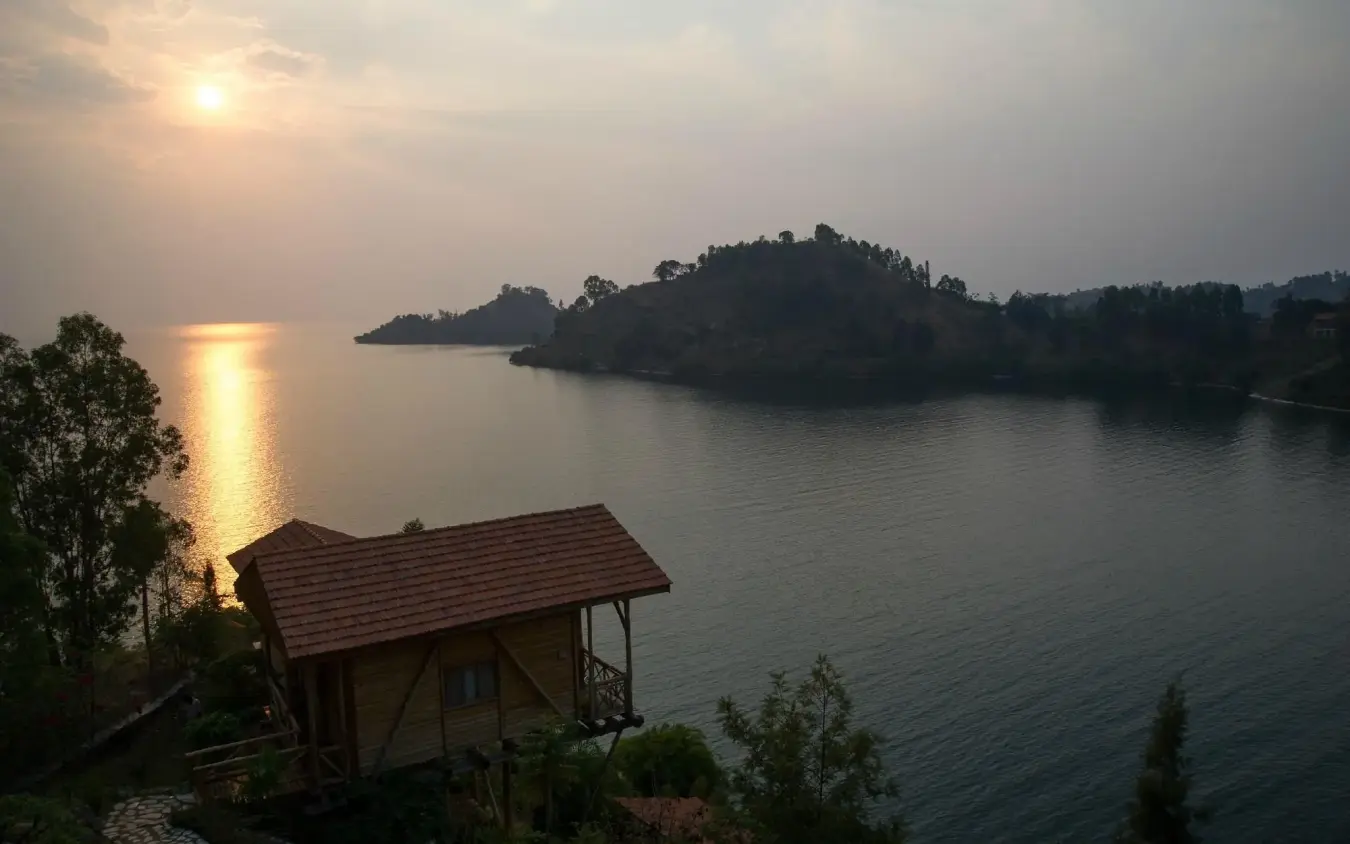
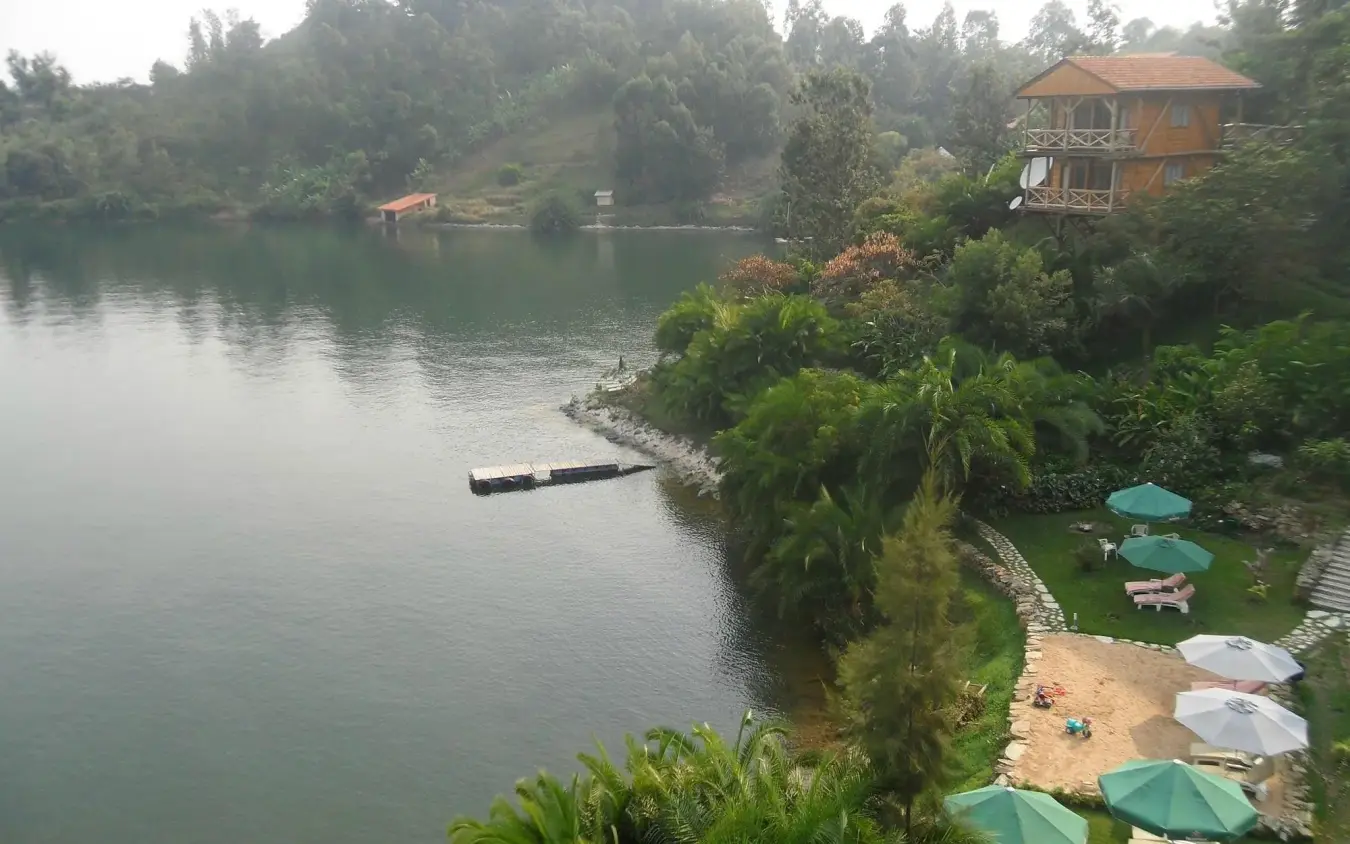
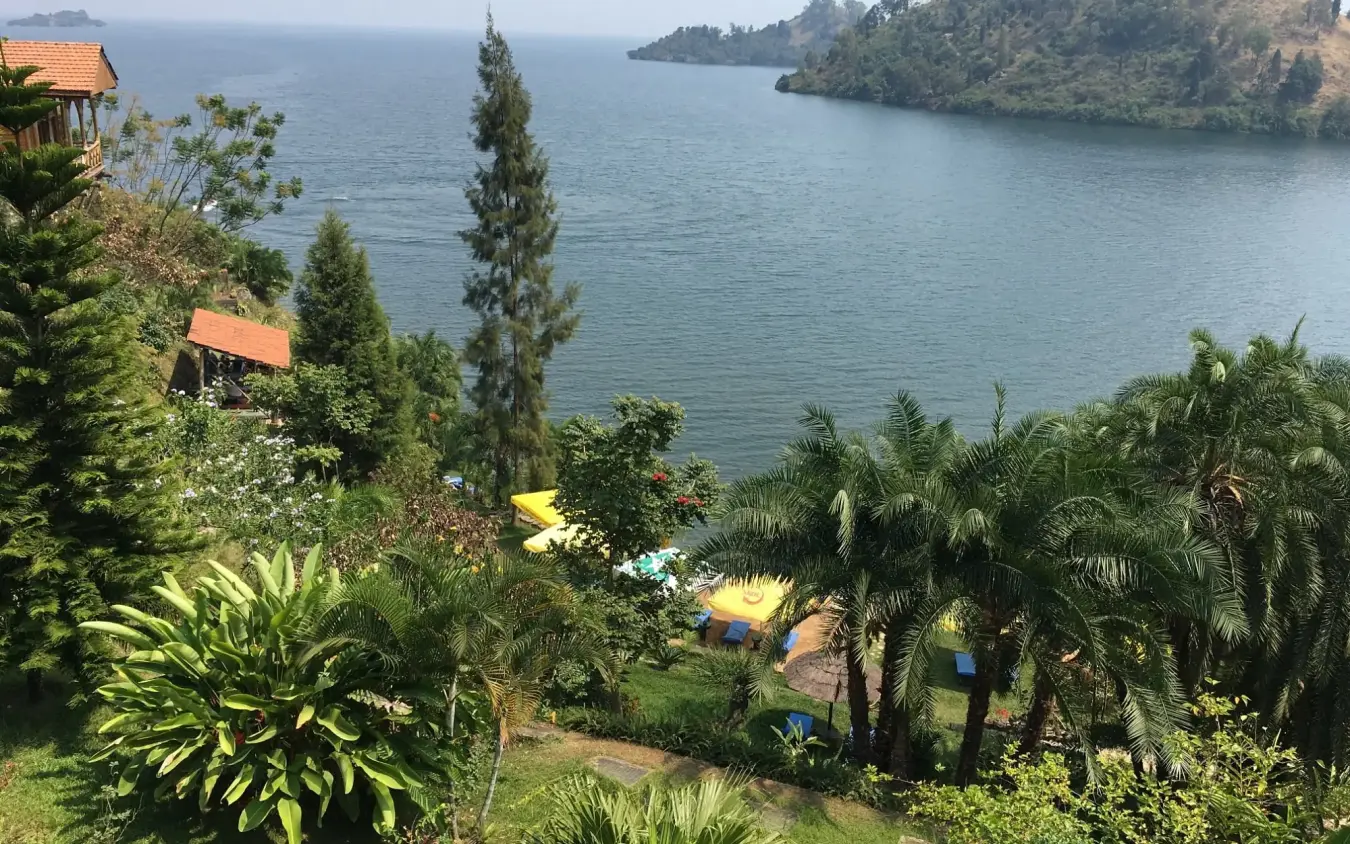
Kayaks and canoes go out from the boathouse, and swimmers go straight off the jetty into water that shelves away within a few strokes. A motorboat runs waterskiing and wakeboarding, and trips out to the islands. Napoleon Island, a steep green rise offshore, holds a large colony of fruit bats. The fishing villages strung out along the shore are the other regular destinations. In the late afternoon the boats follow the outrigger canoes out, as the sambaza fishermen light their lanterns and begin their singing across the water.
Napoleon Island, a steep green rise offshore, holds a large colony of fruit bats.
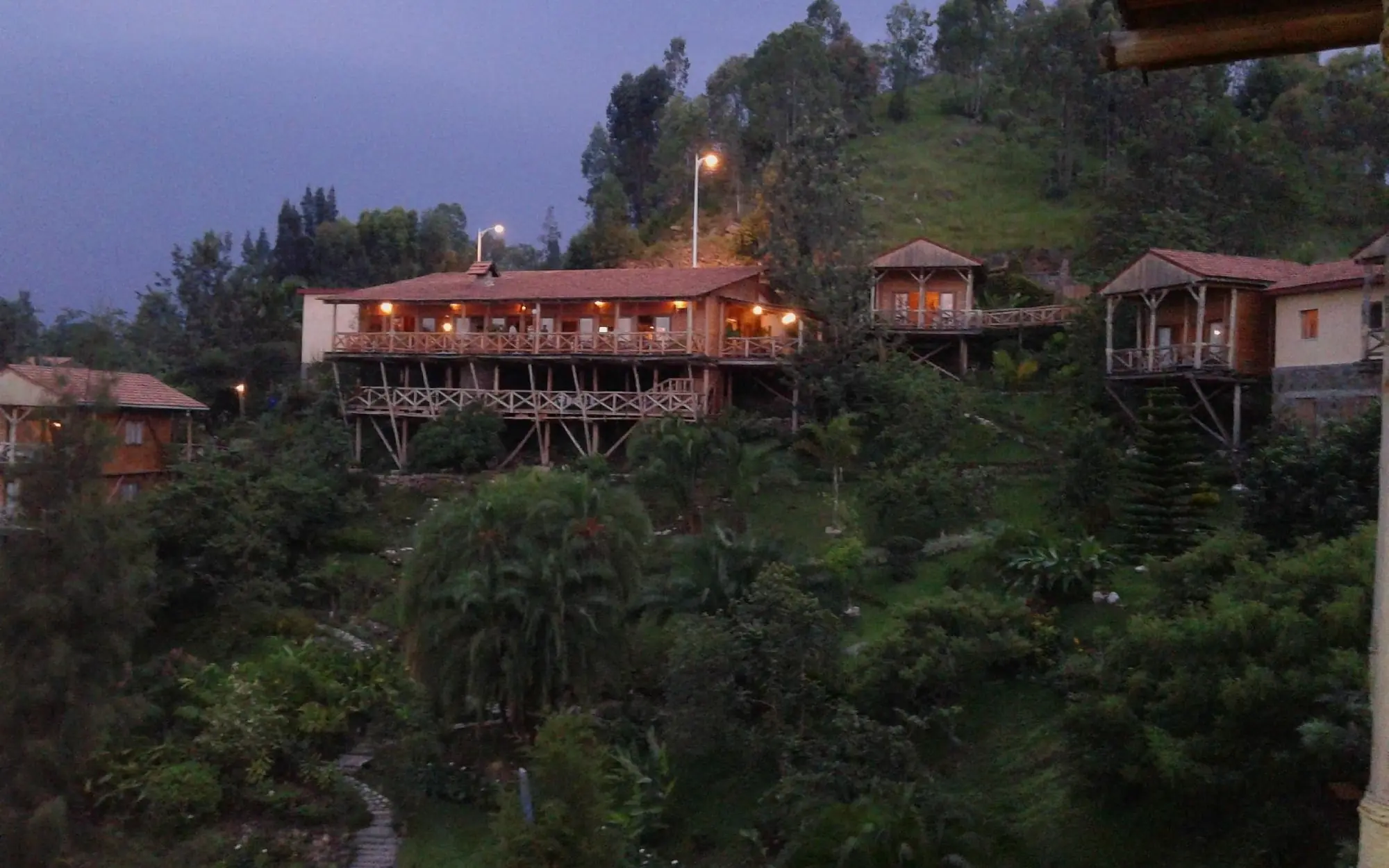
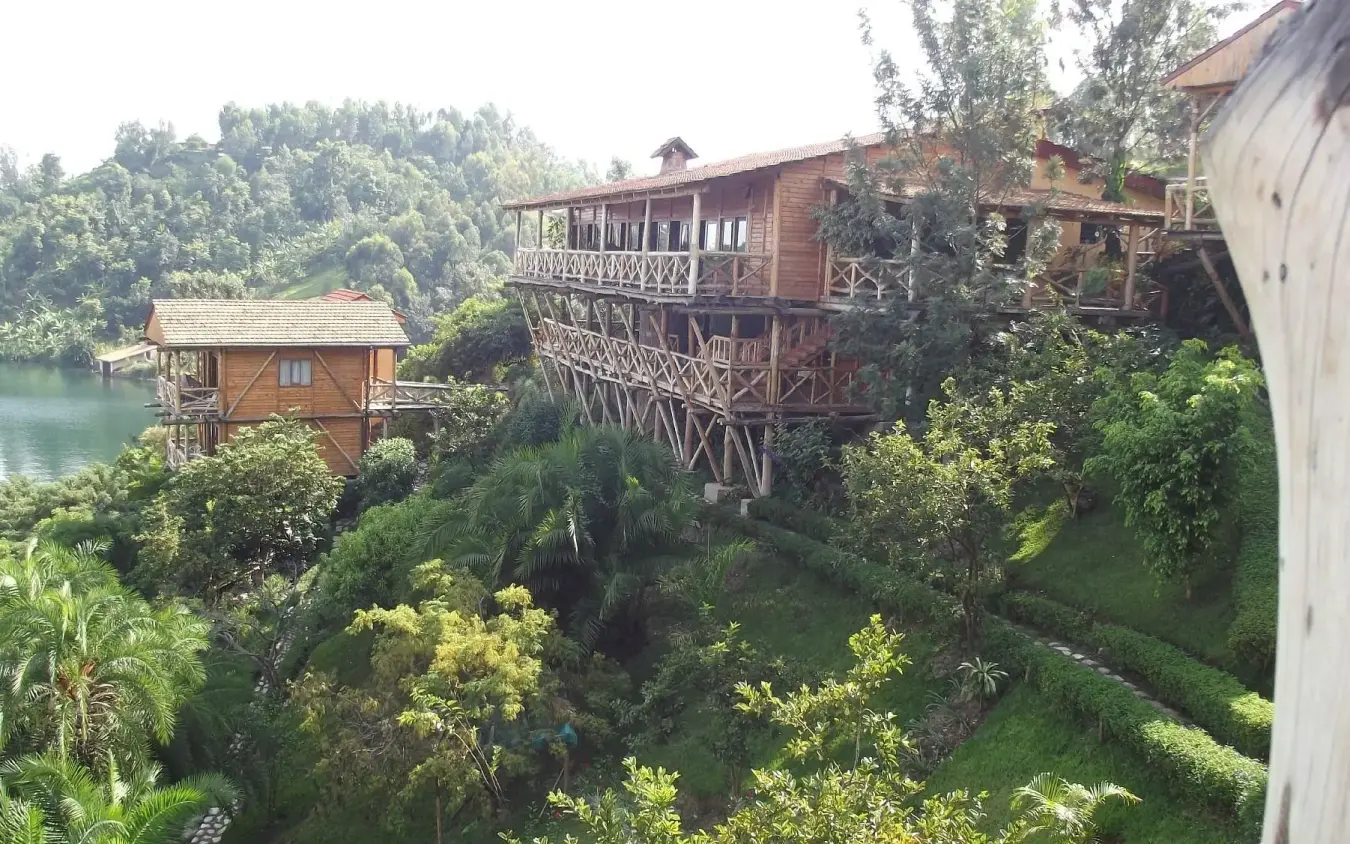
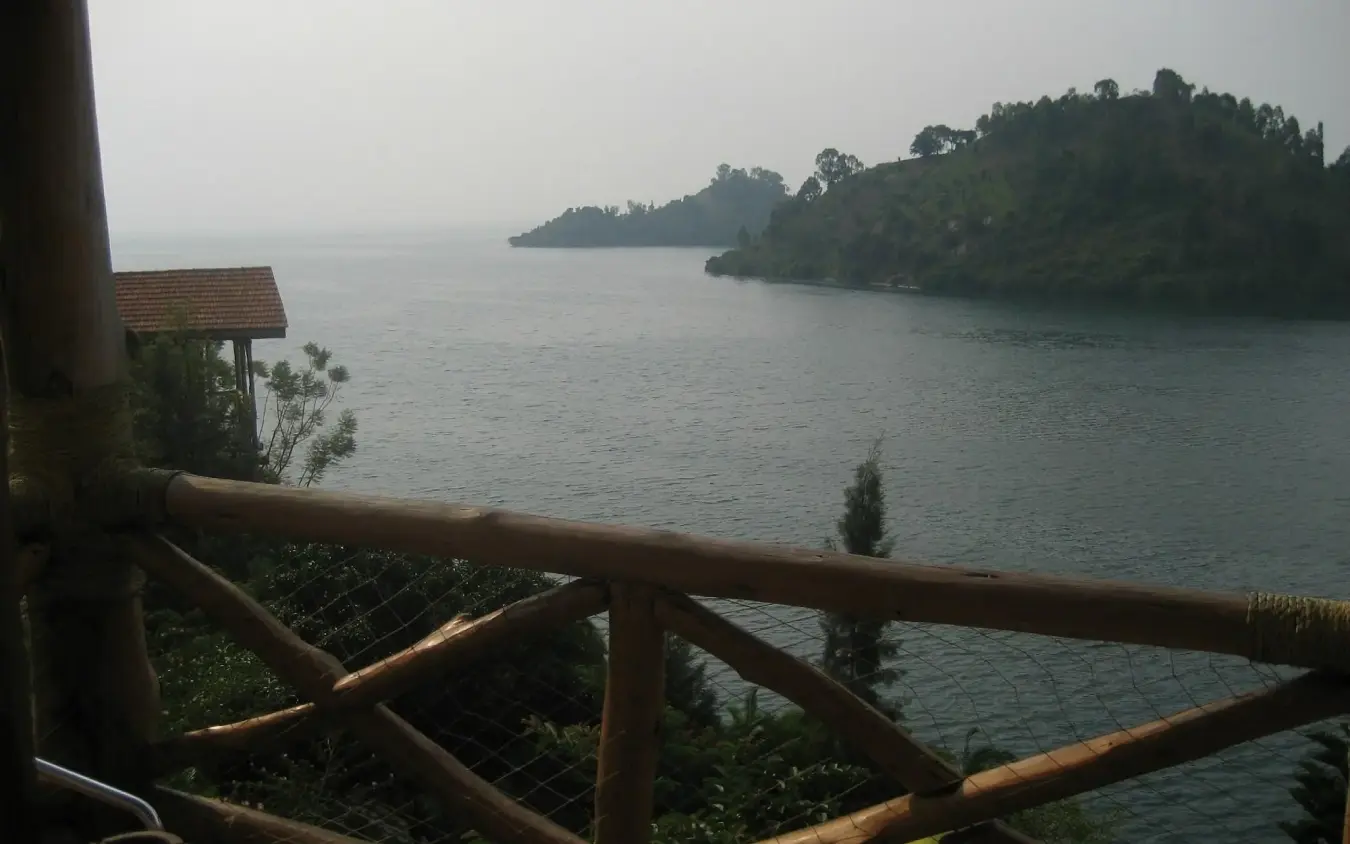
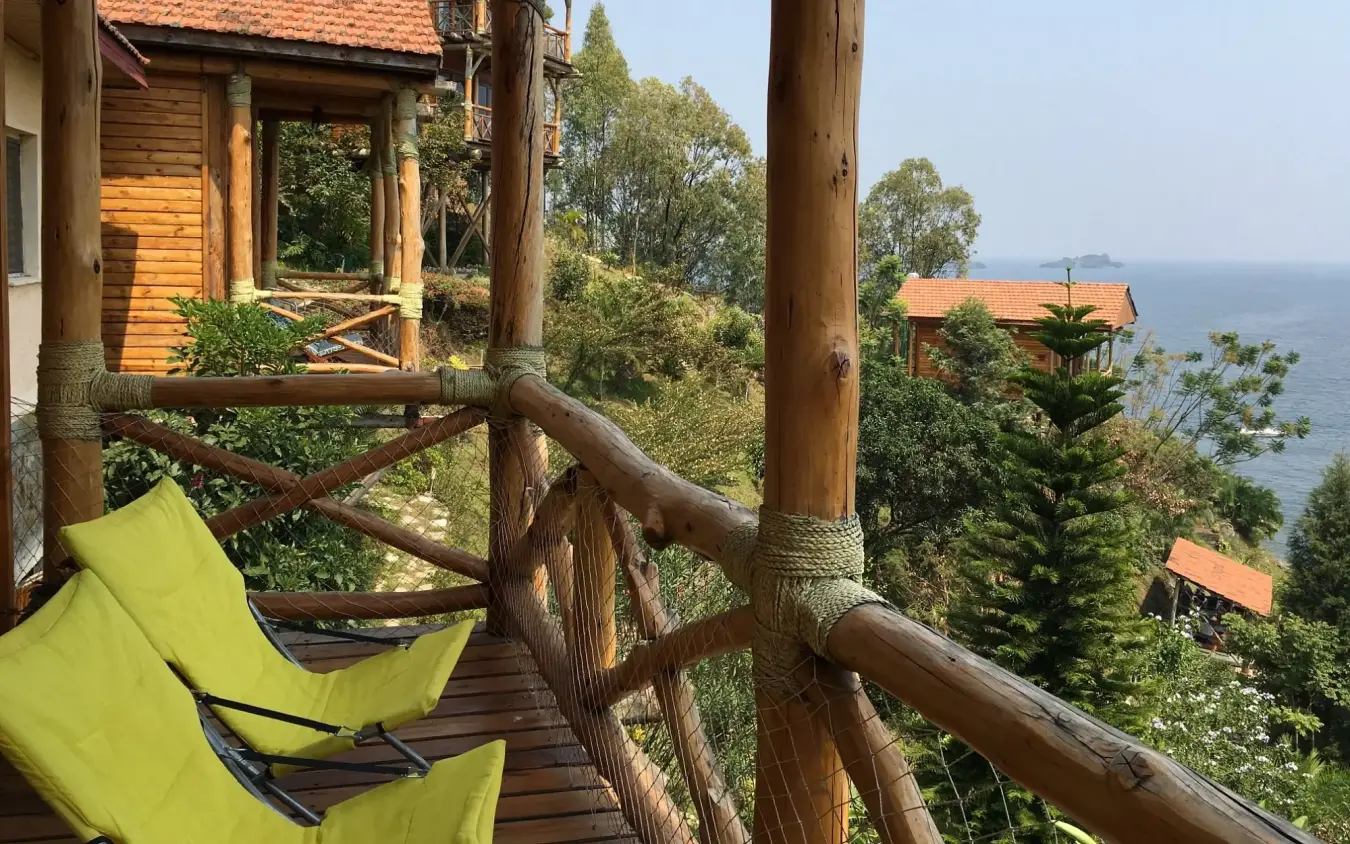
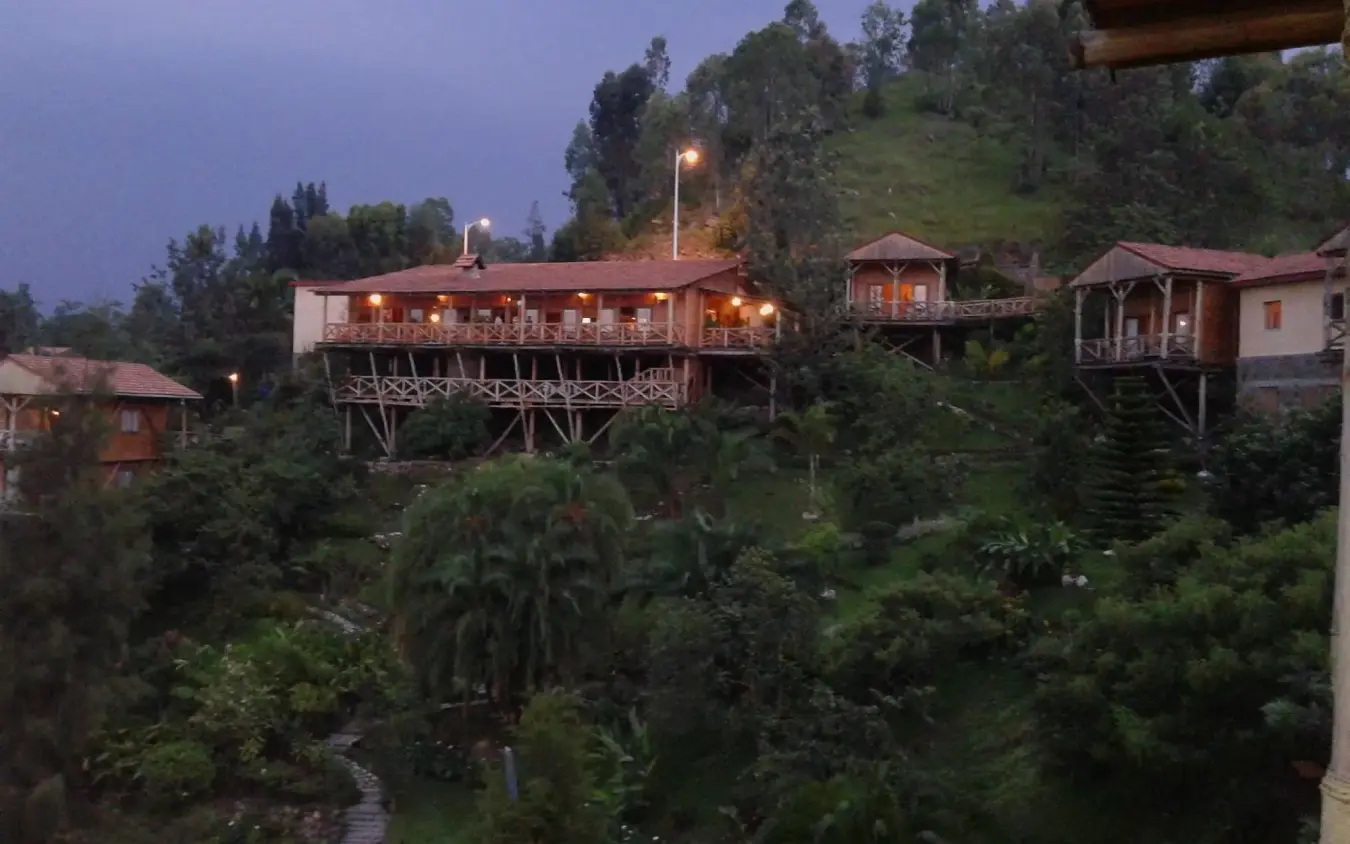
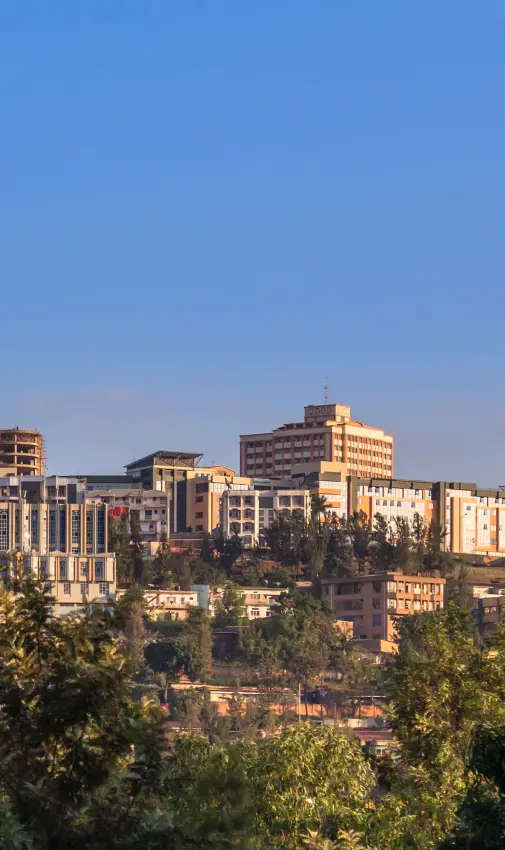
On land, the hills above the lodge are cut into narrow cultivated terraces, and guided walks lead down through them into the villages around Karongi. The Congo-Nile Trail passes close by for cyclists, and the Gisovu tea estate makes a full day out between the processing sheds and a tasting. The Kibuye genocide memorial is a short ride into town. Closer in, the gardens are dense enough that sunbirds and kingfishers work the trees within sight of the balconies.
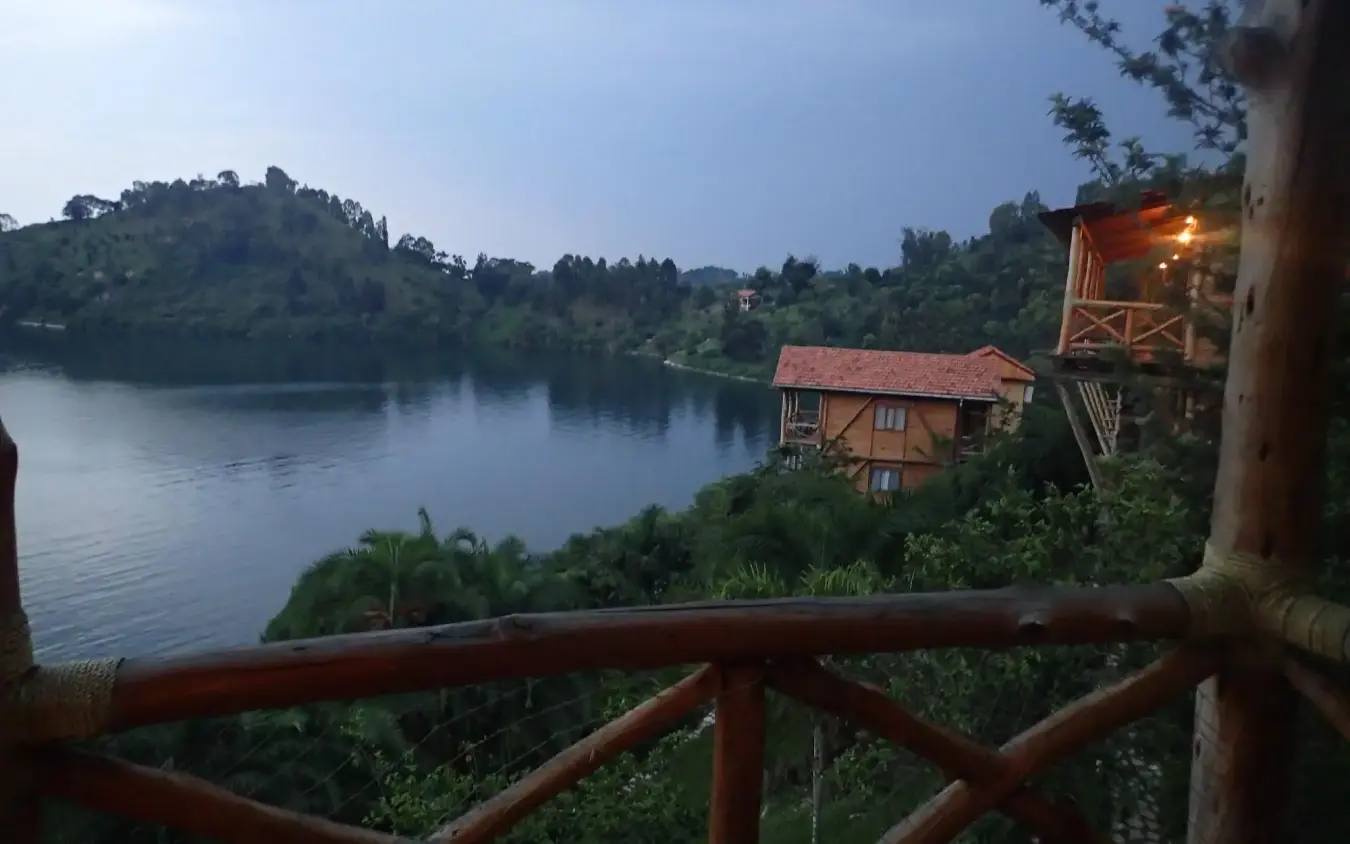
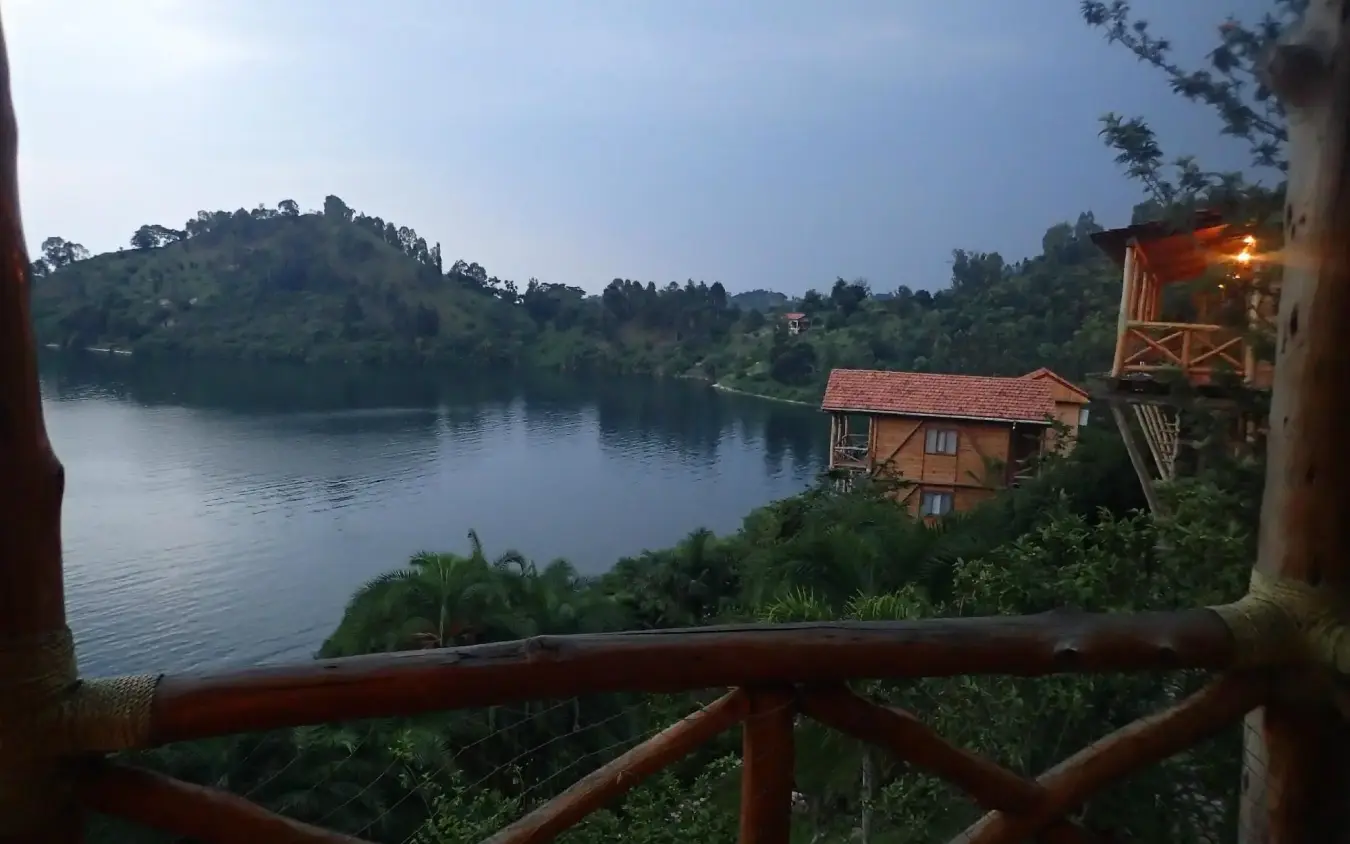
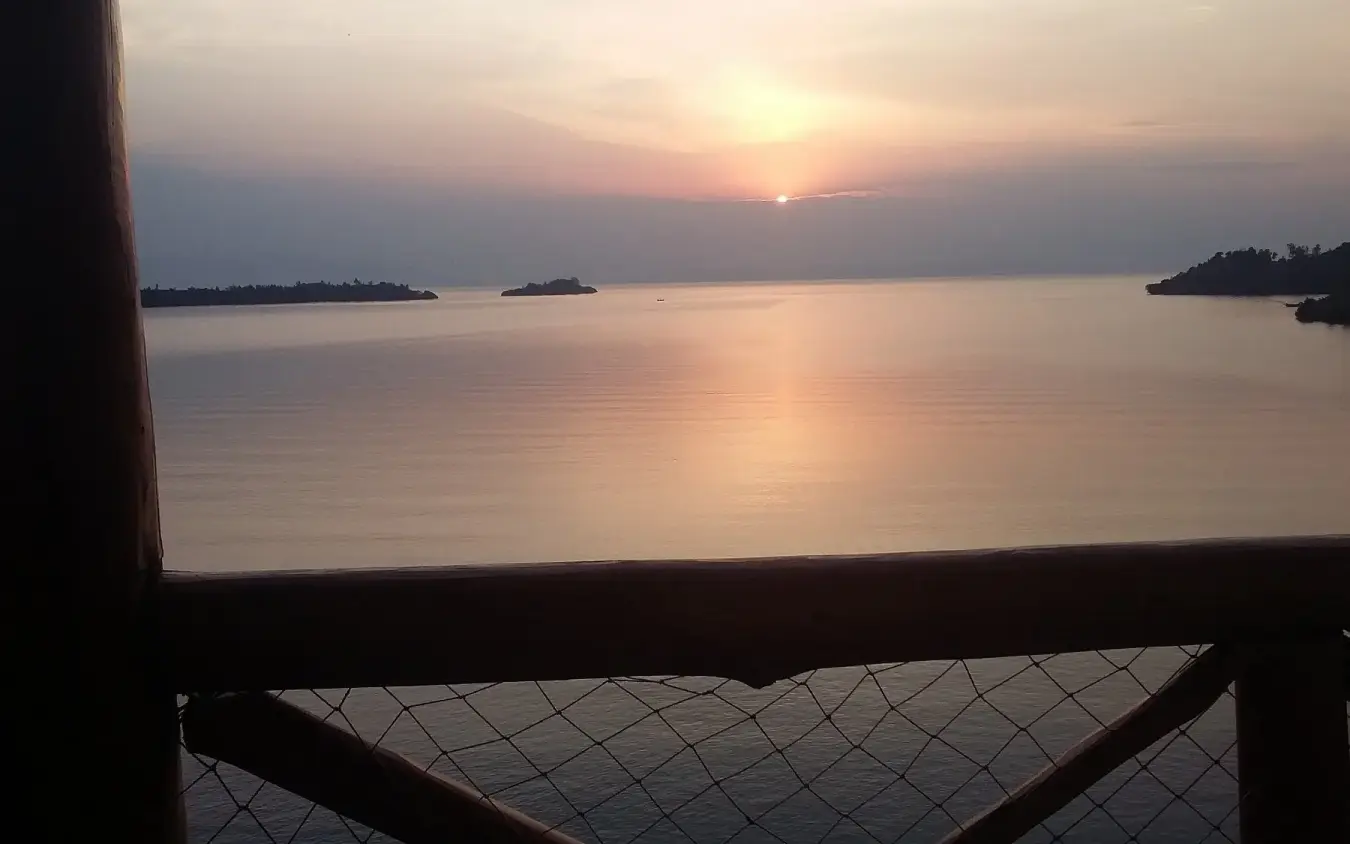
Children are welcome, with swings on the beach and the games room at the top of the hill, though the terrain asks for attention: the steps are steep, the drop to the water is considerable, and the beach shelves away quickly, which makes it a difficult fit for toddlers or anyone unsteady on their feet. Evenings settle into something domestic. A fire is lit in the main lodge as the air cools off the lake, dinner is served out on the terrace, and the lamps of the fishing boats spread out across the water far below.