Camp

Sarara Camp

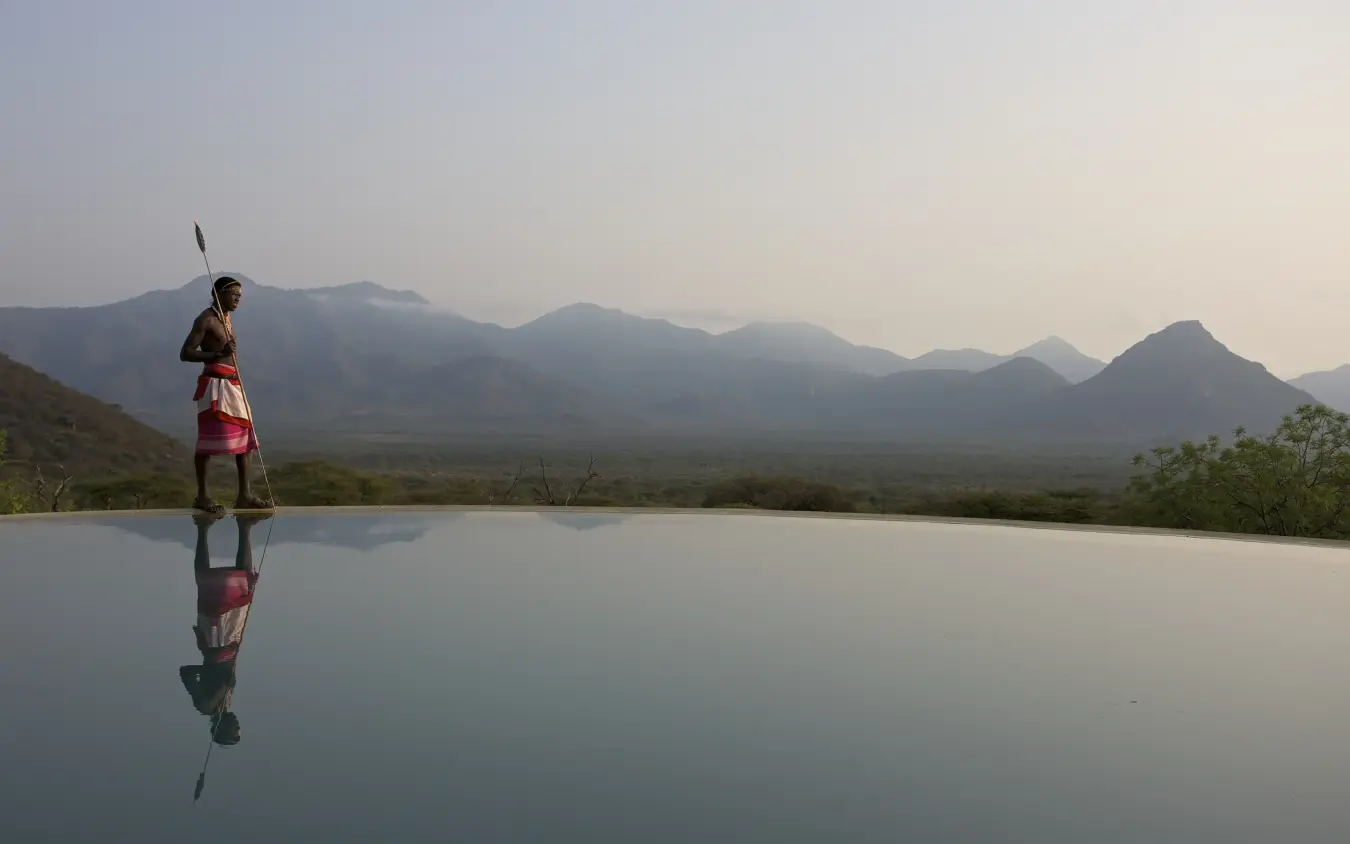
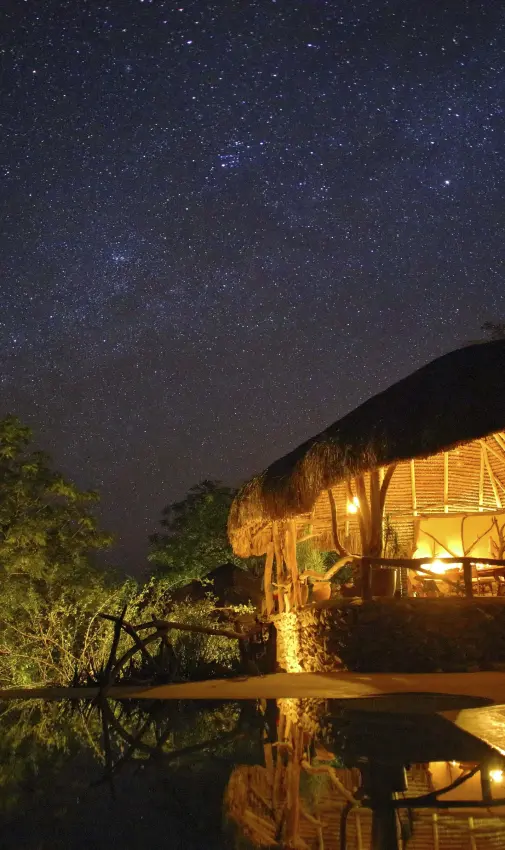
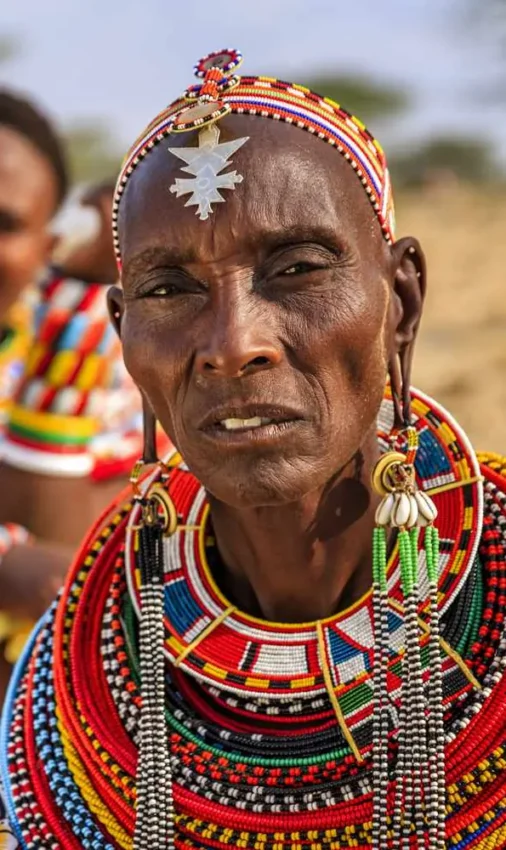
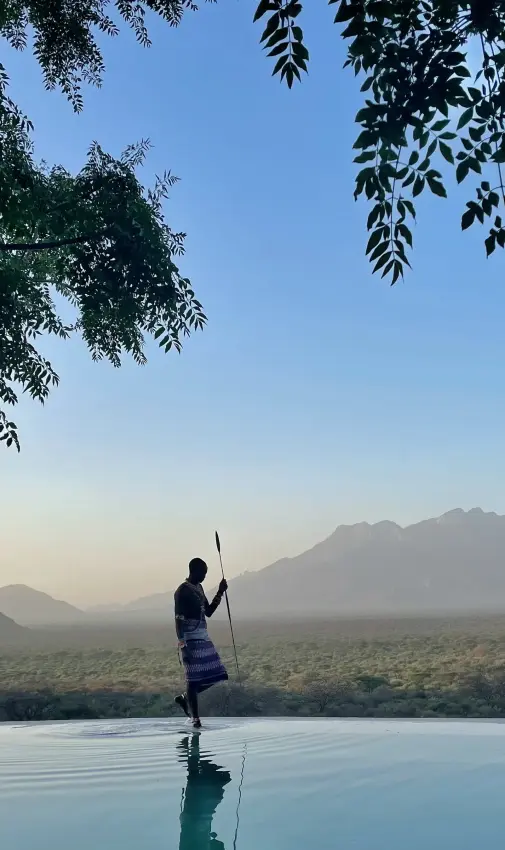
Sarara Camp is a Samburu-owned camp on the southern slopes of Northern Kenya’s Mathews Range, near the singing wells.

Country: Kenya
Location: Foot of the Mathews Range, Namunyak Conservancy
Number of rooms: 6

Where the waterhole sets the hours

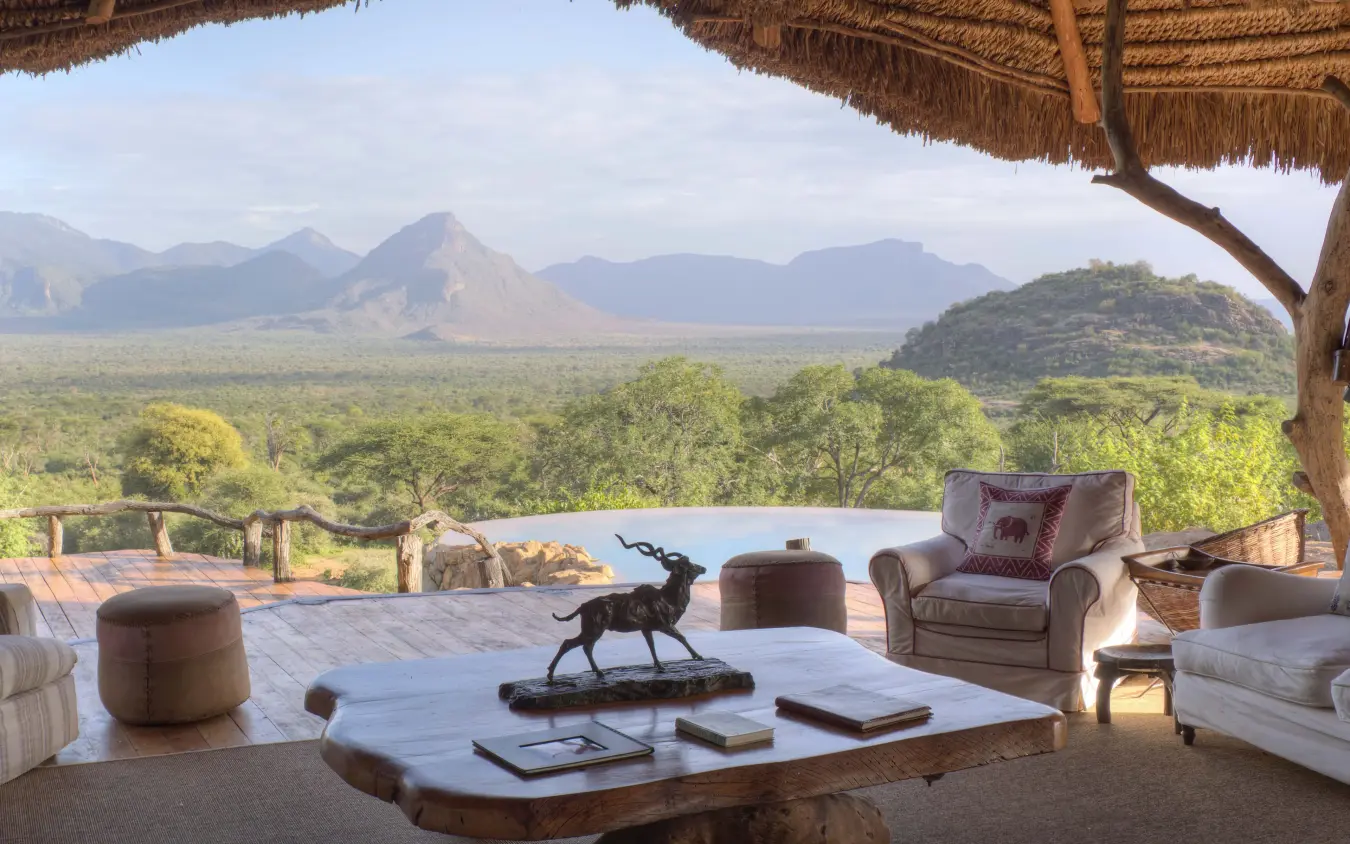
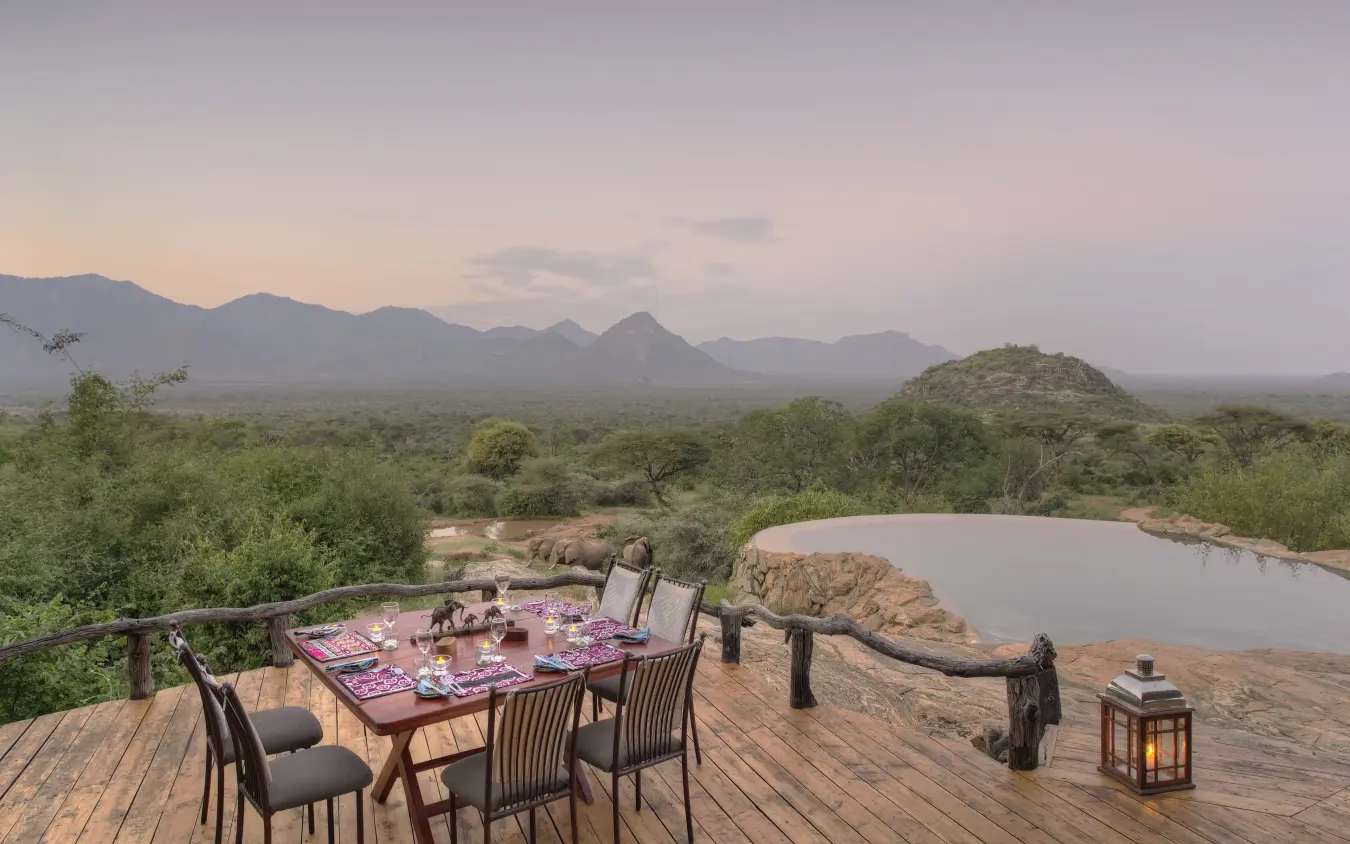
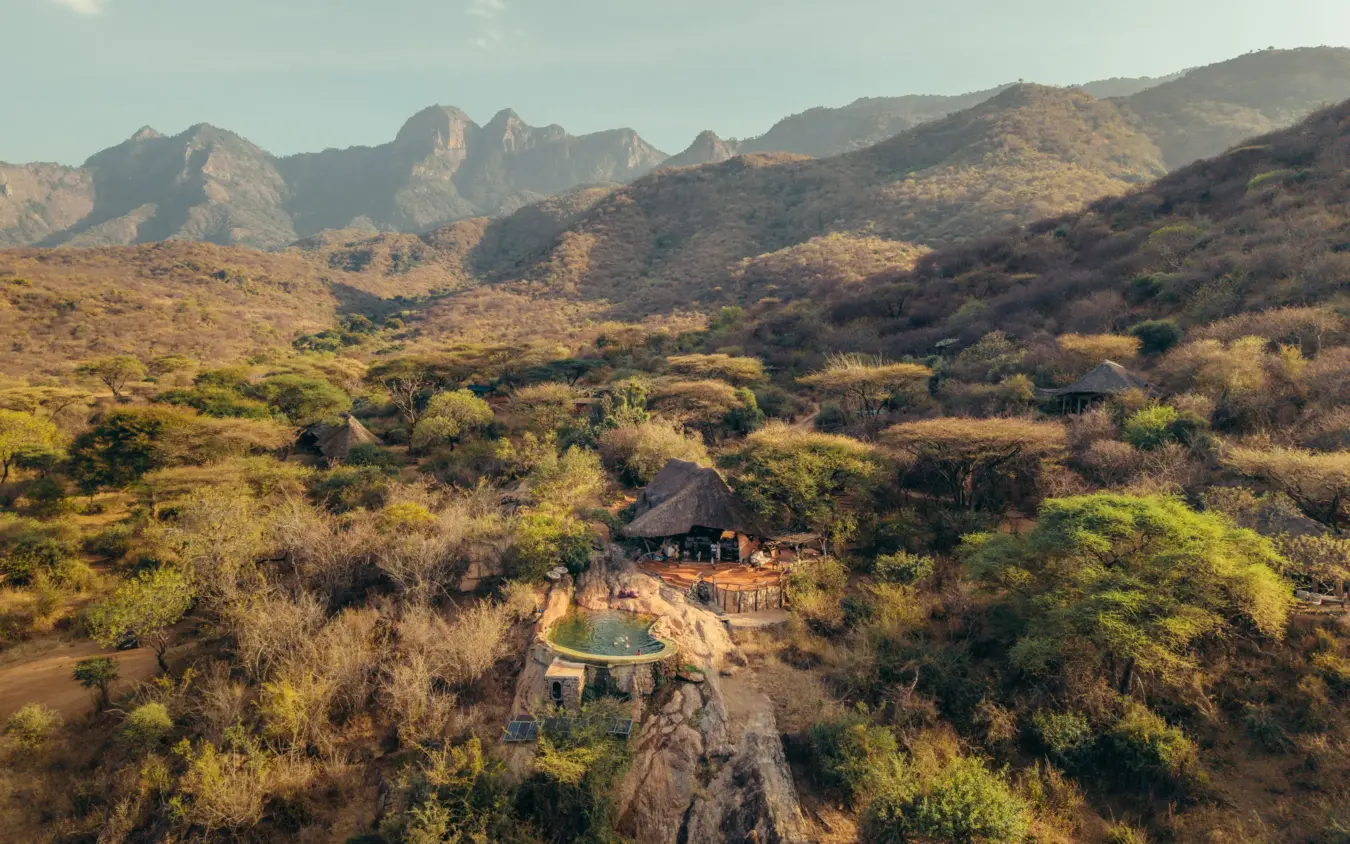
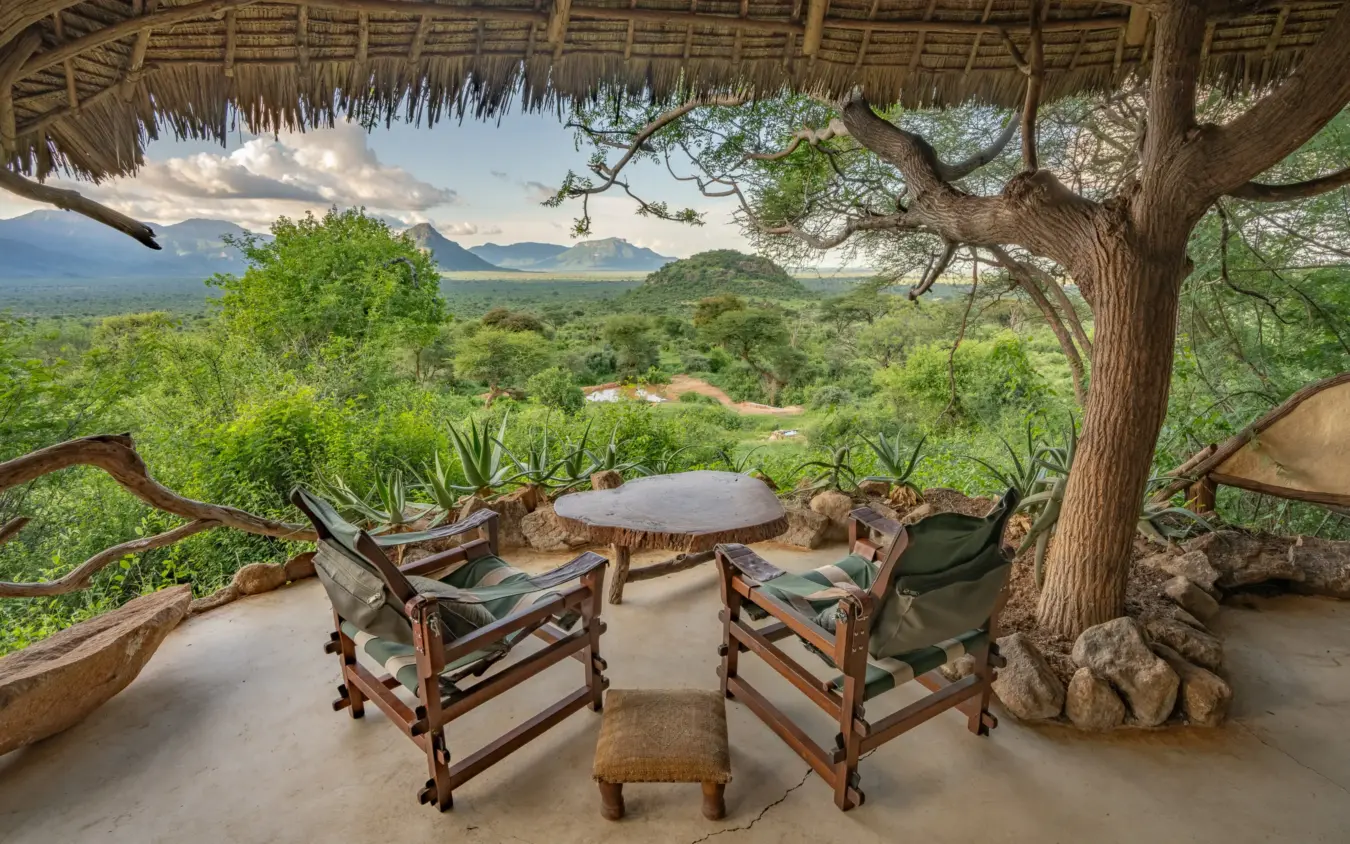
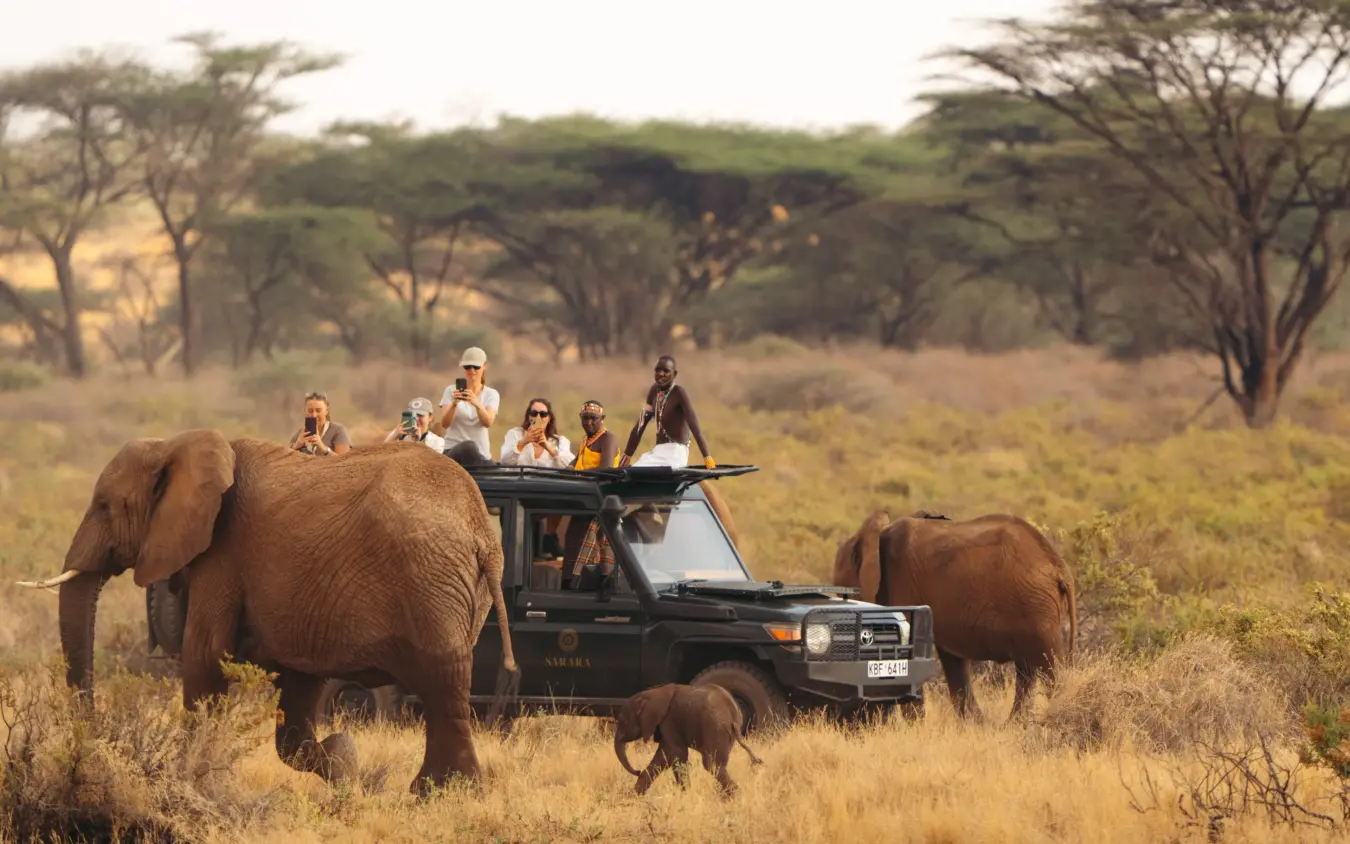
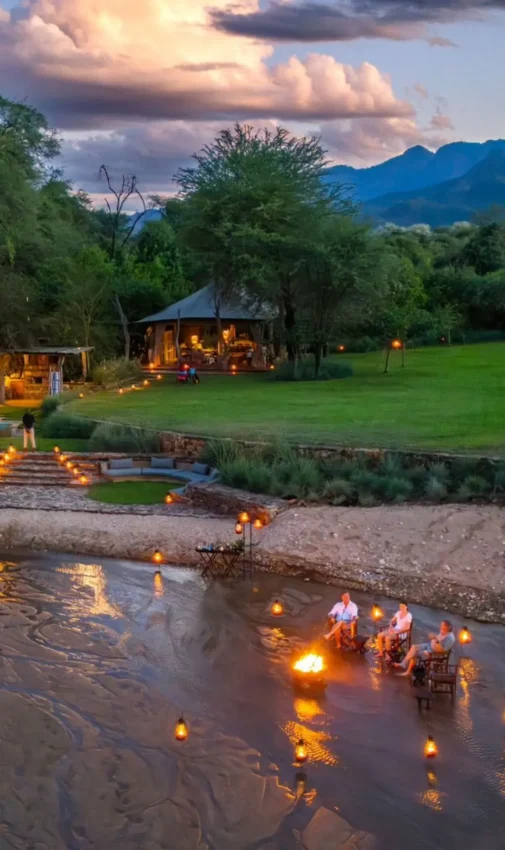
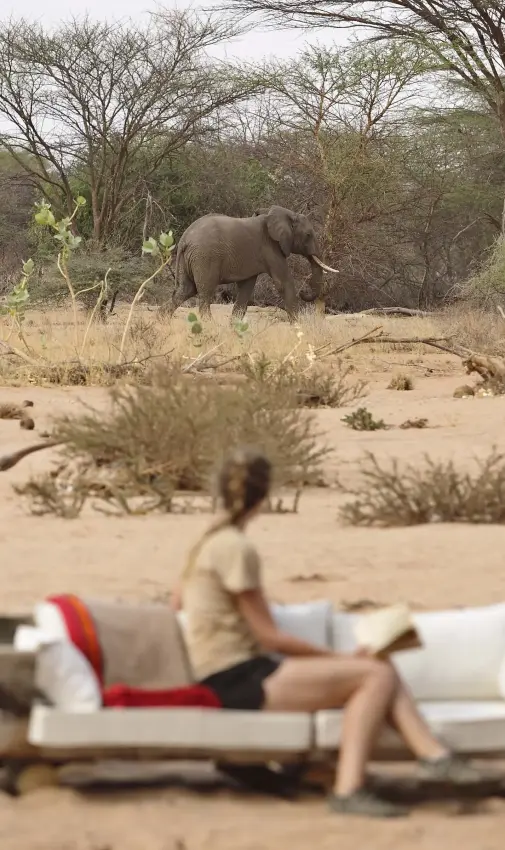
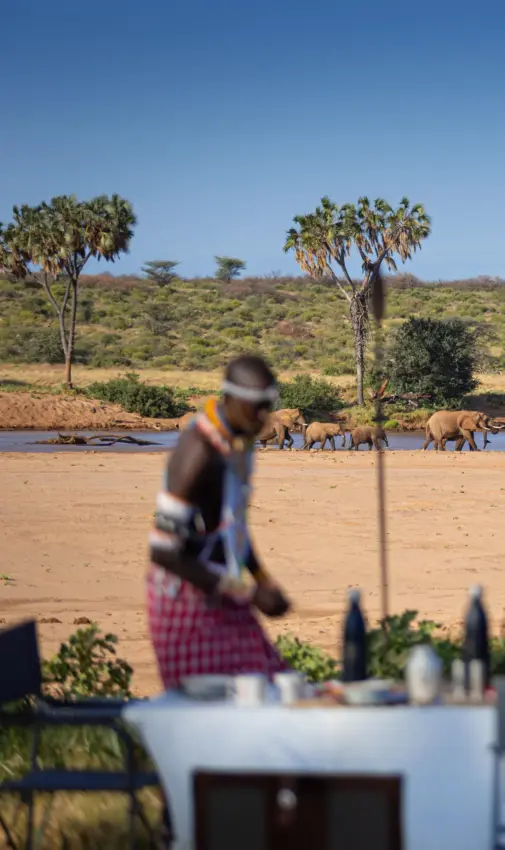
All through the day, elephants, kudu and warthog file down to the waterhole below Sarara Camp, close enough to watch from a tent veranda or the edge of the pool. The camp sits on the southern slopes of the Mathews Range in Northern Kenya, inside the Namunyak Conservancy, 850,000 acres owned outright by the Samburu community, where six tents and a private house look out over the water and the plains beyond. The wildlife keeps no fixed schedule. Whoever arrives to drink sets the rhythm of the afternoon.

Whoever arrives to drink sets the rhythm of the afternoon.

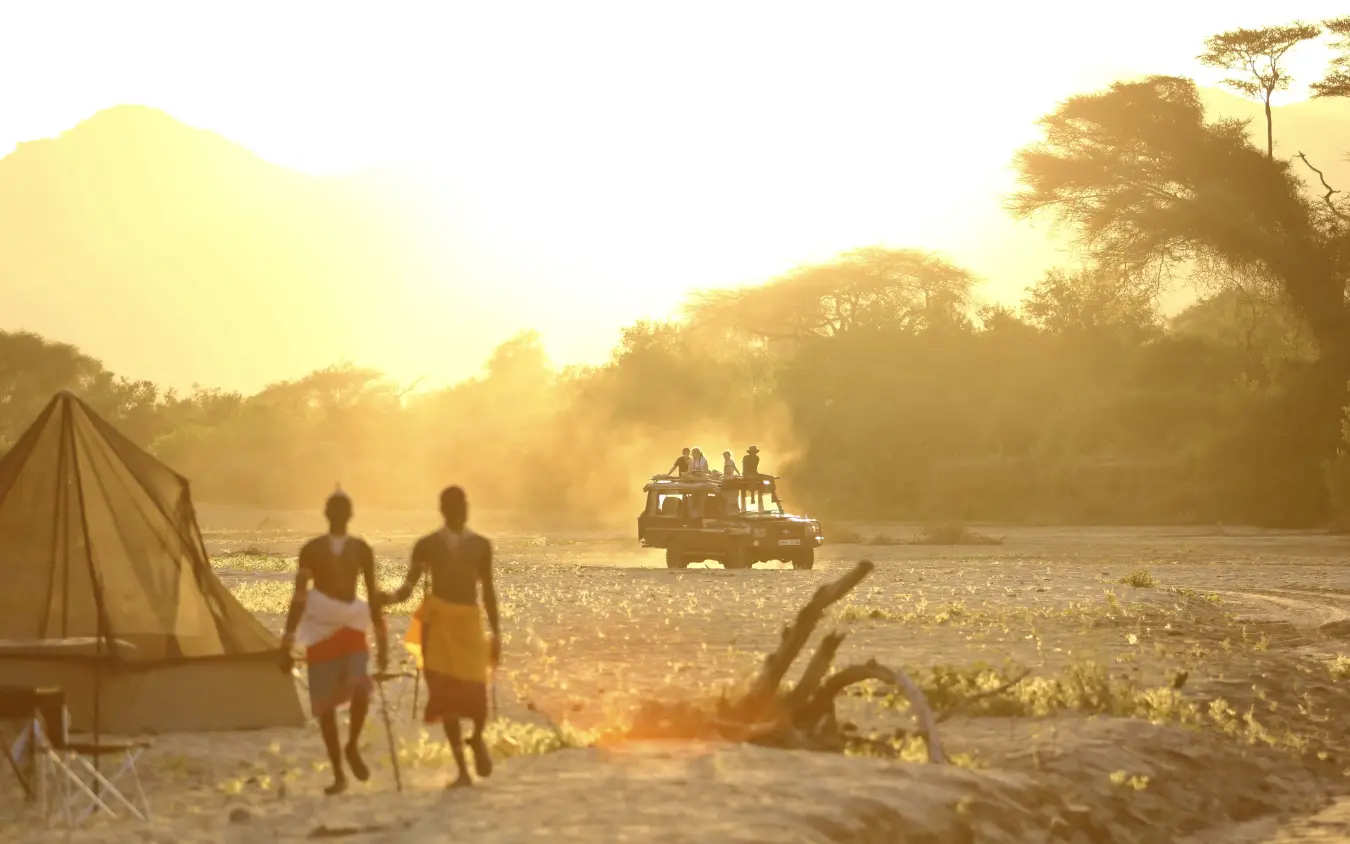
The camp’s signature experience happens away from camp altogether, in the dry riverbeds where Samburu warriors dig wells deep into the sand and pass water hand to hand up a human chain, each family calling its own cattle forward with a distinct chant. Guests may watch, but nothing about the ritual is adjusted for an audience, and photography is not permitted. It is done the way it has always been done, because the cattle still need the water.

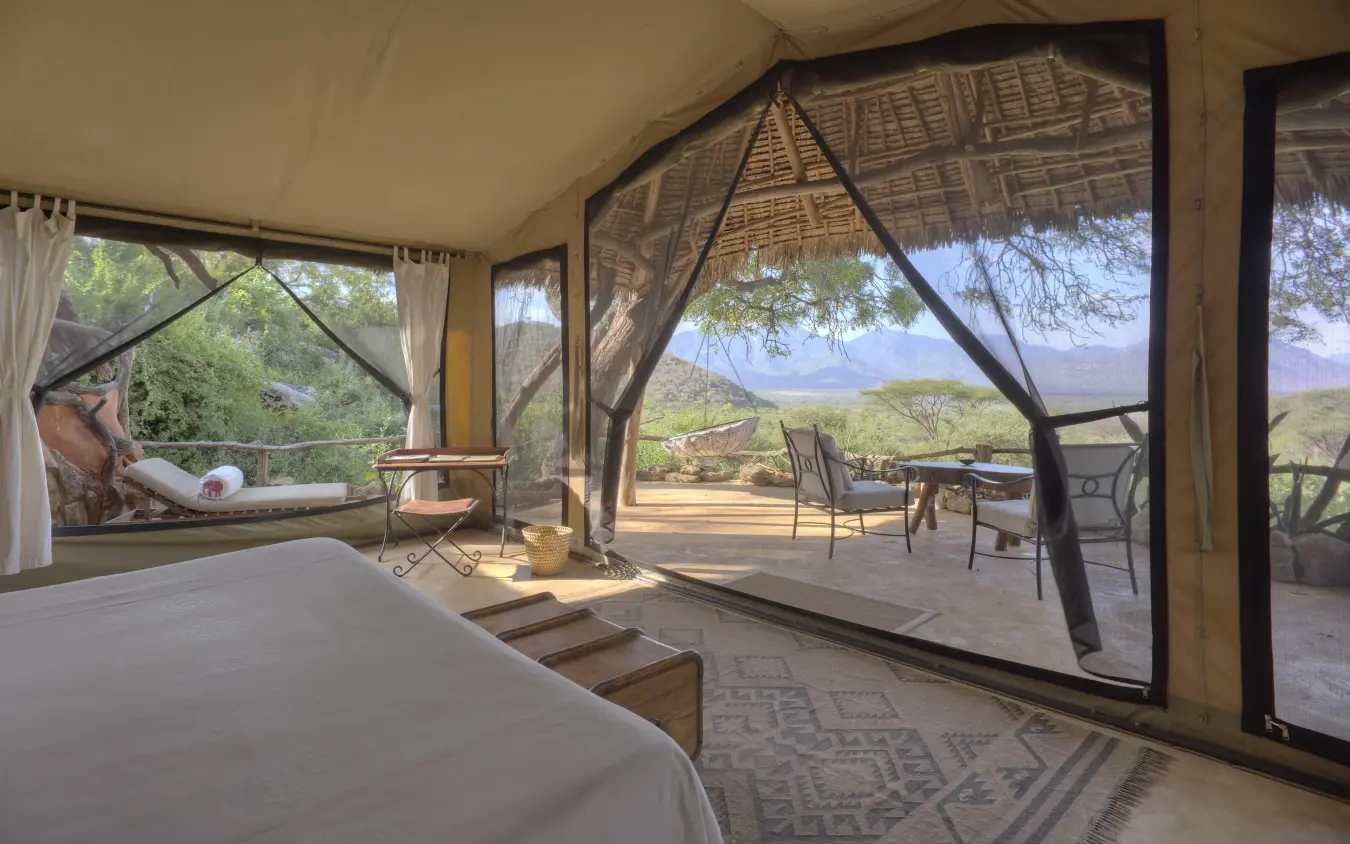
Safari tent bedroom with canvas walls and landscape views, Sarara Camp, Northern Kenya, Kenya
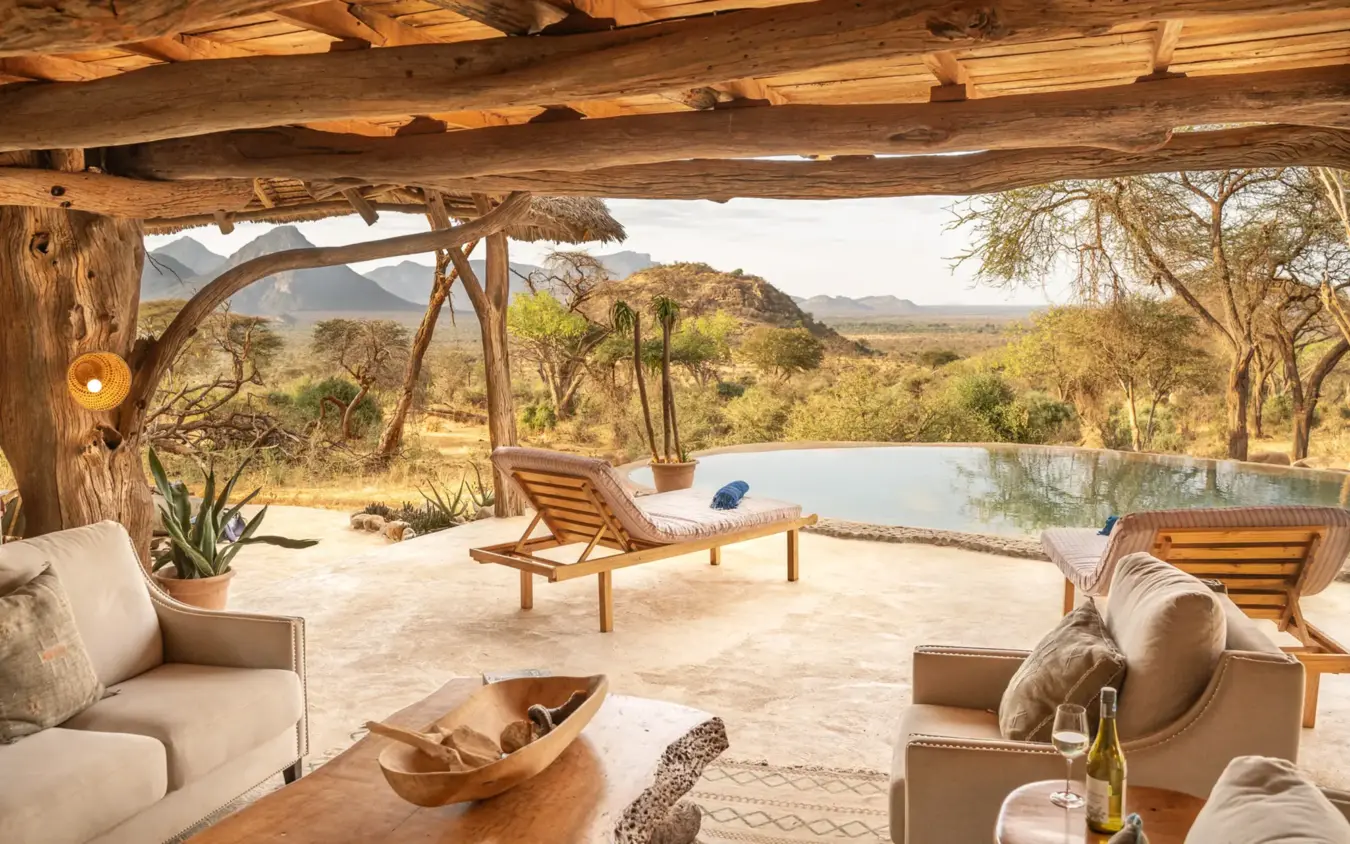
Guests swimming in pool with elephants bathing nearby, Sarara Camp, Northern Kenya, Kenya

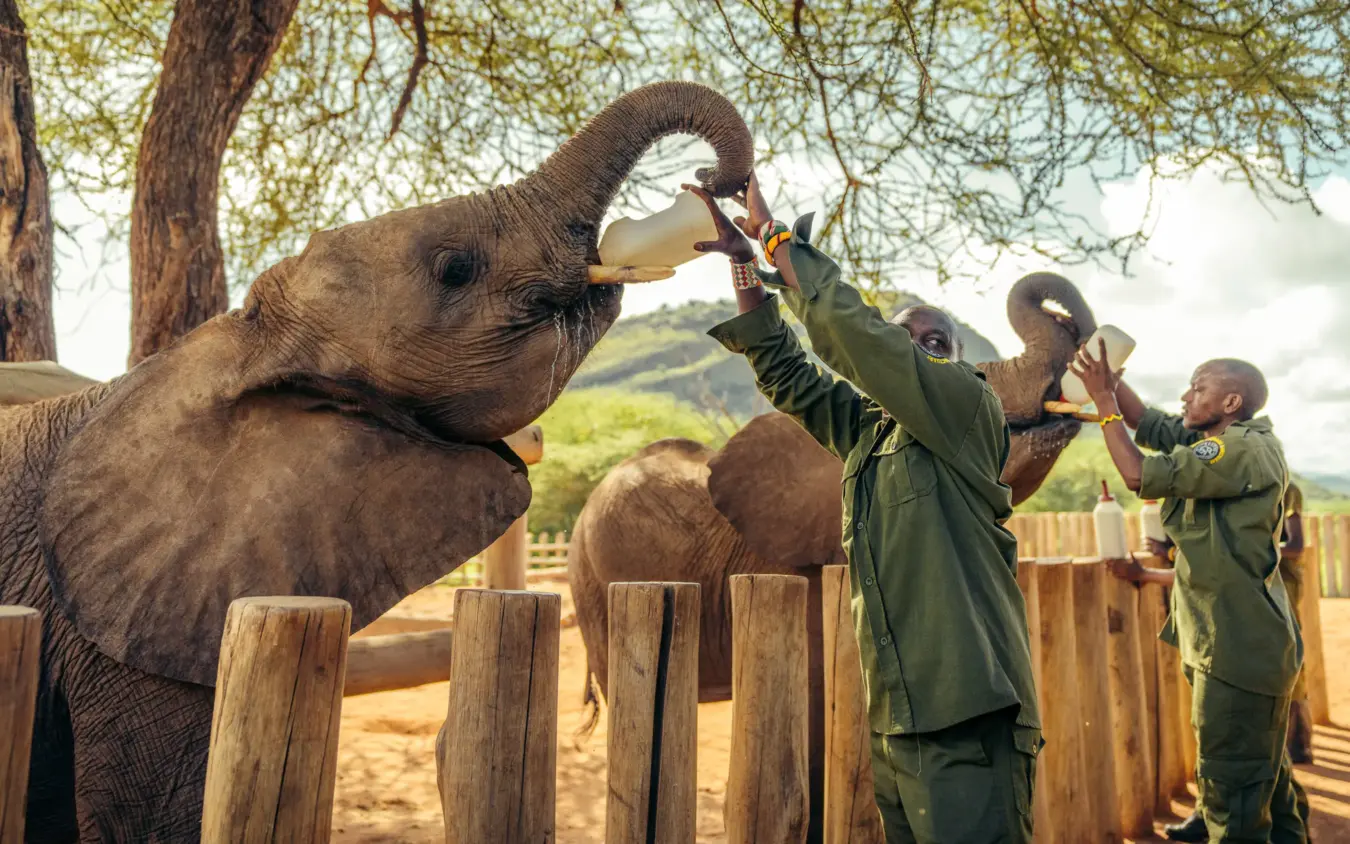
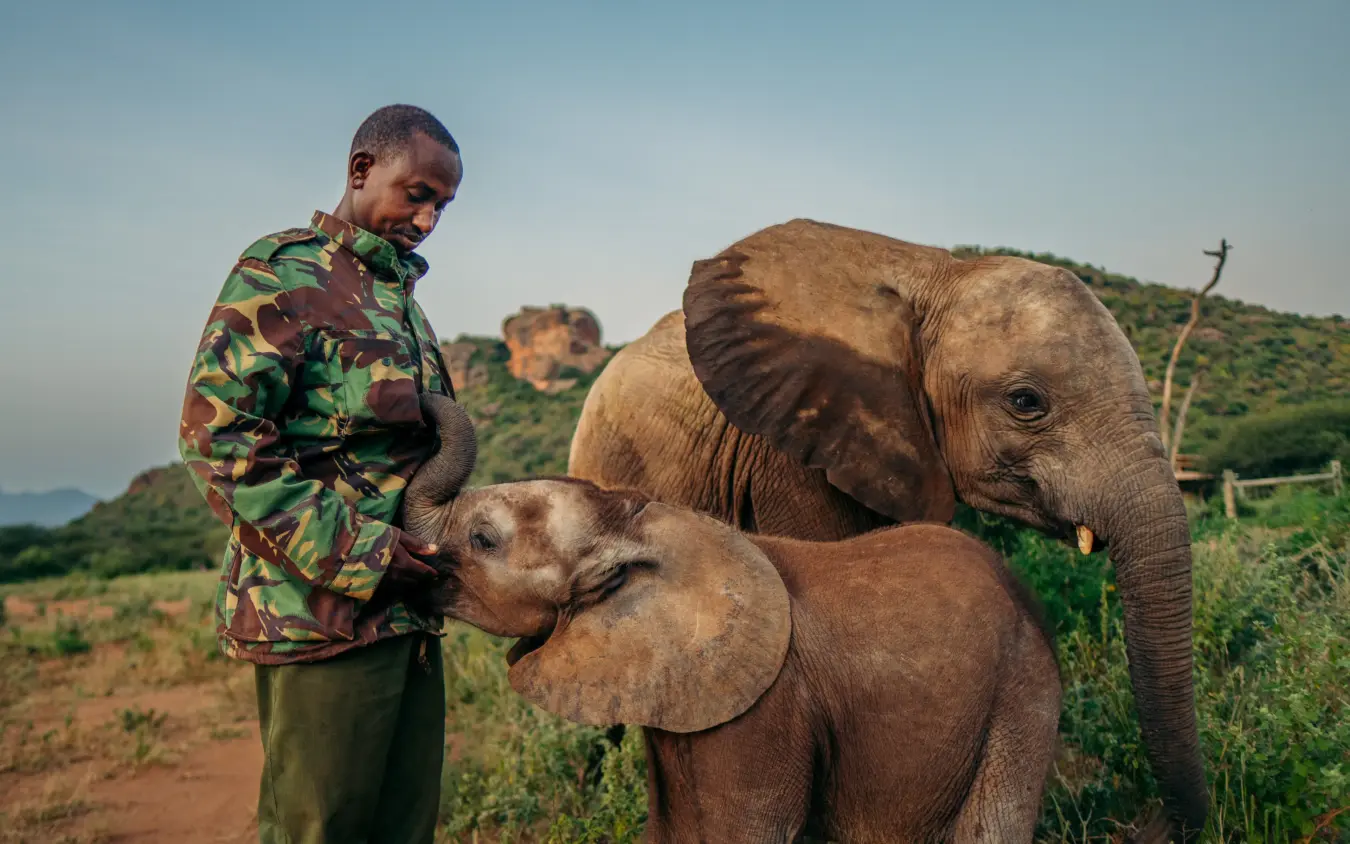
Samburu elders established Namunyak Conservancy in 1995, after decades of poaching had emptied the Mathews Range of much of its wildlife. Two years later, Piers and Hilary Bastard opened Sarara Camp in partnership with the community. It was the first lodge built from that conservancy project. Their son Jeremy and his wife Katie took over its management in 2010, and later co-founded Reteti, a community-owned elephant orphanage near camp.

It was the first lodge built from that conservancy project.

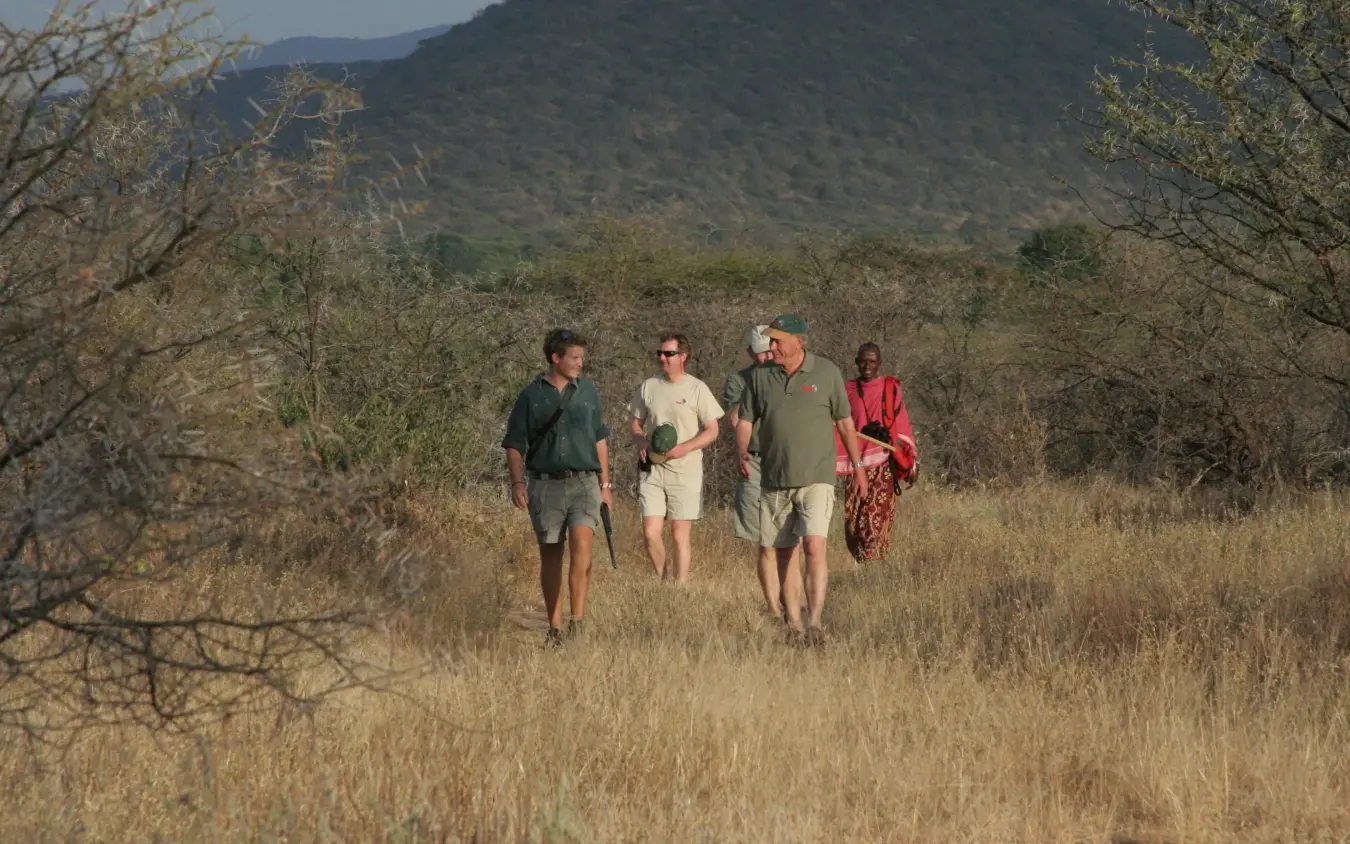
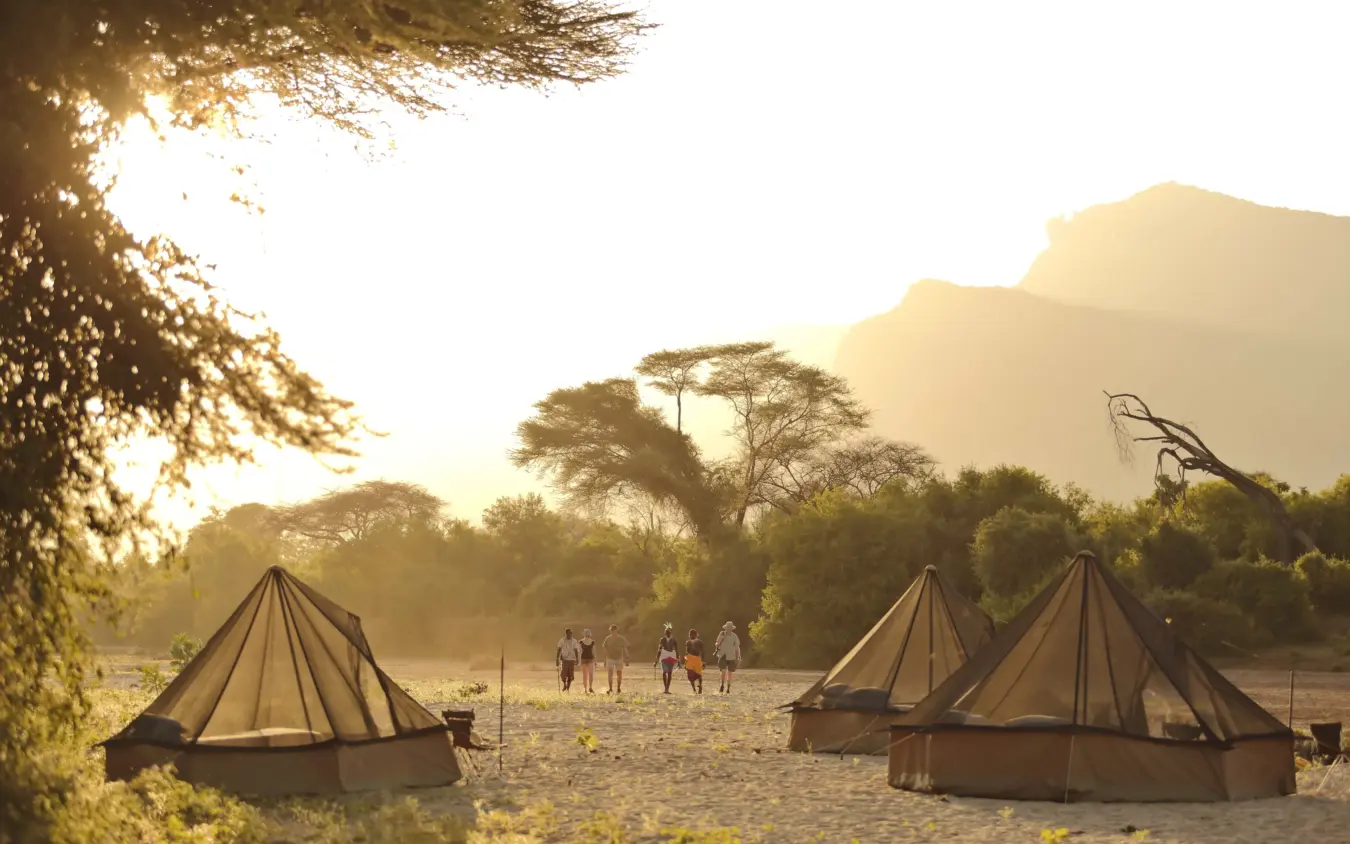
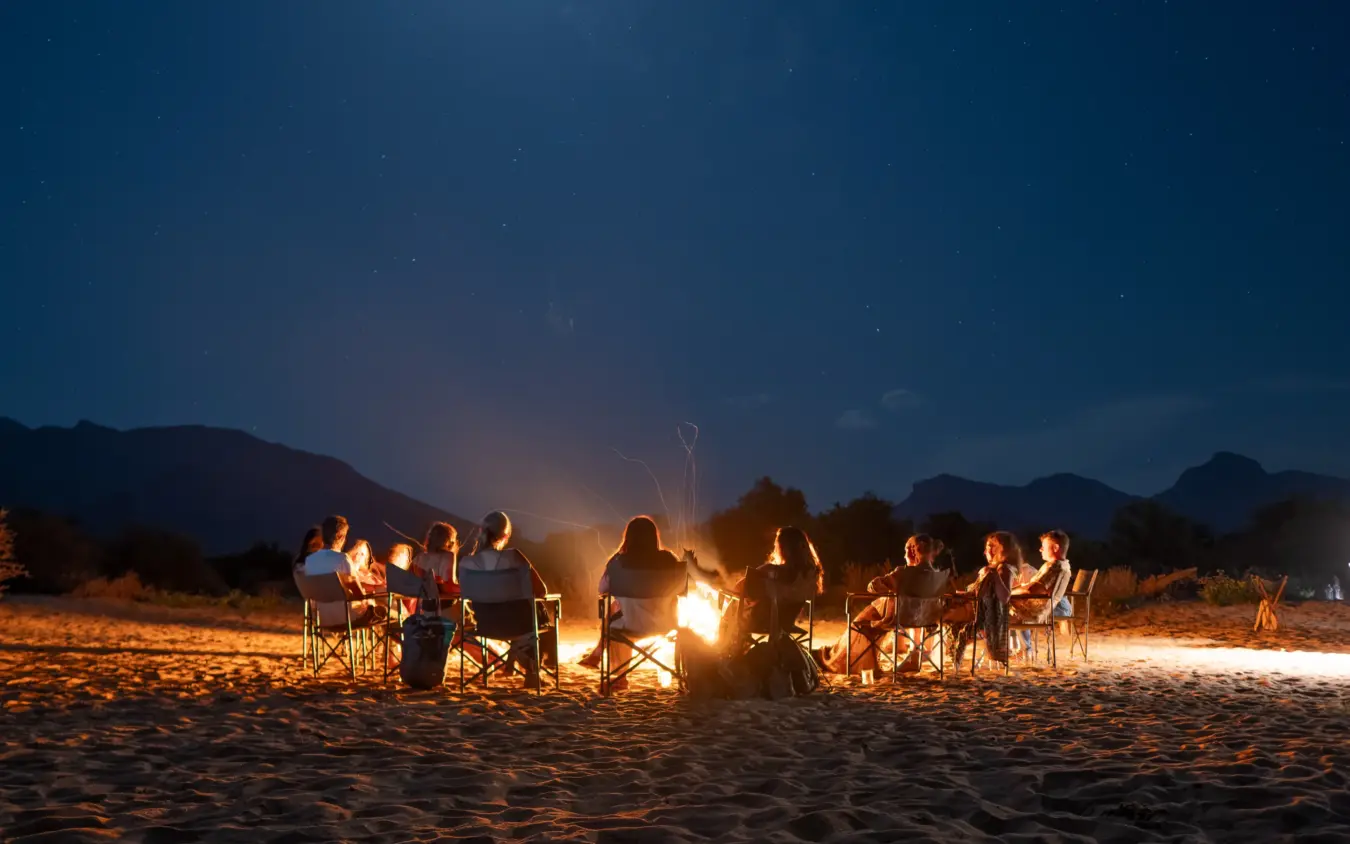
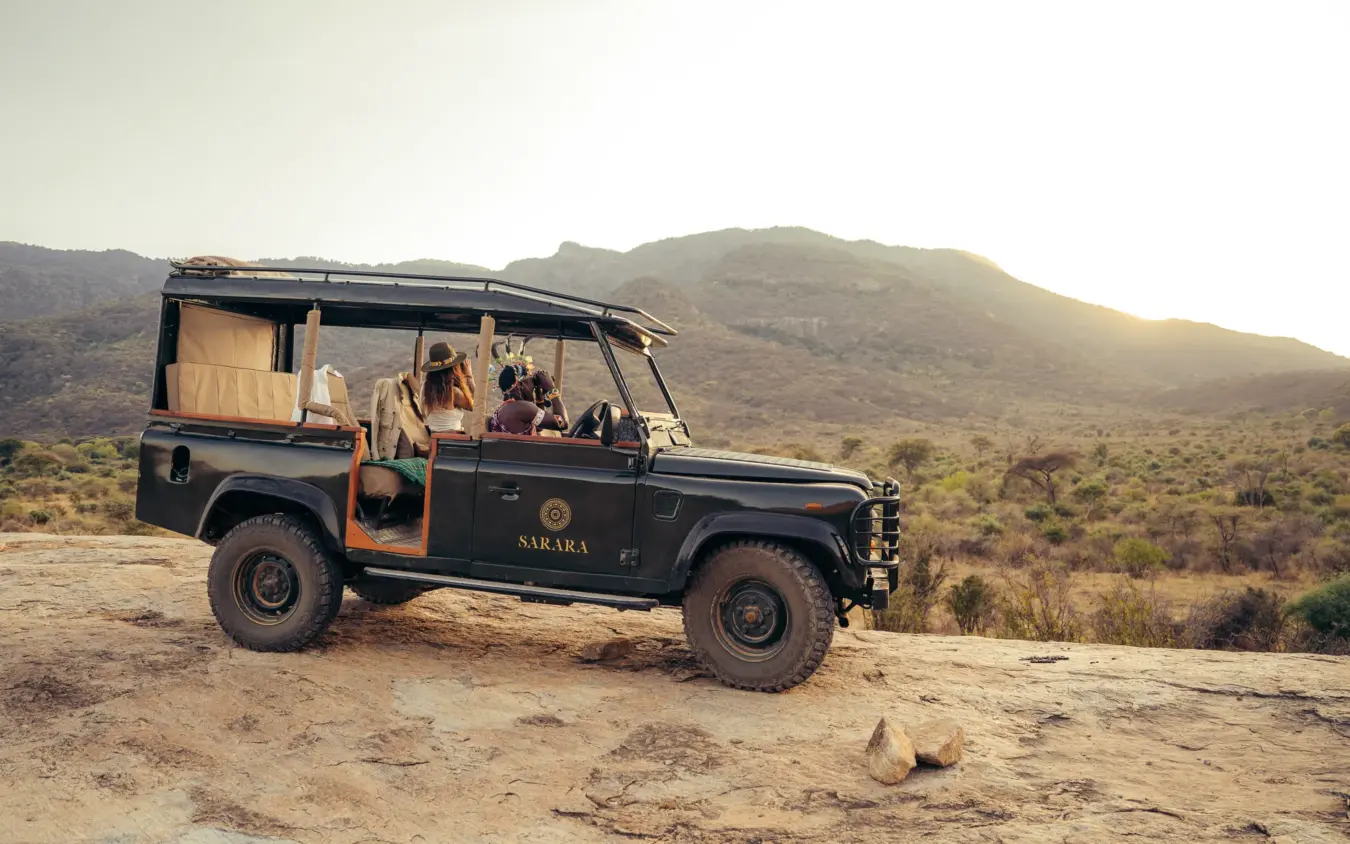
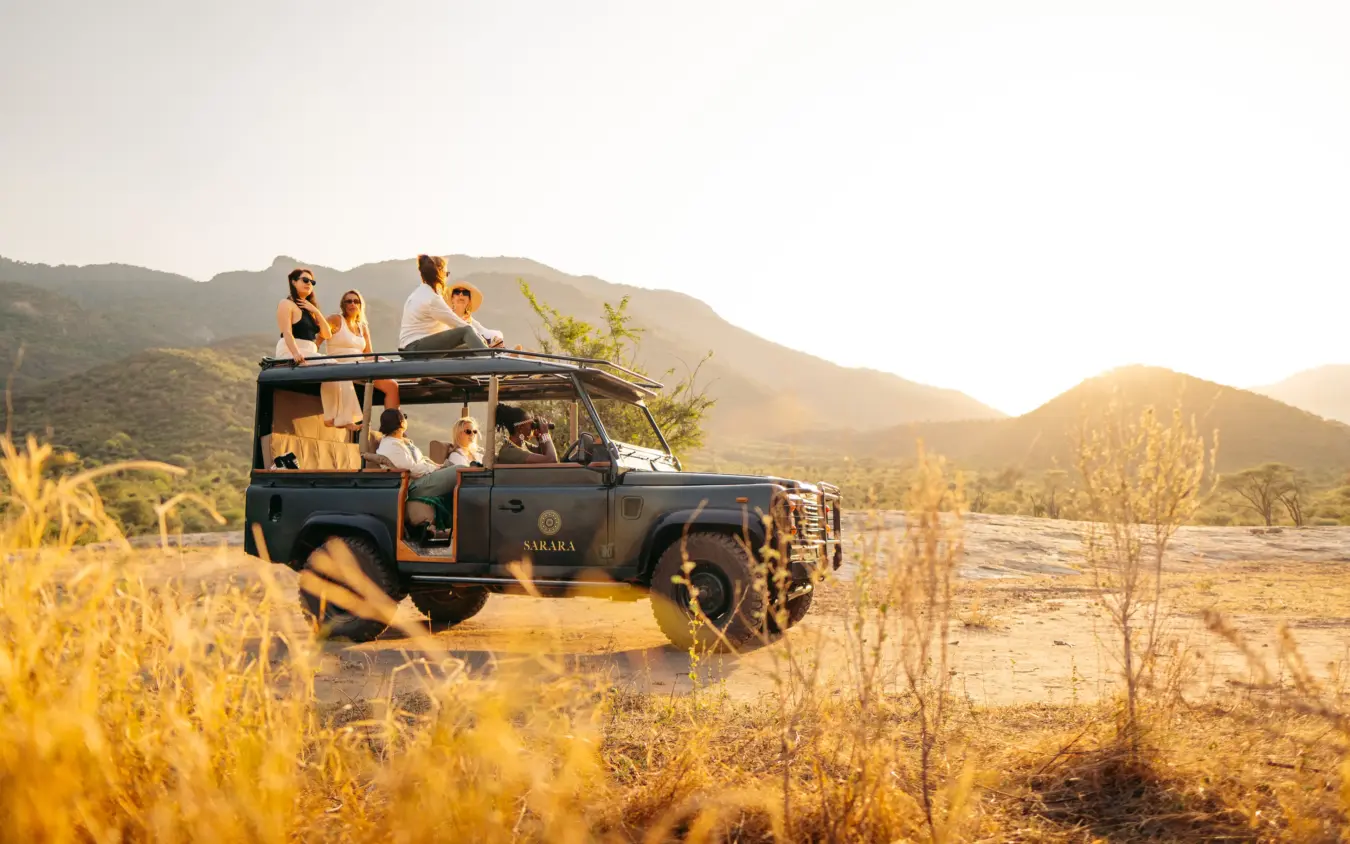
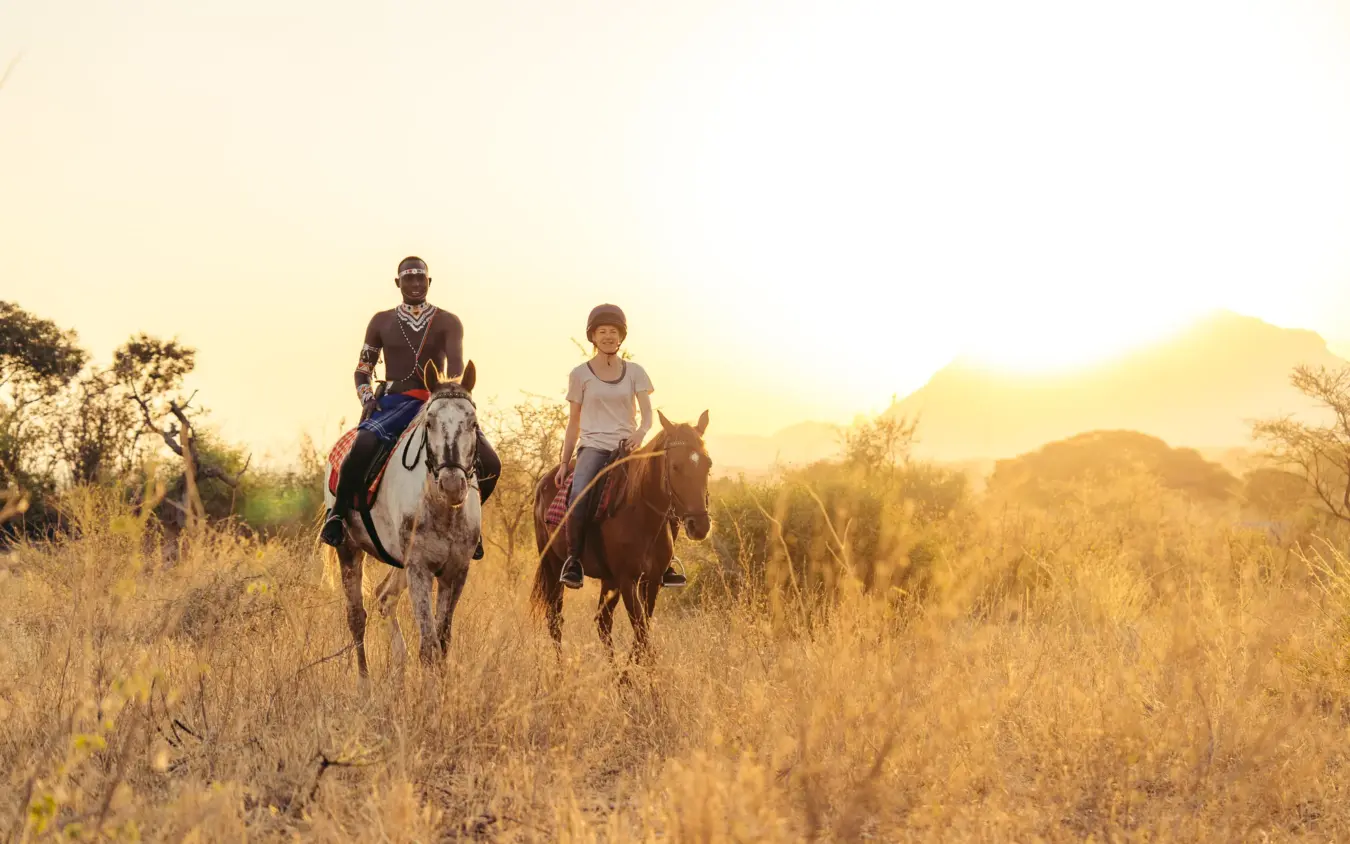
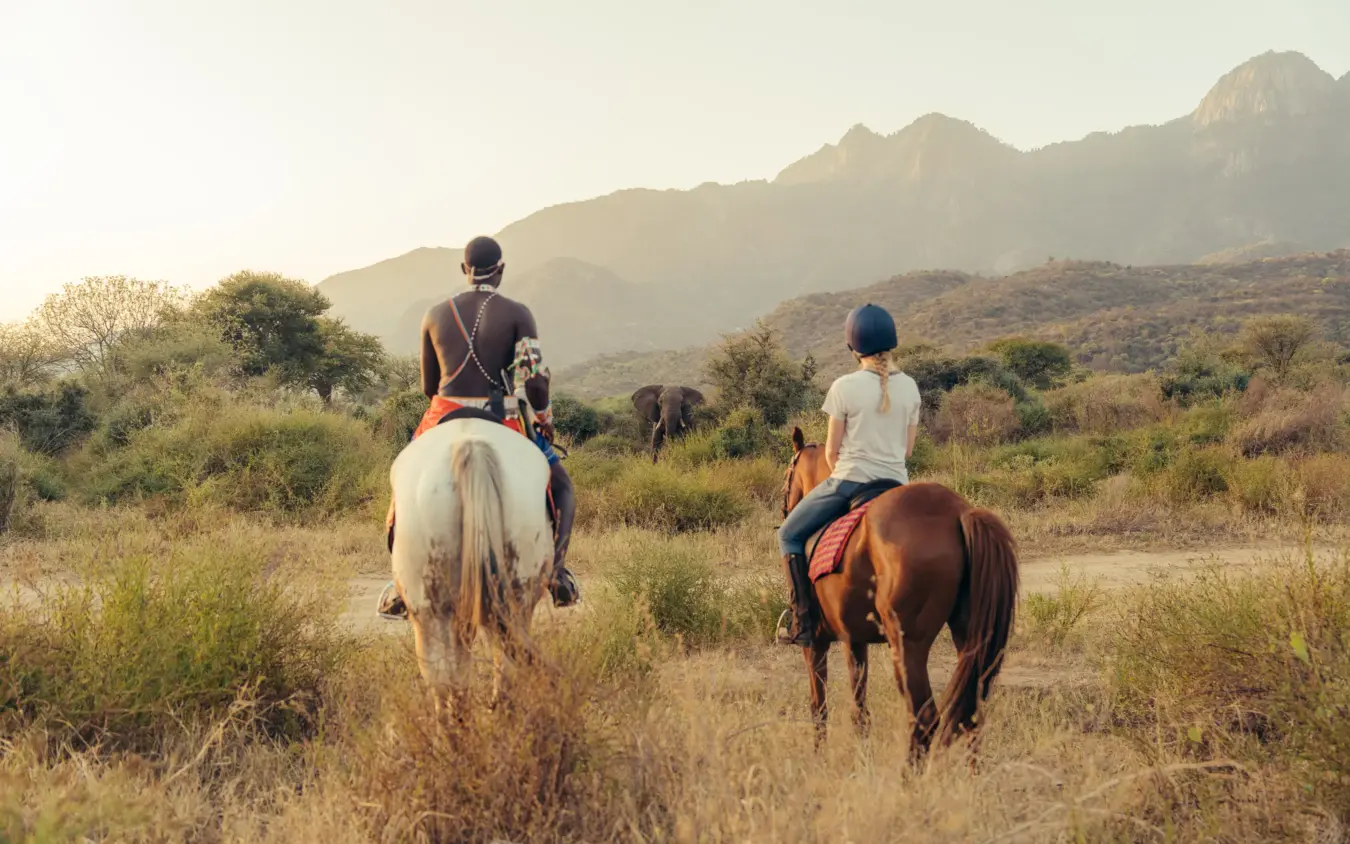
Because Namunyak is community land rather than a national park, guiding here extends well past the standard game drive. A day might run into a night drive, or lead off-road on foot into the montane forest in search of colobus monkeys and cycads; another might be given to horseback rides across the plains and fly camping in a dry riverbed under the stars. The guides are almost entirely Samburu, many describing terrain and animals they have known since childhood rather than reciting a script learned for the job.

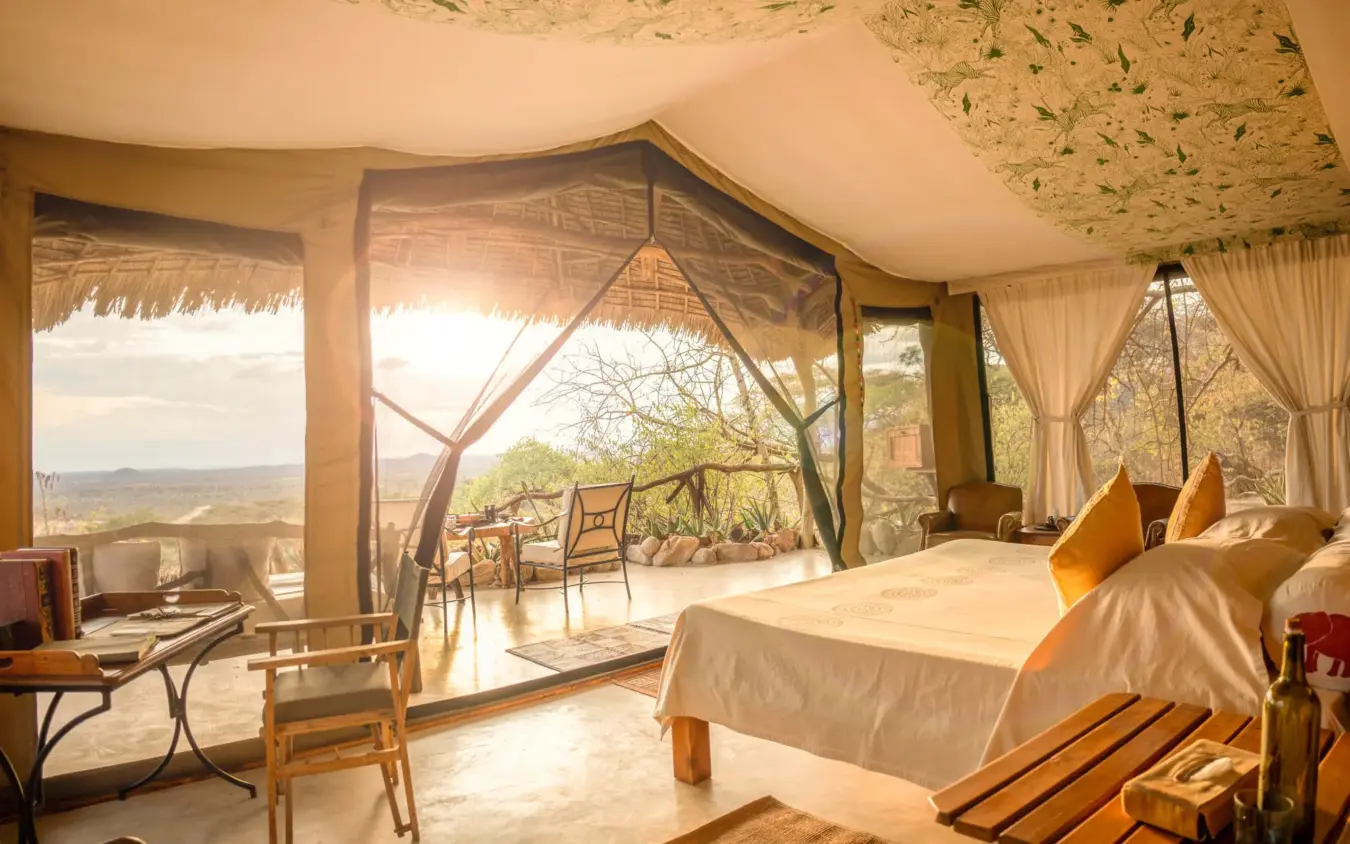
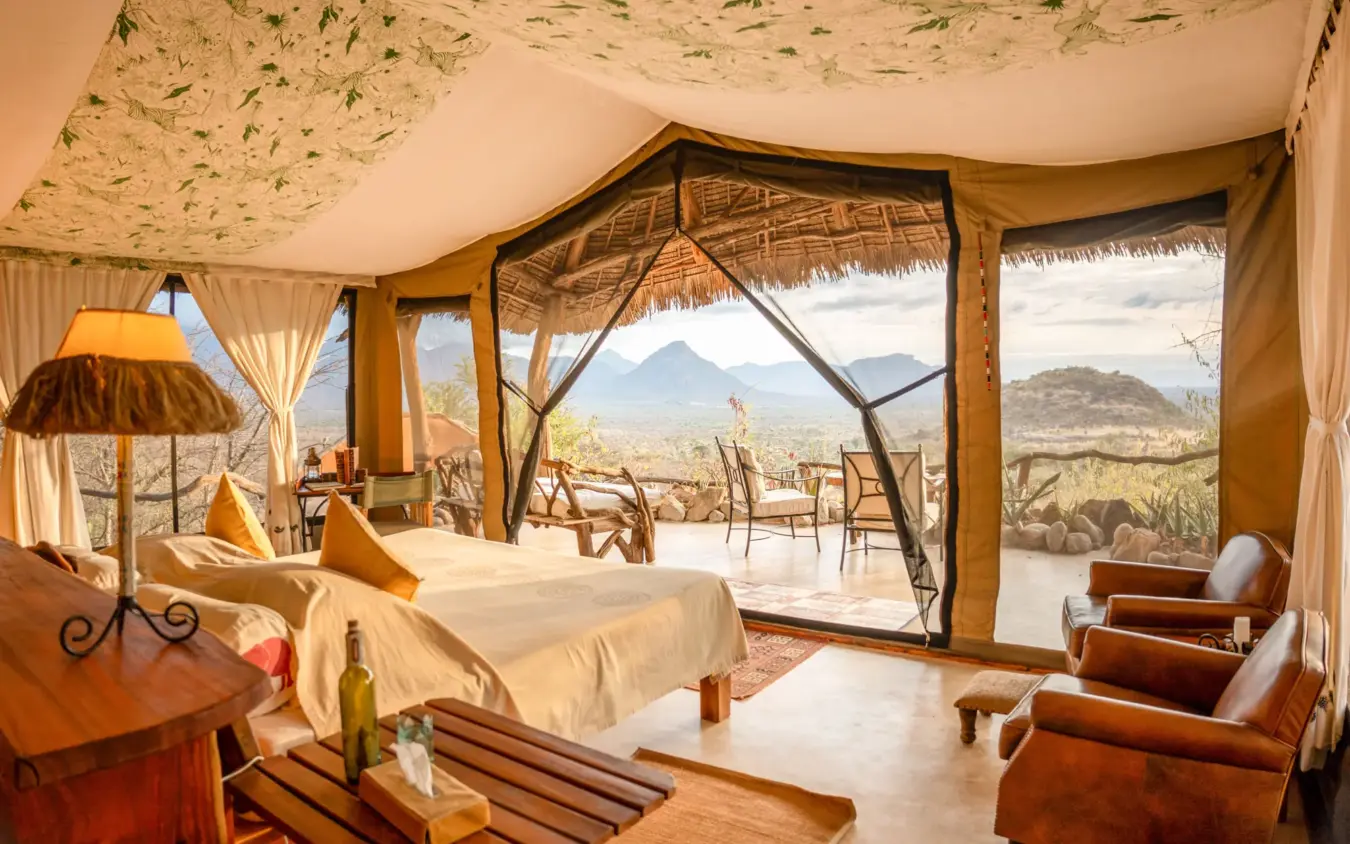
Luxury safari tent interior with canopy bed and savanna views through glass doors, Sarara Camp, Northern Kenya, Kenya 01

accommodation

Six Canvas Tents Plus Sarara House

Six high-ceilinged canvas tents under thatch, spaced along the hillside, with handwoven rugs. Each has an en-suite bathroom, solar-heated open-air shower and private veranda. Two interconnect for families. Sarara House is a two-bedroom villa with a private plunge pool, lounge, dining area and dedicated guide.

Guests horseback riding on shaded trail with mountain views, Sarara Camp, Northern Kenya, Kenya 02

activities

Night Drives, Forest Walks, Horseback Safaris

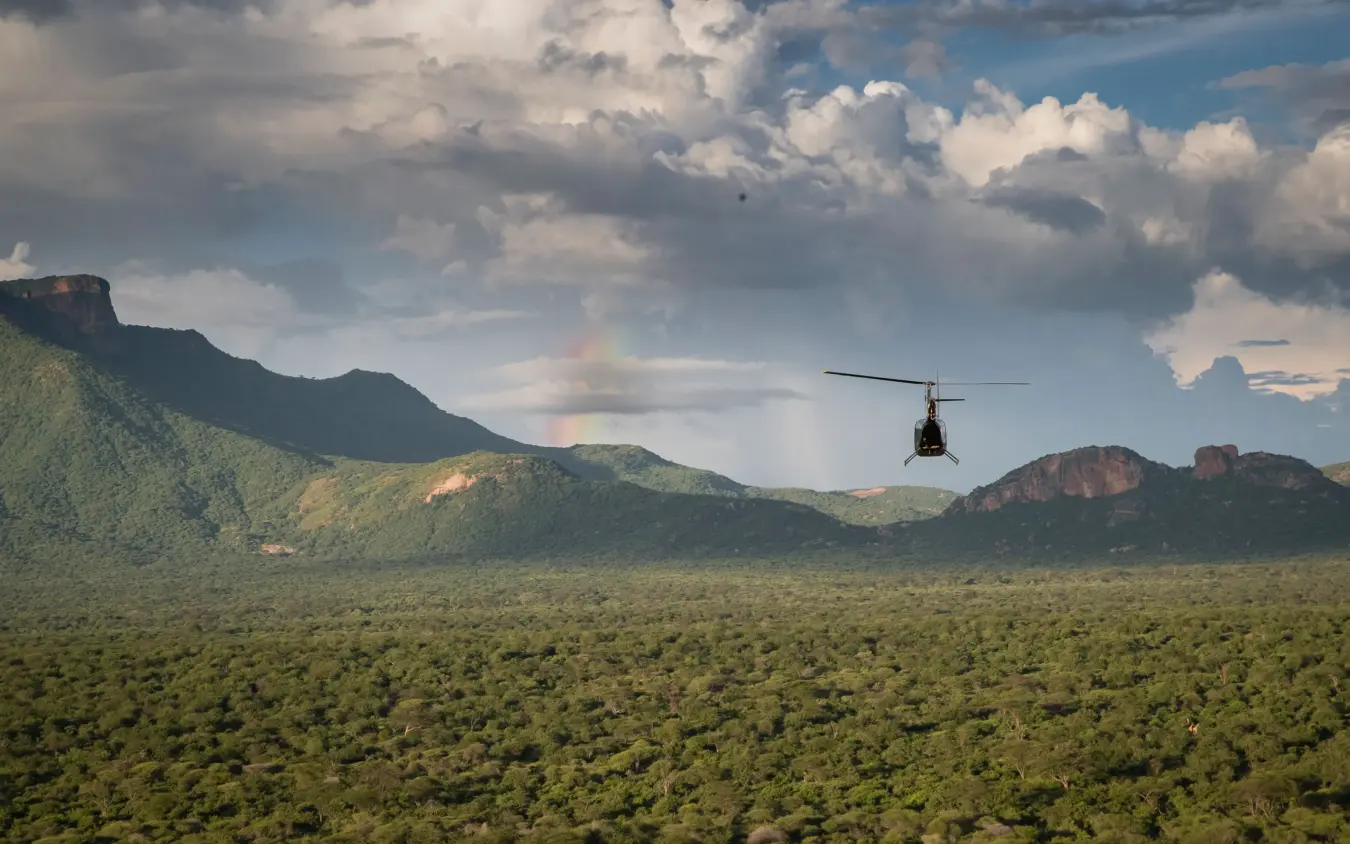
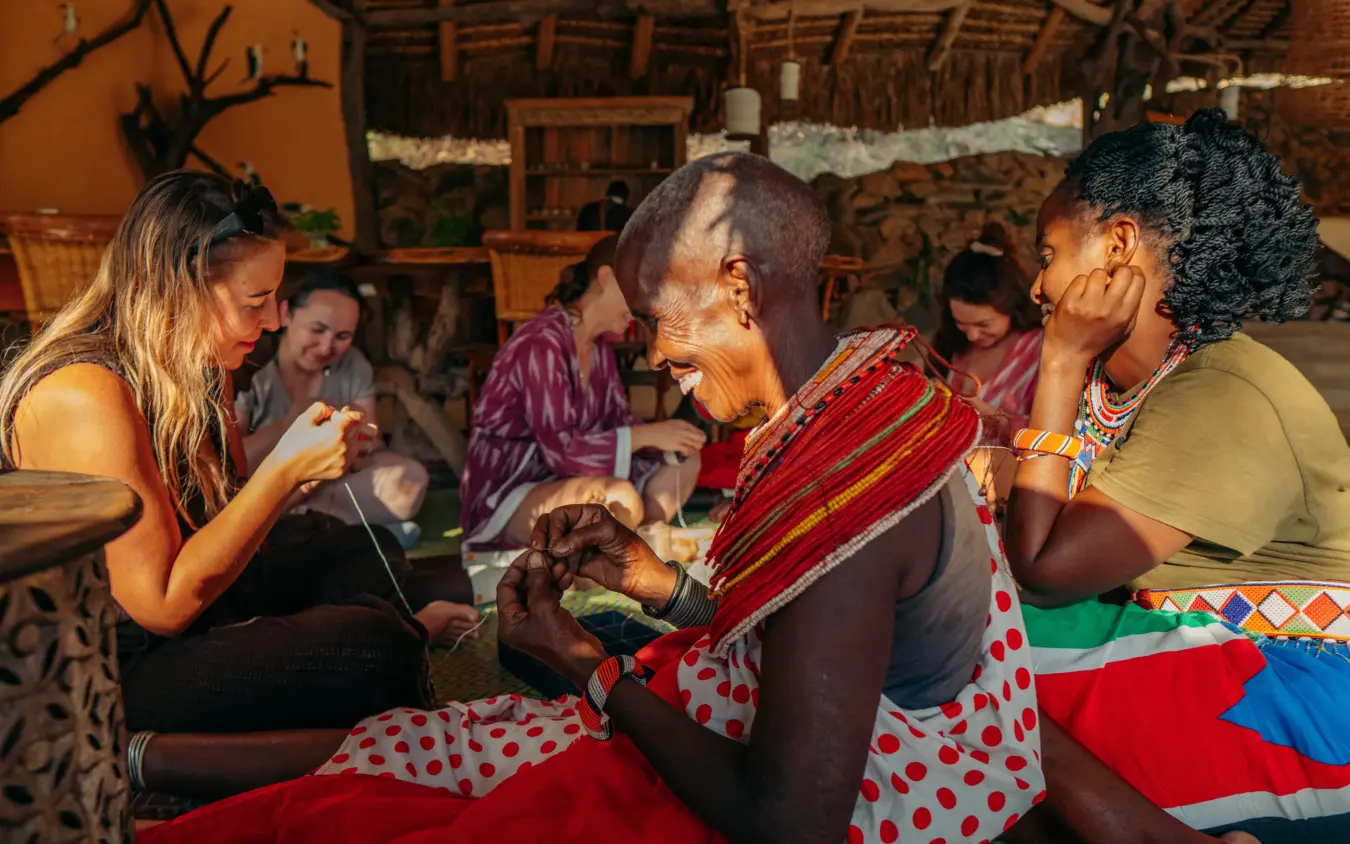
As a community conservancy rather than a national park, Namunyak permits day and night game drives, guided bush walks and forest hikes into the Mathews Range for colobus monkeys and cycads. Horseback safaris, fly camping in a dry riverbed, visits to the singing wells, beading with Samburu women, and trips to Reteti Elephant Sanctuary are all part of the offering. Helicopter flights reach Mount Ololokwe.

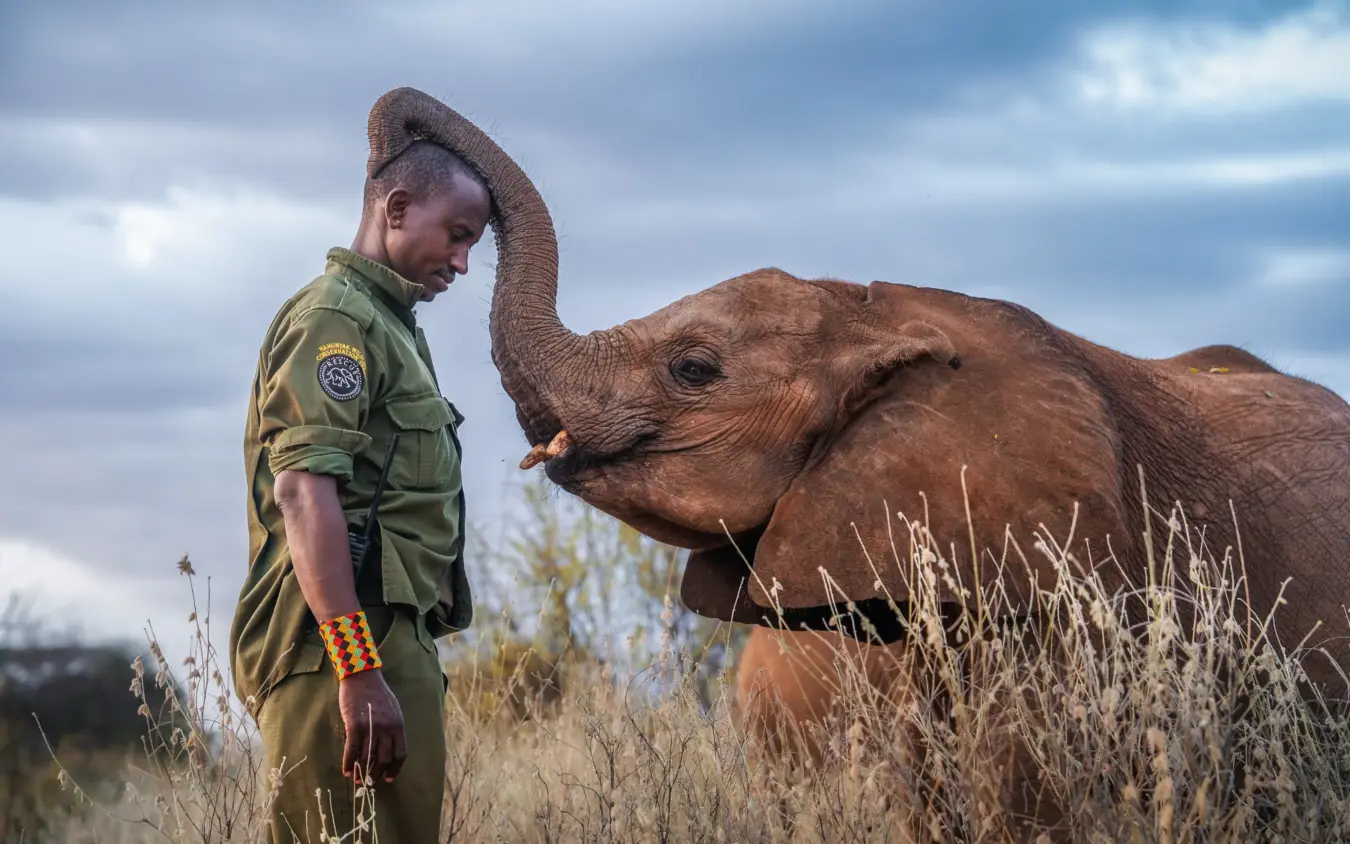
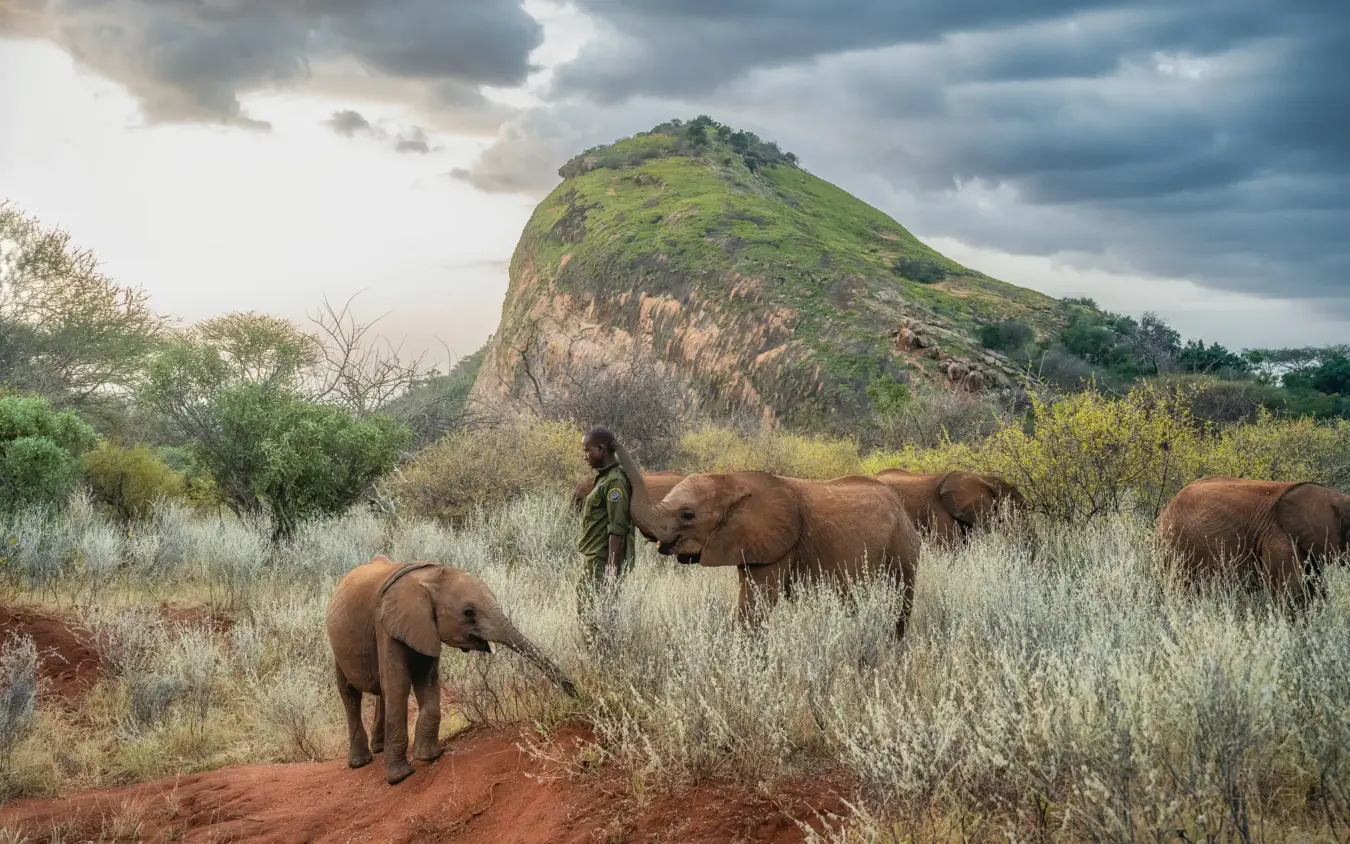
Female wildlife guide touching elephant head in natural savanna setting, Sarara Camp, Northern Kenya, Kenya 03

conservation

Community Land Funding Scholarships and Clinics

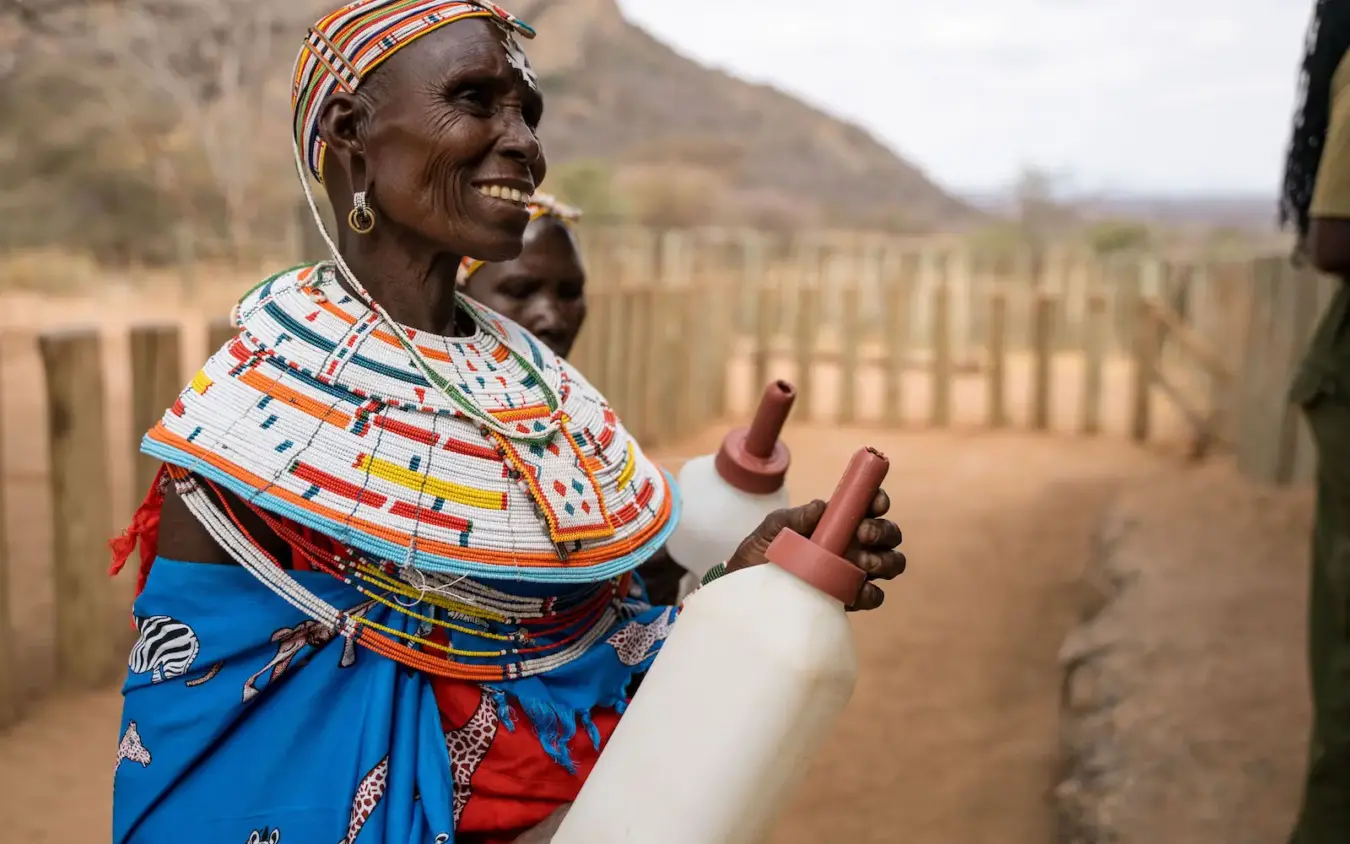
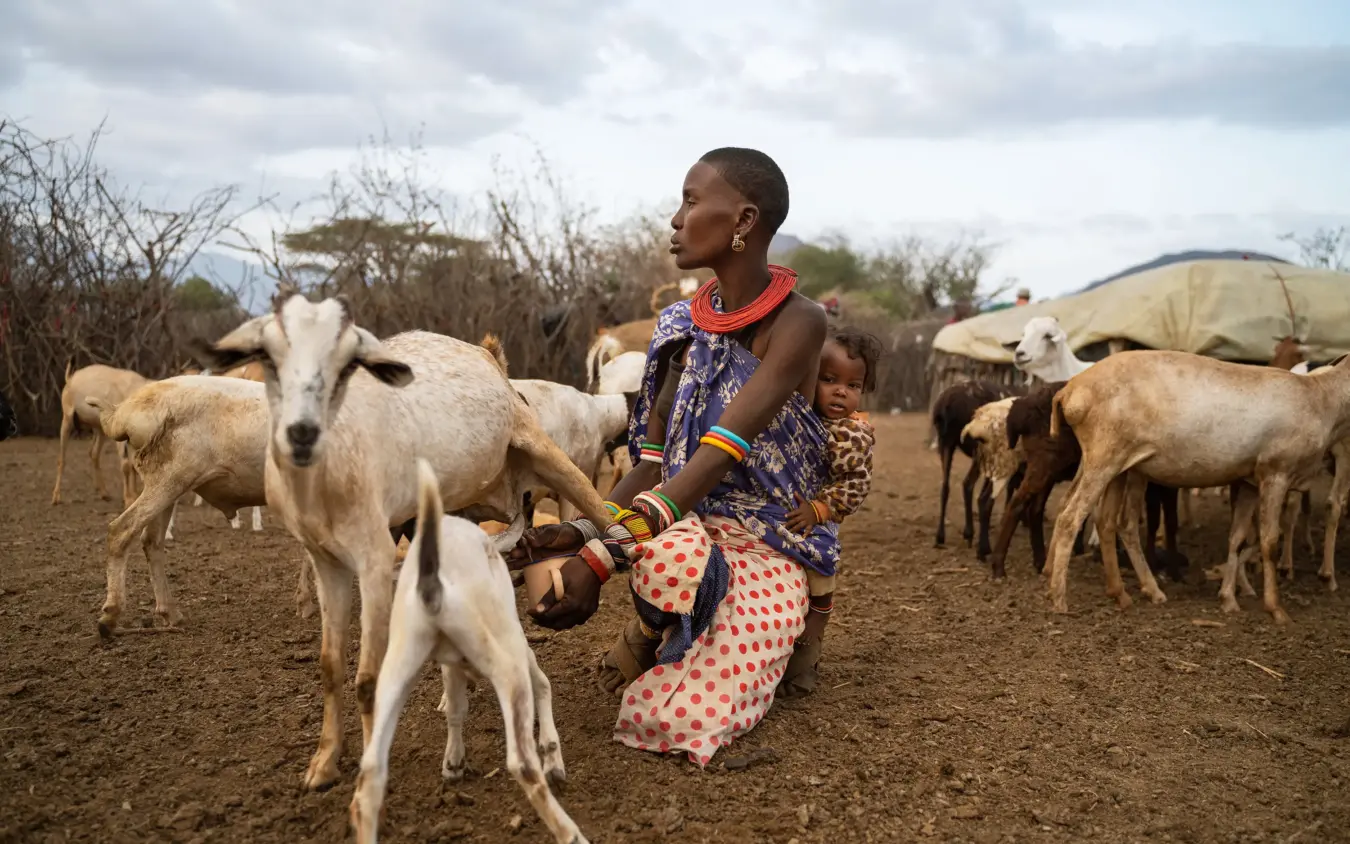
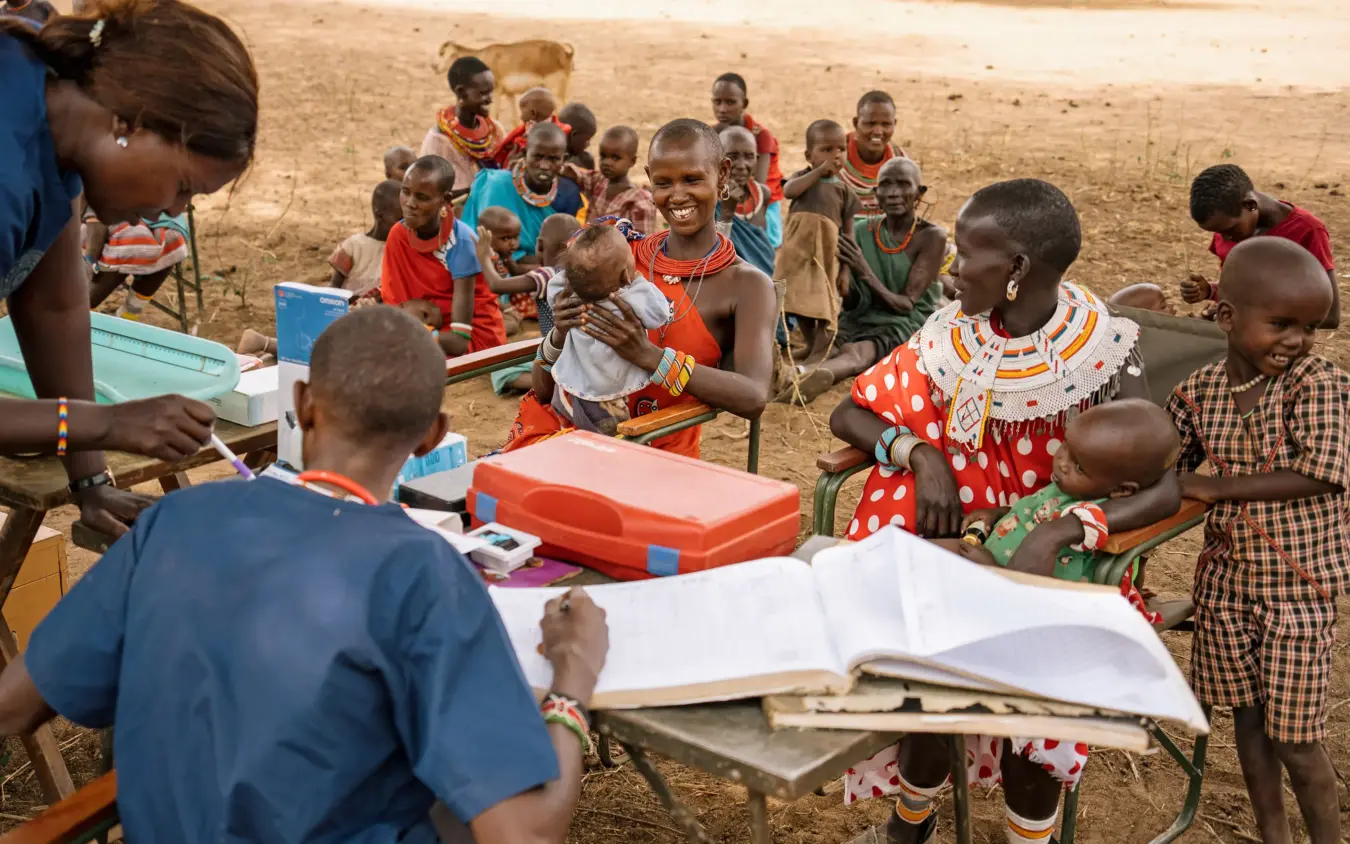
The Samburu community owns the land and the camp. Revenue funds The Sarara Foundation's work: scholarships, a mobile health clinic, nomadic Montessori schools and the Milk to Market programme paying over 1,200 women. Sarara's founders co-established Reteti Elephant Sanctuary, a community-owned elephant orphanage.

ready to get started?

Get in touch and let’s start the conversation. An initial consultation helps us understand what you’re looking for, whether that’s specific experiences, luxury touches, or marking a special occasion, and from there we’ll guide you through what’s possible so you can decide if we’re the right fit.

Alternative accommodation in northern kenya

frequently asked questions

You fly from Nairobi's Wilson airport to an airstrip in the Namunyak Conservancy of northern Kenya, around an hour and a quarter to an hour and a half by light aircraft, and the camp meets you for the transfer to the southern slopes of the Mathews Range.

We build the flights into your itinerary. For the trip north we can also arrange a private charter, typically a Cessna Caravan or Pilatus PC-12, timed to your international arrival.

The bush planes take soft bags of around fifteen kilograms per person including hand luggage, so pack a duffel. This is remote country, so flying is far easier than the long overland drive north.

Yes, though a lower-risk one than the coast. The Namunyak country is hot and semi-arid, which holds mosquito numbers down, but it sits below the altitude at which the CDC and TravelHealthPro regard malaria risk as negligible, so antimalarial tablets are usually advised, with the risk a little higher after rain.

We do not make medical recommendations. That is a conversation between you and your own doctor or a travel clinic, who know your history and can weigh it properly. We are travel planners, not medical professionals, and we would rather say so than imply otherwise.

Warm to hot days, milder nights than the highlands, and a dry, dusty landscape that greens after the rains. The waterhole below camp draws elephants, kudu and warthog down through the day whatever the season.

Pack light, breathable clothes in neutral colours, strong sun protection and a hat, a light layer for early mornings, and closed shoes for the walking and hikes into the Mathews Range. Swimwear for the pool, and binoculars for the birds and the wildlife at the water.

The dry seasons suit this country best, when the tracks firm up, wildlife gathers around permanent water and the skies stay clear, with June to October the strongest window and January to March also good. The rains green the land and lift the birding, at the cost of muddier roads.

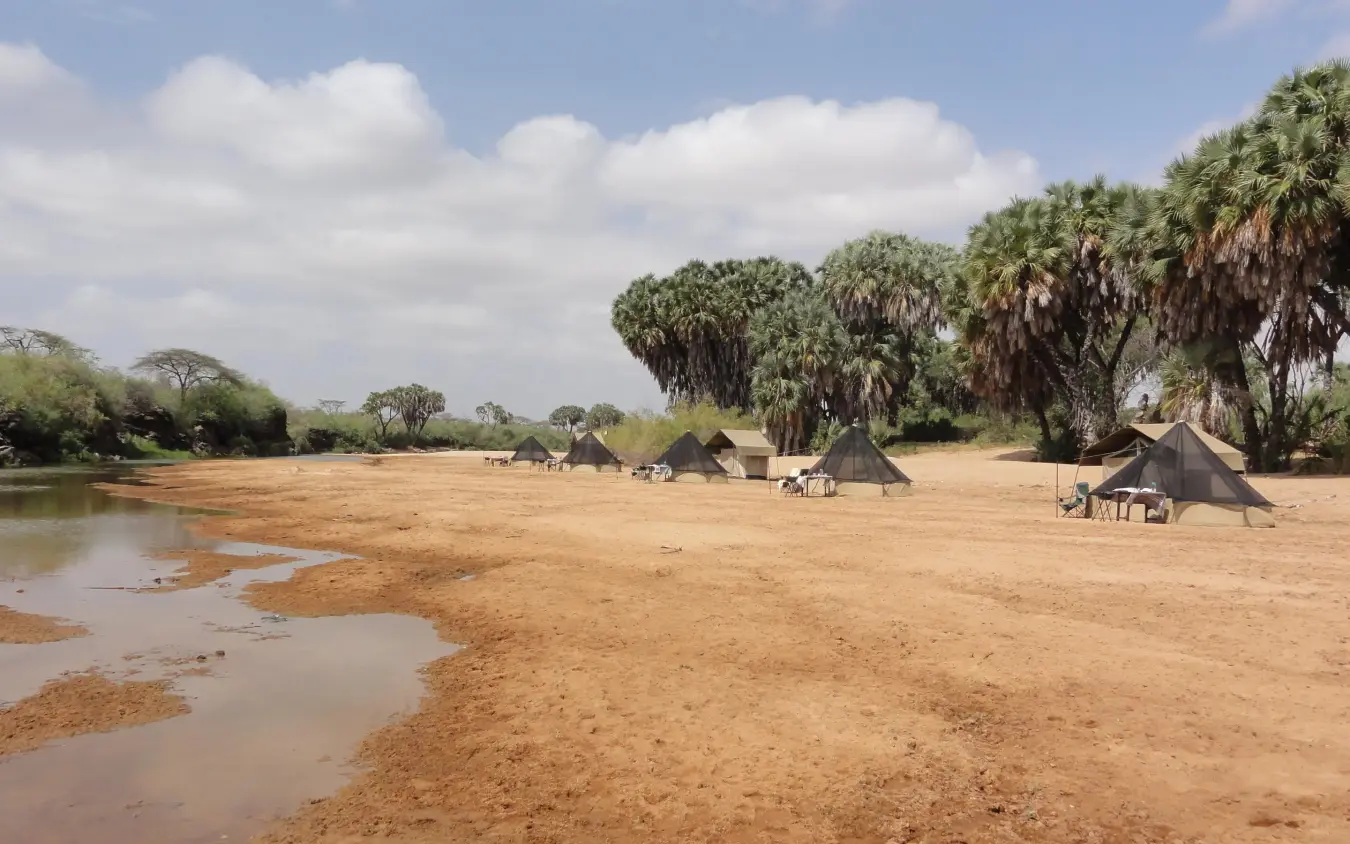
The singing wells, the camp's signature experience, run in the dry riverbeds through the drier months when the cattle most need the water, so the dry season is both the more reliable and the more evocative time to come.

Yes, and they are the camp's signature outing. In the dry riverbeds nearby, Samburu families dig deep wells by hand and lift water up a human chain to their cattle, each herd called forward by its own chant, which is where the name comes from. You are welcome to watch.

Two things are worth knowing before you go: nothing is staged for visitors, and photography is not allowed, because these are working watering points the cattle still depend on. They are busiest in the dry months once surface water has gone, which is also the easiest time to reach them. Around them the conservancy offers walking, game drives, forest hikes and beading with Samburu women.

Sarara has added satellite wifi in its main areas, which is a real change for somewhere this remote, so you can check in when you need to. There is no mobile phone coverage here, though, so once you step away from the main area you are genuinely off the grid.

Most guests treat that as the point of coming to Namunyak, but if you need to stay reachable for part of your trip, the main-area wifi makes it possible. Tell us and we will confirm the current setup before you travel.

rated five stars by our clients

other areas in kenya

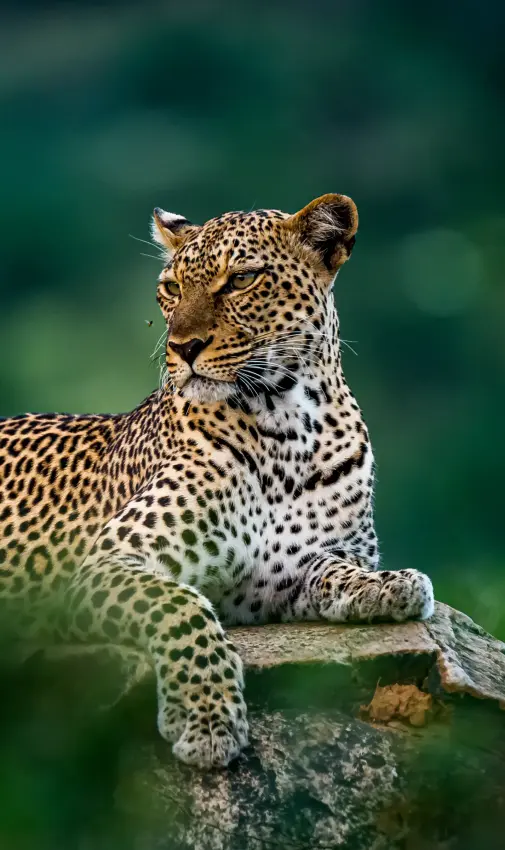
Leopard resting on fallen log in natural setting 01

Maasai Mara

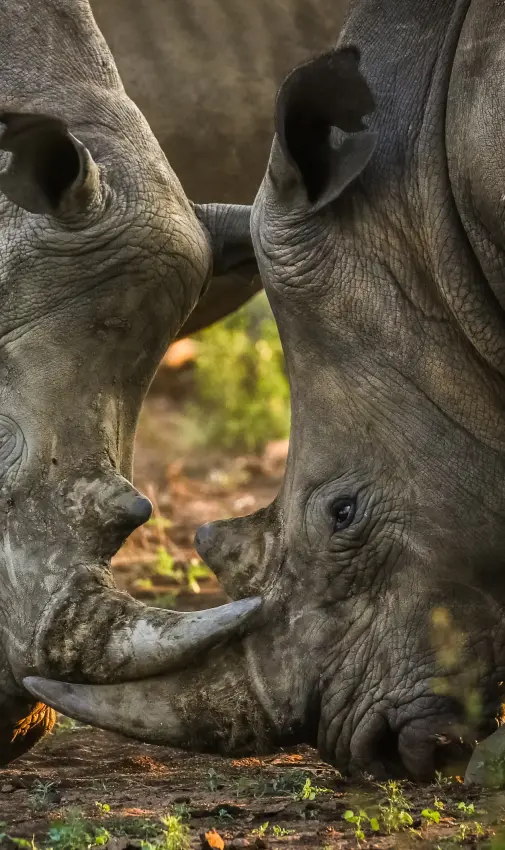
Two rhinos touching horns in natural habitat 02

Laikipia Highlands

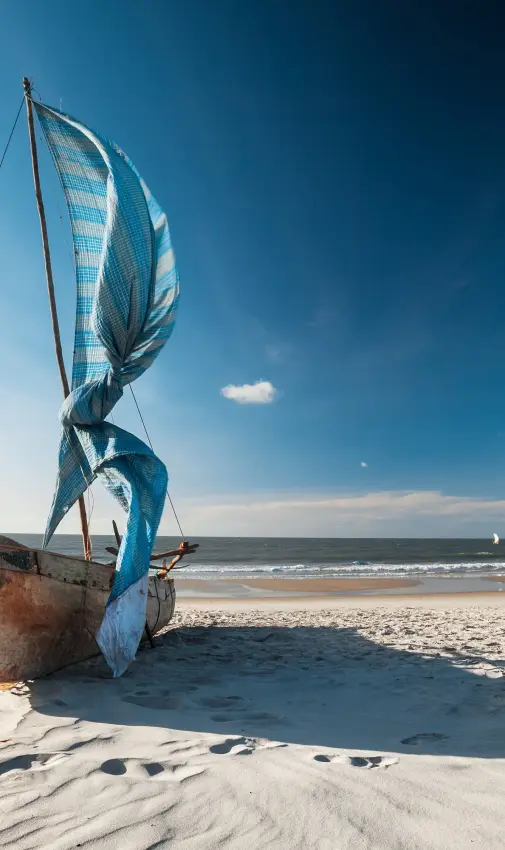
Traditional fishing boat with blue sail on sandy beach 03

Kilifi

Flock of flamingos wading in shallow pink-tinted water, Rift Valley Lakes, Kenya 04

Rift Valley Lakes

Snow-capped Mount Kilimanjaro rising above acacia trees and Tanzania savanna 05

Amboseli and Chyulu Hills

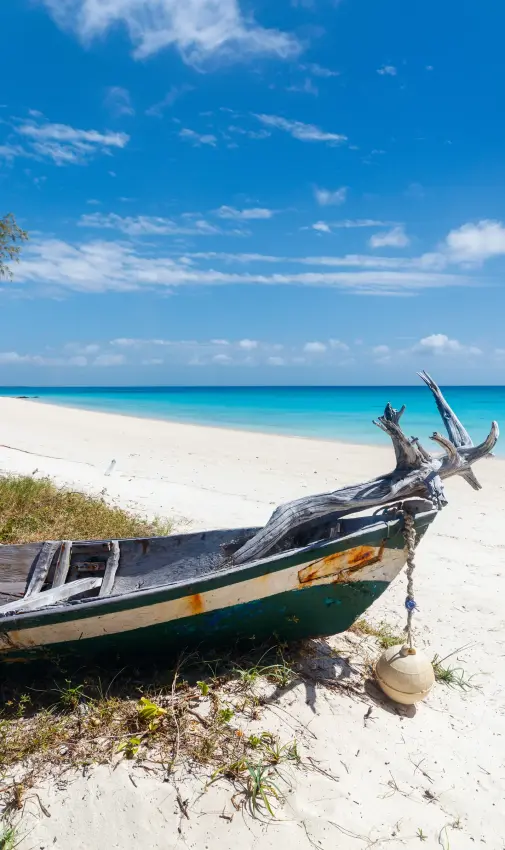
Wooden fishing boat beached on white sand tropical shore 06

Diani Beach

Man in traditional red garment driving open safari vehicle, Samburu Reserve, Kenya 07

Samburu Reserve

08

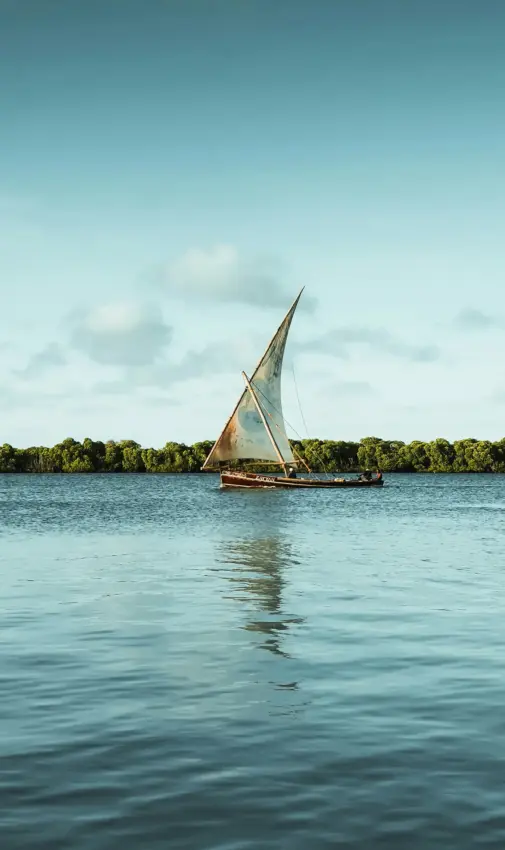
Lamu Archipelago

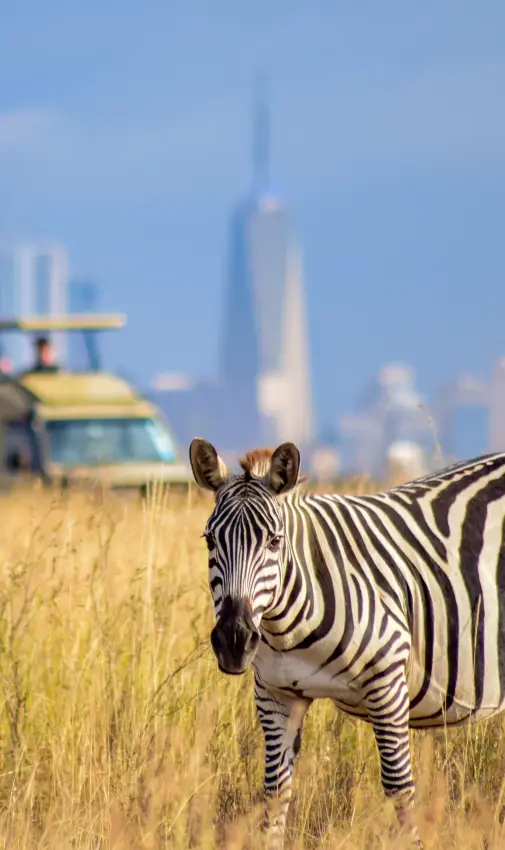
Zebras in savanna grassland with safari vehicle and city skyline 09

Nairobi

African elephants with calf walking through grassland at sunset 10

Tsavo

Planning a journey together

our approach

remote, exclusive
& personal

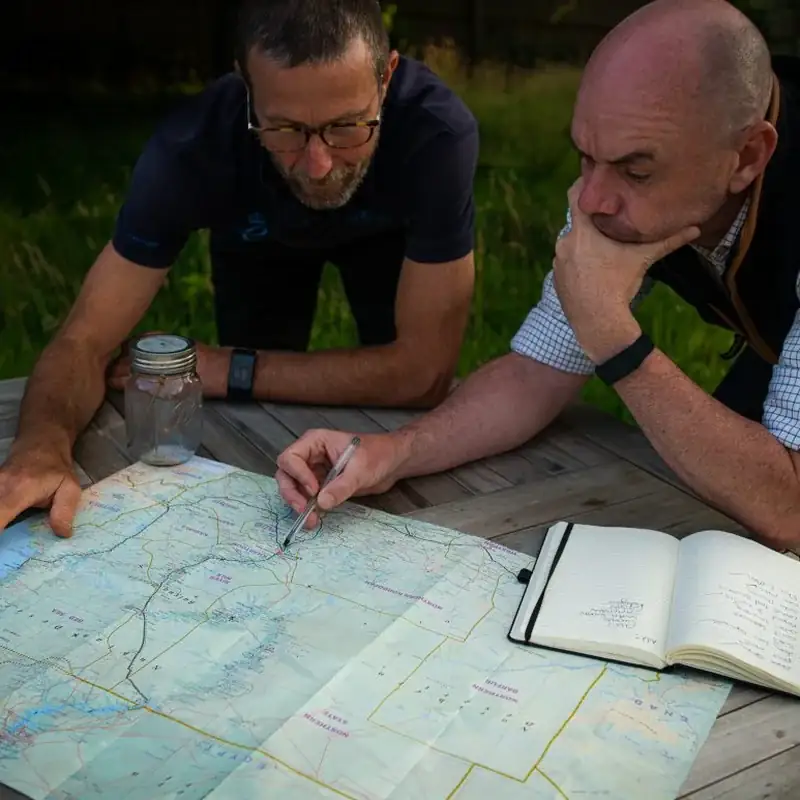
Every journey starts with a conversation. We take the time to understand your vision before we start planning.

Whether by phone or in person, we work with you directly to shape something that is considered, personal, and expertly delivered.

get in touch
destinations ideas & inspiration our process about us contact us