Camp

Kitich Camp

A six-tent walking camp in the Mathews Forest of Northern Kenya, where Samburu and Ndorobo guides lead every outing on foot.

Country: Kenya
Location: Banks of the Ngeng River, Mathews Range
Number of rooms: 8

Mathews Forest on foot, no game drives

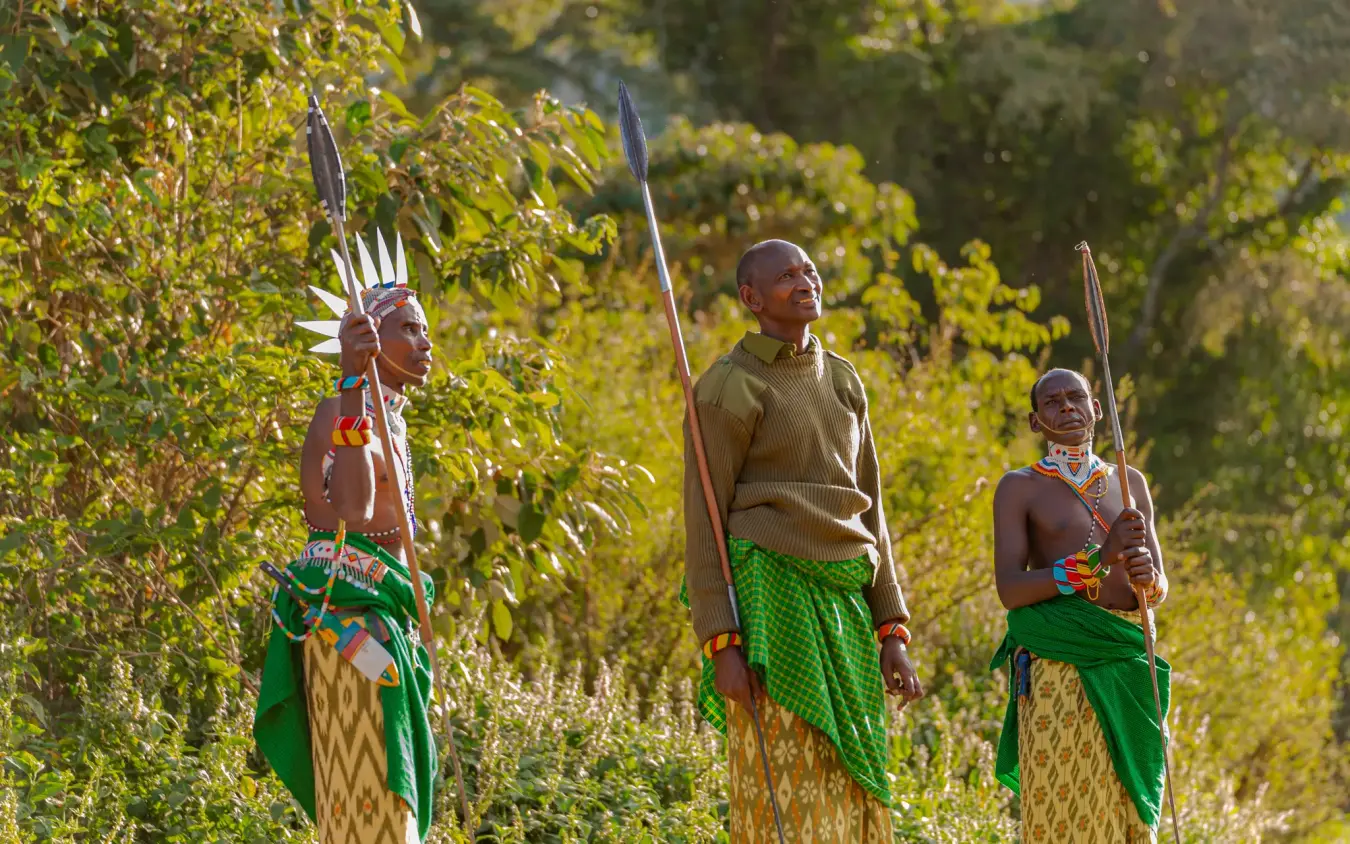
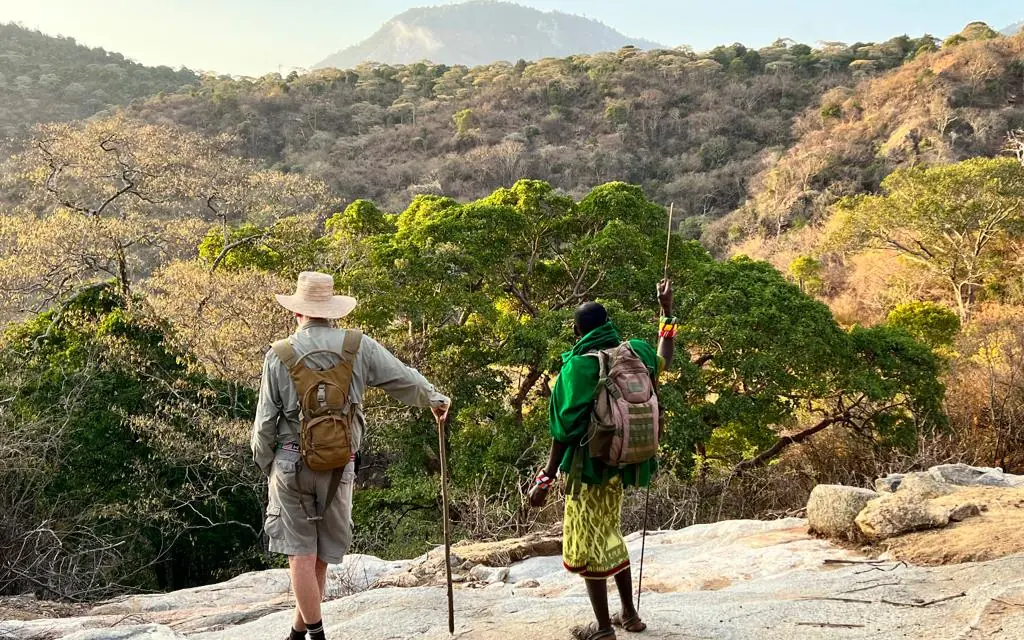
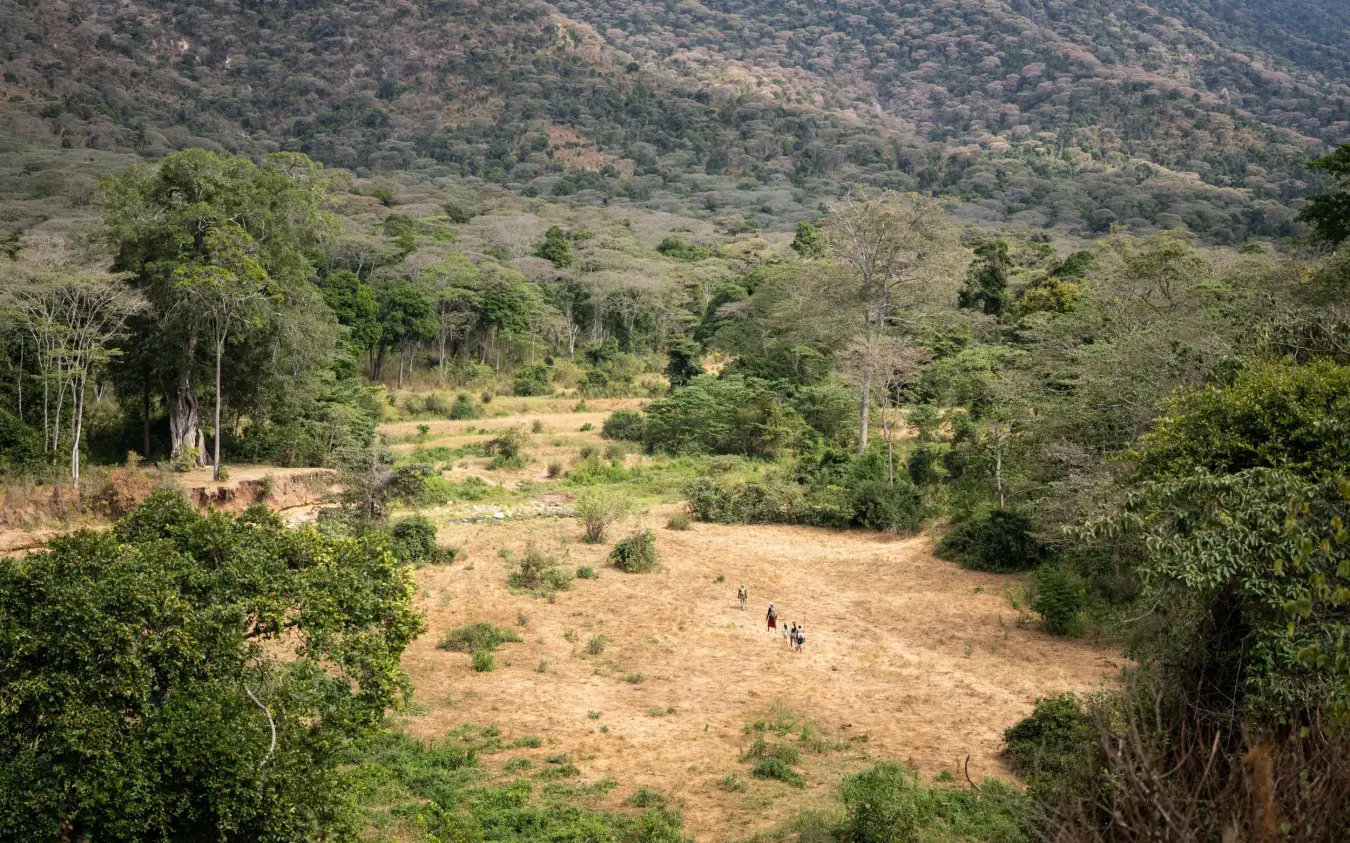
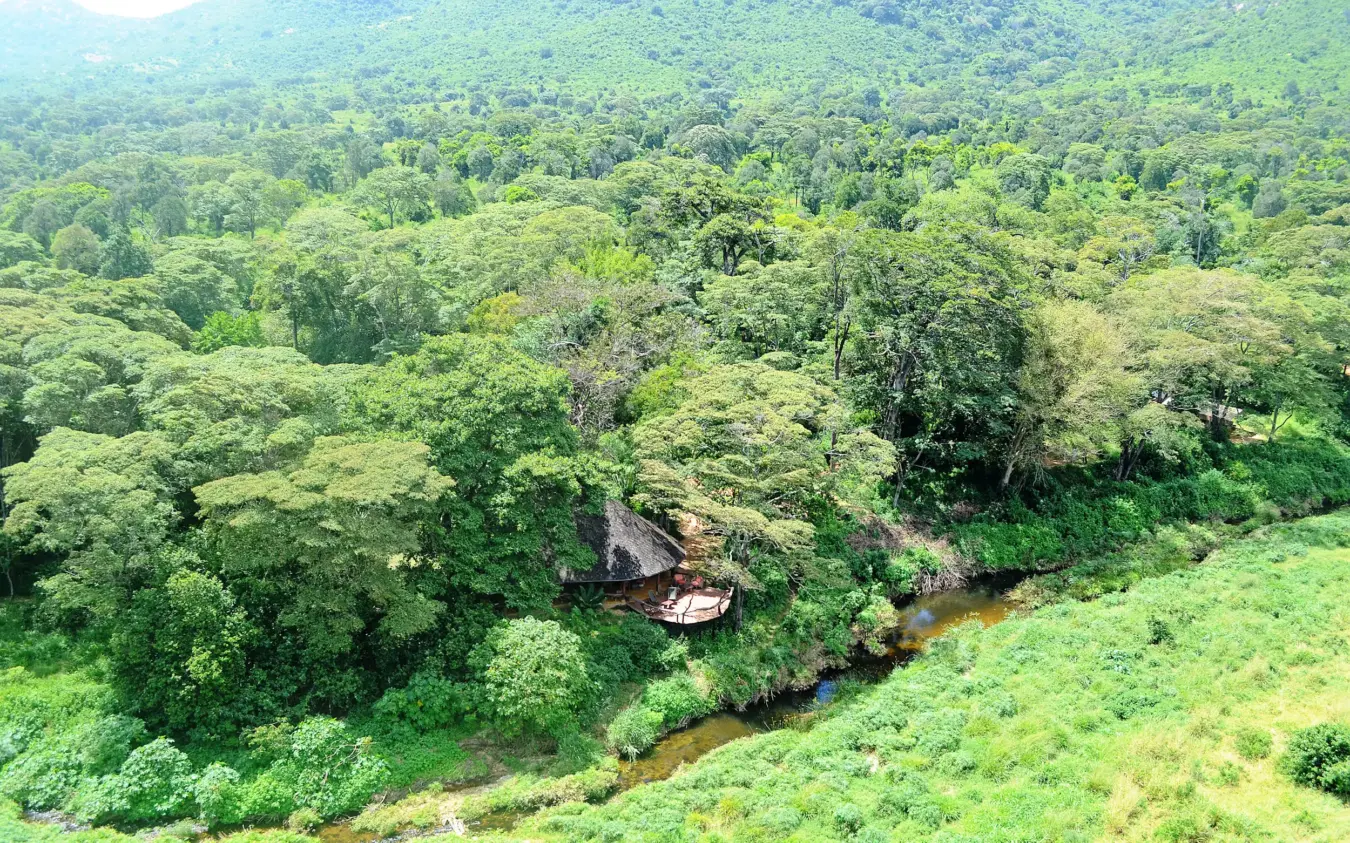
There are no game drives at Kitich Camp. Every outing from its river glade, around 1,330 metres up in the Mathews Range, is made on foot, through indigenous montane forest and along the seasonal Ngeng River. Samburu and Ndorobo guides lead the way, reading elephant sign and following birdsong. Fig trees and ancient cycads shade the valley, green against the arid country beyond the forest line.

A turaco crossing the canopy counts for as much as a big cat.
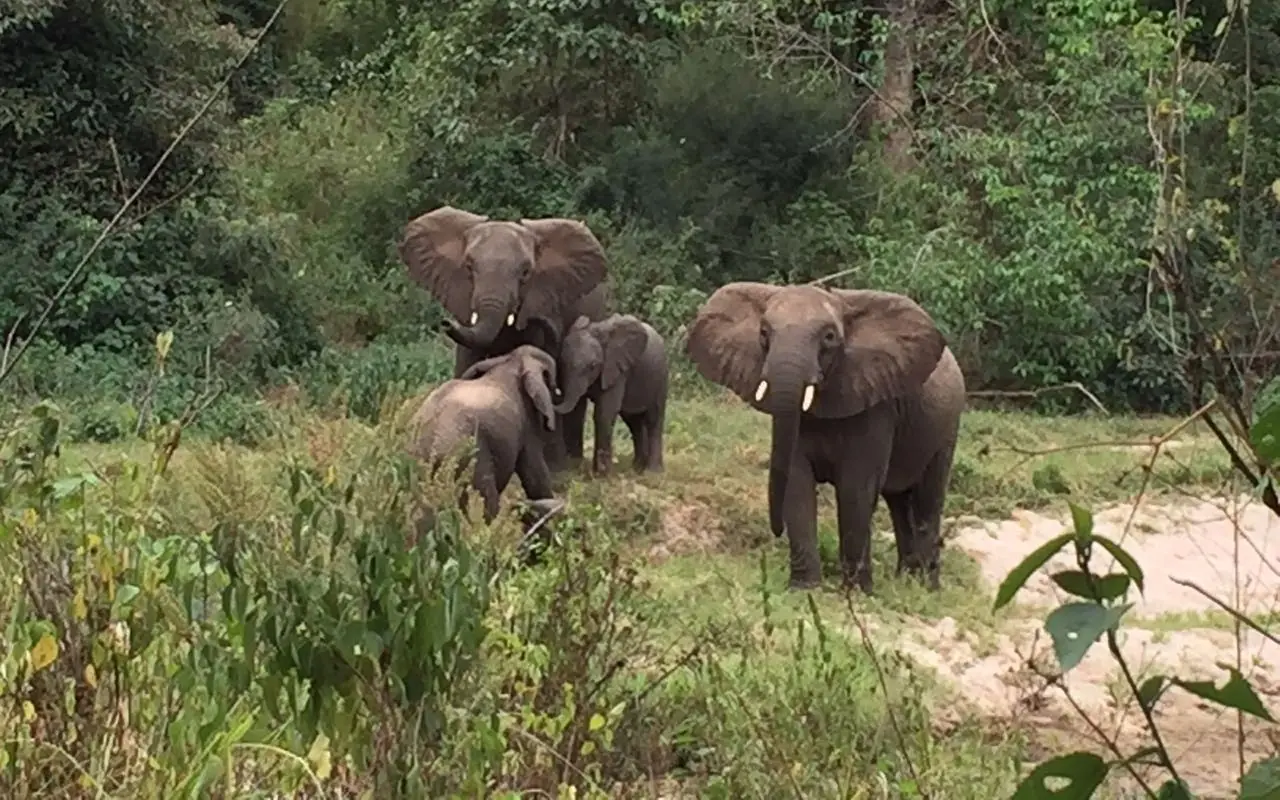
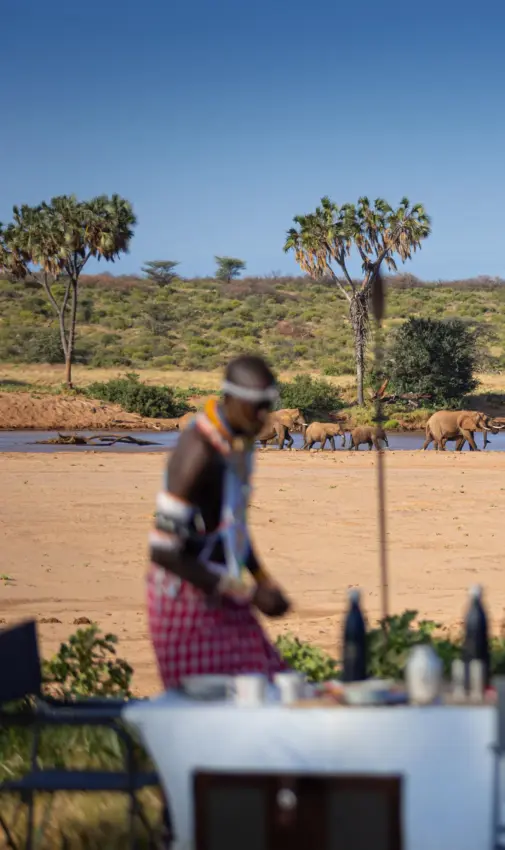
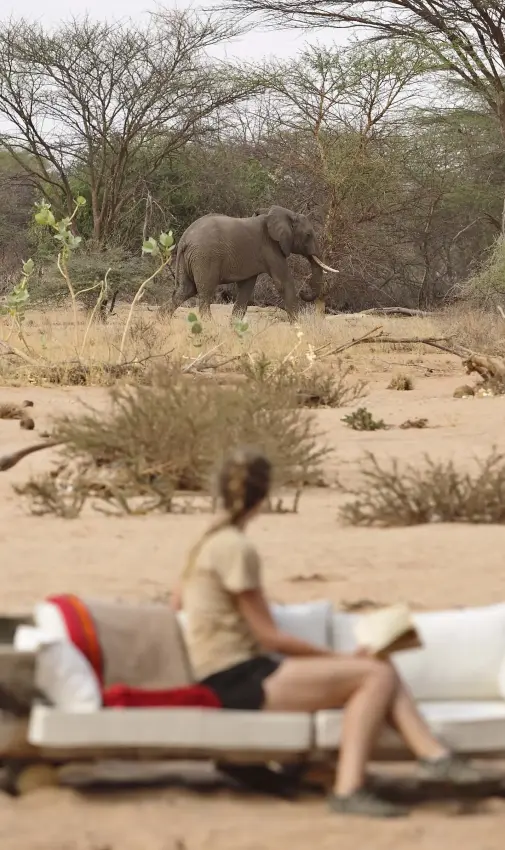
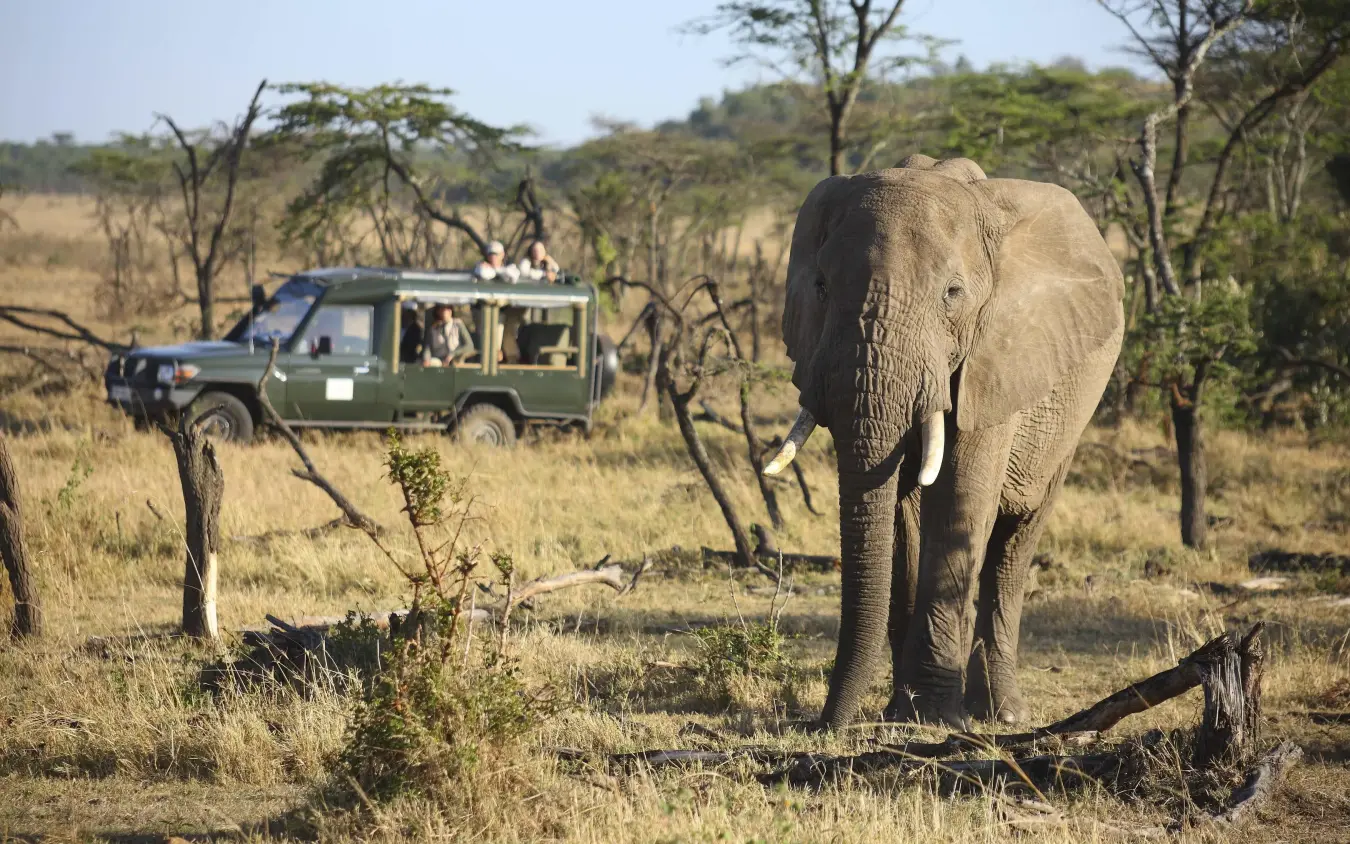
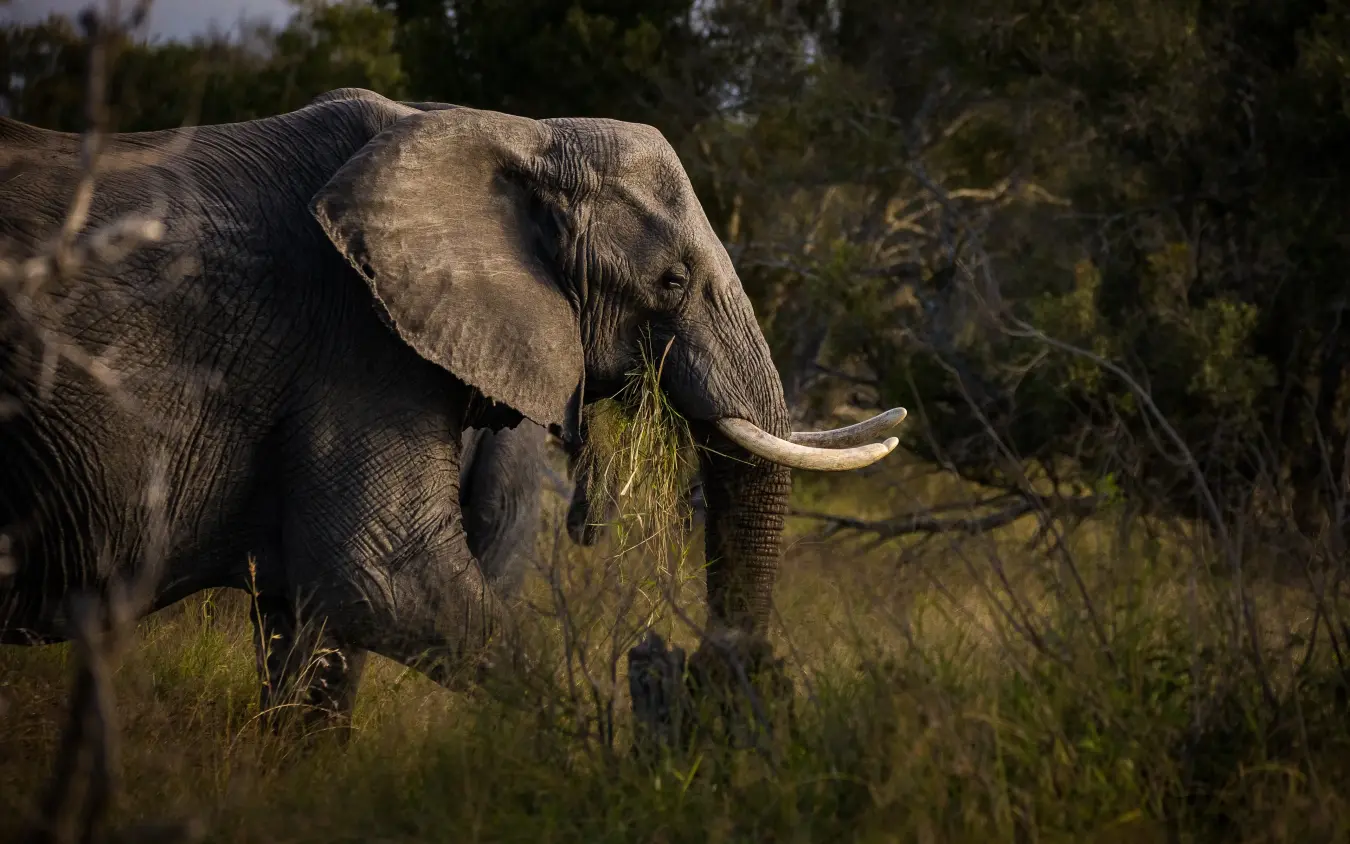
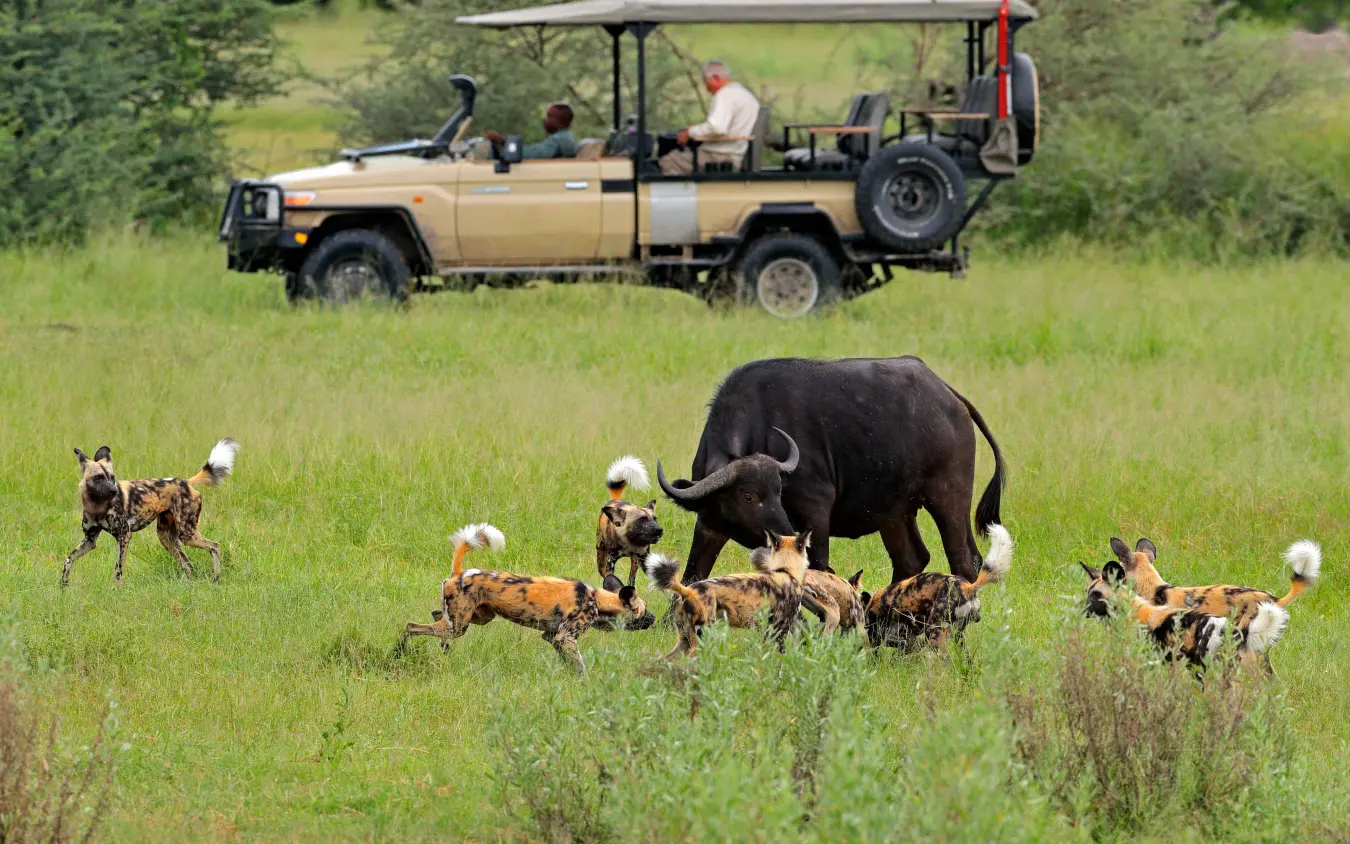
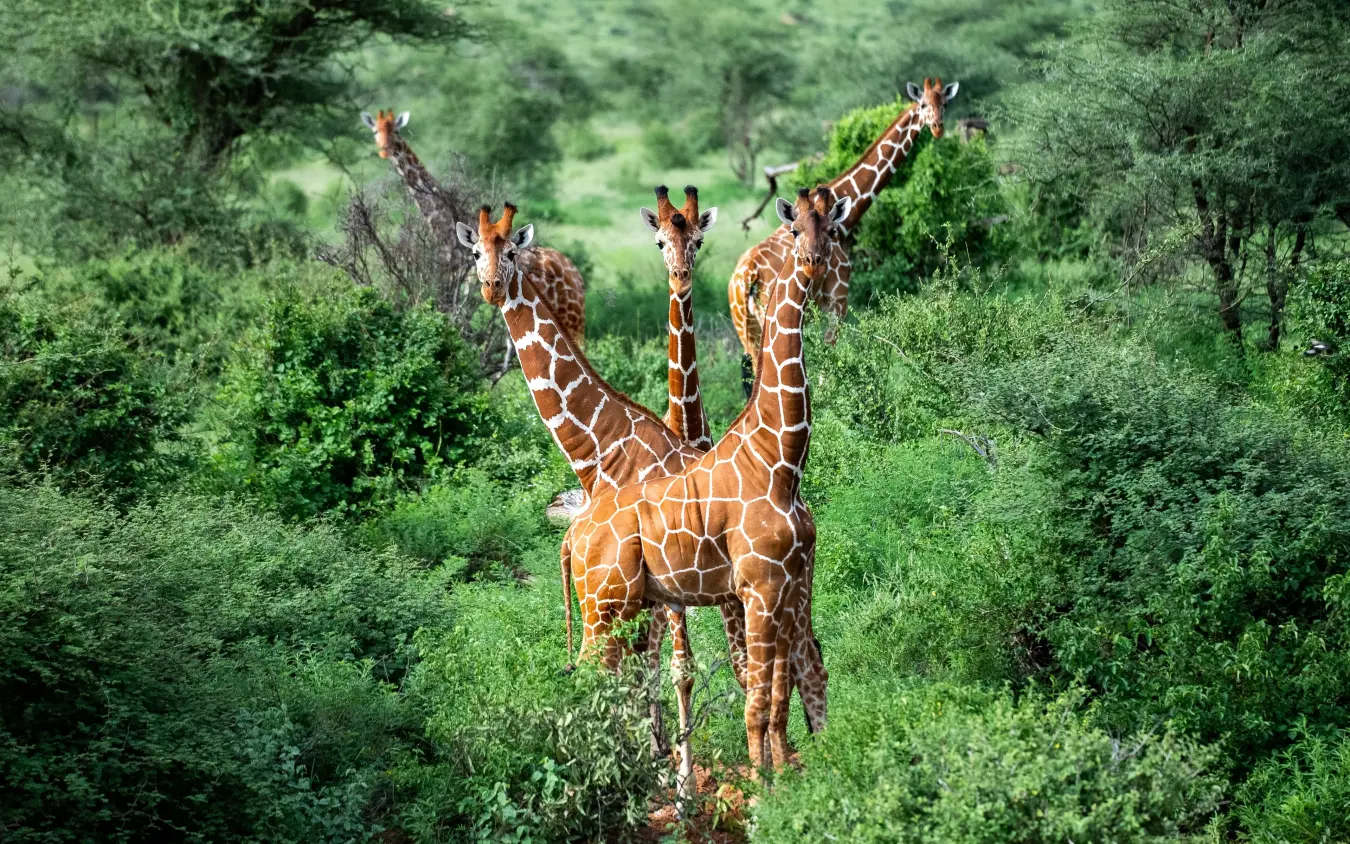
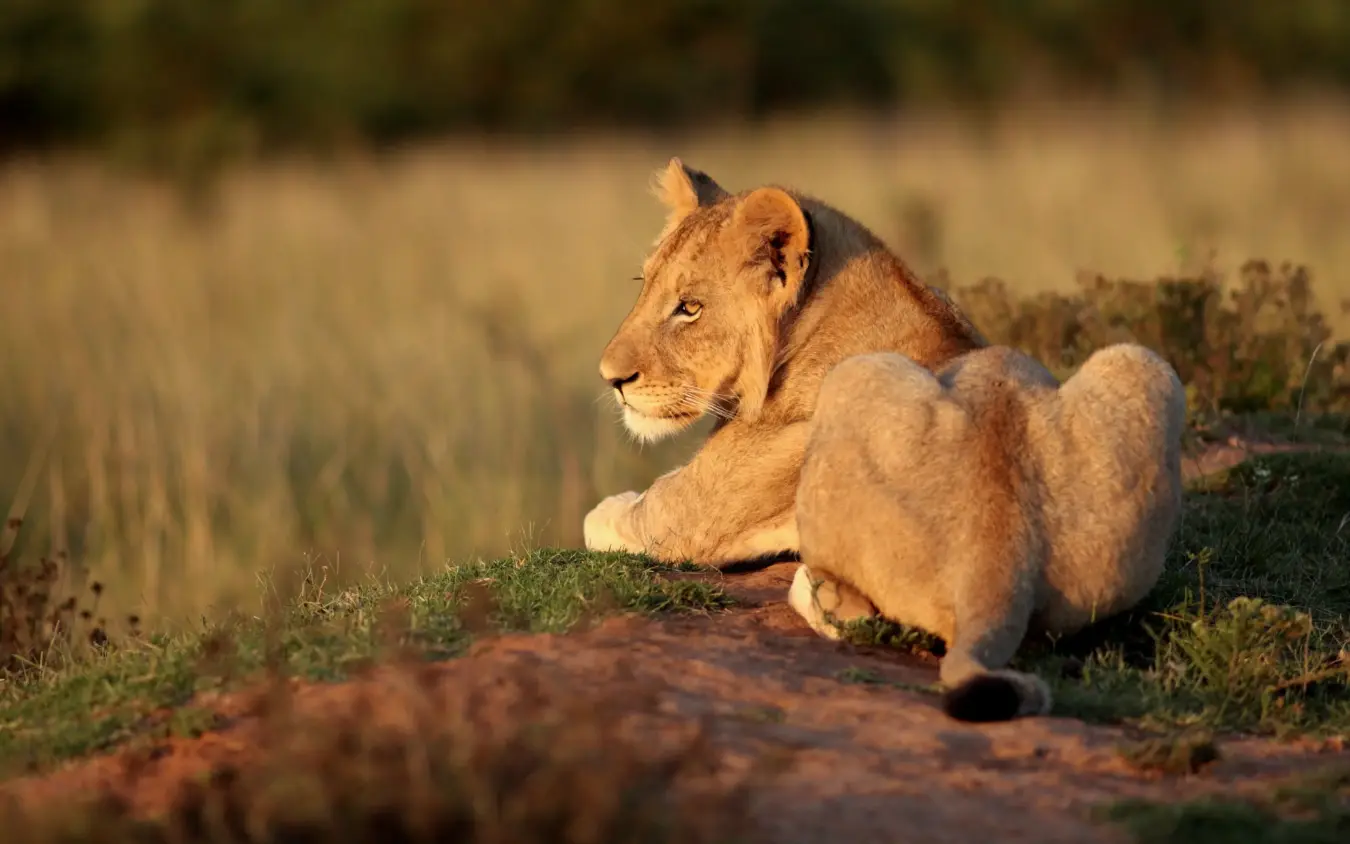
Elephants, buffalo and bushbuck move through the glade below the tents. Wild dogs and leopards pass through, and so does the occasional lion. A turaco crossing the canopy counts for as much as a big cat. Around them the forest holds more than 350 recorded bird species and over 150 kinds of butterfly, and the walks are slow enough to notice them.

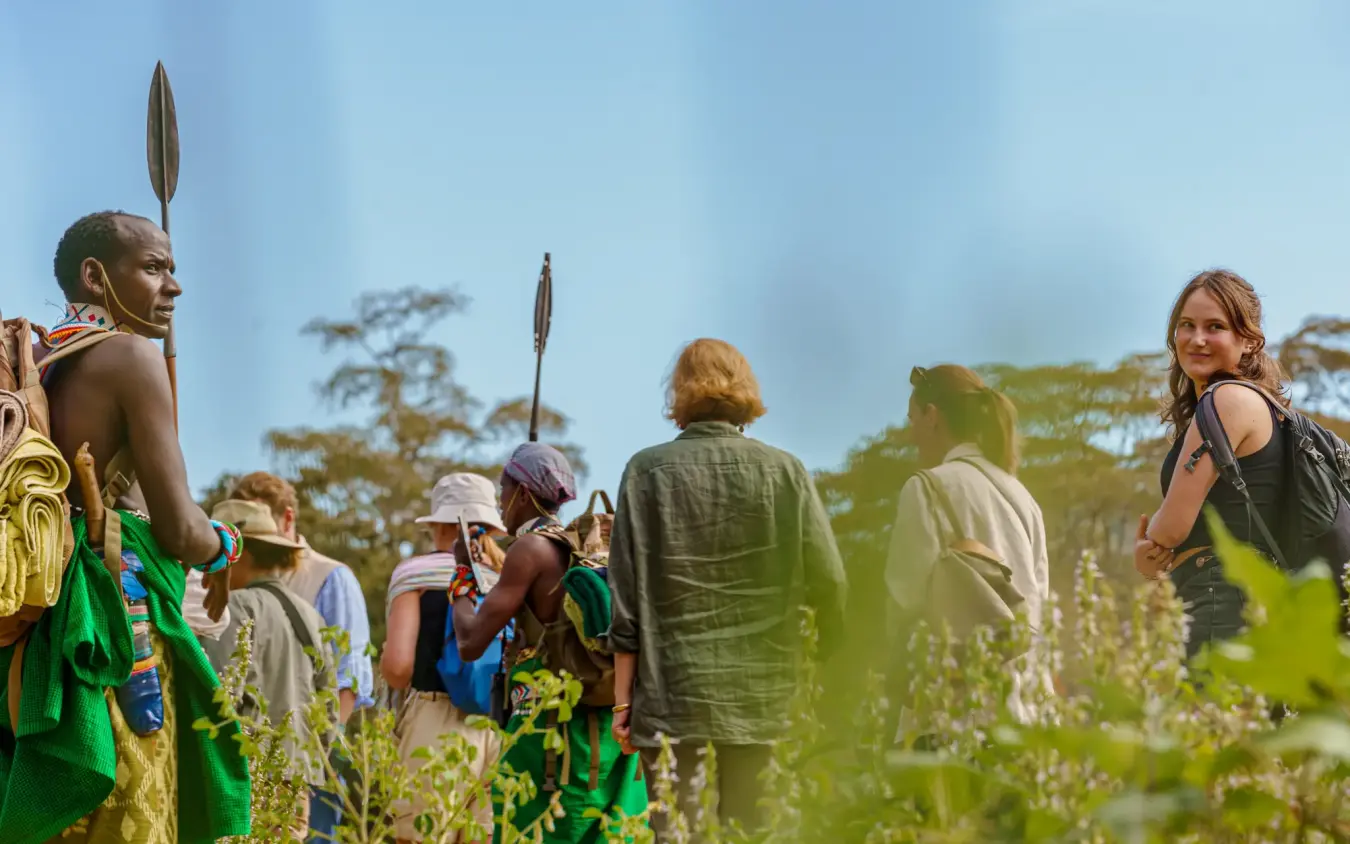
Group of hikers walking through dry savanna landscape, Kitich Camp, Northern Kenya, Kenya
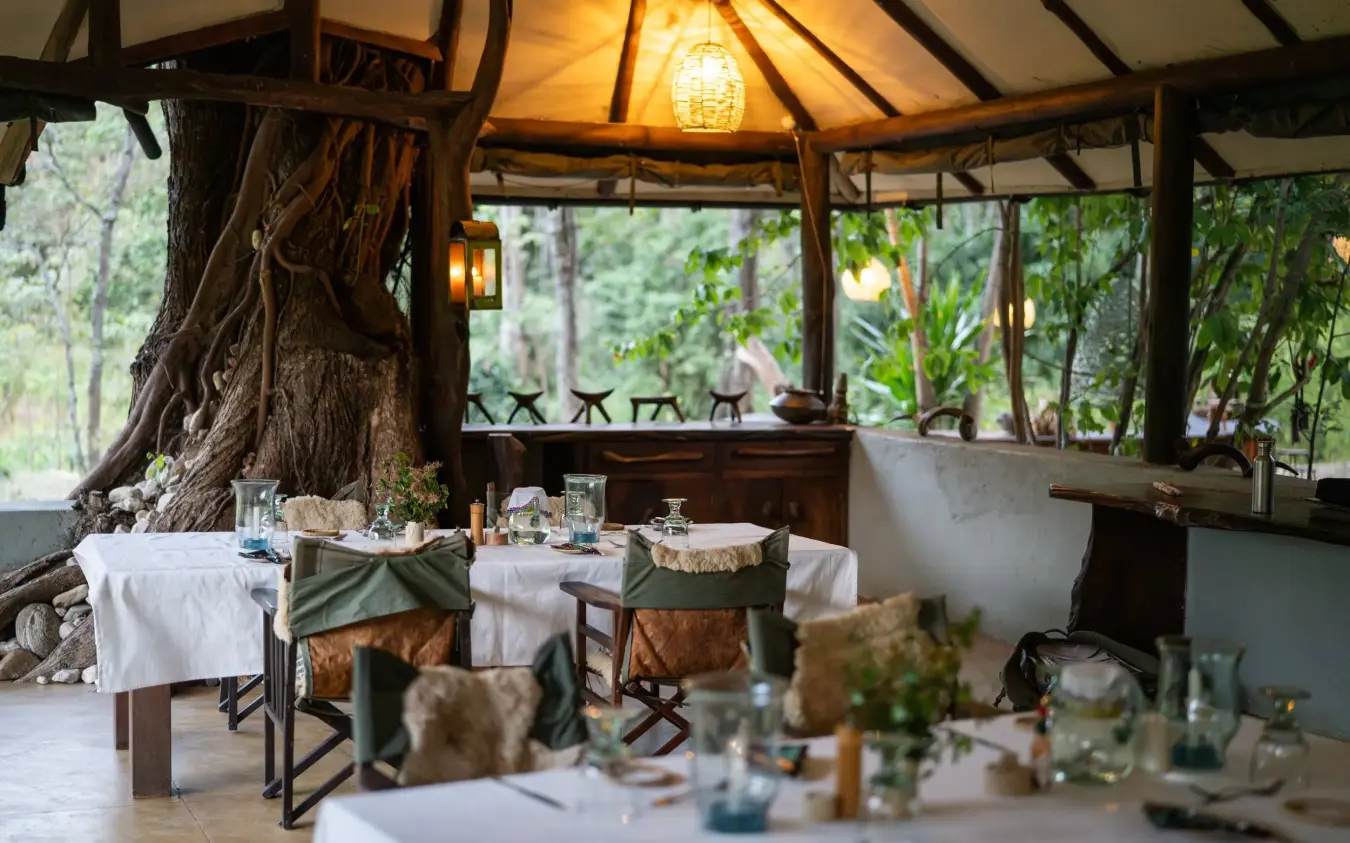
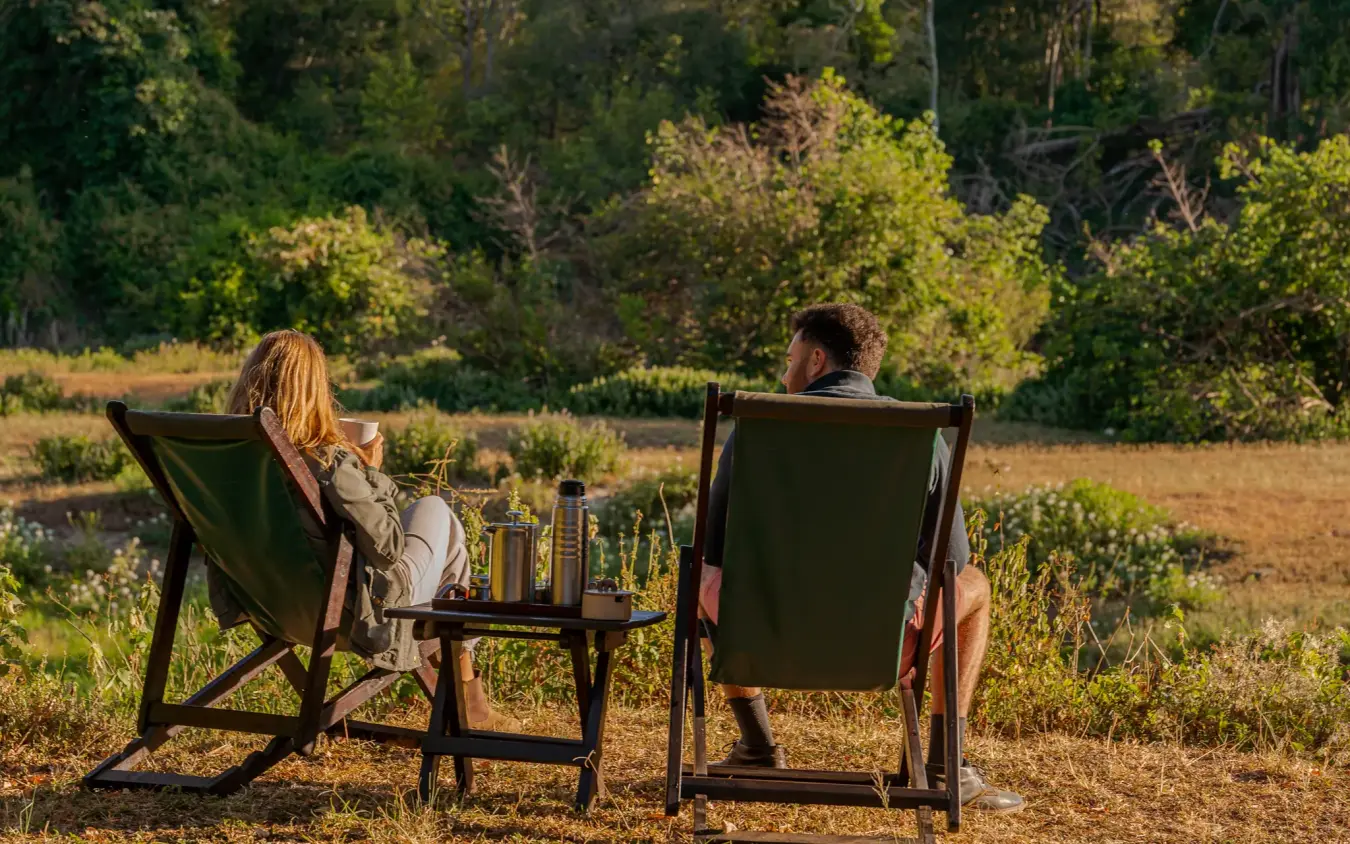
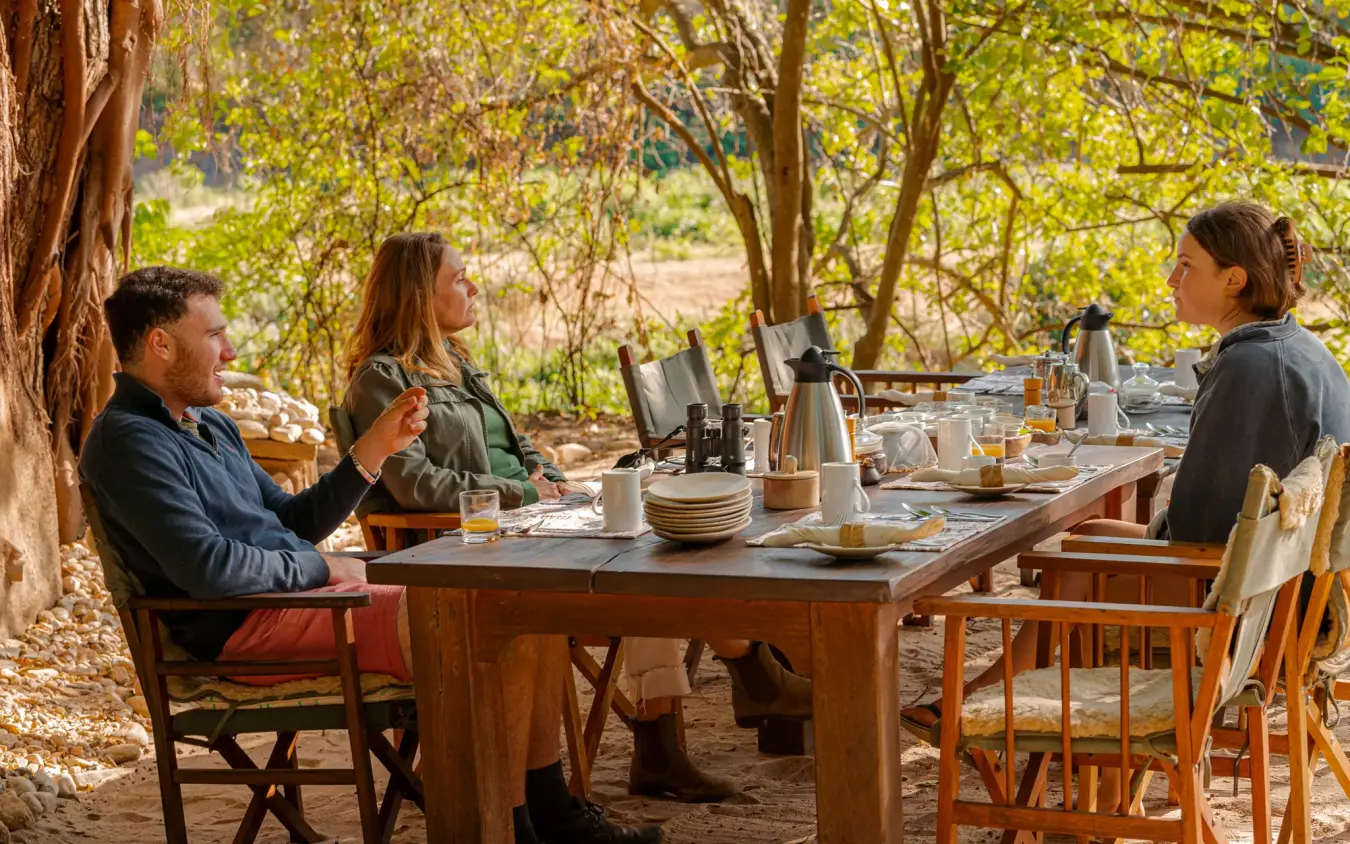
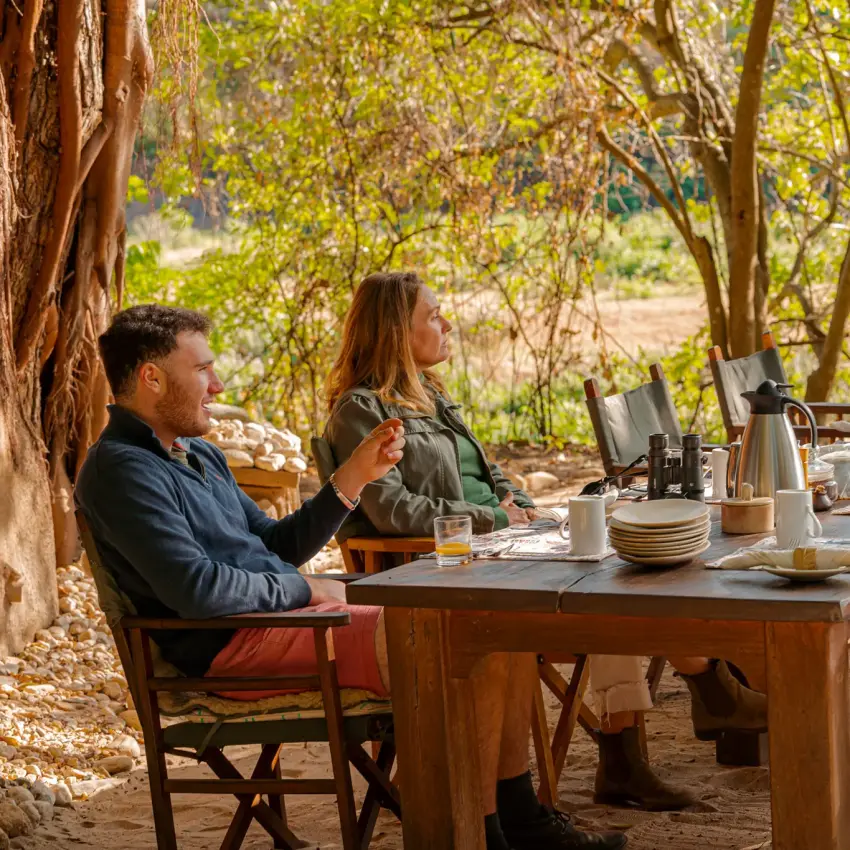
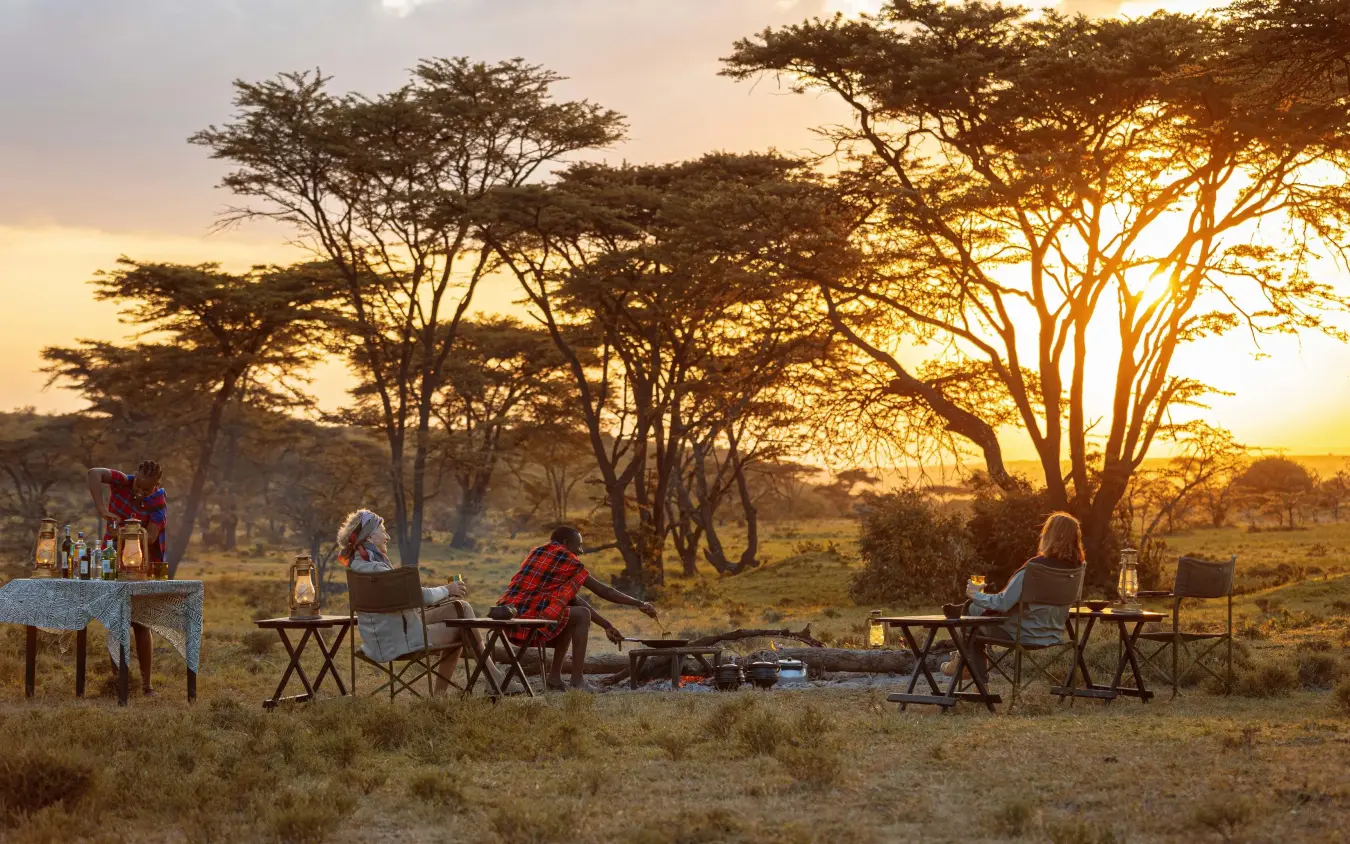
Three guests dining at outdoor table under tree canopy, Kitich Camp, Northern Kenya, Kenya

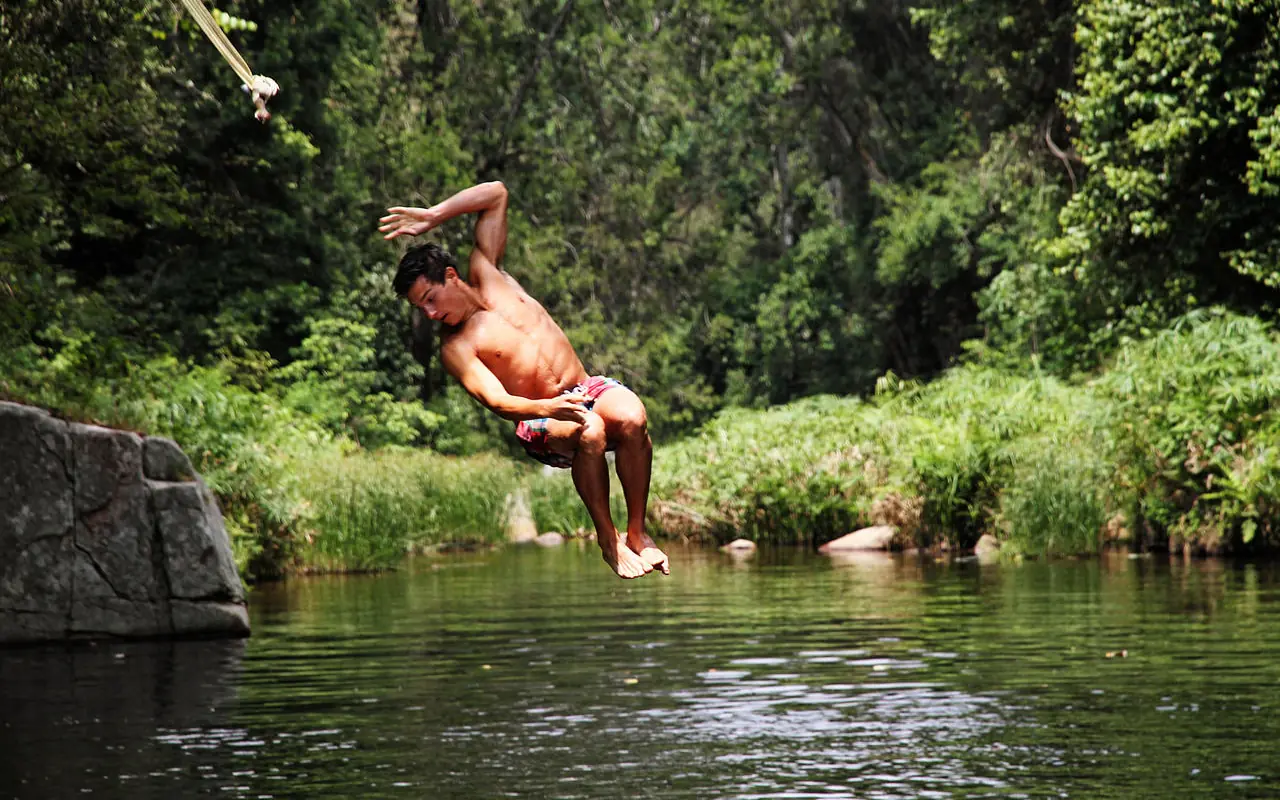
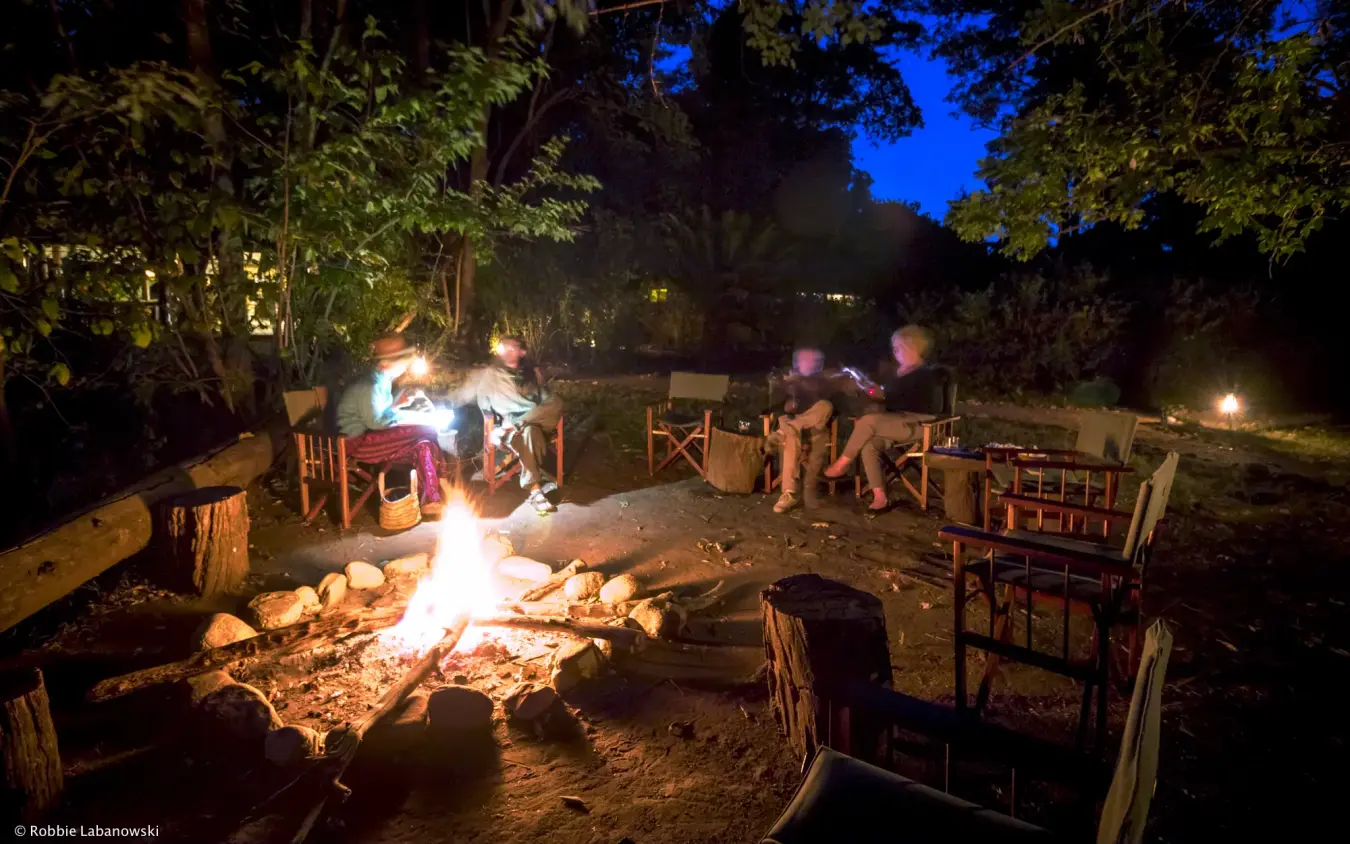
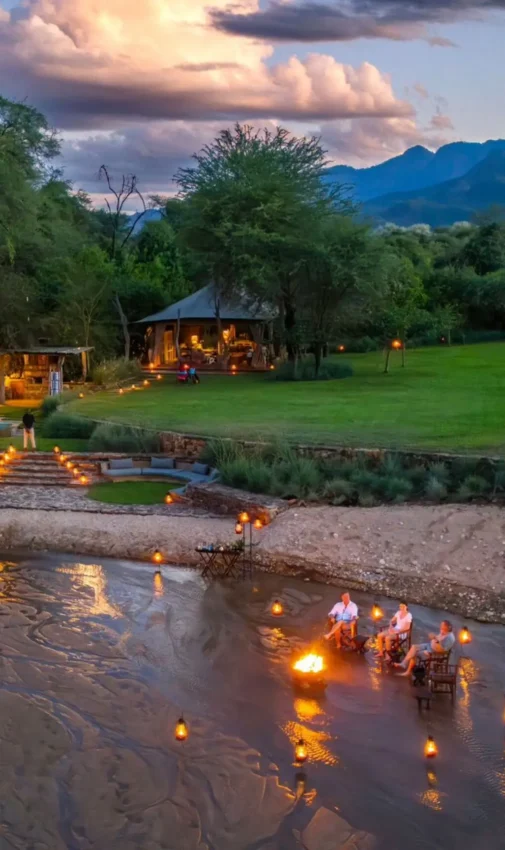
Guided walks follow forest paths and river margins and climb steep hillsides, and the hours between them are unhurried. Natural rock pools fed by clear mountain streams invite a swim. There are picnics in forest clearings and some fly-fishing for those who want it. As the light goes, everyone gathers at the firepit, with the day’s walking behind them.

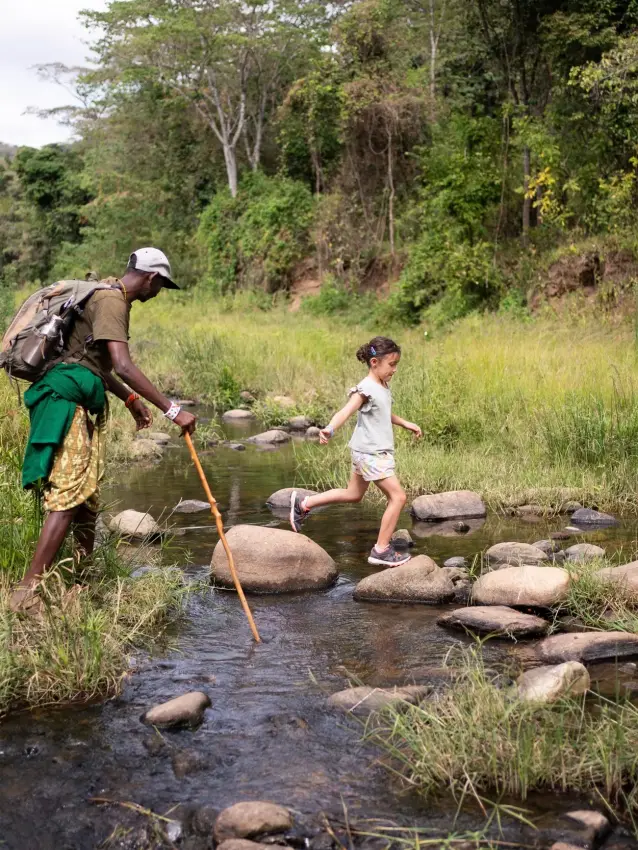
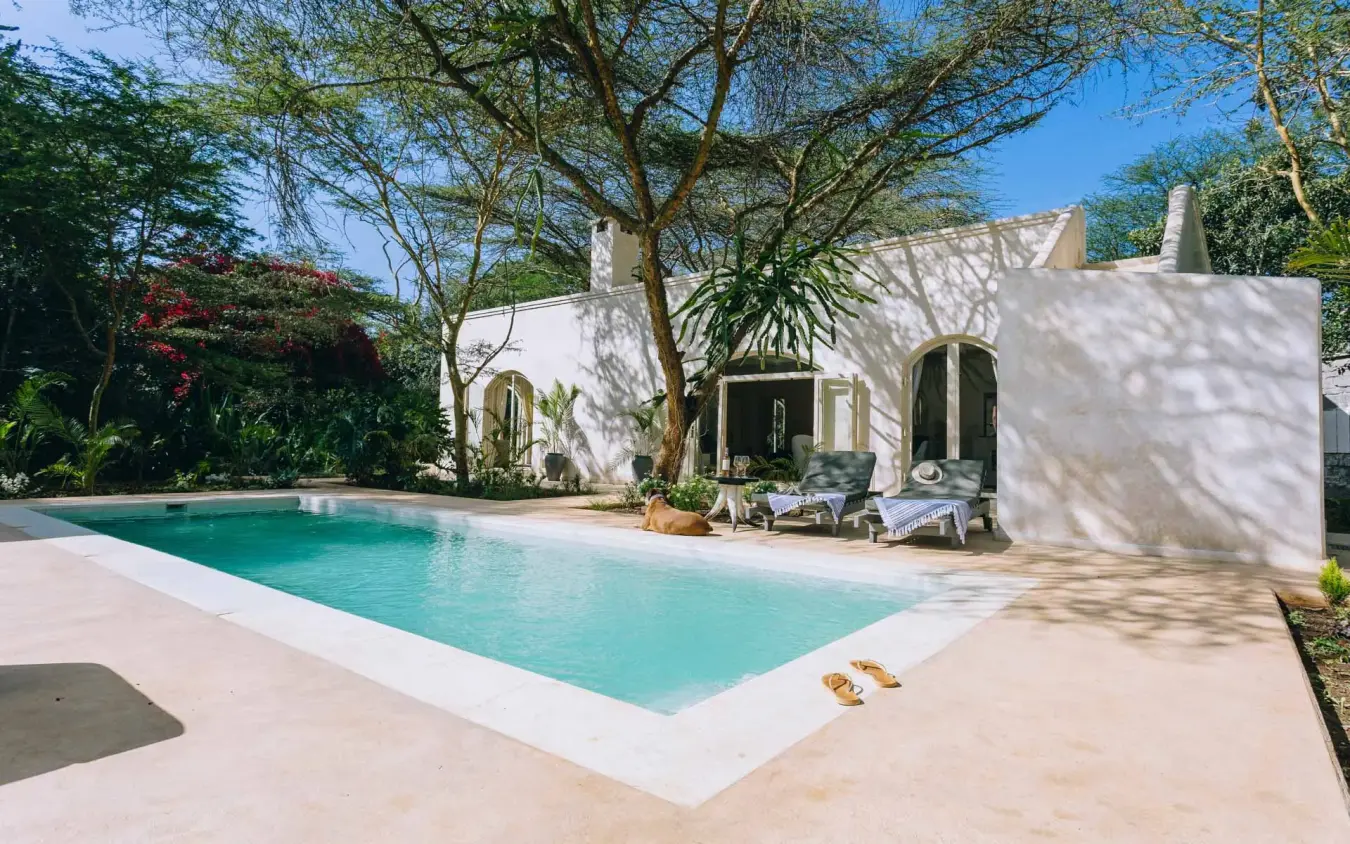
Natural rock pools fed by clear mountain streams invite a swim.

For those who want to go further, overnight fly-camping trips hike out to simple mobile camps set up deeper in the mountains, with camels or donkeys sometimes carrying the support. Giulio Bertolli founded Kitich as a tented forest camp, and his Italian sensibility still runs through the kitchen. The camp has since passed to new custodians, who have kept its scale and character.

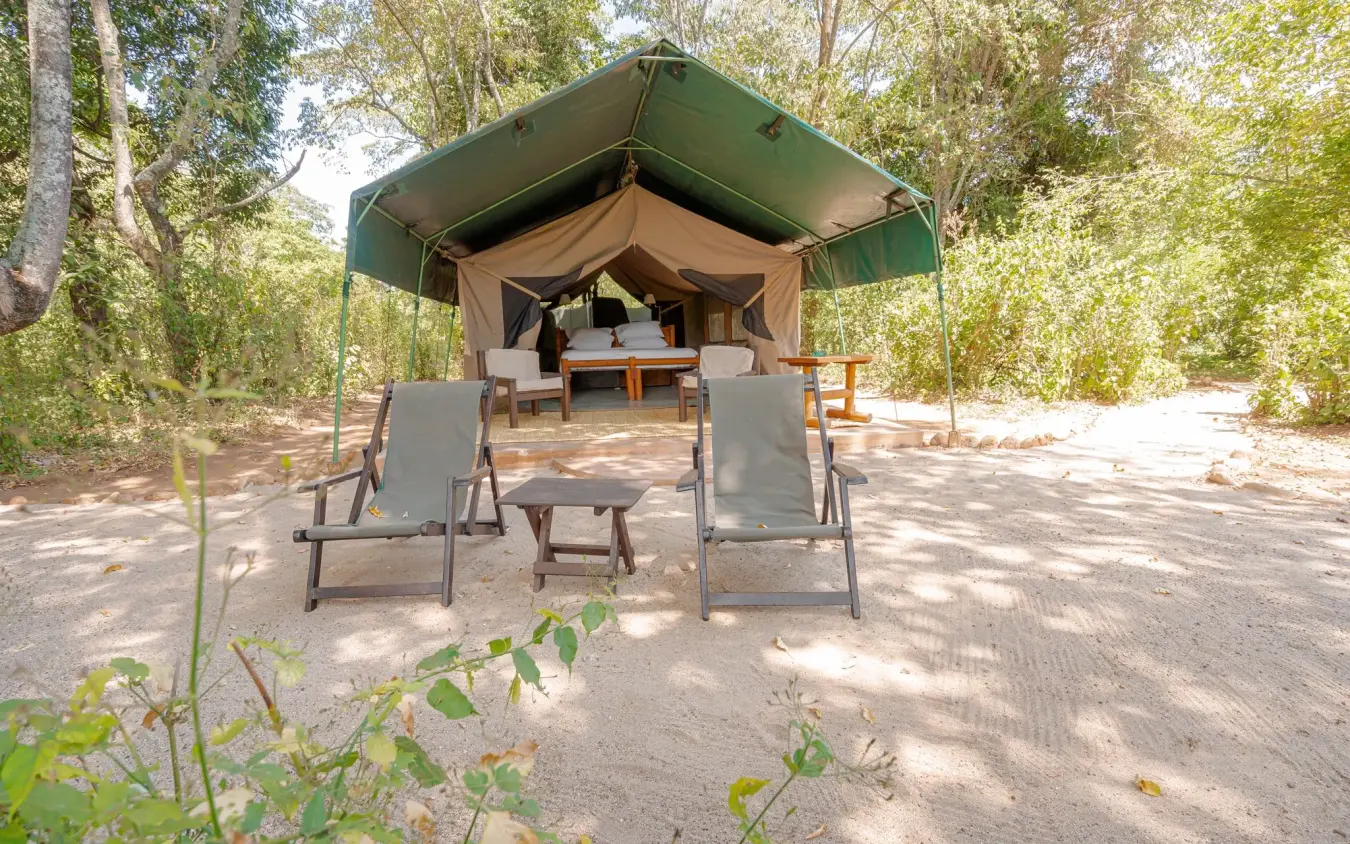
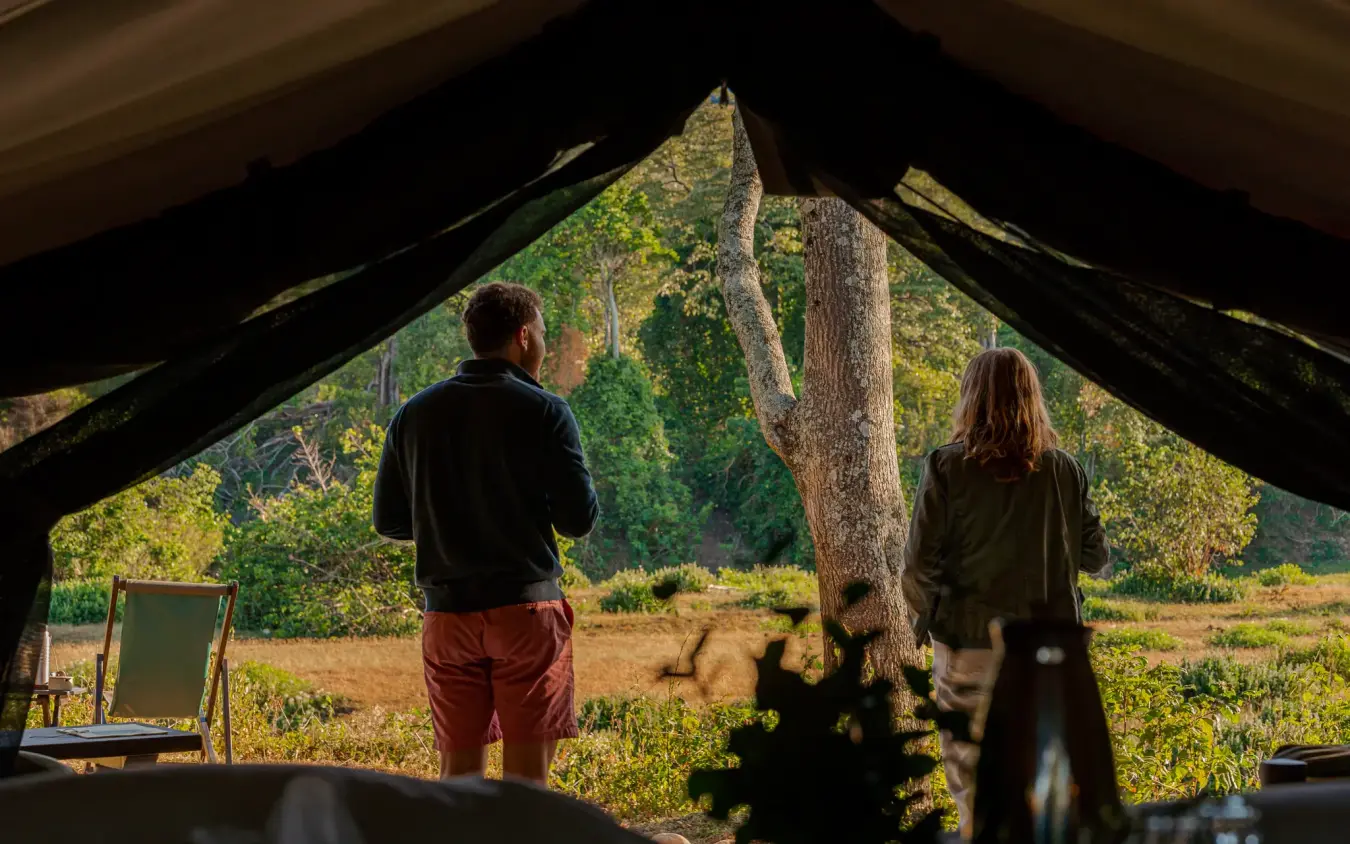
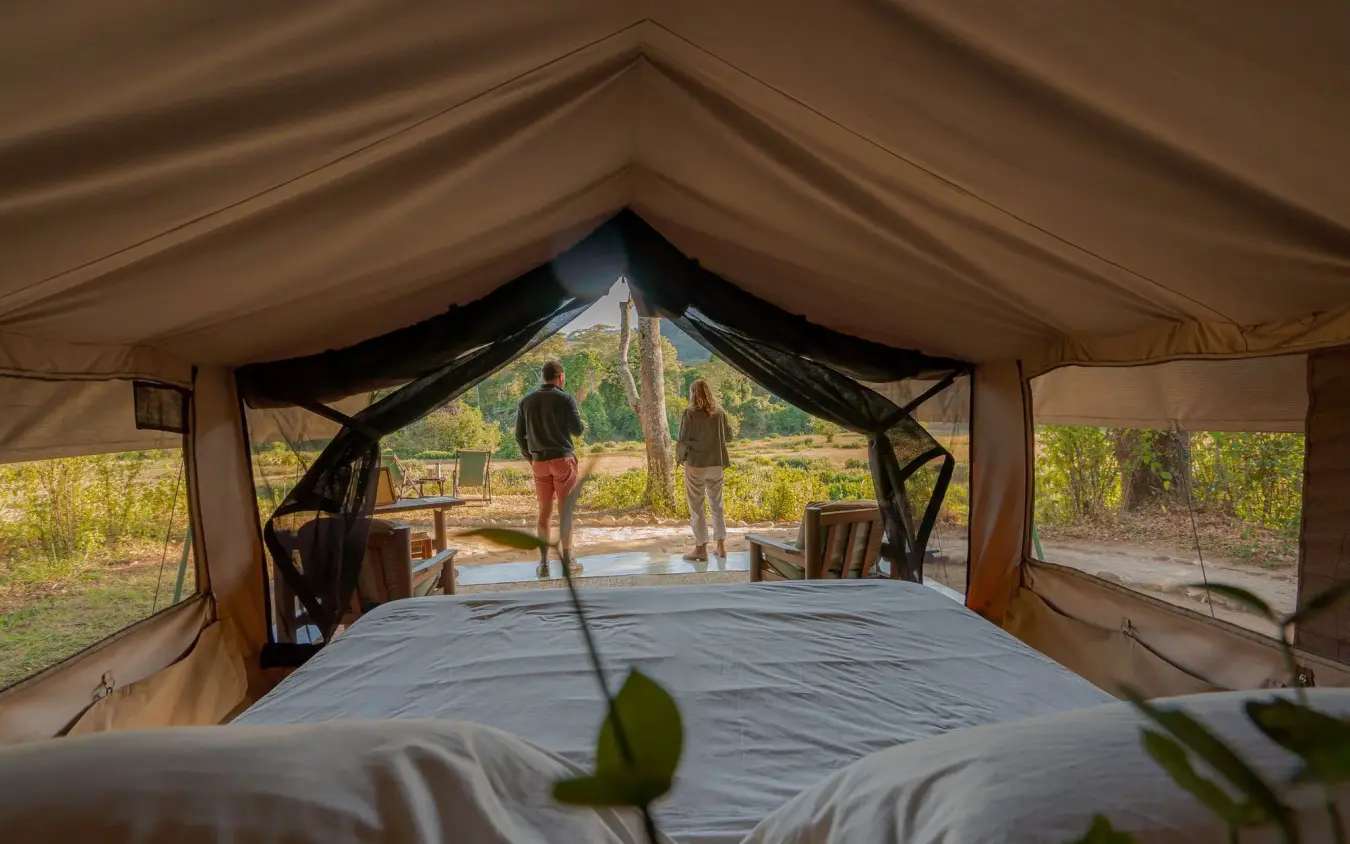
Interior view of safari tent with open entrance and guests outside, Kitich Camp, Northern Kenya, Kenya 01

accommodation

Eight En-Suite Canvas Tents, Ngeng Valley

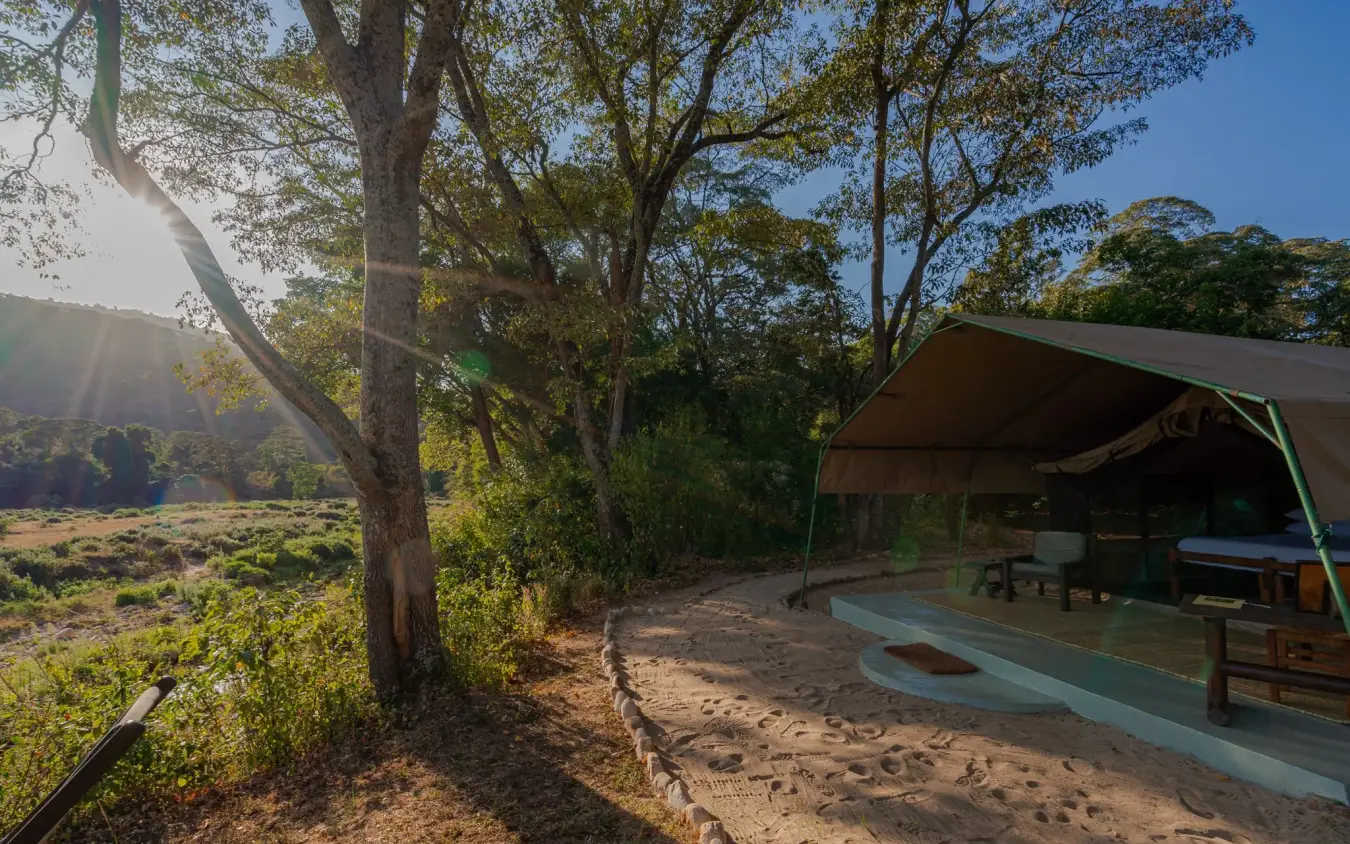
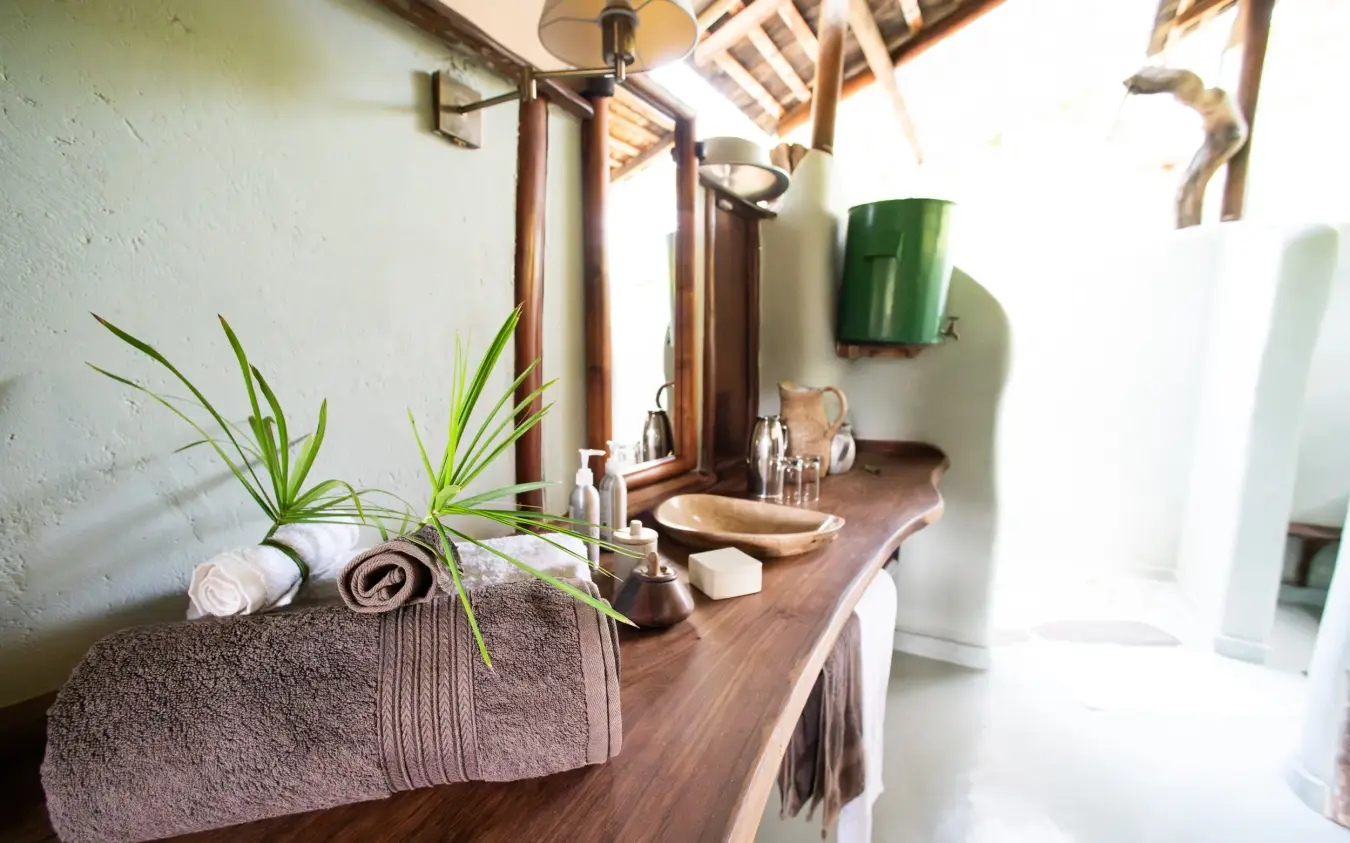
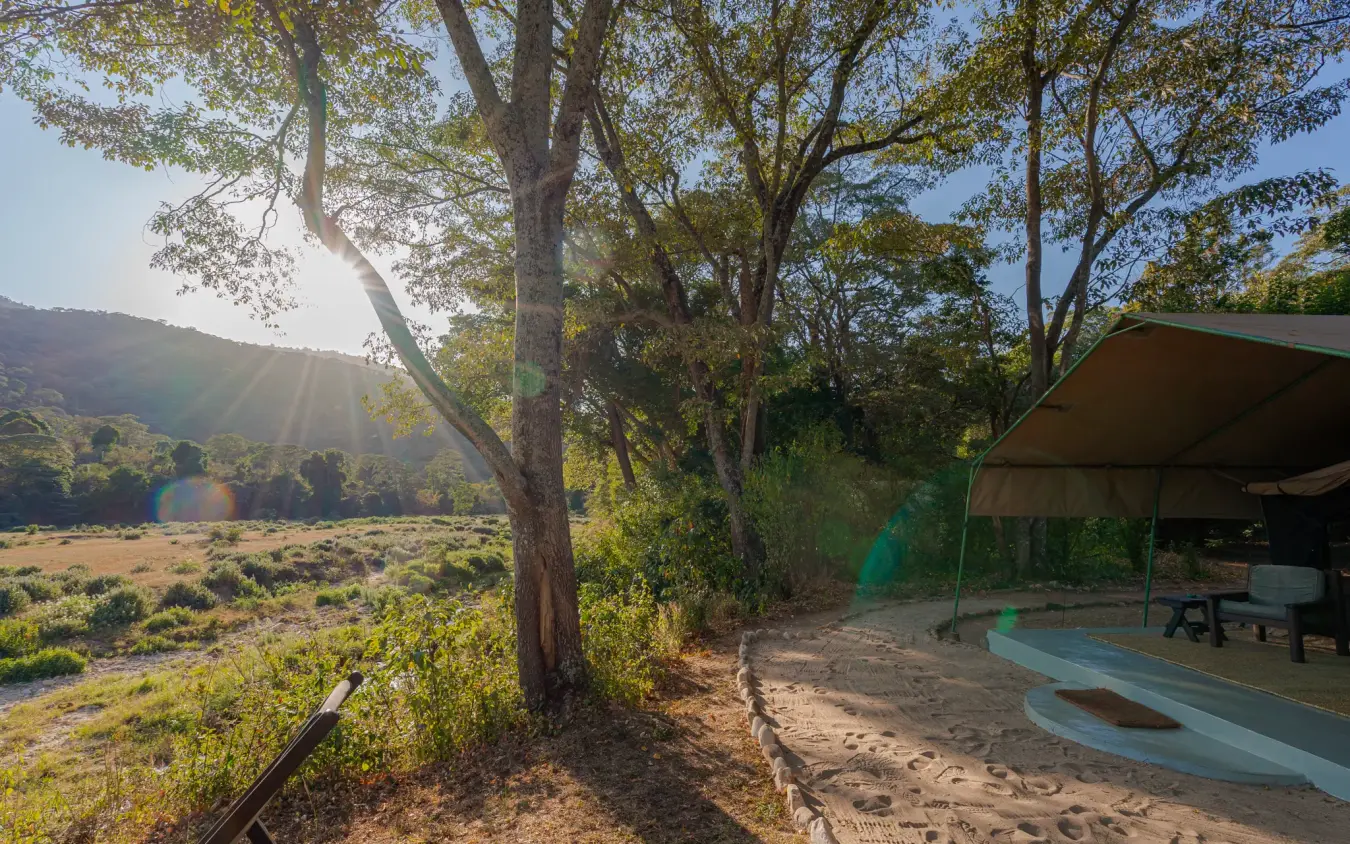
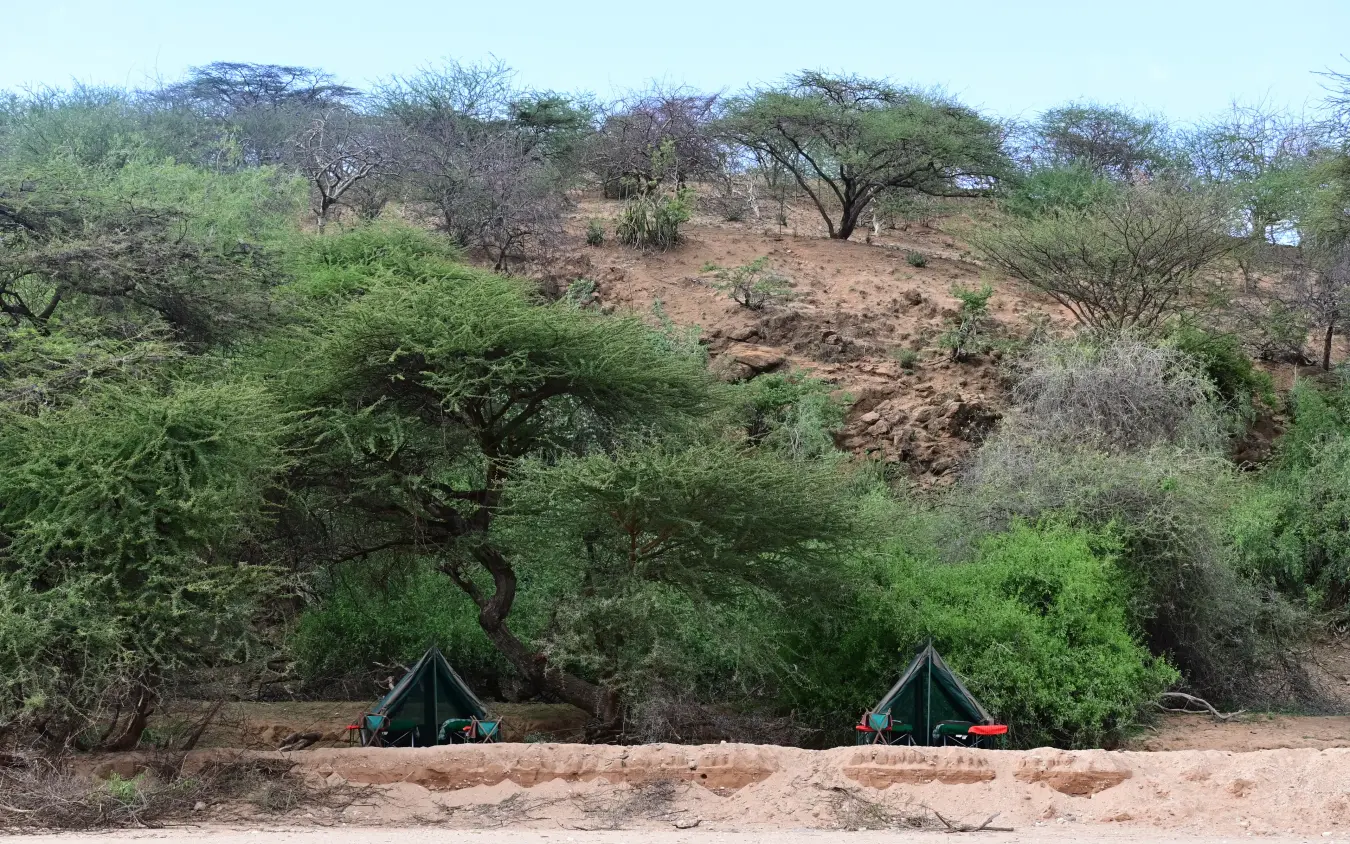
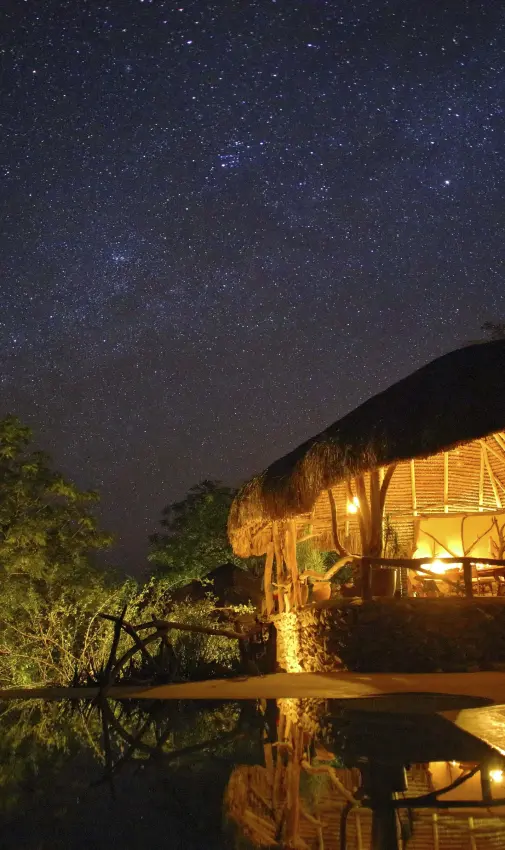
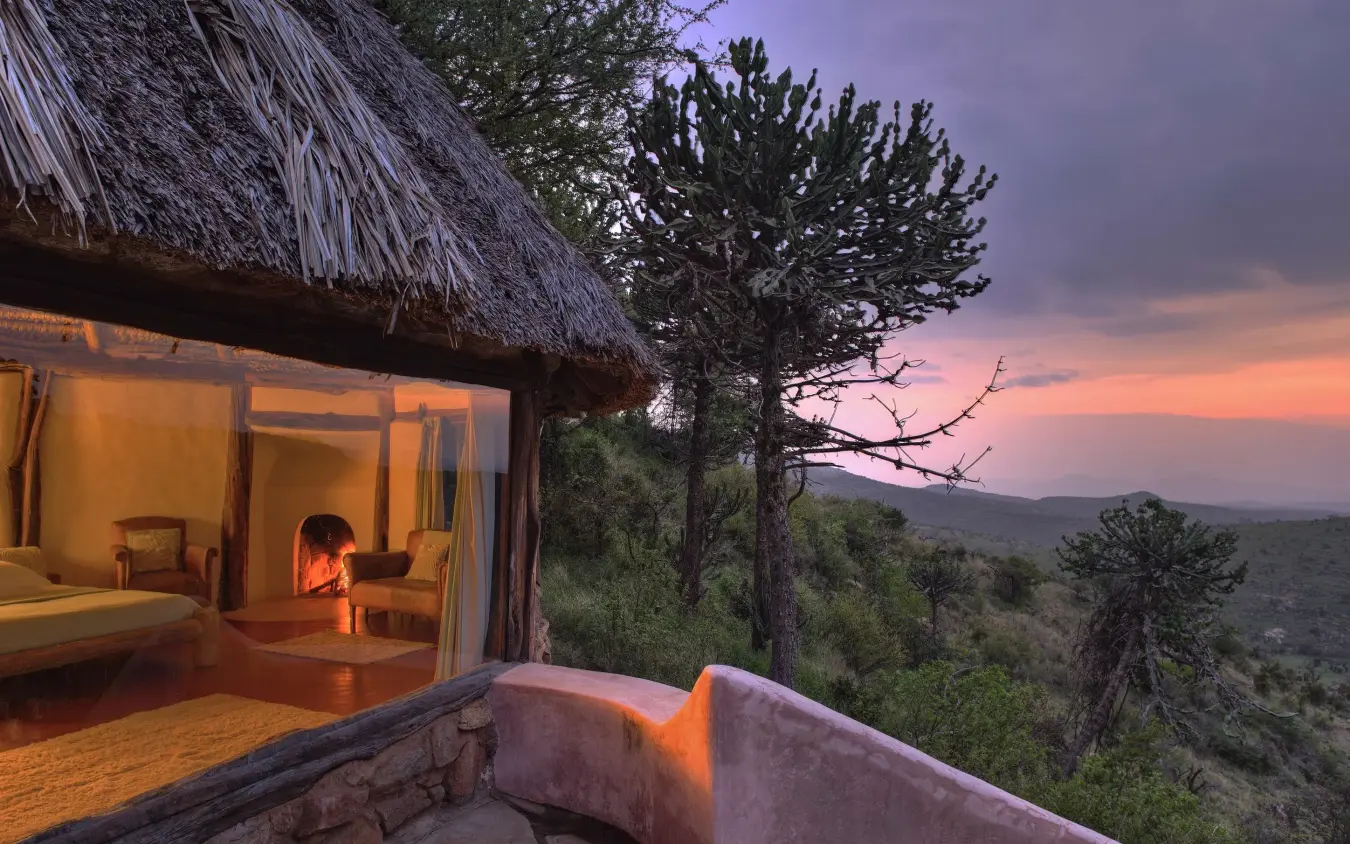
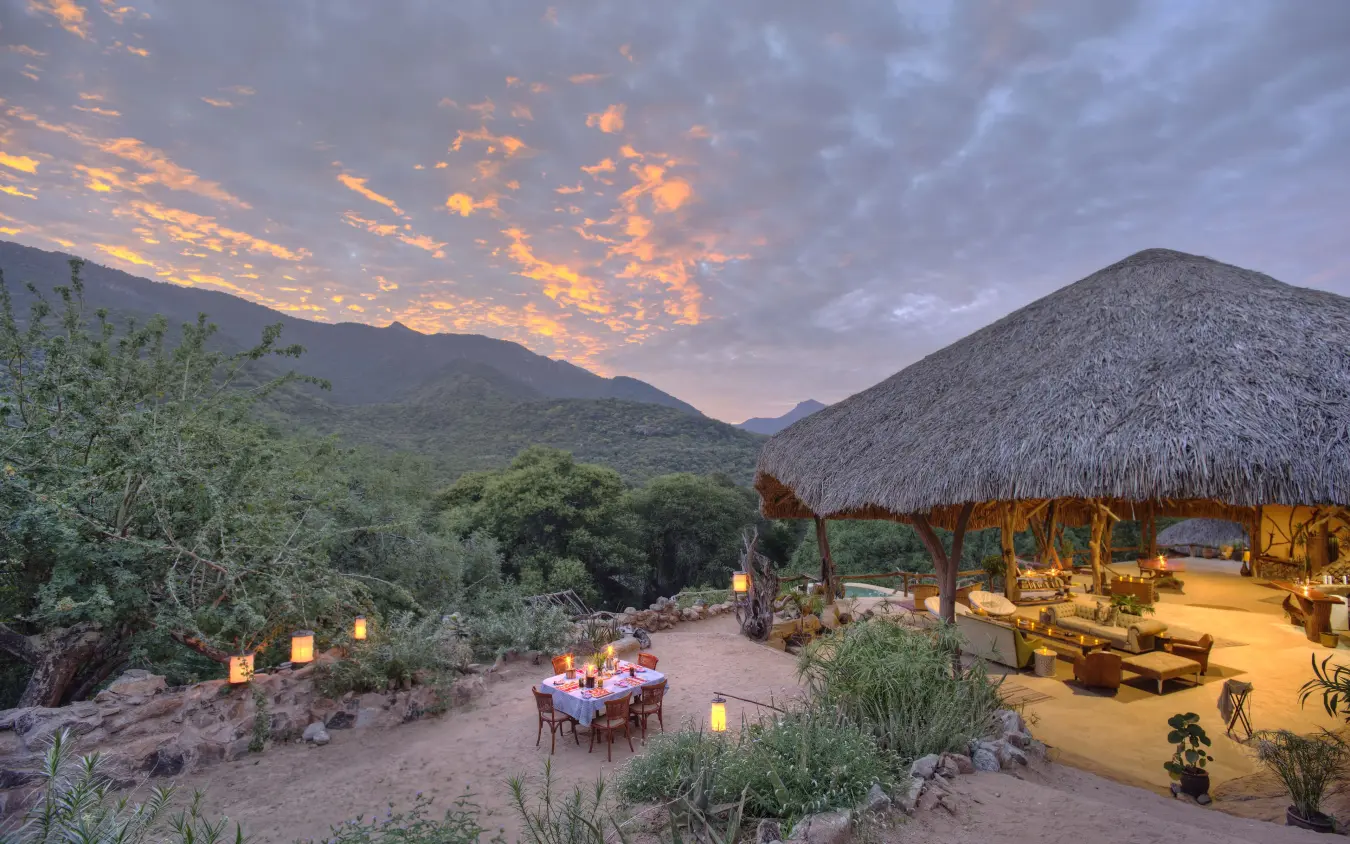
Six en-suite canvas tents line the river glade, set up as doubles and twins with room for extra beds. Each opens onto a private veranda over the Ngeng valley. Behind is a bathroom with a flushing toilet and a bucket shower heated over a fire, and hurricane lanterns give the light. The furnishings are simple and classic.

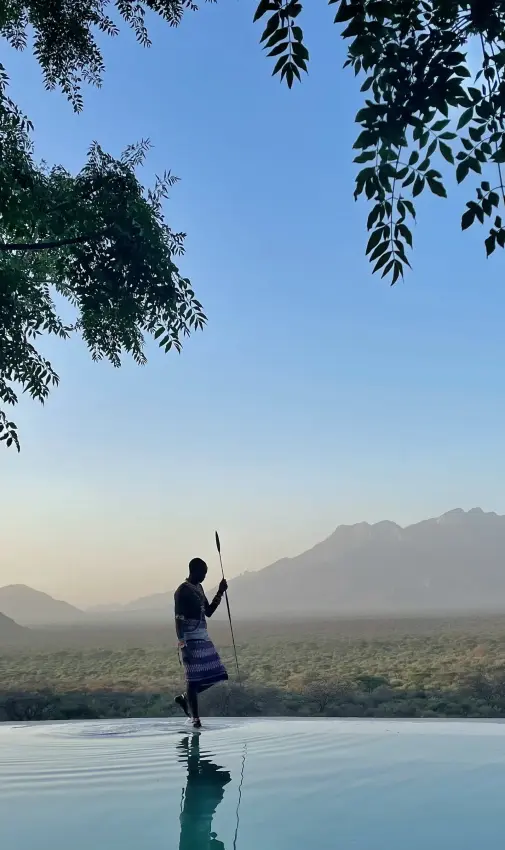
Hiker with spear walking through savanna landscape toward distant mountains, Kitich Camp, Northern Kenya, Kenya 02

activities

Forest Walks with Samburu and Ndorobo Guides

Every day at Kitich Camp is built around walks, led by Samburu and Ndorobo guides along forest trails and river margins and up steep hillsides. Within the Namunyak Conservancy, walking is a primary activity, not a restricted one. Between walks there is birding and butterflies, rock-pool swims, fly-fishing, overnight fly-camping and visits to Ngilai village.

Group learning fire-making skills in forest setting, Kitich Camp, Northern Kenya, Kenya 03

conservation

Namunyak Conservancy Rangers Since 1996

The camp lies within the community-owned Namunyak Wildlife Conservancy, part of the Northern Rangelands Trust network. Guest conservation fees fund ranger salaries, and no elephant has been lost to poaching in the Mathews Forest since 1996. The staff are largely Samburu and Ndorobo, and the camp holds an Ecotourism Kenya Gold rating.

ready to get started?

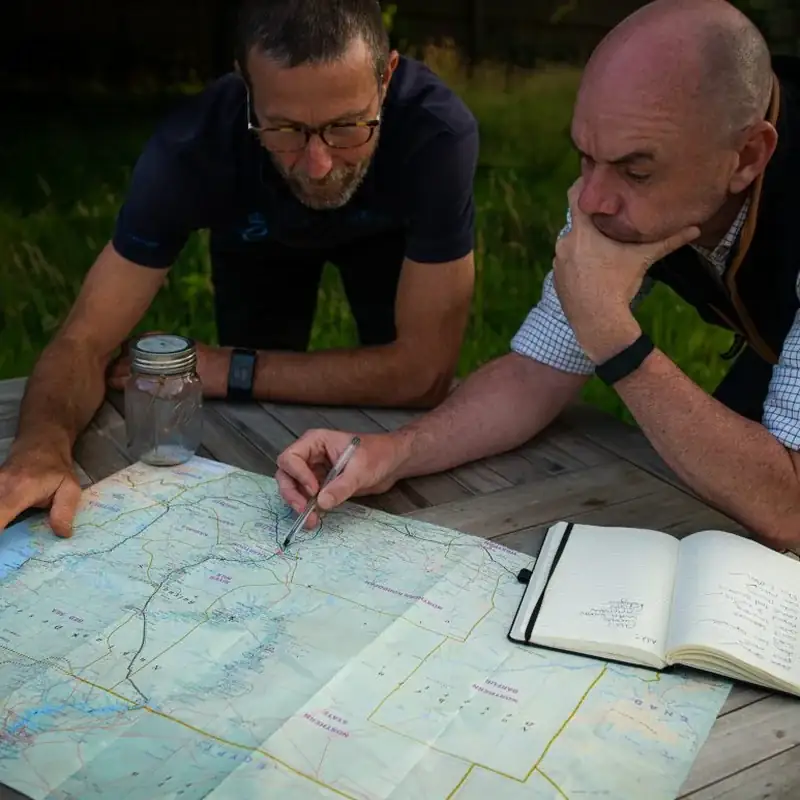
Get in touch and let’s start the conversation. An initial consultation helps us understand what you’re looking for, whether that’s specific experiences, luxury touches, or marking a special occasion, and from there we’ll guide you through what’s possible so you can decide if we’re the right fit.

Alternative accommodation in northern kenya

Across Northern Kenya, small tented camps dominate the conservancies around the Mathews Range and Ndoto Mountains, several of them available on an exclusive-use basis. Mobile and fly-camps come into their own for Chalbi Desert crossings, Turkana shores and camel-supported walking routes, pitched fresh each night in open country. A handful of lodges cluster around the better-established nodes near Mount Marsabit and Lake Turkana. Expect remote, landscape-driven camps built for exploration.

frequently asked questions

You fly from Nairobi's Wilson airport to an airstrip in the Mathews Range of northern Kenya, around an hour and a quarter to an hour and a half by light aircraft, and the camp meets you for the transfer up into the forest glade.

We arrange the flights and timings. A private charter is easy to build in too, typically a Cessna Caravan or Pilatus PC-12, flown straight to the Mathews Range whenever suits your plans.

The bush planes take soft bags of around fifteen kilograms per person including hand luggage, so a duffel is best. This is deep, remote forest country, so flying in is far easier than the long drive north.

Yes, though at a lower level than the coast. At around 1,330 metres in the Mathews Range the air is a little cooler, but the camp still sits below the altitude at which the CDC and TravelHealthPro treat malaria risk as negligible, so antimalarial tablets are usually advised.

We do not make medical recommendations, and we would not want to. We arrange travel; we are not doctors. Which tablets suit you, how they sit with anything else you take, and what is right for a child are questions for your own doctor or a travel clinic. On the practical part, dusk is the hour that matters, so long sleeves, long trousers and repellent are worth the packing space.

The forest glade is cooler and greener than the arid country beyond the tree line, with warm days and fresh mornings, and clear mountain streams running through it. The rains bring the forest to life and can make the trails slippery.

Bring broken-in walking shoes or boots, since you explore entirely on foot, along with a light layer for the mornings, neutral colours, sun protection for the open stretches, and swimwear for the natural rock pools. A pair of binoculars earns its place with the birds and butterflies.

The dry seasons are the more reliable time, when the remote tracks firm up and access is easiest, with June to October the strongest window and January to March also good. After the rains the Mathews Range greens up beautifully, and the forest holds its water and birdlife year round.

Because Kitich is a walking camp in remote forest, the drier months make the trails and the access easier, though the setting rewards a visit whenever you can reach it.

Month by month: the best time to visit Northern Kenya

There are no game drives at all. You explore this Mathews Range forest entirely on foot, with Samburu and Ndorobo guides, which is unusual for a Kenyan camp and worth knowing before you book. Elephant, buffalo and bushbuck do move through the glade below the tents, but you meet them on foot rather than from a vehicle.

So come for the walking, the birds and butterflies, the natural rock pools to swim in, and quiet forest days, rather than for a big-game tick-list. For those who want to go further, there are overnight fly-camping trips deeper into the mountains, sometimes supported by camels or donkeys.

It can suit families whose children are happy walking, since the forest trails, rock pools, birds and butterflies make an unusual and active stay, and the tents can take extra beds. It is a gentler, more exploratory place than a big-game camp.

Because everything is on foot in wild forest, it favours some ages over others, so tell us your children's ages and how far they are comfortable walking, and we will advise honestly on whether Kitich is the right fit and shape the trails to suit.

rated five stars by our clients

other areas in kenya

Northern Kenya pairs naturally with the regions to its south. Samburu shares the same dry-country species in a more accessible setting and works well as a staging point on the way north. Laikipia and the Lewa and Borana conservancies offer strong community conservation, walking and rhino viewing. The Maasai Mara adds classic plains game and the wildebeest migration in season, while the Kenya coast around Lamu provides a contrasting close to a trip, trading desert and mountain for Indian Ocean shores and Swahili stone towns.

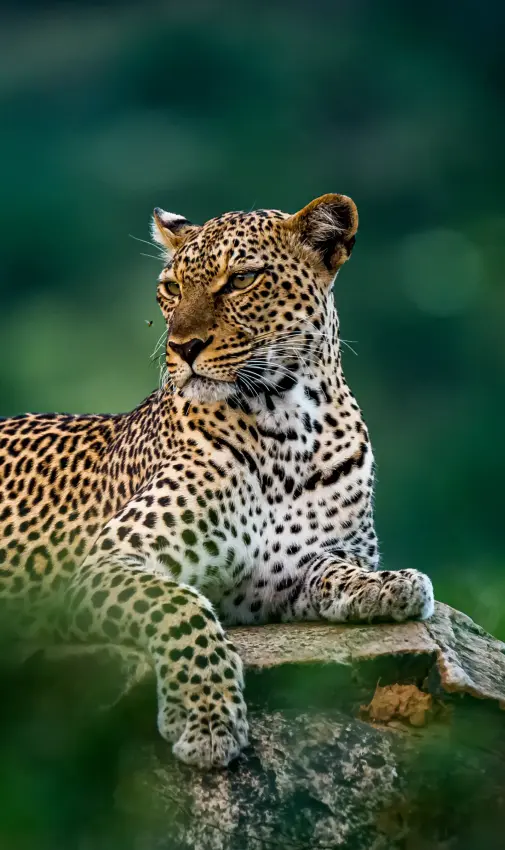
Leopard resting on fallen log in natural setting 01

Maasai Mara

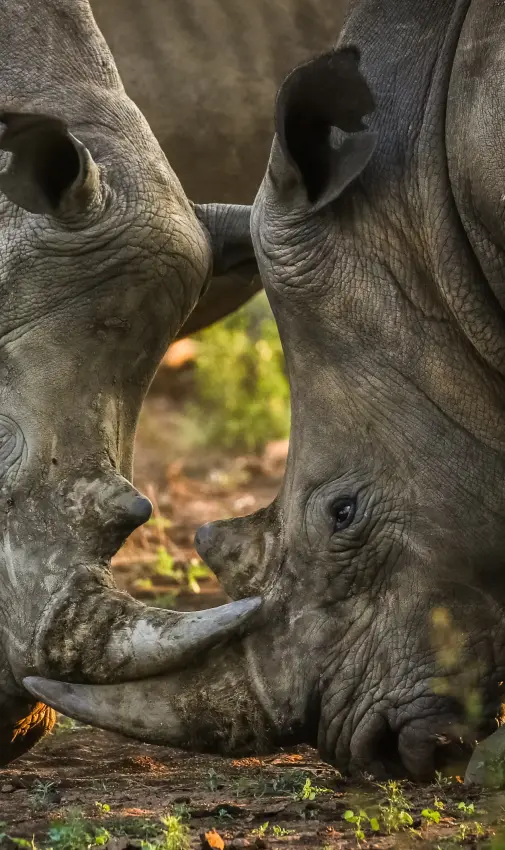
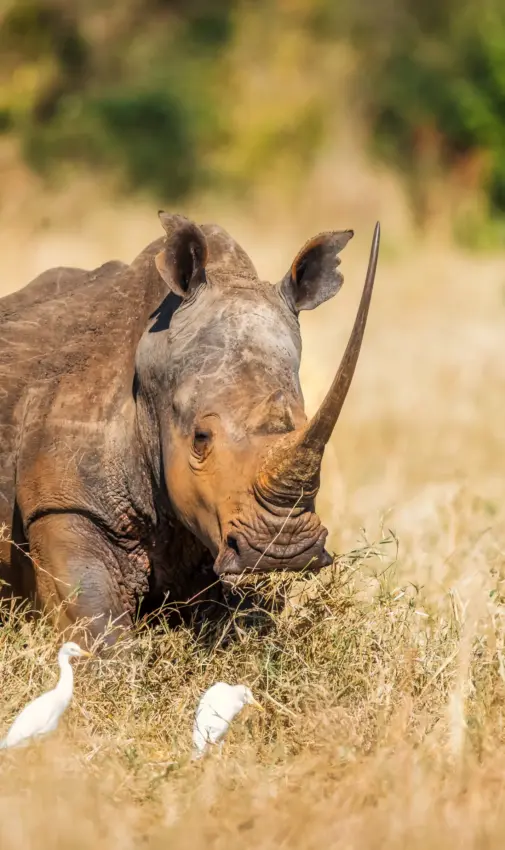
Two rhinos touching horns in natural habitat 02

Laikipia Highlands

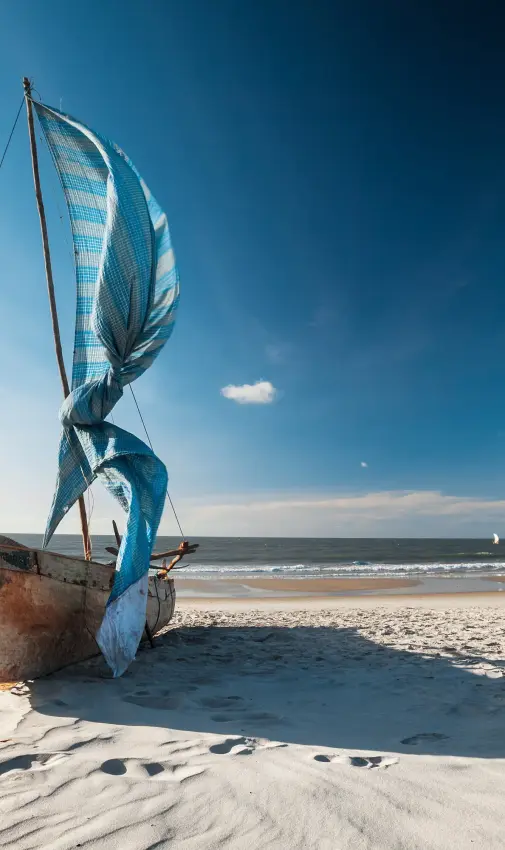
Traditional fishing boat with blue sail on sandy beach 03

Kilifi

Flock of flamingos wading in shallow pink-tinted water, Rift Valley Lakes, Kenya 04

Rift Valley Lakes

Snow-capped Mount Kilimanjaro rising above acacia trees and Tanzania savanna 05

Amboseli and Chyulu Hills

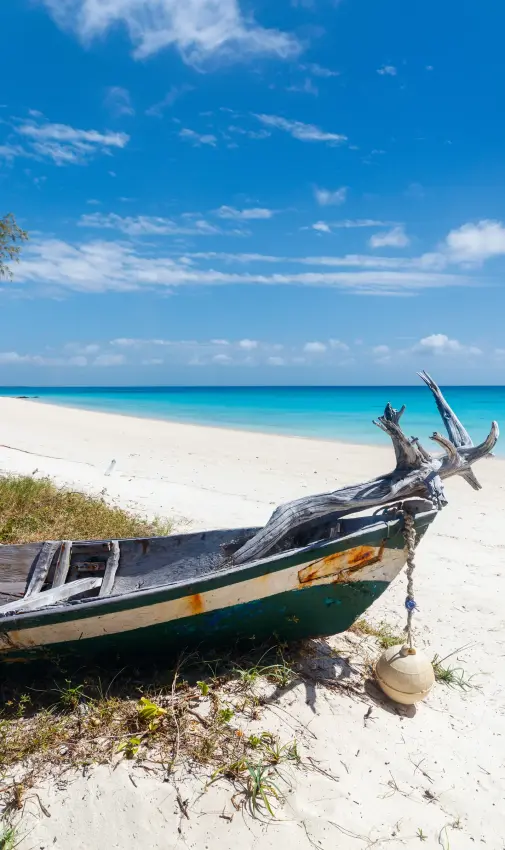
Wooden fishing boat beached on white sand tropical shore 06

Diani Beach

Man in traditional red garment driving open safari vehicle, Samburu Reserve, Kenya 07

Samburu Reserve

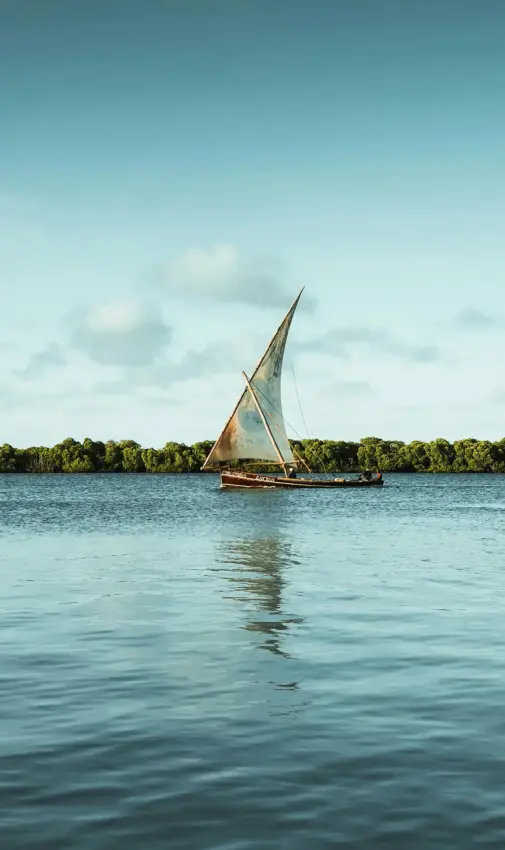
Traditional sailing dhow on calm turquoise water with forested shoreline, Lamu Archipelago, Kenya 08

Lamu Archipelago

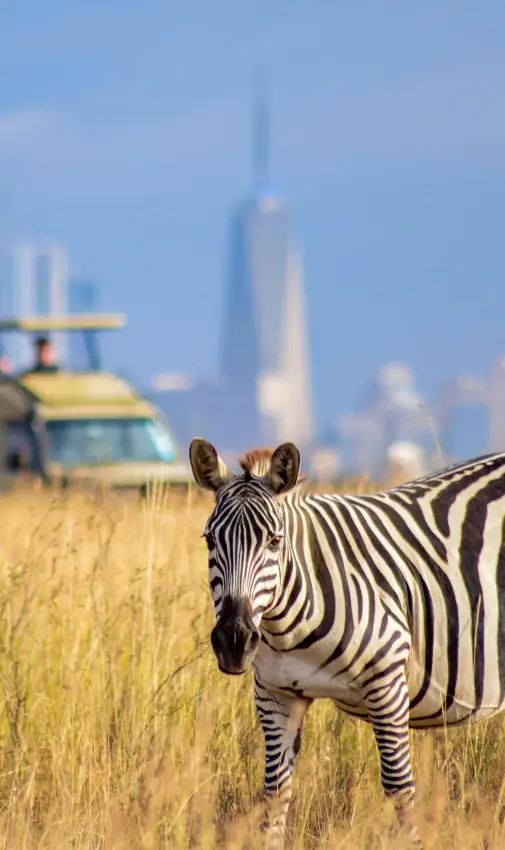
Zebras in savanna grassland with safari vehicle and city skyline 09

Nairobi

African elephants with calf walking through grassland at sunset 10

Tsavo

Meru National Park, Kenya 11

Meru National Park

Planning a journey together

our approach

remote, exclusive
& personal

Every journey starts with a conversation. We take the time to understand your vision before we start planning.

Whether by phone or in person, we work with you directly to shape something that is considered, personal, and expertly delivered.

get in touch
destinations ideas & inspiration our process about us contact us