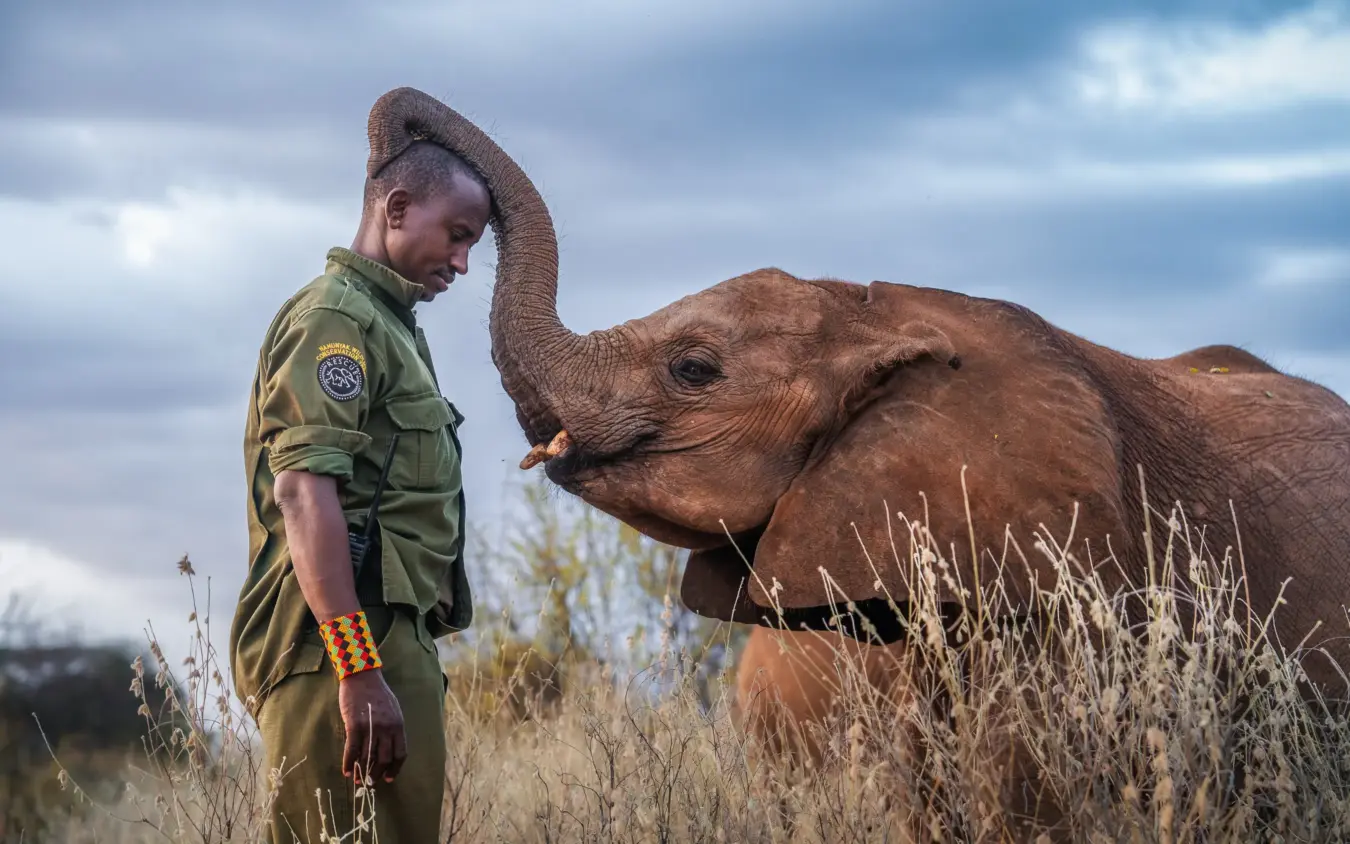
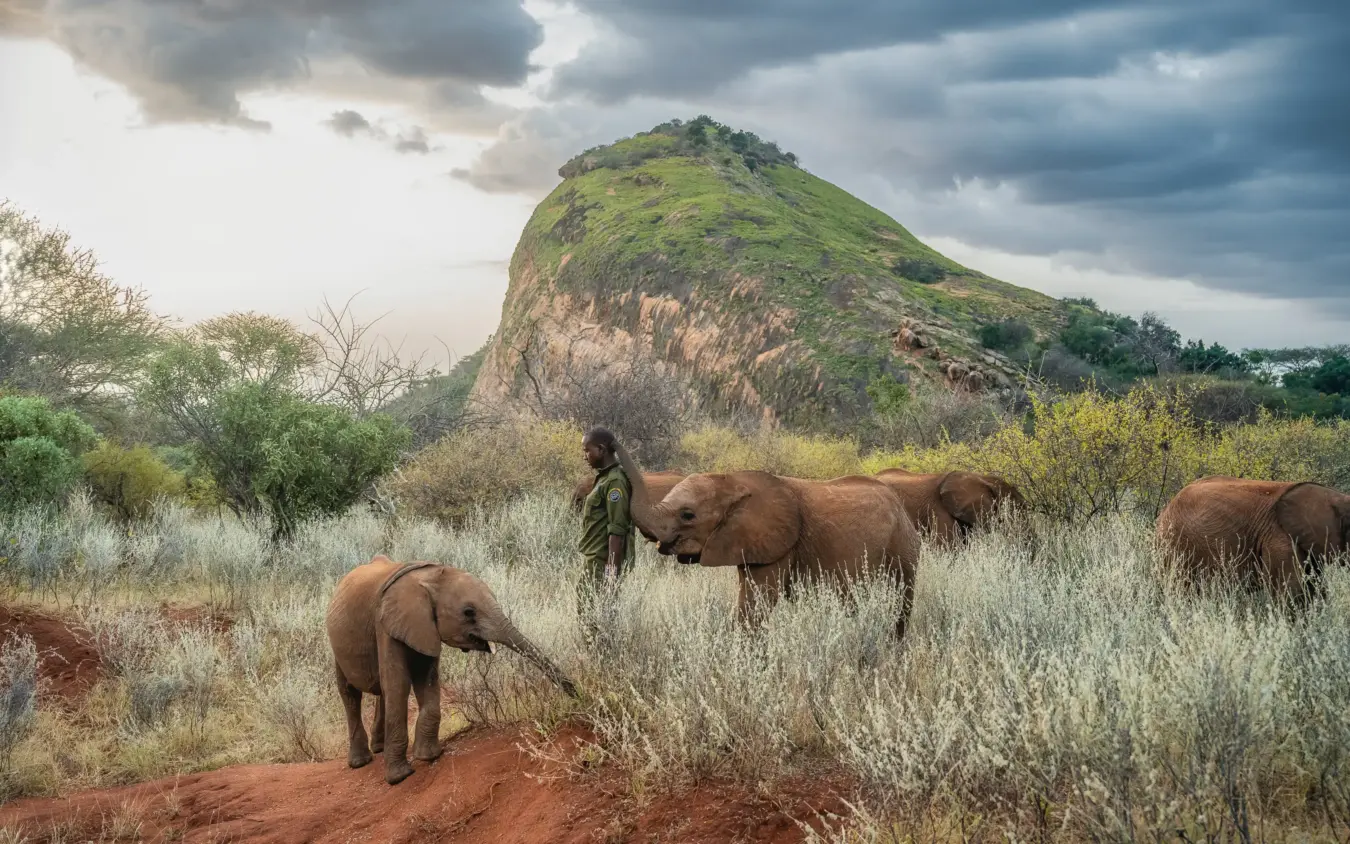
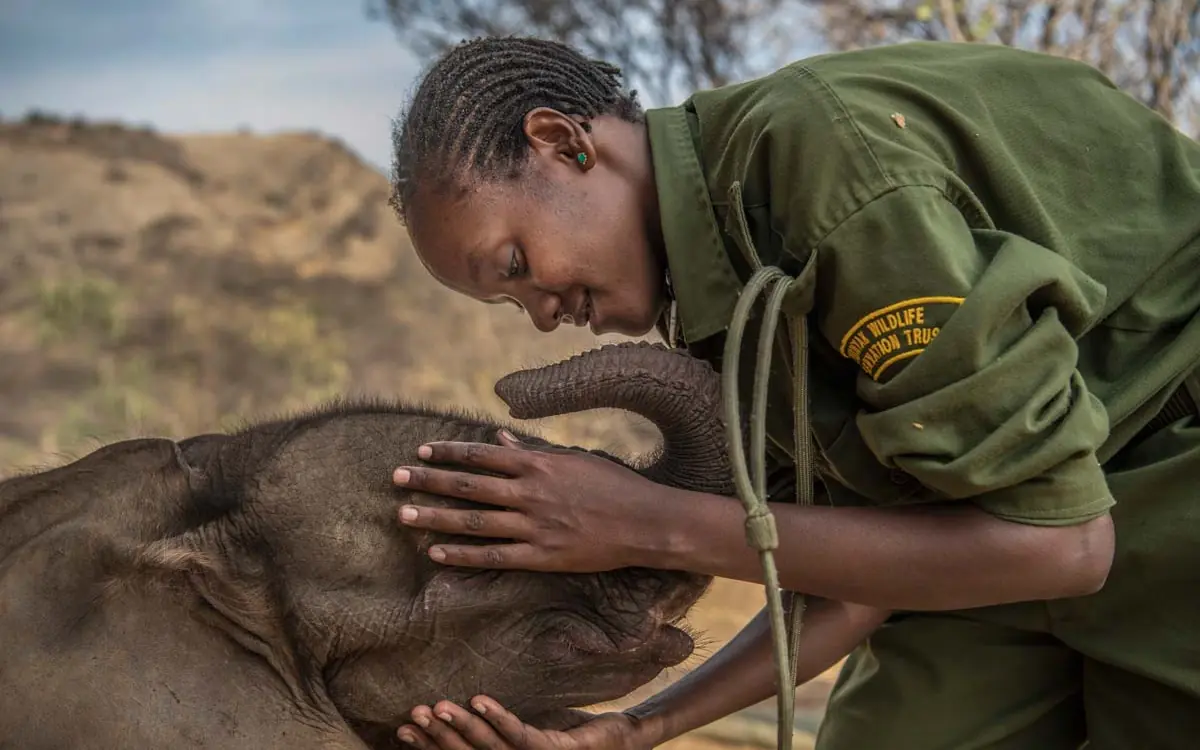
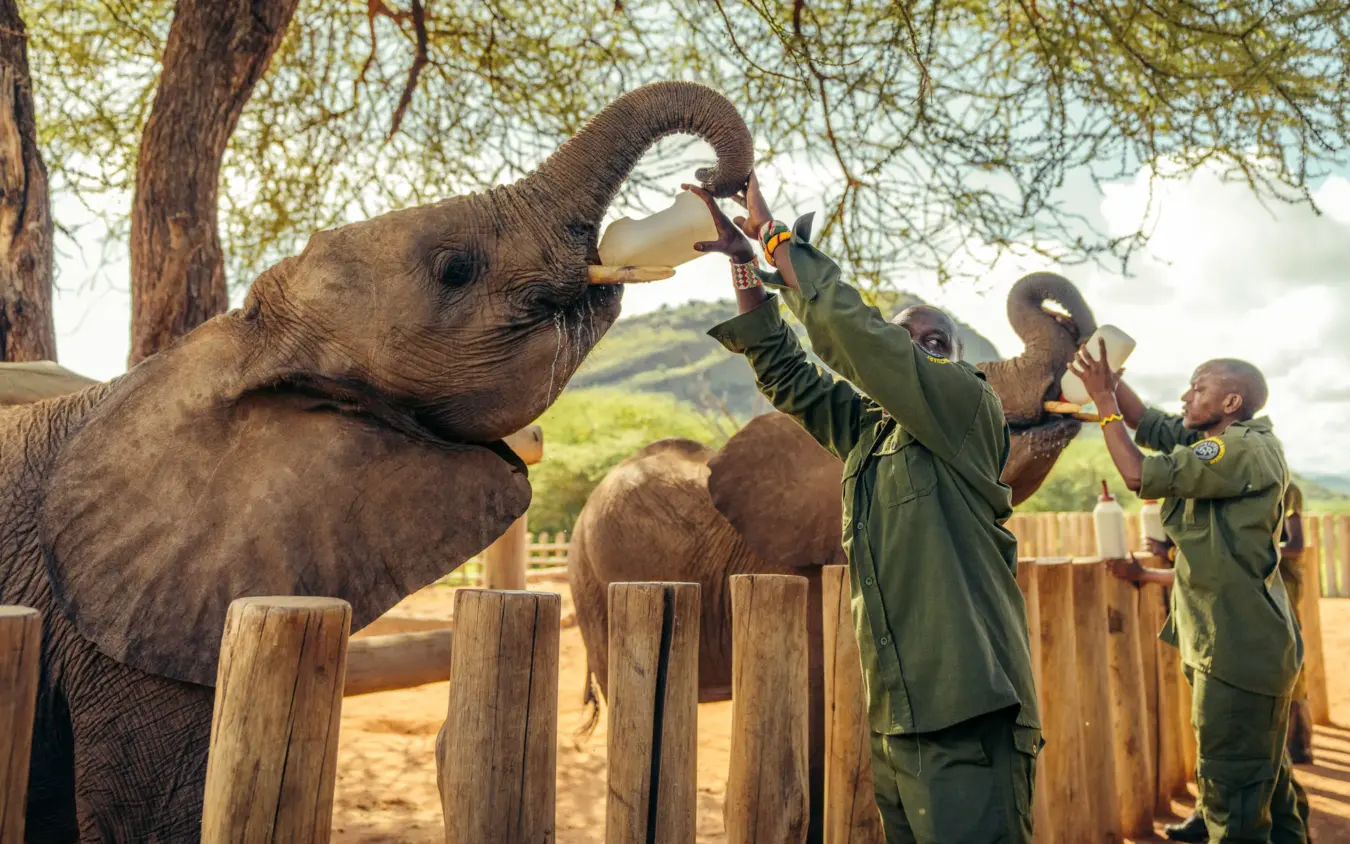
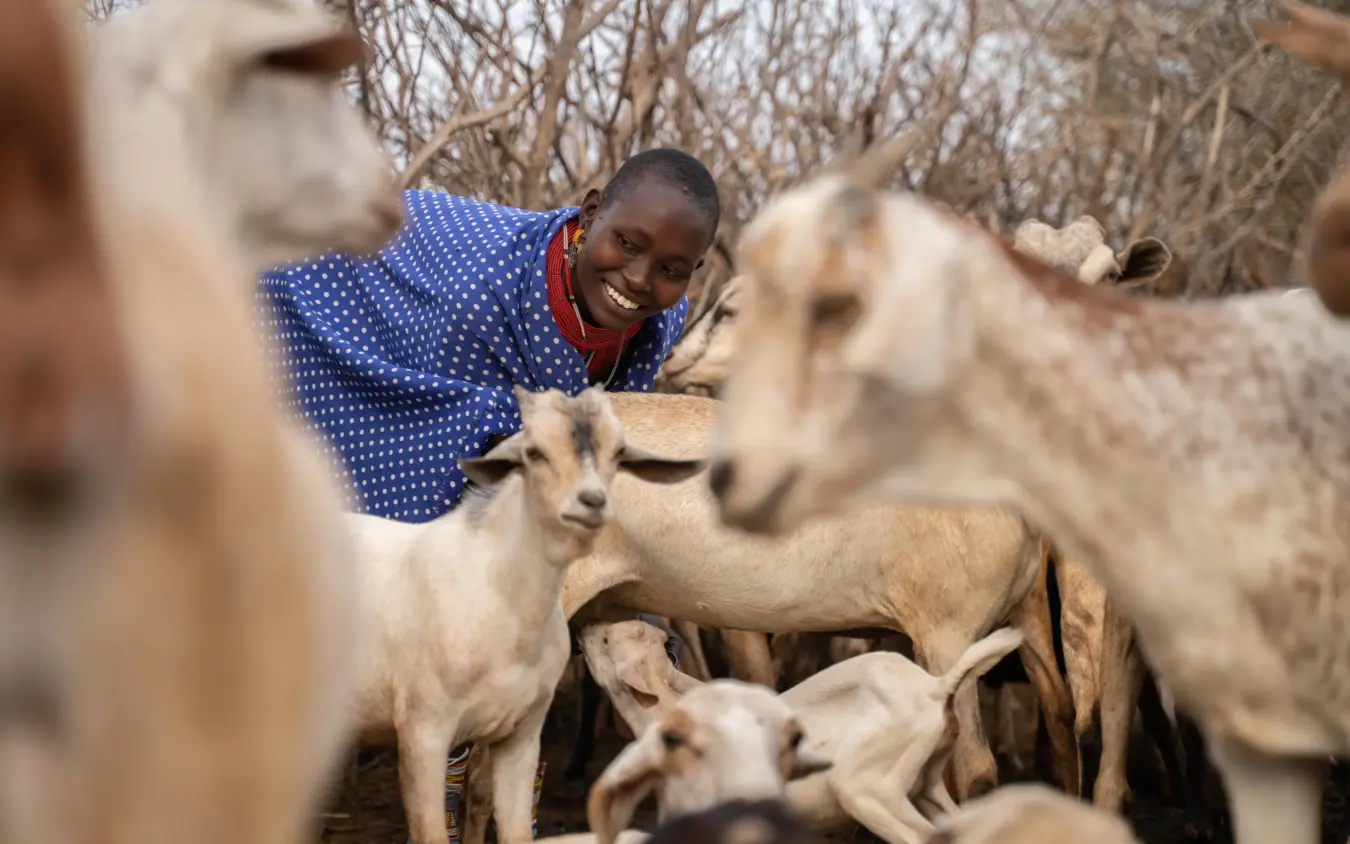
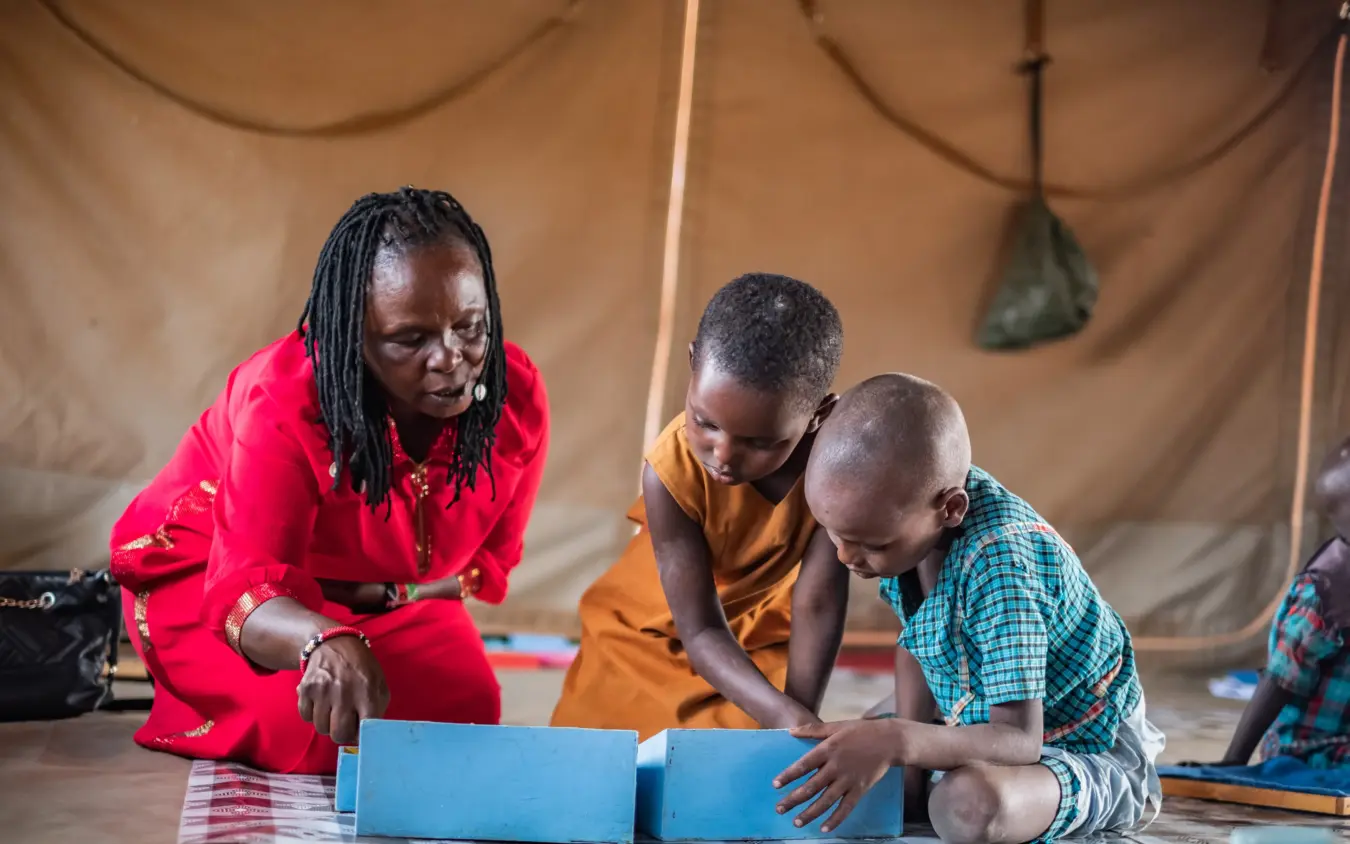
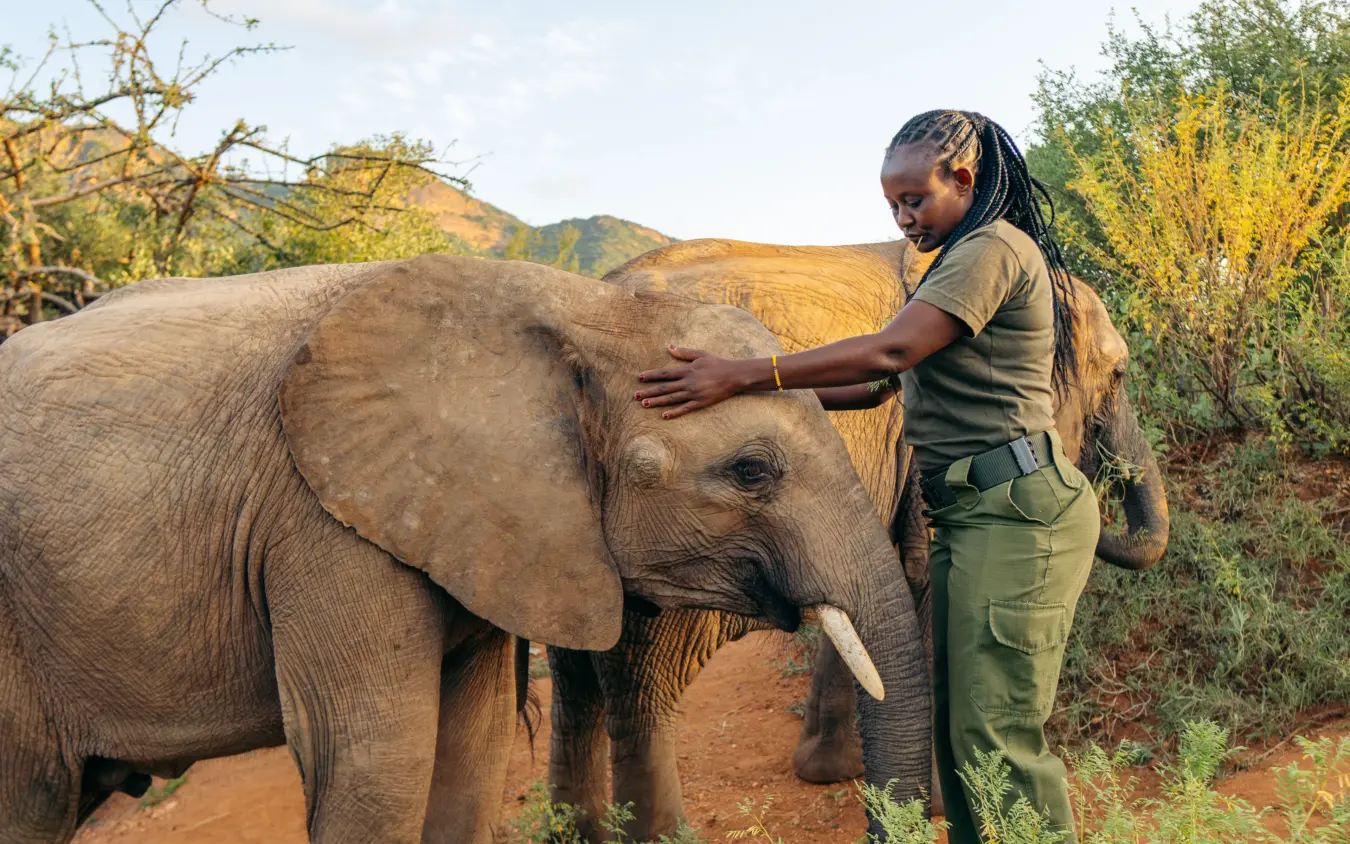
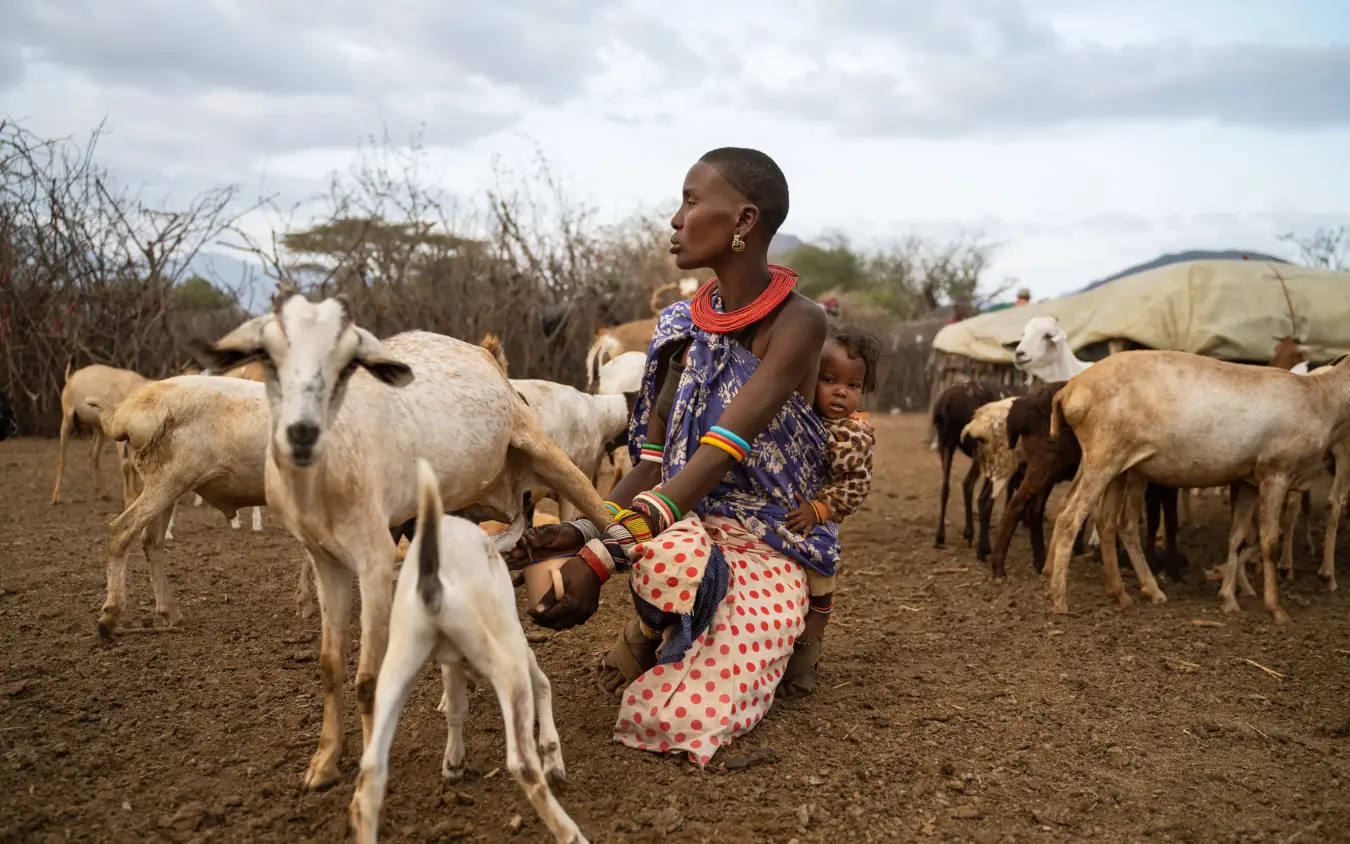
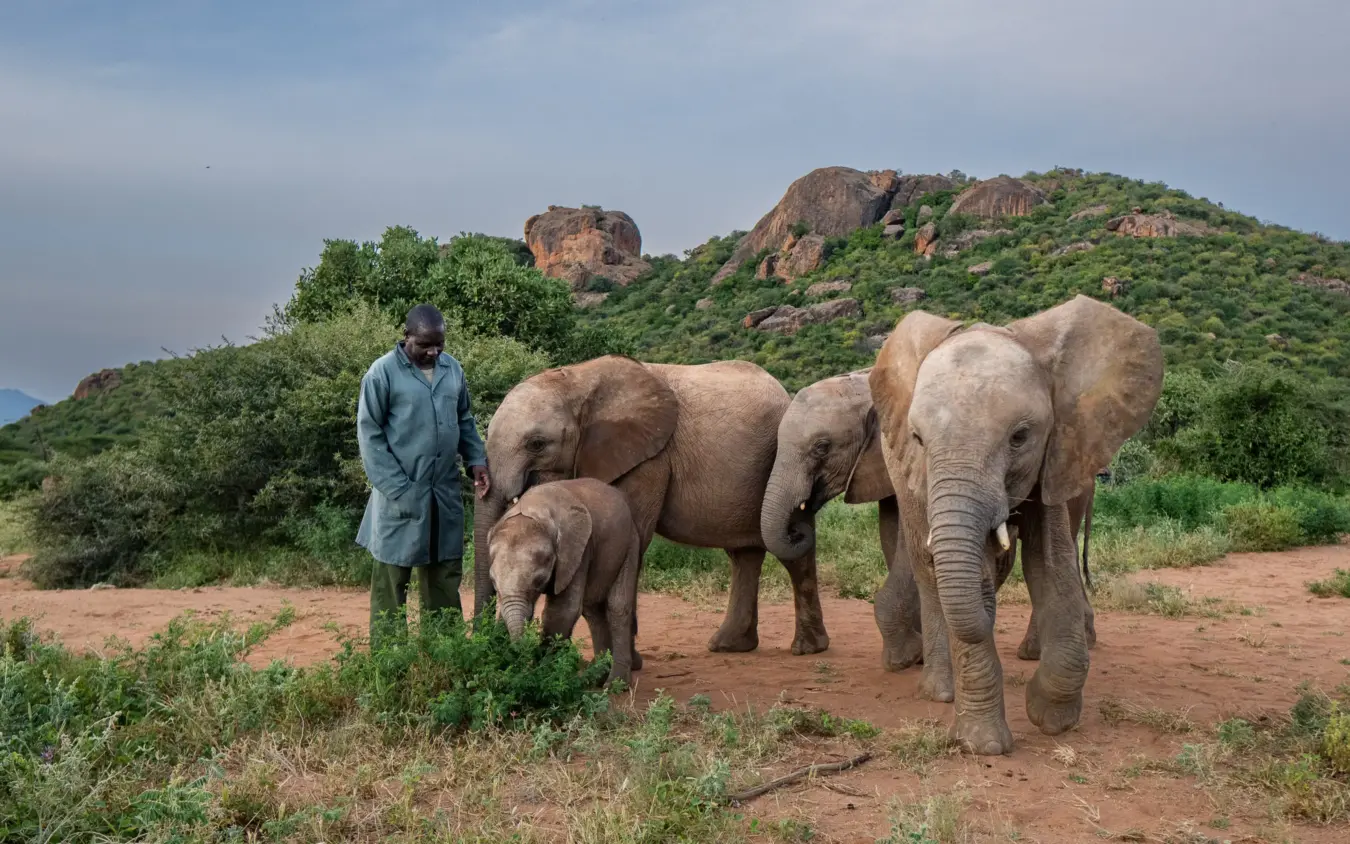
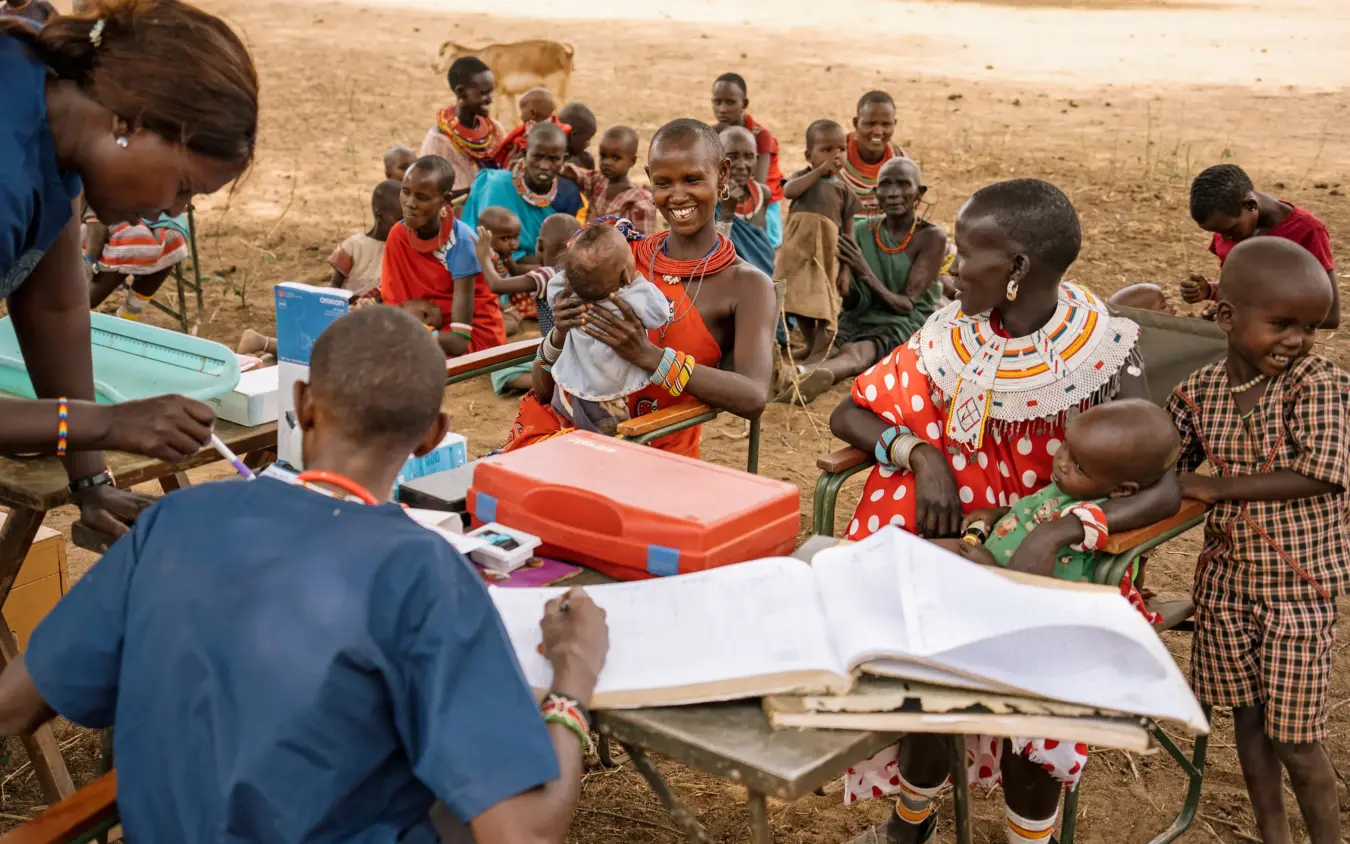
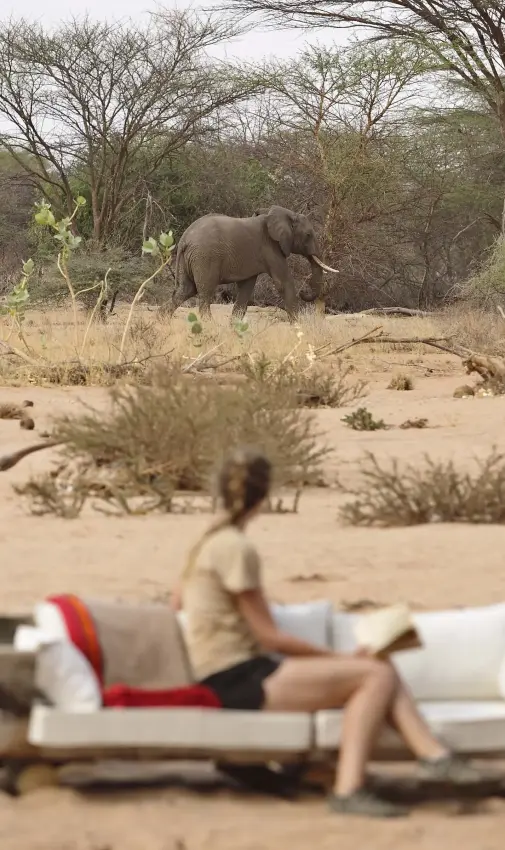
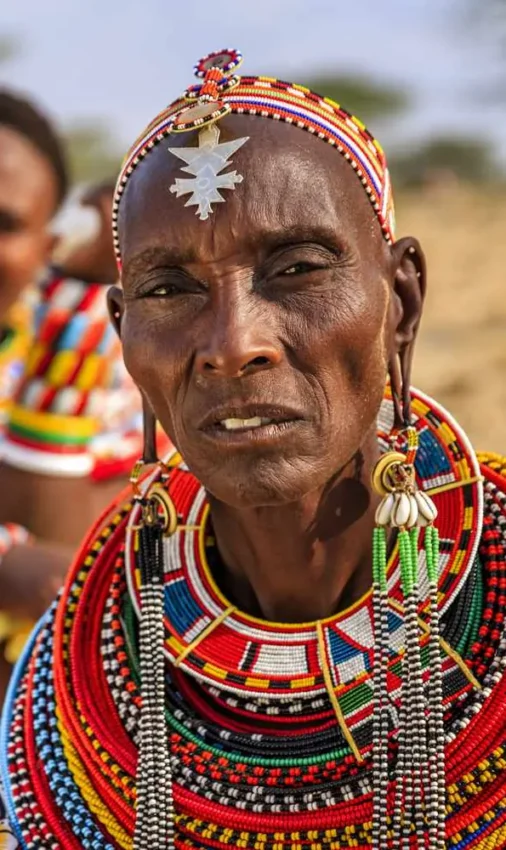
Ownership of the lodge sits with the Samburu of Namunyak, who also manage the conservancy and the sanctuary. Tourism income pays the ranger salaries, protects the habitat and carries the community programmes, among them nomadic Montessori schools and a mobile healthcare service. It also drives the Milk to Market scheme, under which Samburu women sell goat’s milk to the sanctuary as calf feed and earn an income from it. Reteti House is one of four Sarara camps across Namunyak, and of them all it sits closest to the elephants.
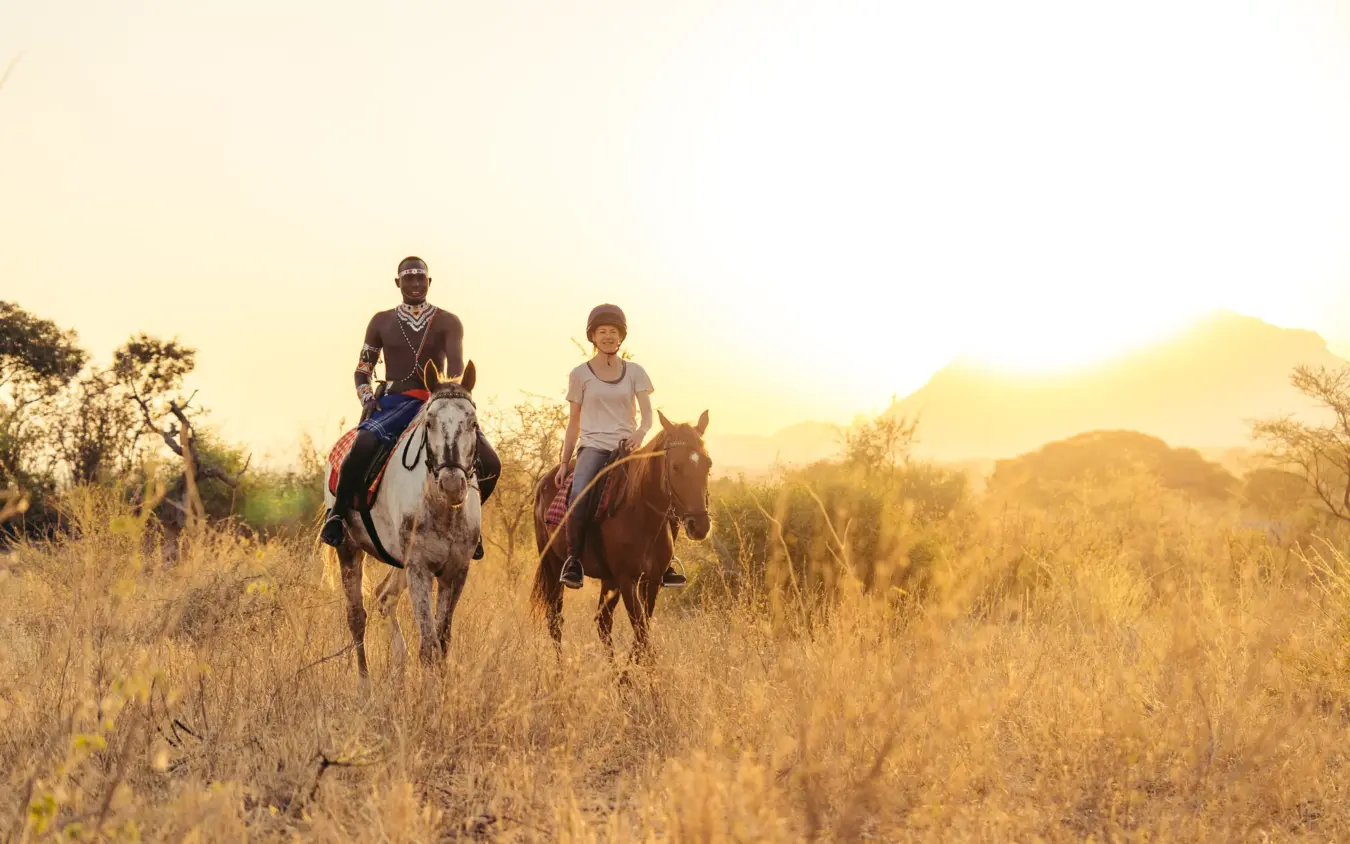
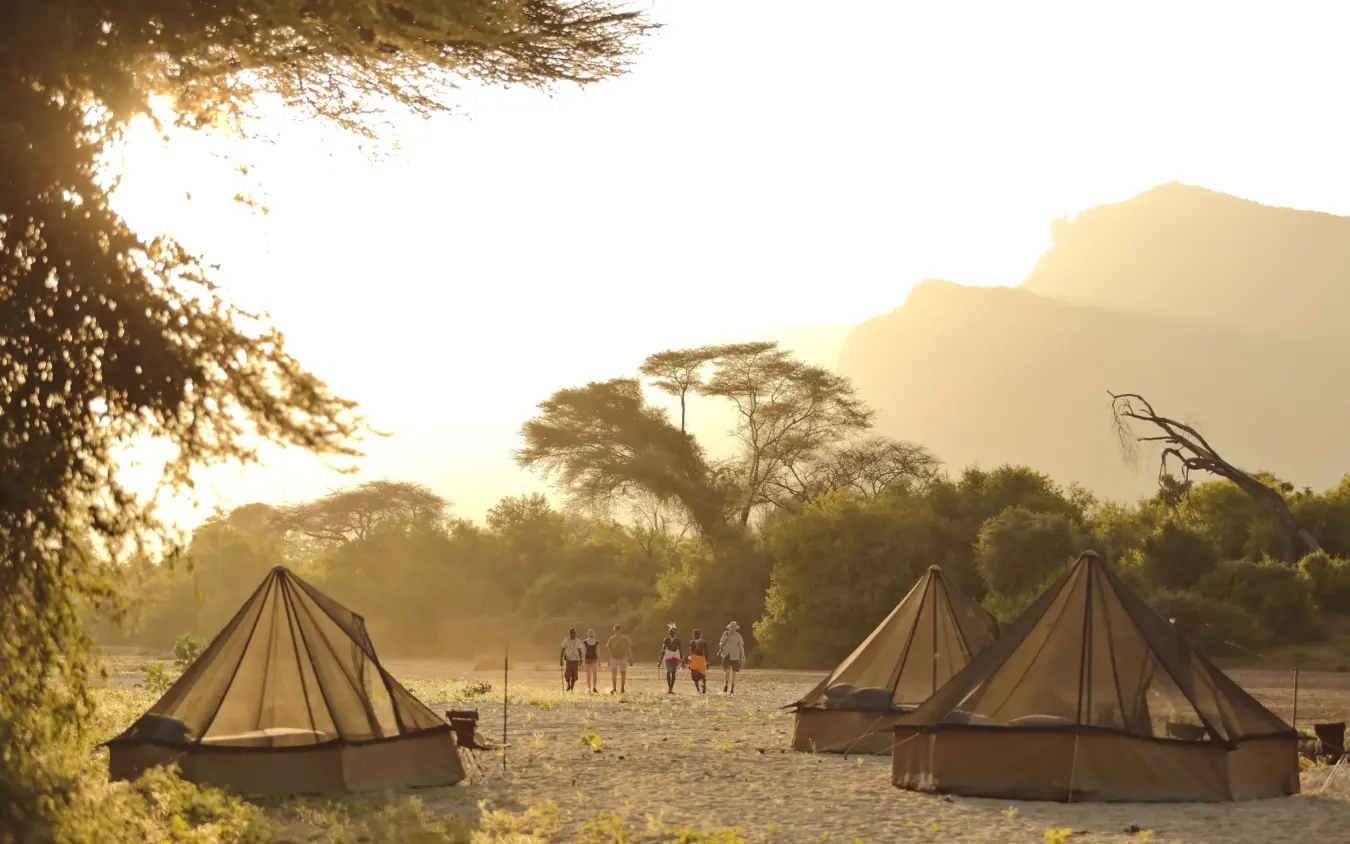
Namunyak’s relationship with the Northern Rangelands Trust, the umbrella body that has helped establish and support many of Kenya’s community conservancies, grew strained over questions of governance and transparency. In 2022 those ties came to an end, and the community now runs the conservancy and the sanctuary directly. For guests the practical result is straightforward. The guides who walk with them and the keepers at the sanctuary all belong to the community that owns the land beneath their feet.
Samburu women sell goat’s milk to the sanctuary as calf feed and earn an income from it
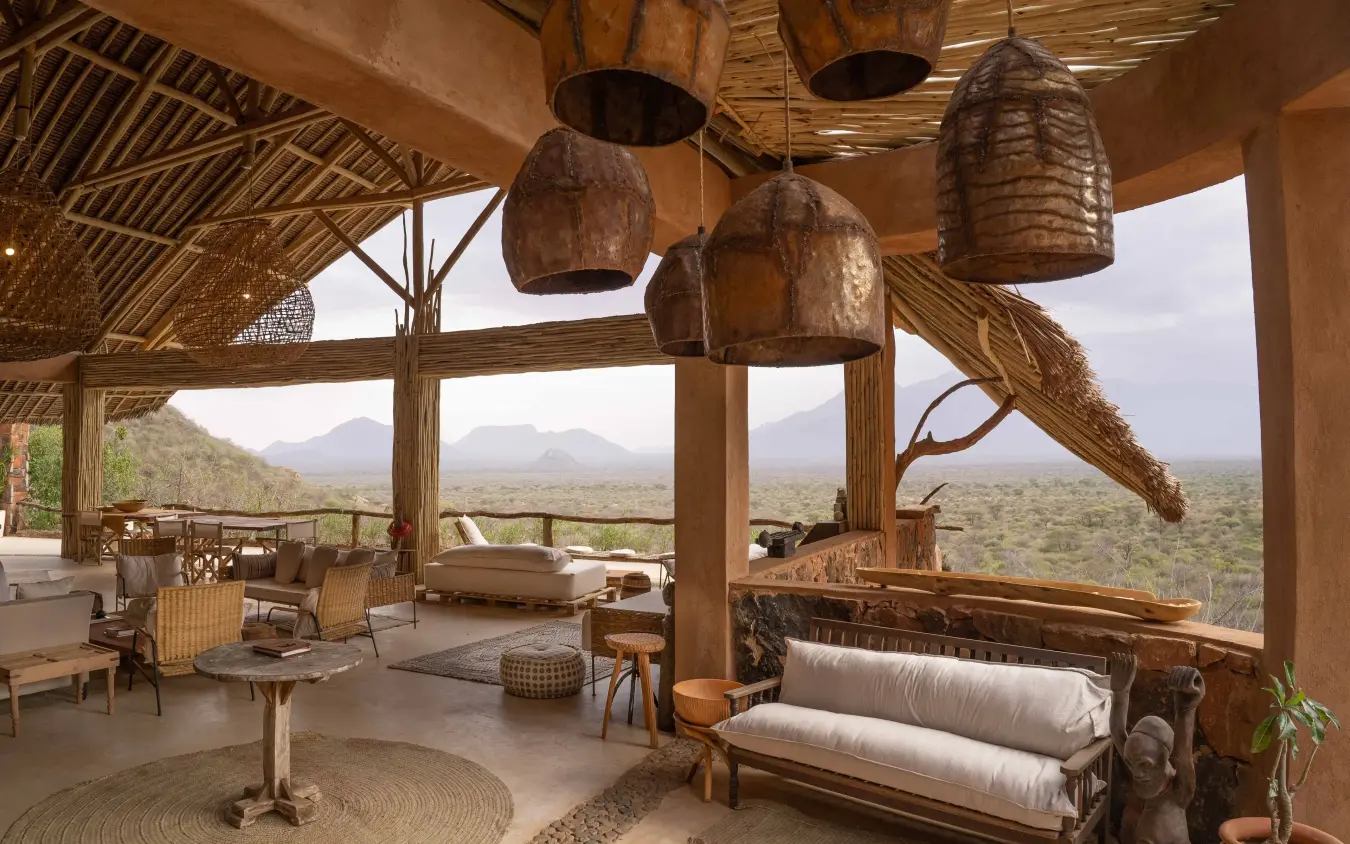
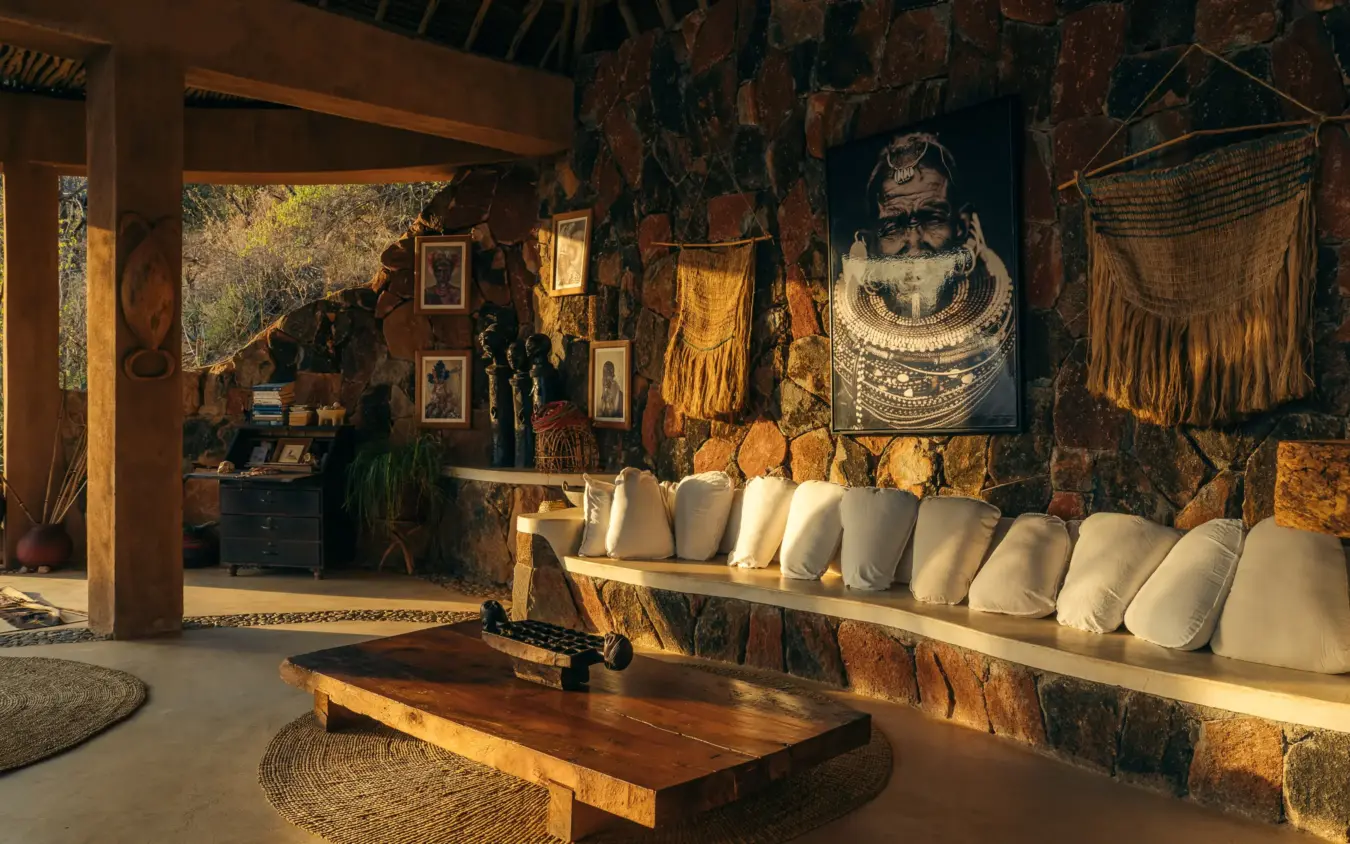
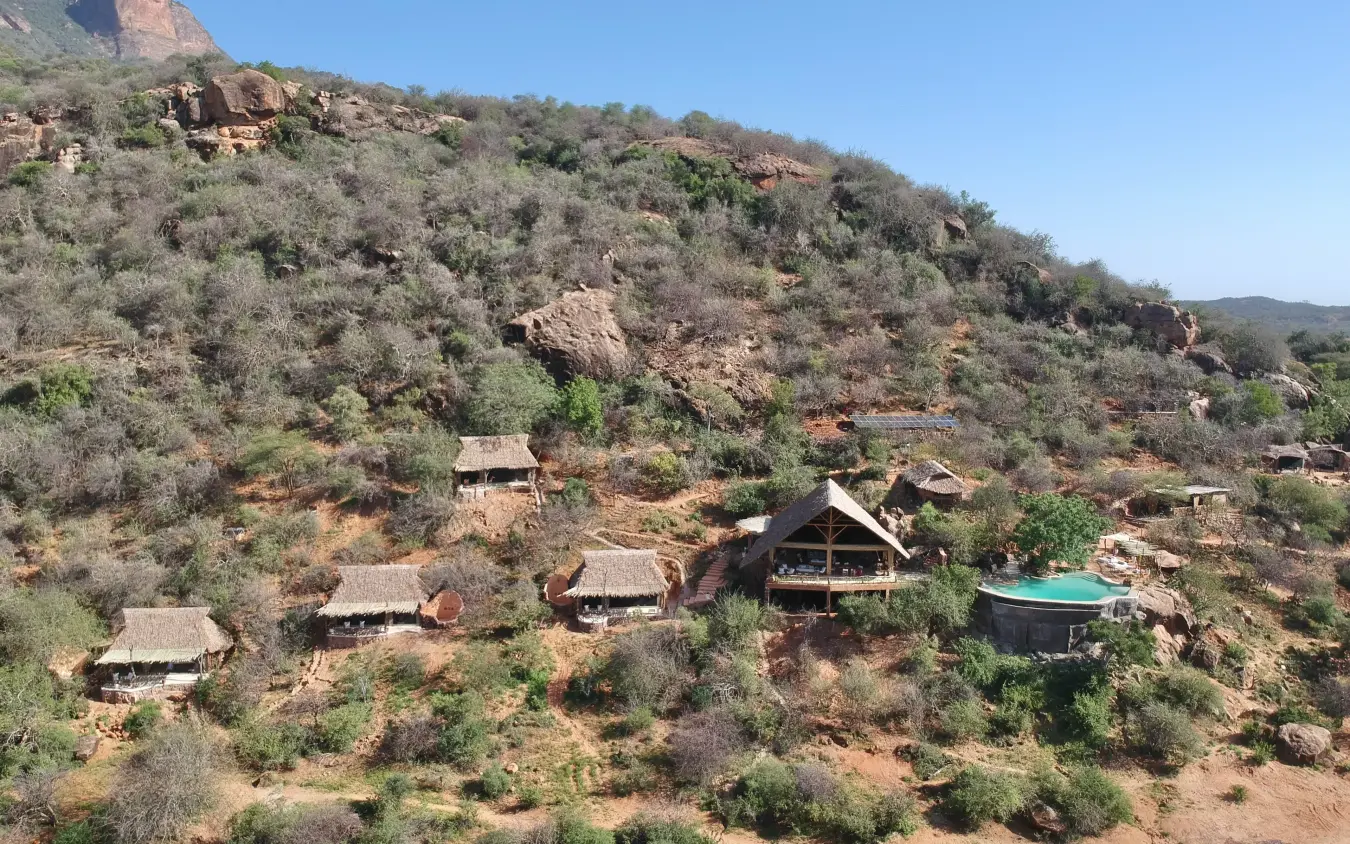
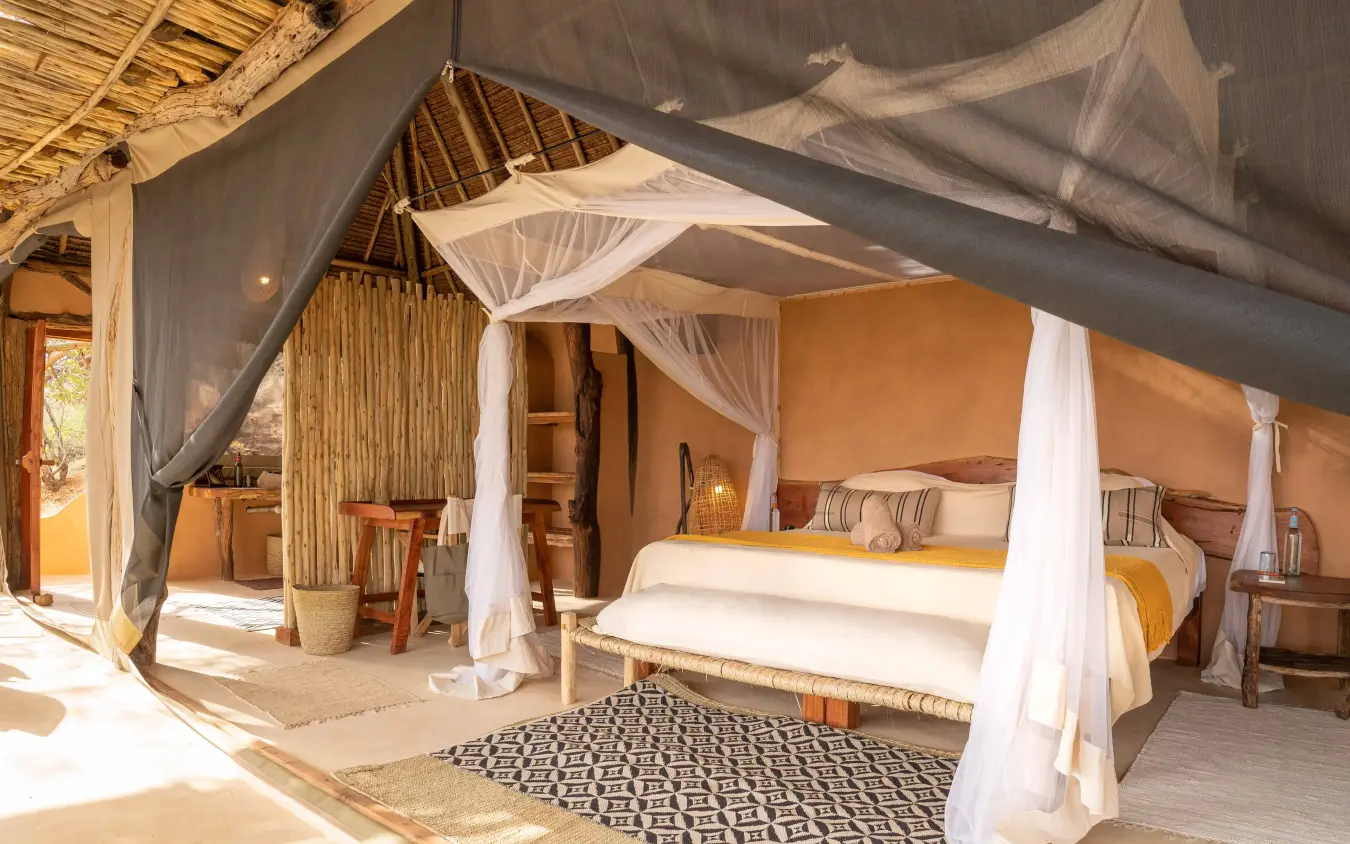
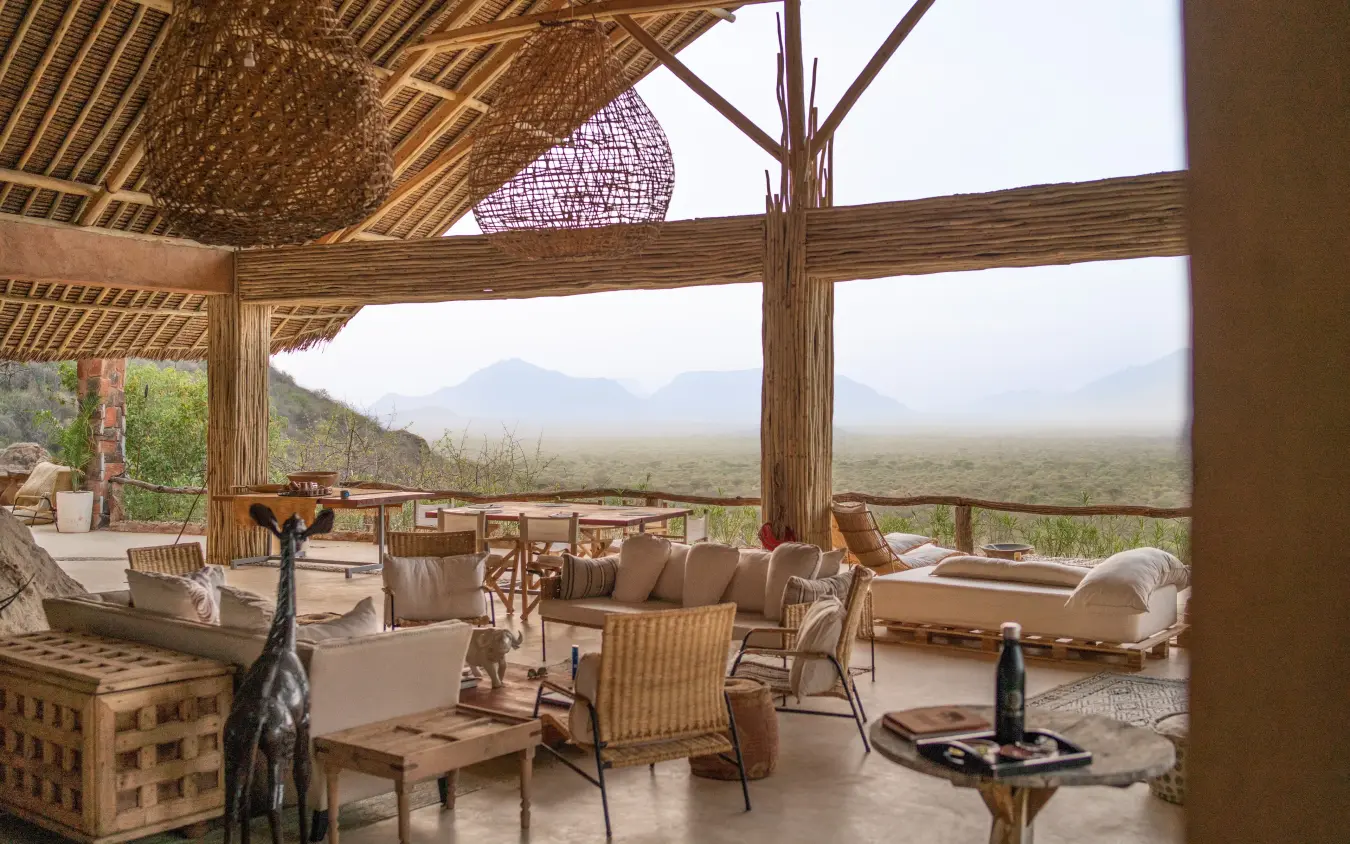
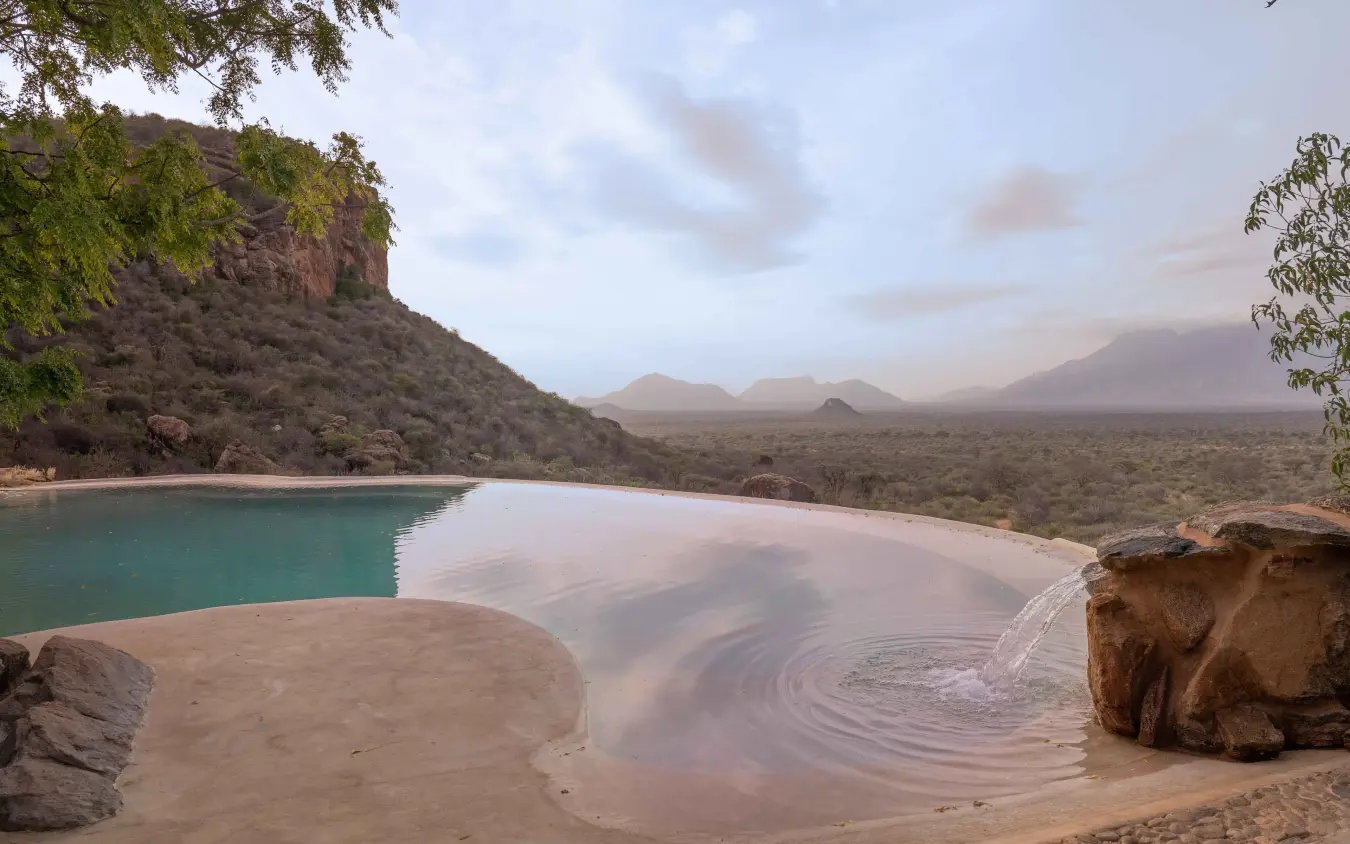
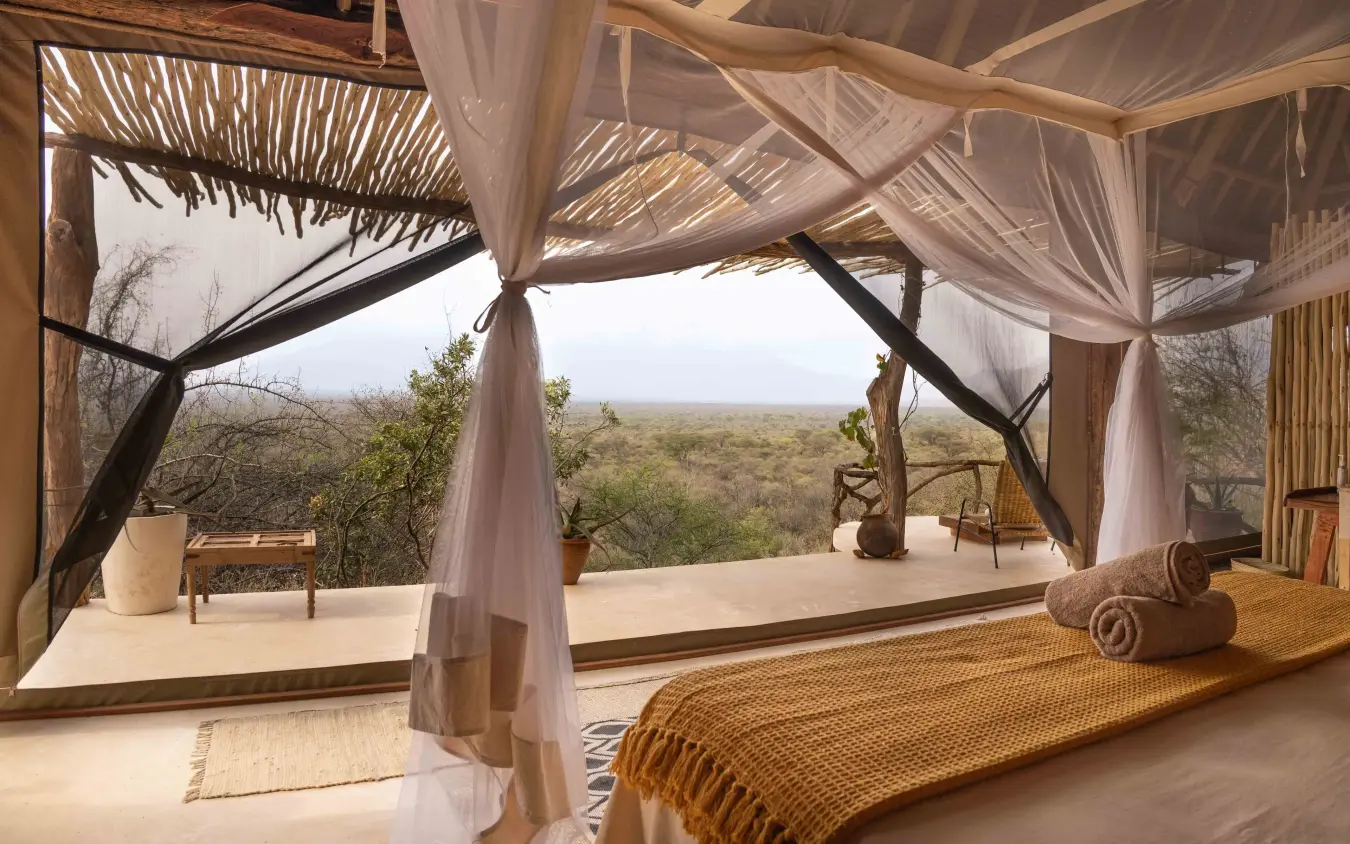
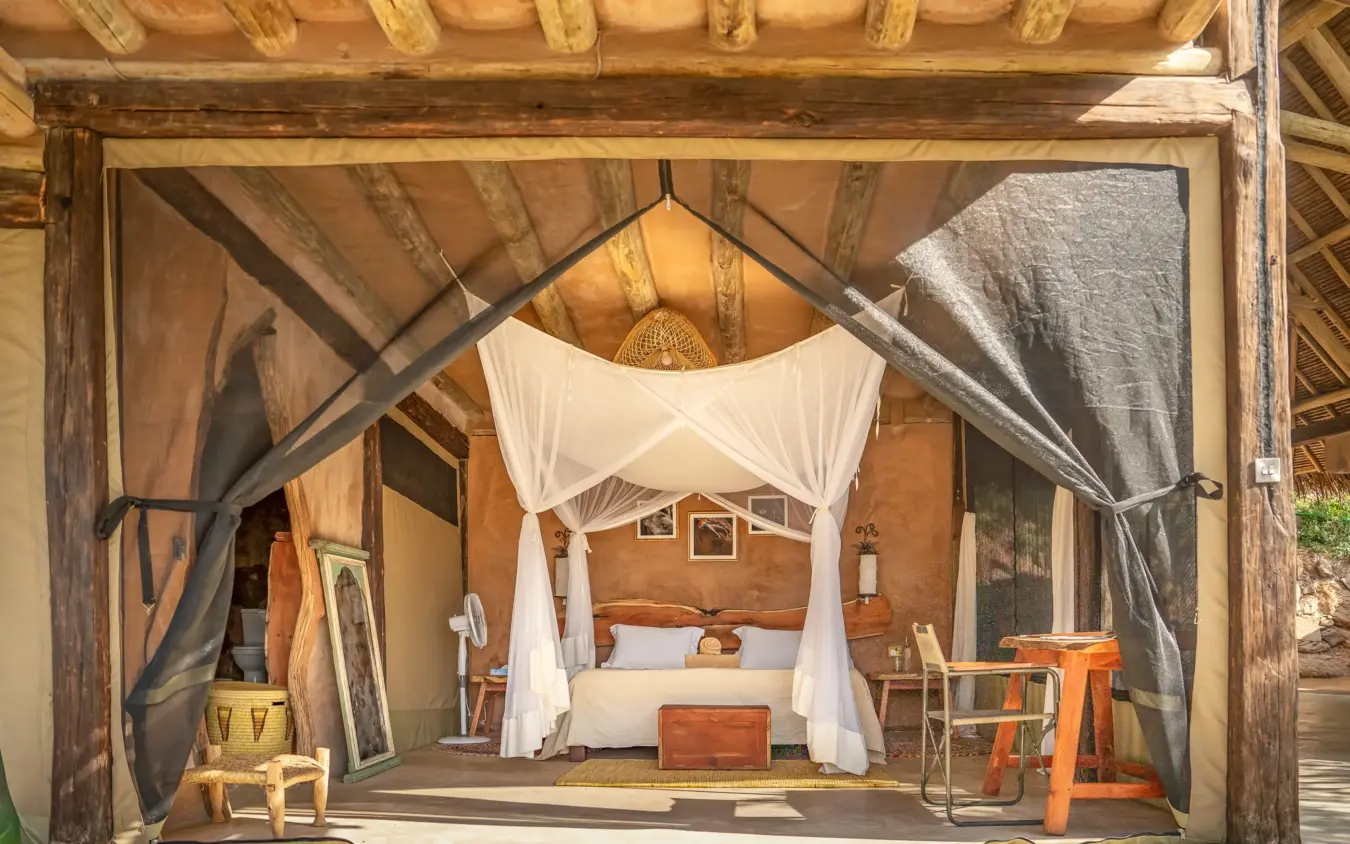
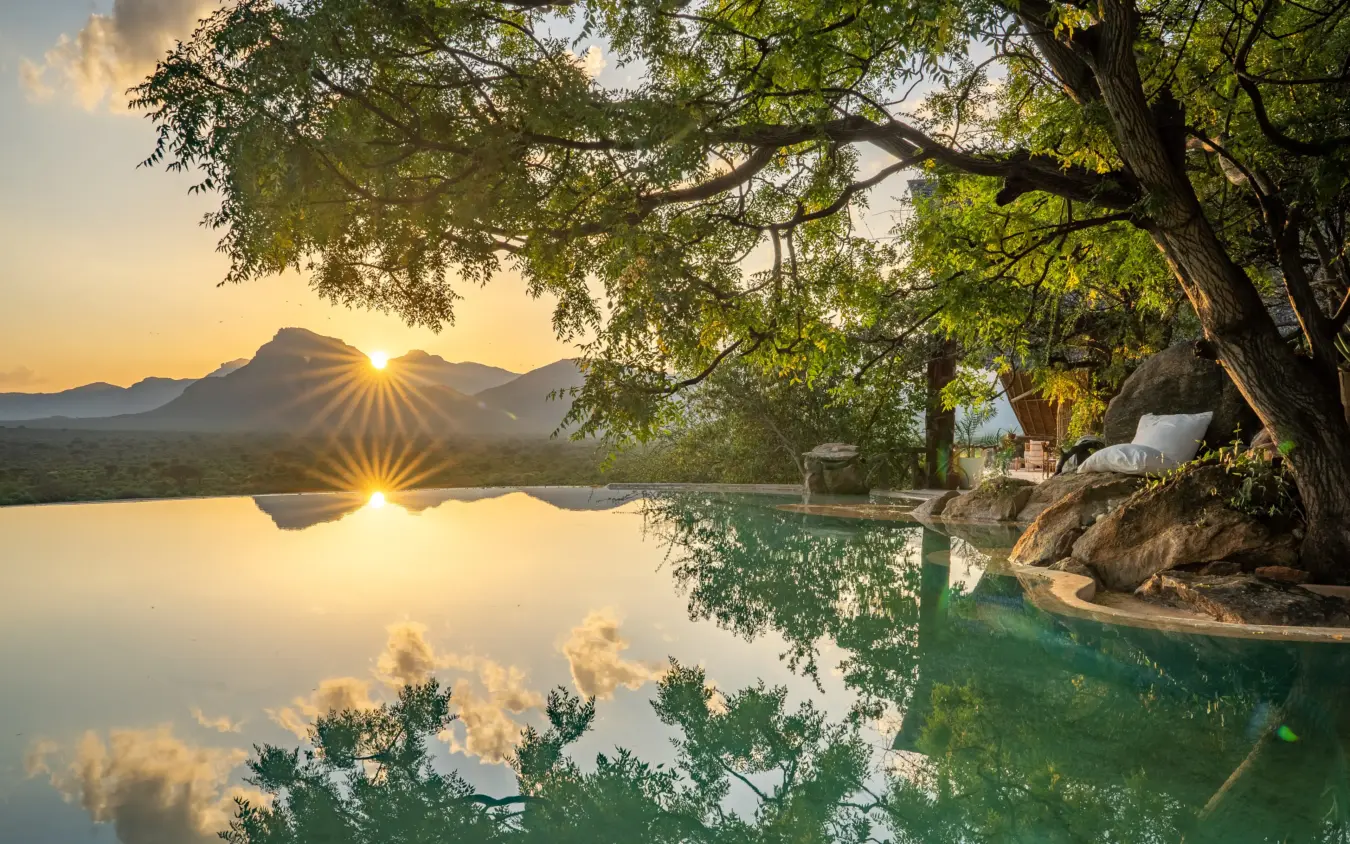
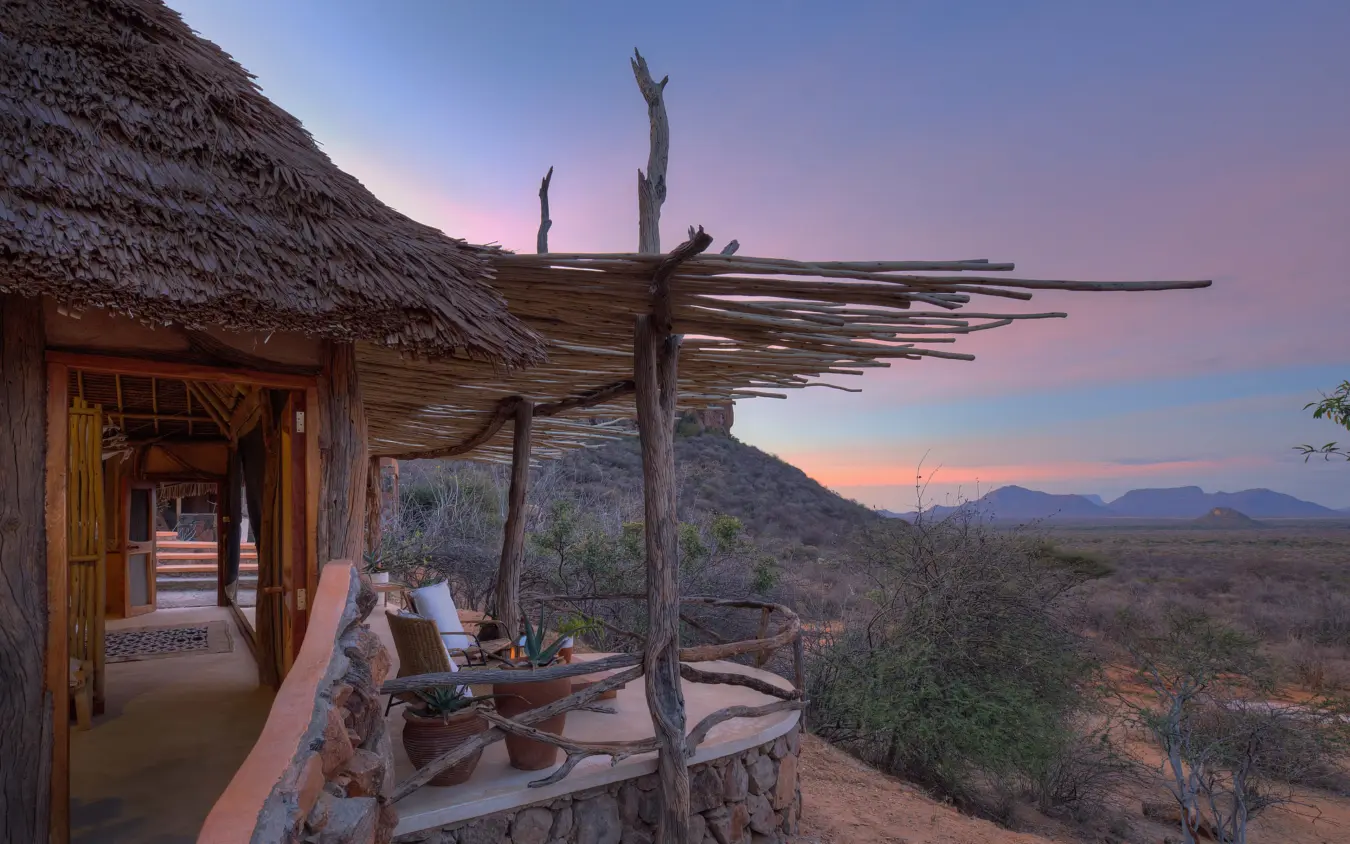
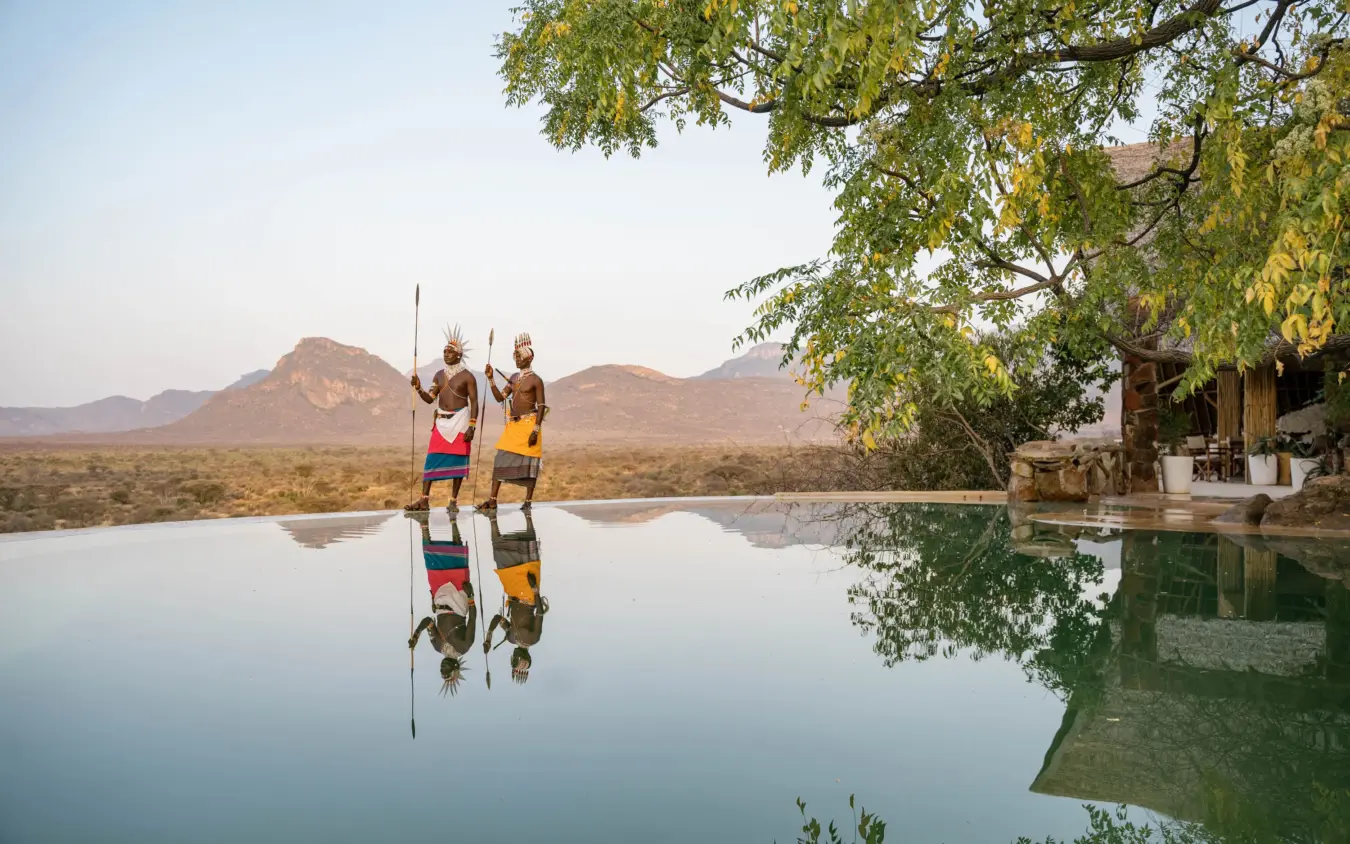
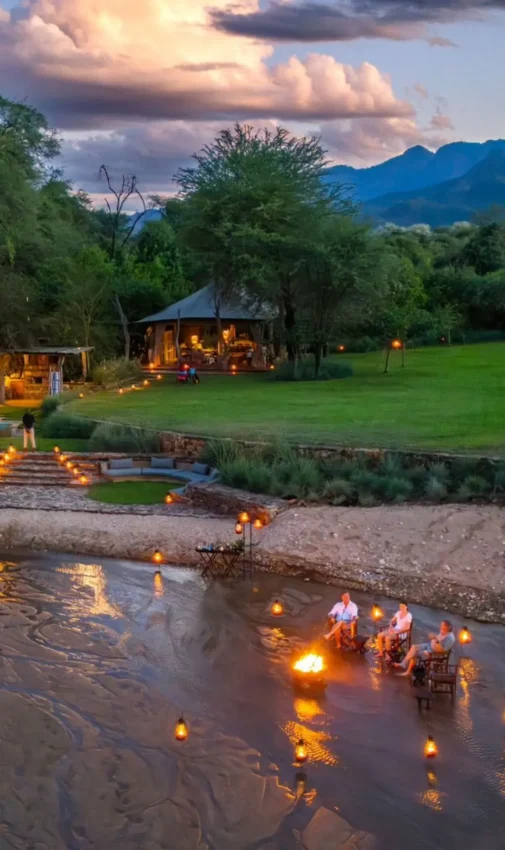
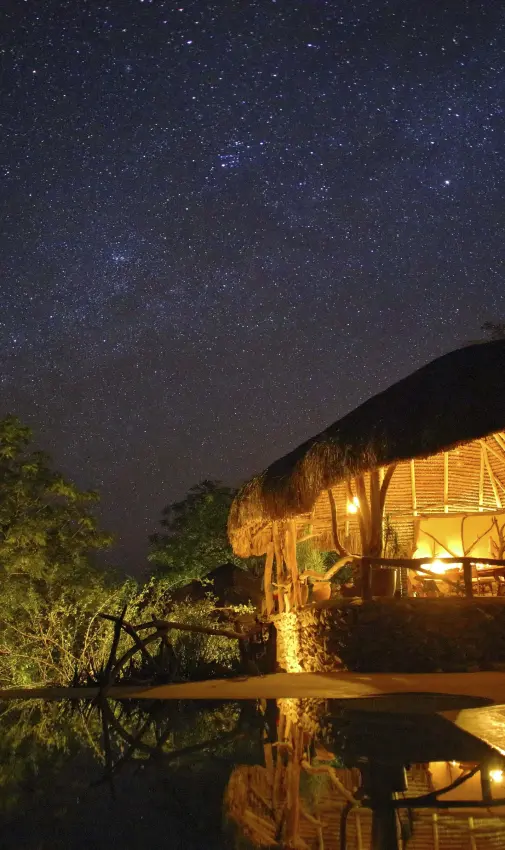
Rock, timber and thatch form the lodge itself, built into the cliff so that the bar leans against the bare rock face and the infinity pool hangs above the valley. The interiors draw on Samburu design, all neutral tones and natural textures, with a circular motif borrowed from traditional homesteads recurring throughout. The whole place runs off-grid, its solar power stored in a battery system and its water gravity-fed from mountain springs. A single team of guides, chefs and hosts looks after one group at a time, closer to being hosted at a private home than checked into a lodge.
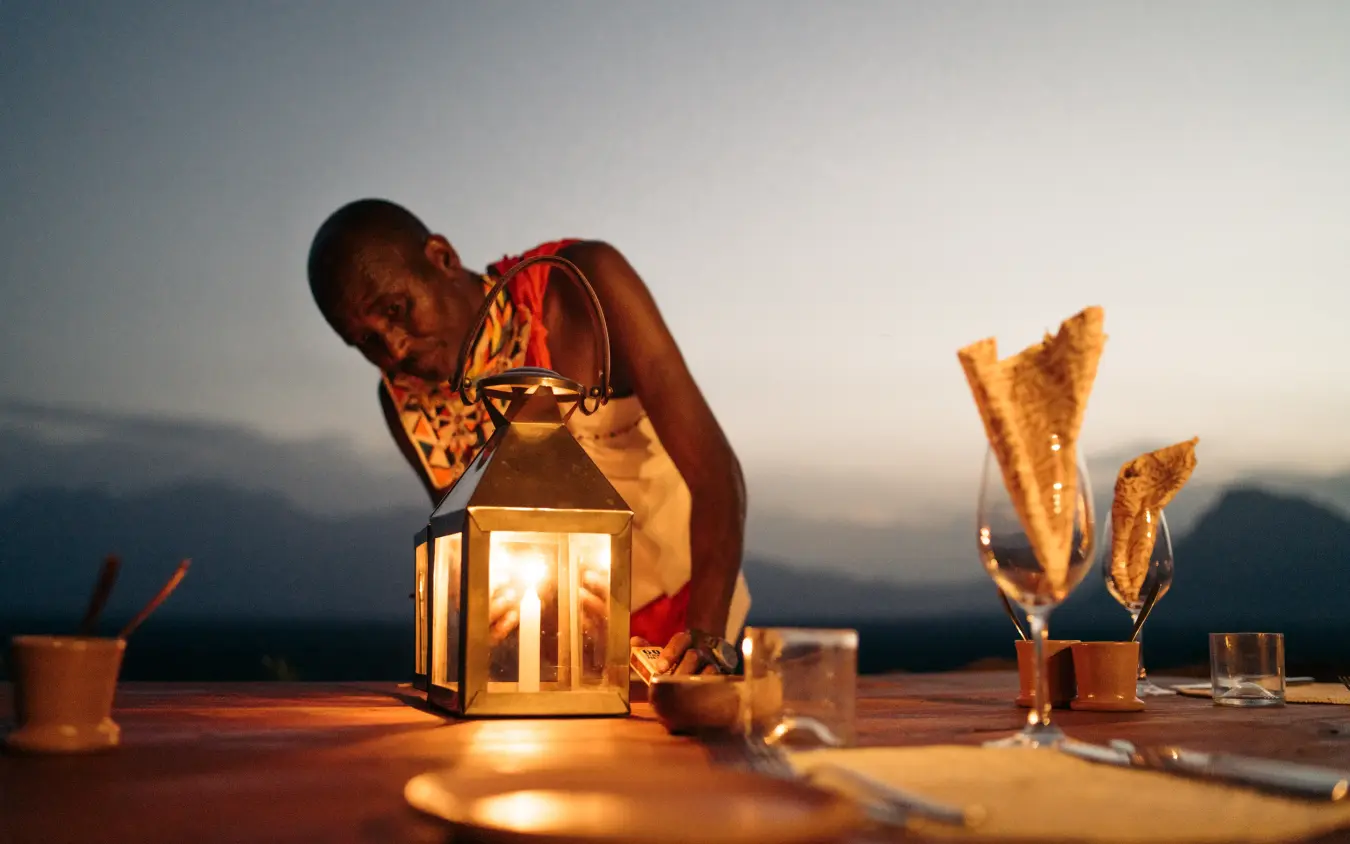
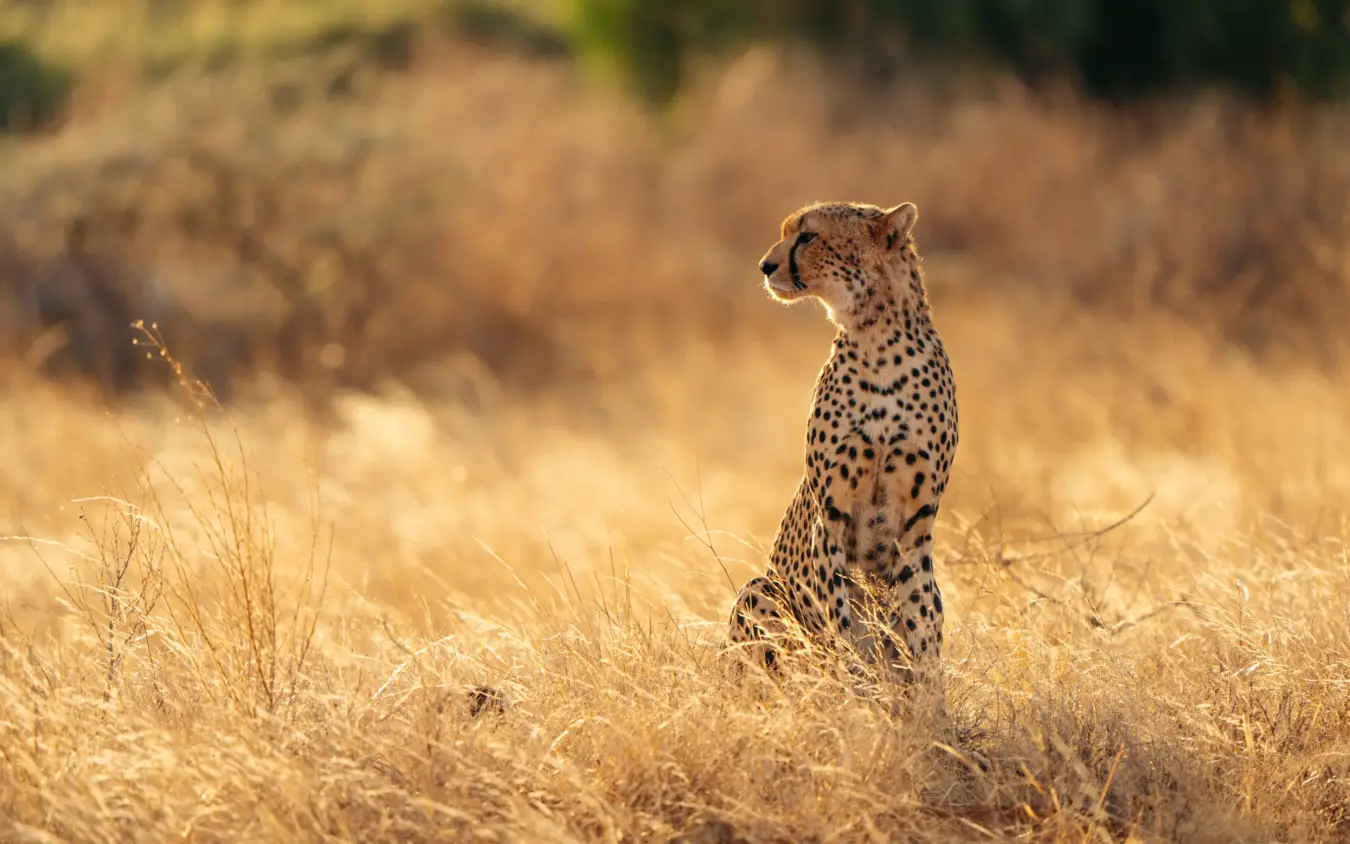
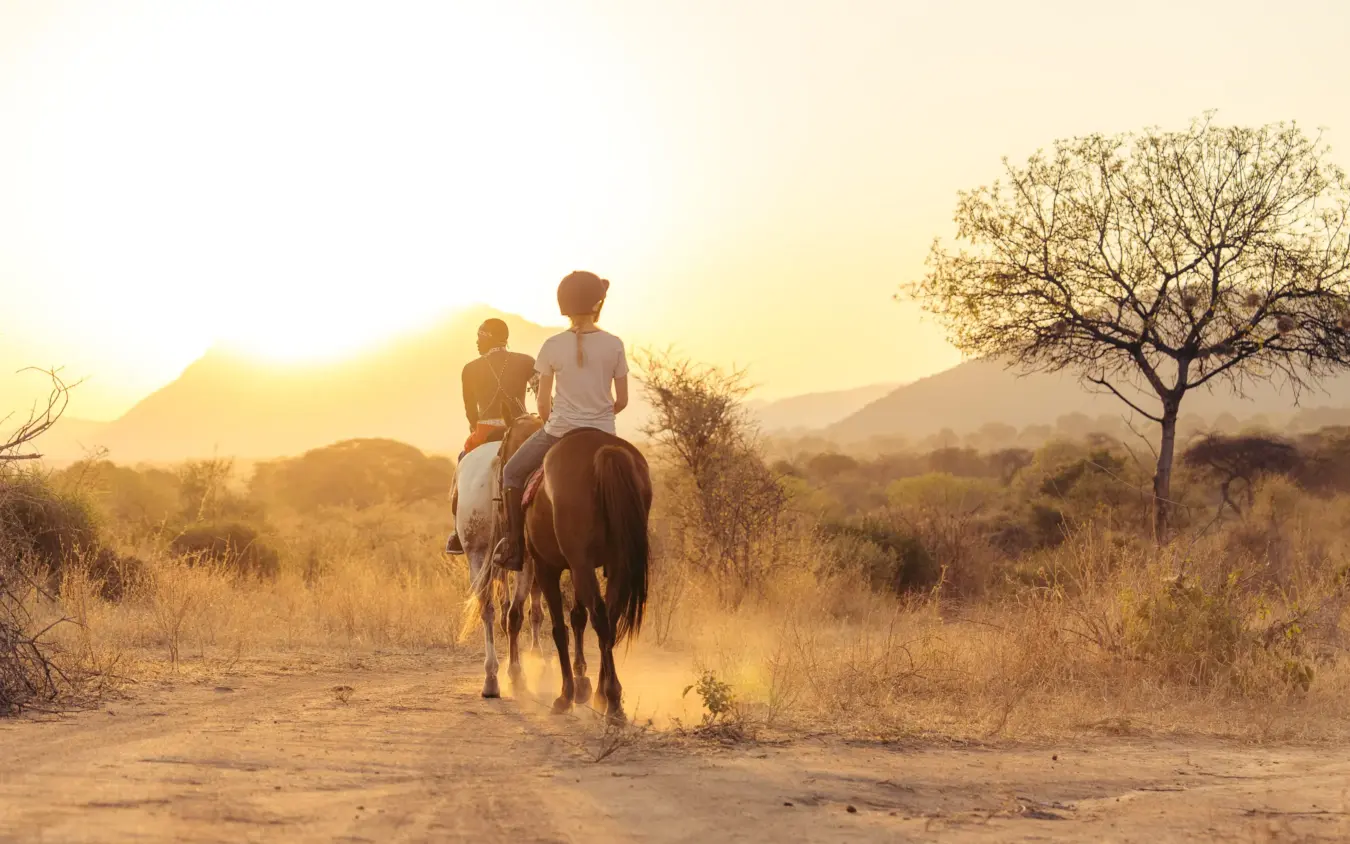
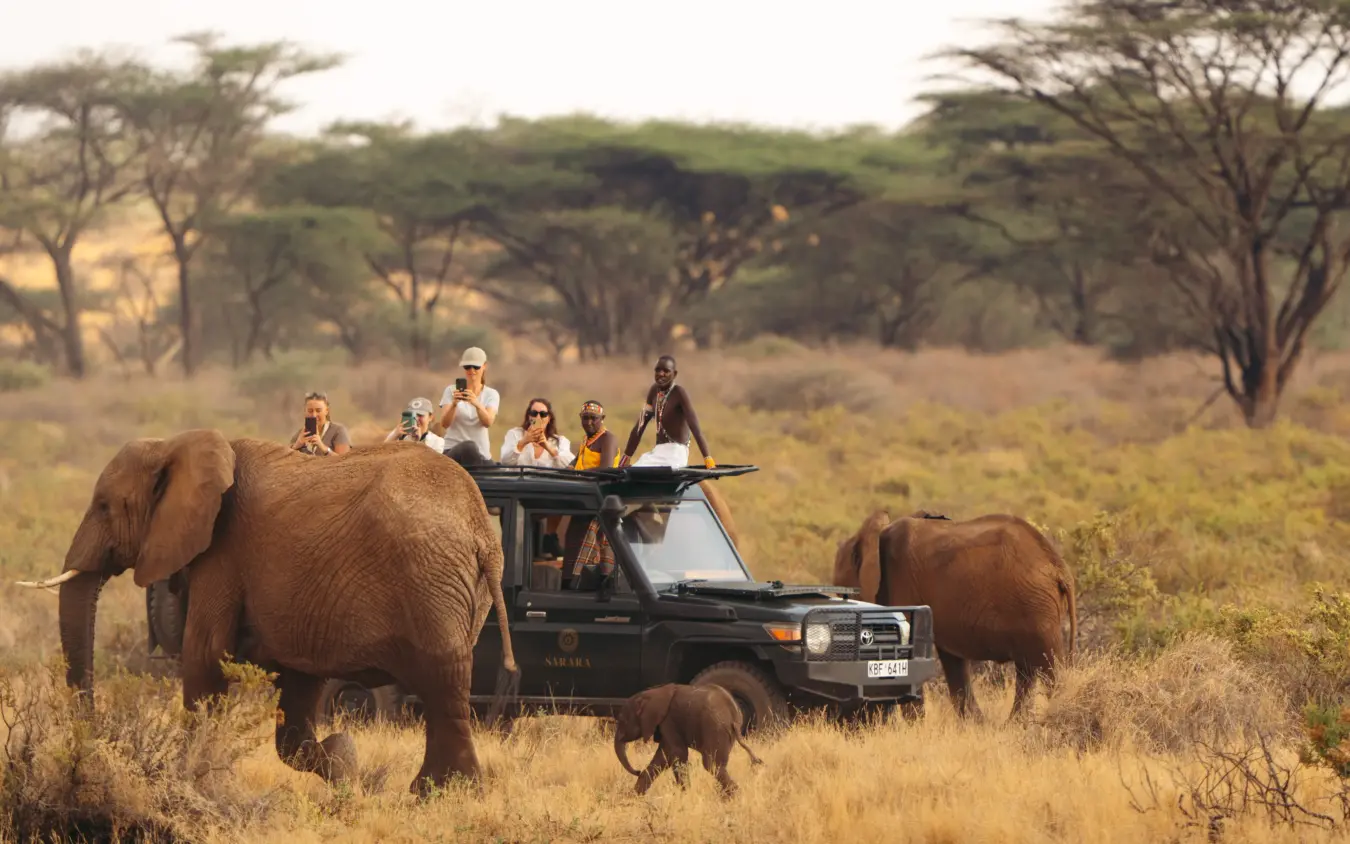
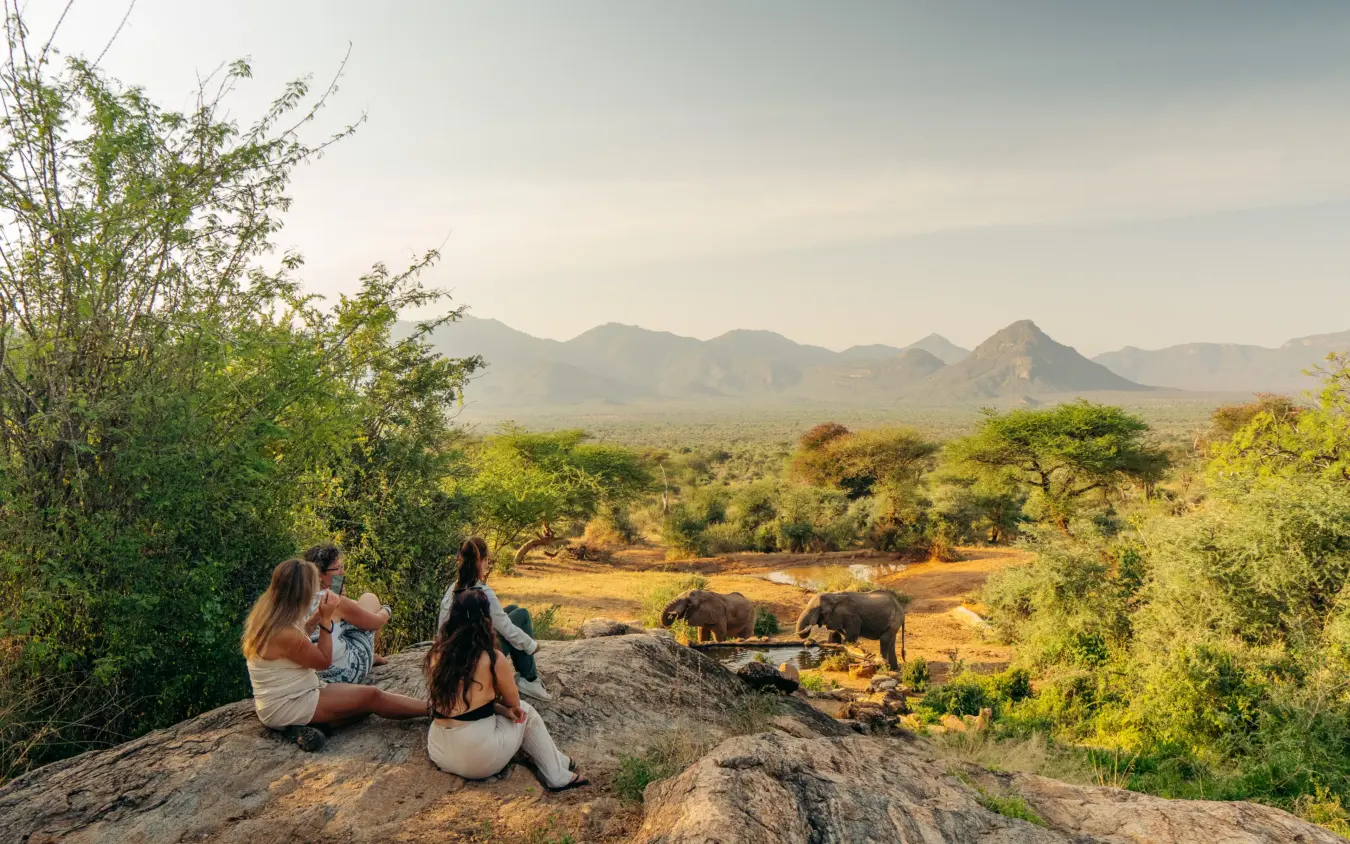
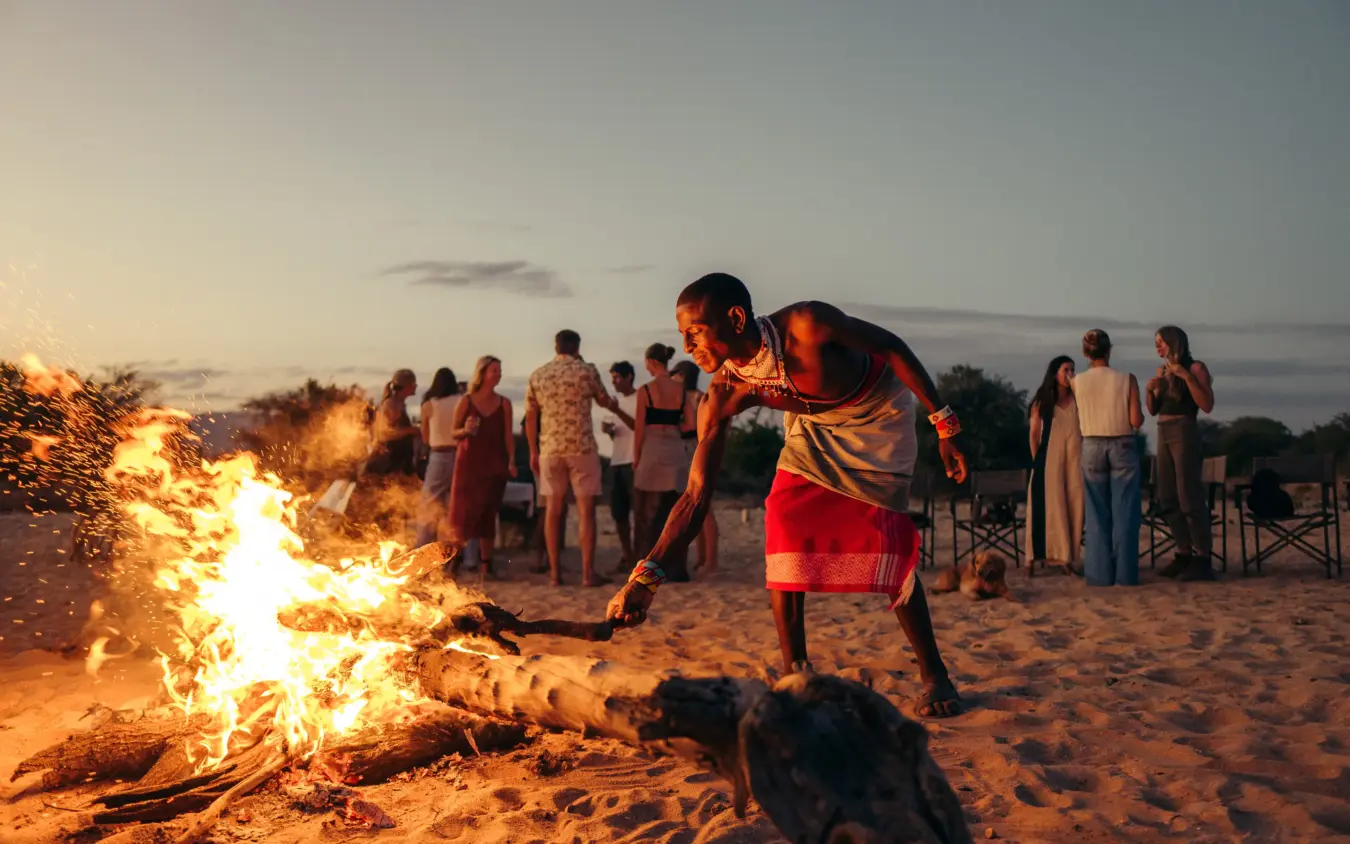
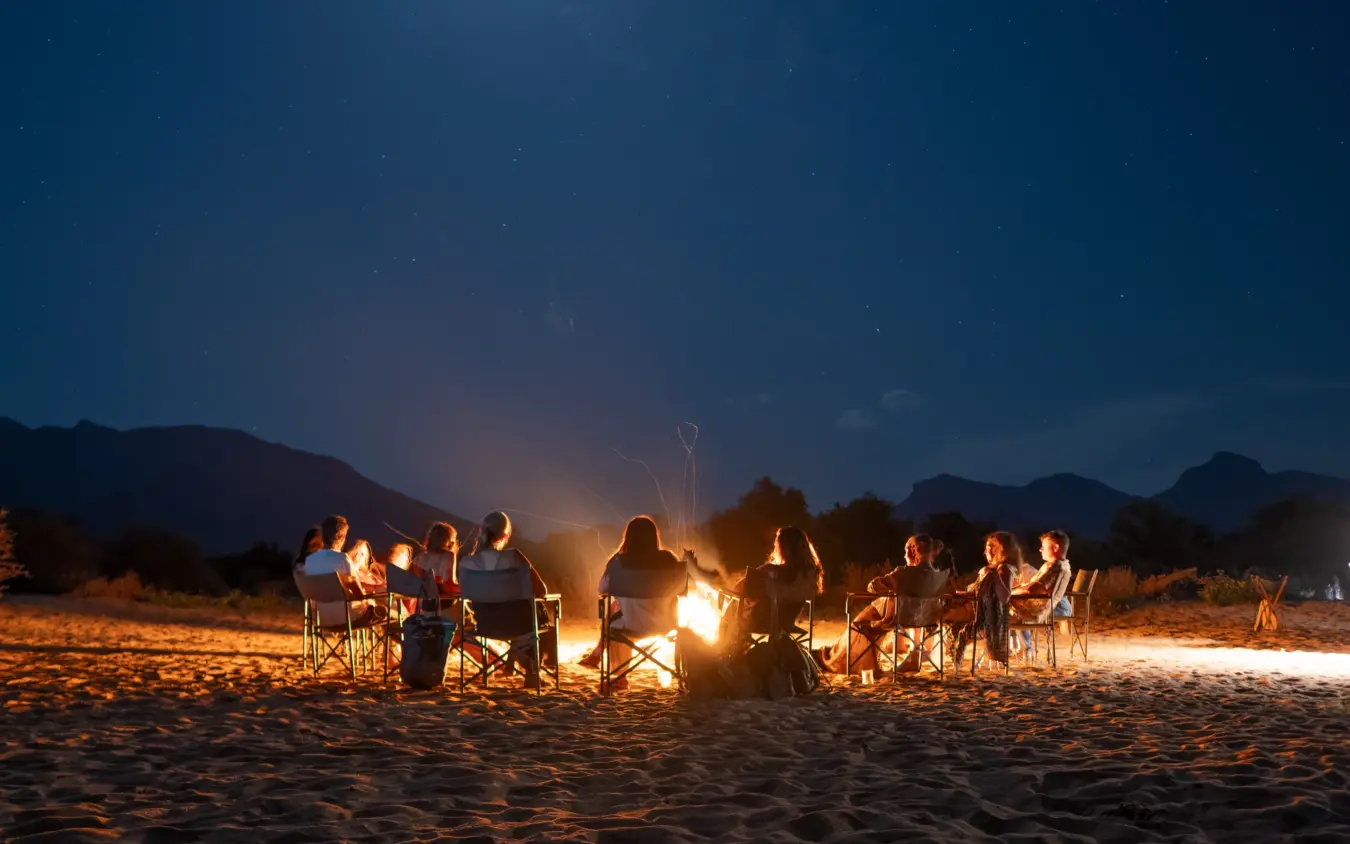
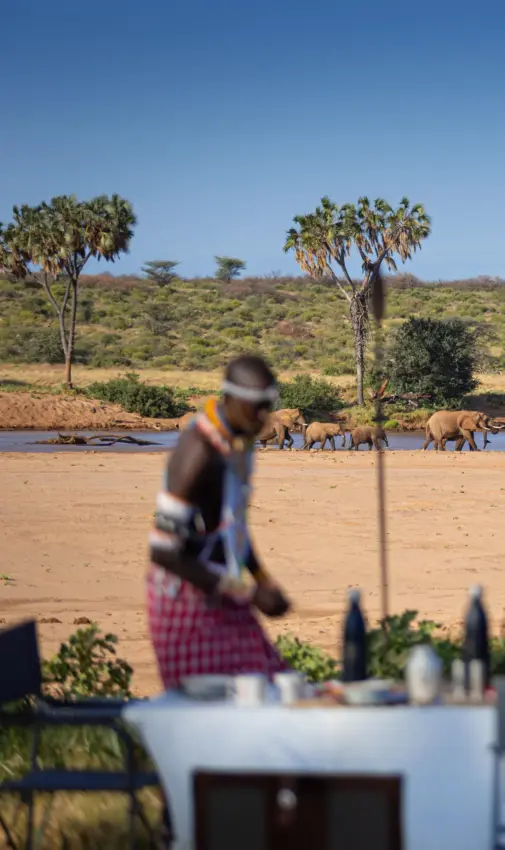
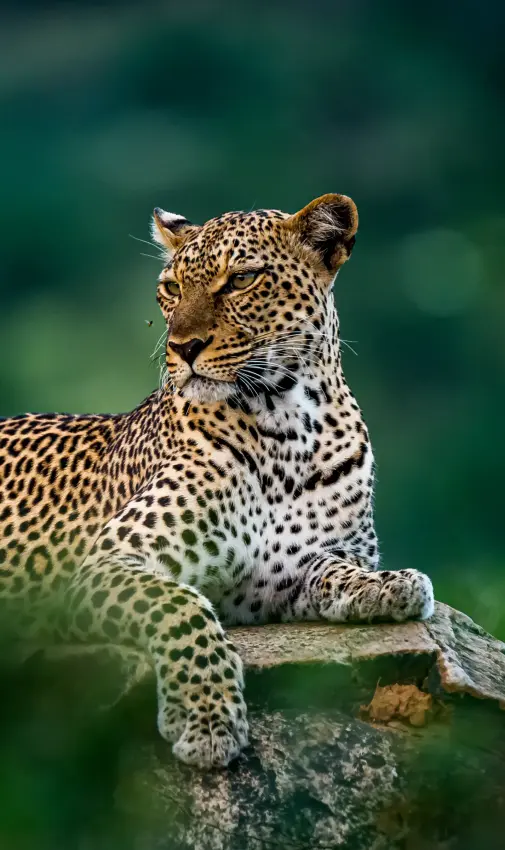
Days move between the sanctuary and the wider conservancy. Egyptian vultures and klipspringers work the cliffs, resident leopards patrol below, and the sound of elephants at the waterhole carries up to the pool deck. Evenings settle around the fire, where Samburu guides talk through the day’s tracks and the history of the elephant rescues. Meals follow the group’s own rhythm, cooked from fresh regional produce and served in the open-fronted dining area or out under the stars, timed around feeds, walks and children rather than a set hour.