Camp

Kalepo Camp

An owner-run, exclusive-use bush camp in Samburuland, Northern Kenya, built by hand around the rhythms of Samburu life.
Country: Kenya
Location: Banks of the Kikwar River, Northern Kenya
Number of rooms: 6

A camp built by hand in the acacia

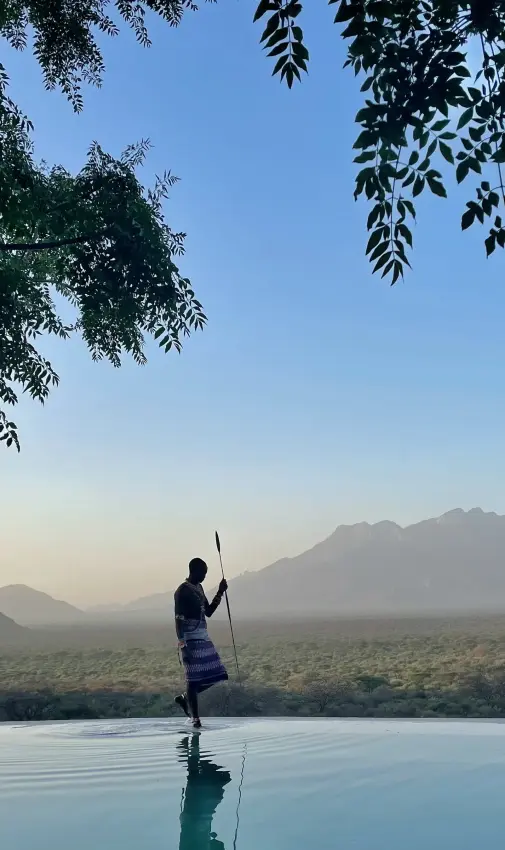
Rob and Storm Mason built Kalepo themselves, without architects, on the banks of the Kikwar riverbed. It stands in a grove of acacia looking out to the Mathews Mountains. The couple had come north after years managing safari properties elsewhere in Kenya. When the community first imagined a large hotel, they chose instead to partner with the local Samburu through the Northern Rangelands Trust, and to build something small.

Mealtimes bend to the day and children run freely

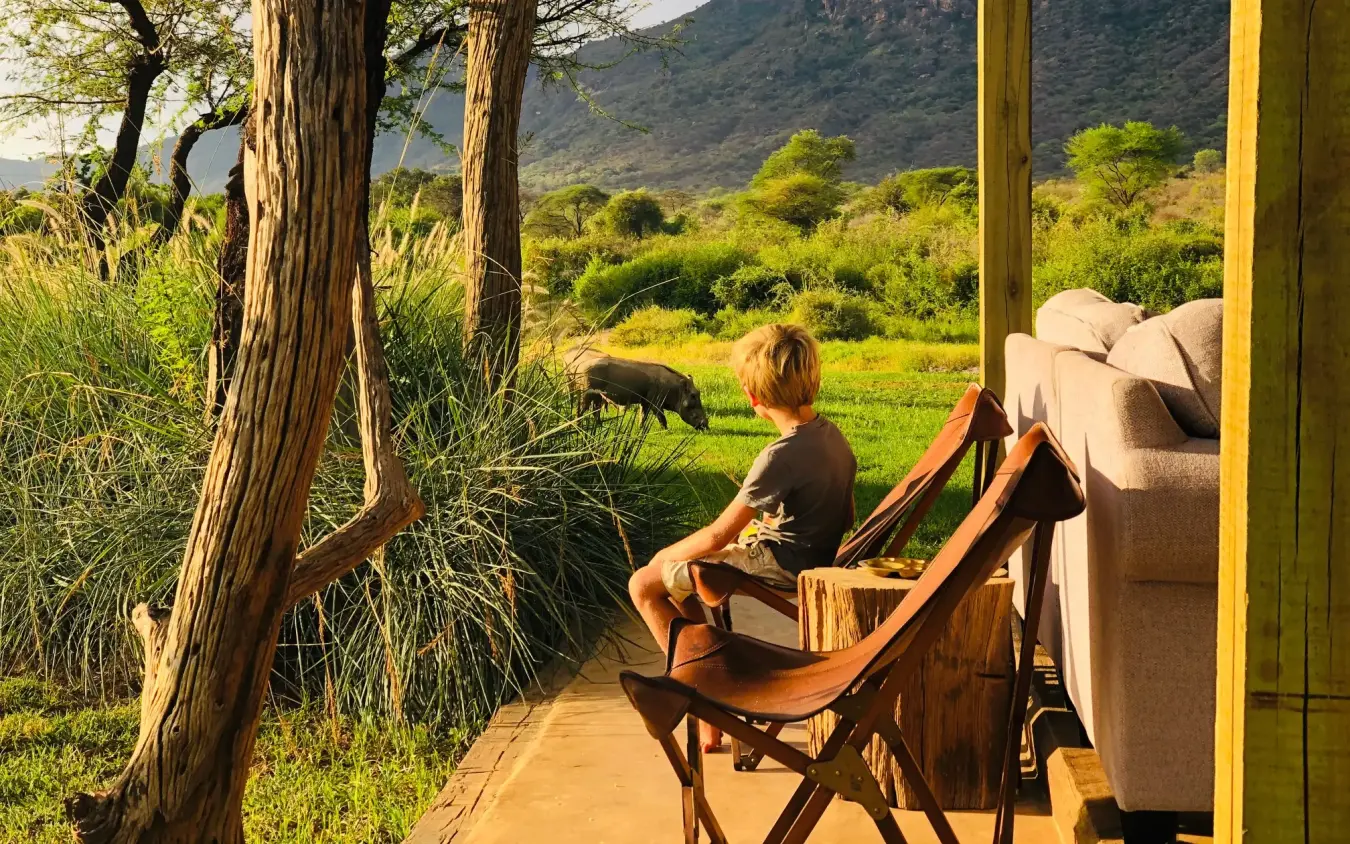
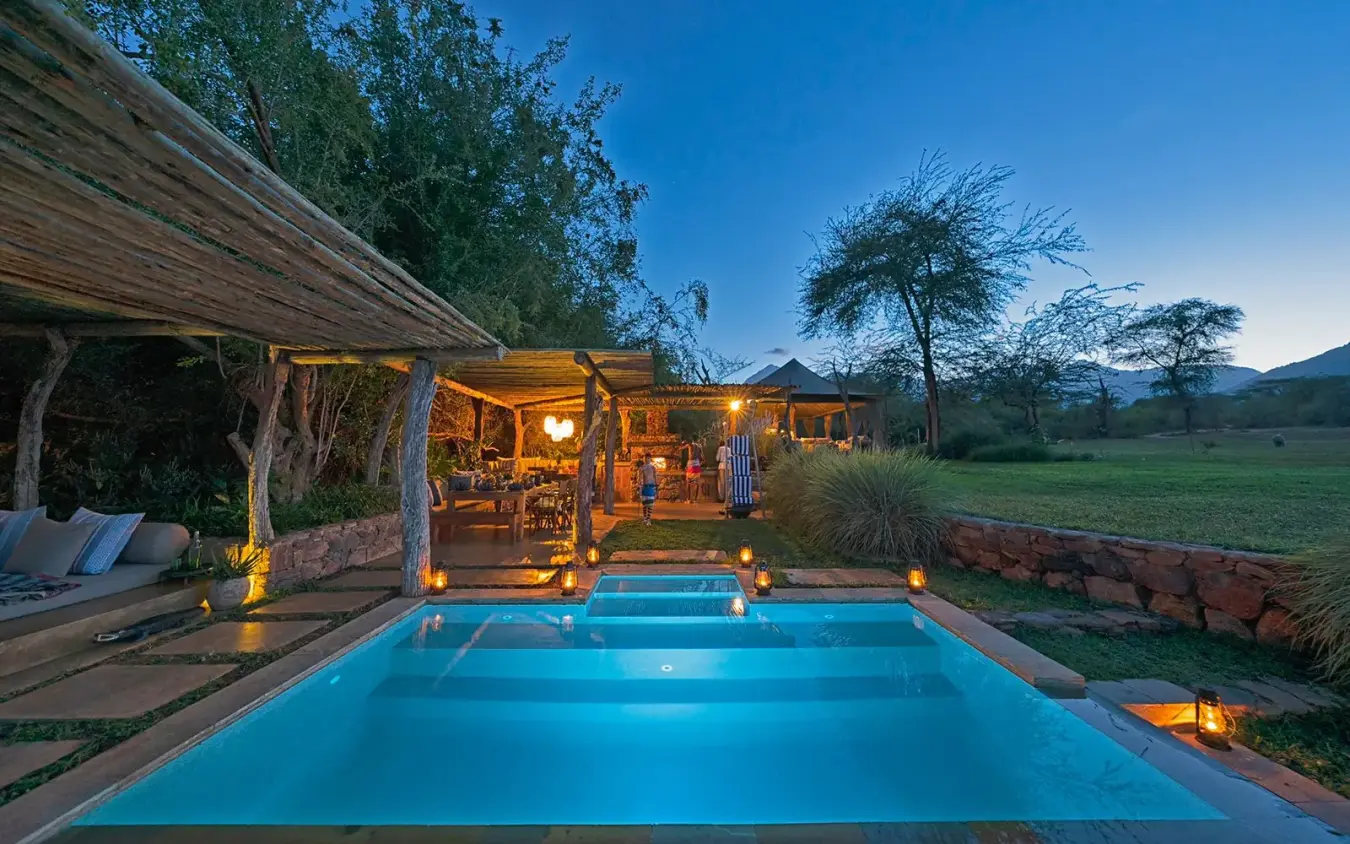
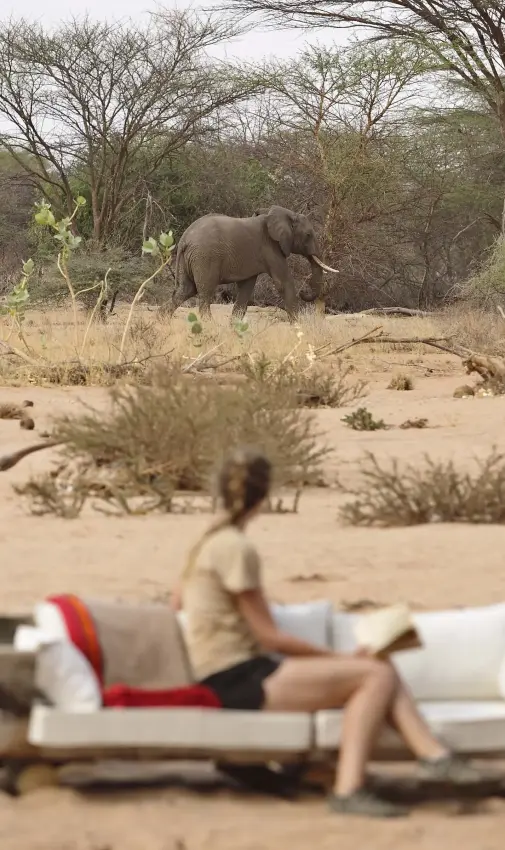
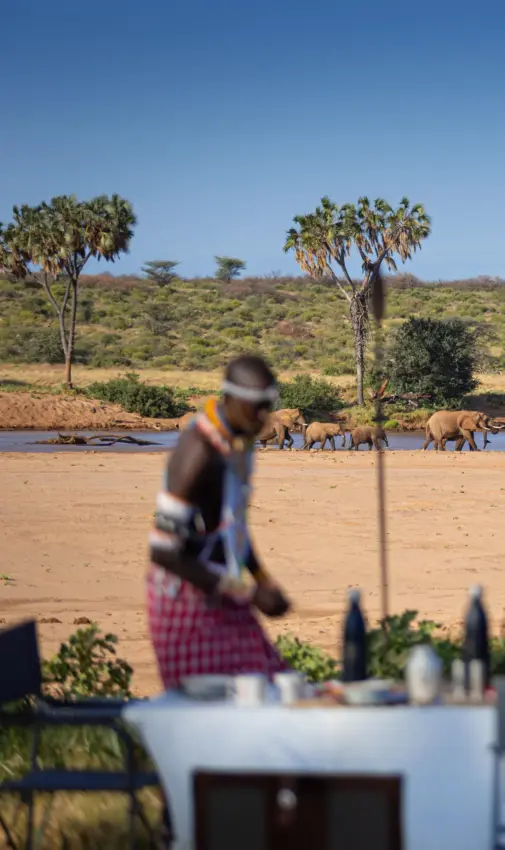
In the evening light, elephants cross the dry riverbed in front of camp to reach the waterhole below the pool. The whole place is taken on an exclusive-use basis, so one family or group has the camp, and the surrounding conservancy, entirely to themselves. Mealtimes bend to the day and children run freely. Here the schedule follows the herders, the season and the light rather than a fixed itinerary shared with strangers.

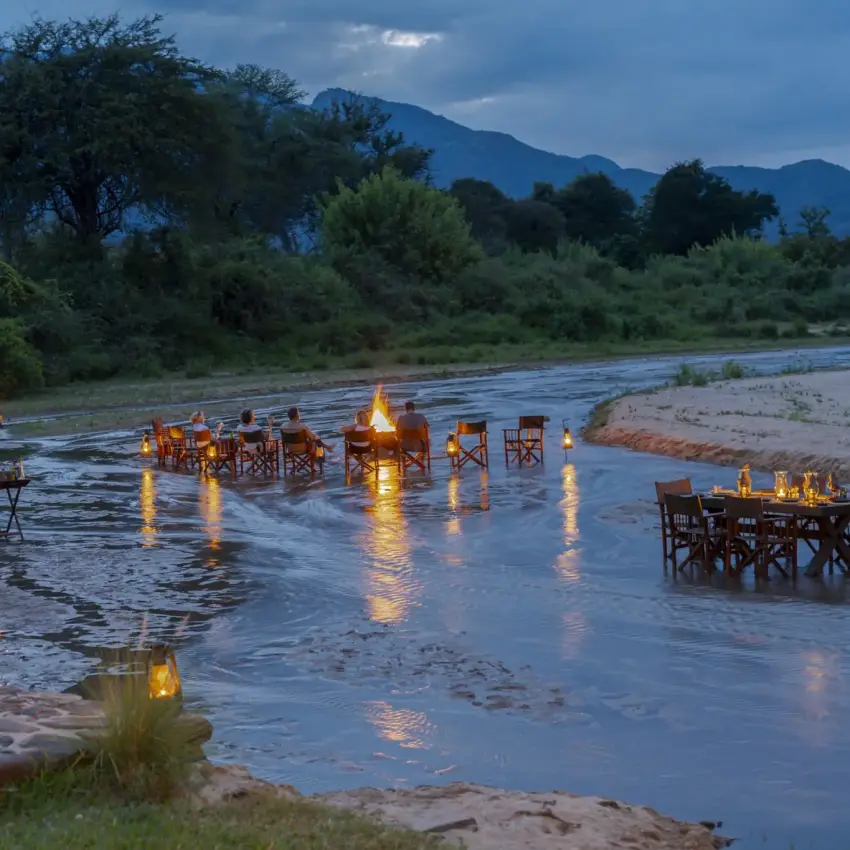
Candlelit dining tables set in shallow river at dusk, Kalepo Camp, Northern Kenya, Kenya
Aerial view of guests gathered on sandy beach, Kalepo Camp, Northern Kenya, Kenya

Evenings by the fire with the Masons tend to become the story of how the camp came to be. There is the search for a site, the choice of something small over a larger development, and the years of building it themselves at a bend in the river. What follows all turns on Samburu culture, built on daily life rather than staged encounters, and the depth of that engagement is unusual even among Kenya’s more culturally-minded camps.

Warrior games, honey hunters and wood carvers feature too

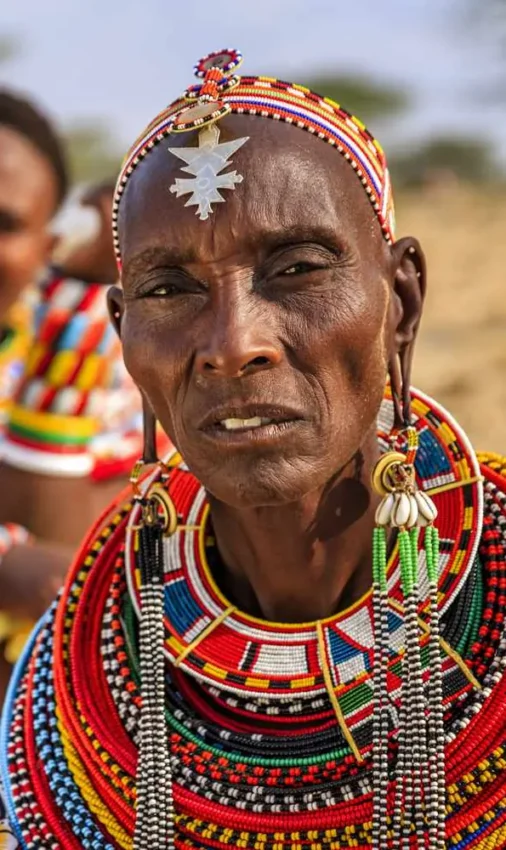
Days are spent walking with herdsmen and their cattle, or arriving at Samburu homesteads at dawn for the morning milking. At the seasonal singing wells, water is drawn from deep shafts to chanted coordination, a sight and sound like no other. Warrior games, honey hunters and wood carvers feature too, alongside bush walks, mountain biking and unhurried time at the pool.

Interior view of canvas tent bedroom with bed and furnishings, Kalepo Camp, Northern Kenya, Kenya 01

accommodation

Three Double Tents Plus Family Unit

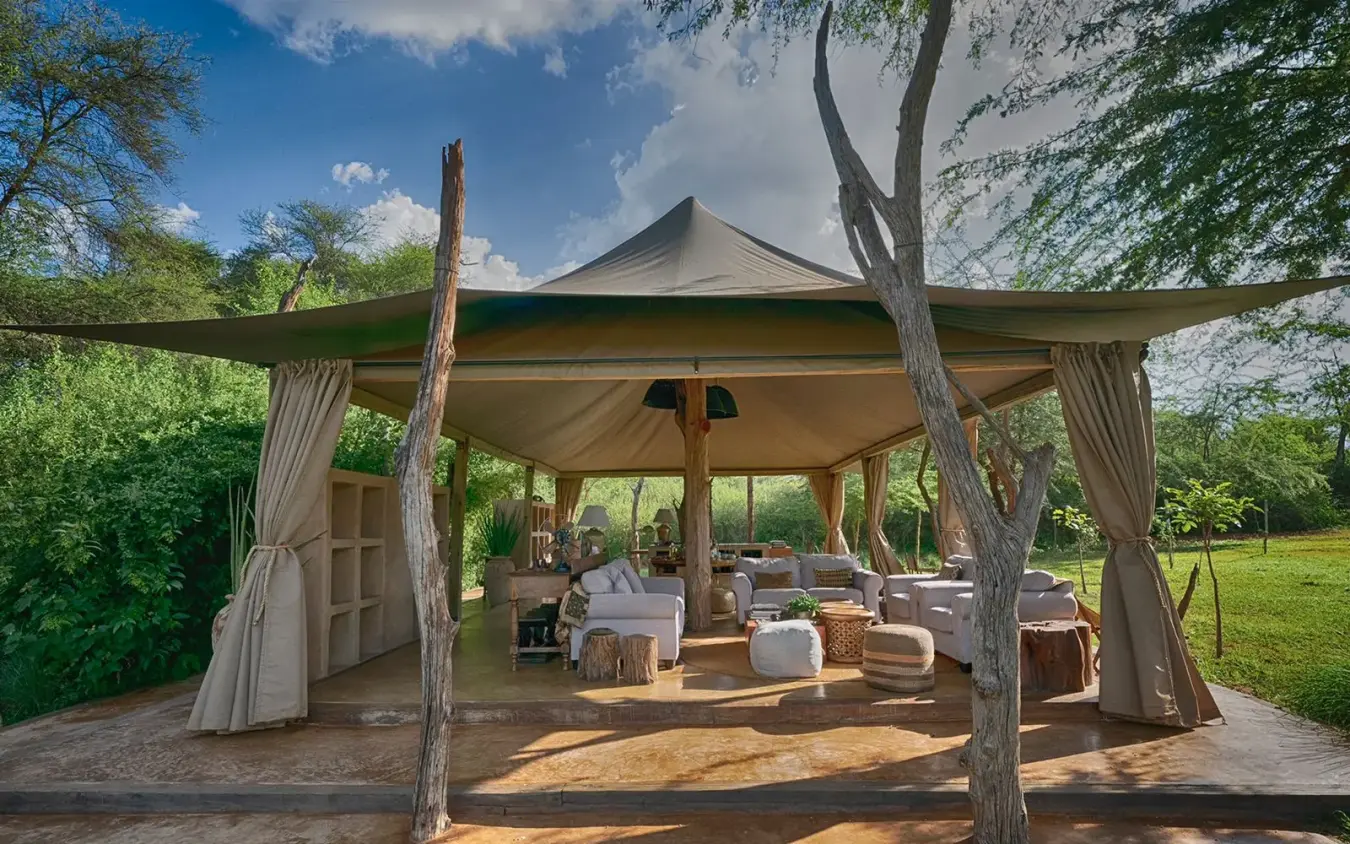
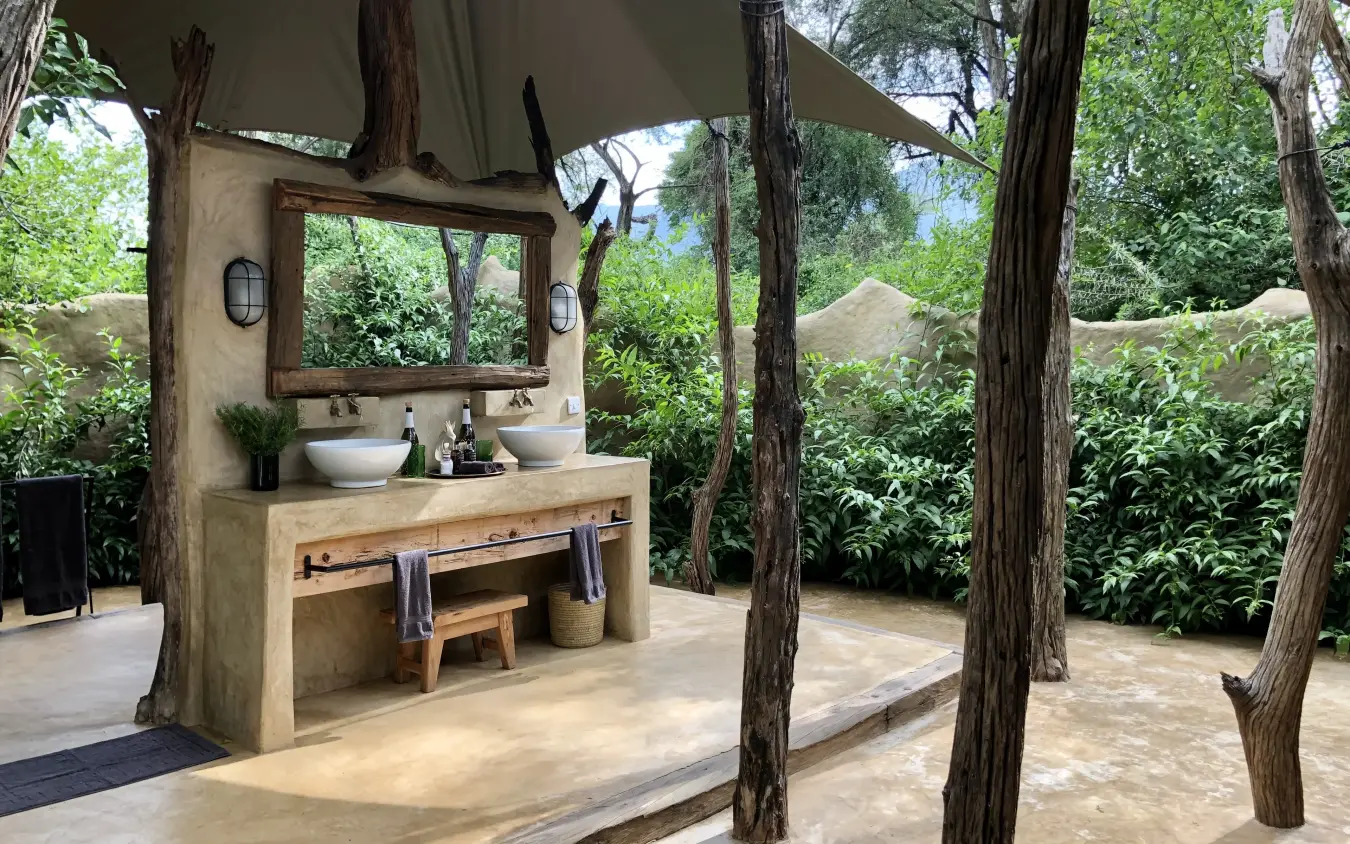
Kalepo sleeps a small group across three double or twin en-suite canvas tents, plus a family unit of two adjacent tents, with extra camping beds for children. Every tent opens on all sides through mesh doors, cooled by a ceiling fan, and each has an open-air bathroom with double basins, a flush loo and a hot shower under the stars.

Guide teaching guests about wildlife during safari walk, Kalepo Camp, Northern Kenya, Kenya 02

activities

Herdsmen, Homesteads, Singing Wells

On this private Samburu conservancy, days unfold with herdsmen on foot, homesteads at the morning milking, the seasonal singing wells and the chance to try warrior skills. Bush walks, mountain biking, game drives, visits to Reteti Elephant Sanctuary and helicopter flights to Lake Turkana and the Suguta Valley complete the range.

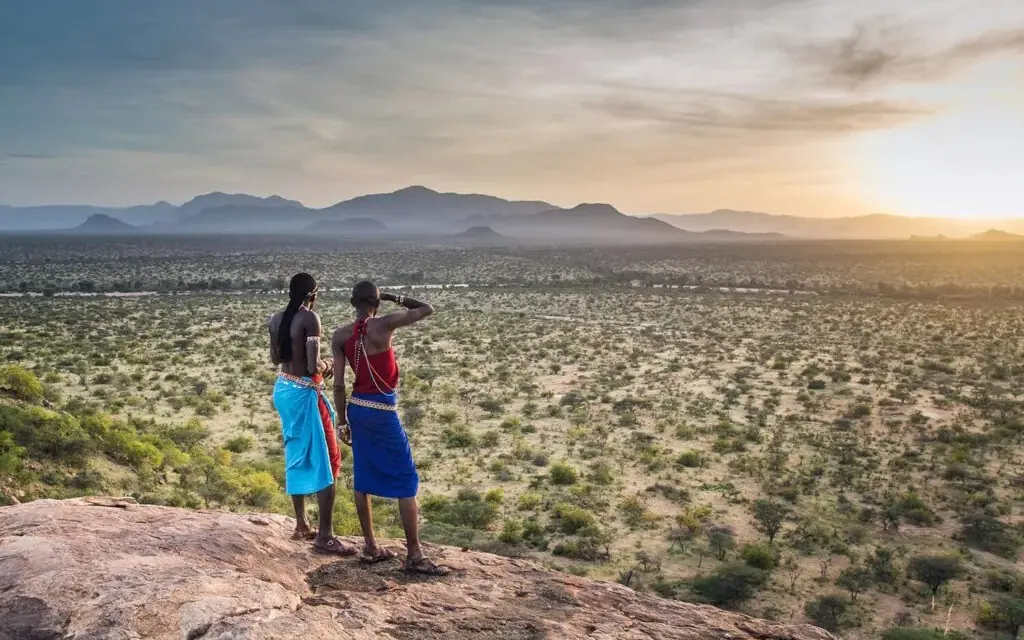
Guests photographing landscape from rocky outcrop at sunset, Kalepo Camp, Northern Kenya, Kenya 03

conservation

Schools, Clinics, Elephant Guardians

The Kalepo Foundation supports surrounding Samburu communities through schools, community clinics and mobile health outreach, an agave farming initiative giving women independent income, mobile veterinary care for livestock, and Samburu Elephant Guardians who monitor and protect the local elephant population across the conservancy.

ready to get started?

Get in touch and let’s start the conversation. An initial consultation helps us understand what you’re looking for, whether that’s specific experiences, luxury touches, or marking a special occasion, and from there we’ll guide you through what’s possible so you can decide if we’re the right fit.

Alternative accommodation in northern kenya

frequently asked questions

You fly from Nairobi's Wilson airport to an airstrip in northern Kenya's Samburuland, around an hour and a quarter to an hour and a half by light aircraft, and the camp meets you for the transfer to its grove of acacia on the Kikwar riverbed.

We build the flights into your itinerary. For country this remote a private charter works beautifully, and we can arrange a Cessna Caravan or Pilatus PC-12 flown direct to the strip, timed to your international arrival.

The bush planes take soft bags of around fifteen kilograms per person including hand luggage, so pack a duffel. This is remote country, so the flight is much the easier way in than the long overland drive.

Yes, though a lower-risk one than the coast. This part of Samburuland is hot and semi-arid, which keeps mosquito numbers down, but it sits below the altitude at which the CDC and TravelHealthPro regard malaria risk as negligible, so antimalarial tablets are usually advised, with the risk higher near the river and after rain.

We do not make medical recommendations. We are travel planners, not doctors. Which tablets are right for you, whether they suit your own health or anyone else's in the party, and what is appropriate for a child, is a conversation between you and your doctor or a travel clinic.

The practical side we can speak to is not medical: cover arms and legs from late afternoon and keep repellent to hand.

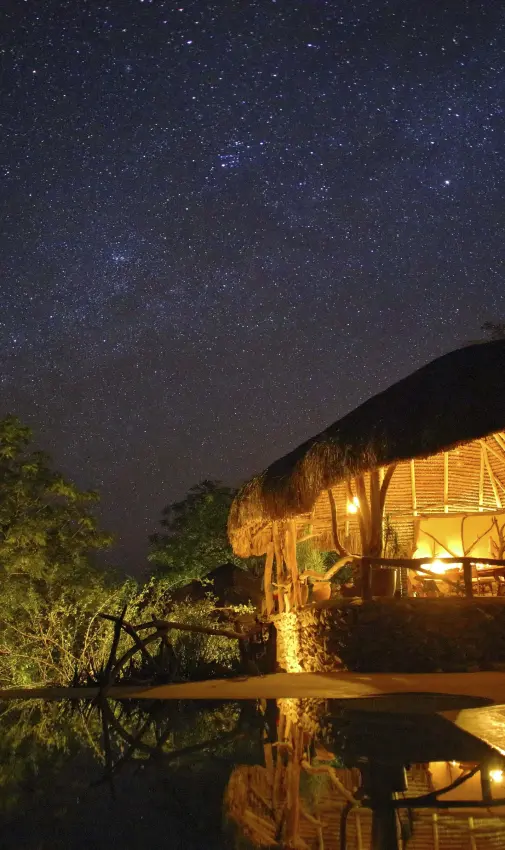
Northern Kenya is hot and dry, with warm days, less cold nights than the highlands, and a lot of dust, especially in the dry season. The rains green the country and can make the tracks heavy, and the desert skies are clear and starry through the dry months.

Pack light, breathable clothes in neutral colours, strong sun protection and a hat, a light layer for early mornings, and closed shoes for the walking. A buff or scarf for the dust is worth having, and a good torch given how open the camp is.

The dry seasons suit northern Kenya best, when the remote tracks firm up, wildlife gathers around permanent water and the skies stay clear. June to October is the strongest window for access and game, with January to March also excellent for desert travel, while the rains green the land and lift the birding at the cost of muddy roads.

Because the camp is remote and access depends on the tracks, the dry months are the more reliable time to plan a visit.

As much about Samburu life as about wildlife. The camp is taken by one group at a time, so you have it and the surrounding conservancy to yourselves, and the days bend around the herders and the light rather than a set timetable. Elephants cross the dry riverbed to the waterhole below camp in the evening.

Expect to walk with herdsmen and their cattle, visit homesteads at the morning milking and see the singing wells, alongside game drives, biking and a trip to the Reteti elephant sanctuary. The cultural side runs deeper here than at most Kenyan camps, so it suits travellers who want that as much as the game viewing.

It suits families well because it is booked whole, so children can be themselves with no other guests nearby, and there is a family unit of two adjacent tents with extra camping beds for children. The Samburu culture, the walking and the elephants tend to make a strong impression on children old enough to take it in.

Walking near wildlife carries sensible age limits, so tell us your children's ages and we will shape the days around them and keep the pace to suit the youngest in your group.

rated five stars by our clients

other areas in kenya

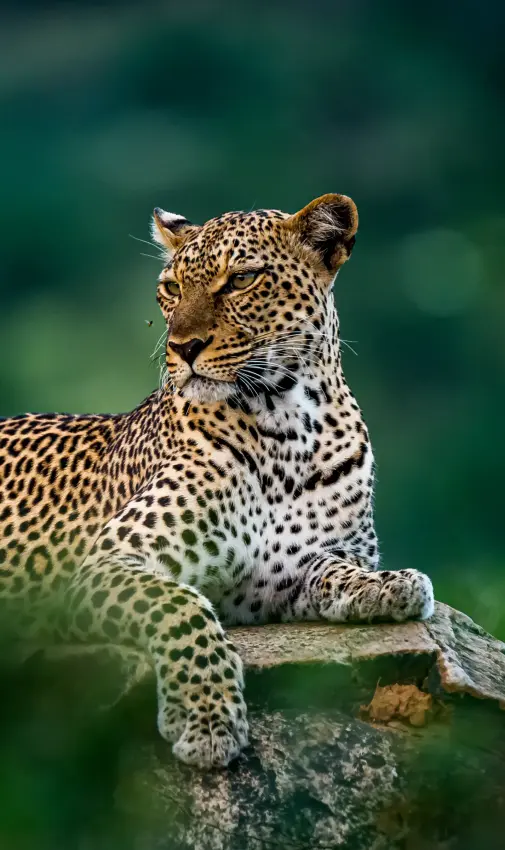
Leopard resting on fallen log in natural setting 01

Maasai Mara

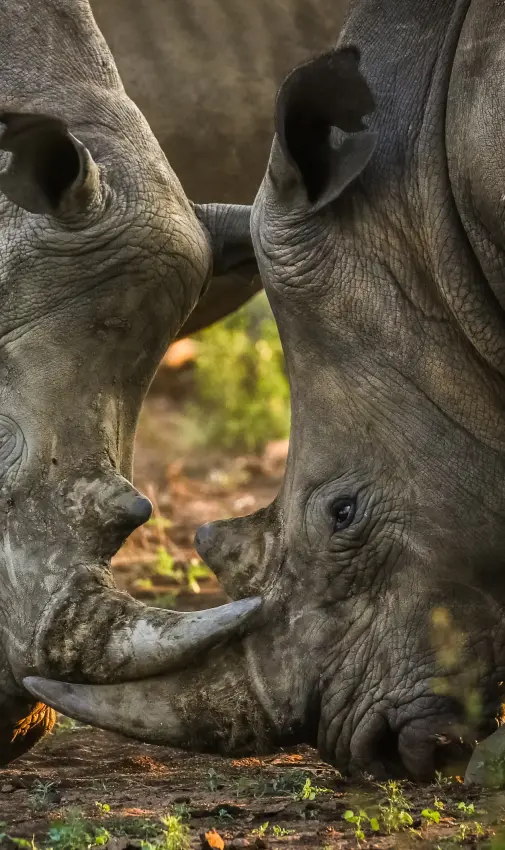
Two rhinos touching horns in natural habitat 02

Laikipia Highlands

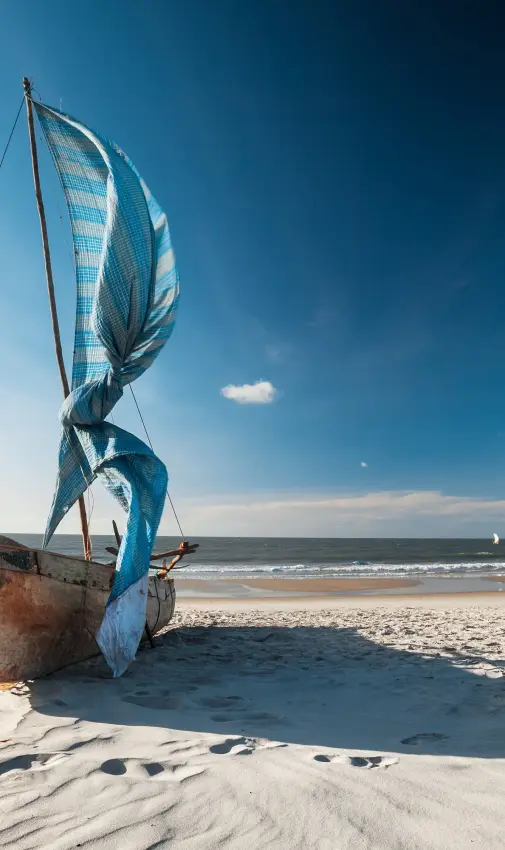
Traditional fishing boat with blue sail on sandy beach 03

Kilifi

Flock of flamingos wading in shallow pink-tinted water, Rift Valley Lakes, Kenya 04

Rift Valley Lakes

Snow-capped Mount Kilimanjaro rising above acacia trees and Tanzania savanna 05

Amboseli and Chyulu Hills

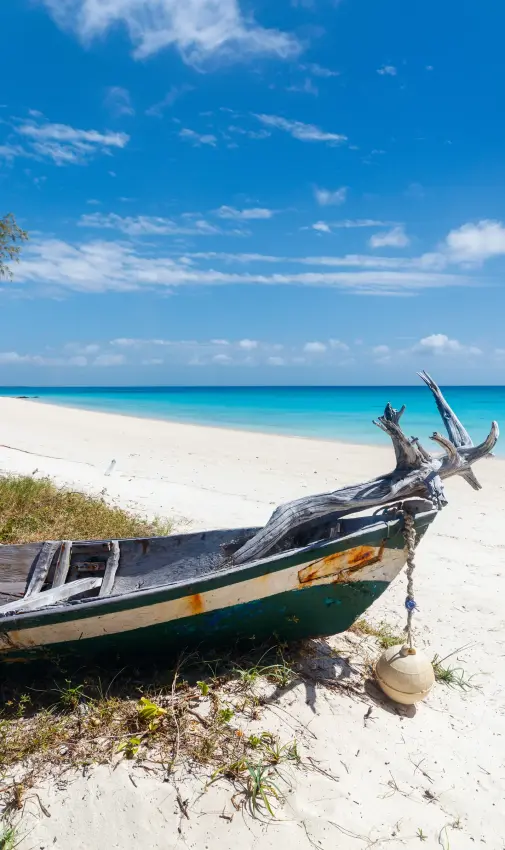
Wooden fishing boat beached on white sand tropical shore 06

Diani Beach

Man in traditional red garment driving open safari vehicle, Samburu Reserve, Kenya 07

Samburu Reserve

08

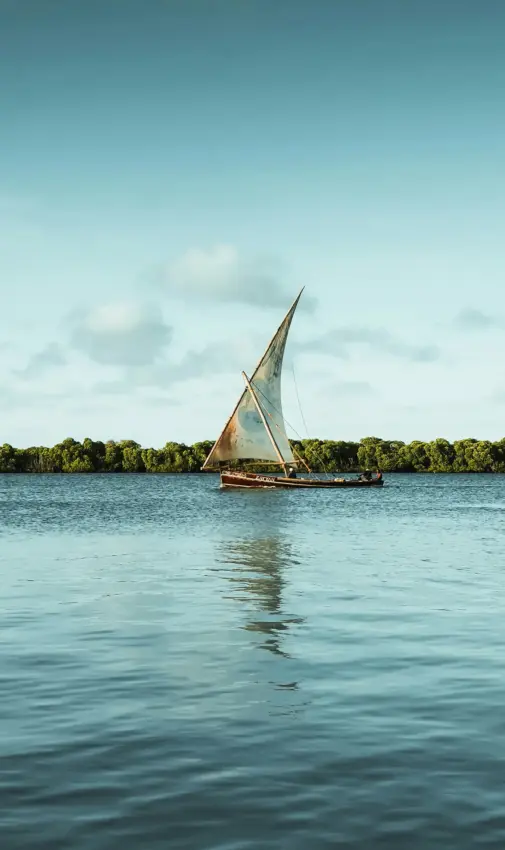
Lamu Archipelago

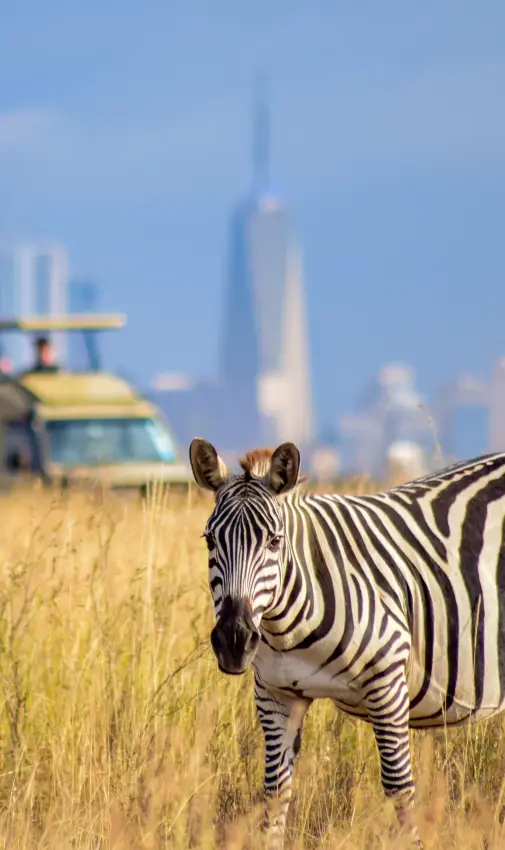
Zebras in savanna grassland with safari vehicle and city skyline 09

Nairobi

African elephants with calf walking through grassland at sunset 10

Tsavo

Planning a journey together

our approach

remote, exclusive
& personal

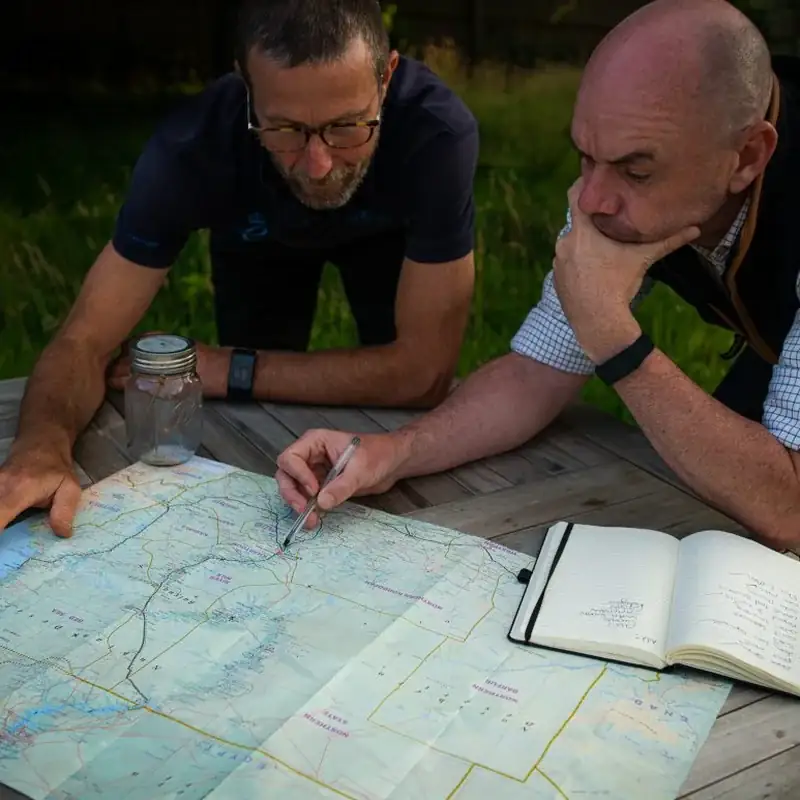
Every journey starts with a conversation. We take the time to understand your vision before we start planning.

Whether by phone or in person, we work with you directly to shape something that is considered, personal, and expertly delivered.

get in touch
destinations ideas & inspiration our process about us contact us