Camp

Sarara Wilderness

A moving camp of six canvas tents, taken by one group at a time, on the edge of Samburu, Northern Kenya

Country: Kenya
Location: Northern Kenya
Number of rooms: 6

Six tents, struck and re-pitched

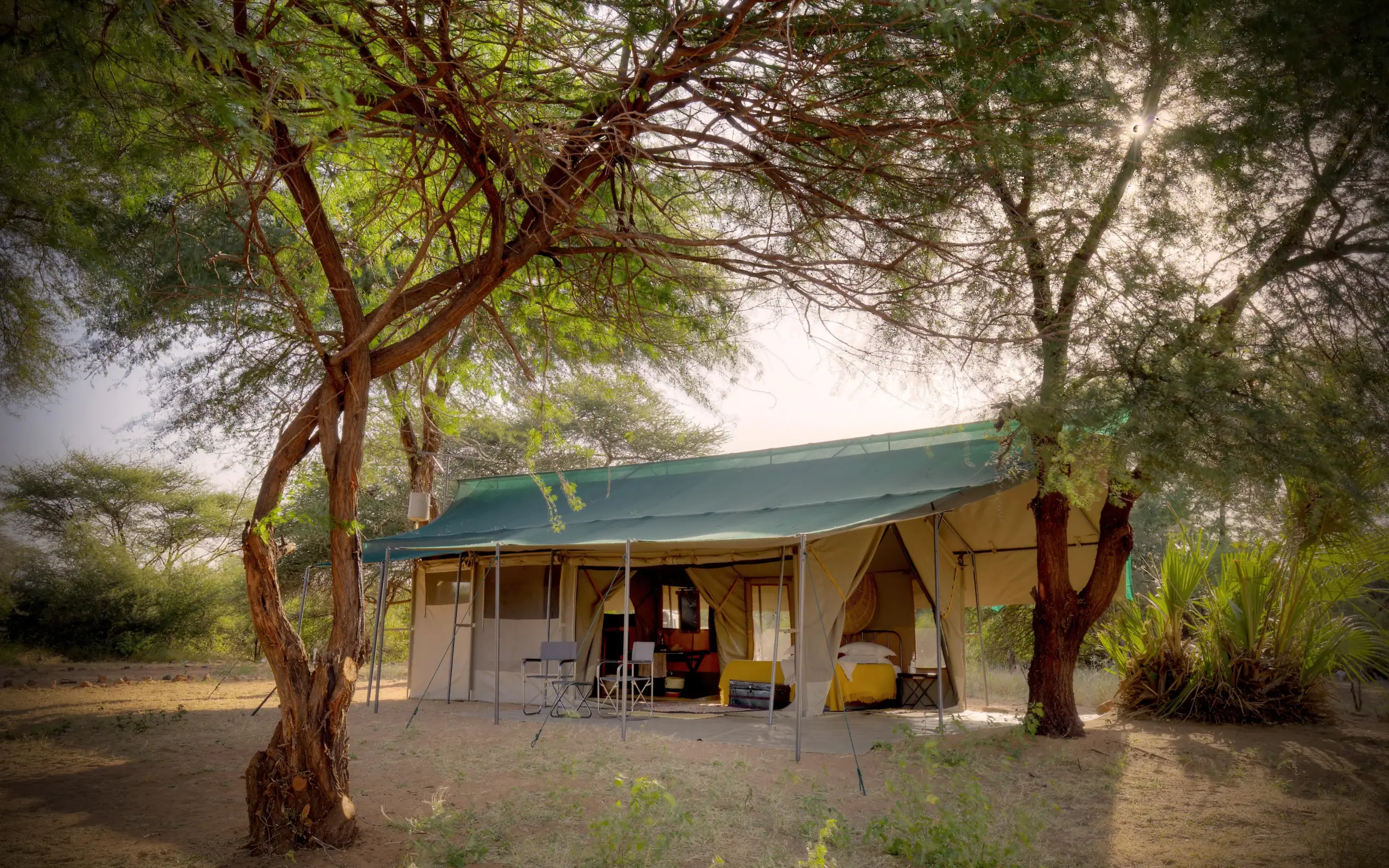
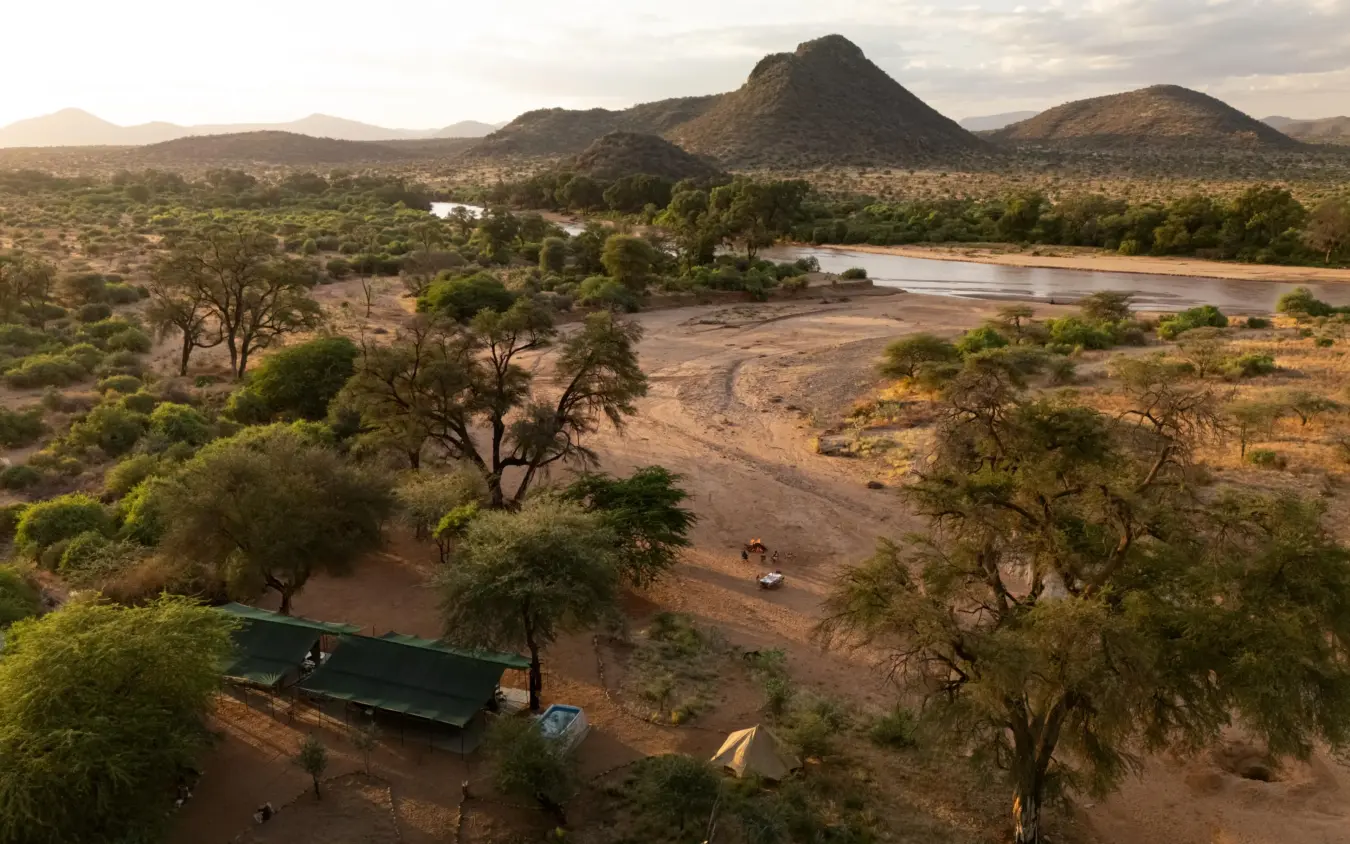
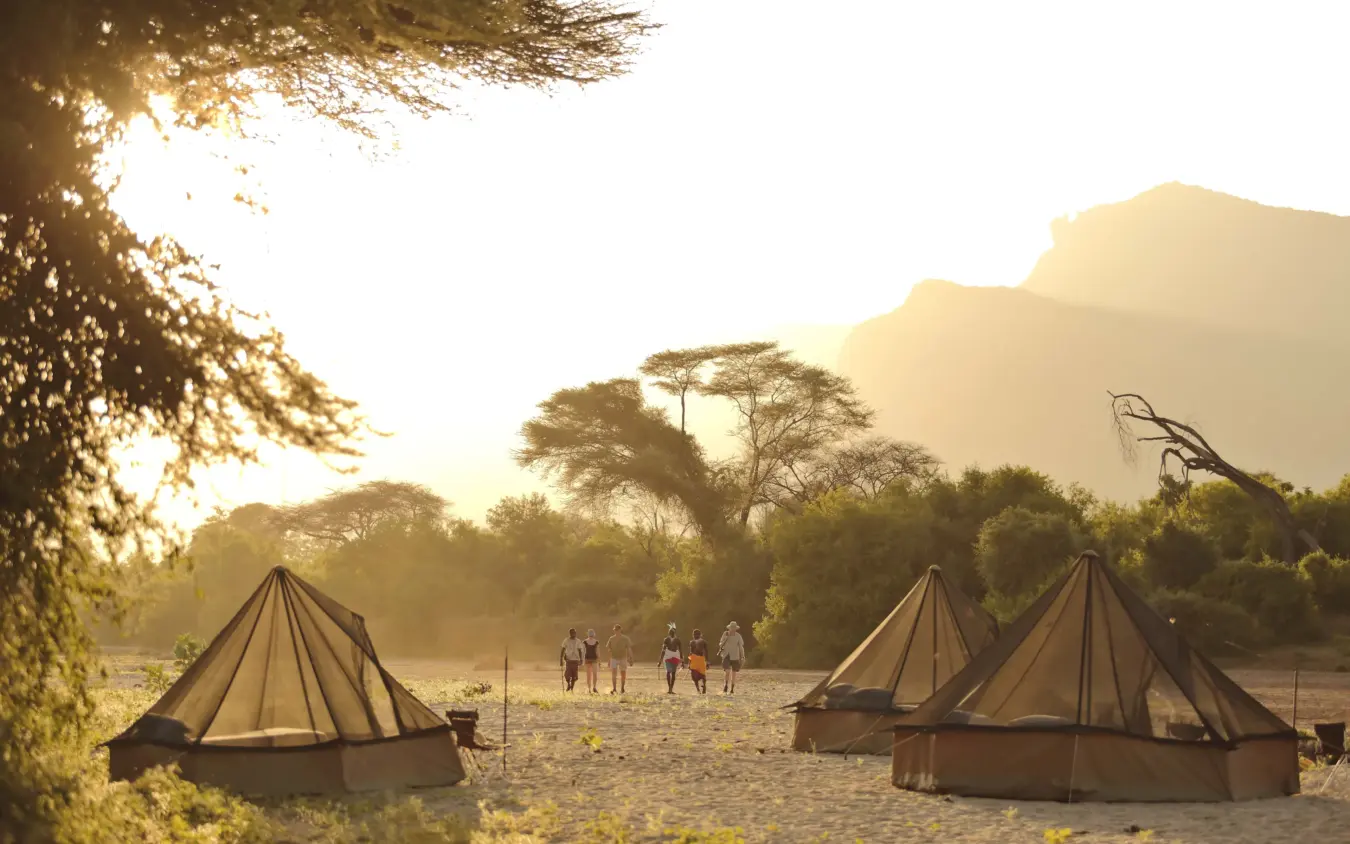
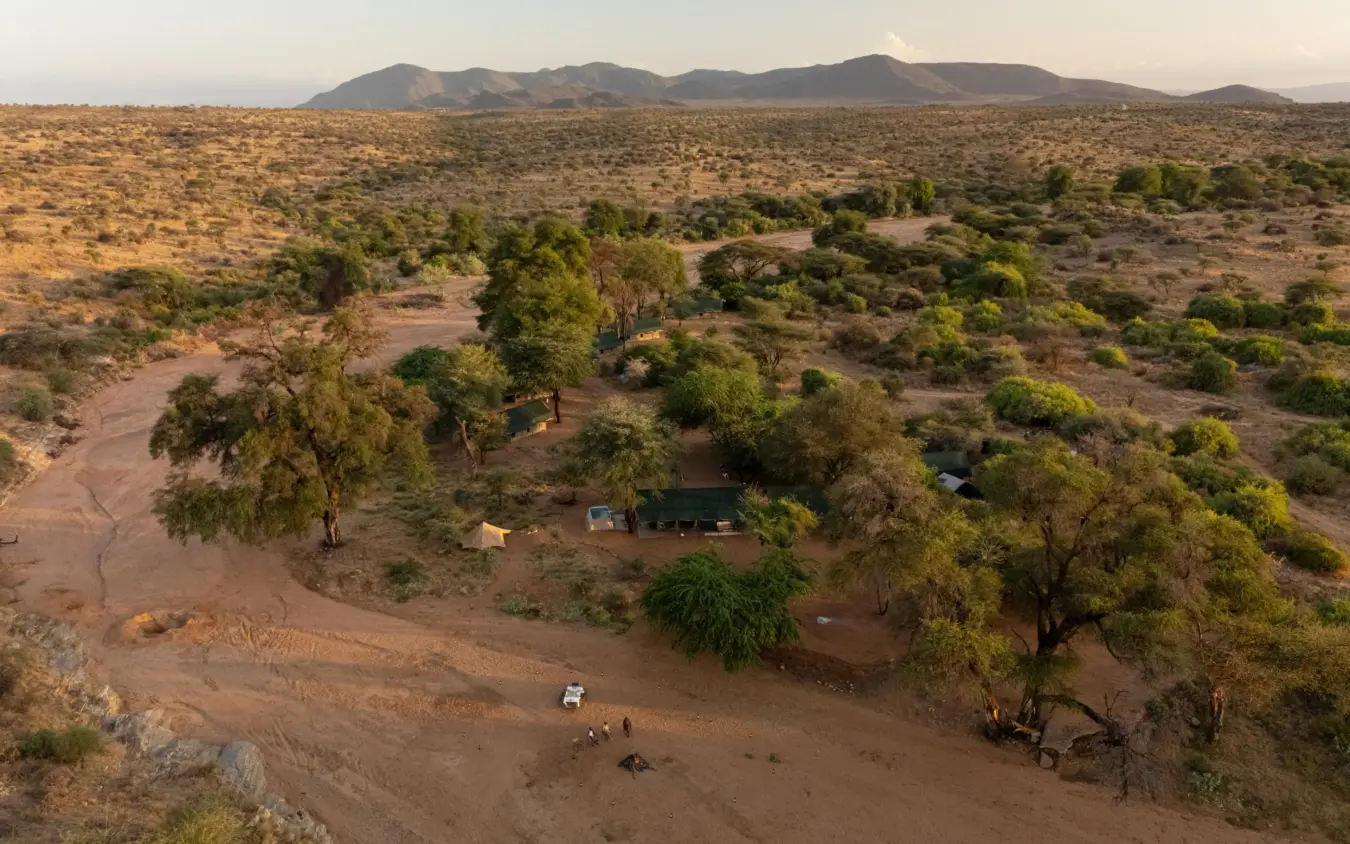
Six canvas tents go up in Northern Kenya, and when the wildlife and the seasons move on, they come down and go up again somewhere better. Open since December 2024, this is the fourth Sarara camp and the only one that travels. It pitches on the fringe of the Samburu and Buffalo Springs national reserves, taken by one group at a time, with a Samburu host and vehicle of their own.

They are not a feature of the mountain camps in the same way

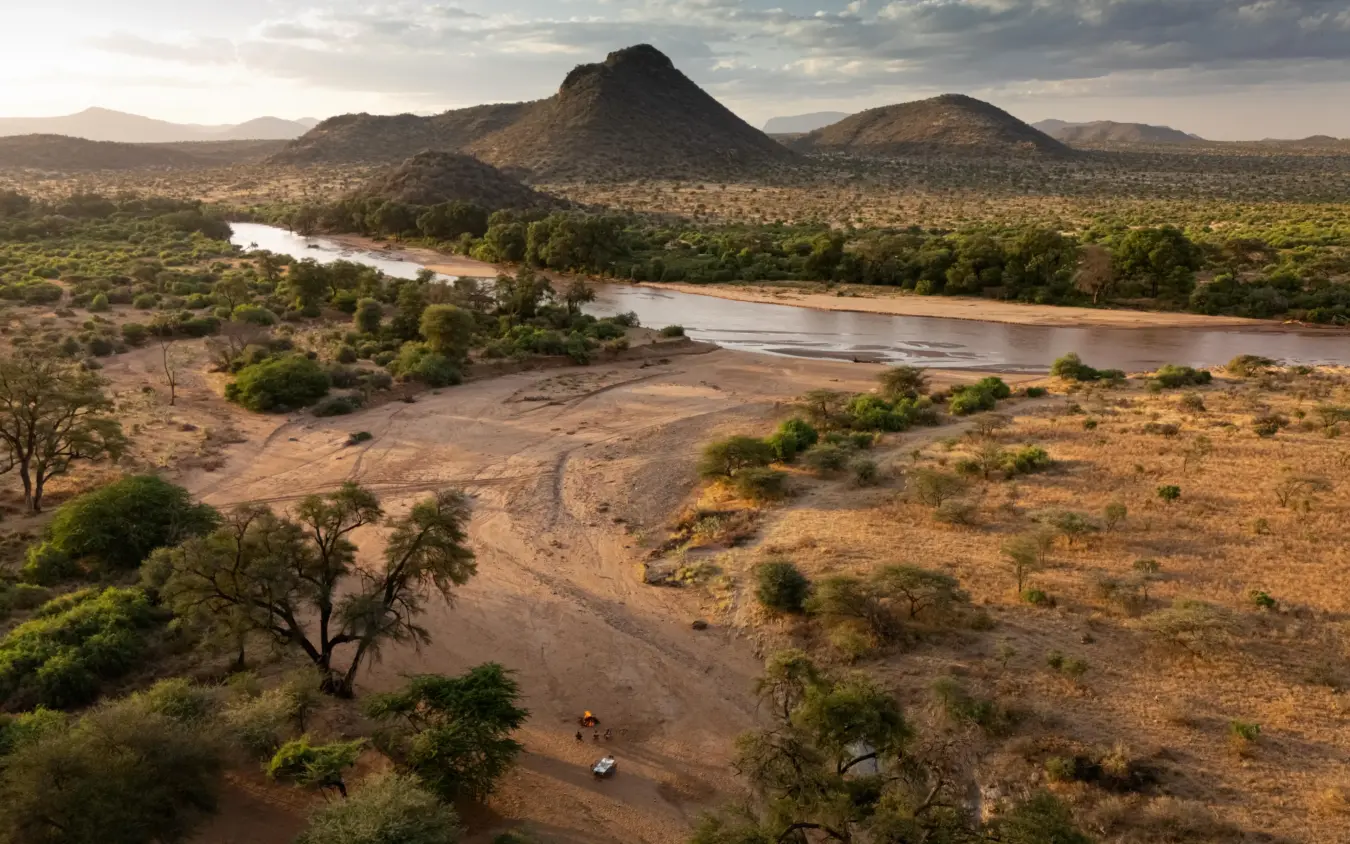
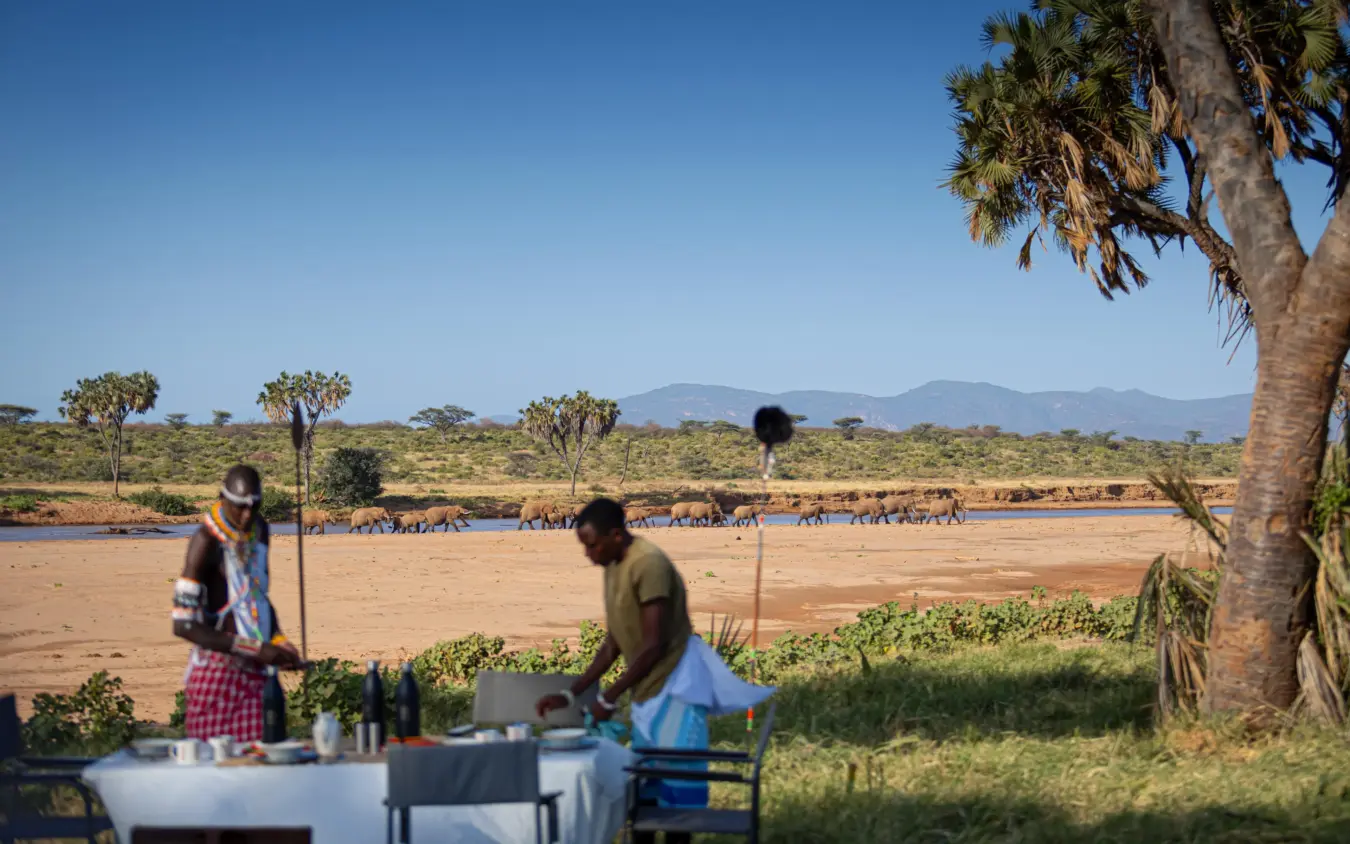
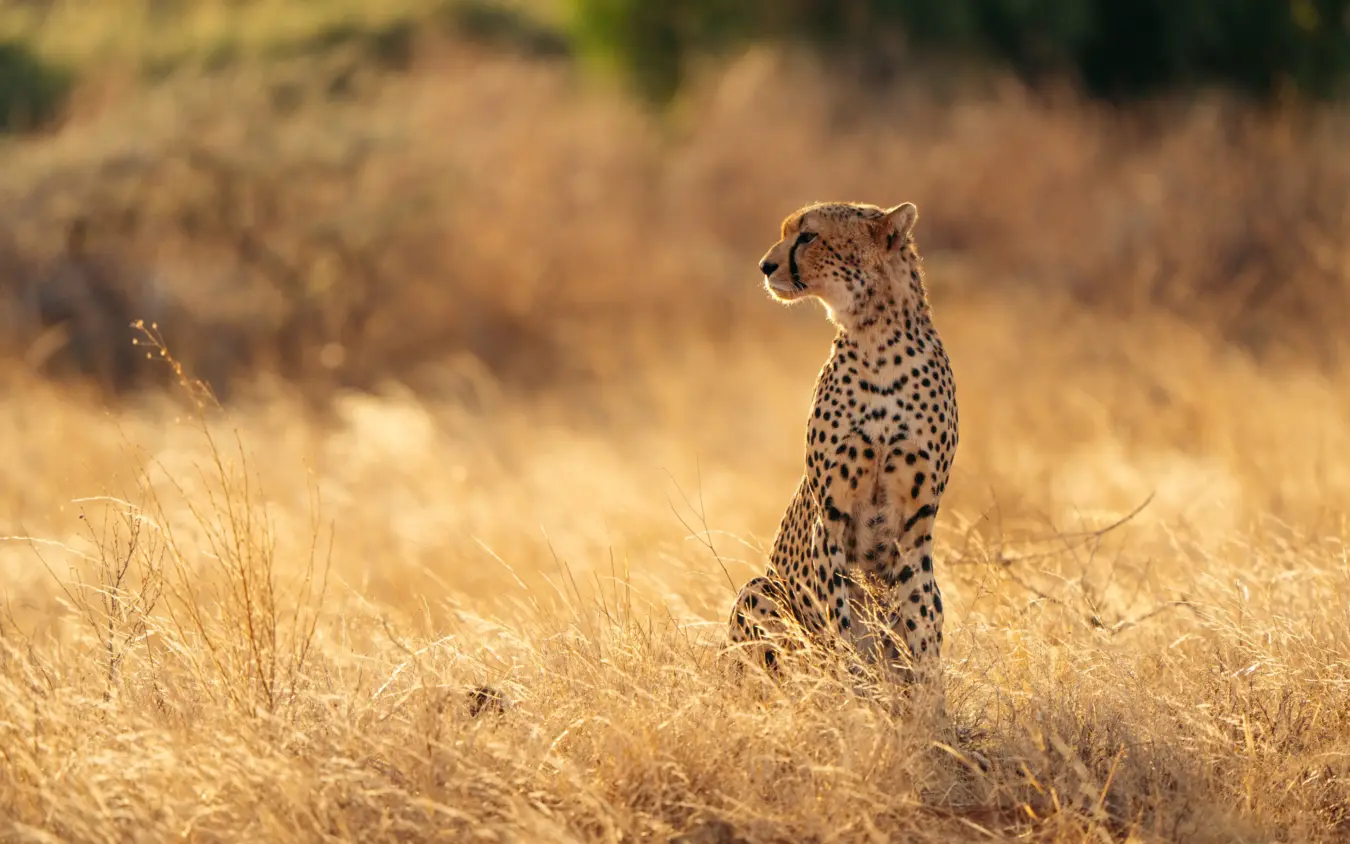
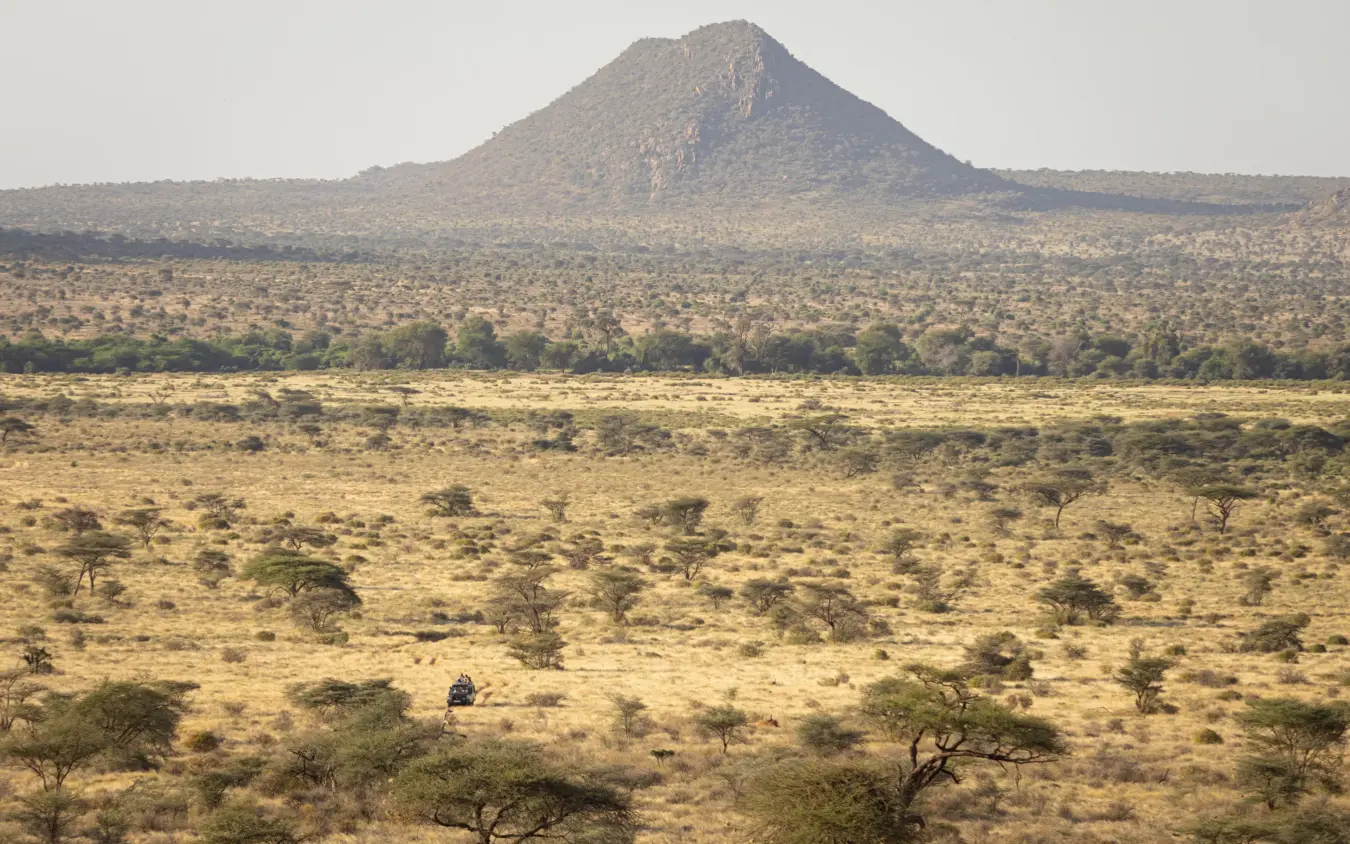
Two and a half hours north, Sarara’s permanent camps sit in the forest of the Mathews Range, and the drive between them pairs mountain with river. Lion, cheetah, leopard, hippo and buffalo live in this river country. They are not a feature of the mountain camps in the same way. At about 800 metres, the days run warm and the nights stay mild, noticeably warmer than the mountains.

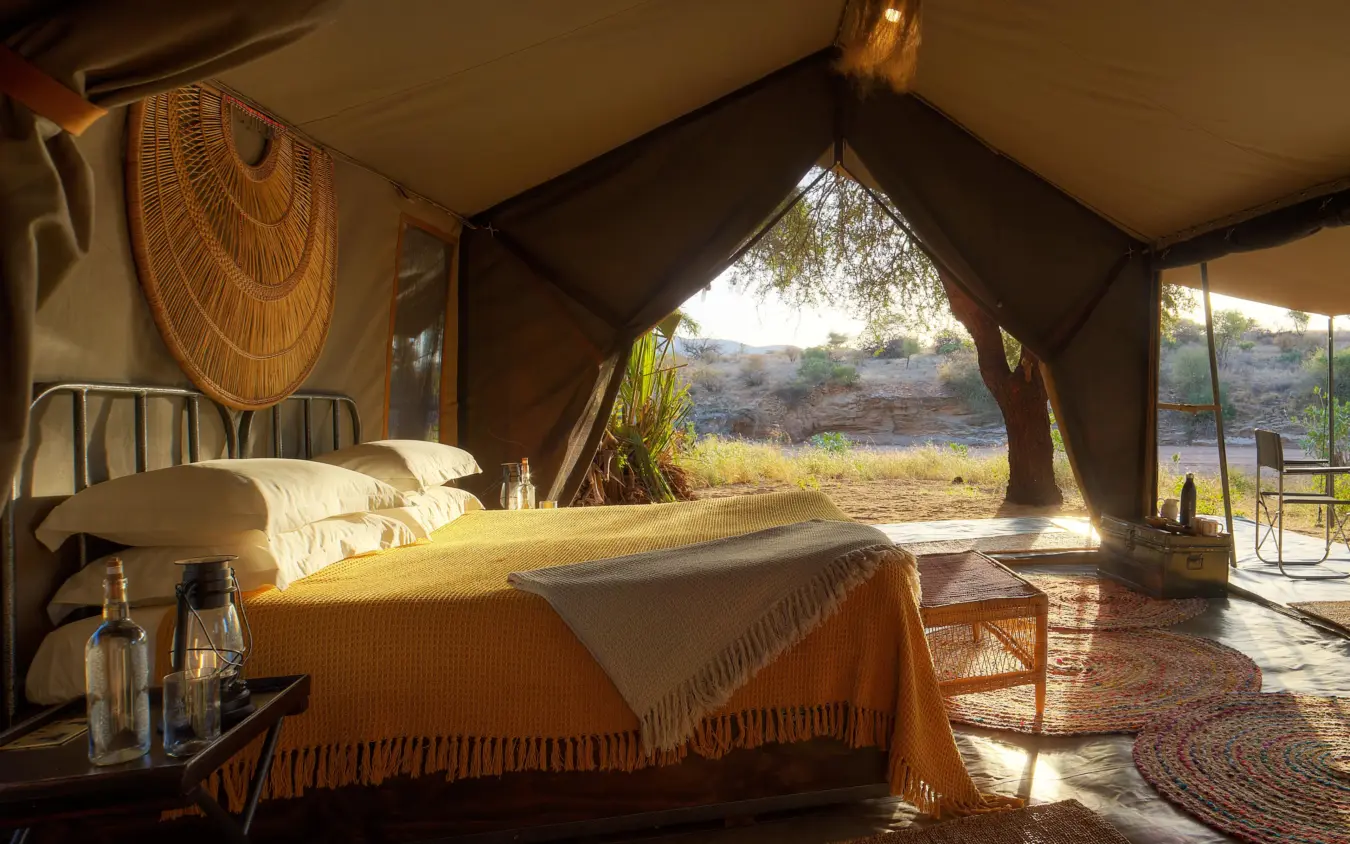
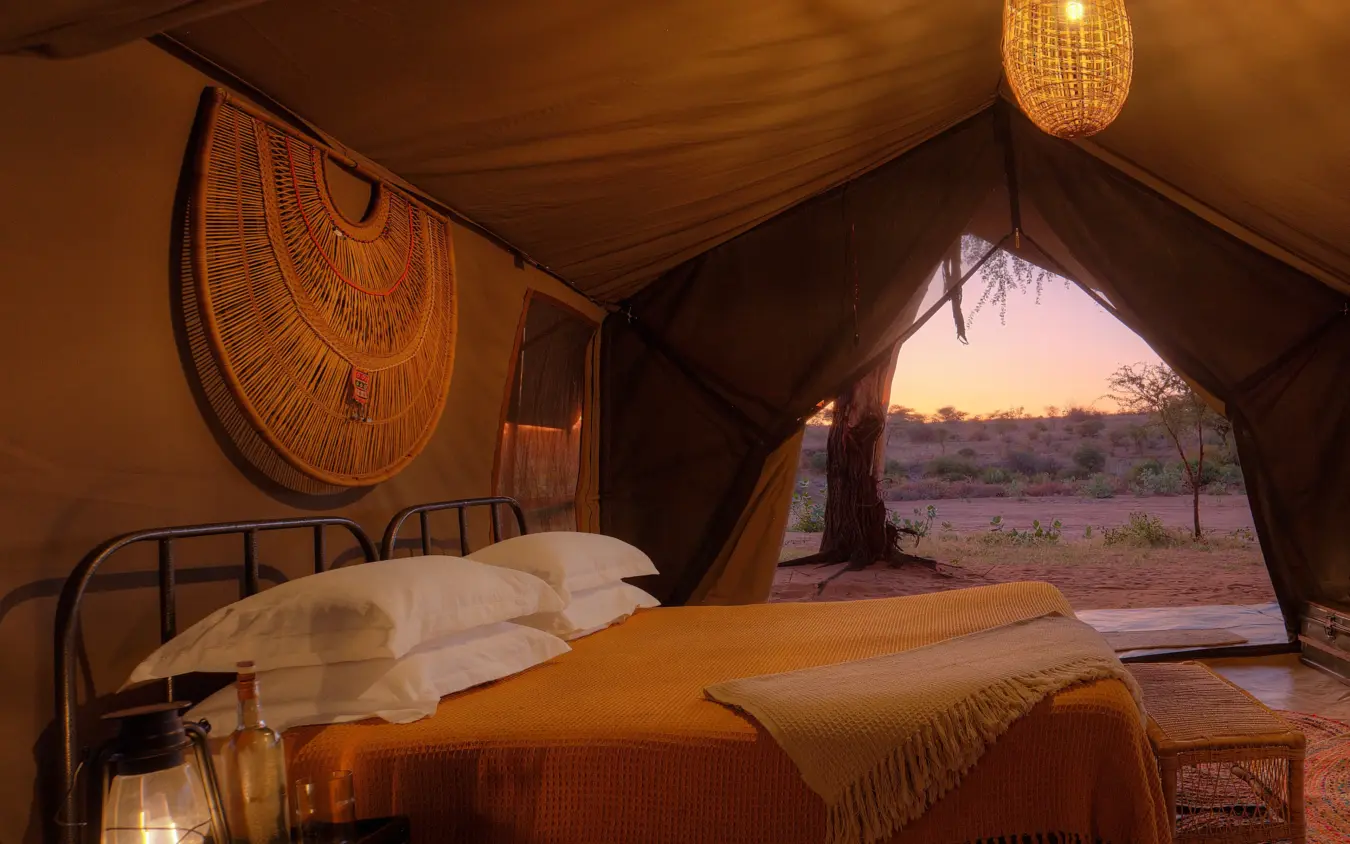
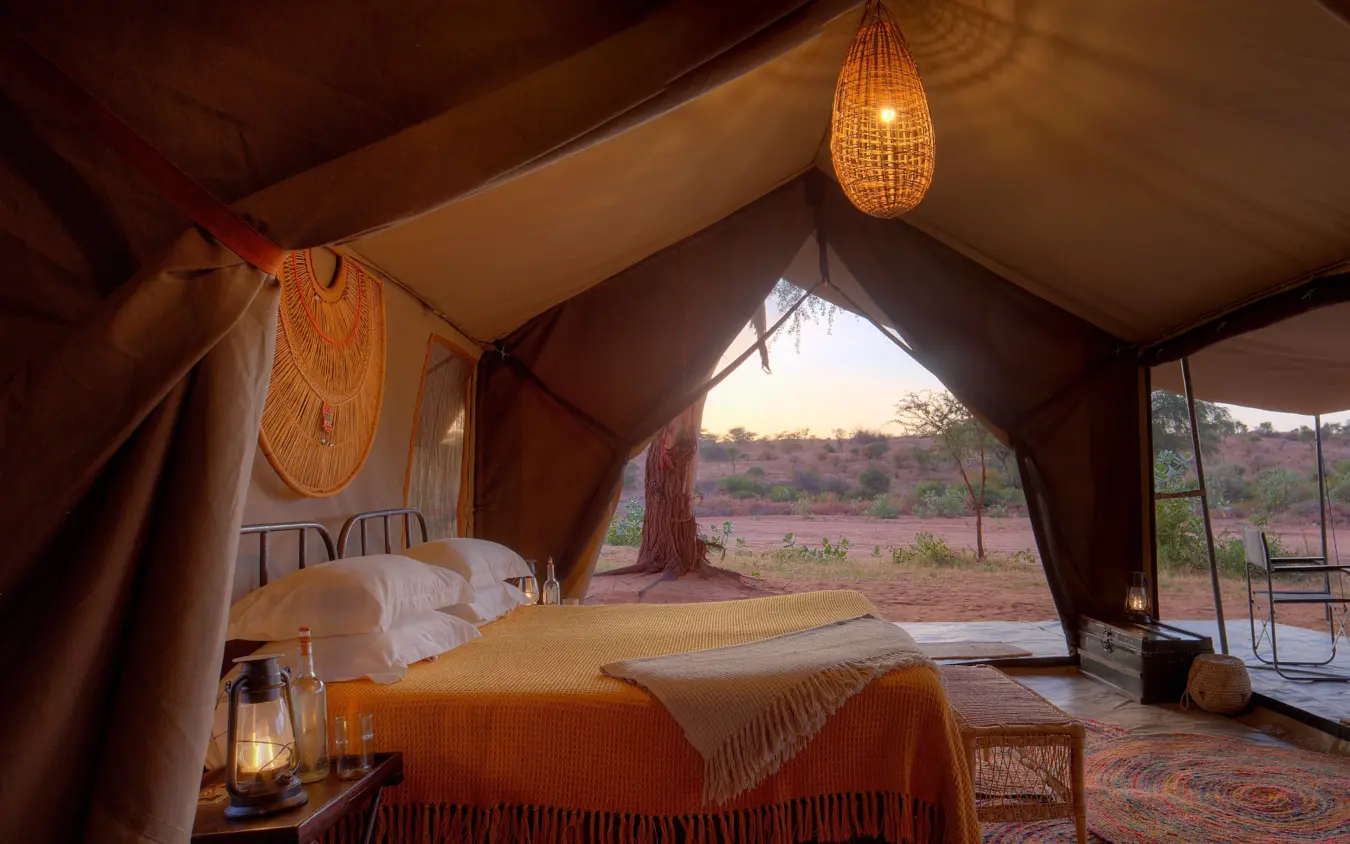
Canvas tent interior with beds and woven wall decoration, Sarara Wilderness, Northern Kenya, Kenya
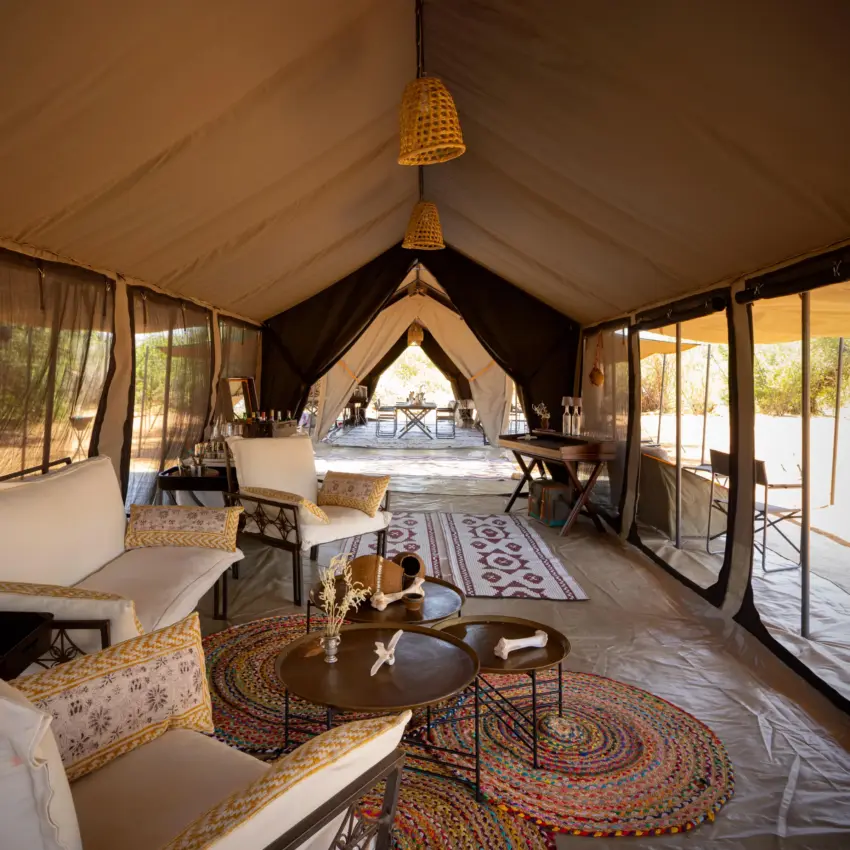
Luxury canvas safari tent interior with lounge area and bedroom suite, Sarara Wilderness, Northern Kenya, Kenya

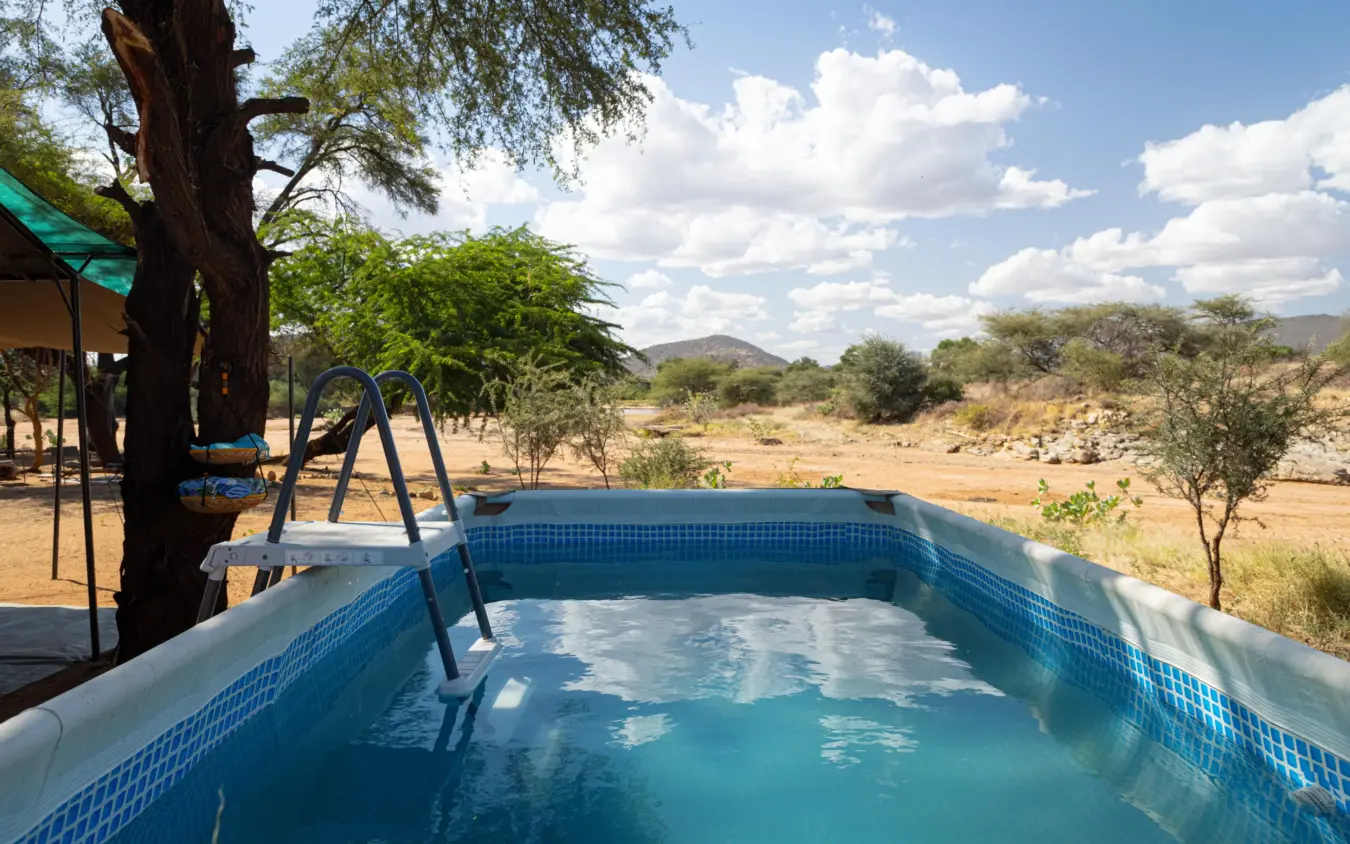
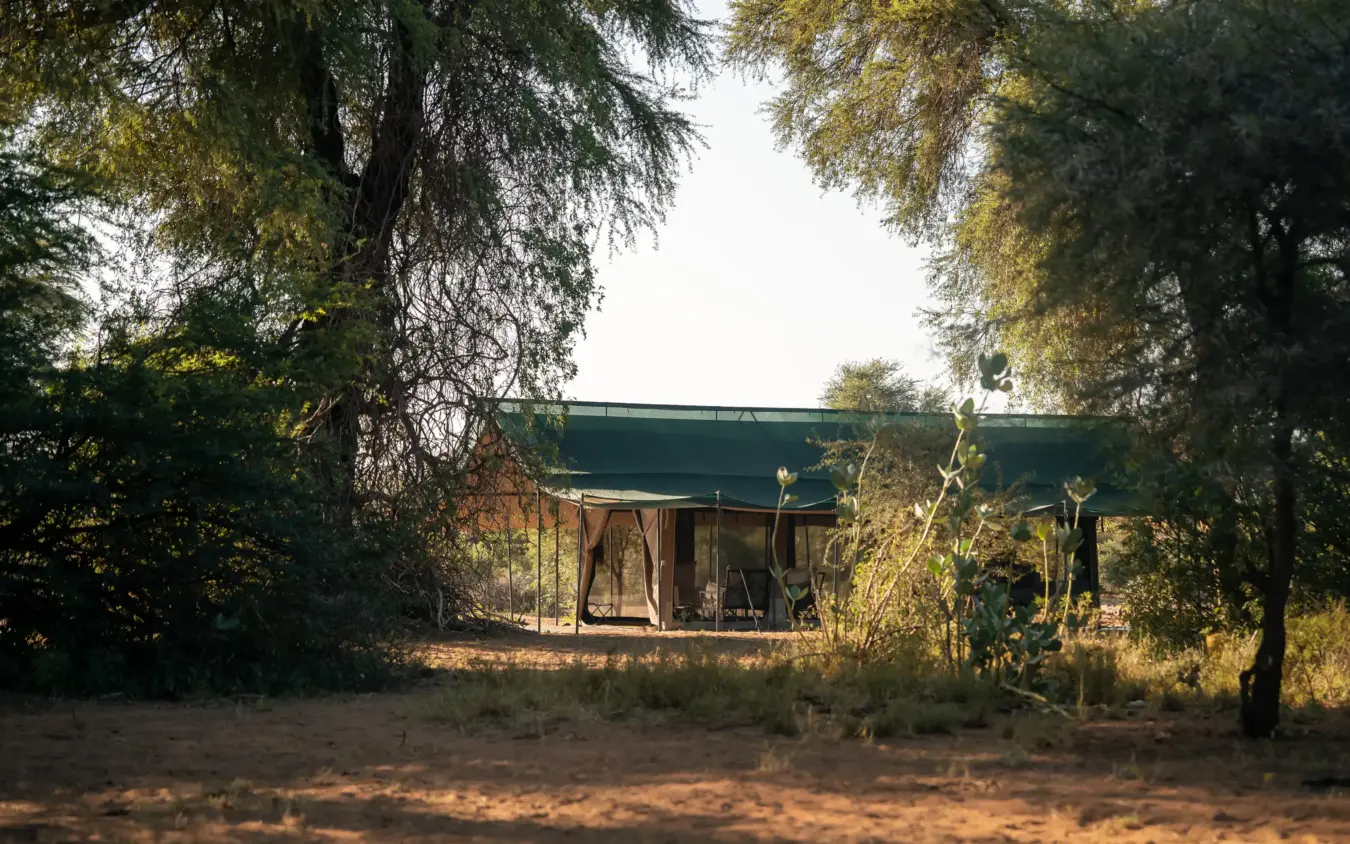
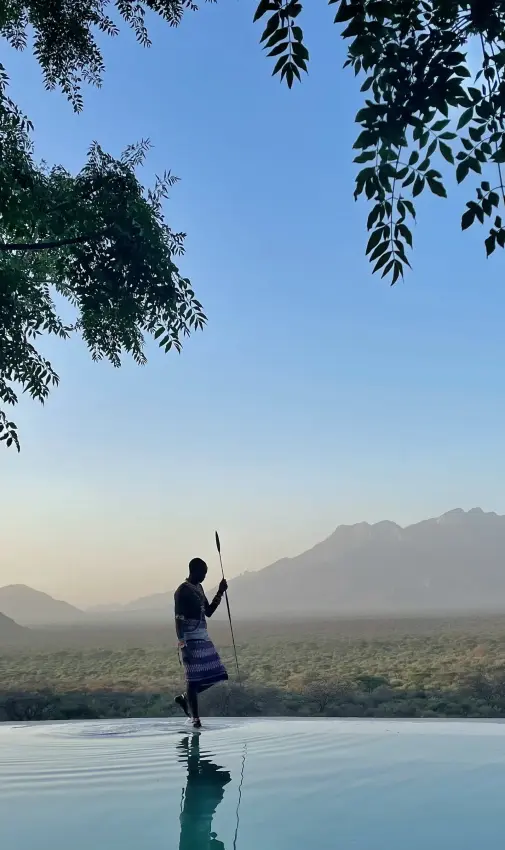
The tents are canvas, walk-in and en suite, with flush loos and hot bucket showers filled by hand. The mess tent holds the lounge, the bar and the dining table, and a second takes the library, the massage table and the cold plunge machines. A mobile pool goes up wherever the camp lands, and the whole camp can be struck and carried out, leaving the ground as it was.

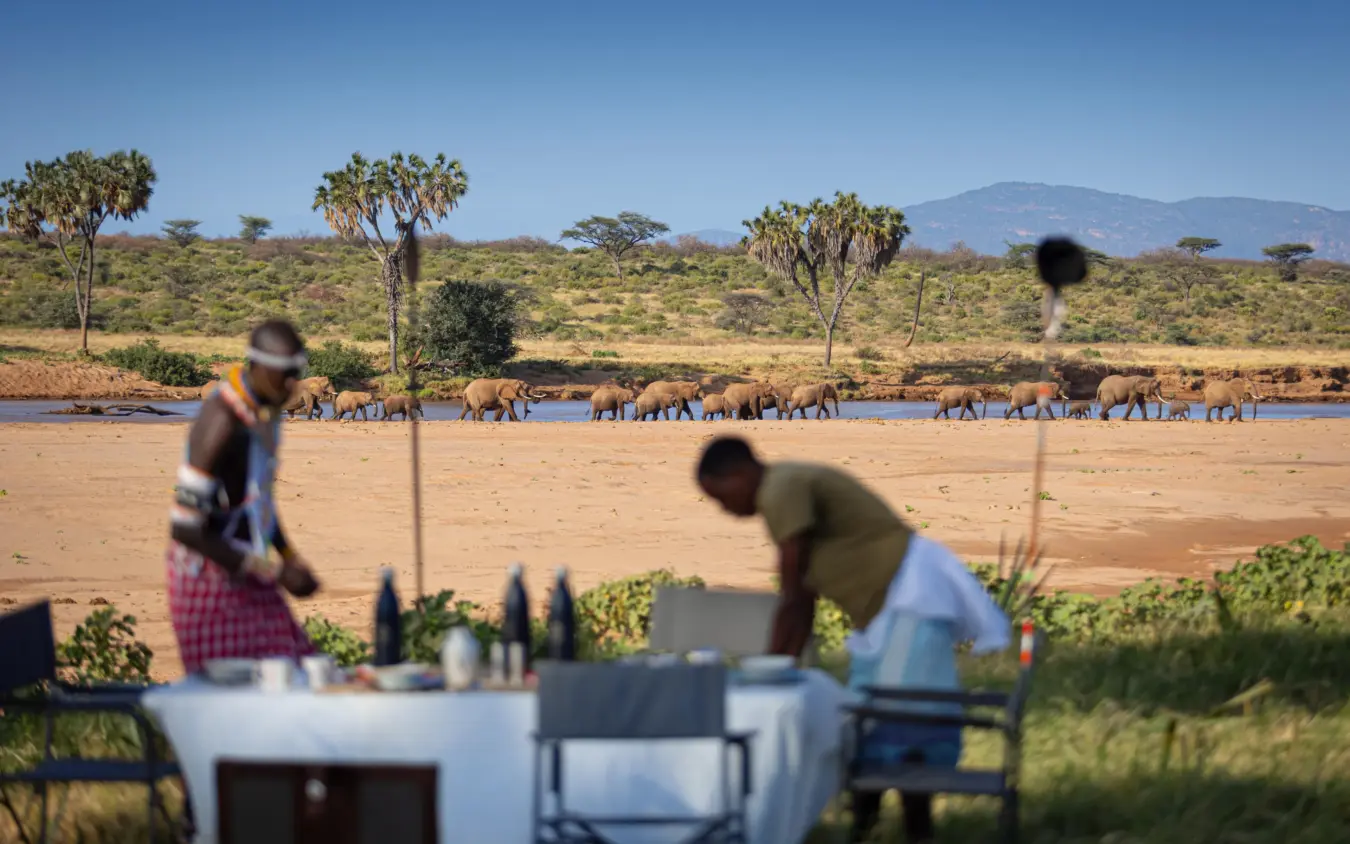
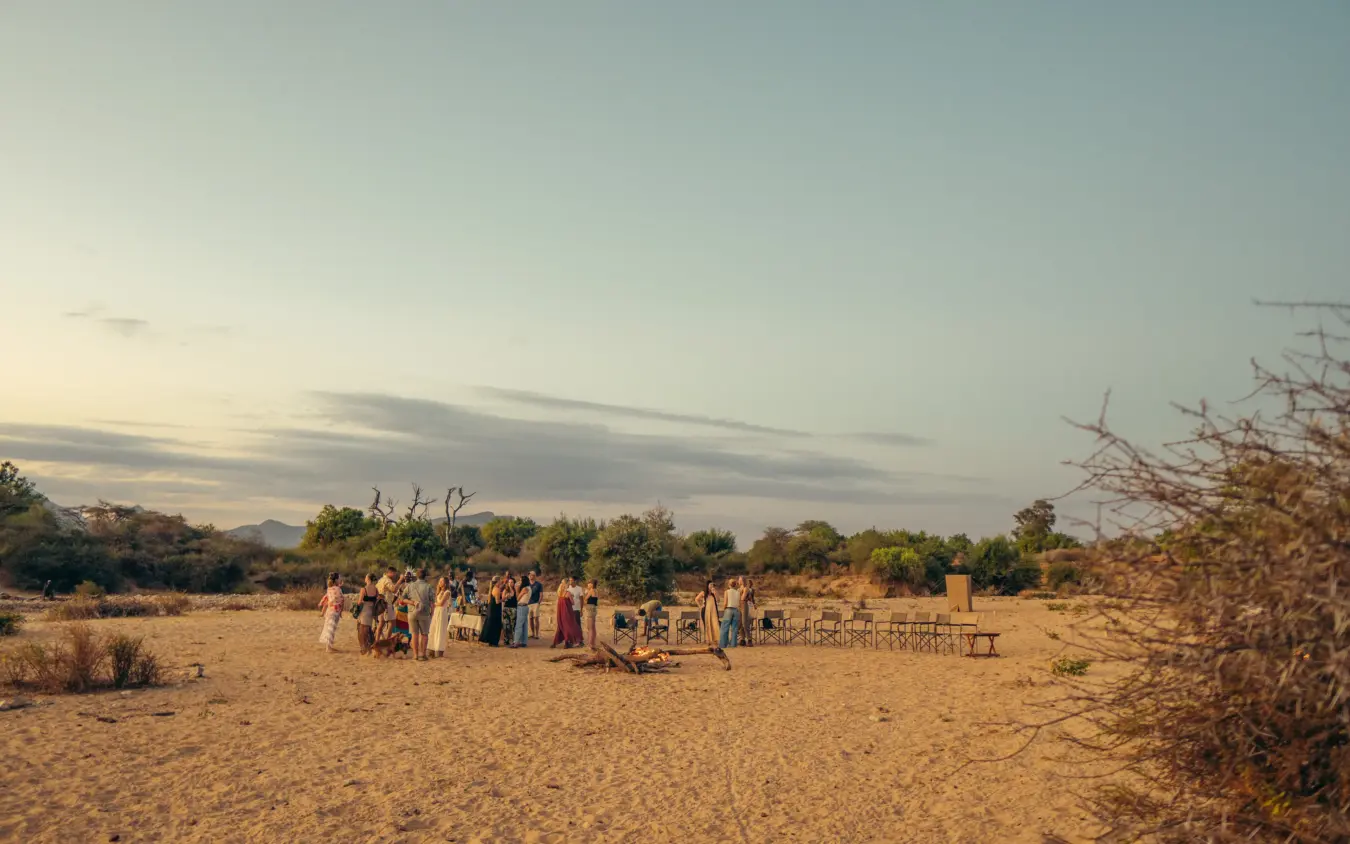
Dinner is often laid out in a dry riverbed under lantern light

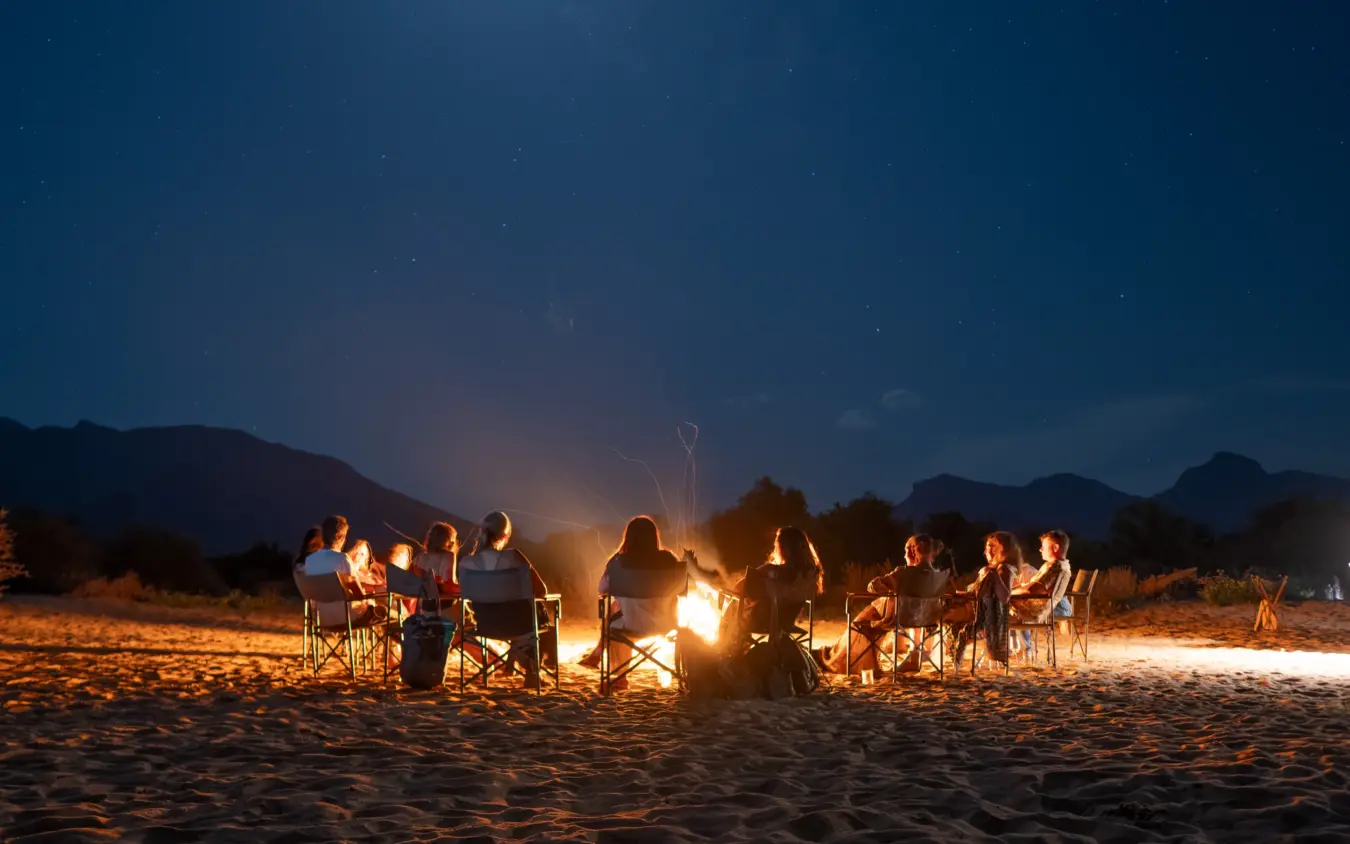
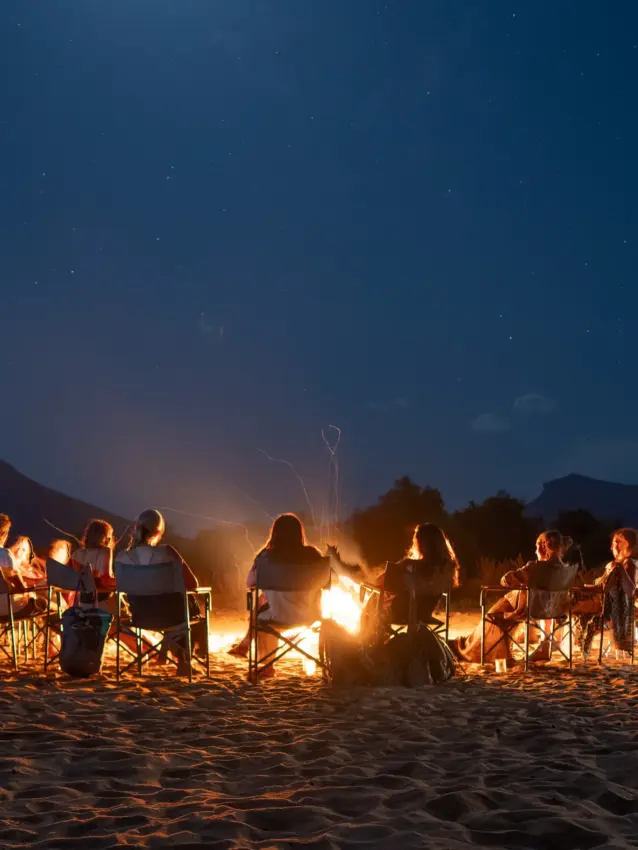
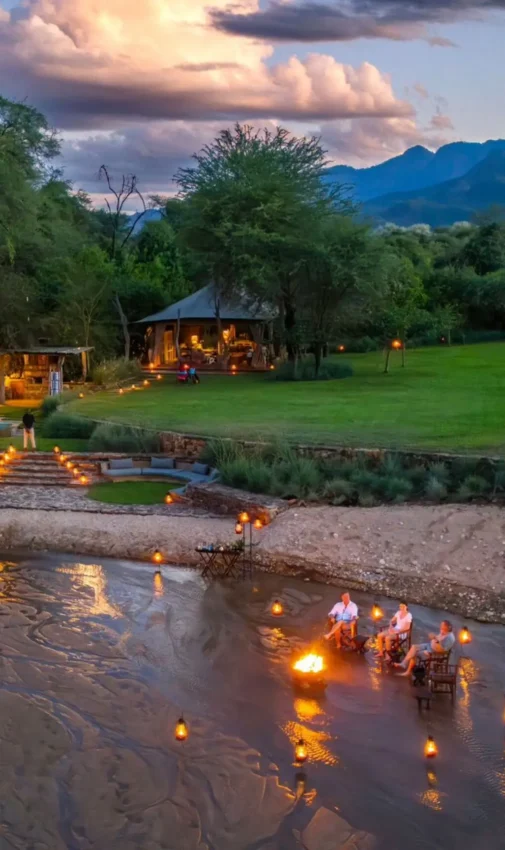
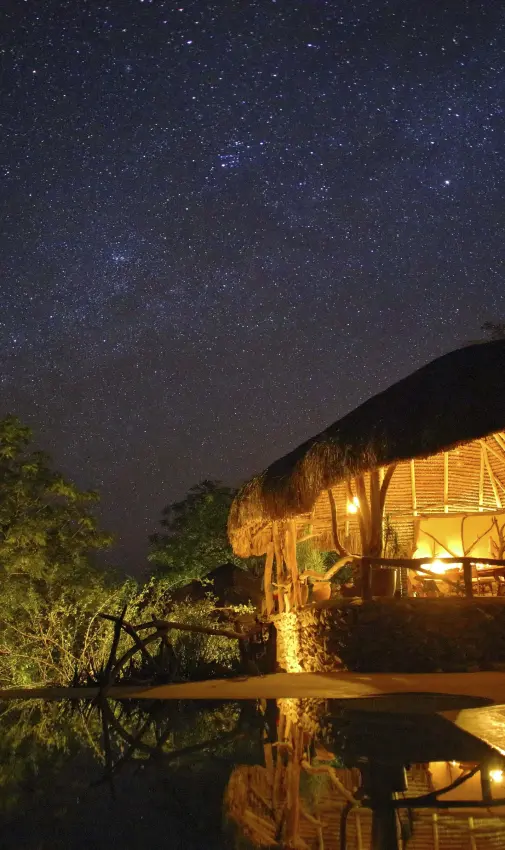
Katie Rowe trained at Prue Leith’s school in London, and the kitchens across the Sarara camps still work to her thinking: Kenyan produce, cooked simply, plenty of it. Dinner is often laid out in a dry riverbed under lantern light. Afterwards a Samburu host settles by the fire. There are stories around the fire until the stars take over. All meals and drinks are included, the bar in the mess tent.

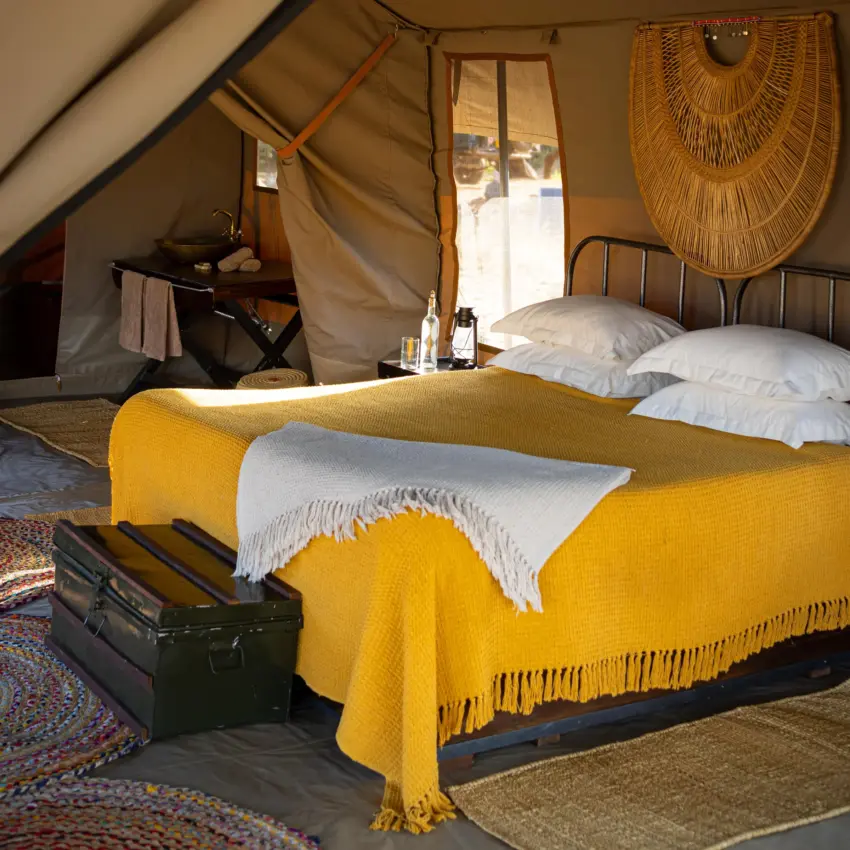
Luxury safari tent bedroom with yellow blanket and woven wall decoration, Sarara Wilderness, Northern Kenya, Kenya 01

accommodation

Six Canvas Tents, Twelve Guest Capacity

Six canvas tents, made to measure, walk-in and en suite, sleep up to twelve guests across the whole of Sarara Wilderness, which is taken privately, one group at a time. Each has soft beds, plug points, a flush loo and a hot bucket shower filled indoors by hand. Lantern-lit paths lead to the mess tent, and there is a mobile pool.

Man tending bonfire at beach gathering at sunset, Sarara Wilderness, Northern Kenya, Kenya 02

activities

Game Drives, Singing Wells and Stargazing

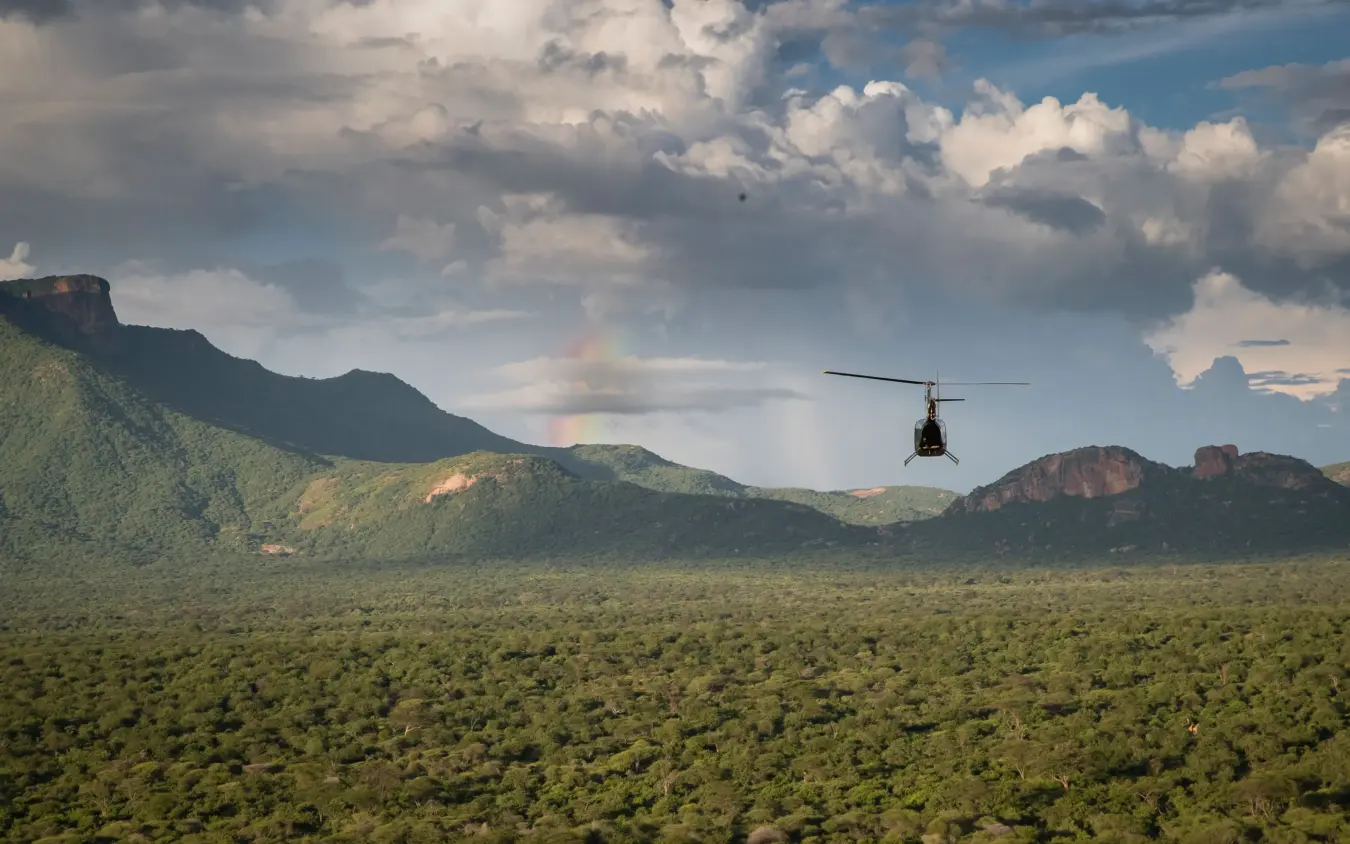
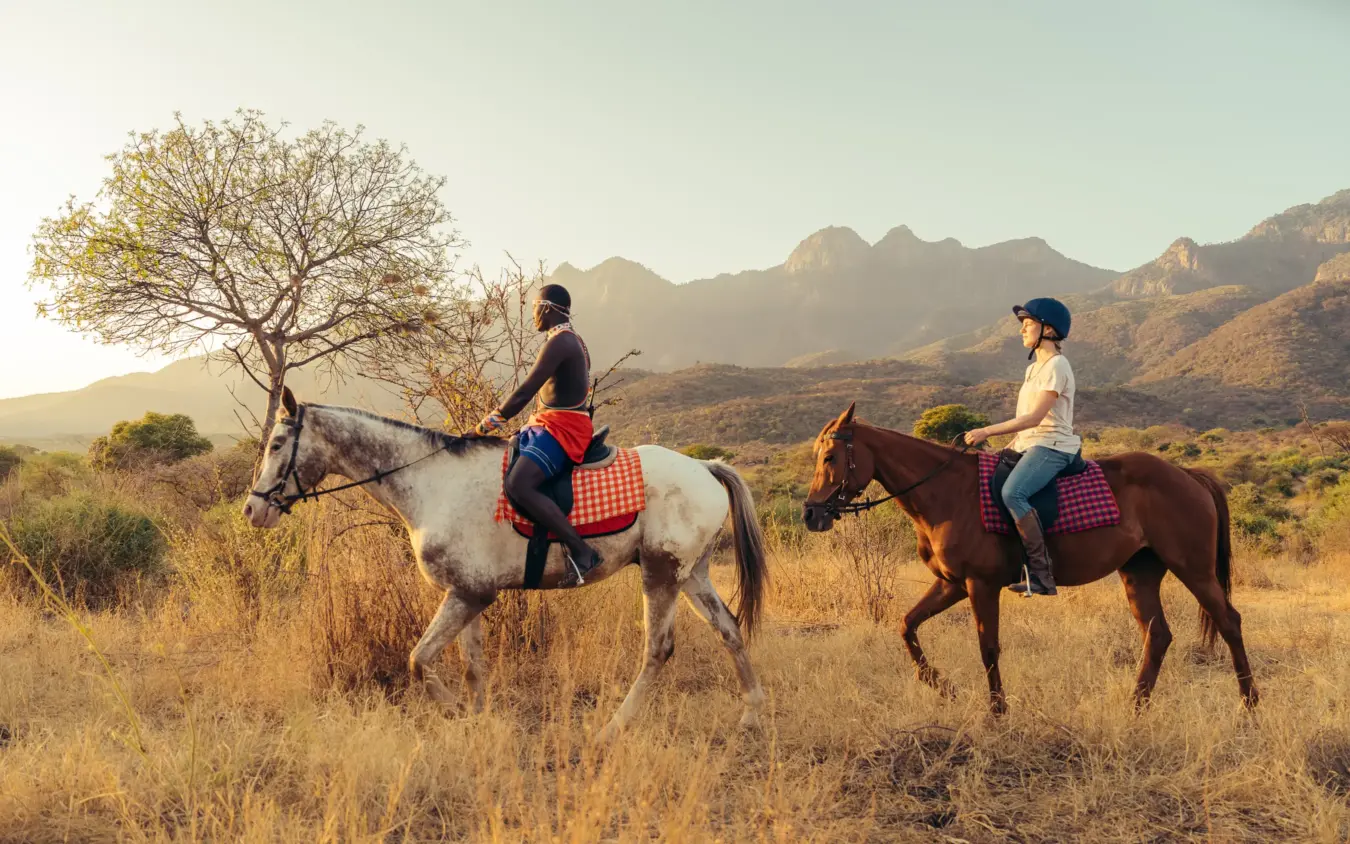
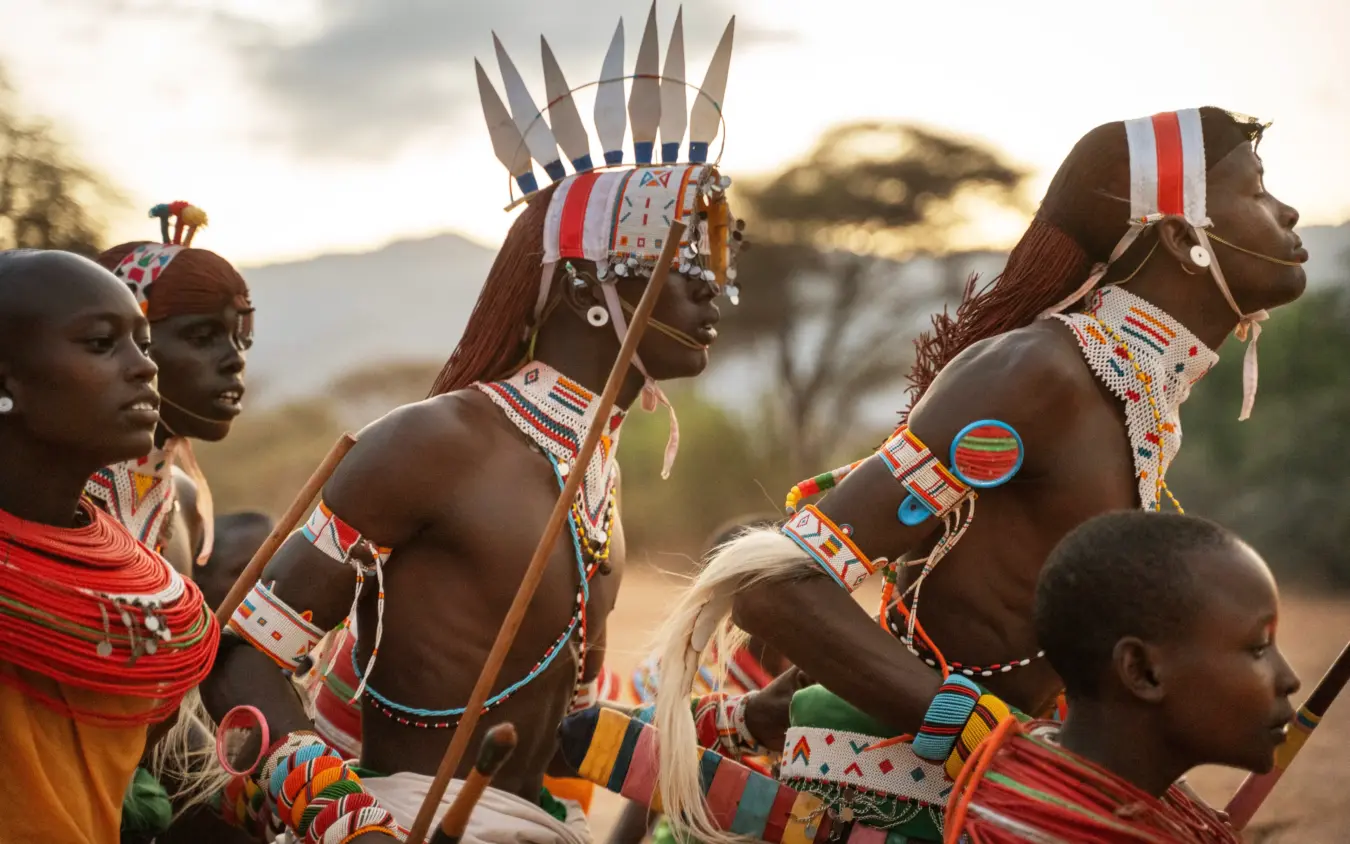
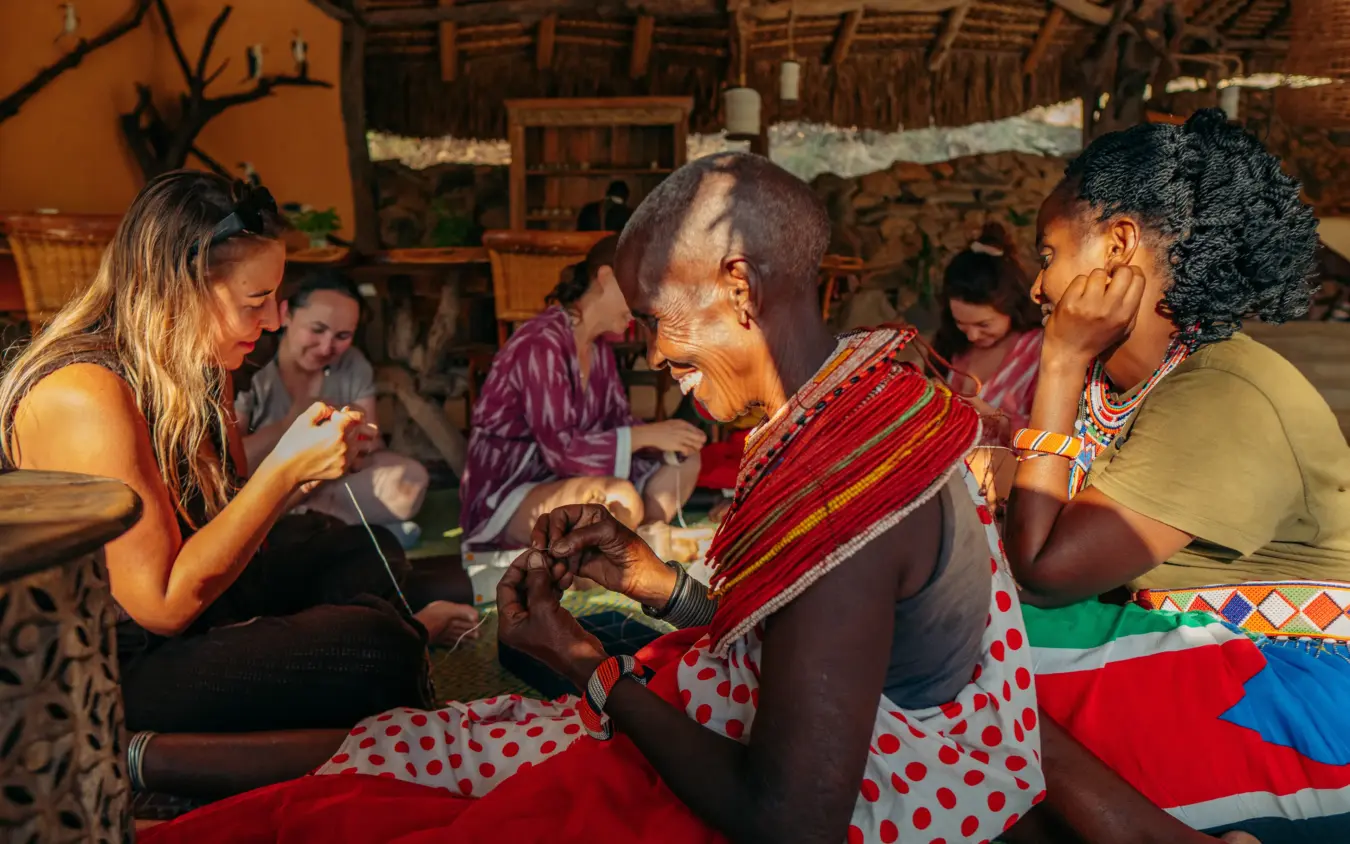
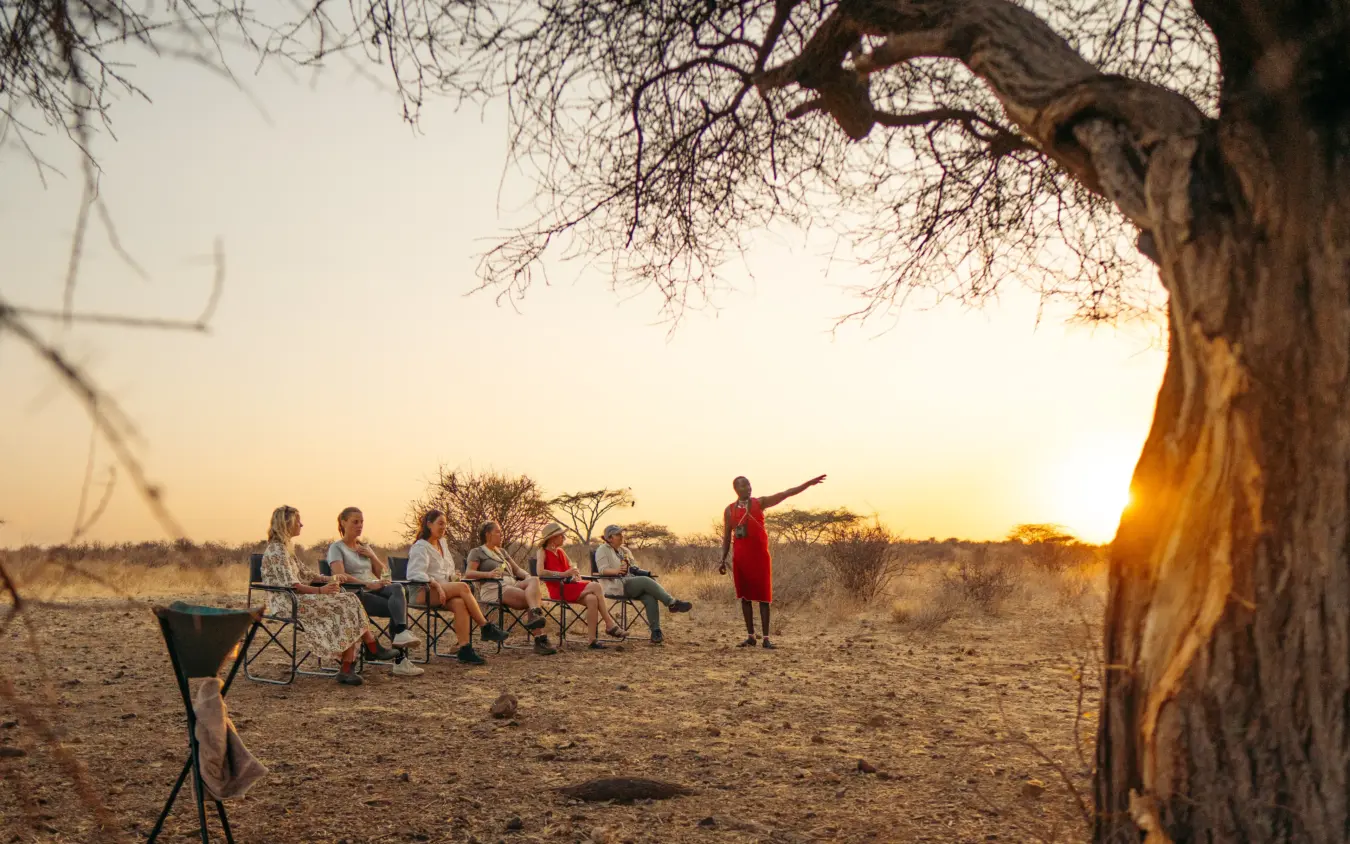
Guided game drives run into Samburu and Buffalo Springs and across the community land bordering them, which permits walking, sundowners and bush dinners in the riverbeds. Beading, homestead visits, Ngoma and the Singing Wells sit alongside birding, stargazing and helicopter flights over the volcanoes of Northern Kenya.

Young wildlife ranger with baby elephant in savanna grassland, Sarara Wilderness, Northern Kenya, Kenya 03

conservation

23 Elephants Rehabilitated by Reteti Sanctuary

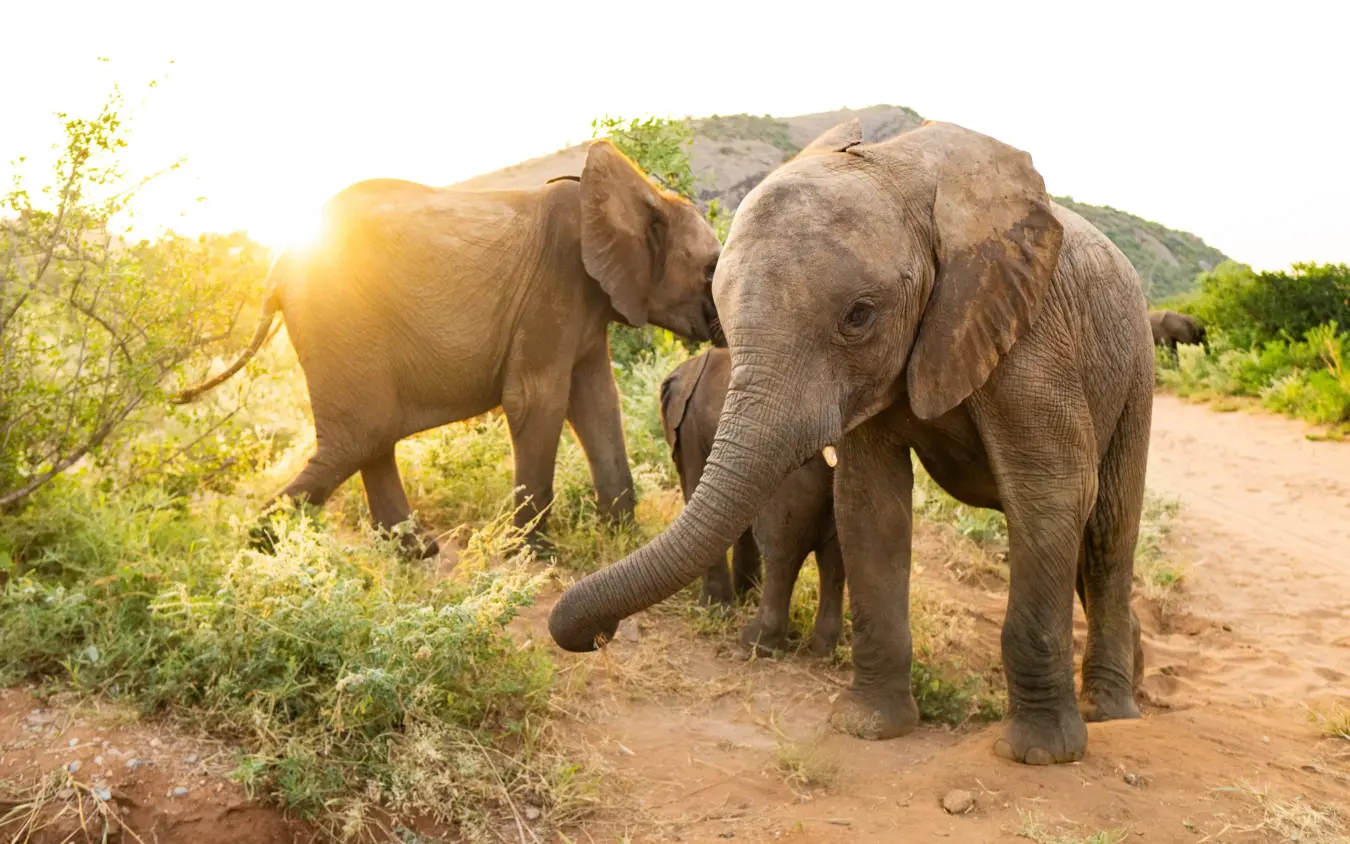
Sarara Wilderness is run by the Samburu community through The Sarara Foundation, co-founded in 2016 by Jeremy Bastard and Katie Rowe. The Foundation is also the operating and funding partner of Reteti Elephant Sanctuary, which is community-owned and community-run by the Samburu and has rehabilitated and released 23 orphaned elephants since 2019, alongside Montessori schools, mobile clinics and the Milk to Market programme paying Samburu women for goat milk.

ready to get started?

Get in touch and let’s start the conversation. An initial consultation helps us understand what you’re looking for, whether that’s specific experiences, luxury touches, or marking a special occasion, and from there we’ll guide you through what’s possible so you can decide if we’re the right fit.

Alternative accommodation in northern kenya

frequently asked questions

By air to Buffalo Springs or Kalama, the two airstrips the camp uses, and then by vehicle. Scheduled services from Nairobi's Wilson airport take about an hour to an hour and a half depending on how many strips the aircraft calls at, and the camp collects you at the strip.

We can arrange a private charter instead, typically a Cessna Caravan or a Pilatus PC-12, which lets us route you straight from another camp rather than back through Nairobi. A helicopter can also land at the camp itself, which turns the transfer into part of the safari, and helicopter flying runs from camp for those who want the country from above.

Soft bags only on the light aircraft, fifteen kilograms a person including hand luggage. If the trip pairs this camp with one of the Sarara places in Namunyak, the road link is about two and a half hours, and we would usually make that a game drive rather than a transfer.
It sits on the edge of the two reserves rather than inside either, in the country the Ewaso Ng'iro runs through, and the river is also the line between them: Samburu National Reserve lies on the north bank and Buffalo Springs on the south, and the game drives go into both.

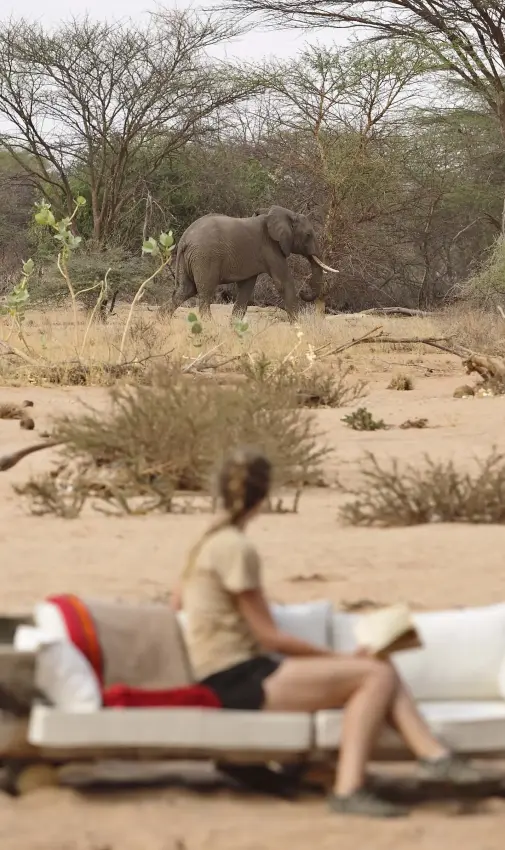
The river is the reason for the wildlife. It runs all year through country that is otherwise dry, so elephant, which are abundant in both reserves, come to it daily, and the woodland along its banks is one of the better places in the country to see leopard.
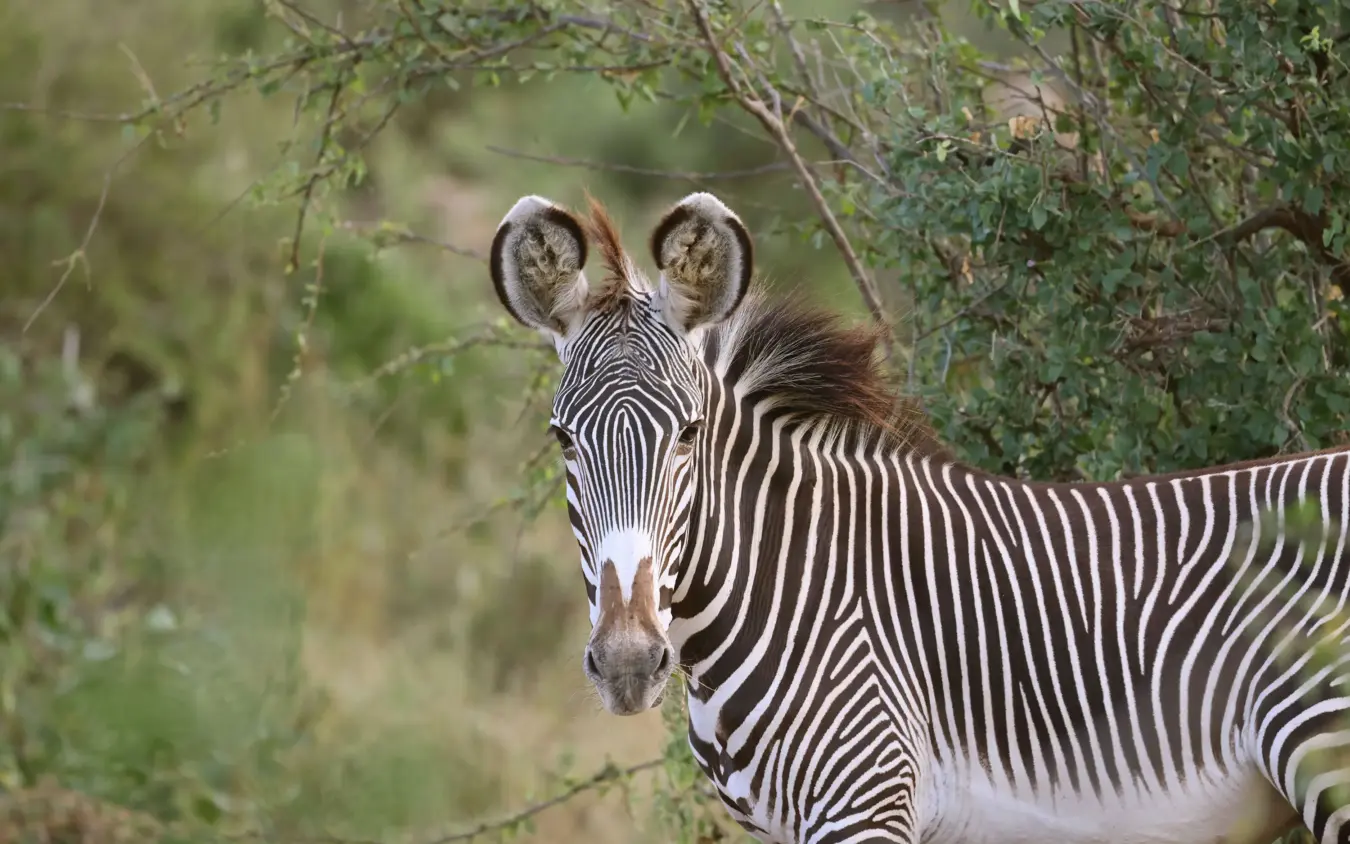
What sets this corner apart from the Mara or Laikipia is the dry-country animals that live almost nowhere else in the country: the endangered Grevy's zebra, reticulated giraffe, beisa oryx, the gerenuk that stands on its hind legs to browse, and the Somali ostrich. Guides call them the Samburu Special Five, and a stay at this camp is the place to see them.

Yes, and it is worth being clear because the other Sarara camps sit higher. This camp is at about 800 metres, and the reserves it borders run from roughly 800 to 1,230 metres, all of it well below the 2,500 metre line that matters.

TravelHealthPro, the UK's official travel health service, rates Kenya as high risk for malaria and recommends antimalarial tablets for it, setting apart only the city of Nairobi and the highlands above 2,500 metres, and it gives no seasonal exemption; the American CDC records transmission in all areas below that altitude, game parks included.

The reassurance sometimes offered for the Mathews Range camps on account of their height does not carry down to the river.

We do not make medical recommendations. We are travel planners, not doctors. Which tablets suit you, how they sit with anything else you take and what is right for a child are questions for your own doctor or a travel clinic.

The practical part is not medical: the river draws mosquitoes as surely as it draws elephant, so long sleeves at dusk and repellent in the tent are worth the small effort.

The dry months. From June to October and again from December to March the river is the only reliable water for miles, so the animals come to it and are easy to find, and the days are hot, dry and dusty, typically thirty to thirty five degrees by mid afternoon with cooler nights.

At around 800 metres this is warmer country than the Sarara camps in the hills, which is worth knowing when you pack.

The long rains fall from about March or April to May and the short rains in November, which is the month the camp comes down.

April and May are green, quieter and better for birds, but the grass is long and the animals spread out, and a heavy year can make the river tracks hard going. Tell us what the trip is for and we will say which month serves it.

Yes. Children of all ages are welcome, and we would say it suits children of five and over best: this is a tented camp on a river with elephant walking past.

Because the whole camp is taken by one party, with its own Samburu host, guide and vehicle, the usual worries about other guests, set mealtimes and a child's stamina on a long drive fall away, and the day runs at your family's pace.

Six tents give a family room to spread out, and children of eight and over share a tent with their siblings while younger ones sleep in with their parents. Tell us the ages and we will shape the days around them, and say honestly whether a very young child would be happier at one of the Sarara houses in the hills, which have proper family units.

Almost everything, which is how a camp taken whole should work. Full board with bush meals and sundowners, house drinks including soft drinks, local beers and the house wines and spirits, laundry, the transfers to and from the Buffalo Springs or Kalama airstrips, and a private Samburu guide and spotter with a vehicle for your group alone.

Game drives, walking, the cultural visits and stargazing are part of the stay rather than extras.

Premium wines and spirits are the main thing outside the price. We set the whole cost out in one figure before you commit, so there is nothing to find on the last morning.

rated five stars by our clients

other areas in kenya

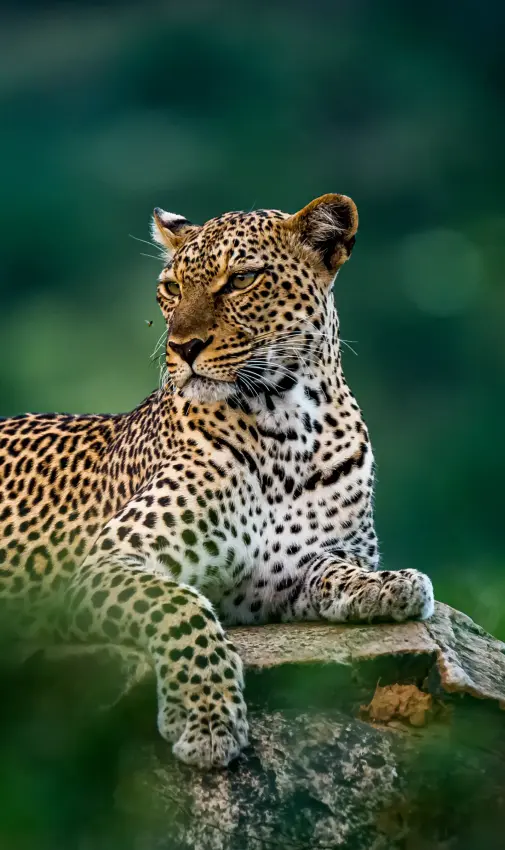
Leopard resting on fallen log in natural setting 01

Maasai Mara

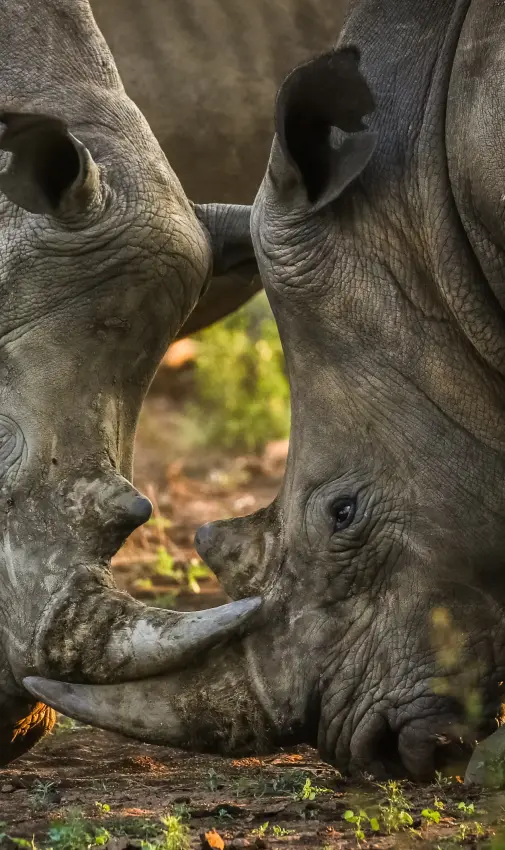
Two rhinos touching horns in natural habitat 02

Laikipia Highlands

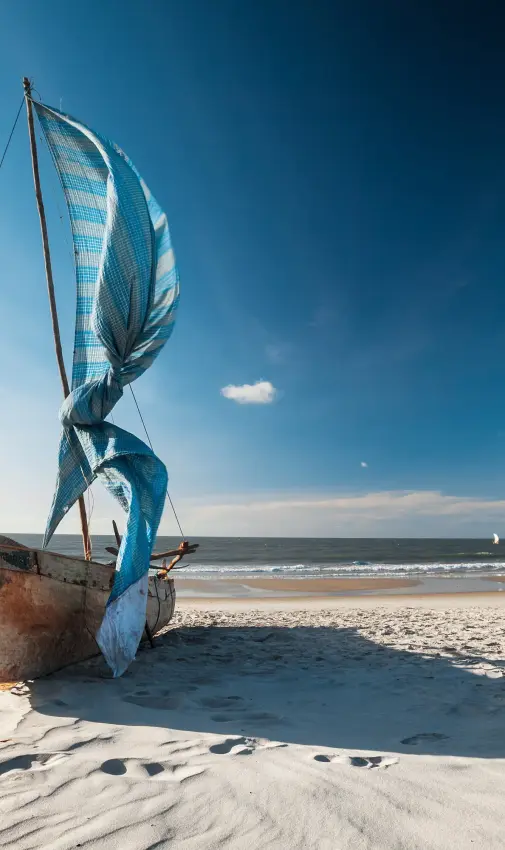
Traditional fishing boat with blue sail on sandy beach 03

Kilifi

Flock of flamingos wading in shallow pink-tinted water, Rift Valley Lakes, Kenya 04

Rift Valley Lakes

Snow-capped Mount Kilimanjaro rising above acacia trees and Tanzania savanna 05

Amboseli and Chyulu Hills

Wooden fishing boat beached on white sand tropical shore 06

Diani Beach

Man in traditional red garment driving open safari vehicle, Samburu Reserve, Kenya 07

Samburu Reserve

08

Lamu Archipelago

Zebras in savanna grassland with safari vehicle and city skyline 09

Nairobi

African elephants with calf walking through grassland at sunset 10

Tsavo

Planning a journey together

our approach

remote, exclusive
& personal

Every journey starts with a conversation. We take the time to understand your vision before we start planning.

Whether by phone or in person, we work with you directly to shape something that is considered, personal, and expertly delivered.

get in touch
destinations ideas & inspiration our process about us contact us