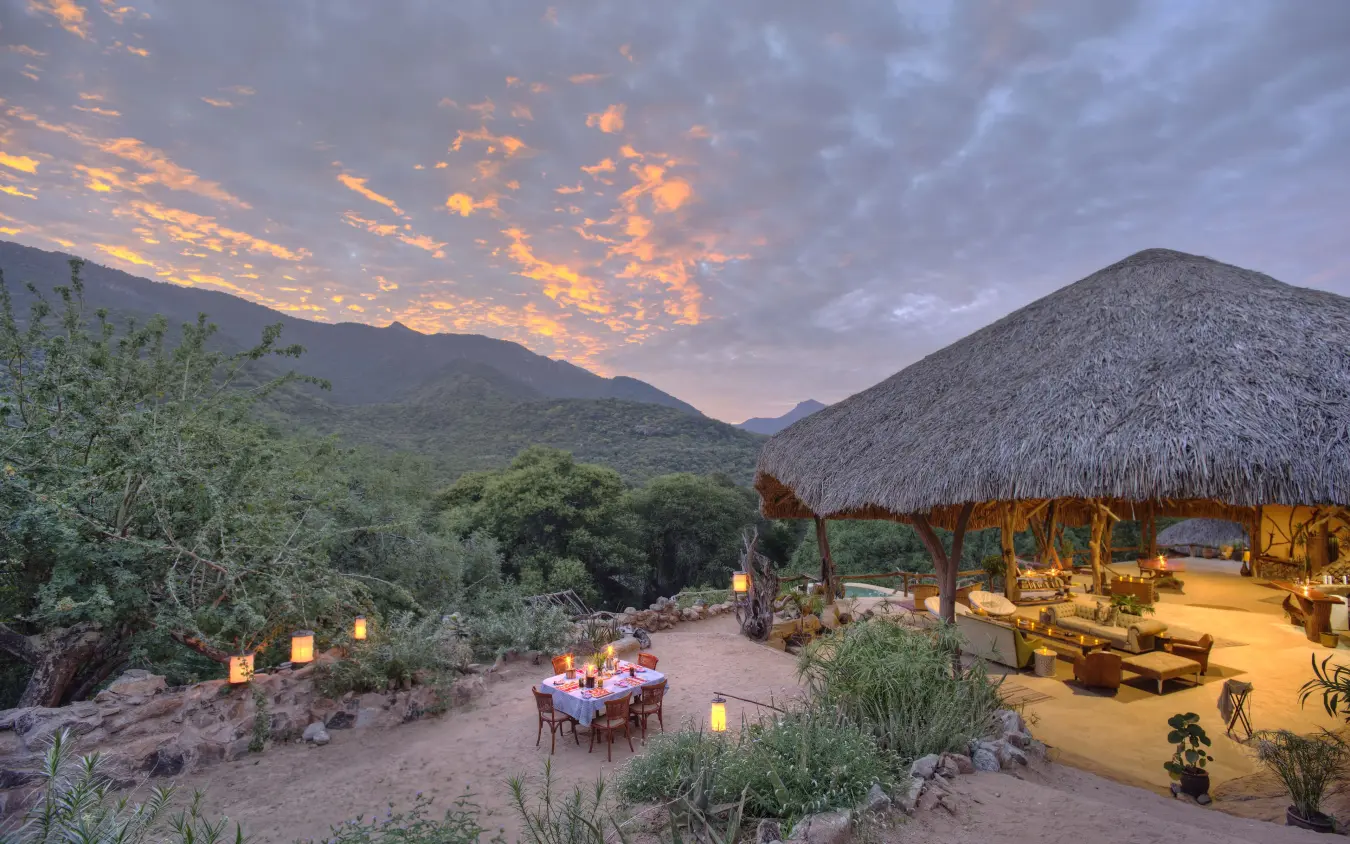
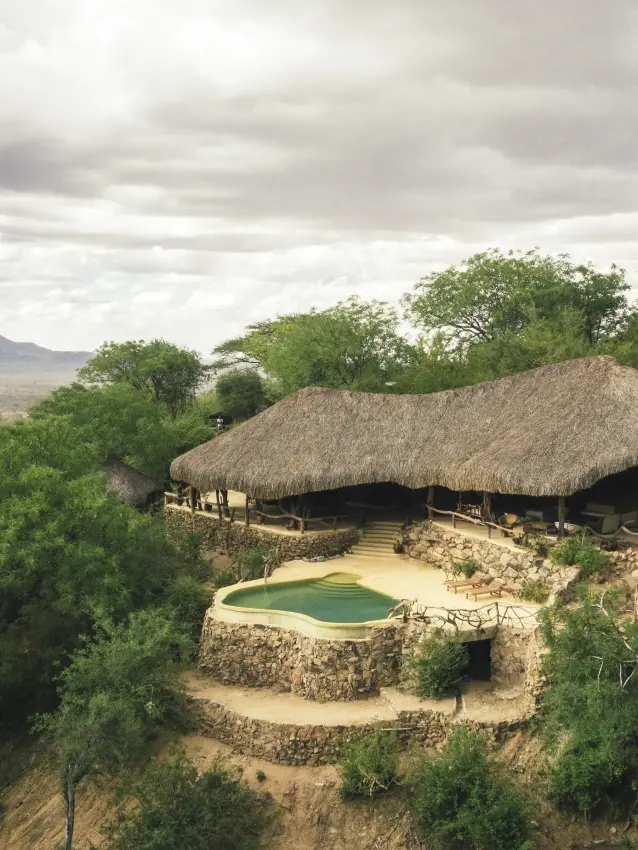
The conservancy spans around 850,000 acres of plains, riverine corridors and rocky slopes in Samburu County, northern Kenya. The lodge sits in mature highland forest, separate from its sister Sarara Camp on an open hillside about 20 minutes away. Access is a 20-minute drive from Sarara’s own airstrip for private charters, or a scheduled flight to Kalama followed by a road transfer of about an hour and a half. The adventurous can arrive on foot or by bush pony, with camels carrying the luggage.
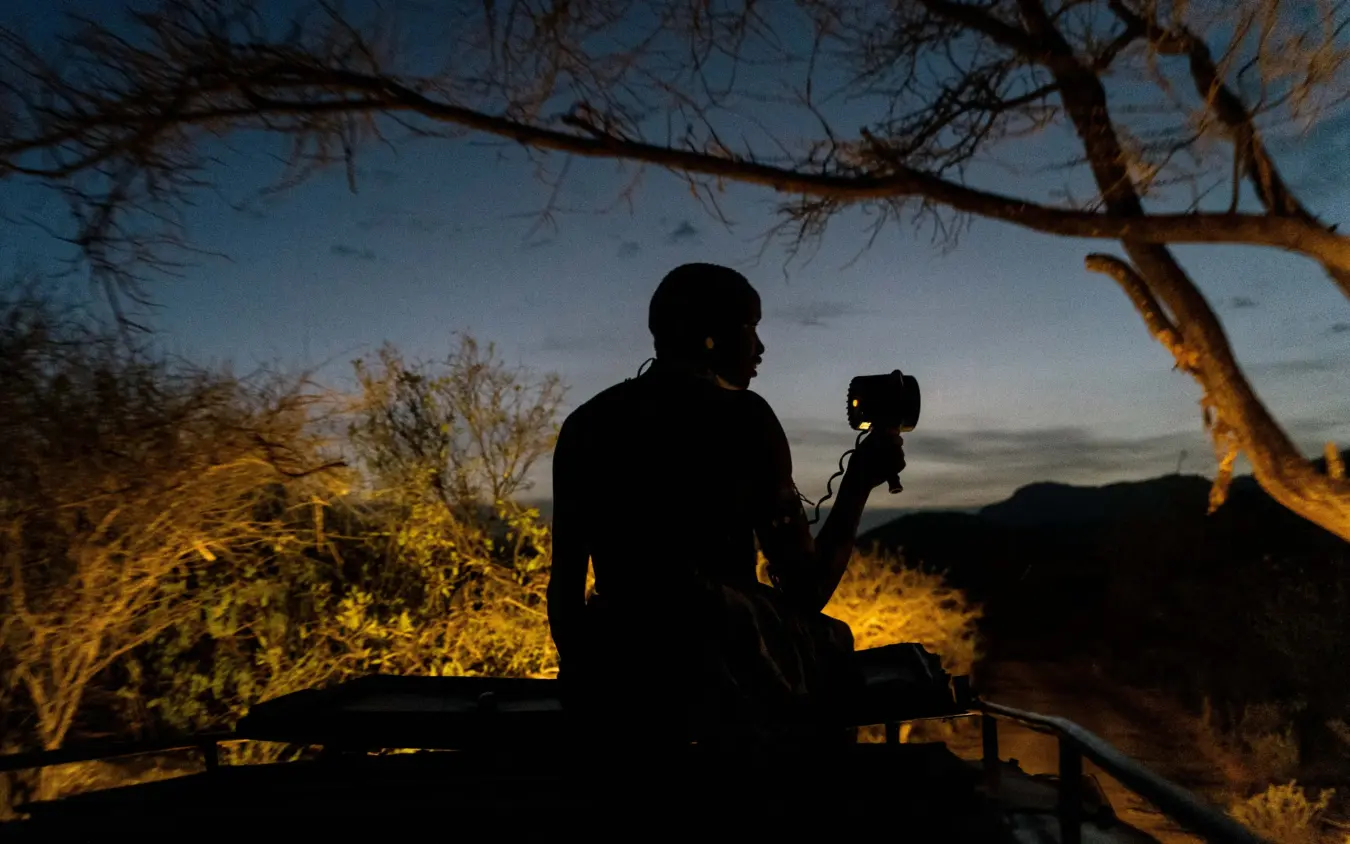
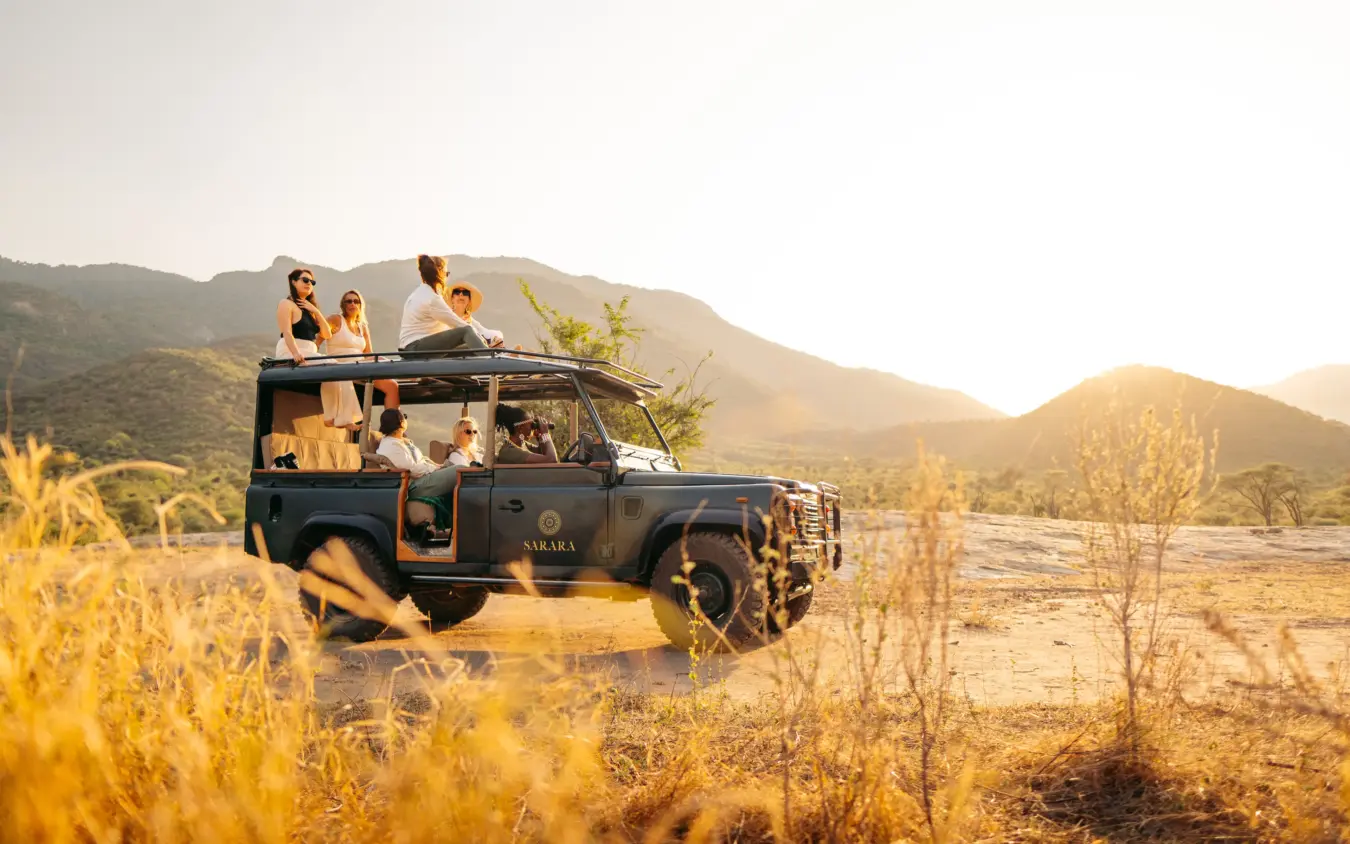
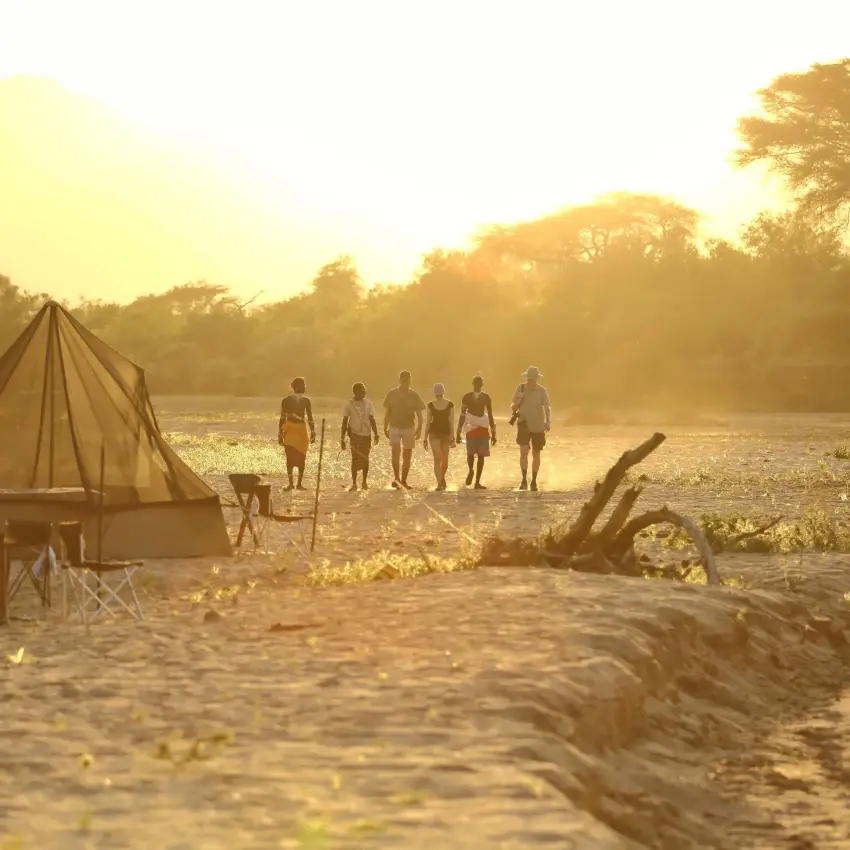
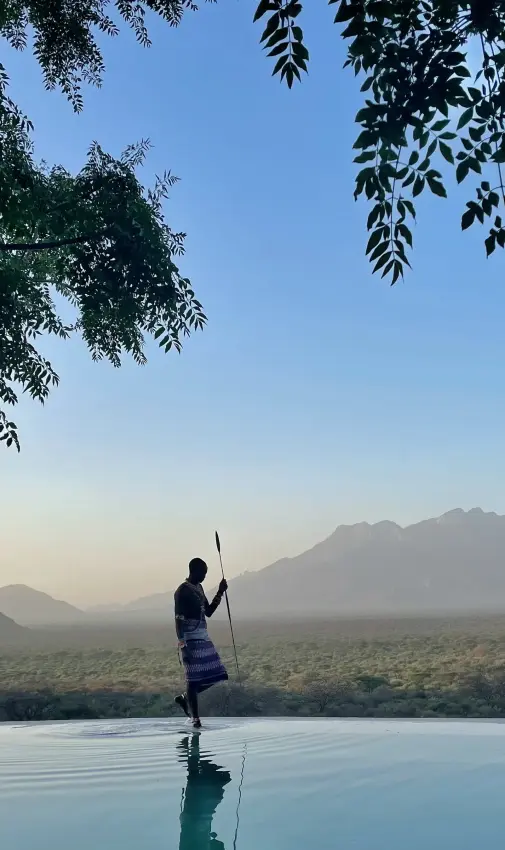
Because Namunyak is a community conservancy rather than a national park, activities here face few restrictions. Days can include unrestricted game drives, night drives, walking safaris, horseback rides on bush ponies and camel treks into the Mathews Range. Guests hike the montane cloud forest, fly-camp in dry riverbeds, swim in the infinity pool above the waterhole and watch wildlife from a dedicated hide.
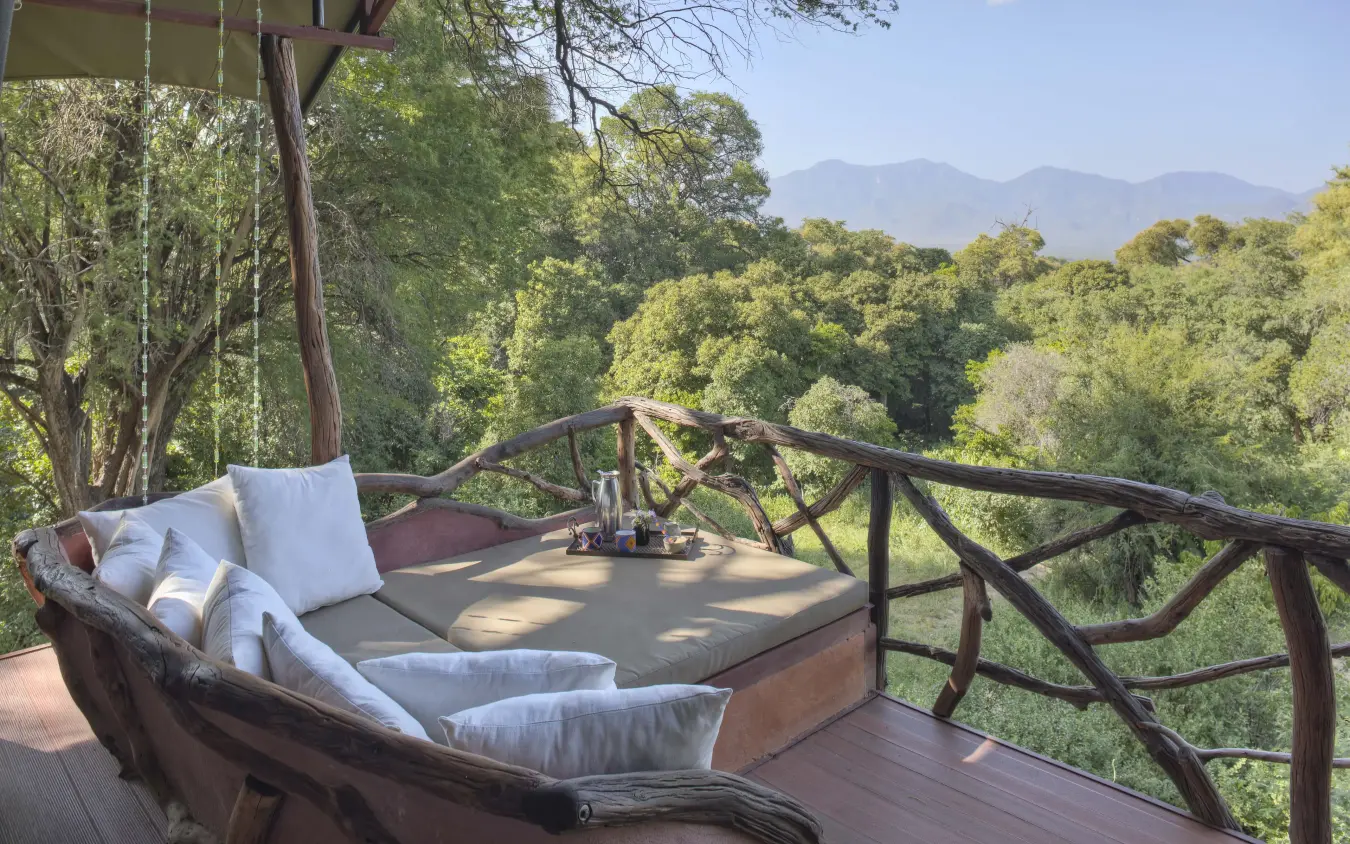
Two worlds meet here: montane forest above the camp and the arid Samburu plains below.
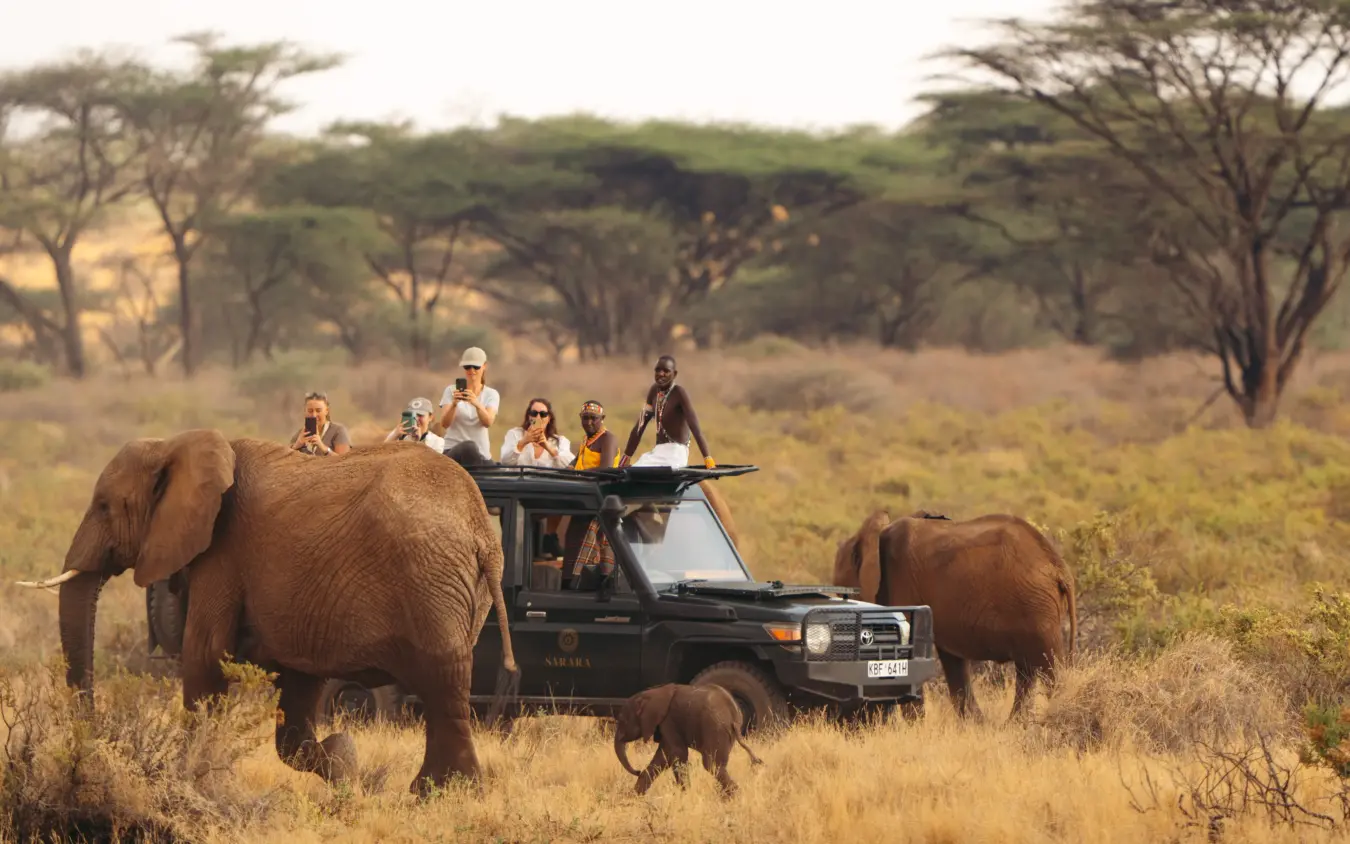
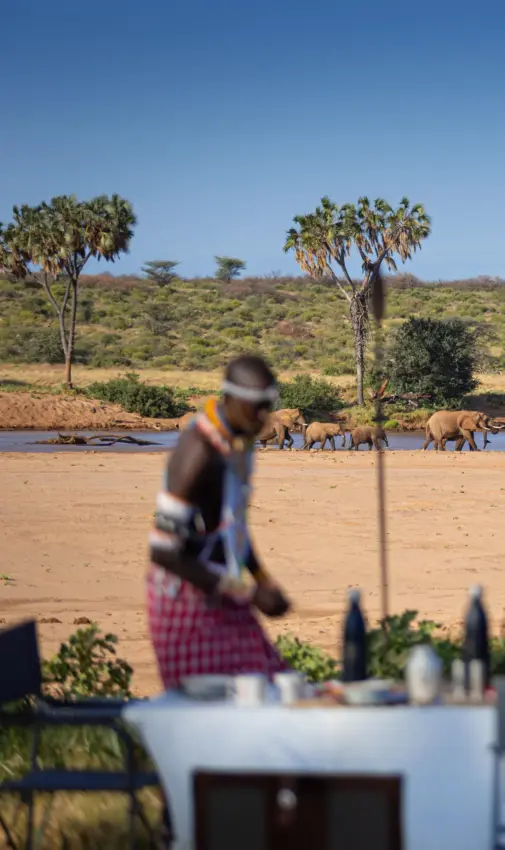
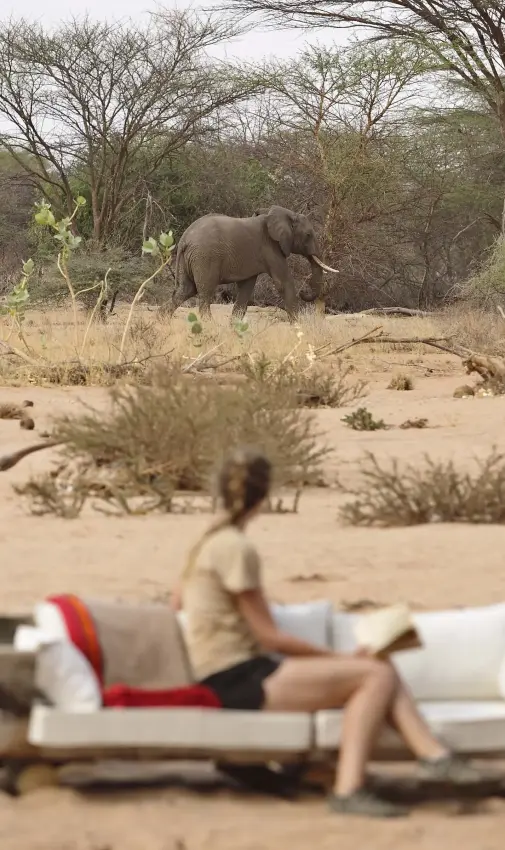
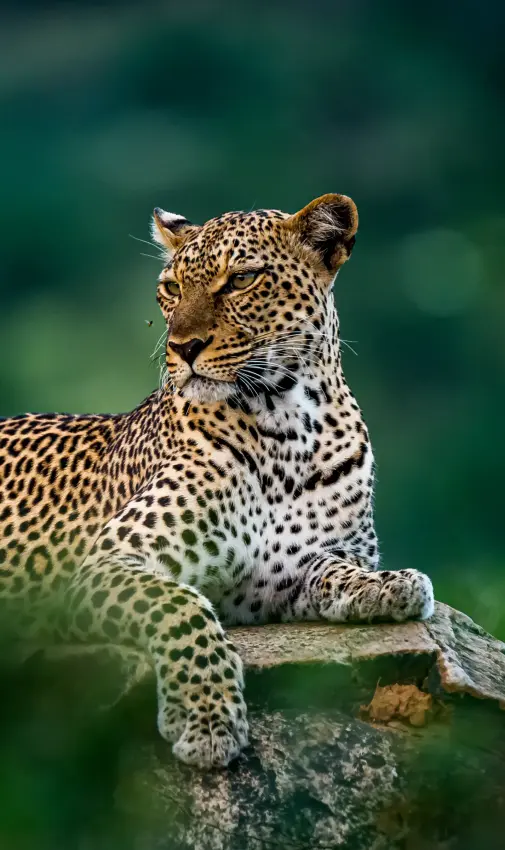
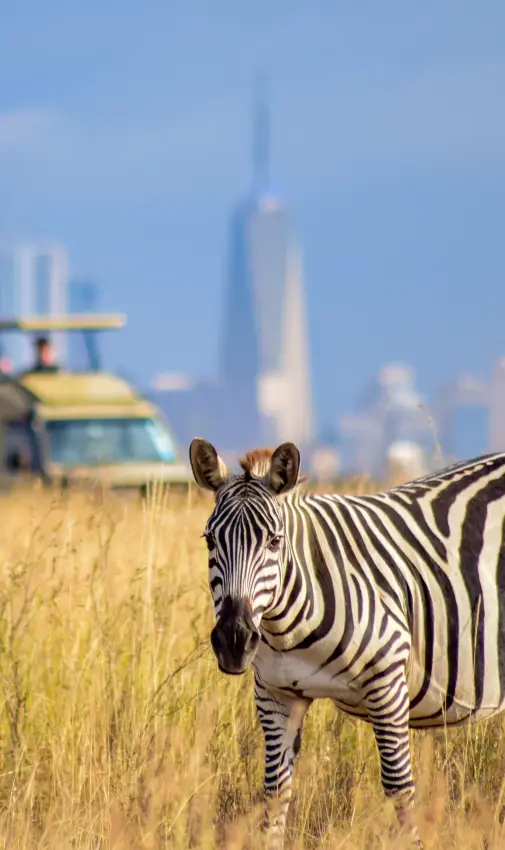
Namunyak holds Kenya’s second-largest elephant population, more than 480 reticulated giraffe and the critically endangered Grevy’s zebra. Gerenuk, beisa oryx, lesser kudu, buffalo, leopard, lion and wild dog all range across the conservancy. In the forest above camp, reachable only on foot, live De Brazza’s and colobus monkeys among centuries-old cycads.
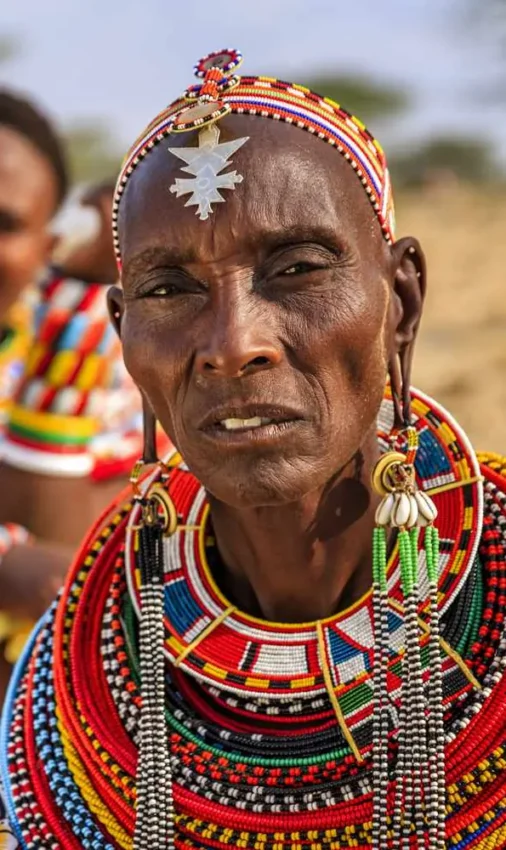
Jeremy and Katie co-founded Reteti Elephant Sanctuary in 2016, Africa’s first community-owned and community-run elephant sanctuary, where Samburu keepers raise orphaned calves for release back to wild herds. Sarara Treehouses guests visit at dawn or evening feed times. The Sarara Foundation, also formed in 2016, runs nomadic Montessori schools and mobile healthcare clinics, while the Milk to Market programme creates income for Samburu women.
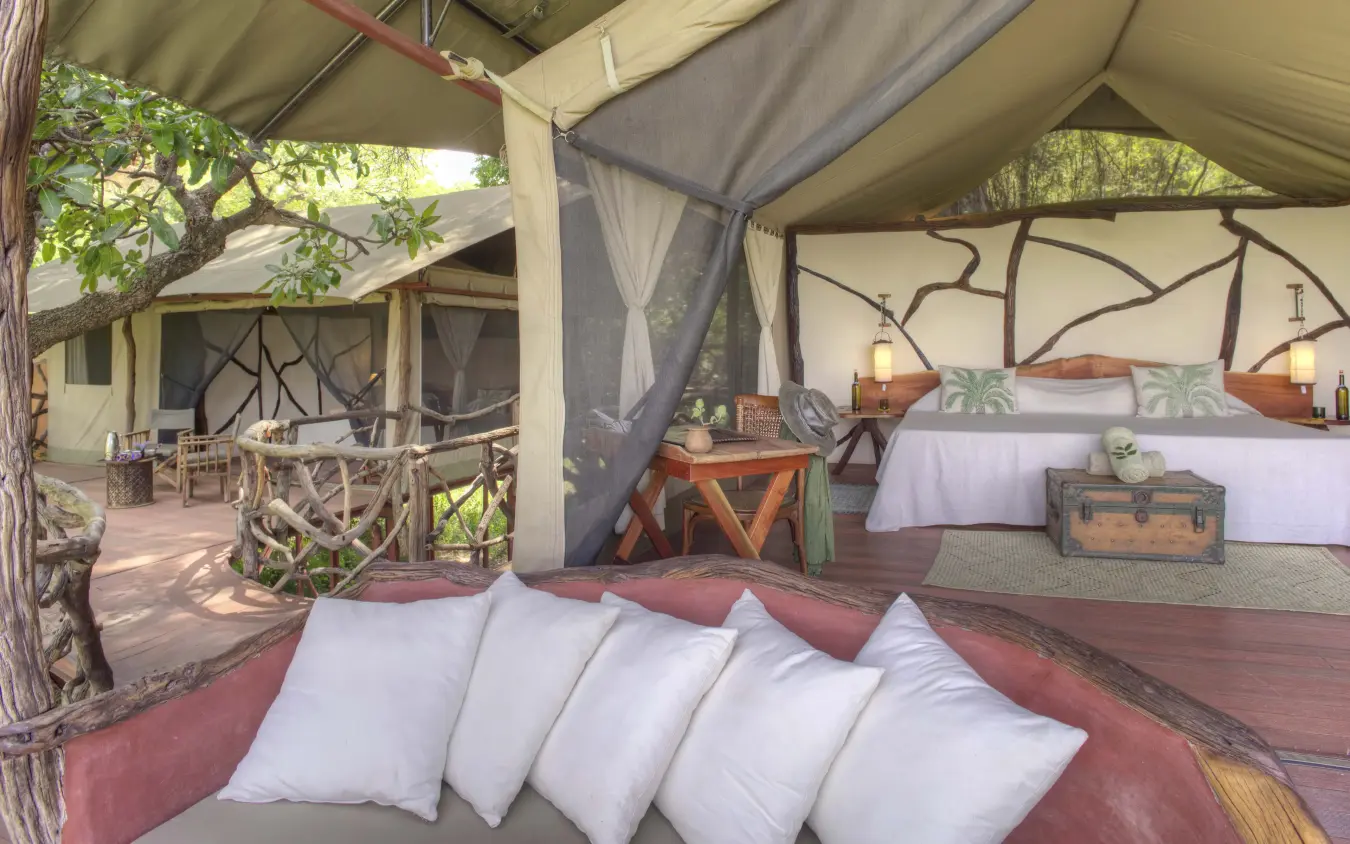
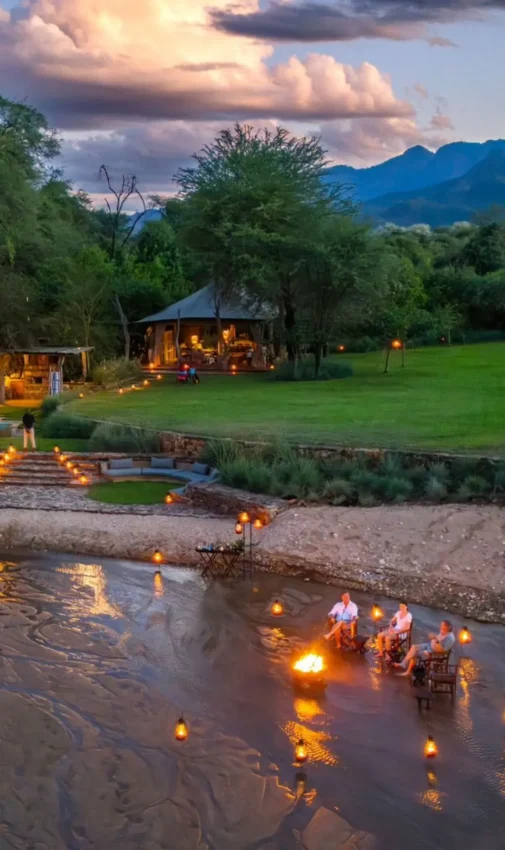
Meals make the most of regional produce with a Samburu touch, taken communally and often under the stars on the terrace overlooking the waterhole. The camp is off-grid and fully solar-powered, free of single-use plastics, and built from locally felled timber and stone, with large boulders forming the back of the open-sided thatched lounge.