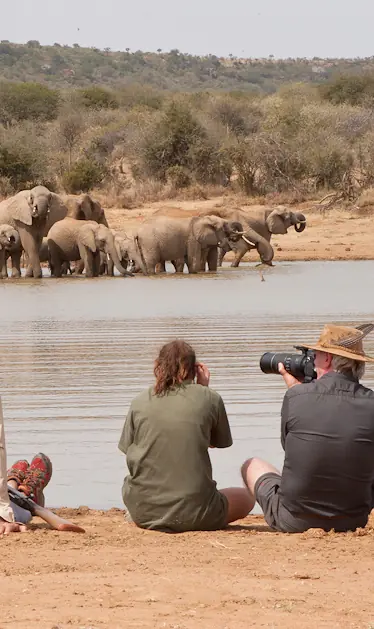
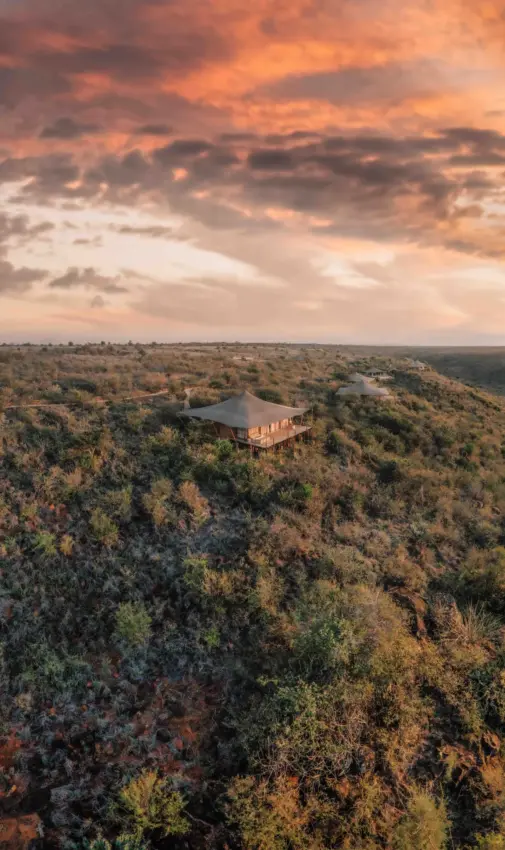
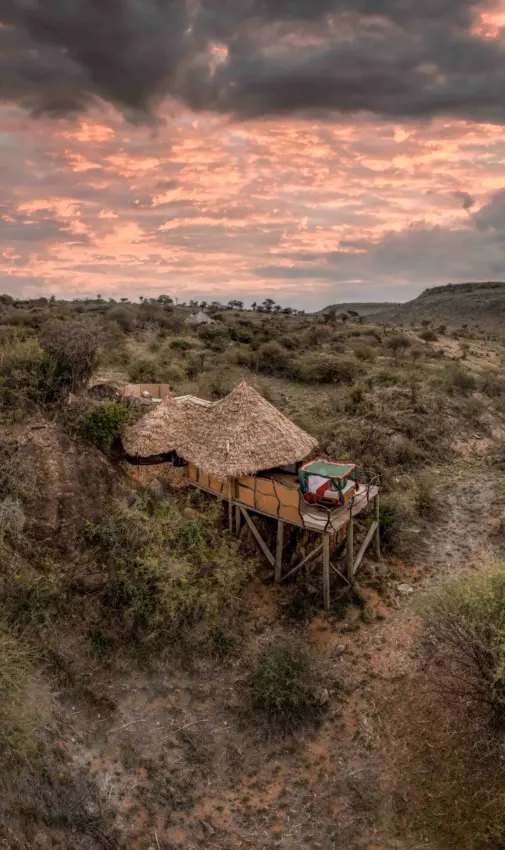
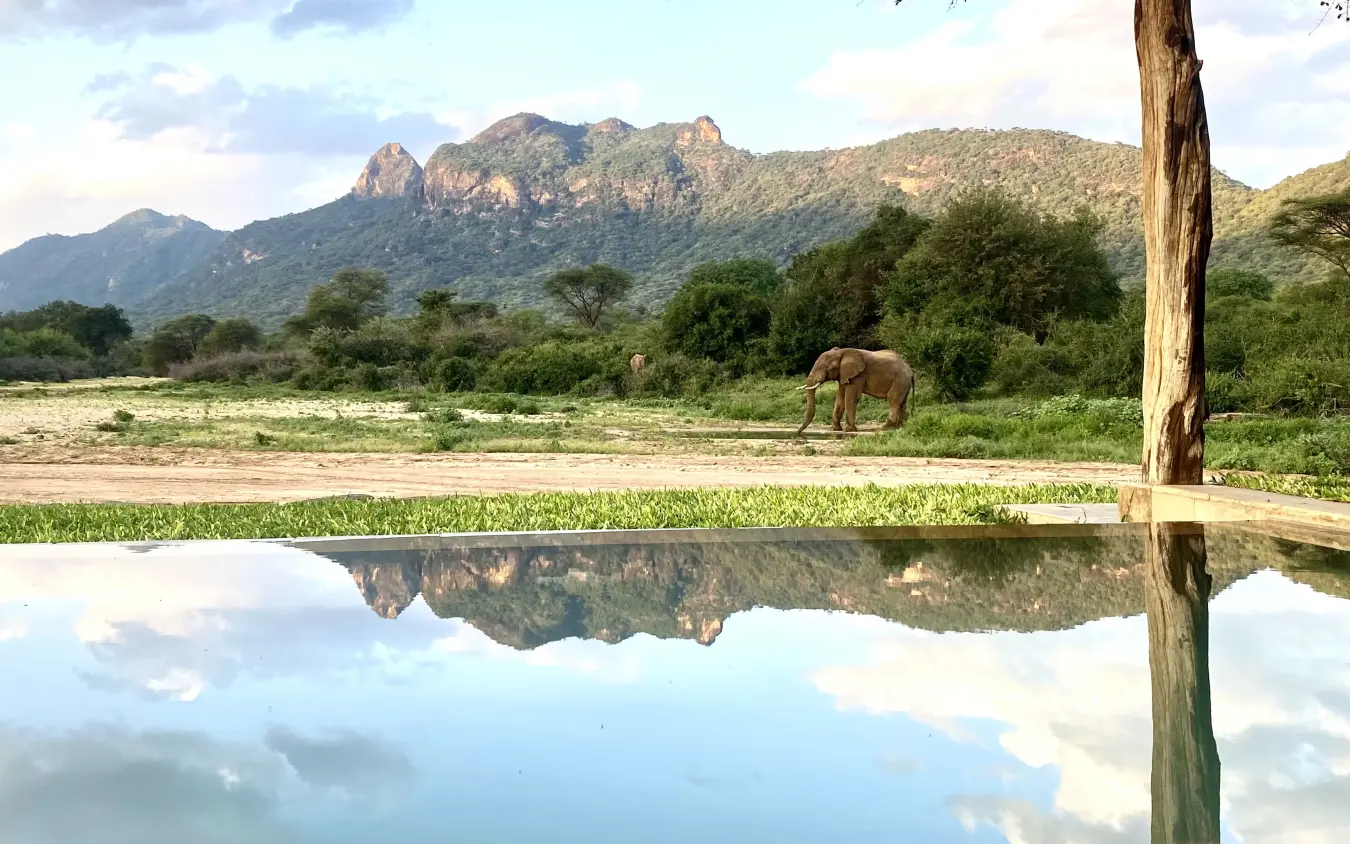
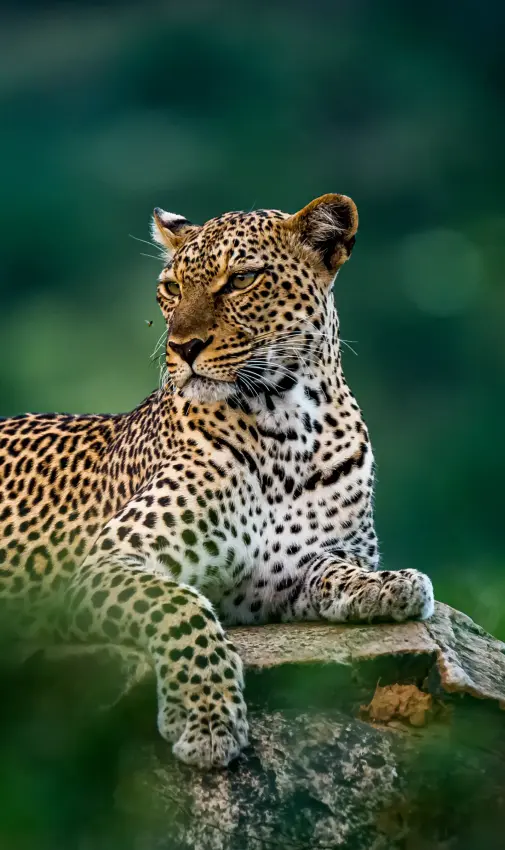
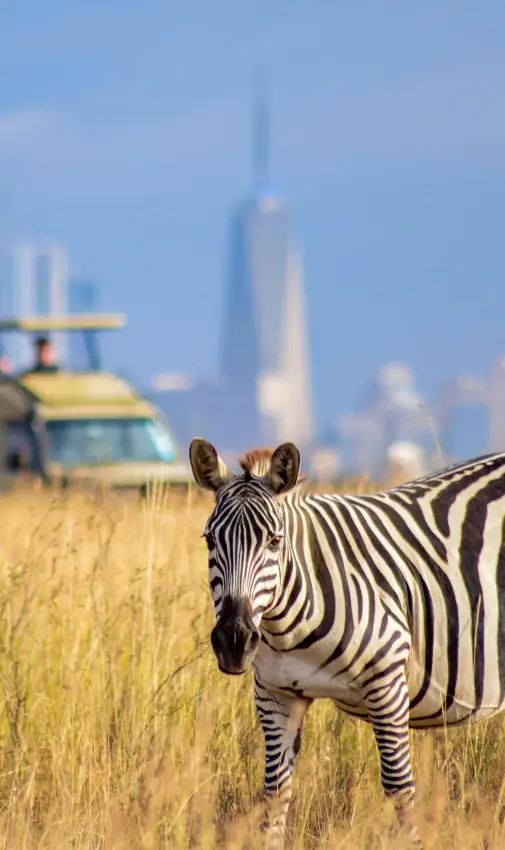
From the plateau’s far northern escarpment, the view is of high, semi-arid country, grassy hills of acacia and wild fig. The horizons run to Ololokwe, the Matthews Range and the Karisia Hills. Years of community rangeland management have brought the wildlife back steadily, and the conservancy is part of a migratory corridor linking Mount Kenya through Laikipia to Samburu. Packs of African wild dog den here, among greater kudu, gerenuk and reticulated giraffe. Leopard, spotted hyena, klipspringer and Grevy’s and Burchell’s zebra are here too. Predators are sparse; the draw is space.
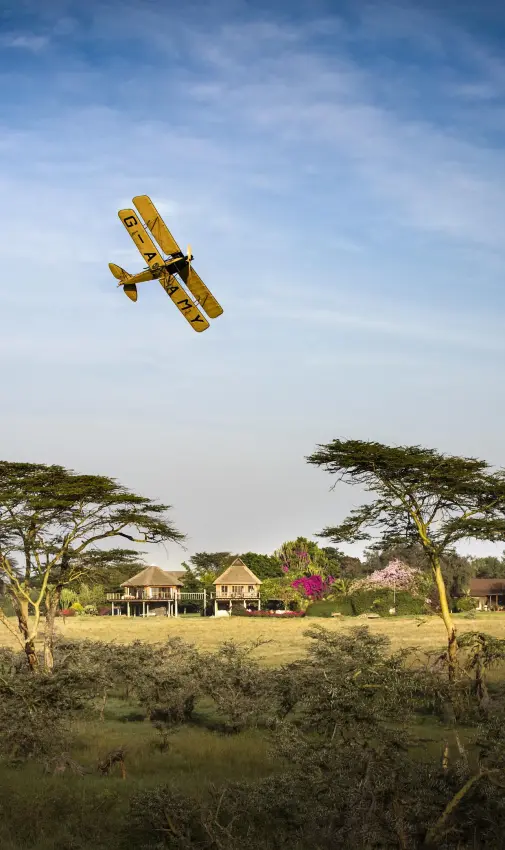
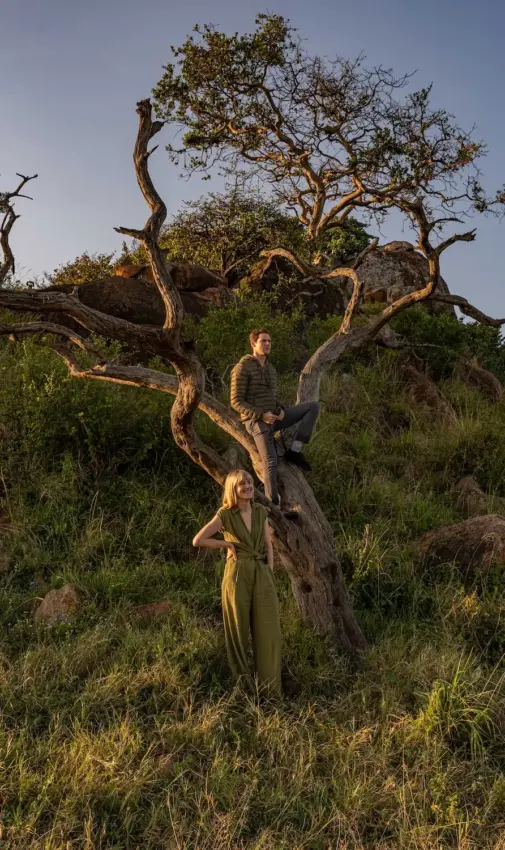
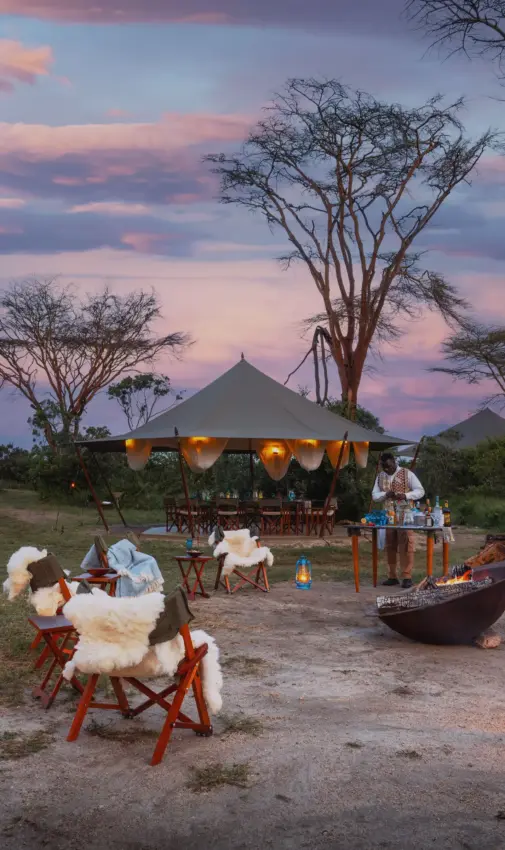
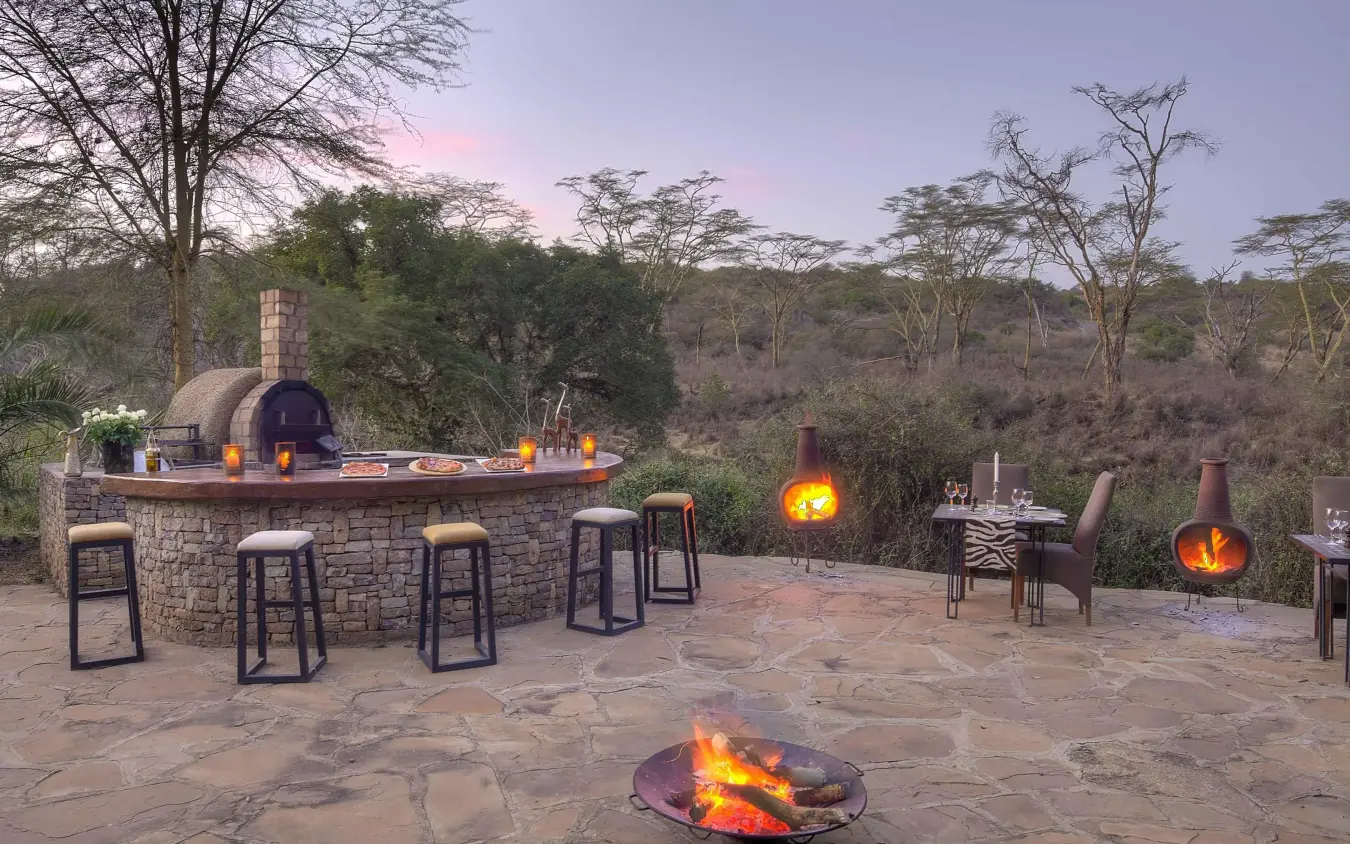
Maasai and Samburu warriors lead the walks, which can mean a stroll along a riverbed or the hike up the ridge for the full panorama. On private conservancy land, outside national park rules, drives go out after dark as well as by day, and a meal can be laid in the bush. Camel treks follow the laghas. Quad biking is on offer too, and horse safaris can be arranged in advance. Children of all ages are welcome, and with a guide and vehicle to each villa, a family can cut a drive short or stretch a morning without consulting anyone.
Packs of African wild dog den here, among greater kudu, gerenuk and reticulated giraffe.
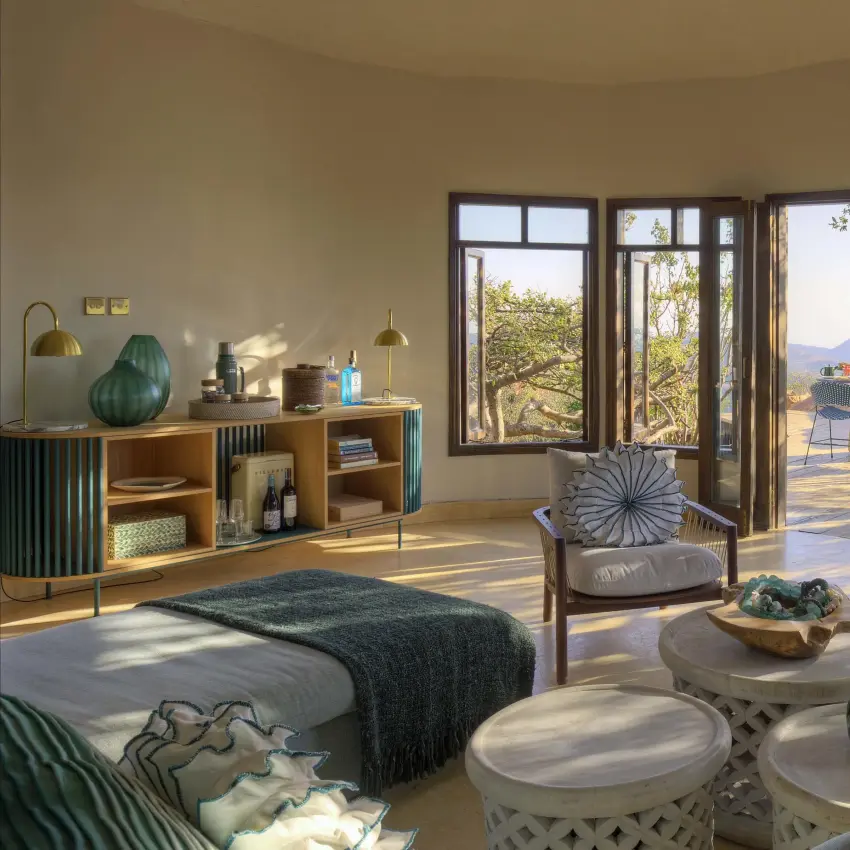
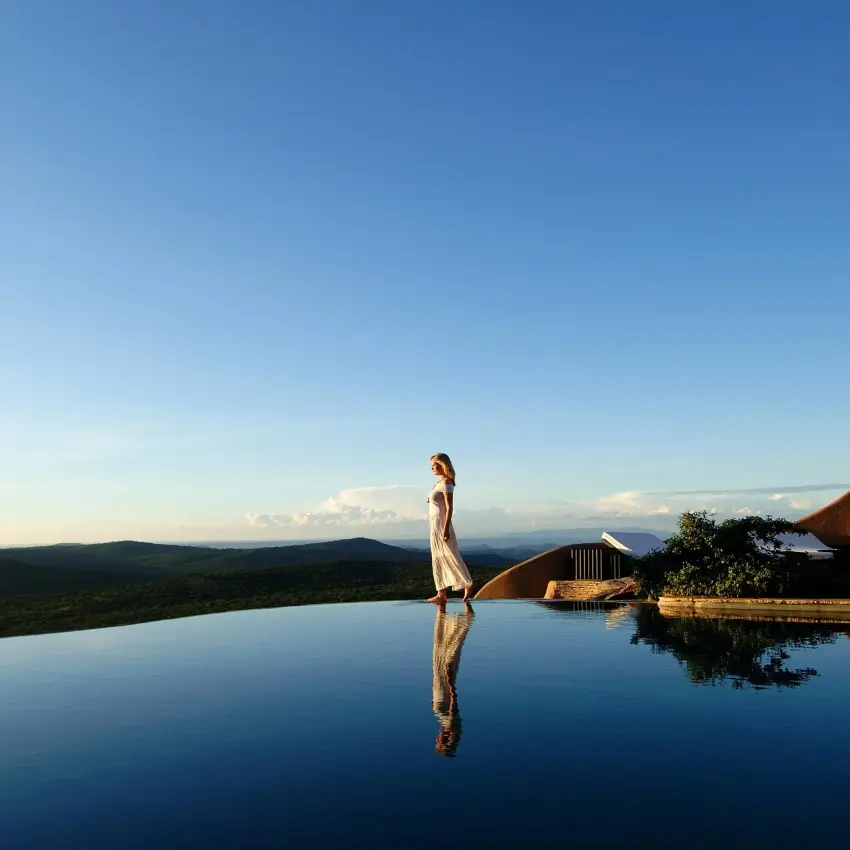
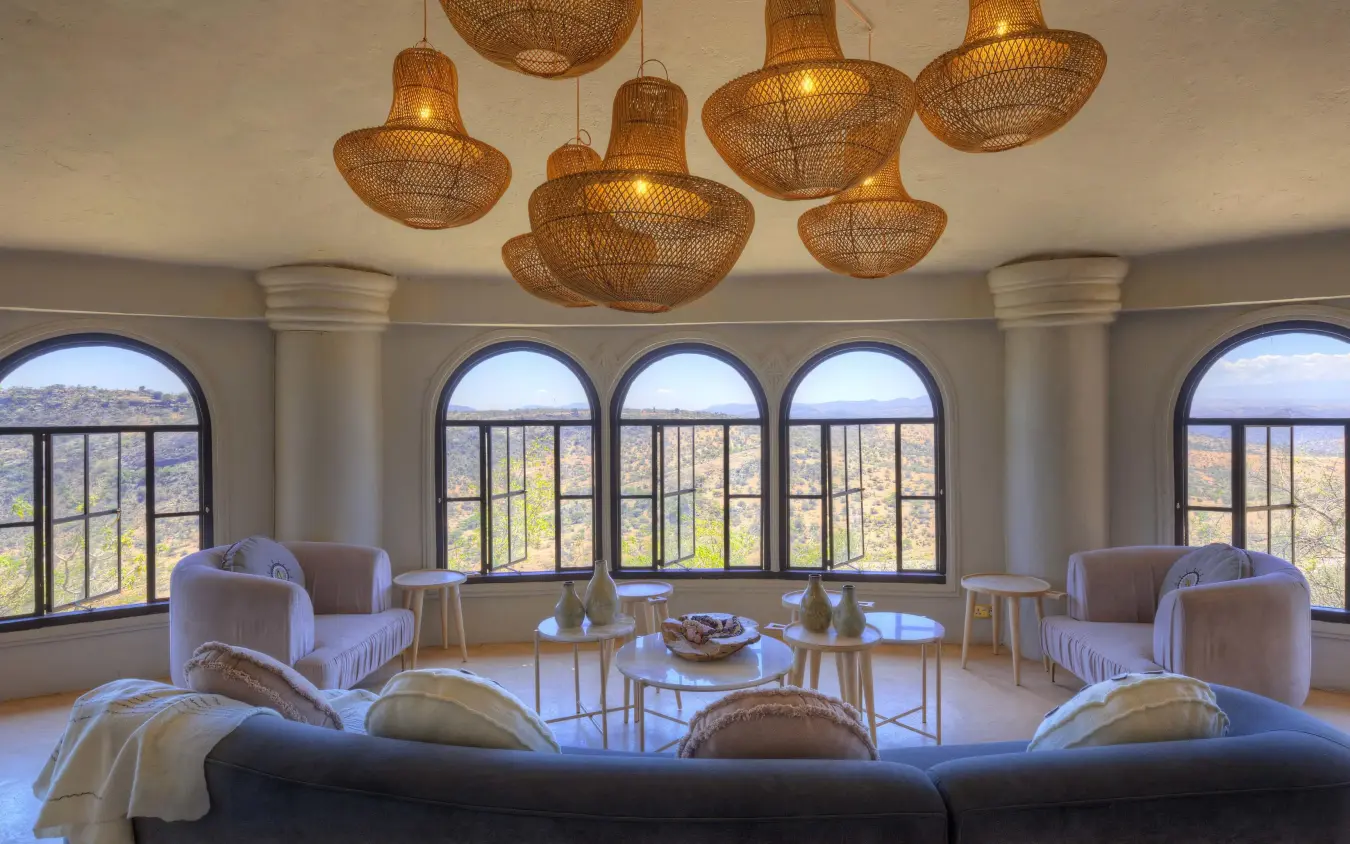
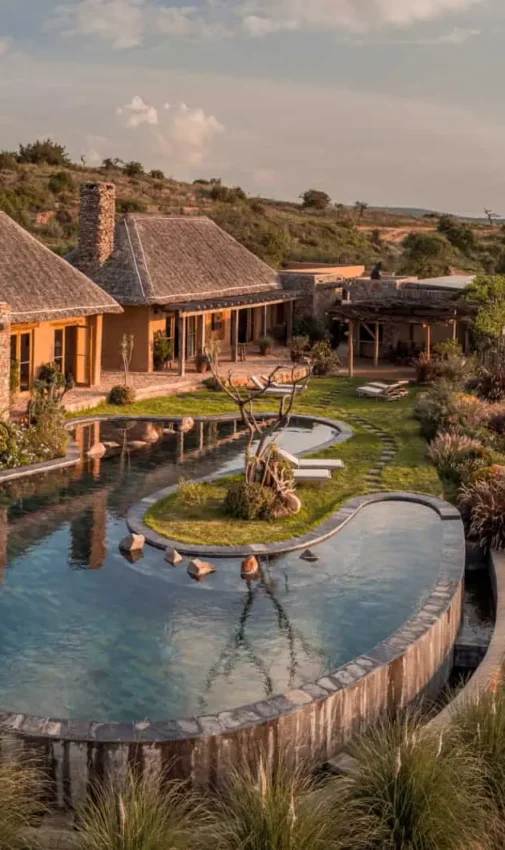
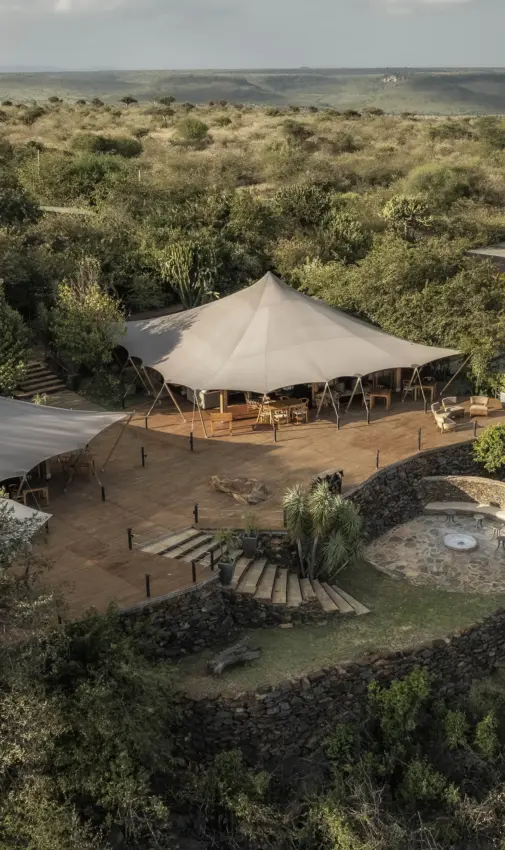
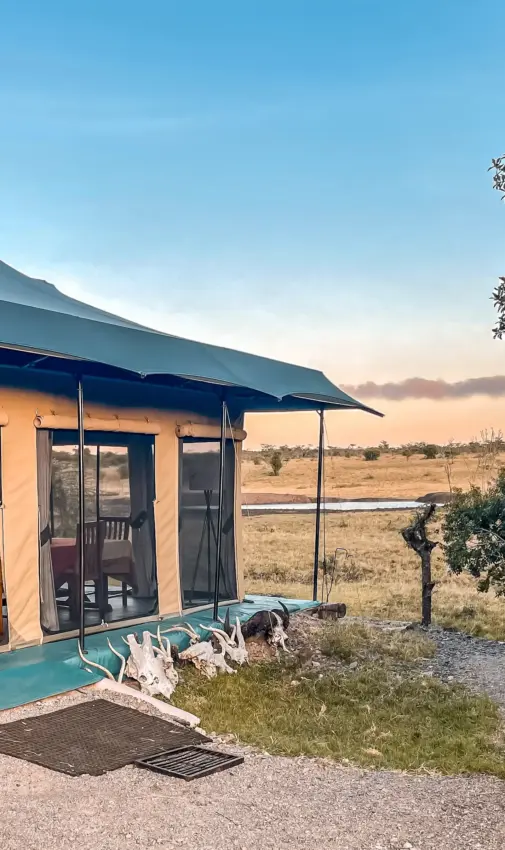
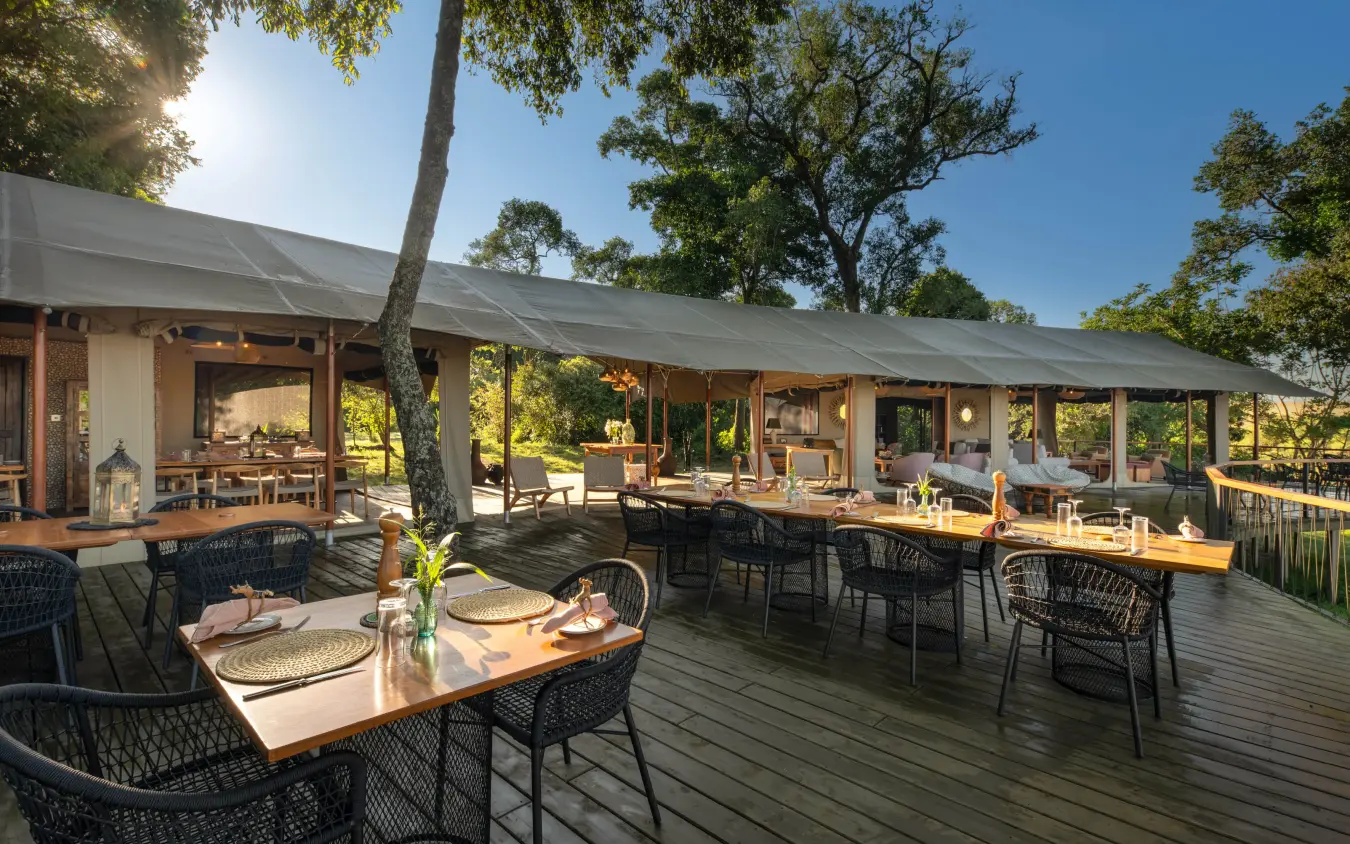
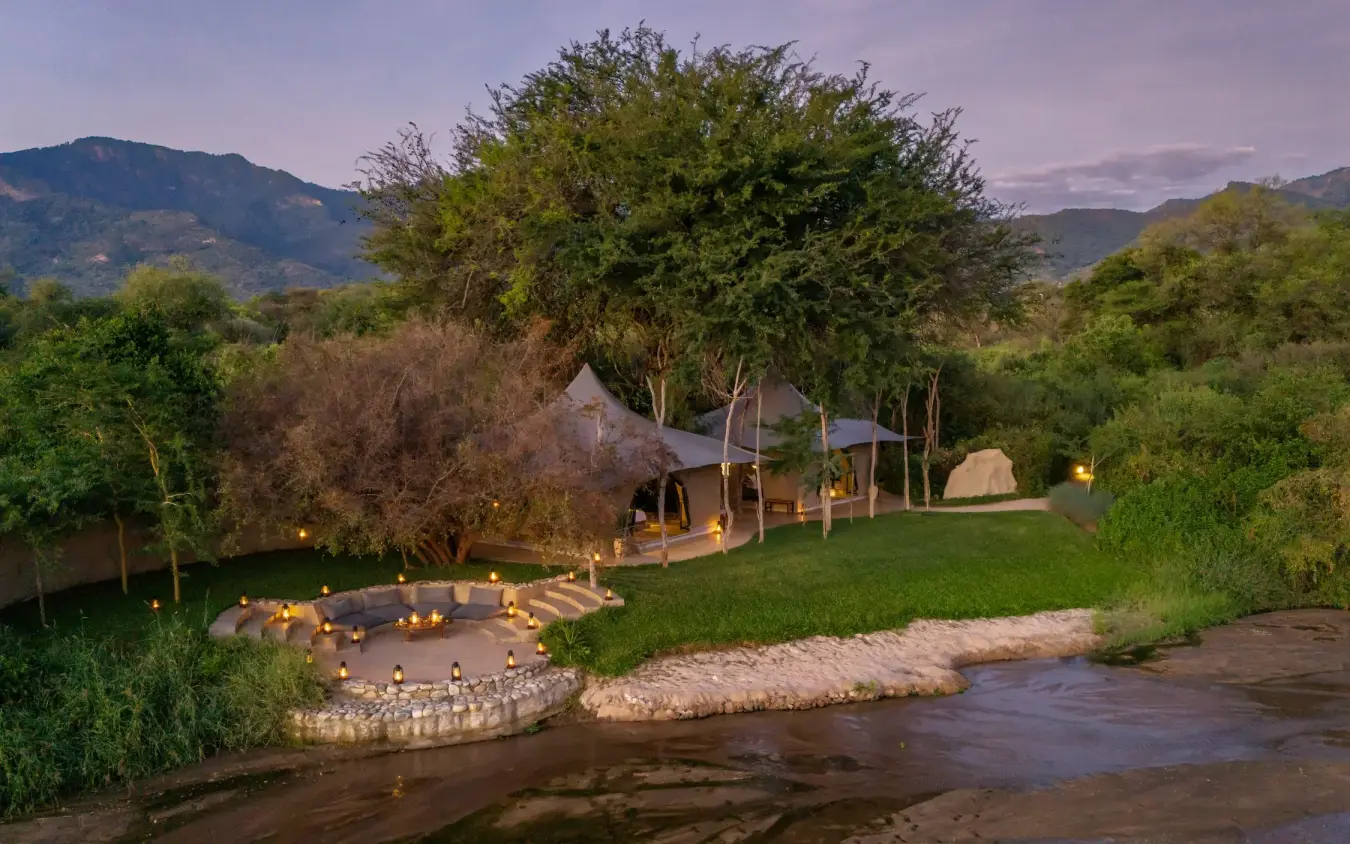
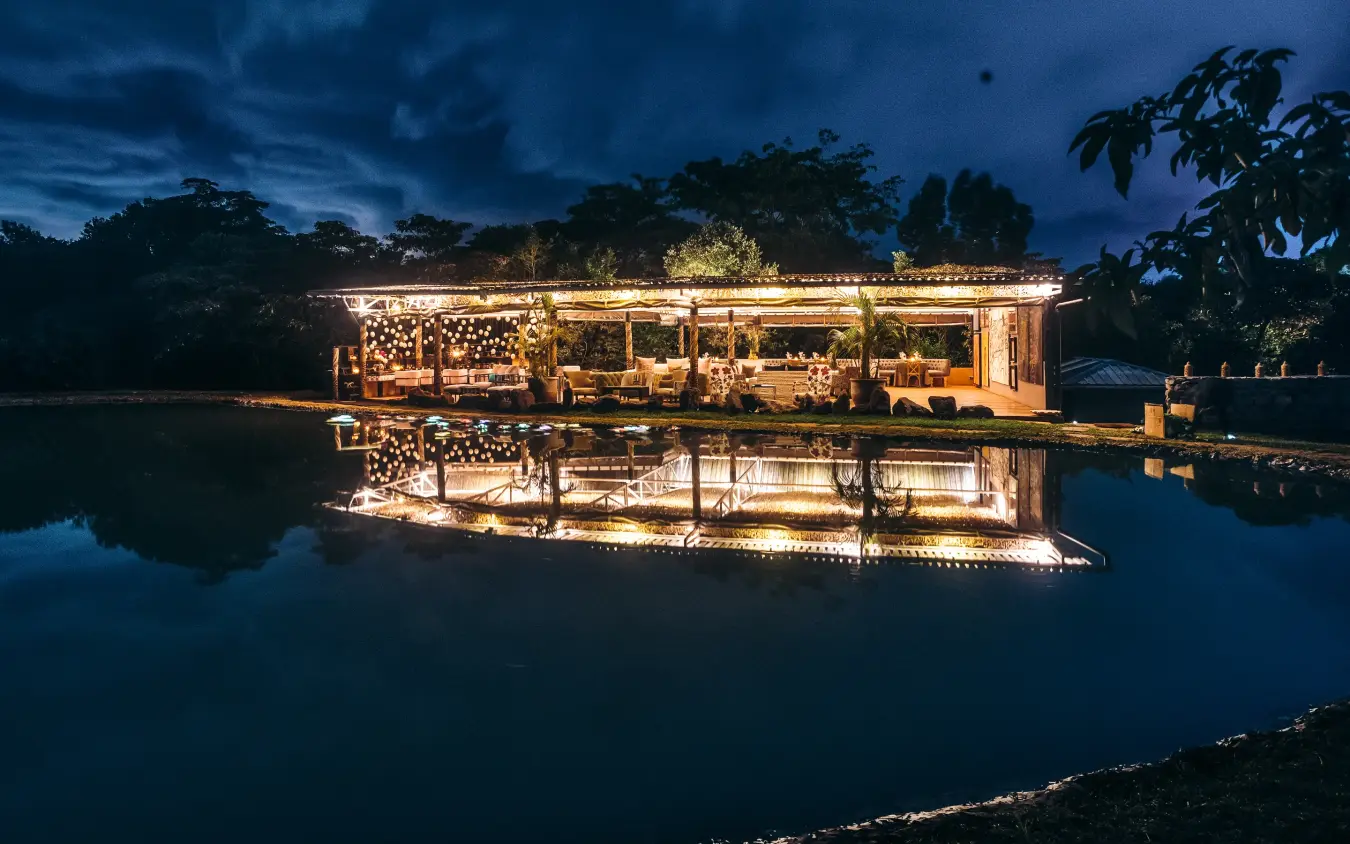
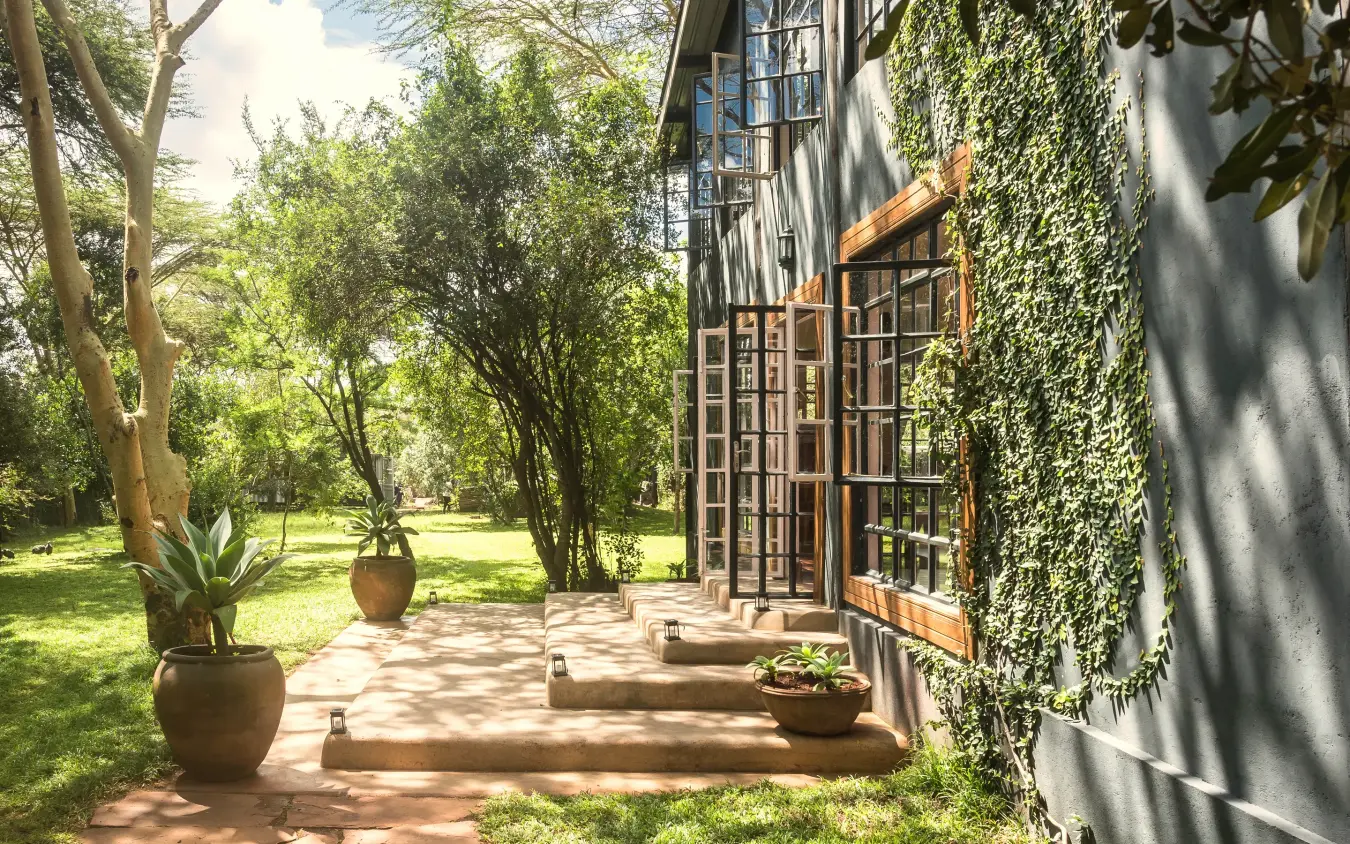
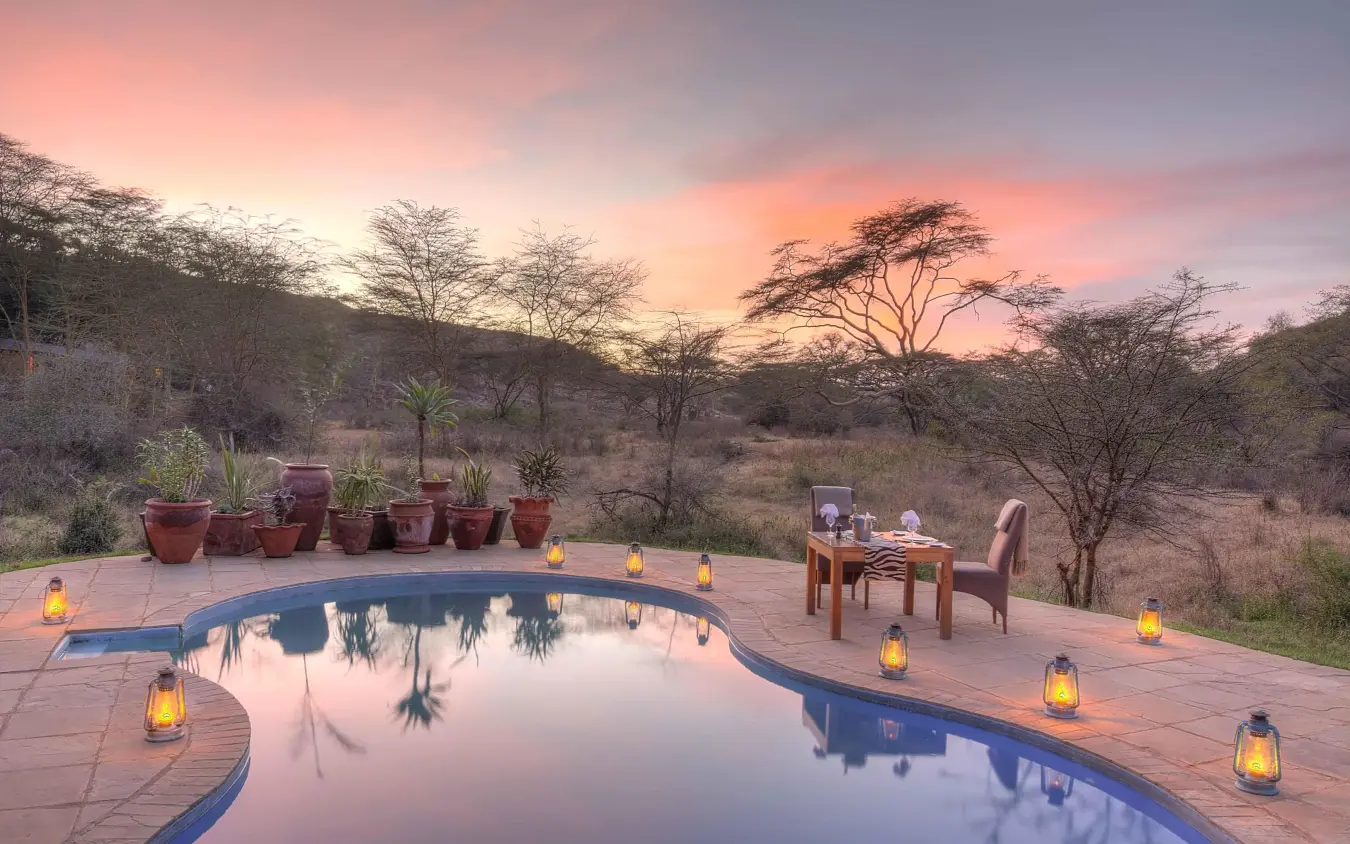
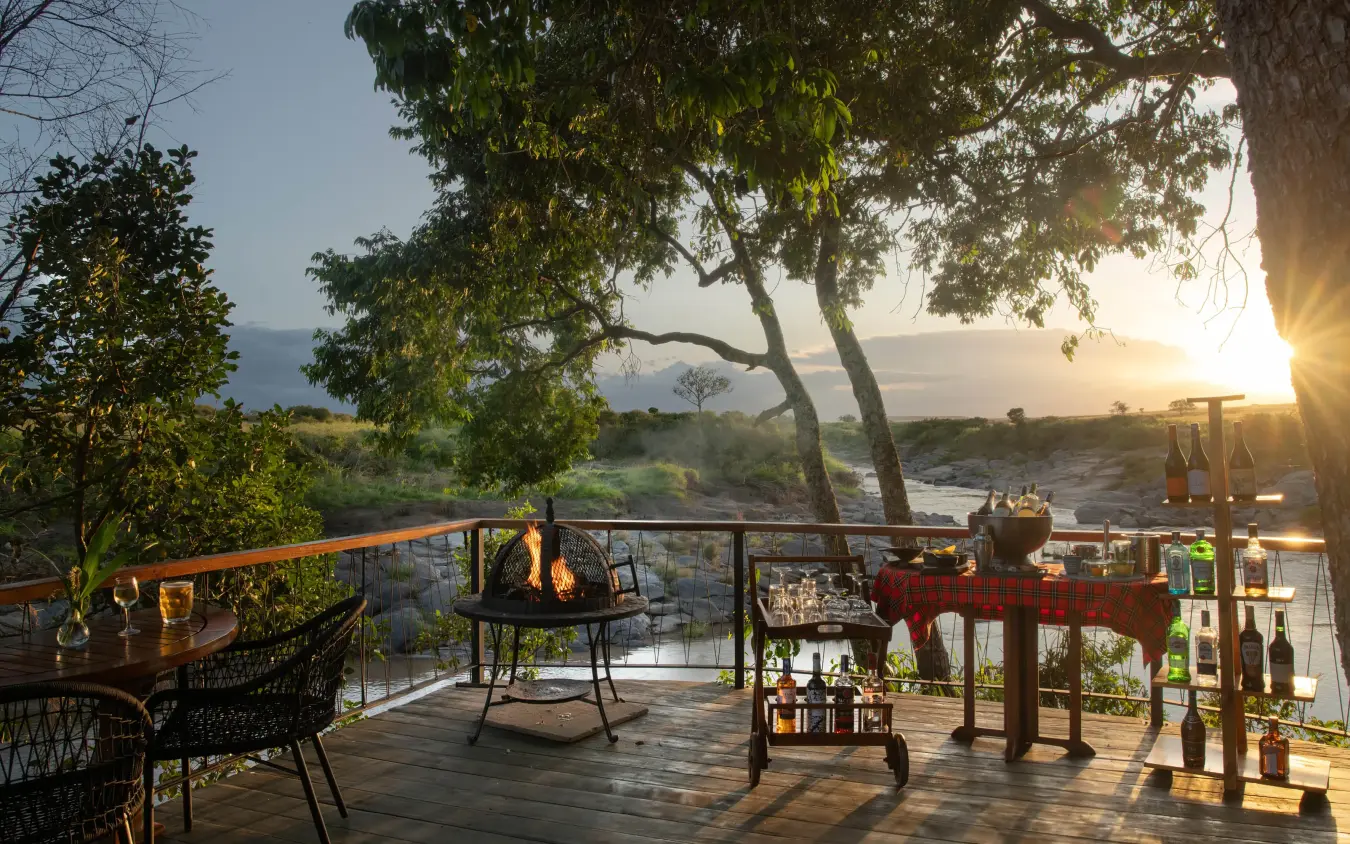
Some of the villas are built around existing granite boulders. Carissa, a circular one-bedroom suite, occupies a promontory and has an open-air stone bath. Meals follow mood, not a clock. They are taken in a villa, in the vaulted central gallery on a cold highland night, or out on an outcrop as a bush breakfast or a sundowner. The waterholes are in view of the infinity pool too, and of the lounge pods on the ridge edge. A library and a spa using Kenyan and Somali essential oils complete the shared spaces.
Revenue from the lodge is shared back with the Kijabe Maasai, who hold the buildings and the ground beneath them. Beyond that, the Ol Lentille Trust is run on the ground by Timothy Ole Mosiany, a Maasai elder, and since 2007 it has directed over $5 million to local projects. The money pays for school scholarships and for meals at eight schools. It pays for water and clinics, and for the community ranger team that secures the wildlife corridor. Every guest contributes as well, through conservation fees that go to four partner communities.