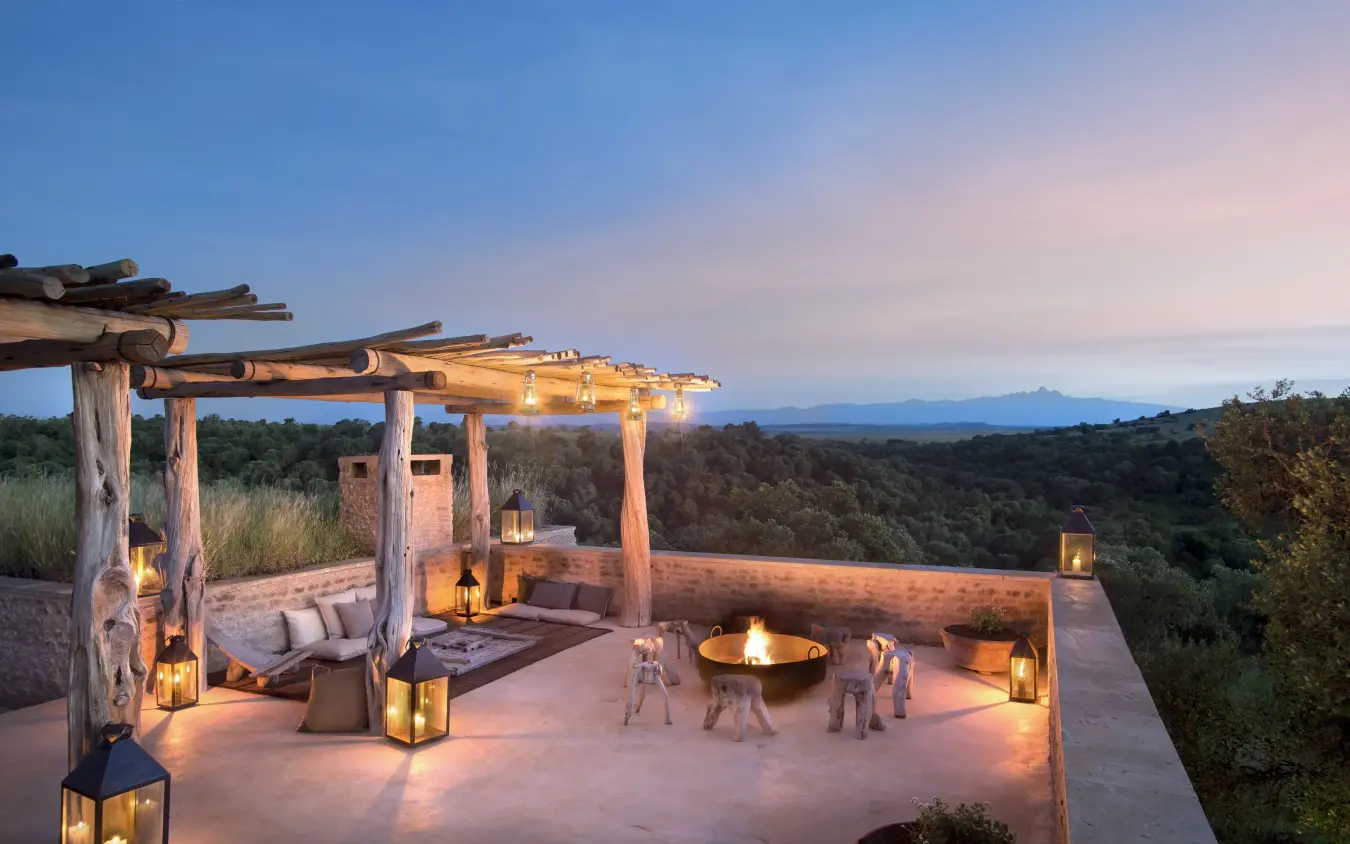
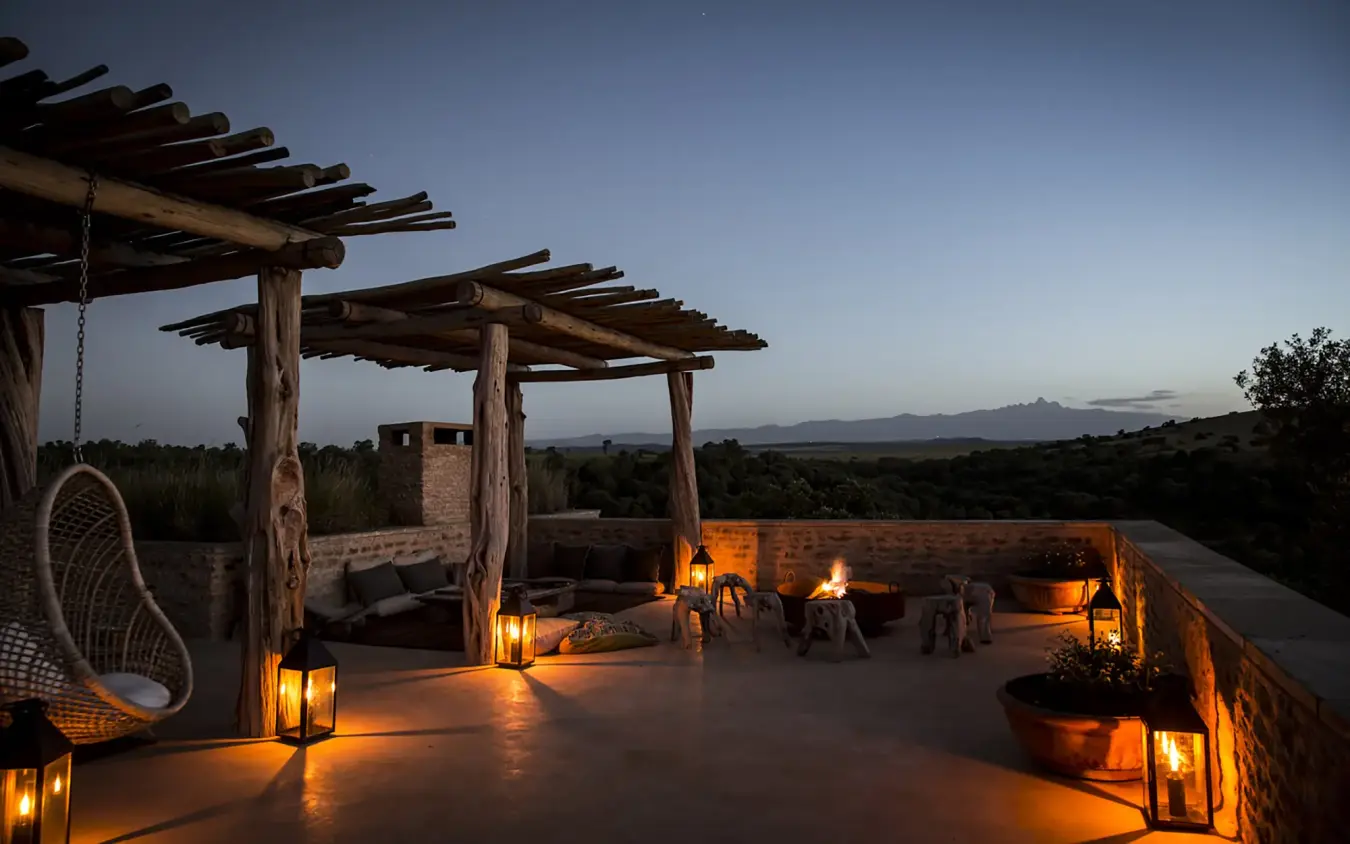
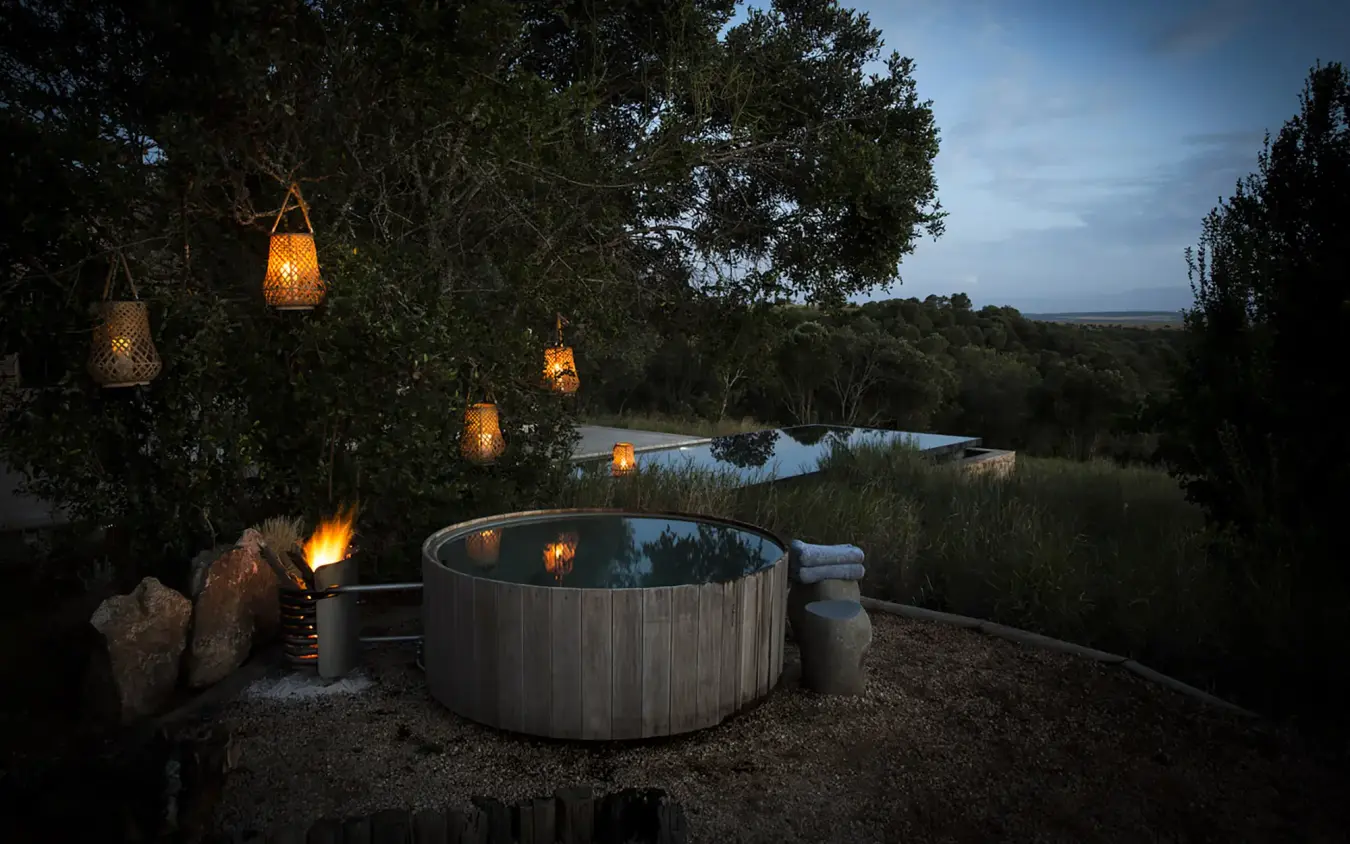
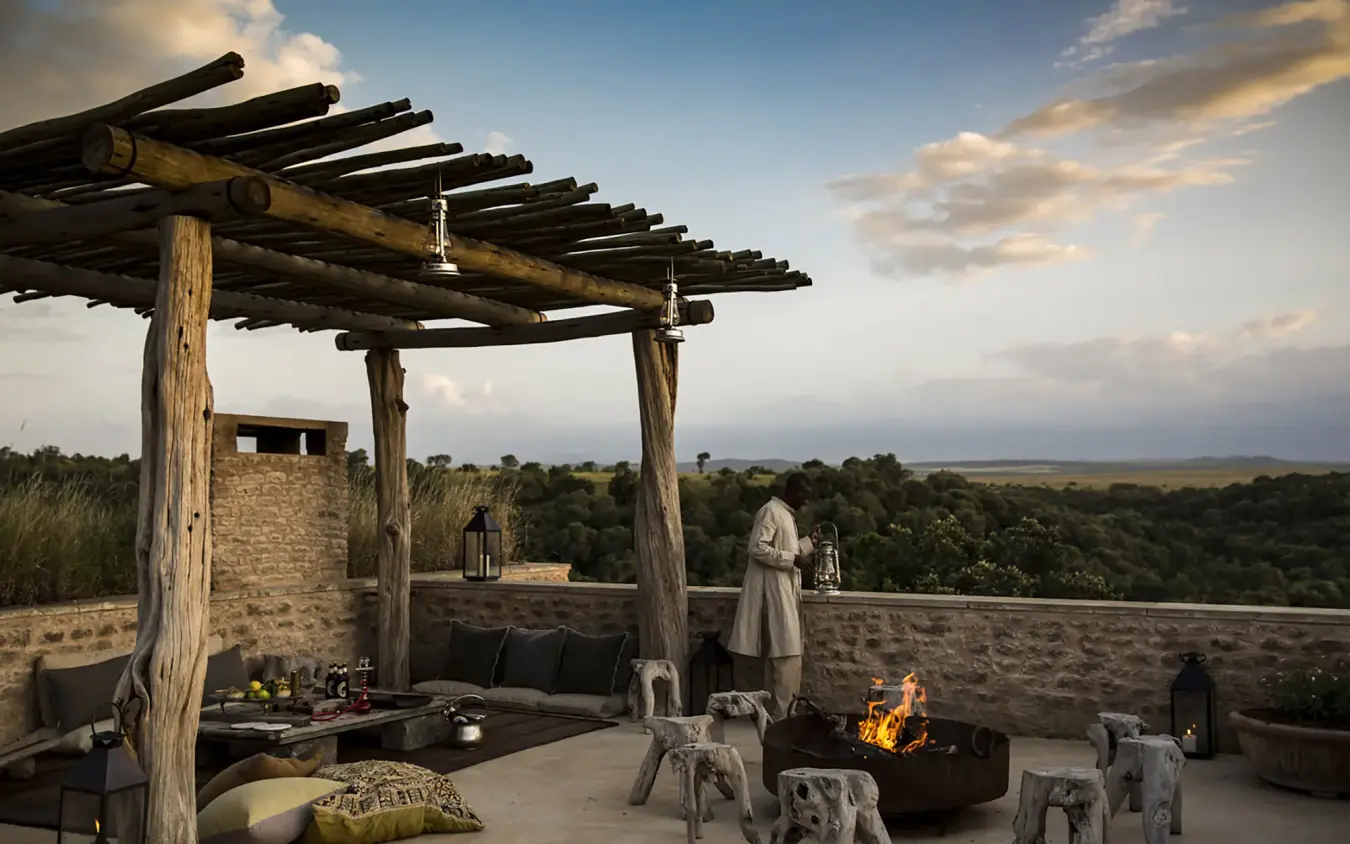
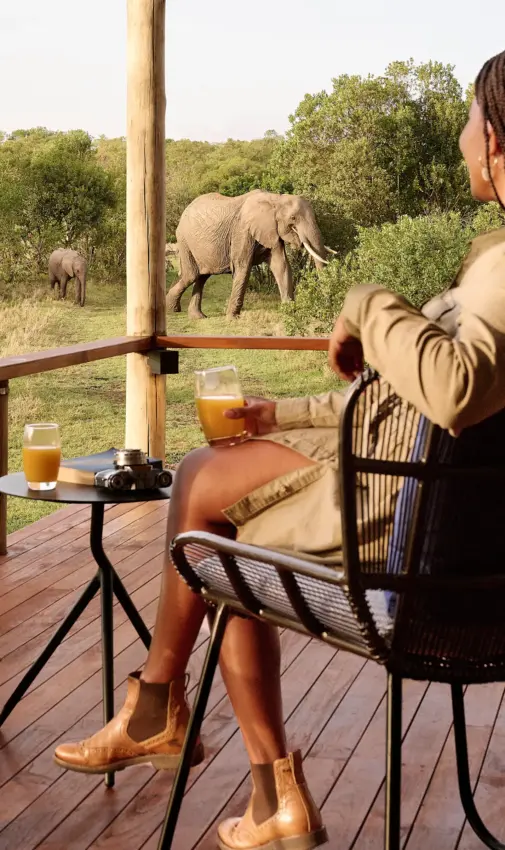
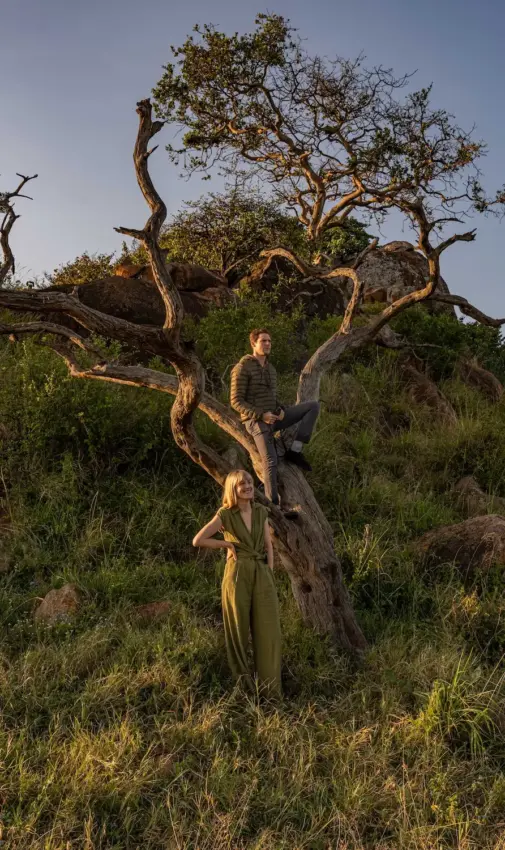
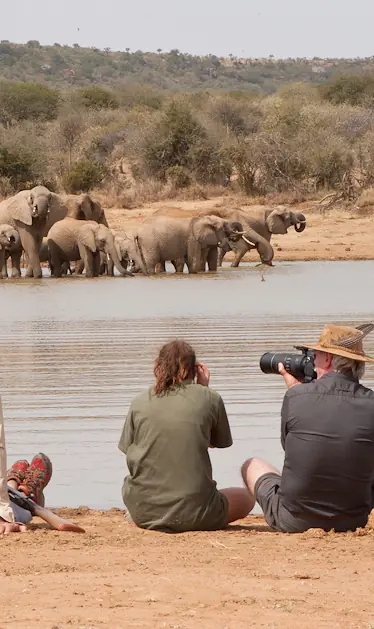
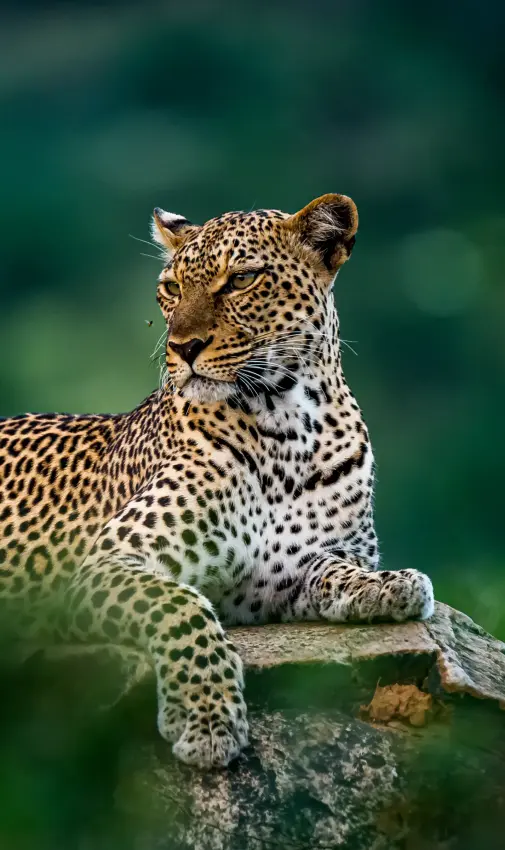
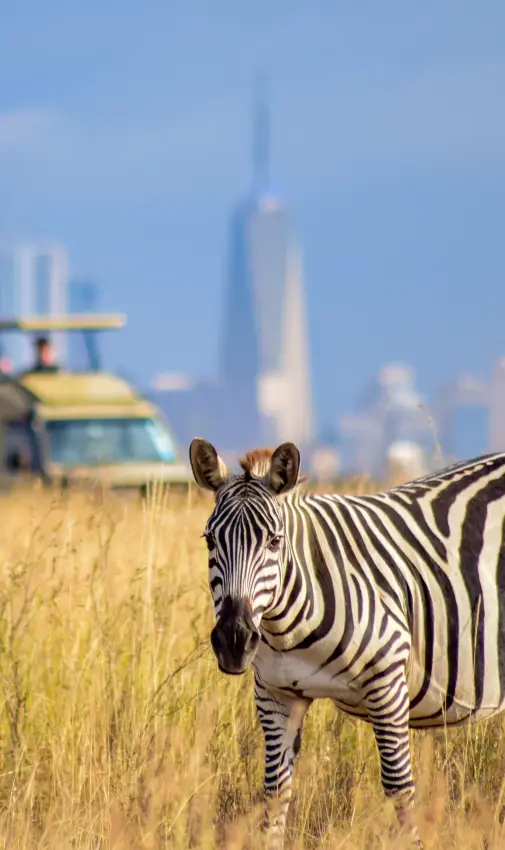
Arijiju sits within Borana Conservancy’s 28,000 acres on the Laikipia Plateau, 6,000 feet up and just north of the equator. The fence between Borana and neighbouring Lewa has long since been dropped, creating 90,000 acres of continuous, unfenced habitat where more than 250 black and white rhino now thrive. Lions, leopards, elephants and buffalo share the landscape with rarer residents: wild dogs, Grevy’s zebra and the long-necked gerenuk.
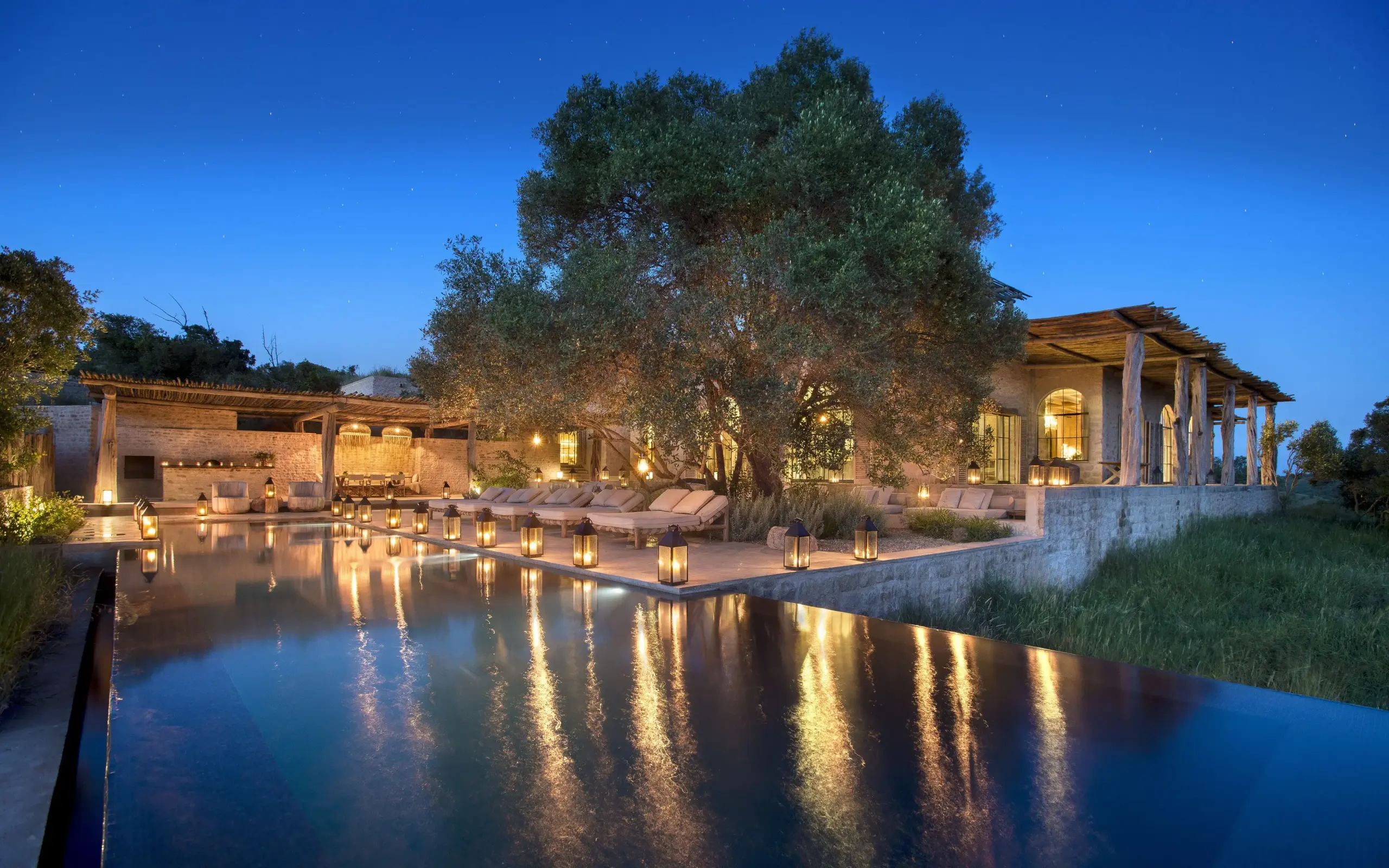
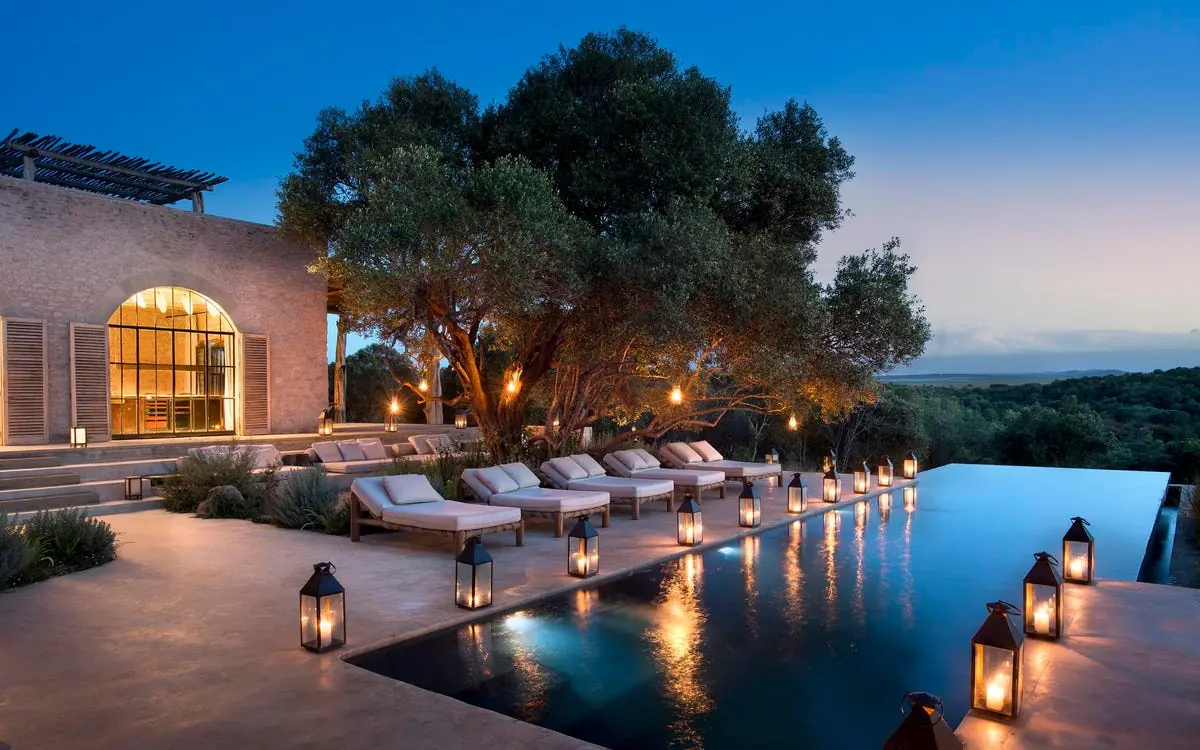
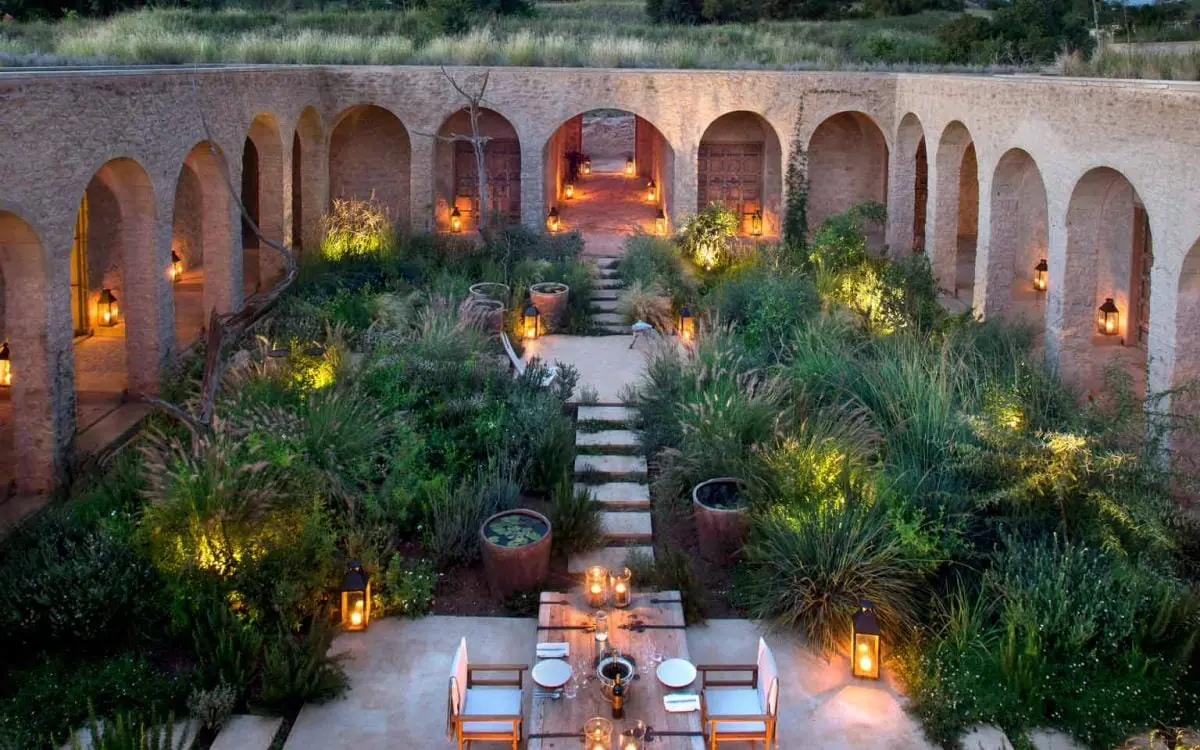
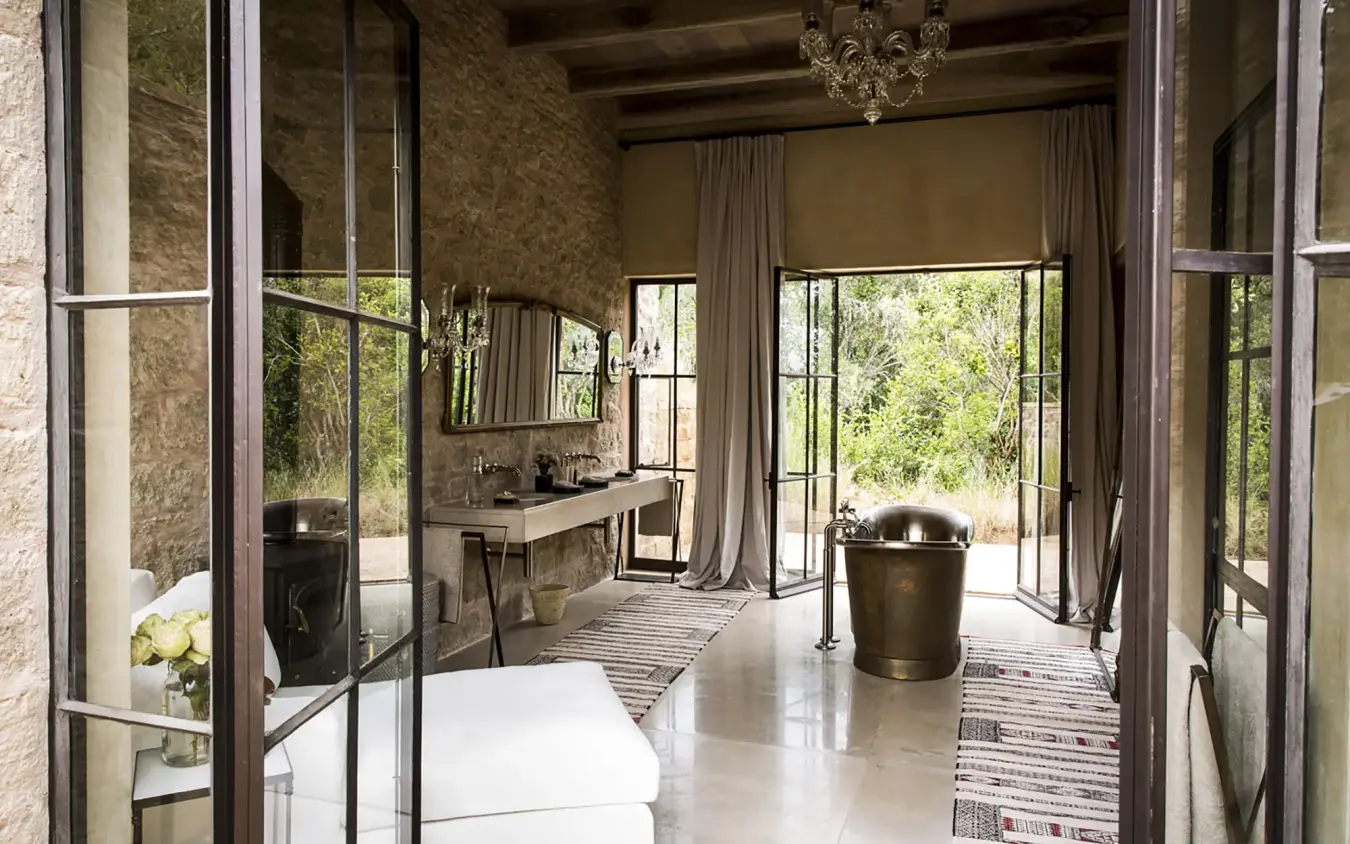
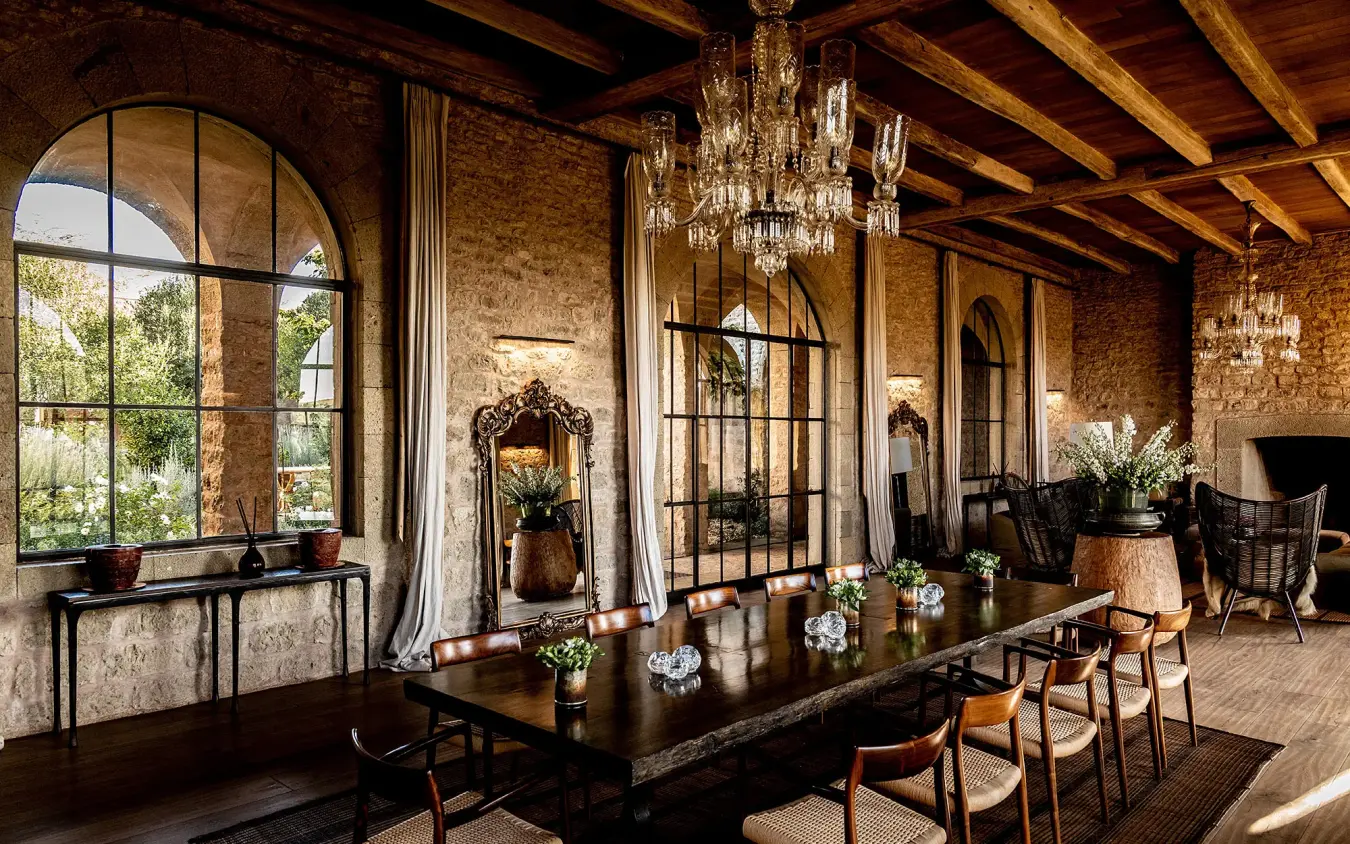
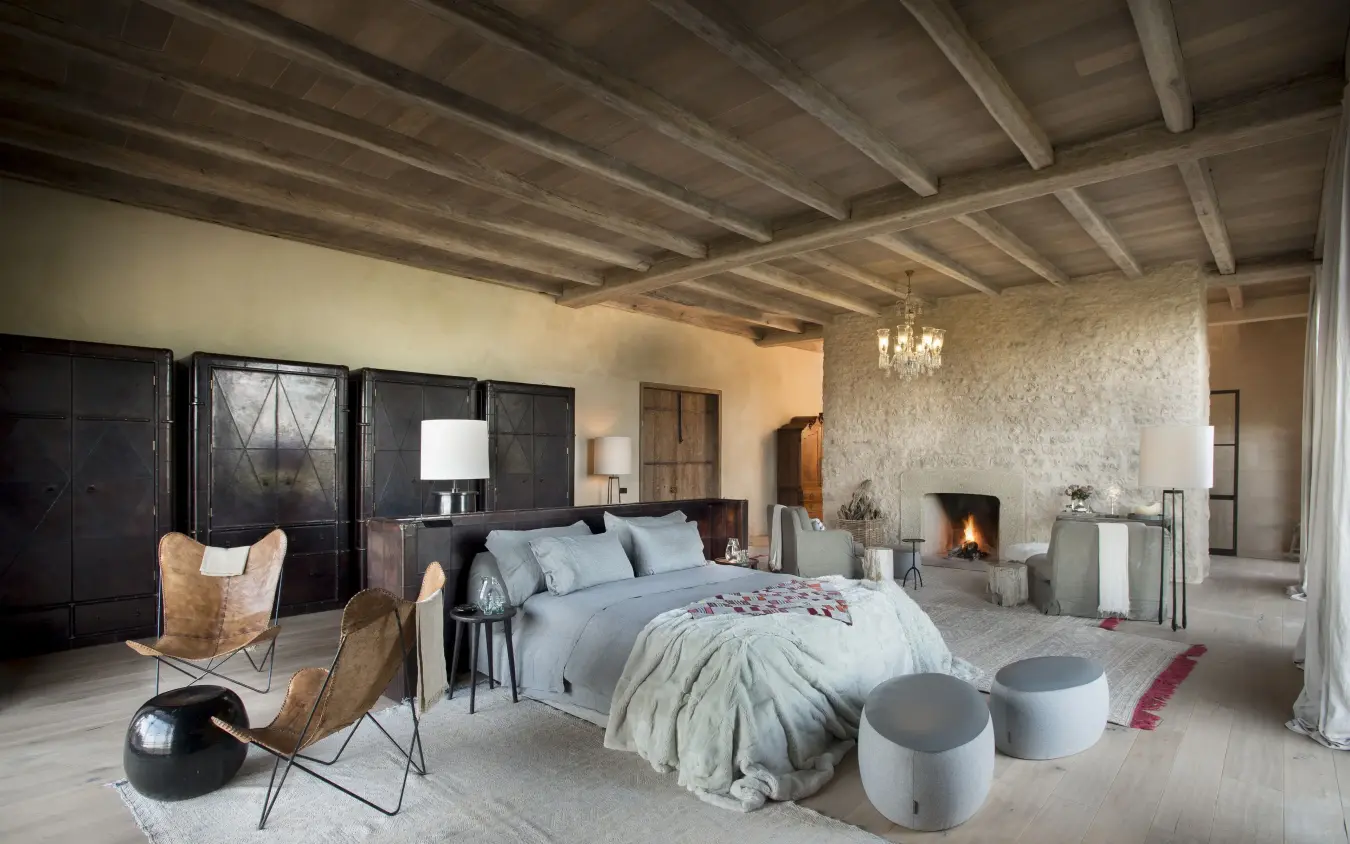
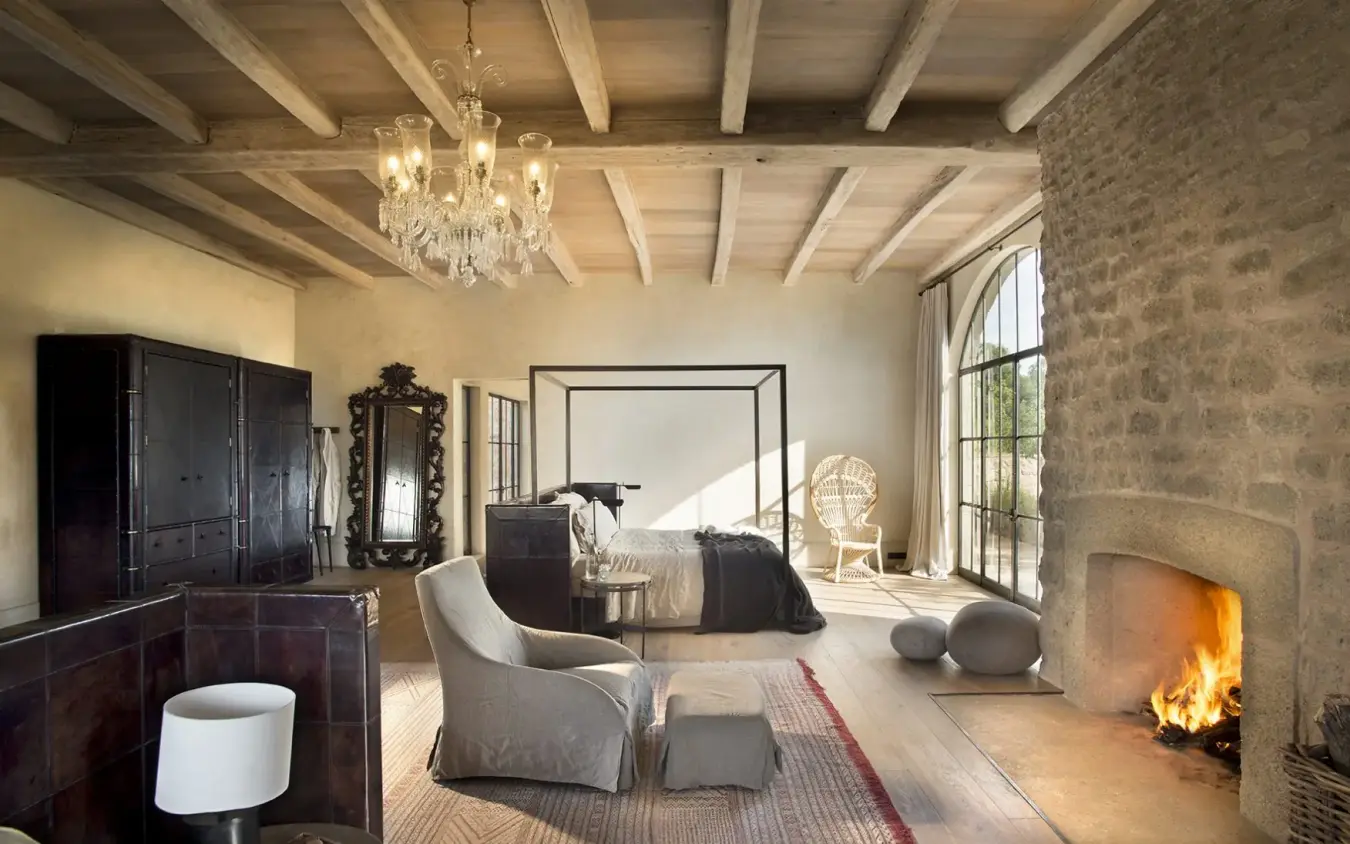
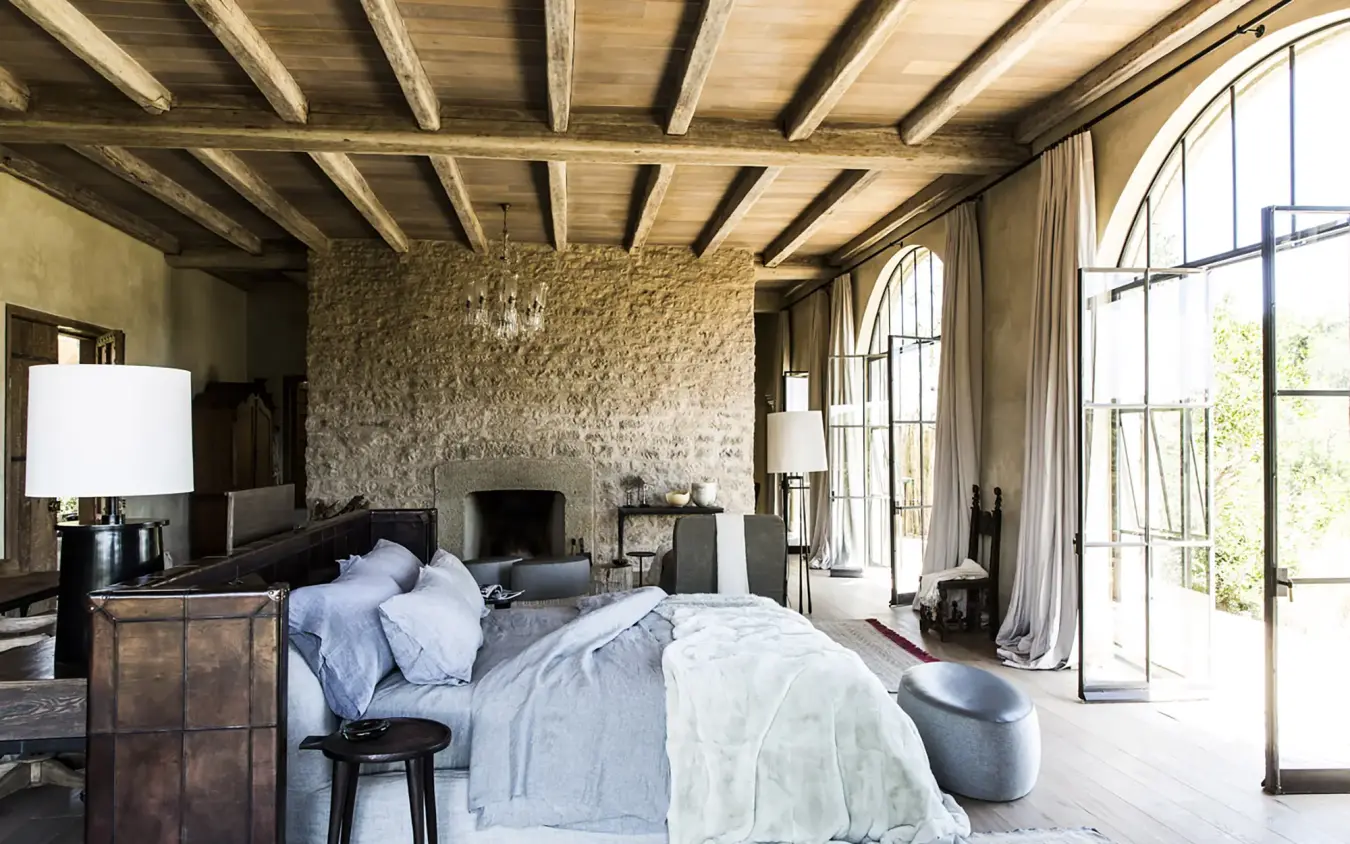
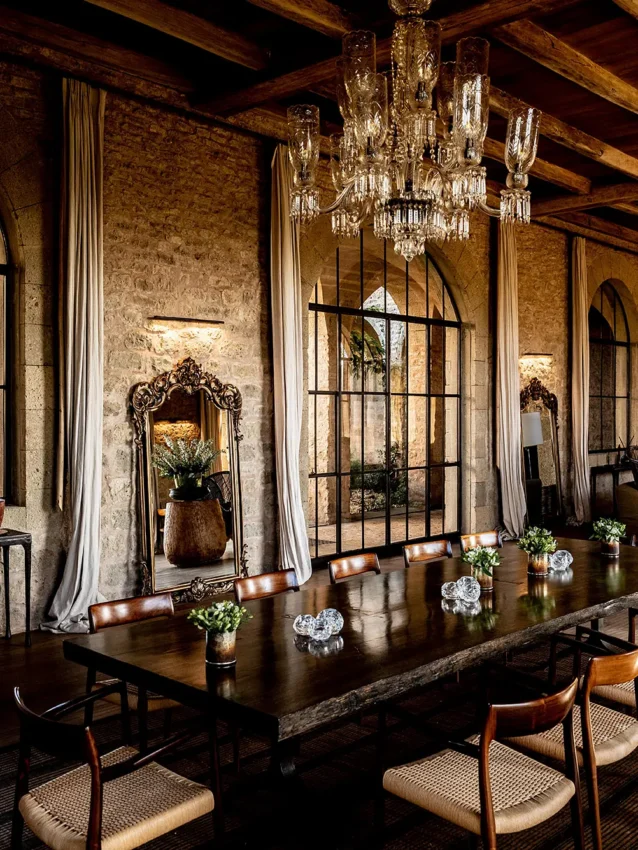
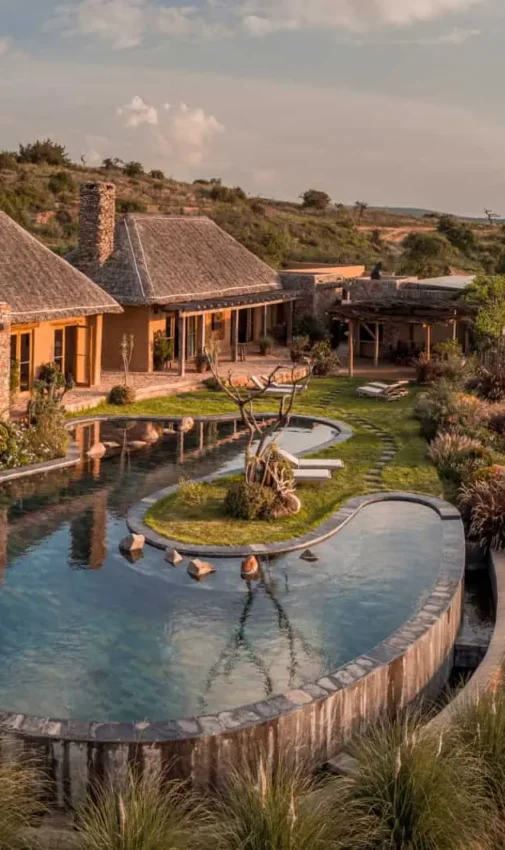
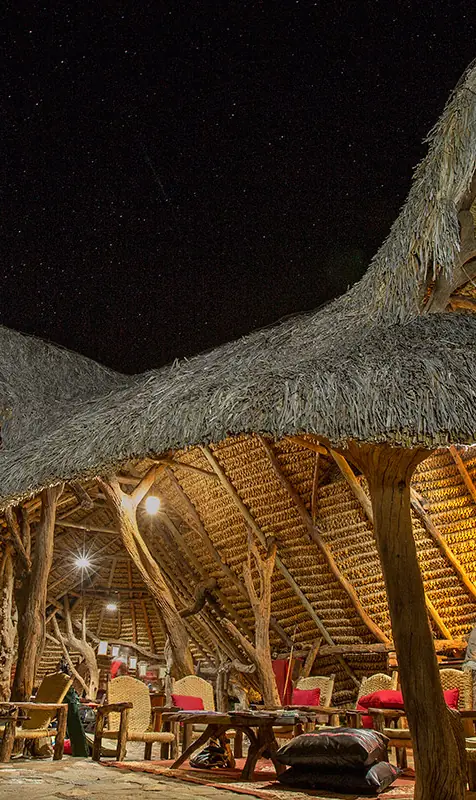
The house itself was designed by Alex Michaelis and Nick Plewman, with spaces that flow between inside and out and a calm, almost monastic restraint to every room. The conservancy around it has earned The Long Run’s highest sustainability standard, and its wildlife is managed with real science: radio-collared elephant matriarchs help keep the peace between people and animals across one of the few parts of Kenya where wildlife numbers have risen steadily for twenty years.
Days of driving from anywhere else, but minutes by helicopter.
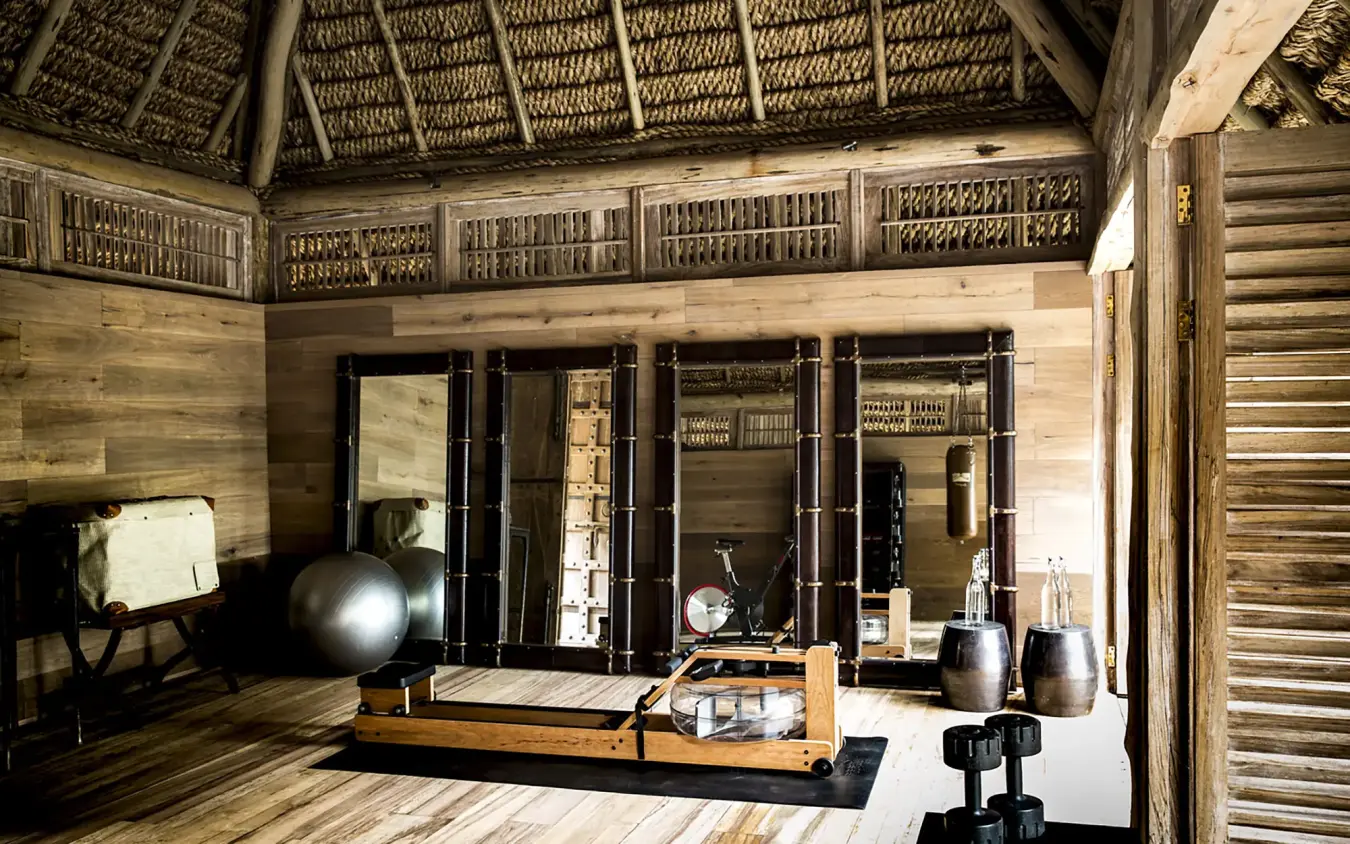
The conservancy setting allows what national parks cannot. Days here can be spent on night drives, walking safaris and off-road tracking, on horseback or on a mountain bike, or following rhino on foot alongside the rangers who protect them. Between it all there is a spa, a hammam, a gym and a clay tennis court for the slower hours of the afternoon.
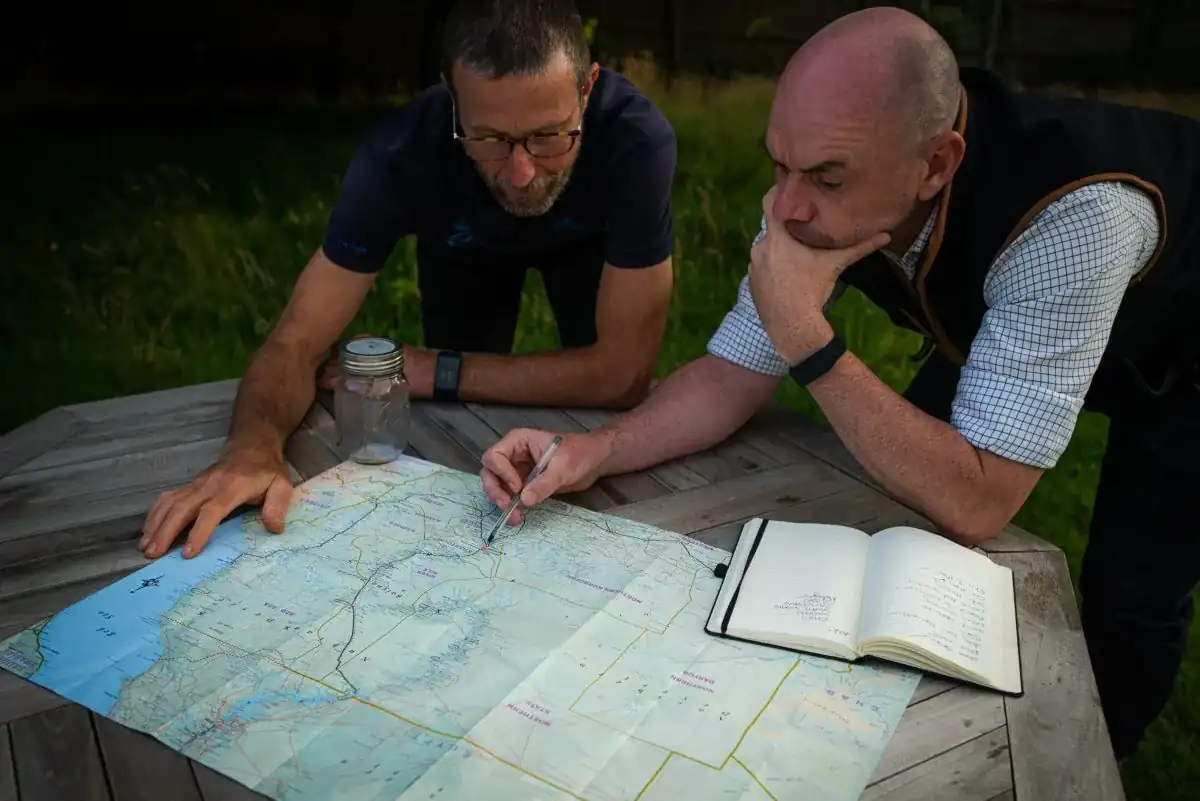
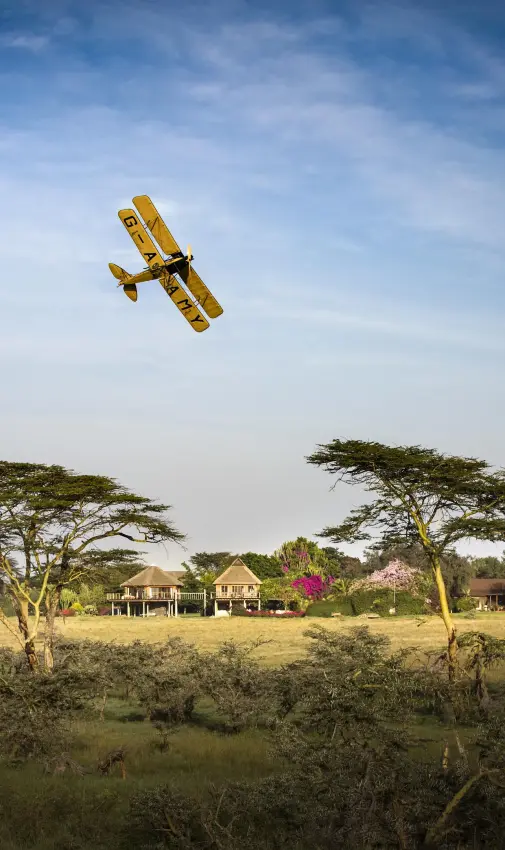
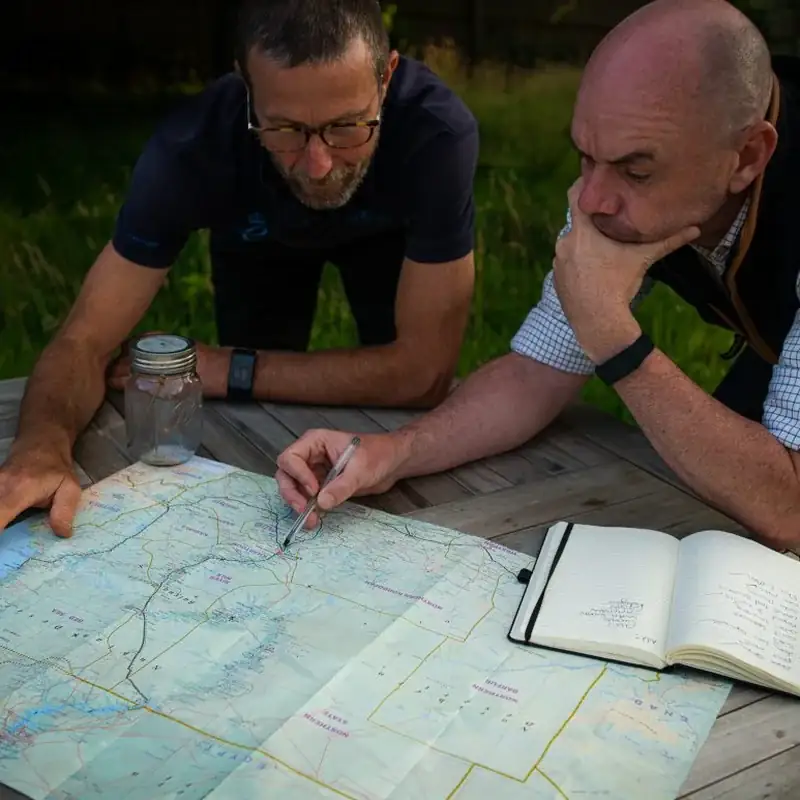
Most striking of all, helicopters open up Kenya’s remote north. The volcanic country of the Suguta Valley, the jade water of Lake Turkana and the lunar expanses of the Chalbi Desert all become day trips or overnight expeditions, within rotor range of Borana yet days of driving from anywhere else.
None of this would exist without the conservancy beneath it. Arijiju gives all of its profits to Borana’s conservation and community programmes, runs almost entirely on solar power, and helped create the wider Lewa-Borana landscape that is now one of East Africa’s great rhino strongholds. To stay here is to take a direct, quiet part in keeping it that way.