Camp

Kicheche Laikipia

Six tents above a spring-fed dam in Ol Pejeta Conservancy, 1,829 metres up in Kenya’s Laikipia Highlands.

Country: Kenya
Location: Ol Pejeta Conservancy, Laikipia Highlands
Number of rooms: 6

The last two northern white rhinos

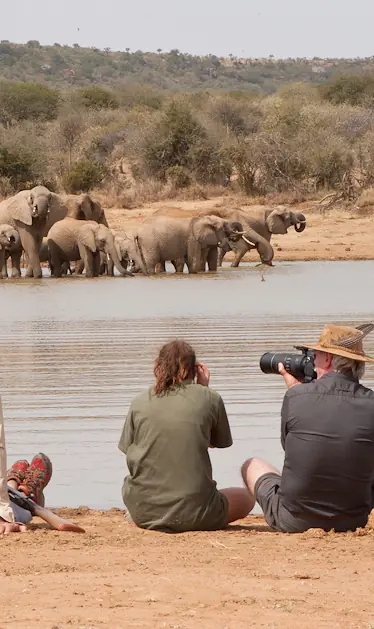
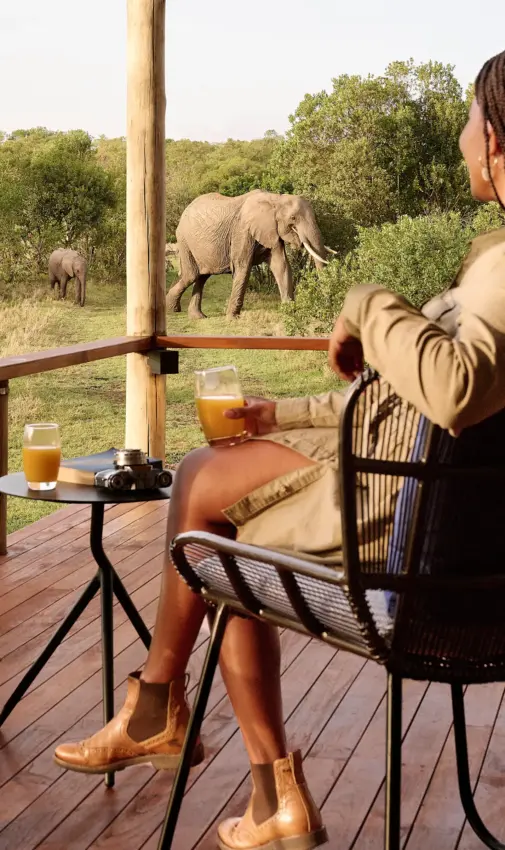
Six tents look onto a small spring-fed dam in the quieter wilderness sector of Ol Pejeta Conservancy, in Kenya’s Laikipia Highlands. Mount Kenya fills the horizon. Elephants wade into the shallows within sight of the tents, and waterbuck graze the far bank at first light. Five tents and a two-bedroom family suite face the water.

Elephants wade into the shallows within sight of the tents.

Ol Pejeta holds a black rhino population and the last two northern white rhinos, Najin and Fatu, so tracking them runs through any stay. Greg Monson and Paul Goldstein founded Kicheche in 2000 on the Lemek Plains in the Masai Mara, built around few beds, few vehicles and specialist guiding. Graham Wood joined as a partner in 2019. Monson chairs the Olare Motorogi Conservancy, and Goldstein has long photographed wildlife.

Visits to the northern white rhino enclosure are arranged in advance. A keeper feeds Najin and Fatu while a ranger explains the IVF and surrogacy work being attempted, with southern white rhinos as surrogates. Baraka, a blind black rhino, lived in an enclosure near the entrance and was usually passed on the way in.

Mornings favour black rhino, harder to find in thick cover.

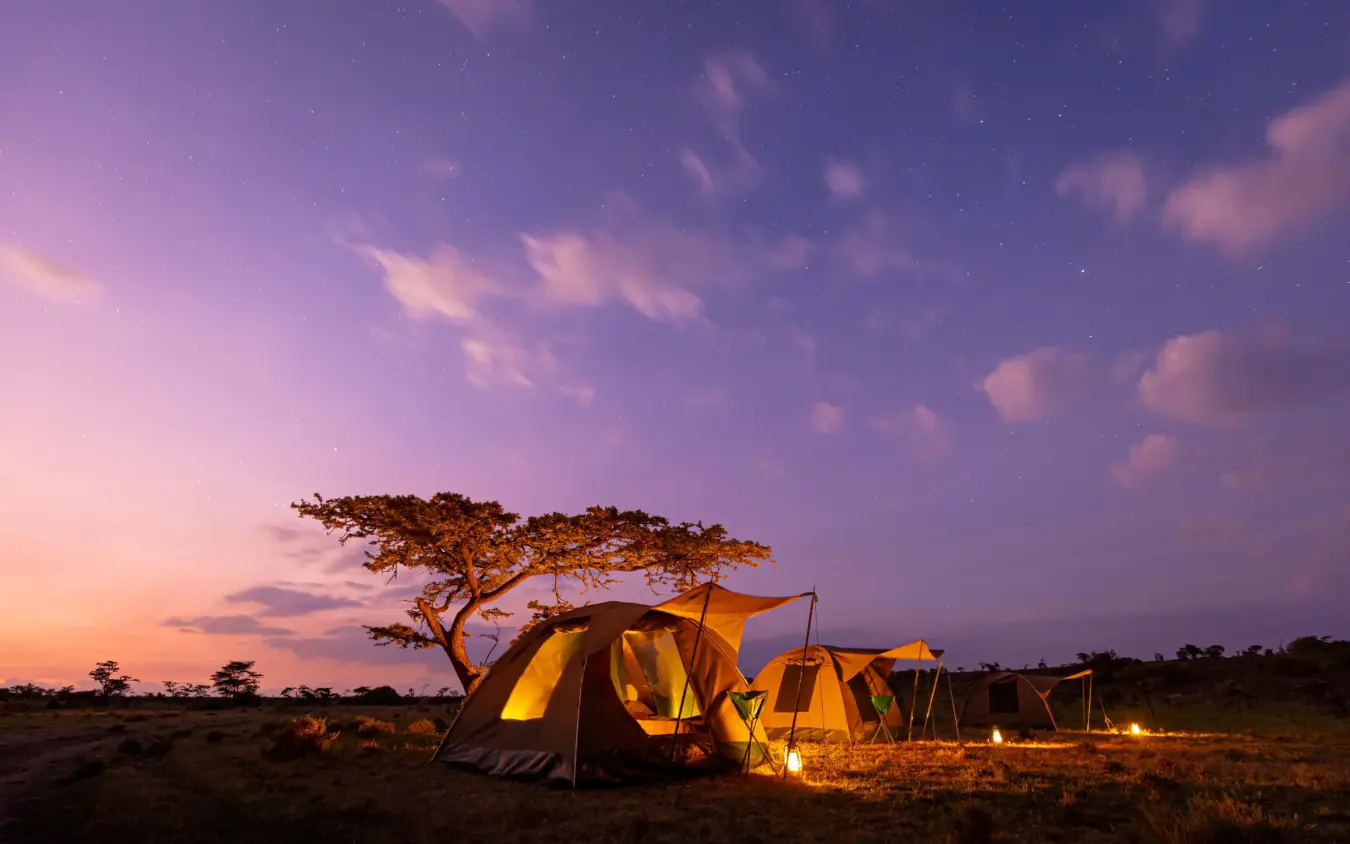
Ol Pejeta is a private conservancy rather than a national park, and the day does not end at dusk. Walking safaris go out with a Silver-rated guide and an armed Ol Pejeta ranger. Mornings favour black rhino, harder to find in thick cover. The white rhino graze the open grass in plain sight. Fly-camping follows the same principle overnight: a two-hour walk out, dome tents, dinner by the fire, and a slow drive back to camp at dawn.

01

accommodation

Six Tents Overlook The Dam

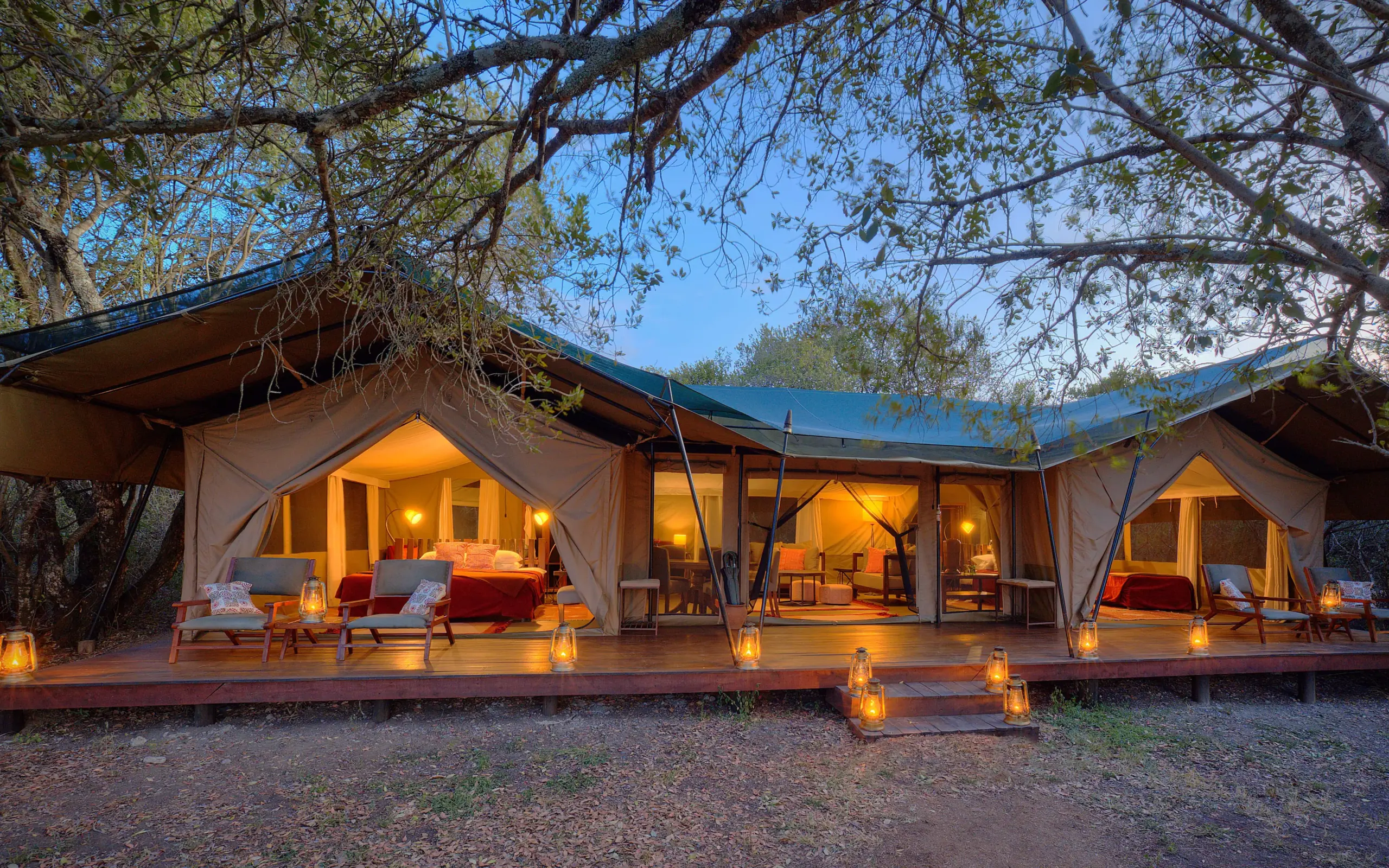
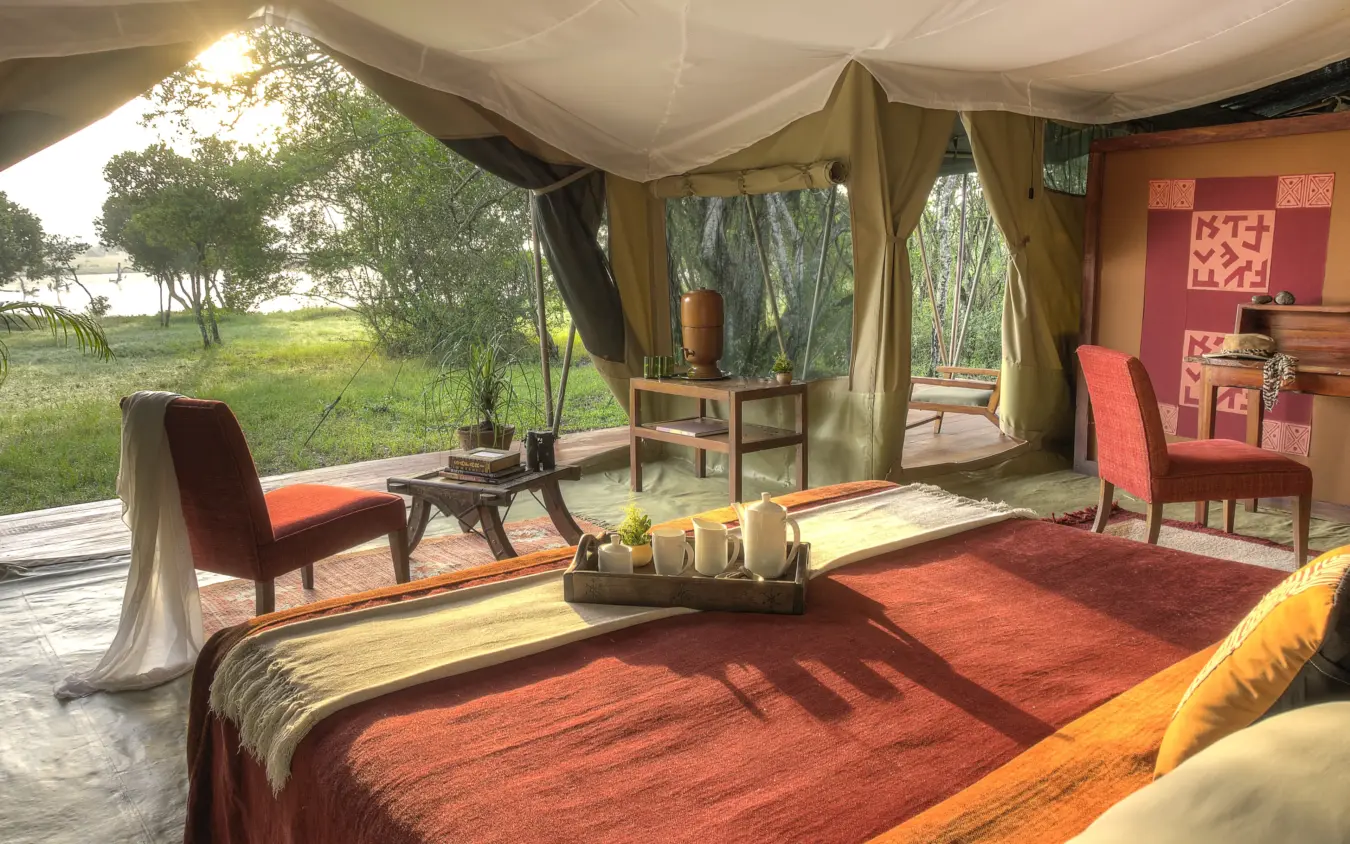
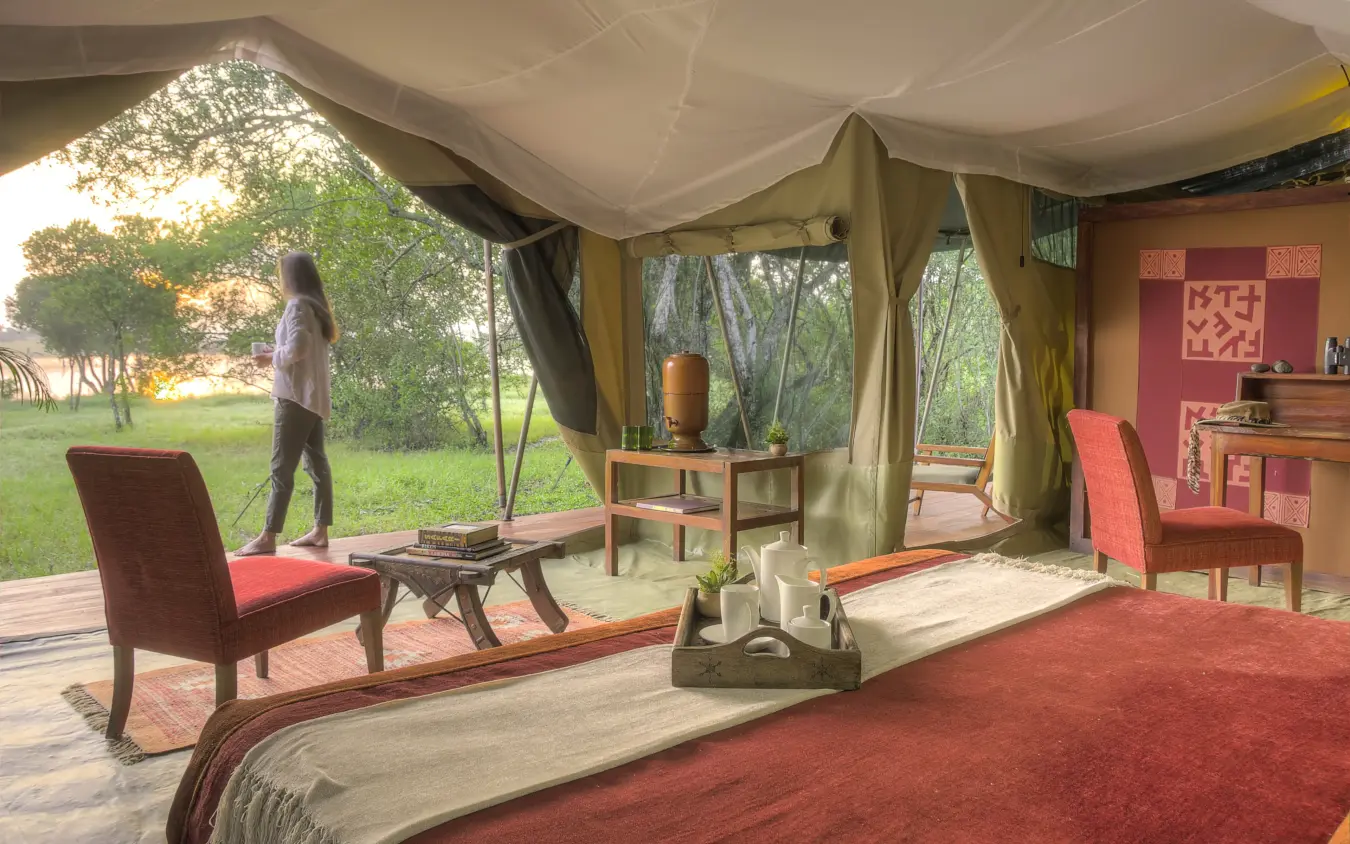
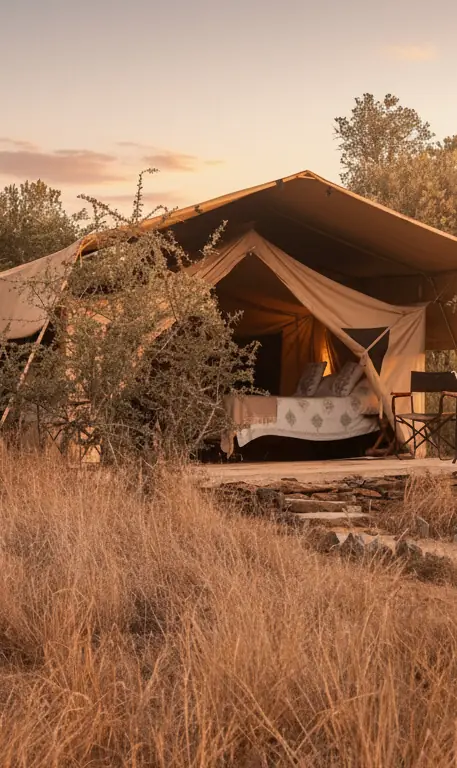
Six tents face the dam, five of them twin or double, with a two-bedroom family suite joined by a shared lounge. Each stands on a low timber platform under indigenous woodland, with mesh windows, a wooden desk, twin washbasins, a solar-heated shower and a flush toilet behind the sleeping area. A hammock hangs on every veranda.

02

activities

Night Drives And Walking Safaris, Armed

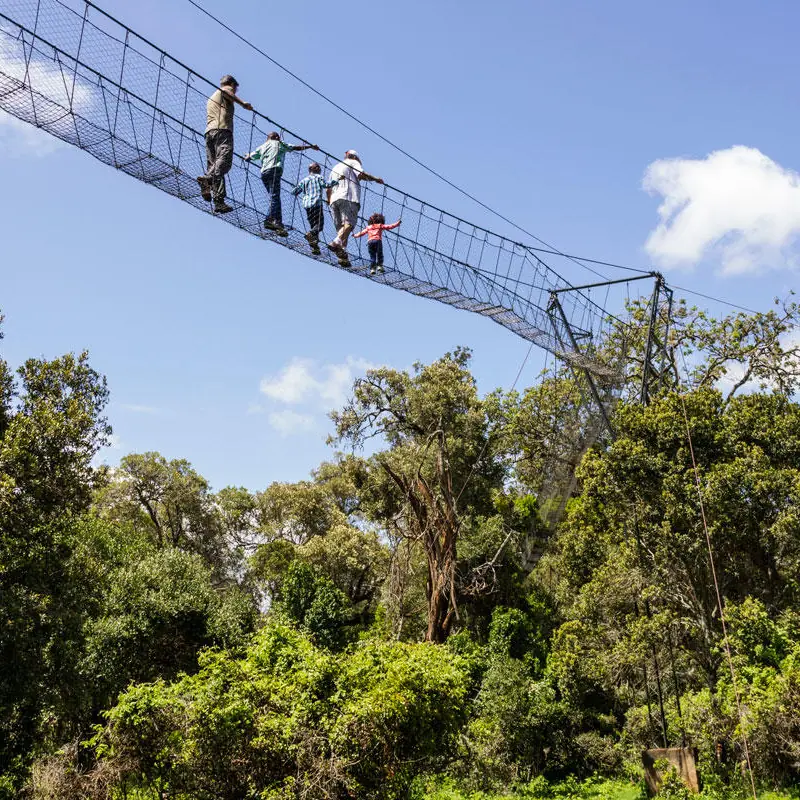
Ol Pejeta's status as a private conservancy permits night drives, off-road driving and walking safaris with an armed ranger, alongside standard game drives. Guests can visit the northern white rhino sanctuary, join anti-poaching dog-tracking demonstrations with the K9 unit, and spend a night fly-camping in the bush. The chimpanzee sanctuary and Ngare Ndare forest canopy walkway are available as excursions, along with mountain biking and day hikes at Mount Kenya.

03

conservation

Kicheche Community Trust Funds Education And Health

Ol Pejeta is home to a black rhino population and to Najin and Fatu, the last two northern white rhinos, alongside an anti-poaching bloodhound unit that guests can visit. The Kicheche Community Trust funds education, health and environmental projects nearby, including support for a local children's home and school bursaries, and sponsors students annually at the Koiyaki guiding school.

ready to get started?

Get in touch and let’s start the conversation. An initial consultation helps us understand what you’re looking for, whether that’s specific experiences, luxury touches, or marking a special occasion, and from there we’ll guide you through what’s possible so you can decide if we’re the right fit.

Alternative accommodation in laikipia highlands

Curved swimming pool with guests surrounded by savanna landscape, Lengishu House, Laikipia Highlands, Kenya 01

Lengishu House

Laikipia Highlands

Elegant interior lounge with symmetrical seating and chandelier, Arijiju, Laikipia Highlands, Kenya 02

Arijiju

Laikipia Highlands

Maasai guides leading camels through arid savanna landscape, Karisia Walking Safaris, Laikipia Highlands, Kenya 03

Karisia Walking Safaris

Laikipia Highlands

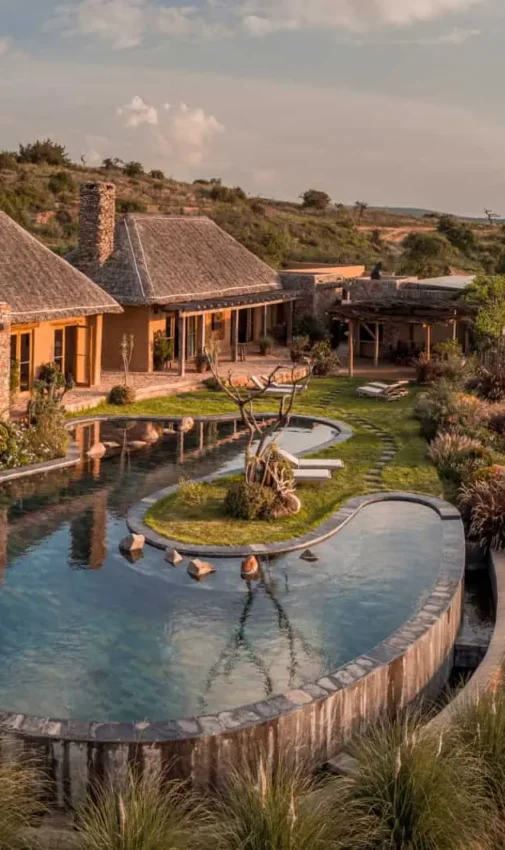
Infinity pool overlooking savanna landscape at dusk, Ol Malo Lodge, Laikipia Highlands, Kenya 04

Ol Malo Lodge

Laikipia Highlands

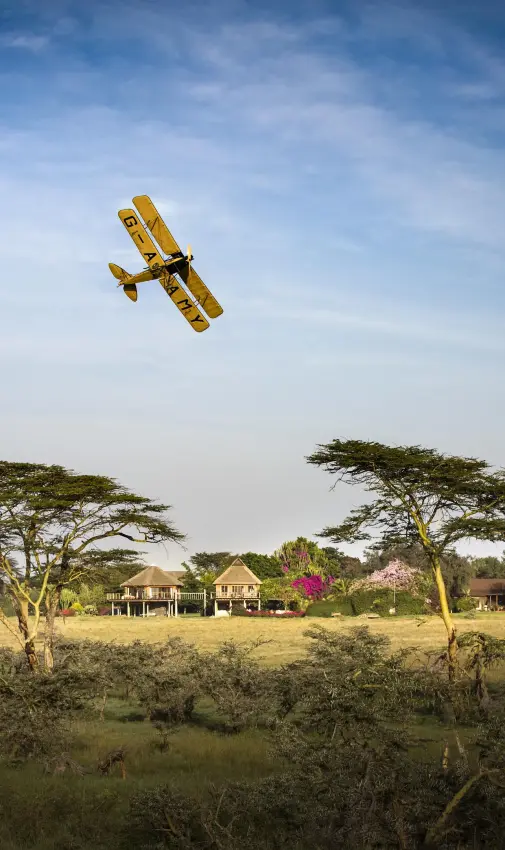
Yellow biplane flying over safari lodge and acacia trees, Segera, Laikipia Highlands, Kenya 05

Segera

Laikipia Highlands

Safari vehicle with guests on hillside overlooking mountains, Borana Lodge, Laikipia Highlands, Kenya 06

Borana Lodge

Laikipia Highlands

Circular stone lodge structures on rocky outcrop overlooking forested valley at sunset, Suyian Lodge, Laikipia Highlands, Kenya 07

Suyian Lodge

Laikipia Highlands

08

Lolldaiga House

Laikipia Highlands

Glamping safari tent with deck overlooking dry grassland at sunset, Moon’s Camp, Laikipia Highlands, Kenya 09

Moon’s Camp

Laikipia Highlands

10

Governors’ Mugie House

Laikipia Highlands

11

Lewa Safari Camp

Laikipia Highlands

Guests photographing elephant herd at waterhole from shoreline, Laikipia Wilderness, Laikipia Highlands, Kenya 12

Laikipia Wilderness

Laikipia Highlands

13

El Karama Lodge

Laikipia Highlands

Thatched-roof lodge illuminated at dusk with savanna landscape, Lewa House, Laikipia Highlands, Kenya 14

Lewa House

Laikipia Highlands

15

Enasoit Camp

Laikipia Highlands

16

Sirai House

Laikipia Highlands

Curved modern lodge buildings perched on rocky hilltop overlooking valley, Ol Lentille, Laikipia Highlands, Kenya 17

Ol Lentille

Laikipia Highlands

Luxury lodge with blue pool nestled among acacia trees in arid savanna landscape, Kifaru House, Laikipia Highlands, Kenya 18

Kifaru House

Laikipia Highlands

19

Ol Malo Nomad

Laikipia Highlands

Wooden deck overlooking valley at dusk with warm lighting, Lewa Wilderness, Laikipia Highlands, Kenya 20

Lewa Wilderness

Laikipia Highlands

frequently asked questions

Fly. AirKenya's scheduled service leaves Nairobi's Wilson airport at 9.45 each morning for Kamok, the airstrip inside Ol Pejeta itself, and the camp includes the transfer from Kamok in its rate. Safarilink flies twice a day to Nanyuki airstrip instead, around an hour in the air and a little longer when the aircraft calls at another strip first, and from Nanyuki it is thirty to forty-five minutes by road to the camp, a leg we arrange and price for you. We can also put you on a private charter, typically a Cessna Caravan or a Pilatus PC-12, straight into Kamok at a time of your choosing, which frees you from the timetable and lets you fly in from the Mara or Samburu without going back through Nairobi.

The scheduled aircraft take fifteen kilograms a person, hand luggage and camera bags included, in soft bags only, so a long lens needs planning and a duffel travels better than a hard case. By road from Nairobi it is about 210 kilometres and three to four hours, and we can set that up as a private transfer if you would rather see the farmland give way to the foothills of Mount Kenya on the way.

Treat it as a malaria area, not a malaria-free one. The camp stands at around 1,800 metres, and both TravelHealthPro, the UK's official travel health service, and the CDC put the height at which the risk falls away at 2,500 metres. TravelHealthPro classes Kenya as high risk apart from Nairobi and the highlands above that line, and lists antimalarial tablets among its recommendations for the rest; the CDC names every part of the country below 2,500 metres, game parks included, as somewhere it recommends preventive medicine, and Ol Pejeta sits well inside that.

We are travel planners rather than medical people, so the decision belongs with you and your doctor or a travel clinic, and the guidance is reviewed often enough to be worth checking close to departure. The cold highland nights hold mosquito numbers down and the tents keep insect spray on hand, but the ordinary care still applies once the light goes: long sleeves by the fire, repellent on any skin left showing, and a layer more than you think on a night drive.

Yes, at any age. Two of Kicheche's Mara camps start children at seven, but Laikipia has no minimum: it prices three to eleven year olds at half the adult rate, treats twelve to seventeen year olds as young adults, and puts families in the two-bedroom suite, which sleeps five and comes with a private vehicle and guide guaranteed at no extra charge, so the days run at your children's pace rather than another party's. Supper can be served early in the tent, and the camp will post a night guard outside for children who go to bed before the adults.

Ol Pejeta's own activities carry age rules of their own: the anti-poaching dog demonstration is for twelve and over, the rhino monitoring patrols do not take children at all, and lion tracking takes them at a child price. Tell us their ages when you enquire and we will build the days around what they can actually do. Between drives the camp's guides run short camp walks, soft archery, tracking animal footprints and making bows and arrows, which tend to be the bits the younger ones talk about afterwards.

Two climates in one day. The camp sits high on the Equator, so afternoons reach the low to mid twenties under a hard sun while dawn can be close to twelve degrees, and a morning drive starts in a fleece and a hat and ends in shirtsleeves. The rains come twice, roughly March to May with April the wettest month, and again in October and November; the camp closes for the long rains, from 10 April to 23 May in 2026, and the dates move a little each year. June to September is the driest stretch, December to February is dry again, and a shower is possible in any month at this height.

Pack in layers: a warm fleece or down jacket and a woollen hat for the dawn starts, the evenings by the fire and above all the night drives, which are colder than people expect; light neutral clothing and a wide-brimmed hat for the middle of the day; high-factor sun cream, because the altitude sharpens the sun; closed shoes with grip for the walks; and binoculars for the dam, which does a lot of the work from your veranda. The tents keep rubber boots, umbrellas and bathrobes for the wet and the cold, so those can stay at home, and everything goes in soft bags for the light aircraft.

The rate is full board with drinks, house wines, beers and spirits included, and it covers the shared game drives by day and by night, the guided walks with an armed ranger, mountain biking, sundowners, laundry, a contribution to the Kicheche Community Trust and the transfer to and from Kamok airstrip. Wifi reaches every tent, and the tents run on 24-hour solar power with universal sockets and USB points, so camera batteries are not a worry.

Ol Pejeta's conservancy fee sits on top, and we put it in the quote from the start. The conservancy charges a daily entry fee per adult, half that for a child of three to eleven, with under-threes free, and because the camp is in the quieter wilderness zone a bed-night levy is added, so the camp bills the two together per person per night. The northern white rhino visit, the dog-unit demonstration and a private vehicle are extras, and leaving after midday on the last day carries a supplement, so we time the flight out to avoid it. Stays of six nights or more earn ten percent off, and pairing the camp with one of Kicheche's Mara camps makes six nights cost five, with the free night at Laikipia.

Yes. The visit is run by Ol Pejeta rather than the camp, so it sits outside the rate, charged per person for a slot of about an hour inside the enclosure, at 8.30, 11.00, 3.00 or 4.30, and it has to be booked ahead. We book it before you travel and fit it round the drives rather than leaving it to chance on the day.

The same rangers run other things worth a morning. Lion tracking with a telemetry receiver goes out at 6.30 and 3.30 in a shared six-seat vehicle, needs four people to run and is charged per person, children at half; the dog-unit demonstration runs once a day at 8.30 and is charged separately too; and the Sweetwaters chimpanzee sanctuary is covered by the conservancy fee, with a behind-the-scenes feeding visit at midday, charged separately, in groups of no more than six. We plan three nights at the camp at the least, because each of these takes a slot alongside the walk and the night drive, and a fourth if you want the fly-camp night.

rated five stars by our clients

other areas in kenya

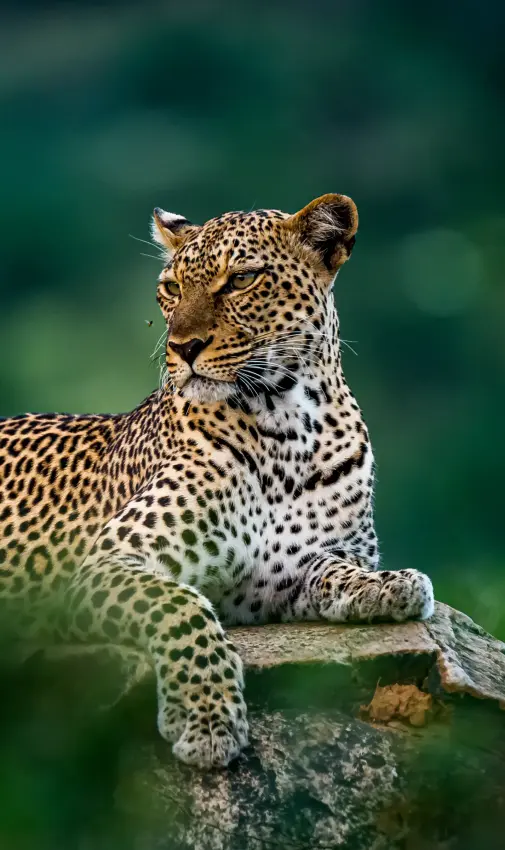
Leopard resting on fallen log in natural setting 01

Maasai Mara

Local guides with poles crossing shallow forest river, Northern Kenya, Kenya 02

Northern Kenya

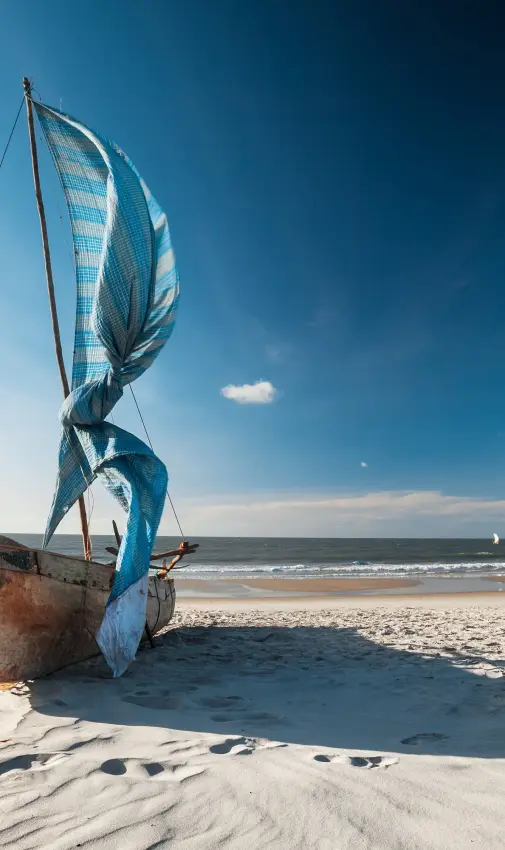
Traditional fishing boat with blue sail on sandy beach 03

Kilifi

Flock of flamingos wading in shallow pink-tinted water, Rift Valley Lakes, Kenya 04

Rift Valley Lakes

Snow-capped Mount Kilimanjaro rising above acacia trees and Tanzania savanna 05

Amboseli and Chyulu Hills

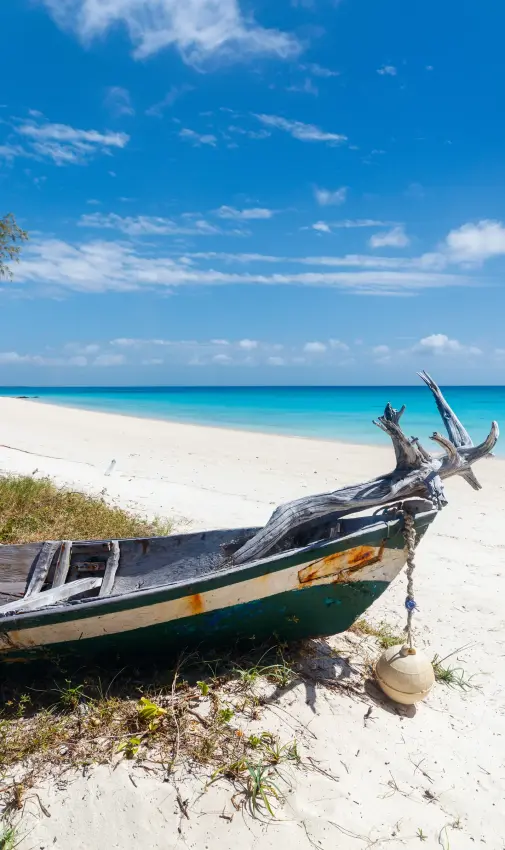
Wooden fishing boat beached on white sand tropical shore 06

Diani Beach

Man in traditional red garment driving open safari vehicle, Samburu Reserve, Kenya 07

Samburu Reserve

08

Lamu Archipelago

Zebras in savanna grassland with safari vehicle and city skyline 09

Nairobi

African elephants with calf walking through grassland at sunset 10

Tsavo

Planning a journey together

our approach

remote, exclusive
& personal

Every journey starts with a conversation. We take the time to understand your vision before we start planning.

Whether by phone or in person, we work with you directly to shape something that is considered, personal, and expertly delivered.

get in touch
destinations ideas & inspiration our process about us contact us