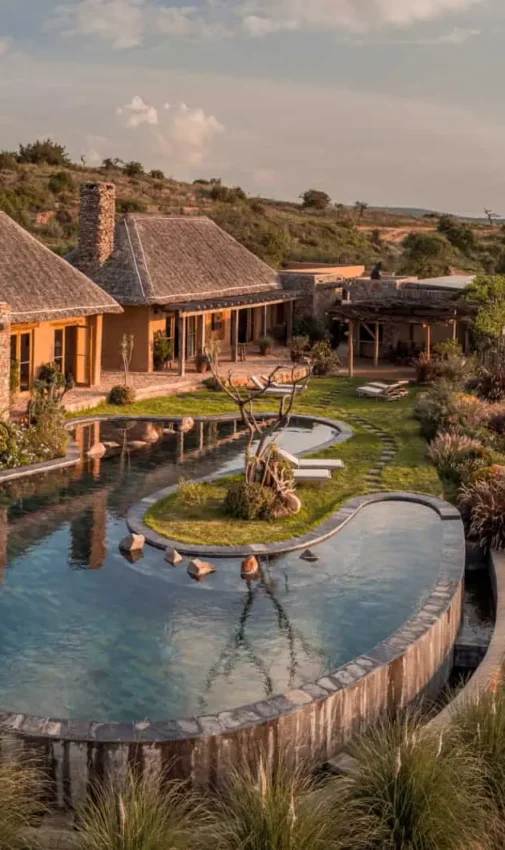
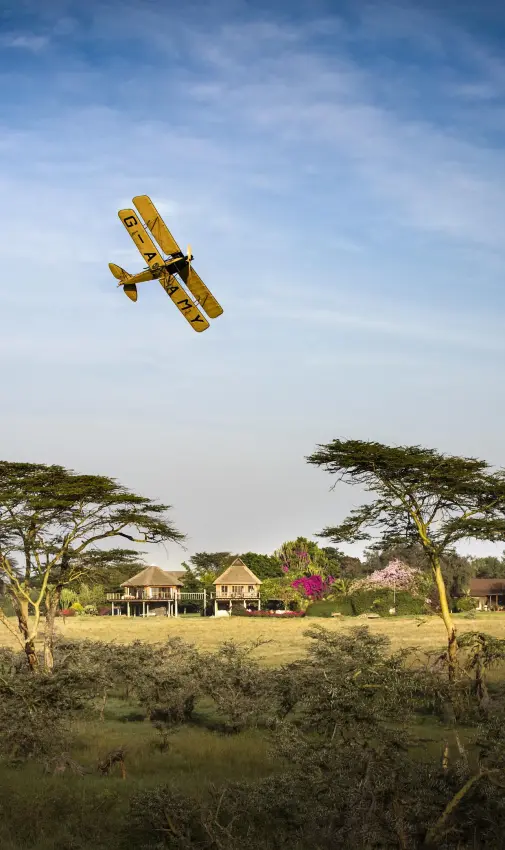
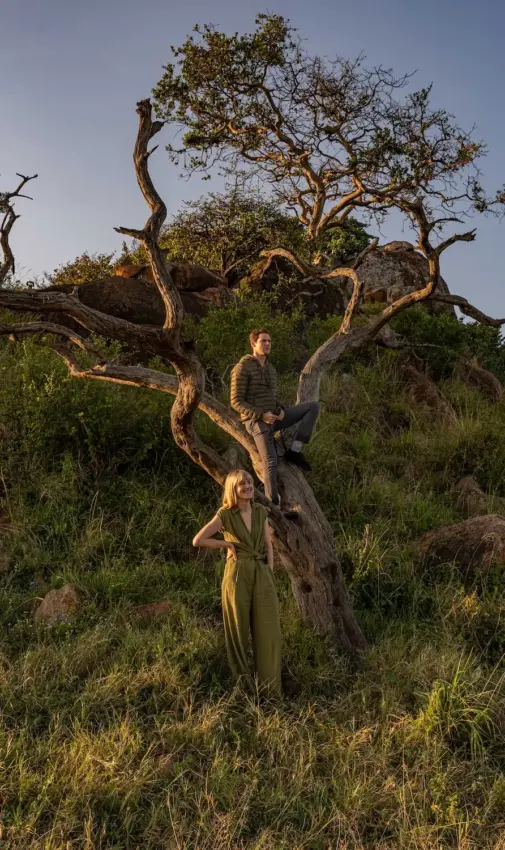
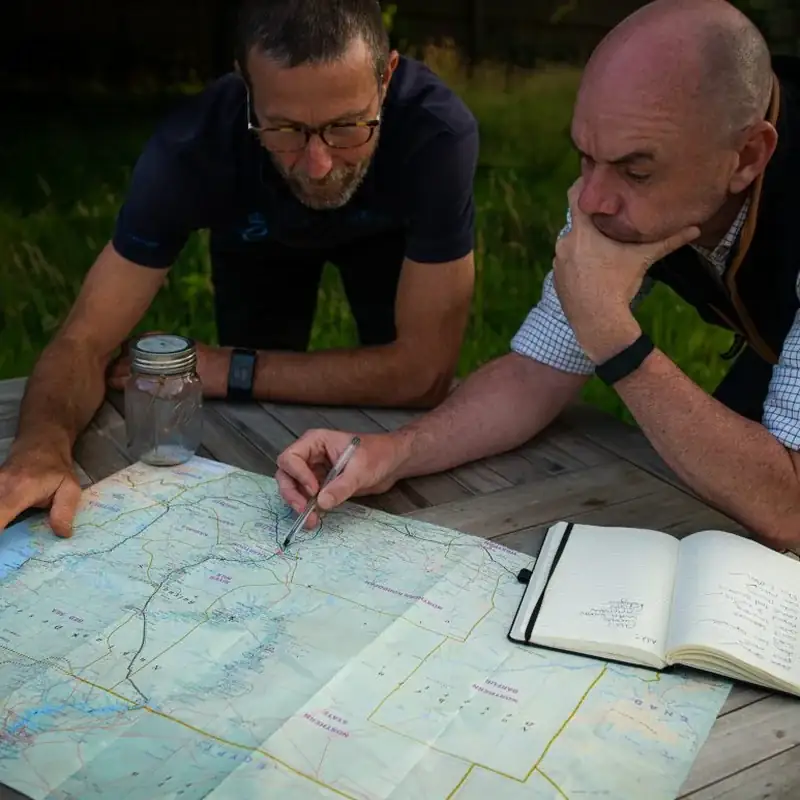
The Ancilotto family bought this land in the early 1970s and ran it as a low-impact cattle ranch that also took in visitors. By 1997 Tom Silvester was its livestock manager, and that year he and his brother Peter built the Loisaba name with their friend Giles Davis. In 2014 The Nature Conservancy helped move it from private hands into the Loisaba Community Trust, which holds it for conservation in perpetuity. Silvester runs it today as chief executive, and tourism helps pay for its conservation work.
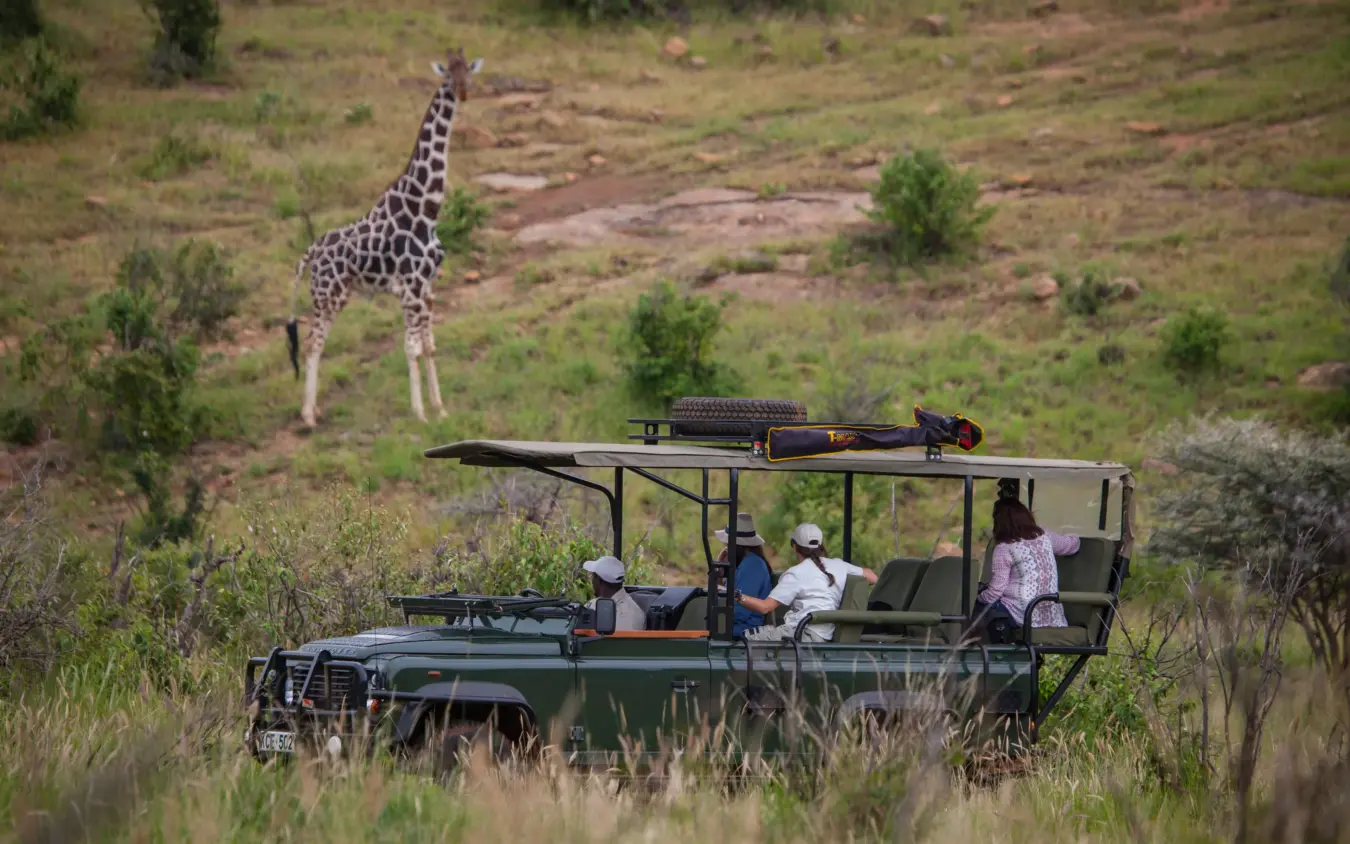
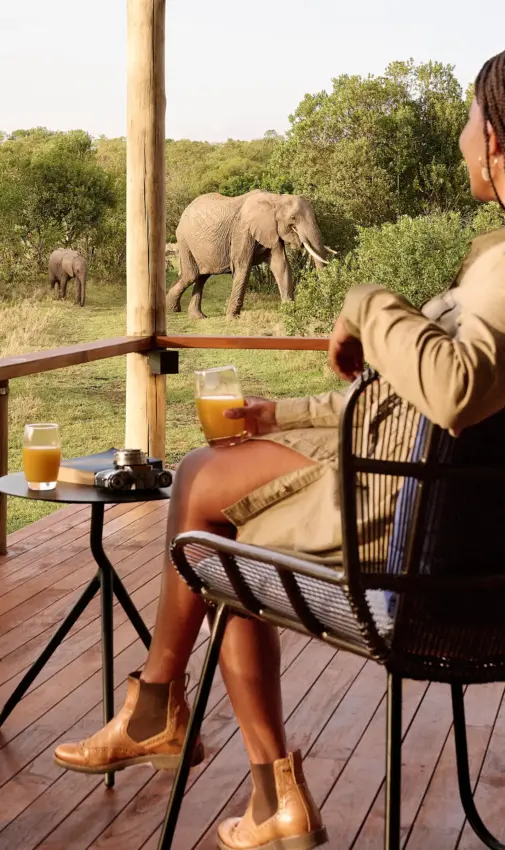
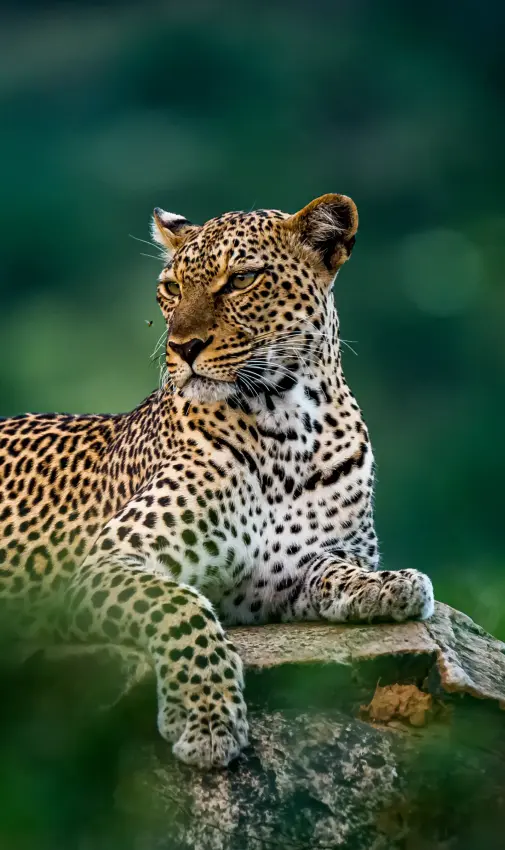
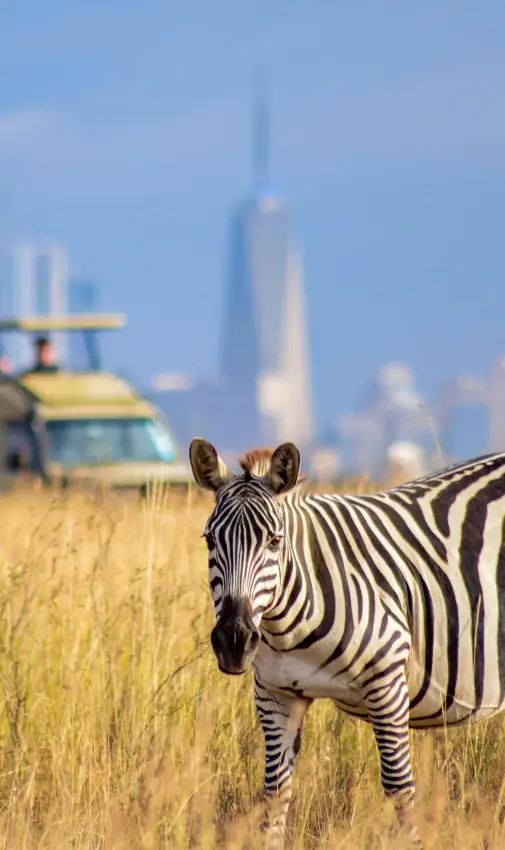
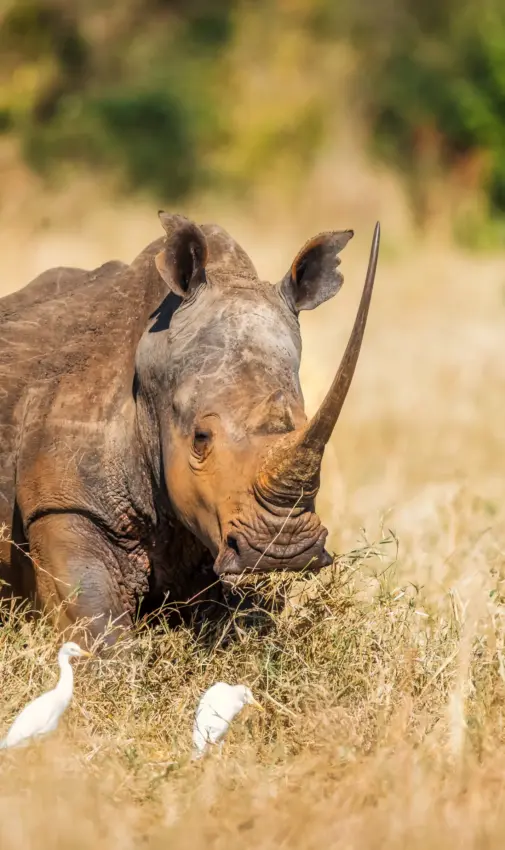
For about 50 years there were no black rhinos on Loisaba. The first of 21 arrived in January 2024, eastern black rhinos from Ol Pejeta, Lewa, Borana and Nairobi National Park. Their sanctuary is run with the Kenya Wildlife Service, San Diego Zoo Wildlife Alliance and The Nature Conservancy, and by February 2025 two calves had been born there. On the plains they join elephants and lions, leopards and wild dogs, Grevy’s zebras and reticulated giraffes, though no sighting can be promised from the Starbeds themselves.
An afternoon with the anti-poaching unit shows its sniffer dogs at work.
Loisaba is private conservancy land, so guests can walk with a guide or, on the game package, go out on night drives, neither of which most national parks allow. Horse riding is permitted too, the horses heading out among the zebras, and Samburu handlers lead the camel safaris. An afternoon with the anti-poaching unit shows its sniffer dogs at work, with the handlers explaining their training and running a tracking demonstration.
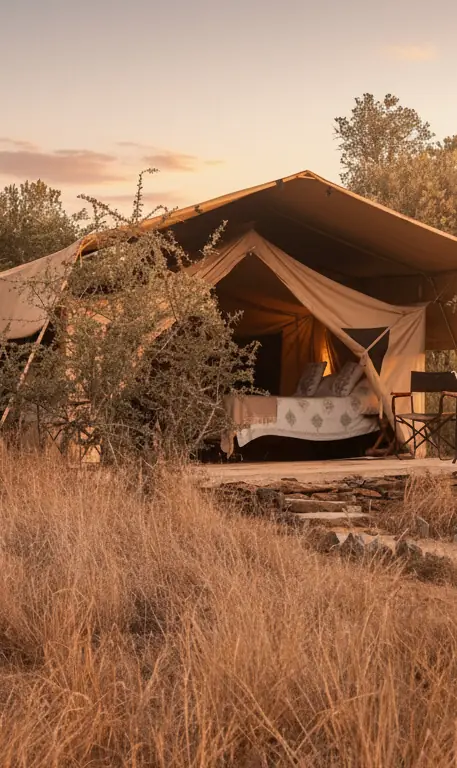
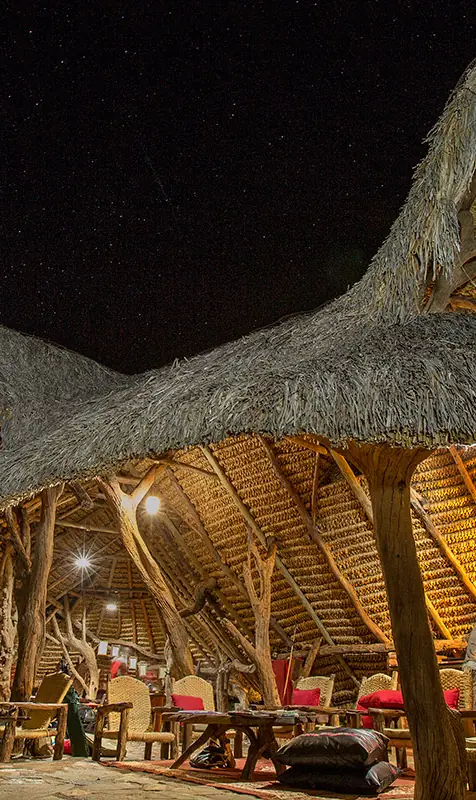
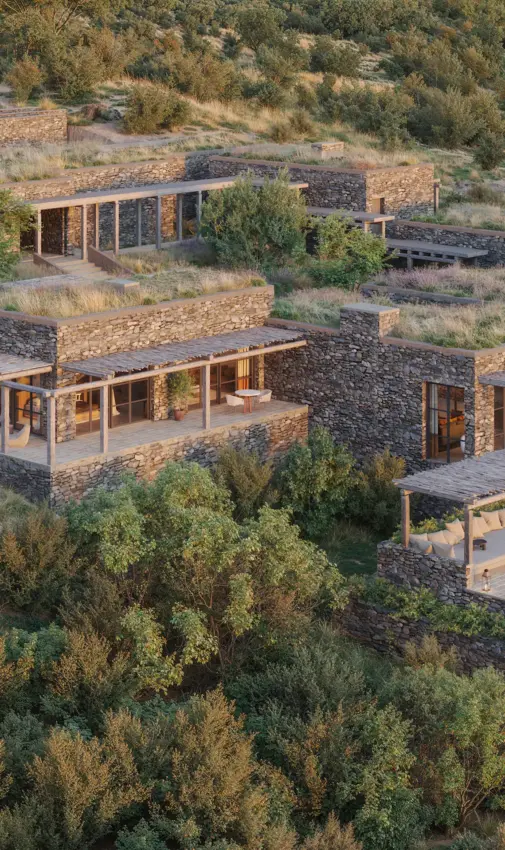
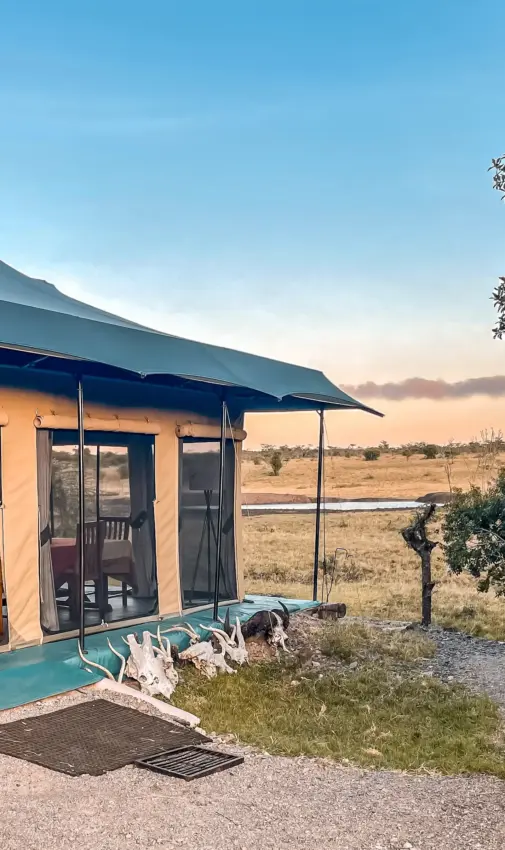
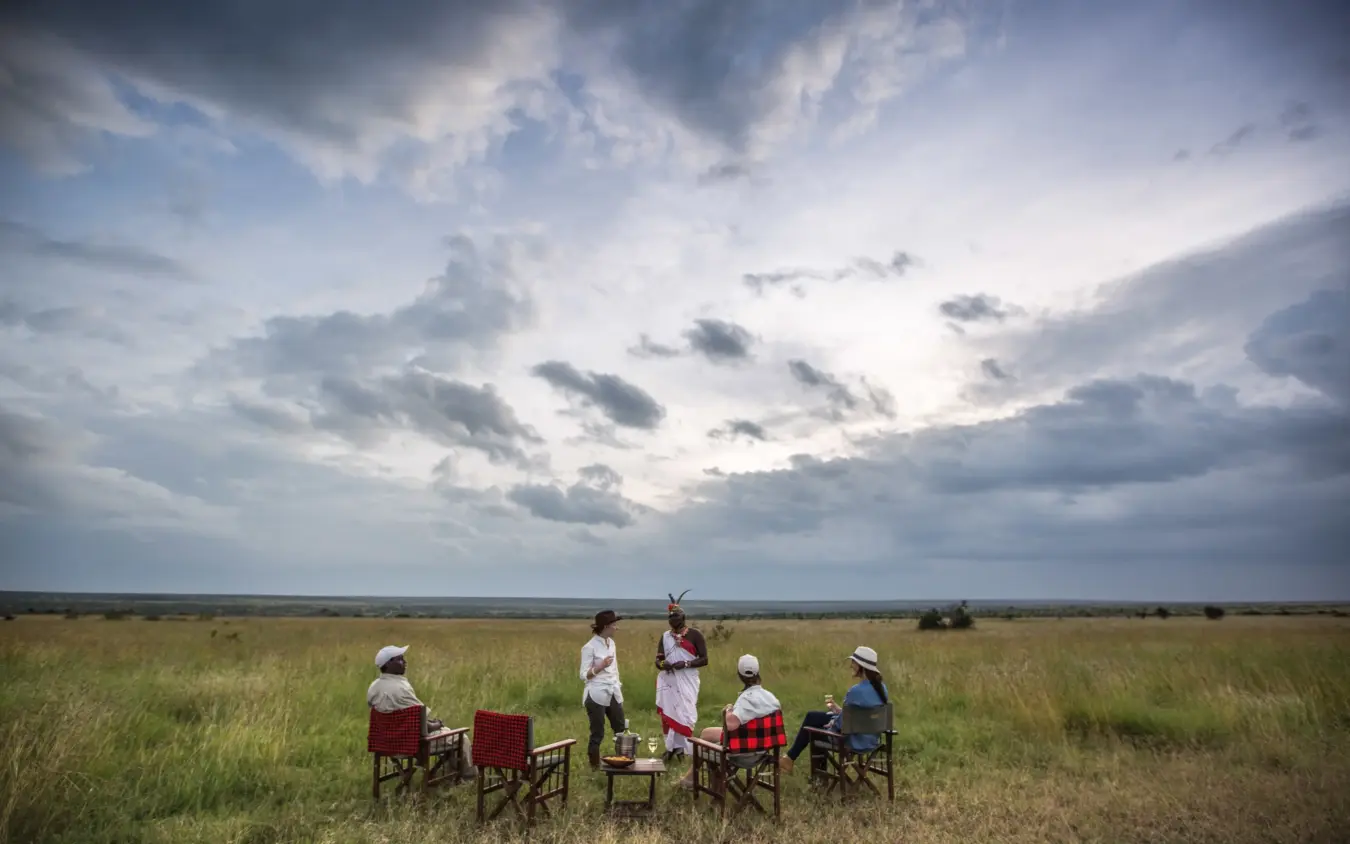
Families are welcome. The family room splits its two double beds across separate platforms, so parents and children each get their own patch of sky. Evenings are simple, centred on the fire. Come morning, daylight shows what the night only suggested: the broad valley spreading out below the kopje.




 01