Lodge

Karisia Walking Safaris

Camel-supported walking safaris across Tumaren, the private Laikipia land Kerry Glenn and Jamie Christian gave back to wildlife.

Country: Kenya
Location: Tumaren Ranch, eastern Laikipia Highlands
Number of rooms: 7

Walking Laikipia with a camel train

Kerry Glenn grew up on safari in Kenya. With her husband, Jamie Christian, she bought overgrazed ranch land north of Mount Kenya, named it Tumaren, the Maa word for dragonfly, and gave it back to wildlife. Game numbers have climbed sharply since. Guests now walk that land, while a train of camels carries the tents, the water and the kitchen ahead to the next campsite.

The guides read spoor in the dust and name the birds calling at dawn.

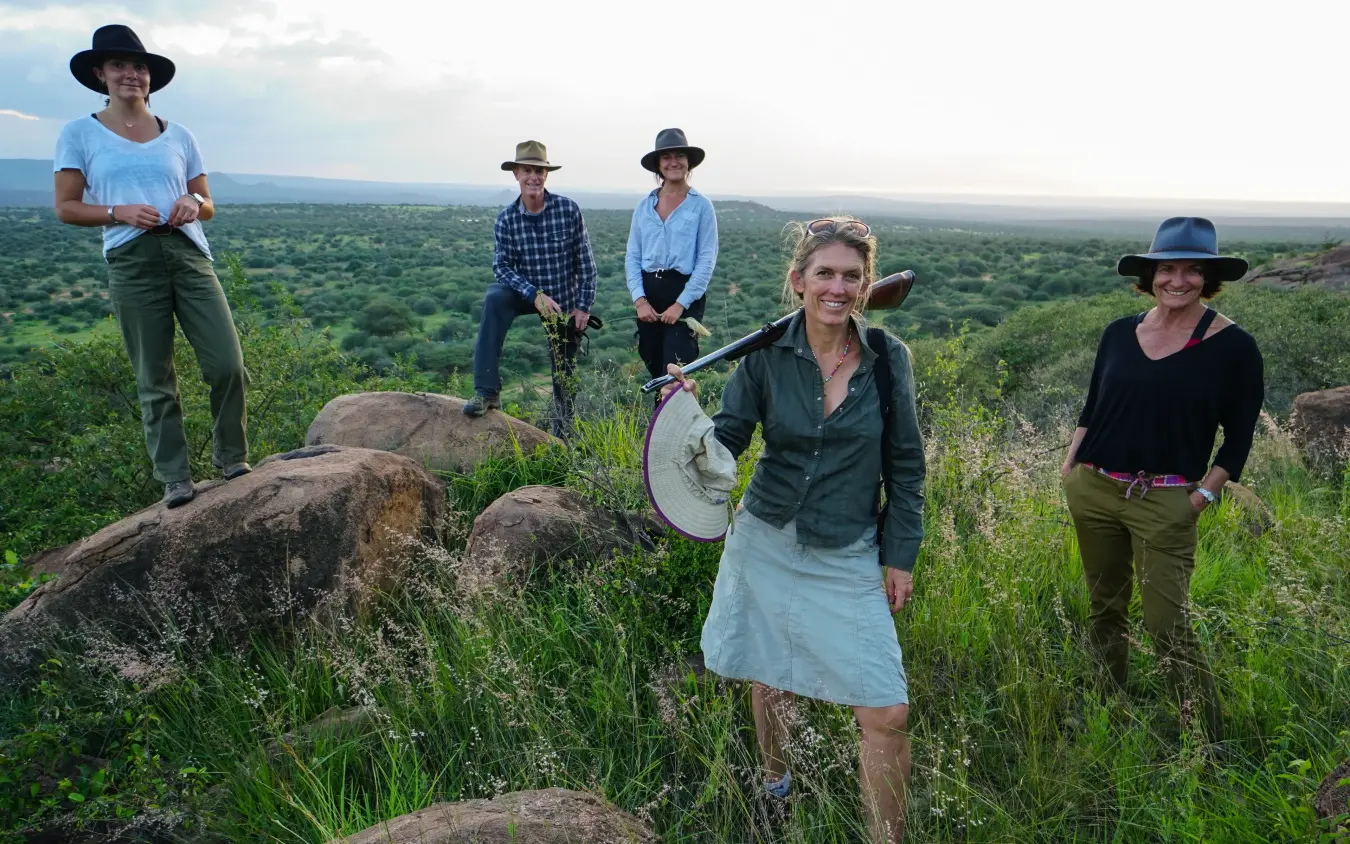
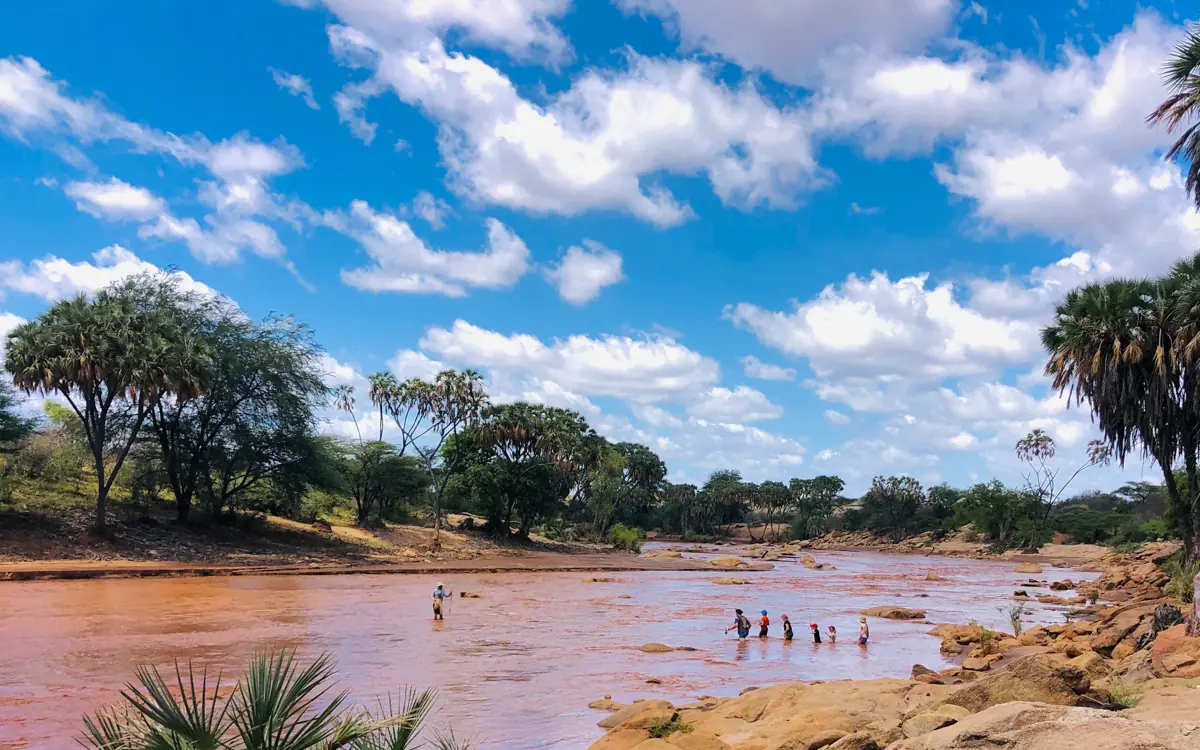
Many of the Samburu, Maasai and Ndorobo guides and trackers have worked this ground for years, some since boyhood. The guides read spoor in the dust and name the birds calling at dawn. They point out flints and old pottery, and the forgotten graves scattered across ground formed by the Rift Valley’s turbulent geology. A walker notices things here that a vehicle passes at speed.

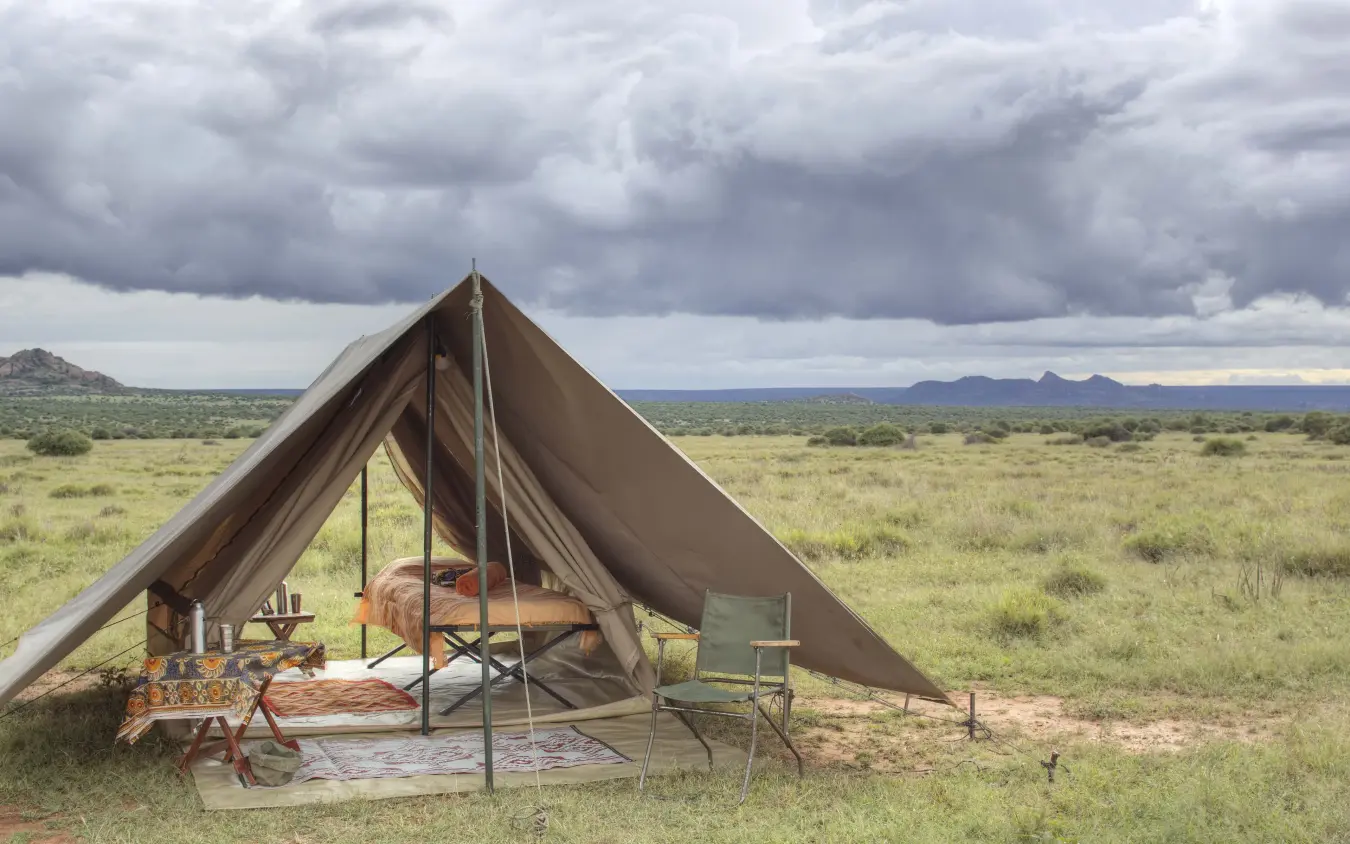
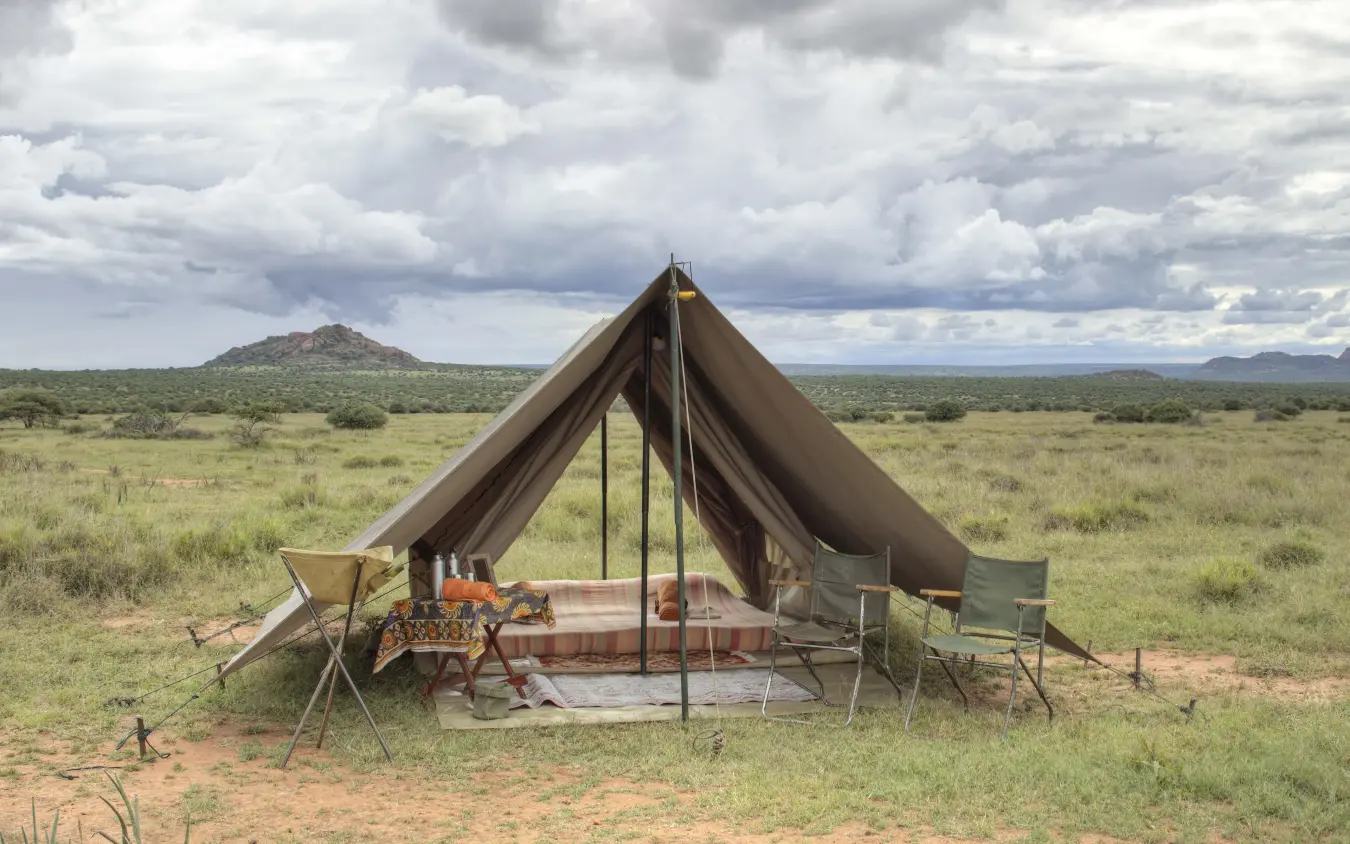
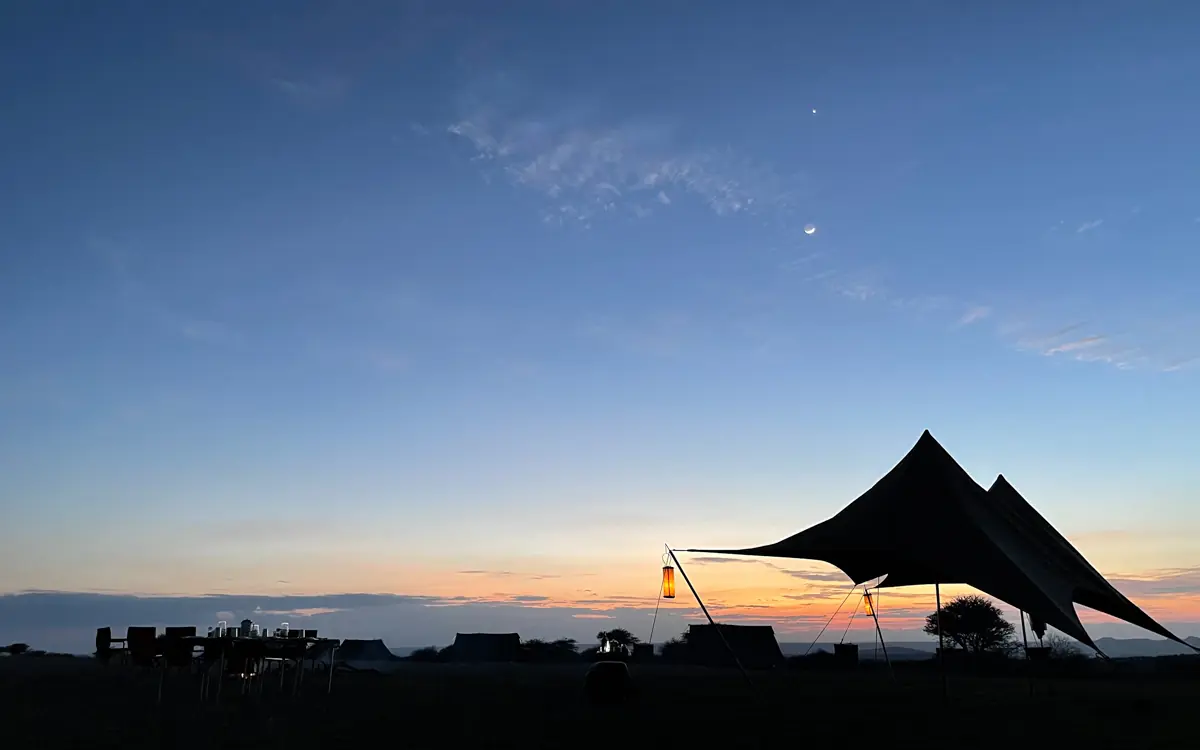
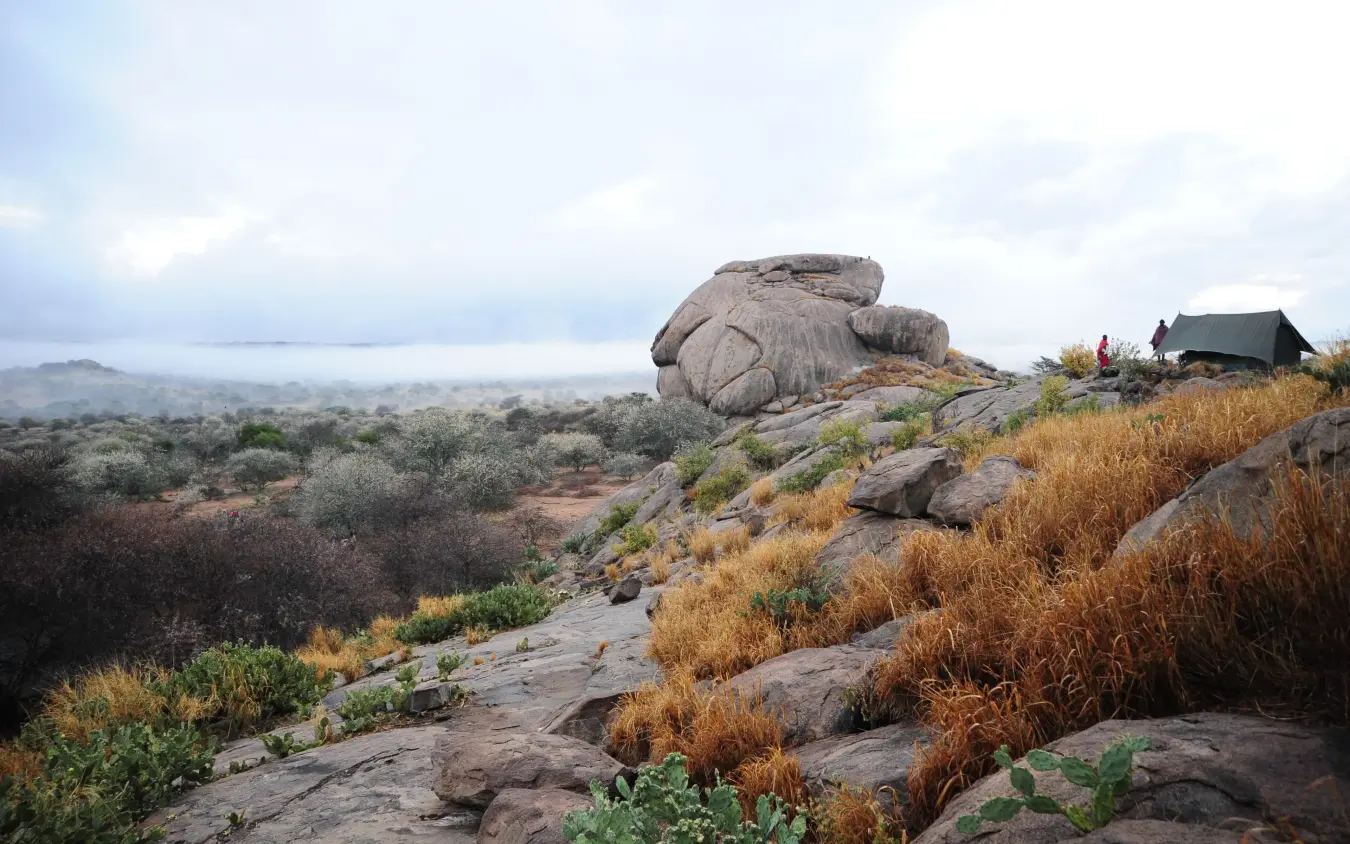
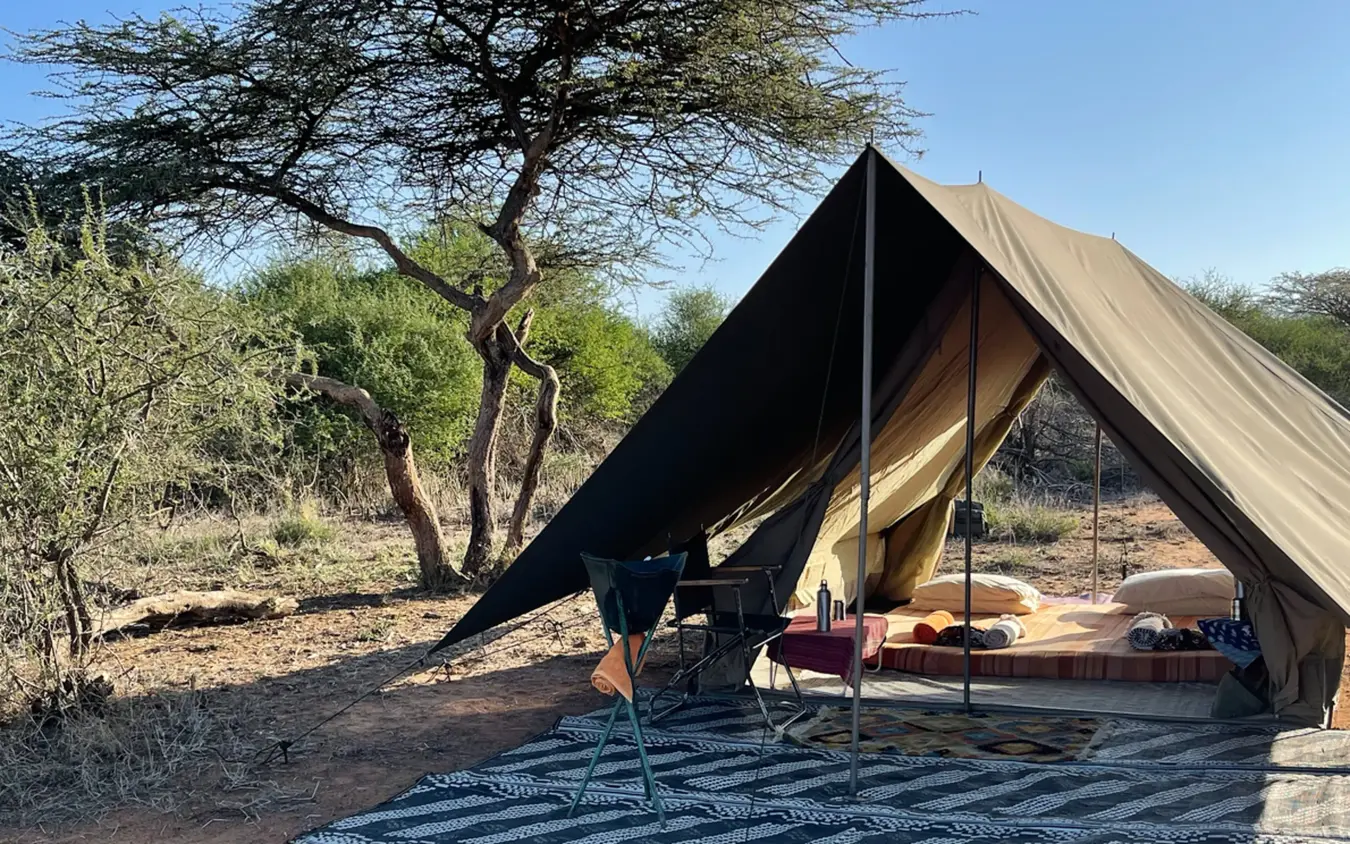
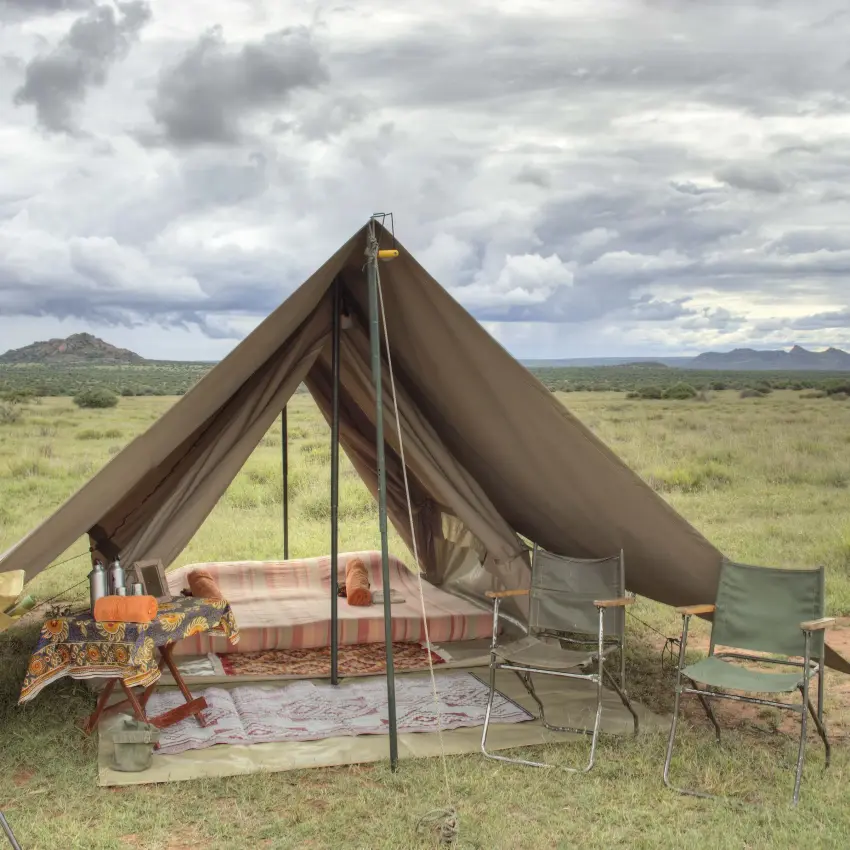
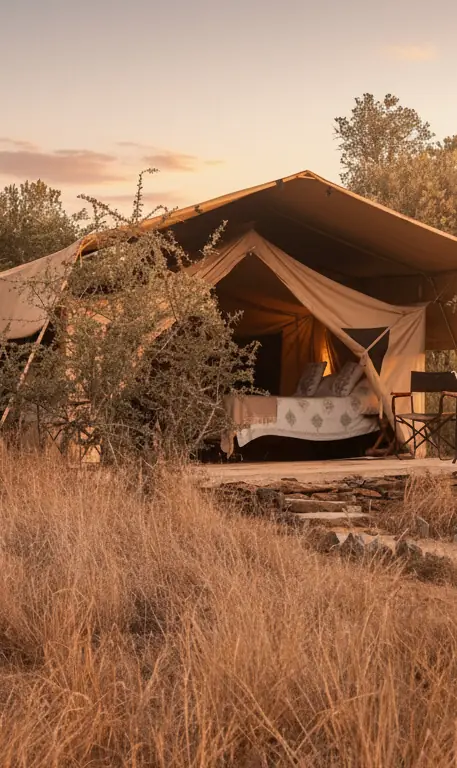
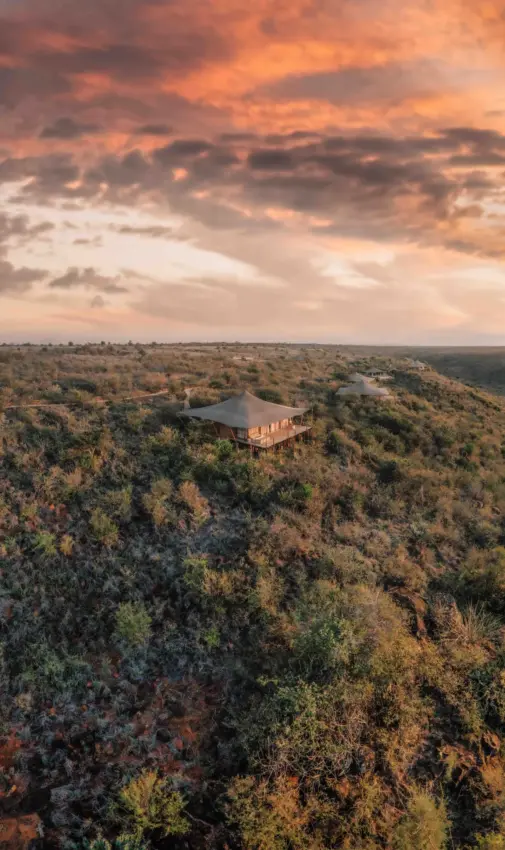
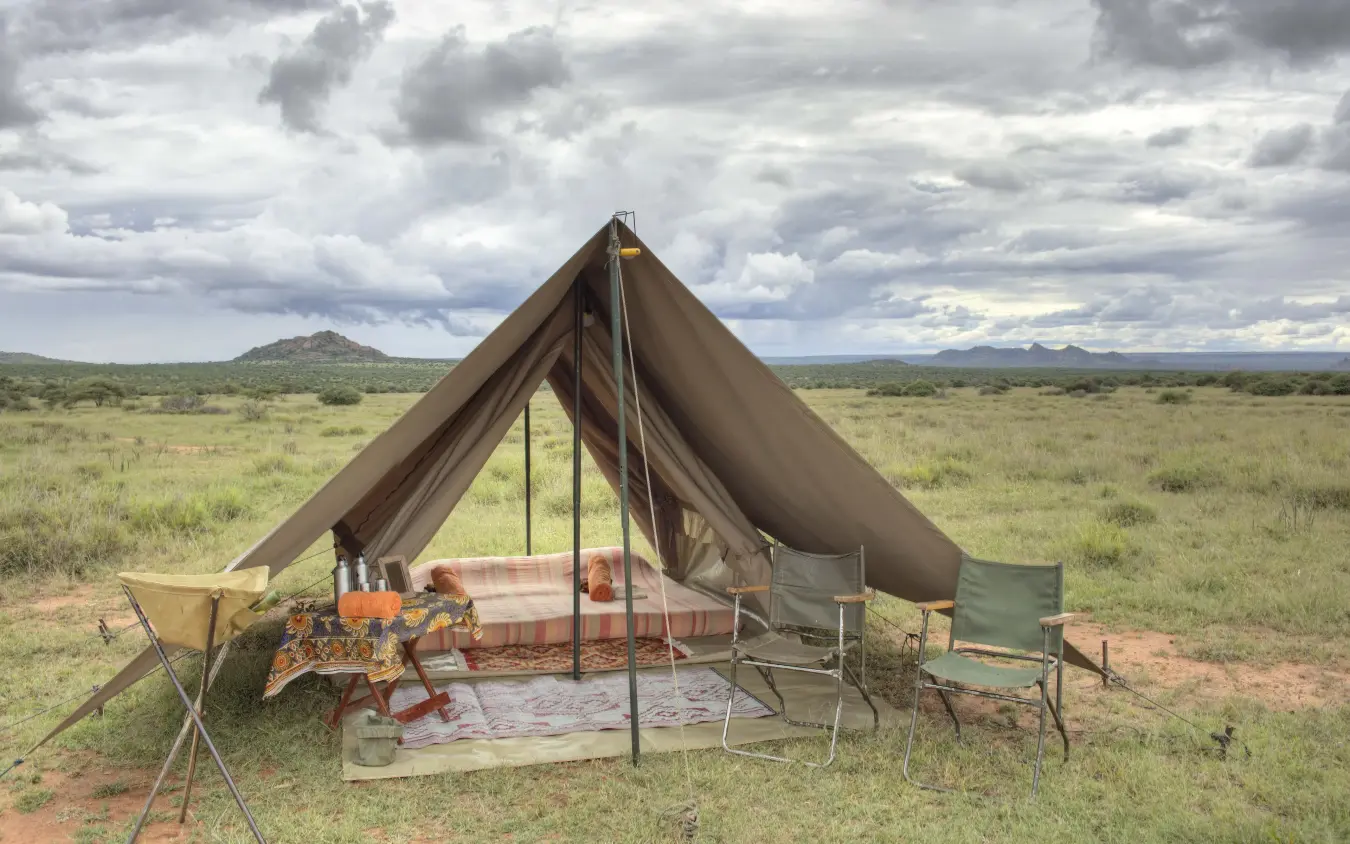
Canvas safari tent pitched in open savanna landscape, Karisia Walking Safaris, Laikipia Highlands, Kenya
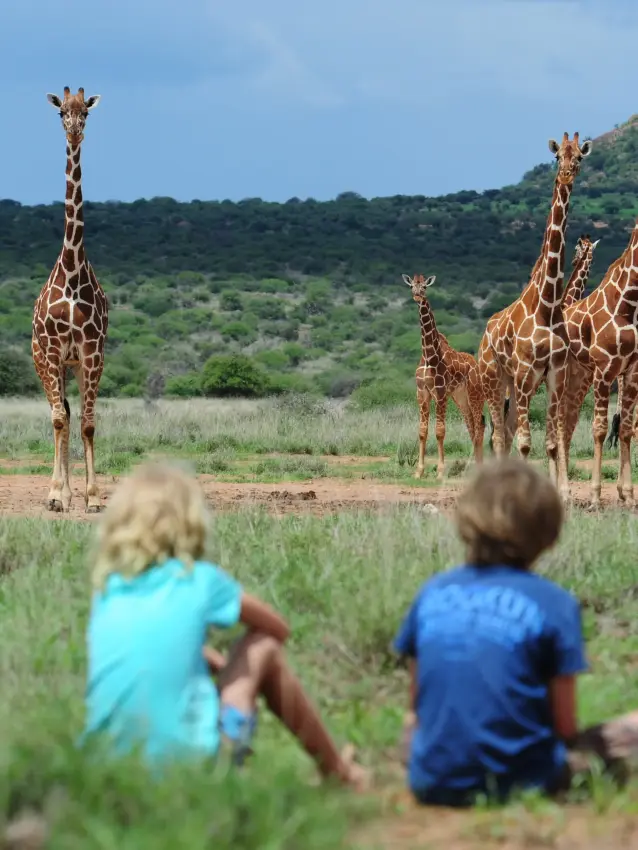
Children watching elephant herd across savanna landscape, Karisia Walking Safaris, Laikipia Highlands, Kenya

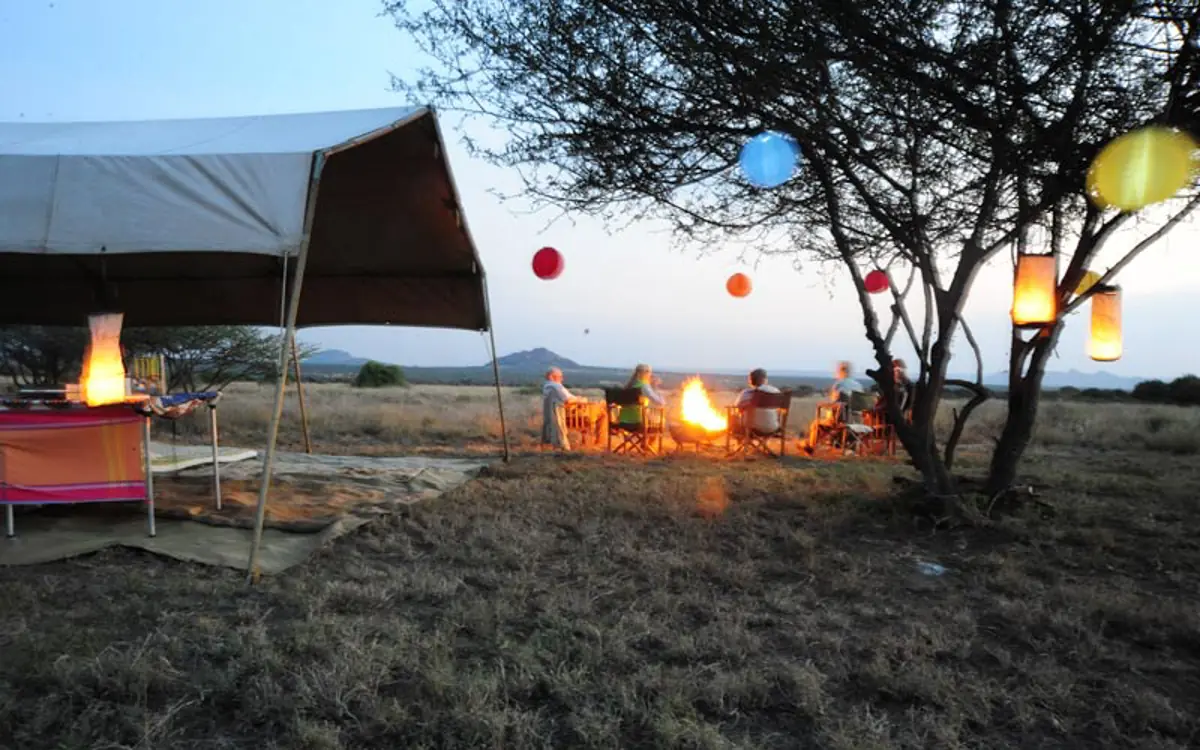
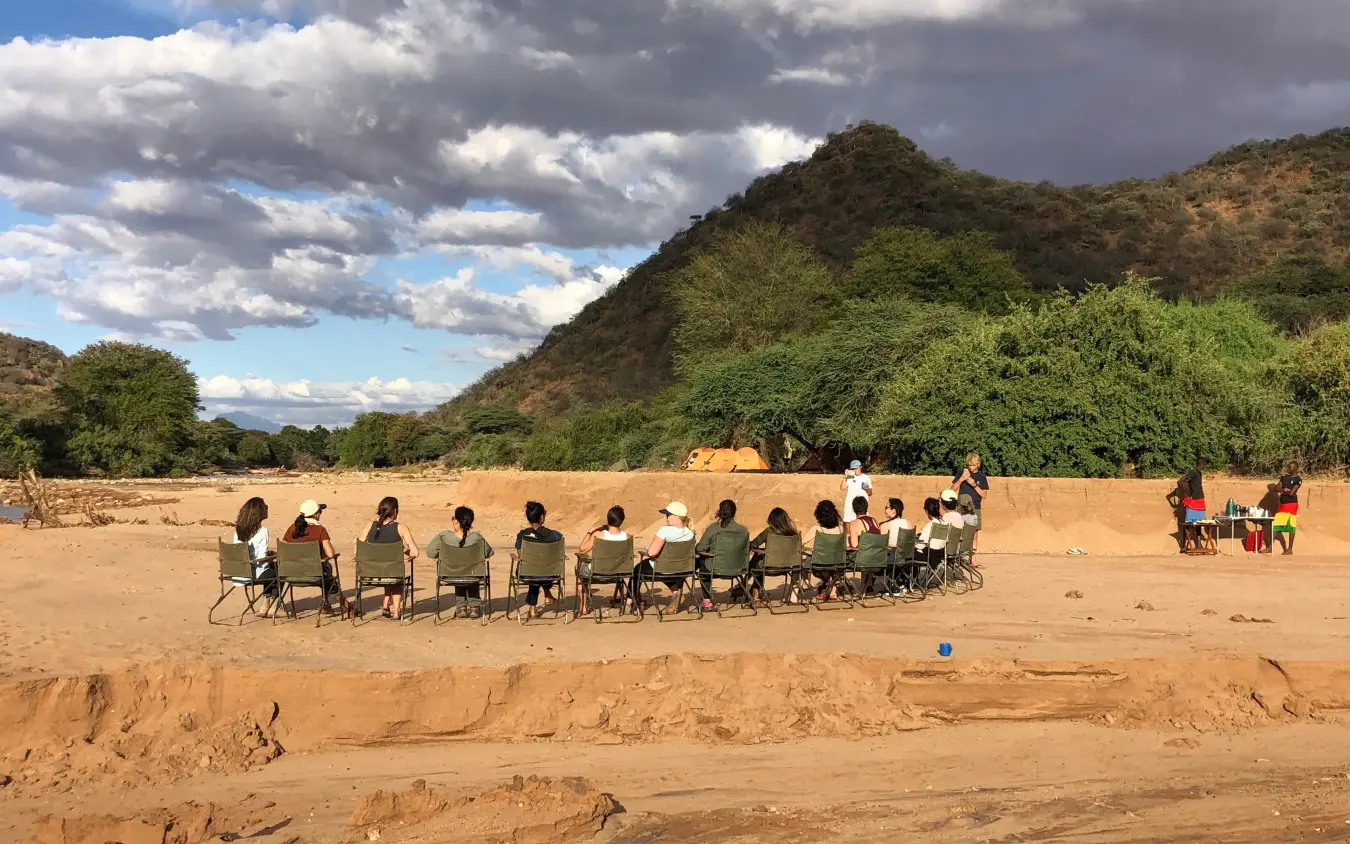
The routes cross private land over several nights. After breakfast around the fire the group sets out while camels and crew go ahead to pitch camp, so each walk ends at a fresh site with lunch waiting. The distance is set by the group’s fitness, between eight and sixteen kilometres a day, and there is a camel to ride when legs tire. Afternoons drift toward a rock outcrop and sundowners.

Lions and leopards patrol it, and guests cross it on foot.

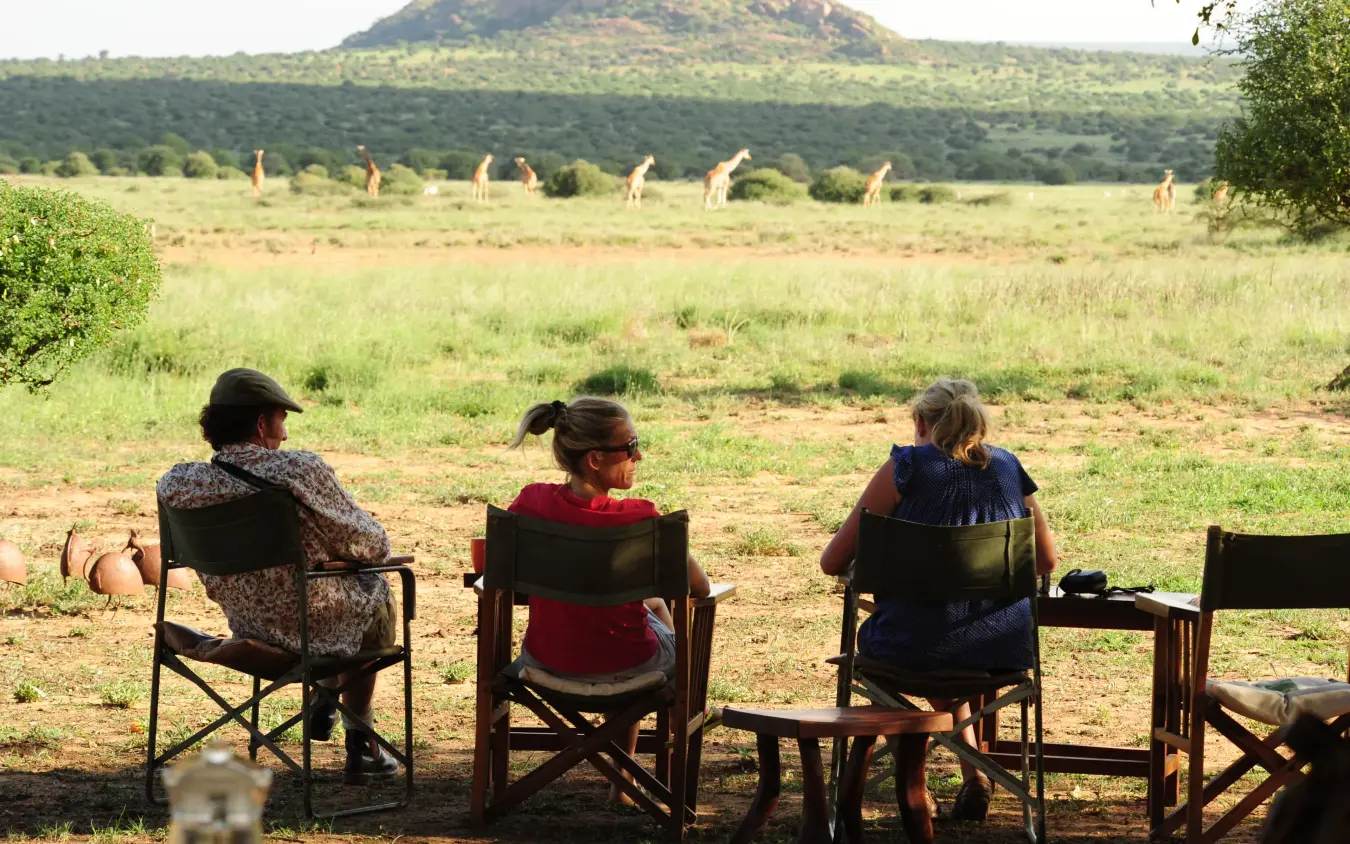
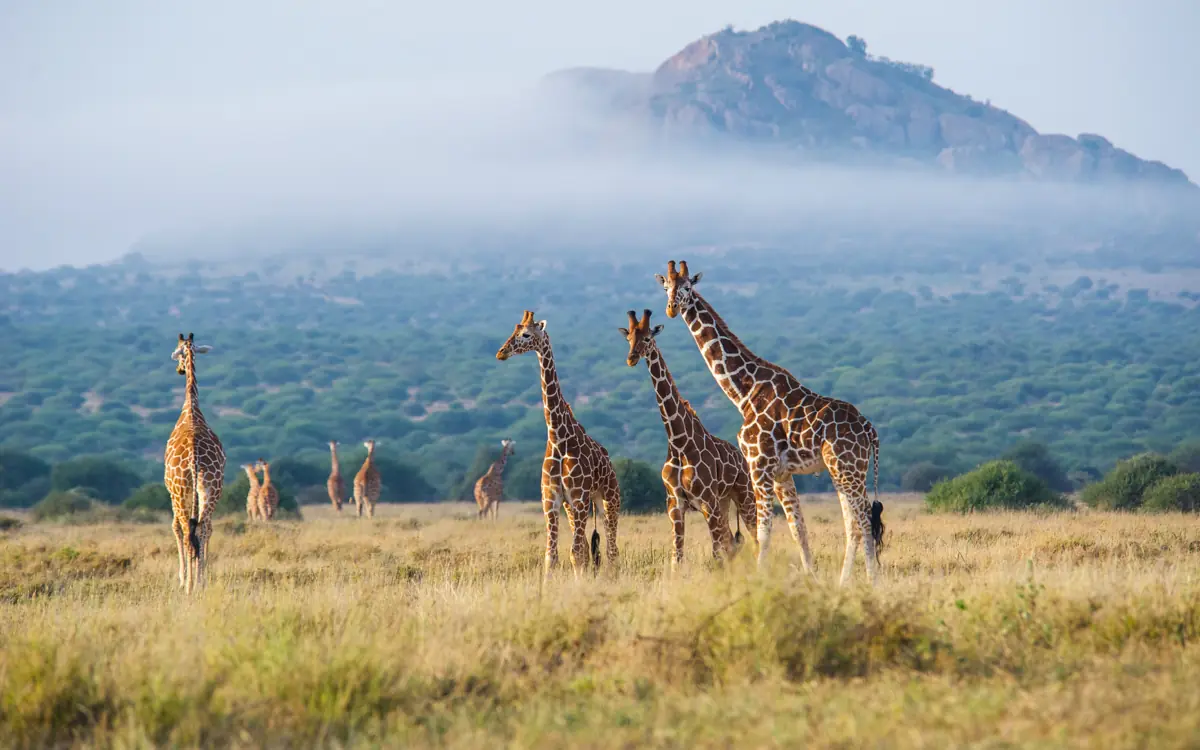
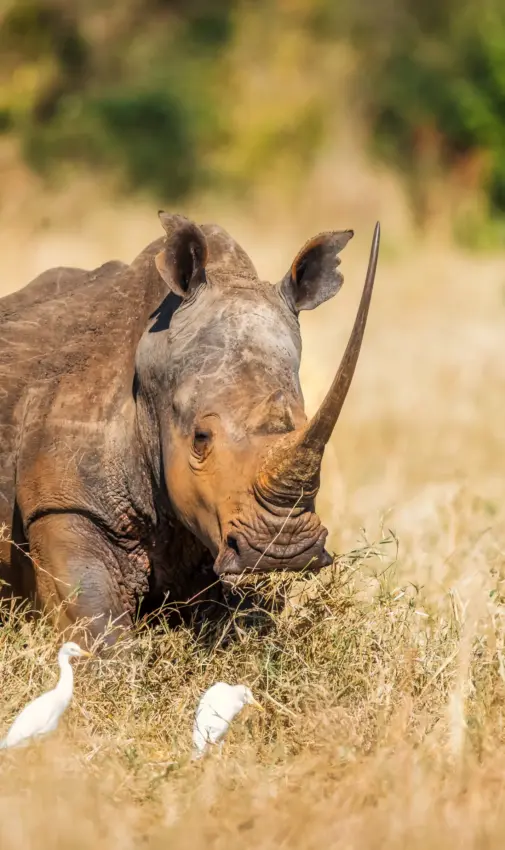
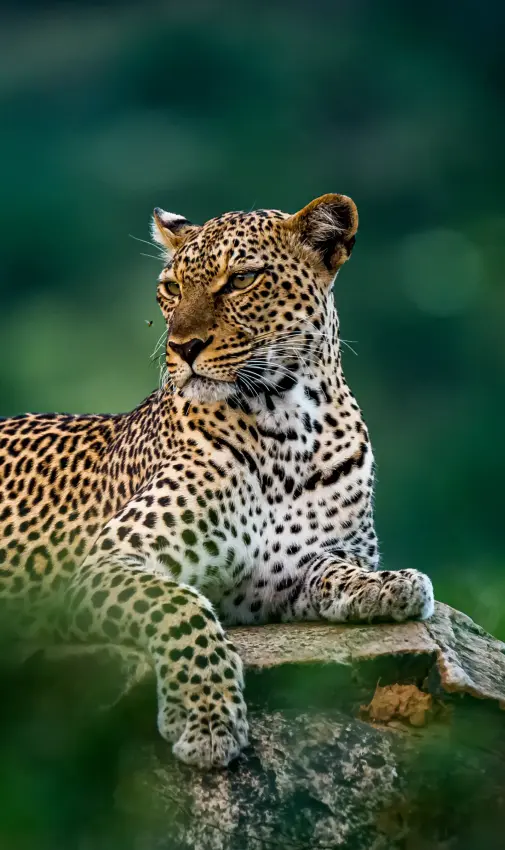
Elephants move through Tumaren. Lions and leopards patrol it, and guests cross it on foot. The rarer residents are here too: endangered Grevy’s zebra, African wild dogs and hartebeest. Reticulated giraffe and gerenuk share the land with smaller predators such as caracal and serval. On the right night some guests sleep out on the rocks, with no canvas overhead.

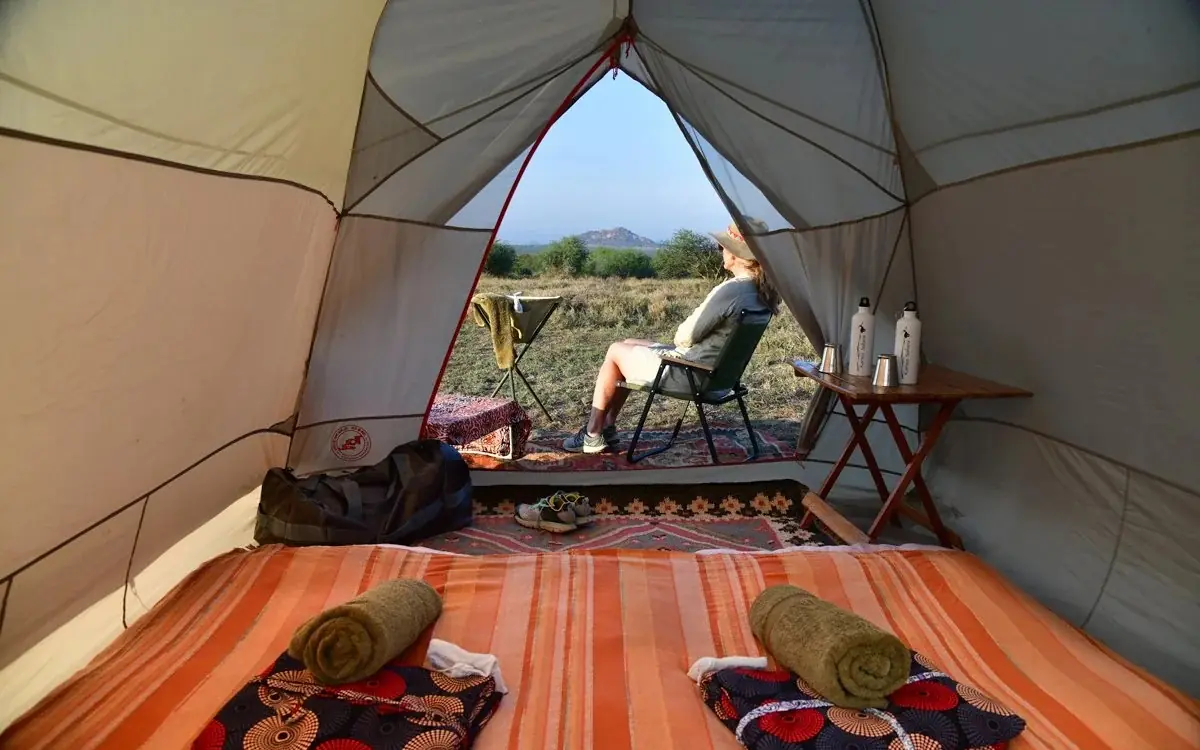
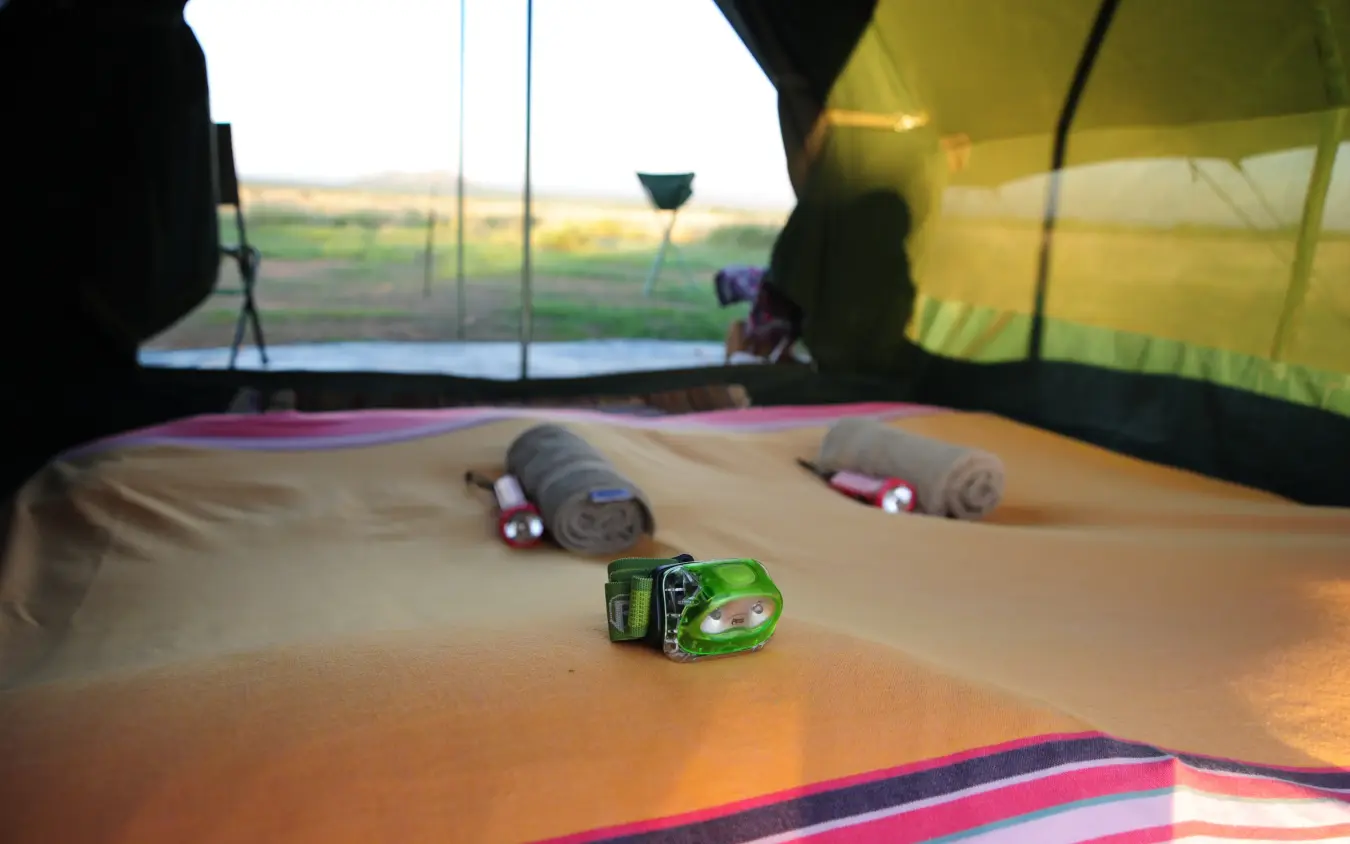
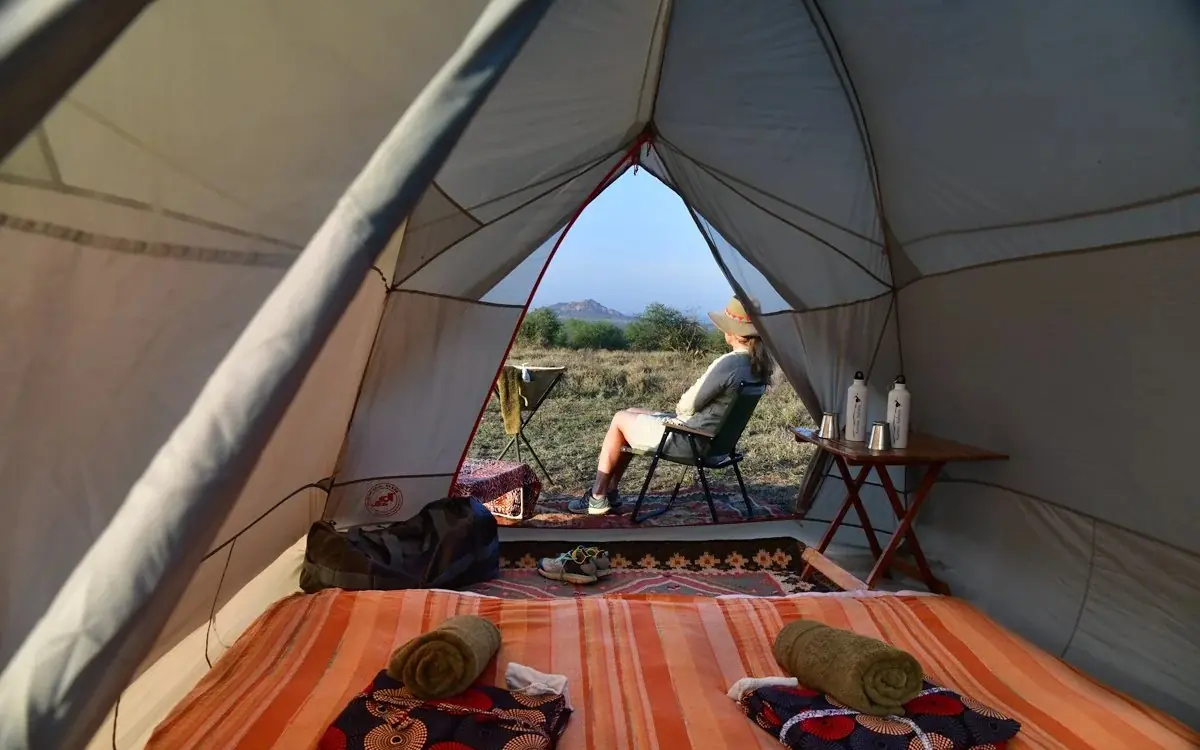
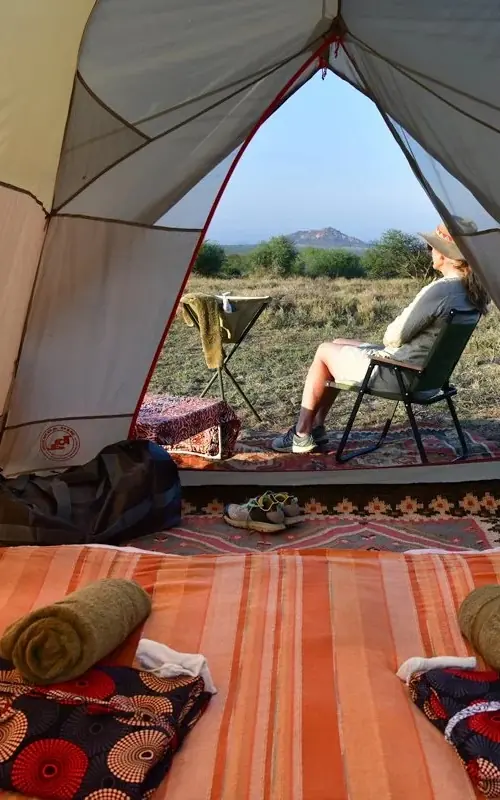
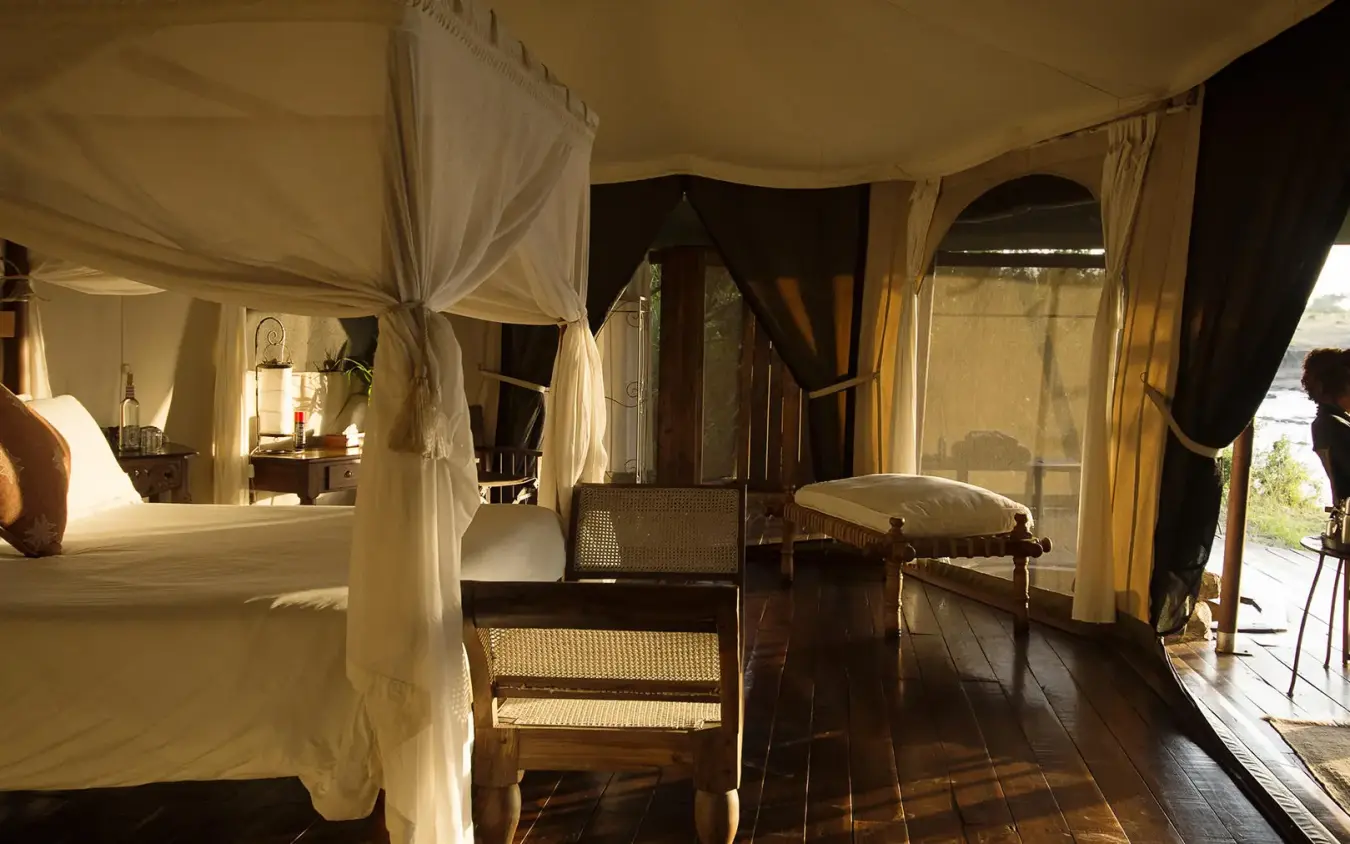
Interior view of safari tent with two beds and open entrance, Karisia Walking Safaris, Laikipia Highlands, Kenya 01

accommodation

Seven Canvas Tents at Tumaren Camp

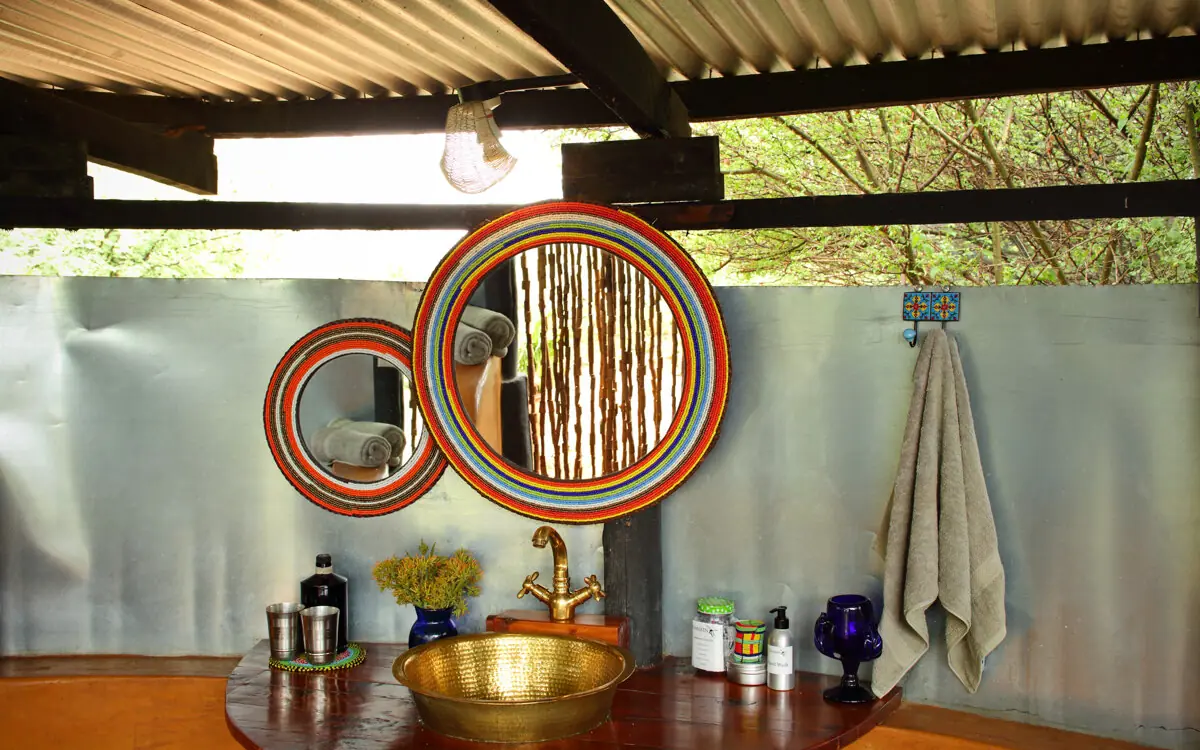
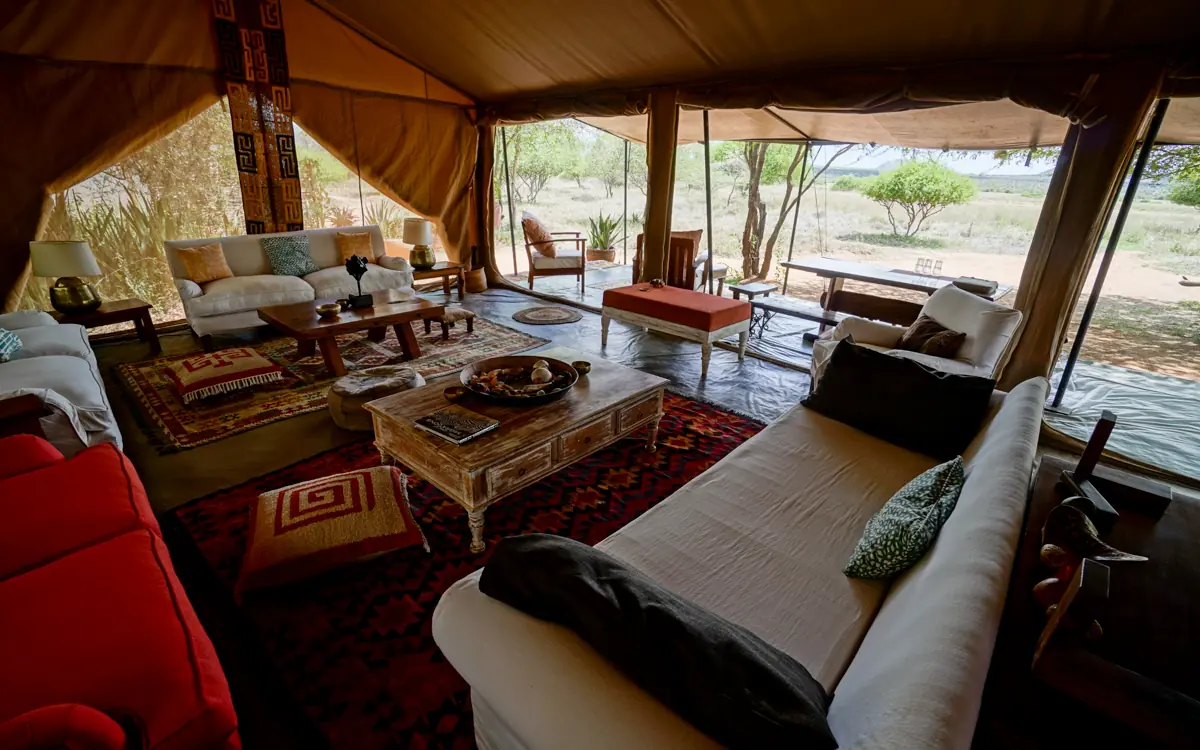
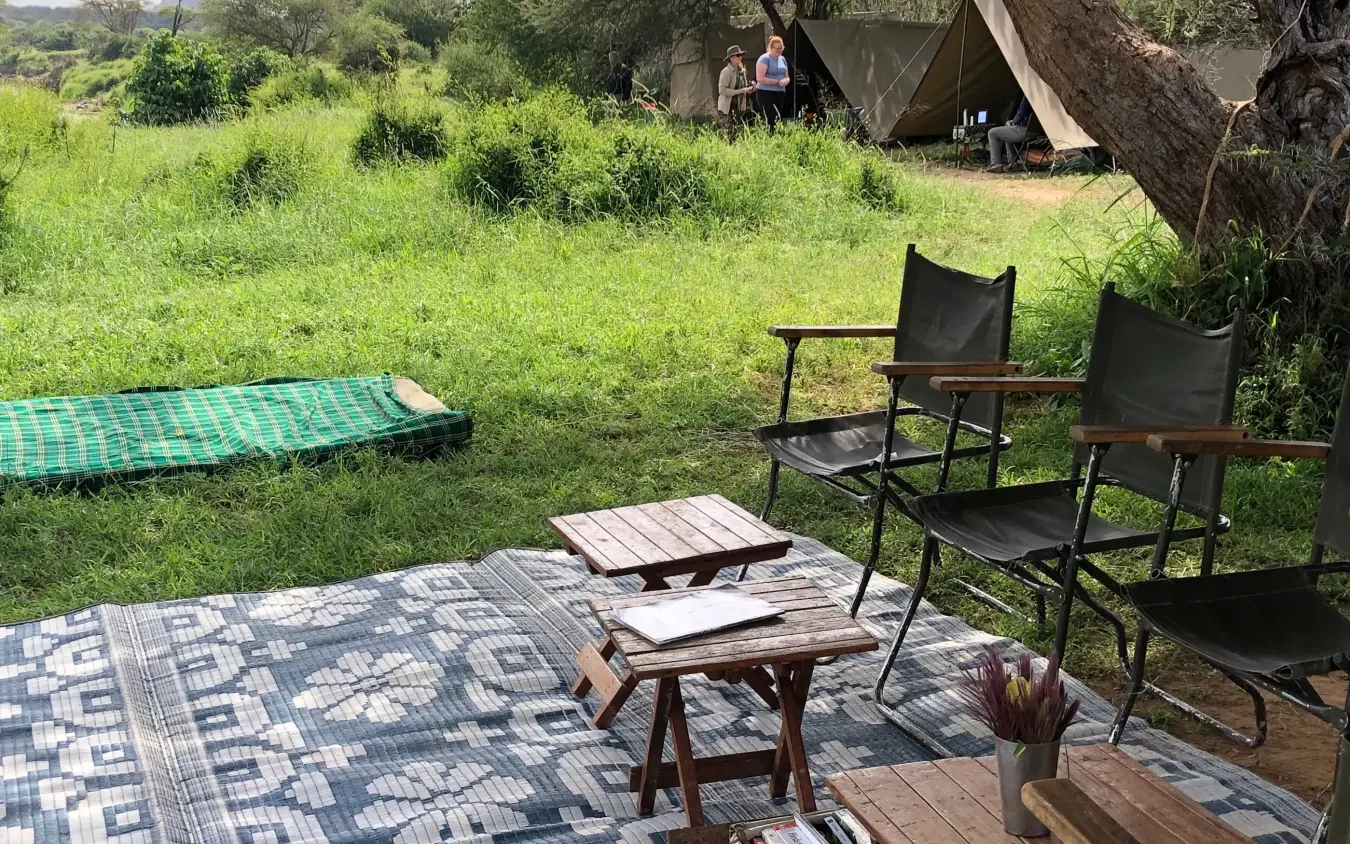
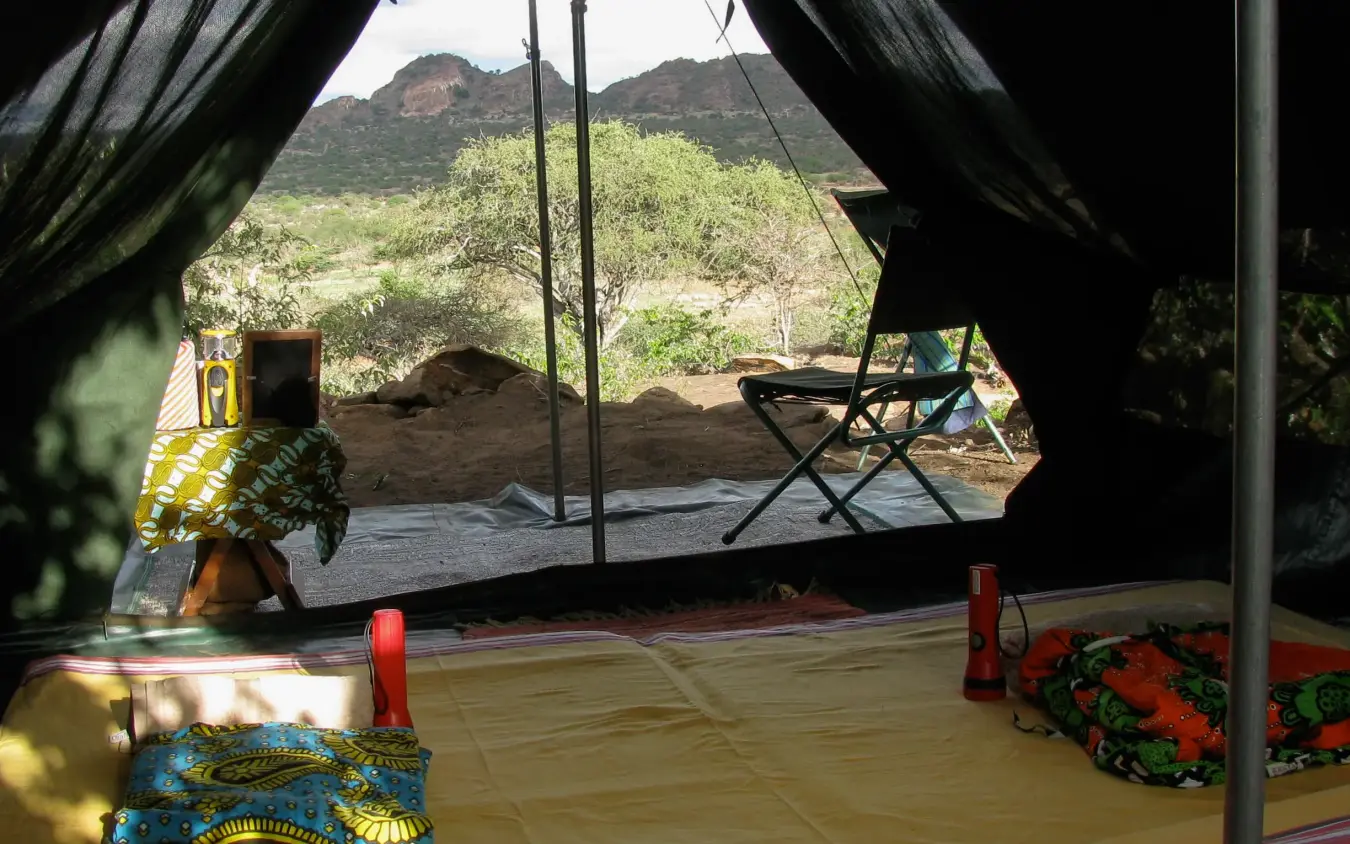
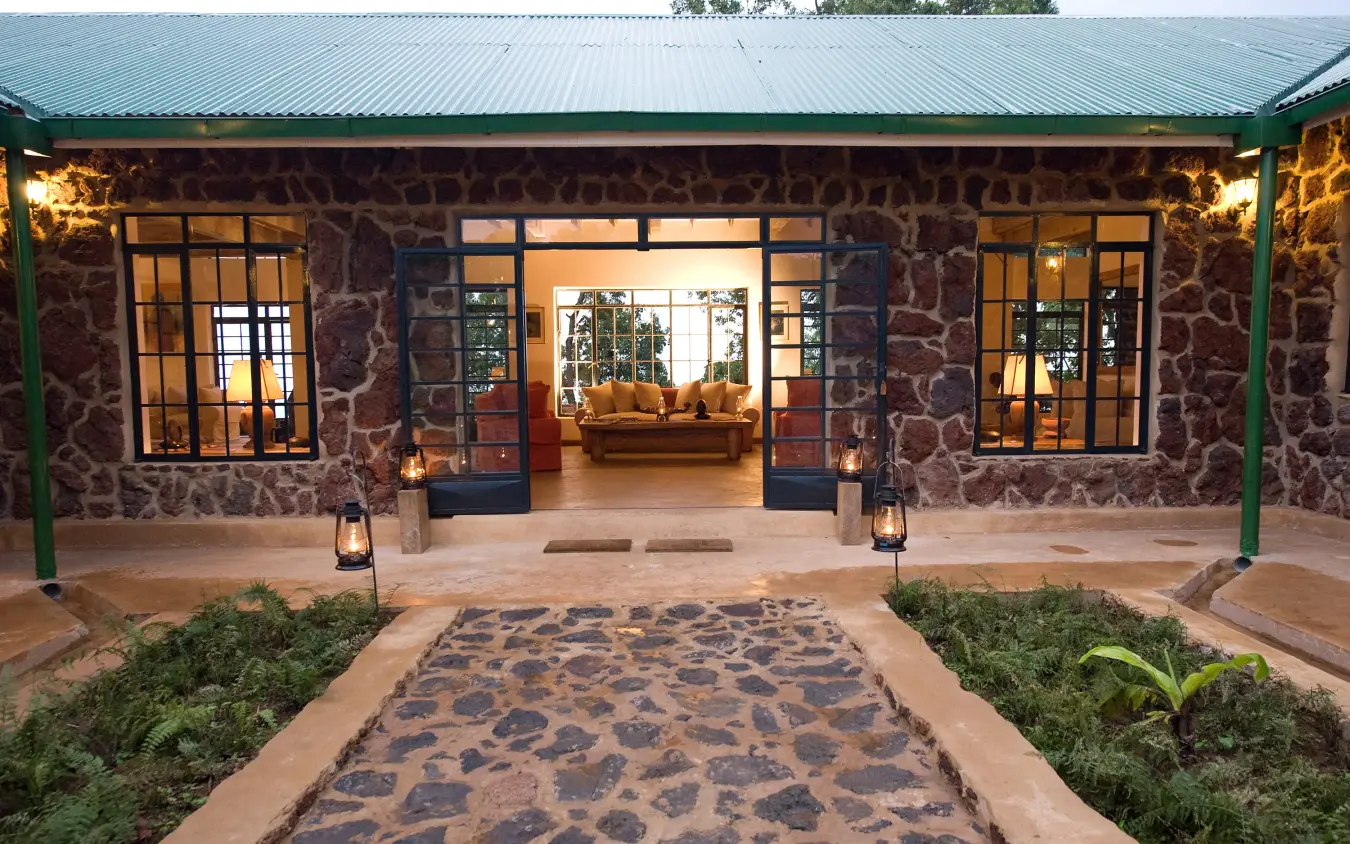
Tumaren Camp has seven large canvas tents, several arranged for families with partitioned bedrooms, all with en-suite flush toilets and some with open-air showers. On the mobile safaris, Luxury walk-in tents have a private loo and hot bucket shower, Classic A-frames share showers, and AirBnC uses simple dome tents.

Mountain biker on dirt trail in arid landscape, Karisia Walking Safaris, Laikipia Highlands, Kenya 02

activities

Camel-Supported Walking Across Tumaren Land

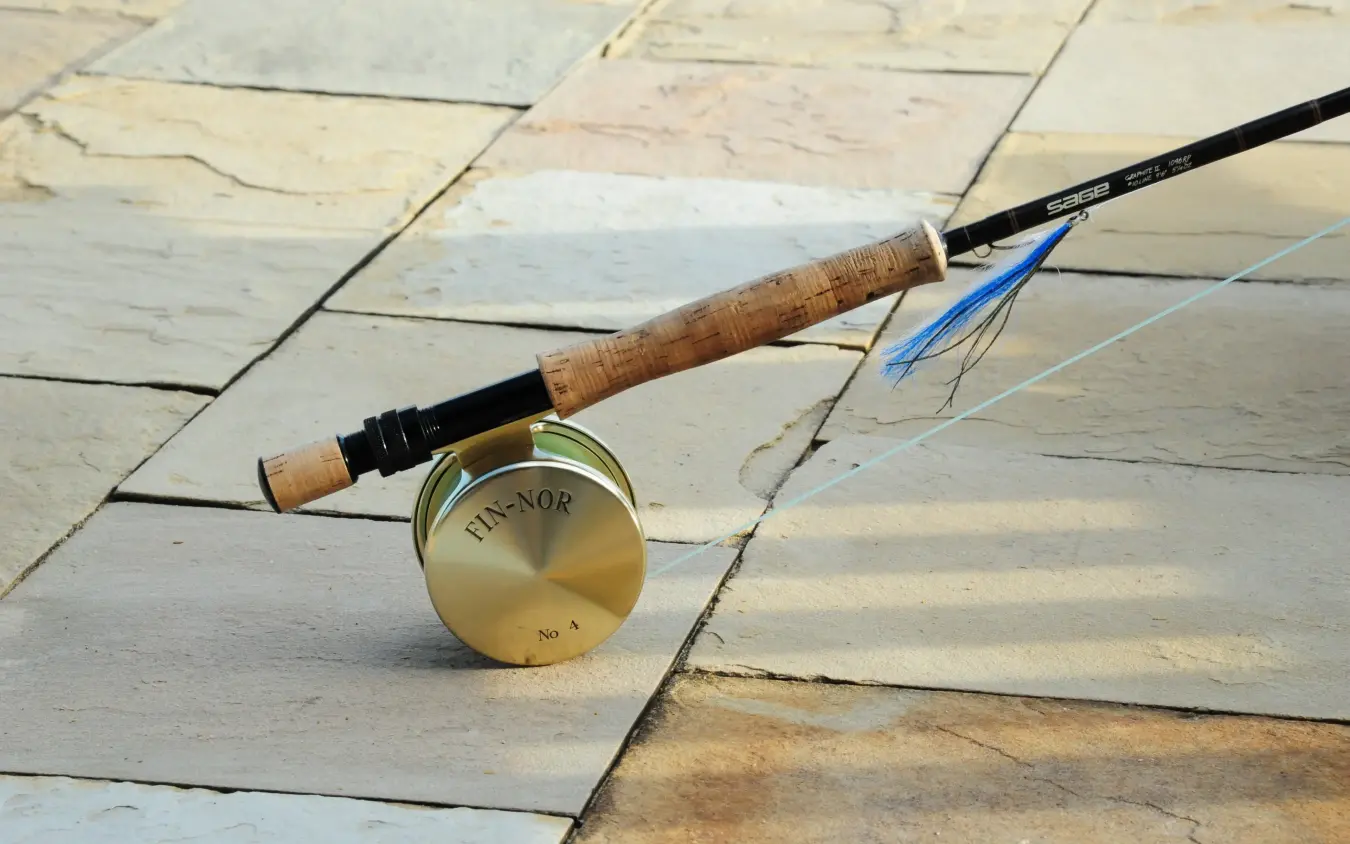
Camel-supported walking is the core, with camp moved ahead each day across Tumaren land. Conservancy status allows walking, off-road driving, night drives from Tumaren Camp and visits to Samburu and Maasai homesteads. Rock climbing, mountain bikes or e-bikes, birding, catch-and-release fishing and bush skills are also offered.

Guest observing elephant feeding on tree branches by river, Karisia Walking Safaris, Laikipia Highlands, Kenya 03

conservation

Ewaso River Honey Supports Local Gatherers

Kerry Glenn restored Tumaren from overgrazed ranch land, with rangers on anti-poaching patrol and invasive cactus control underway. Her Ewaso River Honey, founded in 1995, buys wild honey from local gatherers. Conservation fees go to neighbouring communities, and a school food programme reaches over a thousand children.

ready to get started?

Get in touch and let’s start the conversation. An initial consultation helps us understand what you’re looking for, whether that’s specific experiences, luxury touches, or marking a special occasion, and from there we’ll guide you through what’s possible so you can decide if we’re the right fit.

Alternative accommodation in laikipia highlands

Laikipia's lodging runs from small stone and timber lodges built into the landscape to classic canvas tented camps, often used as bases for walking and camelback safaris. Several conservancies offer fully staffed private houses with their own guides and vehicles, suited to families and small groups taking a whole place to themselves. Lightweight mobile and fly-camps support multi-day journeys on foot or by camel, pitched in remote corners under conservancy management. Most are intimate, low-density and closely tied to conservation work.

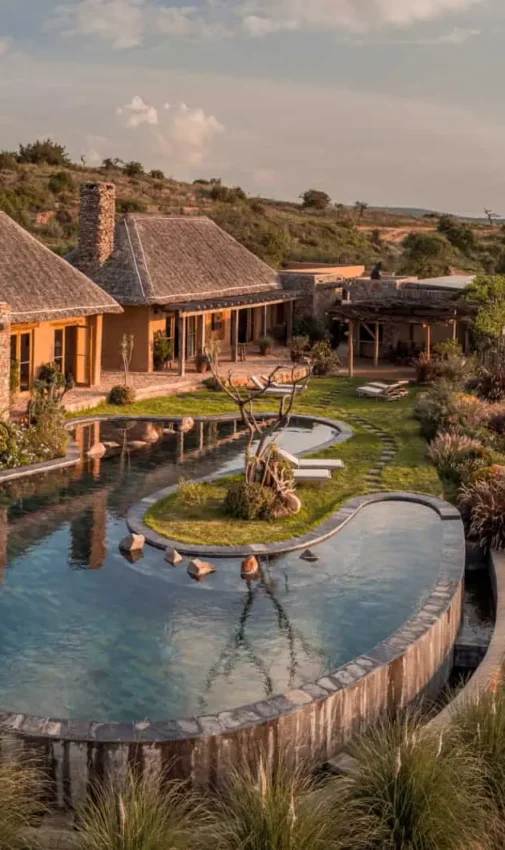
Curved swimming pool with guests surrounded by savanna landscape, Lengishu House, Laikipia Highlands, Kenya 01

Lengishu House

Laikipia Highlands

Helicopter hovering above horseman herding horses through dusty terrain, Ol Malo Lodge, Laikipia Highlands, Kenya 02

Ol Malo Lodge

Laikipia Highlands

Safari vehicle with guests on hillside overlooking mountains, Borana Lodge, Laikipia Highlands, Kenya 03

Borana Lodge

Laikipia Highlands

Elegant interior lounge with symmetrical seating and chandelier, Arijiju, Laikipia Highlands, Kenya 04

Arijiju

Laikipia Highlands

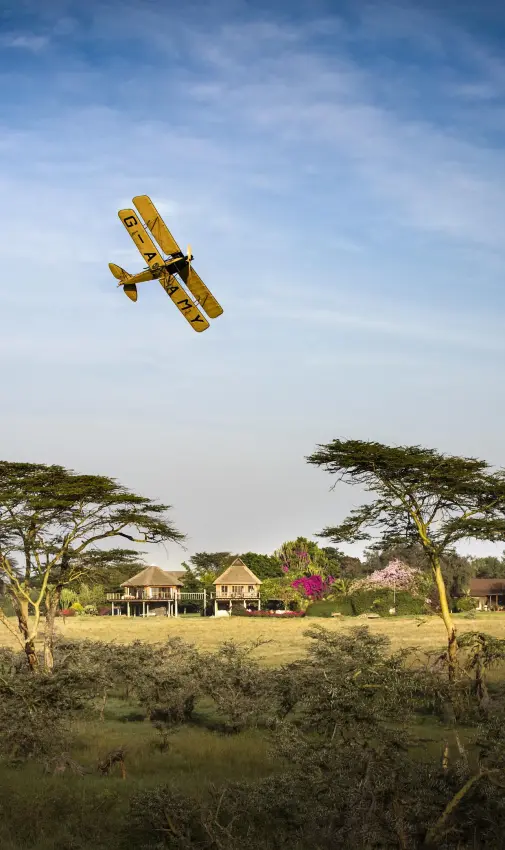
Yellow biplane flying over safari lodge and acacia trees, Segera, Laikipia Highlands, Kenya 05

Segera

Laikipia Highlands

Circular stone lodge structures on rocky outcrop overlooking forested valley at sunset, Suyian Lodge, Laikipia Highlands, Kenya 06

Suyian Lodge

Laikipia Highlands

Suyian Homestead, Laikipia Highlands, Kenya 07

Suyian Homestead

Laikipia Highlands

Galago Private Canvas, Laikipia Highlands, Kenya 08

Galago Private Canvas

Laikipia Highlands

Curved modern lodge buildings perched on rocky hilltop overlooking valley, Ol Lentille, Laikipia Highlands, Kenya 09

Ol Lentille

Laikipia Highlands

Luxury lodge built into natural rock outcrop at dusk with illuminated windows, Lewa House, Laikipia Highlands, Kenya 10

Lewa House

Laikipia Highlands

Outdoor dining setup overlooking illuminated pool at dusk, Lewa Safari Camp, Laikipia Highlands, Kenya 11

Lewa Safari Camp

Laikipia Highlands

Illuminated safari tent in woodland setting at dusk, Sirikoi, Laikipia Highlands, Kenya 12

Sirikoi

Laikipia Highlands

Glamping safari tent with deck overlooking dry grassland at sunset, Moon’s Camp, Laikipia Highlands, Kenya 13

Moon’s Camp

Laikipia Highlands

Man in traditional red plaid holding lanterns in manicured garden at dusk, Private Wilderness, Laikipia Highlands, Kenya 14

Private Wilderness

Laikipia Highlands

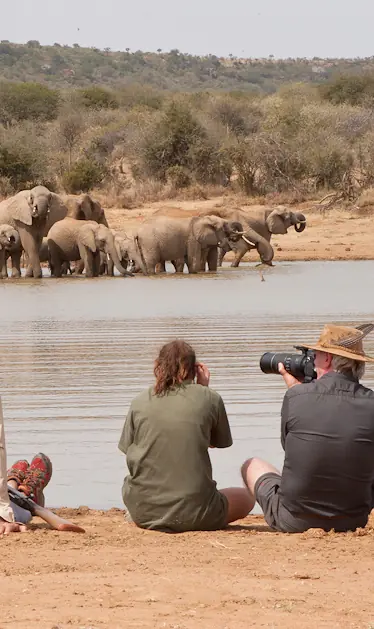
Guests photographing elephant herd at waterhole from shoreline, Laikipia Wilderness, Laikipia Highlands, Kenya 15

Laikipia Wilderness

Laikipia Highlands

Silhouetted horseback rider on savanna at sunset, Ol Malo House, Laikipia Highlands, Kenya 16

Ol Malo House

Laikipia Highlands

Wooden deck overlooking valley at dusk with warm lighting, Lewa Wilderness, Laikipia Highlands, Kenya 17

Lewa Wilderness

Laikipia Highlands

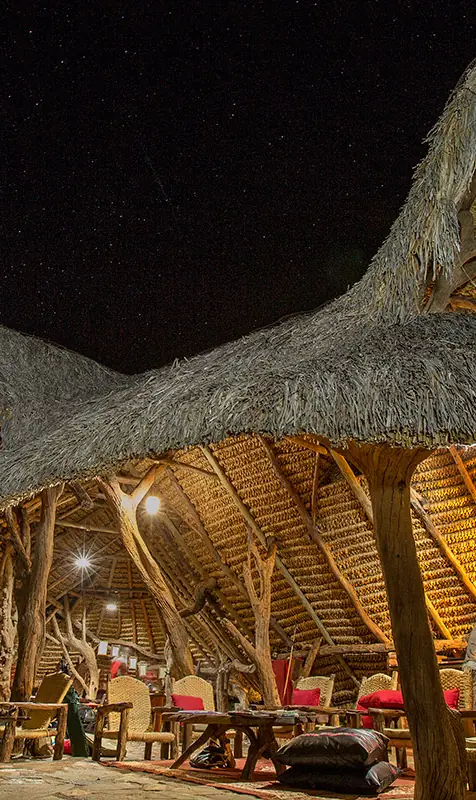
Illuminated thatched-roof lodge structure at night with wooden interior, Il Ngwesi, Laikipia Highlands, Kenya 18

Il Ngwesi

Laikipia Highlands

Contemporary terrace with arched doors and potted trees at golden hour, Governors’ Mugie House, Laikipia Highlands, Kenya 19

Governors’ Mugie House

Laikipia Highlands

Thatched lodge on hilltop surrounded by dense bushveld at sunset, Loisaba Lodo Springs, Laikipia Highlands, Kenya 20

Loisaba Lodo Springs

Laikipia Highlands

frequently asked questions

You fly from Nairobi's Wilson airport to a northern Laikipia airstrip, around an hour by light aircraft, and the team meets you to begin the walking safari from their Tumaren base north of Mount Kenya.

We arrange the flights and the timing as part of the trip. If you would rather fly privately, we can charter a Cessna Caravan or Pilatus PC-12 for the leg, timed to your international arrival into Nairobi.

The bush planes take soft bags only, about fifteen kilograms per person including hand luggage, which suits this style of travel where everything moves by camel anyway. A road transfer from Nairobi is also possible.

It is a lower-risk malaria area, not a malaria-free one. The high, dry Laikipia country keeps mosquito activity down, but it sits below the altitude at which the CDC and TravelHealthPro regard risk as negligible, so most travellers are advised to take antimalarial tablets.

We do not make medical recommendations, and we would not want to. We arrange travel; we are not doctors. Which tablets suit you, how they sit with anything else you take, and what is right for a child are questions for your own doctor or a travel clinic. On the practical part, dusk is the hour that matters, so long sleeves, long trousers and repellent are worth the packing space.

You are walking eight to sixteen kilometres a day at altitude, so expect warm, dry days and cold mornings and nights, with the sun strong once it is up. The rains green the bush and can make the going heavier underfoot.

Pack broken-in walking boots, a warm layer for the mornings, a sun hat and high-factor sun cream, neutral colours, and a light daypack. Keep the rest to a soft bag, since the camels carry the camp and the comfort is deliberately simple.

The dry months, July to September and December to February, make for the best walking, with firm ground, clear skies and game drawn to water. The green seasons bring fine birding and a softer landscape, though the walking can be wetter.

This is a year-round camp, but if the walking itself is the point, the dry season gives you the easiest conditions on foot.

Month by month: the best time to visit Laikipia Highlands

You walk across the highlands at an easy pace while a string of camels carries the camp, water and supplies ahead of you, so each day ends at a new site with lunch already set out. Distances run roughly eight to sixteen kilometres a day, adjusted to your group, and there is a camel to ride whenever legs tire.

It is a gentle rather than a strenuous trip, but it does ask that you are happy on your feet for a few hours a day, so it helps to be reasonably fit and to break in your boots beforehand. The reward is travelling at ground level with Samburu, Maasai and Ndorobo guides who read spoor and name the birds as you go.

It can be, and several of the tents are set up for families. The slow, ground-level pace and the camels make it an unusual and memorable trip for children old enough to enjoy walking, with tracking, fire-making and birding along the way rather than long hours in a vehicle.

The daily distances and the wild setting mean it suits some ages far better than others, so tell us how old your children are and how far they are happy to walk, and we will plan a route and pace that fits.

Safari that stays at karisia walking safaris

An example safari that includes a stay here. It is a starting point: we work with you to customise the route, the pace and the places to match your interests.

rated five stars by our clients

other areas in kenya

Laikipia pairs naturally with the Maasai Mara for the wildebeest migration and high big-cat densities, a contrast to its conservancy-based activities. Just north, Samburu, Shaba and Buffalo Springs share its dry-country species in a reserve setting, while the Mathews Range adds mountain forest and Samburu culture. Mount Kenya, immediately to the south, offers montane forest and alpine trekking. The Kenyan coast, reached by air, rounds out a bush itinerary with Indian Ocean beaches and marine parks.

Leopard resting on fallen log in natural setting 01
Maasai Mara

Local guides with poles crossing shallow forest river, Northern Kenya, Kenya 02

Northern Kenya

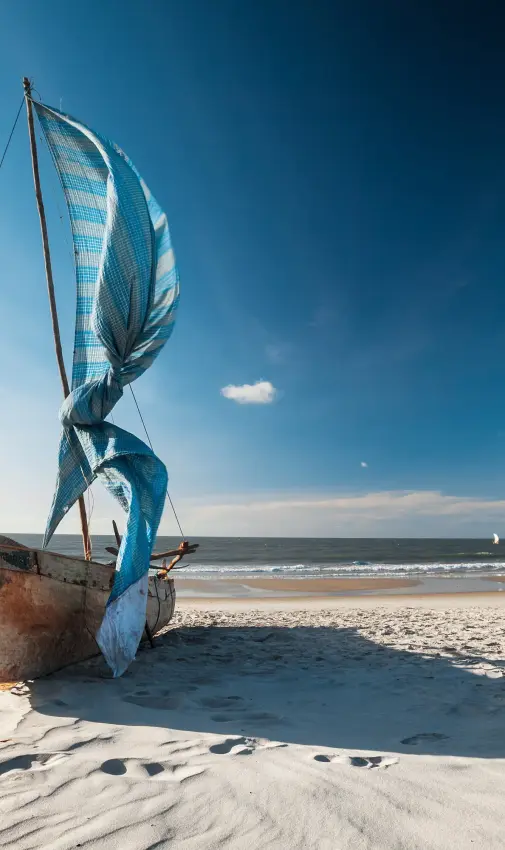
Traditional fishing boat with blue sail on sandy beach 03

Kilifi

Flock of flamingos wading in shallow pink-tinted water, Rift Valley Lakes, Kenya 04

Rift Valley Lakes

Snow-capped Mount Kilimanjaro rising above acacia trees and Tanzania savanna 05

Amboseli and Chyulu Hills

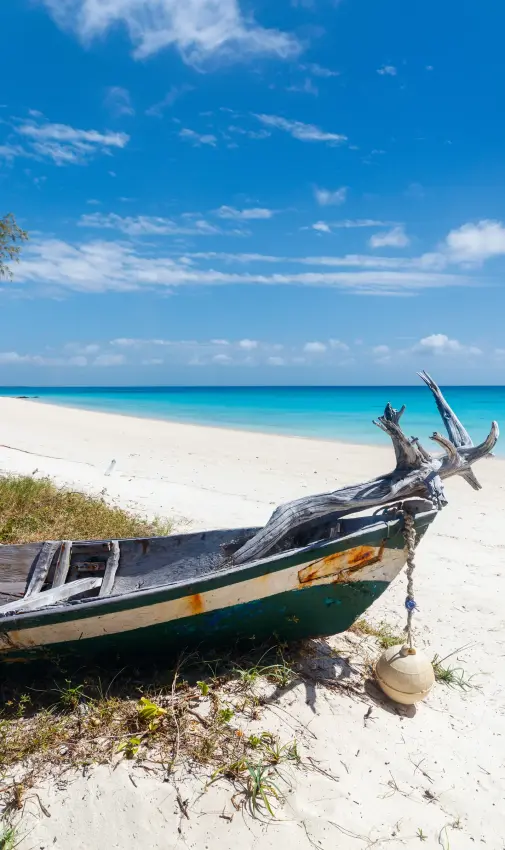
Wooden fishing boat beached on white sand tropical shore 06

Diani Beach

Man in traditional red garment driving open safari vehicle, Samburu Reserve, Kenya 07

Samburu Reserve

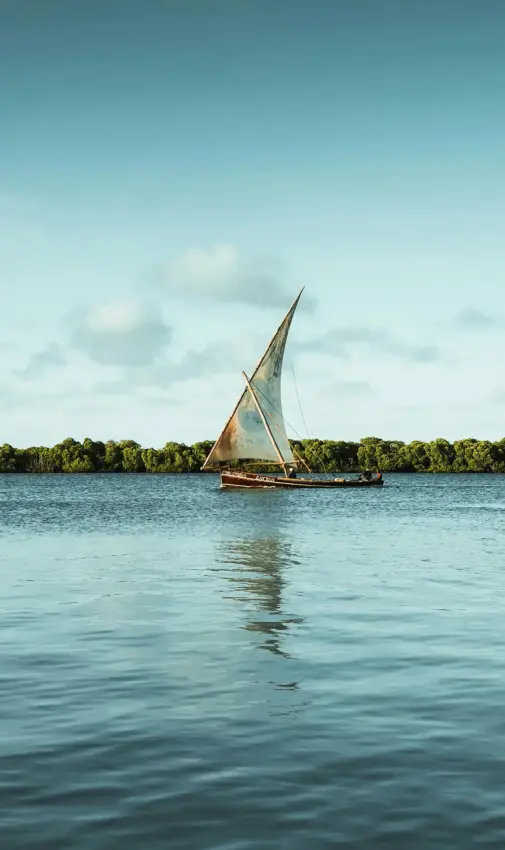
Traditional sailing dhow on calm turquoise water with forested shoreline, Lamu Archipelago, Kenya 08

Lamu Archipelago

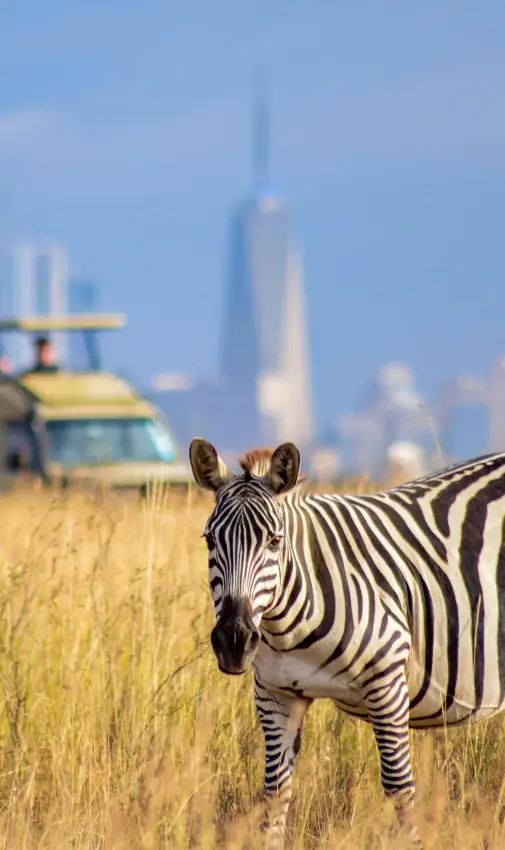
Zebras in savanna grassland with safari vehicle and city skyline 09

Nairobi

African elephants with calf walking through grassland at sunset 10

Tsavo

Meru National Park, Kenya 11
Meru National Park

Planning a journey together

our approach

remote, exclusive
& personal

Every journey starts with a conversation. We take the time to understand your vision before we start planning.

Whether by phone or in person, we work with you directly to shape something that is considered, personal, and expertly delivered.

get in touch
destinations ideas & inspiration our process about us contact us